Category Archives: Mediumwave

WRTH 2018: A look inside

I received my copy of the 2018 World Radio and TV Handbook (WRTH) directly from the publisher yesterday, just prior to my Christmas holiday travels. As I mention every year, I look forward to receiving this excellent staple radio reference guide–and this is their 72nd edition!

WRTH’s team of noted DXers from around the world curate frequencies and broadcaster information by region; while I’m not sure how they orchestrate all of this, the end result is truly a symphony of radio information. In addition to broadcaster listings, WRTH’s radio reviews, feature articles, and annual HF report make for excellent reading.

But the WRTH isn’t just a frequency guide: the publication always devotes the first sixty or so pages to articles relating to various aspects of the radio hobby. Following, I offer a quick overview of these.
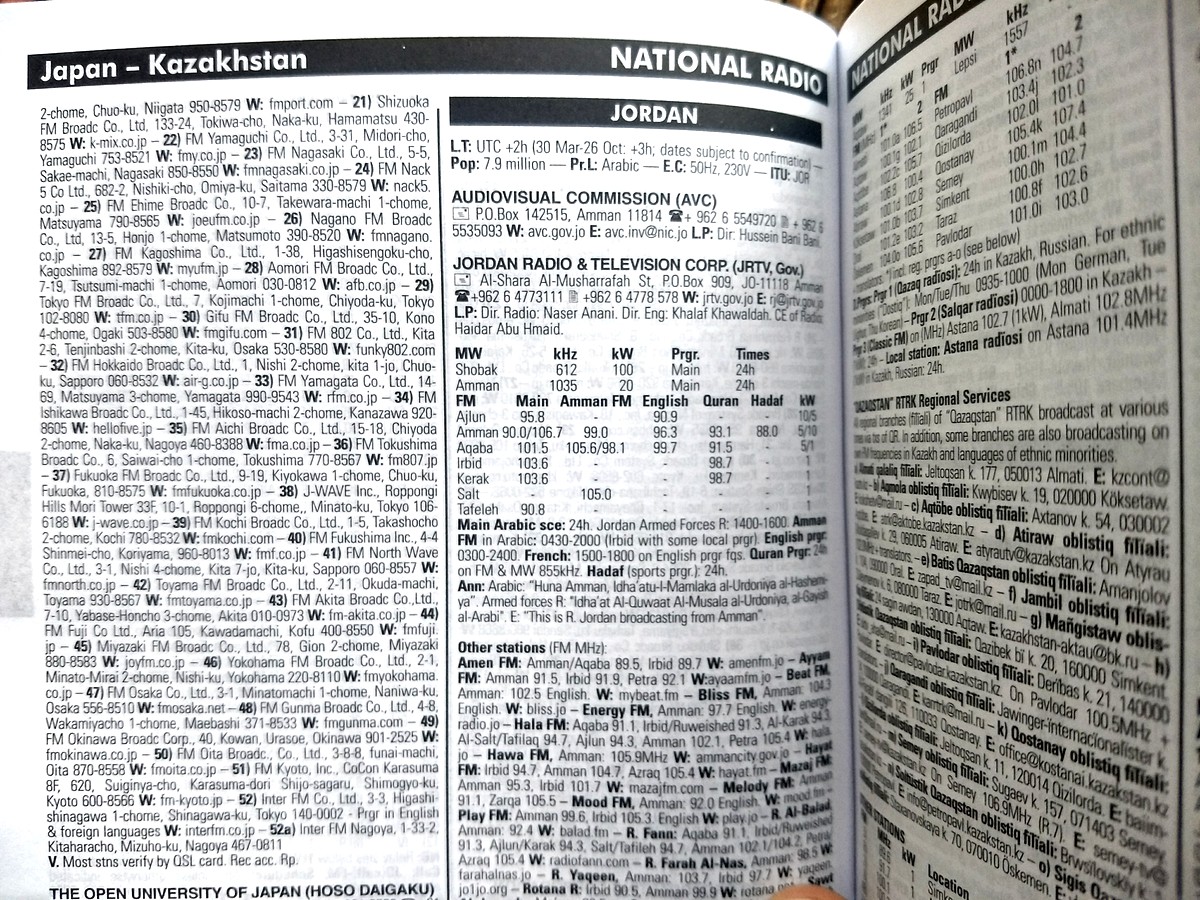
WRTH broadcast listings are incredibly thorough and informative

The first article always features a WRTH contributor:  this year, they feature Torgeir Woxen who is the contributor for Norway and editor of the Asia & Pacific frequency list. Reading about how Woxen became interested in radio and DXing reminds me of how I–and many of my radio friends–got their start as well.

The second set of articles is always my favorite: WRTH receiver reviews.

This year, WRTH begins with a review of the Icom IC-R8600 wideband tabletop SDR receiver.  They also review the Tecsun PL-880, Tecsun S-8800, Expert Electronics ColibriNano, SDRplay RSP2, and the new AOR AR-DV10 wideband handheld

(Photo: Cross Country Wireless)

Besides radio reviews, WRTH also includes an evaluation of the Cross Country Wireless Active Loop.

I must admit: the Cross Country sounds like an effective and affordable portable mag loop antenna. I might need to grab one in the future to use on impromptu travels and DXpeditions.

The following article features WRTH contributor, Brian Clark, and his travels from New Zealand to the geographic antipodes of his home: Spain, Portugal and Morocco. Of course, enjoying diverse radio broadcasts was an integral part of his journey!

I was pleased to find that the following feature article, entitled Receiving Noise, explores the radio interference that plagues our hobby. The article mentions several common sources of noise and some of the antennas that most effectively mitigate RFI. Sadly, radio noise/interference is an important topic for most radio enthusiasts.

Following this, WRTH writer, Hans Johnson, features an article on Radio Romania International. RRI is one of my favorite shortwave broadcasters, so this was a treat to find indeed–Johnson’s piece sheds light on the past, present and future of the station.

Next, in A New Voice of Hope in the Middle East, Founder and President of the Strategic Communications Group, John Taylor, writes about setting up a new mediumwave station in Israel.

The following article features Dr. Martin Hadlaw, a former advisor to the Solomon Islands Broadcasting Corporation (SIBC), who explores the history of broadcasting in the South Seas.

Next, WRTH feature their Digital Update which assesses the state of digital broadcasting and–this year a special note about–Digital Radio Mondiale.

The final article–a tradition–is the WRTH  HF propagation report/forecast by Ulf-Peter Hoppe. Always an informative read and this year he ends on a positive note despite the fact we’ve hit the solar rock-bottom!

The 72nd is another fantastic edition of the World Radio TV Handbook. As I say every year, I’ve never been disappointed with WRTH. Their publishing standards are such that the quality of their reviews, their writing, and (most importantly) their broadcast listings are simply unparalleled.
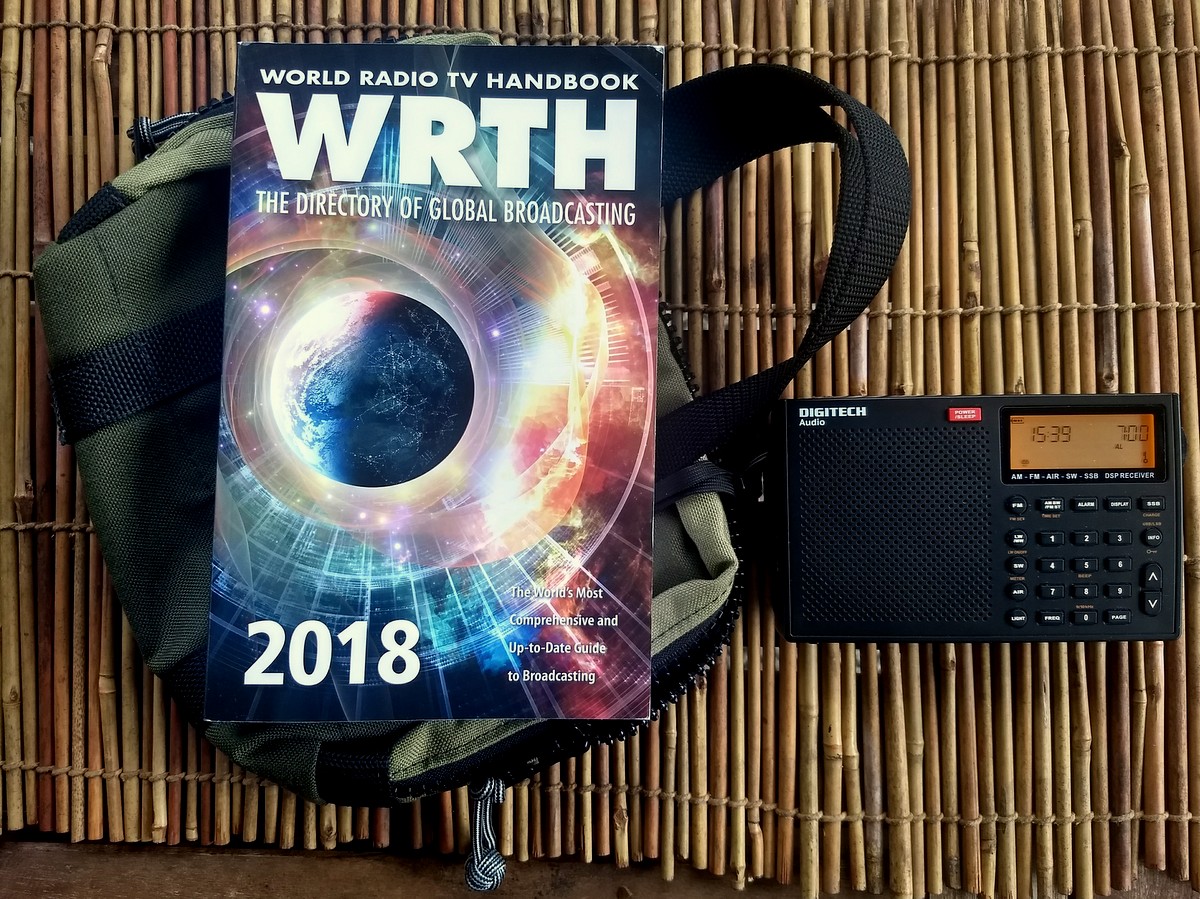
My WRTH 2018 and Digitech AR-1780 fit perfectly in my Red Oxx Lil Roy and are ready for holiday road travel and radio fun!

For DXers who collect QSL cards, you’ll find that broadcaster contact information in WRTH is often more up-to-date than a broadcaster’s own website. When readers contact me asking for QSL information from an obscure broadcaster, the first place I search is the current WRTH. Remember: their information is based on volunteer contributors who specialize in specific regions of the world–the most knowledgeable regional DXers keep this publication accurate.

Purchase your copy of WRTH 2018 directly from WRTH’s publishers, or from a distributor like Universal Radio (US) and Amazon.com (US), Radio HF (Canada), or BookDepository.com (International).

Radio Caroline: AM service to open on Friday, December 22

(Source: Southgate ARC via Mike Terry)

Radio Caroline AM service to open

Weather and technology permitting, our programmes on 648 kHz will commence originating from the Ross Revenge at 7.00 AM on Friday 22nd December.

The changed schedule for the day will be :

7am    Johnny Lewis
9am    Top Fifteen
10am   Ray Clark – with the official launch at midday.
2pm    Kevin Turner
5pm    Resume normal programmes

No doubt Bob Lawrence, Martin Fisher and Jerry Wright will personalise their evening shows to mark the day.

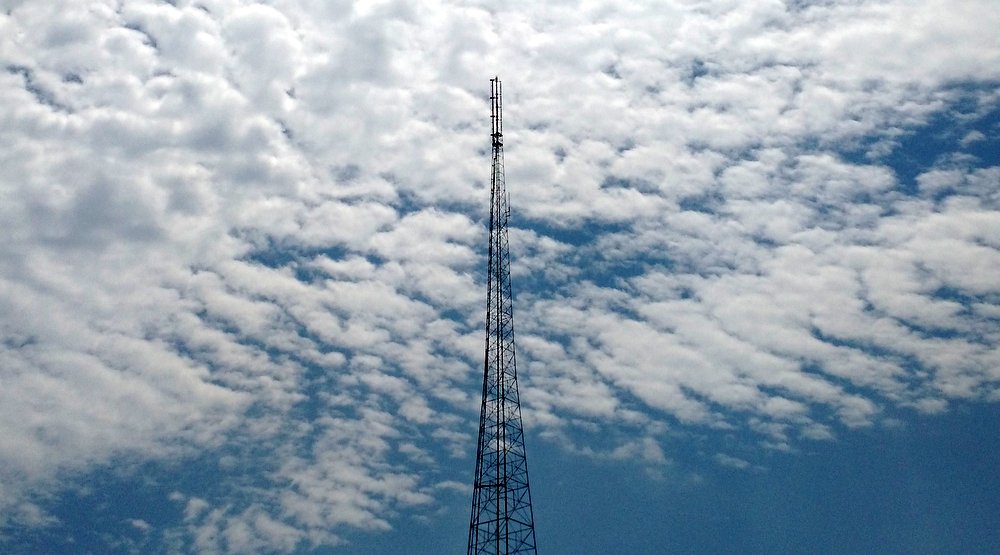
Of course we are delighted to have found and secured what must be the best possible AM transmission site for our service. We thank Cobra Mist Ltd for this facility whilst noting that this is a private site which cannot at this time be visited.

So, another date for the Radio Caroline calendar of events and the inevitable question. Where do we go from here?

Radio Caroline

Don shares spectrum recordings from northern Peru

Many thanks to SWLing Post contributor, Don Moore, who writes:

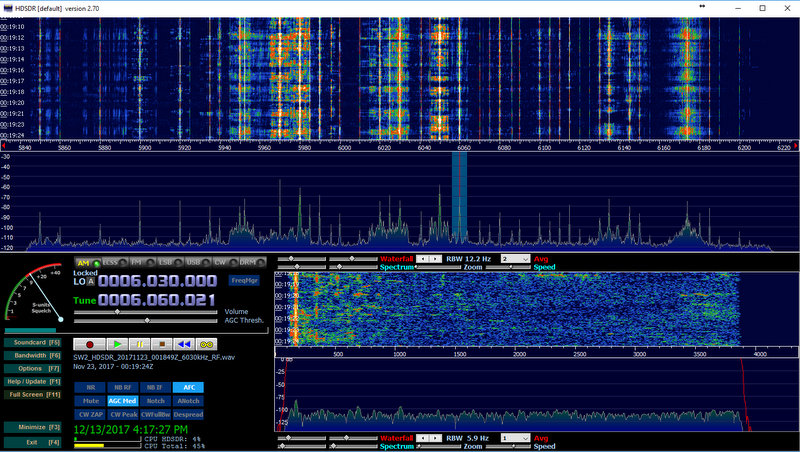
I’ve been traveling through northern Peru and I’ve made some SDR recordings along the way – medium wave, long wave, and some shortwave meter bands. I hope to eventually get through them all!

I have also uploaded some recordings to a shared Google drive so that other DXers can hear what the bands sound like in northeastern Peru, on the edge of the Amazon jungle. Maybe some of the blog readers would be interested in this. You will need the below link to see the SDR files and an explanatory document. I plan to add a few more once I get another hotel with a good Internet connection again.

Click here to download.

Fantastic, Don!  Thank you for sharing your spectrum recordings!

Post readers: If you don’t already have HDSDR installed on your PC, you’ll need to grab it here. HDSDR is free and can playback these spectrum recordings. Once installed, simply press the “play” button on the HDSDR console and point HDSDR to the downloaded spectrum file. You’ll be tuning through Peruvian spectrum in no time!

Also, check out Don Moore’s excellent blog: http://www.donmooredxer.com 

How to find North American stations broadcasting in C-QUAM AM Stereo

Many thanks to SWLing Post contributor, Dave Zantow (N9EWO), who writes:

Just how many MW stations in North America are broadcasting in “C-QUAM AM Stereo” these days?? I found this reference which appears to be the most accurate list around the internet.

http://www.meduci.com/stations.html

I have taken this list and have edited it and converted to a PDF file [click here to download].

Best way to catch a AM Stereo signal these days is with a SDR device. We have been using Bernd Reiser’s “SoDiRa” program (version 0.100 Preview 24) with a SDRPlay RSP1 and does an excellent job with C-QUAM AM Stereo decoding.

http://www.dsp4swls.de/sodira/sodiraeng.html

During sky wave nighttime conditions we received CFCO in Chatham Ontario well of late on 630 kHz in AM STEREO (country music format). Program also appears to have built in DRM and DRM+ decoding (we have not tested this part of the program). IMPORTANT NOTE : We found we needed to use the older EXTIO version 3.7 otherwise we encountered errors with OUR connected Windows 7 PC’s (your situation may vary).

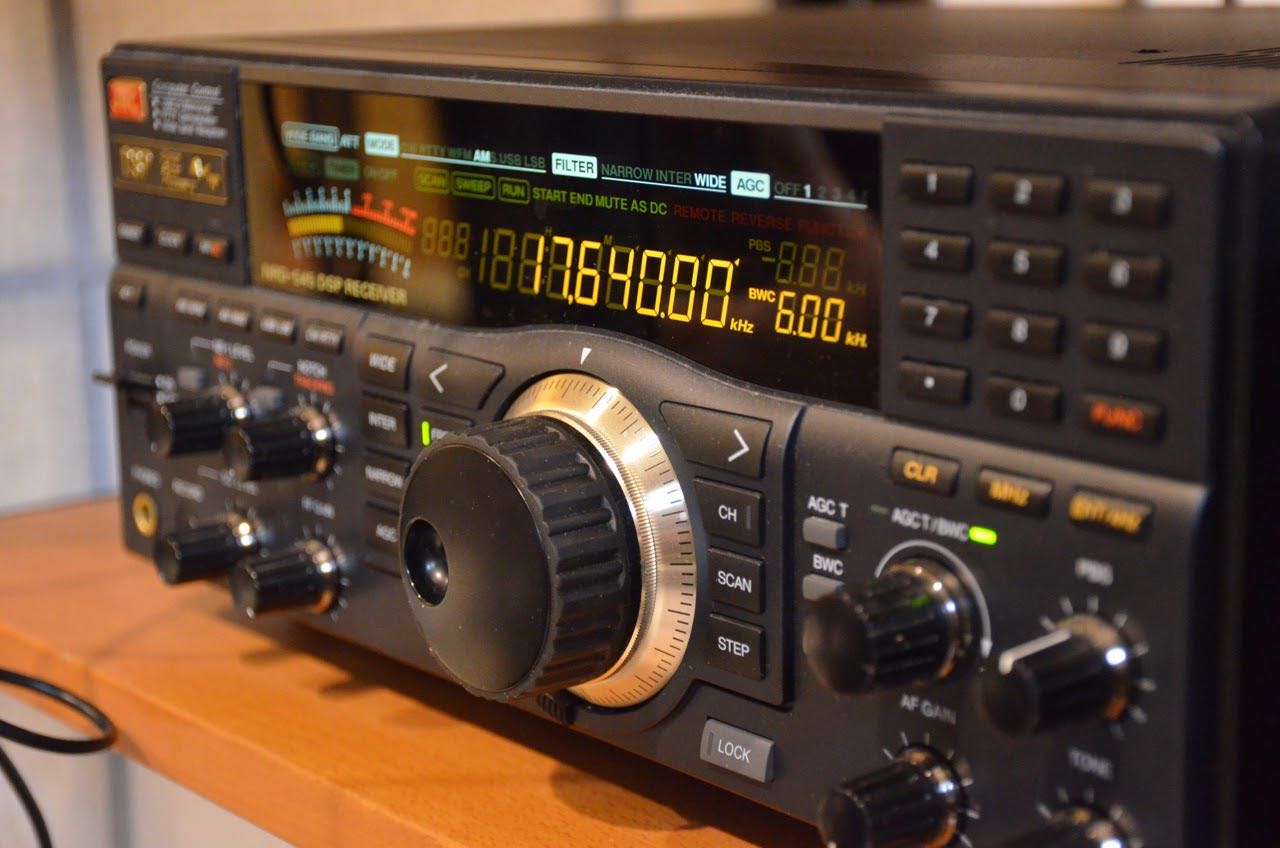
Dan Robinson’s JRC NRD-545

Not to forget that the JRC NRD-545 receiver has “built in” AM Stereo decoding (AMS mode). One MUST use the phono jack “line outputs” on the rear panel connected to an external amplifier etc. It does NOT output via it’s headphone connector. Speaking of the JRC NRD-545, please see my web page for late important service information on my “Radio News” webpage.

http://webpages.charter.net/n9ewo2/news.html

Thanks for the tip, Dave!

The last time I listened to a C-QUAM AM stereo station it was with WNNC station owner/manager, Dave Lingafelt. We sat in his beautiful red Buick Reatta, parked at the station and transmitter site and listened to 1970s rock on 1230 kHz.  Needless to say, it sounded absolutely amazing! Indeed, all of Dave Lingafelt’s stations (WNNC, WAIZ and WXRC) sound amazing.

To listen to an AM station in stereo is a real treat. Thanks for reminding us, Dave!

Radio New Zealand plans to exit AM radio

(Source: Stuff.co.nz via Trevor R)

[…]In the longer term, the report raised RNZ’s wish to divest from broadcasting infrastructure.

“RNZ currently owns a significant property portfolio and other related equipment required to support its AM radio services,” it said. “While the AM audience is declining, the cost of maintenance and upkeep of the property, buildings and AM equipment is increasing.”

The report went on to say RNZ was sitting on potentially lucrative land, that could be used for housing.

“RNZ considers it is now time to work with stakeholders to develop plans to, either partially or completely, exit AM broadcasting over time,” the report said.

Thompson said RNZ’s plan to sell of its transition sites would likely take more than a decade. It had just invested in a new AM tower in Titahi Bay, Wellington, that he said cost “millions”.

Through its network of transmission towers, RNZ was also responsible for broadcasting other radio stations including Newstalk ZB and iwi radio stations.

“We think we’re an audience and content organisation, not an infrastructure organisation,” Thompson said.

If RNZ was to sell or close its AM towers, he said the Government would need to make the call. The other broadcasters would also need to be consulted.

Read the full article at Stuff.co.nz by clicking here.

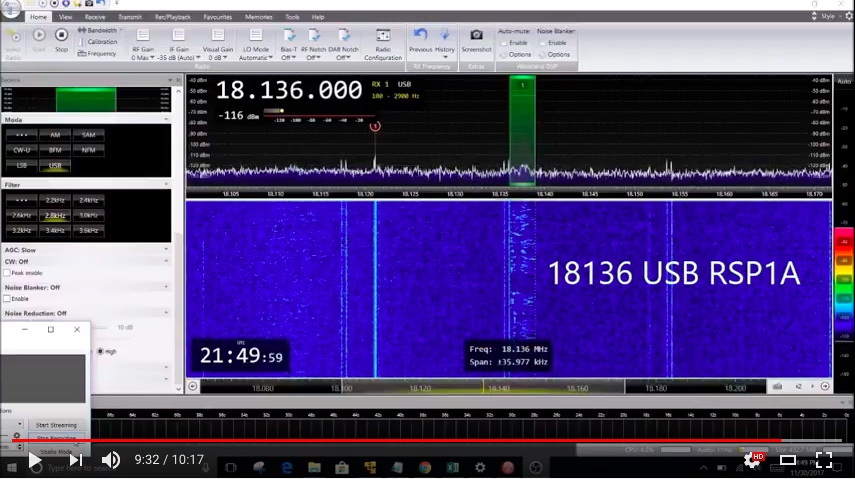
Video: Ivan compares the SDRplay RSP1 and RSP1A

Many thanks to SWLing Post contributor, Ivan Cholakov (NO2CW), who shares the following video and notes:

Comparing side to side reception performance on RSP1A vs. RSP1 on medium wave and shortwave using SDR Console 3.

Audio level is uneven because two laptops were used. Antenna is the same, 80m OCF dipole.

Click here to view on YouTube.

BBC MW stations in Lincolnshire and Nottingham to close

(Source: Southgate ARC)

More BBC AM transmitters to close

On the British DX Club (BDXC) Yahoo Group Nick Buxton reports that BBC AM stations in Lincolnshire and Nottingham are to close

In his post Nick says:

In an e-mail reply today (29/11) from Andy Roche, BBC R. Lincolnshire’s Acting Programme Editor, he says 1368 kHz will cease broadcasting their programmes on 6 January 2018. It will continue until 28 January 2018 running a continuous loop advising re-tune to FM/DAB. They will shortly be running a campaign to let people know.

In a very brief e-mail reply from BBC Radio Nottingham, enquiring about closure of their 1584 kHz service, they advise “No transmission from late December. Re-tune now”

No reply received from BBC R. Humberside concerning their 1485 kHz transmitter….

British DX Club (BDXC)
http://bdxc.org.uk/
https://groups.yahoo.com/group/BDXC-News