Shortwave listening and everything radio including reviews, broadcasting, ham radio, field operation, DXing, maker kits, travel, emergency gear, events, and more
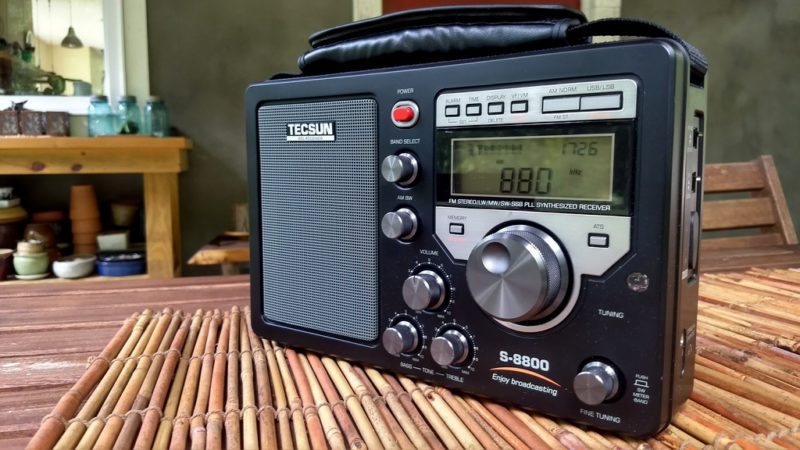
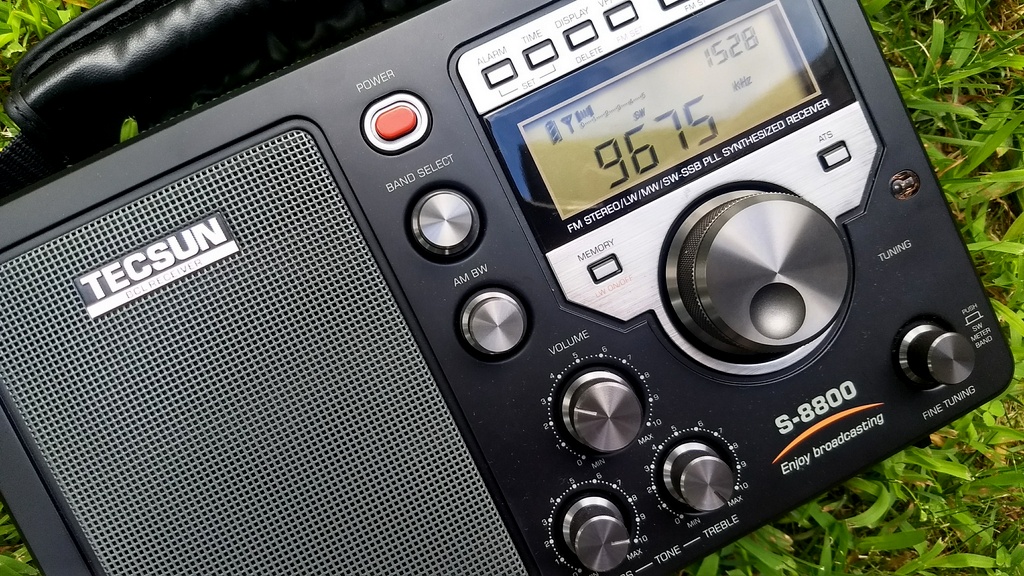
Anna at Anon-Co has notified me that they’ve published the listing for the new Tecsun S-8800. The price is $268.00 US with free shipping to the USA. She also noted that the S-8800 won’t actually be available until some time next week.
Note that my Tecsun S-8800 review is in final draft. It’s one of the longest reviews I’ve written. I will post it within a few days. Follow the tag Tecsun S-8800 for updates.
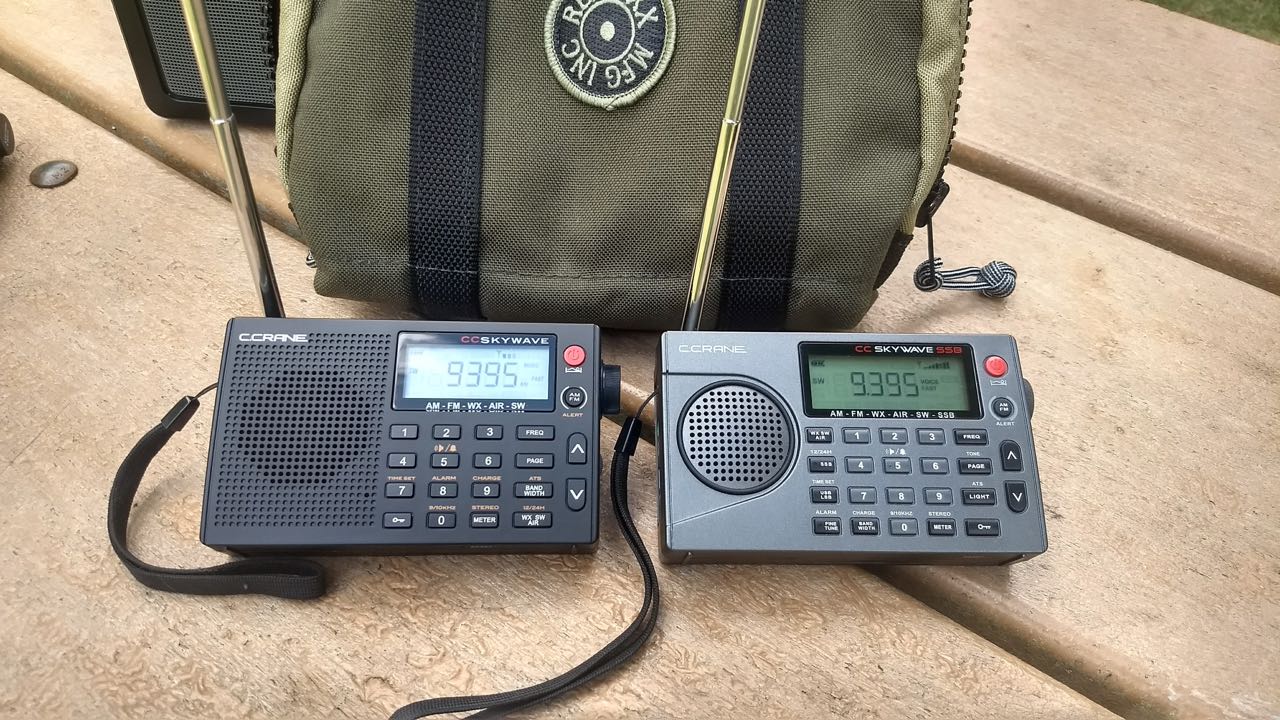
Tuesday afternoon, I took a number of portable radios to the field: the Tecsun S-8800, Tecsun PL-880, Digitech AR-1780, C. Crane CC Skywave and the new C. Crane CC Skywave SSB.
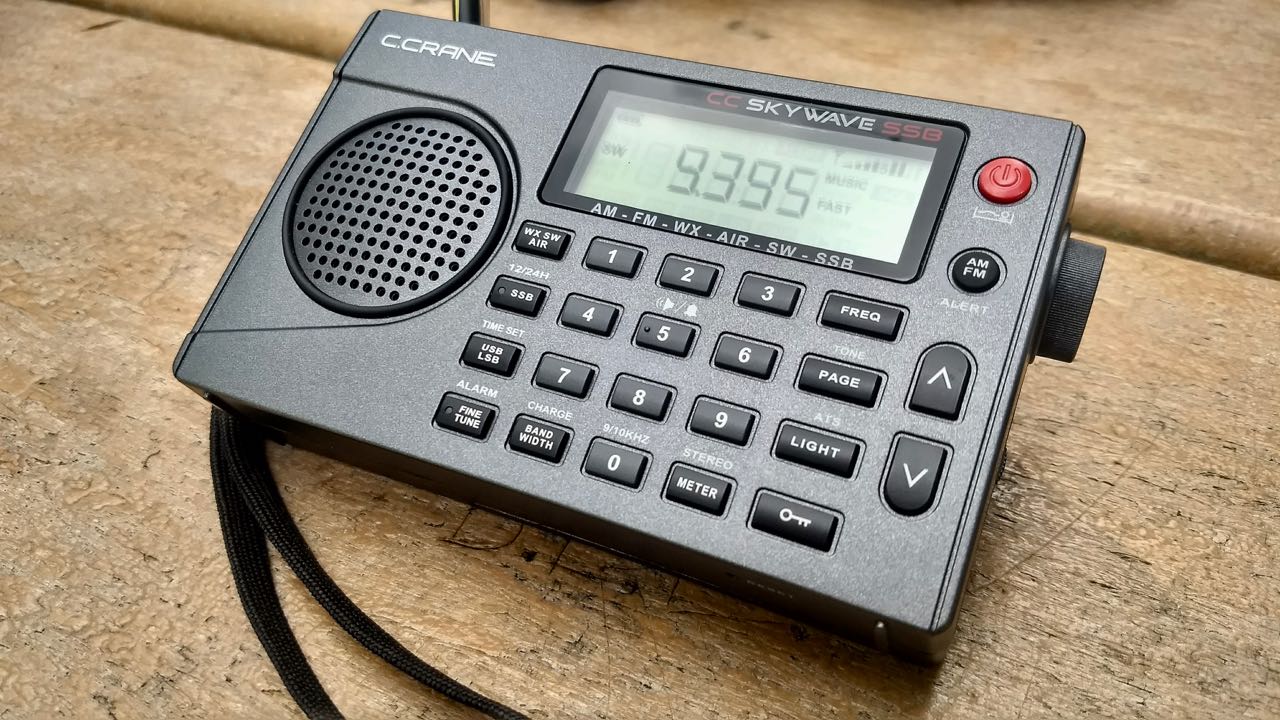
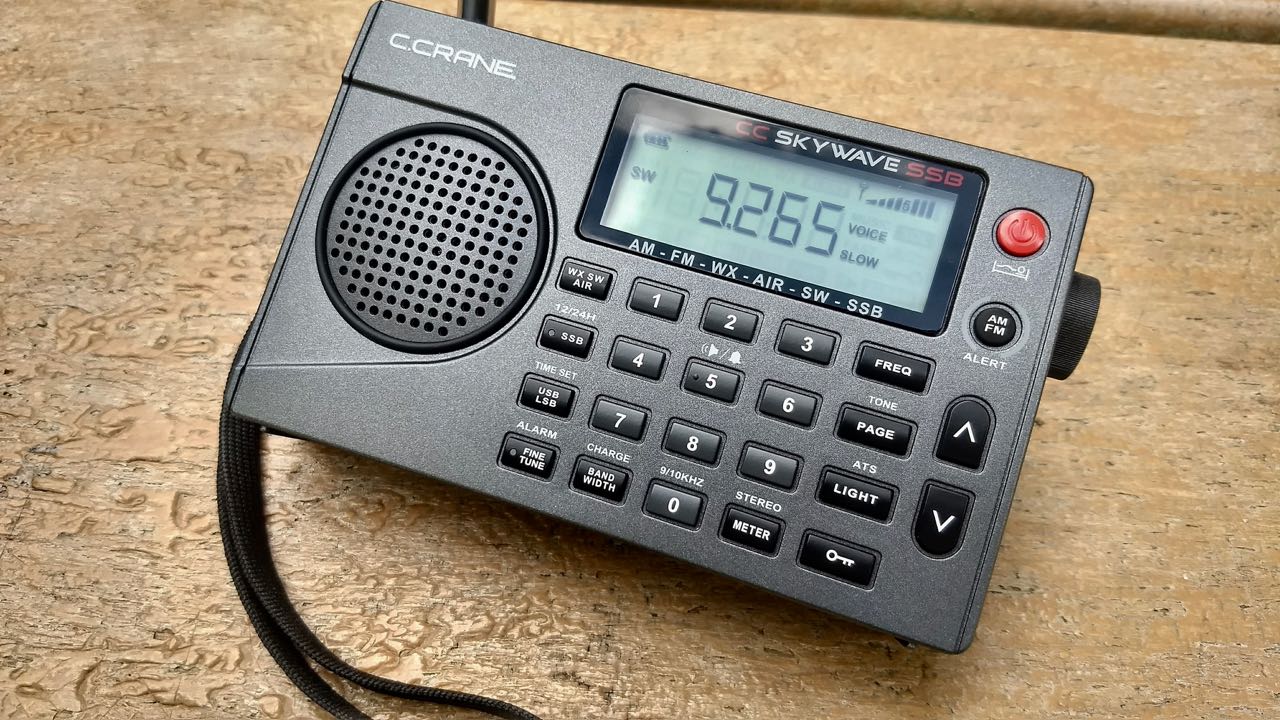
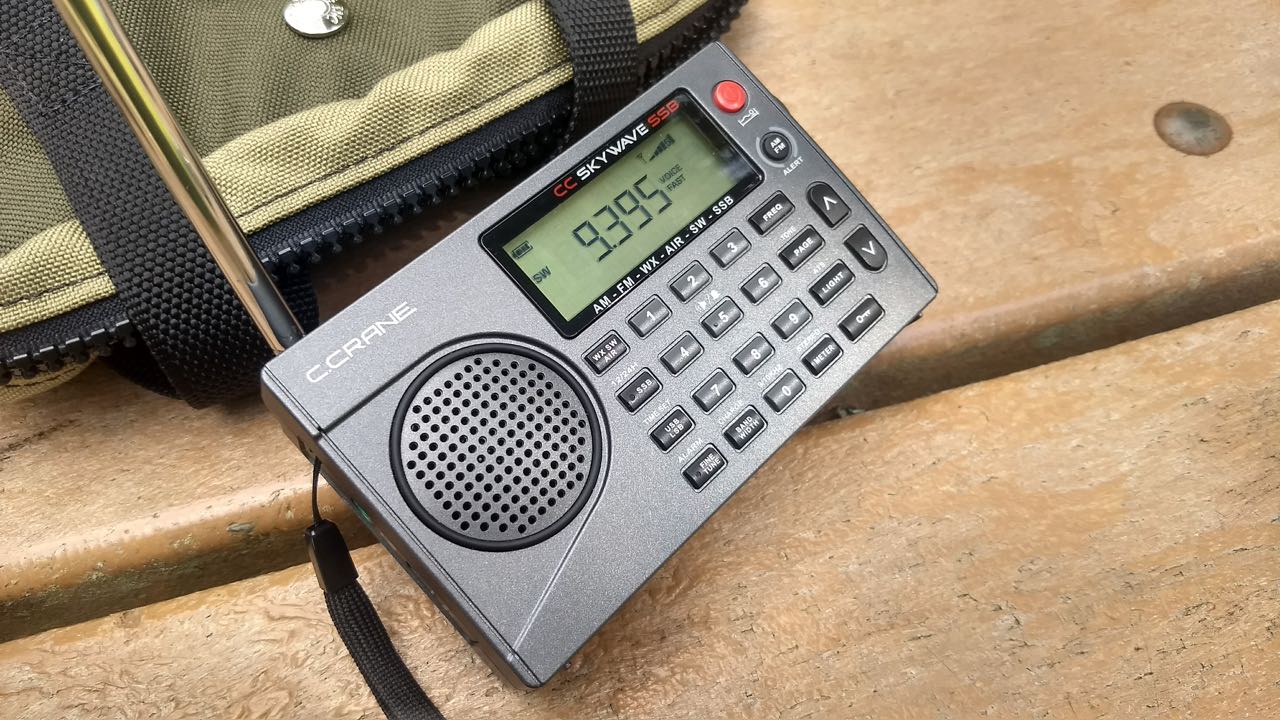
Last week, I received a pilot run (pre-production) CC Skywave SSB from C. Crane to test and provide feedback. My unit, of course, is still subject to cosmetic changes and engineering tweaks.
Since this is not a final iteration of the product, I won’t comment or review performance other than to say that if you like the original CC Skywave, you should love the new CC Skywave SSB.
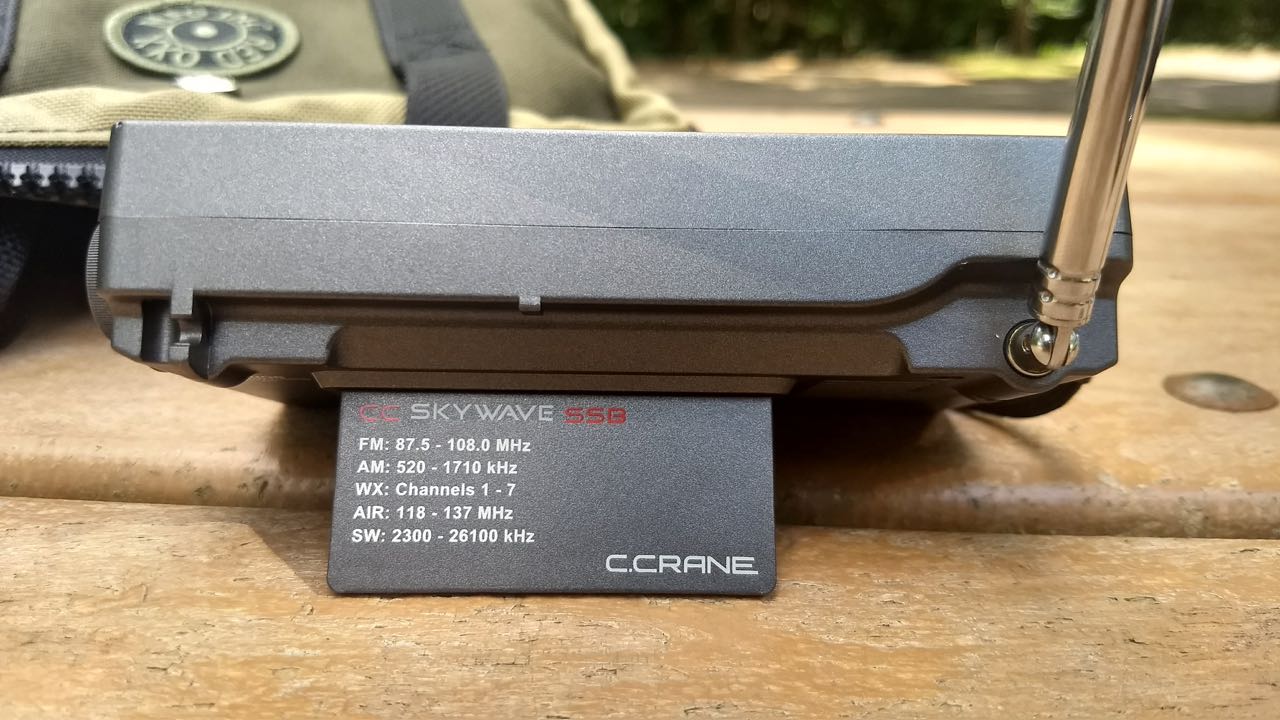
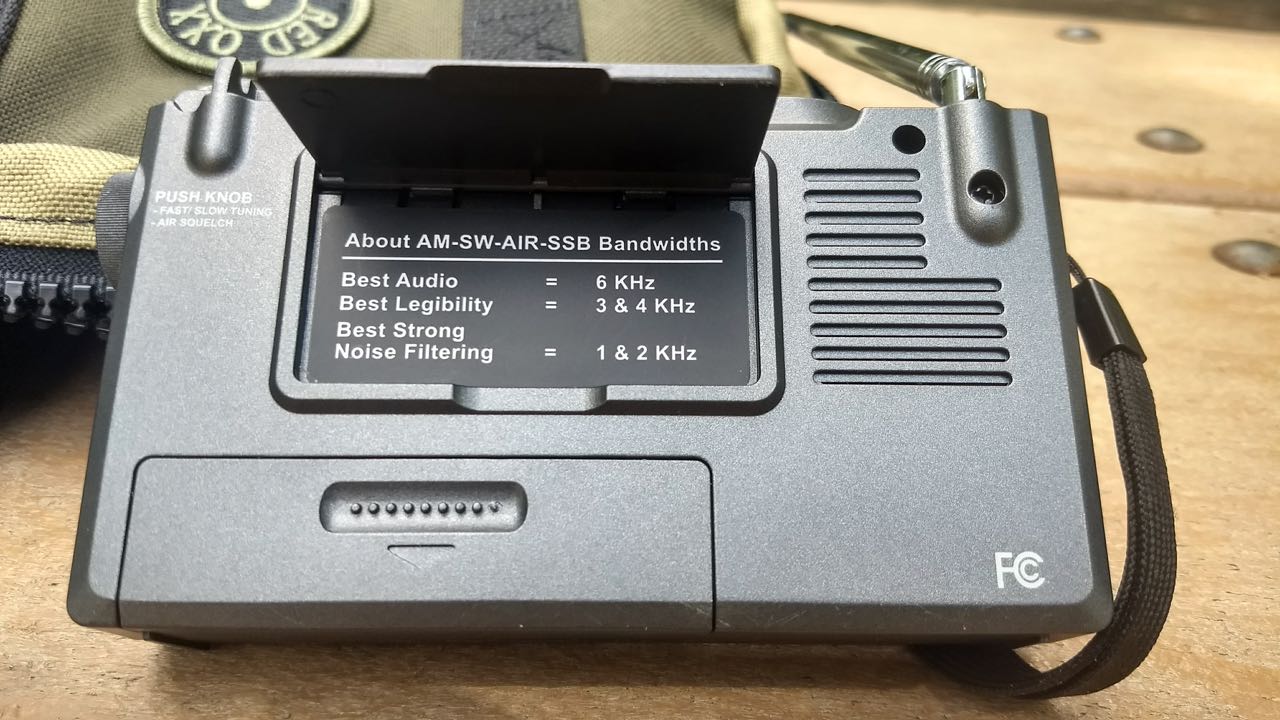
C. Crane has kindly given me permission to post a few preview photos.
CC Skywave SSB Photos
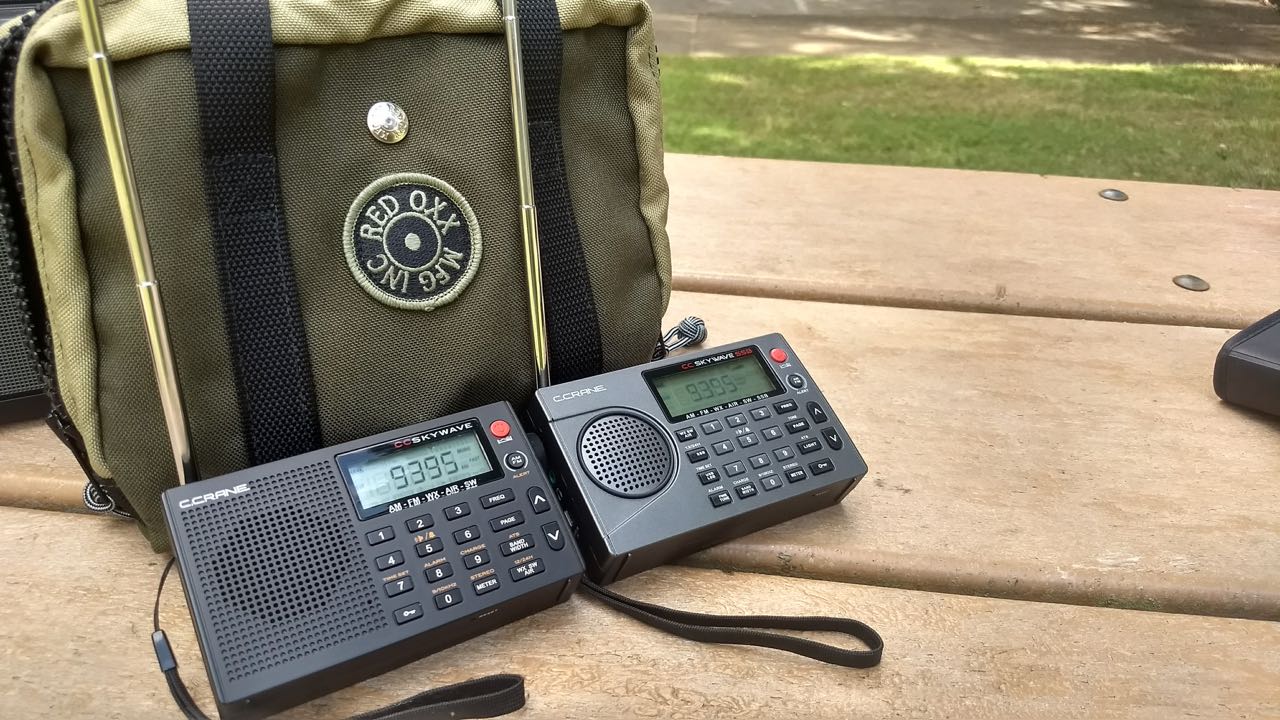
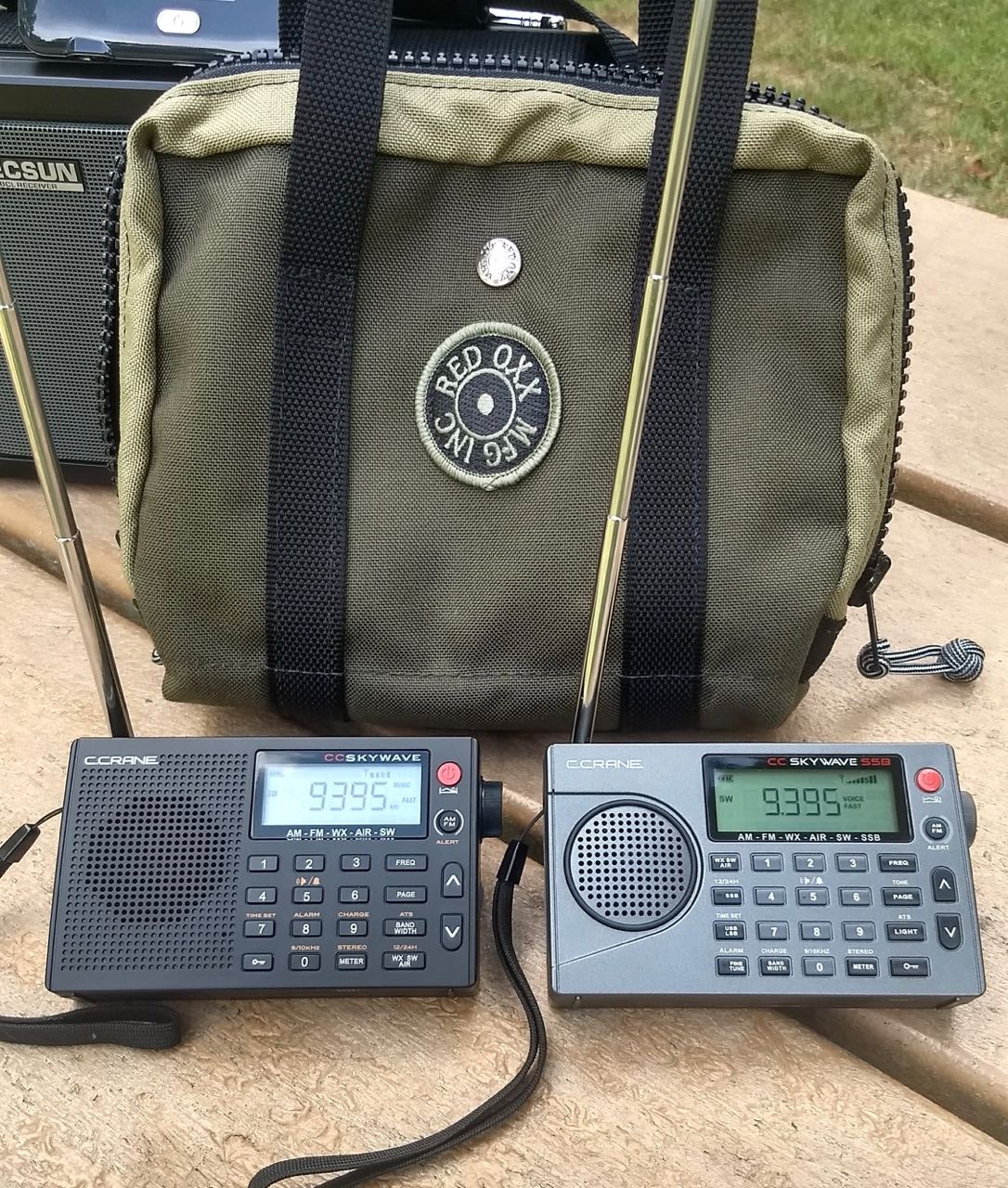
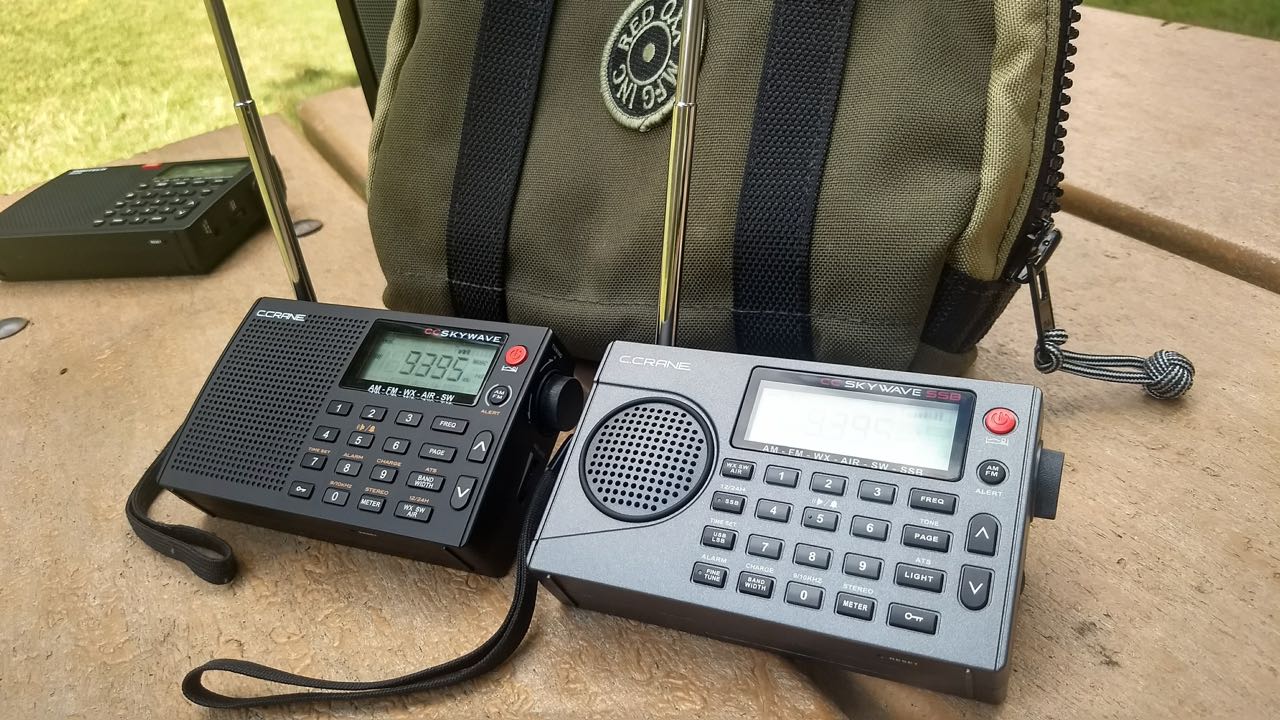
First thing you’ll notice is that the CC Skywave SSB is essentially identical to its predecessor in size and shape.
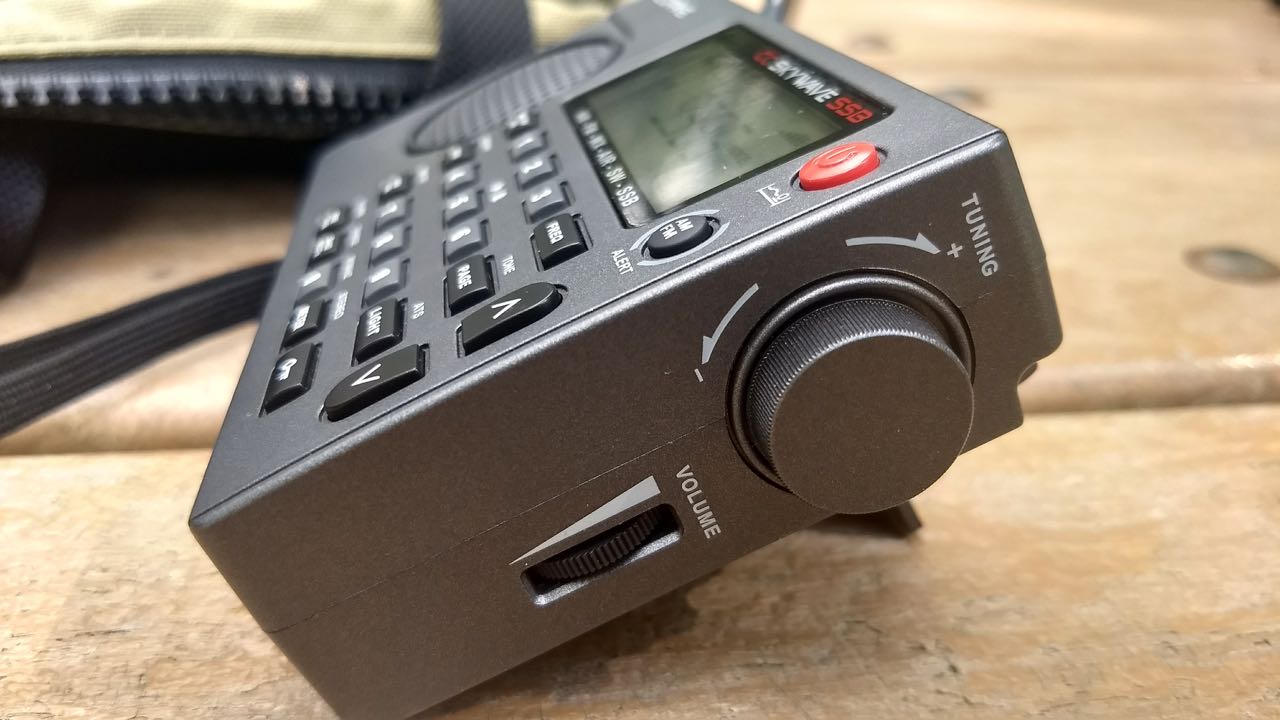
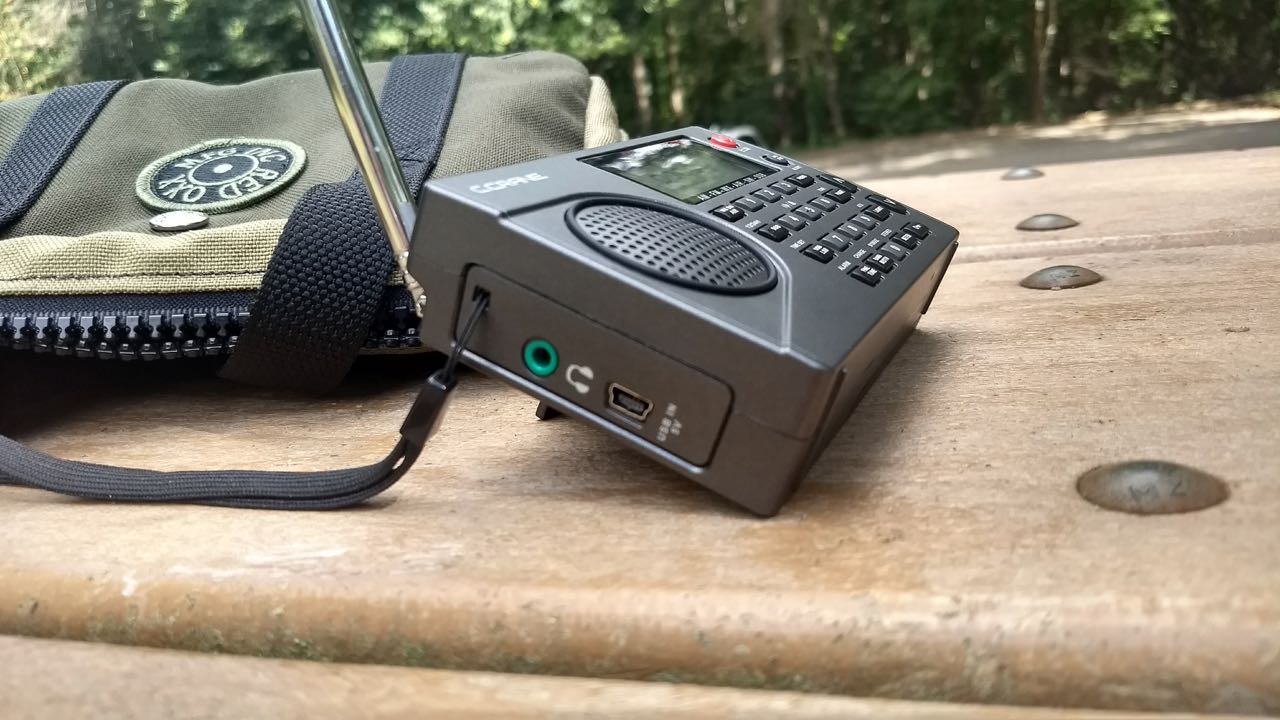
Indeed, the CC Skywave SSB fits the original Skywave’s carry case perfectly. If you’ve purchased a custom protective case–like this one— for the original Skywave, it’ll fit the CC Skywave SSB like a glove. As you can see above, the front panel design has changed, though. The CC Skywave SSB accommodates four additional function buttons and sports a re-designed speaker grill (similar to the CC Pocket Radio). Nice touch! C. Crane thought to use that little piece of real estate behind the backstand.
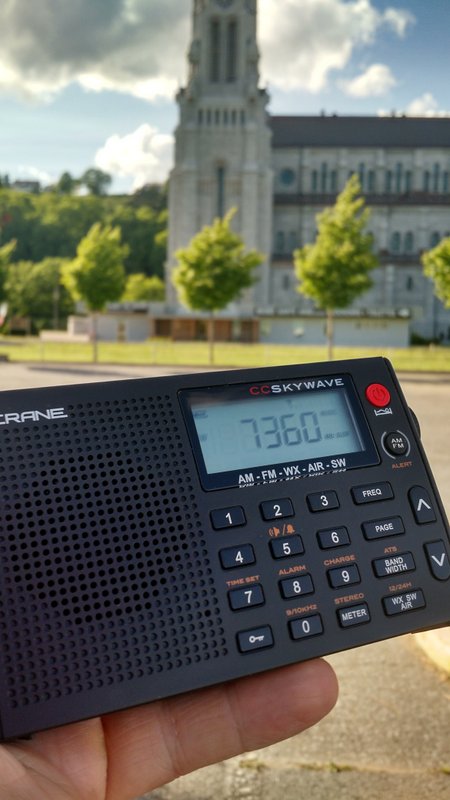
Listening to the 2016 BBC Midwinter Broadcast to Antarctica while traveling in Canada with the CC Skywave.
The original CC Skywave has pretty much been my go-to travel radio since it was released. I’ve taken it everywhere.
I’ve also taken the amazing Sony ICF-SW100 and the full-featured Grundig G6 (which even includes the AIR band) on trips when I wanted access to single sideband mode–something the original CC Skywave lacked. (Note that both of these radios are now discontinued.)
But when traveling in North America or by air, I really appreciate the Skywave’s excellent NOAA weather radio and access to aviation frequencies on the AIR band. Very handy features for the traveler who likes to stay informed.
By adding single sideband mode to an already capable ultra-compact travel radio, C. Crane has created a welcome radio traveling companion indeed.
I carved out about two hours of my afternoon and spent the entire time comparing the S-8800 to the Tecsun PL-880 and the Sony ICF-SW7600GR. I tested the radios on several shortwave bands and in both AM and SSB modes.
On Sunday, we discovered that mediumwave performance is lacking on the S-8800. Not so on shortwave!Check out this short video:
In my comparisons, the Tecsun S-8800 has consistently outperformed the PL-880 and Sony ICF-SW7600GR on the shortwave bands. The AGC is pretty stable and sounds much like that of the PL-880 when QSB (fading) is present. Sensitivity is better than the PL-880, though, so the S-8800 can dig those signals out of the noise a little better.
Note, too, I had to pick up both the PL-880 and ‘7600GR in my hand to obtain the best performance–that additional grounding gave each a slight boost. Quite common for portables. The S-8800 didn’t require this.
After I returned home yesterday, it struck me that perhaps a longer telescopic whip gave the S-8800 an advantage. Turns out, it’s only three inches longer than the PL-880’s whip.
Next, I need to spend a little time with the S-8800 mapping out any birdies on HF–a tedious process. I hope to start on that today.
To follow updates on this yet-to-be-released receiver, follow the tag: Tecsun S-8800.
My schedule last week made it impossible to carve out the dedicated time I needed to begin an S-8800 evaluation.
Yesterday, however, I spent the afternoon with my family at Richland Balsam, the highest point on the Blue Ridge Parkway (6,000′ ASL) and a completely RFI-free zone. I brought the Tecsun S-8800 and a few other portables along for the ride–namely the Digitech AR-1780, the C.Crane CC Skywave and the Panasonic RF-2200.
I had just enough available space on my smart phone to record this one short video:
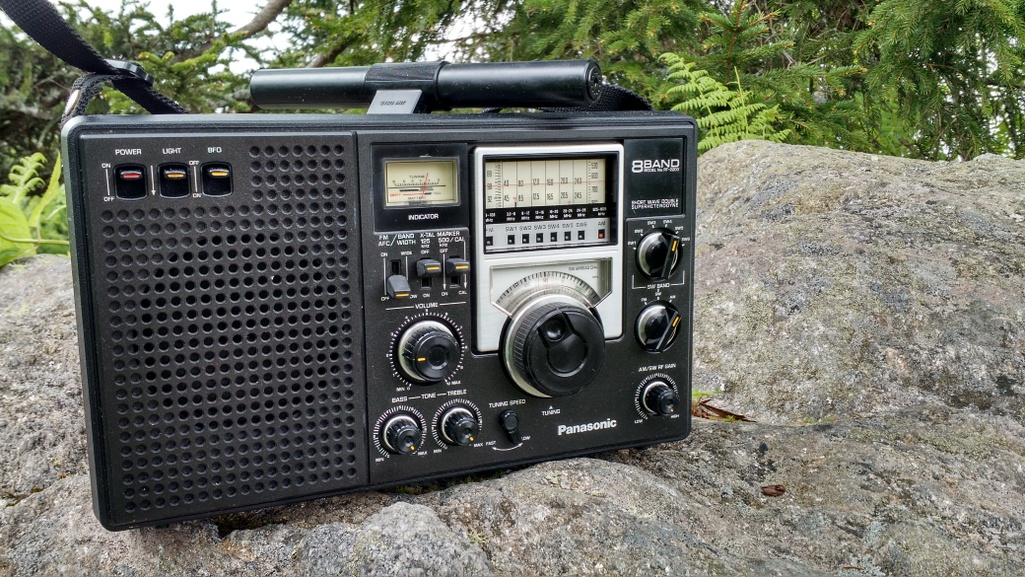
Let’s be clear: comparing any modern radio with the RF-2200 on mediumwave is hardly fair.
For one, the RF-2200 has been out of production for a few decades.
Secondly (what I never finished saying in the video is that) the RF-2200 has a large rotatable ferrite bar antenna that provides excellent gain. The RF-2200 simply wipes the floor with all of my modern portables as their ferrite bar antennas are a fraction of the size.
In other words, the RF-2200 was engineered to rule mediumwave like a boss.
On shortwave, the RF-2200 does a fine job, but isn’t nearly as accurate and stable as modern DSP receivers.
Spoiler alert
Still, as the video indicates, my final review of the Tecsun S-8800 will indicate that it is not a receiver for the serious Mediumwave DXer. It’s been my experience that few shortwave portables are excellent on both HF and MW.
At home, tuned to local station 880 AM.
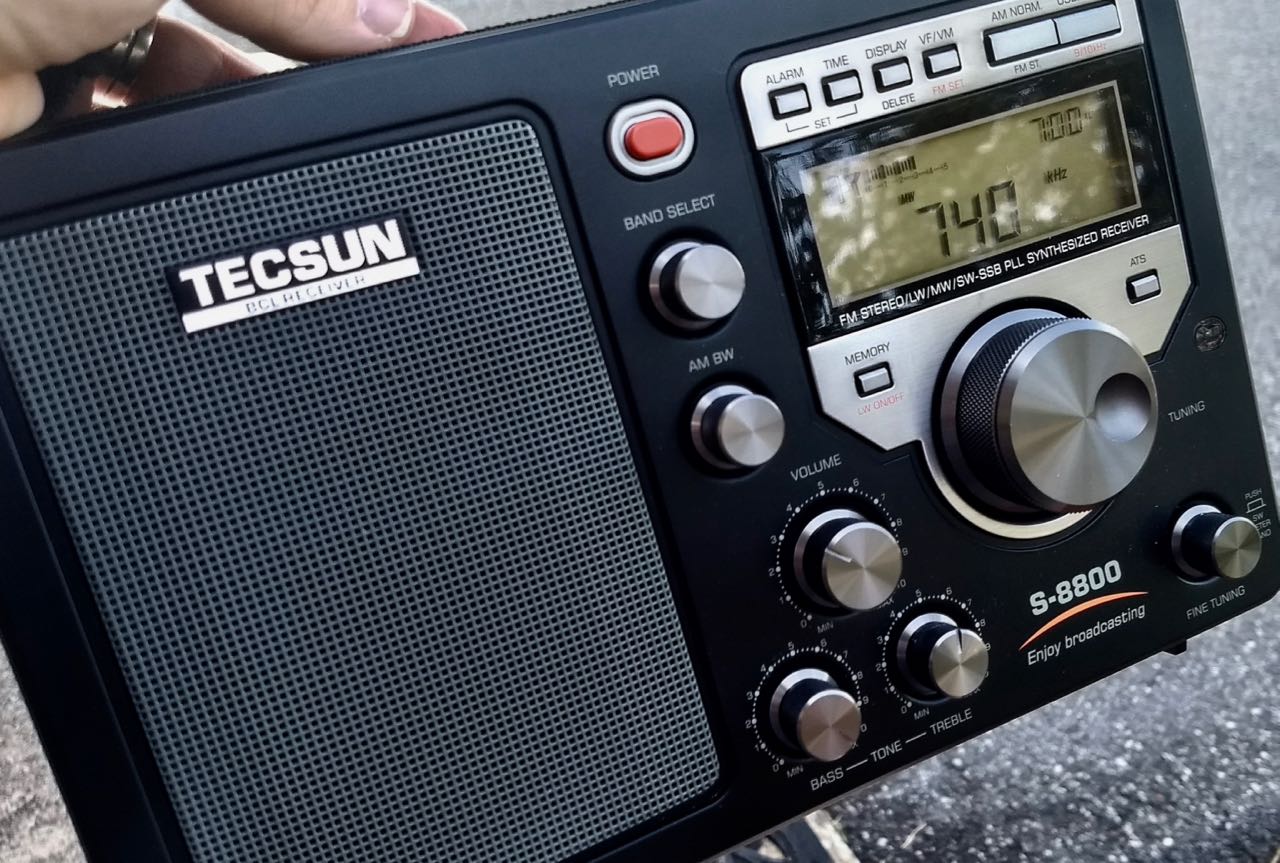
Of course you can’t tell from the video, but the S-8800 actually sounds brilliant when tuned to a relatively strong/local AM station, but either a lack of sensitivity or internal noise makes MW DXing a challenge.
I spent the better part of two hours yesterday evaluating its daytime MW performance–the video is pretty indicative of my findings. The S-8800 struggles with weak stations, but does a fine job with strong ones. It’s overall audio fidelity almost matches that of the RF-2200 when tuned to a strong broadcast. I’ve yet to test evening MW
The S-8800 still has some birdies on MW, but they’re not the loud warbling kind found on the previous model. Tecsun did properly address this, though in full disclosure, I haven’t fully explored the shortwave bands yet.
Shortwave?
I suspect the S-8800’s performance on shortwave will be much better than mediumwave because the previous S-8800 showed excellent results. As long as sensitivity wasn’t harmed while addressing the DSP birdies, I expect it’ll give the PL-880, PL-680 and Sony ICF-SW7600GR a run for their money.
Still…the lesson learned yesterday?
The Panasonic RF-2200 is the indisputable champion of mediumwave!
There’s a quick and dirty video review of the AR-1780 by Peter VK3YE, which highlights a few interesting quirks (if that’s the right word!) with this receiver. Some birdies, specs that don’t appear accurate, and a query over one of the bandwidth settings. Well worth a look!:
Peter (VK3YE) has done an excellent job indeed summing up the AR-1780–his notes and comments mirror my own. I would have never caught that oddity with the 1.2 to 1 kHz bandwidth reversal.
With travels, solar eclipse events and family activities this week, I’ve had very little time to play radio.
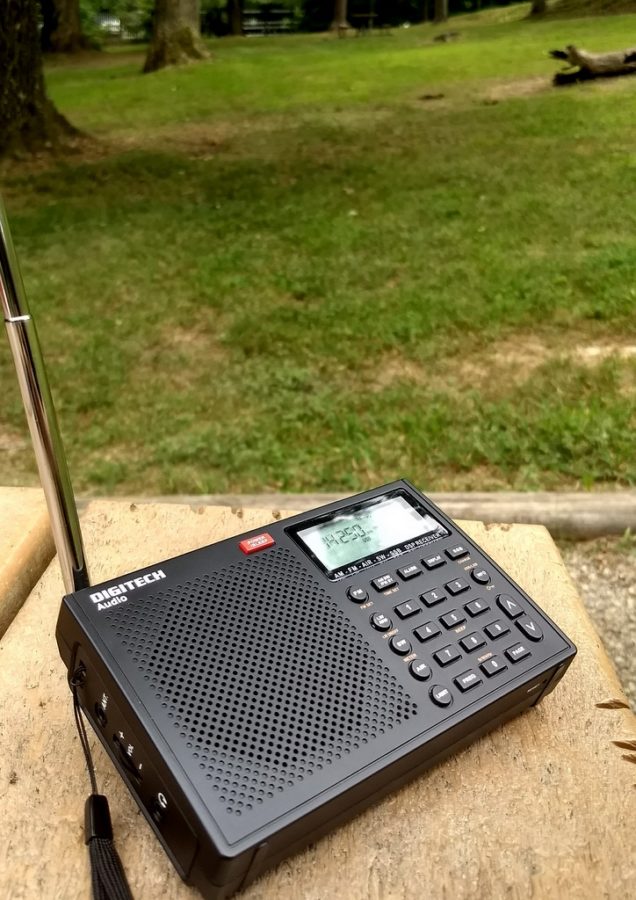
Yesterday was a gorgeous day though, so I took the family to the Blue Ridge Parkway and (of course) packed a couple portable radios.
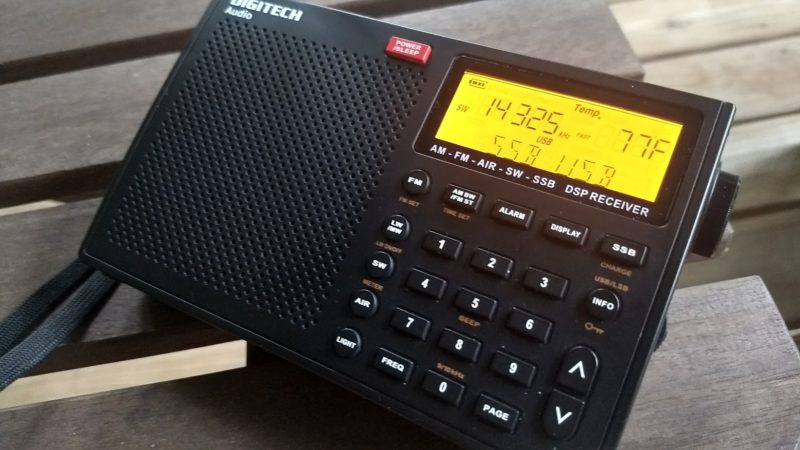
While we all enjoyed a picnic, I pulled out the AR-1780 with the intention of exploring its SSB performance and audio fidelity. I found an Islands On The Air (IOTA) activation with a decent pileup on 14,250 kHz.
Overall, I’m very pleased with the AR-1780 on SSB. The noise floor is pretty low, the filter selections are handy and the overall audio is comparable to slightly larger portable radios.
The dedicated fine tune control is quite handy, even though it’s oddly located on the right side of the radio (where one typically finds a volume control).
I’m putting together a short review of the AR-1780, but will need more air and comp time before I form any firm opinions.
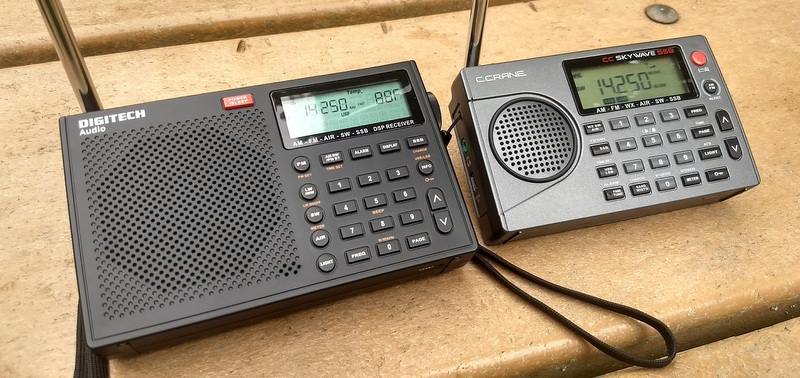
For readers that have made it this far down the post, you might recognize a yet-to-be-released portable next to the AR-1780. Of course, I’m comparing it with the AR-1780 and its predecessor, but it’s not a production run unit (yet!), so I can’t comment on performance. Stay tuned, though, as I will be posting more in the coming days!
Many thanks to SWLing Post contributor, Dave Zantow (N9EWO) who writes:
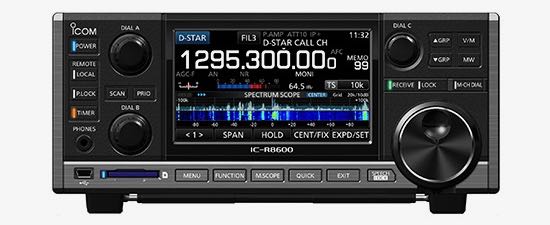
Just FYI. My Icom IC-R8600 “Wide Band” Receiver Review is now available. Mind you this is subject to more updates than usual at least for awhile. For any questions, yes please send them along.
“The excellent ICOM IC-R8600 “Wide Band” SDR communications receiver. Direct Sampling SDR below 30 Mhz. Hybrid Superhet / SDR above 30 Mhz. It is NOT just a IC-7300 “receiver” section with VHF / UHF Coverage added on (however overall HF receiver performance is similar). In our view the best receiver Icom has produced to date (“Wide Band” or not). One MUST remember this is NOT a “scanner” type receiver, so no Trunking etc. Audio quality while very good, we detected some minor harshness and or spurious gremlins that we could not put a handle on in the AM / FM and WFM modes (with all 3 test speakers, Firmware 1.10, see text) ?? This was not an issue at all with the IC-7300 Transceiver cousin, but it has much less dynamic (flat) audio in comparison.”
Many thanks, Dave! Post readers, please bookmark Dave’s IC-R8600 page for all updates.