Category Archives: Shortwave Radio

Vatican Radio notes shortwave frequency changes

Vintage Vatican Radio QSL

(Source: Vatican Radio via Mike Hansgen)

Shortwave Frequency Changes for the English Africa Service starting on 28 October 2018 to March/April 2019

Daylight saving time in Rome
We wish to inform listeners that with the end of Daylight Saving Time in Rome on Sunday 28th October, there will be changes in the time and broadcast frequencies of the English Africa Service.

The programme will be going on air one hour earlier at 16.30 UTC (GMT) on the following shortwave frequencies: 11625 kHz (25mb) and 13830 kHz (21mb)

It will be repeated at 20.00 hours UTC on 6010 kHz (49mb) and the 7365 kHz (40 mb).

Listeners in Rome
For listeners in Rome and the Vatican who have a digital radio receiver, the ‘English Africa Programme’ can be heard on Vatican News’ World Channel on digital radio DAB+ at 17.30 Rome time and the repeat broadcast at 21.00 hours Rome time.

Listen to and download our daily Podcast from anywhere in the world
To listen to the Podcast of our programme throughout the day, just log on to our websitewww.vaticannews.va, click on English and then from right hand side of the page; click on “listen to our podcasts” and choose ‘English for Africa’.

Catholic Radio Stations in Africa retransmit our daily programme
On the continent, the main outlet for our daily English Africa programmes will continue to be through the re-transmission of our daily broadcasts by several Catholic radio stations.

Most of these radio stations are owned by various African Catholic dioceses, parishes, religious congregations and some by the Radio Maria network.

We thank you all for this important collaboration.

For further information kindly contact the English Africa Service through email: [email protected] or by phone: (+39) 06 69883892.
Radio Exterior de España expands shortwave broadcasts

Many thanks to SWLing Post contributor, Ed (K4CWM), who notes that Radio Exterior de España have announced they’re expanding their shortwave broadcast schedule. Ed has kindly translated the press release into English (click here to read the original in Spanish):

Radio Exterior de España to increase its short wave broadcast schedule

Radio Exterior de España, the international channel of RNE will broadcast eight hours a day from Monday to Sunday on short wave starting on October 28th . It is an increase of four hours in the transmission that was previously made from Monday to Friday.

With this increase, Radio Exterior of Spain sets a new stage that reinforces its programming with new features of its own production. This will augment public service and promote and disseminate Spanish culture and language. In short, it strives to place Spain on the global horizon of the time in which we live.

En clave turismo“, “A golpe de bit“, “Without a doubt“, “Said with music” and “Tiempo flamenco” are incorporated into a consolidated program along with features such as “Españoles en la mar“, “Marca España” , “Punto de enlace“, “Mundo solidario“, “Artesfera“, “Open Europe“, “America today“, “Africa today” and “Asia today“. Programs to which is added the emblematic “A language without borders”, in-keeping with its mission to take Spanish culture to all corners of the world.

From a technical point of view, Radio Exterior de España will broadcast its programming from Monday to Friday, for West Africa and the South Atlantic, the Middle East, the Indian Ocean and Gran Sol, from 16:00 to 24:00 UTC.

The emission frequencies:

  • West Africa and South Atlantic, 11,685 KHz, 25 meter band.
  • Middle East, Indian Ocean and Gran Sol, 12,030 KHz, 25 meter band .

For North and South America, Radio Exterior de España will broadcast short-wave, from Monday to Friday, from 19:00 to 03:00 UTC.

The emission frequencies:

  • South America, 11,940 KHz, 25 meter band.
  • North America and Greenland, 9,690 KHz, 31 meter band .

On Saturdays and Sundays, the RNE International Channel will transmit its signal from 15:00 to 23:00 UTC. The emission frequencies and the coverage areas are the following:

  • West Africa and South Atlantic, 11,685 KHz, 25 meter band .
  • South America, 11,940 KHz, 25 meter band .
  • North America and Greenland, 9,690 KHz, 31-meter band.
  • Middle East, Indian Ocean and Gran Sol, 12,030 KHz, 25 meter band.

In addition to eight hours per day of shortwave transmission, Radio Exterior de España broadcasts its 24 hour uninterrupted programming through the Internet, DTT, mobile applications and satellite:

  • Ses Astras 1M: frequency 11.626.5 MHz. Vertical polarization.
  • Hispasat 1E: frequency 12,052 MHz. Vertical polarization.
  • Asiasat 5: frequency 3,700 MHz. Vertical polarization.
  • Eutelsat 5 West A: frequency 3,727 MHz. Right circular polarization.
  • Intelsat Galaxy-23: frequency 4,191.35 MHz. Vertical polarization.

The changes in programming and frequencies are effective from October 28, 2018 to March 31, 2019.

Many thanks for the tip, Ed!

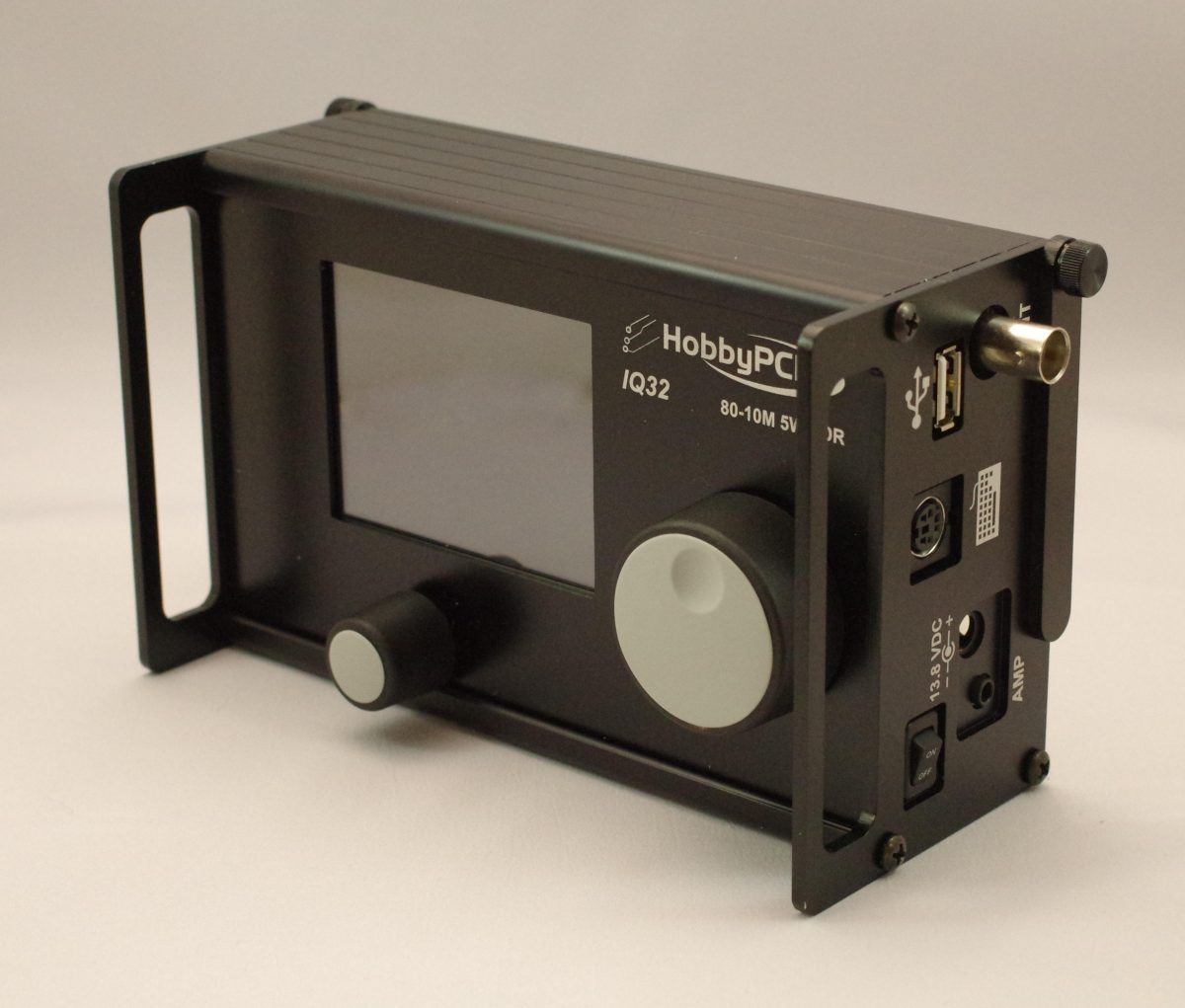
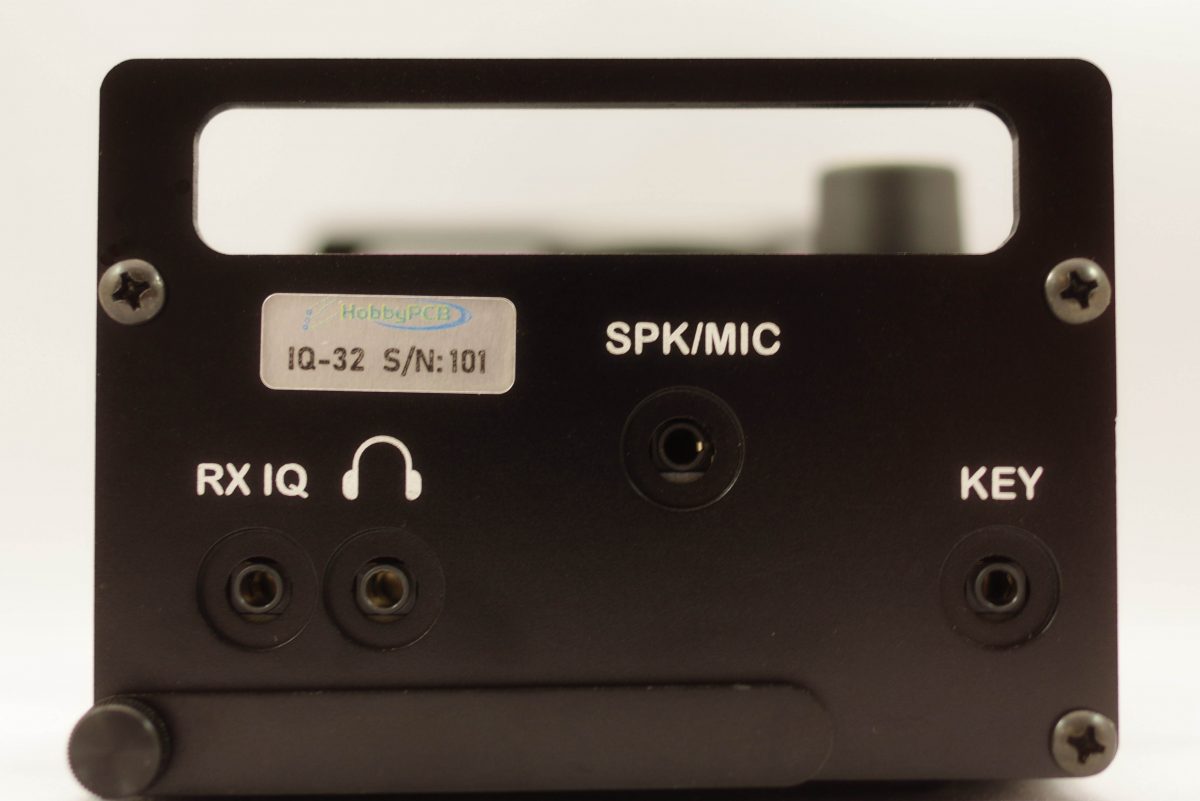
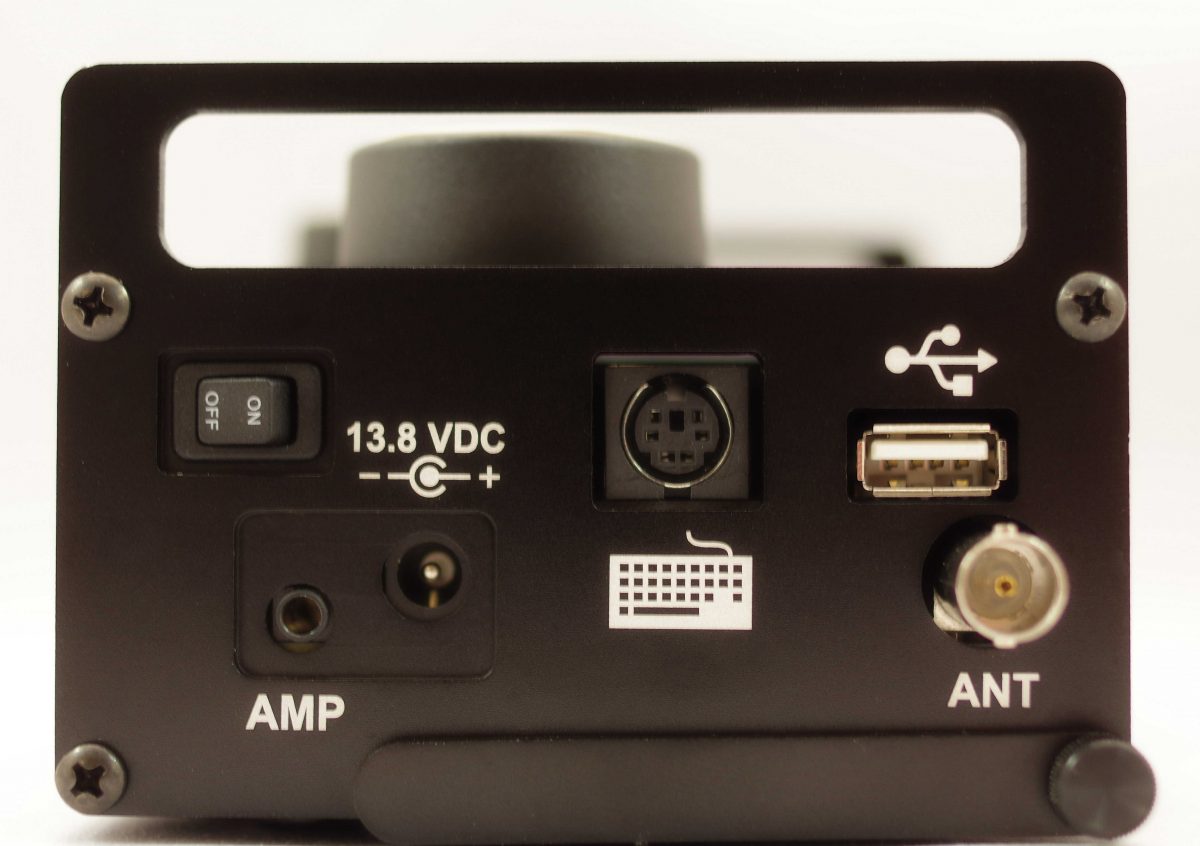
The HobbyPCB IQ-32: A general coverage portable QRP transceiver with color touch screen now shipping

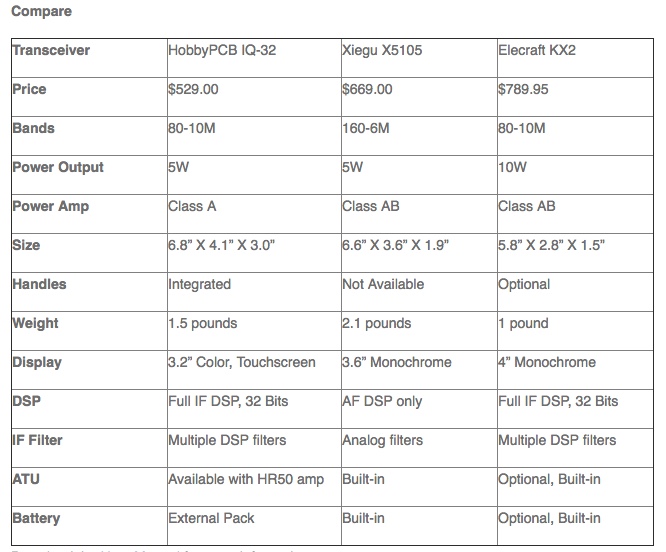
Many thanks to SWLing Post contributor, Pete (WB9FLW), who shares the following information regarding HobbyPCB’s much-anticipated portable transceiver which is now shipping.  The price is a competitive $529.00.

The following information comes from the HobbyPCB website:

The IQ32 is 5W output, 80-10M Amateur Radio transceiver with powerful 32 bit processing providing high-end features at an entry level price. The IQ32’s 3.2″ color LCD touch-screen display and dual control knobs provide an enjoyable operating experience in a robust package.

Available for immediate delivery!

Introducing the HobbyPCB IQ32 HF transceiver, based on the high performance RS-HFIQ RF system, the receiver in the IQ32 consists of 5 band-pass filters to reject out-of-band signals, an LNA with frequency dependent gain and a conventional quadrature down-converter. The transmitter features a Class A, 5W power amplifier with individual low-pass filters for each band to exceed FCC requirements for spectral purity.

The IQ32 features a large, color, touch-screen display providing an enhanced user interface and informative spectrum and waterfall displays found on radios costing much more. With a powerful STM-32 DSP processor, the IQ32 transceiver has variable filtering, multi-mode AGC, memory functions, built-in PSK encode/decode with keyboard support.

5W not enough power? Add a HARDROCK-50 to your station to boost up to 50W. The IQ32 and HARDROCK-50 seamlessly integrate together for a powerful mobile/base station!

Simple upgradeable firmware, no connection to a computer required, no drivers, no cables. Simply insert a thumb-drive with the appropriate file and the IQ32 updates its own firmware.

Specifications

  • Frequency Range: 3-30MHz (performance guaranteed on 80/60/40/30/20/17/15/12/10M ham bands)
  • Sensitivity: MDS < -128 dBm on 80M dropping to < -135 on 10M
  • Noise Figure: < 8 dB
  • TX Power: 5W typical, 4W minimum
  • LO Feed-thru: < -50 dBc @ 5W output
  • Spurious and Harmonics: < -50 dBc typical
  • DC Power: 13.8VDC, 2 amp max
  • Size: 172mm x 105mm X 75mm
  • Weight: < 700 grams
  • Display: 3.2″ Color LCD Touchscreen
  • Modes: USB, LSB, CW, PSK 31
  • DSP Processor: STM-32, 32 Bit

Click here to download the manual.

Pete also notes:

If one already has the RS-HFIQ board fear not an upgrade kit is available:

https://hobbypcb.com/products/hf-radio/iq32-upgrade

Thank you for sharing this, Pete!

I may see about grabbing an IQ-32 to evaluate. I’m very curious how its receiver might stack up to the Elecraft KX2, the CommRadio CTX-10 and the LnR Precision LD-11. (Please note that these links lead to my other radio site, the SWLing Post.)

It doesn’t appear that the IQ-32 has an AM mode, but I would still like to see how it might handle broadcast listening on the shortwave meter bands using ECSS.

I love the portable form factor and the fact that it ships with stand-off handles to protect the front face of the radio.

Video:

Check out WA2EUJ’s IQ-32 presentation from the 2018 Hamvention on YouTube:

Click here to check out the IQ-32 product page at HobbyPCB.

Have any Post readers purchased the IQ-32?  Please comment!

Do you enjoy the SWLing Post?

Please consider supporting us via Patreon or our Coffee Fund!

Your support is greatly appreciated. Thank you!

Bruce’s shortwave music is influenced by Holger Czukay

Many thanks to SWLing Post contributor, Bruce Atchison, who shares the following in response to our recent post about musician Holger Czukay:

I love Holger Czukay’s music, especially with CAN. I especially love the
song, “Animal Waves.”

I also incorporated shortwave sounds in my own music.

Here are video links to my YouTube page which might interest you.

CHU Canada

Click here to view on YouTube.

A Short Wave to Shortwave

Click here to view on YouTube.

Stop Listening Now

Click here to view on YouTube.

Thanks for sharing your work, Bruce! Very cool! I need to get you in touch with David Goren for inclusion in a future Shortwave Shindig!

Balázs spots a vintage receiver in “Jakob the Liar”

Many thanks to SWLing Post contributor, Balázs Kovács, who writes:

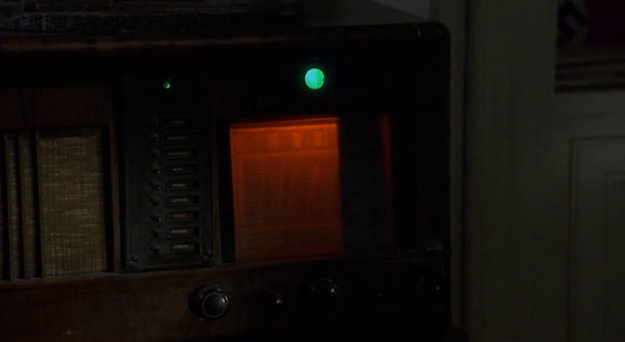
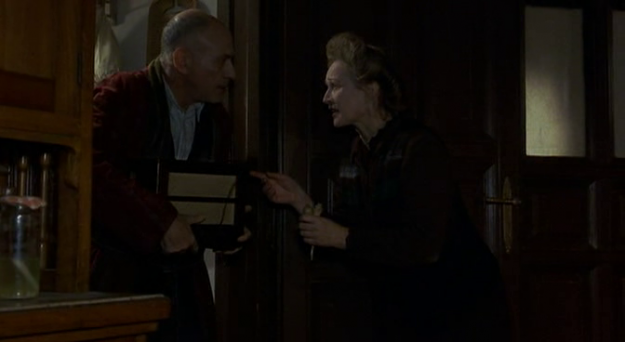
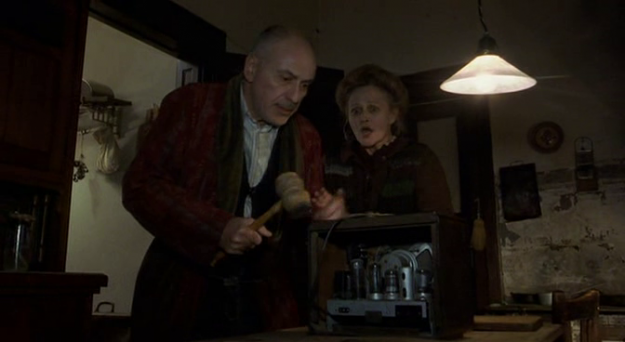
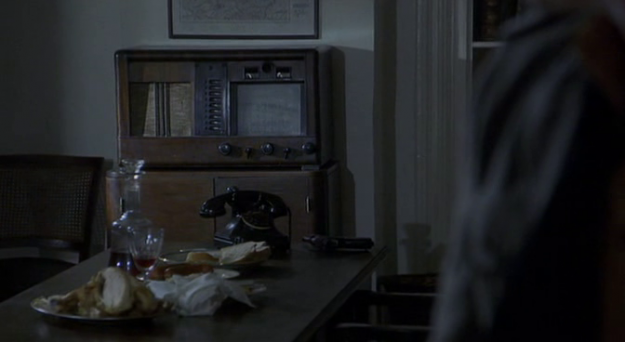
Jakob the Liar (1999)

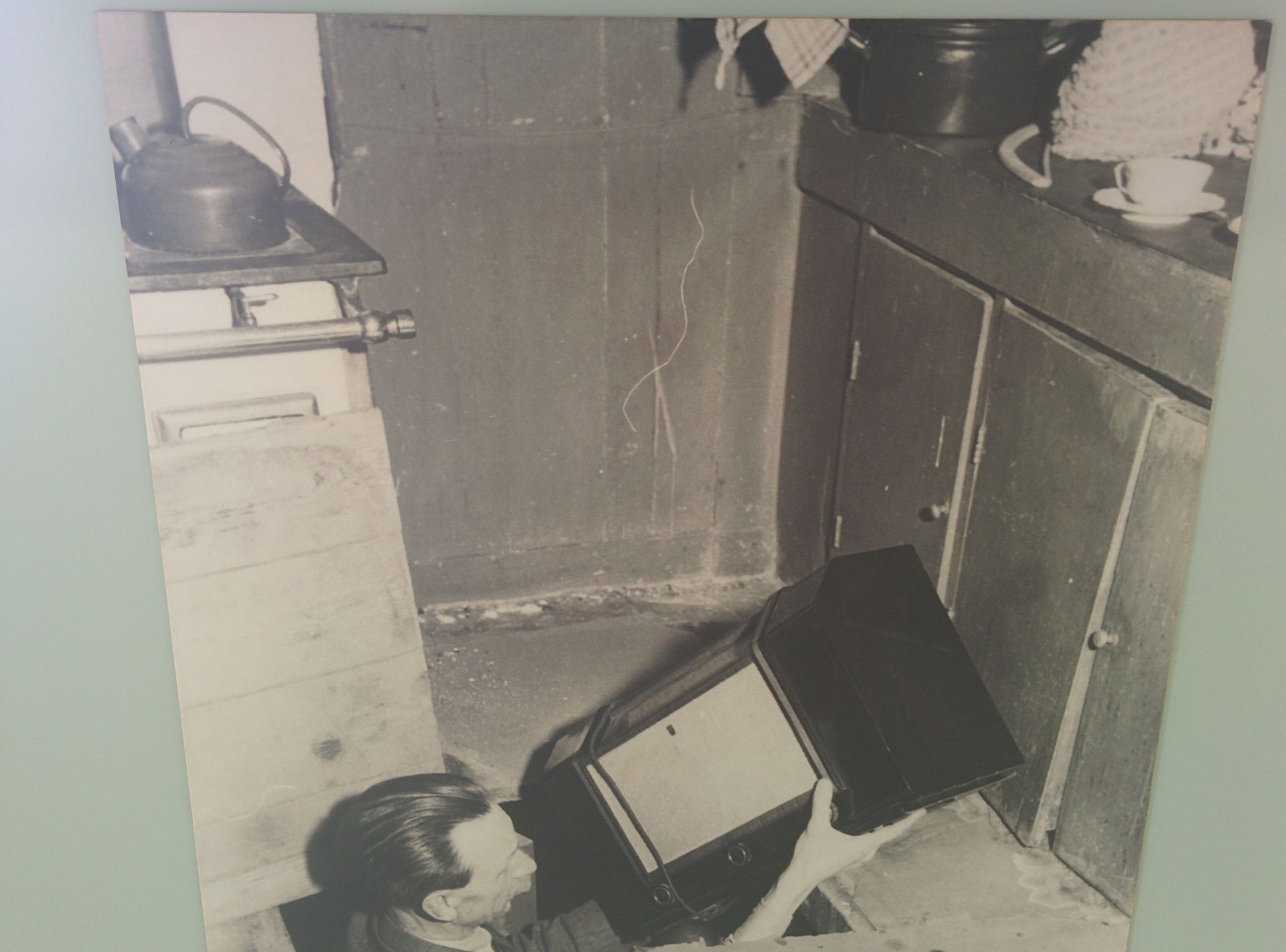
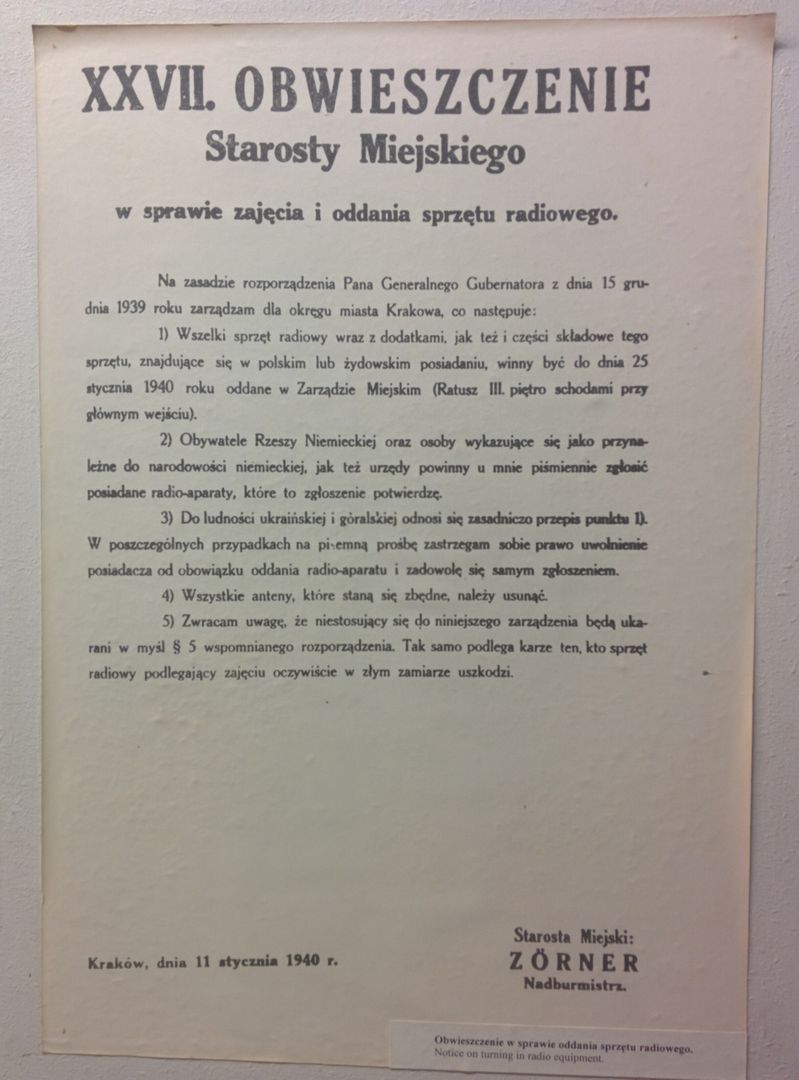
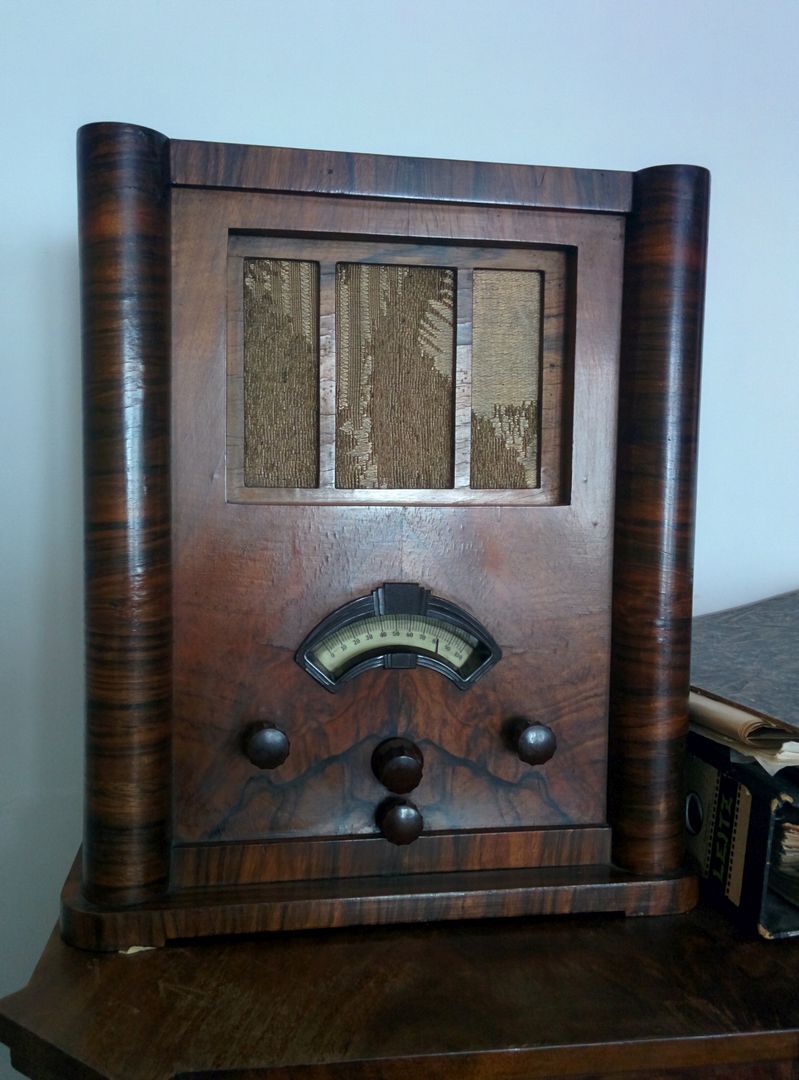
A radio receiver plays a main role here next to Robin Williams in a Jewish ghetto in Nazi-occupied Poland in the second world war.

Here I added three additional photos about the radios from the last year when we visited the Kraków area, the museums of Oskar Schindler’s Factory and Auschwitz.

Thank you for sharing your images, Balázs. I do not recognize the tube radio in Jakob the Liar. I do love the tuning eye.  Anyone know the model? Please comment!

Of course, I’ll add this post to our ever growing archive of radios in film!

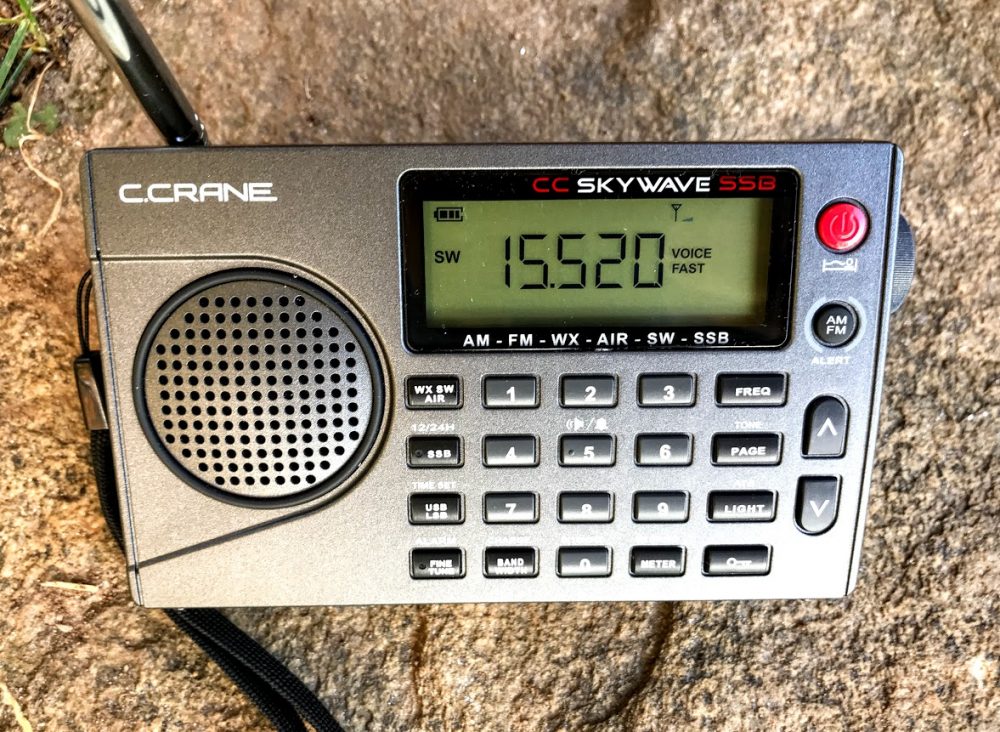
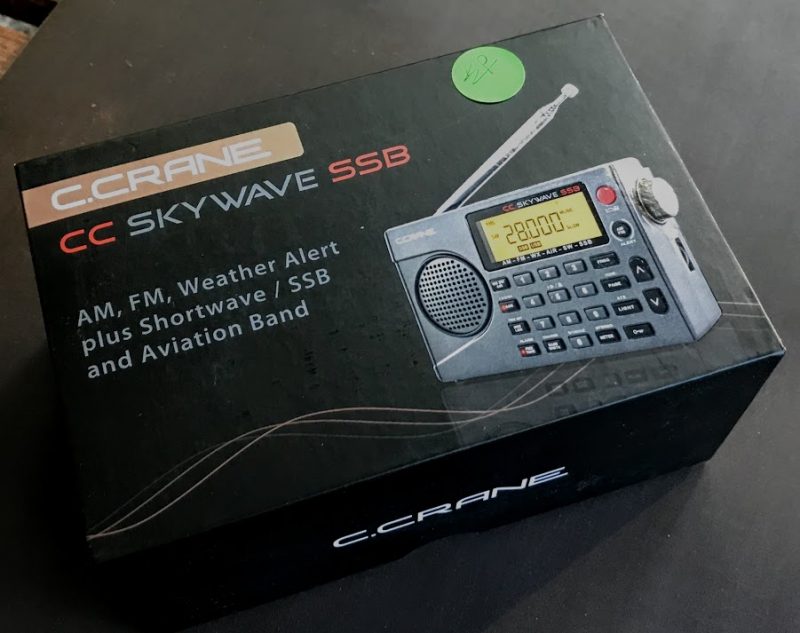
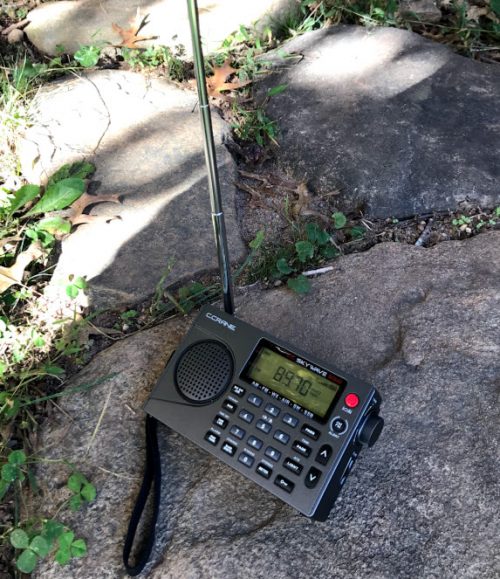
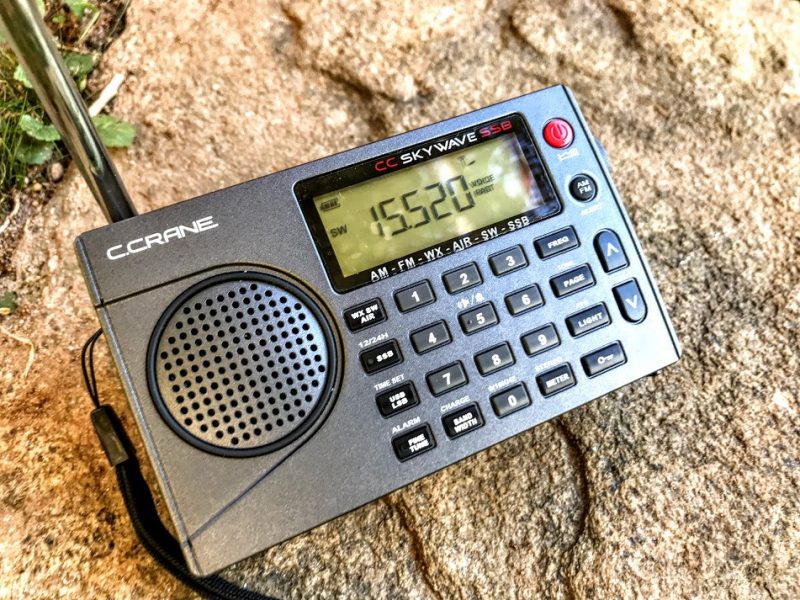
CC Skywave SSB Update: C. Crane addresses first production run issues

Earlier this year, I posted a review of the CC Skywave SSB: C. Crane’s latest ultra-compact travel AM/FM/WX/AIR/shortwave radio.

If you’ve been following this little radio, you might remember that early first production models had issuesindeed, all six production units I tested had issues–that prevented me from releasing my full review before the end of 2017.

The main problem that plagued my first production run units was a background audio whine/tone. Here’s the description from my full review:

Upon careful listening, I discovered the production unit had a faint, internally-generated whine on some of the shortwave bands; when tuned to marginal signals, this whine manifested in the form of variable background noise. Between signals it was audible as a faint background whine, hardly noticeable. With that said, the whine was most notable while tuning––since the Skywave SSB mutes between frequency changes, the whine was most conspicuous during audio recovery between steps.

I later discovered that part of the problem was related to an alignment issue that C. Crane had to address in-house on their first production inventory.

Second production run evaluation

A few weeks ago, C. Crane sent me one of the first CC Skywave SSB units from their second production.

Due to my hectic schedule after almost two months of travel in Canada, I’ve only gotten around to checking the new unit this past week.

I put the CC Skywave SSB on the air and carefully tested it across the bands.

Fixed: No more whine!

I’m very pleased to report that this unit shows no signs of the internally-generated noises that plagued all six of my first production run units!

In fact, the second production unit’s performance is identical to that of the pre-production CC Skywave SSB which I’ve so admired. I’ve compared the units side-by-side and would not be able to tell them apart if it weren’t for a silk-screen error on the back of the pre-production unit.

I can now recommend the CC Skywave SSB without hesitation. If you’d like to know more about this radio, check out my full review by clicking here.

You can purchase the CC Skywave SSB from the following retailers:

Next Up…

C. Crane also sent me a second production run CCRadio-EP Pro. If you recall from my review, this model also had several issues that prevented me from recommending it–primarily: muting between frequencies, images, fixed 10 kHz steps on mediumwave, and an inaccurate analog dial.

I’ll start evaluating the EP Pro this week and report back soon. Bookmark  to follow updates.

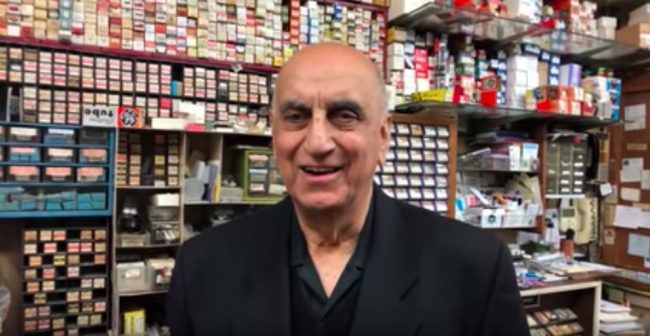
Joseph Hovsepian: Montreal’s “Radio Doctor”

Many thanks to SWLing Post contributors Scott Gamble and Bill Mead who both share the following story via the CBC News:

Joseph Hovsepian says he is part of the last generation that knows how to repair electronics

Joseph Hovsepian has been repairing? radios for so long that he claims that he can sometimes smell the problem.

“When I pick up a radio, I turn it on or I plug it in and the way it smells, the way it sounds or doesn’t sound, the way it crackles and fades away, all these things are recorded in my brain and I know exactly how to start and how to fix it,” he said.

Since 1960, Hovsepian has been fixing radios, turntables and other electronic gadgets from his Parc Ave. repair shop.

The 79-year-old sees himself as part of the last generation of people trained in the art of repair.

“We have lost the ability to touch things, fix things, repair them and feel good for doing it,” he said.

For almost his entire life, Hovsepian has been tinkering with radios. He built a crystal radio when he was 12, and his first tube radio at 15.

[…]He believes that today’s electronics lack the warmth that the old radios offered. Hovsepian said smartphones look dead to him compared to old technology.

“Even the sound of the old radios, a little scratch here, a little scratch there…This is radio.”[…]

Click here to read the full article at CBC News.

This is a charming story and I think Post readers can certainly understand why radio seems to be in a class of its own. I feel very fortunate that I’m friends with two people who repair radios for others, my buddy Charlie (W4MEC) and Vlado (N3CZ). Both are kind enough to show me the ropes as they troubleshoot problem sets.

Post readers: Do you live somewhere with a radio repair shop? Have any readers ever visited Mr. Hovsepian’s shop in Mile End? Please comment!