Shortwave listening and everything radio including reviews, broadcasting, ham radio, field operation, DXing, maker kits, travel, emergency gear, events, and more
Many thanks to SWLing Post contributor, Alan Roe, who shares his B-25 (version 4.0) season guide to music on shortwave. Alan provides this amazing resource as a free PDF download.
Alan has also created at-a-glance, single-page PDF programme grids for BBC World Service, CGTN Radio, Radio Romania International, Voice of Turkey, and Radio Taiwan International — all updated for the B-25 broadcast season and published last week. If you’d like to download these, visit Alan’s Box account here: http://tinyurl.com/shortwaveprograms
As always, thank you for sharing your excellent guide, Alan!
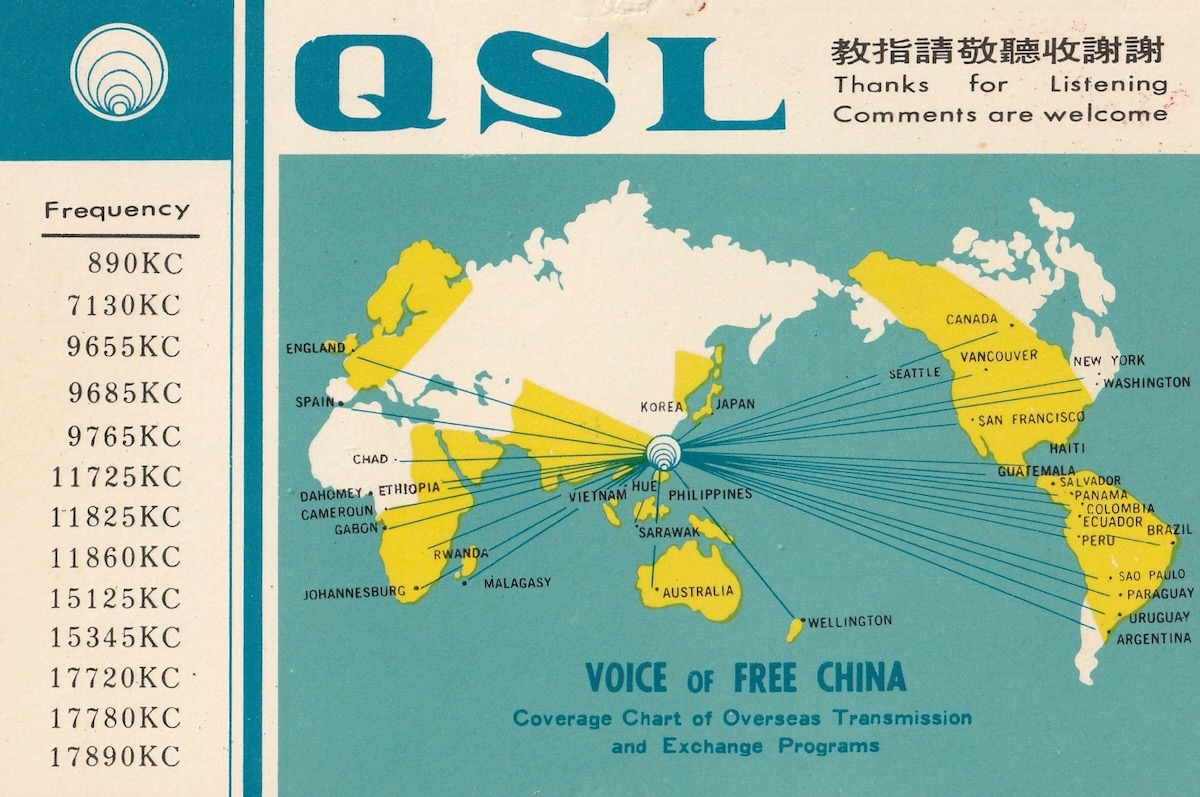
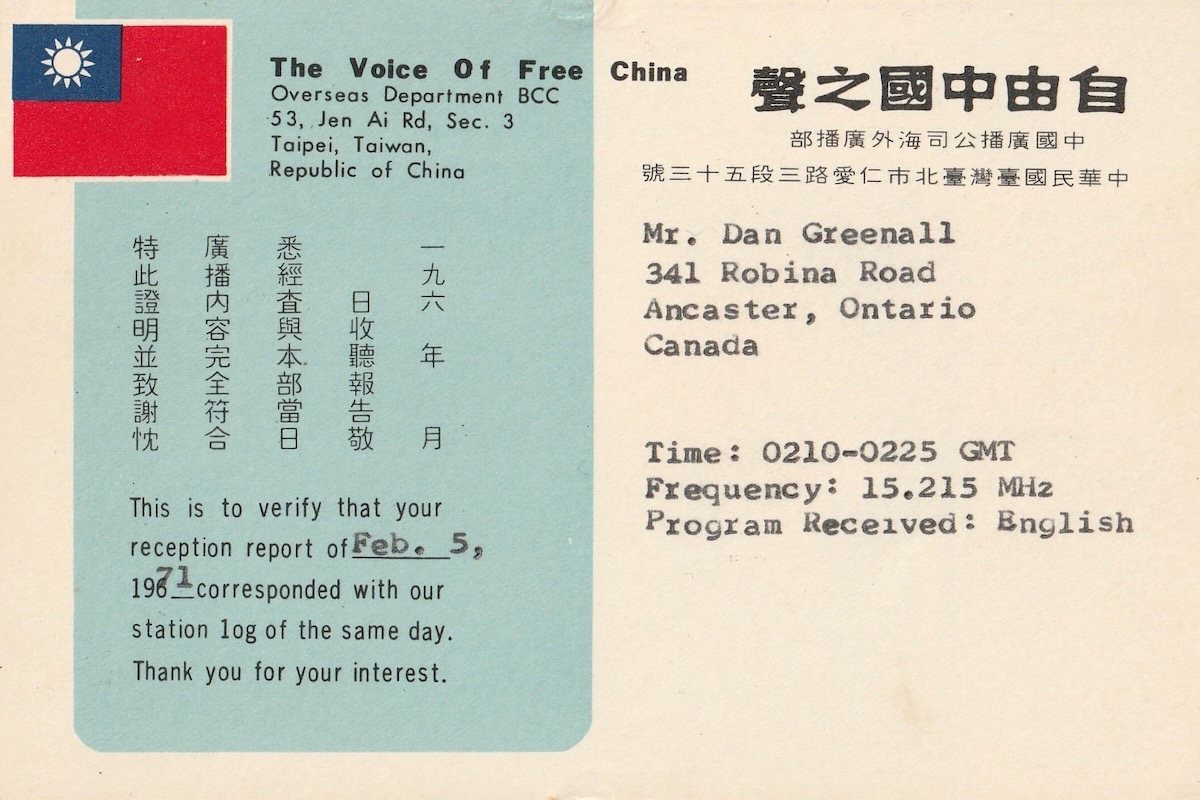
For nearly a half-century, The Voice of Free China broadcast programs via shortwave to a worldwide audience from Taipei, Taiwan. As a relatively new SWL in the early 1970’s, I was always excited to hear English language programs from that part of the world, far away from southern Ontario, Canada, where I lived. There was no relay from WYFR or Radio Miami International at that time, so the signal from Taiwan needed to travel over 12,000 km (7500 miles) to reach my receiver.
I made this recording of their interval signal and sign-on in early 1971.
In 1998, the name of the station changed to Radio Taipei International, then again in 2003 to Radio Taiwan International.
Today, Radio Taiwan International continues to offer programs on shortwave in a number of languages from a transmitter in Taiwan, though there appears to be only one English-language broadcast per day, that being from 1600 to 1700 hours UTC on 9405 kHz. Here is a recording of the station signing on at 1600 UTC on January 1, 2026 using a remote SDR located in Japan:
And here they are signing off for the day on December 27, 2025 at 1700 UTC on 9405 kHz, again using a Kiwi SDR in Japan.
The station is received well in southern Ontario during their daily 2200 UTC broadcast in Spanish on 15770 kHz. This transmission is aired using the facilities of Radio Miami International in Okeechobee, Florida. The Kiwi SDR used for this recording is located in my hometown of London, Ontario.
Don’s traveling DX stories can be found in his book Tales of a Vagabond DXer[SWLing Post affiliate link].If you’ve already read his book and enjoyed it, do Don a favor and leave a review on Amazon.
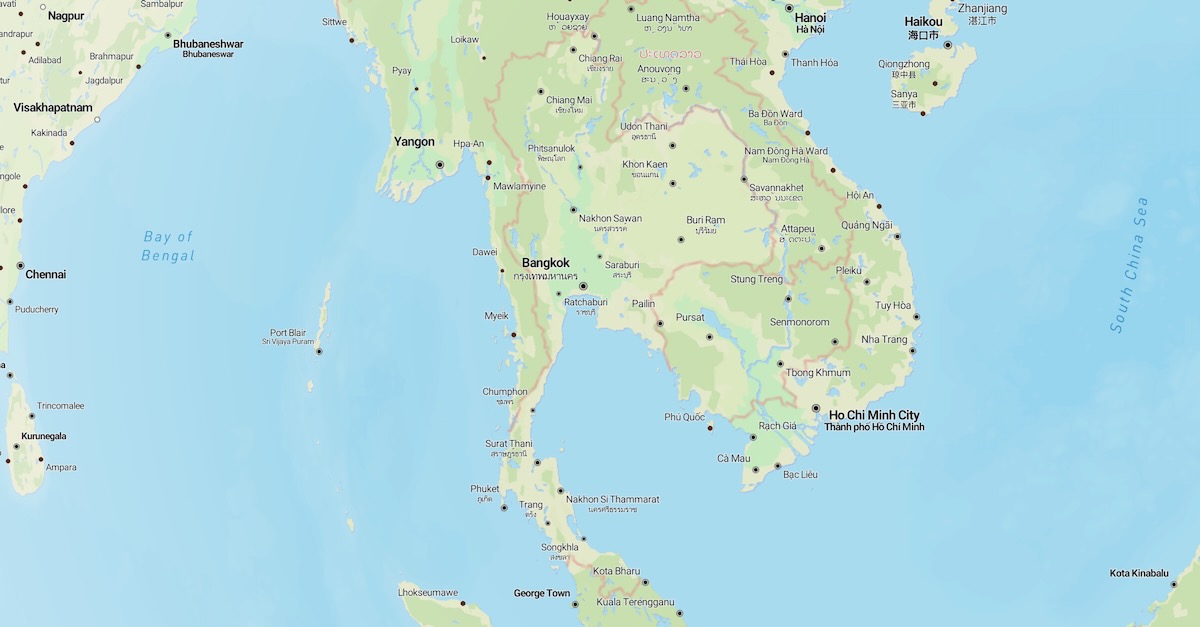
Since early November, I’ve been traveling and DXing in Southeast Asia. I’ll write more about that in a few future articles, but I came across something new that I can’t wait to share. It’s unusual and possibly might meet the criteria to be considered an SWBC (shortwave broadcast) station. If you’re in this part of the world, it shouldn’t be too hard to log. In other places, it will be a serious DX target to try for.
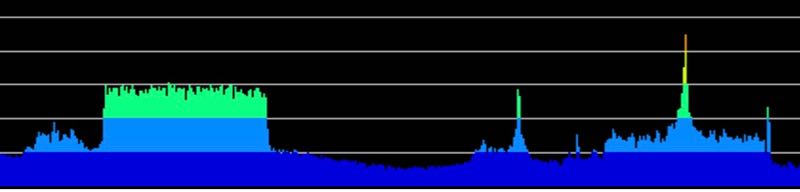
A few nights ago I was using the SDR-Console Data Analyzer tool to look for voice air and maritime communications in some spectrum recordings I had made on 11 December in Pakbeng, Laos. On 8101 kHz USB, I came across a strong signal with a very polished program that wasn’t anything at all like a utility broadcast. It started at 1217 UTC with a little music interlude, an announcement by a woman, a bit more music, then into some kind of documentary talk, all in an unknown language. My recording ended five minutes later, so I had no idea how long it went.
A few years ago it would have remained a total mystery but technology has given us some very helpful tools. To identify the language I began playing it into Google Translate on my phone. The second try identified the language as Thai. Here’s the English translation of the initial program announcement:
Greetings to the people and viewers. I invited the people and the audience to listen to the Duyen Hai information program broadcast from Duyen Hai Vietnam Information System. Today’s program on December 11, 2025, at 19:05 has the following content.
I heard this at 1217 UTC, which would be 1917 in Southeast Asia. So the broadcast was delayed by twelve minutes. After a brief bit of music there was a talk about the fishing industry in Hai Long Bay in Vietnam. And the language was Thai, not Vietnamese.
Here’s the audio of my reception in Pakbeng. Set Google Translate to translate from Thai to English and play it on your phone. It may take a couple of tries to get it to work.
This really sounded to me like a regular broadcast program. I started looking through the other spectrum recordings I had on hand for ones with the same time and frequency range. I found the same broadcast starting at 1214 UTC on 20 November (heard in Taal, Philippines) and at 1215 UTC on 03 December (heard in Trang An, Vietnam). The programs followed the same pattern and ended about fifteen minutes later. One program was an interview and the other another documentary. The signals were not as strong or clear so it was difficult getting Google Translate to work with them but I was able to ascertain that the language was still Thai and that the topics were fisheries and economic development.
I also have with me some spectrum recordings from an October DXpedition in Pennsylvania. I found the same program around 1215 UTC on 8101 kHz on those on 30 and 31 October. In Pennsylvania the signal was barely there but on peaks I could tell it was the same woman’s voice. So this appears to be some kind of regular program and it’s been going on for at least two months. But what is the Duyen Hai Information System and who is behind it?
There is a Duyen Hai Power Station in the far south of Vietnam. But the most likely explanation would be a connection to Vu Duyen Hai, the Deputy Director of Fisheries and Fisheries Resources for the Vietnamese government. There are numerous articles about him on the Internet. He’s been very involved in trying to make sure that Vietnam’s fisheries industry is ethically managed according to international standards.
So this appears to be some sort of regular broadcast in which the Vietnamese Fisheries department attempts to inform people in the Thai fishing industry as to what their Vietnamese counterparts are doing. To do that it would make sense to use an existing marine transmitter in the marine band since Thai fishing boats would have radios to receive this. But we don’t know if this being done officially by Duyen Hai Information Systems or if someone else is unofficially relaying the station on the marine band.
But you don’t have to be a Thai fisherman to tune in. The station is making to the eastern US. In addition to my October loggings it was logged in Maryland yesterday. So wherever you are, check out 8101 kHz USB around 1215 UTC and see if you can hear this mystery station from Vietnam.
Many thanks to SWLing Post contributor, David Iurescia, for bringing our attention to this recent roundup of developments in Digital Radio Mondiale (DRM) as the year comes to a close.
The article from RedTech.pro was written by Ruxandra Obreja, chairman of the DRM Consortium, and summarizes a range of DRM-related updates and activities in 2025, covering new broadcasts, technology progress, and announcements from stakeholders in the DRM community.
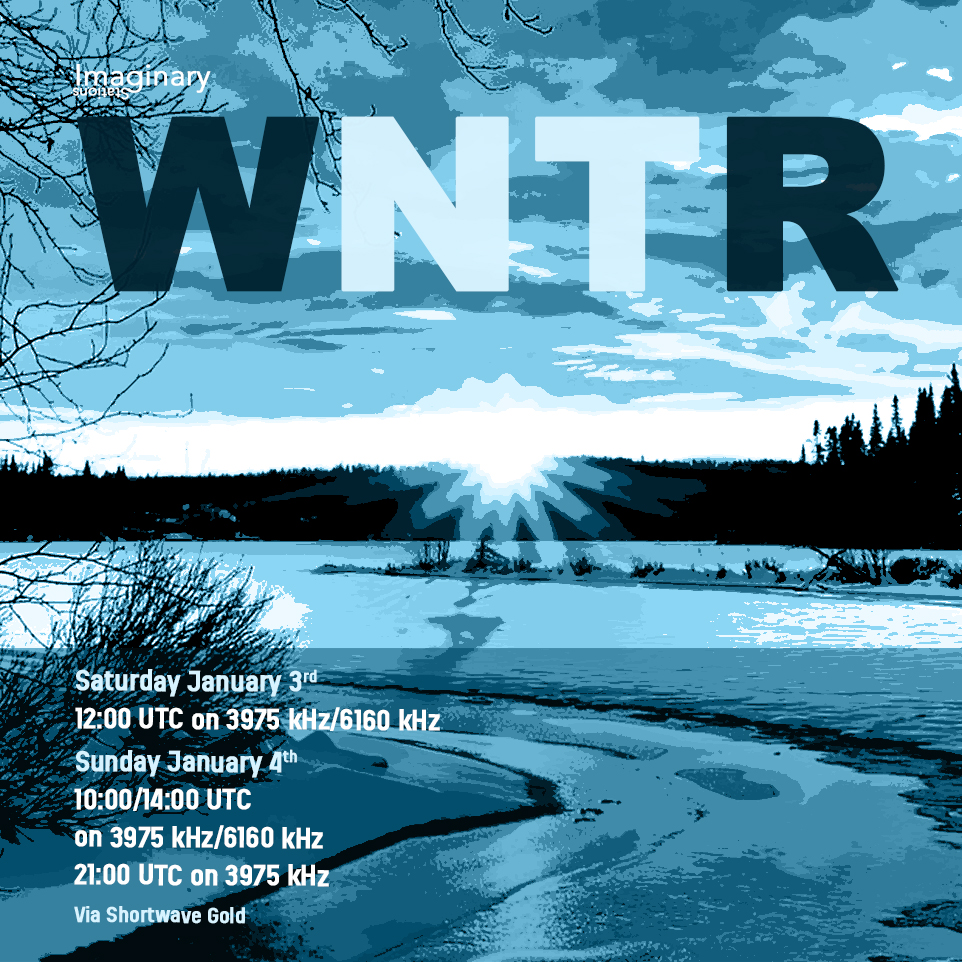
Greetings all SWLing Post community, Imaginary Stations start the new year with the final episodes of WNTR. The first is via shortwaveradio.de on Saturday 3rd January 2026 at 1200 hrs UTC and then again on Sunday 4th January 2026 at 1000/1400 hrs UTC on 3975 kHz and 6160 kHz and (the new time of) 2100 UTC on 3975 kHz. Winter vibes abound as per with the show, and the temperature outside may only a few degrees, but we will be transmitting as much winter warmth as we can!
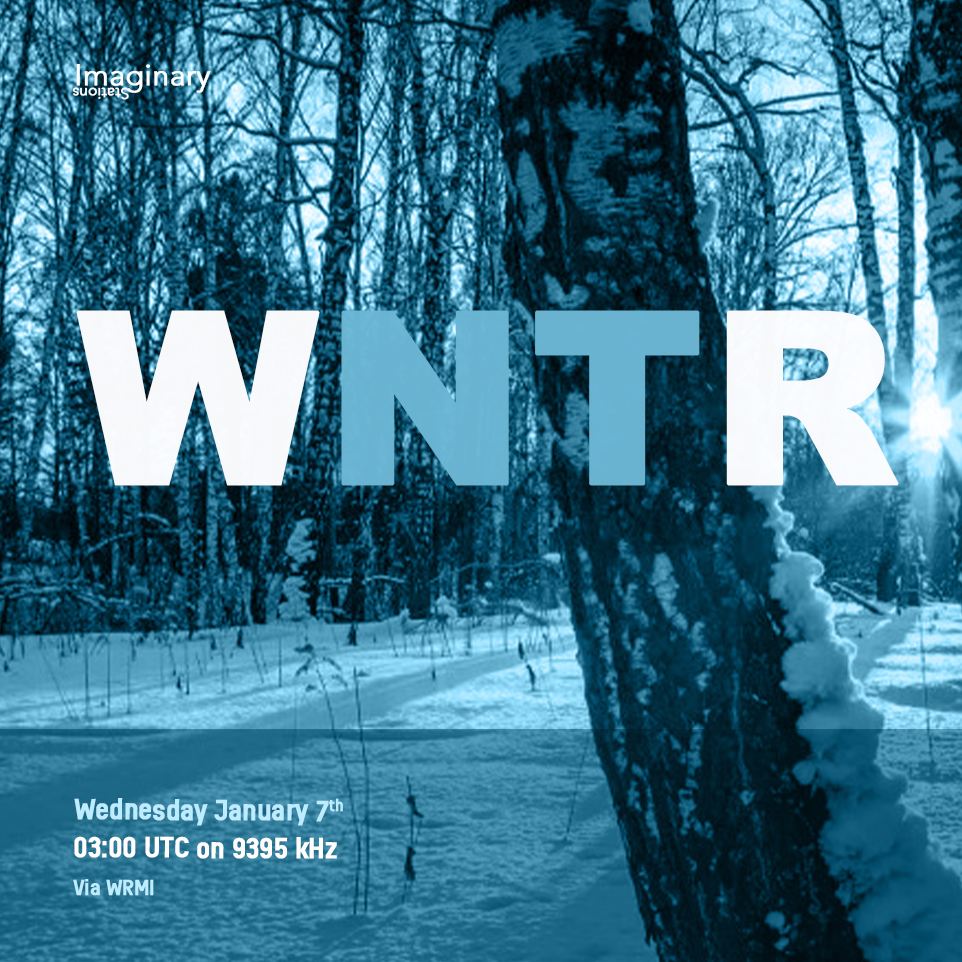
And the final instalment is on Wednesday 7th January 2026 at 0300 UTC on 9395 kHz via WRMI. Spring may be a good few weeks away, but this’ll be the end of WNTR for now.
For more information on all our shows, please write to us at [email protected] and check out our old shows at our Mixcloud page here.

 Carlos notes: