Radio Waves: The DLARC, NASA Citizen Science, PopShopRadio DRM to Europe, Hackers Disrupt Russian Radio, and Afghan Radio Closures

Radio Waves:  Stories Making Waves in the World of Radio

Welcome to the SWLing Post’s Radio Waves, a collection of links to interesting stories making waves in the world of radio. Enjoy!

Many thanks to SWLing Post contributors Trevor Robbins and Dennis Dura for the following tips:


Digital Library Of Amateur Radio And Communications Is A Treasure Trove (Hackaday)

Having a big bookshelf of ham radio books and magazines used to be a point of bragging right for hams. These days, you are more likely to just browse the internet for information. But you can still have, virtually, that big shelf of old ham books, thanks to the DLARC — the digital library of Amateur Radio and Communications.

A grant from a private foundation has enable the Internet Archive to scan and index a trove of ham radio publications, including the old Callbooks, 73 Magazine, several ham radio group’s newsletters from around the globe, Radio Craft, and manuals from Icom, Kenwood, Yaesu, and others.

There are some old QST magazines and the index to newer ones. You can find catalogs and military documents. We miss a lot of these old magazines and newsletters. For example, RCA’s “Ham Tips” is something you won’t find anything like anymore. Most of the material is in English, but there are some other languages represented. For example, the Dutch version of Popular Electronics is available. There’s also material in Afrikaans, Japanese, German, and Spanish. [Continue reading at Hackaday…]

Ham Radio Operators, We Need Your Help During Solar Eclipses! (NASA)

Ham Radio operators, we’re calling you! Members of the Ham Radio Science Citizen Investigation (HamSCI) will be making radio contacts during the 2023 and 2024 North American eclipses, probing the Earth’s ionosphere. It will be a fun, friendly event with a competitive element—and you’re invited to participate.

Both amateur and professional broadcasters have been sending and receiving radio signals around the Earth for over a century. Such communication is possible due to interactions between our Sun and the ionosphere, the ionized region of the Earth’s atmosphere located roughly 80 to 1000 km overhead. The upcoming eclipses (October 14, 2023, and April 8, 2024) provide unique opportunities to study these interactions. As you and other HamSCI members transmit, receive, and record signals across the radio spectrum during the eclipse, you will create valuable data to test computer models of the ionosphere.

For more information, go to https://hamsci.org/festivals-eclipse-ionospheric-science

DRM to Europe (DRM Consortium Newsletter)

The Canadian pop music station PopShopRadio in British Columbia has just announced that they will use the DRM standard to broadcast their best pop music towards Europe on the 5th March 2023 at 2000-2100 CET (GMT+1) on 5875 kHz (85kW) from Wooferton in the UK.

This radio station is specialised in transmissions of well-known pop music from the 60s and 70s or even before that. They are collecting the best tunes from various countries and offer them to the world using shortwave. This time round they wish to also use the DRM standard in SW to be able to reach distant parts of the globe in much better sound quality.

For more details please click here and here.

Hackers Disrupt Russian Radio (Radio World)

Air raid sirens broadcast in a dozen cities

Radio stations in several Russian cities were disrupted on Feb. 22 by the sound of air raid sirens and a warning of imminent missile strikes.

The broadcasts were reportedly heard in Belgorod, Chelyabinsk, Kazan, Magnitogorsk, Nizhny Novgorod, Novouralsk, Pyatigorsk, Stary Oskol, Syktyvkar, Tyumen, Ufa, and Voronezh, among other cities. Recordings of the broadcast were shared on the social media network Telegram and reported on by Meduza.

Meduza, an independent news agency now based in Latvia, was forced to move its operations out of Russia during the media crackdown that followed Russia’s February 2022 invasion of Ukraine. [Continue reading at Radio World…]

Radio Closures Hit Afghanistan Hard (Radio World)

Only 223 stations remain on air 18 months after Taliban regained control of the country

In the 18 months since the Taliban retook full control of Afghanistan, 177 radio stations have gone off the air in the country, displacing about 1,900 journalists and other employees.

In a statement released on World Radio Day 2023, the Afghan Independent Journalists Association noted that during the Islamic Republic period from 2004–2021, there were as many as 401 radio stations operating in Afghanistan. As the Taliban Insurgency increased its control of the country, about 56 stations went off the air before the Taliban took control and reinstated the Islamic Emirate of Afghanistan in August 2021.

Since then, around 120 stations have ceased broadcasting due to economic pressures. The AIJA stated that only 223 stations currently operate in the country.

With these stations going dark, more than 1,900 journalists and media workers are now unemployed in the country, include 1,075 women. [Continue reading at Radio World…]


Do you enjoy the SWLing Post?

Please consider supporting us via Patreon or our Coffee Fund!

Your support makes articles like this one possible. Thank you!

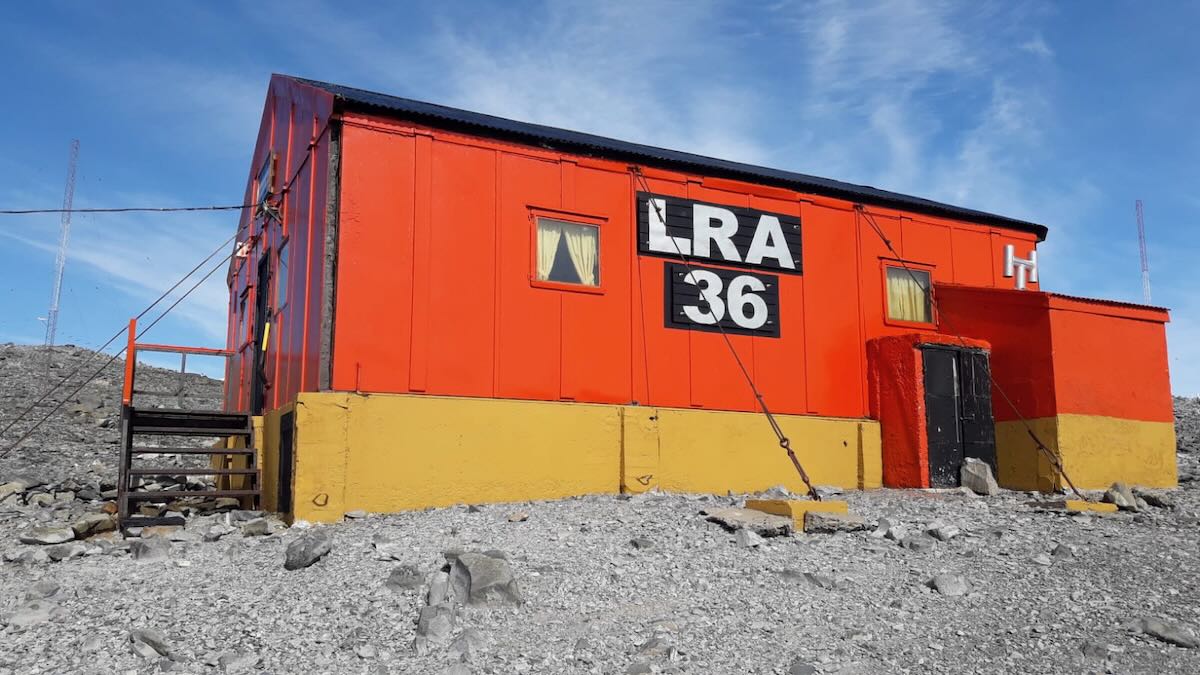
LRA 36 (Arcangel San Gabriel, Antarctica) Test Broadcast Today at 20:00 UTC

Many thanks to SWLing Post contributor, Adrian Korol, who shares the following tip and schedule for the LRA 36 broadcast today:

LRA36 Radio Nacional Arcangel San Gabriel from Base Antartica Esperanza:

Saturday, 25 February 2023
From 20:00 to 24:00 UTC
On 15476 kHz (USB)

Thanks for the tip, Adrian!

Tune into the Japanese Jukebox

Good day SWLIng Post community, Fastradioburst23 here to let you know about our next imaginary Stations offering on Sunday 26th February 2023 on 9395 kHz at 2300 hrs UTC. This week it’s JNHK and it’ll be an hour of a distinctive Japanese flavour. Tune in and enjoy the sound of Japan wherever you are.

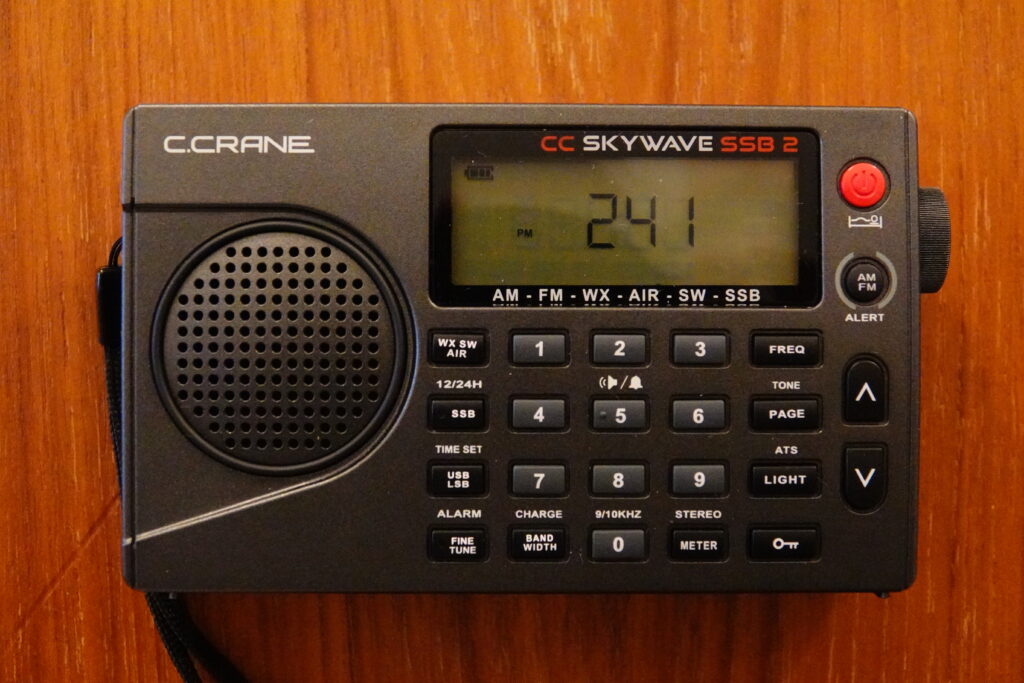
The CCrane Skywave SSB 2 and long wire antennas

By Jock Elliott, KB2GOM

Frequently when people write about attaching a long wire to a portable shortwave receiver, readers will comment that you need to worry about desensitizing or overloading the receiver or ever harming the front end of the receiver. Clearly that can be a concern.

But recently I noticed something on the CCrane website in the FAQ section that shows clearly that CCrane has thought about and dealt with this consideration:

Q: When  using the 2-wire adapter and wire attached, why am I not noticing any improvement on shortwave?

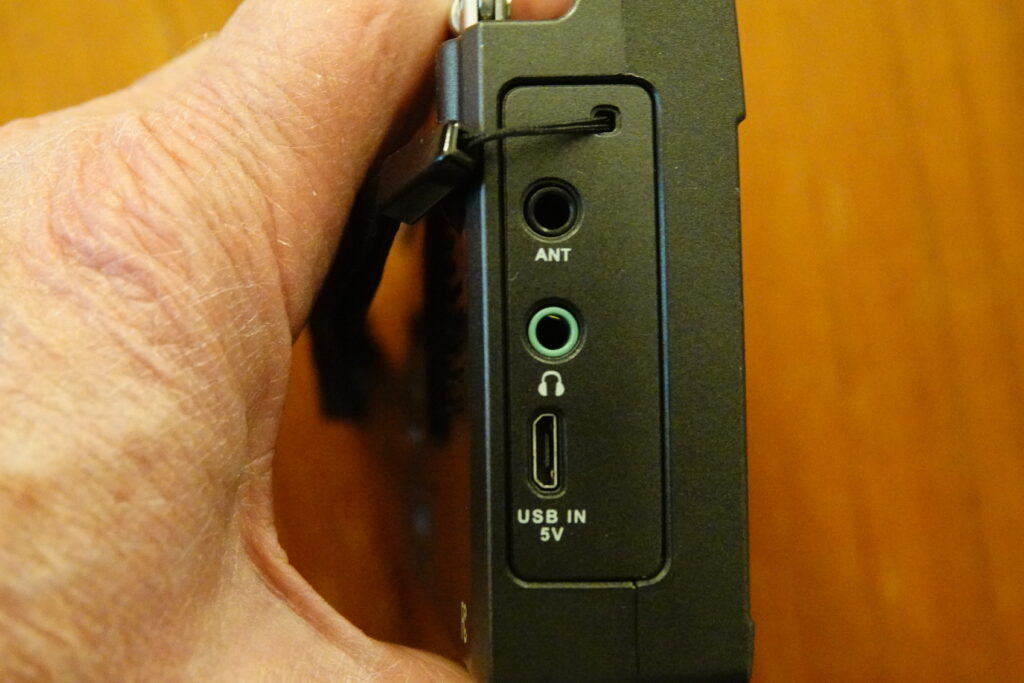
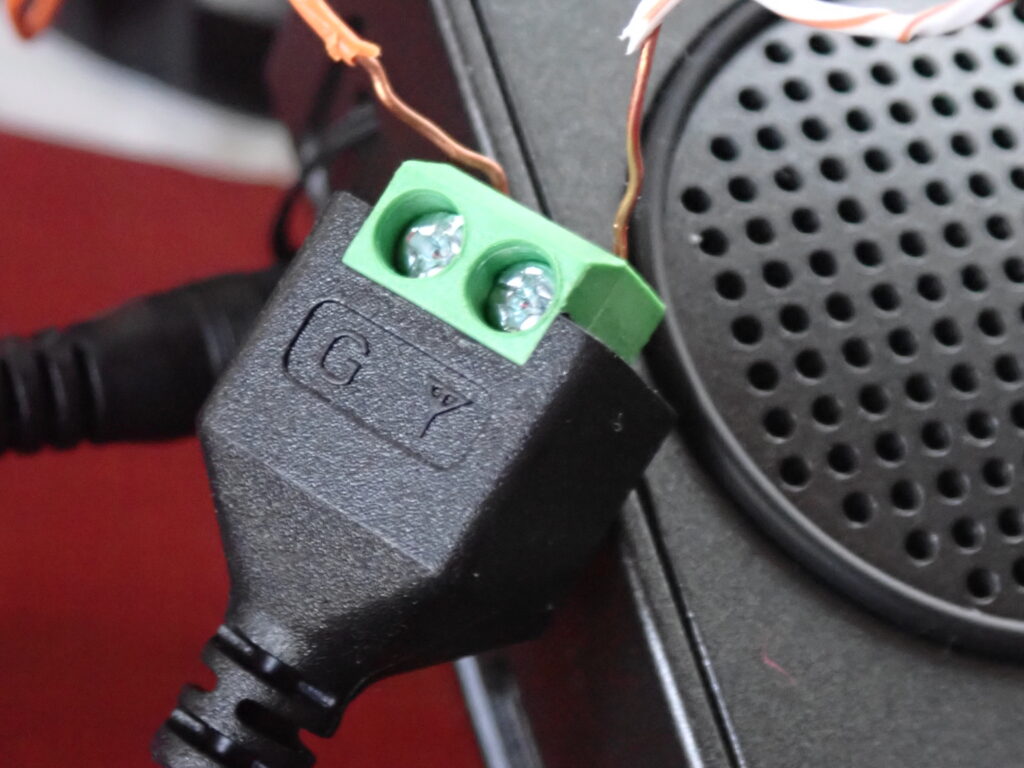
A: To see any difference using the 2-wire adapter you will need to have a wire that is more than 30 feet long (we recommend 60-100’) with a good ground wire. Insulated wire will last longer and should be stranded so it is more flexible. If you do not have a good ground, you are actually inputting noise. If you look at the 2-wire adapter (included) you will see an antenna icon and a ground (G) marking. You need to connect them properly when using an external antenna. When a plug is inserted into the antenna jack of the radio the internal rod antenna is disconnected. (See page 30 of the Instruction manual.)

If you check out my review of the CCrane Skywave SSB 2 you will read that I heard a noticeable improvement when connecting the SSB 2 to a 45-foot end fed wire.

Note, though, that if you plan to attach a wire to the SSB 2’s whip antenna, use the 23-foot reel antenna that comes with the radio.

A “knobs and switches” oldster investigates the SDRplay RSPdx . . . Wow!

By Jock Elliott, KB2GOM

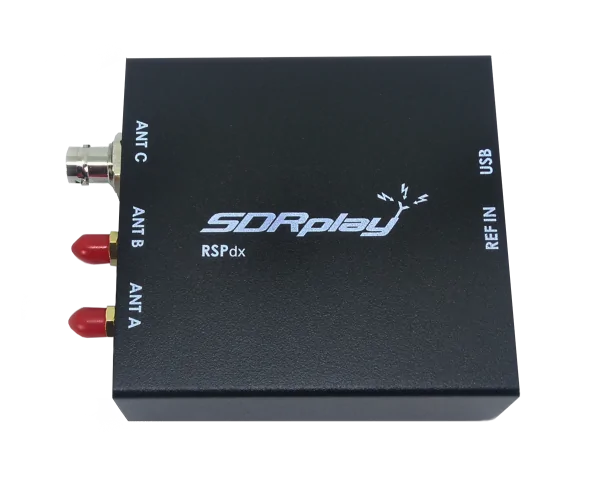
It is hard to imagine a less spectacular looking piece of radio gear than the SDRplay RSPdx. It is literally a black box. Aside from the printing on top of the box, the most exciting thing about the RSPdx are the two red plastic covers on the antenna connectors on the side. There are no switches, no knobs . . . you can’t do anything to it except connect an antenna (or antennas) on one side and a USB cable on the opposite.

But once you connect the USB cable to your laptop and fire up the SDRuno software (that you have previously downloaded and installed), you are now in command of a listening post that covers from 1 kHz to 2 GHz.

We’ll get to the important stuff in just a minute, but first a little background.

For an oldster retrocrank like me, a proper radio has knobs and switches . . . preferably a knob or switch for every job. Lately, however, I have noticed that a lot of DXers and ordinary listeners are reporting good success with SDRs – software-defined radios. So I started to wonder about them.

There are three elements to a software-defined radio like the SDRplay RSPdx:  the SDR box itself, which is the part of the system that actually receives the radio signals; a Windows computer (laptop or desktop), which provides the command and control for the SDR; and whatever antennas are required to receive the signals that the listener would like to hear. And, just to be absolutely clear, you need all three elements for the SDR system to work at all.

With my curiosity about SDRs rising, I inquired of Thomas, SWLing’s Maximum Leader, whether SDRplay – one of SWLing Post’s sponsors – might like me to take a look at one of their SDRs. Their answer was an emphatic Yes, and I had an RSPdx in my hands just a couple of days later at no cost to me or the SWLing Post.

I have to admit I had some trepidation about the process of bringing the RSPdx online because any time you have three different elements from three different sources that must work together for a system to function properly, there is always the possibility that some of the elements might not “play well together.”

Installation is easy and fast. Connect the RSPdx to the computer using a USB A-male to B-male cable (which the user must supply; often called a printer cable), then connect the antennas using the appropriate cable. In my case, I connected an MFJ 1886 Receive Loop to the Antenna C connector and an off-center fed dipole to the Antenna A connector.

To SDRplay’s great credit, they have produced an excellent video for first-timers and folks not familiar with SDRs — https://youtu.be/Oj_-dOLVzH8 . I recommend watching it, perhaps a couple of times, before you get started.

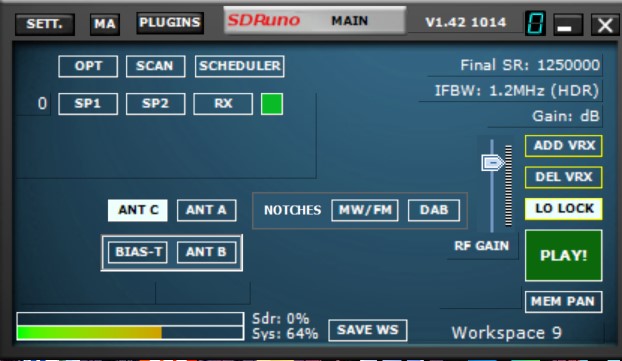
When you first fire up the SDRuno software, you will see the main panel:

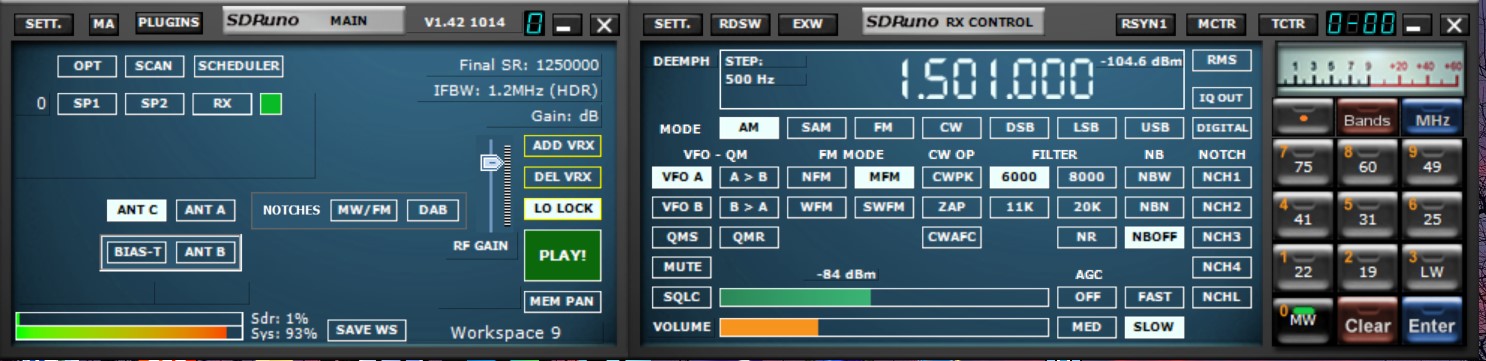
Click on the “RX” button, and the Receive panel will be displayed. After you slide it over, it will look something like this:

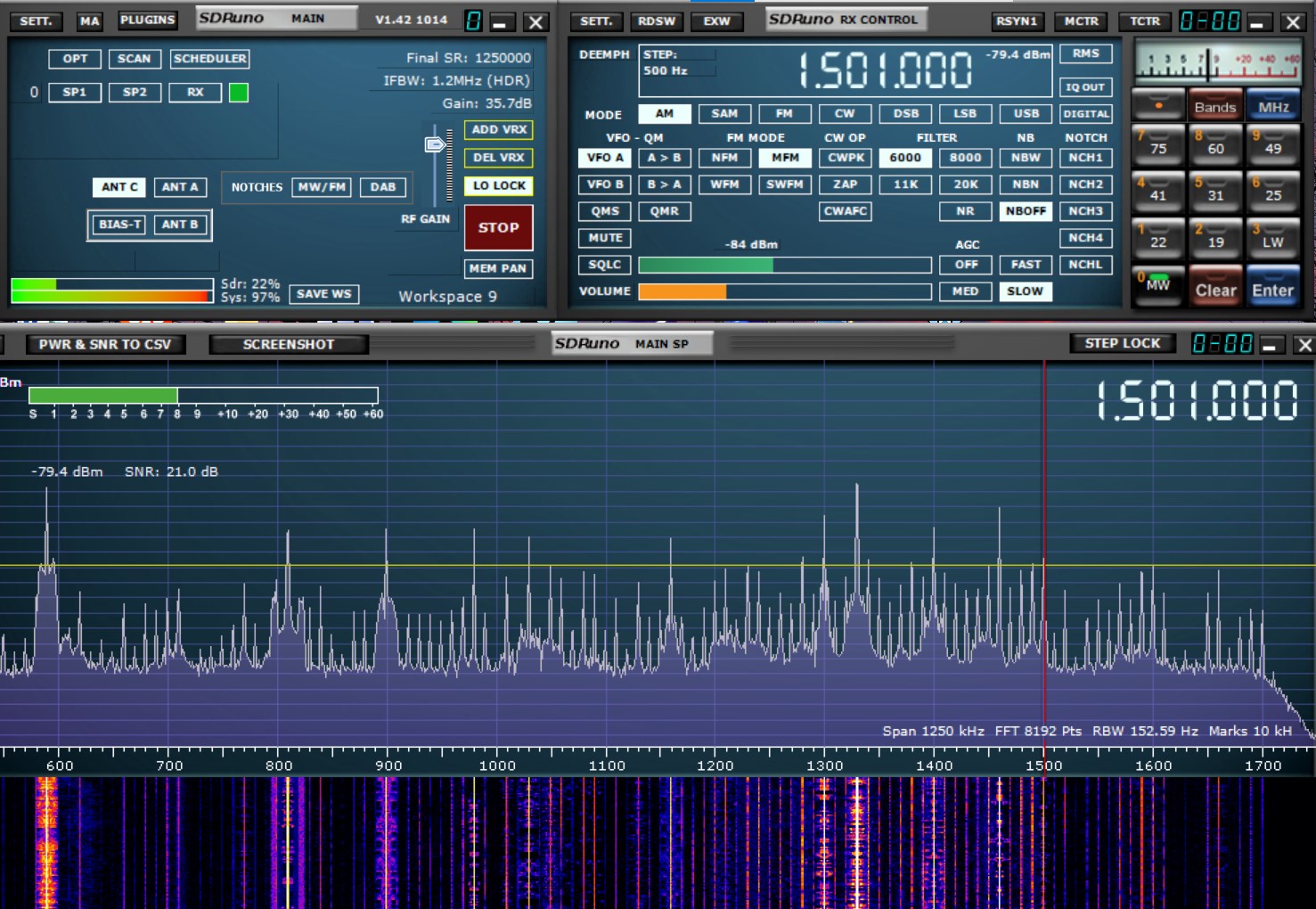
Click on SP1 or SP2 in the main panel, and one of the peak displays will appear:

Finally, click on the PLAY button in the main panel, and whatever frequency you have selected will begin to play. Continue reading

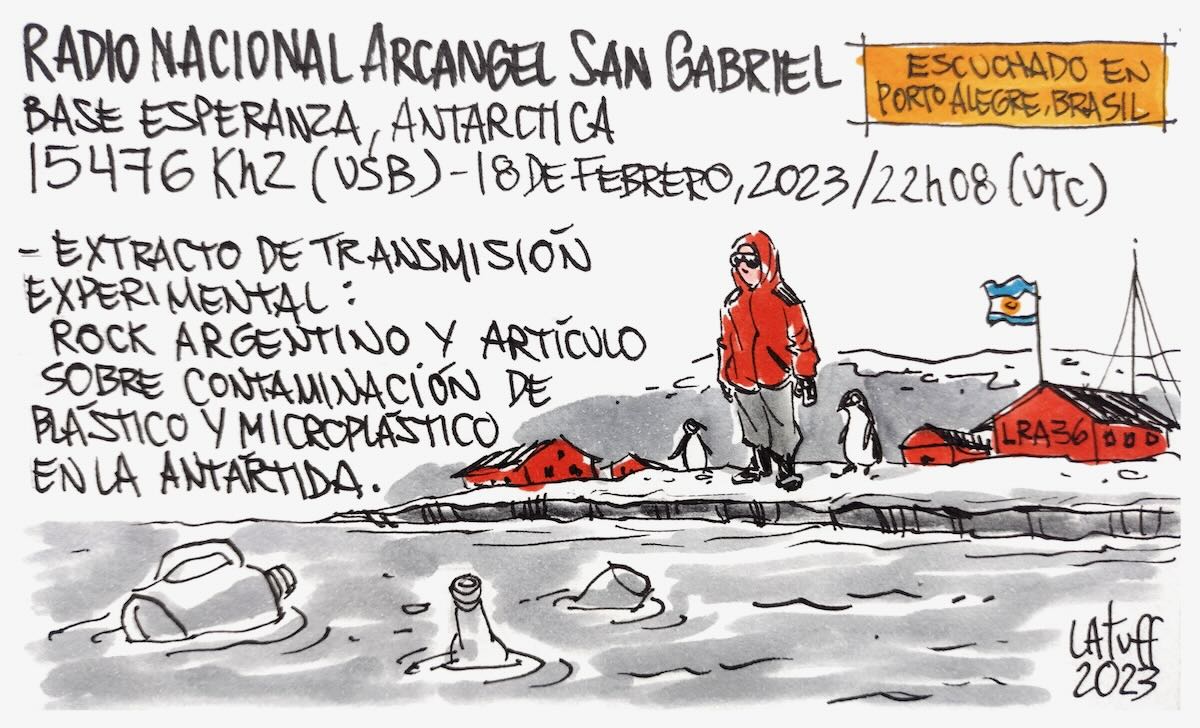
Carlos’ Shortwave Art and recording of Radio Nacional Arcángel San Gabriel, LRA 36 (February 18, 2023)

Many thanks to SWLing Post contributor and noted political cartoonist, Carlos Latuff, who shares his radio log art of a recent Radio Nacional Arcángel San Gabriell (LRA 36) test transmission.


Carlos notes:

Part of experimental shortwave transmission of Radio Nacional Arcangel San Gabriel, Base Esperanza, Antartica: Argentine rock and article on plastic/microplastic contamination in Antartica.

Click here to view on YouTube.

Radio Waves: ?Radio Gibraltar marks 65 years, Radio Balloons, More Balloons, and “Messages” by Joerg Dankert

Europa Point, Gibraltar (Photo by Petr Slová?ek)

Radio Waves:  Stories Making Waves in the World of Radio

Welcome to the SWLing Post’s Radio Waves, a collection of links to interesting stories making waves in the world of radio. Enjoy!

Many thanks to SWLing Post contributors Tracy Wood, Eric McFadden, and Dennis Dura for the following tips:


?Radio Gibraltar marks 65 years on the air (GBC)

Radio Gibraltar is today celebrating 65 years. Hitting the airwaves for the first time on the 16th February 1958, the station continues to inform and entertain the community.

One of its stalwart presenters George Du Boulay is himself celebrating a milestone this year, 50 years on air.

Our reporter Michael Beltran looks back at Radio Gibraltar’s history and speaks to George about his memories.

Check out this article at GBC.

Tracy notes: GBC runs two radio services (and a breakaway third for local Parliament when in session) as well as one TV channel. www.gbc.gi Spanish can be heard 1400-1600 local Gibraltar time Mon-Fri on Radio Gibraltar Plus. Remaining hours are in English. GBC transmits on AM, FM, and DAB.

Did an F-22 shoot down an Illinois hobby group’s small radio balloon? (NPR)

Did a superpower showdown provoke the U.S. into using a fighter jet to shoot down a hobbyist group’s research balloon in Canada? That’s the question the public — and the FBI — wants to answer, after the U.S. military shot down several unidentified airborne objects last weekend.

A military spokesperson tells NPR it’s their understanding that the FBI has spoken to the hobbyist group in question — the Northern Illinois Bottlecap Balloon Brigade, based just north of Chicago — in an apparent attempt to determine whether their small balloon might have inadvertently caused a big ruckus.

But the hobbyist club’s members are warning that while their balloon, whose radio callsign is K9YO-15, is missing in action, it’s too soon to say whether it was shot down by a warplane. They also say their balloon launches follow all federal regulations. [Continue reading full article…]

The USAF (Almost) Declares War on Illinois Radio Amateurs (Hackaday)

Every week the Hackaday editors gather online to discuss the tech stories of the moment, and among the topics this week was the balloons shot down over North America that are thought to be Chinese spying devices. Among the banter came the amusing thought that enterprising trolls on the Pacific rim could launch balloons to keep the fearless defenders of American skies firing off missiles into the beyond.

But humor may have overshadowed by events, because it seems one of the craft they shot down was just that. It wasn’t a troll though, the evidence points to an amateur radio pico balloon — a helium-filled Mylar party balloon with a tiny solar-powered WSPR transmitter as its payload. [Continue reading at Hackaday…]

Messages by Joerg Dankert (BandCamp)

Many thanks to SWLing Post contributor, Dennis Dura, who recently discovered the album “Messages” by Joerg Dankert. The album is heavily influenced by Dankert’s recent rediscovery of the shortwaves.

Click here to listen to and read about this album on BandCamp.


Do you enjoy the SWLing Post?

Please consider supporting us via Patreon or our Coffee Fund!

Your support makes articles like this one possible. Thank you!