Shortwave listening and everything radio including reviews, broadcasting, ham radio, field operation, DXing, maker kits, travel, emergency gear, events, and more
Many thanks to SWLing Post contributor, André, who writes:
I have been following the SWLing Post for many years and really enjoy it. Like many DXers, I have a YouTube channel where I share my catches.
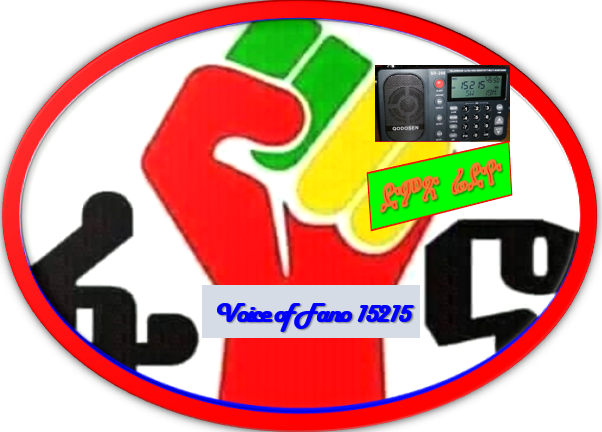
But I have something a bit different, that your readers might find interesting. It is an interview with a producer and presenter at an Ethiopian clandestine SW station, Voice of Fano.
I think it is interesting to hear from someone who is directly involved in a clandestine station, during a time of conflict, about their station. How they make programmes, the listeners, why they started the station, why shortwave, are they being jammed and more.
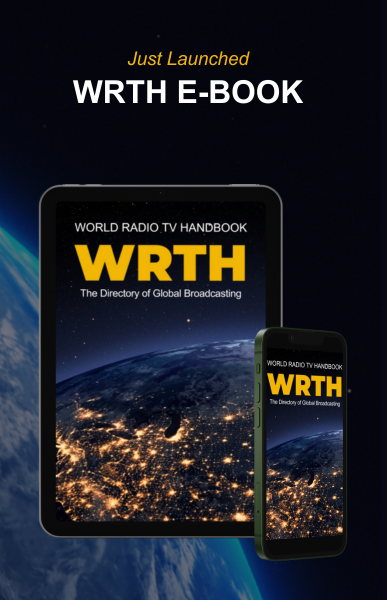
The station transmits from Issoudun, twice a week only, 15215 kHz. It can be heard on Wednesdays and Saturdays, 17:00 to 18:15 UTC. The WRTH listing has not been updated yet, they used to broadcast for 30 minutes only, but have increased this to 75 minutes. They have been transmitting for just over five months.
Many thanks to SWLing Post contributor, Alan Roe, who shares his A-24 (version 3.0) season guide to music on shortwave. Alan provides this amazing resource as a free PDF download:
Many thanks to SWLing Post contributor, Ed, who writes:
Last night on my bedside radio I heard on BBC World’s ‘The Forum’ a wonderful 49-minute piece about portable audio. Much of it covers the earliest portable electron tube radios and transistor radios, and their influences on society in different countries. Mediumwave, Shortwave and FM radios and stations are discussed, as well as evolving technologies. The societal impact of the Compact Cassette and digital audio players and recorders is also discussed. Probably all SWLing Post readers will find this worth listening to!
Many of us remember the first portable music device we owned: a transistor radio, a boombox, a Walkman or perhaps an iPod. We might even recall the songs we played on it. But we might be less aware of how profoundly audio technology developments from the 1950s to 2000s changed the ways in which we consume music and other audio outside of the home or concert venue. Transistor radios allowed outdoor sounds and noises to mix and compete with those coming over the airwaves, creating new auditory experiences; the cassette player gave the listener a cheap way of making and re-making their own playlists; and the advent of digital music players encouraged us to ‘own’ music recordings without possessing a physical copy of the audio.
Iszi Lawrence discusses the history of portable music with Dr. Annie Jamieson, Curator of Sound Technologies at Bradford’s National Science and Media Museum; American drummer and writer Damon Krukowski; Dr. Jahnavi Phalkey, science historian and Founding Director of Science Gallery Bengaluru, India; Karin Bijsterveld, Professor of Science, Technology and Modern Culture at Maastricht University; and World Service listeners.
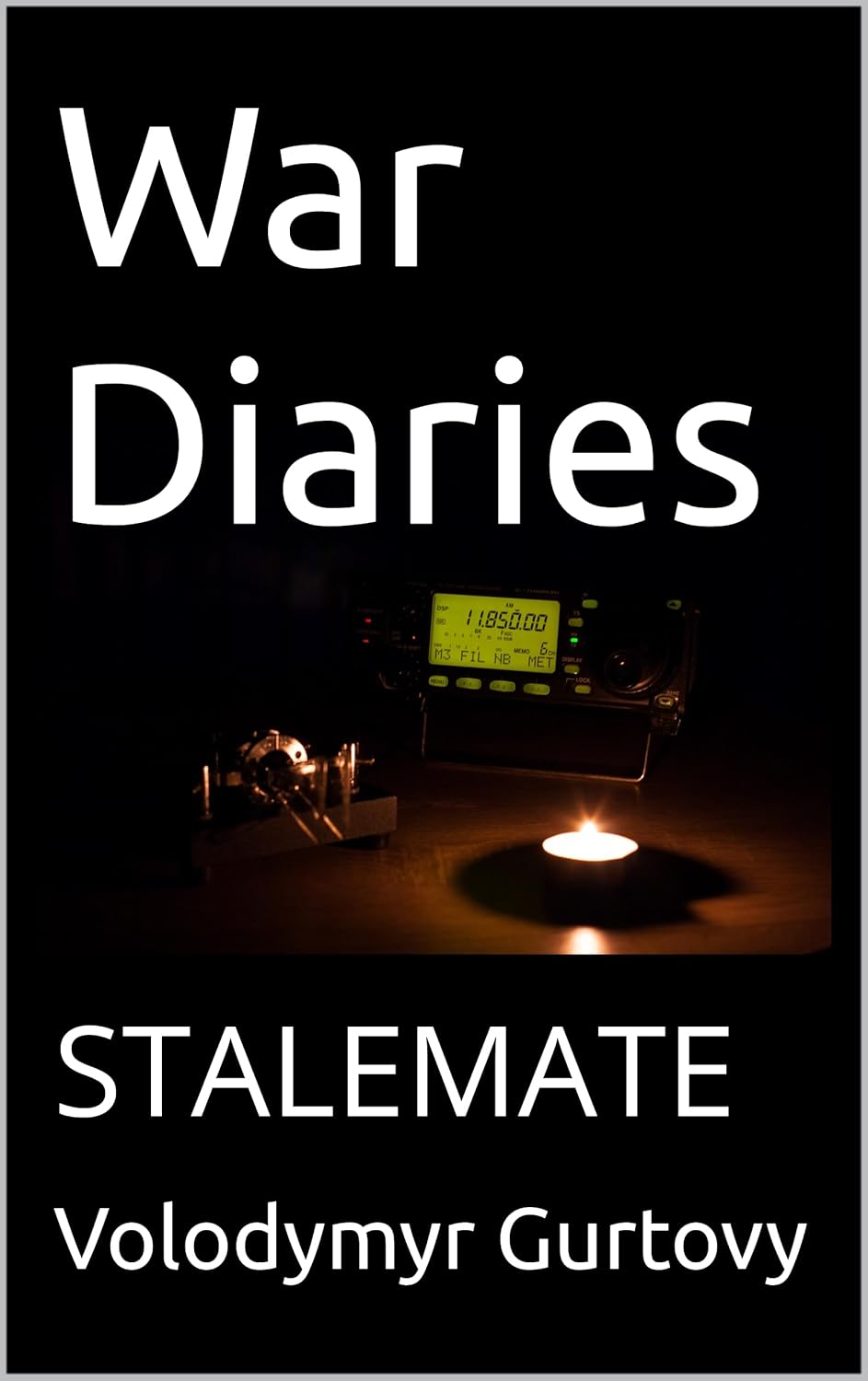
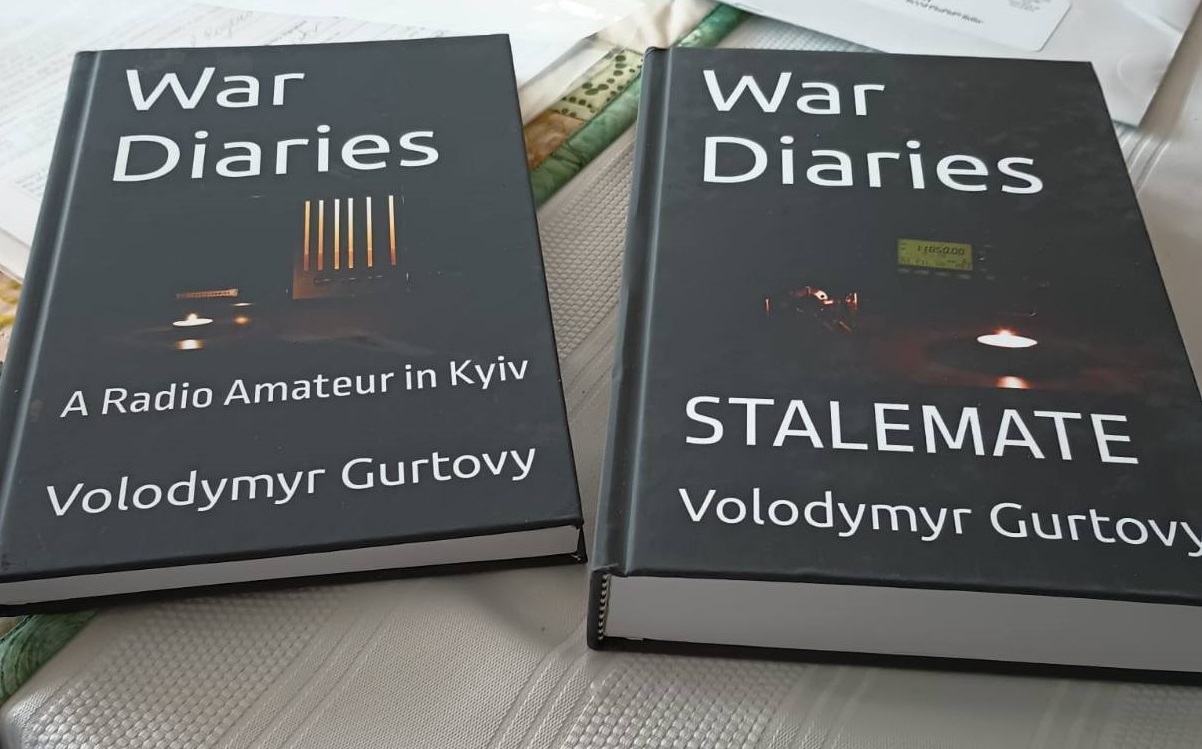
Wlad has seen firsthand what it’s like to live and work in Kyiv during the Russian invasion. Through his diaries, you feel like you’re right there with him, experiencing the dangers and instability that come with living in a country under attack.
I highly recommend Wlad’s first book, and I’ve already ordered his second. I hope you’ll consider ordering a copy as well. It’s available in both print and eBook formats.
Wlad is a regular contributor here on the SWLing Post (and over at QRPer.com)–his books offer a unique perspective on the war from the viewpoint of an SWL and ham radio operator. It’s a fascinating perspective from a truly remarkable individual.
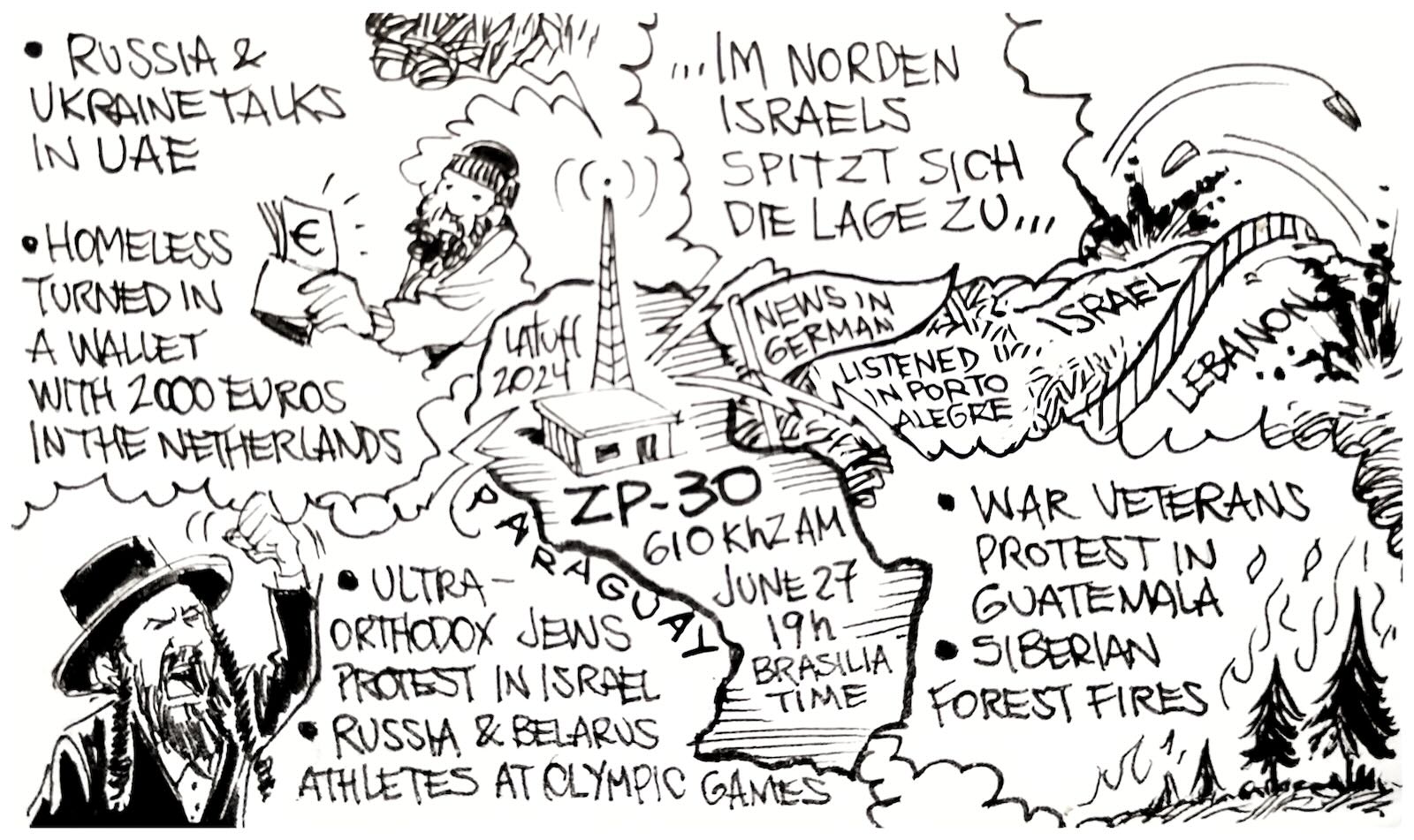
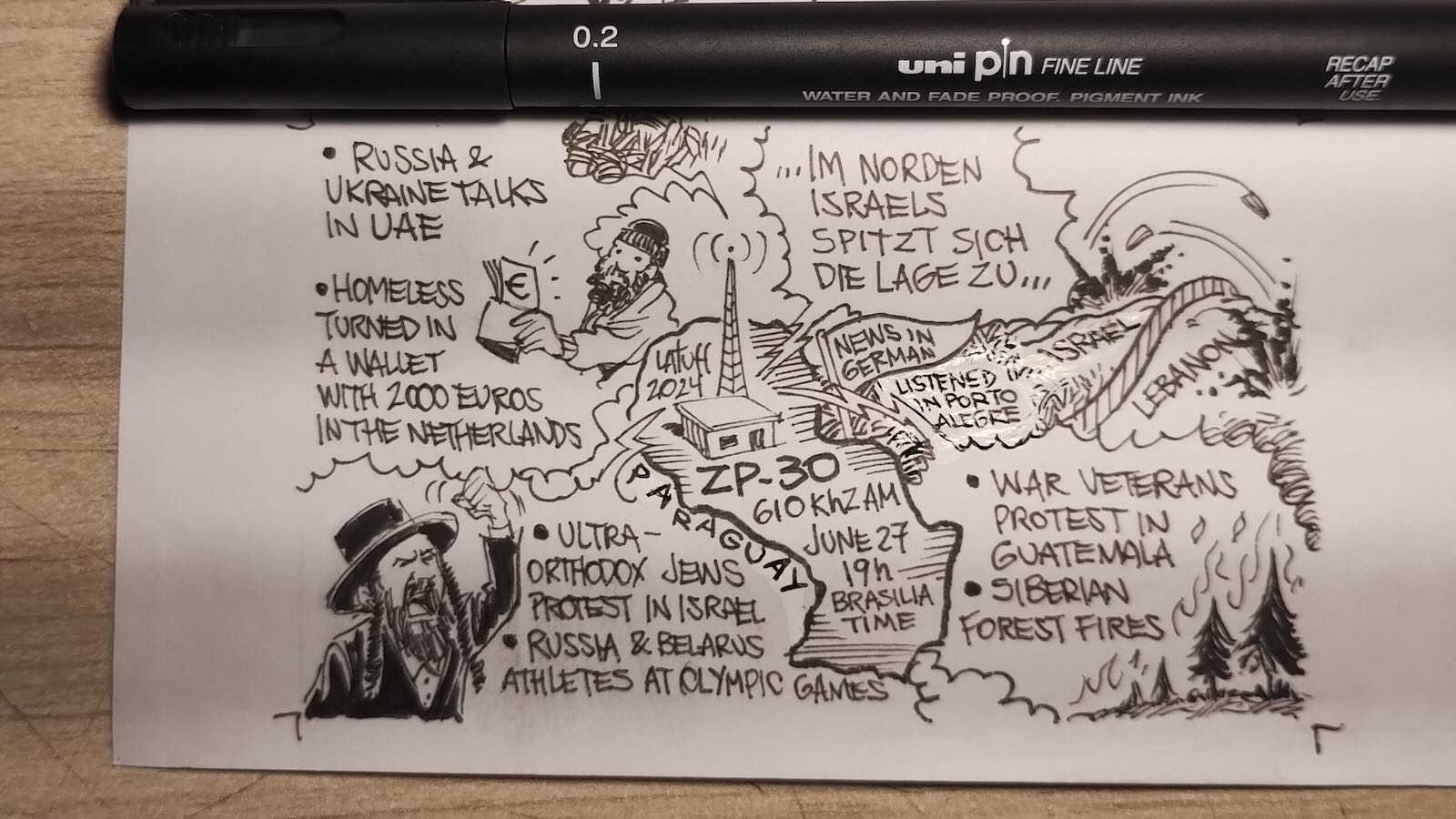
Many thanks to SWLing Post contributor and noted political cartoonist, Carlos Latuff, who shares his recording and illustrated listening report of the news, in German, from broadcaster ZP-30 on June 27, 2024.
Carlos notes:
ZP-30, Christian radio station in Paraguay broadcasting News in German. Listened in Porto Alegre, Brazil.