Shortwave listening and everything radio including reviews, broadcasting, ham radio, field operation, DXing, maker kits, travel, emergency gear, events, and more
Many thanks to SWLing Post contributor, Frank SWL (F14368), who writes:
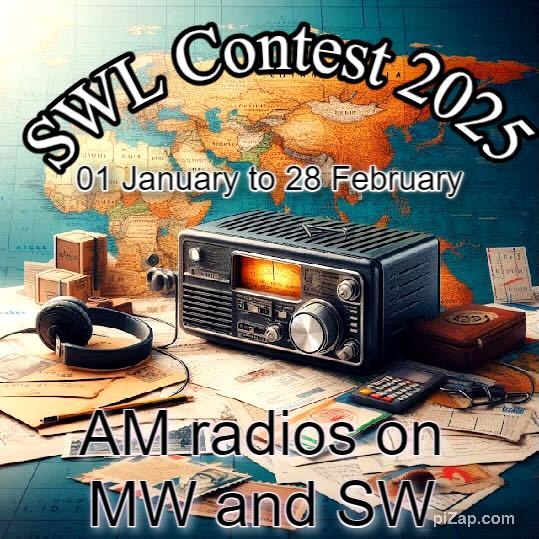
I’ve written three articles about the next contest project in January 2025, a list of our sponsors for 2024, and a list of listeners who worked this contest 2024. Check them out here:
Clear channel BCB stations – My Introduction to the world of DXing
by Dan Greenall
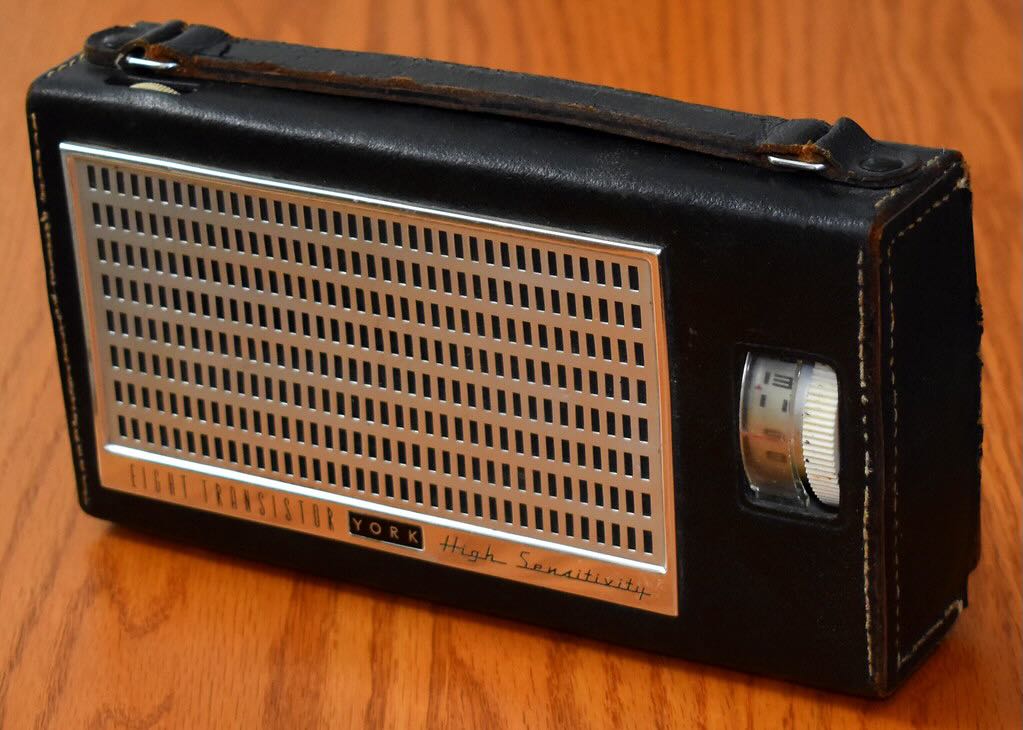
Sometime in the mid 1960’s, I acquired a Japanese made AM only transistor radio similar to the one pictured.
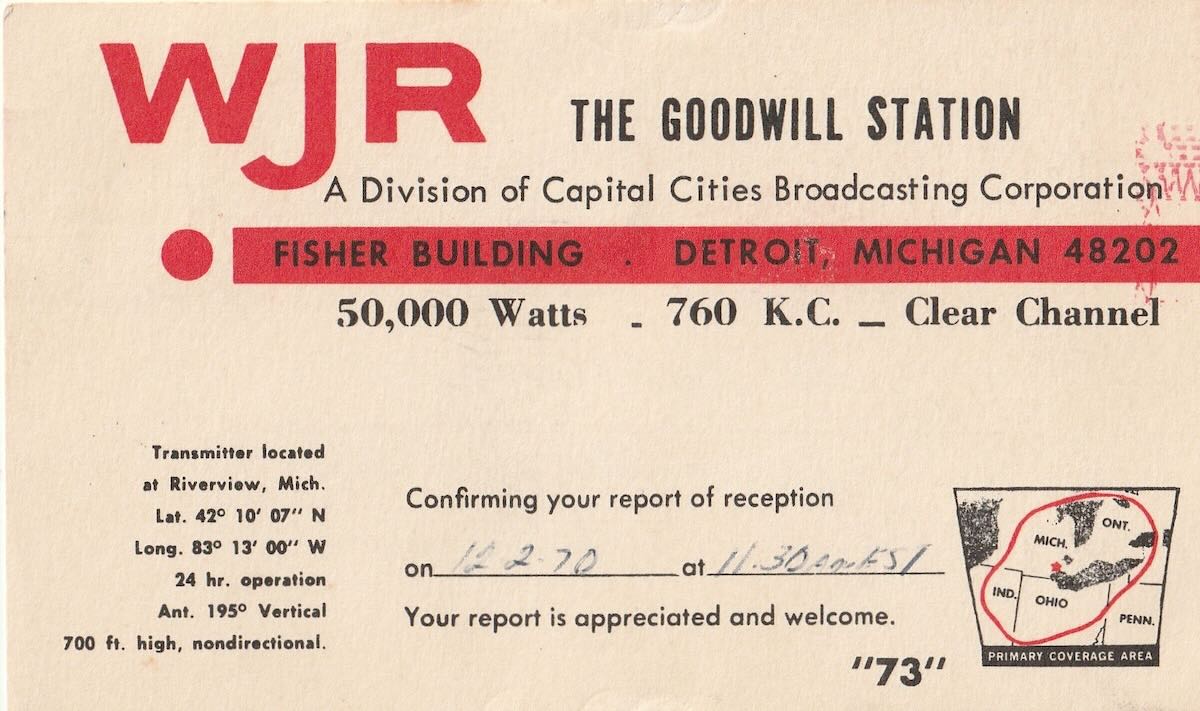
I was entering my teenage years and living in southern Ontario, Canada in relative proximity to the U.S. border, and was immediately fascinated that I could receive American stations from places such as Buffalo and Rochester NY as well as Detroit MI with amazing clarity.
Before long, I discovered that signals from much further afield would begin to come through at dusk and throughout the night time hours. Although I was unaware at the time, many of these would be from so-called “clear channel” stations, those operating on frequencies with the highest level of protection from interference from other stations.
In addition, many of these stations ran a full 50 kw of power. Signals from the Atlantic seaboard to the Midwest could often be heard at near local strength if I turned my radio to just the right angle. At this point, I was beginning to learn about the directional properties of the built-in ferrite rod antenna. It gave me great pleasure to be able to listen to their local ads, newscasts, or a far away sporting event from the comfort of my home.
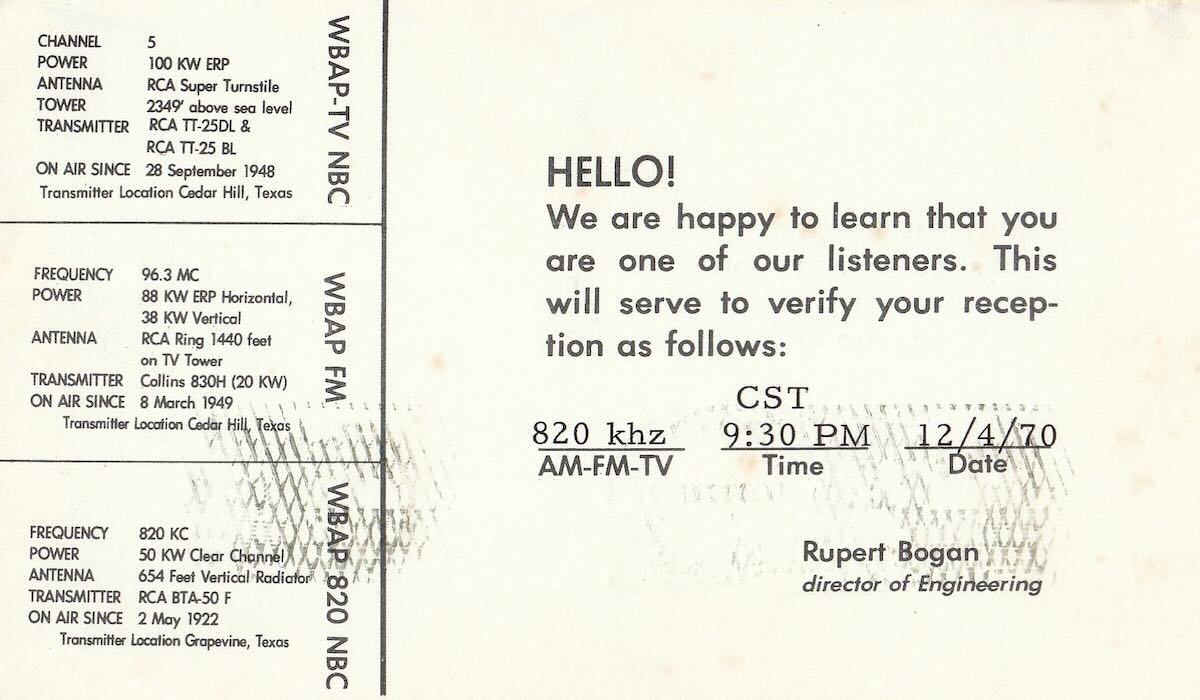
I recall listening regularly to WOWO in Fort Wayne IN on 1190 for their play by play announcements of the Fort Wayne Komets hockey games. Then there was a station identifying as WFAA in Dallas. That was back when they shared 820 kHz with WBAP whose famous cowbell you can hear in one of the audio clips below.
By the end of 1969, a friend of mine had encouraged me to try shortwave, and I “borrowed” my parents Philips kitchen radio for a few months, but that is another story. I wonder how many others got “hooked” in this manner?
A few brief recordings of clear channel stations that I made in the early 1970’s are presented here. Many, but not all, of the stations heard in the last two links are from clear channel stations. Reception for these recordings was made using a Realistic DX150A or a Hallicrafters S-52 receiver hooked up to an outdoor long wire antenna.
KFI Circa 1971:
WOAI Circa 1973
KSTP Circa 1970s:
Vintage AM Radio Airchecks 1973:
Vintage AM Radio Airchecks 1973 Part 2:
As a sidebar, the National Radio Club has put out a number of books showing the daytime/nighttime directional antenna patterns of AM broadcasting stations in the USA and Canada.
I gave up my copy from 1973 a number of years ago, but you can find this one and others online. I found this very useful.
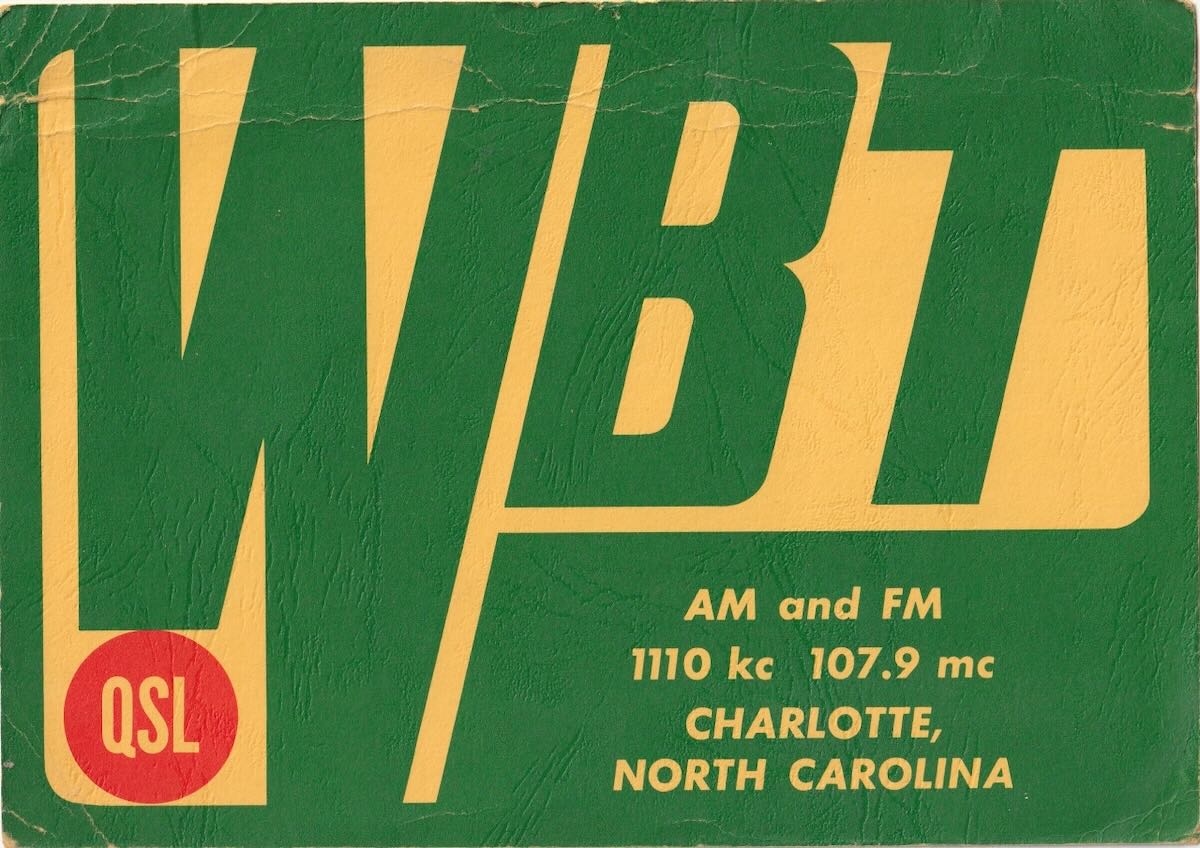
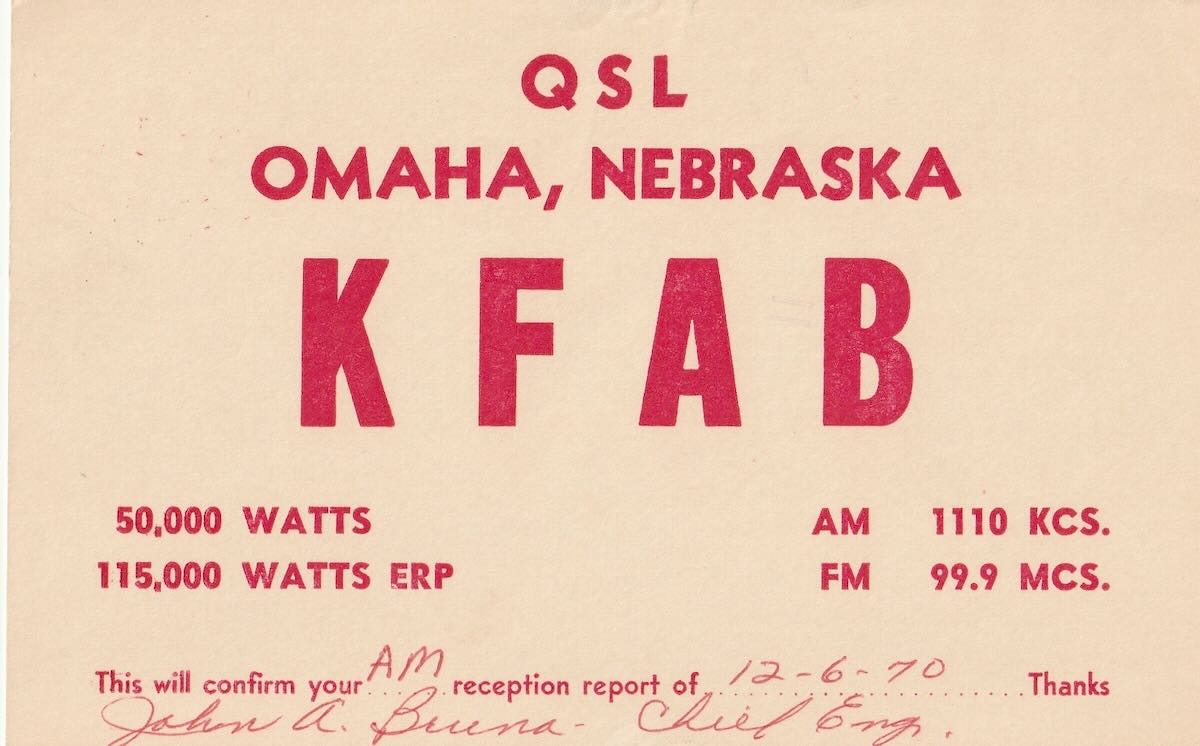
For example, it is easy to see why I was more likely to hear WBT Charlotte NC on 1110 kHz from my listening post in southern Ontario, Canada, rather than KFAB Omaha, NE.
The links below will take you to the 1973, 1975 and 2018 versions of these books.
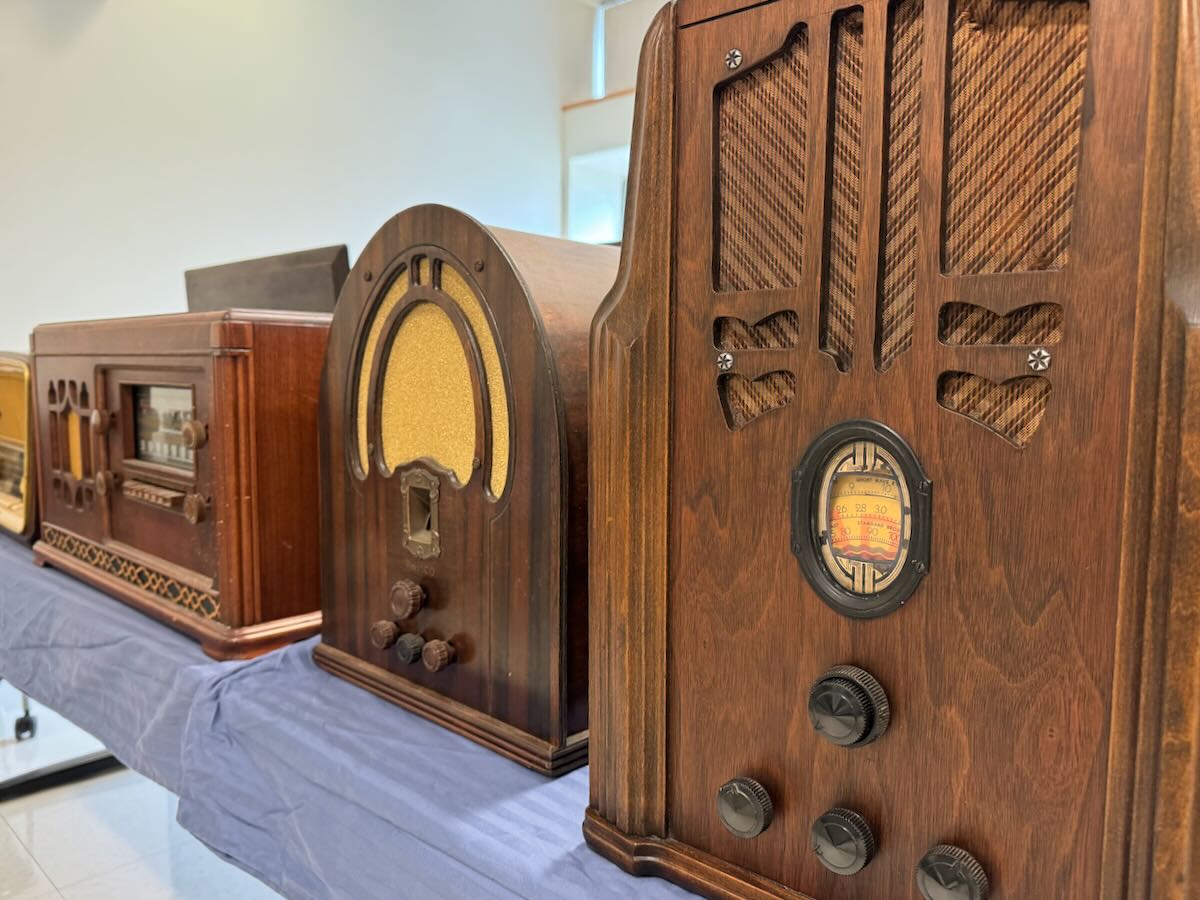
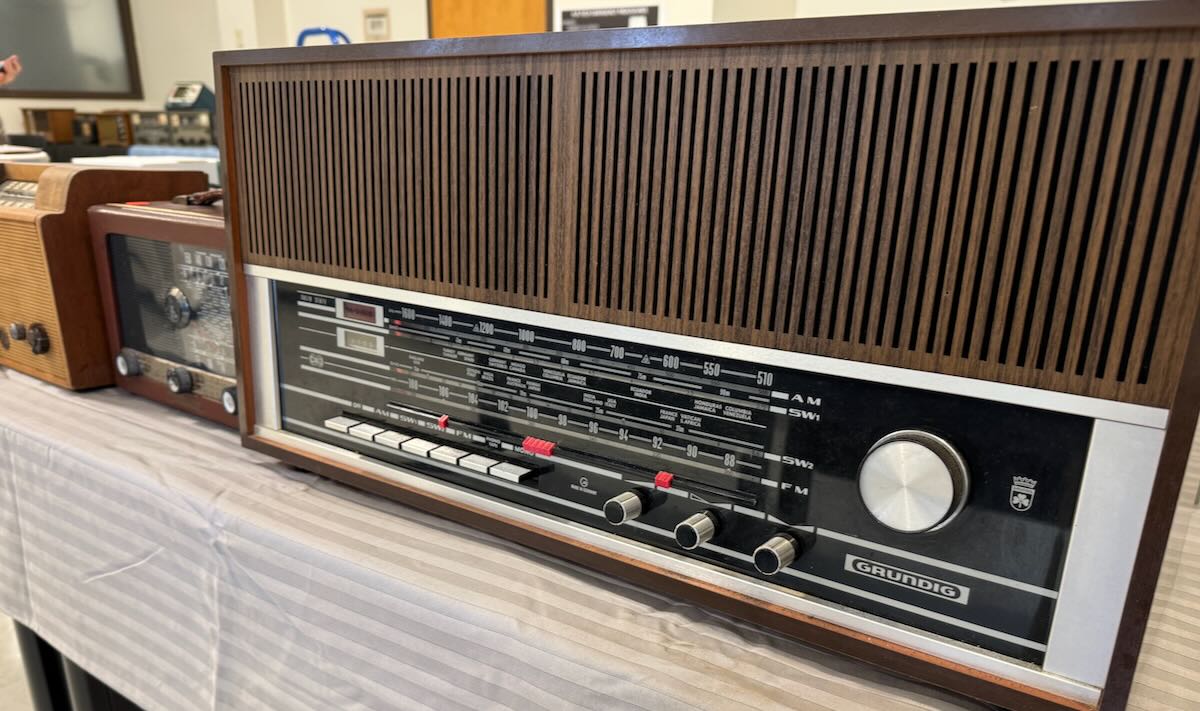
If you happen to be in or near Asheville, North Carolina area this Saturday, I would encourage you to check out the Asheville Radio Museum’s Vintage Radio Market this weekend at AB Tech Community College.
I’ve been a member of this wonderful museum for many years and volunteer for them as often as I can. We’ve just moved into a bigger area on the third floor of AB Tech’s Elm building and staff will be giving tours tomorrow morning as well.
In addition to the tailgate flea market, I helped prepare over 60 items that we’re selling in order to support the museum’s mission. We set the prices low so that we can clear our storage space for upcoming radio donations.
The SWLing Post has a very international readership, so I know only a small fraction of you may be able to check out the Vintage Radio Market, but since this museum is so near and dear to my heart, I just had to share details here! Thank for reading!
Many thanks to SWLing Post contributor, Tracy Wood, who writes:
Thomas / SWLing:
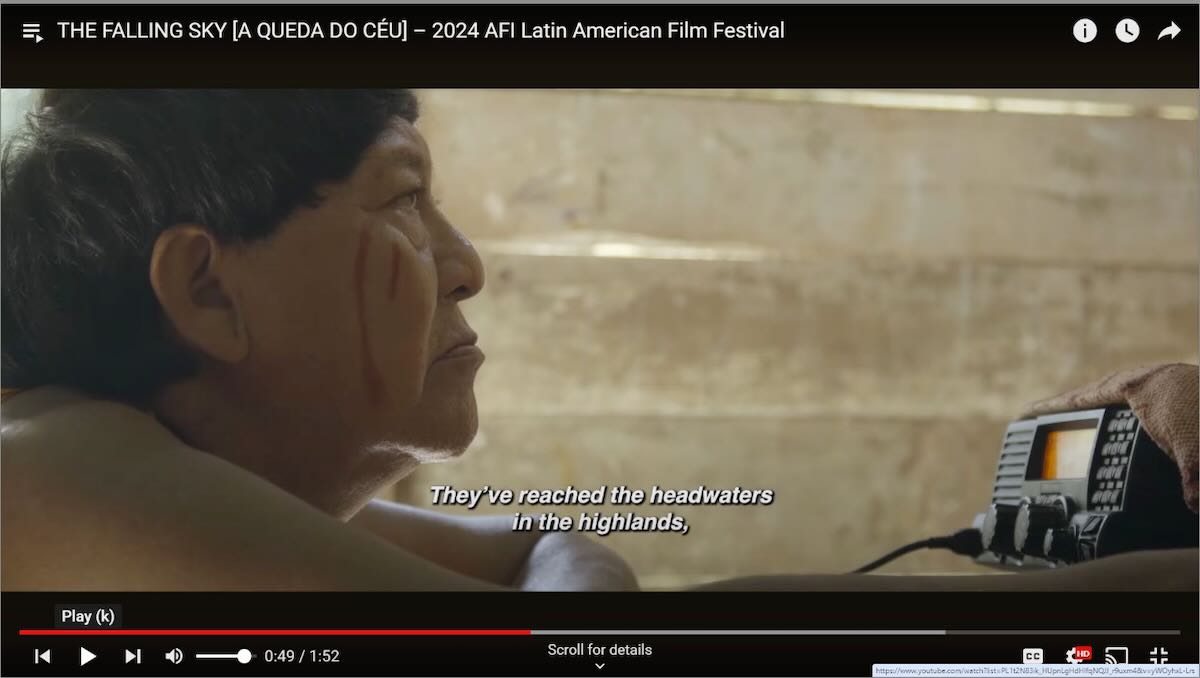
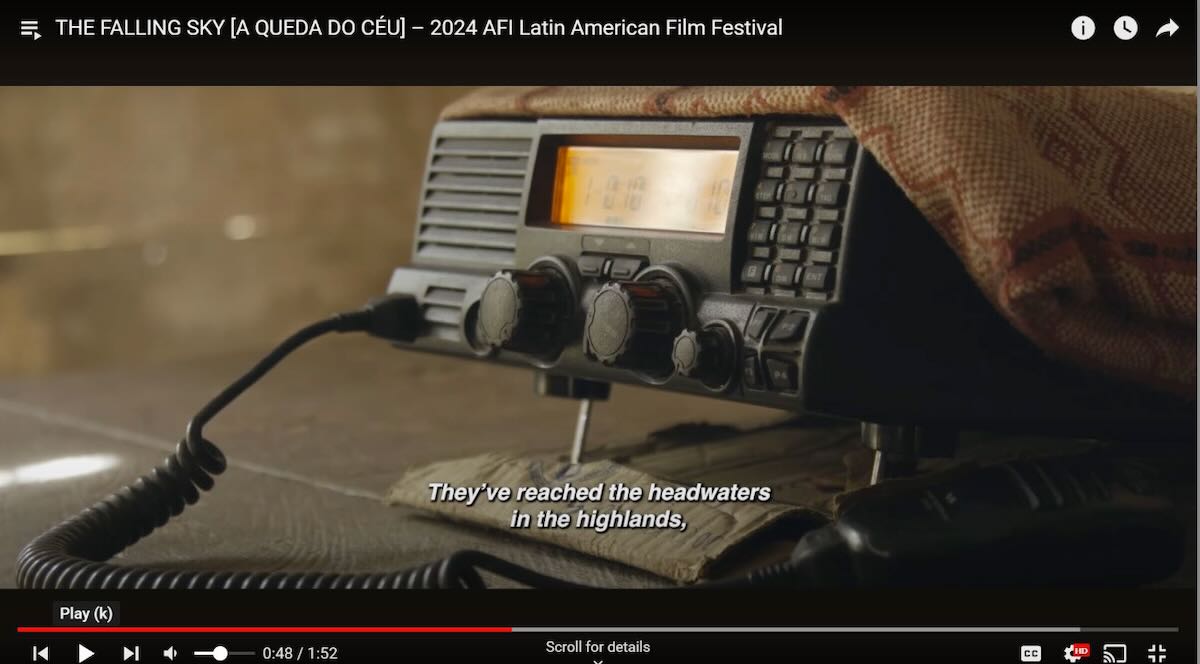
You might be hearing “Yãnoma” or “Yanomamö” spoken on the HF bands. Here’s cinematic proof.
A movie has just been released about the Yanomami people’s struggles against cattle farmers and gold miners invading their tribal lands in Brazil and Venezuela. The film is called “The Falling Sky” or “A Queda do Céu” in Portuguese. It’s directed by Eryk Rocha and Gabriela Carneiro da Cunha.
This is a multinational production with resources from Brazil, Italy and France. The movie title is taken from a 2013 book by anthropologist Bruce Albert interviewing Davi Kopenawa, shaman and spokesman for the Brazilian Yanomami people.
This film is being shown at the AFI Latin American Filmfest in Silver Spring, Maryland. “The AFI Latin American Film Festival is one of North America’s largest and longest-running showcases of Latin American cinema.”