Category Archives: AM

WNAH’s solar eclipse propagation test

Many thanks to SWLing Post contributor, Ivan Cholakov (NO2CW), who writes:

If you ever loved AM radio you will love this.

Thank you WNAH for recognizing there’s more to radio than plugging into a programming network and walking away!

Click here to view on YouTube.

Very cool! Many thanks, Ivan!

As I mentioned in a previous post, I recorded the entire mediumwave (AM broadcast) band from my North Carolina home with a WinRadio Excalibur on August 21 (day of the eclipse). After receiving Ivan’s message last night, I played back my recording and moved the time forward to around the moment of totality.

The mediumwave band was hopping! Several stations were competing for 1360 kHz with eclipse-enhanced propagation. There were two large signals flanking 1360 as well.
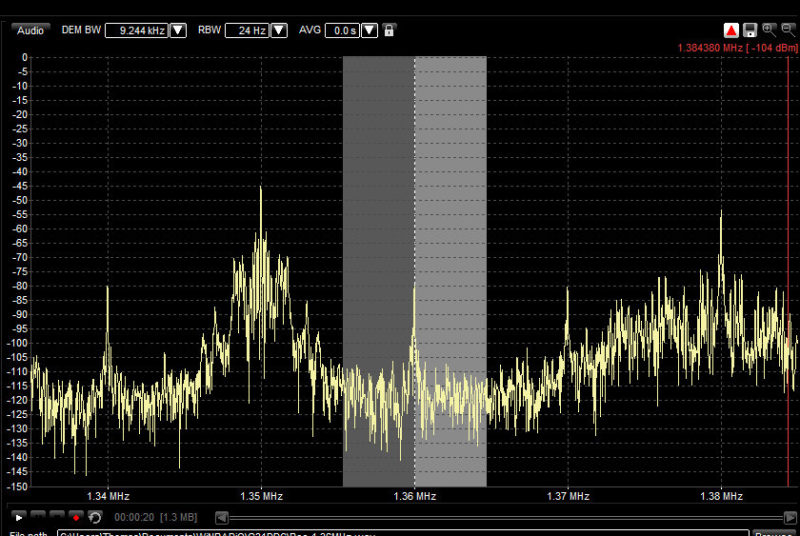
I thought I would never hear WNAH, but as I listened, their ID in CW (Morse Code) popped out of the signal mix. Here’s a short recording of the first station ID I received around 2:26 PM EDT (1826 UTC):

Click here to download the audio.

True: this is rough audio, but it always amazes me how CW can so effectively punch through noise. Nice touch, WNAH!

WNAH’s signal strength increased with time, but so did the competing signals on 1360 kHz. Within 10 minutes, about the time of totality in western North Carolina, WNAH was 40% stronger.

I did submit my recording and notes to WNAH last night.

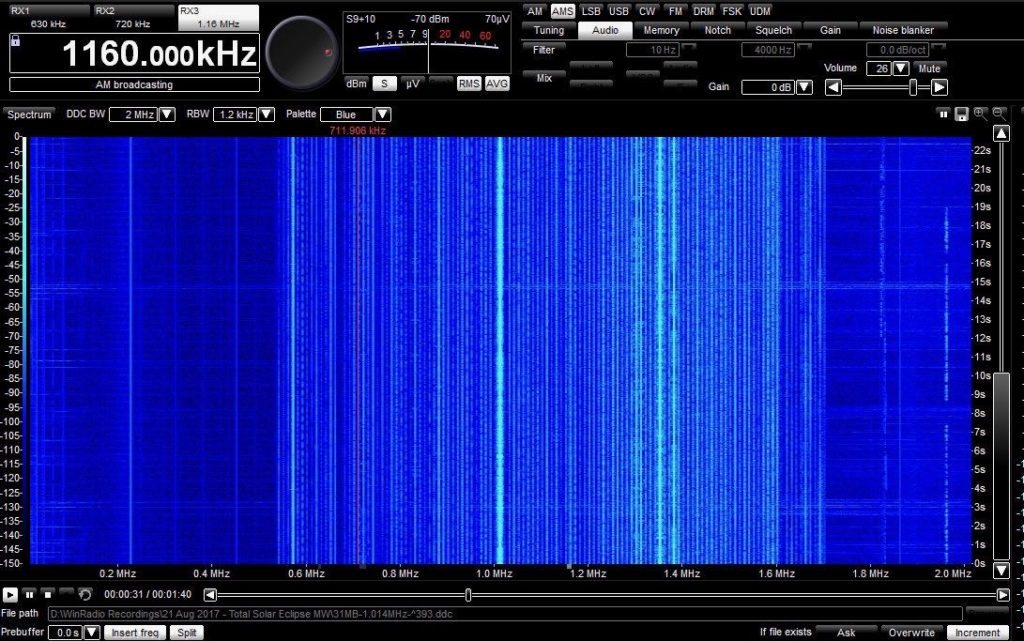
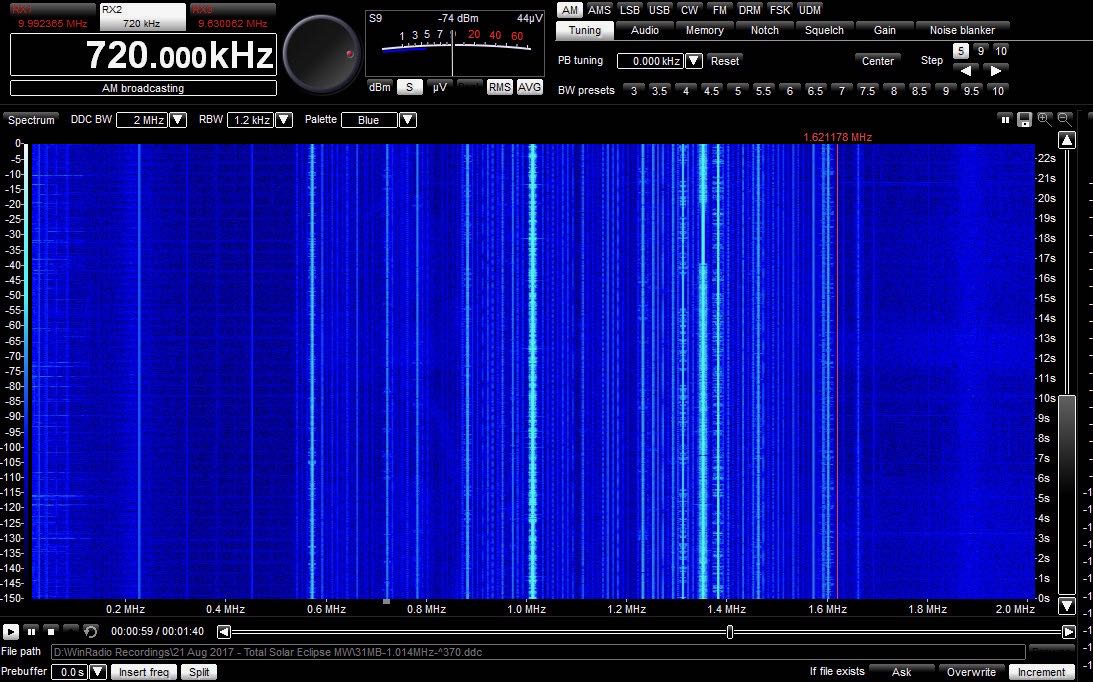
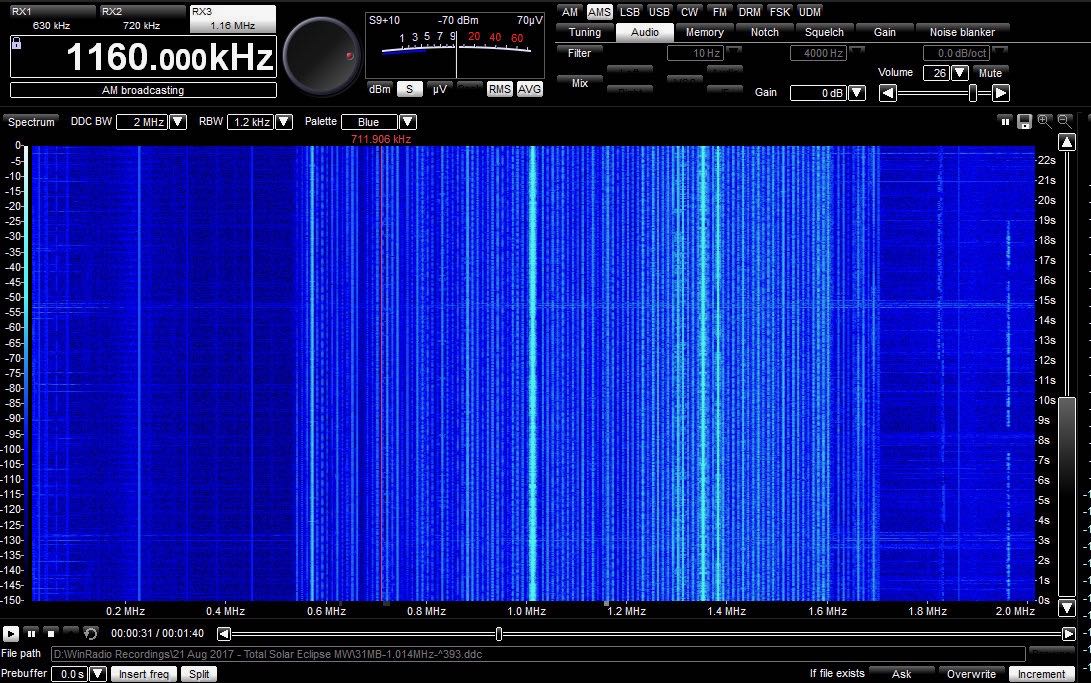
Due to my schedule, I haven’t had any meaningful time to go over my eclipse spectrum recordings. Indeed, I think I’ll need several dedicated days to review them. While searching for WNAH’s signal, I could see a significant difference in propagation on the waterfall display within a 26 minute span of time:

 14:15 EDT
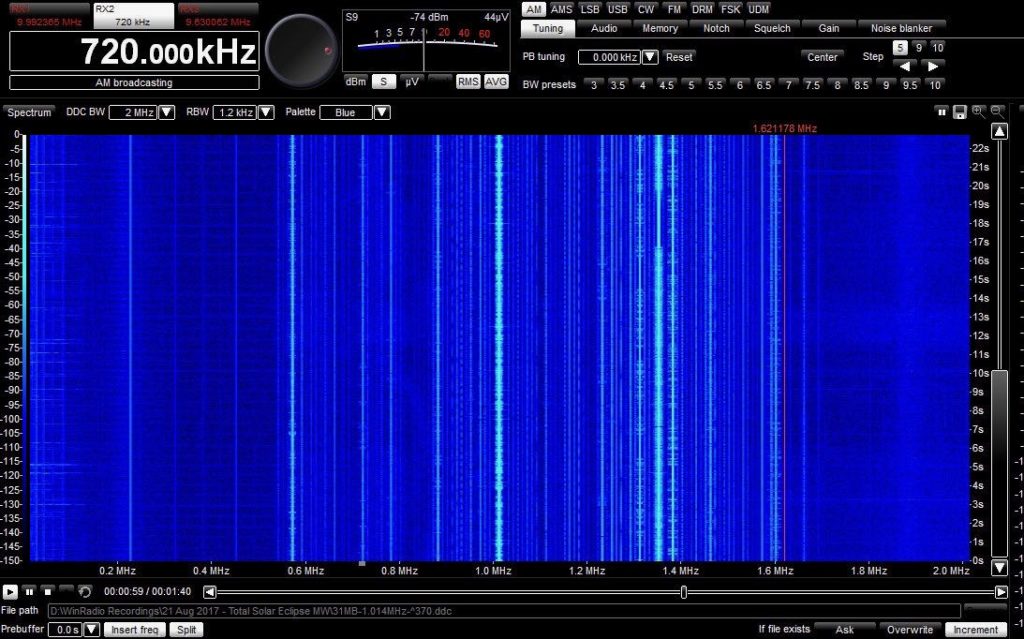
14:41 EDT

Note that local time of totality was 14:36 EDT.

I made spectrum recordings spanning 0-2 MHz, 6-8 MHz and 13.5-15 MHz.

Post readers: Did anyone else log WNAH? Log any other shortwave or mediumwave DX? Please comment!
New Mediumwave Facility for Fiji

There’s an interesting YouTube documentary released by the Fiji Broadcasting Corporation on the refurbishment of both transmitters and antennas for the mediumwave outlets of 558 and 990 kHz. This was completed with the financial and technical assistance of the Japanese government. It will be very interesting for MW DXers to see how well the new facility will be heard beyond the Fijian borders.


There is also a somewhat less interesting YouTube video of the Fijian dictator Prime Minister Bainimarama at the official launch of the revitalized service, which can be found at https://youtu.be/kOza_Ov7f48

It was fascinating to hear Prime Minister Bainimarama talking about democratic freedoms in the broadcasting media….This from a man who for many years has done his level best to suppress and control the Fijian media on countless occasions!
(My thanks to Mauno Ritola and Bruce Portzer for alerting me to the above links)

73, Rob Wagner VK3BVW

Rob Wagner, VK3BVW, is the author of this post and a regular contributor to the SWLing Post. He also blogs at the Mount Evelyn DX Report.

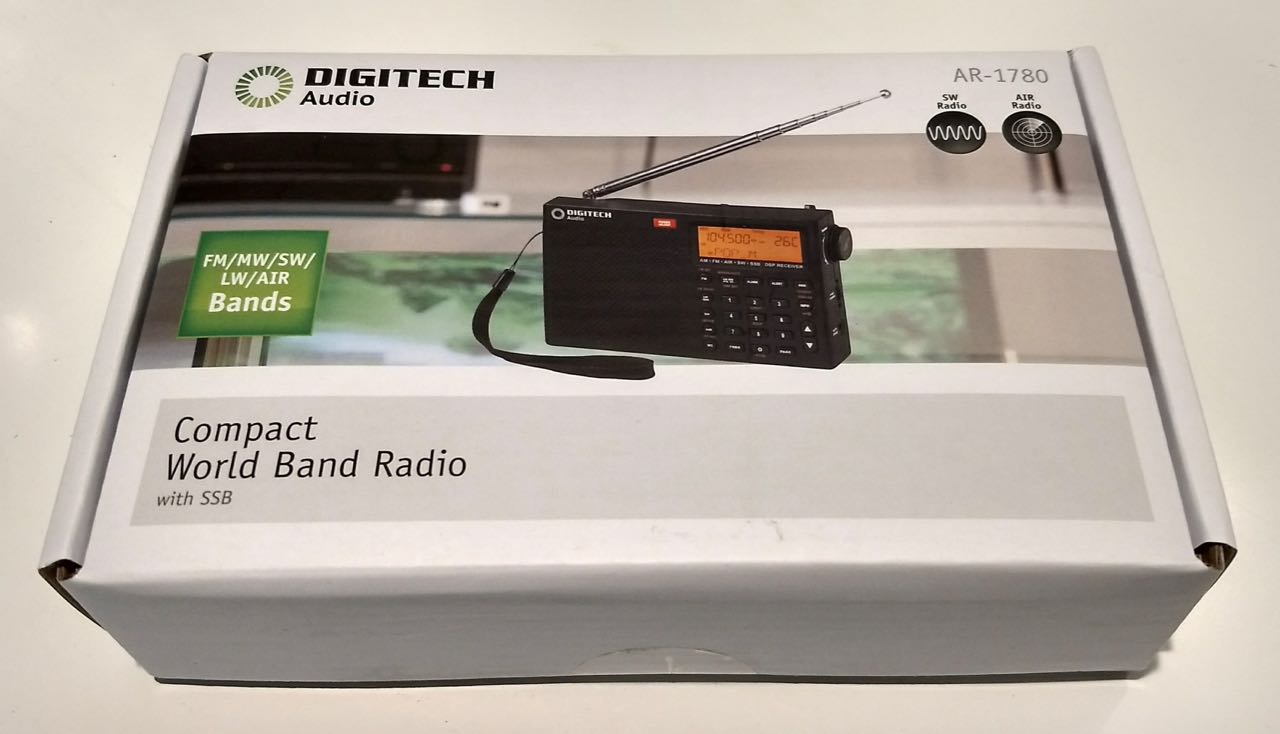
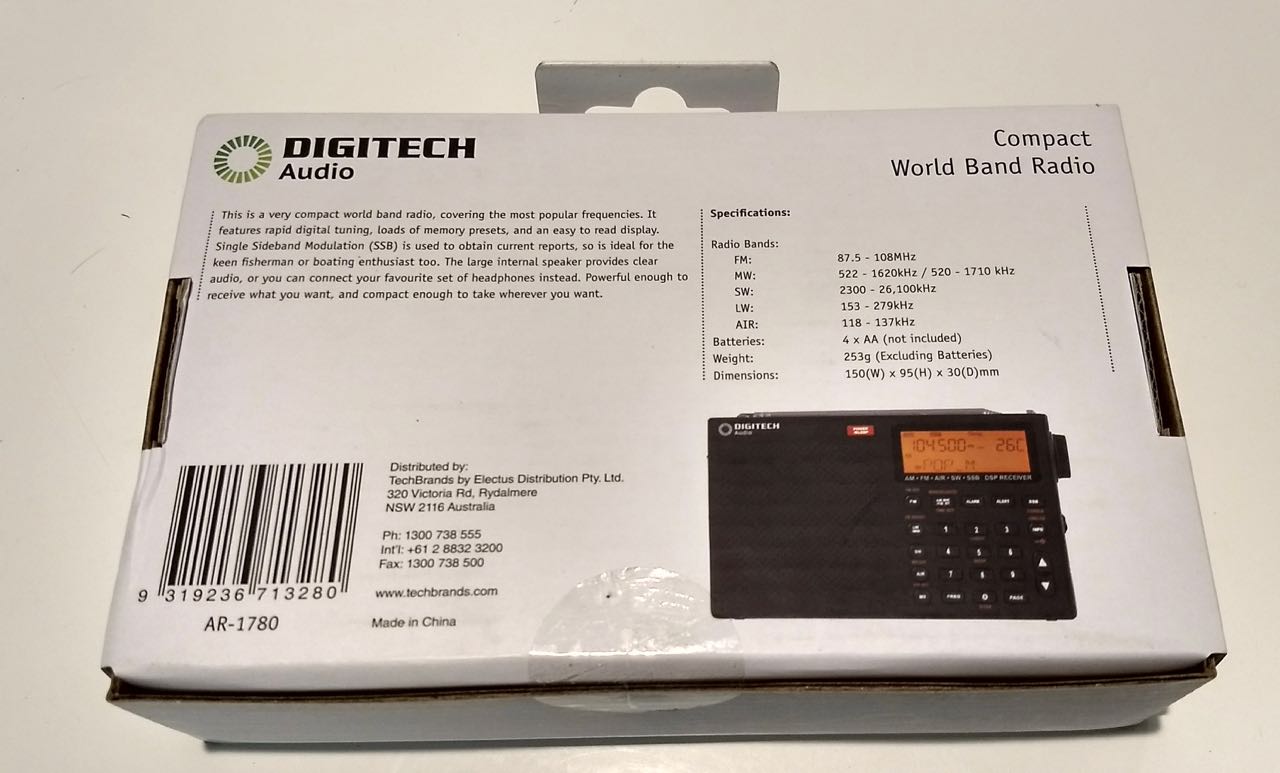
Digitech AR-1780: unboxing, photos and initial impressions

[UPDATE: Click here to read our full review of the Digitech AR-1780.]

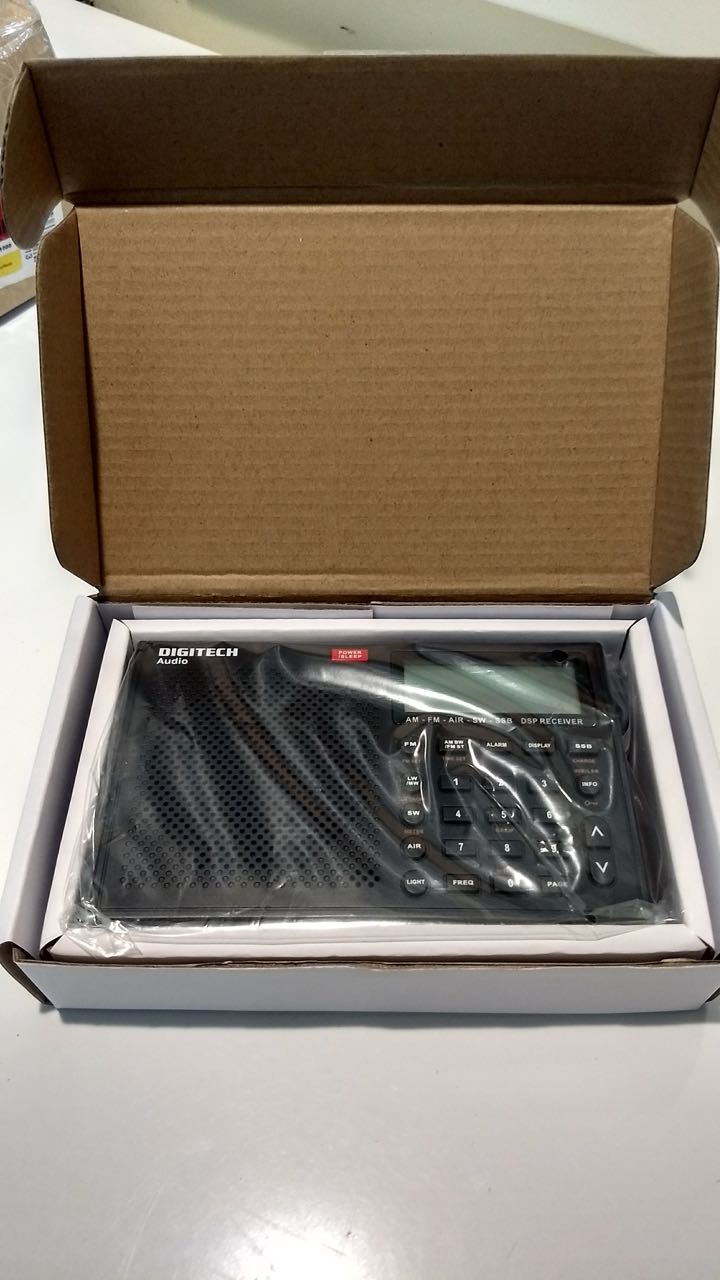
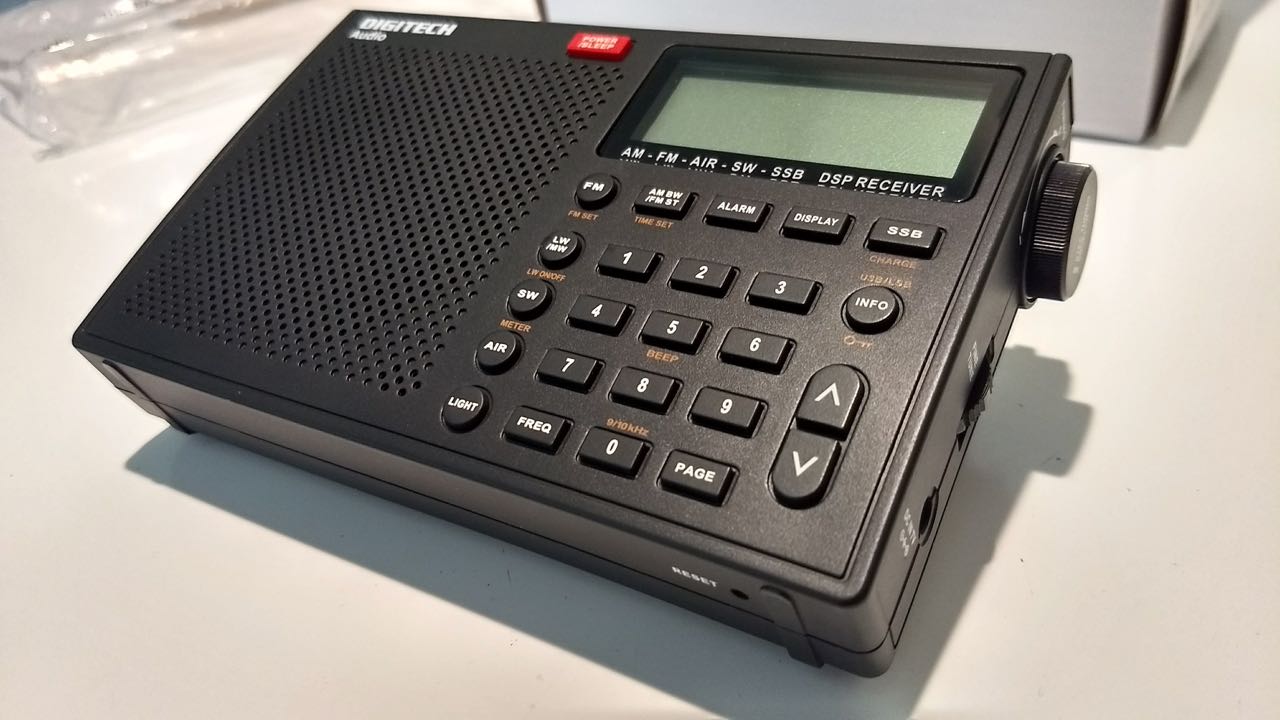
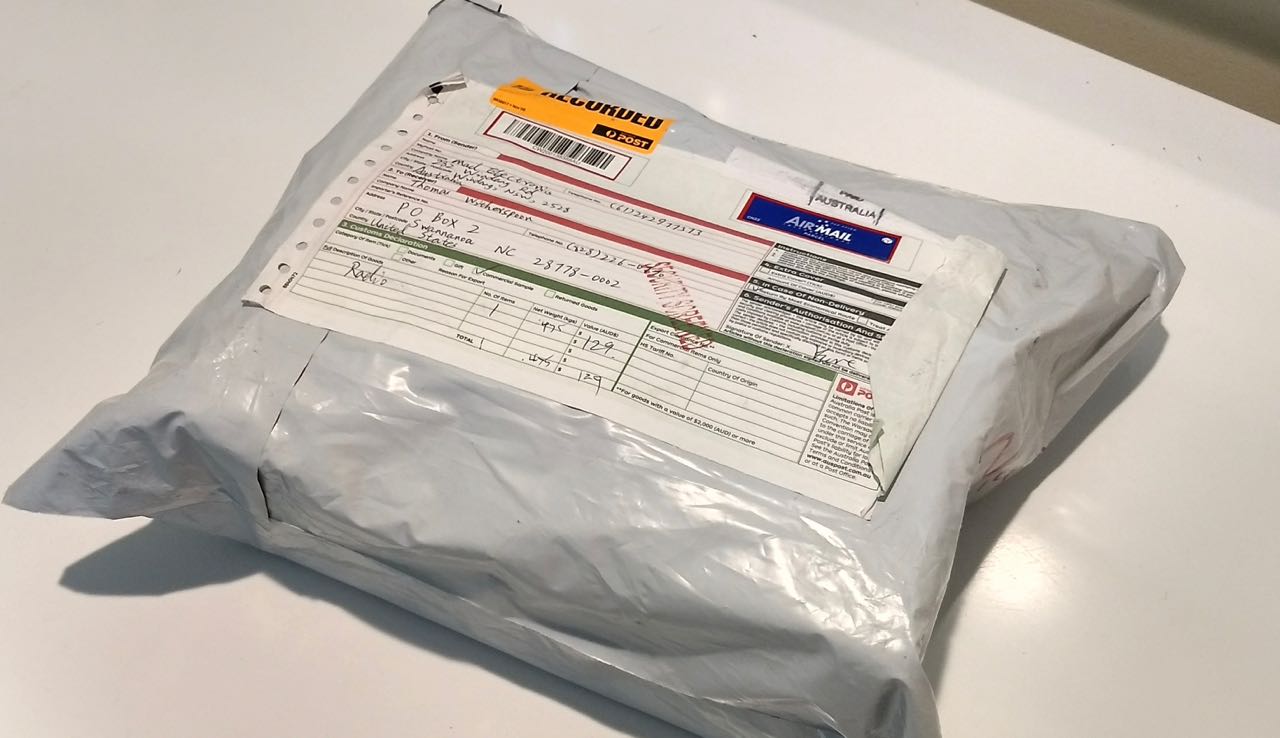
Yesterday, prior to heading out the door for two days of travel, I received the Digitech AR-1780 I ordered ten days ago from an Australian eBay vendor. I’m very pleased with how quickly the order was processed and delivered via the post. The radio arrived in a rugged mail pouch and was double boxed inside.
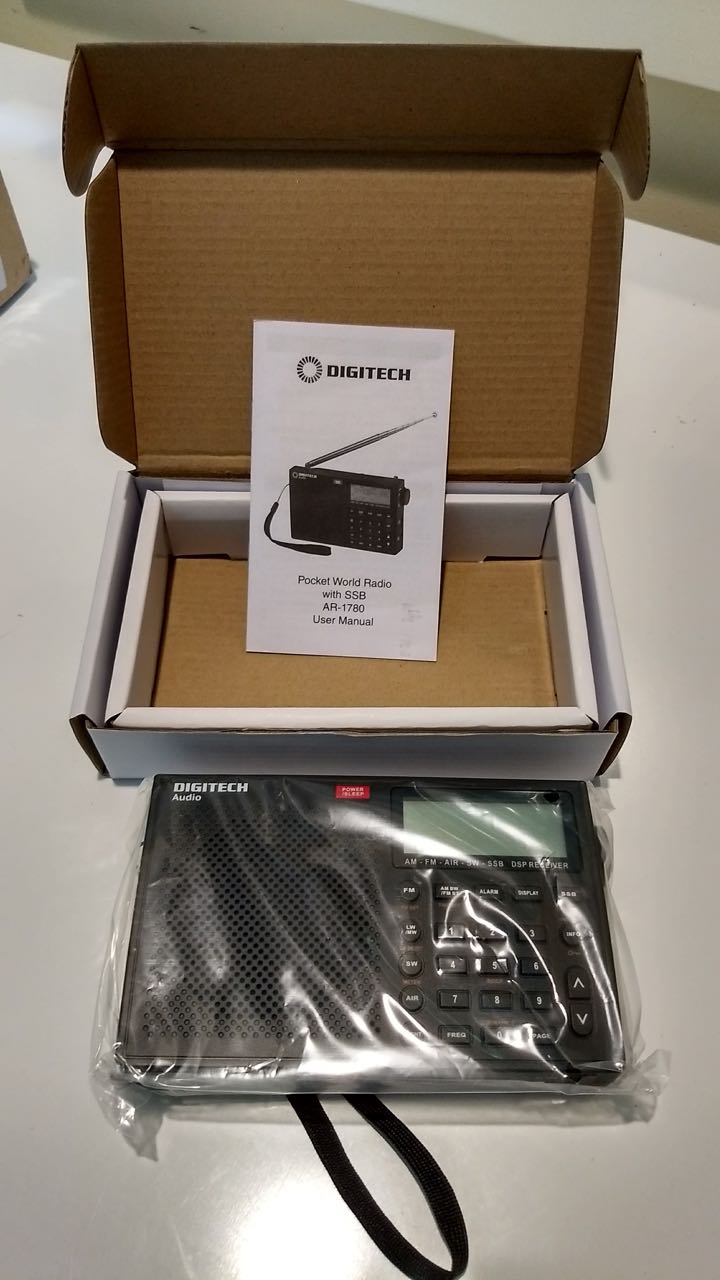
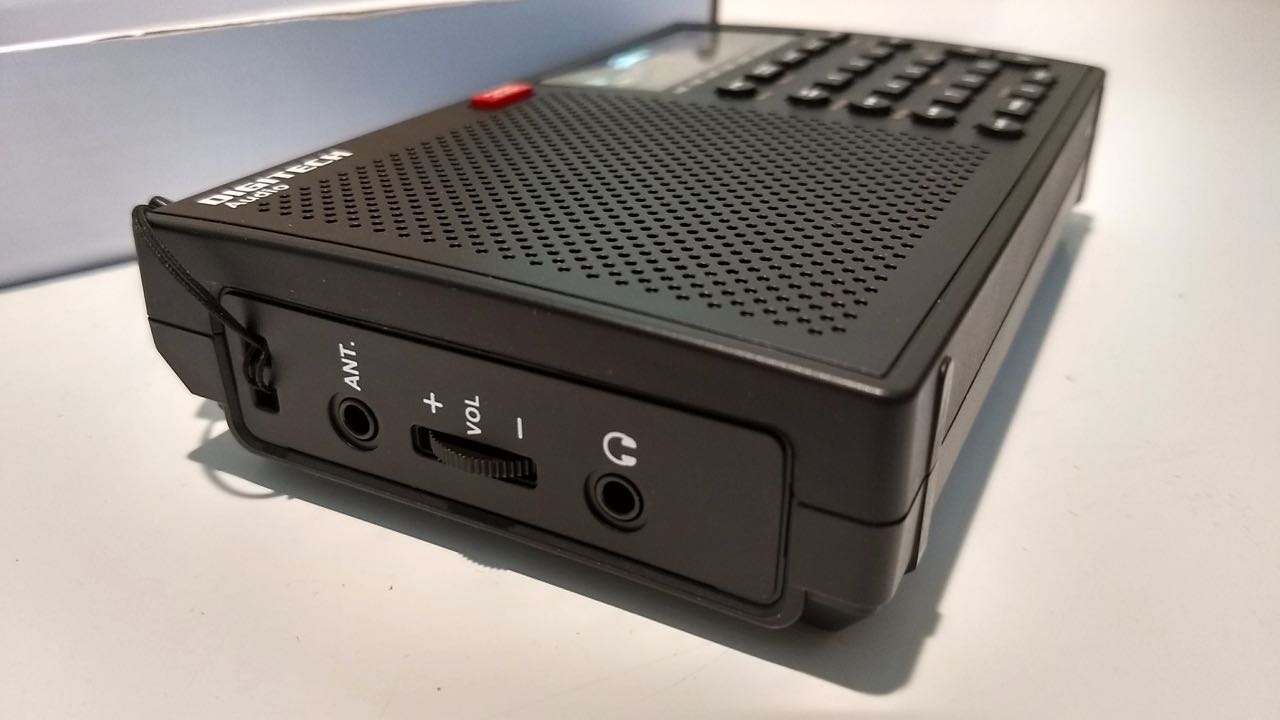
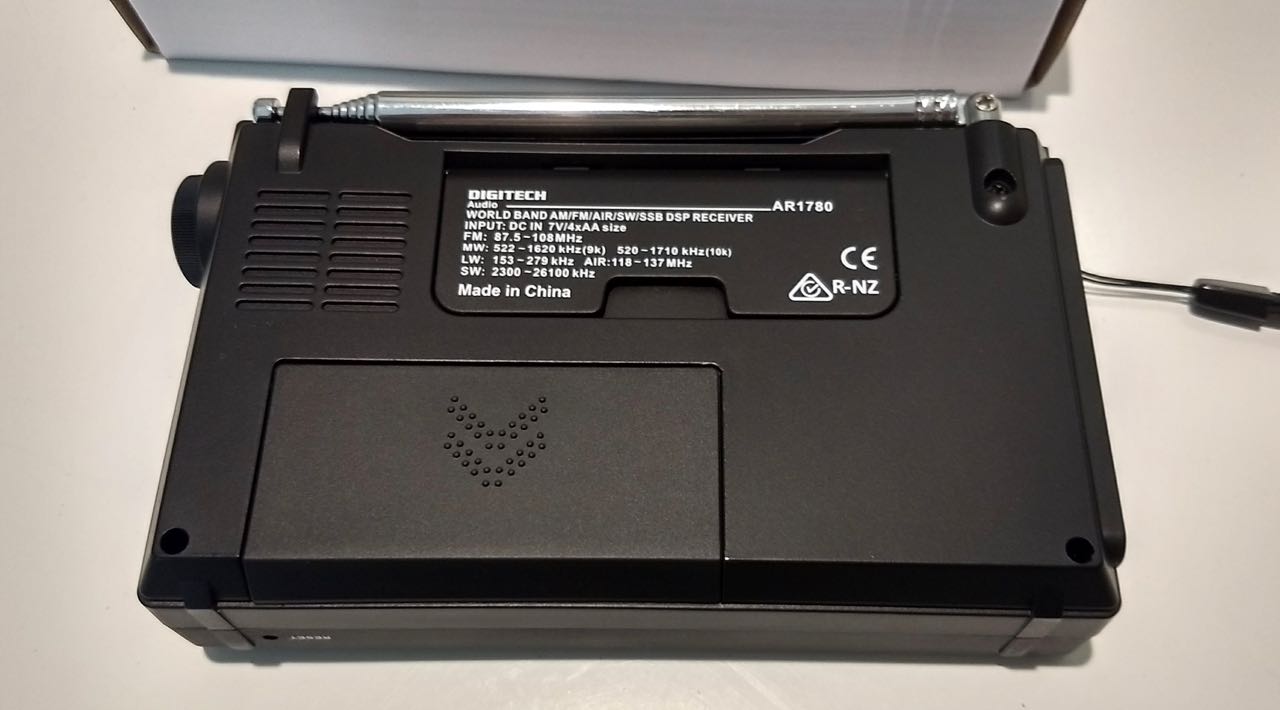
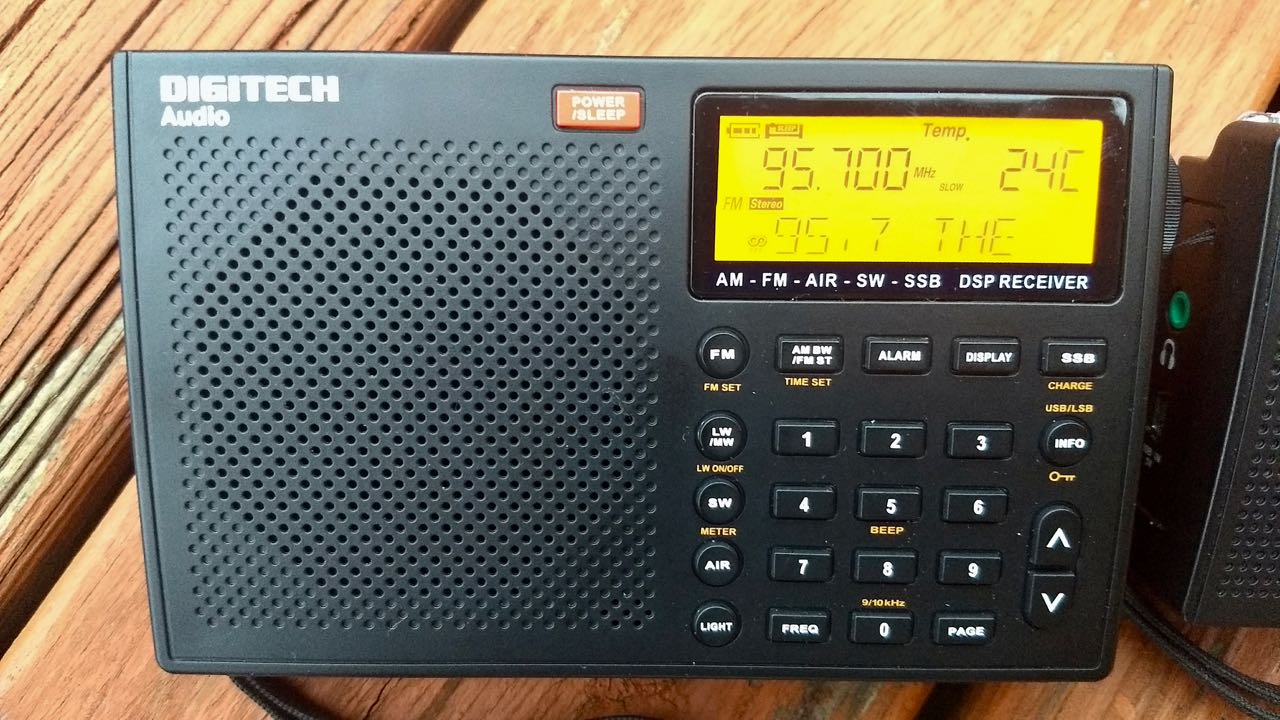
I’ve had no time to evaluate the radio’s performance yet, but I thought I’d post a few photos I took while unboxing the AR-1780.

There’s not much in the box: just the radio and an owner’s manual. There are no batteries, no charger, and no case or carry bag. That’s okay though as the AR-1780 takes standard AA cells and I have an assortment of bags that can protect it in my suitcase.

The buttons all have a responsive, tactile feel. The hard plastic chassis feels durable.

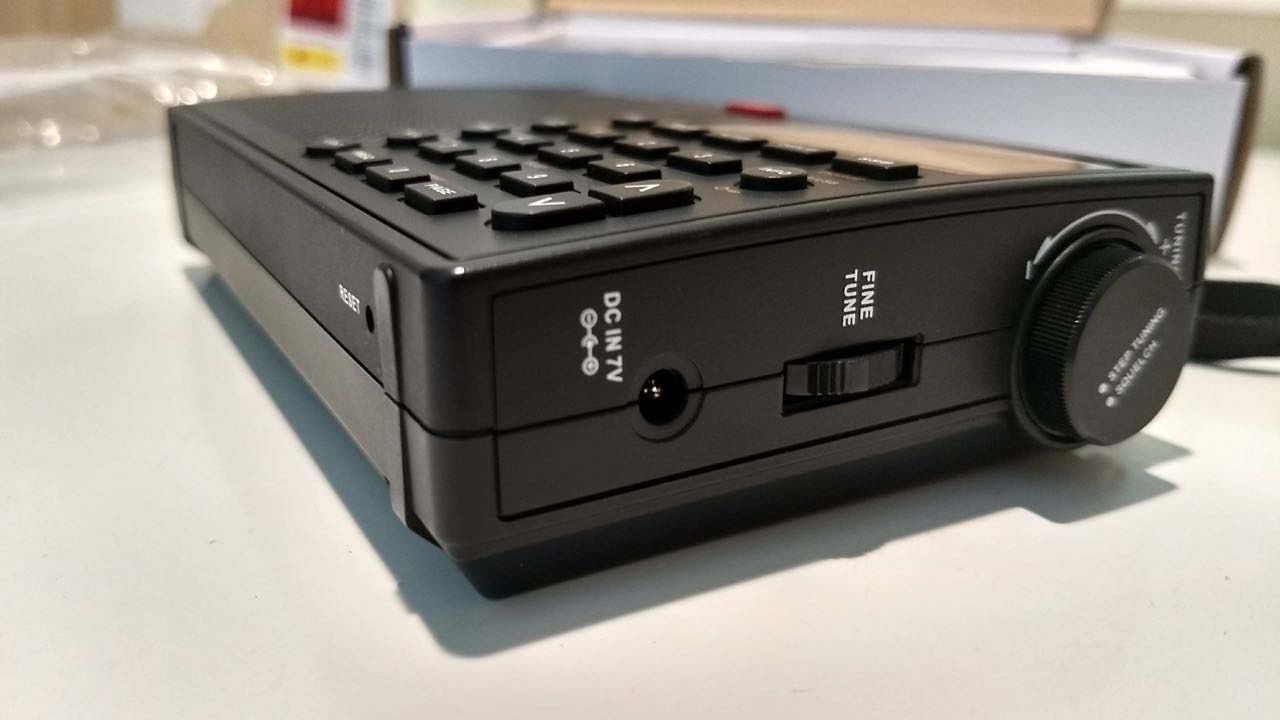
I really like the dedicated fine tune control on the right side of the radio.  Nice touch! But 7 VDC in? That’s an odd voltage for a power supply. That’s okay by me as I never use wall wart type power supplies due to inherent noise–rechargeable Enloop AA batteries are how I power all of my portables. Bonus! There’s also a dedicated external antenna jack! One odd thing, though, is the AR-1780 breaks the convention of having the volume control on the right side of the radio–it’s on the left instead. Last night, I tuned around the 31 meter band and the AM broadcast band.  I listened to the French language service of Radio Romania International from inside a noisy house–armchair copy.

The AR-1780 has an impressive 7 AM bandwidth settings: 6, 4, 3, 2.5, 2, 1.8 and 1 kHz. My radio defaulted to 2.5 kHz, so you’ll want to widen that to 4 or 6 kHz before listening to most broadcasts.

I really like the display–it’s compact, yet contains quite a lot of info and even has a dedicated line for FM RDS content.

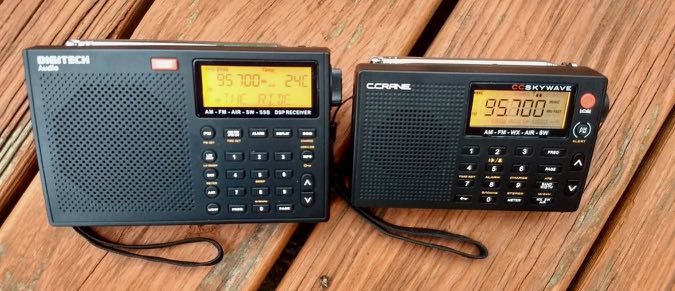
This morning, I took a couple shots of the AR-1780 next to the venerable CC Skywave. The Skywave is slightly smaller in every dimension.

Stay tuned! Though this is a very busy week for me–with travels and total solar eclipse preparations–I plan to put the Digitech AR-1780 through the paces. I’ll try to post updates as I have time.  Follow the tag: Digitech AR-1780

BBC to shut down 13 medium wave transmitters

(Source: Radio Today UK)

Ten BBC local radio stations will lose at least one AM transmitter in January 2018 as part of the BBC’s Delivering Quality First plan.

BBC Radio Sussex, Surrey, Humberside, Wiltshire, Nottingham, Kent, and Lincolnshire will no longer be accessible on medium wave, whilst BBC Radio Devon, Radio Lancashire and BBC Essex will reduce their frequencies.

The BBC says it knows the changes will have an impact on some listeners but encourages them to listen on FM, DAB, Freeview or online instead.

Continue reading at Radio Today UK online…

Sangean TR-108 iTalker: Ante seeks more information

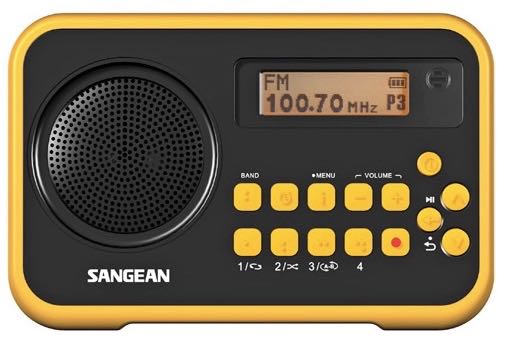
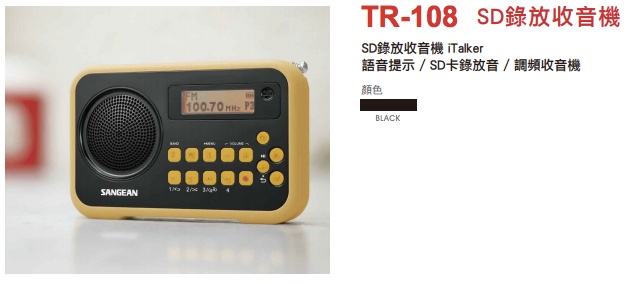
Sangean TR-108 iTalker

Many thanks to SWLing Post contributor, Ante Milisa, who writes:

I came across a new product from well known radio producer Sangean: the Sangean TR-108.

I believe this is a successor to Sangean’s well-known Sangean PR-D8, which I had and which was great.

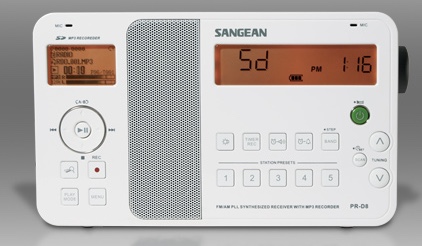
The Sangean PR-D8

It seems like this one is currently only produced for the Asian market though. It would be great if they would produce a version for Europe/America as well.

I am sure it would sell well.

Anybody heard anything about this product?

From what I can see, it has FM/AM, radio recording with preset recording, and SD card capability. Everything I need. 🙂

Click here to view details on the Sangean website.

Thanks for your message Ante, especially since I was unfamiliar with either model.

The Sangean PR-D8 had a very unique design with split recording and radio functions on the front panel. Indeed, I don’t think I’ve ever seen anything quite like it. C.Crane sold them, but they now appear to be discontinued. There aren’t any currently on eBay, either (though one did recently sell for $100 shipped).

I read a Google Translate version of the Sangean TR-108 spec sheet. Sadly, I think the TR-108 lacks the AM (mediumwave) band–FM only–so it might not be a direct replacement for the PR-D8. Plus, the TR-108 recording function doesn’t appear to be as full-featured as that of the PR-D8.

Still, I like how the TR-108 buttons appear to have raised, tactile dots for those who are visually-impaired. Looks to be pretty compact as well!

Post readers: please comment if you have more information to share about the Sangean TR-108 iTalker.

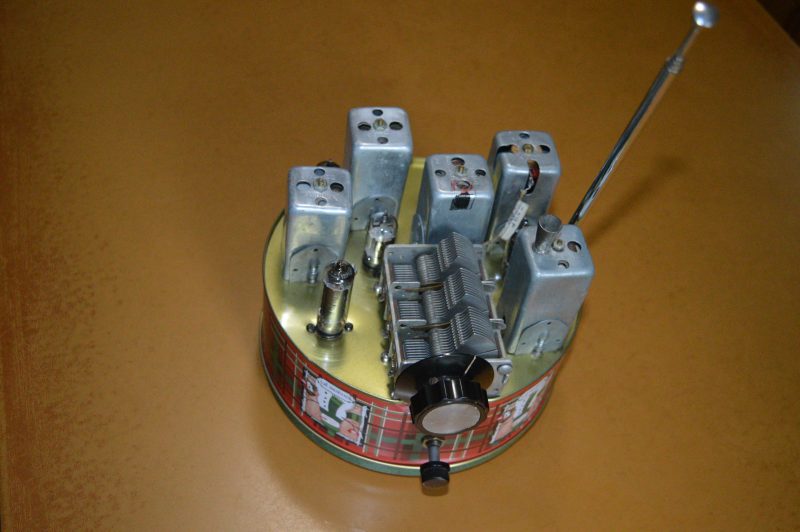
Ed’s Homebrew Fruitcake Tin Radio

Fruit Cake Tin Radio

Many thanks to SWLing Post contributor, Ed Ganshirt, who writes:

I had an old car radio from the 1940’s I salvaged the parts from, and a rudimentary schematic to build by. I decided to re-assemble in the container I stowed away the parts in. Nothing special just another AM broadcast radio in an unusual cabinet (fruitcake tin.)

I love it, Ed! It’s like a broadcast band version of Rex’s Tuna Tin QRP radios!

It must have been a challenge to mount all of the components on that tin.  So how does she play?

Post readers: please comment and consider sharing your homebrew project!

Valentino experiments with a ferrite sheet loop antenna

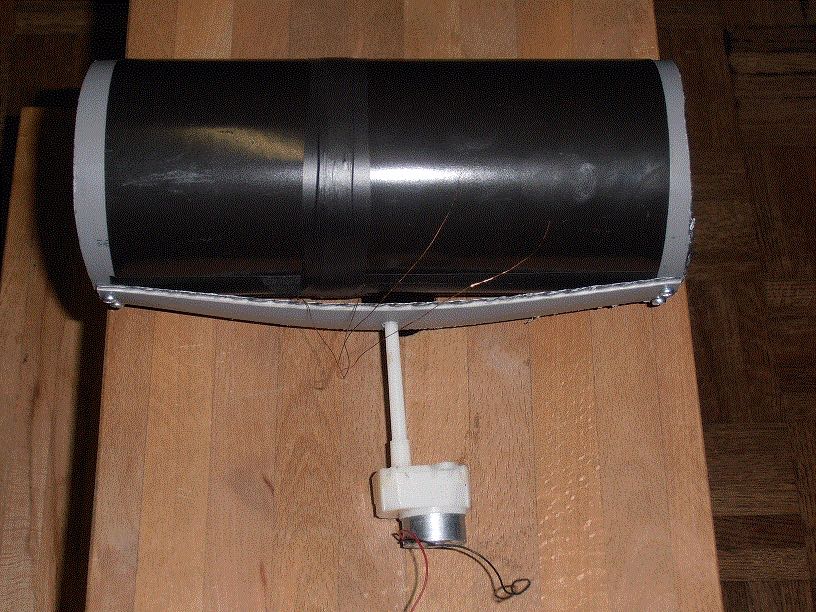
Valentino’s homebrew ferrite sheet antenna.

Many thanks to SWLing Post conttributor, Valentino Barbi (I4BBO) who writes detailing a novel approach to FSL antenna design.

Please note that I translated Valentino’s message from Italian to English via Google translate so please forgive any errors. Valentino writes:

FSL antenna radio enthusiasts typically use numerous ferrite bars with high cost, weight and scarcity,

Ukrainian ferrite bar producers have now finished stocks and have raised their prices.

Normally you use this site to build FSL antennas:
http://www.am-dx.com/antennas/FSL%20Antenna%20Design%20Optimization.htm.

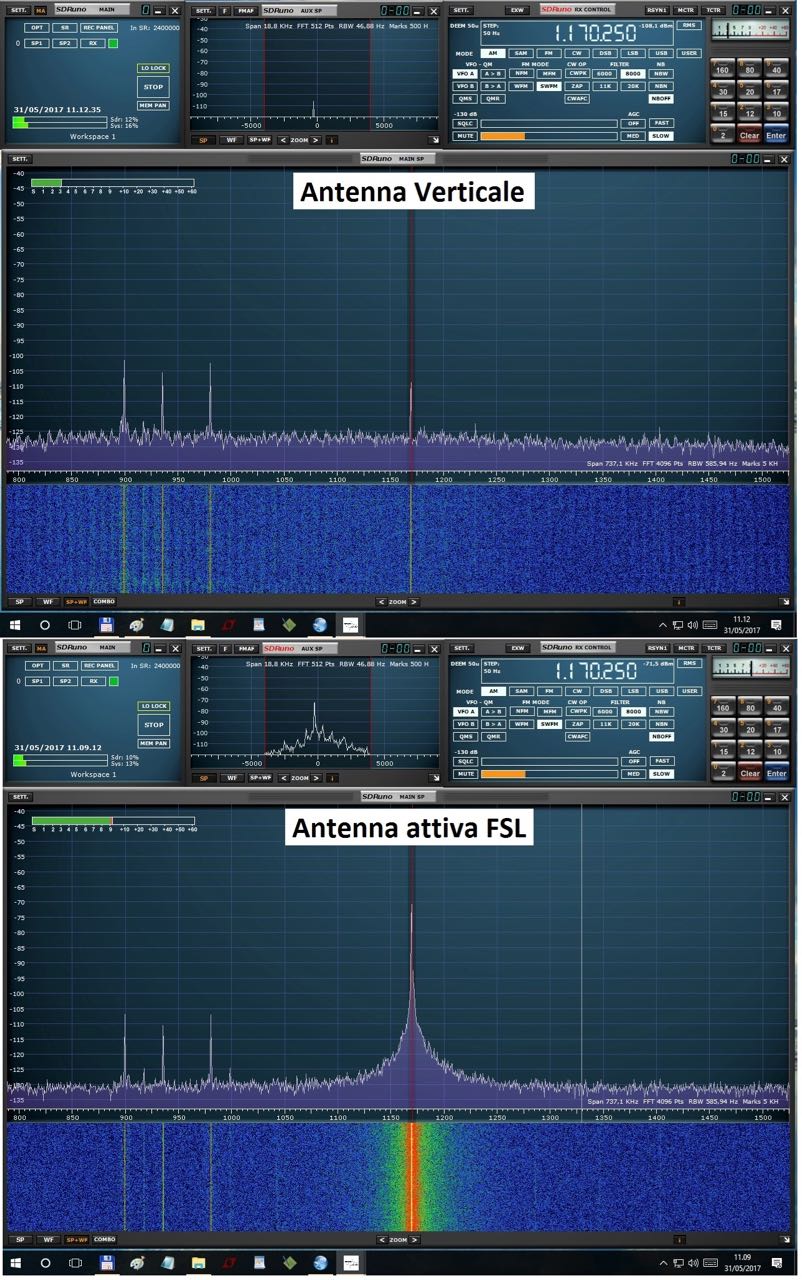
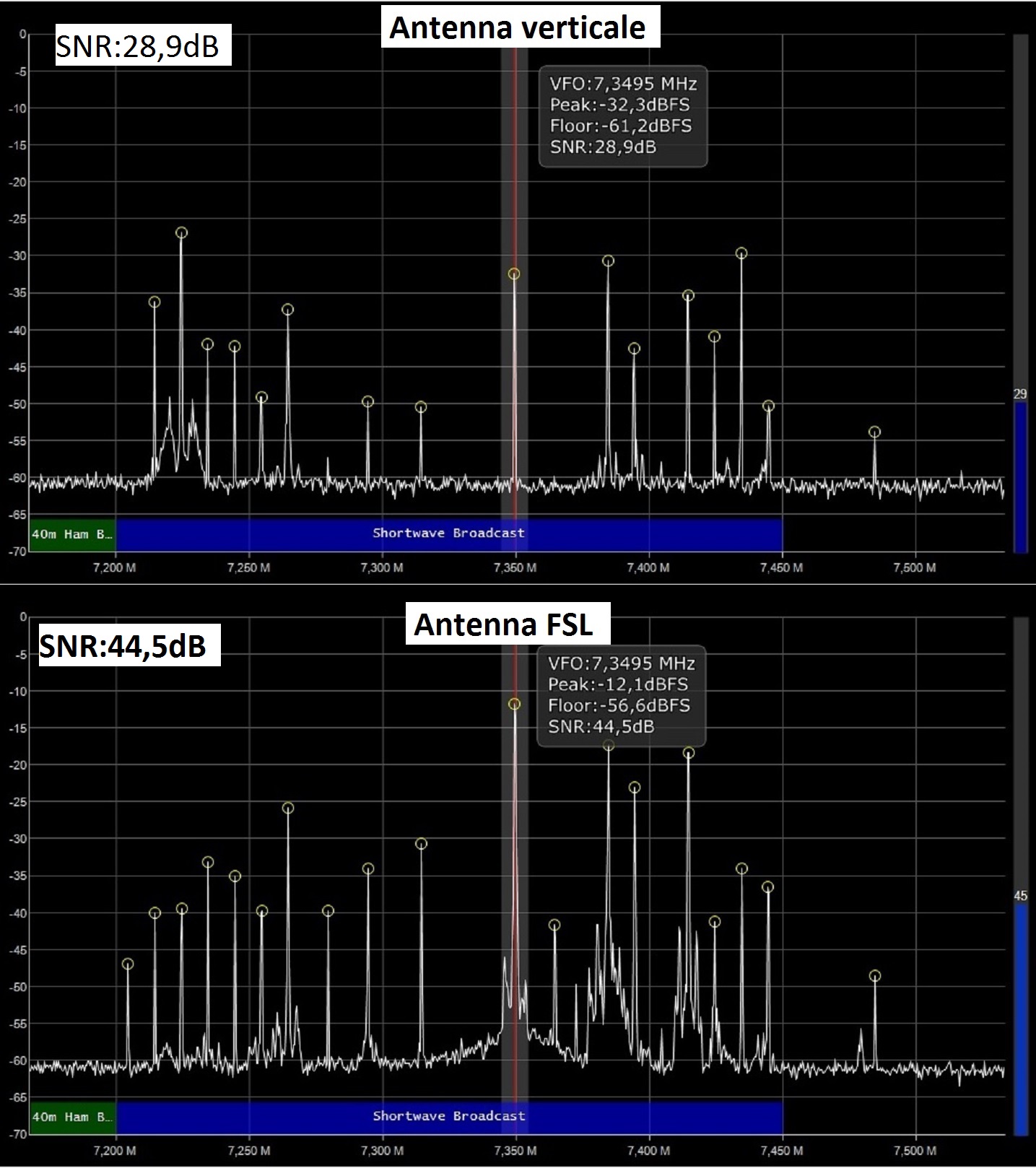
I’ve been experimenting with a new antenna design for about 10 days comparing it with a classic FSL with 20 ferrite bars.

Listening to the audio signals are the same, only instrumentally the antenna FSL in ferrite film
Loses -2dB.

The construction is very simple in that the two ends overlap 5 mm.

I did this:

  • I took a sheet of A4 paper, I cut 5mm paper at one end.
  • I laid this sheet on a 10 cm (10 cm) diameter PVC tube.
  • The uncovered part of the tube is cut, now we will have exactly the exact diameter to fix the A4 sheet of ferrite with the overlap of 5 mm.

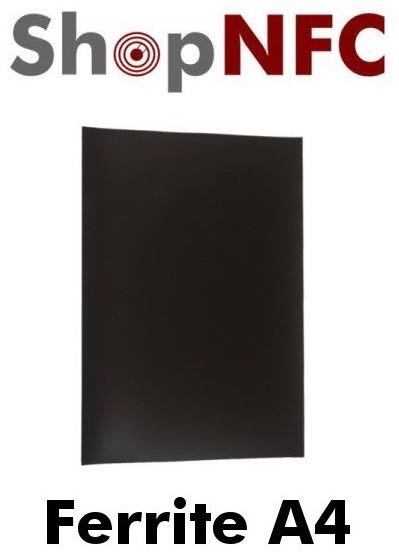
As for where to source a ferrite sheet, after much research I discovered this supplier almost by accident:

Click here to view the product page and ordering information.

In summary, the main advantages of this antenna design is weight, cost and availability of A4 sheet of ferrite.

Click here to follow Valentino’s antenna project on his website.

Fascinating, Valentino! Please feel free to share any further information about this FSL antenna as you experiment. It’s true that ferrite bars are becoming difficult to source. Sounds like this is an affordable alternative antenna design for ultralight DXing.