Category Archives: Broadcasters

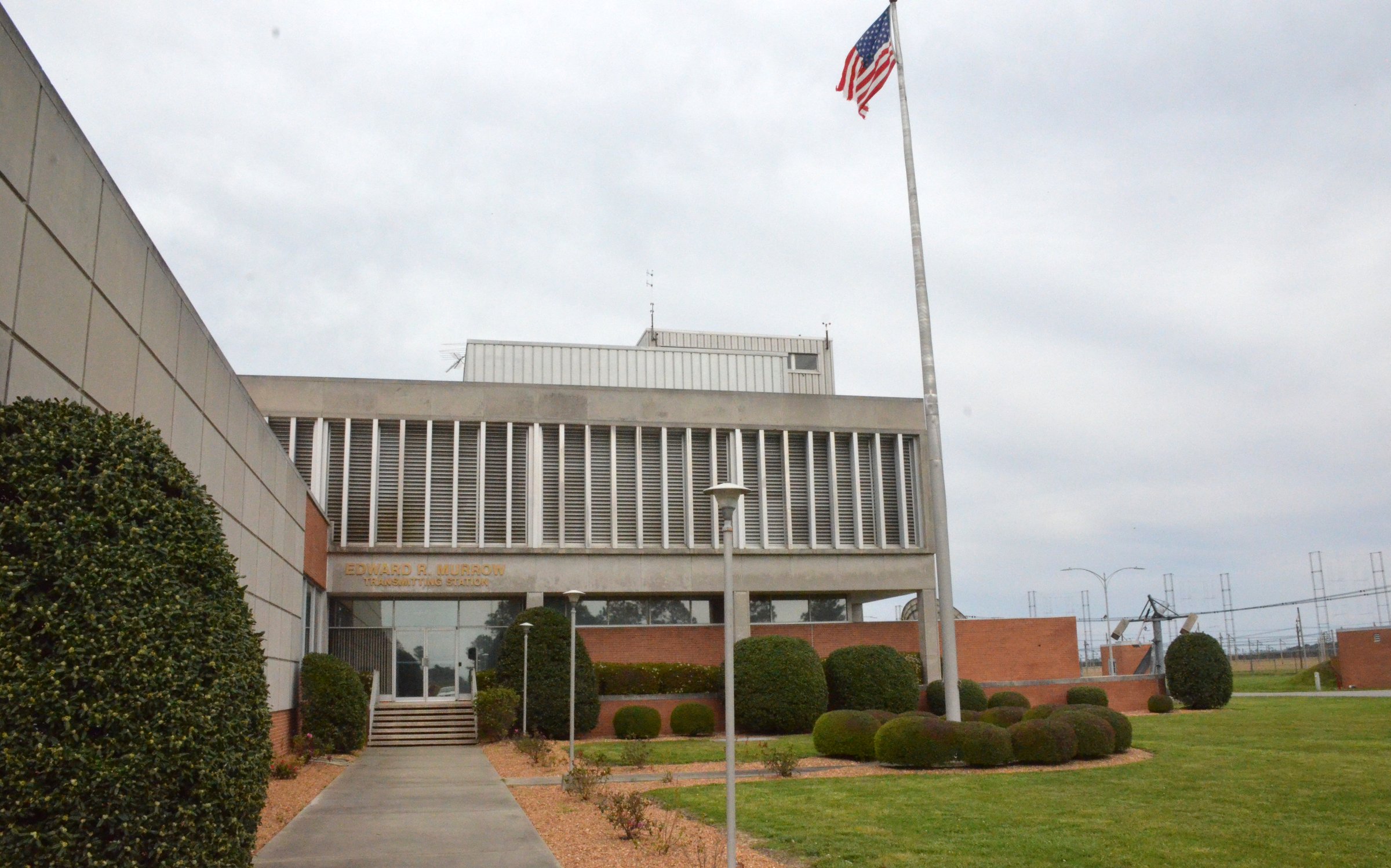
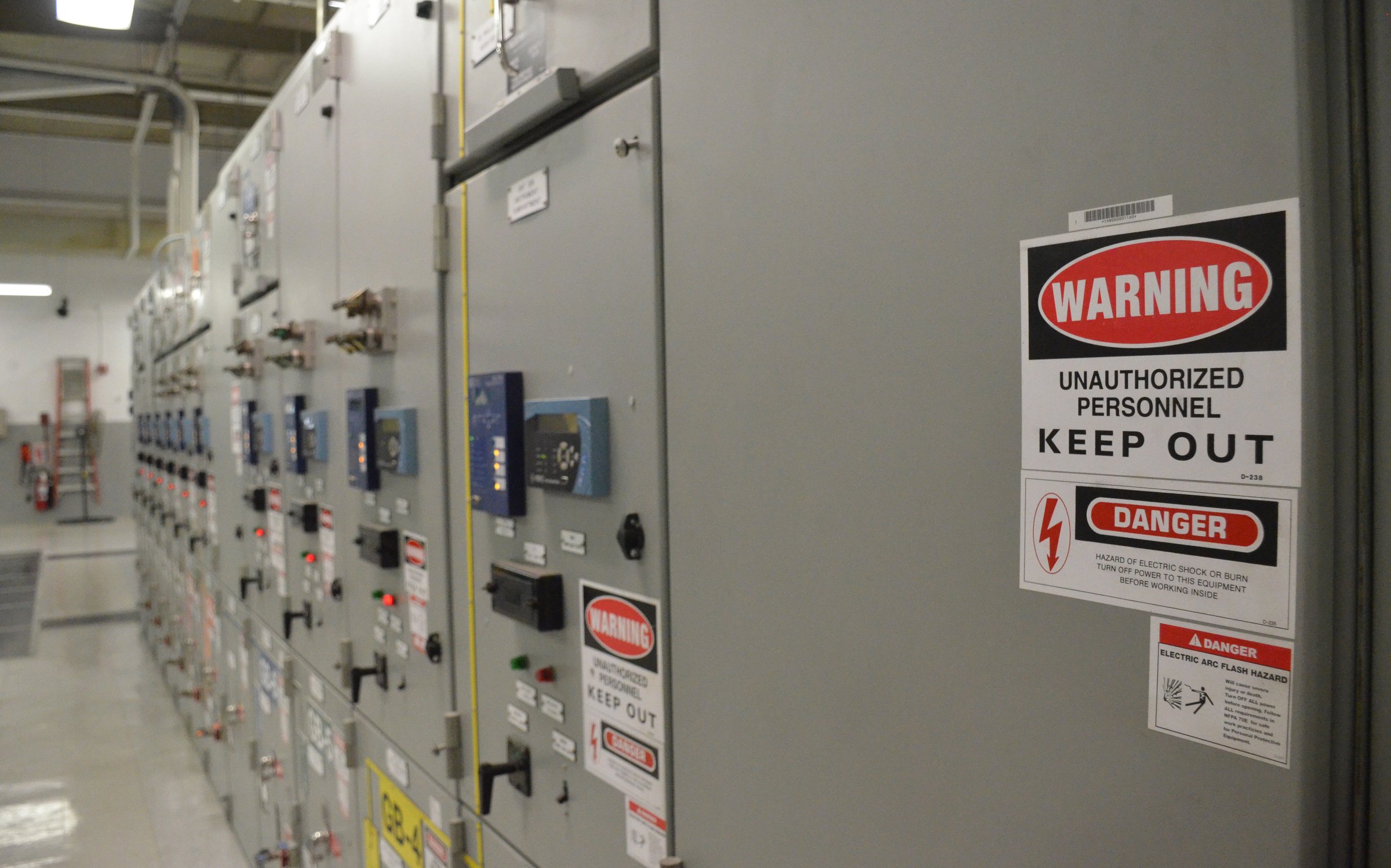
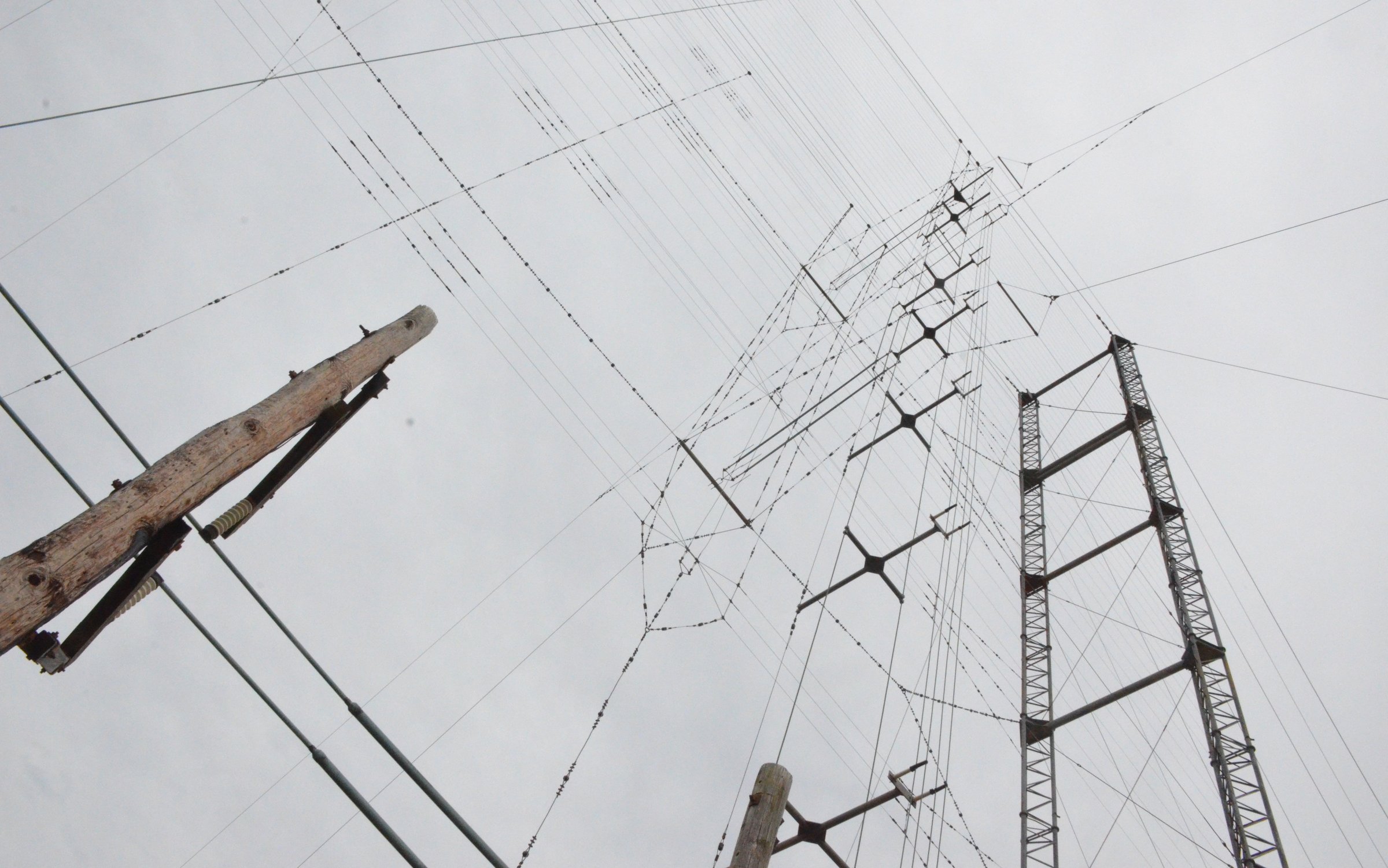
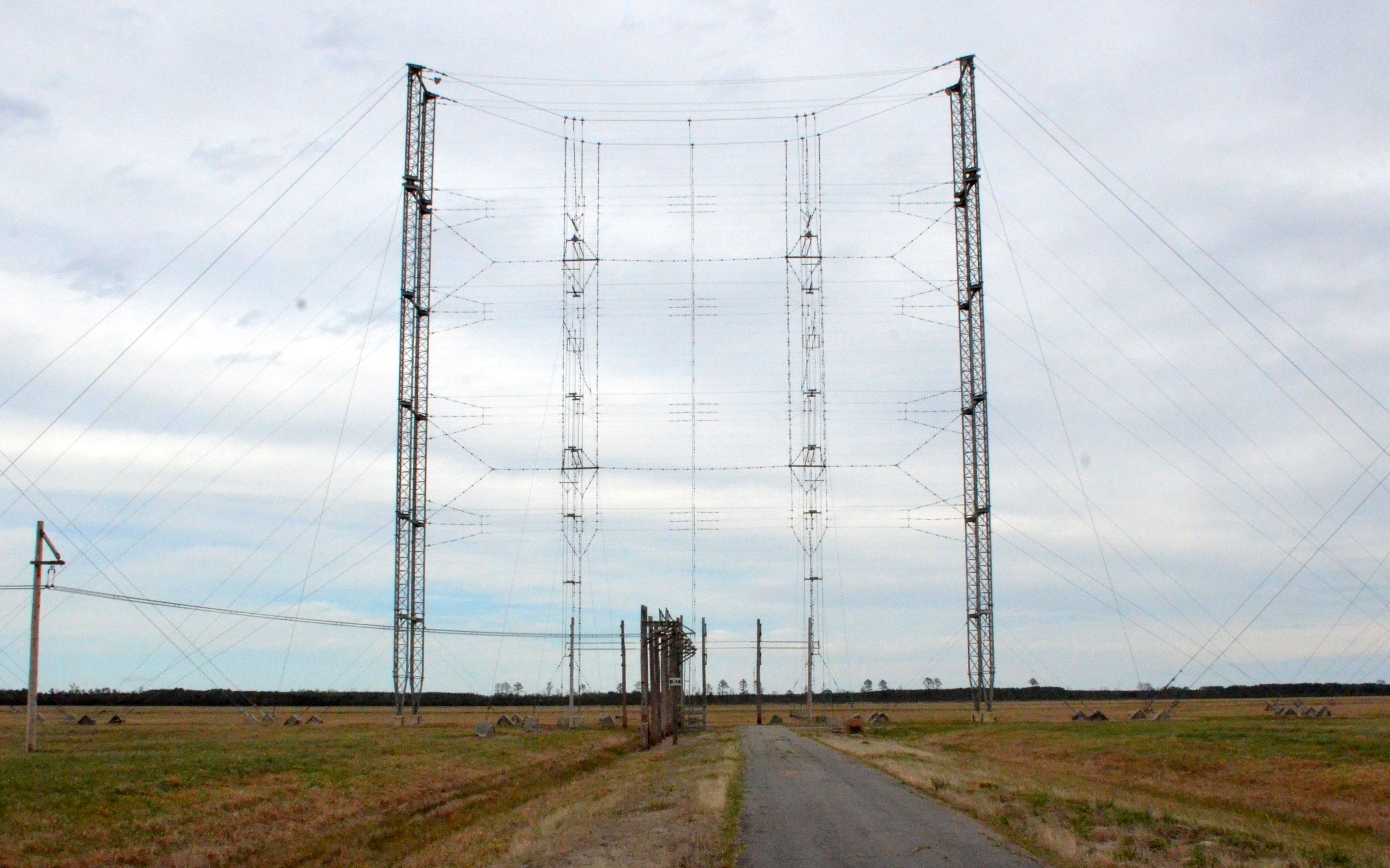
Edward R. Murrow Shortwave Transmitting Station: wallpaper images

VOA-site-B-Wallpaper-MainBuilding2

On April 1st, I spent the bulk of the day at the Edward R. Murrow Transmitting Station outside of Greenville, North Carolina. Prior to my visit, I asked if SWLing Post readers had any requests or questions I could address while there.

I printed all of your inquiries and made sure they were addressed during my visit. I also took a lot of photos!

I had hoped to have a post published the following week with all of the photos and responses properly curated, but frankly, I haven’t had the spare time to do it yet. I’ve simply had too much travel and too many projects on my plate since that site visit (not to mention cramming for the Extra exam!).

I’m working on a draft of the post now and Macon Dail (WB4PMQ), the transmitting station’s Chief Engineer, is helping me with captions and responding to your questions.

Wallpaper

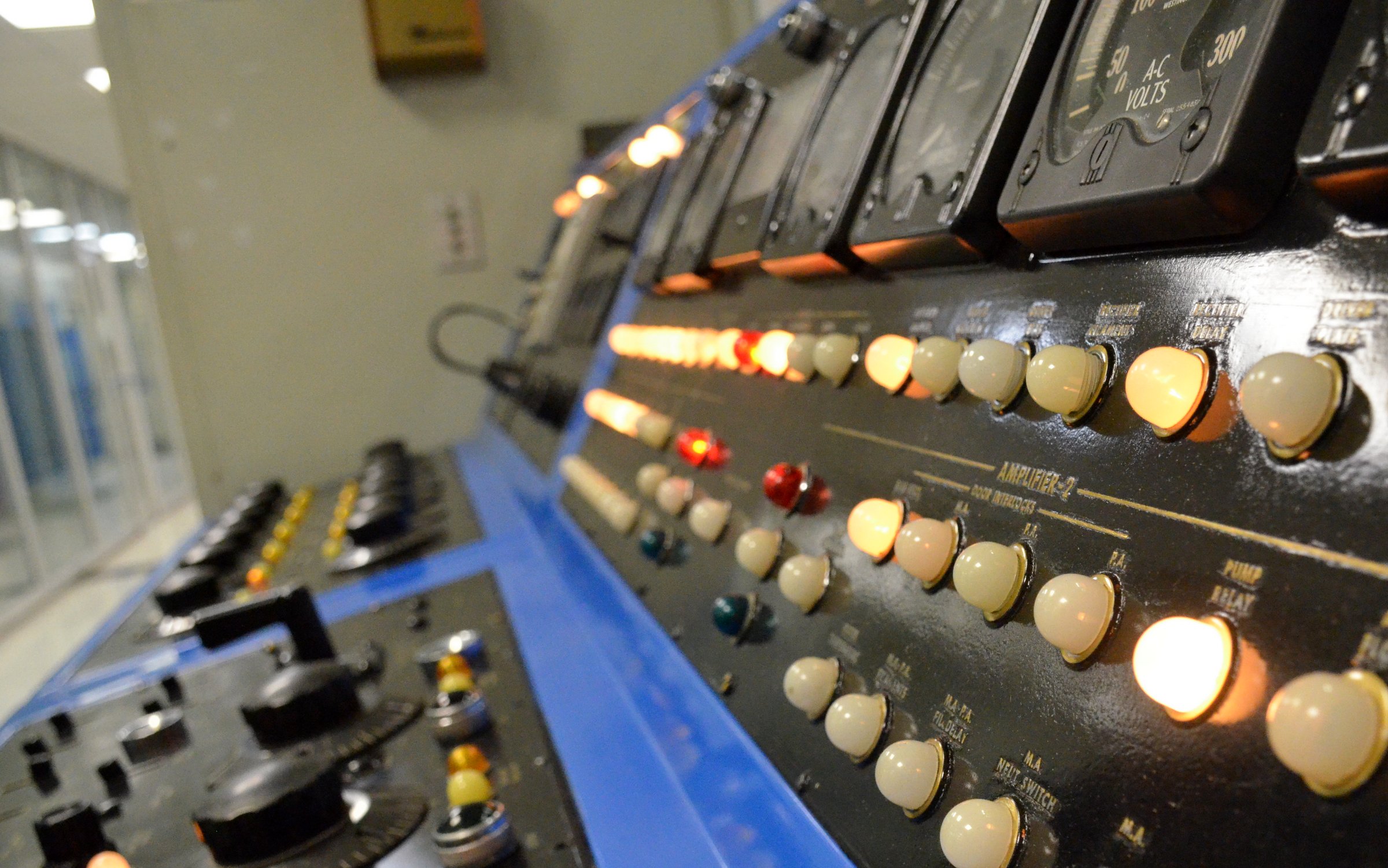
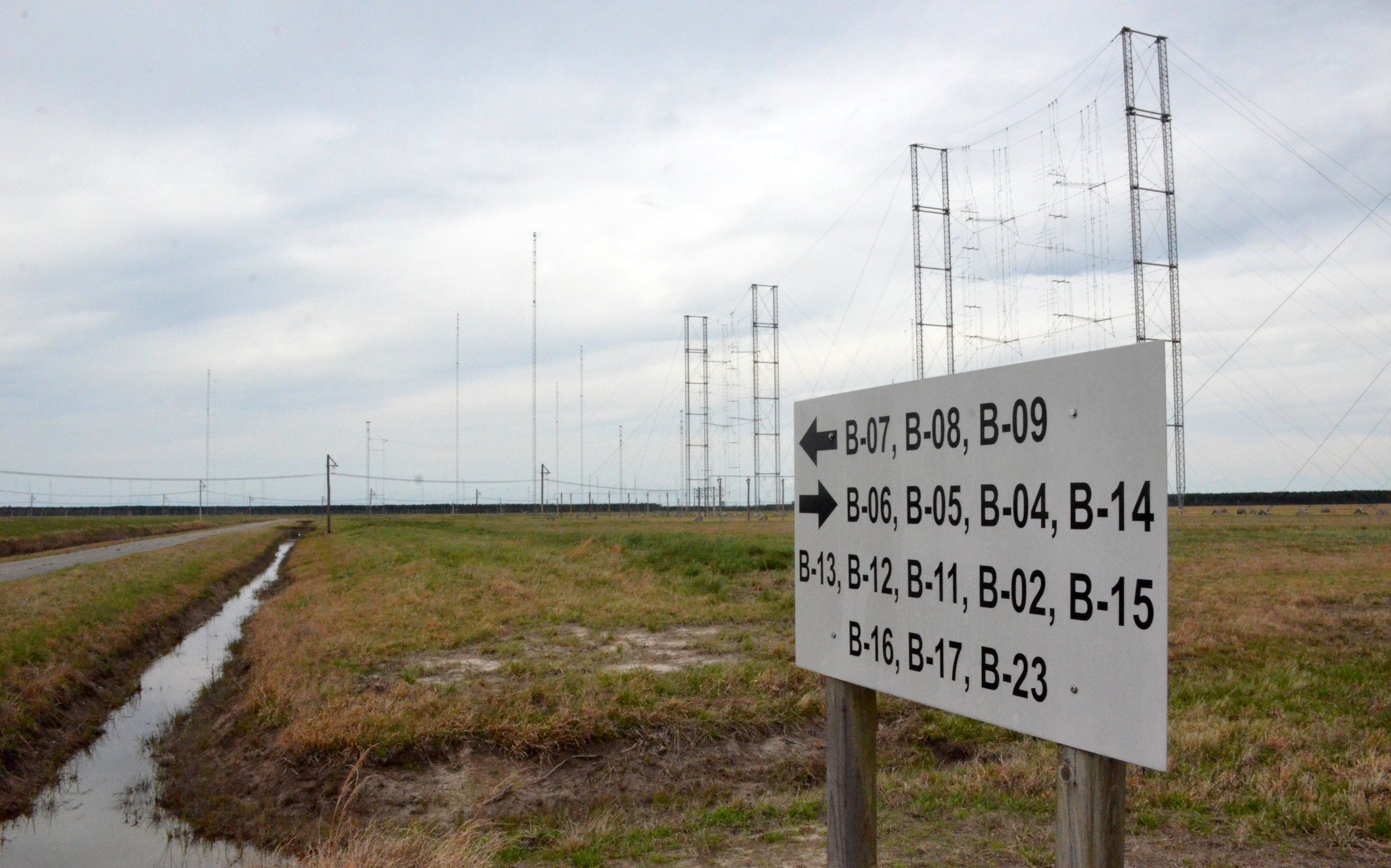
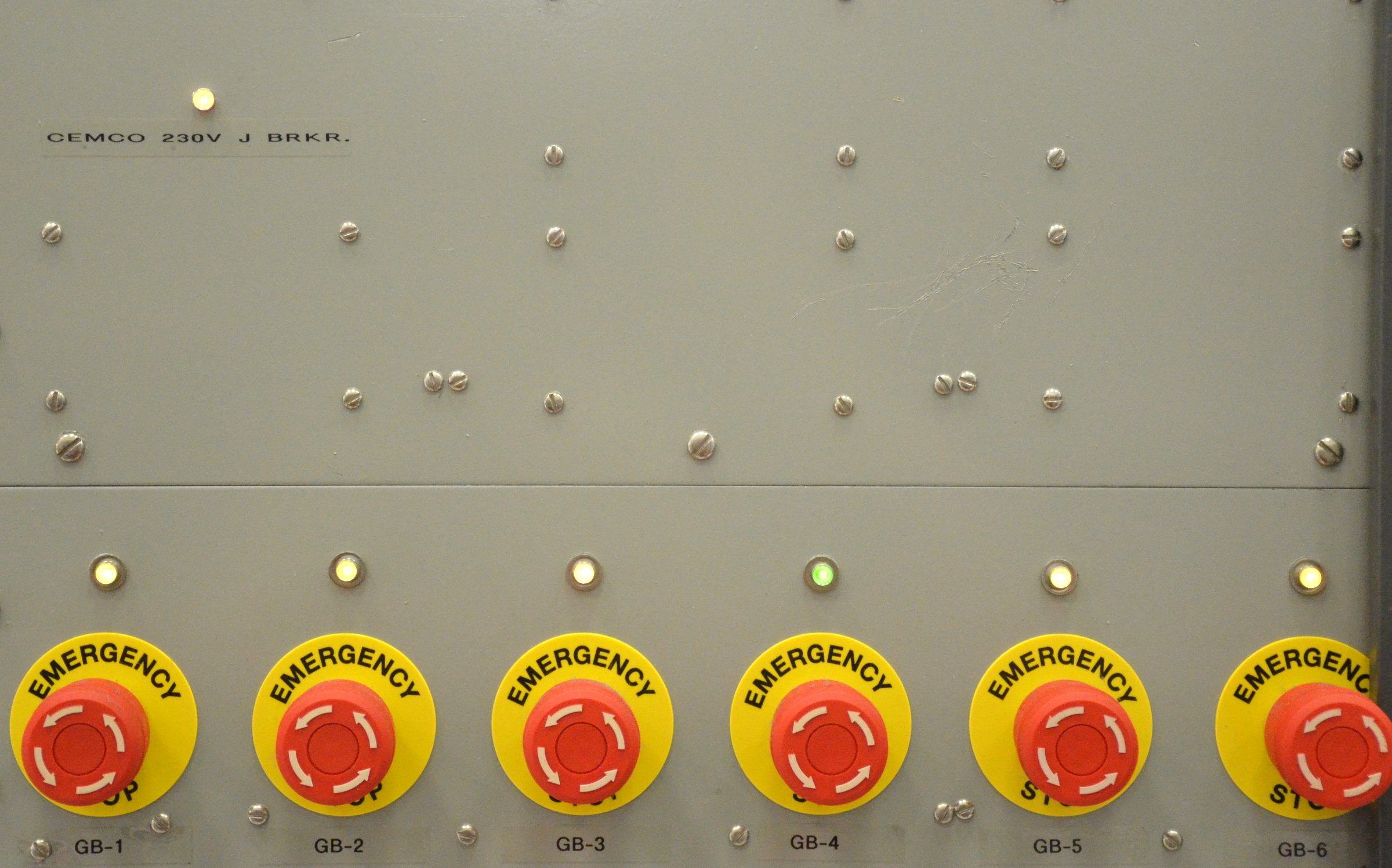
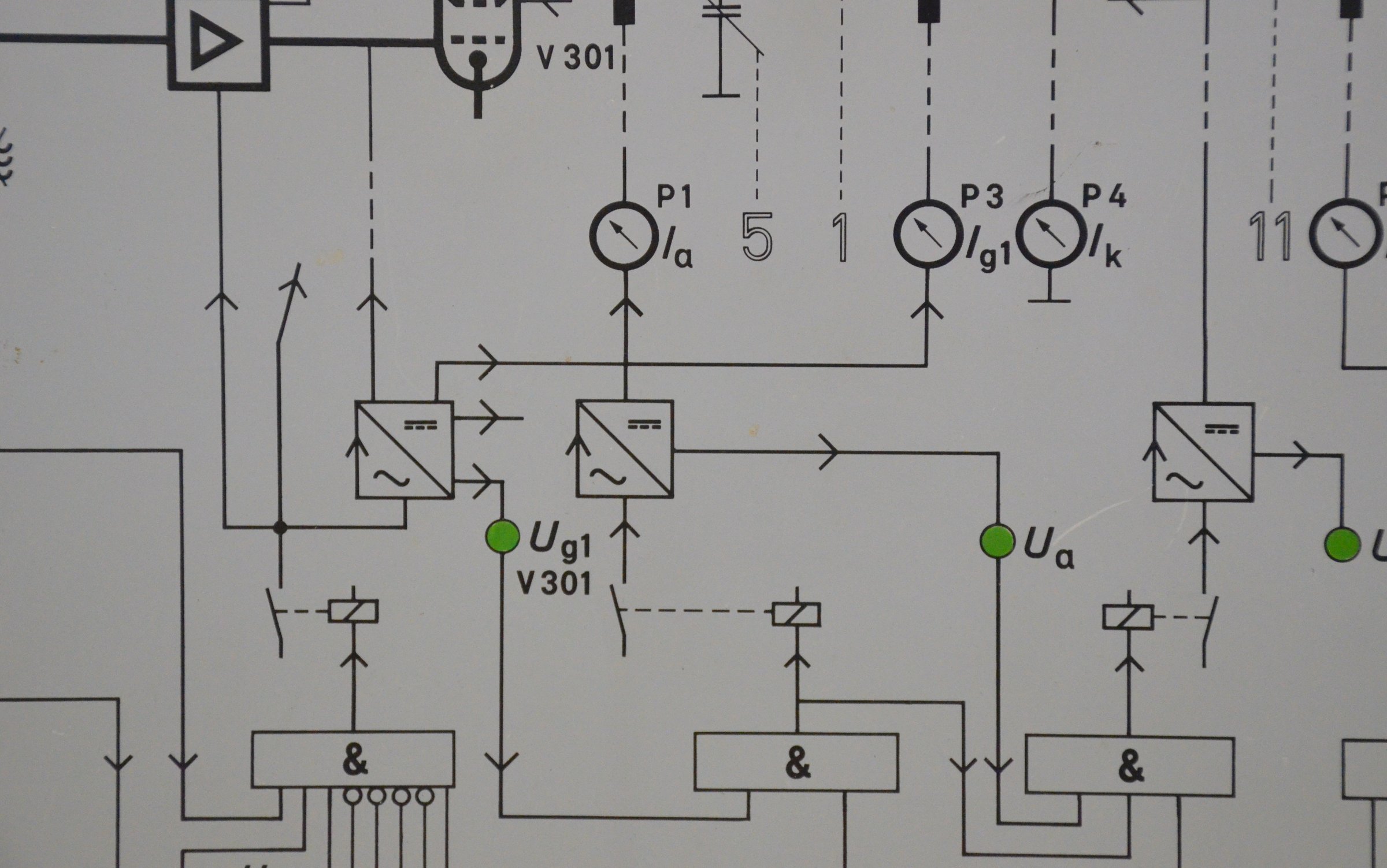
One reader asked if I could snap some photos that could be used as wallpaper on his computer. This morning, I selected eleven images and cropped them to fit a widescreen monitor.

I tried to pick images that would work well as a background/wallpaper–meaning, they’re not too busy (visually). Some are abstract close-ups.

Click on any of the images on this page to enlarge–then simply save the image to your computer to use it as you see fit.

I hope you enjoy!

VOA-site-B-Wallpaper-MainBuilding VOA-site-B-Wallpaper-HighVoltage VOA-site-B-Wallpaper-Curtain-Closeup VOA-site-B-Wallpaper-Curtain-Antenna VOA-site-B-Wallpaper-Continental-Transmitter VOA-site-B-Wallpaper-BluePrints VOA-site-B-Wallpaper-AntennaFarm VOA-site-B-Wallpaper-Antenna VOA-site-B-Wallpaper-1 VOA-site-B-Wallpaper-TX-Mimic-Panel

New Shortwave Station in South Sudan

Radio-TamazujThere’s a new shortwave station in South Sudan!
Kudos to Eye Media for their Shortwave Radio efforts in South Sudan to complement and extend their reach beyond local FM radio. And I must add, kudos to the United States for their part in helping to fund the venture. While I am quick to criticize my country for their cutbacks in SW funding, I have to be fair and say “well done” when something like this comes along. Here is the news report as posted April 26 (yesterday) on Radio Tamazuj and which was reported by Alokesh Gupta New Delhi on the Cumbre-DX  Yahoo Group:

Eye Media, the parent organization of Eye Radio, has announced that it has launched a new shortwave broadcast service to complement its existing FM broadcasts in South Sudan.

The broadcasts starting today will bring listeners news and information in Arabic, as well as Dinka, Nuer, Shilluk, Bari, Zande and Lutoho.

According to a press release today from Eye Media, “the Eye Radio Shortwave will cover the whole of South Sudan including remote areas in which communities are not able to access FM radio stations.”

Eye Radio is one of the fastest expanding media houses in South Sudan after launching FM repeaters in several state capitals last year, expanding the station’s reach beyond Juba where it is based.

In its press release, the station noted that the funding for this initiative came from USAID, the international development agency of the US government.

Shortwave radio is used for long distance communication by means of reflecting or refracting radio waves back to Earth from the ionosphere, allowing communication around the curve of the Earth. It was a popular means of long-distance news sharing before the advent of the Worldwide Web, and it is still used for reaching remote areas.

Only two other media houses broadcast on shortwave with content specifically for South Sudan: Radio Tamazuj, which operates two hours daily on the shortwave, and Voice of America, which produces the 30 minute program South Sudan in Focus.

Radio Tamazuj broadcasts from 6:30 to 7:30 each morning on 11650 kHz on the 25 meter band and 9600 kHz on the 31 meter band, and 15150 kHz and 15550 kHz on the 19 meter band each evening from 17:30 to 18:30.

Eye Radio’s new broadcasts will run from 7:00 to 8:00 each morning on 11730 kHz on the 25 meter band and 17730 kHz on the 17 meter band from 19:00 to 20:00.


Robert Gulley, AK3Q, is the author of this post and a regular contributor to the SWLing Post. Robert also blogs at All Things Radio.

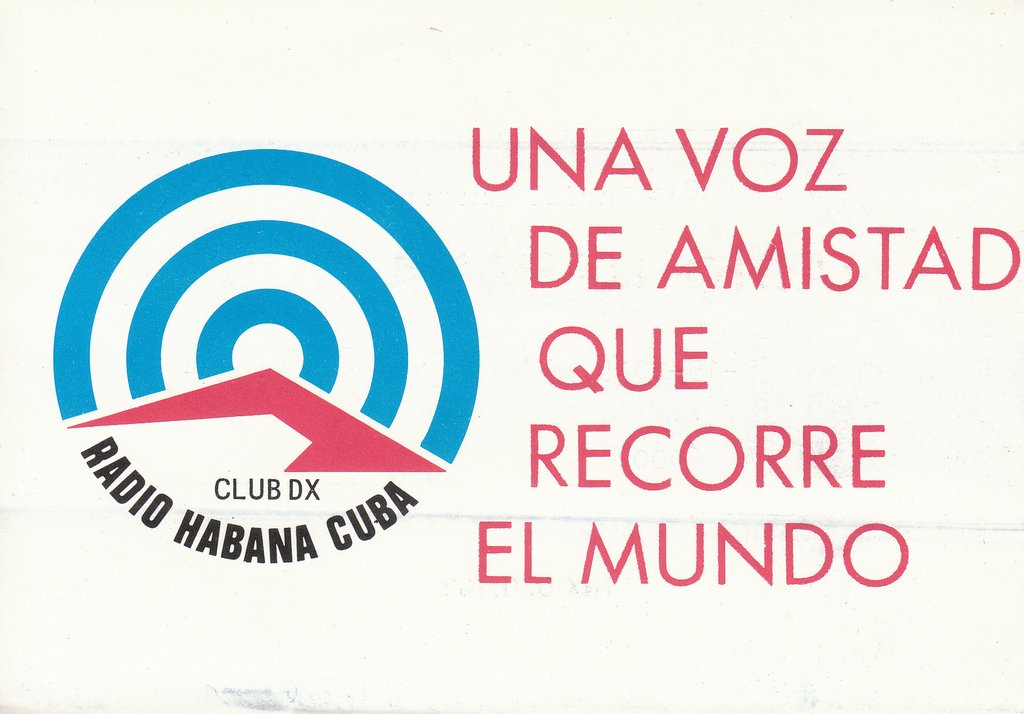
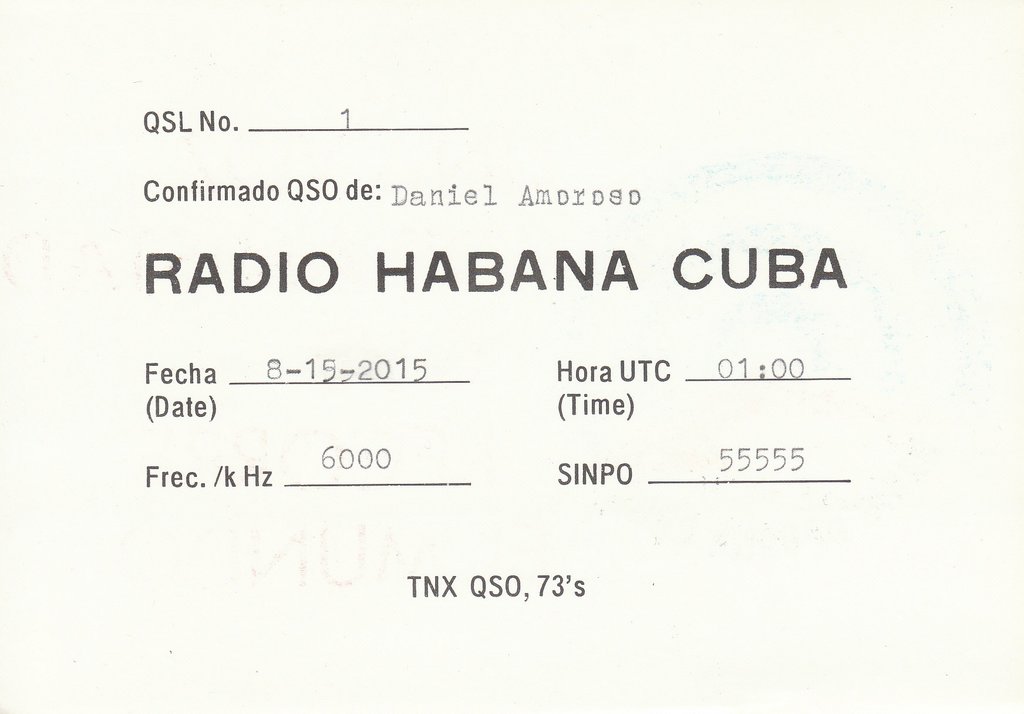
Daniel’s Radio Havana Cuba QSL card from August 15, 2015

Radio-Havana-Cuba-QSL-Front

Front of RHC QSL card (click to enlarge).

Many thanks to SWLing Post contributor, Daniel Amoroso, who shares this QSL card and notes:

Hello Thomas, 

Attached is QSL # 1 from Radio Habana Cuba for their shortwave broadcast on 8- 15-2015

This was the day the US Embassy in Cuba was officially re-opened.

Back of RHC QSL card (click to enlarge).

Back of RHC QSL card (click to enlarge).

Card was received on April 18 , 2016.

Very cool!  Thank you for sharing this card and noting that relevant bit of history, Daniel.

Curating a list of endangered shortwave stations

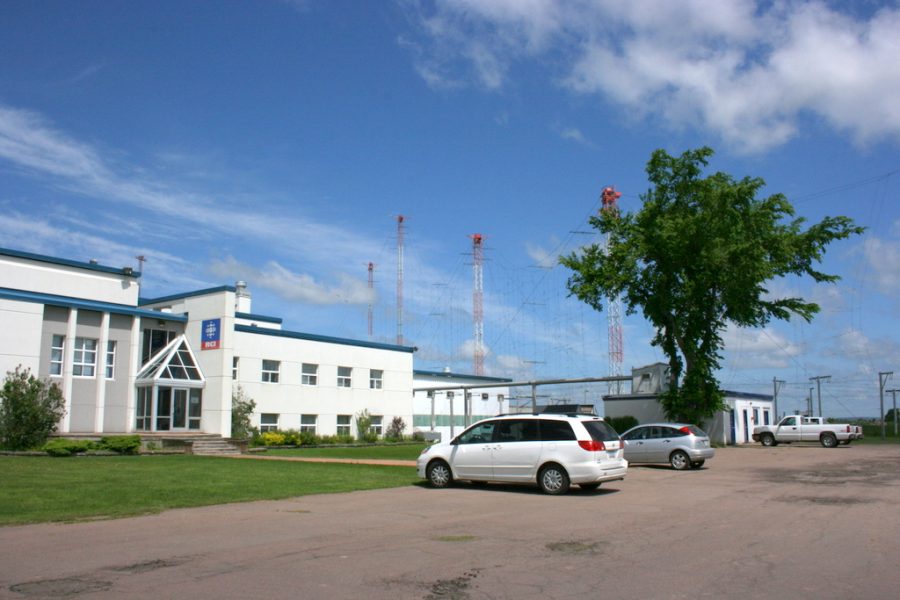
RCI-Sackville-2012

That’s my minivan parked in front of the RCI Sackville transmitting station in June, 2012. The site was closed by the end of 2012 and towers demolished shortly thereafter.

Recently, my friend and fellow archivist, London Shortwave, and I engaged in a discussion about creating a curated list of “endangered” shortwave radio stations.

The idea being we could use such a list to focus our efforts and those of the archiving community on recording broadcasters that were most likely to disappear in the near future.

London Shortwave published an excellent post about this on his blog.

Please click here to read his post.

We quickly put this page on the Shortwave Radio Audio Archive as a starting point.

We need your help to curate this list!

Please comment either on London Shortwave’s blog, or on this post, and suggest any additional broadcasters we may have missed. Please include a link to news item(s) which may indicate the broadcaster faces closure.

Of course, this list and the categories are subjective–we’re simply using our best judgement in this process. Often, broadcasters can shut down with little or no notice.

Thanks in advance for your help!

Radio Vanuatu on target for nationwide coverage under new leadership

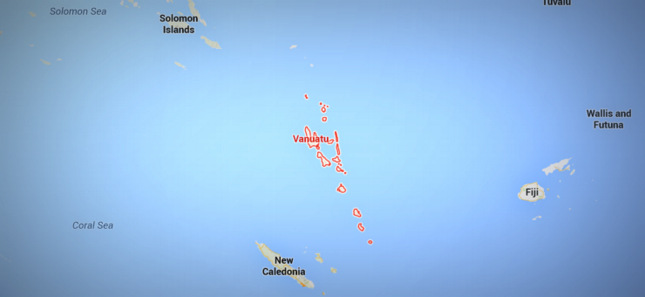
Vanuatu-Map

(Source: Radio New Zealand via Mike Terry on the WRTH FB Page)

The recently appointed chair of the board of the Vanuatu Broadcasting and Television Corporation is confident nationwide coverage will be achieved by Radio Vanuatu soon.

The new government recently replaced the old board following concerns over the lack of the public broadcaster’s ability to reach the outer islands.

Its new chairperson Johnety Jerety said transmission had deteriorated over the years, mostly because of poor maintenance.

He said under the government’s hundred day plan nationwide coverage had to be implemented by July 1st.

But Mr Jerety said part of the problem was that people were buying cheap radios.

“They’re not compatible to meet the standard for our transmission system within here so that is why most of the ni-Van [indigenous people] within the islands are not able to have the coverage received throughout the island.”

Johnety Jerety said they were now advising people to buy short-wave radios that are compatible.

Read this article on Radio New Zealand’s website.

This article is a little vague, but I assume when the new chairperson, Johnety Jerety, is claiming that the problem with reception has to do with “cheap radios” perhaps he means receivers that don’t cover Vanuatu’s nighttime frequency of 3945 kHz? Almost all radios with shortwave should receive their 7260 kHz frequency. Of course, perhaps he simply means that fewer and fewer listeners are purchasing shortwave radios?

Vanuatu is certainly being heard around the world–indeed, only two days ago, SWLing Post contributor, Paul Walker, was over the moon when he snagged Vanuatu on 7260 kHz from Galena, Alaska.  Paul wrote:

I bagged my most wanted shortwave station ever tonight!

Radio Vanuatu on 7260!!!! Heard something under a bunch of Asian hams. [Q]uite good considering they are only running 1.5 kw out of their licensed 10 kw (that’s what they told me after the cyclone awhile back).

Great catch, Paul!

I’m happy to read that Vanuatu is investing in their station once again.

Follow all Vanuatu updates using the tag: Radio Vanuatu

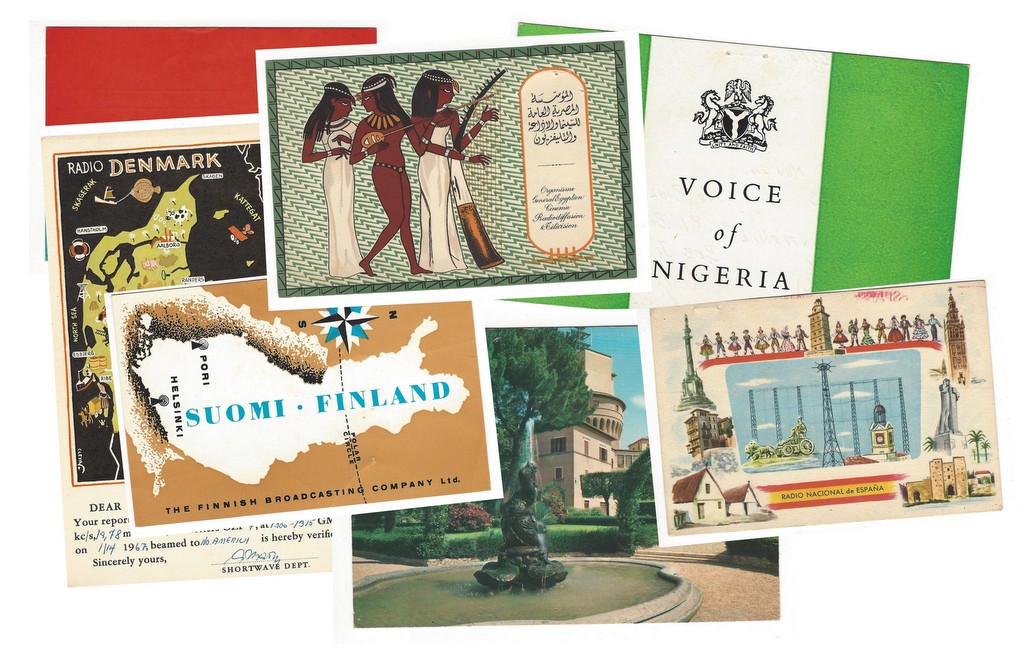
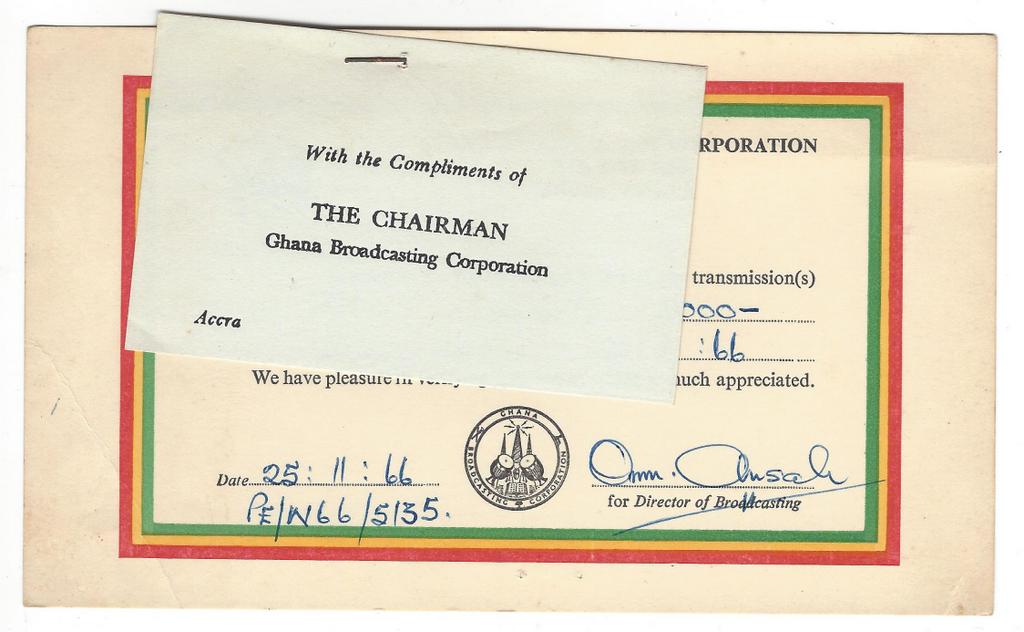
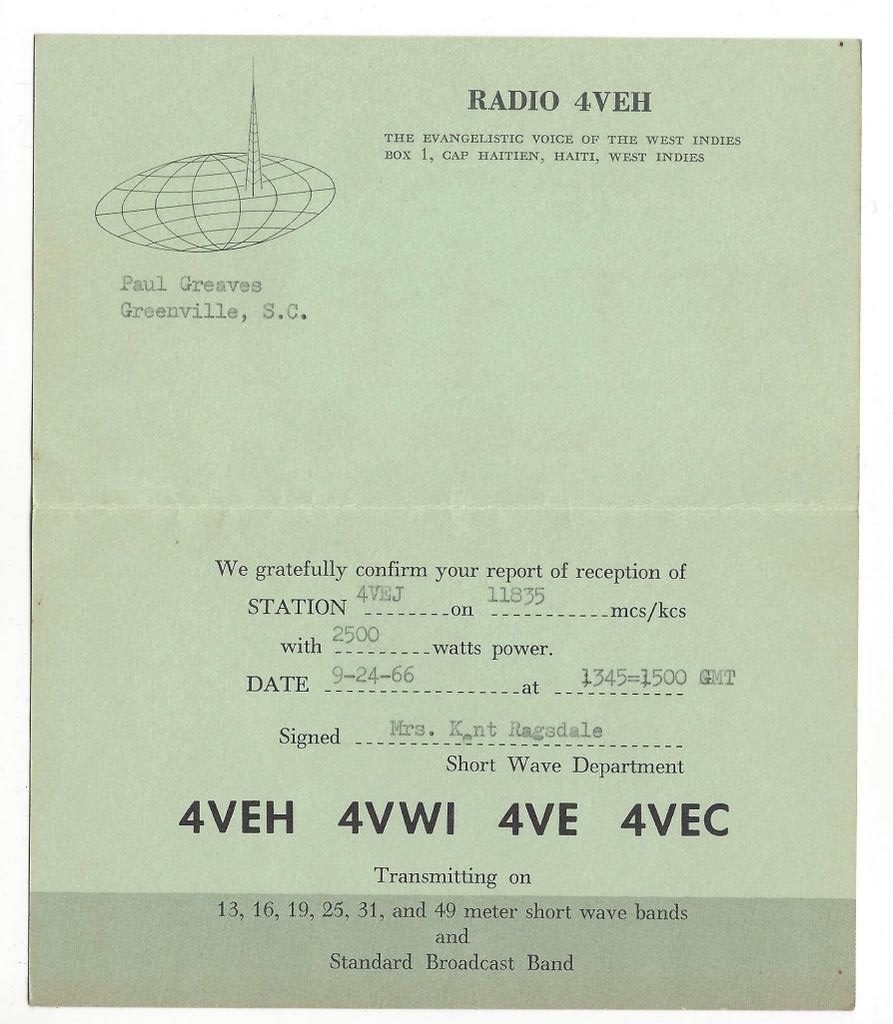
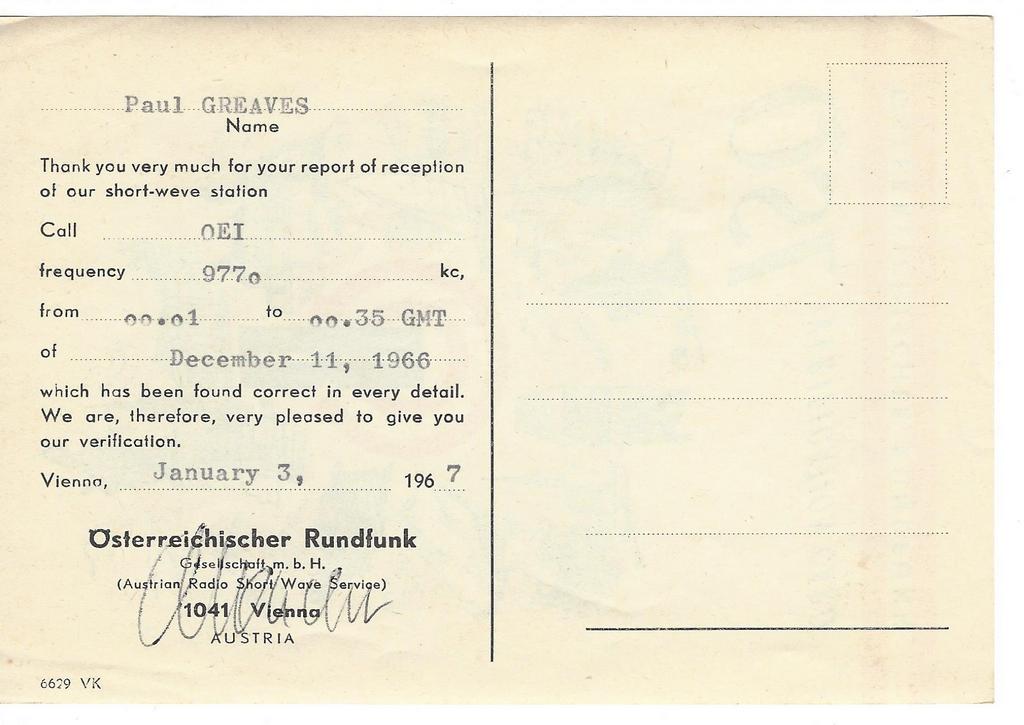
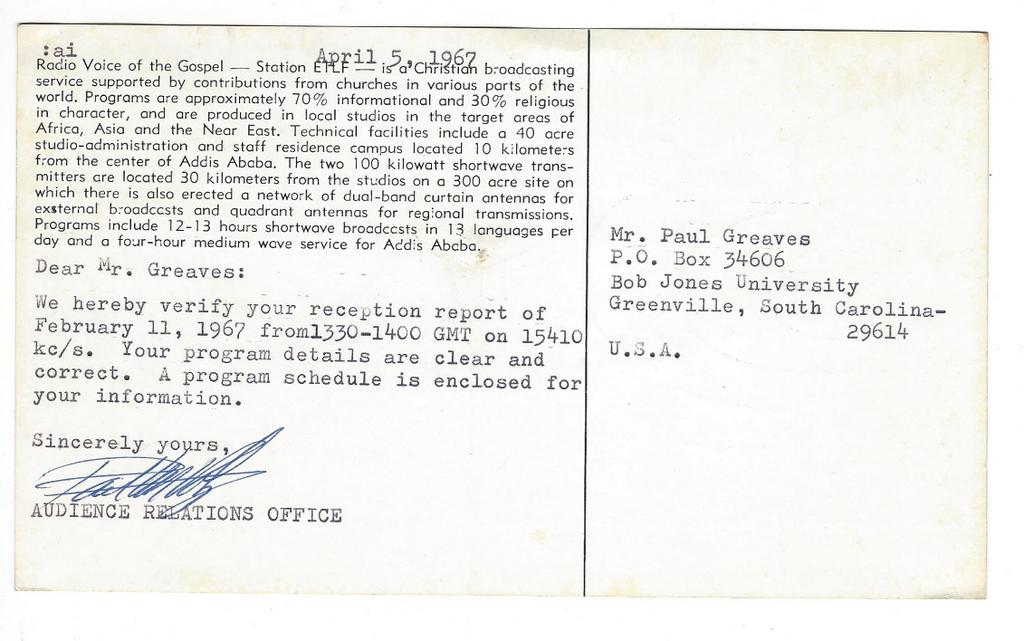
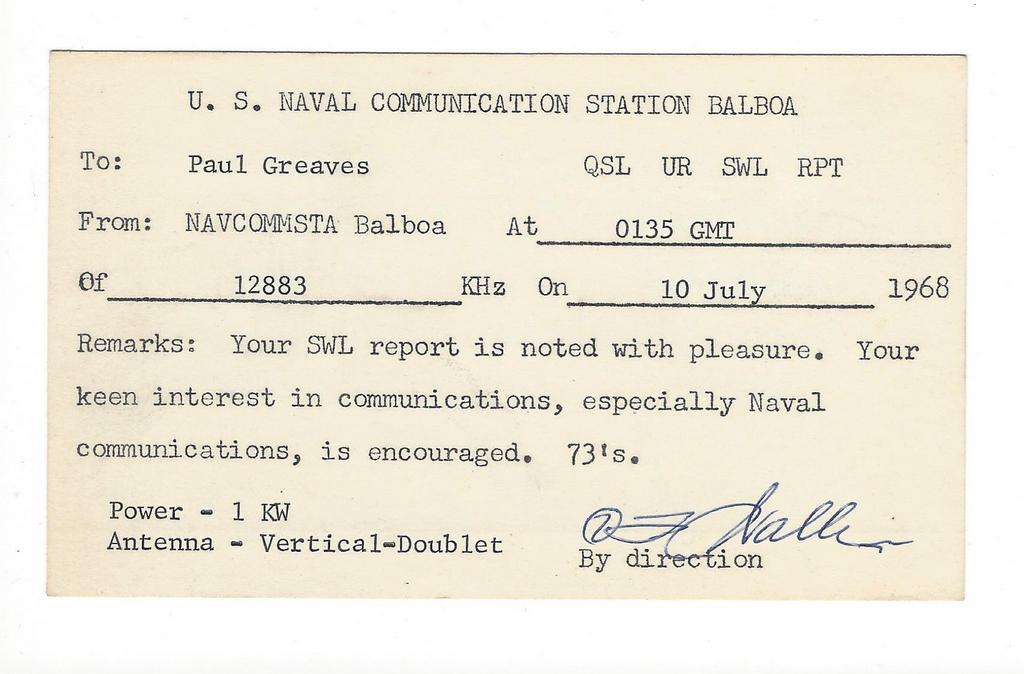
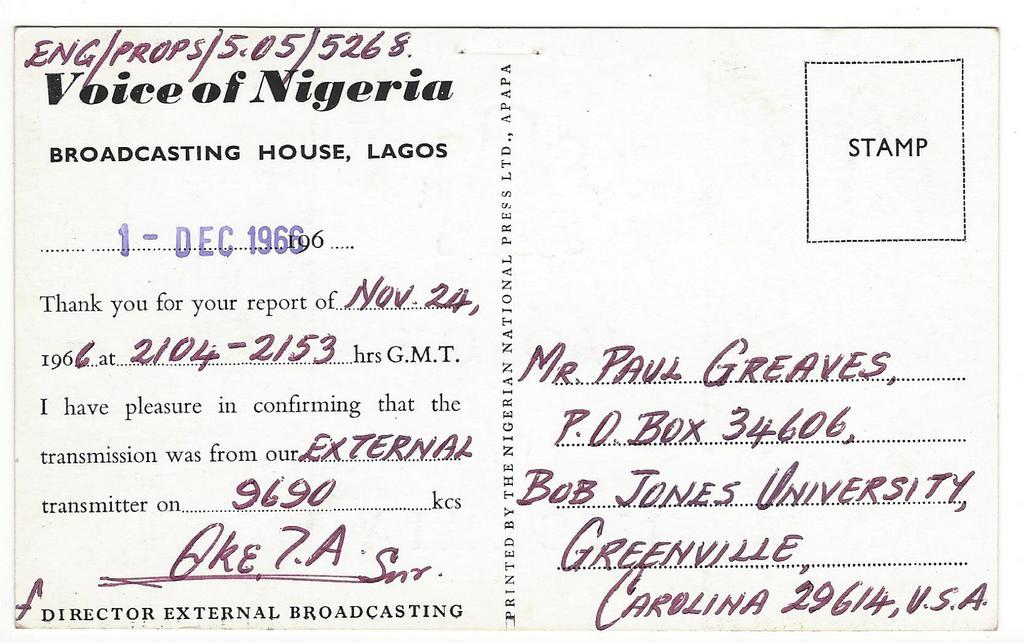
Paul’s rare and classic shortwave QSL cards

QSL collage

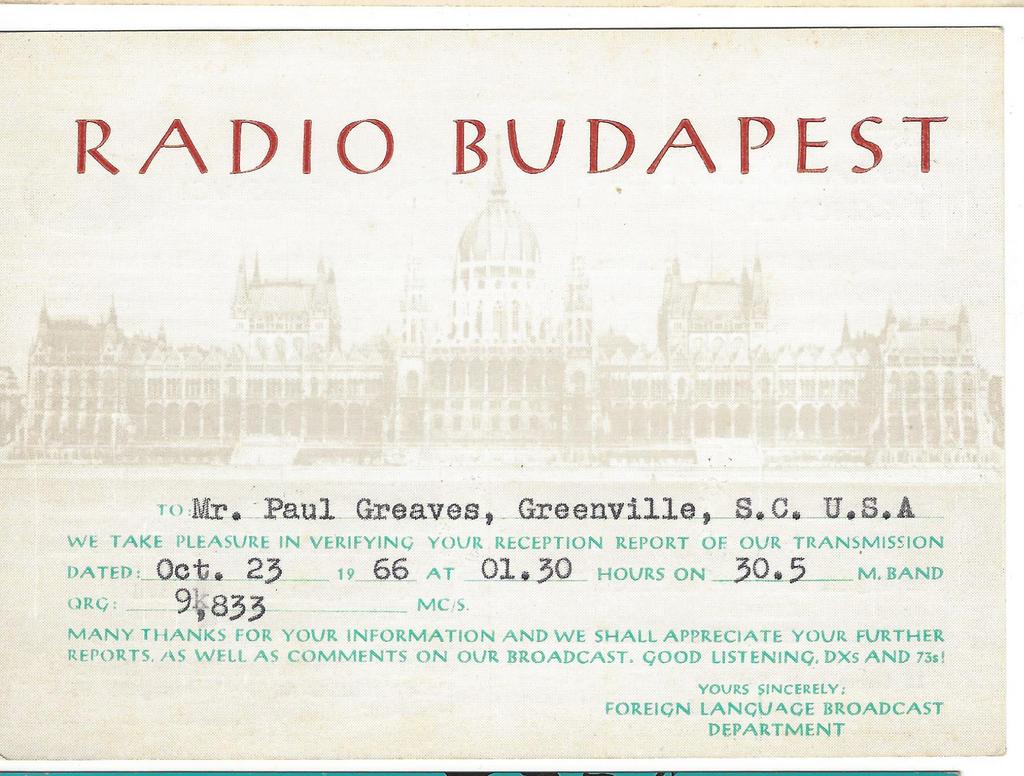
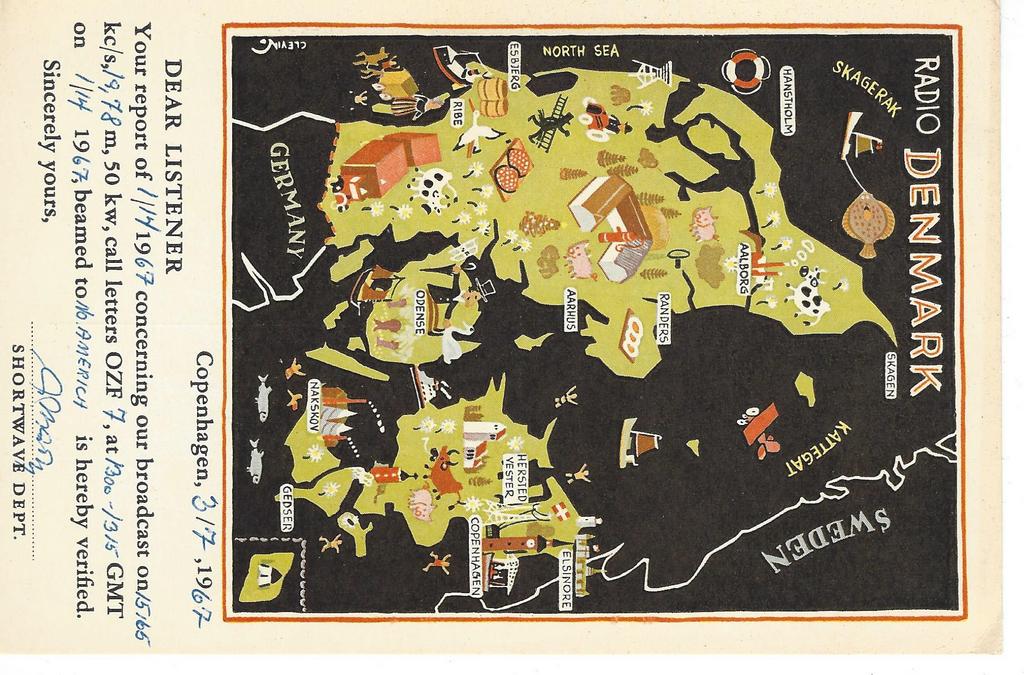
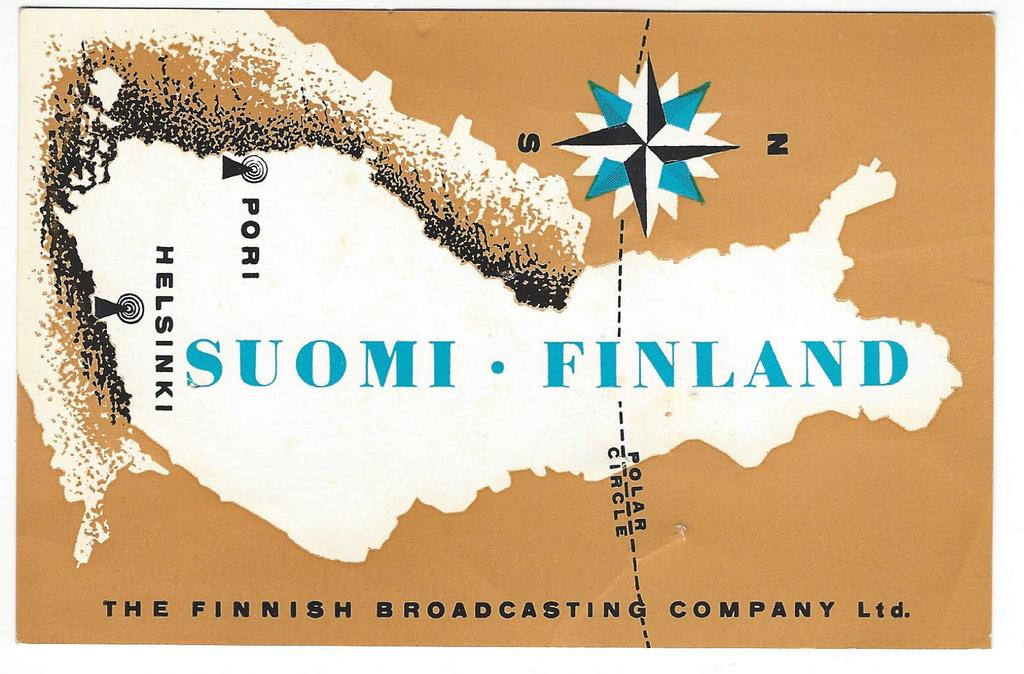
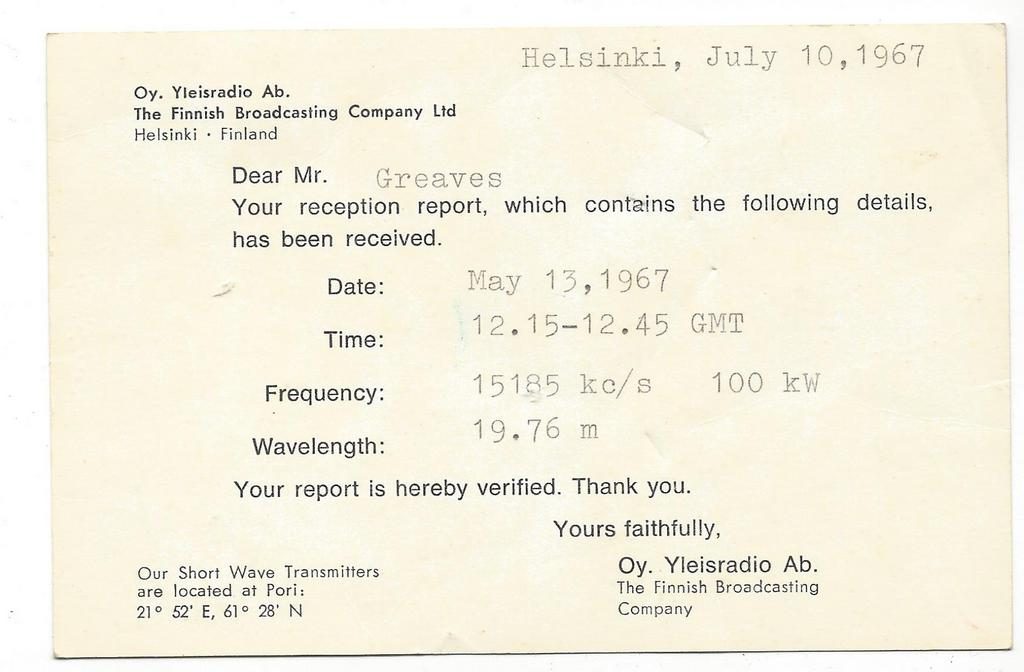
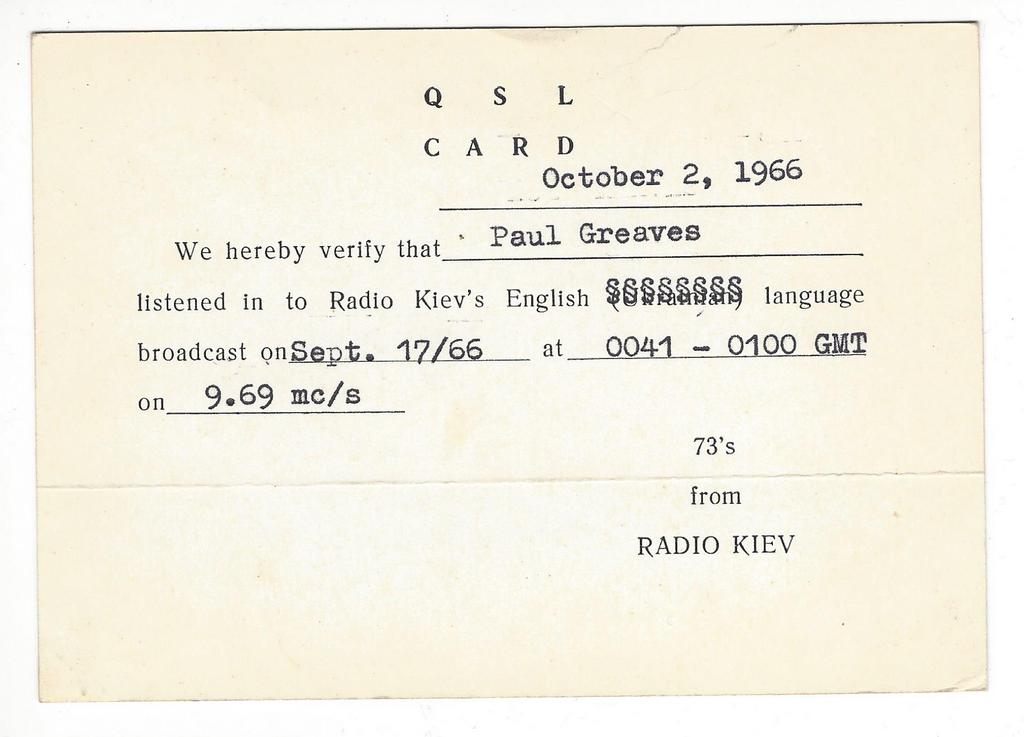
A couple months ago at my local ham radio club meeting (the NCDXCC), my buddy Paul Greaves (W4FC) mentioned that his passion for amateur radio DXing originated with shortwave broadcaster DXing. He told me:

“When I was a teen I could hardly wait to check the PO Box to see what treasures were awaiting me. After getting a QSL card many times there were many more mailings with program schedules and propaganda. I even got Chairman Mao’s little Red Book.”

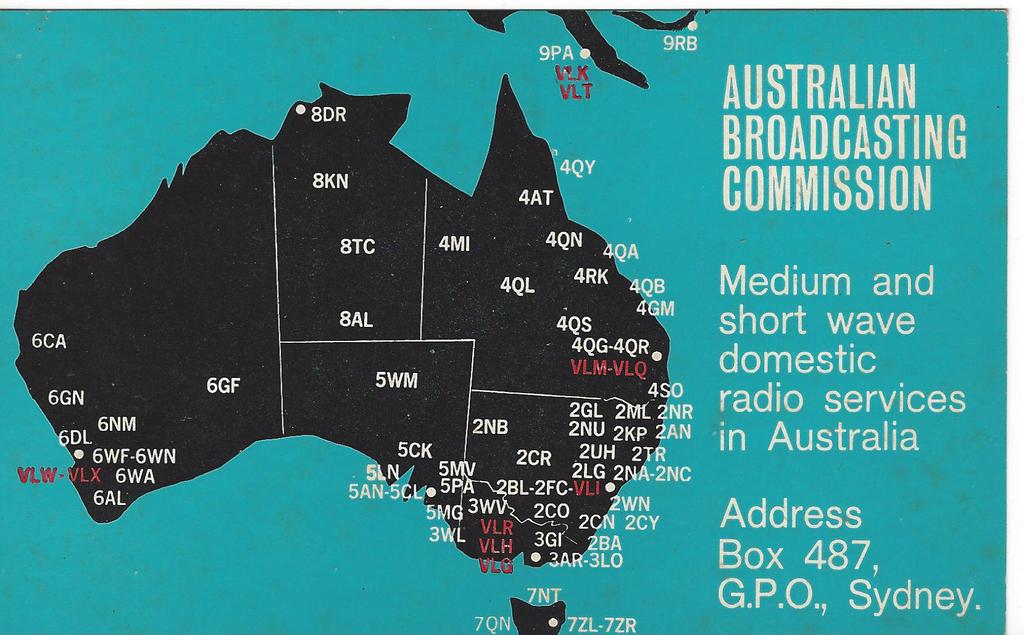
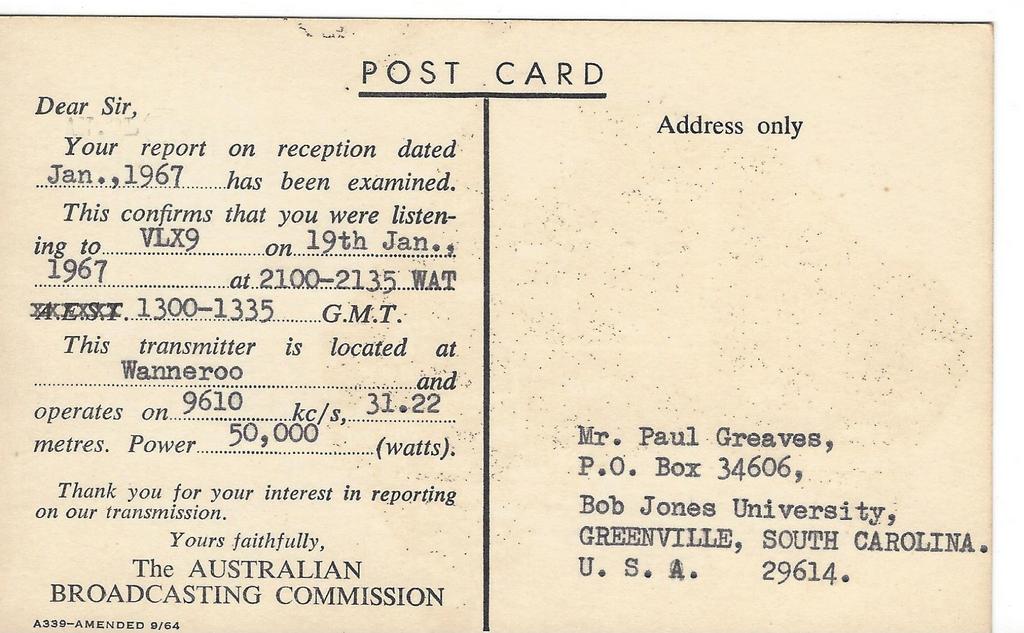
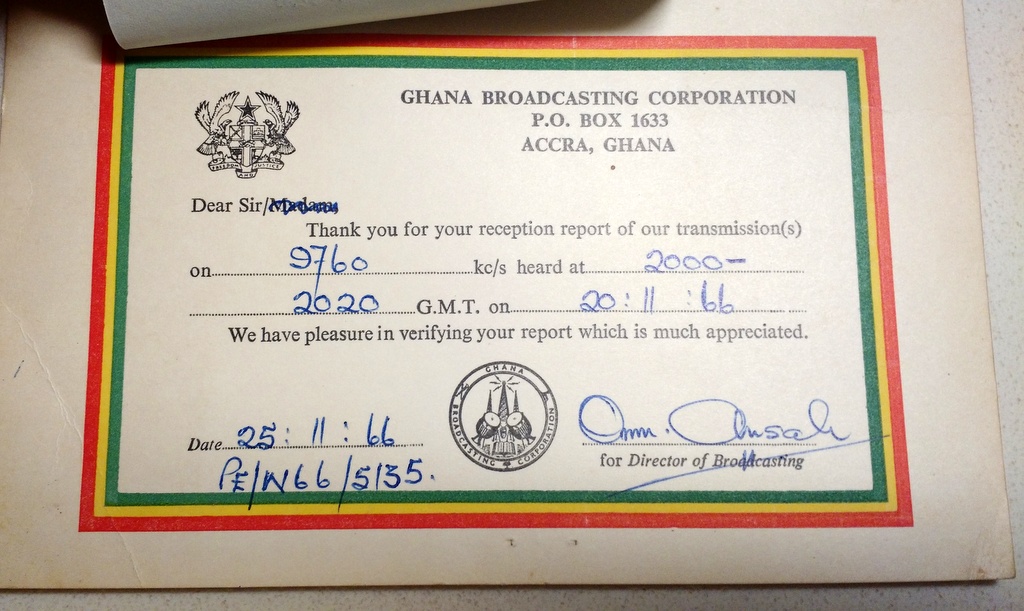
Paul noted that he had quite a few SWL QSL cards, so naturally I asked if he’d share a few of his favorites with the SWLing Post. He kindly obliged.

Click on the images below to enlarge.


ABCRadioFront-001

ABCRadioBack-001


GhanaBroadcastingCorpOpenFront-001 GhanaBroadcastingCorpFront-001GhanaBroadcastingCorpBack-001


Radio4VEHFront-001 Radio4VEHBack-001


RadioAustriaFront-001 RadioAustriaBack-001


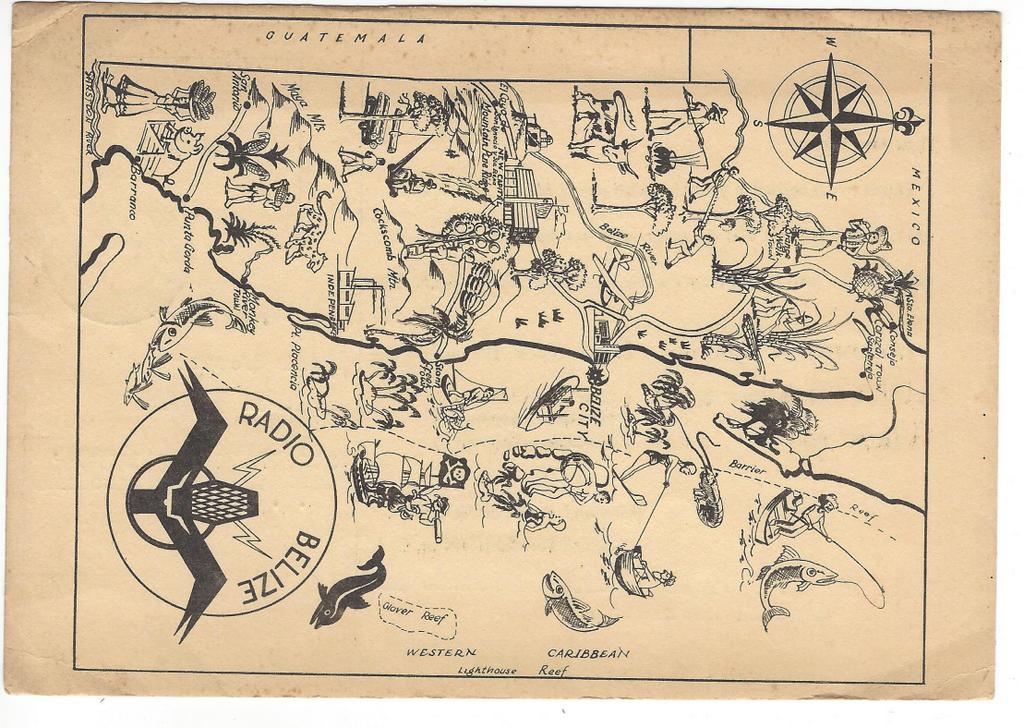
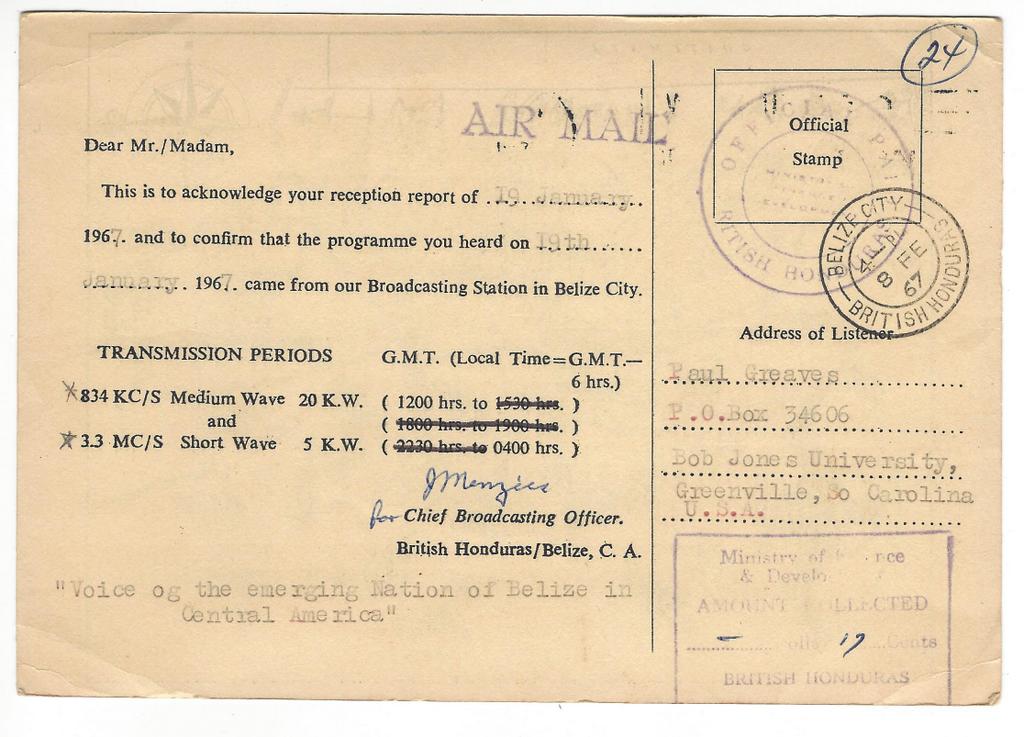
RadioBelizeFront-001RadioBelizeBack-001


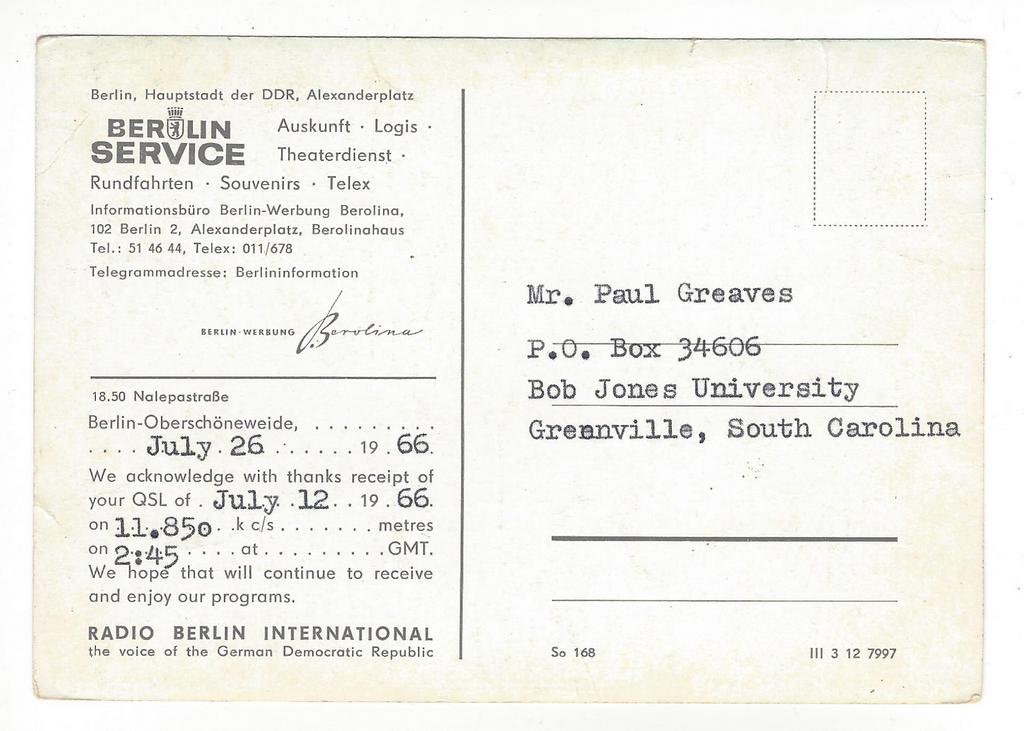
RadioBerlinInternationalFront-001RadioBerlinInternationalBack-001


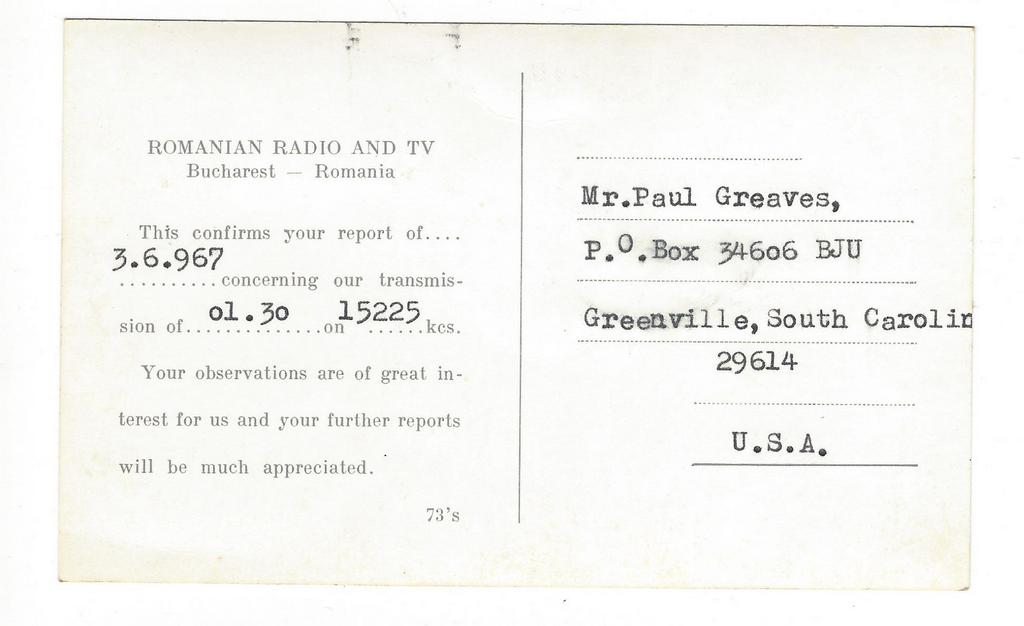
RadioBucharestFront-001 RadioBucharestBack-001


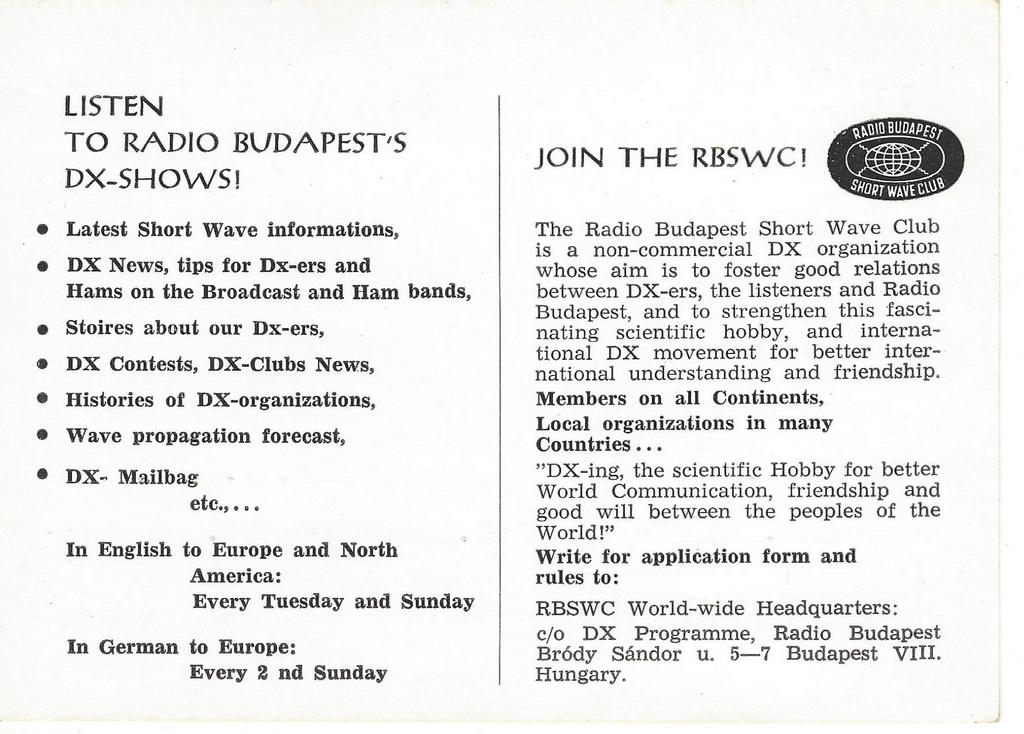
RadioBudapestFront-001RadioBudapestBack-001


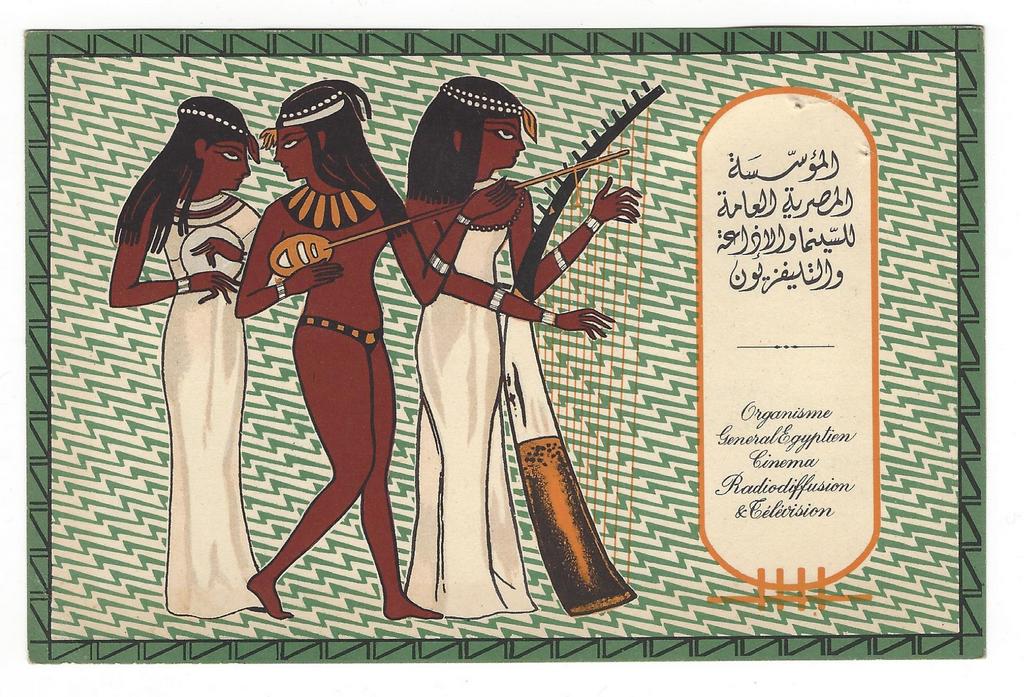
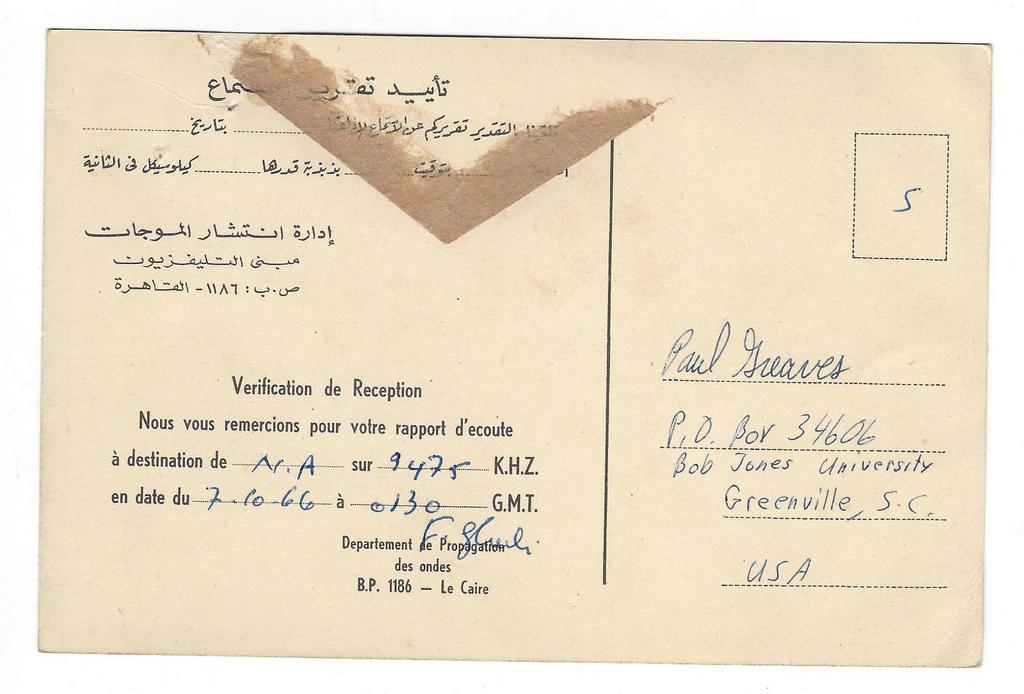
RadioCairoFront-001 RadioCairoBack-001


RadioDenmarkFront-001 RadioDenmarkBack-001


RadioFinlandFront-001RadioFinlandBack-001


RadioKievFront-001 RadioKievBack-001


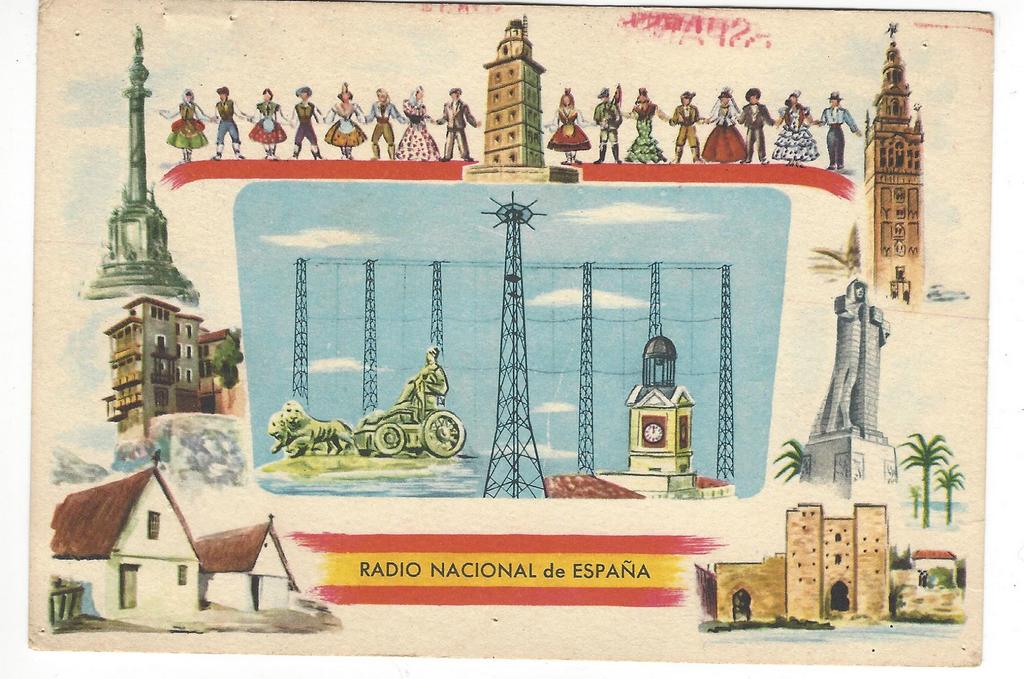
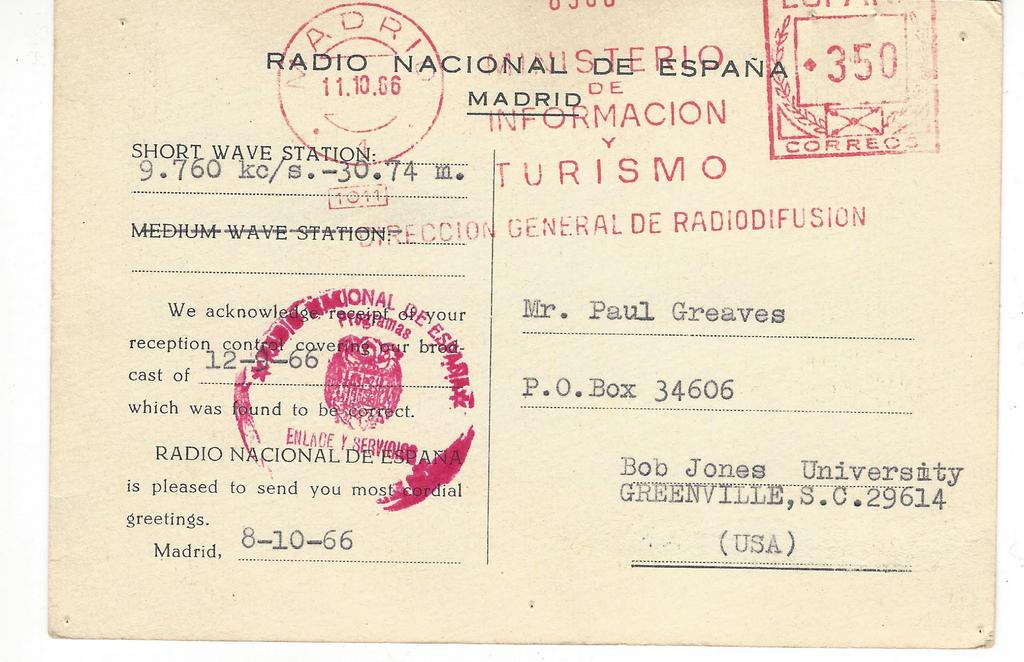
RadioNacionalDeEspanaFront-001 RadioNacionalDeEspanaBack-001


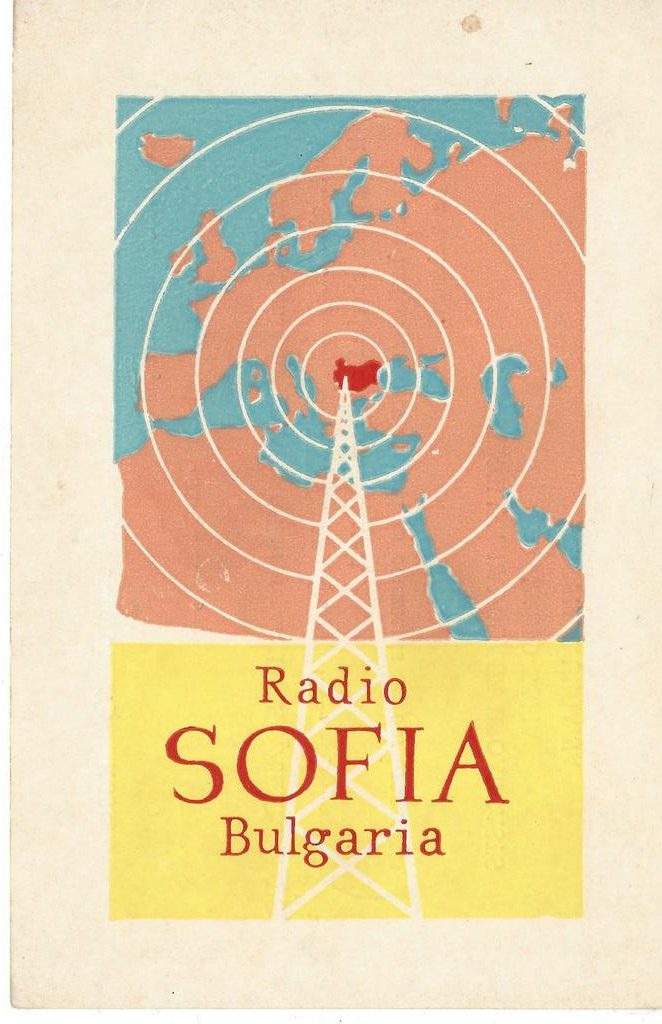
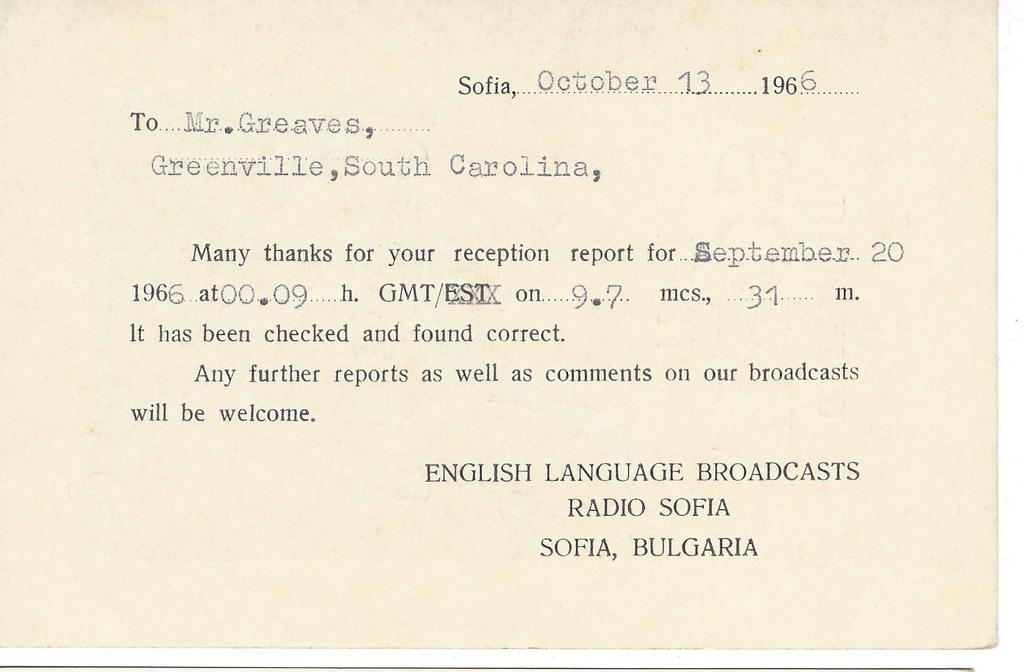
RadioSofiaFront-001 RadioSofiaBack-001


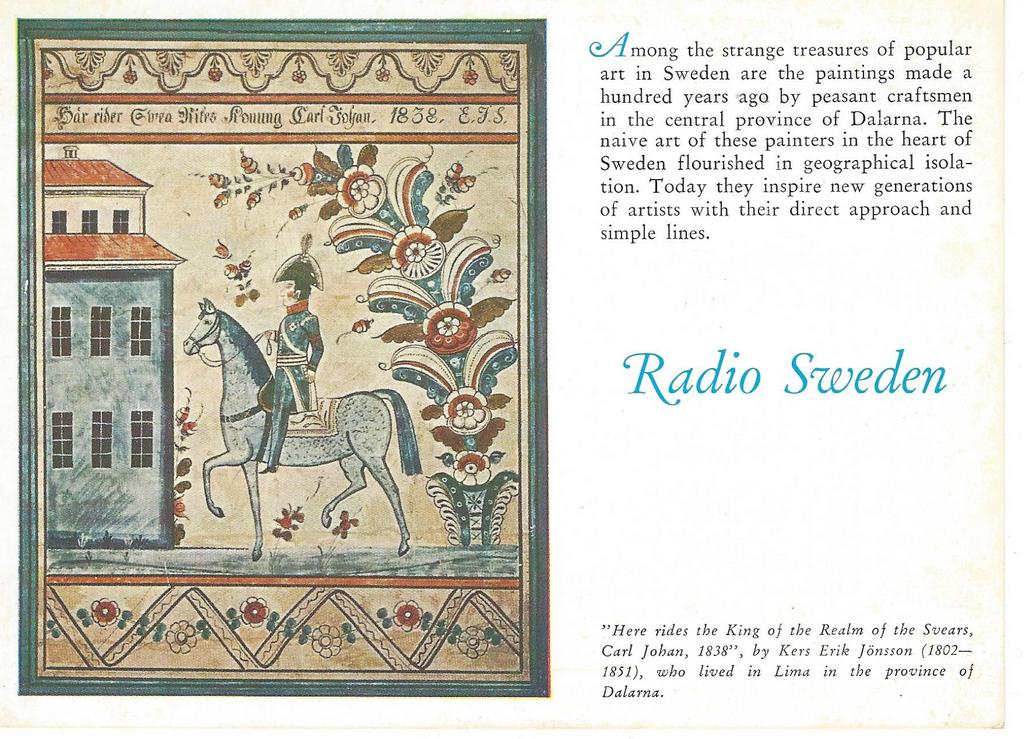
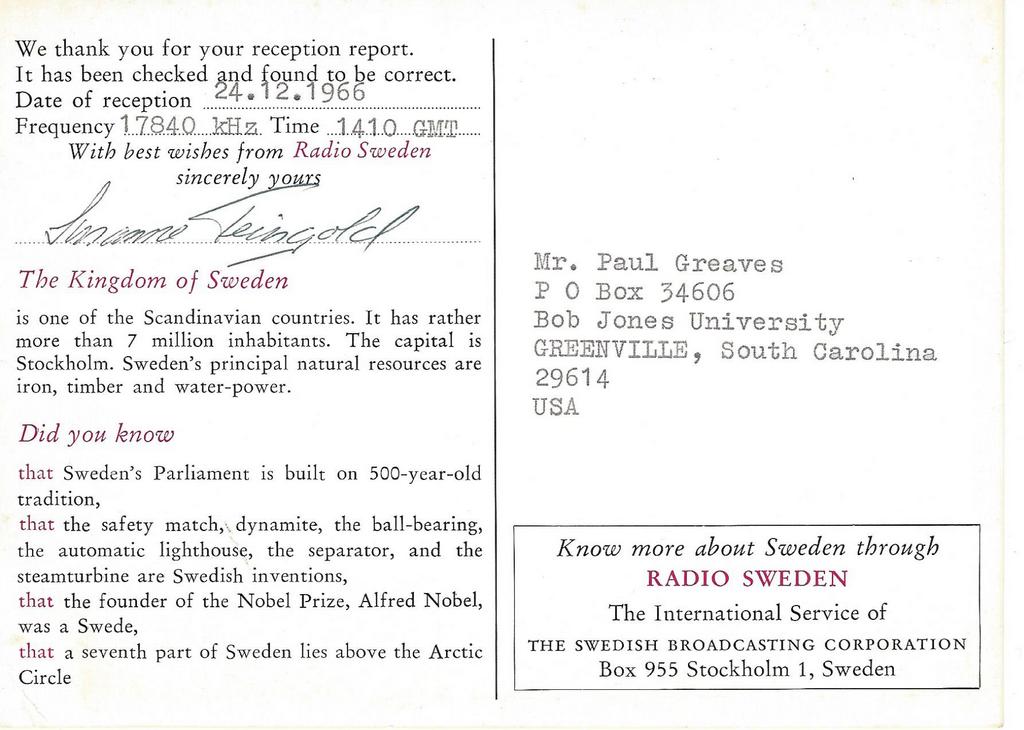
RadioSwedenFront-001 RadioSwedenBack-001


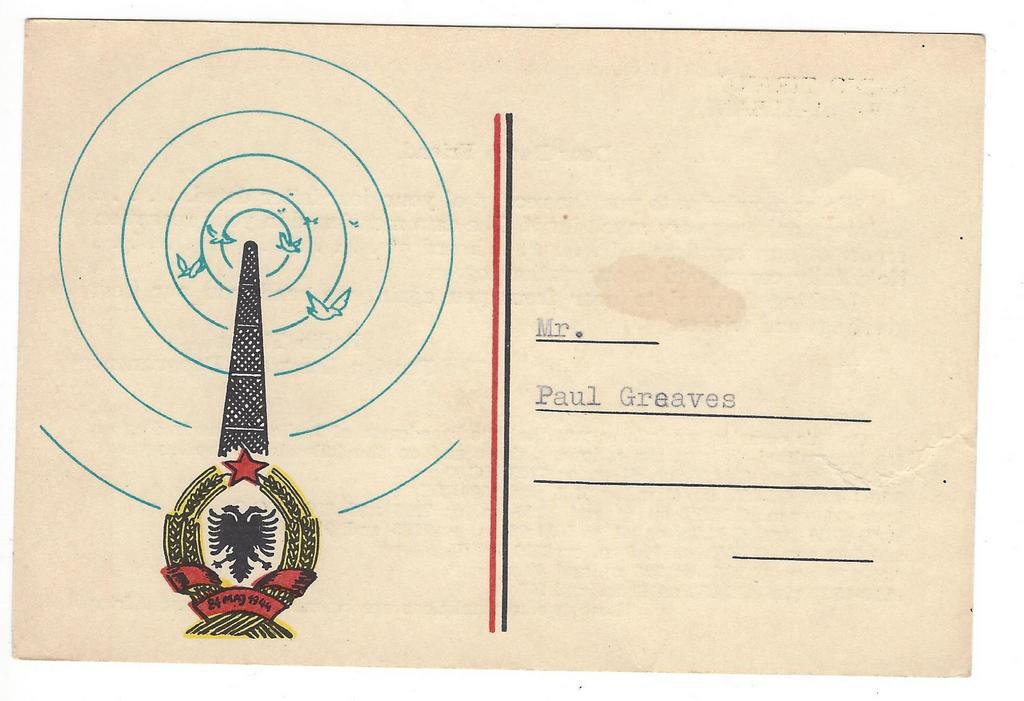
RadioTiranaFront-001 RadioTiranaBack-001


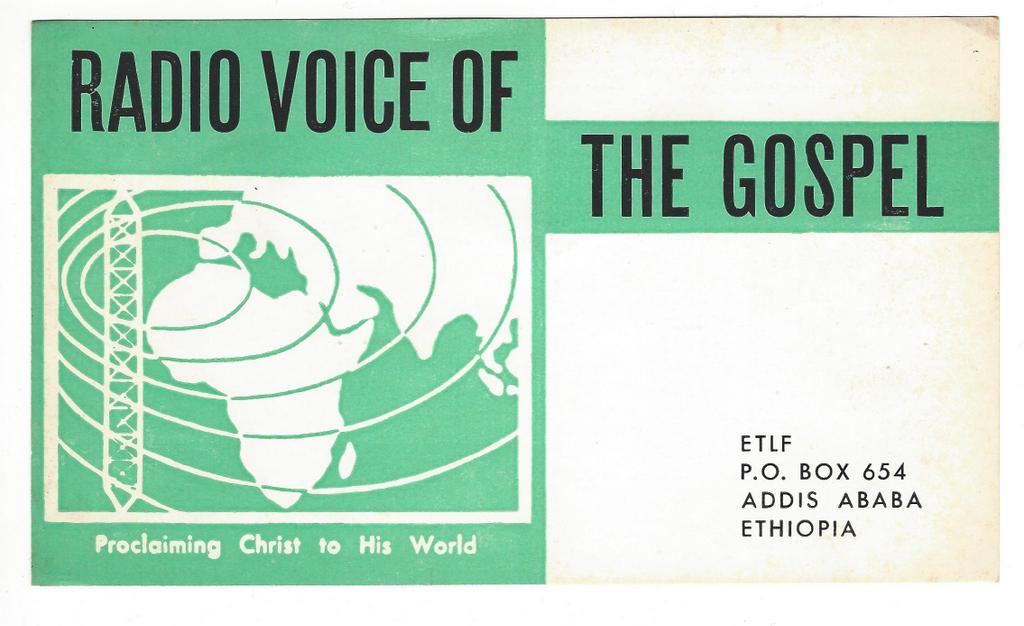
RadioVoiceOfTheGospelFront-001 RadioVoiceOfTheGospelBack-001


USStationBalboaFront-001 USStationBalboaBack-001


VaticanRadioFront-001 VaticanRadioBack-001


VoiceOfNigeriaFront-001 VoiceOfNigeriaBack-001


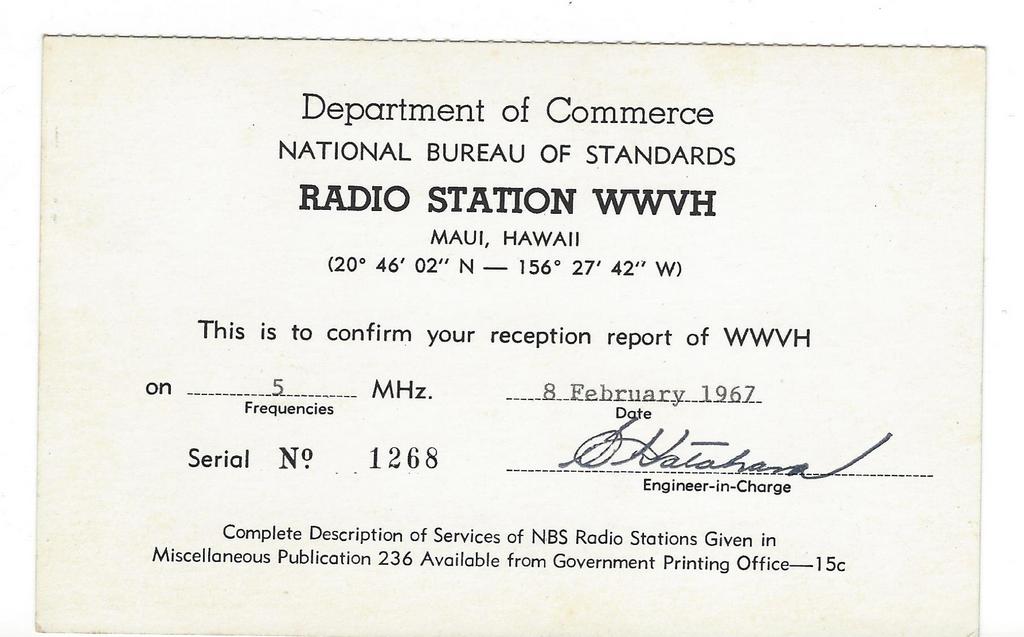
WWVHFront-001 WWVHBack-001


Wow–thank you so much for sharing these, Paul! What a beautiful QSL collection!

Post readers: If you also have some classic SWL QSL cards you’d like to share here on the SWLing Post, please contact me!

All India Radio considering shut down of shortwave service?

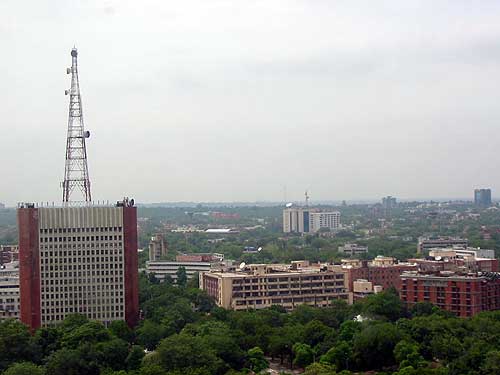
All India Radio (AIR) Headquarters in Dehli, India. Photo courtesy of Wikipedia.

All India Radio (AIR) Headquarters in Dehli, India. Photo source: Wikipedia.

(Source: Sunday Guardian Live)

AIR mulls shutting down soft power short wave units

By AREEBA FALAK 

The Prasar Bharati Board is contemplating shutting down the short-wave service of the External Services Division (ESD) of All India Radio (AIR) even as a proposal to switch to an affordable internet-based radio service is still under consideration. A section of the board is keen on closing down the short wave service as an exorbitant amount is being spent to maintain the current infrastructure.

“The total budget allocated to ESD is Rs 100 crore annually. Out of this, approximately Rs 95 crore is spent on the maintenance of short wave transmitters, which includes the high cost of spare parts that are not easily available. The remaining Rs 5 crore is spent on the production of programmes in 27 languages, and to pay the salaries of the staff who are hired on a contract basis,” said a senior official in the ESD.

“One would expect to gain a large fan base after spending so much money, but this has not been the case with ESD. Since no survey has ever been done to determine the number of listeners, we cannot give an exact or even an approximate number of people who listen to AIR’s ESD channels across the world. But we know that we have a good following based on the feedback that we receive from people in countries where ESD is being listened to. Our listeners send us postcards or emails from Africa, New Zealand, Australia, Japan, etc. But the following is not in proportion to the money being spent on this service,” said the senior officer.

“The proposal suggests the shutting down of short wave and the service being made web-based. Since internet is far reaching, listening radio live on the web should not hurt our existing fan base. But of course there is the argument that short wave can reach even the remotest corners of the world, which is not the case with internet signals. The shutting down of short wave, without a doubt, will affect the propaganda value of India among its listeners abroad. This is why there are chances that the short wave service might continue in neighboring countries like China, Nepal, etc. Also, India’s edge in a continent like Africa will suffer a blow if the short-wave is to be shut down,” said sources in AIR.

[…]At present, ESD broadcasts 57 transmissions daily, with almost 72 hours covering over 108 countries in 27 languages, out of which 15 are foreign and 12 are Indian. The Indian languages are Bengali, Gujarati, Hindi, Kannada, Malayalam, Nepali, Punjabi, Saraiki, Sindhi, Tamil, Telugu and Urdu. The foreign languages are Arabic, Balochi, Burmese, Chinese, Dari, French, Indonesian, Persian, Pushtu, Russian, Sinhala, Swahili, Thai, Tibetan and English (General Overseas Service).

Read the full news item on the Sunday Guardian Live website…