Category Archives: Ham Radio

Field Day 2017 with the Club Radio Amateur de Québec

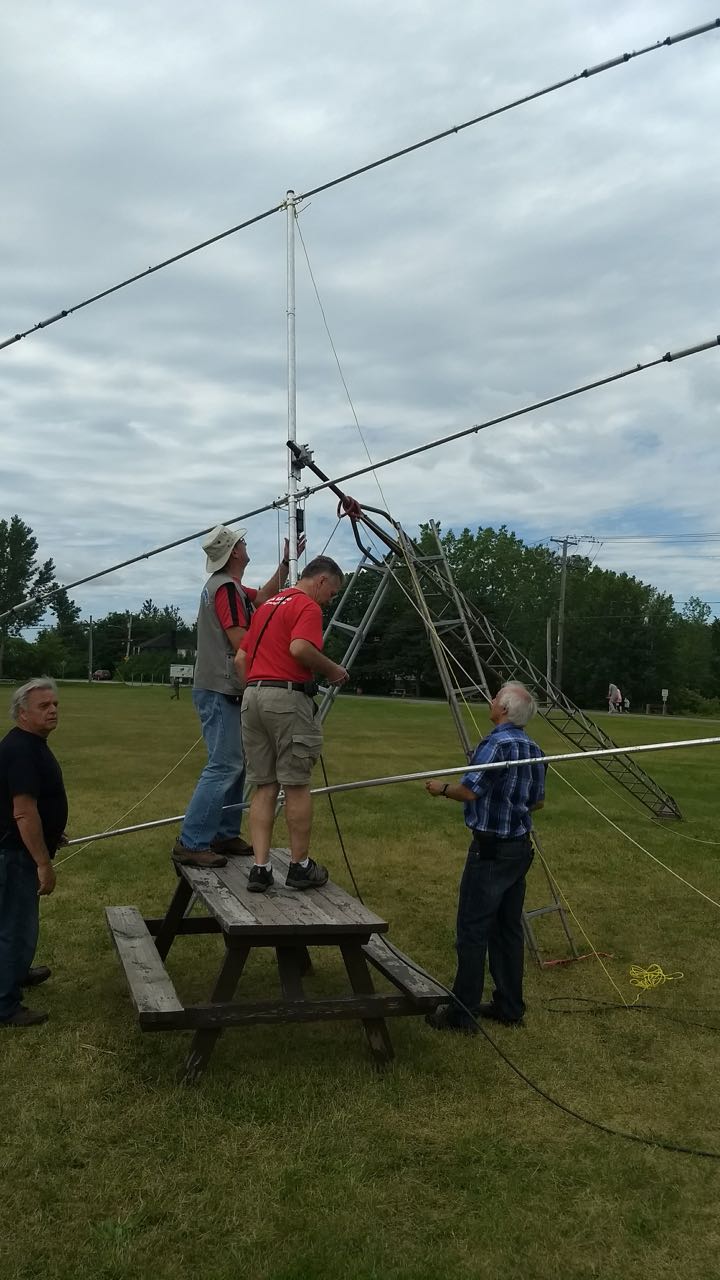
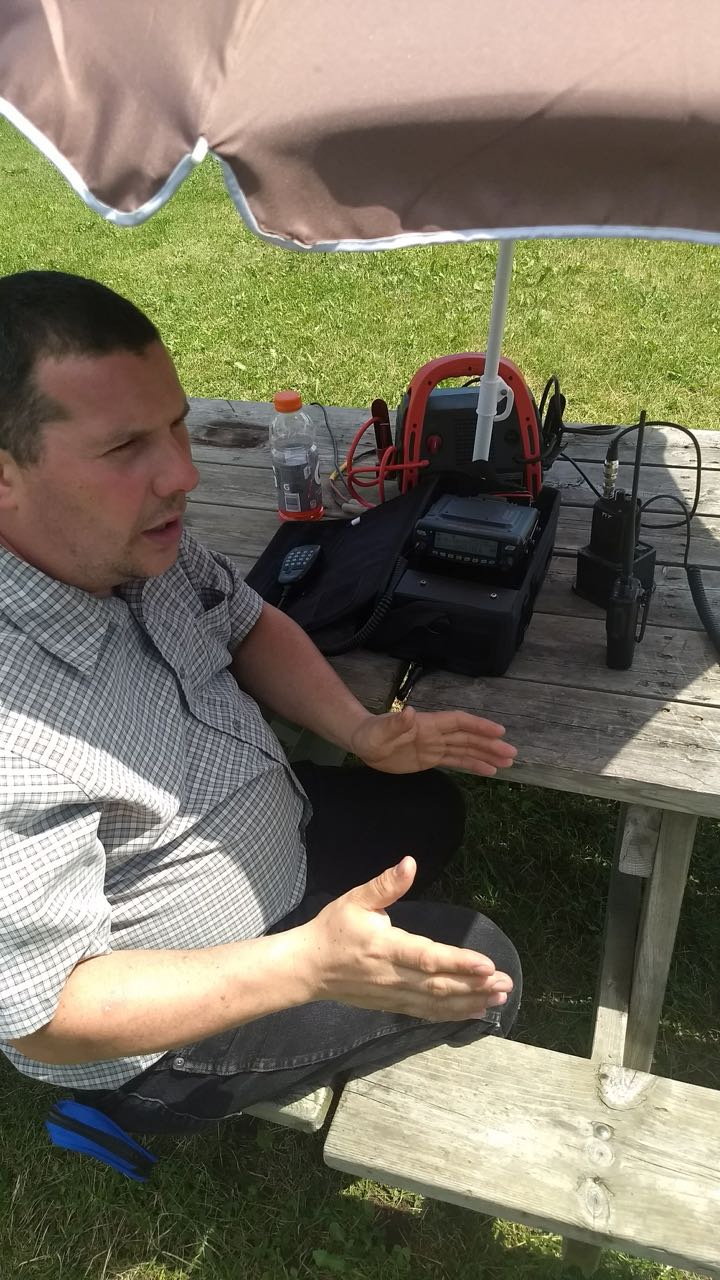
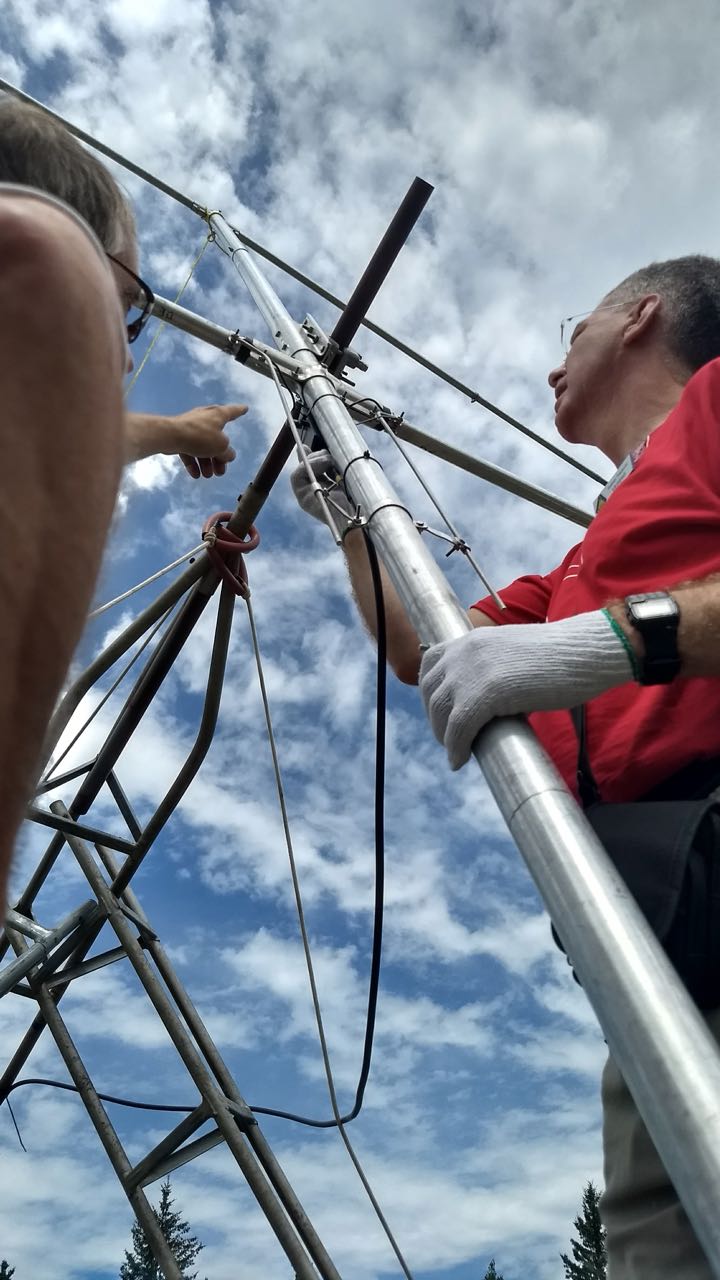
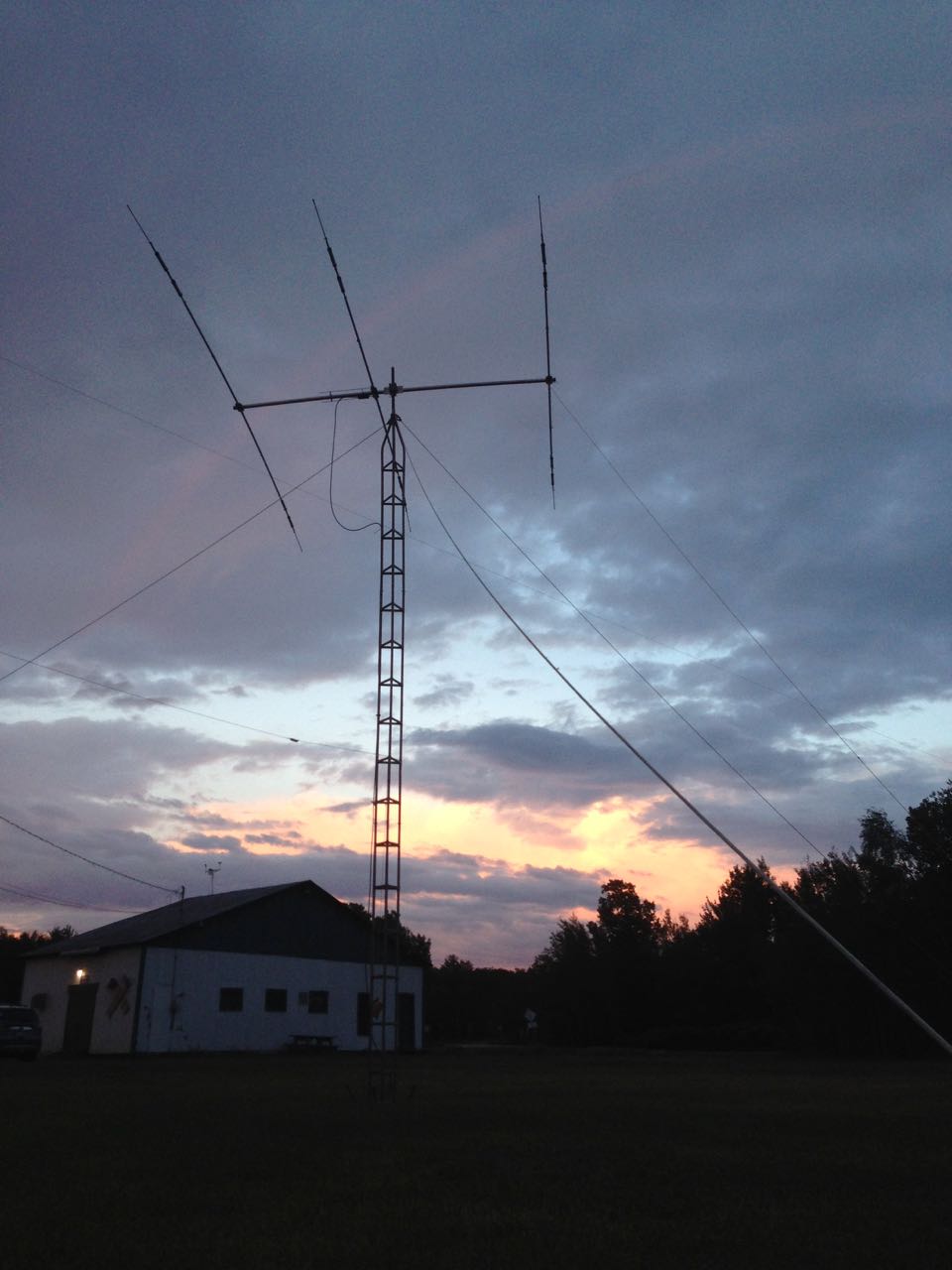
Gaétan Trépanier (VE2GHO) making final adjustments to the club’s HF Yagi

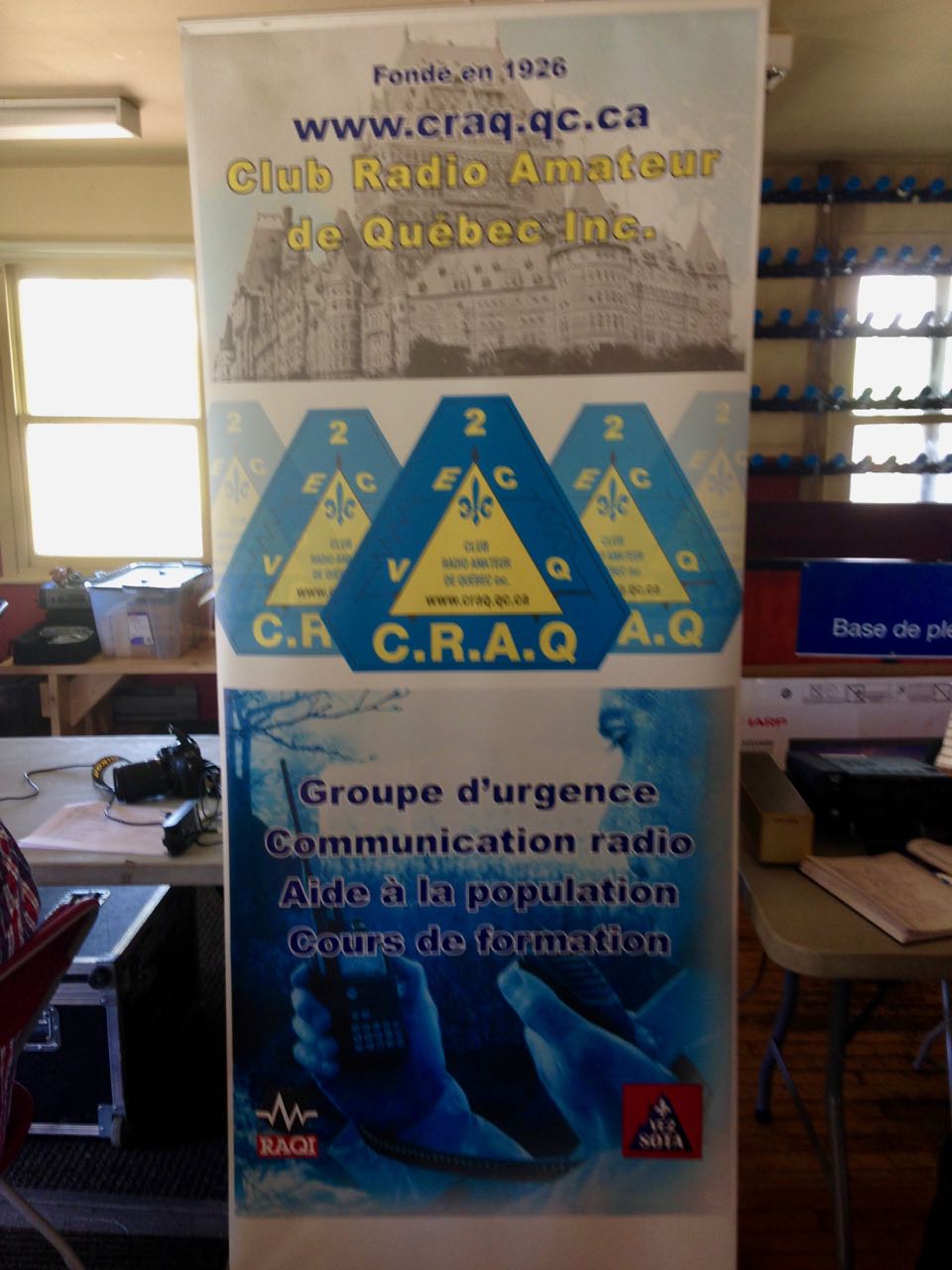
For the second year in a row, I had the pleasure of hanging out with the Club Radio Amateur de Québec (C.R.A.Q.) on Field Day. Members number well over 150 and the club has a history dating back to 1926.

Last year, I found myself in Québec during my favorite on-air event, so I reached out to the club’s Field Day organizer and found myself welcomed with open arms; I was especially honored to discover that the group even reserved a time slot at the radio for me.

When I reached the site Saturday morning (June 24), I felt like I was coming back to a radio reunion. The folks at the club were incredibly hospitable, and once again, I enjoyed operating as VE2CQ.

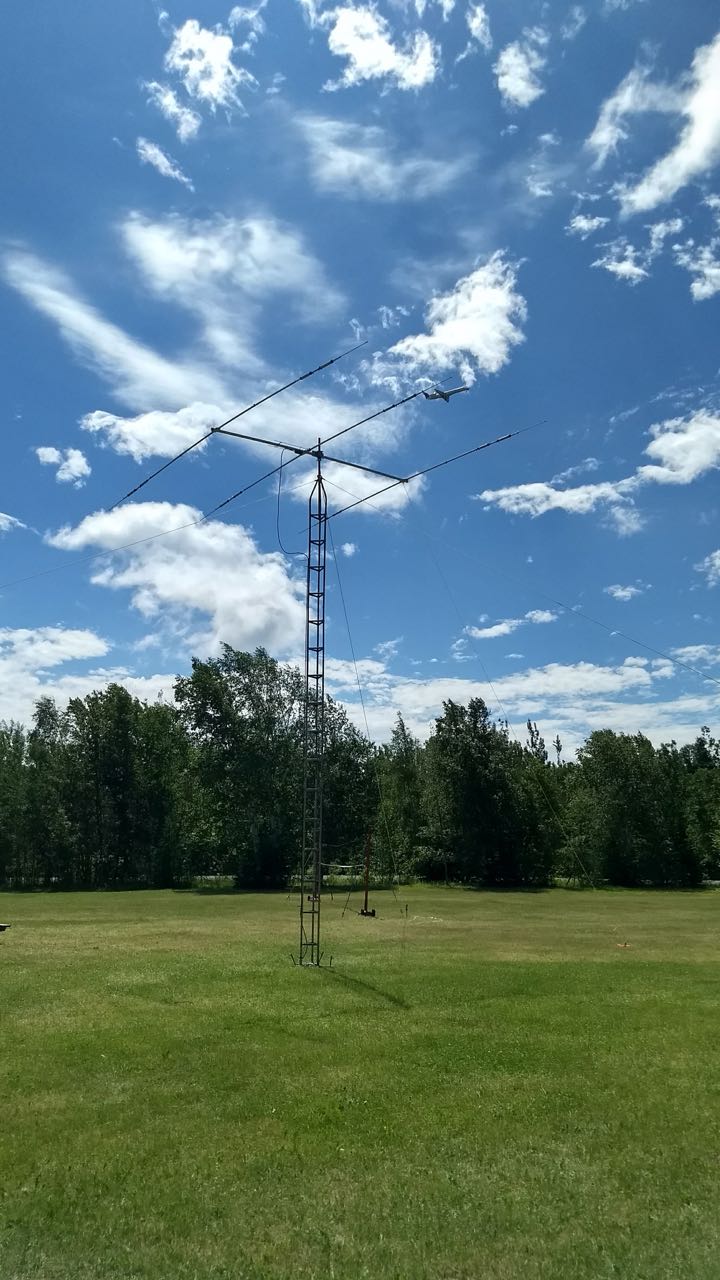
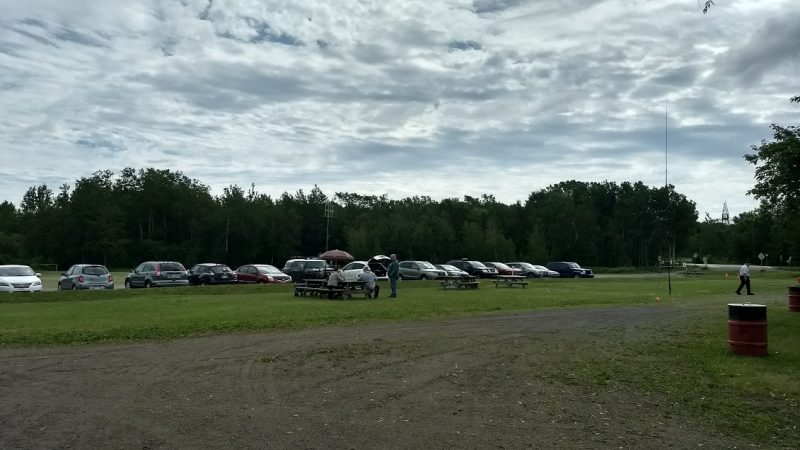
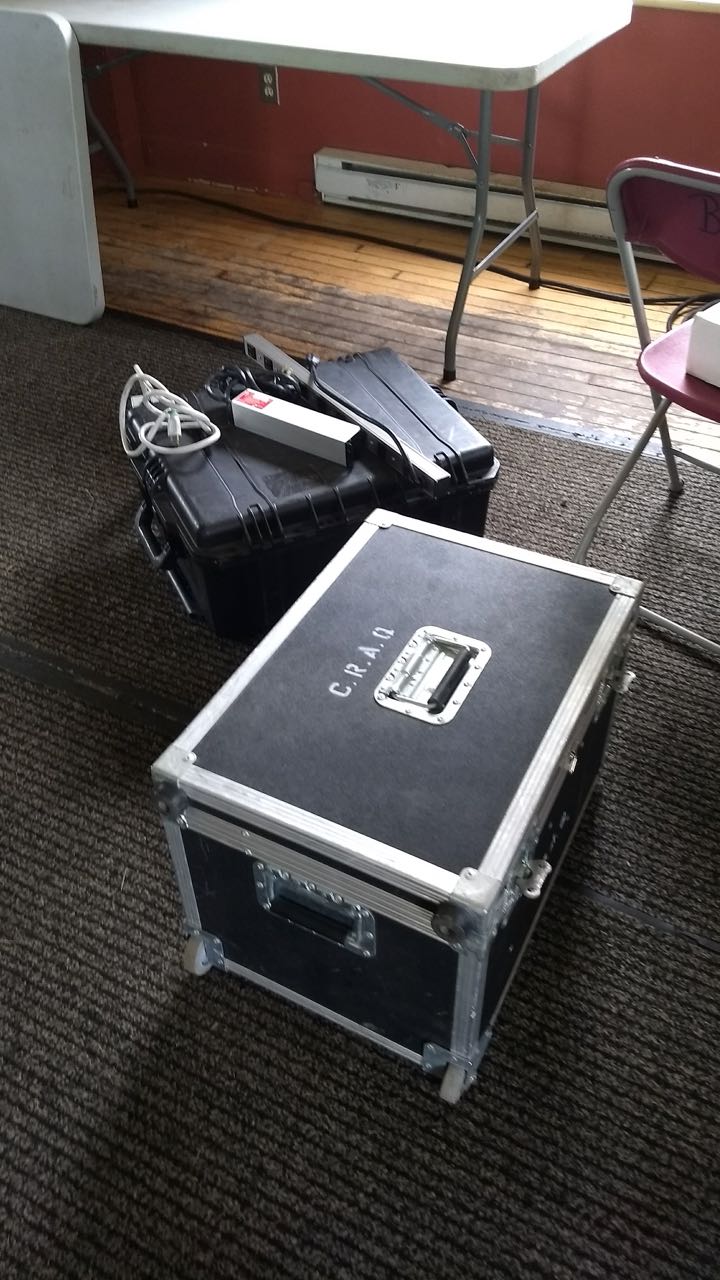
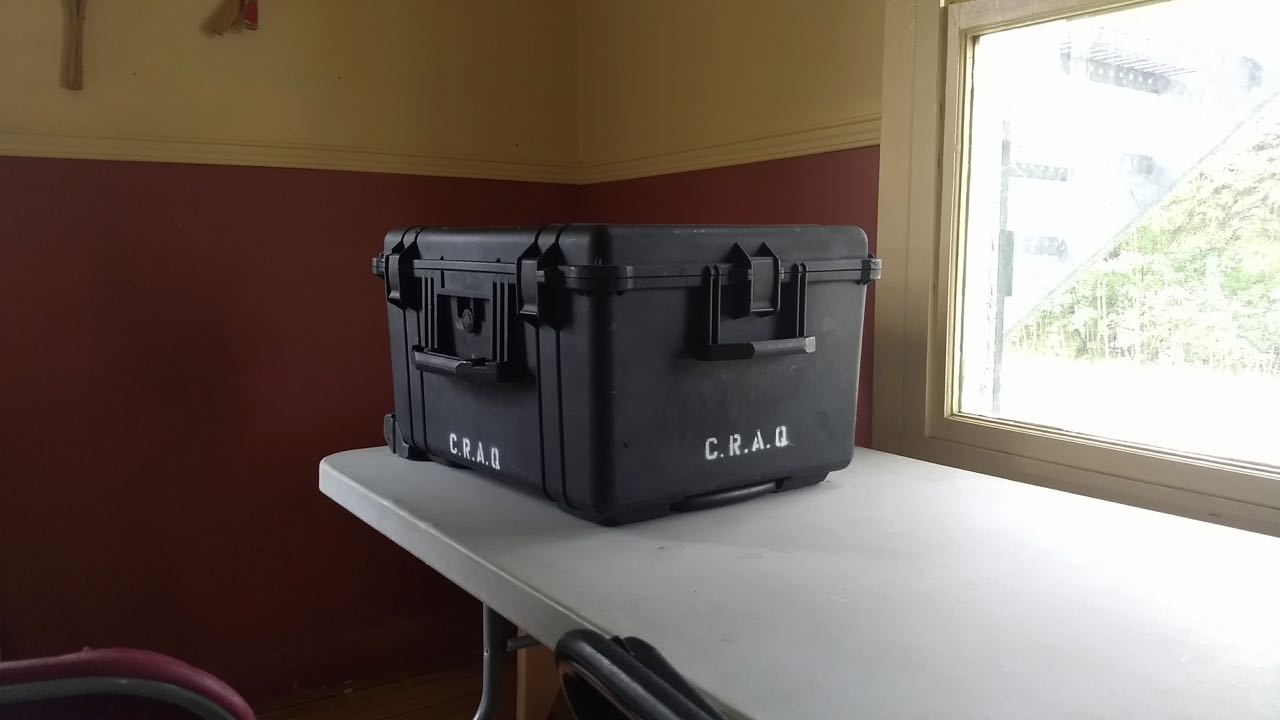
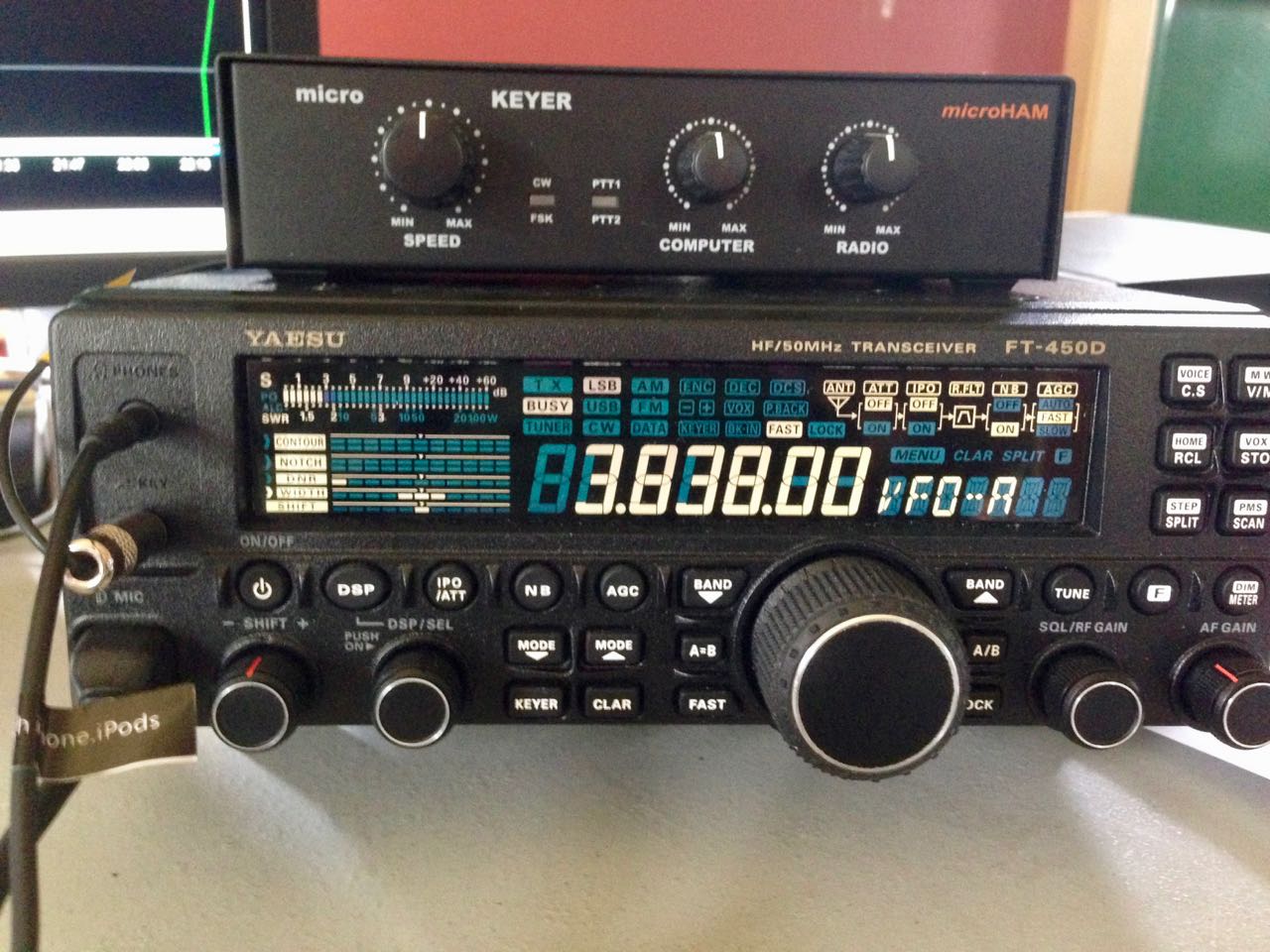
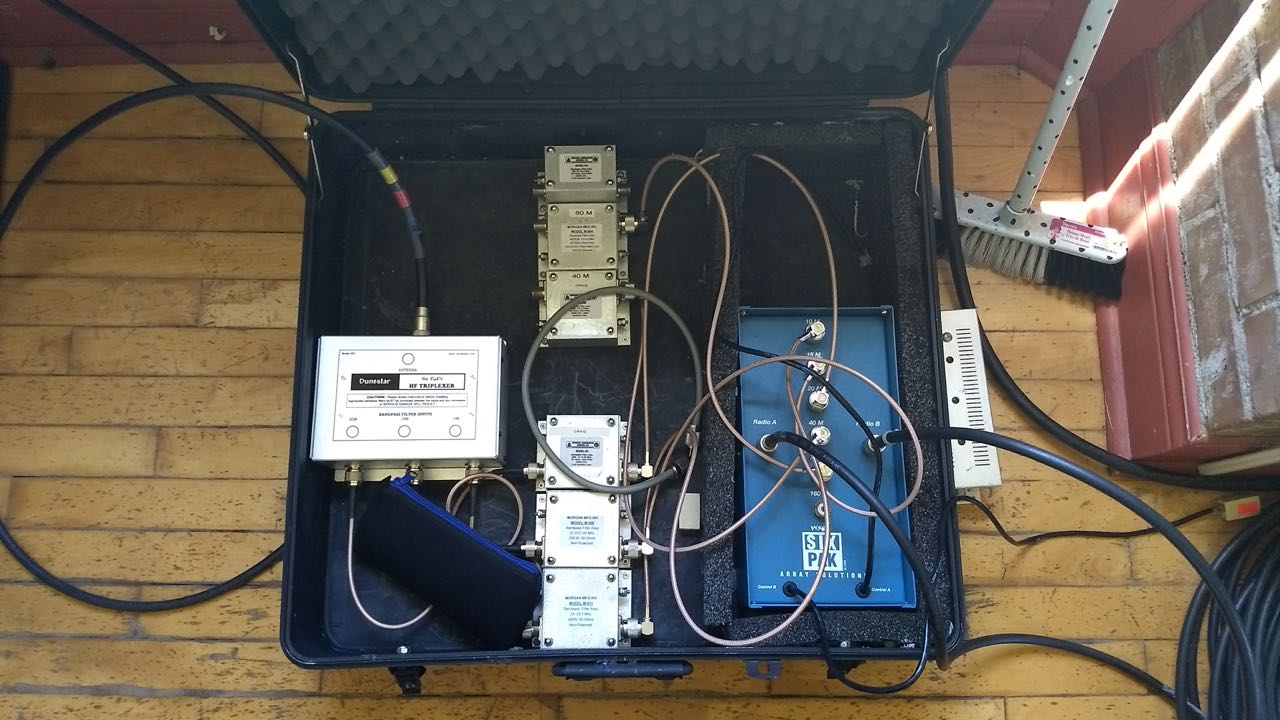
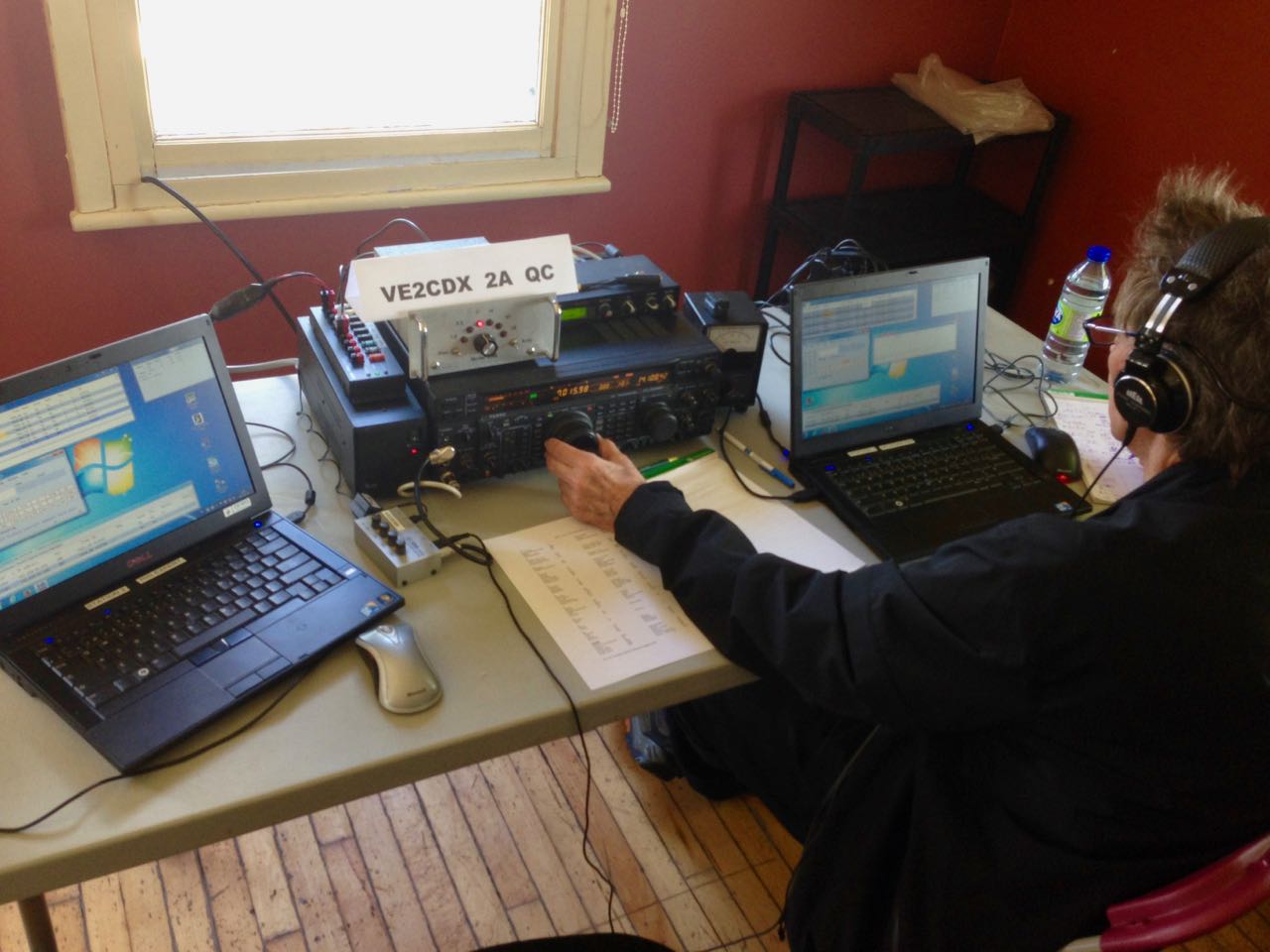
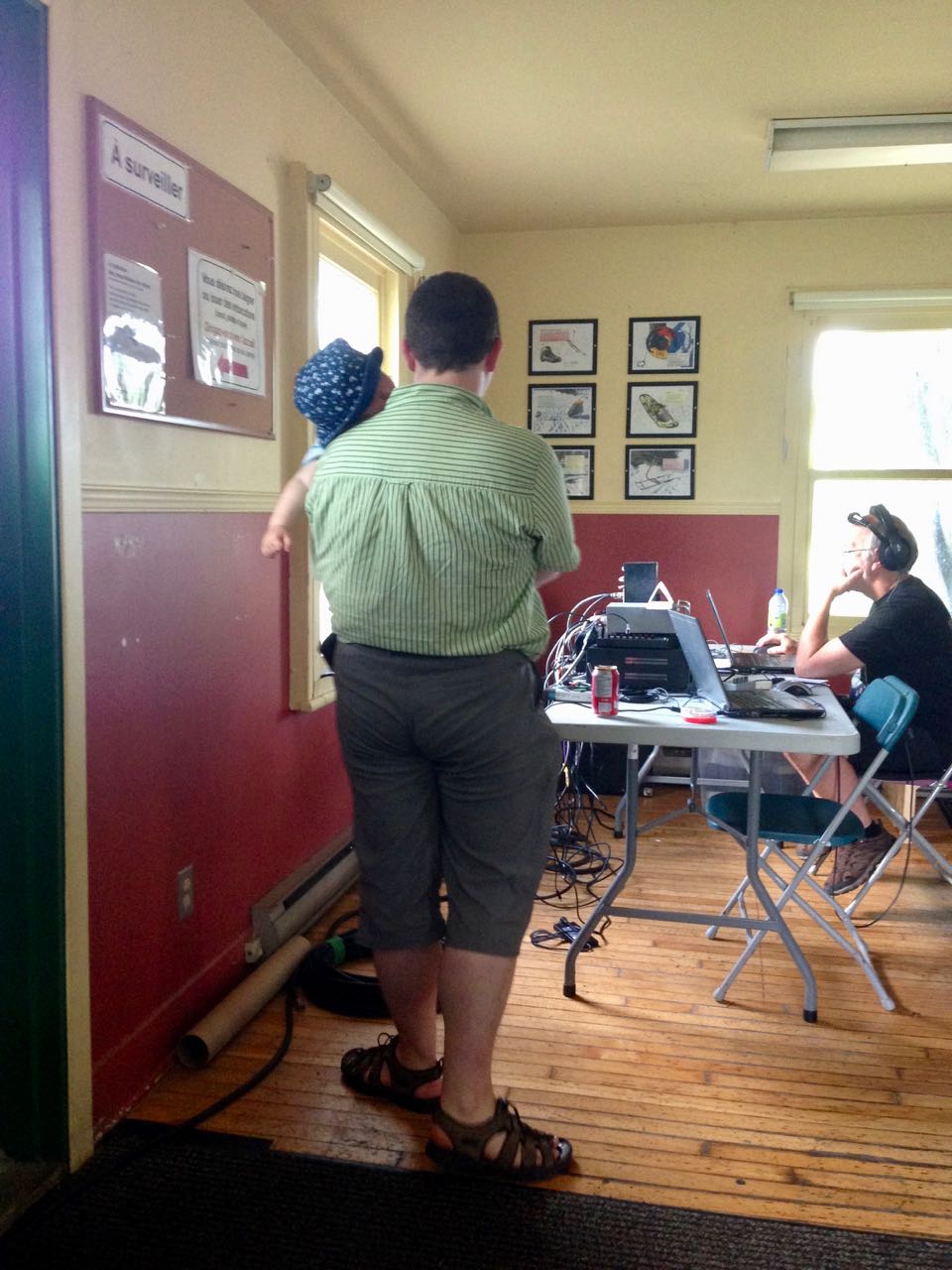
Here are a few photos I took of the site and some of the club’s members in action:
I snapped the following shot as I started my 18:00-20:00 shift:
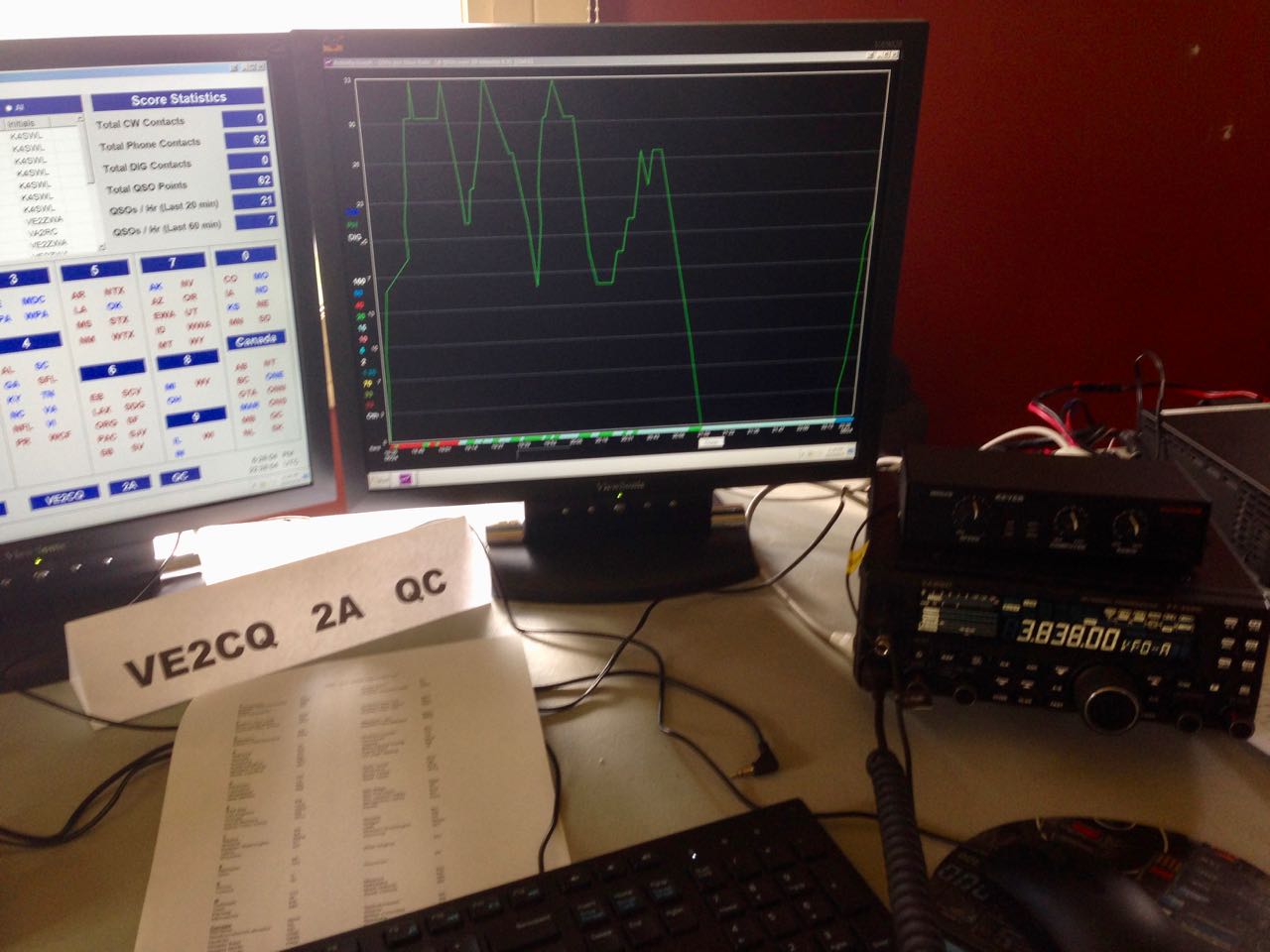
Shortly before my radio shift ended at 20:00, Sébastien Le Galle (VA2SLW) sat down with me to listen as I worked stations across the band. As I was about to hang up the microphone, instead, I offered it to him. Sébastien, I learned, is a newly-minted ham and, turns out, had never made contact on the radio. I encouraged him to take the mic, which he did without hesitation. After a very brief intro on the Field Day exchange, Sébastien worked two stations in succession. Moreover, as I learned the next day, he worked an additional four stations after I left the site. Bravo, Sébastien! And welcome!
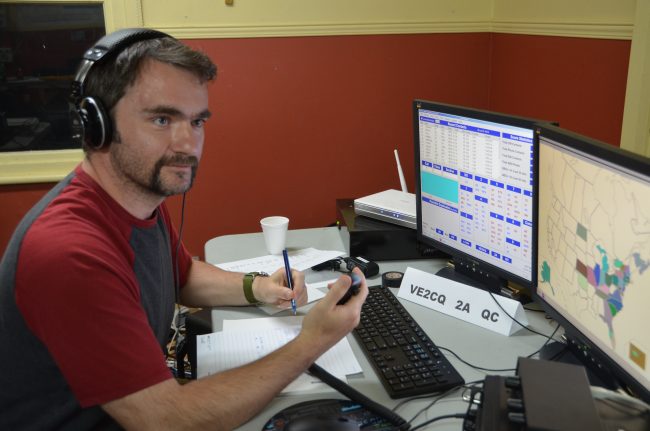
Sébastien (VA2SLW) operating VE2CQ. (Photo courtesy of C.R.A.Q)

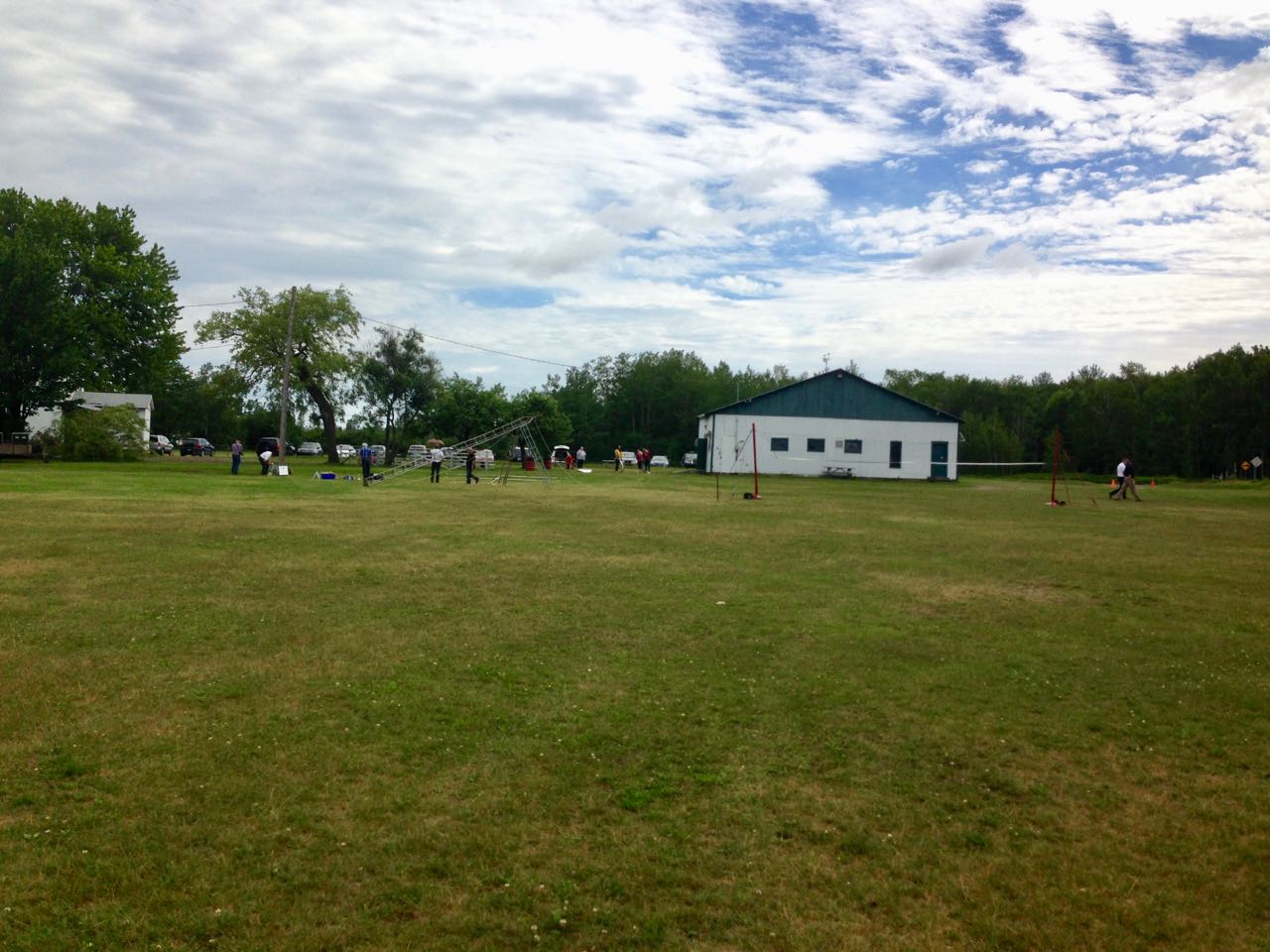
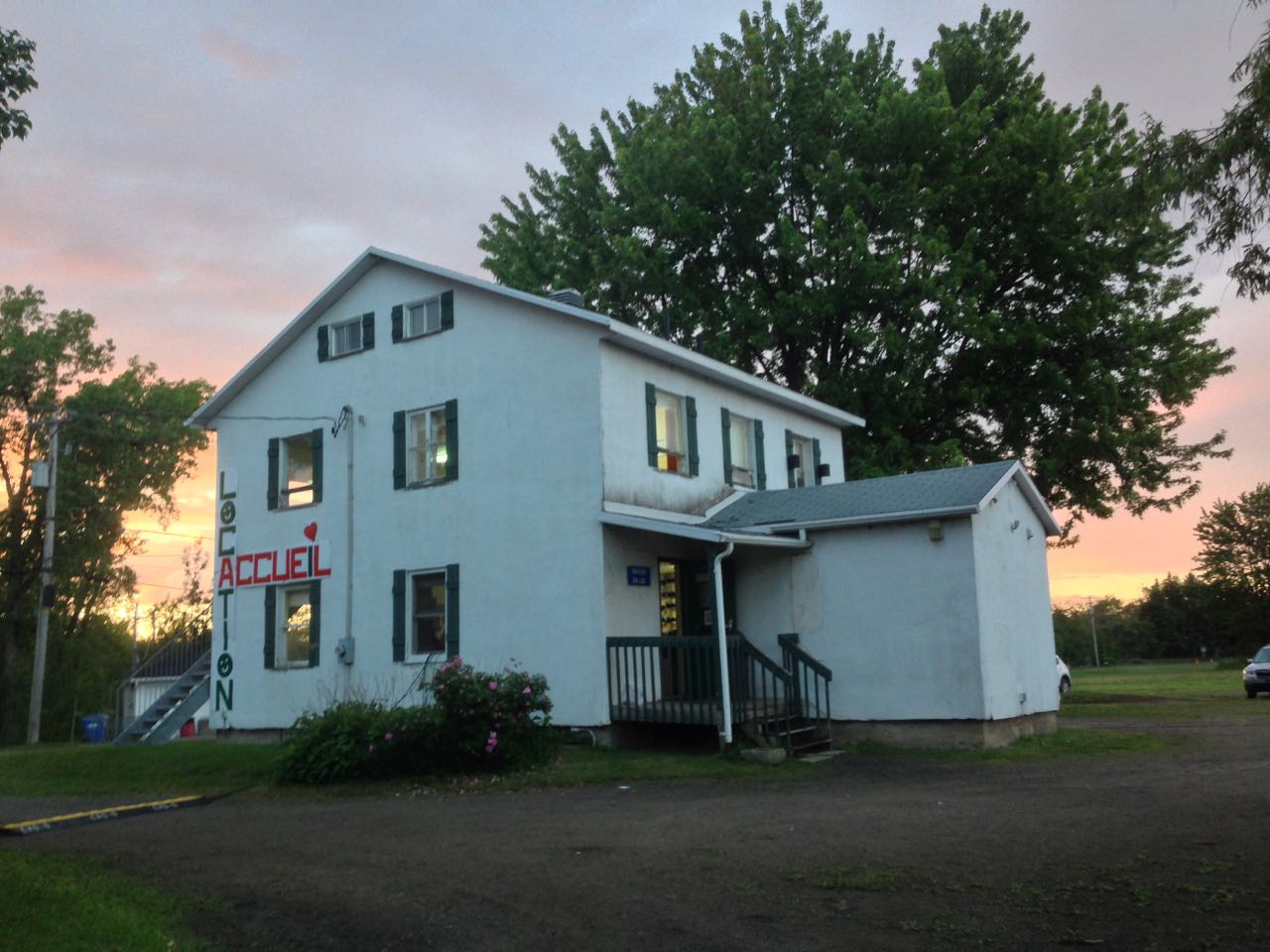
As I finally left the site around 20:45 (local), I snapped a few photos of the Field Day house and antennas at the Base de plein air de Sainte-Foy.  A beautiful evening at a great site––and a fine finish to a thoroughly enjoyable Field Day, once again.
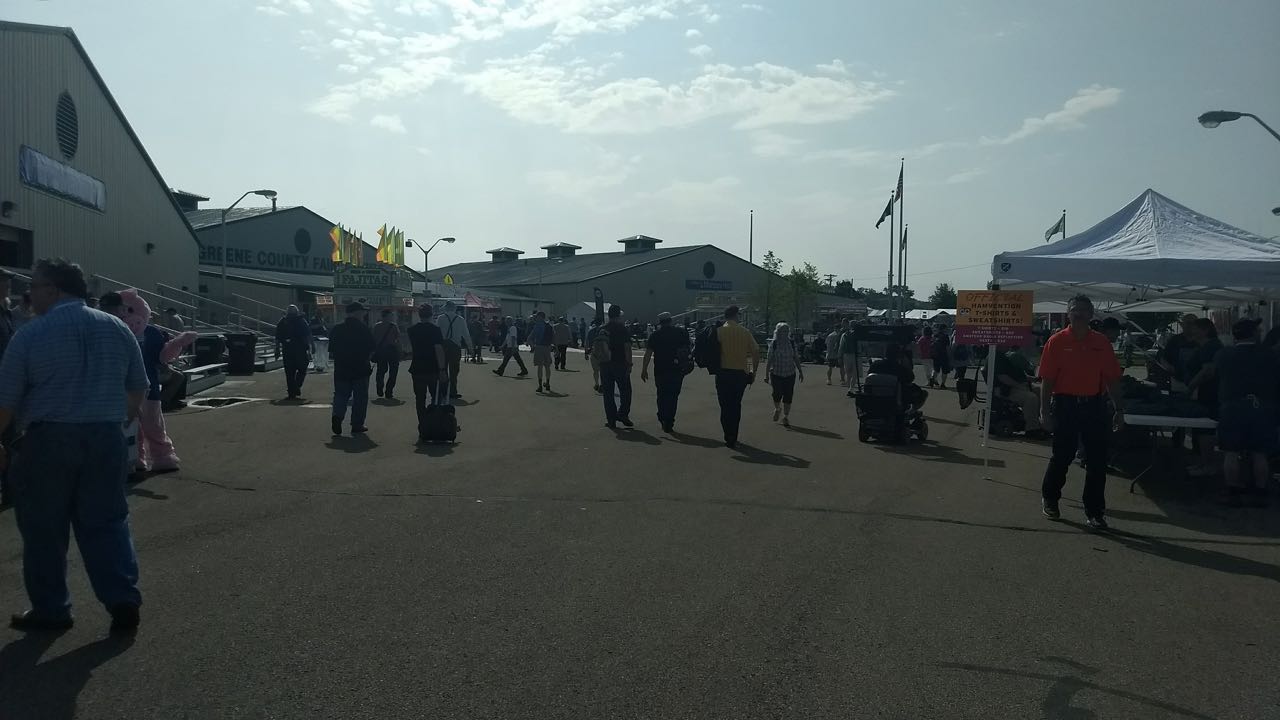
2017 Hamvention attendance tops 29K

(Source: Hamvention Press Release)

29,296 Attendees at Dayton Hamvention® 2017

Chairman’s Message

It took a while to collect all the information but the numbers are in and it has been a most successful year. This is quite an increase over last year’s attendance.

We knew this would be a big year but this was even beyond our expectations. The challenge was great to reinvent Hamvention® at a new venue, The Greene County Expo Center and Fairgrounds in a very short time period. From all the emails, letters, and calls I have received over the last few weeks, we have accomplished it successfully. Thanks to all who provided constructive criticism, each idea is being evaluated. Please thank all our 657 volunteers from around the world for their over the top dedication to make Hamvention the success you wanted it to be.

We all recognize the traffic, rain, mud and parking issues, but part of those issues were corrected even before show weekend was over. Other issues are being worked on already for next year’s show. We are working with Greene County, Xenia Township, City of Xenia officials and the Greene County Fairgrounds and Exposition Center Advisory Board. We can’t control the rain but we promise there will not be some of the other issues next year. There may even be some new surprises in store for you. We have three extra months and a successful plan to start with.

We thank all who came to the show this first year in Greene County and hope to see you again next year. For those that thought they would wait and see how we did, sorry you missed the show but look forward to seeing you next year. Our rough edges will be smoothed out for you by then.

Thank You, and Hope to see all next year at our New Home,

Ron Cramer
Hamvention® General Chair

Radios spotted in the Netflix movie “Spectral”

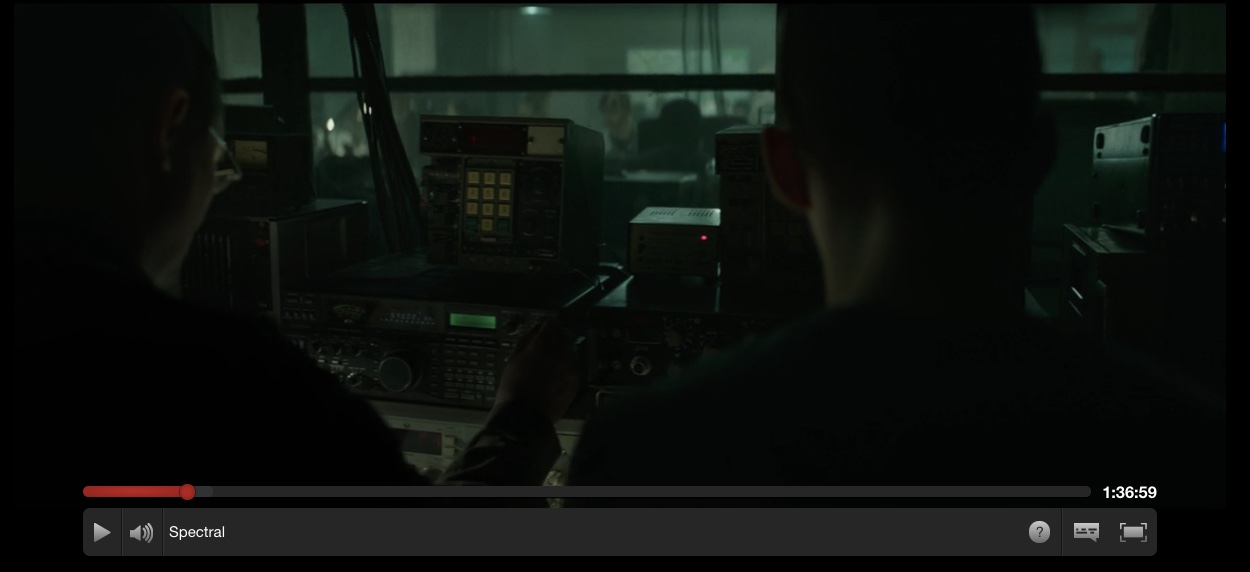
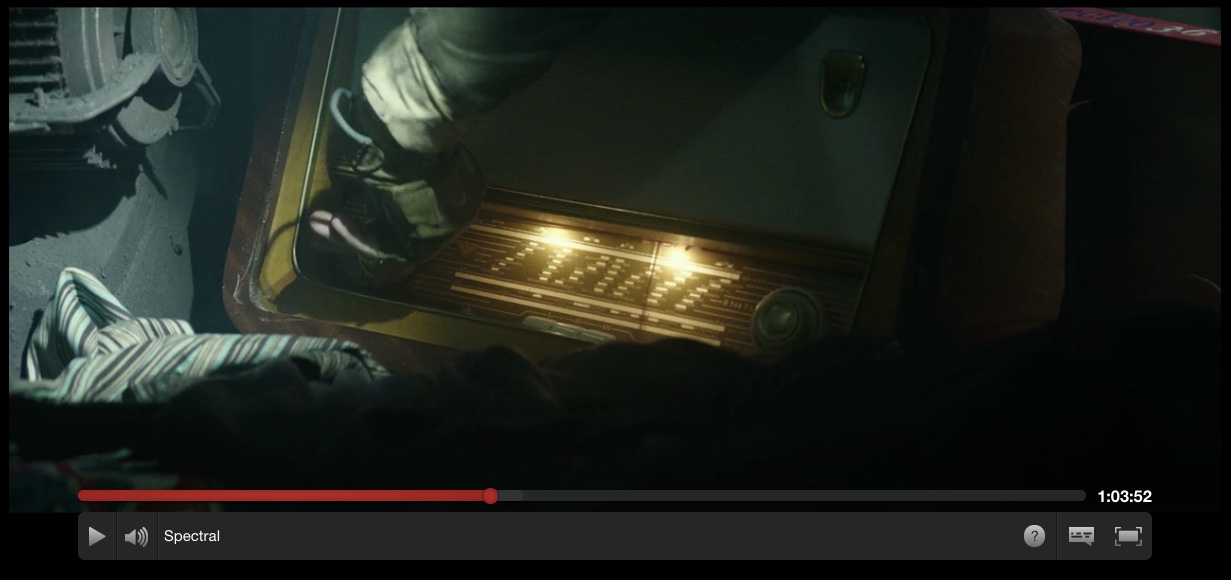
Last week, I watched the Netflix movie, Spectral, and couldn’t help but notice a couple of radios on set.

I spotted the first rig at the beginning of the film while the camera was panning a military communications center. It’s a dark screen shot, but I believe this may be a Kenwood TS-940S:

Click to enlarge.

The second radio appeared to be a 1950s-60s era Grundig tabletop. Perhaps someone can identify the model?

Click to enlarge

I’ve noticed that many of the radios we’ve spotted in film and TV lately have been in Netflix original productions. I assume the art/set designers appreciate the radio aesthetic. I certainly do!

Video postcards: wishing you a “Happy” weekend from Antarctica

(Image: FT5ZM)

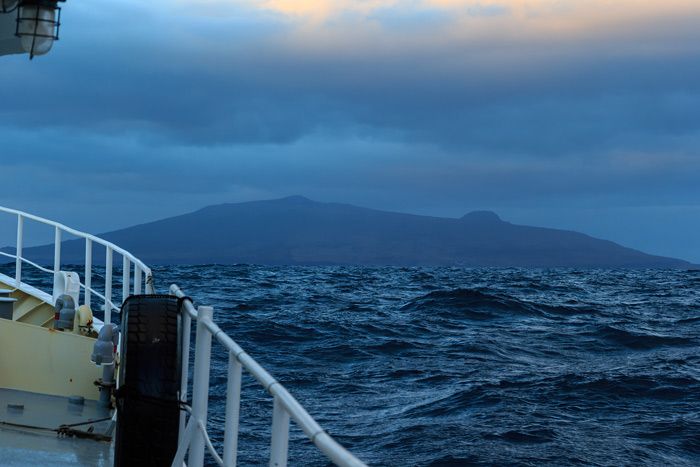
Wednesday, as I listened to (and attempted to record) this year’s annual Antarctic Midwinter Broadcast, I couldn’t help but recall the W4DXCC conference three years ago, during which representatives from the Amsterdam Island DXpedition (FT5ZM) gave a one-hour multimedia presentation about their journey, including their on-air accomplishments.

It was, to say the least, all fascinating.  Even the expedition’s financing interested me.

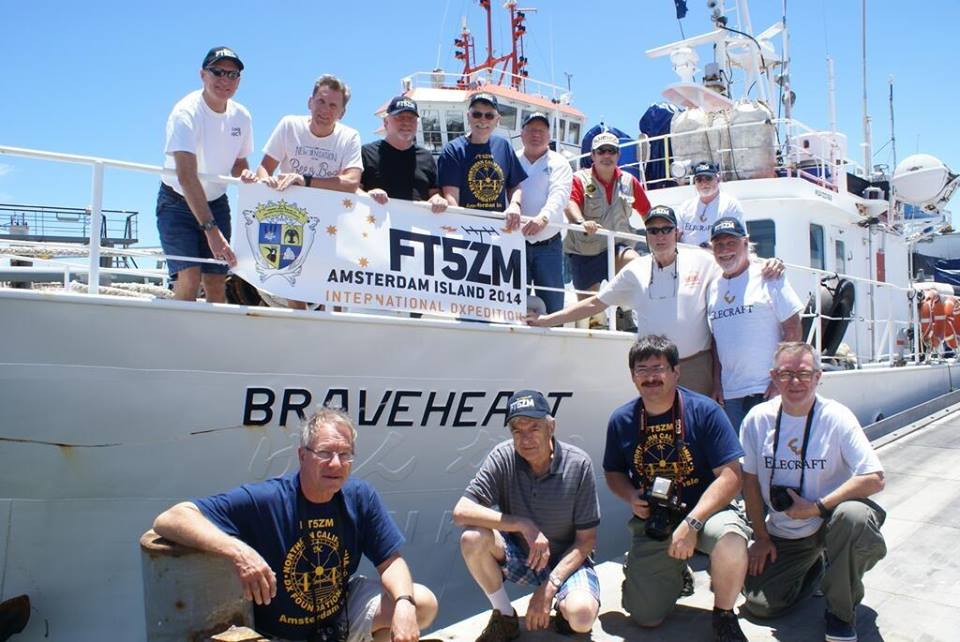
But I particularly found the logistics of the whole enterprise intriguing, such as the crew’s equipment choices in the form of emergency provisions, food, medical and camping supplies…Also fascinating, of course, was the description of the lengthy voyage to the island and back aboard the Braveheart.

The Braveheart and FT5ZM crew

I’ll never forget what the presenter, Bob (K4UEE) noted regarding the anticipated landing on the island.  Here they were, he explained, heading to one of the most remote islands in the world, and its only inhabitants were twenty-seven French scientists with the TAAF (Terres australes et antarctiques françaises). The DXers had to spend several weeks there, and––especially considering the close quarters––worried they could find common ground with these dedicated and apparently very serious scientists, and were uncertain about whether the two diverse groups could get along during their stay.

Then, en route to the island, Bob and the DXers discovered this video produced by the Amsterdam Island scientists. It immediately settled their concerns:

Click here to view on YouTube.

Aw, whoever said serious scientists have to be serious all the time?

Bob said that after watching this video, the whole FT5ZM team knew they were in for a treat. And as it turns out, they were.  Not only were the scientists a fun group who shared their sense of humor, but they also shared their enjoyment of rather superlative cuisine on that far-flung isle.  It seems that French scientists don’t venture to a remote island without proper provisions…and a proper French chef!

I rediscovered this video several months later, and also unearthed a number of other “Happy” videos from the 2014 TAAF teams.

And so, for your Friday enjoyment, here are the rest of the videos, too:

Terre Adelie

Click here to view on YouTube.

Crozet Islands

Click here to view on YouTube.

Kerguelen

Click here to view on YouTube.

Here’s to a happy weekend!  Cheers!

It’s Field Day weekend 2017: find a local event, have fun!

If you live in North America and have an interest in becoming a ham radio operator, this is the weekend to check out what amateur radio is all about, and meet local radio enthusiasts.  

It’s Field Day!

What is Field Day?  I’ll quote from the ARRL, who sponsors the event:

“ARRL Field Day is the single most popular on-the-air event held annually in the US and Canada. On the fourth weekend of June of each year, more than 35,000 radio amateurs gather with their clubs, groups or simply with friends to operate from remote locations.

Field Day is a picnic, a camp out, practice for emergencies, an informal contest and, most of all, FUN!

It is a time where many aspects of Amateur Radio come together to highlight our many roles. While some will treat it as a contest, other groups use the opportunity to practice their emergency response capabilities. It is an excellent opportunity to demonstrate Amateur Radio to the organizations that Amateur Radio might serve in an emergency, as well as the general public. For many clubs, ARRL Field Day is one of the highlights of their annual calendar.

The contest part is simply to contact as many other stations as possible and to learn to operate our radio gear in abnormal situations and less than optimal conditions.”

GOTAMany Field Day sites have a GOTA (Get On The Air) station where non-licensed individuals are welcome to play radio. It’s a fantastic way to try your hand at transmitting with a little guidance and encouragement from the more experienced. Indeed, even if there is no GOTA station, you will often be invited to try out the mic.

You’ll find that ham radio operators are very welcoming on Field Day–after all, spreading the word about the fun of amateur radio is what it’s all about. Indeed, I’ve shown up unannounced to a number of Field Days over the years; once I even got some serious radio time with the Charlotteville Amateur Radio Club while on vacation in Prince Edward Island, Canada.

This year, I’m joining the Québec Amateur Radio Club (Club Radio Amateur de Québec), for the second year in a row, and I’m looking forward to it very much!

Keep in mind that there are many shortwave listeners among the amateur radio community; indeed, many hams became interested in the hobby through SWLing.

The ARRL has made it quite easy to find registered Field Day locations in your region. Click here to find a local Field Day event near you–and have a great Field Day!

Receiving Jupiter with the SDRplay RSP1

I’ve been fascinated with radio astronomy since my university days. In the 1980s and 90s almost any radio astronomy experiment equated to forking out some serious money to purchase a wideband receiver (serious money to a student, at least). With the advent of SDRs, though, radio astronomy has become affordable for everyone.

Many thanks to RTL-SDR.com for publishing the following video and post about monitoring Jupiter radio bursts:

Over on YouTube user MaskitolSAE has uploaded a video showing him receiving some noise bursts from Jupiter with his SDRplay RSP1. The planet Jupiter is known to emit bursts of noise via natural ‘radio lasers’ powered partly by the planets interaction with the electrically conductive gases emitted by Io, one of the the planets moons. When Jupiter is high in the sky and the Earth passes through one of these radio lasers the noise bursts can be received on Earth quite easily with an appropriate antenna

In his video MaskitolSAE shows the 10 MHz of waterfall and audio from some Jupiter noise bursts received with his SDRplay RSP1 at 22119 kHz. According to the YouTube description, it appears that he is using the UTR-2 radio telescope which is a large Ukrainian radio telescope installation that consists of an array of 2040 dipoles. A professional radio telescope installation is not required to receive the Jupiter bursts (a backyard dipole tuned to ~20 MHz will work), but the professional radio telescope does get some really nice strong bursts as seen in the video.

Click here to view on YouTube.

Click here to read at RTL-SDR.com.

As Carl mentions above, you do not need a professional radio telescope to receive Jupiter noise bursts, a dipole will do.

In fact, the Pisgah Astronomical Research Institute (PARI) has a dedicated Jupiter receiver–a simple SDR kit called the Radio JOVE Receiver which is promoted by NASA. While PARI has the resources to install any number of antennas, PARI uses two simple dipoles which are mounted only a few feet off the ground as their radio telescope. I doubt their investment in the antennas exceeded $50. It works brilliantly.

The Radio JOVE receiver at PARI

I had planned to purchase and build a JOVE receiver (and, for fun, still may!), but it would be much easier to simply use the SDRplay RSP I already have in my shack. What a great project this fall.

Post readers: Please comment if you’ve used an SDR or JOVE kit to receive Jupiter bursts!

Video: Lightbulb vs Radio Beacon by Thomas Cholakov (N1SPY)

Many thanks to SWLing Post contributor, Ivan Cholakov (NO2CW), who writes:

My 11 year old son Tommy (N1SPY) completed a project where he compared a 1W lightbulb to a .25 W radio beacon that he put together and bet that the radio beacon can be heard around the world. I asked him to document his activities as he went along. The project took a couple of months but is now complete and we stitched together a video of his activities.

Click here to view on YouTube.

Wow–Tommy, you’ve done an amazing job here!

I especially like how you’ve taken time to explain the principles behind the various steps of the process. Brilliant job!

Tommy, your future videos are always welcome here. Keep up the good work and we’d love to hear how many new countries you’ve racked up on your WSPR system!