Category Archives: Ham Radio

Post-Helene Update and the Importance of Radio After a Natural Disaster

No matter where you live in the world, everyone should have a battery-powered or self-powered (hand-crank) portable radio in their home.
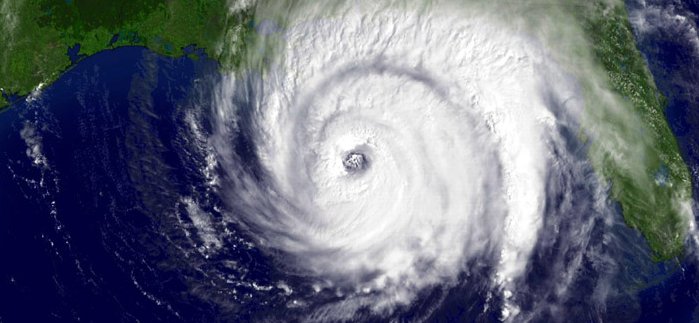
Recently, the pace of articles here on the SWLing Post has slowed down. That’s because I live in Swannanoa, North Carolina—a town that was particularly hard-hit by Hurricane/Tropical Storm Helene, which brought unprecedented rainfall and caused widespread destruction.

As I’ve mentioned in a previous post, I’ve been chronicling my experiences on my ham radio blog, QRPer.com. I’ve also been sharing regular audio updates with supporters on Patreon.

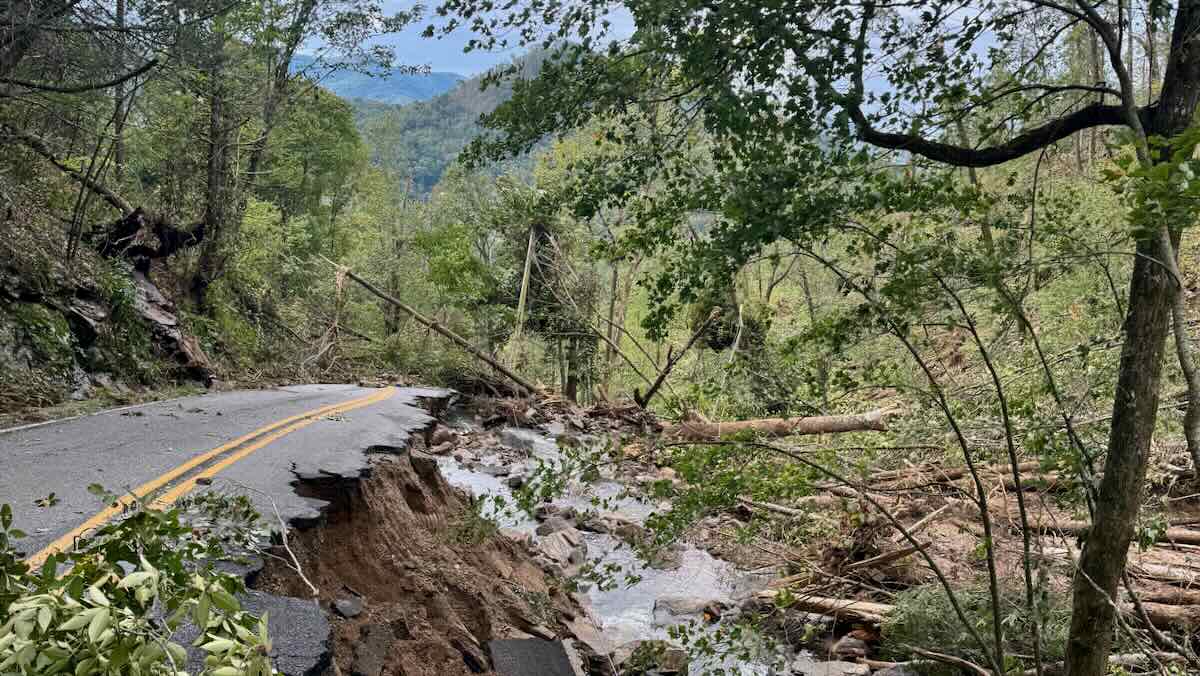
In short, our rural mountain community was completely cut off for several days. Our bridge washed out, and a critical section of road crumbled daily.
At one point, two families had to be helicopter-evacuated for medical reasons, and less than a week after the storm, the Sheriff’s department came door-to-door recommending evacuation.
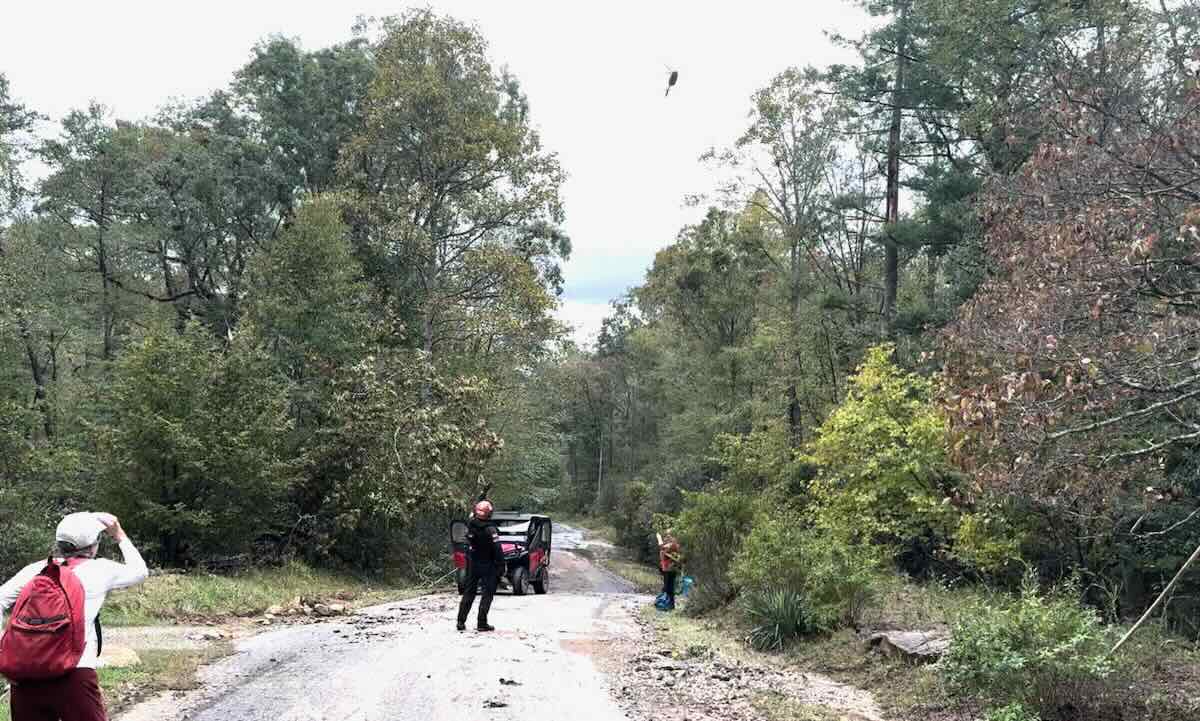
Our amazing community pulled together: we cleared our road of hundreds of downed trees and made sure everyone had food, water, and supplies. We took care of each other.

Now, things have improved dramatically. After two and a half weeks without power, we’ve been reconnected to the grid. The Kentucky Department of Transportation repaired our road, making it accessible to regular vehicles again. On Tuesday, an arborist crew finally made it up the mountain to remove fallen trees from houses.

Although things are starting to feel more normal at home, the impact on Swannanoa, Asheville, and surrounding areas has been profound. Entire neighborhoods are gone, numerous businesses have closed, and several grocery stores were severely damaged.

The Communications Void
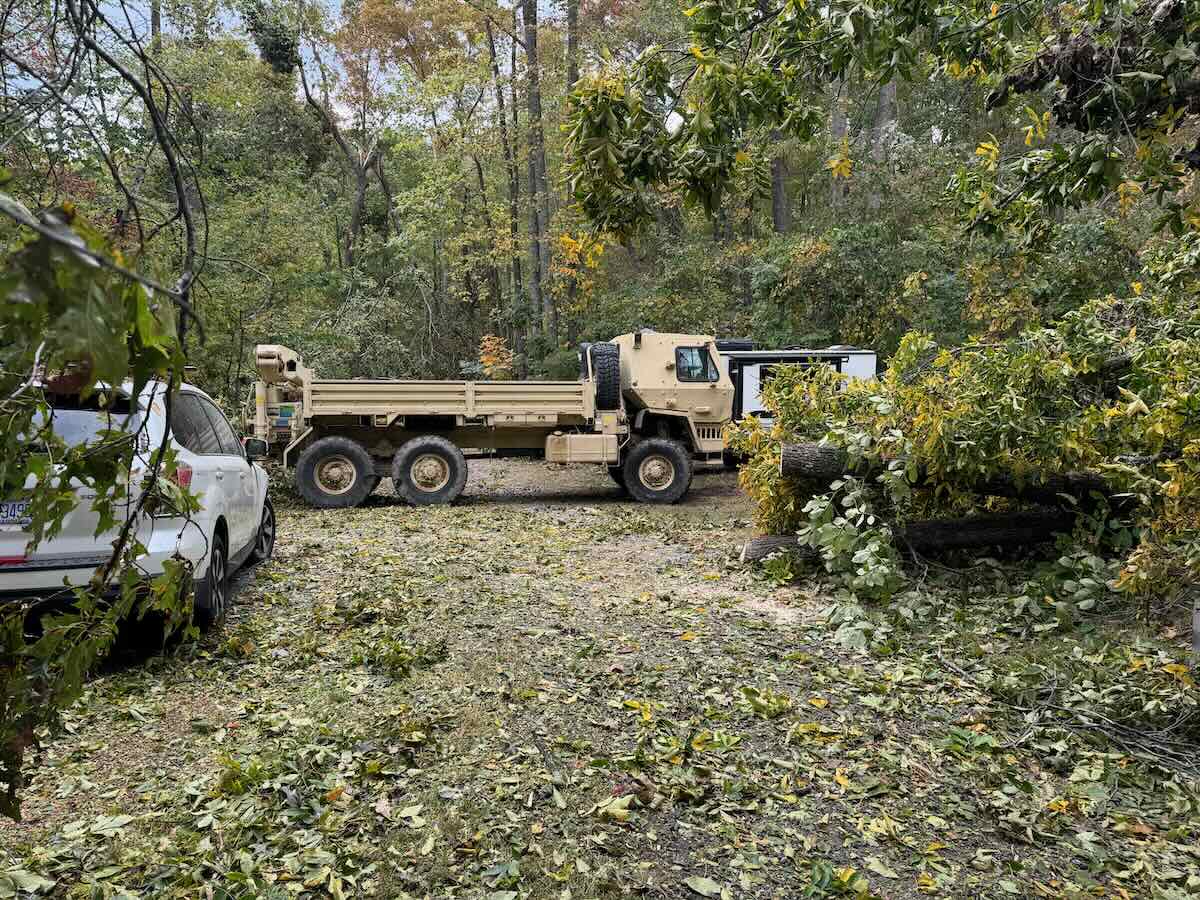
The National Guard helped us for a full day at our home. Thank you 5th Battalion 113 Field Artillery!

It’s often said that modern communications infrastructure fails us after a disaster.

I can confirm, first hand, that this is true.

The mobile phone network went offline during the storm, leaving us without service for days. Even now, three weeks after the storm, mobile phone service remains unreliable. Calls drop every few minutes.

Mobile data services at home are still down at time of posting (October 18, 2024). Internet services like cable, fiber, and DSL are mostly still out across the county. Only those with satellite internet have a connection—I’m fortunate to be one of them. Our cell tower still only supports basic voice calls and text messaging, without data or media attachments.

Radio to the Rescue

As many of you know, I’m not just a radio listener, but also a licensed amateur radio operator, and both of these hobbies became essential post-Helene.

As highlighted in an article by WIRED, amateur radio proved to be our lifeline for communication when everything else failed.
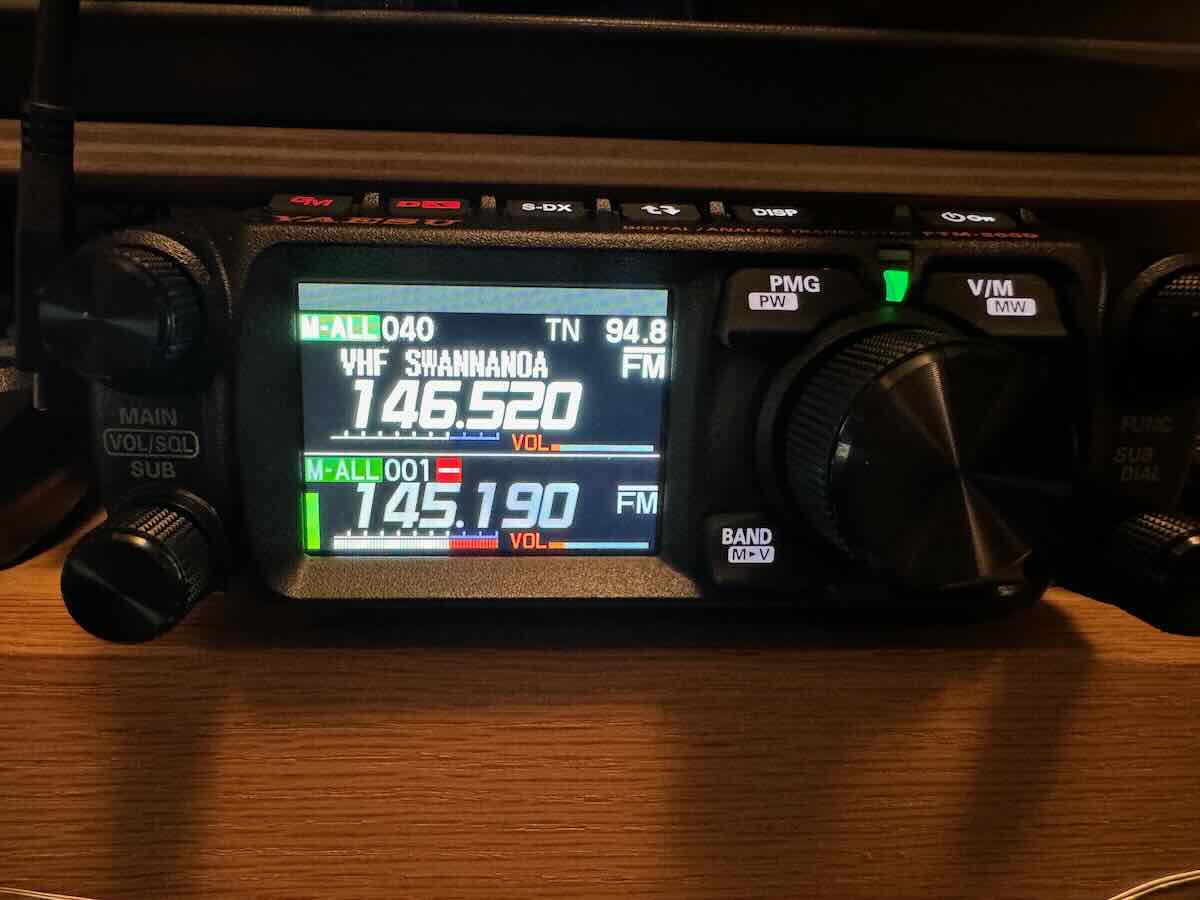
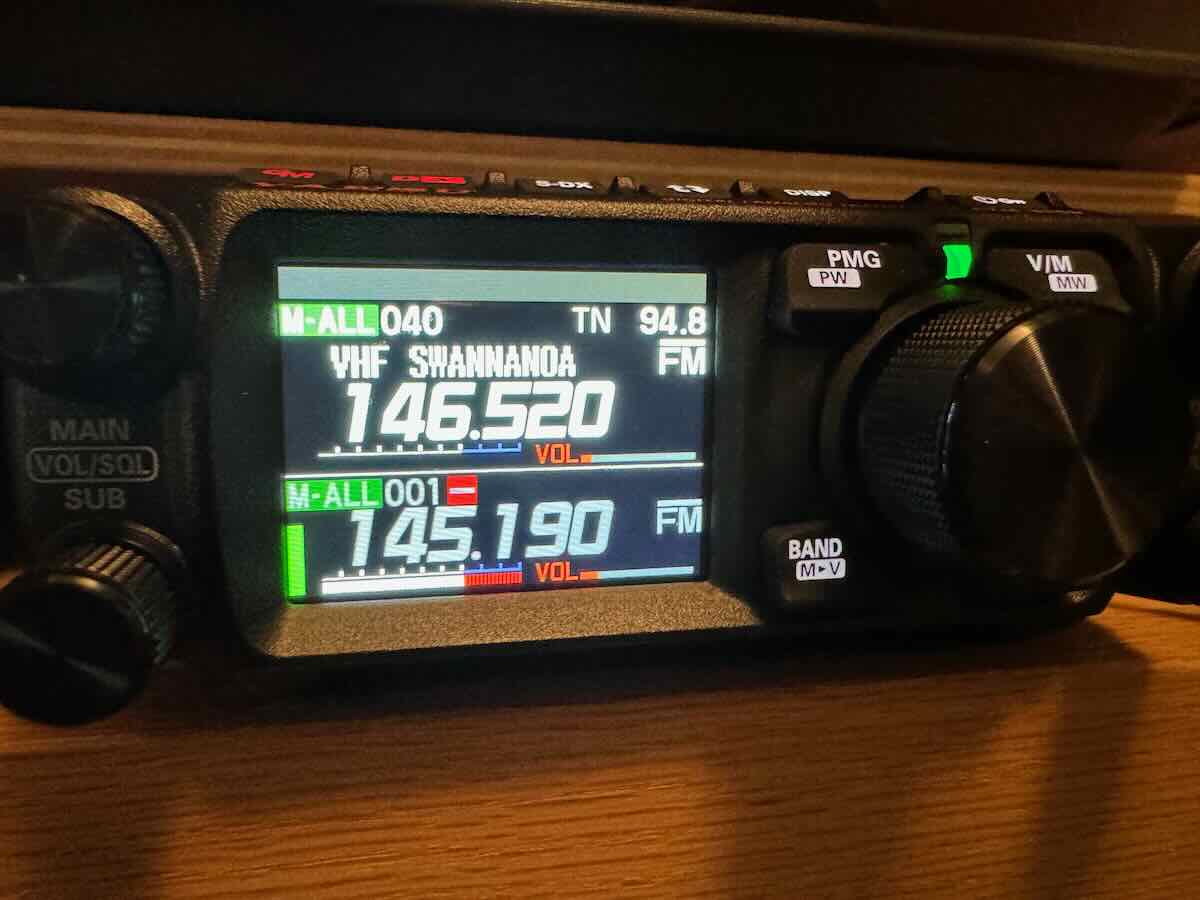
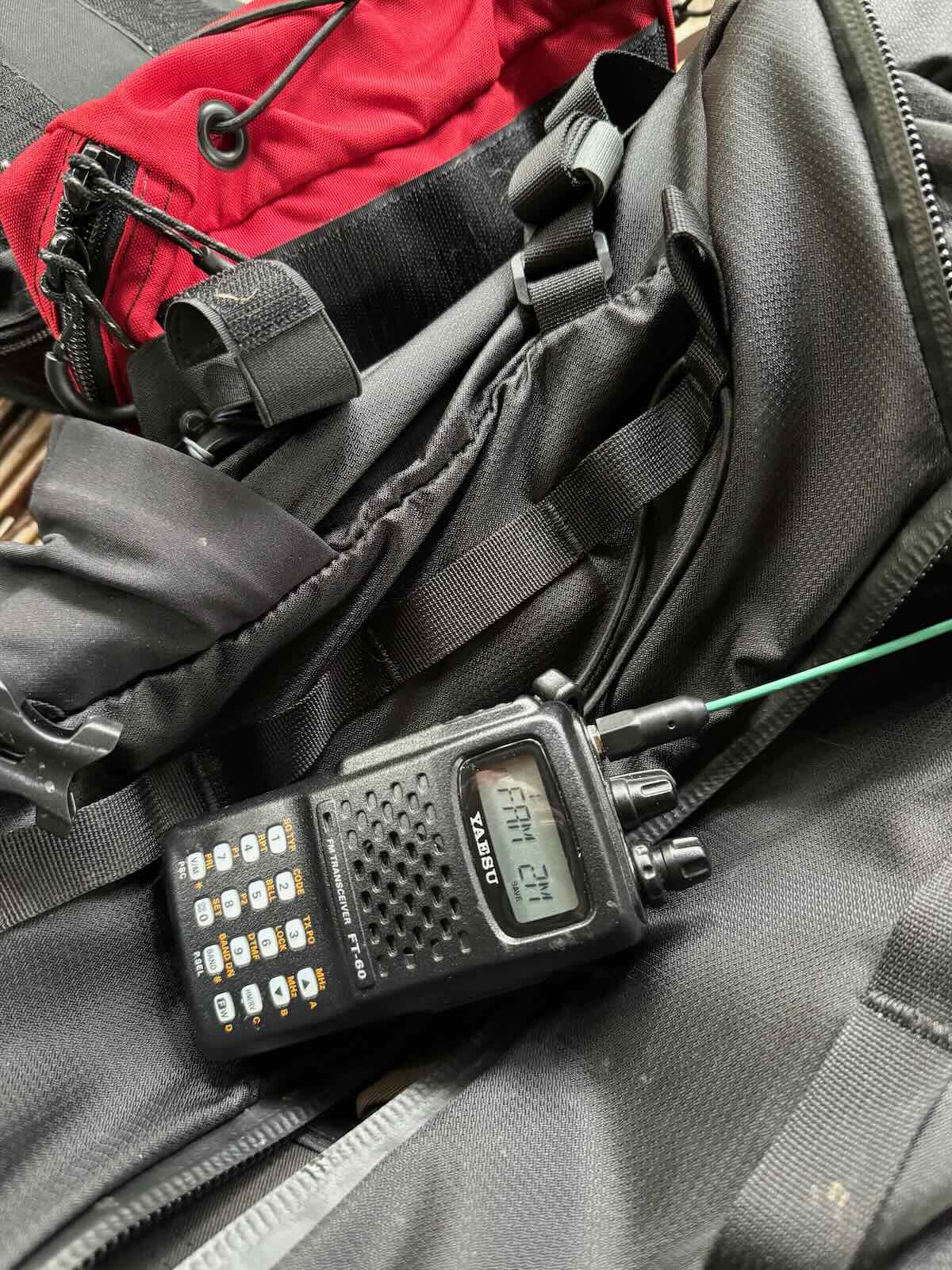
Using the local repeater (N2GE on Mount Mitchell), I was able to pass wellness checks, coordinate helicopter evacuations, and arrange supply drops for our community. I handed out a few handy talkies to unlicensed neighbors so we could stay in touch.

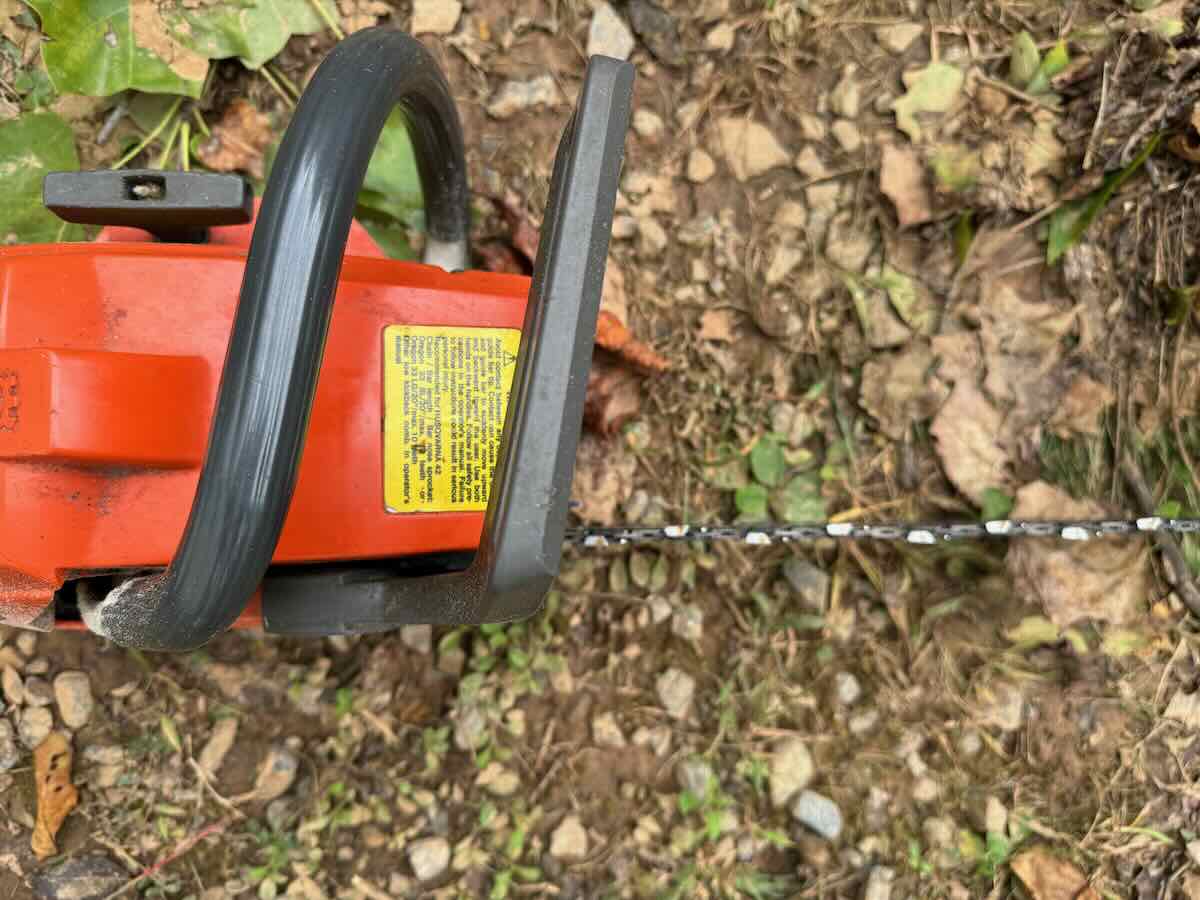
My wife and daughter, who are also hams, helped tremendously. While I was out with a chainsaw, clearing driveways, they acted as net control operators on our community’s simplex frequency (147.555 MHz), passing critical messages.
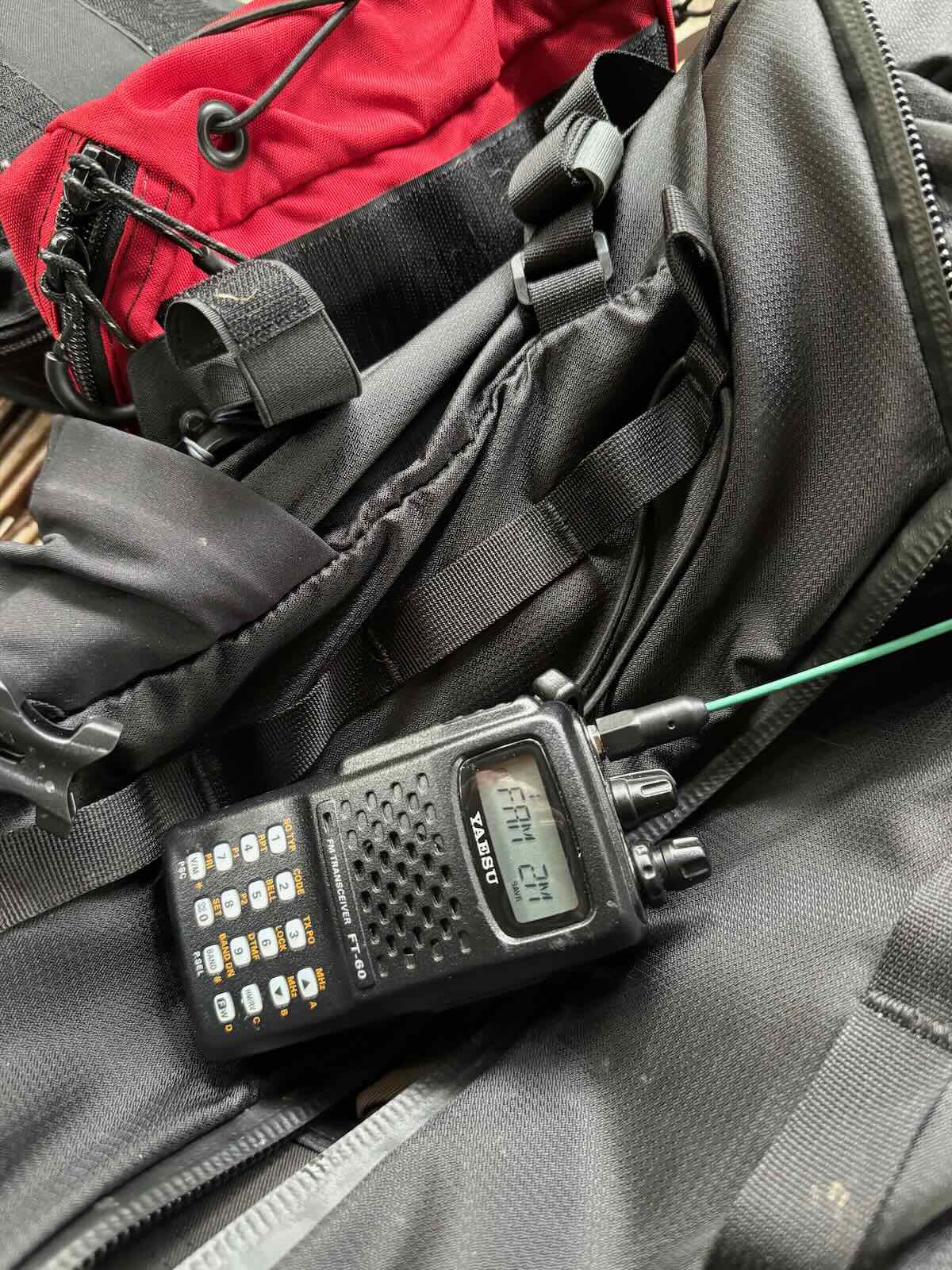
For that first week especially, amateur radio truly was our community’s connection to the outside world.

AM/FM Radio: A Lifesaver

Fortunately, our local TV station remained online after the storm, but few people could access it. Many people rely on cable or internet to watch TV, and in areas like ours, the digital transition over a decade ago left many without the ability to pick up over-the-air signals.

In contrast, FM and AM radio became the most reliable sources of information. Here in Buncombe County, public information and news were broadcast on 99.9 MHz (FM) and 570 kHz (AM). Both stations stayed online throughout the disaster, and the information they provided reached a vast audience. Check out this feature from CBS Evening News:

In Henderson County, the local AM station WTZQ stepped up as well. They did incredible work serving their communities post-Helene, as highlighted in a report by Queen City News:

Information Lifeline

As a presenter in the above story pointed out, everyone should have a battery-powered (or self-powered) AM/FM/Weather radio in their home.

After a disaster, you’ll rely on that radio for essential updates like where to find clean water, how to apply for FEMA assistance, what businesses are open, and when services will be restored.

Even three weeks after the storm, much of the Asheville area is still without water, so radios remain vital for getting updates.
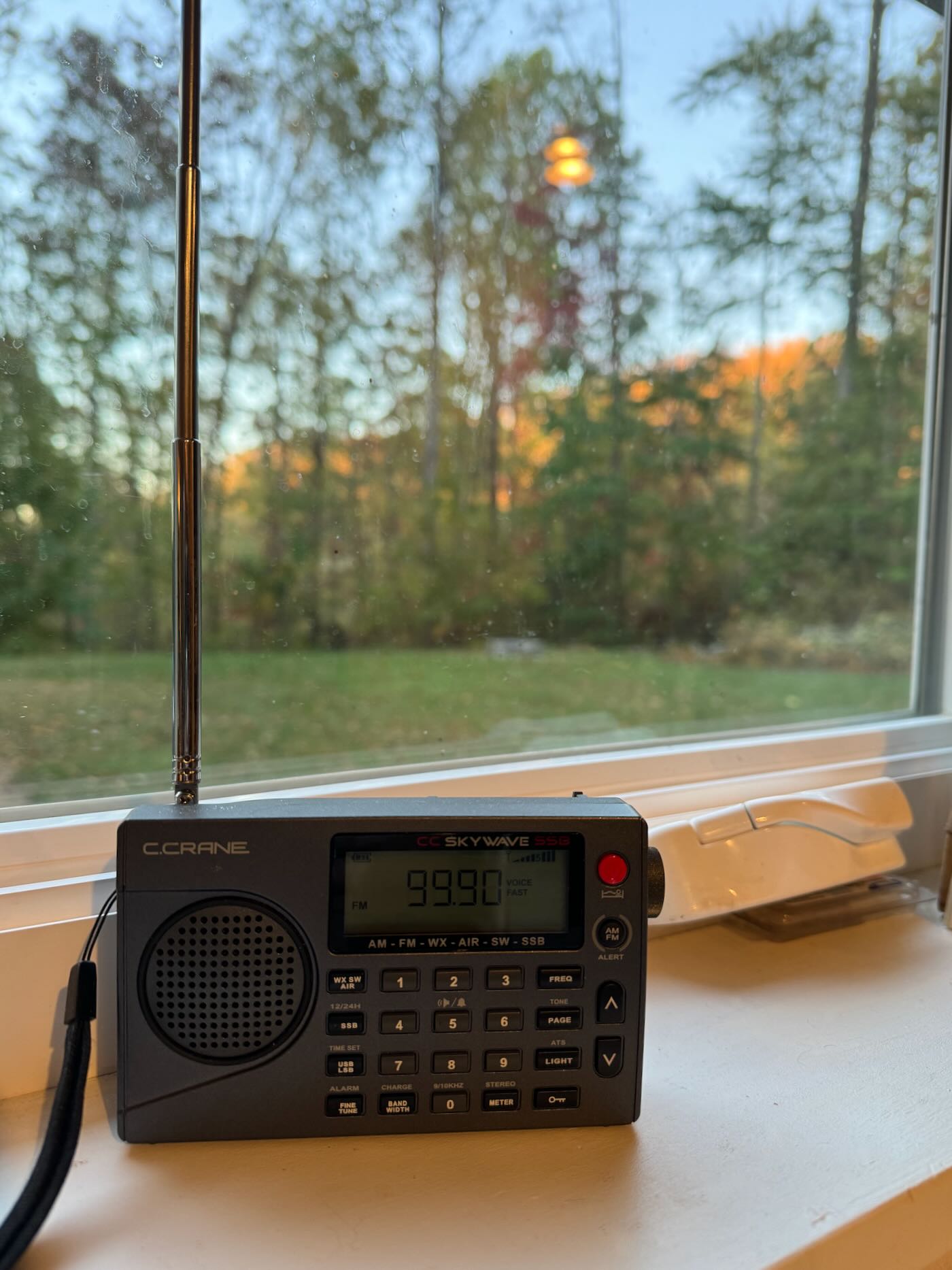
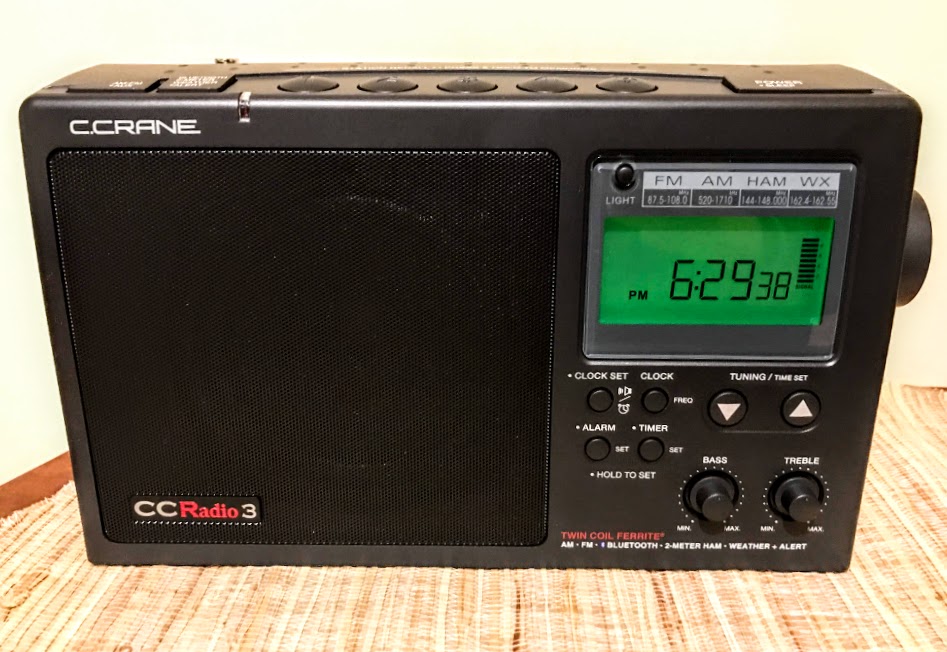
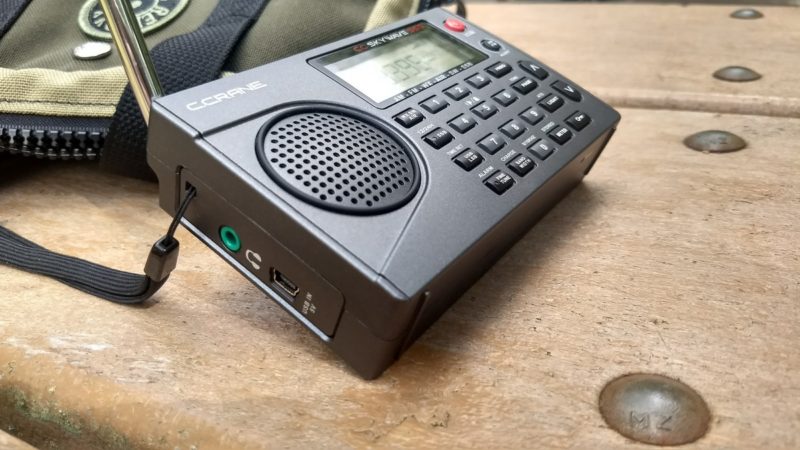
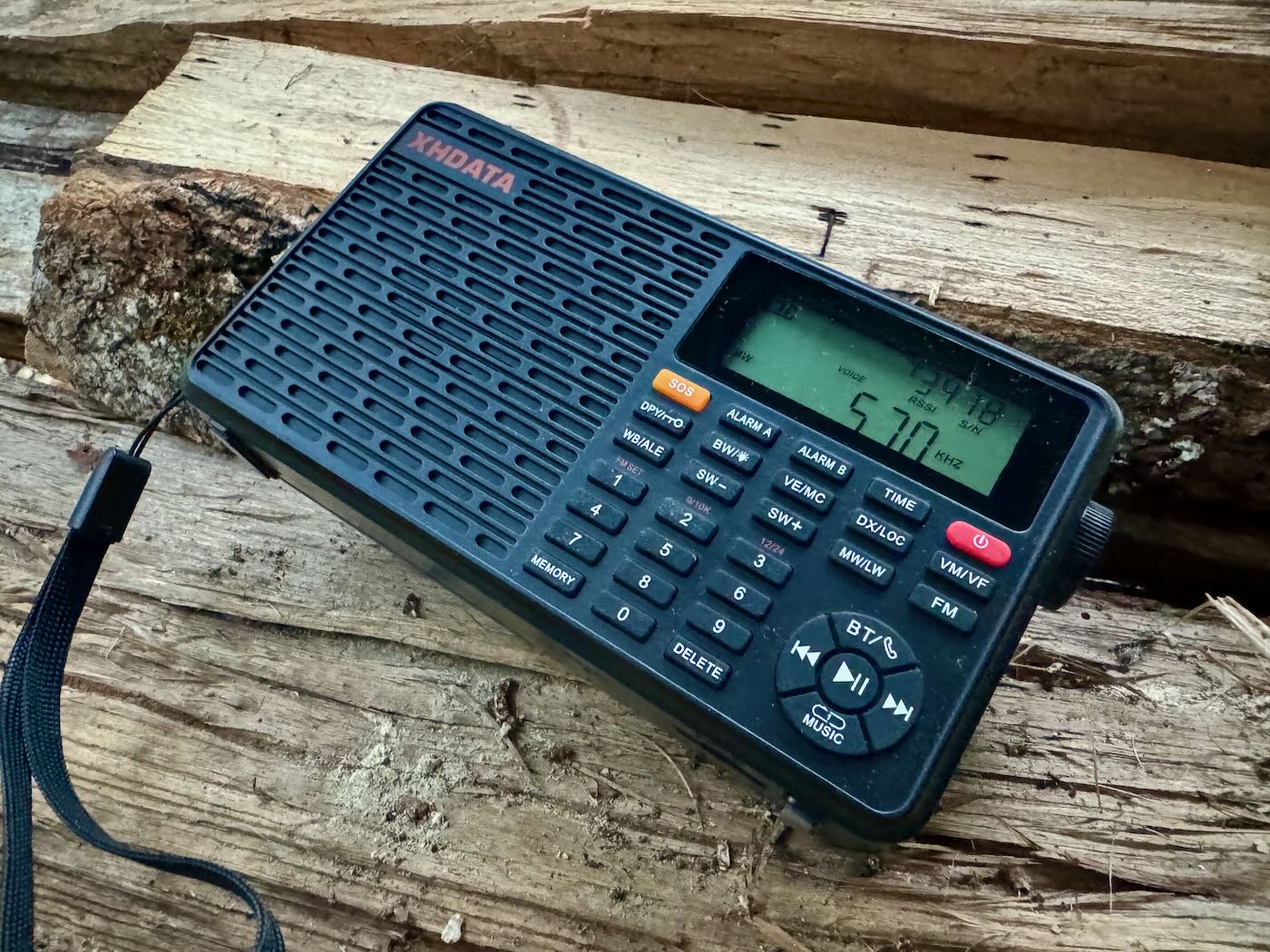
Here at SWLing Post HQ, I shared my extra portable radios with neighbors who needed them. I used my CC Skywave SSB 2 in the kitchen window to tune into local news on 99.9 MHz and 570 kHz. I also relied on my XHDATA D-109 and CC Radio 3—they became our constant companions for information.

Many of you here on the SWLing Post are already radio enthusiasts, so no doubt I’m preaching to the choir. But let this serve as a reminder to stock up on alkaline batteries and check your radios regularily to make sure they’re fully functional. Keep spares on hand so you can lend them to neighbors if needed—they’ll never forget your generosity.

And don’t assume your area is safe from natural disasters. Western North Carolina was considered one of the safest regions in the country for weather, yet we were hit by one of the most devastating storms in state history.

Stay prepared. Don’t become complacent.

Thank You!

Over the past few weeks, many of you have reached out with kind words and support, and I can’t thank you enough!

As of this morning, I have 310 messages in my inbox.

I’ve been too busy to reply to emails and comments—though I’ve read each one—but I truly appreciate your patience as I try to catch up. My days have been consumed by helping neighbors and getting our own life back in order. It’s been exhausting but incredibly rewarding, and we still have months of work ahead of us.
Thank you also to the contributors who have kept the SWLing Post running during my absence, and a special shout-out to my friend Vince (VE6LK), who has taken on a huge role in keeping QRPer.com updated.

Again, I’ve been posting updates on QRPer.com and sharing more informal audio updates on Patreon.

Thank you so much for your support and understanding—and, again, keep those radios ready. You never know when they’ll become your primary source of information!

Best & 73,
Thomas (K4SWL)
Radio Waves: Amateur Radio Triumphs Post-Helene and AM Radio a Lifeline During Disaster,

Radio Waves:  Stories Making Waves in the World of Radio

Welcome to the SWLing Post’s Radio Waves, a collection of links to interesting stories making waves in the world of radio. Enjoy!

Many thanks to SWLing Post contributors Bake Timmons and Bill Robins for the following tips:


Through Hurricanes Helene and Milton, Amateur Radio Triumphs When All Else Fails (WIRED)

The morning after Hurricane Helene pummeled the eastern seaboard of the US, Thomas Witherspoon inspected the damage to his western North Carolina home. The night before, he listened to the wind whip down trees and snap power lines along the two-mile access road connecting his family to their few neighbors in Buncombe County.

Like the tens of thousands of other North Carolina residents, the power to Witherspoon’s neighborhood was completely out. It was impossible to communicate with the house down the road, let alone anyone several miles away. Unable to send text messages or make phone calls, radio became the one form of communication left in rural North Carolina. After fixing what he could on his own property, Witherspoon, a lifelong amateur radio enthusiast, began distributing handheld radios to his neighbors.

“Amateur radio is one of those things you get into because of your love of radio communications and the technical aspects of it or the community and the challenges that you can overcome,” Witherspoon says. “It’s a lot of fun, but underlying all of that is this prime directive with amateur radio that it’s always there as emergency communications when all else fails.” [Continue reading…]

How a local radio station became a lifeline after Helene roared through North Carolina (CBS News)

Asheville, North Carolina — As Florida grapples with the destruction from Hurricane Milton, the people of western North Carolina know that reality all too well. Helene roared through the mountains, leaving more than a million people in the disaster zone without water, power and spotty cell service.

But what they did have was the radio.

For days, WWNC host Mark Starling and producer Tank Spencer were a lifeline, serving as a proxy dispatch service to help coordinate wellness checks and connect the stranded with nearby resources.

“We didn’t have any connection to the outside world except our radio stations, and we were the only two here. So we kind of had a mission of like, OK, well, we’ve got to walk these people through the storm,” Starling said.

The Asheville AM radio station was inundated with phone calls, which meant dealing with the widest range of emotions imaginable. One caller was a man on the second floor of his house with his wife and grandchild, Starling said.

“Our entire basement’s flooded. Our first floor’s flooded up to about four feet and we’re upstairs. We’re safe, but my Ram truck is underwater,” the caller said.

Starling told the man to keep the station’s number handy and hoped everything would be OK.

But as Starling tearfully recalls, “Everything wasn’t fine.”

The caller, his wife and their 7-year-old grandson were all swept away, among the at least 120 people killed by Helene in North Carolina. [Continue reading…]


Do you enjoy the SWLing Post?

Please consider supporting us via Patreon or our Coffee Fund!

Your support makes articles like this one possible. Thank you!

From the Archives: When the fertilizer hits the fan radio kit

By Jock Elliott, KB2GOM

Murphy’s Law: If anything can go wrong, it will.

            1st corollary: Even if anything can’t go wrong, it still will.

            2nd corollary: It will go wrong in the worst possible place at the worst possible time.

            Most devastating corollary: Murphy was an optimist.

            “It’s tough to make predictions, especially about the future.” – Yogi Berra

 The Better Half thinks I am sick, and maybe she is right, but I am unrepentant: I like disaster movies and books. True stories are better than fiction, but I like both, and I am curious about how people, real or imagined, get through whatever Horrible Event faces them.

As I have written before–here, here, and here–that when bad stuff happens, radio can be a really useful tool.

It was a comment from a reader – Rob, W4ZNG – that got me thinking some more about this. He mentioned enduring three weeks without electricity on the Mississippi Gulf Coast as a result of Katrina. So we had a phone conversation about: What do you want in your radio kit bag when faced with a longer duration, more severe regional or national emergency?

Here’s some of the stuff we agreed upon.

Gathering Information

At the most basic level, you want a radio capable of receiving local AM or FM broadcasters, and it would be good to know ahead of time which local stations have local news staffs that can broadcast useful in formation in times of crisis. In addition, if you live in the US or Canada, I absolutely recommend the ability to receive NOAA weather radio. The ability to run off batteries is critical, in case the mains power is out. In addition, a generous supply of batteries, or a means to recharge batteries is in order. If you decide to go with recharging batteries, you need to think about your options now, not when the lights go out.

In Rob’s case, during Katrina, all of the local broadcasters were wiped out. There was a local low-power FM broadcaster who got permission to increase power to 1,000 watts and was broadcasting where to get food and water. There was a New Orleans AM station that was on the air, but all of its coverage was “New Orleans-centric.” After a few days, some local FM broadcaster, working together, cobbled together a station that they put on the air and began broadcasting news. Rob also began DXing AM stations at night to get additional news.

We agreed that shortwave broadcasters were not likely to be very useful in most cases, but a shortwave radio with the ability to hear ham radio single sideband networks might well be.

To scan, or not to scan, that is the question

Another potential source of information are local public agency radio transmissions in the VHF and UHF ranges that could be heard with a scanner. But – and this is a very big but – that depends a lot on whether your local government (first responders, etc.) transmissions are encrypted. You need to check a source like https://www.radioreference.com/db/ to see if Public Safety transmissions in your area are encrypted. If they are, you will be unable to decipher them, no matter what equipment you own. However, an inexpensive analog-only scanner may prove very useful for listening to ham transmissions VHF and UHF (2 meters and 440 primarily) as well as FRS and GMRS.

If your local Public Safety radio systems are not encrypted, the RR database will give the details of the radio systems used by those agencies, and that in turn will determine the level of sophistication of scanner that will be required to hear their transmission.

The Radio Reference database also includes a listing of national radio frequencies including a list of federal disaster frequencies such as might be used by FEMA. In addition, I have found that the folks at the Radio Reference forum are generous with their time and expertise: https://forums.radioreference.com/ . If all this sounds a bit daunting, there are scanners that have built-in databases of all available frequencies and radio systems, and all you need to do is put in your zip code and select which services you want to hear. I own one, they work well, but they are expensive.

Summoning Help

Assuming that the power is out, your cell phone may or may not work (during Hurricane Katrina, some people found that they could not make voice phone calls, but text messages would go through).

If the cell phones are not working, two-way radio may be useful to summon help and gather information. Again, some research on your part is in order. Perhaps there are 2-meter or 440 ham repeaters in your area with backup power, or maybe there is a robust GMRS repeater system. If so, get your ham or GMRS license and start participating! (It was his experience during Hurricane Katrina that prompted Rob to get his ham license, and when Hurricane Zeta hit, he was glad he had it.)

FRS bubble-pack radios are good for staying in touch while getting around the immediate neighborhood.  It’s also good to have a few spares to hand to neighbors if the need arises.  Often on sale (especially after Christmas) in multi-packs for less than $10 each.

Rob notes that great strides have been made in hardening cell phone towers since Katrina.  When Hurricane Harvey clobbered Houston in 2017, the cell net stayed up.  Even so, it would be prudent not to count on it!

The Bottom Line

At a bare minimum the ability to receive your local AM and FM broadcasters is essential, and NOAA weather radio is also very useful. At the next step up, depending upon your local situation, a scanner may help you to gather information. In addition, the ability to monitor ham transmissions may also add to your information gathering abilities. Finally, having a ham license and the ability to transmit on ham frequencies may be very valuable in a widespread or long-duration emergency.

QT80 10 meter Radio

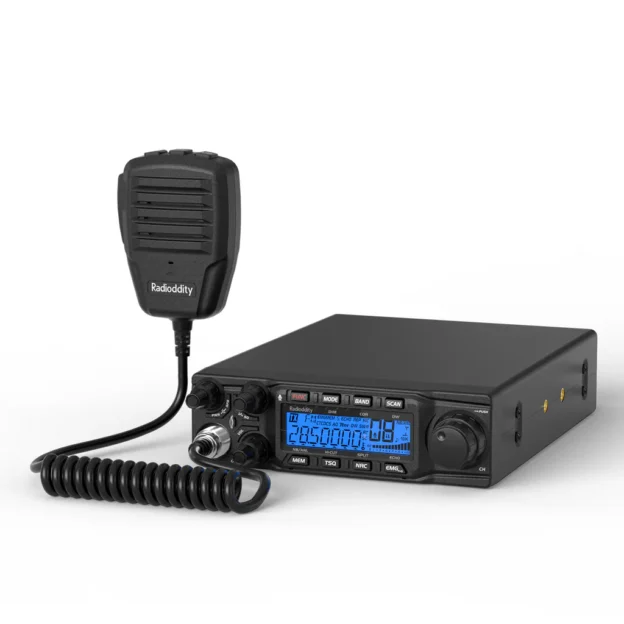
Radioddity QT80 10m Radio

Guest Review by Robert Gulley K4PKM

The Radioddity QT80 is a very interesting addition to the Radioddity line of CB and Amateur radios. It cleverly walks a line between being a CB (channelized) radio, and a channelized/VFO capable amateur radio.

You are likely to have heard of this radio already, as there are a number of video and written reviews out there for the QT80, with most all of them praising the radio’s features and capabilities. For those who have not heard about the radio, I list the basic information below, and then talk about my impressions of the rig.

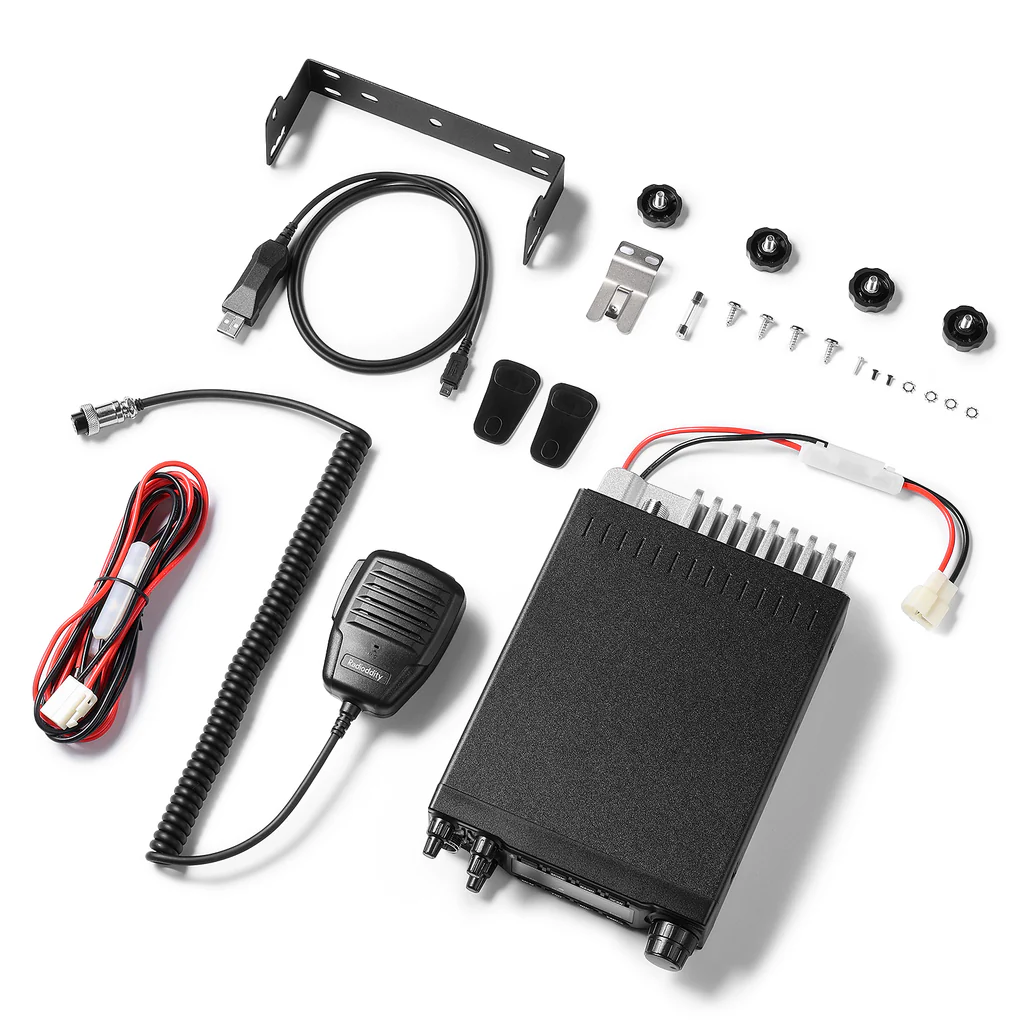
What’s in the box?
1 x QT80 10 Meter Radio
1 x Detachable Microphone
1 x Install Bracket
1 x Power Cable
1 x PC003 Programming Cable
1 x Spare Fuse (15A, 250V)
2 x Adhesive Case Protectors
4 x Adjusting Screws
4 x Screws
4 x Pads

Included in the box

Functions & Features
– 7-color screen display and backlight dimming
– FM, AM, USB, LSB, CW (need DIY work), PA modes
– SSB TX audio bandwidth control
– Frequency Tuning Steps: 10Hz, 100Hz, 1KHz, 5KHz, 10KHz, 100KHz, 1MHz
– ± 500Hz, 5KHz Clarifier (R/T/R+T selectable)
– Flexible menu functions and PC programming software
– RX and TX NRC Noise Reduction
– SQ, ASQ Function (FM and AM mode)
– RF GAIN Adjustment
– RF PWR Adjustment
– VFO / BAND / Memory Channel Modes
– Repeater Shift / Offset Frequency Function
– CTCSS/DCS with RX/TX Split functions
– SCAN Function
– CTCSS/DCS scan
– NB/ANL Function
– DW DUAL-WATCH Function
– SWR, S/RF meter Function
– TOT function
– HI-CUT Function
– EMG CALL
– SWR Protection
– Power Supply Voltage Protection
– Key-Lock Function
– DTMF Function
– BEEP Prompt
– Enhanced VOX Function (VOX.SPK can support digital mode operation)
– ECHO Function
– Programmable RB Function
– AM TX NPC
– User Defined (PF) key on microphone
– Audio path select 31.+10KHz Function

80W High Power: Experience clearer and stronger signals in challenging conditions with our 80W high-power radio. Perfect for amateur radio enthusiasts and professional operators, it guarantees reliable long-distance communication in any environment. FCC ID: T4K-AT6666PRO

Versatile Communication Modes: Seamlessly switch between FM, AM, SSB (USB, LSB), CW, and PA modes to adapt to various communication needs, from casual use to professional applications, catering to various communication scenarios.

Advanced Noise Reduction: Customize your listening experience with adjustable TX & RX noise reduction. Enjoy crystal-clear audio with minimized background noise and enhanced voice clarity, ensuring smooth and intelligible transmissions every time.

ASQ Function: The Automatic Squelch Control (ASQ) function intelligently filters out unwanted noise and static, providing a cleaner and more enjoyable listening experience. Say goodbye to constant manual adjustments and enjoy hassle-free communication.

7-Color LCD Display: Personalize your interface with a vibrant 7-color LCD display that complements any environment. Choose your preferred color for optimal visibility and a modern touch, enhancing your communication setup.

CTCSS/DCS: Use CTCSS/DCS codes to prevent interference and enhance privacy during group communications, ensuring clear and secure conversations.

Precision Frequency Tuning: Tune precisely with 7 Frequency Tuning Step options (10Hz/100Hz/1KHz/5KHz/10KHz/100KHz/1MHz), enabling accurate adjustments for clear communication.

___________________________________________________________________________ 

Data modes using DIY interface using the built-in VOX system

What you will need for QT80 – There are not many parts needed to get our own data-cable prepared.

– For the connection to the Radioddity QT80 you will need a 6-pin GX16-A6P plug, often called “aviation plug”.
– For the connection to your PC, you will either need a shielded stereo audio-cable with 3.5mm TRS plugs on both ends or two shielded open end stereo audio cables with 3.5mm TRS plug.
– If your PC does not have a built-in sound-card you will also need a USB soundcard with 3.5mm TRS sockets for MIC-in and Audio-out.

Full instructions may be found here:

https://www.radioddity.com/blogs/all/qt60-pro-qt80-data-mode-operation-guide?_kx=kFwIrsBfpgRCg9VuXhVWtqVpfz_NH8taLFTR4MEj-tU.HYtn7C

__________________________________________________________________________

I have included above some recently released information about how to use the radio for TX and RX with digital modes such as FT8/FT4 and SSTV, PSK etc.

While not indicated as such on the Radioddity website, the radio is capable of going down to 15 meters with a slight modification, demonstrated by some of the YouTube videos, which also includes the 11- and 13-meter bands.

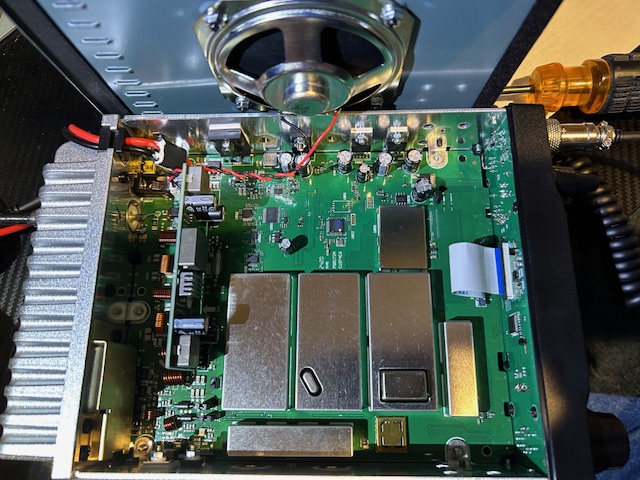
QT80 with case removed

Internal main PC board and large speaker

Additionally, Radioddity offers a Model CBL-561 15-30mHz vertical antenna option which can be attached to a mobile mount by way of its PL-259 connector. My sample copy of the antenna is extremely sturdy, and has an adjustable whip section for matching the chosen band.

My Impressions

The radio is well-built, solid, and has a heavy heatsink for handling the 80-watt output power, as there is no built-in fan. There are a number of nice features in the radio, including multiple color screen options, VFO tuning and scanning features down to 1 kHz, and very usable noise reduction and clarifier options. There is also a PA function which could come in very handy for emergency response situations.

The speaker is quite capable of being heard even with loud road noise, but due to the speaker placement on the bottom of the radio, where you have to mount the radio in your particular setting might determine if you need an external speaker.

The audio quality is quite good as I listened around to stations on 10m USB and 11m CB, as well as shortwave signals.

The noise reduction feature is designed to filter out unwanted noise on receive of course, but is also designed to work on the TX side of things to help with voice clarity. While the primary goal is clarity, if possible, I would recommend testing the TX side of things with someone who is familiar with your voice so you can adjust the noise reduction levels more accurately.

There is a USB connection which allows for firmware upgrades, programming capabilities, and, with some DIY effort, TX for Digital modes.

VFO Tuning vs. Channel Hopping

The QT80 offers both a channelized scan and tuning feature, as well as a scan and VFO option. Scanning/tuning of channels is as you would expect, allowing you to scan through 40 programmed channels, or 99 memory channels.

Scanning using the VFO method allows you to scan in various steps of 10 kHz or above. It should be noted that to tune to a level of 10 or 100 Hz accuracy, this must be adjusted by pressing the tuning dial in, which then allows you to select these tuning steps. For all automatic and manual tuning of frequencies using the tuning dial, the smallest step is 1 kHz. That can be a little confusing for those who are used to free turning VFOs on desktop/portable receivers.

As the tuning dial/channel switch (the big dial on the right-hand side of the unit) is designed primarily for channel selection and incremental tuning, there is both muting and an audible click as the dial is turned.

As the radio is clearly designed for mobile-style operation, the memory channels can easily be used to store 10-meter repeater stations (along with the necessary offsets), CB channels, as well as storing simplex frequencies to quickly tune in desired frequencies for scheds with other amateur radio operators.

The freely available programming software allows for easy programming of memories and channels, as well as controlling most all of the radio’s functions.

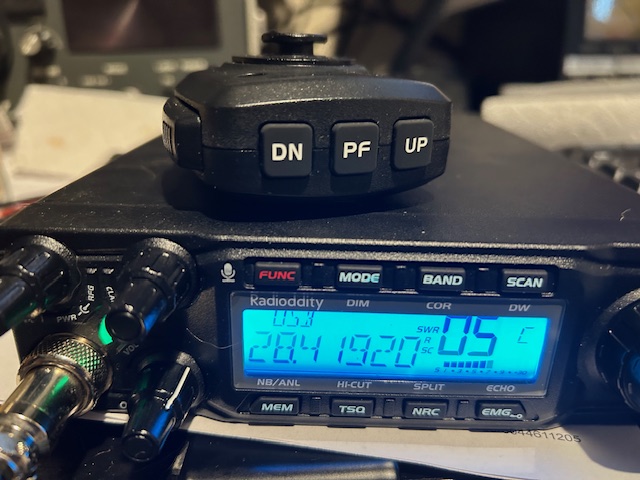
As you can see in the image below, the microphone has up and down buttons for tuning, as well as a PF button which can be assigned for specific programmed functions. The mic does not have a keypad, a nice, but not necessary function. As an aside, I have not seen any data as to what microphones might be interchangeable with the stock mic, so I would certainly do extensive research before trying a keypad-style mic with the radio.

QT80 in use

Receiving California QSO Party signals clearly

Pros and Cons

Pros

  • Advanced features such as noise reduction and receive clarifier
  • A reasonable number of memories which don’t get ridiculous in size like some radios (i.e. 1000 memories!)
  • Simplified front end with menu options (see also Cons)
  • Feature-Rich radio beyond many similar mobile radios (see Cons below)
  • Multiple color options for the screen to enhance viewing in different lighting conditions
  • Large heatsink
  • Capability to store 10m repeater stations in memory with offset info
  • Great audio
  • Ability to work digital modes using the built-in VOX capabilities with DIY solution, no separate sound interface needed
  • CW TX possible with DIY solution shown on website
  • Free programming software
  • Standard antenna connections giving many antenna/tuner options

Cons

  • Bottom-mounted speaker (common, but not good if mounted near floor or in compartment) but external speaker port available
  • Non-removeable front-end, useful for more localized placement/ease of operation in vehicle or tight spaces
  • Many special functions require menu options which make mobile operation more difficult or dangerous when driving
  • Fairly steep learning curve to take advantage of all the features (see Pros above)


Conclusions

I believe most folks will be very pleased with the advanced capabilities of this rig. There is a bit of a learning curve for those who may not have used this style of radio before, but the time spent learning its features so as to make use of all these features will be well rewarded.

The radio has excellent audio, a clear display, many adjustments to make the radio function as desired, and has expansive capabilities to broaden its appeal. 73, Robert K4PKM

Radioddity Link

Amazon Link


Famous Collins Transceiver in Apocalypse Now

by Dan Robinson

We have seen so many great receivers and other equipment appear in movies, it’s surprising that this one may have slipped by our Radios in Movies radar.

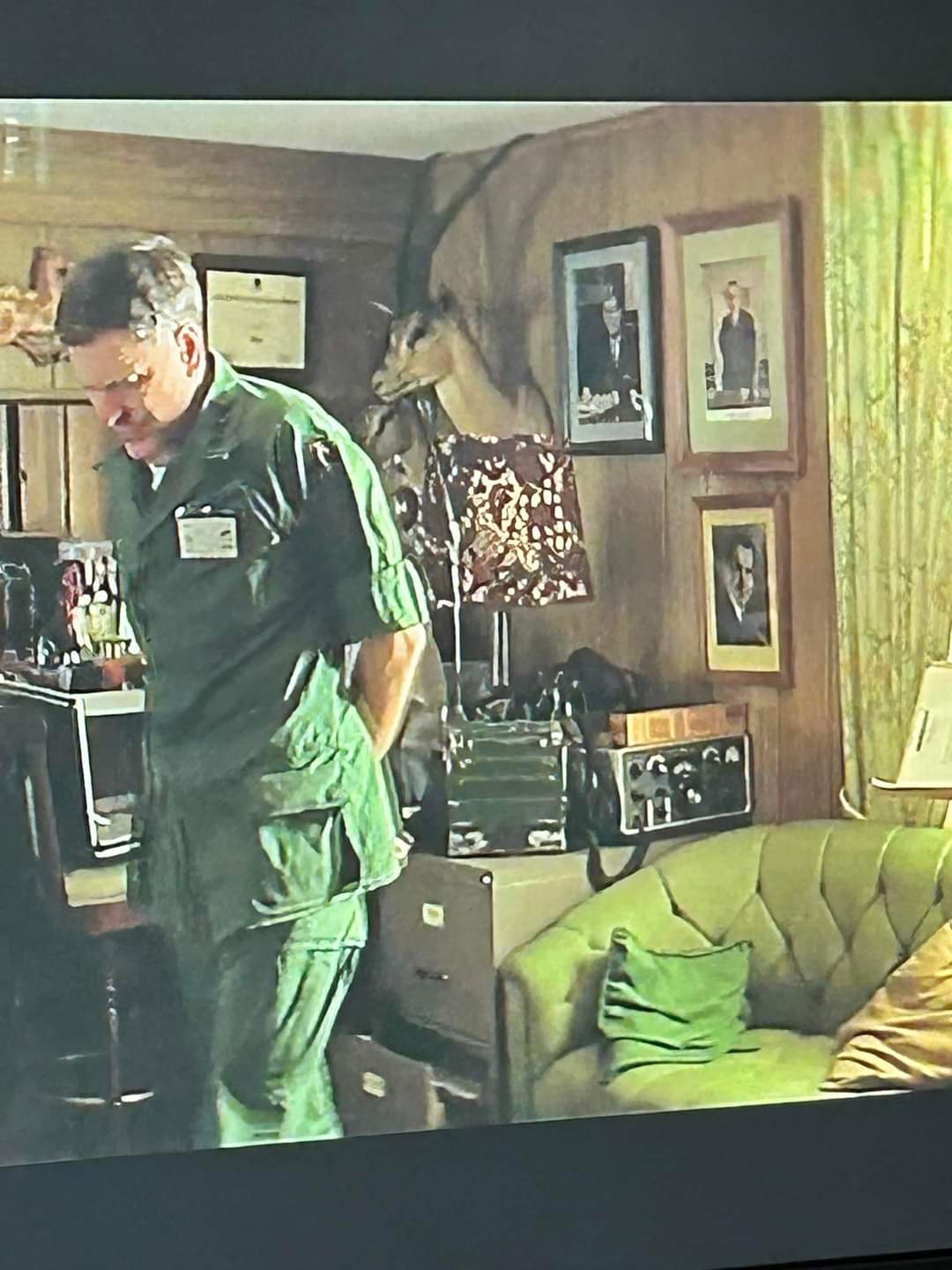
In Apocalypse Now, the classic 1979 epic war film produced and directed by Francis Ford Coppola, Captain Willard (Martin Sheen) is briefed in a hotel room in Saigon about Colonel Kurtz (played by Marlon Brando), the renegade Special Forces officer who is accused of murder and presumed insane. The scene includes Harrison Ford (by the time the movie came he had become a big star with Star Wars) who tells Sheen that Kurtz is to be “terminated”.  

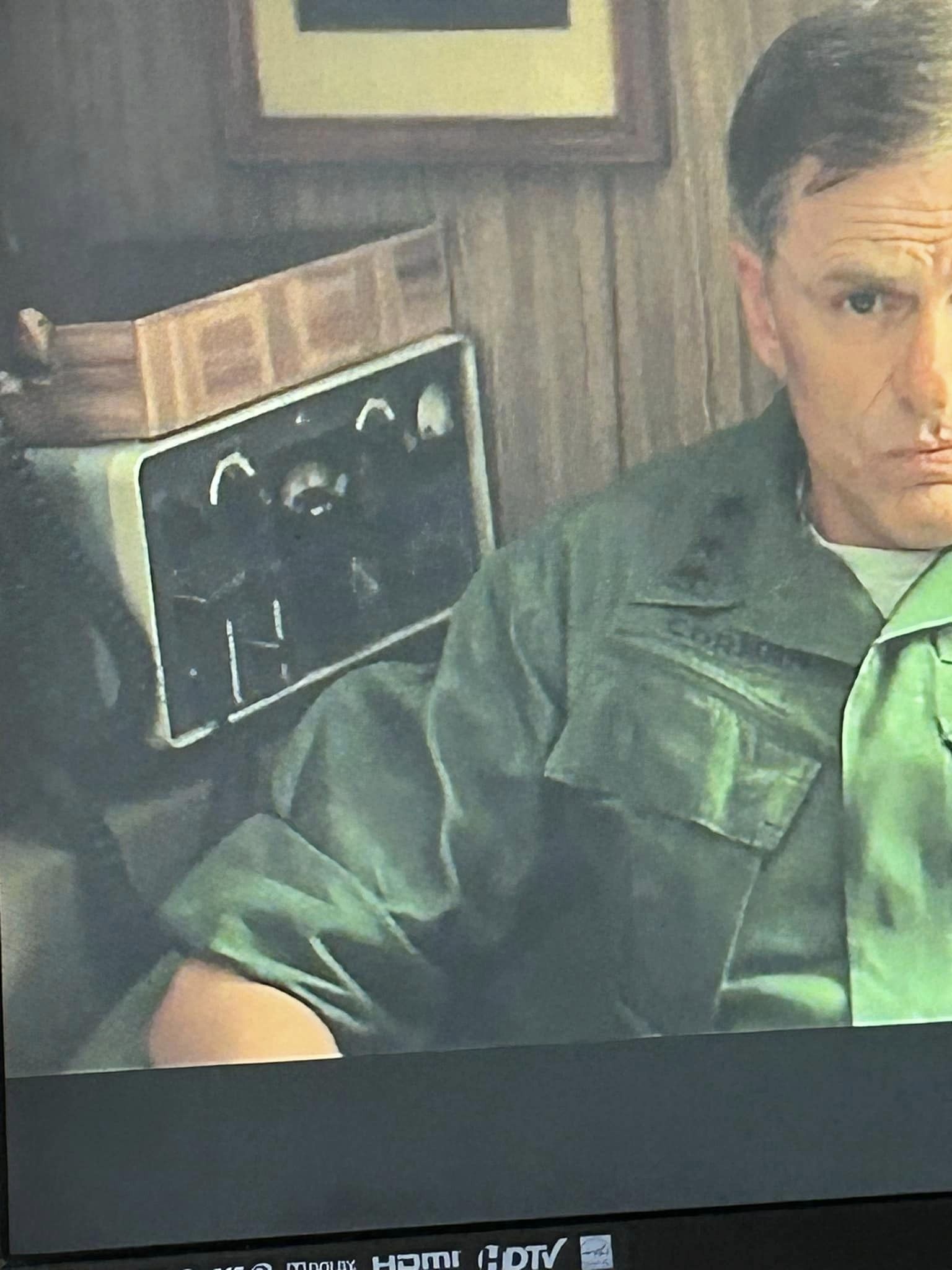
But as we’re reminded in a post on the Collins Collectors Facebook page, a famous radio is sitting on a file cabinet in this scene — identified in the collector group as a KWM-2A.

It’s another reminder of how many great examples of amateur radio and other equipment have played roles in great movies!  


Reports on Hack of HT Radios/ICOM Responds

by Dan Robinson

The explosions/detonations of HT radios targeting the militant group Hezbollah in Lebanon continue to make headlines, with latest reports digging into the origins of the units and containing reaction from ICOM.  This story is one of those rare occasions when the radio manufacturing industry is thrust into the spotlight.

Reuters reported that:

“The lethal hack of Hezbollah’s Asian-branded pagers and walkie-talkies has sparked an intense search for the devices’ path, revealing a murky market for older technologies where buyers may have few assurances about what they are getting. While supply chains and distribution channels for higher-margin and newer products are tightly managed, that’s not the case for older electronics from Asia where counterfeiting, surplus inventories and complex contract manufacturing deals can sometimes make it impossible to identify the source of a product, analysts and consultants say.”

The Reuters report also noted:

“For Icom, one problem is that it stopped making the IC-V82 model in question a decade ago, around the time it started introducing holographic stickers as a protection against counterfeit products, the company said. The company has long warned about imitation products, especially of its older models. In fact, more than 7% of firms in Japan reported business losses from counterfeit products in 2020, according to the latest available report by the Japan Patent Office, with around a third of cases linked to China. Icom has urged that customers only use its official distributor network to ensure they are buying genuine products.”

This earlier Reuters report was published in The Jerusalem Post.

Other reports were by Kyodo (see: https://english.kyodonews.net/news/2024/09/9d7c5ea04e62-exploding-walkie-talkies-in-lebanon-may-be-product-of-japanese-firm.html, Bloomberg (appearing on the TIME website (https://time.com/7022598/lebanon-walkie-talkies-explosion-japan-icom/) and BBC (https://www.bbc.com/news/articles/cz04m913m49o).

Another report, which quotes Ray Novak, ICOM U.S. representative, appeared in The Washington Post.   It said ICOM was “[investigating the allegations, but early signs pointed to the walkie-talkies being counterfeit]”.  ICOM had issued three statements on its website as of mid-September 20th.

Join Us: Become a Contributor for the SWLing Post!

The SWLing Post has been online since 2008, and over the years, I’ve seen our readership grow into a vibrant, international community of radio enthusiasts who support each other.

From the beginning, my goal for the SWLing Post has never been to focus on me, but rather to highlight the diverse ways people enjoy radio and to share news about international broadcasting. To achieve this, I’ve invited select individuals to contribute as guest writers and provided them with accounts to post their own content.

As our community has expanded, I want to open the door even wider and invite more of you to contribute directly to the SWLing Post. This will help alleviate the bottleneck of getting timely information out, especially as I am currently in one of the busiest stages of my life.

If you’re interested in receiving a volunteer contributor account, which will allow you to create and submit posts for approval and publication by me or one of our editors, please contact me via email or leave a comment on this post.

To qualify for a contributor account, please note the following requirements:

Community Involvement: We prefer to see that you’ve been an active, long-standing member of our community by commenting on posts. If you’re new to us, we will first need to review and post your contributions before granting you an account. This is due to the high volume of spam guest post requests we receive—often dozens each week.

Comfort with WordPress: You should be comfortable creating posts in WordPress, the platform we use for the SWLing Post. Unfortunately, we do not have the resources to train individuals on WordPress, but numerous tutorials are available since it’s the most popular blogging platform in the world.

We are looking for original content that reflects the genuine spirit and kindness of our community. Our goal is to ensure that contributions are not only informative and engaging but also embody the warmth and enthusiasm that characterize our shared love for radio. As long as your content is respectful, informative, and true to the spirit of radio enjoyment, it will align with our standards and be a valuable addition to the SWLing Post.

If you’re interested, please comment on this post or email me directly, and I will get back to you via email.

Thank you!

Thomas Witherspoon (K4SWL)