Category Archives: New Products

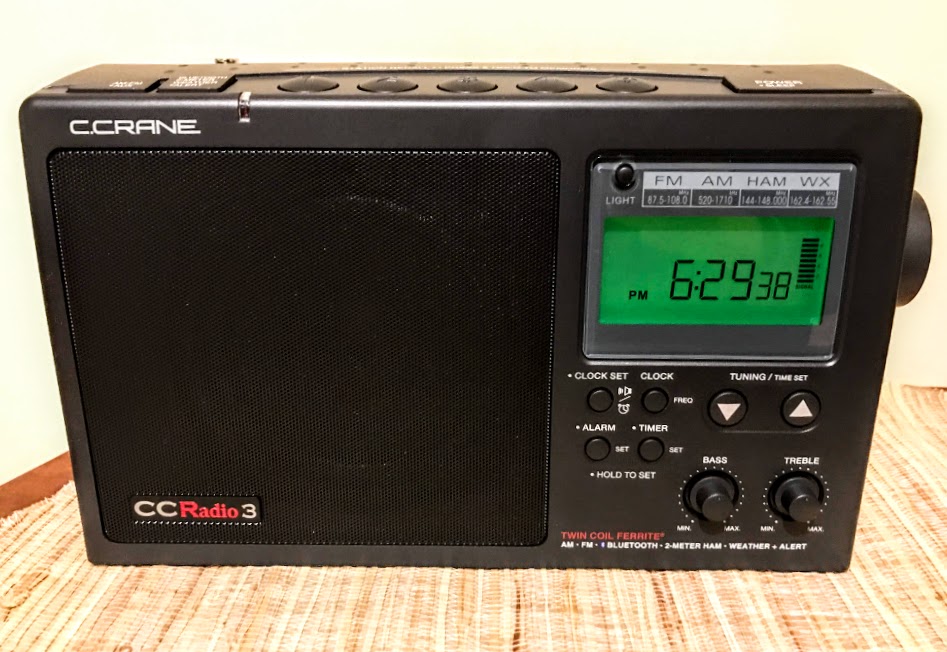
C. Crane CCRadio3 now shipping

Many thanks to SWLing Post contributor, Steve Lebkuecher, who notes that C. Crane is now shipping the CCRadio3:

Click here to read our review of the CCRadio3—a unit we consider to be one of the best full-sized AM radios currently on the market.

Click here to check out the CCRadio3 at C. Crane.

Could the Icom IC-705 be a shortwave listener’s Holy Grail receiver?

I just published an announcement about the new Icom IC-705 portable transceiver, but omitted an important question for SWLing Post readers:

How well could the IC-705 serve shortwave listeners and DXers?

Keeping in mind that the IC-705 is not yet in production, we can only go by the features and few specifications Icom has revealed so far.

Since the IC-705 is a general coverage receiver with a frequency range from 0.5 to 148 MHz, it covers all of the shortwave bands and more.

We also know the IC-705 is based on the same direct-sampling architecture as the excellent IC-7300 (click here for our review), thus I expect the IC-705 will sport a capable receiver.

Icom’s other direct-sampling radios have excellent sensitivity and selectivity, so I assume the IC-705 could as well.  I would also hope that, like the IC-7300, the AM bandwidth could be widened for full-fidelity AM audio–this has been one of the few criticisms I’ve had using the Elecraft KX3 and KX2 for shortwave listening.

The IC-705 sports other features that could make it an outstanding package for for DXers:

  • It has built-in audio recording to a MicroSD card. (Woo hoo!)
  • It has a useful, full-color, configurable spectrum and waterfall display
  • It uses the same BP-272 Li-ion Battery pack as the ID-51 and ID-31 series handy talkies. In receive-only, I would expect long battery-powered listening sessions. Of course, you can also plug in an external 13.8 V battery to increase off-grid listening time.
  • It’s incredibly portable and lightweight

In short, the IC-705 has all of the makings of a fully self-contained shortwave listening station–a grab-and-go DXpedition-grade rig. The IC-705 even has an (optional) custom Icom backpack!

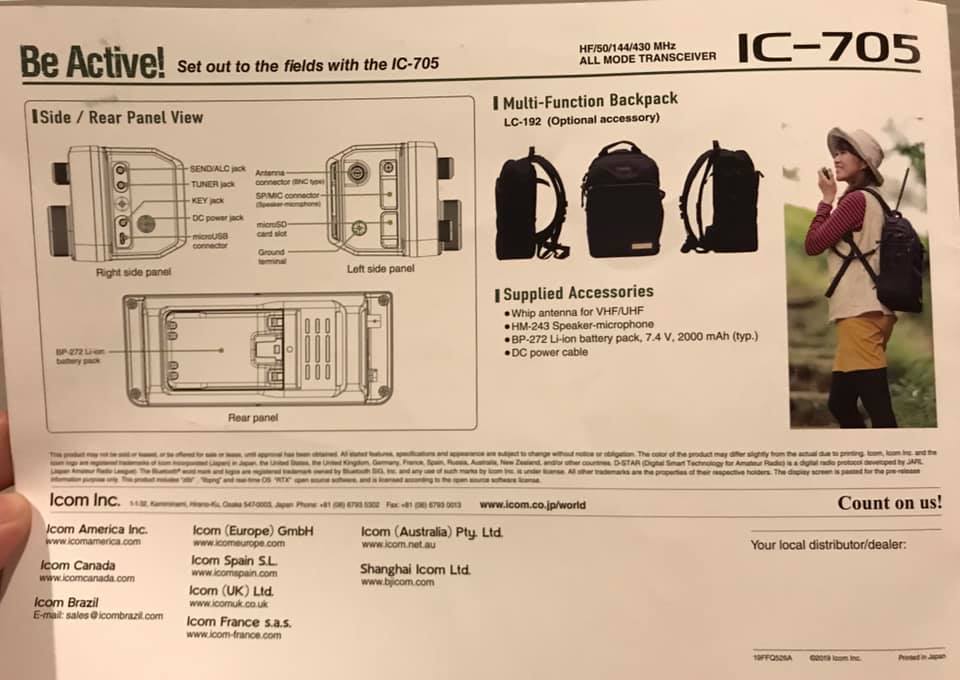
The Icom LC-192 backpack (Source: Universal Radio)

Let’s just hope the IC-705 performs as well as its larger siblings and that its price is competitive.

Again, I plan to review the IC-705 once it’s released and in production. Both pricing and shipping are yet to be announced. Follow the tag IC-705 for updates.

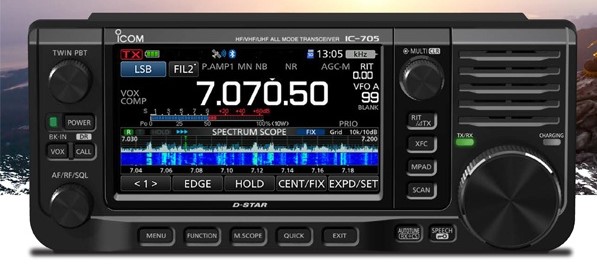
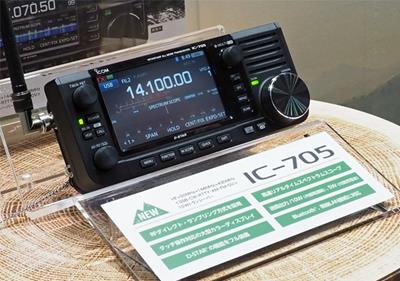
The new Icom IC-705 QRP portable, backpackable transceiver

This weekend at Tokyo’s Ham Fair 2019, Icom announced an innovative transceiver to their line-up: the Icom IC-705 QRP transceiver.

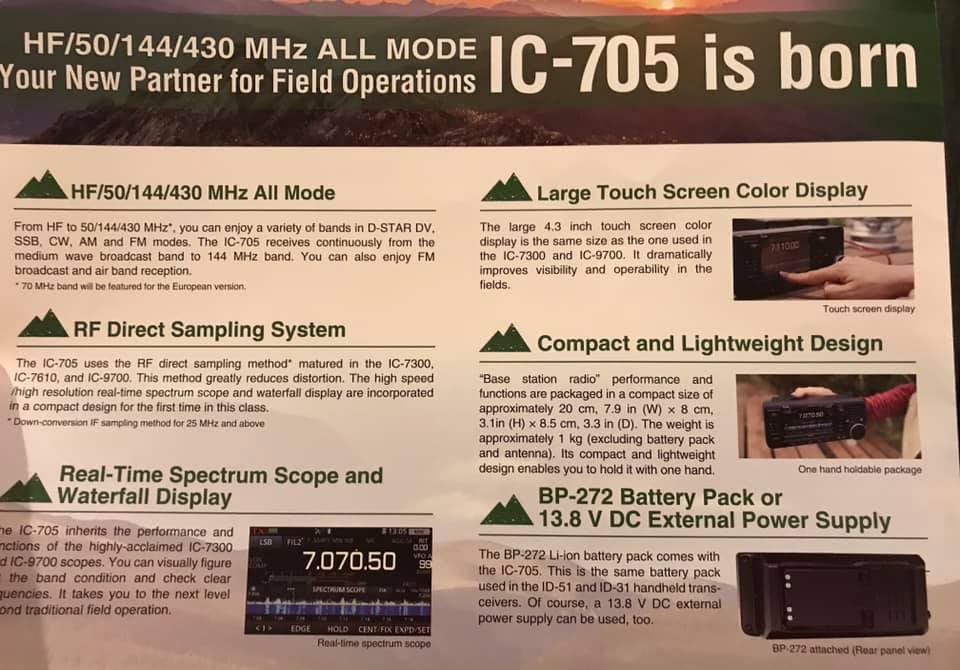
The IC-705 introduces several industry firsts for a backpack portable radio:

  • It uses the same BP-272 Li-ion Battery pack as the ID-51 and ID-31 series D-Star handy talkies. To my knowledge, this is the only HF transceiver that uses battery packs that can be swapped so easily in the field–like one would swap an HT battery pack
  • It has a general coverage receiver that spans a whopping 0.5 to 148 MHz
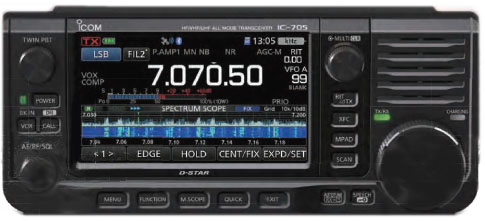
  • It sports a full color, touch screen with spectrum and waterfall displays
  • It includes the D-Star digital voice mode
  • A GPS receiver
  • Bluetooth connectivity
  • A MicroSD card slot for memory storage, screen captures and recordings

All of this appears to be included, not add-on options.

The only IC-705 omission, in my opinion, is an internal ATU (antenna tuner). Something I would have expected, but not a deal-breaker for those of us who could really benefit from the amount of features this radio offers.

Side and back panel view noting ports and connections.

There is no word yet on pricing or availability, but you can count on us to post these details once they’re available. If you would like to follow updates, bookmark the tag: IC-705

We will also review on the Icom IC-705 as soon as it’s available.

Video from Amateur Logic/Ham College

Ray Novak (N9JA) with Icom America did a live video interview with Amateur Logic/Ham College TV yesterday. The video includes a full announcement in English from the Icom Booth:

Click here to view on YouTube.

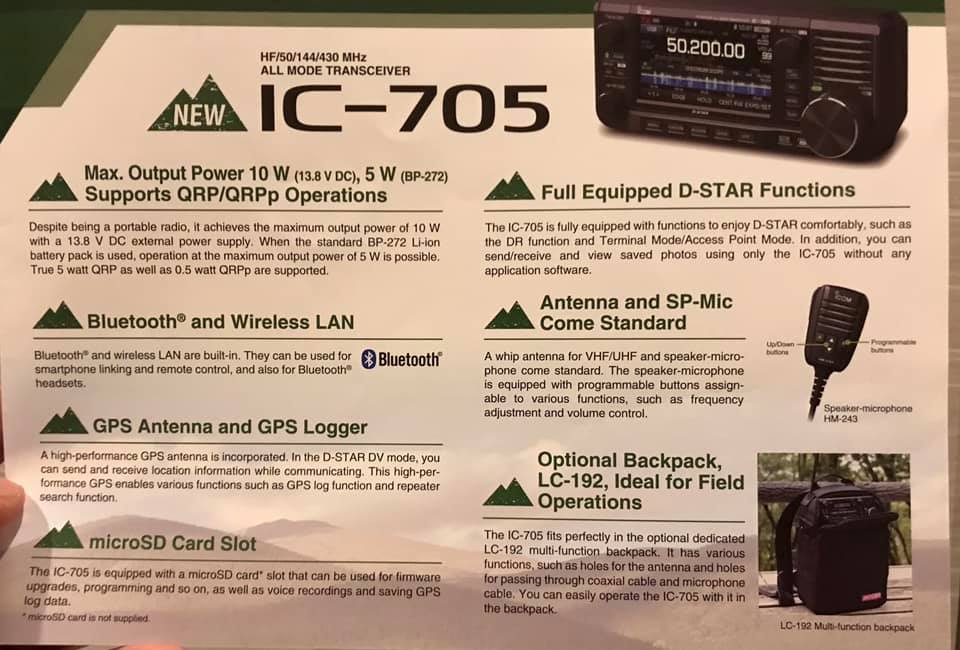
IC-705 Pre-Release brochure

Many thanks to Ray Novak for snapping a few photos of the pre-release brochure:

Update: click here to download the full IC-705 brochure. Hat tip to Dave Zantow!

A surprise from one of the “Big Three”

The “Big Three” transceiver manufactures–Icom, Yaesu and Kenwood–have not shown a lot of interest in backpackable QRP radios over the past two decades.

By “backpackable” I mean QRP transceivers specifically designed for portable use in the field–radios that typically have built-in battery options, internal ATUs, and designed to be lightweight shack-in-a-box units.

Yaesu introduced the FT-817 almost twenty years ago and it lives on today (with modest upgrades) as the FT-818. Kenwood has no portable/backpackable HF QRP radio at this point.

I bet the IC-705 is being introduced today because Icom sees a strong market among field-portable operators who enjoy travel and outdoor radio activities like SOTA (Summits On The Air) and POTA (Parks On The Air).  In addition, many ham radio operators live in neighborhoods that are either plagued with radio interference (RFI) or don’t allow antennas to be installed outdoors. Portable radios liberate ham radio ops from their shacks and allow them to set up a station far away from noise or home owner’s associations.

Looking forward…

Again, I’ll be in touch with Icom about the IC-705 and will share updates here when they’re available. I’m looking forward to evaluation this rig when it hits the market!


Do you enjoy the SWLing Post?

Please consider supporting us via Patreon or our Coffee Fund!

Your support makes articles like this one possible. Thank you!

The Ham Radio Workbench 12 VDC Power Distribution Strip Kit

I had a number of important plans and goals yesterday which I conveniently set aside to build kits instead. Have you ever had one of those days?

Building kits is a little like therapy for me. I find it relaxing, fun, and it gives me an opportunity to tune out everything else in the world while that soldering iron is hot.

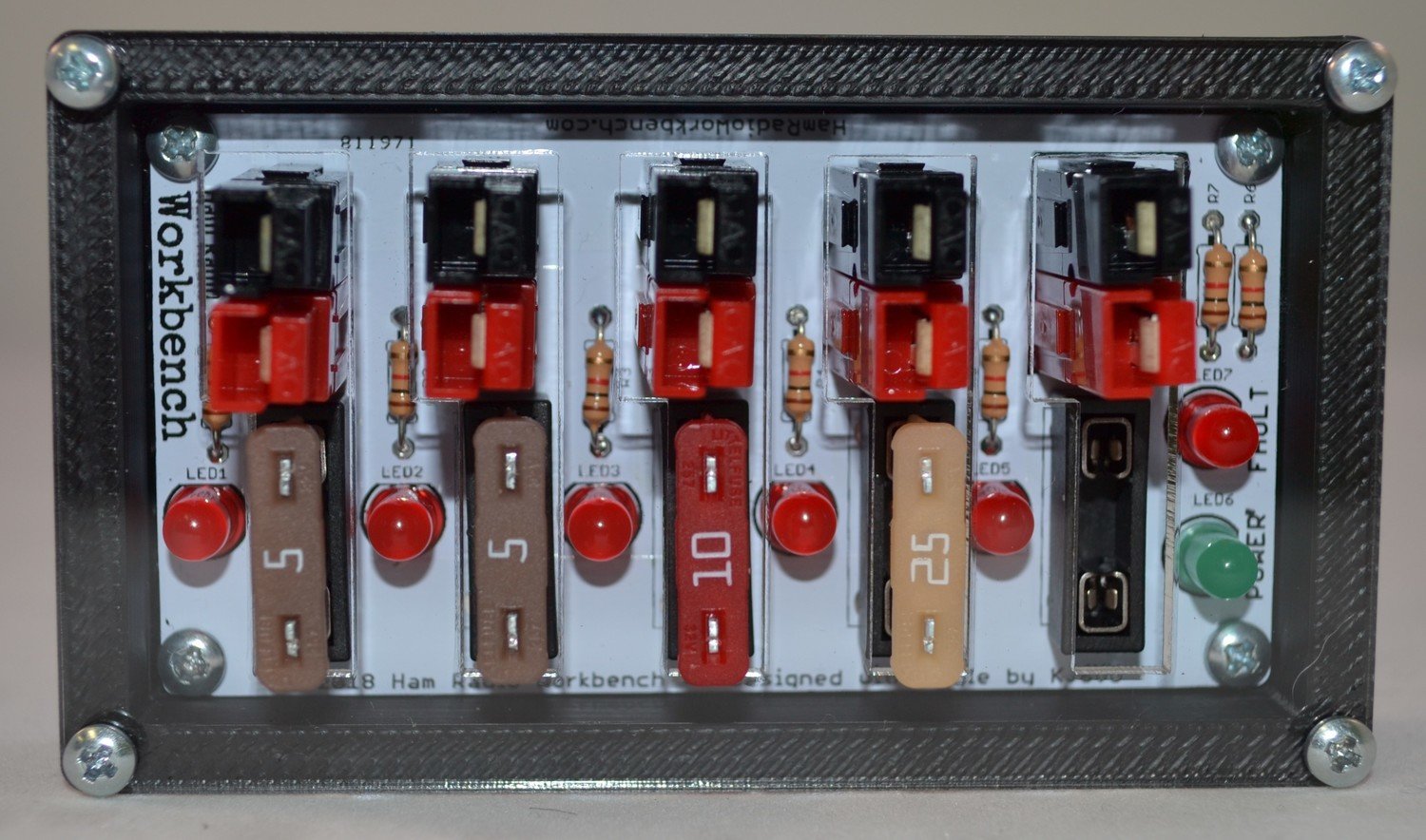
The first kit I built was one I purchased this year at Hamvention: the Ham Radio Workbench 12 VDC Power Distribution Strip.

I’ve been on a search for two types of fused Anderson Powerpole distribution panels: a portable one for the field with at least 4 ports, and a large one for the shack with 12-16 ports and at least two USB 5VDC ports.

Sadly, there is no large one on the market that I would like right now. I checked every vendor at Hamvention and the Huntsville Hamfest this year and while there are large panels available, none of them have USB ports. That and the price for a 12-16 position DC distribution panel can easily exceed $120.

As for the small panels for field use, many of them are a bit too bulky and pricey. The inexpensive ones lack individually fused ports.

My buddy Dave (K4SV) knew I was on the hunt, so at Hamvention he directed me to the Ham Radio Workbench podcast table. There, I found the ideal portable solution in kit form.  And the price?  A whopping $25.

Take my money!

Yesterday, I built the kit in near record time. It went together so fast, I forgot to take progress photos.

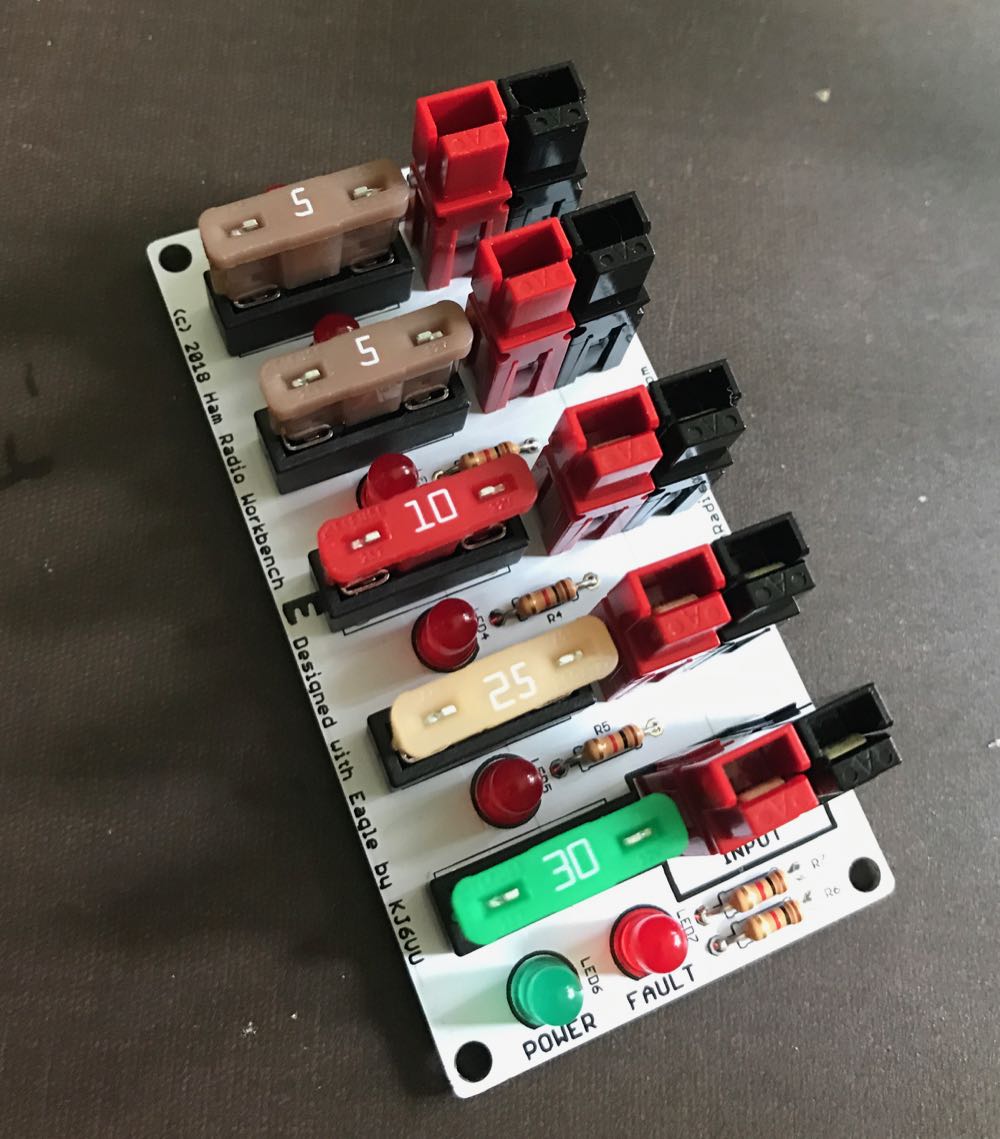
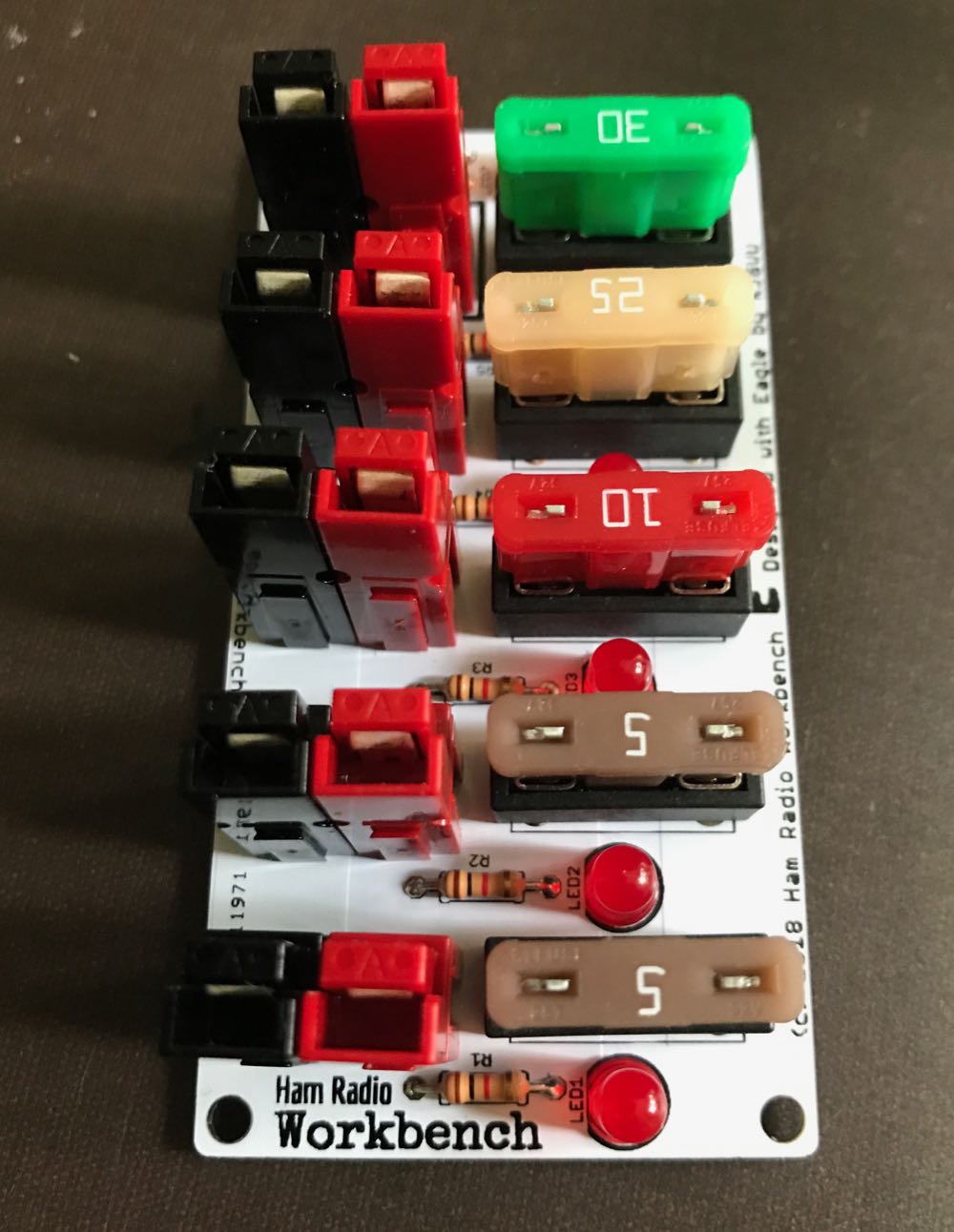
What I love about this DC distribution kit is it actually has more features than other products on the market:

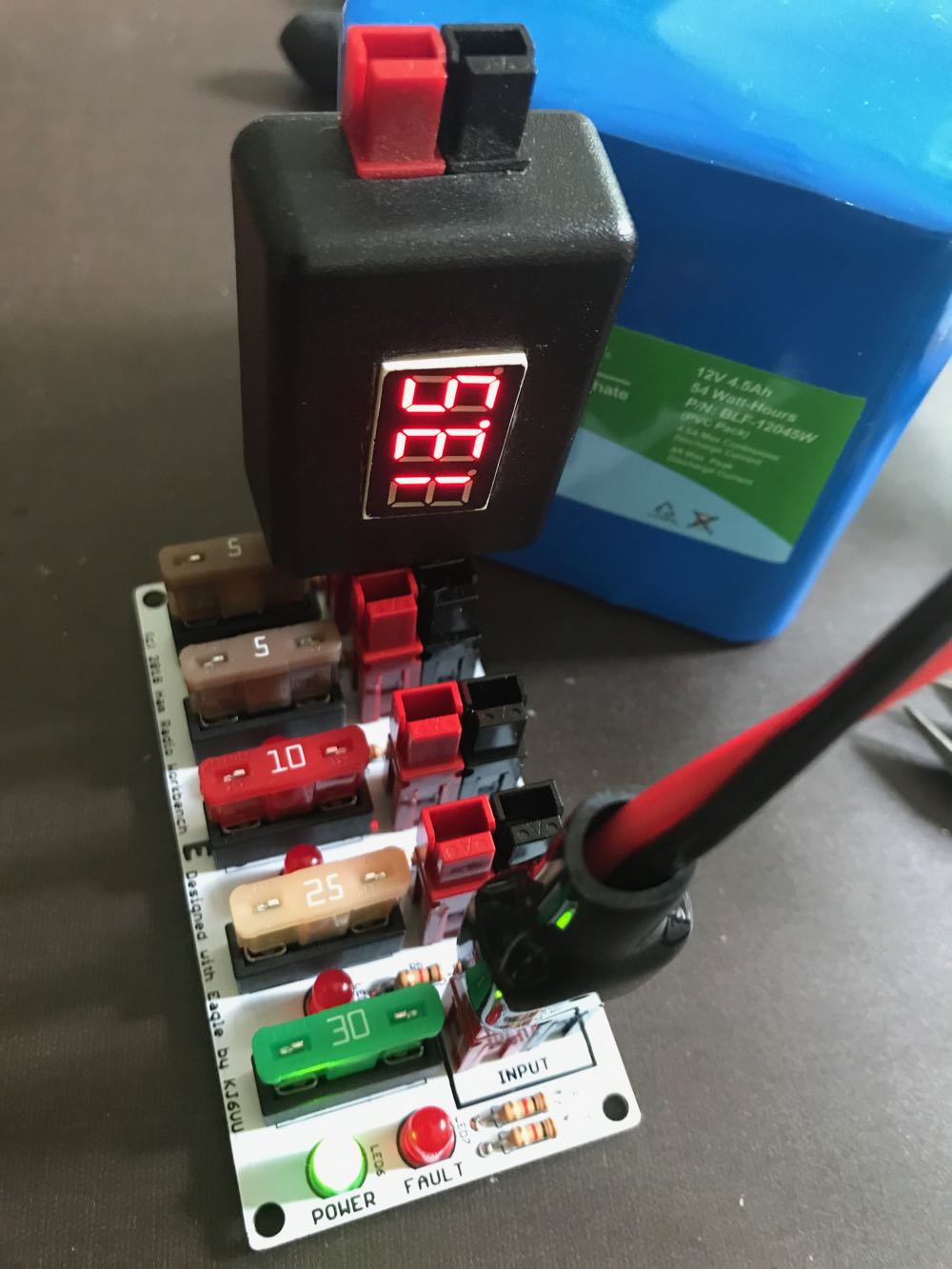
  • There’s a green LED to indicate power has been applied to the panel and a red LED to indicate any faults
  • Each position is individually fused with standard blade fuses
  • Each position also has a red LED to indicate if the fuse has blown

I also love the size and configuration.

The kit does not come with an enclosure or base of any sort, so I had planned to simply attach it to a dielectric plate to prevent the bottom of the board from shorting on a conductive surface.

This morning, however, I discovered a 3D-printed enclosure from Rocket City 3D:

This enclosure protects the entire panel on all sides so I’ll be able to throw it in my backpack and not worry about the connectors snagging on other items. The price is a reasonable $12 shipped. Done!

This little DC panel pairs well with the 4.5 aH Bioenno Lithium Iron Phosphate battery I purchased on sale at the Huntsville Hamfest. Together, they’ll power the portable SDR system I’m putting together. More on that in a future post! Stay tuned!

Click here to check out this kit at HamRadio Workbech. It’s currently out-of-stock, but you might contact HRW and see if a future run is in the works. Click here to check out the custom enclosure from Rocket City 3D.

UPDATE: I understand Ham Radio Workbench may eventually print the circuit boards for this project. In the meantime, another affordable option I’ve used is this pre-built panel from Electro Sales on eBay: https://ebay.us/UyJPkh


Do you enjoy the SWLing Post?

Please consider supporting us via Patreon or our Coffee Fund!

Your support makes articles like this one possible. Thank you!

AirSpy HF+ vs. HF+ Discovery: Ivan’s blind daytime propagation comparison

Many thanks to SWLing Post contributor, Ivan NO2CW, who shares the following:

I did this video where I compared the two Airspy editions [HF+ and the new HF+ Discovery] only calling them Receiver 1 and Receiver 2:

Click here to view on YouTube.

Using the same W6LVP loop. 3 PM local time daytime propagation. Testing on Medium Wave and Short Wave, no VHF. AM broadcast signals only.

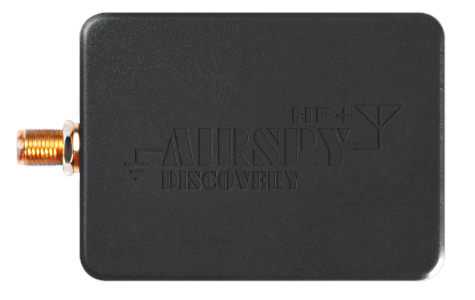
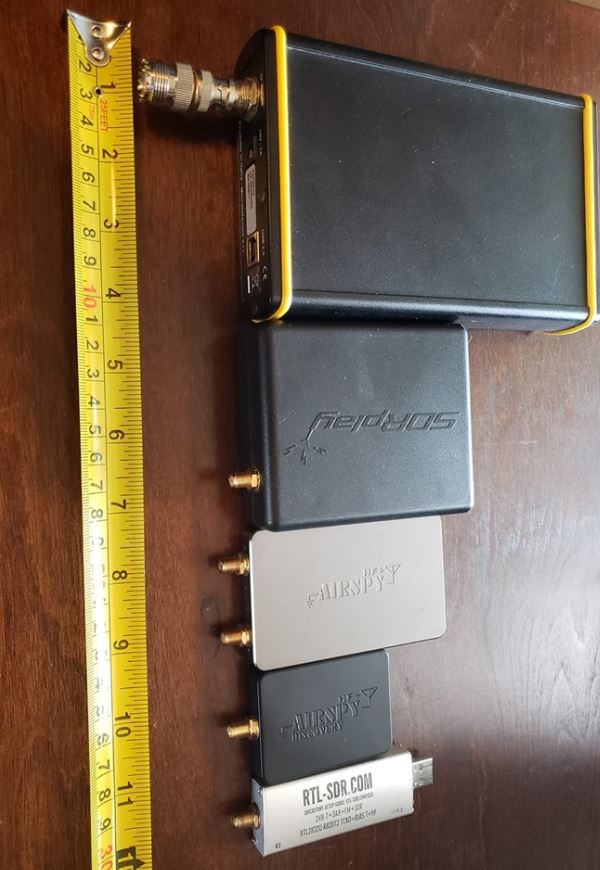
Ivan also included an image comparing the size of the HF+ discovery with other popular SDRs:

From top to bottom: the Microtelecom Perseus, SDRplay RSP, AirSpy HF+, Airspy HF+ Discovery, and the RTL-SDR.com SDR dongle. 

When I demo the AirSpy HF+ to radio clubs, folks are amazed that such a tiny SDR can provide benchmark performance. It’s hard to believe the HF+ Discovery might even provide more performance from an even smaller package!

Thanks, Ivan for sharing these comparisons!

A review of the Sangean PR-D17 portable AM/FM radio for the visually impaired

Photo of the Sangean PR-D17 AM FM Radio while tuned to 96.1 FM and showing RDS backlit display

Many thanks to SWLing Post contributor and producer, Peter Atkinson, who shares the following review of the new Sangean PR-D17 AM/FM radio:


Sangean PR-D17 review

by Peter Atkinson

I’ve been visually impaired all my life and a radio enthusiast for over 40 years.  I was intrigued when I learned that Sangean was offering a radio for the visually impaired.  I purchased one, and wanted to share my thoughts about the Sangean PR-D17 from the perspective of a visually impaired listener.

Photo of the PR-D17 box

For those readers who are mainly interested in the performance of this radio, please stay tuned, while I talk a moment about the features geared to the visually impaired.

Photo of the radio manual.

First of all: the manual, [see photo above] while it is comprehensive (as most from Sangean are), it is odd that it’s printed in the smallest type I’ve seen from this manufacturer.

Image of the PR-D17 tactile preset keys with Braille.

The yellow controls on a black radio are easily seen.  I like that the preset buttons on the bottom row of the front panel, are in Braille.  The raised symbols, however, on the upper row, may be too complicated to be easily discerned by touch alone.  The yellow-on-black motif, is reminiscent of my Sangean HDR-16.

When the 6 C batteries are first inserted, or AC power is connected, the radio announces that it has entered the setup menu.  The voice prompt menus (whose volume can be adjusted independently of the radios’ main volume but cannot be disabled) make setting up this radio somewhat straightforward.  The setup might have been easier, if the clock setting function was available as part of the menu system. The voice prompts are surprisingly comprehensive. The voice not only speaks the frequency, time & menu options, but will also tell you when something is connected to (or disconnected from) the AC input, headphone or AUX-IN jacks.

When the radio is turned on, it announces that the radio is on, the battery level & the frequency to which it is tuned.

When tuning, the voice gives the frequency at each change. It’s especially helpful when using the seek function, knowing where the next station was found.

Click here to download audio clip of tuning voice prompt.

When storing a station into a preset, the voice says exactly what frequency has been stored & at which present position.

Click here to download audio clip of tuning voice prompt.

The same information is given when recalling a preset. One quirk of the voice prompt, is that when announcing the time, it speaks full numbers (e.g. “twelve thirty-seven’), but when giving the frequency, each digit is spoken (e.g. “one two three zero” or “nine six point one”).

Click here to download audio clip of time voice prompt.

Finally:  Tuning time.  

Image showing that the HDR-16 and PR-D17 are identical in size.

Comparing the Sangean HDR-16 with the PR-D17

This radio is the same cabinet as the HDR-16.  Aside from the voice prompts, it operates similar to the PR-D5.  Therefore, I’m comparing its performance to that model. Like the PR-D5, the AM tuning steps can be set for 9 or 10KHz, but the FM tuning steps are fixed at 100KHz (0.1MHz).

Image showing right side of radio.

There are 5 presets per band. The display also shows RDS information for any FM station that transmits RDS. The clock can be set from the RDS signal, as well.  I’ve found several stations, in my area, that are sending the wrong time.

Audio

The sound from the twin 2-1/2” speakers is very balanced.  The bass is substantial, but not overpowering. The highs are good for definition, without being too brassy.  There are no provisions for customization, though.

Image showing left side of radio.

There is a 3.5mm AUX-IN jack for connecting an external sound source, such as an MP3 player or smartphone.

AM

While the AM sound is a bit muffled for my taste (the bandwidth cannot be changed) it makes for excellent selectivity.  There was no hint of my nearby 50KW 620, on 610 or 630. Like many Sangean radios, the noise floor is very quiet. The long 200mm internal ferrite bar antenna does a superb job at snagging those weak stations.  I was able to get a noisy, but readable signal on a 50KW station on 700, at 350 miles, during the day. That one is my benchmark for a great DX machine. The top end of the band is no slouch, either. Another benchmark station (10KW 1690 at 75 miles) came in loud and clear.  The long ferrite antenna also helps to better null unwanted signals. This is a greater benefit for nighttime DXing.

FM

The PR-D17’s performance on FM is stellar.  It has shown to be very sensitive, pulling in stations as well as my PR-D5 & PR-D9W.  I easily hear FMs at 60 miles. The selectivity is also amazing. I can listen to stations on 95.9 & 96.3, with a 6KW station on 96.1 less than 10 blocks from my window.  Even though the PR-D17 pulls in those weak stations with ease, it requires a stronger signal to receive stereo.

Close up of RDS display

The RDS is quick to display station information. It starts off by showing the 8-character PS information of the RDS signal, then switches to the scrolling display of the RT segment.

Summary

Overall, I am very happy with the Sangean PR-D17.  It is a superior radio, now with the added benefit of voice prompts.  Hopefully, this will alleviate some of the annoyances visually impaired listeners may have with operating a digitally-tuned radio.


Thank you so much for sharing your review, Peter and thank you for being an SWLing Post producer!

It looks like the Sangean PR-D17 is an excellent choice for those radio listeners who would appreciate voice prompts, high contrast controls and tactile keys. I’m also happy to hear you rate AM selectivity as excellent. When radios only have one chosen bandwidth, I’d rather give priority to selectivity than audio fidelity for the purposes of nighttime AM DXing. 

Sangean PR-D17 retailers:

QRPGuys Active Antenna Splitter Kit

Many thanks to SWLing Post contributor, Eric McFadden (WD8RIF), who shares the following announcement from Ken (WA4MNT) via the QRP-L forum:

QRPGuys is open for orders after this year’s Summer shutdown. We have  added a product that may be of special interest to SWL listeners and some hams. It is an active antenna splitter that will enable connection to three receivers from a single antenna.

Product Deescription:

The KN8TND Active RX Antenna Splitter will allow you to use one antenna with mulitple HF receivers simultaneously. Many hams and SWLers like to monitor several bands and/or frequencies, i.e. 14.300, international nautical emergency freq, 14.100, world HF beacons, etc, etc. Having two or three HF receiving antennas is a luxury some Hams and SWLers can’t afford. With the active receiver antenna splitter you can use one antenna and three receivers at the same time. Keep abreast of what’s going on on the bands, put some of those dust collecting receivers back in action. On a difficulty scale of 1 to 5, this kit is a 2. Build time is about 2 hours, depending on your experience, with the normal kit tools. Bear in mind, this is for receiving only. For HF transceivers you would need a T/R switch to your tuned transmitting antenna.

Come by and see it at:
https://qrpguys.com/k8tnd-active-antenna-splitter

QRPGuys makes amazing QRP kits. Immediately after receiving Eric’s email, I purchased the active antenna splitter kit. Total cost with shipping was $25 US. A true bargain! Although I already have an ELAD Active antenna splitter, this one would be nice to take to the field as it’s much smaller and lighter weight.

Click here to check out the new Active Antenna Splitter at QRPGuys.