Category Archives: Nostalgia

Photos from the VOA Bethany Museum

VOA-Bethany- - 1 (1)

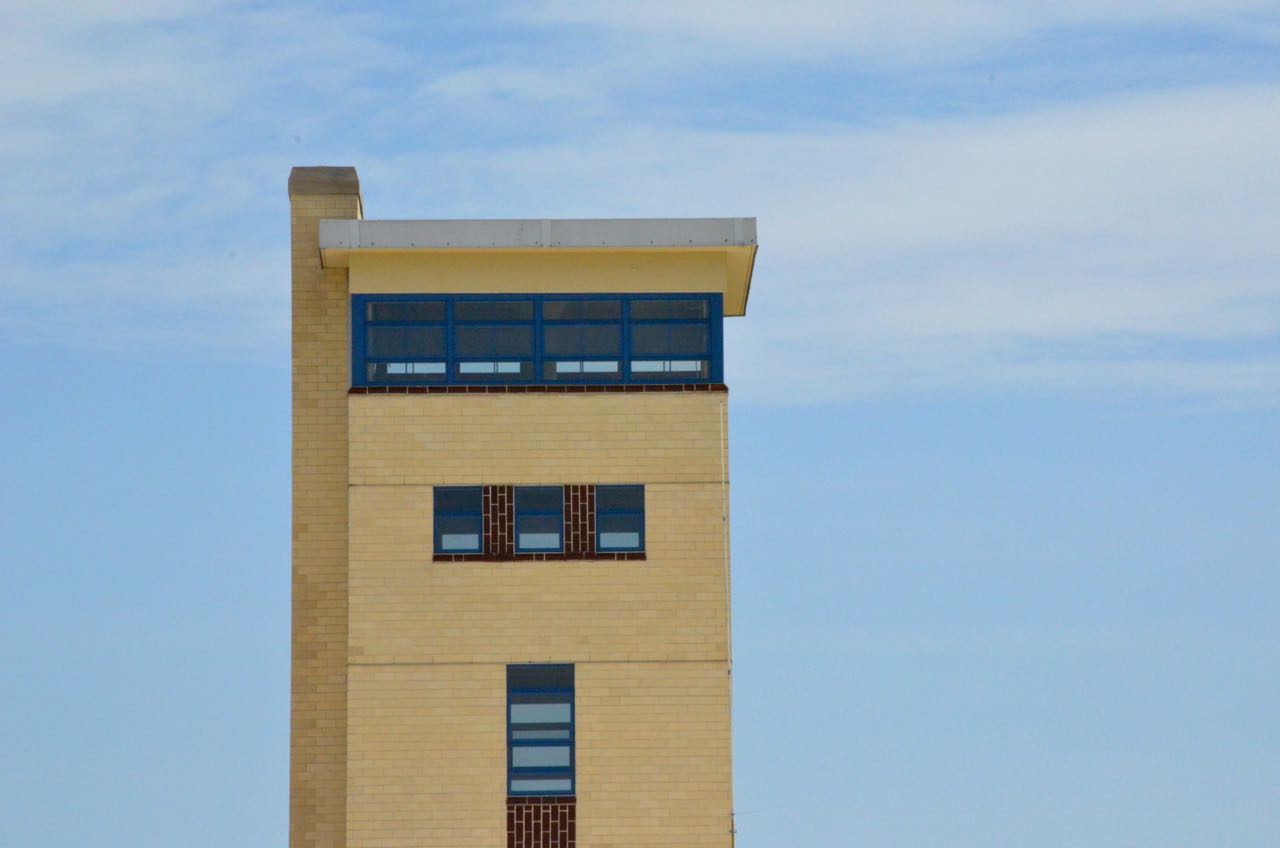
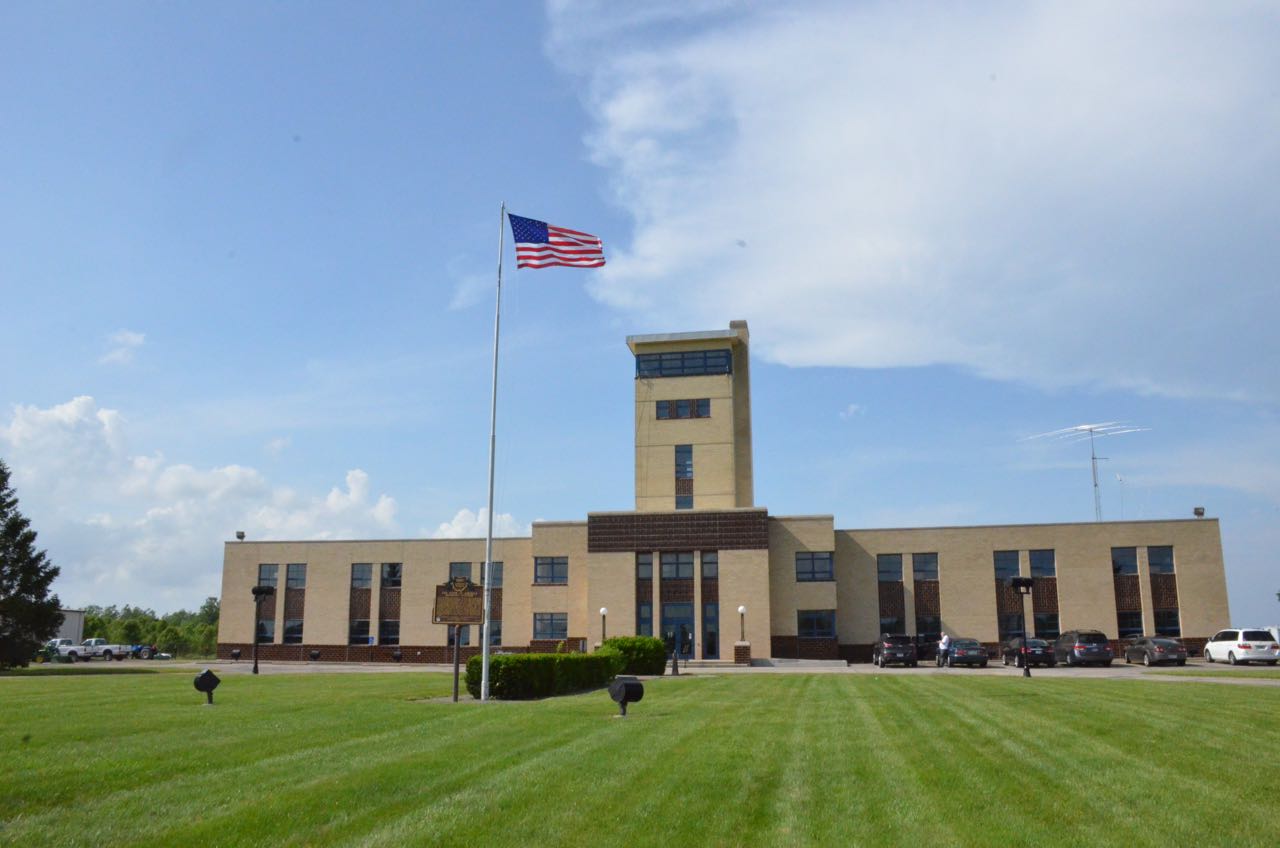
Immediately after packing up our table at the Dayton Hamvention, my buddies Eric (WD8RIF), Miles (KD8KNC), and I made the 30 minute journey to Bethany, Ohio, to visit the VOA Bethany museum.
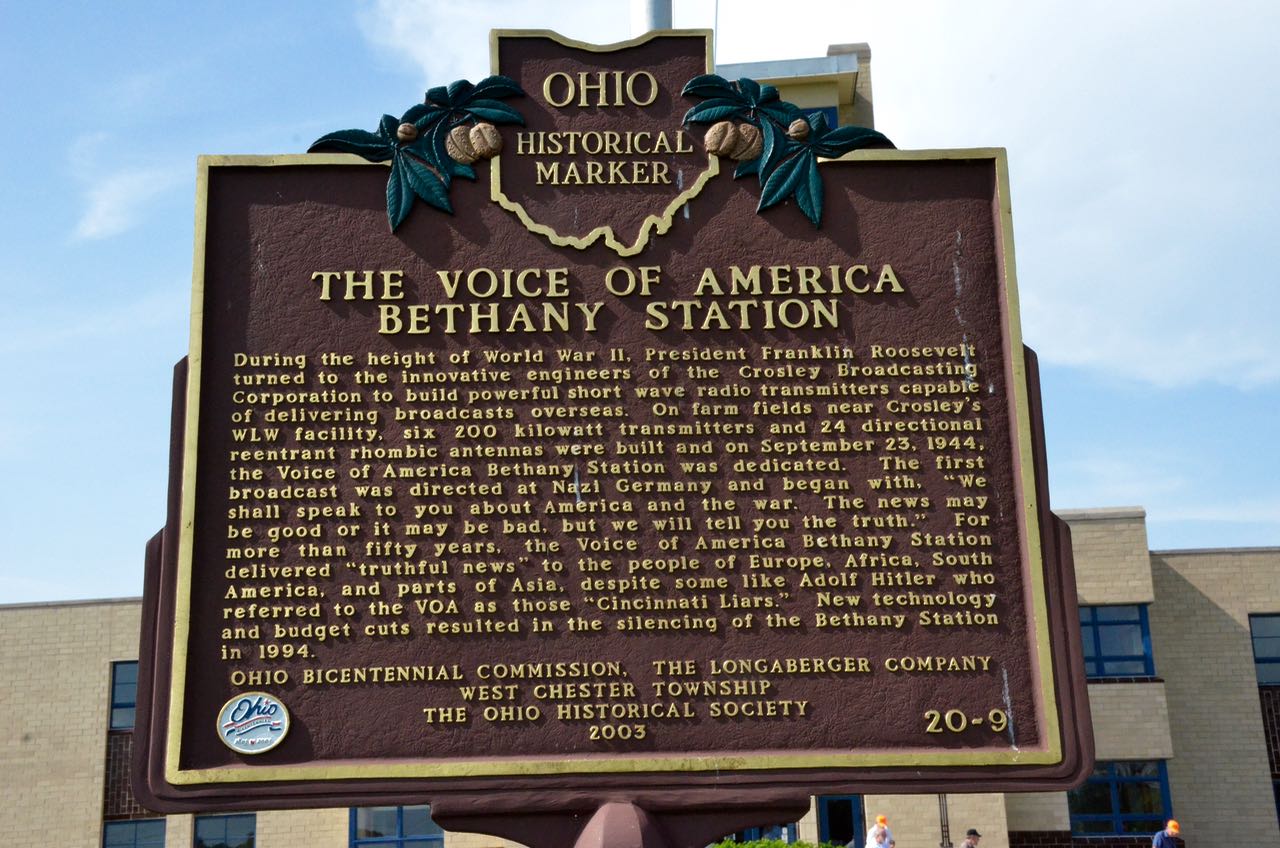
VOA-Bethany- - 1 (2)

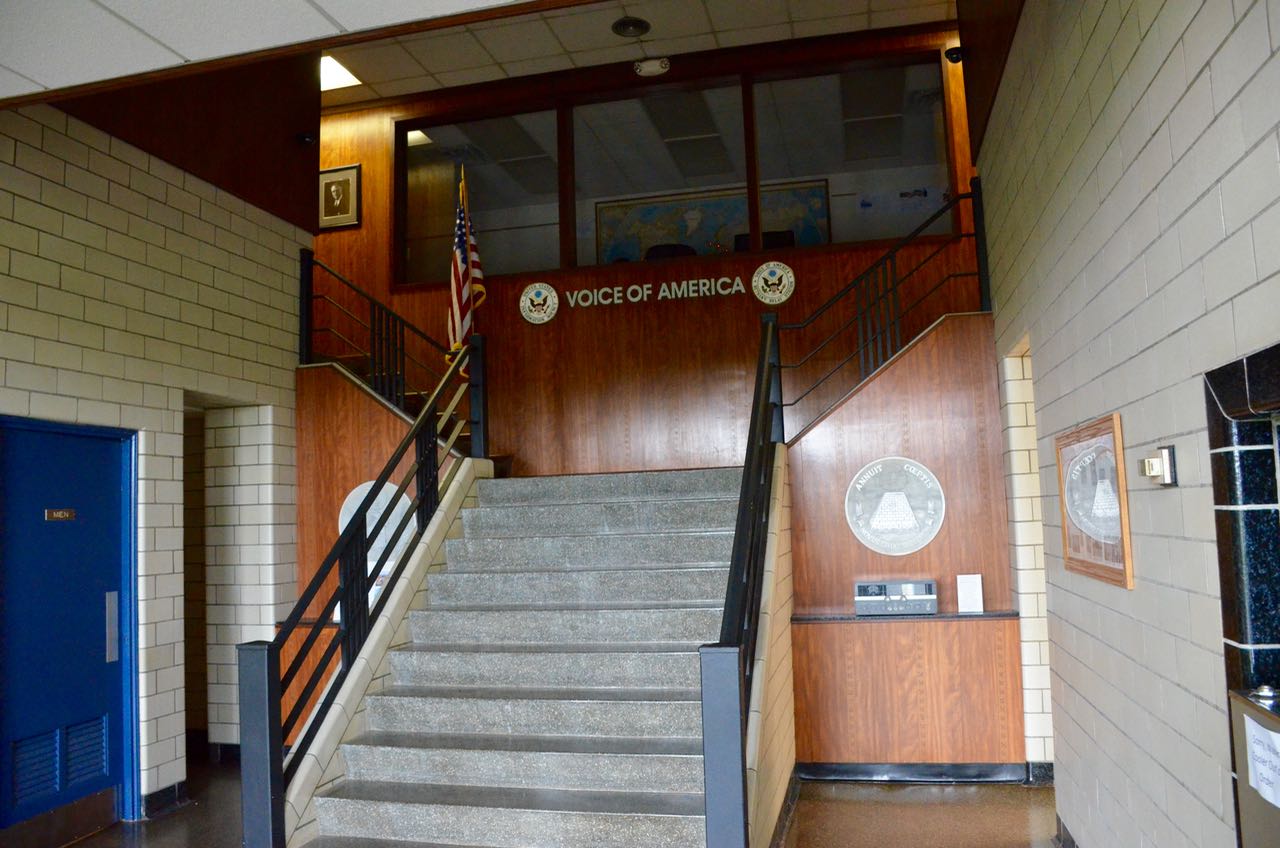
VOA-Bethany- - 1 (35)

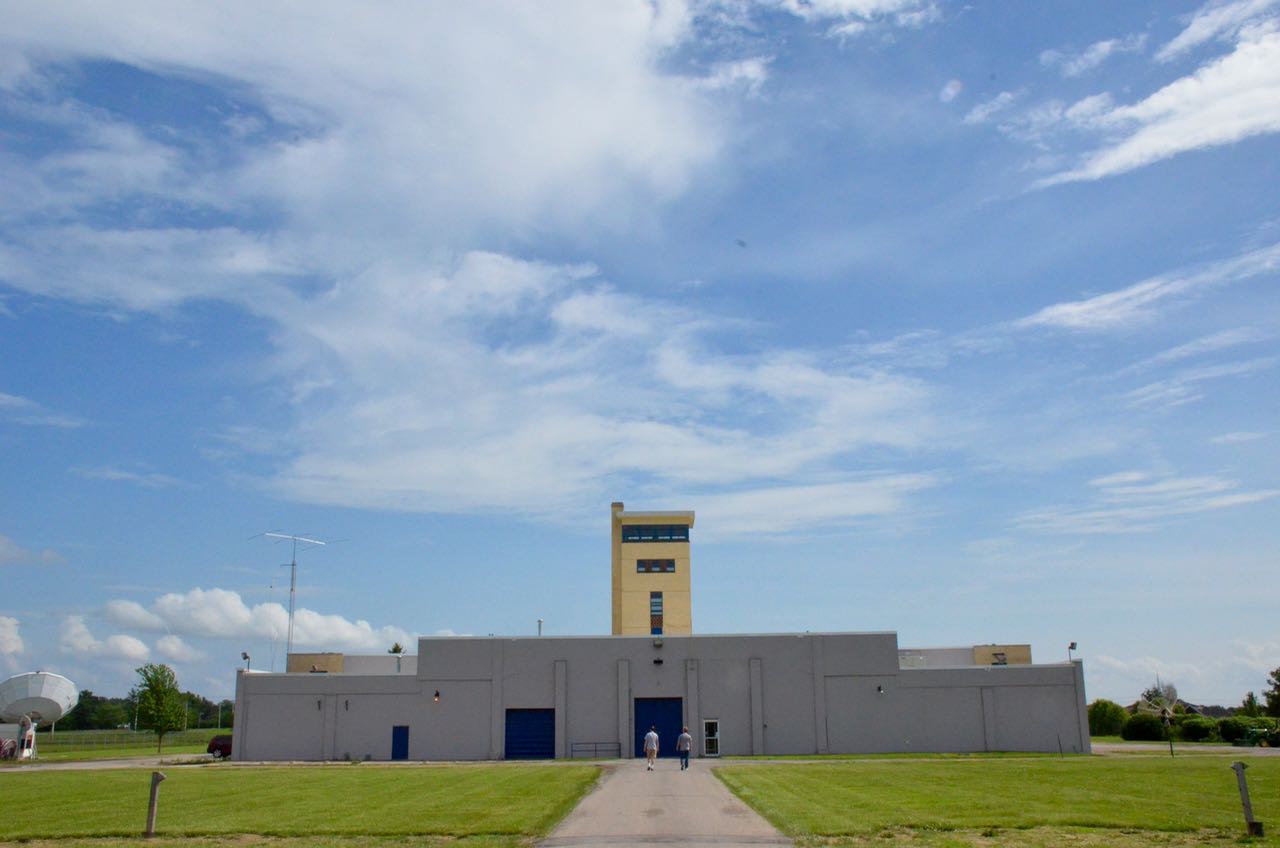
Main entrance and front lobby (above).VOA-Bethany- - 1 (34) VOA-Bethany- - 1 (3)

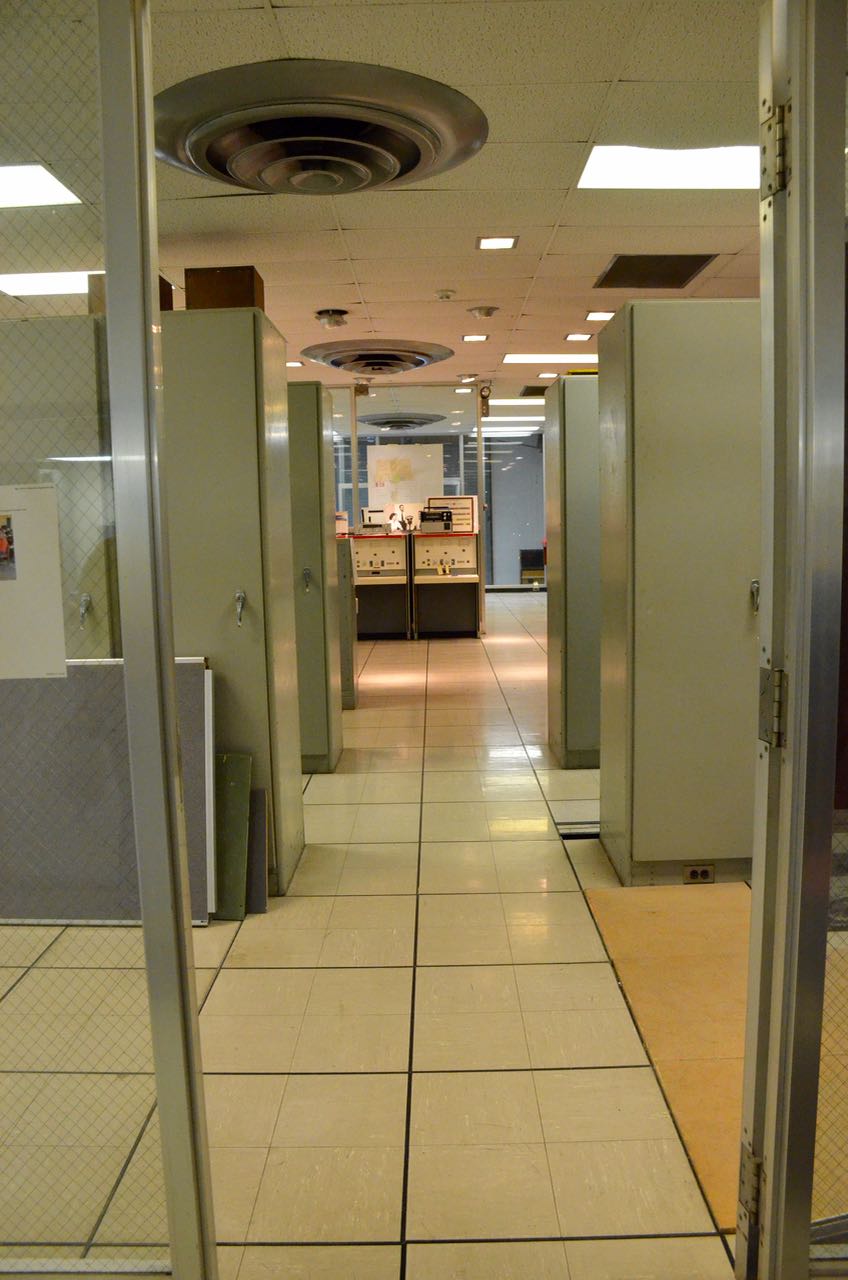
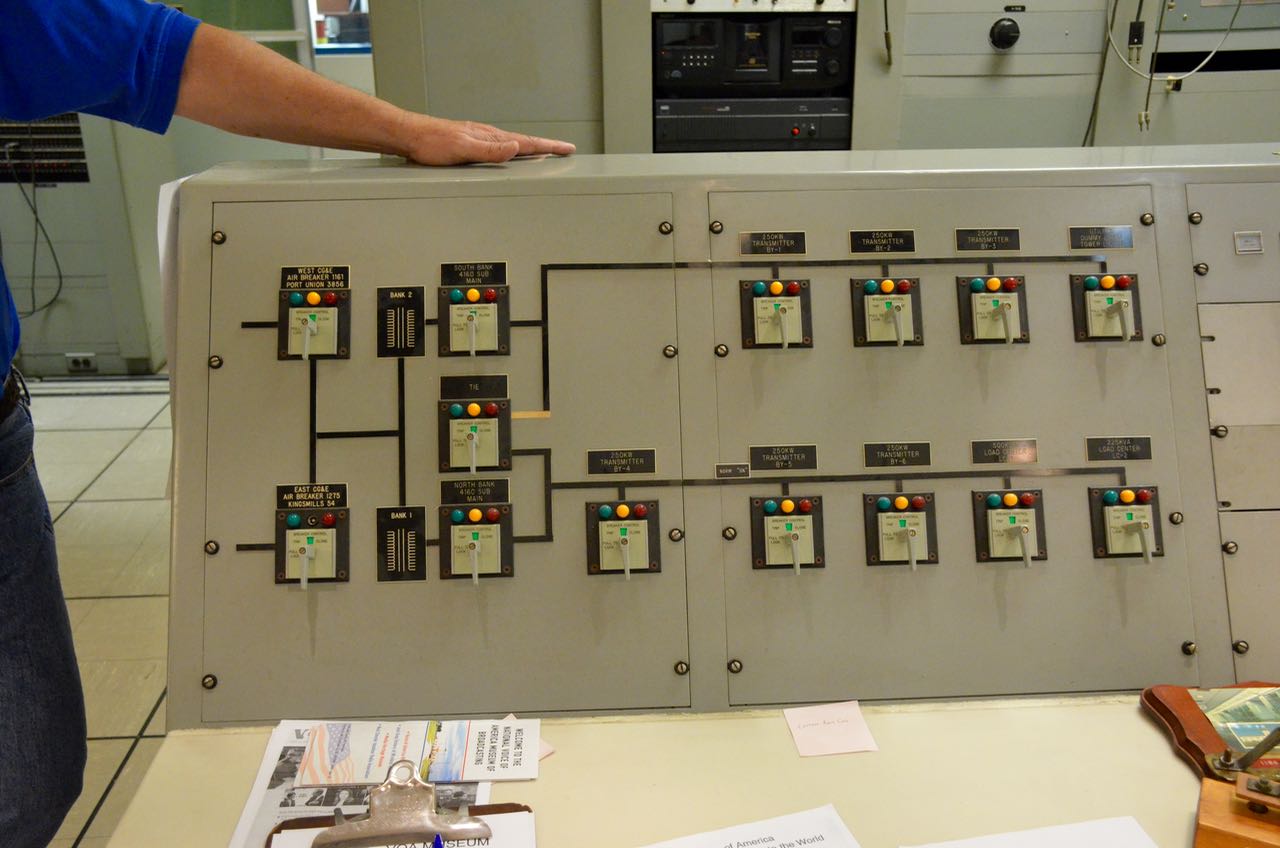
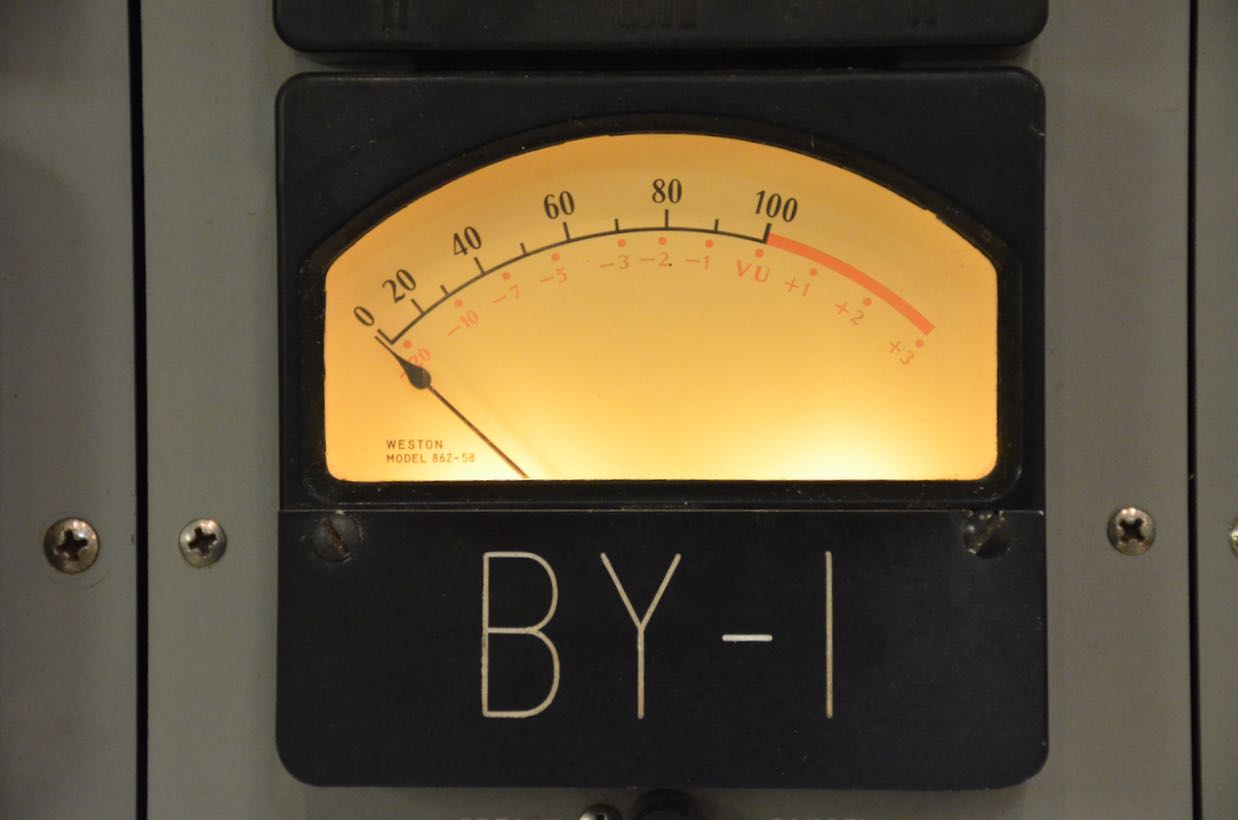
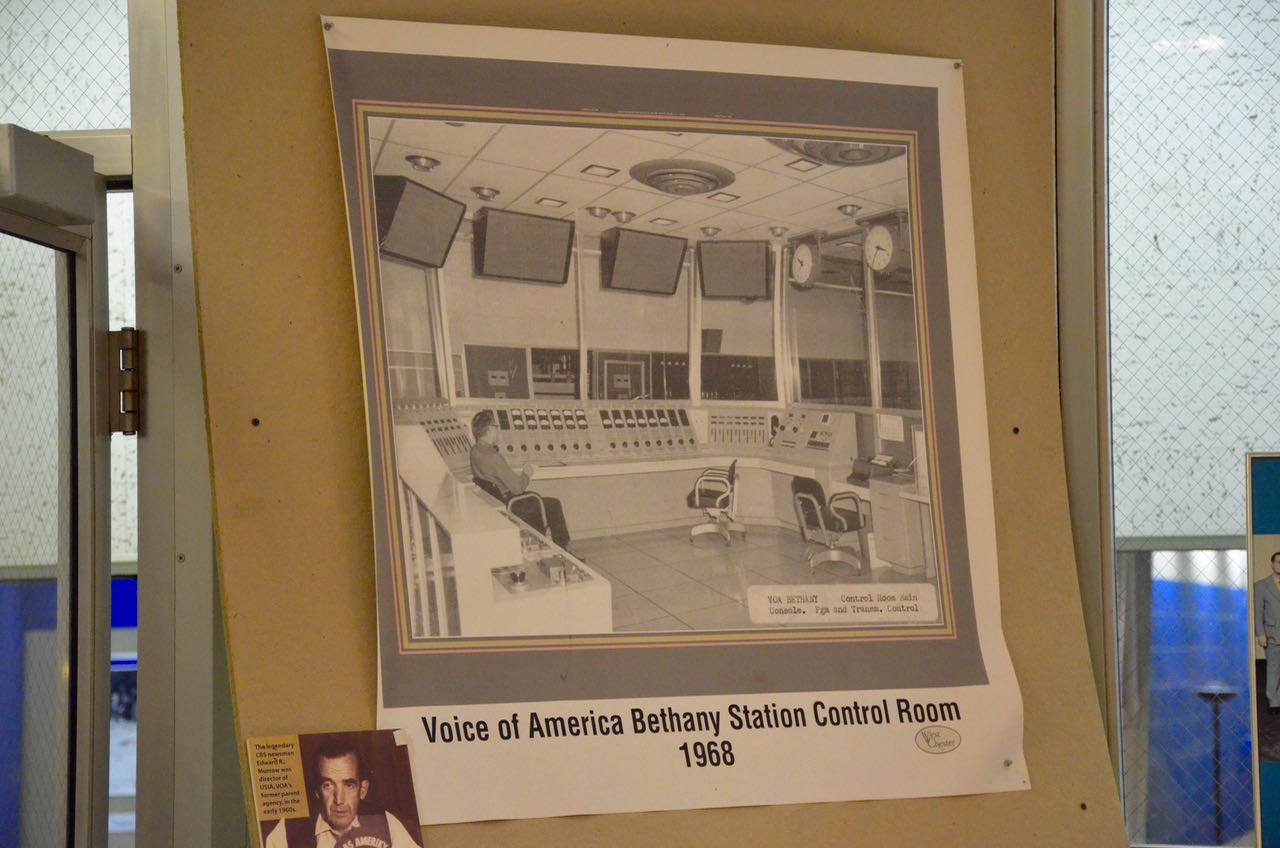
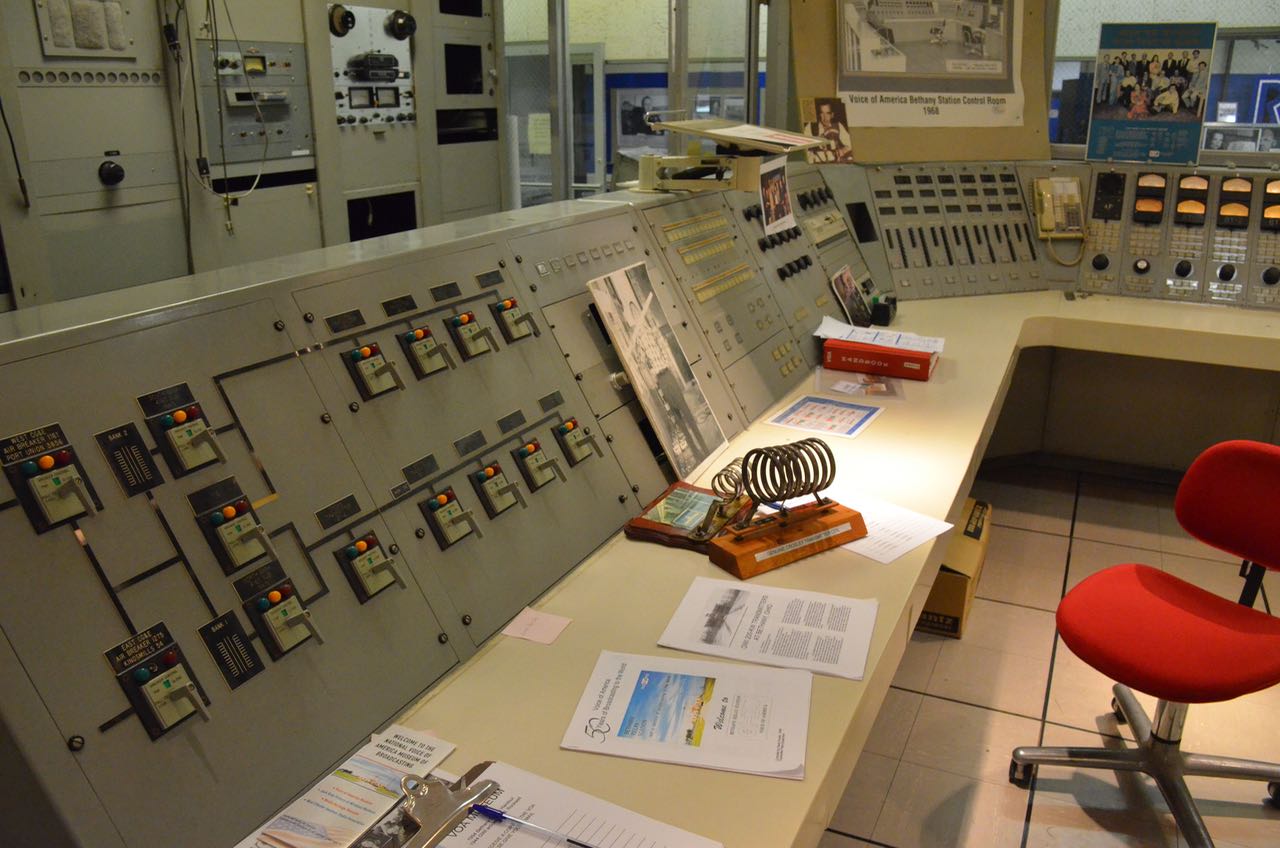
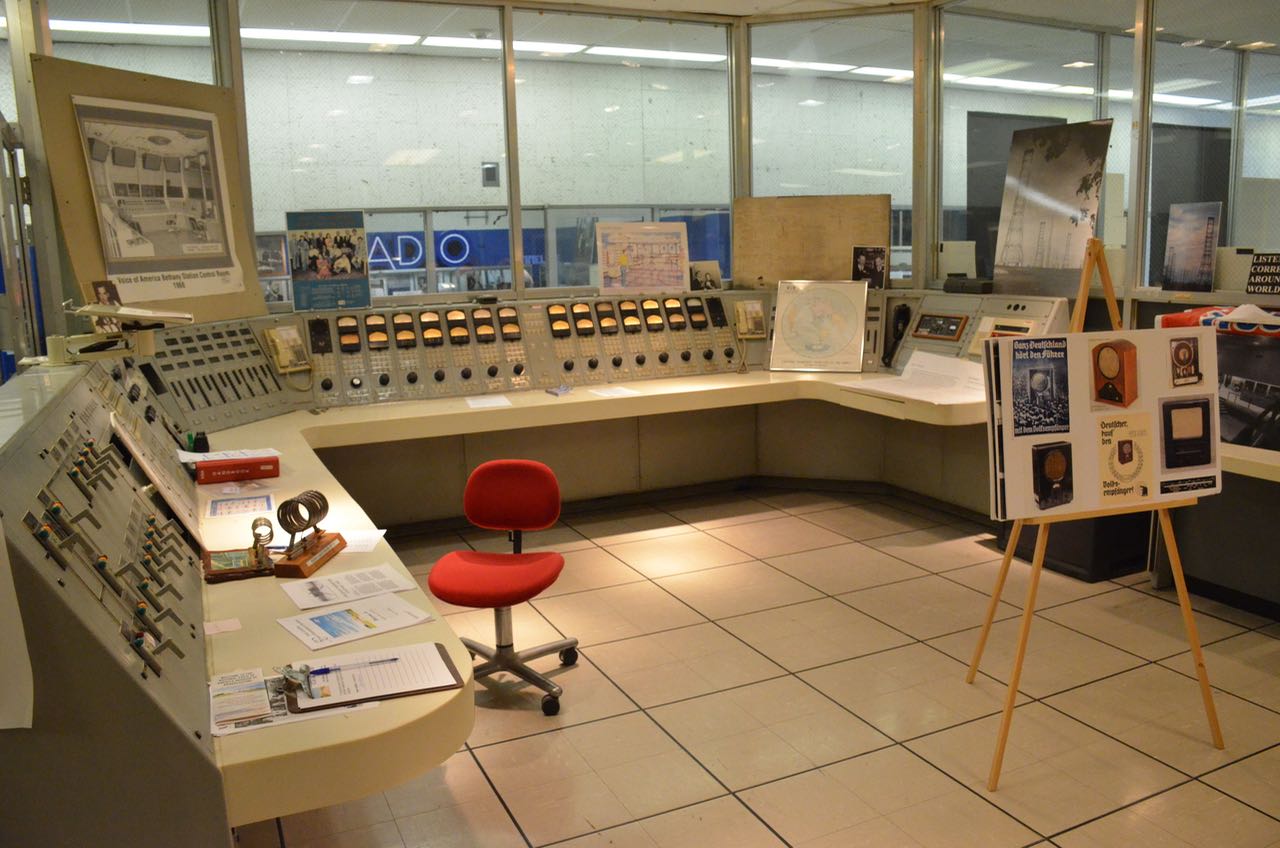
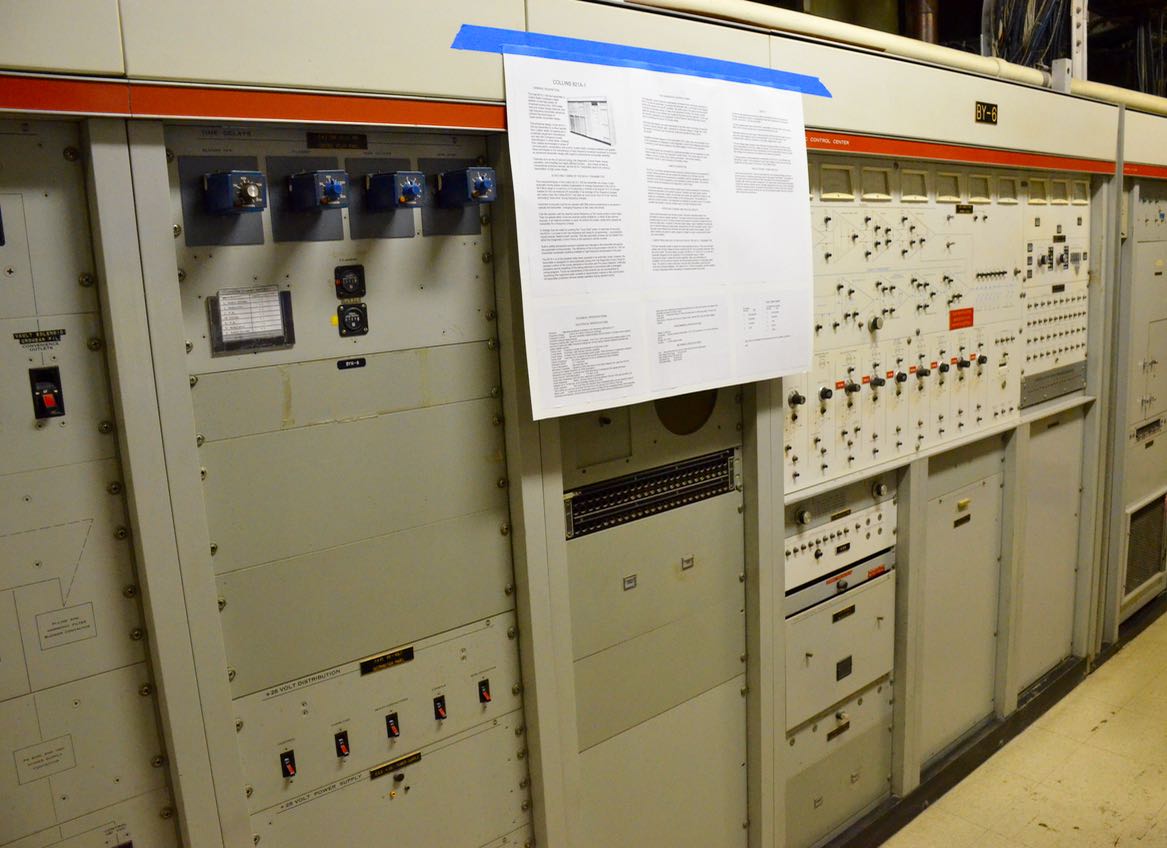
Entering the transmitter control room.

VOA-Bethany- - 1 (13) VOA-Bethany- - 1 (14) VOA-Bethany- - 1 (15) VOA-Bethany- - 1 (16) VOA-Bethany- - 1 (17) VOA-Bethany- - 1 (18)

VOA-Bethany- - 1 (28)Eric pointed out an article on the future of shortwave radio I published last year that the museum has posted in the hallway next to the control room (above).  What an honor!
VOA-Bethany- - 1 (19)

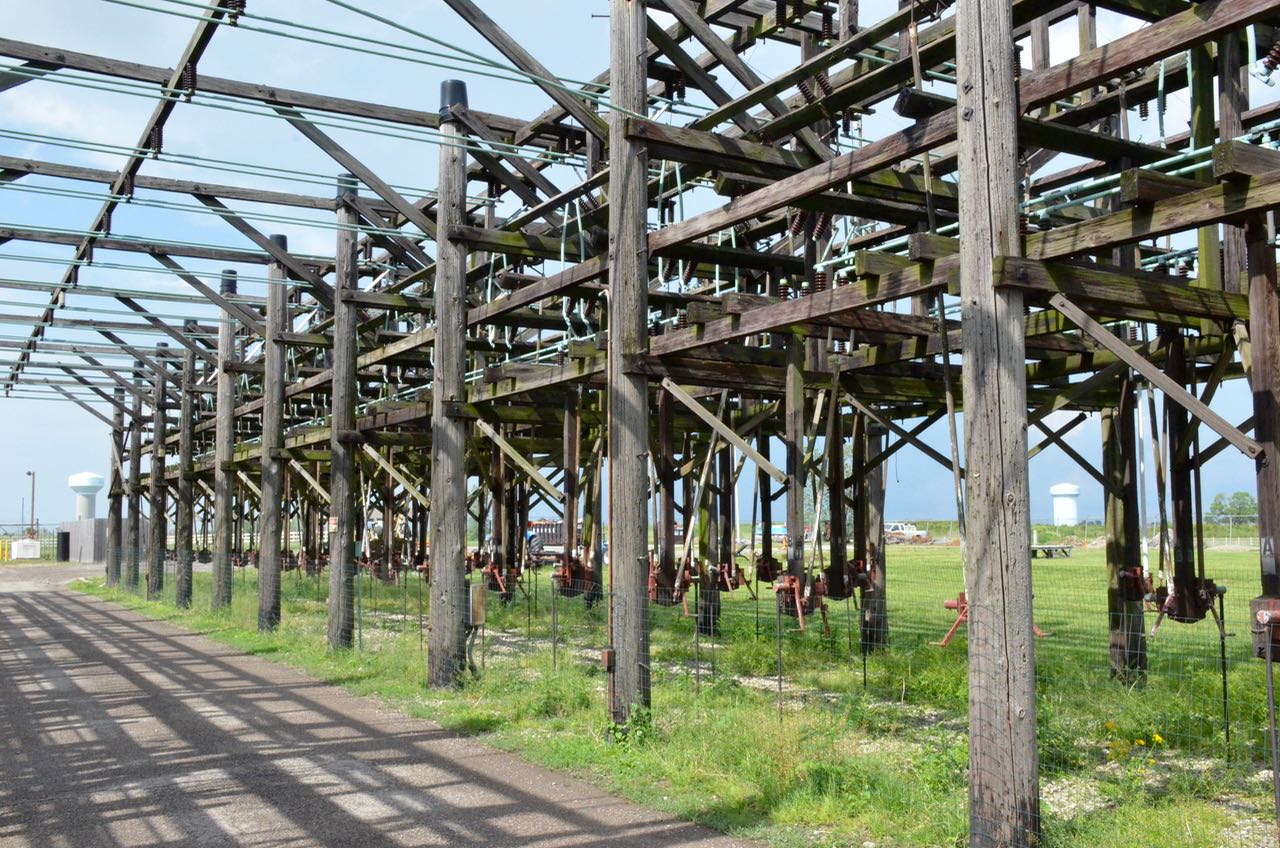
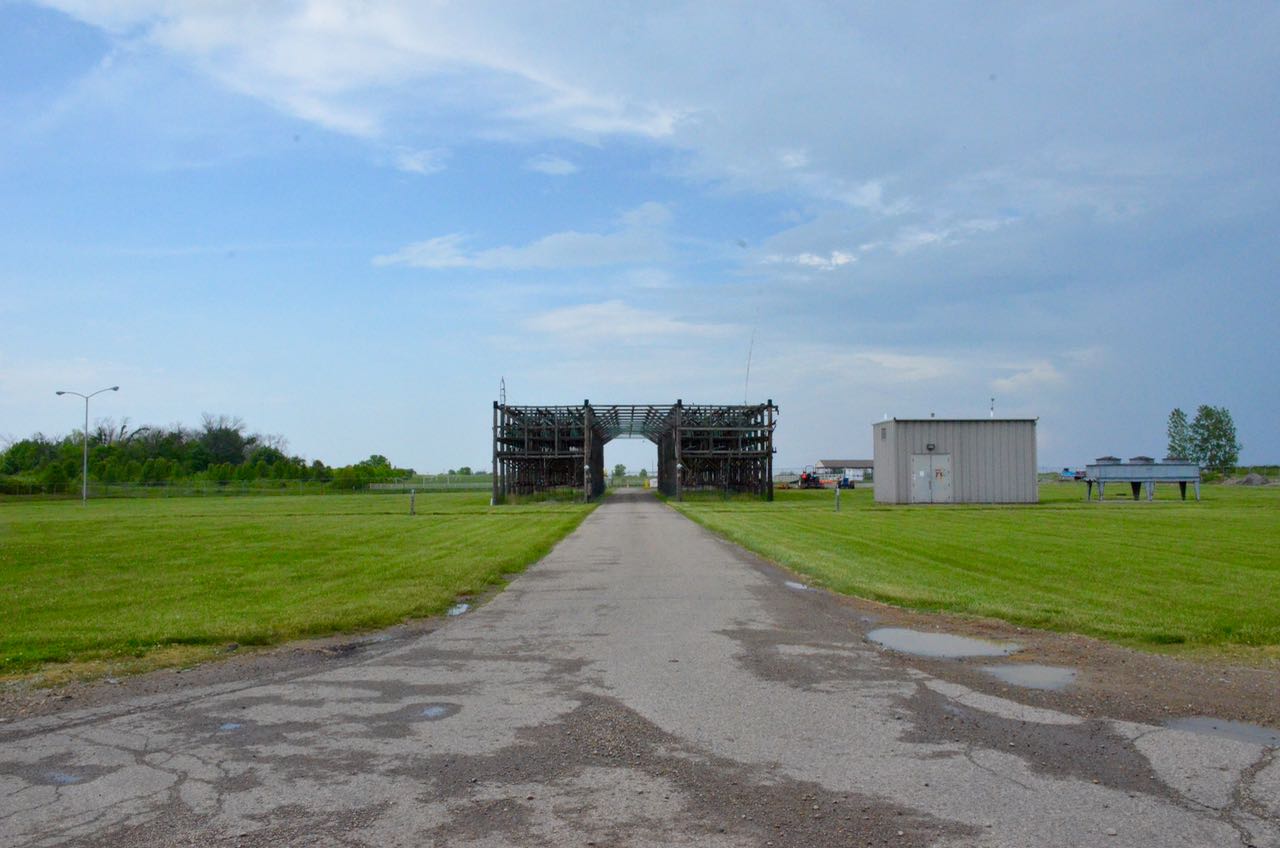
The antenna switching array behind the main building (following four photos).
VOA-Bethany- - 1 (12)

VOA-Bethany- - 1 (10)

VOA-Bethany- - 1 (4)VOA-Bethany- - 1 (6)VOA-Bethany- - 1 (9) VOA-Bethany- - 1 (8)VOA-Bethany- - 1 (11)

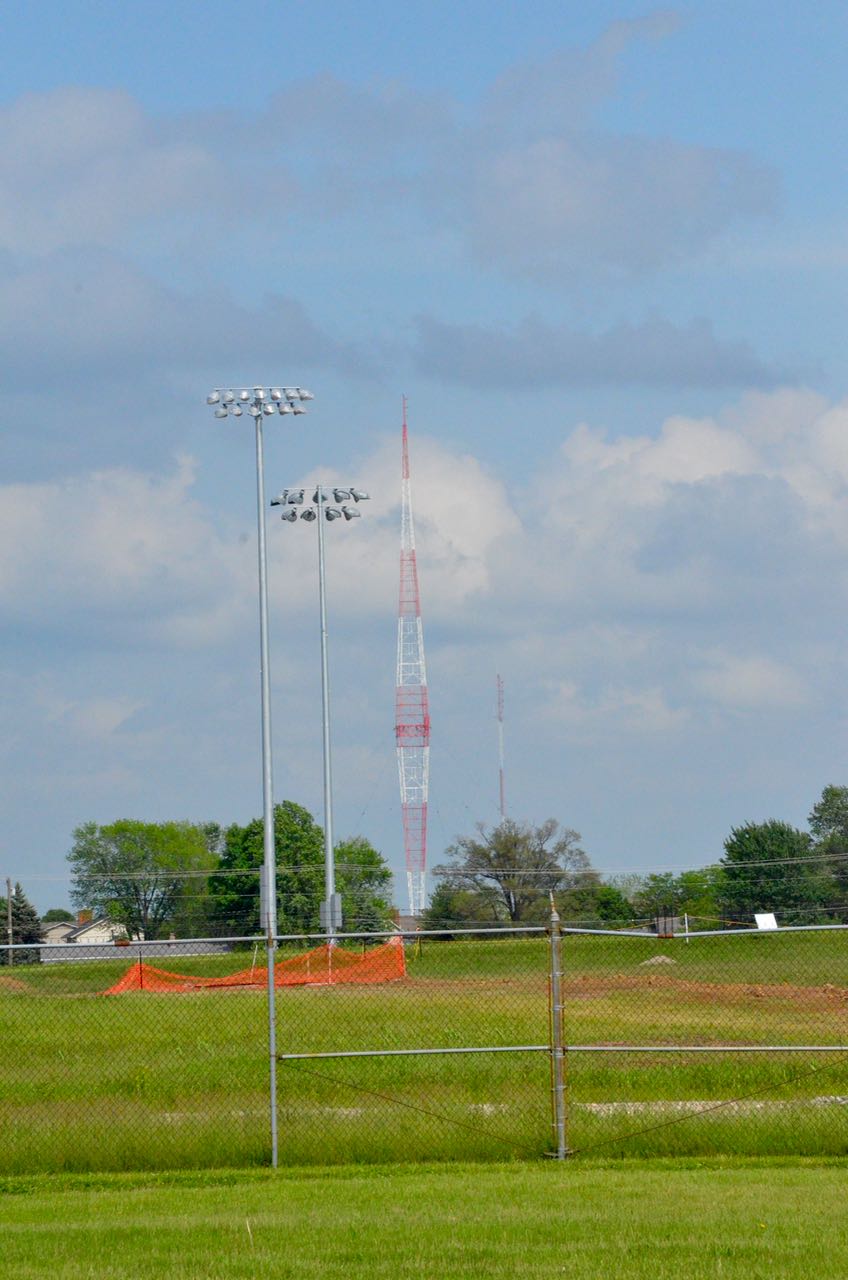
WLW (700 kHz) 800′ tower in the distance (above).

VOA-Bethany- - 1 (7)

The satellite dish (above) was once used for VOA’s downlink/feed–now the West Chester Amateur Radio Association (WC8VOA) uses the dish for EME (Earth Moon Earth) contacts.
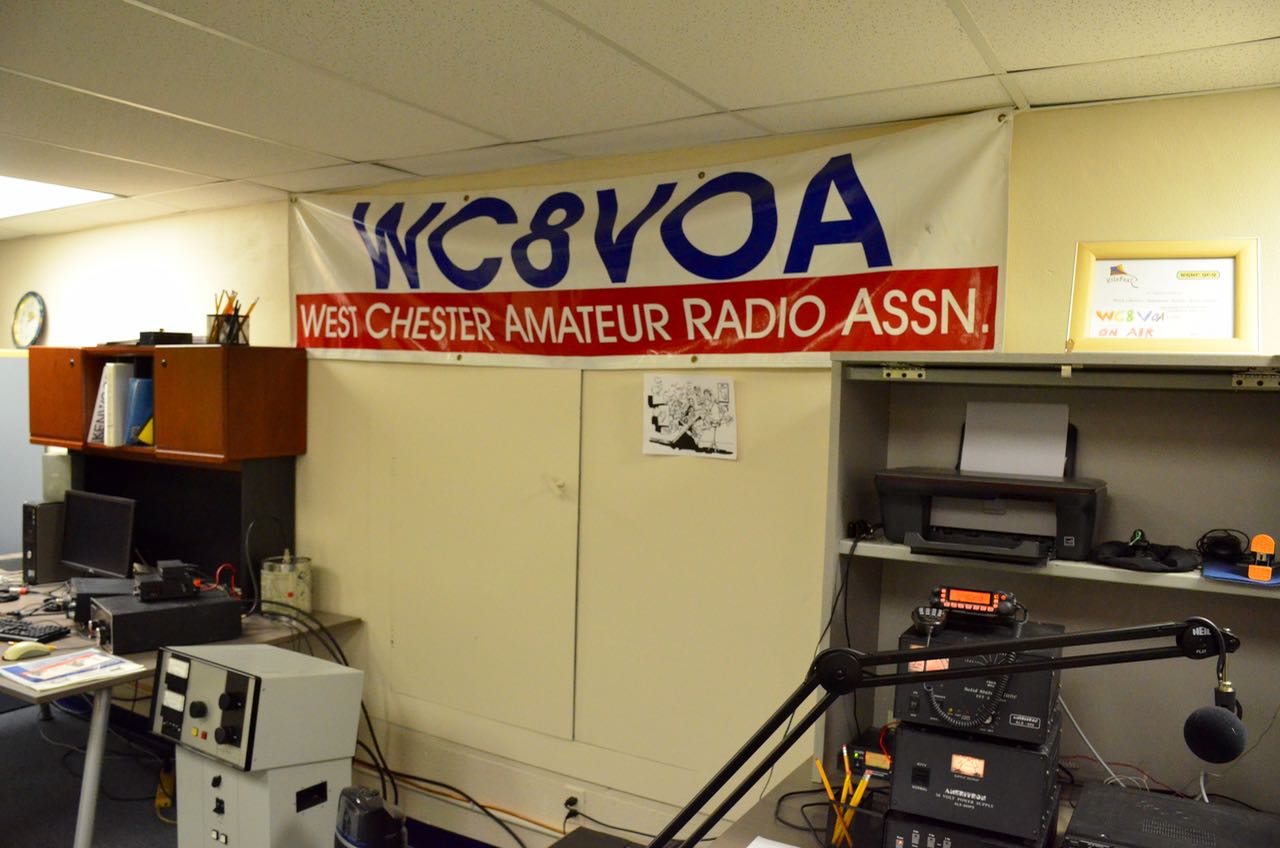
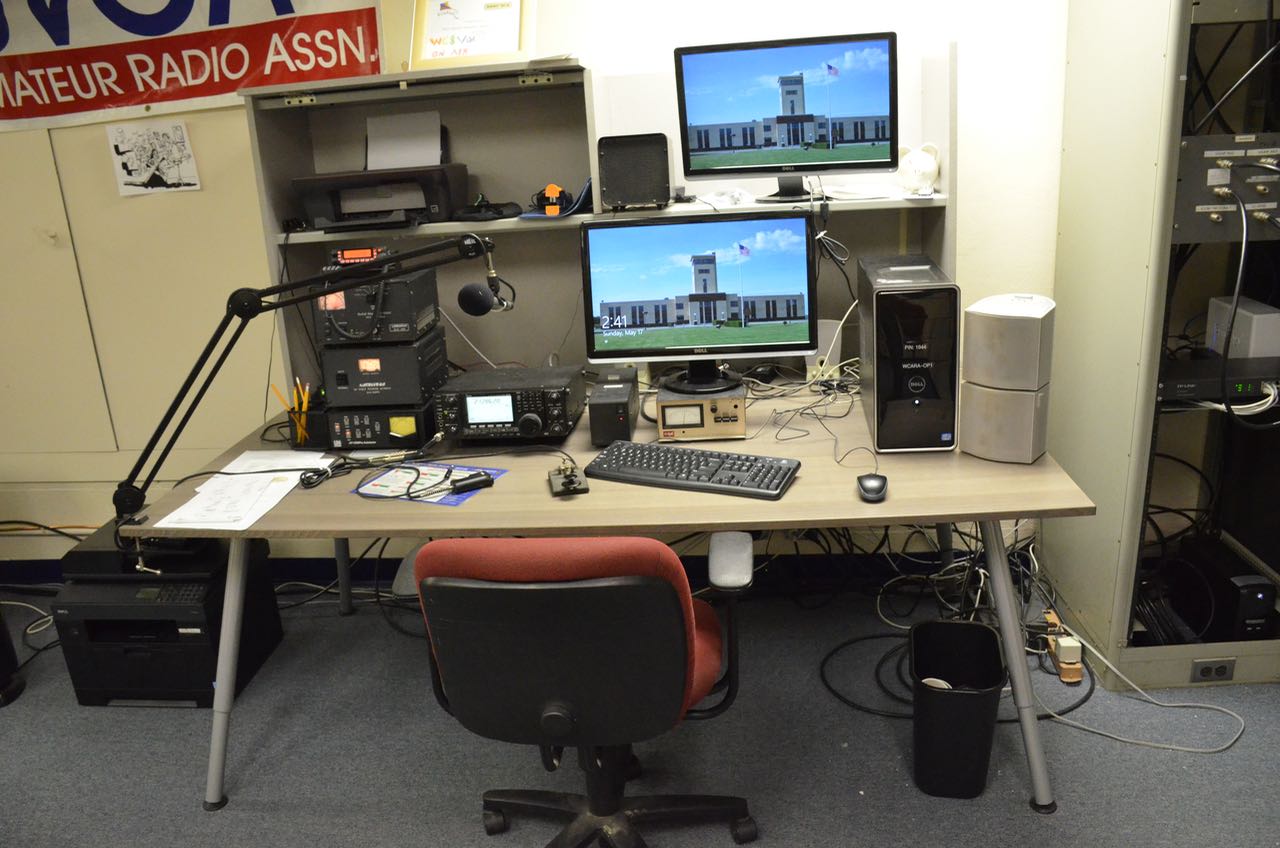
VOA-Bethany- - 1 (32)Back inside, WC8VOA has four full amateur radio operating locations stocked with Icom, Yaesu and Kenwood gear. The club president told us that an antique amateur radio station will soon be added.
VOA-Bethany- - 1 (33)

VOA-Bethany- - 1 (20)

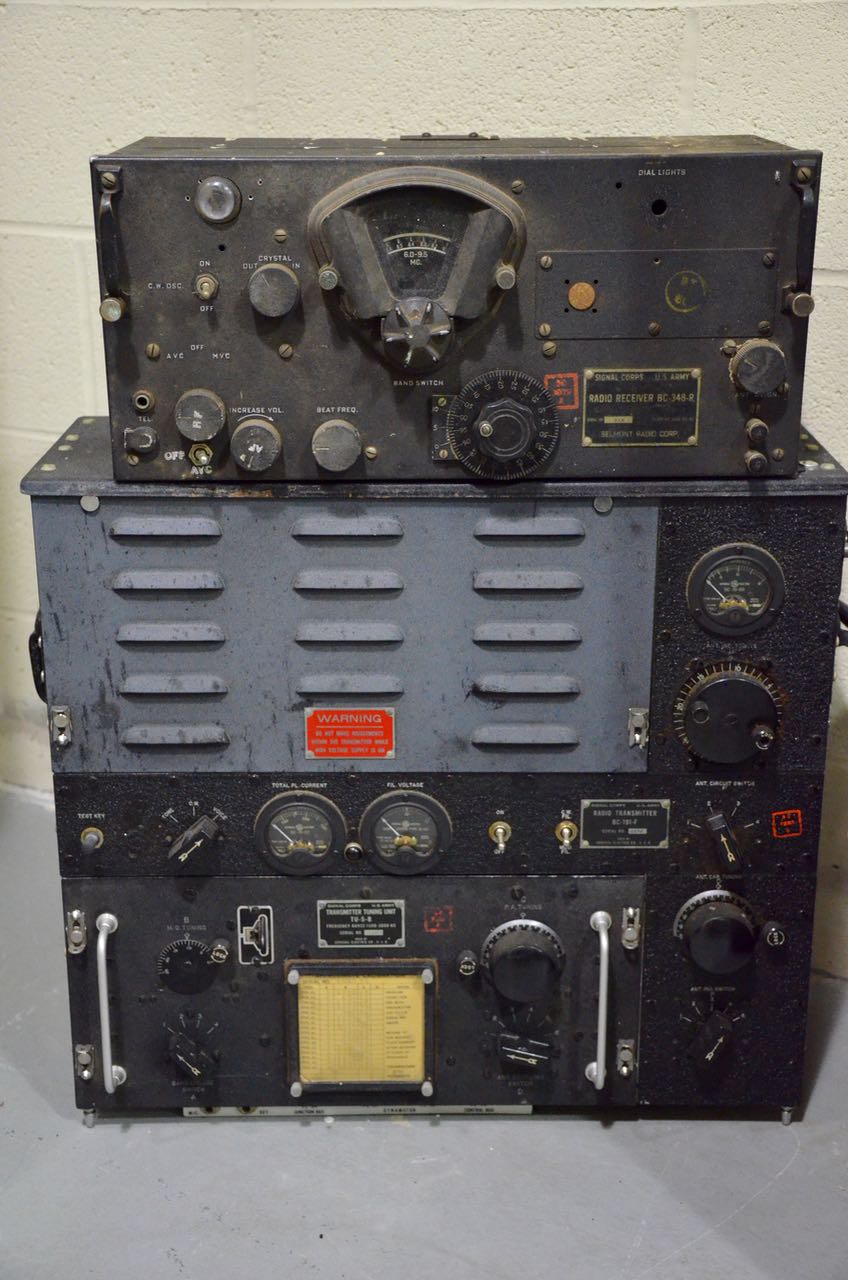
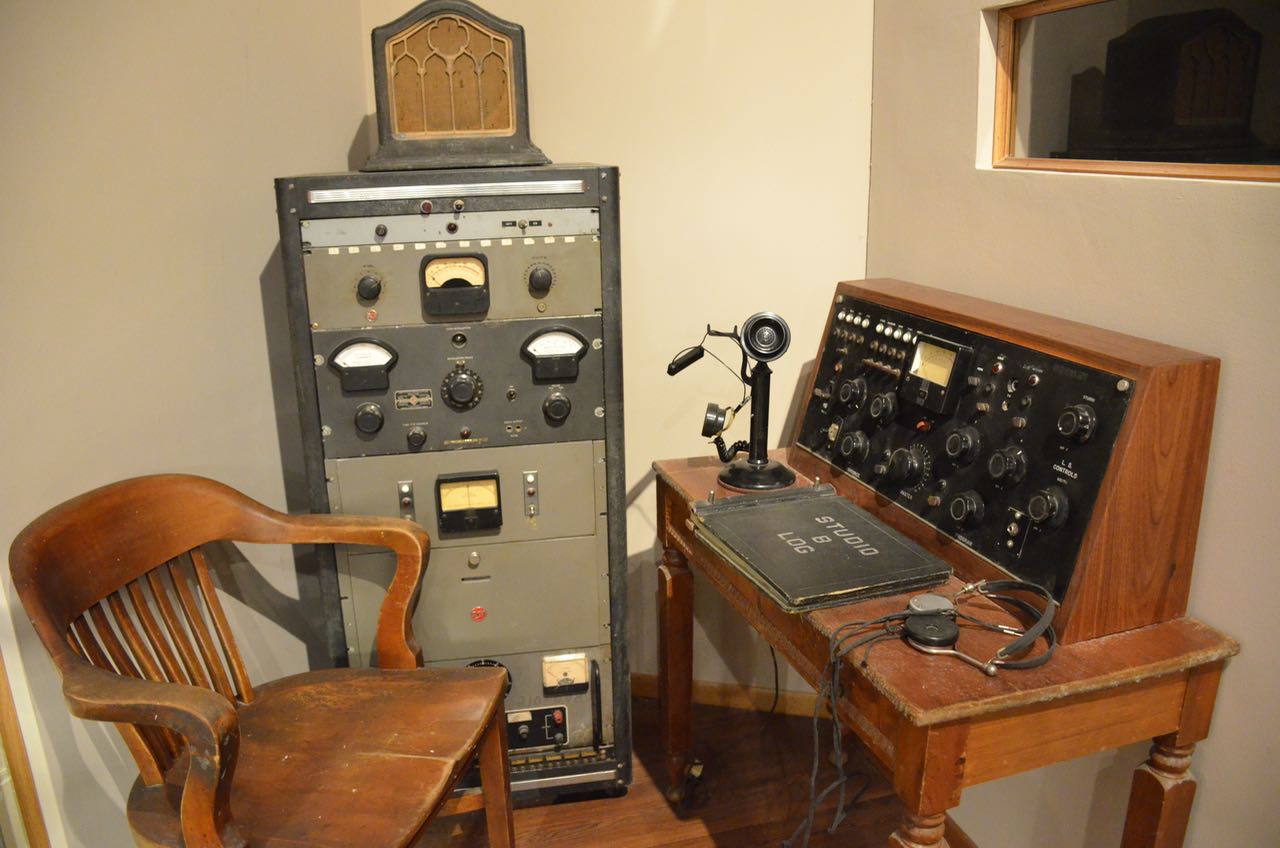
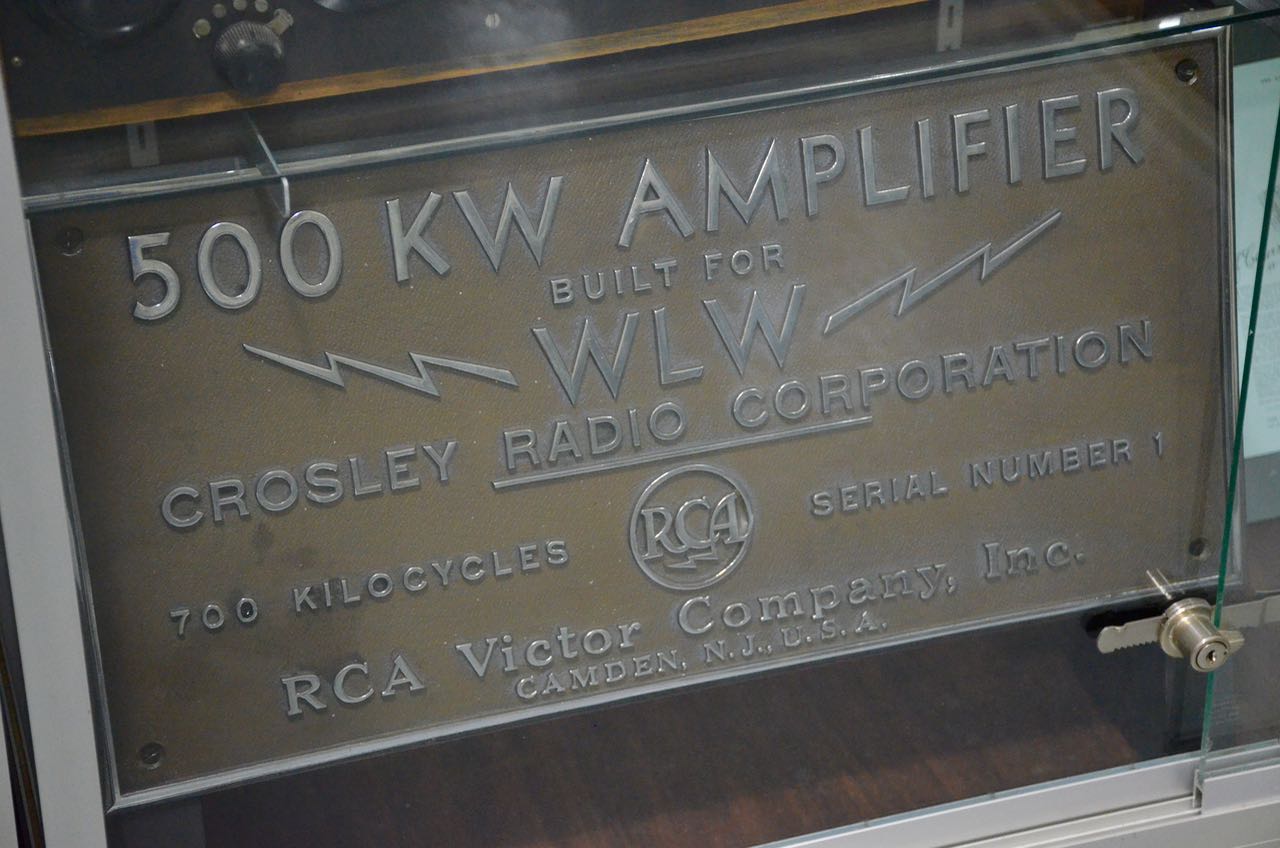
Our docent took us on a tour of two vaults filled with vintage radio equipment and then a museum devoted to the legacy of WLW. The item in the photo above is a corona ball from one of the original towers–notice the holes from lightning strikes.
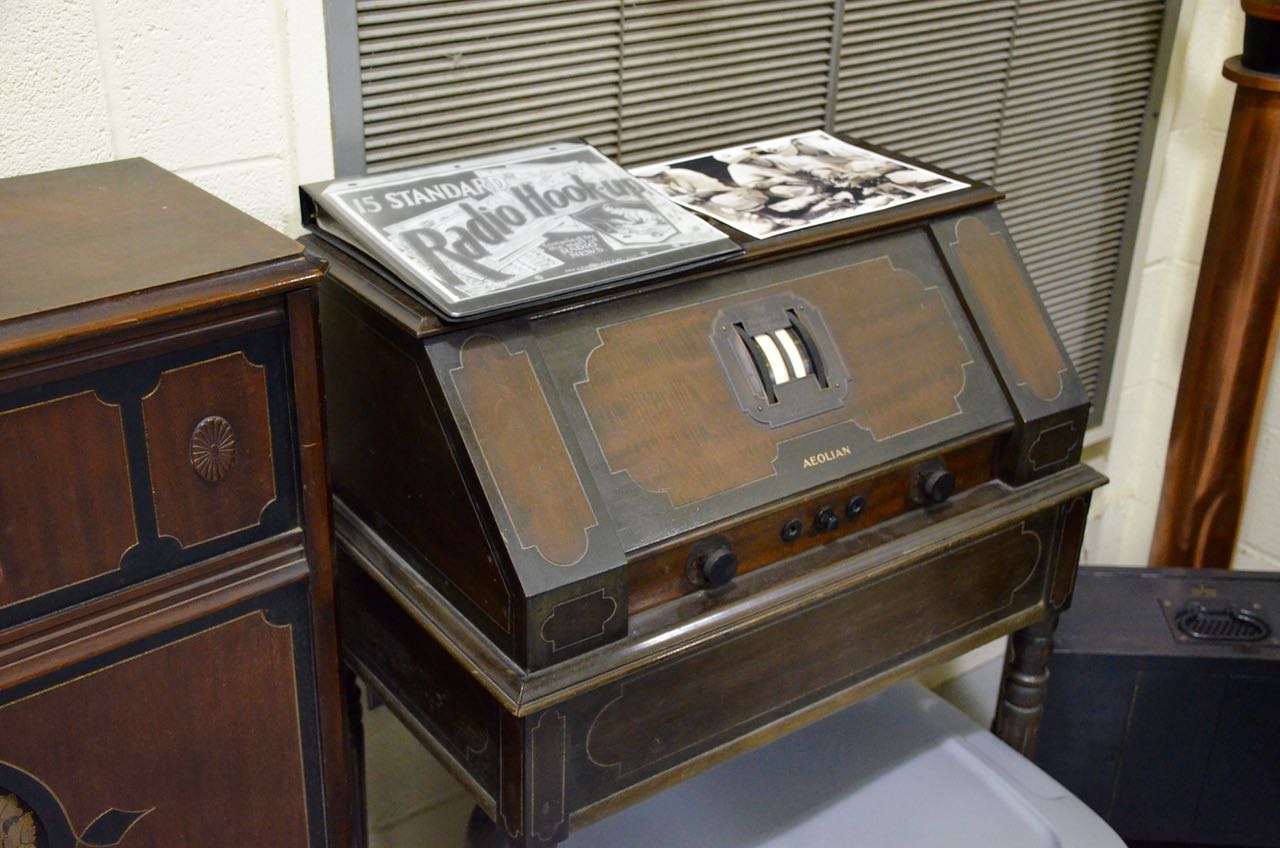
VOA-Bethany- - 1 (21) VOA-Bethany- - 1 (22) VOA-Bethany- - 1 (23)

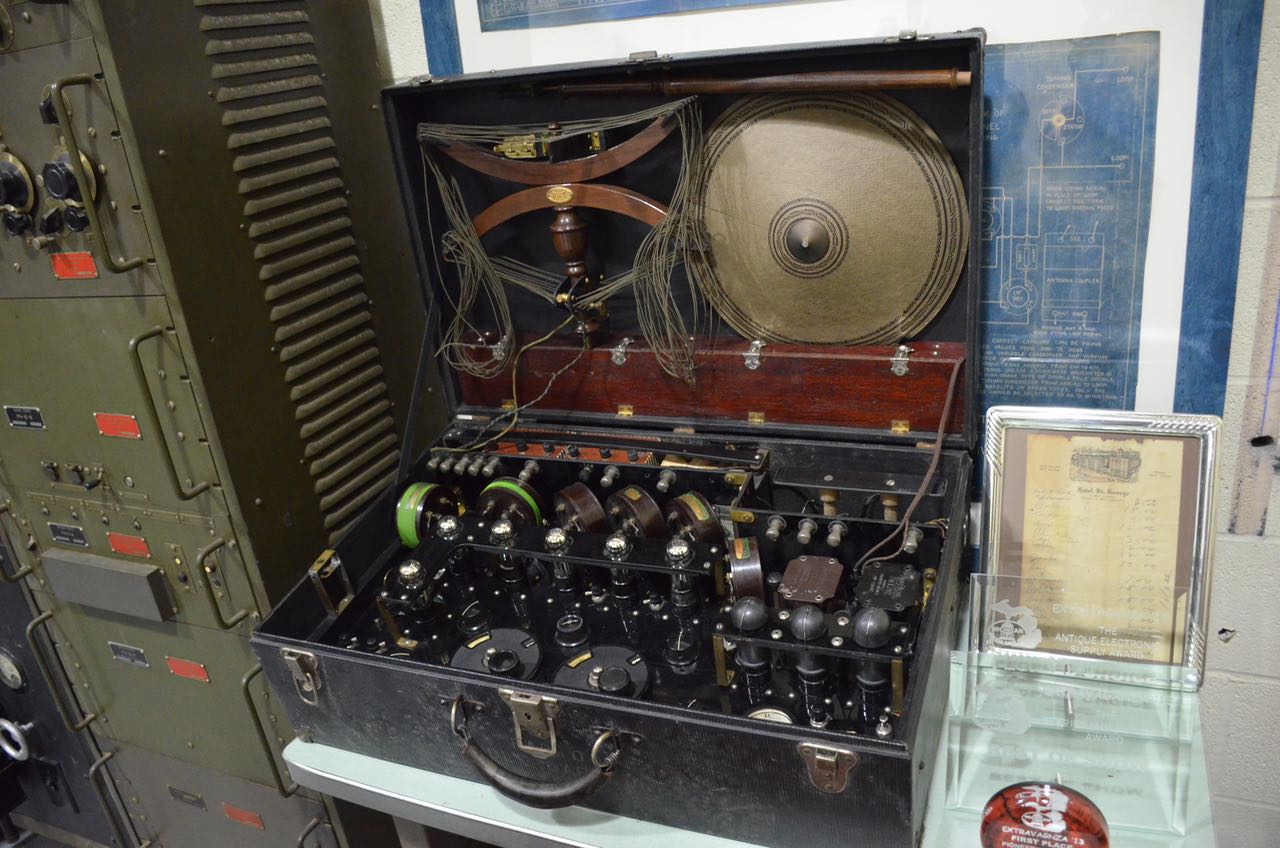
Example of an early radio kit (above).
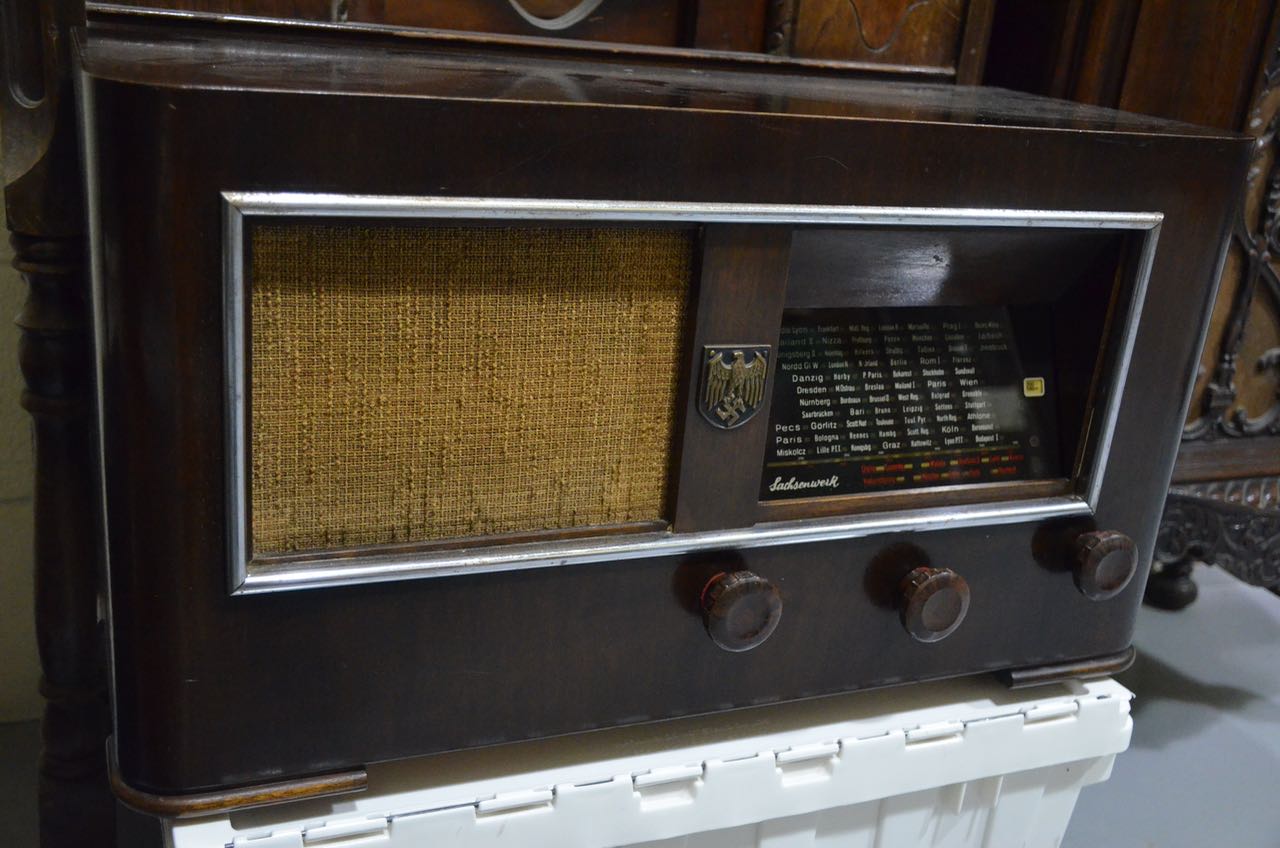
VOA-Bethany- - 1 (24)

A rare Third Reich radio (above).

VOA-Bethany- - 1 (25) VOA-Bethany- - 1 (26)

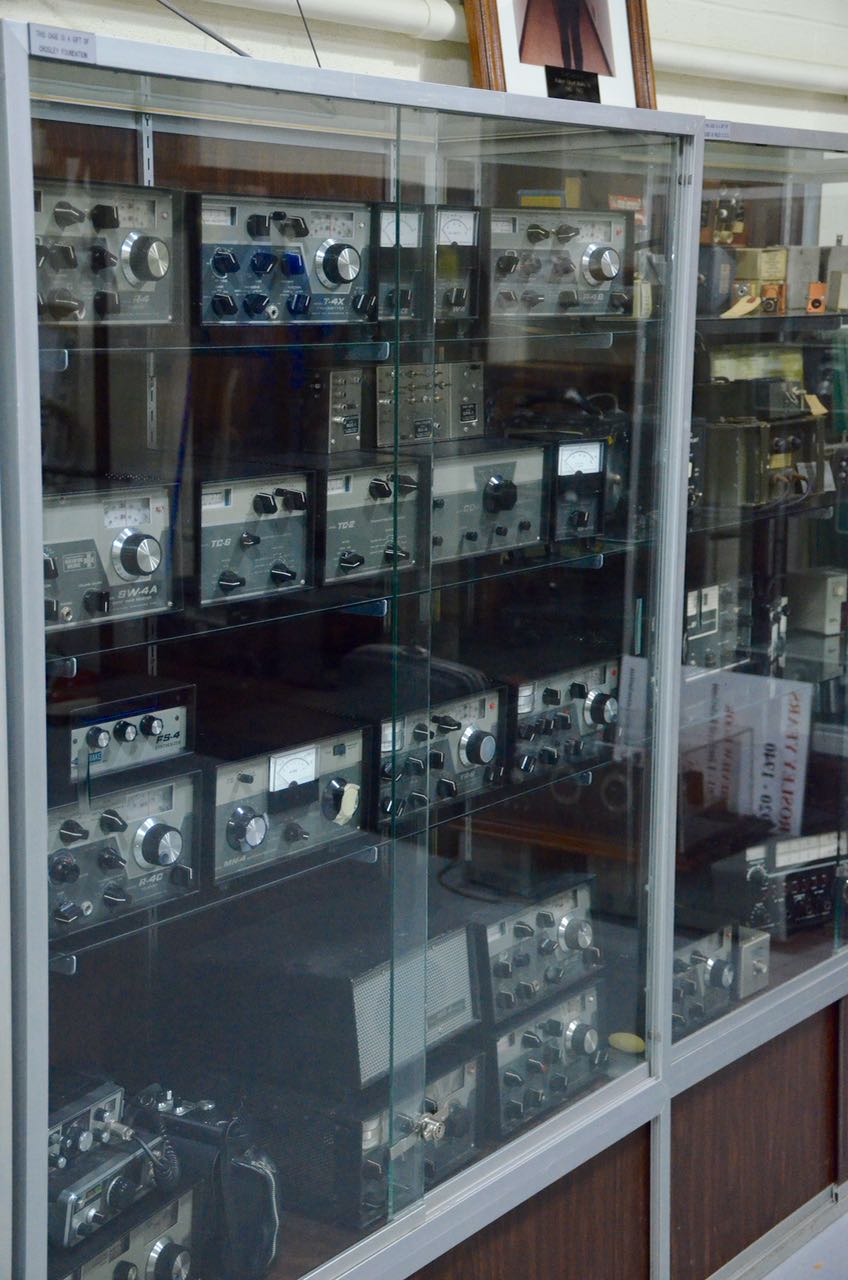
When Ohio-based R.L. Drake Company stopped manufacturing amateur radio equipment, samples of their full product line were donated to the museum.
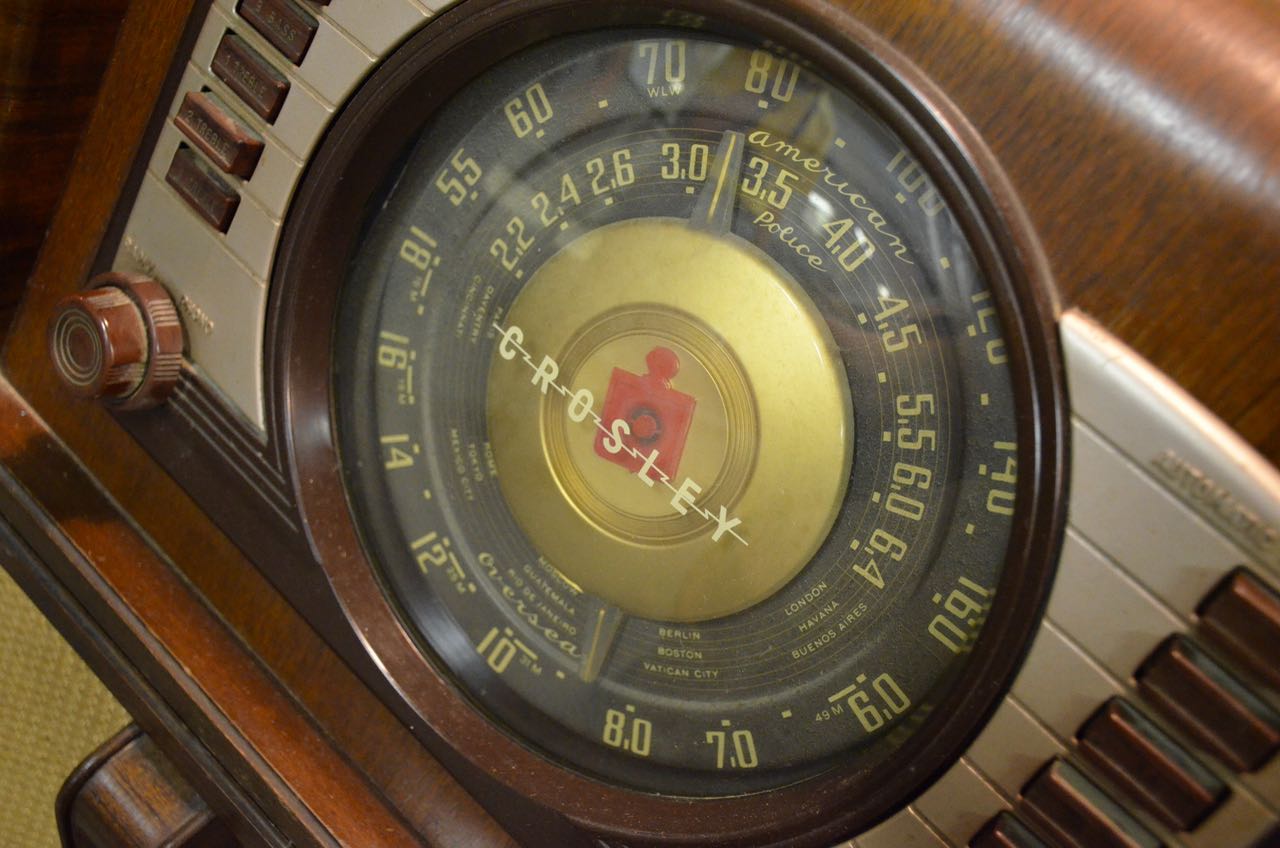
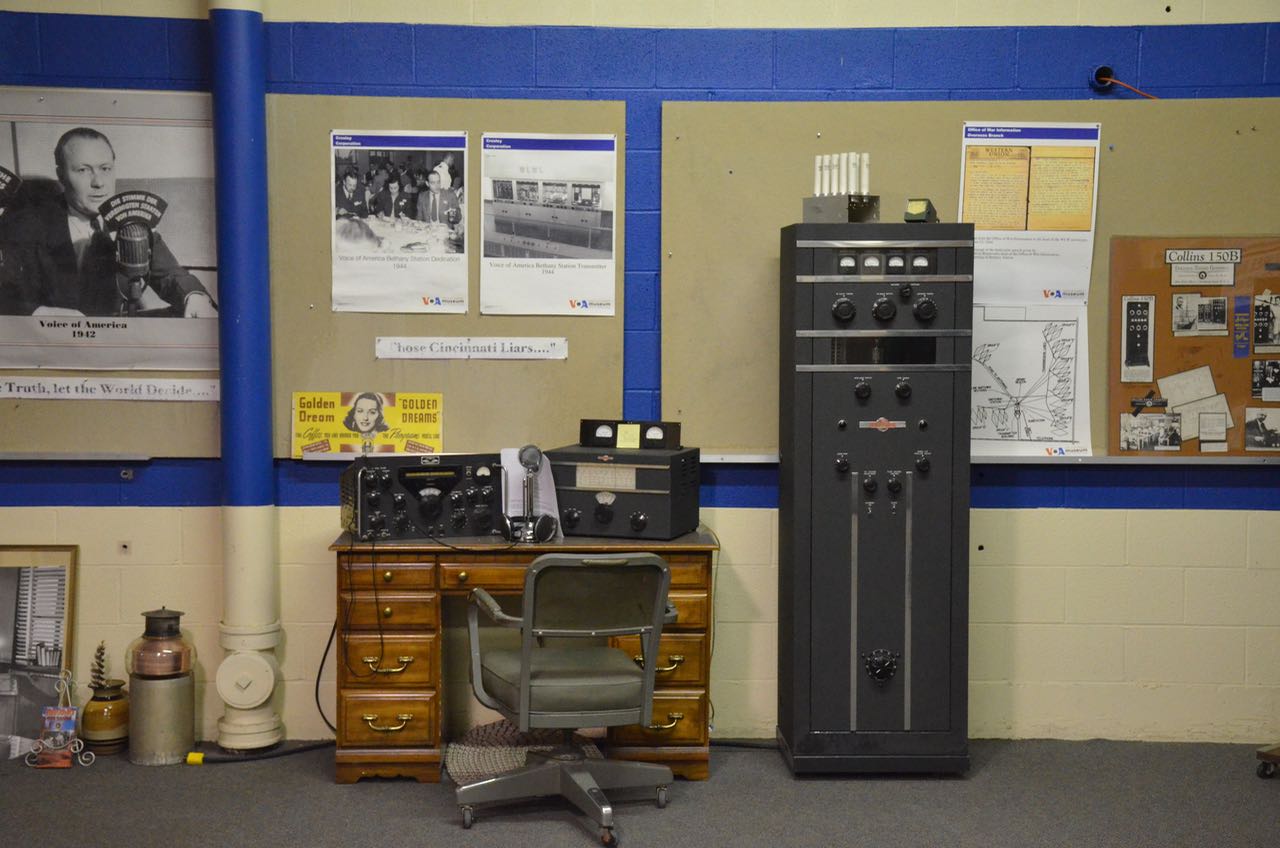
VOA-Bethany- - 1 (27)

VOA-Bethany- - 1 (29) VOA-Bethany- - 1 (30) VOA-Bethany- - 1 (31)

The Museum is planning substantial renovations to restore the VOA Bethany Station and become a first class institution. During the restoration, the Museum is only open one day per month to the public: The third Saturday of each month from 1:00 PM – 4:00.
Click here to view the museum’s new website.

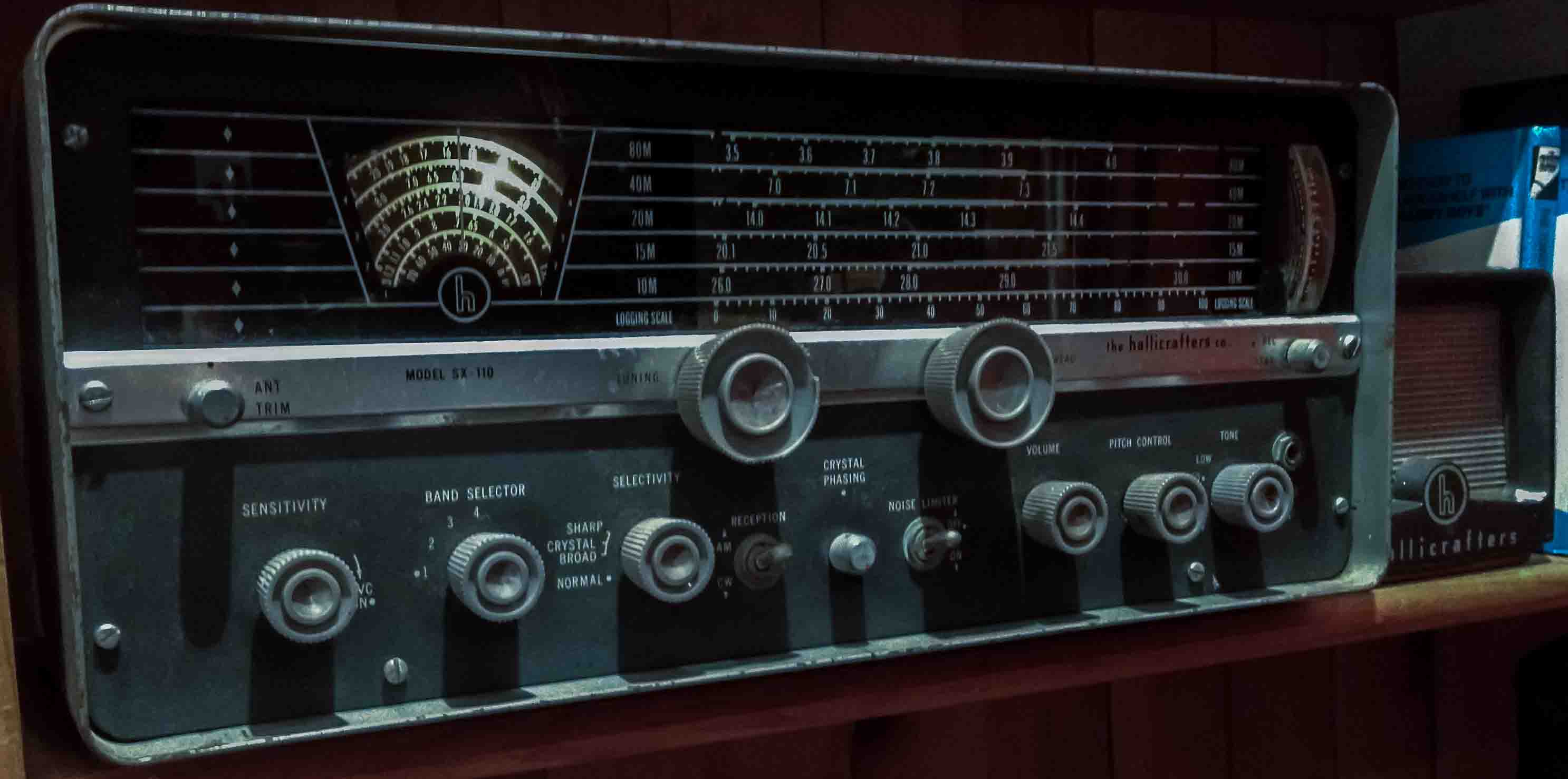
Jeffrey re-caps his Hallicrafters SX-110

The restored SX-110 sitting on the bookshelf in the shack. No one would mistake this for a new receiver, but it works just fine.

The restored SX-110 sitting on the bookshelf in the shack.

Many thanks to SWLing Post reader, Jeffrey Fritz, writes:

During the summer of 2012 you were nice enough to run an article in your blog about my reviving a 1961 Hallicrafters SX-110 General Coverage receiver. The radio has continued to perform reasonably well during the last few years. However, recently I acquired several pieces of professional test equipment. That encouraged me to delve even deeper into the restoration of my old receiver from my novice ham radio days.

Over the past week, I completely recapped the SX-110 (except, of course, for the mica and ceramic caps as they still good, and the electrolytic caps as they were replaced in 2012.)

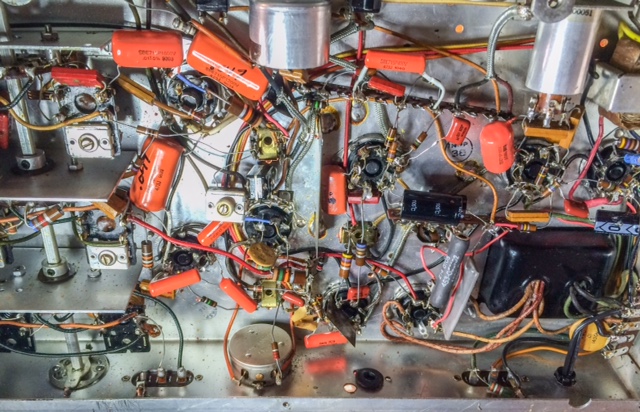
The SX-110 isn’t a complex receiver, but there are quite a few caps, so I worked methodically and carefully. I started working from the audio amp stage and continued working back through the IF stages and the BFO to the RF stage. I recapped each stage replacing the old caps with new Orange Drop caps. Each stage was tested before I moved on to the next stage. Here’s a photo of the recapped chassis:

SX110-Underside

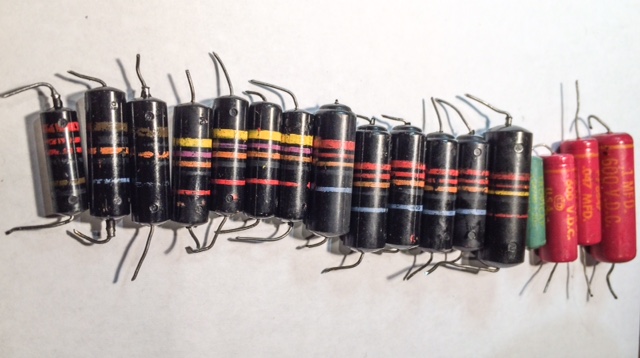
Here are the capacitors that were removed from the receiver. Most are the old Bumble Bee caps–called that because of the color stripes that mark their value:

SX110-NewCaps

Virtually every Bumble Bee cap tested leaky and out of tolerance.

Next, I tested every tube replacing the weak or bad ones with NOS (New Old Stock) tubes. Every pot and switch was cleaned with DeOxit and moving parts were lubricated where appropriate. Finally, I did a complete re-alignment following the instructions in the Service Manual.

As with all vintage tube gear, restorations require patience, care and a decent knowledge of electronics. It’s easy to make a fair radio–even a good radio–into a disaster if you are not careful. Also there is enough voltage and current inside of the chassis of a tube radio to toss you across the room. So care is always the order of the day as is a VARIAC to bring the radio up to AC line voltage slowly.

The receiver now sounds as good as ever–perhaps even better than ever. It has marvelous AM audio and can pick up ham and broadcast stations on all bands with nothing more than a wire in my basement. It even does a decent job on SSB–something that I don’t recall it ever bring adept at in the past.

That say that you can’t keep a good man down. Similarly an old radio, with some new parts and some TLC, can run virtually forever.

I agree with you: you can’t keep a good radio down! Repair work is certainly the commitment we make when we fall in love with these old rigs. It’s a good thing that almost all of the parts are still available and relatively affordable.

Thanks again, Jeffrey!

When WLW was the one and only “Super Station”

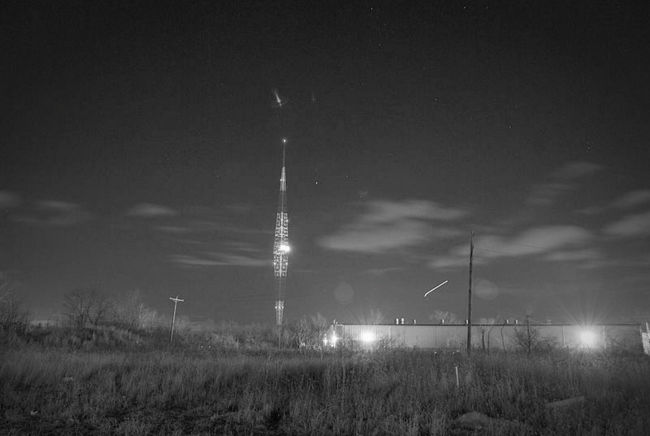
WLW's diamond-shaped Blaw-Knox radio tower at night (Original photo by RP Piper via Creative Commons)

WLW’s diamond-shaped Blaw-Knox radio tower at night (Original photo by RP Piper via Creative Commons 2.0)

(Source: National Endowment for the Humanities)

For a Brief Time in the 1930s, Radio Station WLW in Ohio Became America’s One and Only “Super Station”

by Katy June-Friesen

When President Franklin Roosevelt, sitting in the White House, pushed a ceremonial button on his desk in May 1934, a five hundred thousand-watt (500 kW) behemoth stirred in a field outside Cincinnati. Rows of five-foot glass tubes warmed. Water flowed around them at more than six hundred gallons per minute. Dozens of engineers lit filaments and flipped switches, and, within the hour, enough power to supply a town of one hundred thousand coursed through an 831-foot tower.

Thus began WLW’s five-year, twenty-four-hour-a-day experiment: a radio station that used more power and transmitted more miles than any station in the United States had or would. The so-called super station—licensed by the new Federal Communications Commission (FCC) on a temporary basis—amped up the debate among broadcasters, government regulators, and listeners about how radio should be delivered to serve the “public interest,” a mandate laid out in the Radio Act of 1927, and influenced legal, programming, and technical decisions that shape the broadcast system we know today.

Since radio’s beginnings in the early 1920s, industry and government leaders promoted it as the great homogenizer, a cultural uplift project that could, among other things, help modernize and acculturate rural areas. The challenge was how to reach these areas, many of which received few or no radio signals in the mid-1930s. One solution was high-powered, clear-channel stations that could blanket large swaths of the country with a strong signal. These stations operated on “cleared” frequencies that the government assigned to only one station to prevent interference.

WLW had operated on one of forty designated clear channels since 1928. The station’s creator and owner, an entrepreneur, inventor, and manufacturer named Powel Crosley Jr. frequently increased the station’s wattage as technology and regulation allowed. In 1934, when WLW increased its power from 50 kW to 500 kW, all other clear-channel stations were operating at 50 kW or less. Now, WLW had the ability to reach most of the country, especially at night, when AM radio waves interact differently with the earth’s ionosphere and become “skywaves.” People living near the transmitter site often got better reception than they wanted; some lights would not turn off until WLW engineers helped rewire houses. Gutters rattled loose from buildings. A neon hotel sign near the transmitter never went dark. Farmers reported hearing WLW through their barbed-wire fences.

Continue reading…

Support a Willis Conover US postage stamp

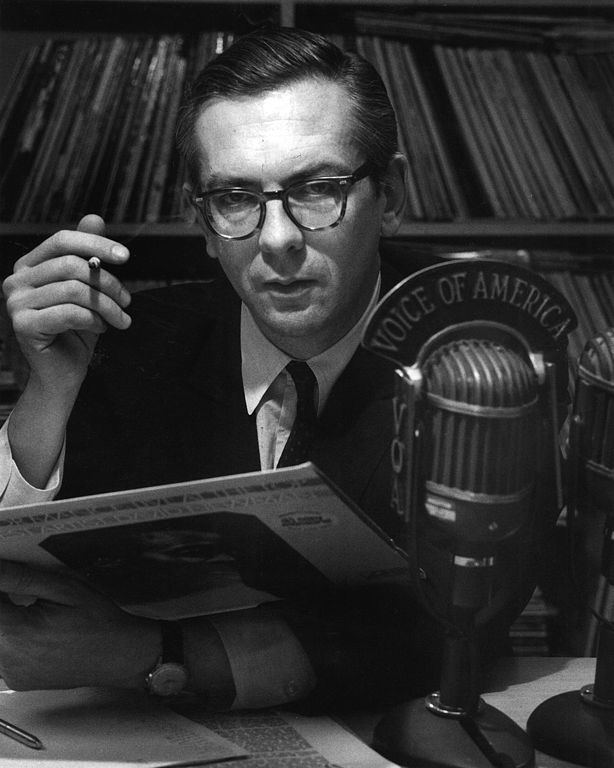
Willis Conover, The Voice of America (Source: Wikimedia Commons)

If you’re a fan of the iconic Willis Conover, you might consider signing this petition supporting a postage stamp in his honor.

Marie Lamb writes:

Those of us at the Willis Conover Facebook page are trying to get support for a postage stamp in honor of the great Voice of America jazz broadcaster, one of the great voices of shortwave. The recognition for this fine broadcaster and supporter of America’s music is long overdue. Please sign! Thank you–Marie Lamb.

Click here to sign.

If you’re looking for a little inspiration, listen to this superb interview with Willis Conover circa 1987 on NPR’s Weekend Edition with Scott Simon:

As you’ll hear in this interview, Willis Conover actually supported a stamp in honor of the late and great Duke Ellington. Perhaps it’s time we support a stamp honoring Willis Conover. Click here to sign the petition.

Media Network Vingate Vault: 1988 VOA Relay Stations Feature

SX-99-Dial

Jonathan Marks writes:

I published a few more old programmes which I think are relevant to the ongoing discussions in Washington about US International Broadcasting. One programme in particular from 1988 no less, shows me that not a lot has changed in over 25 years.

http://jonathanmarks.libsyn.com/mn04111998voafeature

Indeed, not much has changed in so many respects. Many thanks for sharing this recording, Jonathan!

Readers: I encourage you to bookmark Jonathan Mark’s Media Network Vintage Vault–a true treasure trove of international broadcasting history.

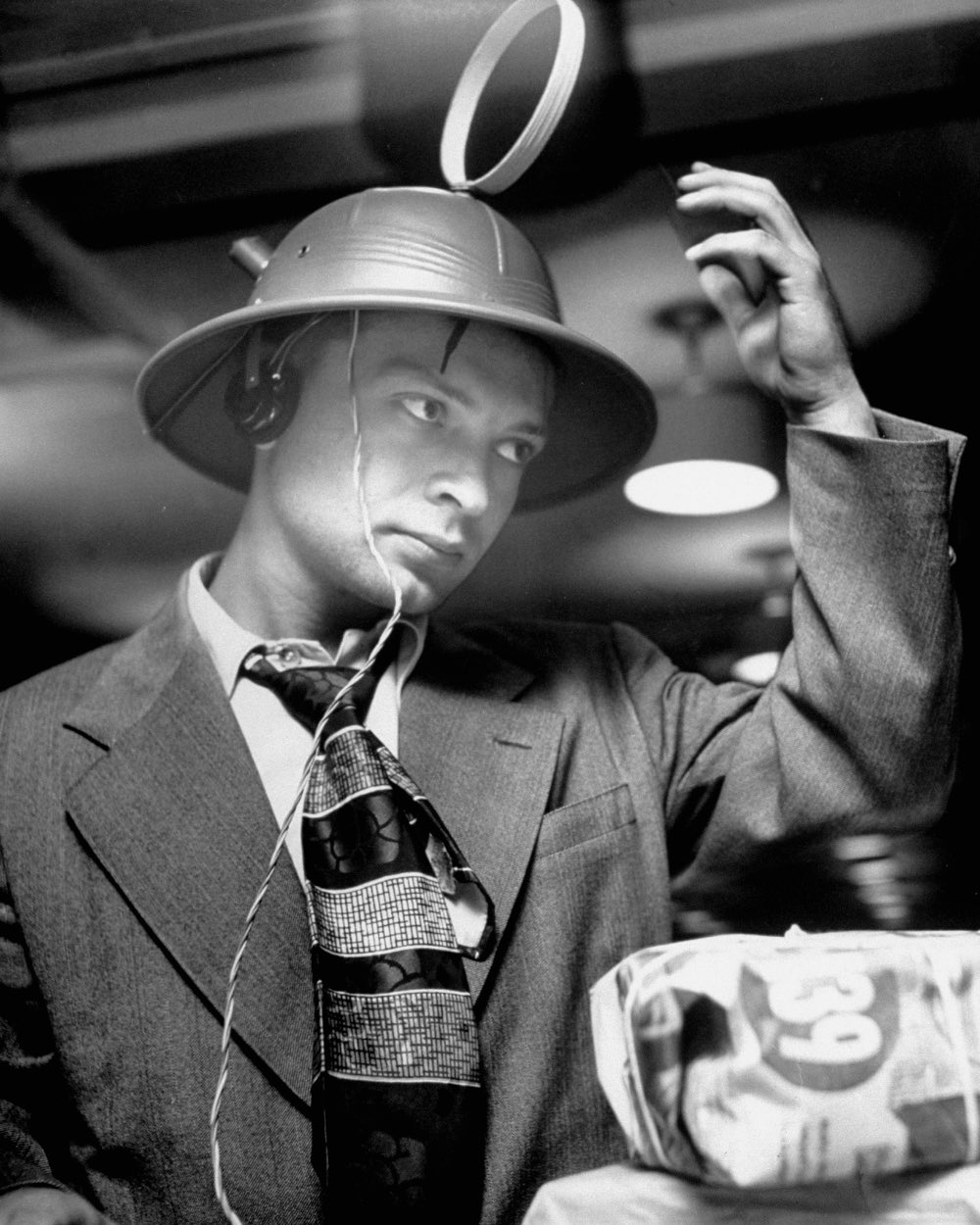
A true fashion statement: the “Man-from-Mars Radio Hat”

Customer fumbling with the tuning knob a

(Source: Mashable)

Inventor Victor T. Hoeflich, founder of novelty manufacturing corporation American Merri-Lei of Brooklyn, New York, introduced his “Man-from-Mars Radio Hat” in March 1949.

In the press conference, he used teenagers as models. Sold in department stores across the U.S. and by mail, the hat retailed for $7.95. Designed after a pith helmet, it could be ordered in eight colors: Lipstick Red, Canary Yellow, Blush Pink, Rose Pink, Tangerine, Flamingo, Chartreuse and Tan. Later seven more color options were added.

Although the hat had a futuristic appearance at the time, this was in fact due to technical limitations. While the transistor had been invented in 1947, it was still experimental and not widely available. And portable transistor radios did not appear until 1954. The hat’s radio relied on valve technology, and Hoeflich made the valves a prominent feature, as well as the loop aerial. The tuning knob sat between the two valves.[…]

Continue reading on Mashable.