Category Archives: Nostalgia

History of WWV and the NIST Time Stations

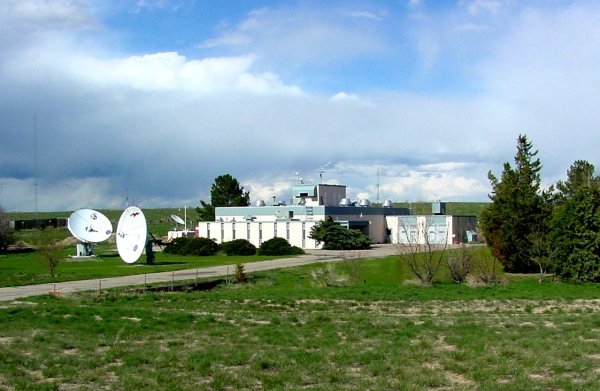
WWV building in Fort Collins, Colorado (photo courtesy: NIST)

WWV building in Fort Collins, Colorado (photo courtesy: NIST)

Many readers know that I’m a bit of a WWV geek, so you can imagine how happy I was when my buddy, Mike, and the Southgate ARC made me aware of this 152 page history of the NIST time station family. At first glance, this looks to be an authoritative and thorough history indeed.

I have already sent this to my Kindle Fire and look forward to reading it (at least, starting it) tonight. Click here to download the NIST time station history as a PDF.

Incidentally, if you have an affinity for the NIST time stations, be sure to check out my previous post on Myke’s audio history of WWV, “At The Tone.”

Making A Transistor Radio by George Dobbs

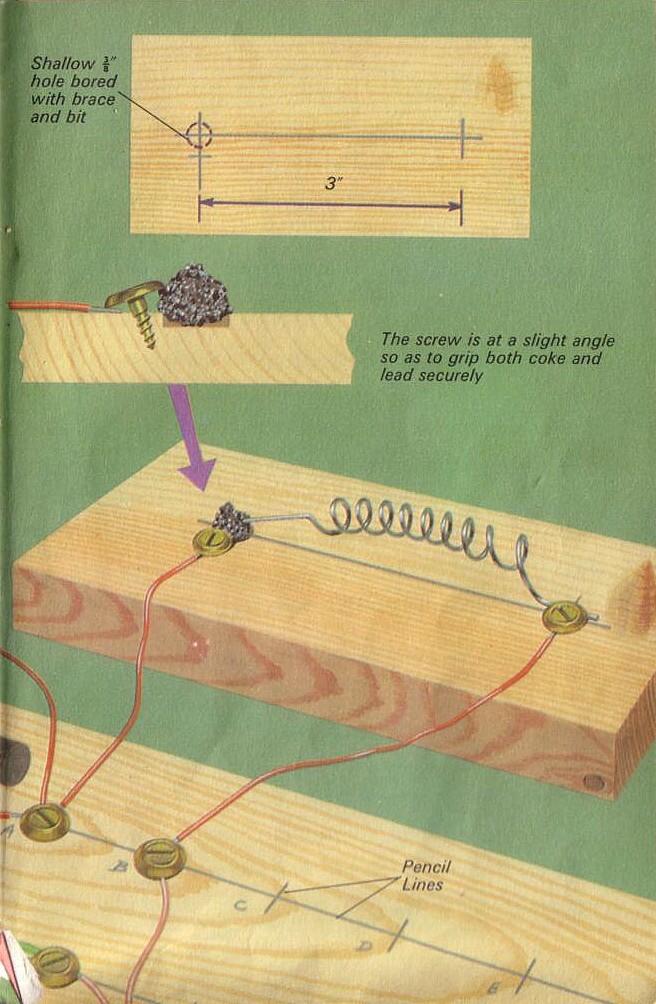
A sample illustration from "How To Build a Transistor Radio"

A sample illustration from “Making a Transistor Radio”

Those of you who are ham radio operators (especially QRPers) are familiar with the name George Dobbs (G3RJV). In 1972, Reverend Dobbs wrote a book called, Making A Transistor Radio and now it’s available online.

Making A Transistor Radio is a clear, simple, step-by-step guide to building your own transistor radio. In each stage of the process you’re rewarded with a working radio. In addition, you’ll learn about all of the stages of a working receiver.

Perhaps what I love best about this book–besides the fact that is resembles the mountains of electronics books I poured through in my youth–are the illustrations.  Each illustration describes exactly how each component of the radio should be built, leaving nothing to be pondered.

If you’ve ever wanted to build your own radio, from scratch, this is a great place to start.

Thanks, Eric, for sending this link!

BBC: Curators discover first recordings of Christmas Day

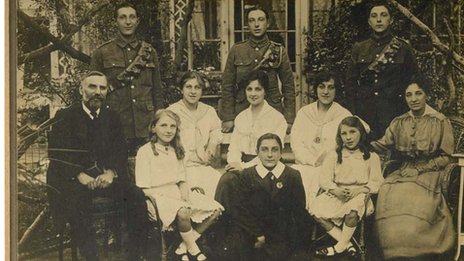
The Wall family (Photo: BBC News

The Wall family (Photo: BBC News

An amazing piece of recorded history:

(Source: BBC News)

Curators at the Museum of London have discovered what they believe to be the first ever recordings of a family Christmas.

They were made 110 years ago by the Wall family who lived in New Southgate in North London.

There are 24 clear recordings on wax cylinders which were made using a phonograph machine between 1902 and 1917.

Music curators say the sound quality of the music recorded is outstanding. [Continue reading and listen to original recordings…]

Radio documentary on history of the Australian Broadcasting Corporation

ABC reporter, and later RN documentary maker, Tim Bowden on patrol with a US Marine squad near Da Nang in Vietnam. (1966) [Photo: ABC ]

ABC reporter, and later RN documentary maker, Tim Bowden on patrol with a US Marine squad near Da Nang in Vietnam. (1966) [Photo: ABC]

(Source: John Figliozzi via InternetRadio Digest)

ABC Radio National will broadcast a weeklong series highlighting the history, development, key moments and future of the Australian Broadcasting Corporation on the occasion of its 80th Anniversary, from December 24-28.  Details from:

http://www.abc.net.au/radionational/programs/specialbroadcasts/abc-80th-anniversary/4373618

There is a 16 hour difference between New York and Melbourne during our standard time winters; 19 hours between Los Angeles and Melbourne.  “Live” broadcast, therefore, will be at 2 am, Dec. 23-27; repeated at 9 am, Dec. 24-28.  No word yet on whether or for how long a podcast of this series will be made available.

John Figliozzi

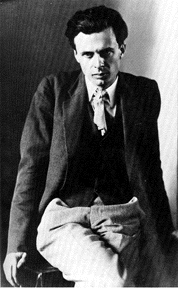
Aldous Huxley, radio in The Age of Noise

Aldous Huxley (1894-1963)

Aldous Huxley (1894-1963)

According to English satirist & humanist, Aldous Huxley, we live in the “Age of Noise.” When he wrote this, in 1945, he implicated radio:

“The twentieth century is, among other things, the Age of Noise. Physical noise, mental noise and noise of desire — we hold history’s record for all of them. And no wonder; for all the resources of our almost miraculous technology have been thrown into the current assault against silence. That most popular and influential of all recent inventions, the radio, is nothing but a conduit through which pre-fabricated din can flow into our homes. And this din goes far deeper, of course, than the ear-drums. It penetrates the mind, filling it with a babel of distractions – news items, mutually irrelevant bits of information, blasts of corybantic or sentimental music, continually repeated doses of drama that bring no catharsis, but merely create a craving for daily or even hourly emotional enemas. And where, as in most countries, the broadcasting stations support themselves by selling time to advertisers, the noise is carried from the ears, through the realms of phantasy, knowledge and feeling to the ego’s central core of wish and desire.”

In many ways, this is still true–but not necessarily of radio. I daresay if Mr. Huxley were still around, radio would be the least of his concerns.  Radio has gradually become the least invasive of the media that surrounds us, for the “noise” is now primarily visual:  unless we make an effort to “quiet” them, images bombard us from all sides….Ironically, radio now requires turning down the volume on these and everything else, in order to experience the same world of noise that Huxley once found so overwhelming.

(He obviously never listened to pirate radio.)

NPR: WWII ‘Canteen Girl’ Kept Troops Company From Afar

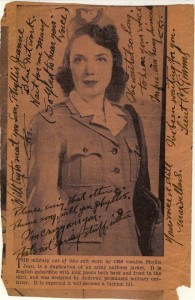
(Photo source: NPR)

(Photo source: NPR)

Long before the Internet and satellite phone, Phyllis Jeanne Creore Westerman brought soldiers home at Christmas via shortwave radio:

(Source: National Public Radio)

American service members have long spent holidays in dangerous places, far from family. These days, home is a video chat or Skype call away. But during World War II, packages, letters and radio programs bridged the lonely gaps. For 15 minutes every week, “Canteen Girl” Phyllis Jeanne Creore spoke and sang to the troops and their loved ones on NBC radio.

Her Christmas shows were morale boosters. America must “use more sentiment and less tinsel, and that’s the way it should be,” she told her listeners during one wartime Christmas broadcast. Now 96, Phyllis Jeanne Creore Westerman sits in her apartment on New York’s Fifth Avenue, remembering those seasonal broadcasts she recorded 70 years ago.

[…]She did a bit of radio work, found singing jobs with various bands at hotels like the Biltmore, and volunteered at the Stage Door Canteen. That’s where she got the idea for a regular radio show — to reach more troops — across the U.S., and in Europe by short wave.

Read the full article and listen to Susan Stamberg’s interview on NPR.org.