Category Archives: Nostalgia

Hobart Radio International’s three part interval signals specials

Many thanks to SWLing Post contributor, Richard Langley, who writes:

While listening to my recording of yesterday’s Unique Radio broadcast over WINB, I noticed that the Radio Hobart International segment featured the second of a three-part interval signals special. Brought back many nice memories of long-gone shortwave stations. All three segments in studio quality can be found on the Radio Hobart International website:


http://www.hriradio.org/

Thank you for the tip, Richard! Kudos to HRI for putting these specials together. I’ve also embedded the audio from each episode below (email digest subscribers will need to view this on our site, or HRI):

HRI Interval Signals Special: Part 1

HRI Interval Signals Special: Part 2

HRI Interval Signals Special: Part 3

Lennart shares Radio Tahiti QSLs

Many thanks to SWLing Post contributor, Lennart Weirell, who writes:

The posting about Mark’s shortwave recording of Radio Tahiti brings back memories from the 80s.

In 1982 I visited Tahiti with my family during a holiday from Malaysia, where I was working at that time, and could listen to Radio Tahiti locally. Back in Malaysia I managed to catch Radio Tahiti on 15170 kHz with my DR-28 and got the reception report verified with a nice QSL card.

When I moved back to Sweden a few years later I also managed to catch Radio Tahiti on 15170 kHz and got the reception report verified with another nice QSL card.

I saw that a QSL card from Radio Tahiti 1981 recently was sold on E-bay for $66.50!! so you better keep these old rarities.

Many thanks for sharing, Lennart! You’re right…some of these QSL cards are worth quite a bit of money on eBay. Take good care of them!

Readers: if you’d like to take proper care of your QSL collections, please read our guide to archiving.

Pure nostalgia: Mark’s shortwave recording of Radio Tahiti music

(Map Source: Wikimedia Commons)

Many thanks to SWLing Post contributor, Mark Pettifor, who writes:

One of the great things about DXing and SWLing is the variety of music  one can hear. One of my favorite stations to listen to on shortwave for “exotic music” was Radio Tahiti, Papeete, French Polynesia, when they were still on shortwave.

If my memory serves me correctly, I believe something happened to the transmitter, and they never got back on SW. They were on mediumwave through December of 2016 (738 kHz); now they are on FM only. (Maybe us hobbyists should start a funding website to put them back on shortwave!)

Many a Saturday night I would turn on the DX-160 (my first SW rig) and let it warm up for a while, before tuning in 15170 to see how band conditions were. If the band was good, I’d get ready to record through the air. Once I started recording, I’d often leave the room and shut the door, because having three brothers around meant the possibilities were high for having “extraneous interference” on my recordings.

Saturday evenings were a good time to tune in, because of a music program that aired with a good selection of island music. The program had an announcer who spoke in the island vernacular (Tahitian?), and when that program ended they switched to French.

Here is a 30-min recording of Radio Tahiti on 15170 kHz from a while ago, most likely around one of the solar maxima of either 1980 or 1991. I’m leaning toward the 1980 cycle. My apologies for not being able to be more specific than that. I kept terrible records of my recordings. This would be recorded either with the DX-160 or a DX-302. Apologies too for the jump in volume at around the 2:37 mark.

So close your eyes, imagine you are lying in a hammock on a beach somewhere in the South Pacific, with a warm breeze off the ocean and your favorite cooled beverage nearby, listening to some of the best island music anywhere.

Click here to download an MP3 of this recording.

Wow Mark!  Thank you so much for sharing this recording–it certainly brings back memories of listening to Radio Tahiti on my Zenith Trans-Oceanic!

Post readers: Anyone else cruise Radio Tahiti for the amazing music?  Please comment!


Do you enjoy the SWLing Post?

Please consider supporting us via Patreon or our Coffee Fund!

Your support is greatly appreciated. Thank you!

Ian Keyser’s collection of vintage spy radios

(Source: Southgate ARC)

Daring spies who broadcast from behind enemy lines

An ITV News report says: Owning just one of them in World War Two carried the death penalty, but Ian Keyser, G3ROO has more than a dozen – ensuring a piece of secret history is brought out into the open. So what are they?

They are, of course, spy radios – used to send messages back to base from behind enemy lines. And decades later, much of the collection is still in use. Tony Green has this special report.

Watch this ITV News video:
https://www.itv.com/news/meridian/2018-10-19/daring-spies-who-broadcast-from-behind-enemy-lines/

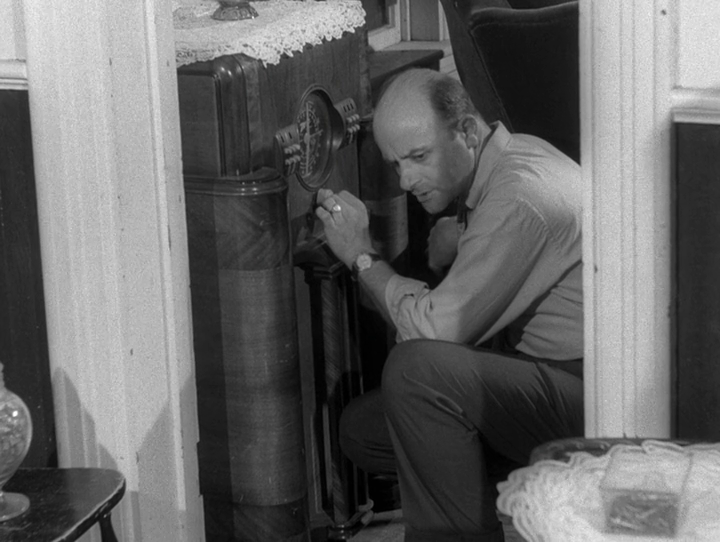
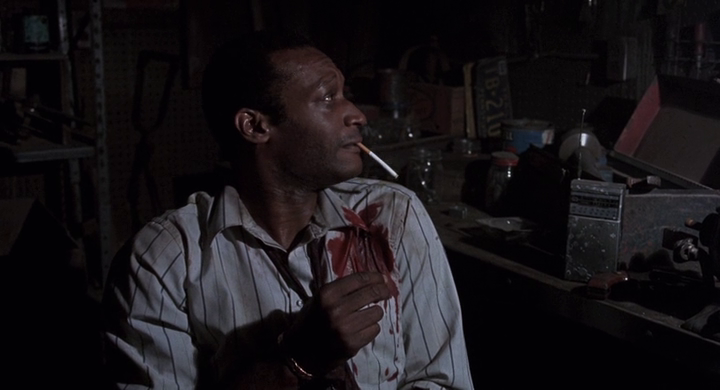
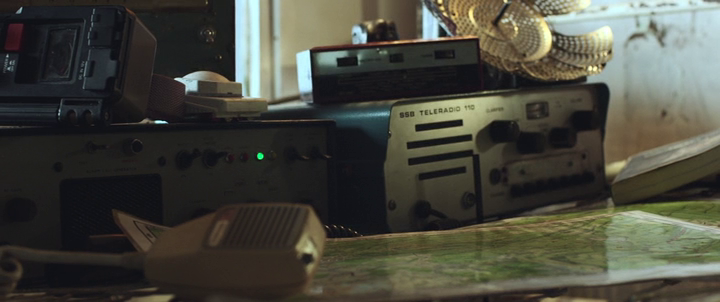
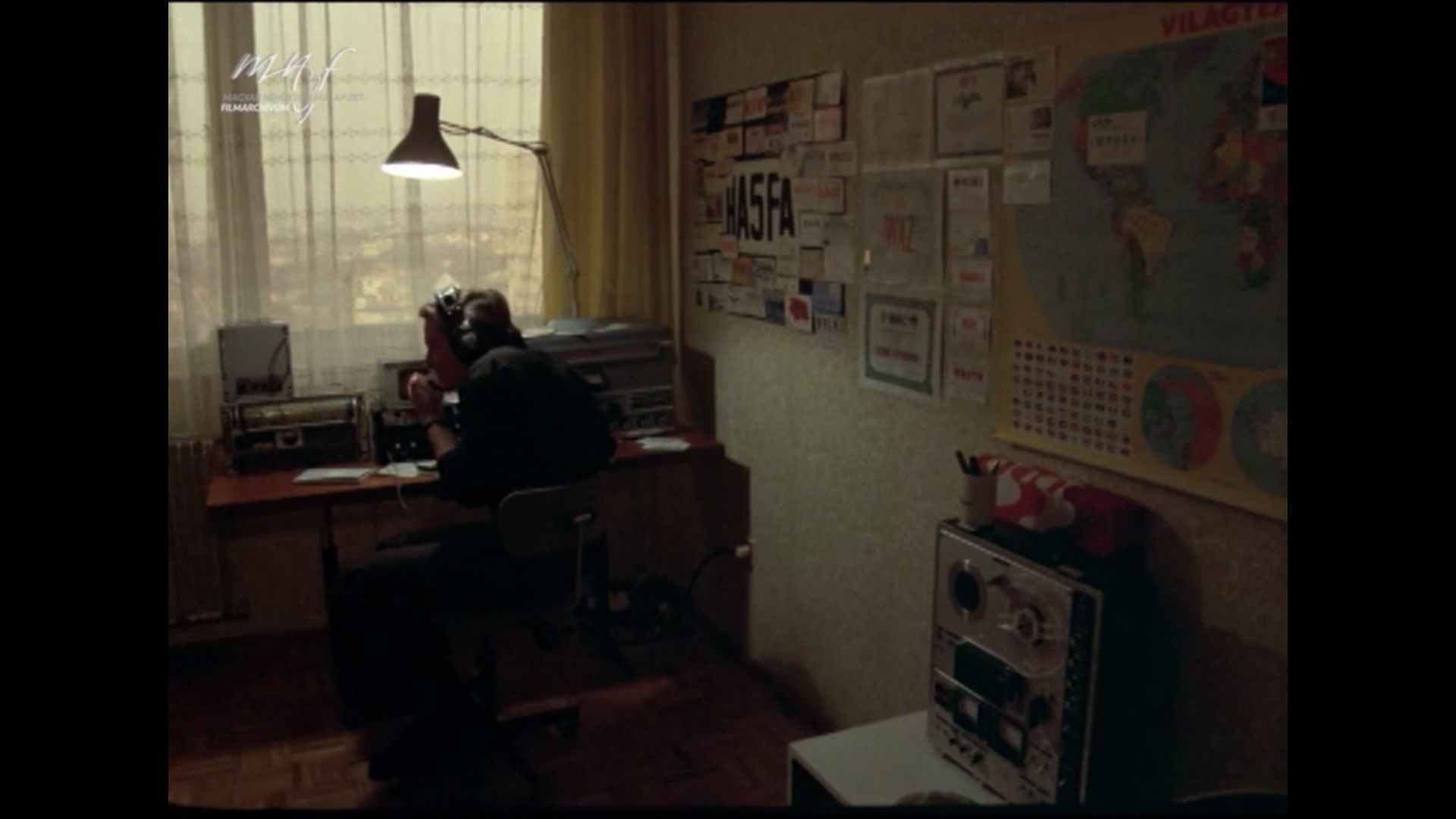
Balázs spots a vintage receiver in “Jakob the Liar”

Many thanks to SWLing Post contributor, Balázs Kovács, who writes:

Jakob the Liar (1999)

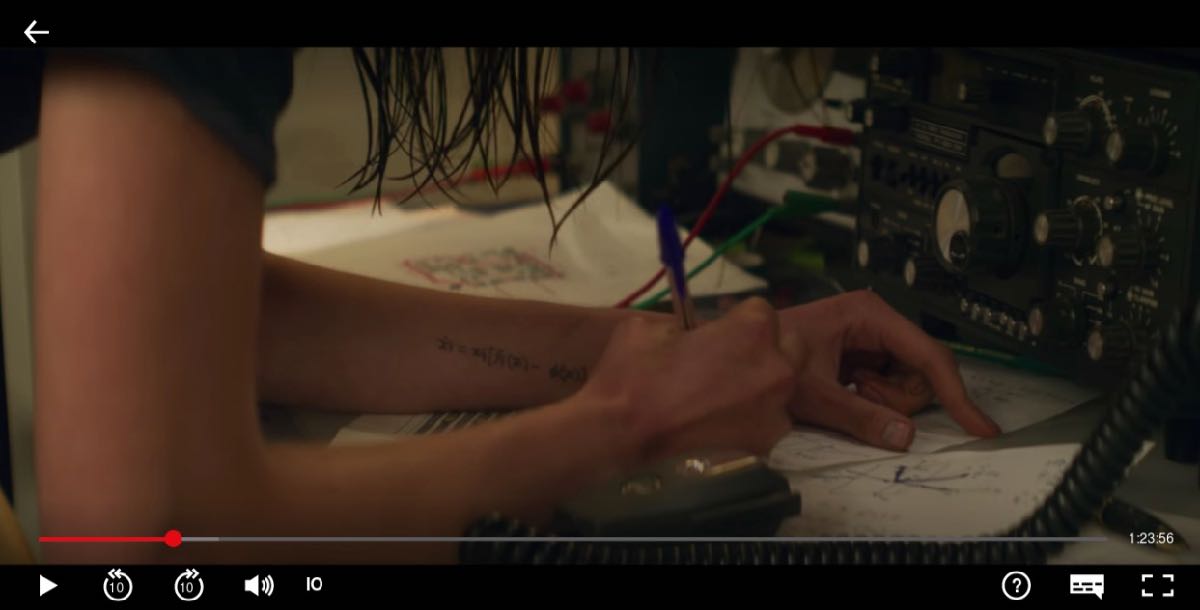
A radio receiver plays a main role here next to Robin Williams in a Jewish ghetto in Nazi-occupied Poland in the second world war.

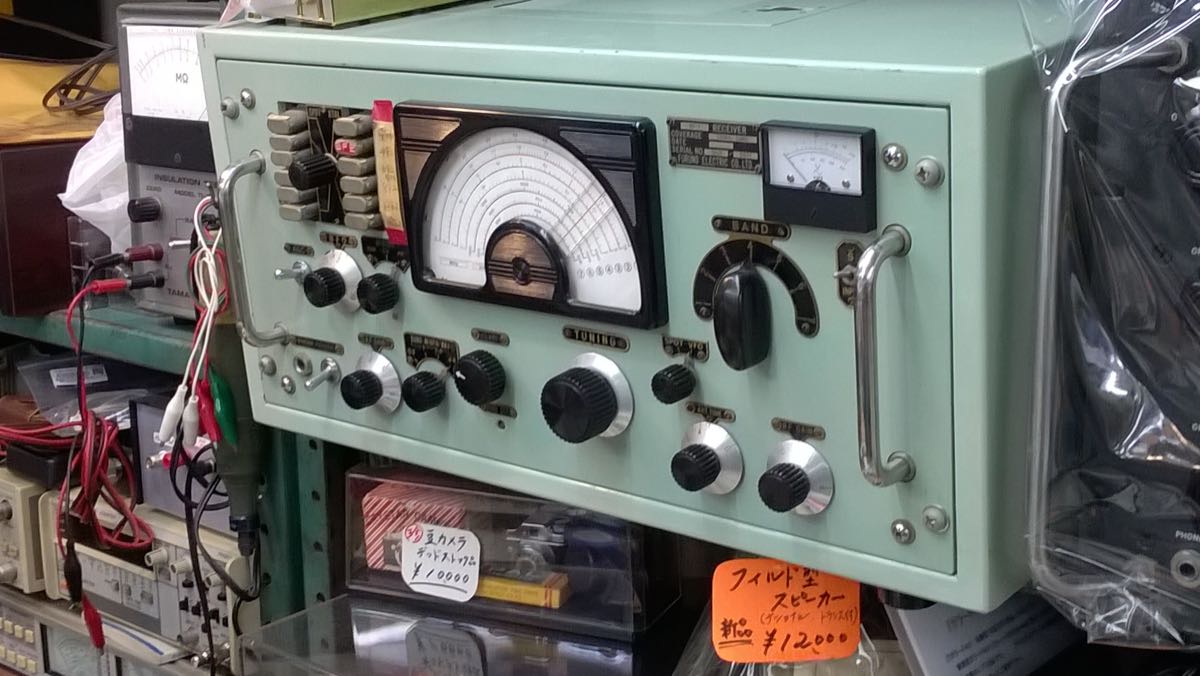
Here I added three additional photos about the radios from the last year when we visited the Kraków area, the museums of Oskar Schindler’s Factory and Auschwitz.

Thank you for sharing your images, Balázs. I do not recognize the tube radio in Jakob the Liar. I do love the tuning eye.  Anyone know the model? Please comment!
Of course, I’ll add this post to our ever growing archive of radios in film!

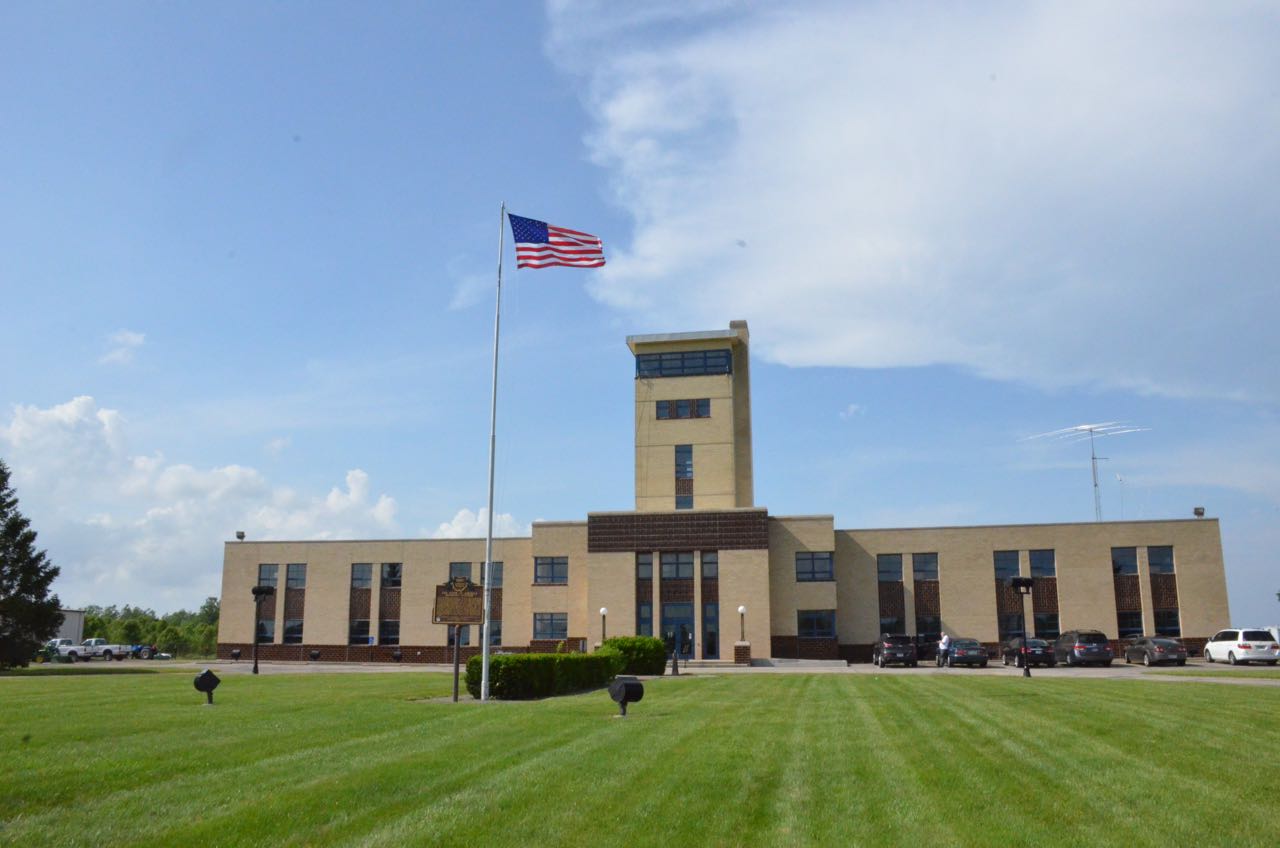
Woofferton Transmitting Station: 75 years of continuous operation

Photo by Flickt user Shirokazan via Wikimedia Commons.

Many thanks to SWLing Post contributor, Dave Porter, who notes:

Pleased to let you know that Woofferton Transmitting Station celebrated 75 years of continuous operation yesterday 17th October 2018.

It is now run by Encompass Digital Media to give it its full name!

Woofferton has certainly experienced and propagated a lot of world history!  Thank you for sharing Dave!

If you’d like to dive deeper into the station’s history, check out this book published around the time of Woofferton’s 50th Anniversary. Also, click here to check out Dave’s video tour of the Woofferton Transmitting Station.

Spoiler Alert: As we approach the SWLing Post’s 10th Anniversary next month, Dave is generously donating a little piece of Wooferton’s history that one lucky reader will win! Interested?  Stay tuned!

I’m keeping the CoCo 2

Thanks to all of you for indulging me yesterday as I tried to decide whether or not I should keep my beloved TRS-80 Tandy Color Computer 2 (CoCo 2).

I conducted a survey asking this very question.  As of this morning, 158 readers responded to the survey, 81.4% replied (rather, shouted) “Keep it!”:

And so I shall.

It’s not just the survey that swayed me. Many of you pointed to the active community of CoCo 2 enthusiasts on the web that keep these simple machines alive and well and even continue innovating with add-on boards/features.   I know now that when the time is right, I should fire the old girl up and run a few simple programs–perhaps even code one of those Family Computing programs. (Incidentally, if anyone has a suggestion of how to connect the CoCo2 to a modern TV with HDMI or composite/component inputs, please comment!)

Many of you also told me that I would likely have regrets in the future if I sold the CoCo 2.

I suspect you’re all right about that.

And then Robert Gulley commented:

“As someone who is downsizing radios myself, I still have my limits. Keep the computer, mainly because it is a connection, no, a very important connection, to your past. As I have grown older I have come to realize the significance of being connected to the things which touch your soul, and therefore I keep watch over those things.”

Robert knows me pretty well, so I took these words to heart.

I only have wonderful memories with the CoCo 2 and hanging with my best friend, Junior, as we tried to hack and tinker with programs.

I’ve decided that I’m going to hang the CoCo 2 on the wall in my shack and, eventually, turn it into some sort of functional art. I want to be able to pluck it from the wall and connect it to a monitor from time to time. I might even take some of your suggestions and employ it in a simple ham radio application…just because.

Thanks again for helping me with this decision!