Category Archives: Nostalgia

Radio Moscow: New Year’s Day, 40 years ago

Happy New Year SWLing Post community!

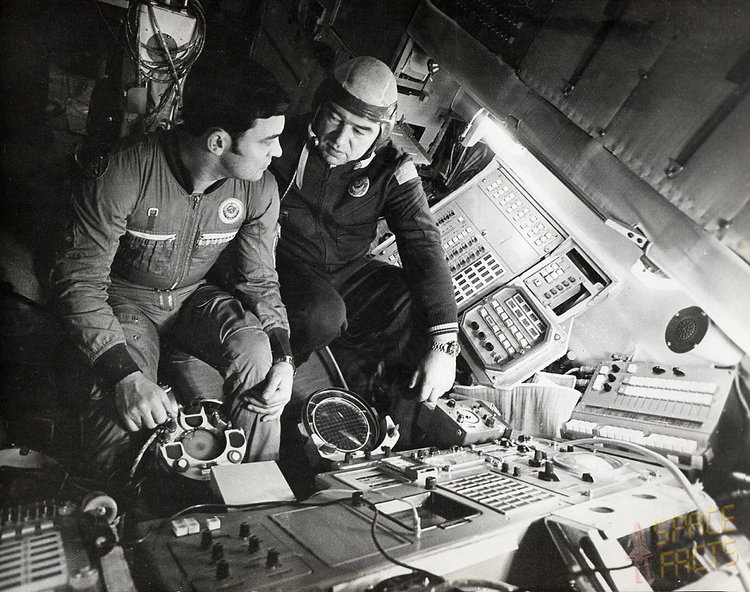
A few months ago, I published a post about Colin Anderton’s excellent Radio Moscow recordings from the late 1970s. Being a space flight enthusiast, all of Colin’s brief off-air recordings feature news from the 1977-1978 Soyuz 26 mission to the Salyut 6 space station.

Recently, I started posting Colin’s recordings on a schedule so that each recording is being published exactly 40 years from the original broadcast date. Check out the Shortwave Radio Audio Archive each day (or subscribe via iTunes) to listen to the recordings.

Below, I’ve embedded the recording from New Year’s Day 1978 where we learned that Yuri Romanenko and Georgi Grechko toasted the New Year with fruit juice (for obvious reasons, champagne was not allowed on the station!).
Click here to listen via the Shortwave Radio Audio Archive.

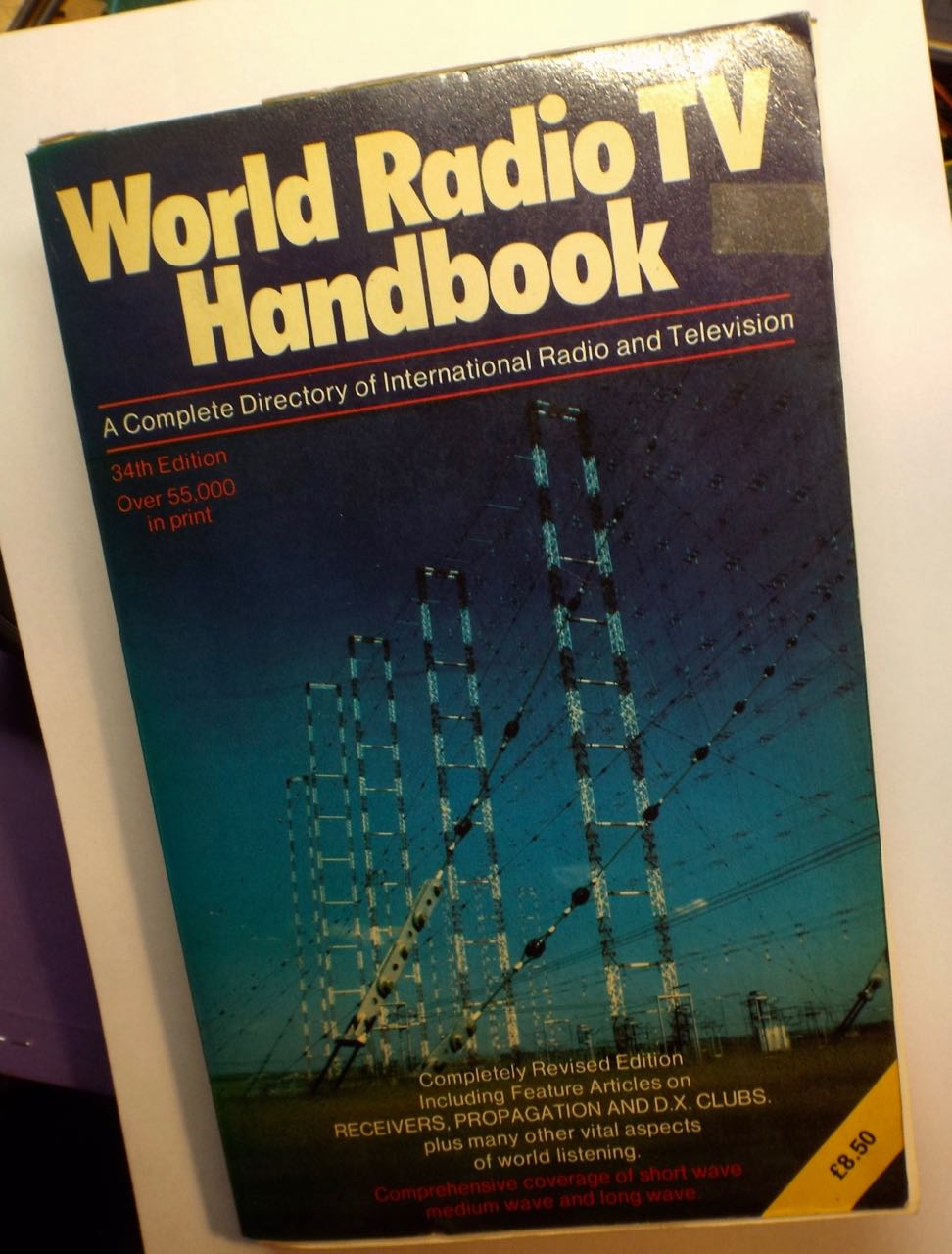
Andy remembers his first issue of the WRTH

Many thanks to SWLing Post contributor, Andy Howlett, who writes:

Always nice to see another WRTH arrive, even though I haven’t actually bought one for many years. Attached is a pic of the very first one I bought, back in 1980.

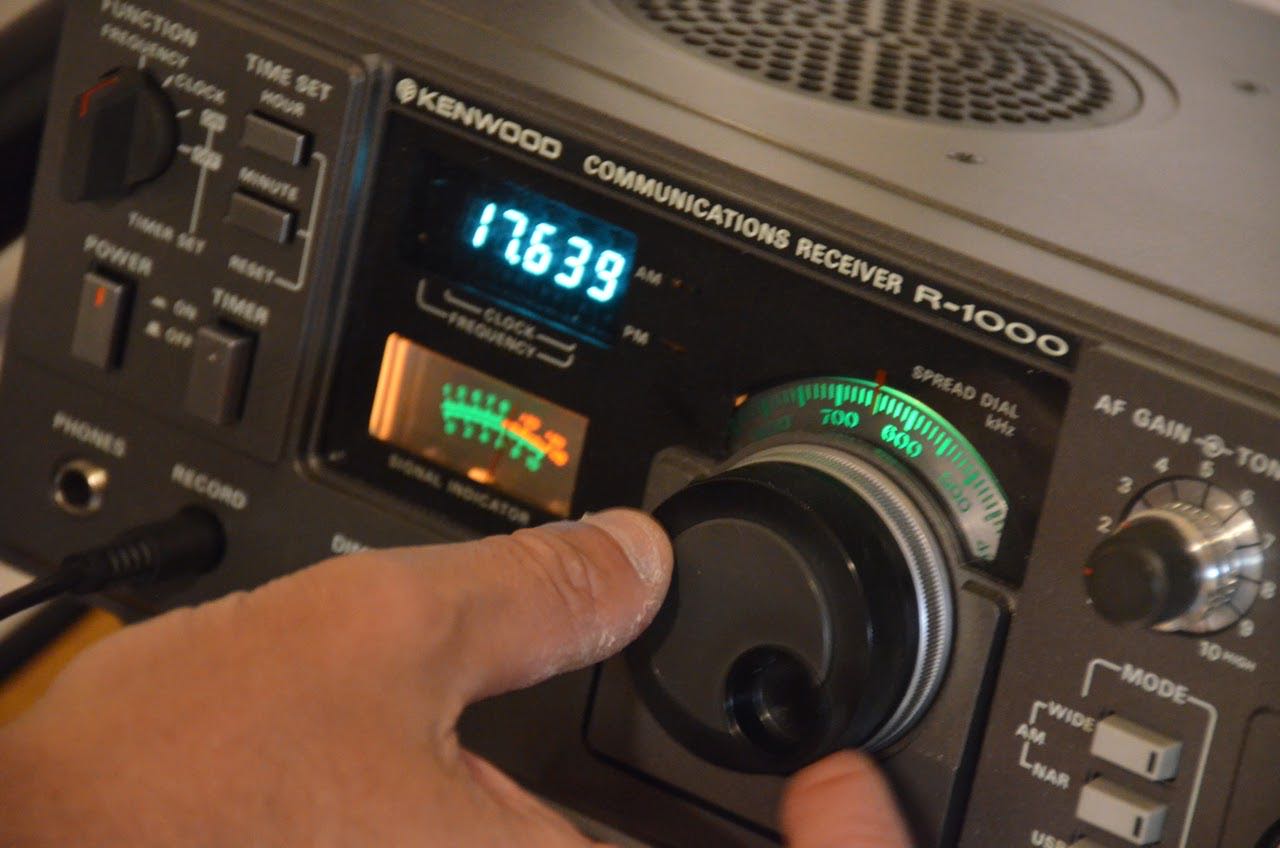
I only got it as it contained a review of the then spanking-new Trio R-1000 HF receiver, which I was thinking of splurging my meagre wages on.

On the basis of that review, I went ahead with the purchase and discovered it was a cracking RX and I only sold it on in the early 90’s to enable the purchase of an ICOM R-7000, another cracker!

Merry Christmas to you and all listeners everywhere.

Thank you for sharing your memories with us, Andy, and Merry Christmas to you!

WI2XLQ: Brian Justin’s annual longwave broadcast Dec 24-26

Canadian Reginald Aubrey Fessenden in his lab believed circa 1906 (Source: Radio Canada International)

Now an annual Christmas tradition, Brian Justin (WA1ZMS) will put his longwave experimental station WI2XLQ on the air to commemorate the 110th anniversary of Reginald Fessenden’s first audio transmission.

WI2XLQ will be on the air from 17:00 UTC Dec 24th on 486 kHz and run for 48 hours until 16:59 UTC on Dec 26th.

Listener reports may be sent to Brian Justin, WA1ZMS, at his QRZ.com address.

If you would like more information about Brian Justin and WI2XLQ, check out our interview with him in 2013. Indeed, I successfully heard the 2013 WG2XFG broadcast and posted this audio clip on the Shortwave Radio Audio Archive.

Additionally, SWLing Post reader, George Stein has a very personal connection with radio pioneer, Reginald Fessenden: click here to read his story.

Belgium to end telegram service

(Source: BBC News via Kris Partridge)

Belgium’s telegram service is about to stop. Stop.

One hundred and seventy-one years after the first electrical message was transmitted down a line running alongside the railway between Brussels and Antwerp the final dispatch will be sent and received on 29 December.

The fact that this 19th-Century technology is still up and running in the age of Instagram and Snapchat may seem rather odd – especially when you consider that the UK, which invented the telegram in the 1830s, abandoned it as long ago as 1982.

The United States followed suit in 2006 and even India, which had been by far the world’s biggest market for the telegram, finally closed its system down in 2013.

Just 10 businesses and a handful of individual customers have kept the Belgian system going until now. It has been chiefly used by bailiffs, who had need of a system which provided legal guarantees of dispatch and receipt.

The buyer can call up a telephone operator to spell out their message, which is then sent by post.

But with a “flash” telegram costing €23.75 (£21) for a basic 20 words, plus €0.90 for delivery in and around Brussels, it is not difficult to see why the system is struggling to survive in the age of unlimited texting on cheap mobile phone tariffs.

Click here to read the full story on the BBC News website. 

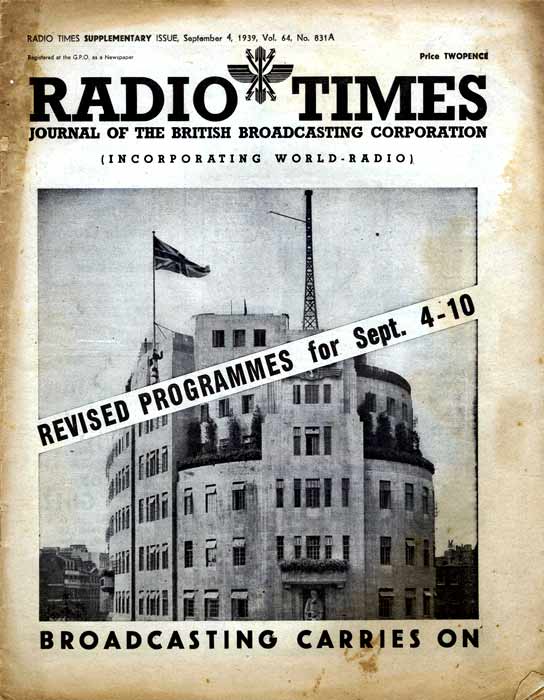
BBC Genome Project releases 1930s editions of Radio Times

(Source BBC Genome Blog)

The BBC Genome Project is releasing the next batch of pages from Radio Times, this time covering the 1930s.

Genome users will now be able to access the articles, editorial material, letters pages, illustrations and photographs from the 1930s. We hope this will help users correct some of the errors in the Genome data – as well as gain insights into broadcasting during this fascinating period.

The 1930s was a turbulent decade. The country had to cope with the worldwide depression and mass unemployment that followed the Wall Street Crash of 1929. In 1936, King George V died, but his successor Edward VIII abdicated at the end of the year, to be replaced by George VI, his younger brother. Internationally, the decade was marked by the rise of the Nazis in Germany, and the sequence of events which culminated in the outbreak of war in September 1939.

It was a period of change in broadcasting too. At the start of the 1930s the BBC was still overseen by Sir John Reith, its first Director General. In 1932, the BBC moved from its cramped headquarters at Savoy Hill to the purpose-built Broadcasting House.[…]

Click here to continue reading on the BBC Genome Blog.

a.bsolument: Converting radios from vintage valve into boutique Bluetooth

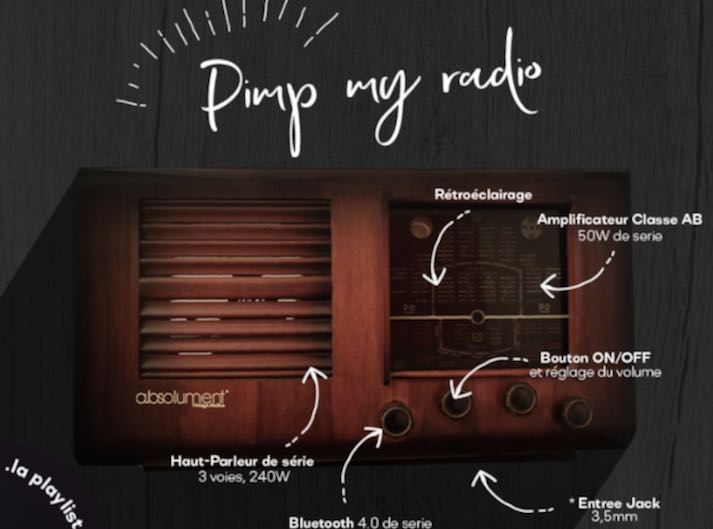
Many thanks to SWLing Post contributor, Kim Elliott, who shares this link to a French company called a.bsolument who specializes in converting vintage valve radios into hi-fidelity Bluetooth-connected audio devices.

According to a.solument’s introduction video, they take vintage radios in disrepair, gut the insides and replace the components with modern hardware which includes Bluetooth 4.0 and aux-in capabilities:

https://vimeo.com/87657532

While I LOVE vintage radios, I have conflicting feelings about this process.

I take pride in keeping my vintage gear in proper working order (through the help of a mentor). Something that simply cannot be replicated with digital hardware is the sound and warm fidelity of AM audio emanating from a valve classic. At home, I have the option of feeding all of my vintage gear Bluetooth and wireless connectivity via an AM transmitter. This allows me to play any digital content while preserving the original audio fidelity (and warming my radio room with those glowing tubes!).

With that said, I’m very much aware that it’s becoming increasingly difficult for the average consumer to find a technician who can repair tube gear affordably. Indeed, some feel it’s impossible thus toss their family radio in the trash.

If a.bsolument is giving vintage beauties–that would otherwise be in a landfill–a new lease on life, then I’m all for it!

What do you think?  Please comment!

From the Post Archives: Radio Free Whatever–A Pearl Harbor Tribute

President Franklin Roosevelt called December 7, 1941, “a date which will live in infamy”–the day Japan attacked Pearl Harbor, Hawaii by air.

This morning, I was reminded of an off-air recording I made in 2013 of the pirate radio station, Radio Free Whatever. Please enjoy this bit of history from the Post archive:


960px-USS_SHAW_exploding_Pearl_Harbor_Nara_80-G-16871_2

USS Shaw exploding in Pearl Harbor on December 7, 1941

For your listening pleasure: one hour, seven minutes of the pirate radio station, Radio Free Whatever.

I recorded this broadcast on December 15 2013, starting around 2:40 UTC, on 6,925 kHz AM. This broadcast was a tribute to WWII and Pearl Harbor and contains news clips and music from the same time period. I believe my recording begins about five or so minutes into their broadcast.

Simply click here to download an MP3 of the recording, or listen via the embedded player below: