Shortwave listening and everything radio including reviews, broadcasting, ham radio, field operation, DXing, maker kits, travel, emergency gear, events, and more
Many thanks to SWLing Post reader, Gary (WN9U) who writes:
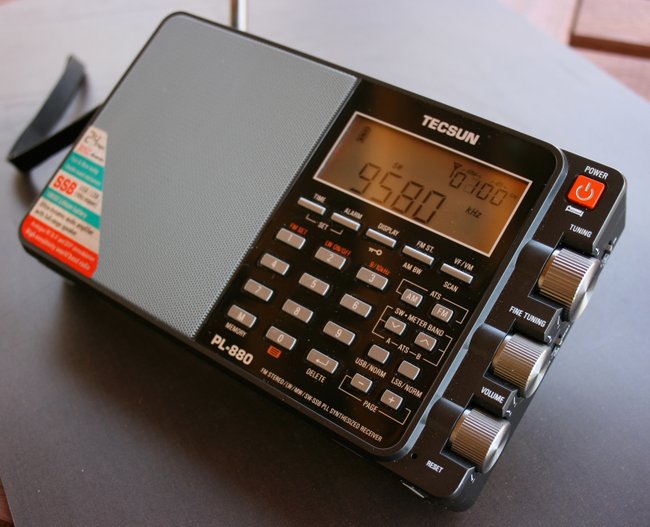
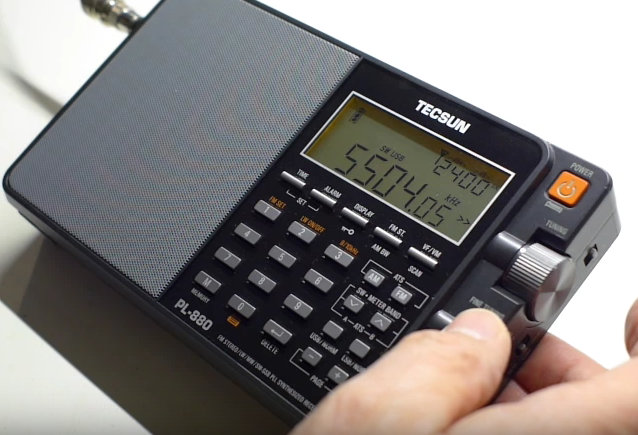
Just an FYI comment about the narrow filters NOT staying on while tuning. I read about the similar problem that you encountered during the initial testing of the PL-880.
While tuning CW stations with the 500 Hz filter turned on (fast or fine tuning), the filter would always revert back to the 3.0 wider setting. It had never done this before. I tried several resets with no cure.
After turning off the Noise Reduction, I was able to tune with the narrow filters set at any band width. Evidently, the filter opens up to 3.0 when tuning with the Noise Reduction turned on & reset does not turn off this function.
Thanks so much for the tip, Gary! I’ll add this to our (still) growing list of PL-880 hidden features and tips. Seems there’s always something to discover on the Tecsun PL-880.
My buddy, Jeff MacMahon, over the Herculodge, forwarded the following message from his reader, Val:
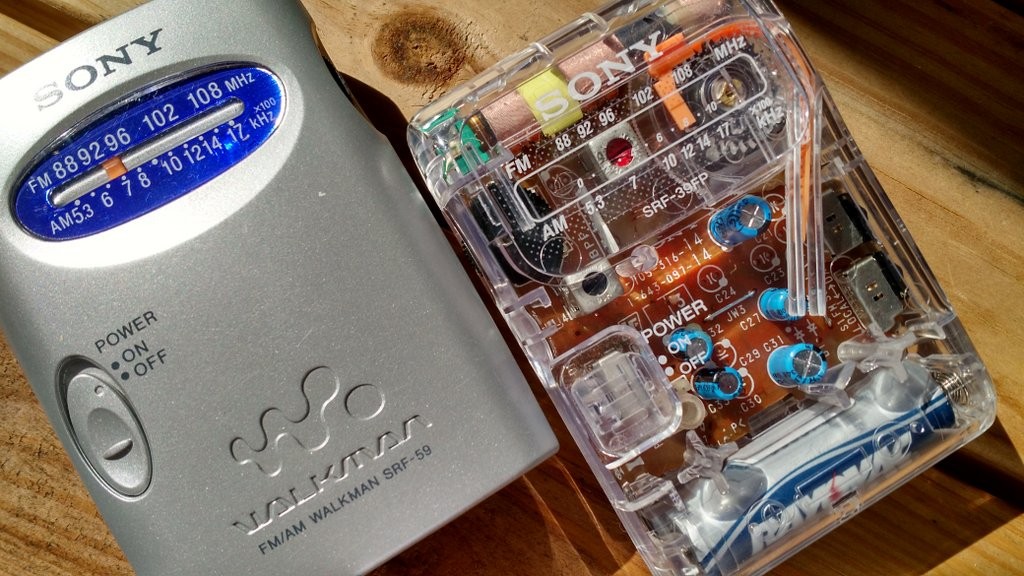
[P]robably some people who are still interested in AM radio will be surprised to see pictures of the Sony SRF-59.
[The] Sony SRF-39FR is an excellent receiver made special for Federal Prison in US.
It is an incredibly sensitive and selective receiver able to pick up every AM frequency.
Somewhere on the Internet, I found a picture of the SRF-59 [which implied that it had the] same circuitry as the Sony SRF-39FR.
I bought SRF-59 from Source Electronic to compare two radios. I was so disappointed after testing the SRF-59.
It is absolutely a different receiver compared with the SRF-39FP. It doesn’t stay close for performance. I opened it (see photo above) and (surprise!) it was missing a few capacitors…What a shame….
Thanks for sharing this, Val.
My advice? Don’t throw the SRF-59 away yet, Val! While it isn’t quite on par with the SRF-39FP, it is still quite an amazing MW DX ultralight.
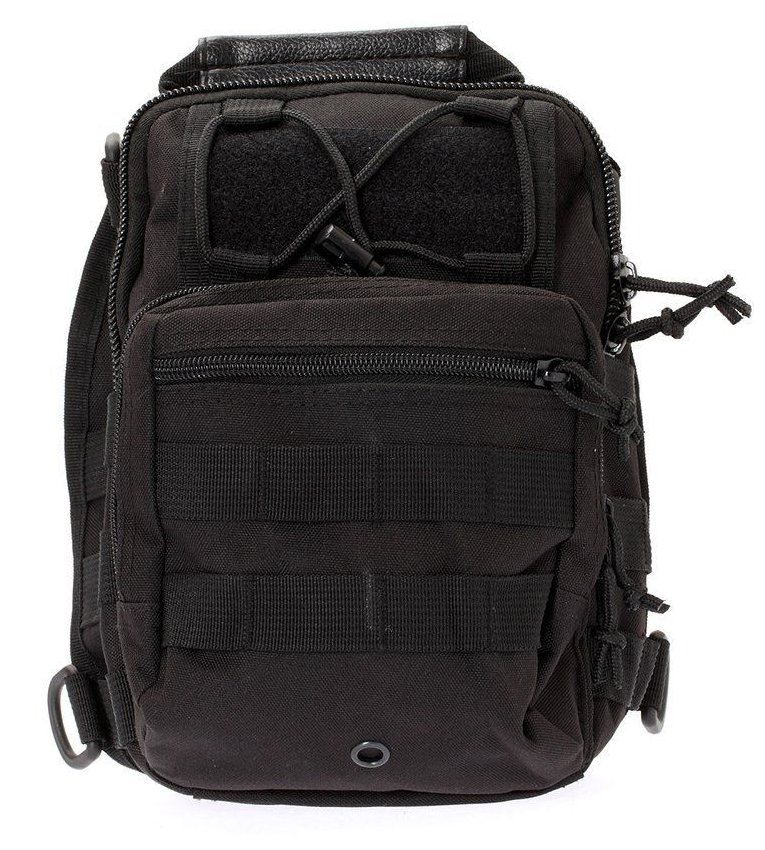
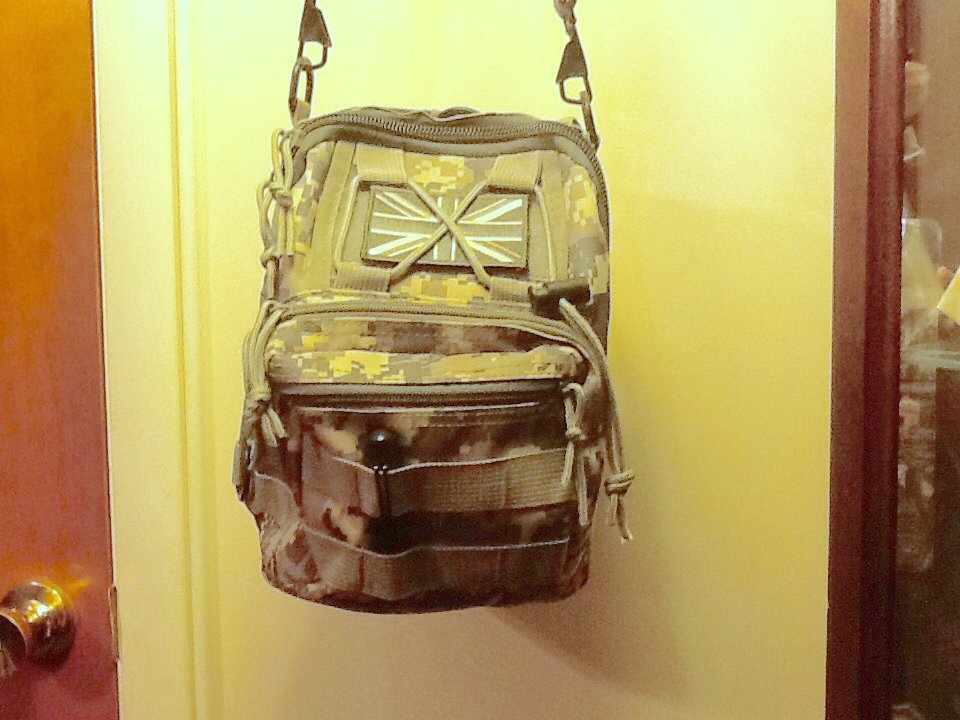
I tend to want a little more protection and space so I use a tactical military type shoulder bag for my portable radio kit. It hangs nicely off the back of the passenger’s seat in my car and allows me to keep my PL-660, spare batteries, portable wire antenna, earphones, frequency lists, and other gear all together in a handy pack.
JC’s shoulder pack
The price is about $13.60 w/ free shipping. It’s a great bag for my portable kit, and it’s built pretty sturdy. Any extra protection is better than none for a radio used out in the field.
Many thanks to SWLing Post contributor, Troy Riedel (the Amateur Astronomer), who writes:
I’m rather – uh – call it OCD re: equipment cases (and bags/packs).
All of my […]astronomy equipment is well secured & cataloged in several dozen cases.
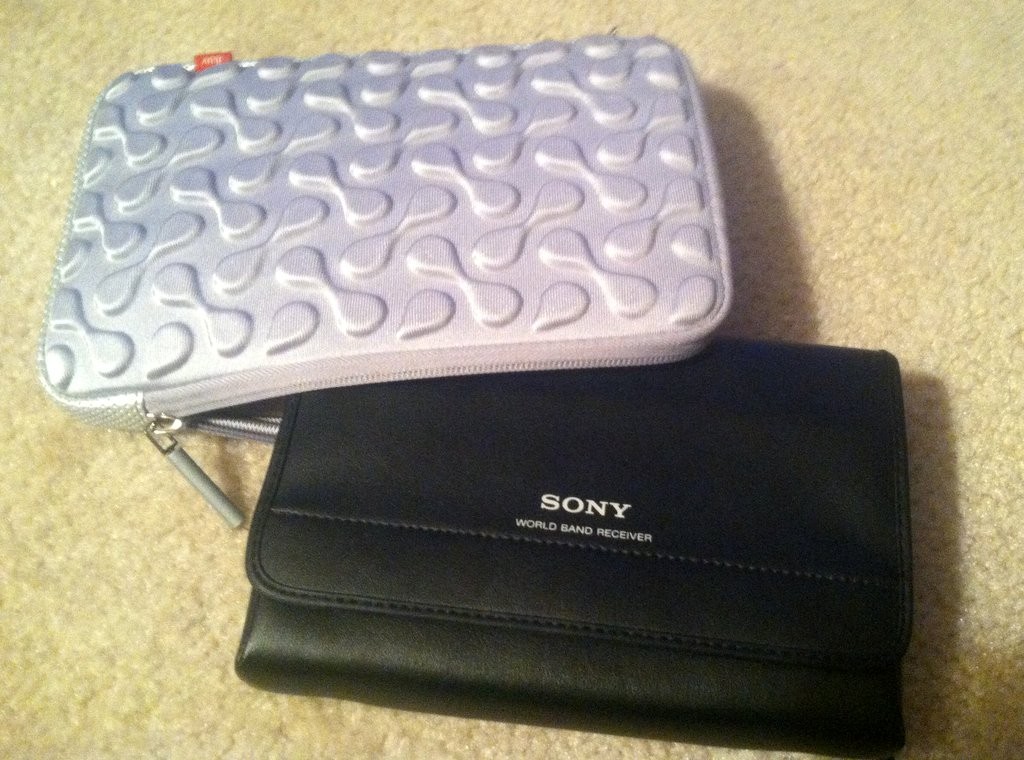
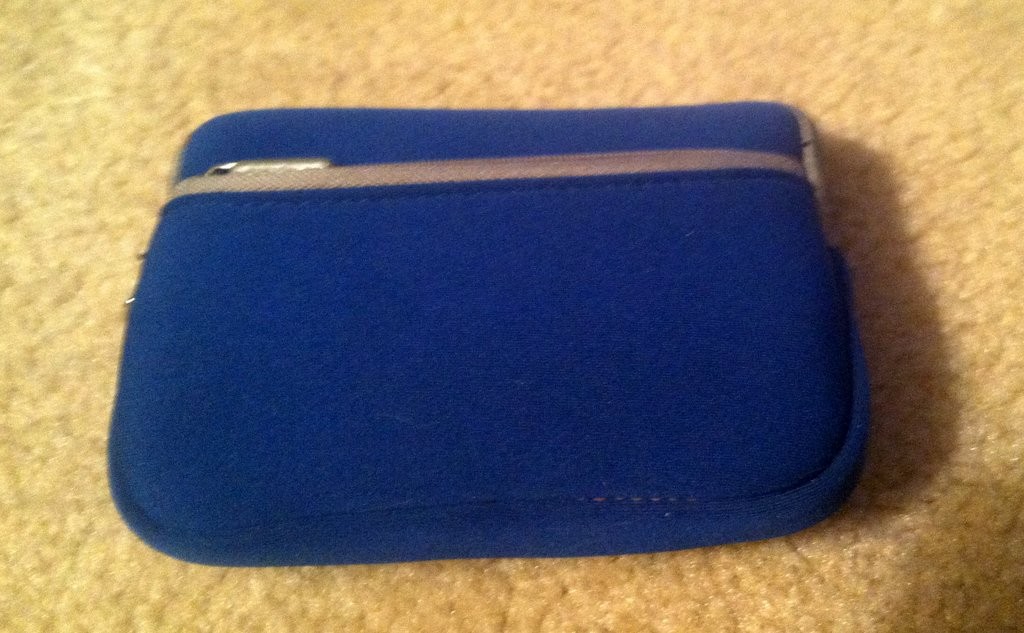
I [also] wanted to protect my shortwave radios. I like the neoprene cases that Tecsun ships with their radios as they have a bit of shock absorbing capacity. I went online at Amazon & eBay and I bought “neoprene” cases of various sizes made for GPS units, external hard drives, and tablets.
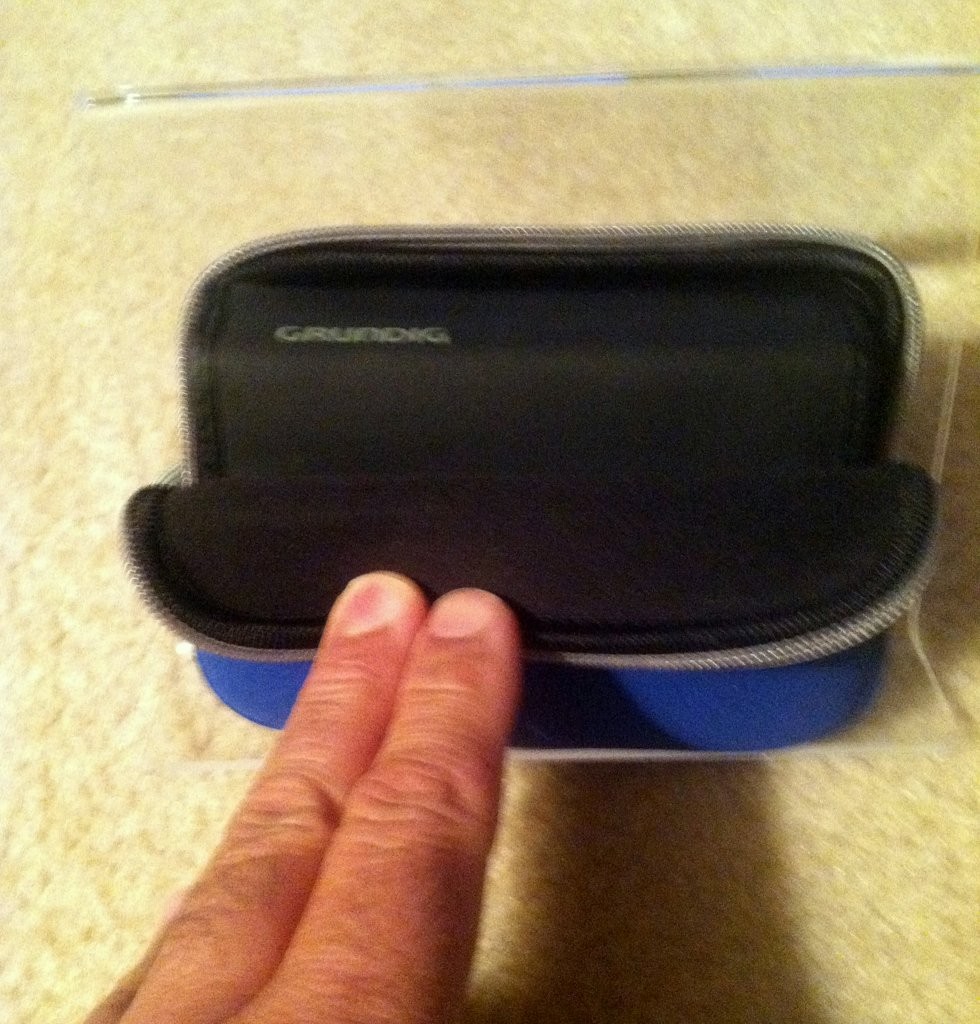
Upon receiving them I’ve found the 3.5-4″ GPS cases are perfect for the Grundig G6 and similar sized radios.
Belkin “Grip” tablet cases are perfect for the Grundig G3/G5. And the larger “iLuv Gaudi” case is prefect for the YB400 & Sony ICF-SW7600GR. The iLuv even has memory foam. I feel I could drop any radio in this iLuv case from a reasonable height and the contents would be perfectly fine.
Including shipping, I spent $6 for the most expensive case and as little as $3.95 for the least expensive.
The iLuv memory foam case, in silver, was only $4.99 and free shipping via Amazon Prime. Some of the cases have exterior zipped pockets perfect for ear buds and a USB cable. The neoprene has the capacity to stretch a bit, so all of them are a snug fit. Though there is an extra 1/2″ on the iLuv case, the memory foam quality ensures a nice, tight fit.
I’ve attached a few pictures to illustrate my finds.
Thanks so much for sharing your research, Troy. I have just added the iLuv case to my Amazon cart. Like you, I have a Sony ICF-SW7600GR and it gets taken to the field a lot. The 7600GR comes with a nice custom case/cover, but it offers little in the way of protection–$4.99 is a reasonable cost to protect one of my favorite portables.
Like you, Troy, I have a serious addiction to quality bags and cases. I hope you know that you’re only enabling me! Ha!
Readers: Please share your radio case/bag recommendations as well!
To sum it up, recently manufactured Tecsun PL-880 tune backward when using the Fine Tuning knob in SSB mode. This result in a very bad tuning feeling, especially for SWL and Ham radio operators, 1 kHz frequency jumps each kHz and a displayed frequency that can be off as much as 2 kHz.
Anna from Anon-Co has been very cooperative, serious, kind, in short: an outstanding person. She never denied the problem, and found a solution to correct it by loading a 8820 firmware just anterior to the buggy one.
Now, all PL-880 sold by Anon-Co have the corrected firmware.
I am extremely pleased with my PL-880 and I need to add that the tuning experience with the corrected firmware is night and day. Now, you can tune continuously using the Fine Tuning knob, without hitch and very smoothly ; the lack of shuffling is also very welcome, as is the Variable Rate Tuning (10 Hz or 50 Hz tuning steps). This makes the PL-880 an outstanding receiver for its price, considering the 10 Hz fine steps, the choice of selectivity, the long life on its battery, etc…
Be sure to choose a distributor that sells PL-880 with the tuning bug corrected.
Many thanks, Georges, for the follow-up. I’m very happy to hear that PL-880 retailers like Anon-Co are assisting in such a helpful and effective way.
No doubt, other PL-880 retailers will also begin to offer a firmware upgrade to fix the fine tuning bug. As Georges notes, please check before purchasing!
Reders/Retailers: Please comment if you can confirm that others are now shipping PL-880s with the fine tuning control fix.
While doing a little shortwave listening in the field (obviously a very cold field) Vasily Strelnikov noted an anomaly while using the ETM function on his CountyComm GP5/SSB. He posted the following video on the Shortwave Listeners Global Facebook page and on YouTube so that I could share it with Post readers:
I’ve never noticed this on my GP5/SSB. My first thought would be that there’s a strong broadcaster nearby that may be overloading the front end on Vasiliy’s receiver. With that said, it looks like a pretty rural area. Anyone else notice this on the GP5/SSB?
Sometimes when browsing eBay you’ll come across a hot item that wasn’t even on your wish list or Followed eBay Searches. This was the case for me early last month when I spotted a new listing for a Zenith Royal D7000Y-2 Trans-Oceanic that’s arguably the best performing T-O ever made. It’s not the most collectable (the final R7000 series has that distinction), but is the final model with the desirable band spread tuning arrangement. The D7000Y is also the last of the hand-wired Trans-Oceanics. Some claim this model has the best audio of the transistorized T-Os, too.
I have a soft spot in my heart for Zenith Trans-Oceanics, as the co-author of the “Royalty of Radios” reference book, the late Prof. John Bryant, was my best friend for many years. John also wrote books on Zenith’s corporate history and other models of Zenith radios. The transistorized Zenith Trans-Oceanics were unobtainable dream receivers for me when I was a teenager in the mid-1970s.
I watched this Buy-It-Now auction for three days and was very surprised it remained available, especially after noticing its superior condition compared to other auctions for the same model. Finally on the third day I pulled the trigger–I’m not a collector of vintage radios but I couldn’t miss the chance to let this fine old Zenith follow me home. At a Buy-It-Now price of $219 including cross-country shipping, it seemed like a no-brainer decision.
When the radio arrived–packed extremely well–it was in ever better condition than pictured and described (I’d call it 9.8 on a 10 scale). The package included the original hang tag, QA stickers, owners manual, service manual, marketing literature and even the original monaural earphone and AC power cord. All dial lamps and the chart light worked fine. The previous owner said the T-O was fully aligned a year ago, and indeed I found that the reception quality on the built-in whip antenna is great. I’d love to know where this receiver was stored for the last 38 years; it was clearly someone’s gently used, cherished Zenith.
This slideshow requires JavaScript.
________________________________
A folder of high resolution photosof this receiver can be viewed here.
Compared Against the Sony CRF-320
Besides simply enjoying receivers I get a kick out of comparing them against each other, and against various other ones owned by my radio hobby friends. Thanks to the loan of a vintage Sony CRF-320, I was able to directly compare it to my Zenith Trans-Oceanic Royal D7000Y-2 receiver. My friend’s CRF-320 is the equal of my Zenith in condition and quality. Each of us would like to own both of these radios!
This is an interesting pairing, since the Zenith was among the last of the premier, USA manufactured portable receivers (analog only, all hand-wired chassis), and the CRF-320 was an equally prestigious portable receiver of the “latest technology”–digital/analog readout with printed circuit board construction.
Once a leading receiver brand, Zenith did not react quickly enough to changing trends and business climate after the death of its founder, Commander Eugene F. McDonald. The 40 year old (1942-1982) proud line of Trans-Oceanics gave way to new, semi-automated methods of building receivers with inexpensive labor from Asia.
After an initial production run of the next (and last) R7000 series, manufacturing was moved to Taiwan. The receiver was built just as well as the previous Royal D7000, but used PCBs inside and the useful band spread frequency ranges were done away with (at the expense of ease of tuning). Still, Zenith T-Os couldn’t compete on price or performance against the Sony CRF-320, and the R7000 Trans-Oceanics were the last (and now most collectible) versions.
This YouTube video compares reception of these two vintage receivers with mid-morning signals on the 31 meter band, from the Seattle area:
Both radios were used with their built-in whip antennas although I couldn’t extend the Zenith’s its final four inches due to ceiling height in the room.
In my opinion, the CRF-320 is superior in keeping signals steady with its AGC, but the D7000Y-2 excels in audio quality and is neck-and-neck in most other respects. The Zenith may have performed a bit better with weak signals if the ceiling in my kitchen was a few inches higher! (Both radios have substantially long built-in antennas, and each are very well matched to their circuitry for excellent reception.)
There are many references around for the Zenith Trans-Oceanic series, but not a lot has been published on the CRF-320. Here is one page with good details on the Sony: http://www.shortwaveradio.ch/radio-e/sony-crf320-e.htm
I’ve been active on eBay since 1998. As with garage sales, the chances of an excellent “find” increase with the time spent in the pursuit. Sometimes you just get lucky though and find a very desirable item remaining unsold for days, such as this Trans-Oceanic! It’s all about being in the right place at the right time. Since I’ve bought the receiver I’ve yet to see any other D7000s of equal or better quality, despite some with Buy-It-Now prices of up to $450 plus shipping (edit 12/16: I spotted one that appears in equal condition to mine, but for a Buy-It-Now of $675 + $40 S/H).
Guy Atkins is a Sr. Graphic Designer for T-Mobile and lives near Seattle, Washington. He’s a regular contributor to the SWLing Post.

 My buddy, Jeff MacMahon, over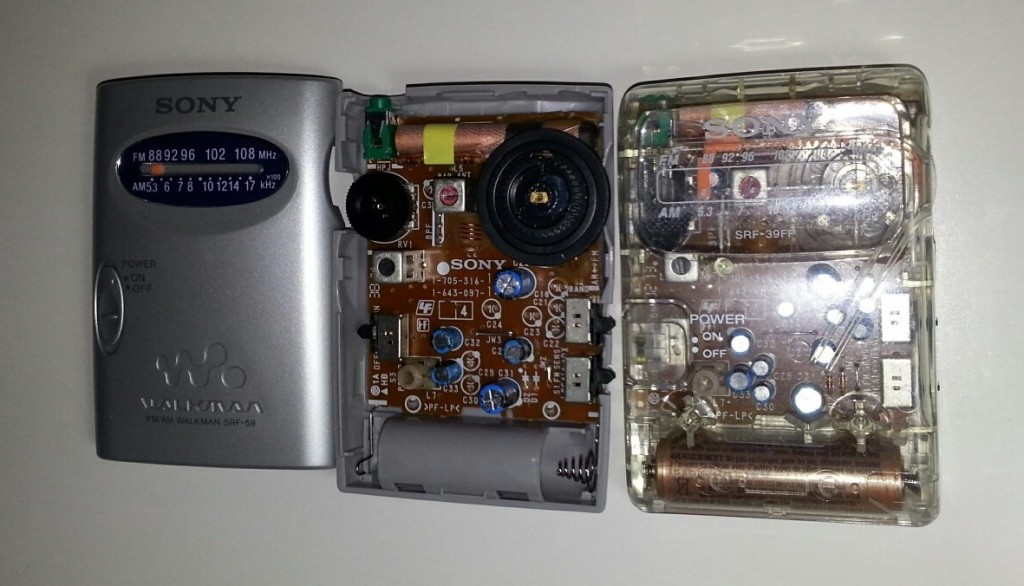
 Many thanks to SWLing Post contributor, Troy Riedel (the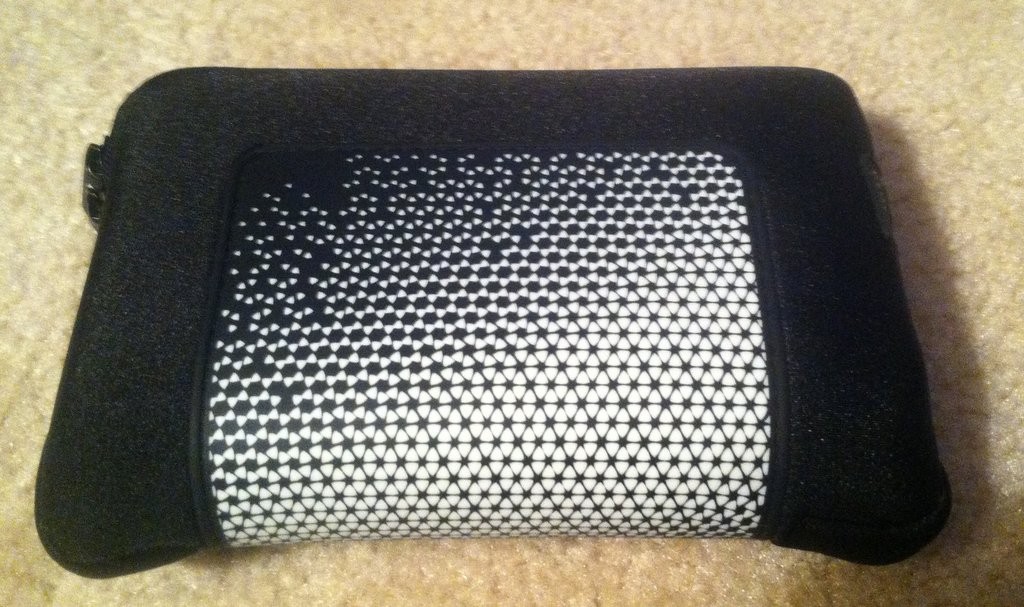

 Many thanks to SWLing Post contributor, Georges (F6DFZ), who writes: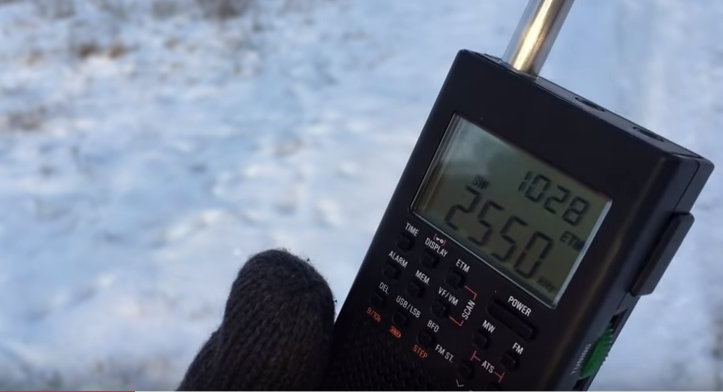
 Sometimes when browsing eBay you’ll come across a hot item that wasn’t even on your wish list or Followed eBay Searches. This was the case for me early last month when I spotted a new listing for a Zenith Royal D7000Y-2 Trans-Oceanic that’s arguably the best performing T-O ever made. It’s not the most collectable (the final R7000 series has that distinction), but is the final model with the desirable band spread tuning arrangement. The D7000Y is also the last of the hand-wired Trans-Oceanics. Some claim this model has the best audio of the transistorized T-Os, too.
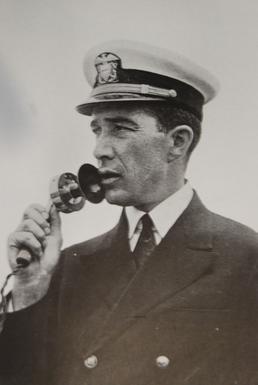 Once a leading receiver brand, Zenith did not react quickly enough to changing trends and business climate after the death of its founder, Commander Eugene F. McDonald. The 40 year old (1942-1982) proud line of Trans-Oceanics gave way to new, semi-automated methods of building receivers with inexpensive labor from Asia.