Shortwave listening and everything radio including reviews, broadcasting, ham radio, field operation, DXing, maker kits, travel, emergency gear, events, and more
Hi to all SWLing Post community. Here’s news of what the Imaginary Stations crew will be sending out into the ionosphere and via those groundwaves this coming week.
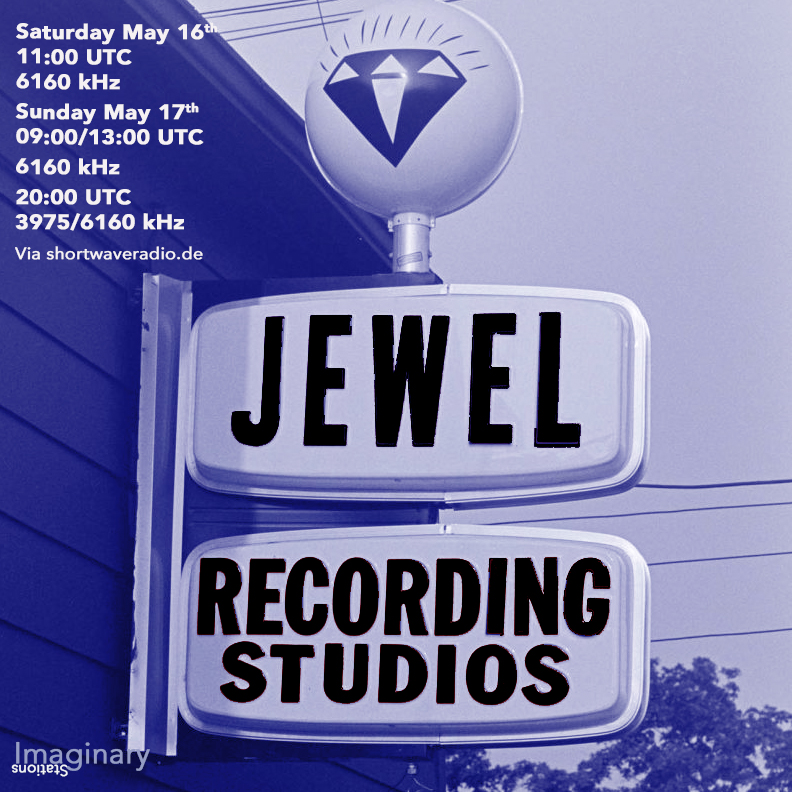
Thanks to Shortwave Gold, we have a transmission called JEWEL featuring an hour special on Jewel Records, from Cincinnati ran by Rusty York (more on the label here). The show is on Saturday 16th May at 1100 hrs UTC on 6160 kHz and then repeated on Sunday 17th May at 0900/1300 UTC on 6160 kHz and 2000 hrs on 3975 kHz/6160 kHz. Tune in for some musical education!
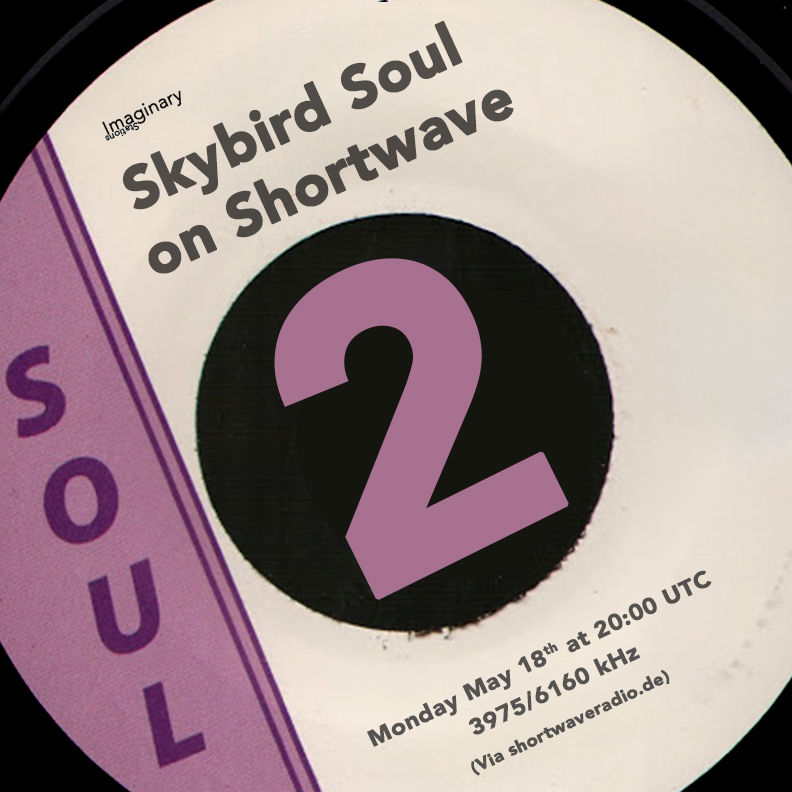
And then on Monday, May 18th at 20:00 UTC also via Shortwave Gold we’ve got part 2 of “Skybird Soul on Shortwave” on 3975 kHz and 6160 kHz. Loads of cracking soul and related type genres for a Monday evening.
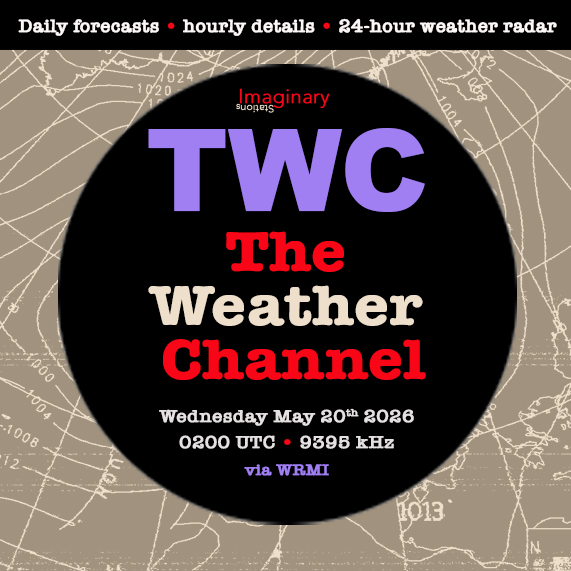
Then on Wednesday, May 20th (0200 UTC on 9395 kHz) via WRMI, we bring you a meteorology special with The Weather Channel. So, get the barometer and thermometer at the ready and keep an umbrella at hand just in case and tune in for some forecasting fun.
For more information on all our shows, please write to us at [email protected] and check out our old shows at our Mixcloud page here.
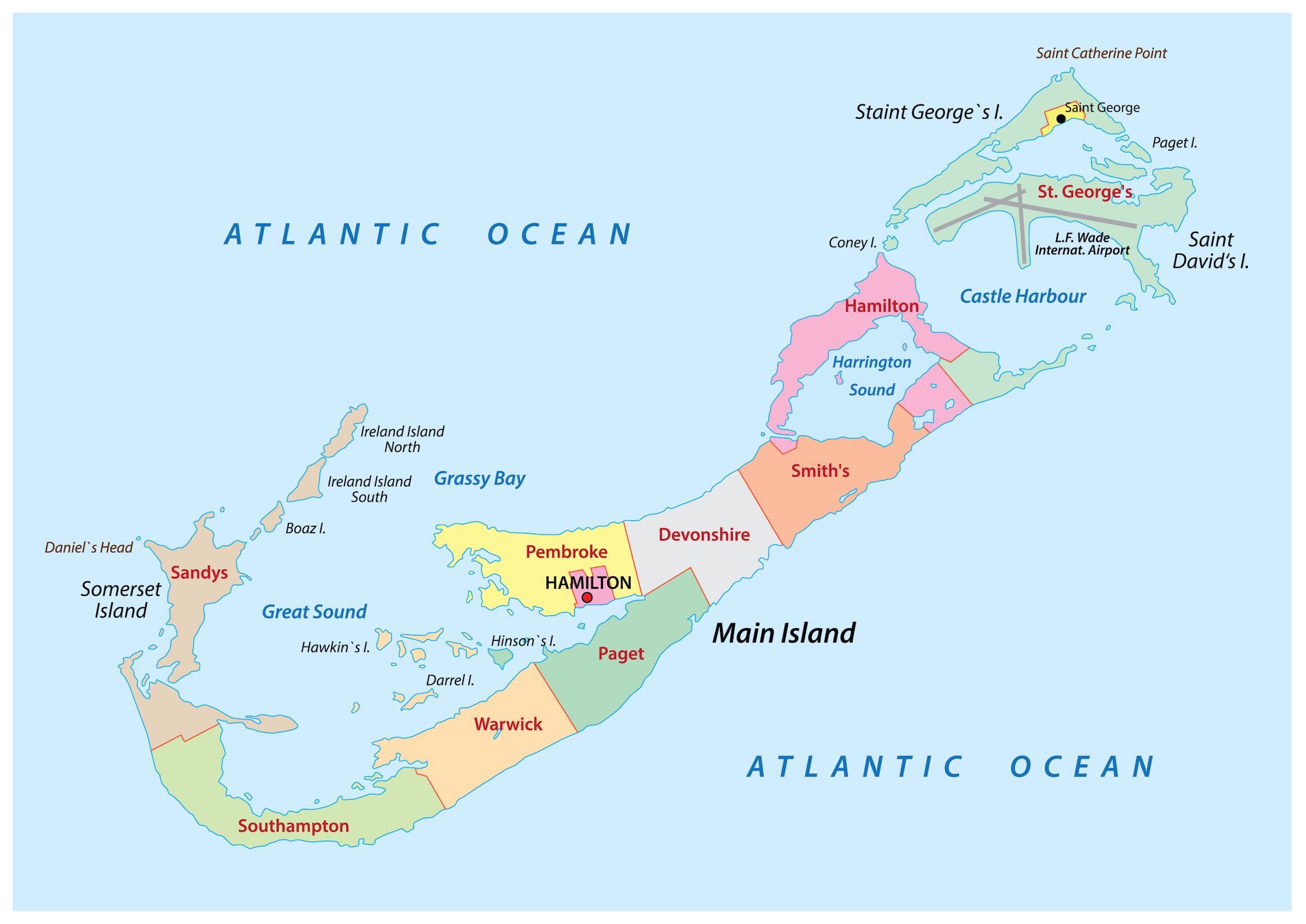
A half-century ago, long before the internet, e-mail, and SDRs, I was fortunate to visit the islands of Bermuda. In addition to meeting up with a fellow amateur radio operator, whom I had contacted from my home QTH in Ontario, Canada, I was able to do some listening on the AM broadcast band, as well as FM, on an inexpensive portable receiver from Radio Shack that I had brought along with me. To this day, I still have the recordings of a few medium wave “catches” that I made, a few from the Caribbean, and a few from the eastern seaboard of the U.S. and Canada.
As well, I recorded station ID’s of all the AM (3) and FM (2) local radio stations in Bermuda.
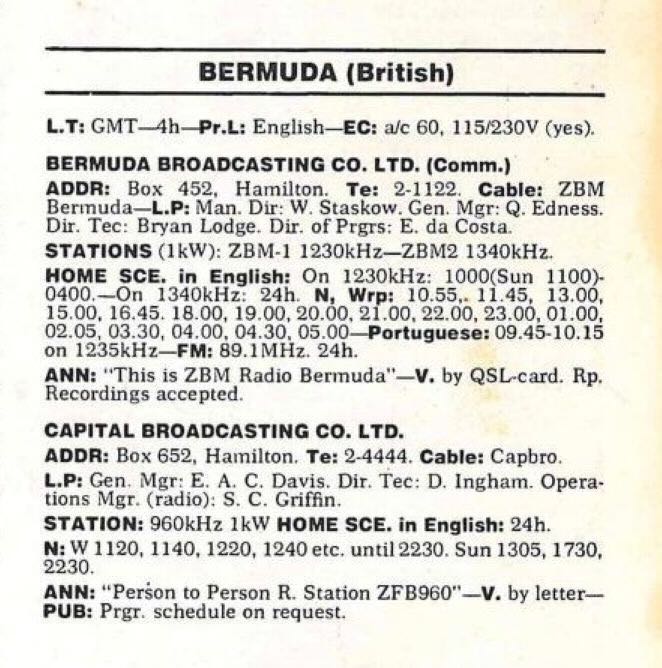
According to the 1975 World Radio TV Handbook, there were only 4 FM outlets, as the 94.9 FM outlet is not listed. Here is the link to these on the Internet Archive.
Today, I can DX from another country without leaving home (through the use of various worldwide SDR’s), though I have to admit that some of the magic is missing.
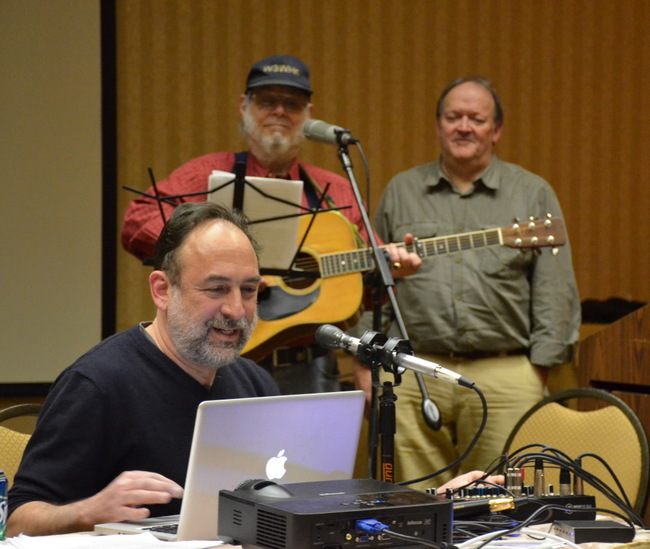
Broadcasting a live performance of the Shortwave Shindig at the 2015 Winter SWL Fest.
Many thanks to SWling Post contributor David Goren, who recently uploaded the Shortwave Shindig interval signal slideshow to his YouTube channel. David notes:
For the past 22 years or so, I’ve helmed the Shortwave Shindig, a long form listening session celebrating the art, history and culture of Shortwave Radio. This takes place in suburban Philadelphia at the annual Shortwave Listener’s Fest (which just marked it’s 39th year), sponsored by the North American Shortwave Association (NASWA). Our opening gambit for the evening is to play an Interval Signal medley. Interval Signals are short samples of music often incorporating a country’s national anthem, folkloric music, even bird calls…as an aid for tuning in the station prior to the official sign-on. Our resident musical genius Chris Johnson takes the Shindig’s anthem, the country gospel tune “Turn Your Radio On” and morphs it into classic Interval Signals from the golden era of Shortwave Radio broadcasting (including The Voice of America, Radio Tehran, Radio Kiev, Radio Norway, Radio Canada, Radio Australia and many more.) This year I added a slide show with a smattering of Shortwave Radio related graphics. I present it here for your listening and viewing pleasure. Kudos also to Jeff Murray for designing the ultra-snazzy Shortwave Shindig logo.
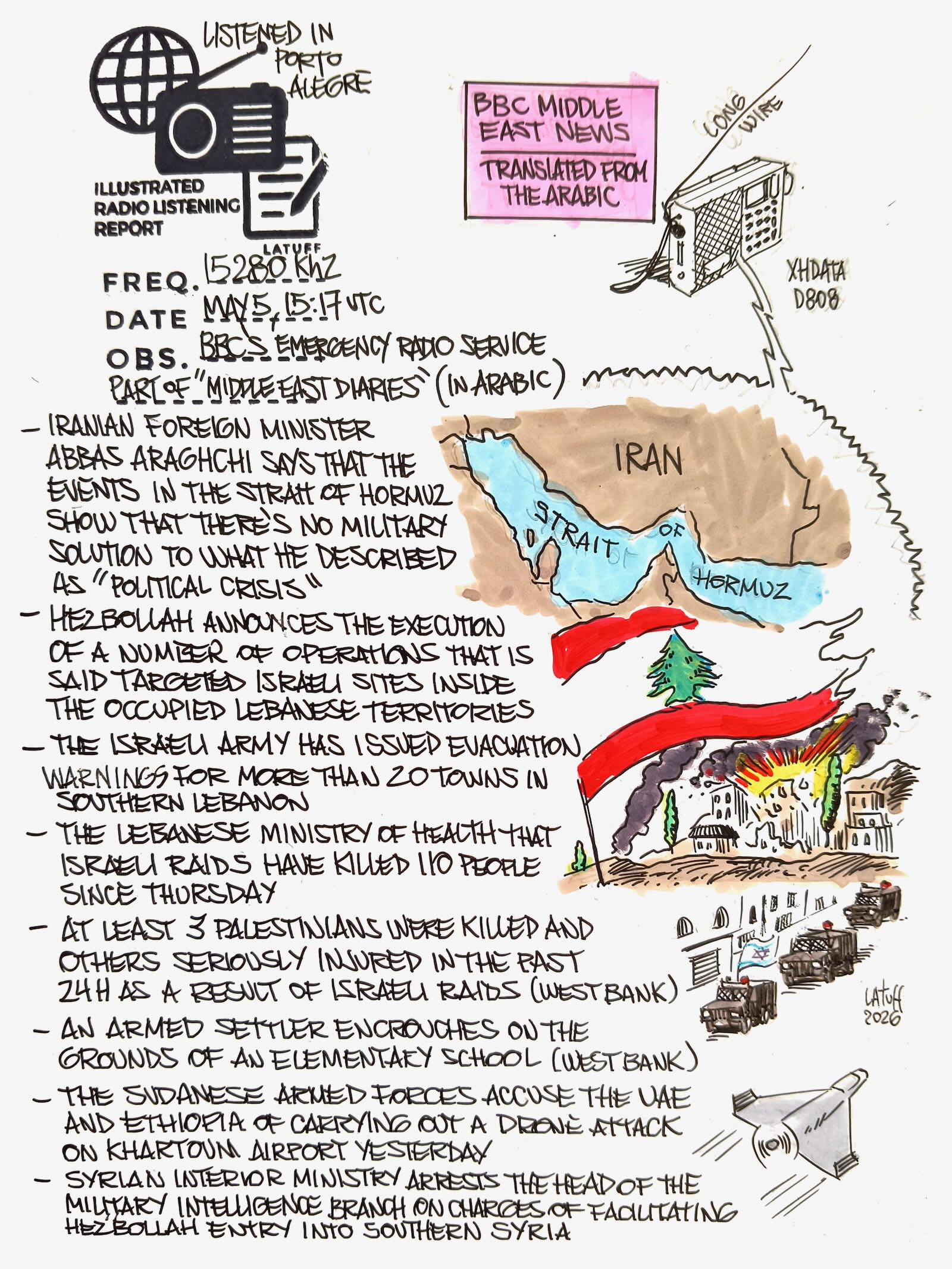
Many thanks to SWLing Post contributor and noted political cartoonist, Carlos Latuff, who shares the following illustrated radio listening report of a recent BBC Emergency Radio Service broadcast.
Many thanks to SWLing Post contributor and noted political cartoonist, Carlos Latuff, who shares the following illustrated radio listening report of a recent BBC Emergency Radio Service broadcast.

 Carlos notes: