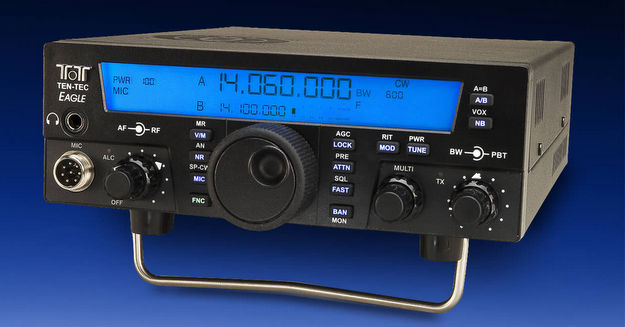
The Ten-Tec Eagle HF transceiver.
Many thanks to SWLing Post contributor, Mike (K8RAT), who notes the Ten-Tec’s website has a one-page, informative placeholder. [Update: their new website is now live–click here to view Ten-Tec.com.]
I’ve pasted the full page of content below which includes updates on service and a personal message from the new President, Mike (N8WFF):
(Source: TenTec.com)

Greetings and welcome to Ten Tec’s temporary web page where we will provide updates about the change of ownership.
Effective January 1, 2016 the Ten Tec assets for RKR Designs, LLC were acquired by Dishtronix, Inc.
There are many things in transition at this time such as the telephone numbers and website. We ask you to be patient and not overload us with questions and email.
At this time we are fully occupied with our commercial business and restructuring and moving some things around. There are no plans at present to leave the Knoxville area.
SALES ORDERS
Any outstanding transceiver purchase order at the fire sale price is cancelled. All sales orders shipped after 1/1/16 are invoiced at the list price without exception. You may cancel your sales order without any penalty by contacting [email protected]
SERVICE POLICY
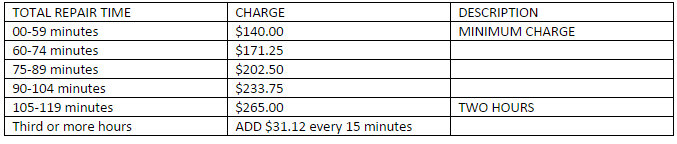
We have changed how service is conducted. Effective immediately for all units in for repair, there is a minimum charge on one hour labor at $140.0 for any unit sent in, even if it is not repaired. It takes the service department one hour to receive, unpack, set up on the bench, evaluate, estimate the repair, repack and box the unit, prepare shipping documents and prepare the invoice. If your unit is repaired during this time period there will not be additional labor charges. If further work is required it will be billed at 125.00 per hour in quarter hour increments. Parts and return shipping is charged additionally. It takes on the average two hours to repair a unit.
To clarify this labor structure we have prepared the following chart for your convenience:
At this time we are unable to offer extensive telephone or email support. We are monitoring the [email protected] email address but may not respond in a timely manner. We are rearranging the service department and trying to sort out things after the previous service manager elected to retire. If your radio was here, it is still here. If you object to our repair policy we will cheerfully return your radio to you at your expense. Just email us and someone will contact you to make arrangements. Otherwise, we will resume repairs in February.
Going Forward
There are a lot of things to be done. It is our plan to reincorporate Ten Tec as an independent corporate entity. Meanwhile it is an operating subsidiary of Dishtronix, Inc. an Ohio corporation.
The Future
Although Ten Tec has changed hands several times in the last couple of years, I would like to state that Ten Tec has changed hands for the last time in the foreseeable future. Dishtronix has been continuously operating for 17 years, is financially stable and will continue managing in a manner that promotes and maintains fiscal responsibility and financial stability. My vision as the owner is strictly long term. I have no plans to leave this business and will continue to operate Ten Tec as long as I am physically able to do so. I believe the Ten Tec transceivers to be some of the best transceivers available at any price and personally have been operating an Orion II until the first change of ownership. Everyone who uses a piece of equipment long enough, develops a personal wish list of things they would change or improve. I feel extremely fortunate to now be in the position where I can use my skills and expertise from more than forty years of ham radio and SWLing to implement changes which I hope will make fantastic products even better.
Unfortunately I have had to make some tough decisions which were made for the long term health and viability of the company. The Ten Tec team is the nicest bunch of people you could hope to work with and have overall reacted positively to the changes. Some team members have chosen to pursue retirement or other opportunities but the core competency remains. We are extremely fortunate to have retained former engineering manager John Henry on a consulting basis and I must give him the greatest credit. I certainly would not take on this project without him and the other team members like Boyd Lichlyter and Patty Gann. Ten Tec is like a big family, and I do not view this as me acquiring Ten Tec but more like me joining an extended family of talented and skilled people. I hope anyone reading this who is in the market for a new radio will help me support this great group by at least trying one of their radios. Of the present production the Eagle is my favorite for having the best sound out of the box, and that is what my personal preference is always based on – good sound. My all-time favorite is of course the Orion II so an Orion III is on my personal wish list for the future. There are numerous Ten Tec user nets on the air and it is my intention so support them by posting the time and frequency schedules on the website. If I can accomplish one thing at Ten Tec it will be to be more customer-centric. I want to build the radios that you the customer wants! I am looking for ways to reliably engage with our customers so we can do that, and I think factory support of the nets is one way to start.
The Ten Tec team is working on production improvements to our facility and business. We are fully occupied with our commercial business at this time. When I have capacity the next step is to run the first batch of Omni 7+ which is the Omni 7 with some minor cosmetic changes and improvements such as a flat metal front for improved shielding. Following this we are releasing the Super Eagle which brings into the Eagle most of the DSP features found on the Orion II and is the first step on the path to the Orion III. This is different hardware from existing product so it is not a firmware upgrade. There are no firm dates or guarantees for when these things will occur.
The blow out sale prices are over and any outstanding orders at those prices are terminated. Those prices were previous owners intent to liquidate all inventory and will never be repeated.
I am pleased to state that we have completed some firmware updates which will soon be posted on the new Ten Tec website once it is up and running to entice people to visit the site.
Dishtronix has other new products under development as well. The DX2400MKII replaces the DX2400L1 legal limit + solid state amplifier and should be unveiled at Hamvention, to mention just one. We are close to beginning production of our Emtron DX2/3-SPd tetrode amplifiers which will also be shown at Hamvention. We may even decide to build and service these at Ten Tec.
There are some other exciting things happening which we may announce in the near future.
Thank you for your patience during this transition.
Sincerely,
Mike, N8WFF
President,
Ten Tec, a Dishtronix Company
Dishtronix, Inc.
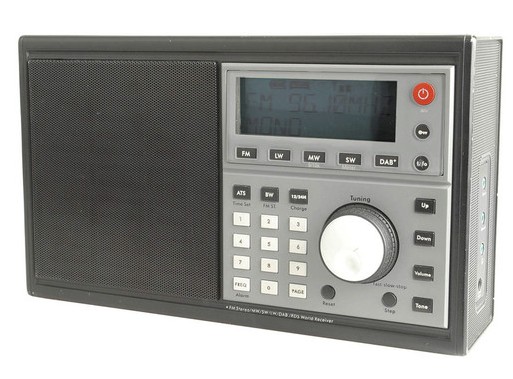 Many thanks to SWLing Post reader, Phil Ireland, who shares his review of the Digitech AR1946:
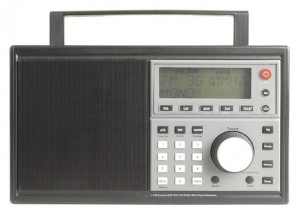 Many thanks for your review, Phil!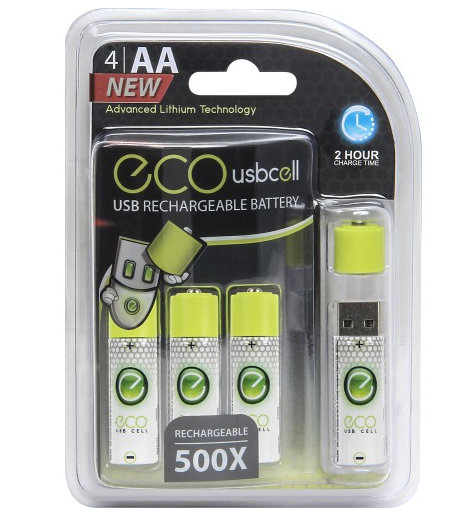
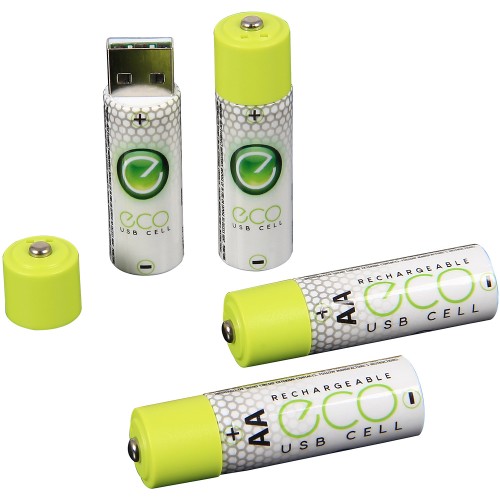 Thanks, Steven! This is a very cool product, indeed! I noticed that,
  Sean Gilbert, WRTH’s International Editor, recently shared this audio he originally recorded on June 19, 2014. Sean writes: