Author Archives: Thomas

Radio Advertising: “A 700-Foot Mountain of Whipped Cream”

I recently discovered a bi-weekly experimental arts-and-culture program called The Organist at KCRW. The latest episode is simply brilliant for those of us who love radio nostalgia.

Here’s the description for Part 1:

This week, we’re sharing a highly subjective journey through one narrow, eccentric, corridor of radio advertising, as heard through the ears of one man. His name is Clive Desmond. Clive is a radio advertising producer, writer, and composer. He’s been doing it for more than thirty years, and he’s won some of the industry’s top awards. Through those years he’s been sort of a zelig figure: you can find his face somewhere in the margins of every one of the medium’s key aesthetic revolutions. He’s rescued beautiful forgotten nuggets of radio history, and he’s delicately arranged them into a glittering associative chain—a constellation of jingles and spots that somehow all add up, to a life: The life of Clive Desmond as heard through the radio.


Click here to visit this episode at KCRW.

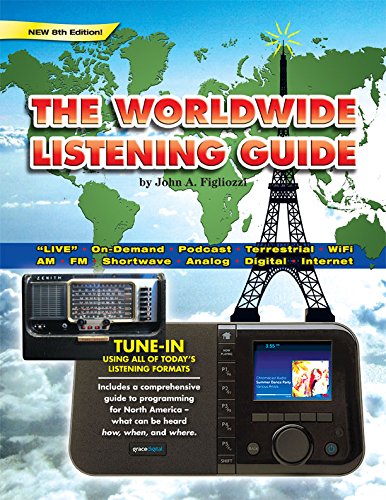
The 8th Edition of the Worldwide Listening Guide

I’m very pleased to have received the 8th edition of John Figliozzi’s Worldwide Listening Guide (WWLG), the latest, most updated version of the excellent guide I’ve often reviewed.

SWLing Post readers know that I’m a huge fan of the Word Radio TV Handbook (WRTH); it’s my go-to guide for radio frequencies and schedules.

Figliozzi’s Worldwide Listening Guide is my go-to for programming and content, not only helpful on the shortwaves, but especially handy when tracking online content.

Indeed, the WWLG is a unique guide–there’s nothing quite like it on the market. As I’ve said, you may want a copy of the WWLG in your shack, especially alongside your computer or Wi-Fi radio.

WWLG: The Content DXers Guide

Like many SWLs, I’m something of a “Content DXer:” I love chasing obscure programming––news, documentaries, music, and variety shows, anything the broadcasting world has to offer.  For this, I often turn to Wi-Fi radio.  Wi-Fi radio offers the discerning listener the ability to track down fascinating regional content from every corner of the globe––content never actually intended for an international audience.

Digging into local content via a WiFi radio isn’t nearly as challenging or fun (for me, at least) as scanning the shortwave bands in search of elusive weak signal DX or pop-up pirate radio station. Though my WiFi radio offers an easy and reliable way to “tune” to online content, the actual content discovery part is quite difficult.

Truth is, there’s so much content out there–tens of thousands of stations and shows–it’s hard to know where to start!

This is where the WWLG comes in: Figliozzi exhaustively curates more than 4,000 programs (!), indexing their airing times, stations, days of broadcast, program types, frequencies, and web addresses. Additionally, he sorts the programs by genre:  arts, culture, history, music, sports, and more. And Figliozzi also includes a well-thought-out directory of at least forty genres.   In short, this directory has helped me not just locate, but identify, programming I would never have known about otherwise.

Frankly, I’m not sure how Figliozzi manages to curate such a vast assortment of programming.  But I’m happy that he does, and especially, that he offers it for the SWL’s benefit––!

As I’ve said many time before, the WWLG  has become a permanent reference book in my shack, alongside my trusty WRTH. There’s a surprising amount of information packed into this slim, spiral-bound book…enough to keep even a seasoned content DXer happy for years.

The 8th edition of Worldwide Listening Guide can be purchased here:

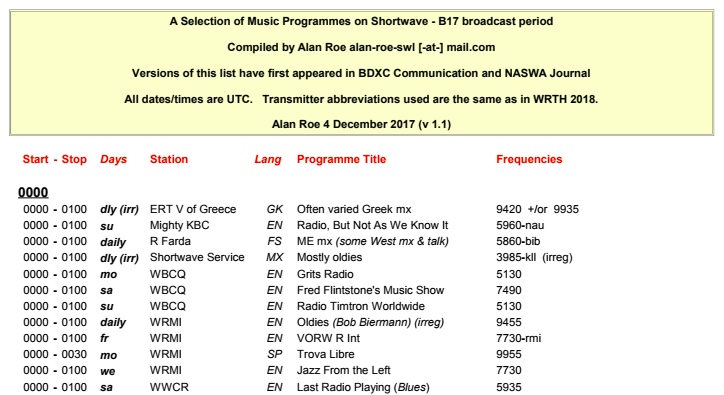
Alan Roe’s B17 season guide to music on shortwave

Many thanks to SWLing Post contributor, Alan Roe, who notes:

I have now compiled my Music on Shortwave listing for B17. Extracts listing music programmes in English language transmissions have been listed in BDXC-UK Communication and in NASWA Journal. I now attach a consolidated version listing a selection of music programmes in a variety of language transmissions. If of interest, please go ahead and post it on your excellent SWLing site.

Alan, thanks so much for keeping this excellent guide updated each broadcast season and for sharing it here with the community! When people claim that there’s nothing to listen to on shortwave, I often send them a link to your excellent guide!

Click here to download Alan Roe’s B17 Shortwave Music Guide (PDF).

Dan’s QSL signed by Miki Gurdus

Regarding our recent post about Miki Gurdus, SWLing Post contributor Dan Robinson, writes:

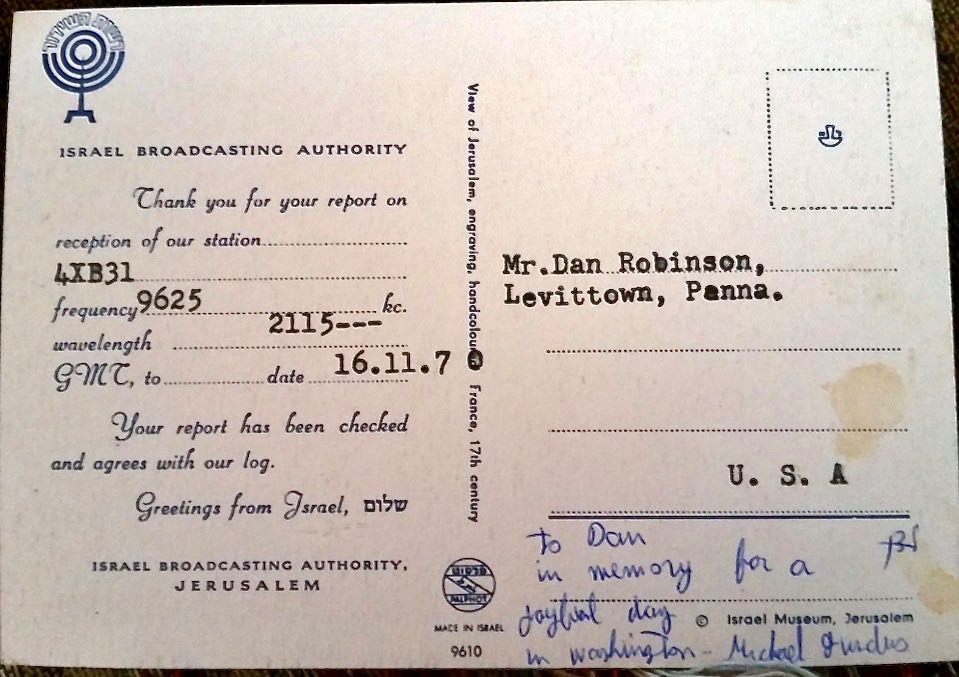
Went through my books and found it, the Gurdus handwritten note to me. It appears to have been during a visit he made to Washington, likely in the period I was in college 1975-1979 but could have been later during the 80’s or 90’s.

It reads: “To Dan — In Memory of a joyful day in Washington. Michael Gurdus.”

Amazing! Thank you for sharing your memories, Dan.

Keith is impressed with the Digitech AR-1780

Many thanks to SWLing Post contributor, Keith Batari, who shares the following:

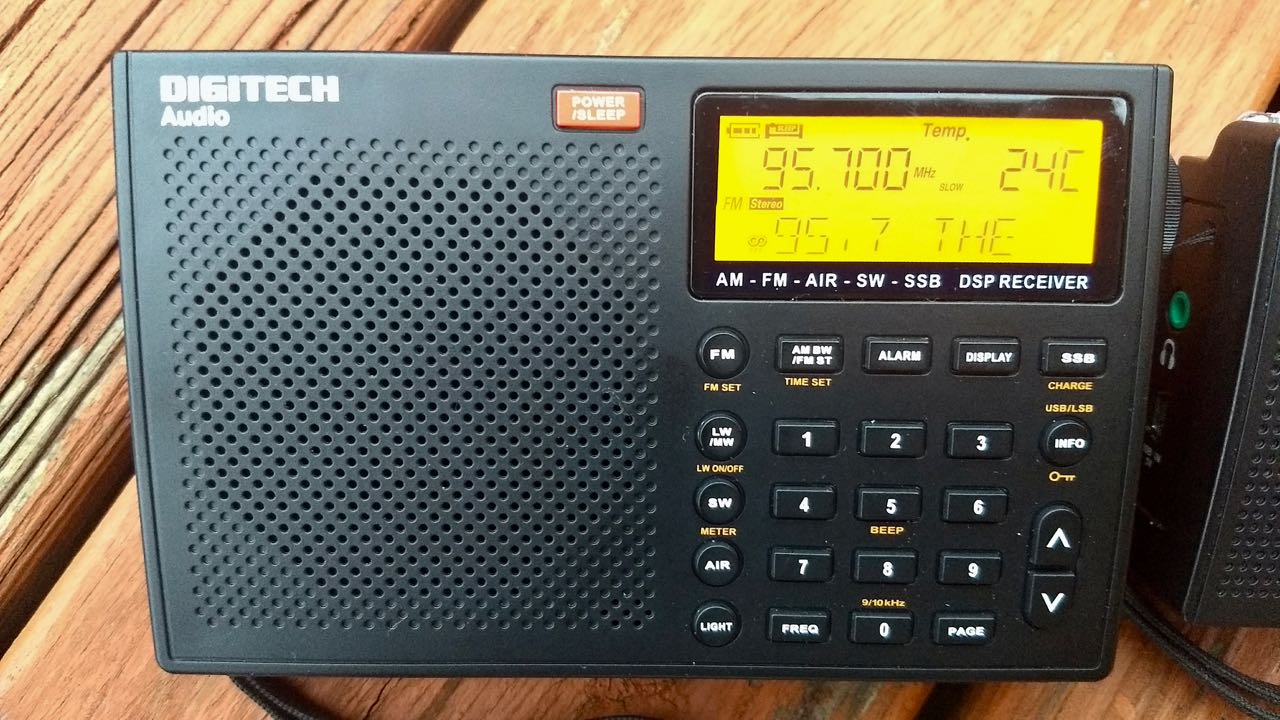
I have just got the AR1780 and comparing with others I’ve had especially the PL-660 and PL-880 beats them both. Firstly the SSB does have an annoying mute when running, but the sensitivity and sound quality is fantastic, and that goes for all bands.

The airband sensitivity is also impressive with excellent squelch. Long wave sensitivity is low[…]. Tuning is without the quirks of the PL-880 and great on general coverage bands.

Headphones sound great. I’ve opened mine and the build quality is good with band trimmers and transformers.

If anyone has acquired the circuit diagram could the post it on the Google site.

If you want a radio with a lot of bang for your bucks, then look no further.

Agreed, Keith! The AR-1780 is certainly a value performer. Click here to read our comprehensive review.

I should add that while LW performance is not stellar on the AR-1780, it should suffice for LW listening in Europe, for example. The C. Crane Skywave series does not include longwave, so if you’re looking for a compact travel portable with LW service, the AR-1780 is a better bet.

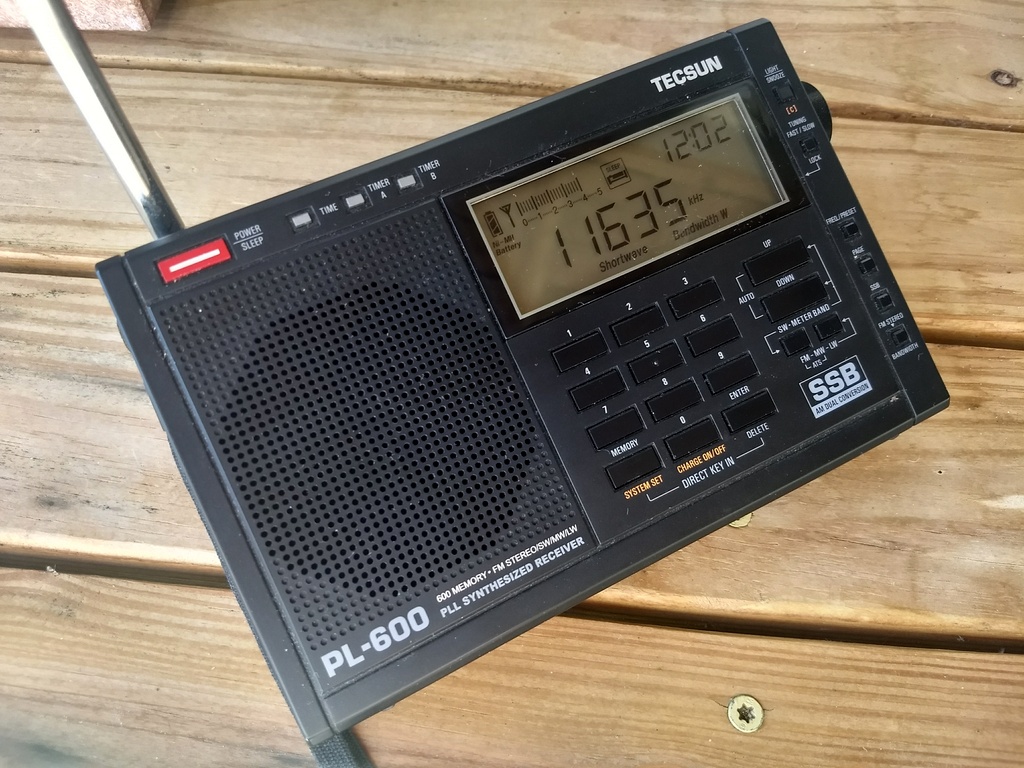
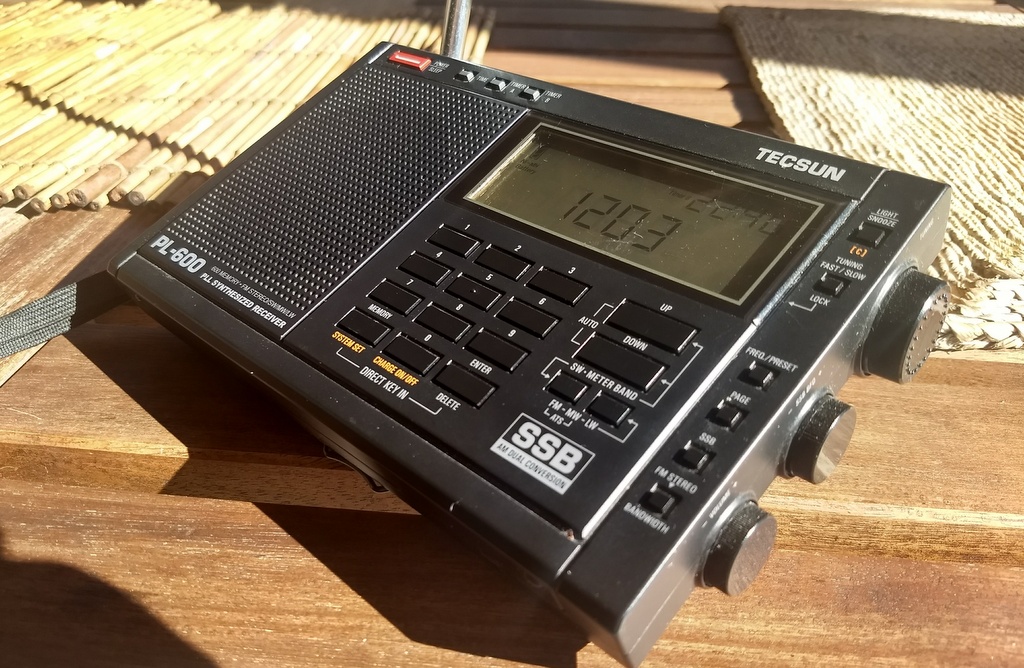
For Sale: My Tecsun PL-600

>>>>>UPDATE: This radio has been sold!  Thanks for your interest!<<<<<

I’m in the process of thinning the herd around here at the SWLing Post HQ! I have dozens of portable radios that I rarely use–many I keep solely for review comparisons and benchmarking.

I’ve always loved the PL-600, but I rarely turn it on these days. I have the PL-660, PL-680, PL-880 and a number of other similar portables for review comparisons.

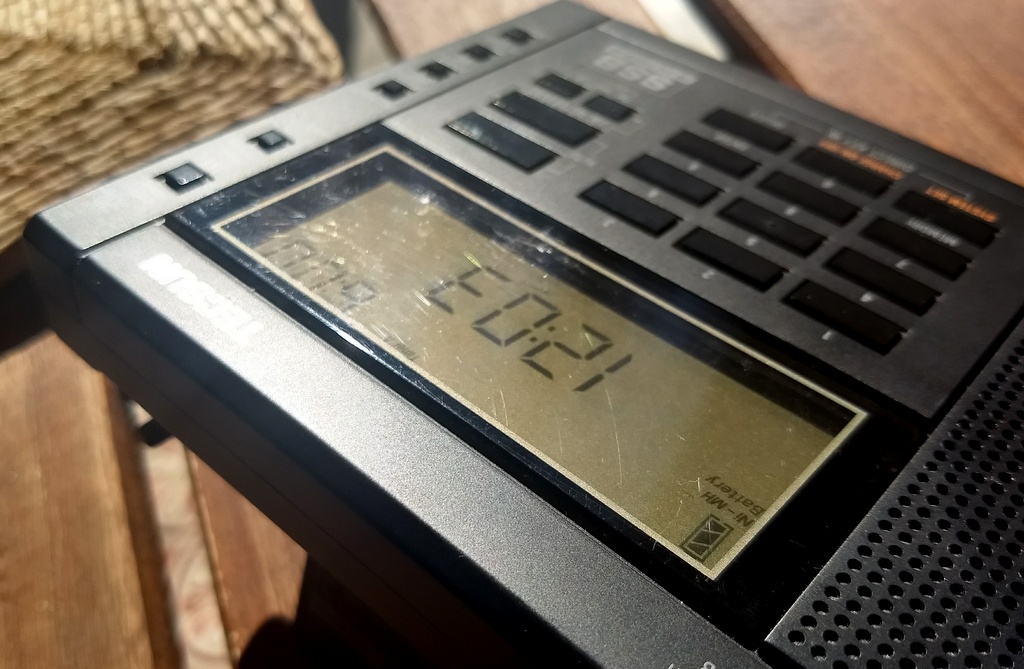
I used to lug this receiver around quite a bit–somewhere in my travels I scratched the display a bit.

It doesn’t hinder the ability to read the display–not cracked, just scratched–but it’ll turn off someone looking for a perfect specimen for sure. Indeed I’m sure there are other light scratches to be found.

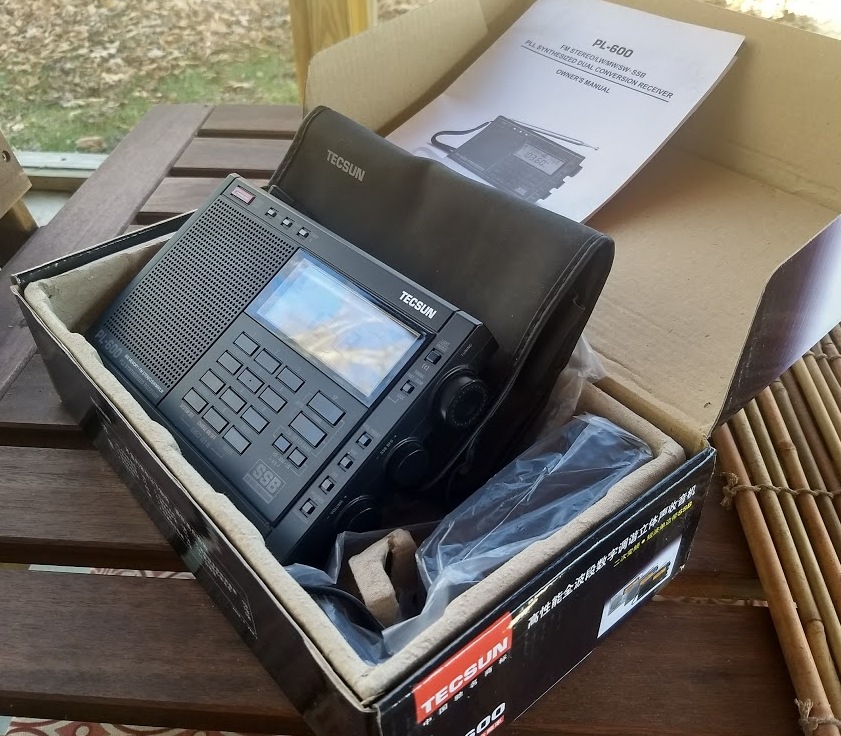
It comes with the original box, soft case, earphones, power supply and manual. Essentially, the full original package.

This unit, of course, works beautifully. In fact, I turned it on for the first time in a few months and check out what was on frequency! So–BONUS!–if you’re a spy, this might be your dream radio.

I want this to be a good deal for someone, so I’ll ship to the first person who offers $40 or more (not too much more, okay?). Free shipping via the USPS. Payment via PayPal.

If interested, just contact me via email.

>>>>>UPDATE: This radio has been sold!  Thanks for your interest!<<<<<

I’d prefer not to ship internationally as it often involves a headache and would incur additional costs which I can’t predict. 🙂 Thanks for understanding.

All I ask is that you put this little radio on the air!

The Airspy HF+ SDR: First impressions

Yesterday, I received a package in the mail containing the new Airspy HF+ software defined radio receiver.

It came as a bit of a surprise.

I’ve been busy lately with humanitarian work, the radio spectrum archive,  product evaluations and travels–not to mention an active family life. I had completely forgotten that about a month ago, I received a message from Airspy telling me that they had dispatched their latest SDR to me for evaluation.

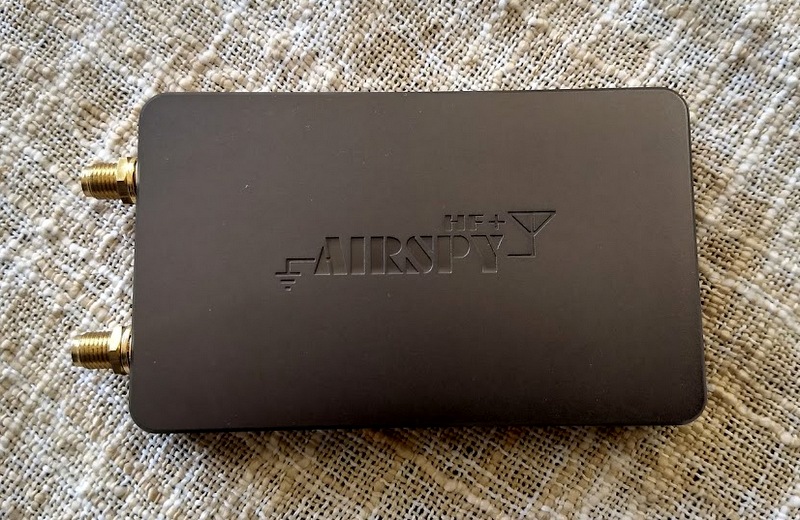
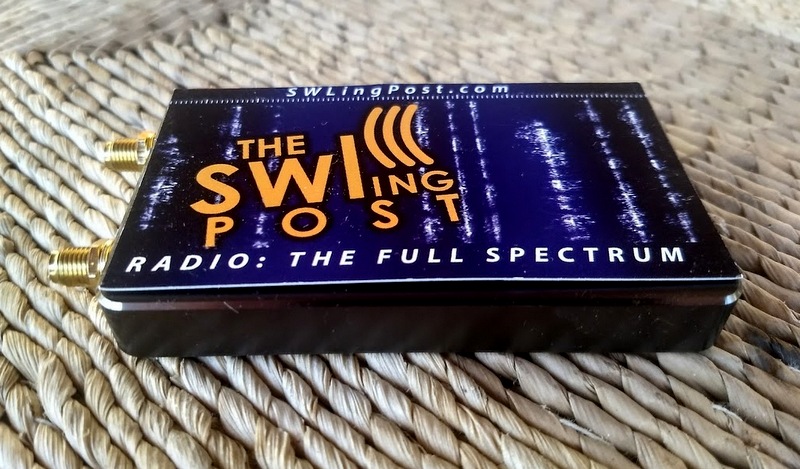
This morning, I unpacked the box to find that the HF+ is a very compact, relatively dense little SDR in a metal alloy case/enclosure. I’m simply floored by the size. The case feels incredibly durable and of excellent quality.

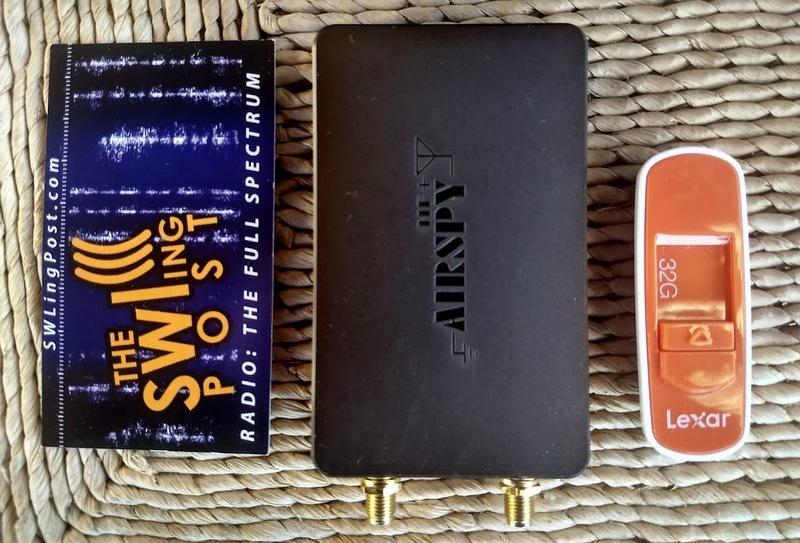
The Airspy HF+ under my business card

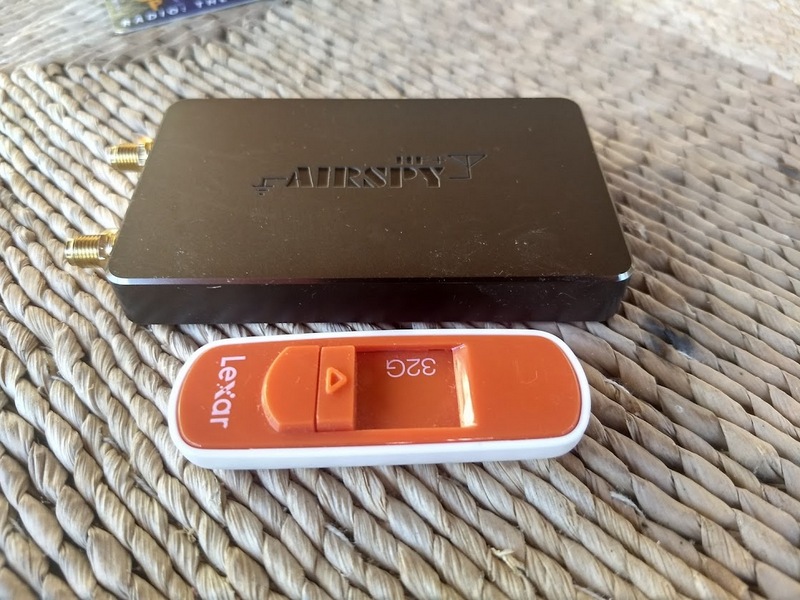
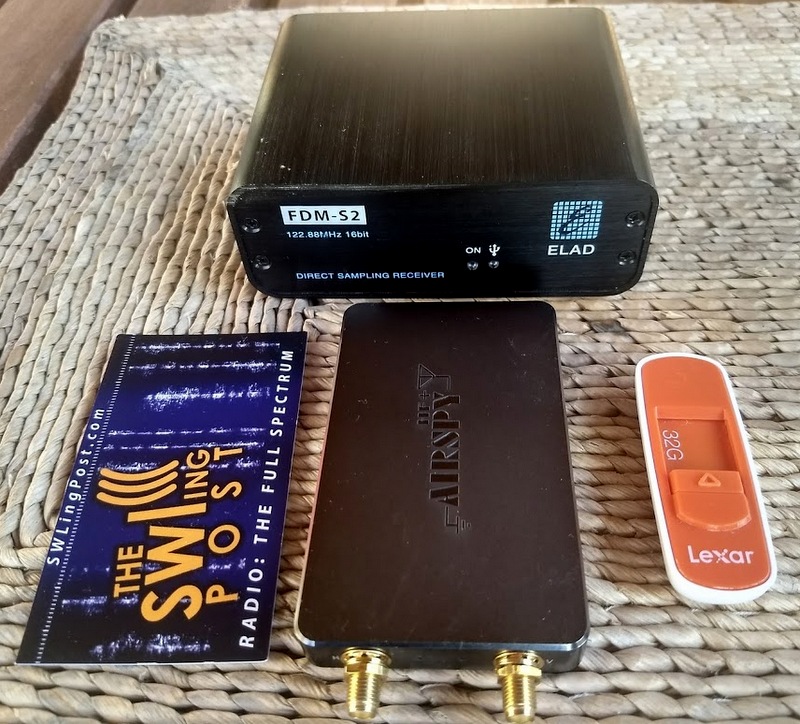
In terms of footprint, dimensions are nearly identical to a business card. It’s about as thick as the typical USB memory stick.

The HF+ is so thin and compact compared with the Elad FDM-S2 (which is quite a compact SDR!)

Other than my RTL-SDR dongle, it’s by far the smallest SDR I’ve ever tested.

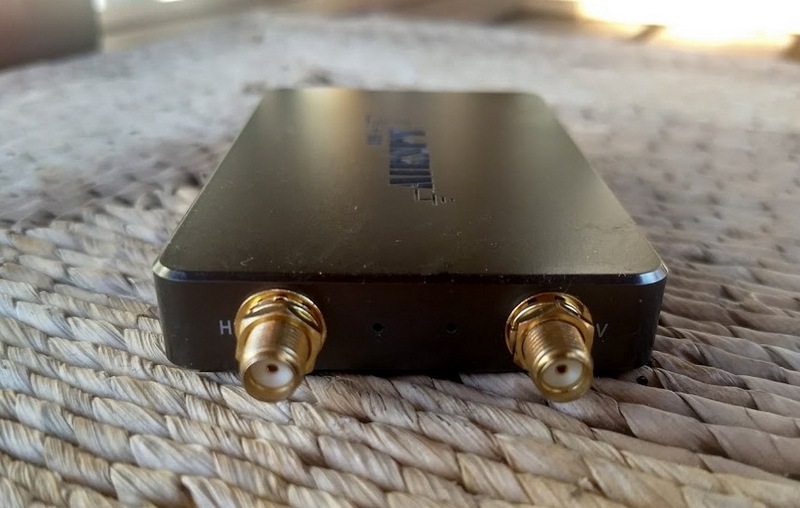
Though compact, it sports two SMA antenna inputs: one for HF, one for VHF.

The HF port is labeled as “H” and the VHF port as “V”

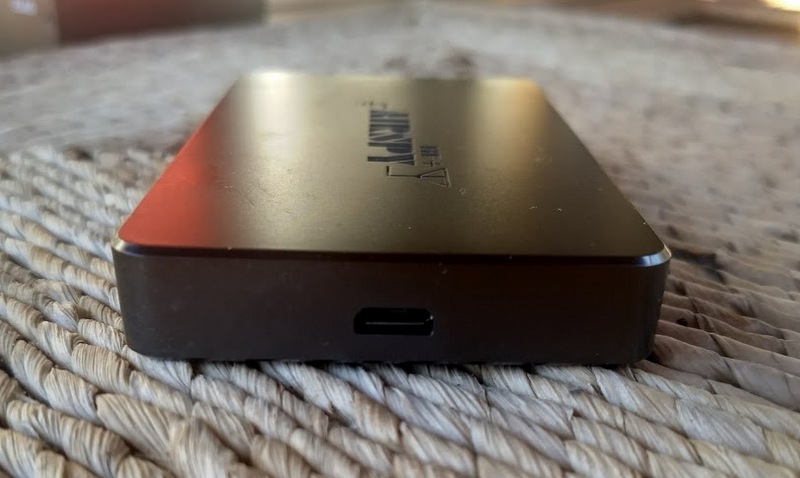
The Airspy HF+ uses a common micro USB for both data and power

The HF+ is the first AirSpy product I’ve ever put on the air.

I read the HF+ product description this morning while downloading SDR Sharp–it claims the HF+ is “plug and play”.

Turns out, that is no exaggeration.

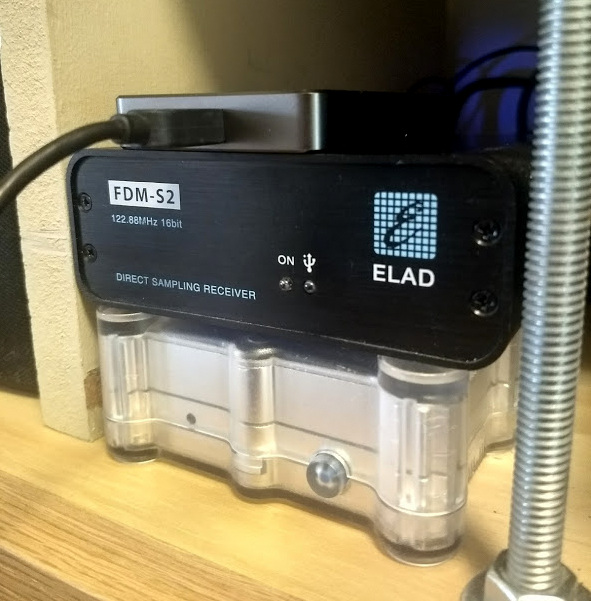
The HF+ on top of the Elad FDM-S2 and WinRadio Excalibur

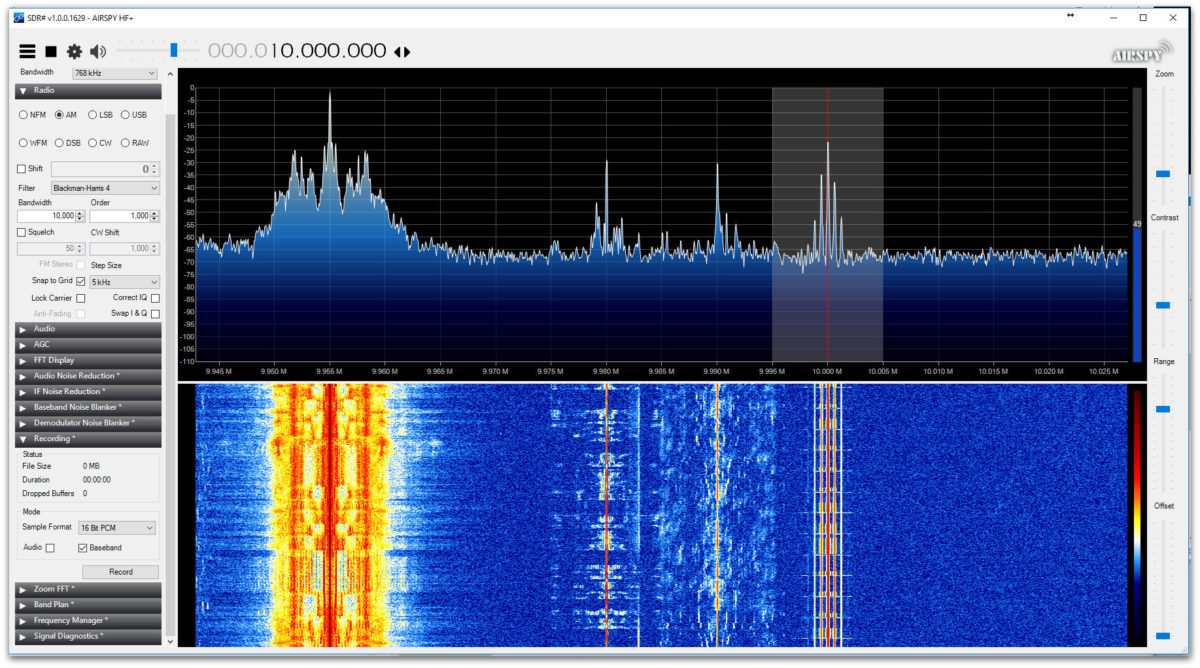
In fact, the entire SDR Sharp package downloaded in seconds, installed in seconds and the only thing I had to do after opening the SDR Sharp application was select “AirSpy HF+” from the product drop down menu.

I started the application and *boom* signals all over the place!

SDR applications, in general, have become so much easier to install over the years but I believe SDR Sharp may be the  quickest install I’ve ever experienced. About as easy and lightweight as the WinRadio Excalibur application. True plug and play!

I’ve had no time to properly evaluate performance–I just put this little SDR on the air.

Fortunately, propagation is cooperating this morning–I’m hearing both WWV Fort Collins and WWV Hawaii on 10 MHz. I’m really enjoying playing with the Airspy HF+ and re-familiarizing myself with SDR#. I had forgotten how responsive and intuitive the interface is–great user design.

My first impression?  I’m impressed. More to come…

Click here to read about the HF+ on the Airspy website