Category Archives: Antennas

Portable Antennas for Serious DXing: Don’s Field Tests from Parks to the Open Road (Part 1)

Many thanks to SWLing Post contributor Don Moore–noted author, traveler, and DXer–who shares the following post:


Two Portable Antennas for Remote DXing (Part One)

By Don Moore

Don’s traveling DX stories can be found in his book Tales of a Vagabond DXer [SWLing Post affiliate link]. If you’ve already read his book and enjoyed it, do Don a favor and leave a review on Amazon.

Once upon a time, I had a traditional DX shack with an L-shaped desk and shelves of receivers, radio gadgets, and DX books. Everything I wanted or needed as a DXer was right at hand. Then I retired and was finally able to pursue my lifelong itch for serious travel. But there was no way to carry that DX shack along with me. Fortunately, modern technology was there to help. SDRs are significantly more travel-friendly than my old Sony ICF-2010 (let alone the Drake R-8). Instead of books and bulletins, my DX reference materials are websites and PDF files on my laptop.

I spend several months a year traveling internationally with just a suitcase and knapsack. That doesn’t leave much room for DX equipment. Several years ago I described my approach to vagabond DXing in an article here.

https://swling.com/blog/2019/03/radio-travel-a-complete-sdr-station-for-superb-portable-dxing/

Since writing that article in 2019, I’ve continued to work on making my portable DX shack better and more compact. Recently, I replaced the Elad FDM-S2 with three Airspy HF+ Discovery SDRs. Not only are they smaller and lighter, but I can record three different band segments at once. Next up was rethinking my travel antennas. A wire loop with the Wellbrook ALA-100LN is still, in my opinion, the best travel antenna. But the components are heavy and are now irreplaceable since they are no longer made. So over the summer, I set about testing and comparing both old and new options. But you don’t have to wander the globe for my findings to be useful to you. This can be just as helpful for DXing from a nearby park. That’s how I did my testing.

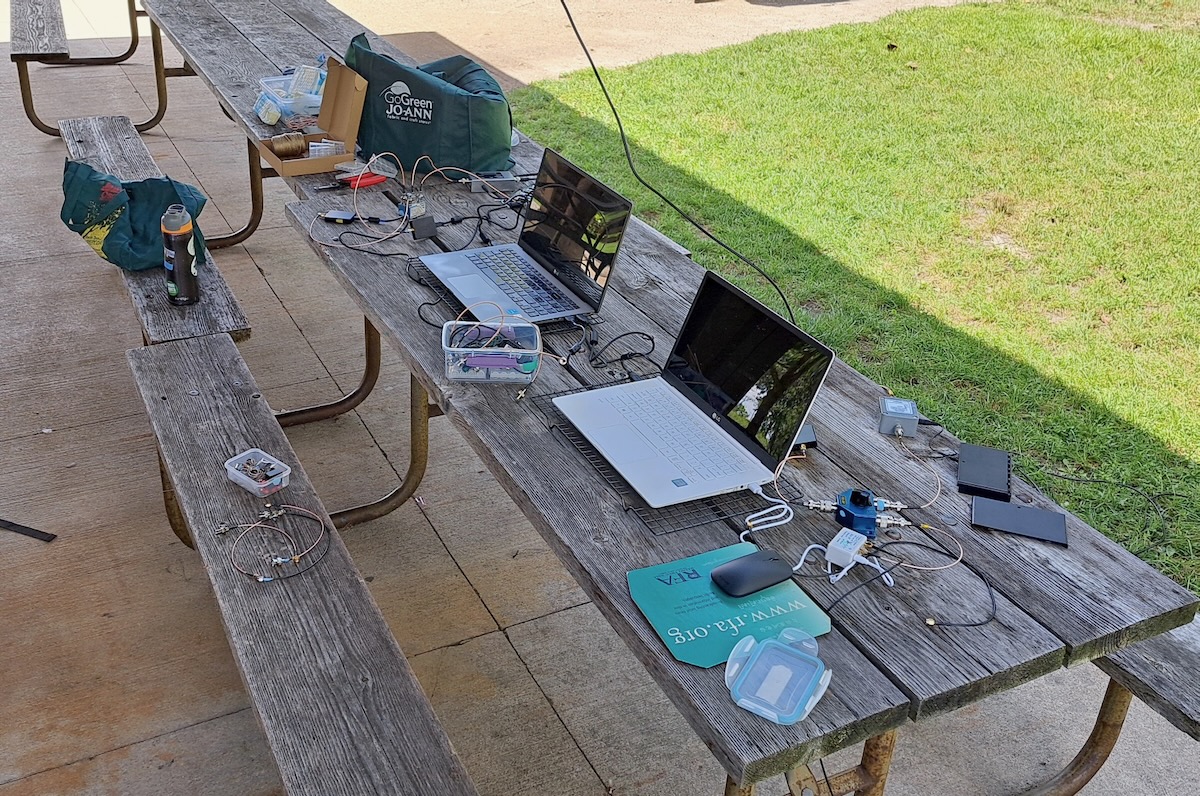
I spent the past summer staying at an AirBnB in the north Chicago suburbs. I wanted a better location for testing so I checked out parks in the area and finally settled on Preserve Shelter B (42.26797, -87.92208) at the Old School Forest Preserve, east of Libertyville in northern Illinois. The shelter was entirely wood, with standard asphalt shingles (rather than steel), and had no nearby power lines. I made four daytime DXpeditions there to do some utility DXing and to run my tests. Here’s a photo of my setup.
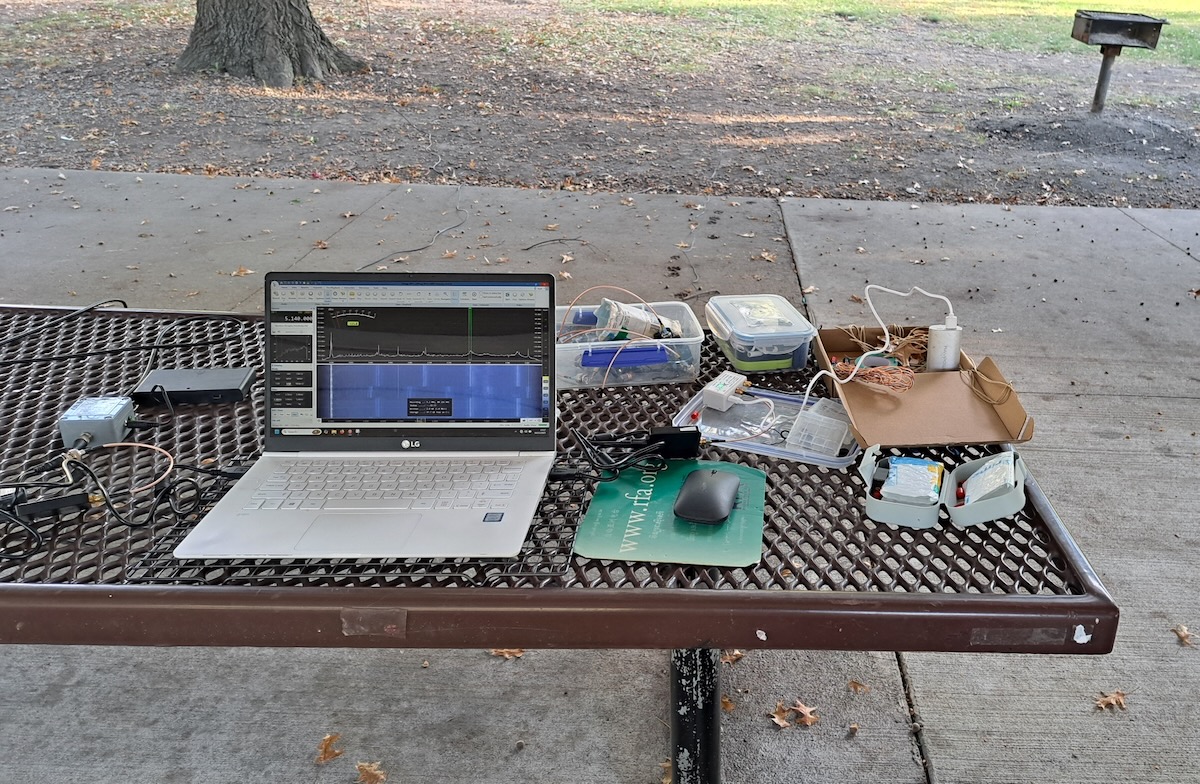
I decided I should rerun the tests at least one other location. So while driving across the US in mid-October, I stopped for a few hours one morning at Park Shelter A (39.11144, -94.86629) in Wyandotte County Park, just west of Kansas City, Kansas. There, I just had a minimum setup.
The Antennas

So, what were the antennas I was testing? The first was the tried-and-true PA0RDT mini-whip from Roelof Bakker. The PA0RDT is described in my 2019 article and is probably the most portable quality antenna you can get. To power it I use a battery box and eight rechargeable lithium-ion AA cells.
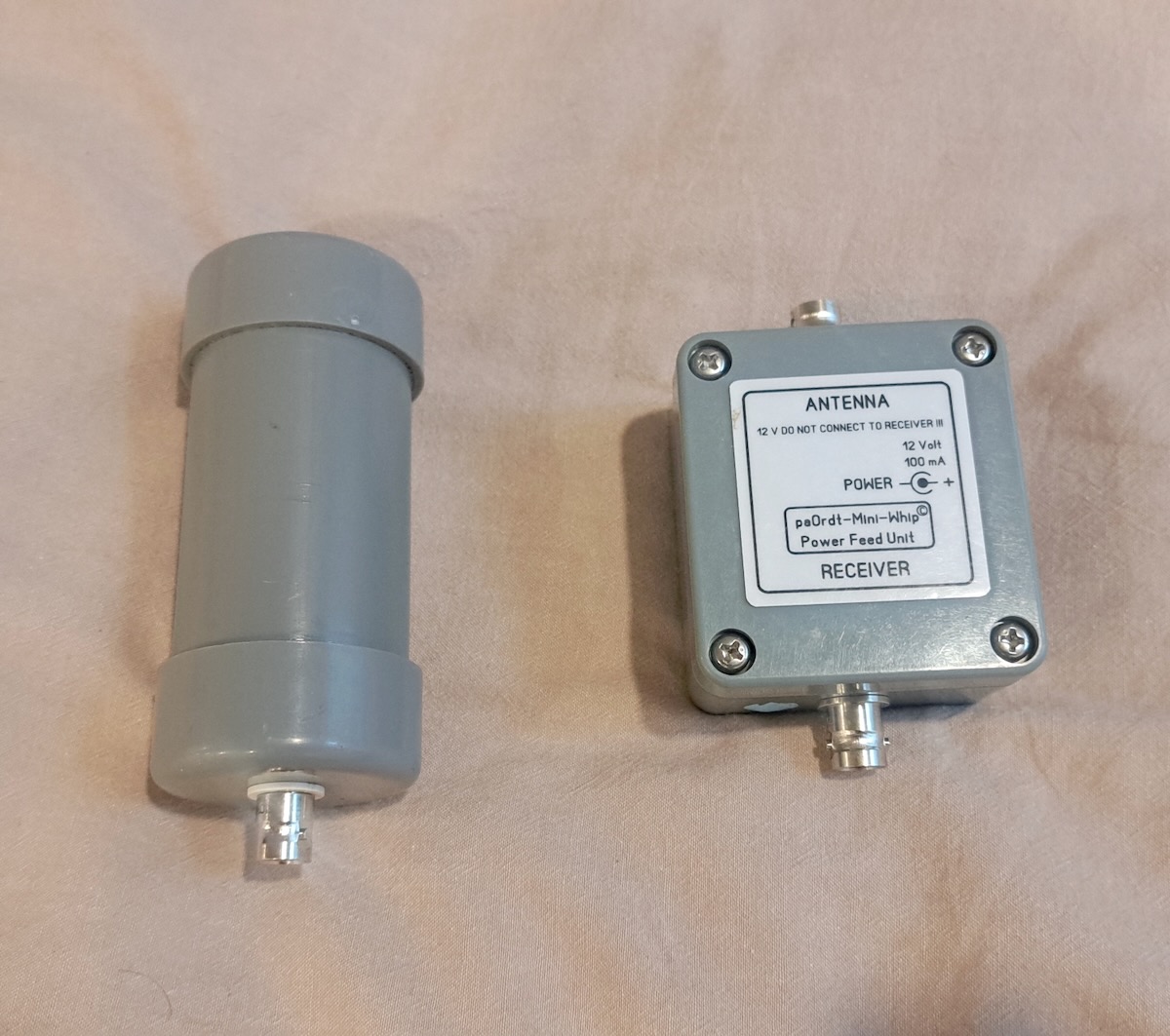
 For the traveling DXer, setting up the PA0RDT is as easy as it comes. I just attach the coax cable and throw it over a support, such as a picnic shelter beam or a tree branch.
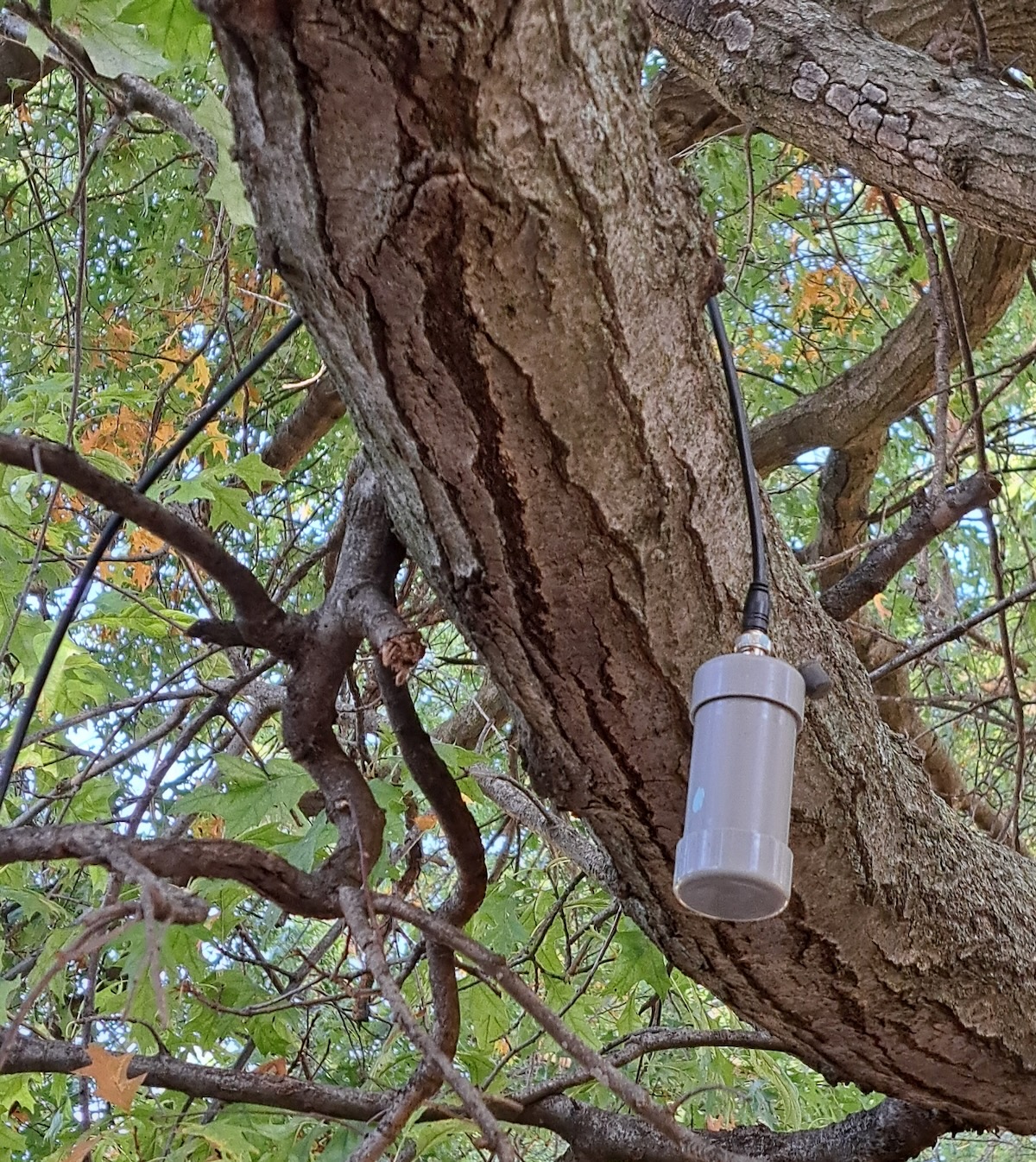
But I’ve always believed that the best antenna is another antenna. That is, every antenna works differently, and therefore the more options you have, the more likely you will have something that works well in any situation. So if I wanted to leave the Wellbrook at home, what might complement the PA0RDT? I contacted my friend Mark Taylor, who I knew had a large collection of the various inexpensive Chinese-made amplified loops. With his help, I settled on the MLA-30+ MegaLoop from DmgicPro.
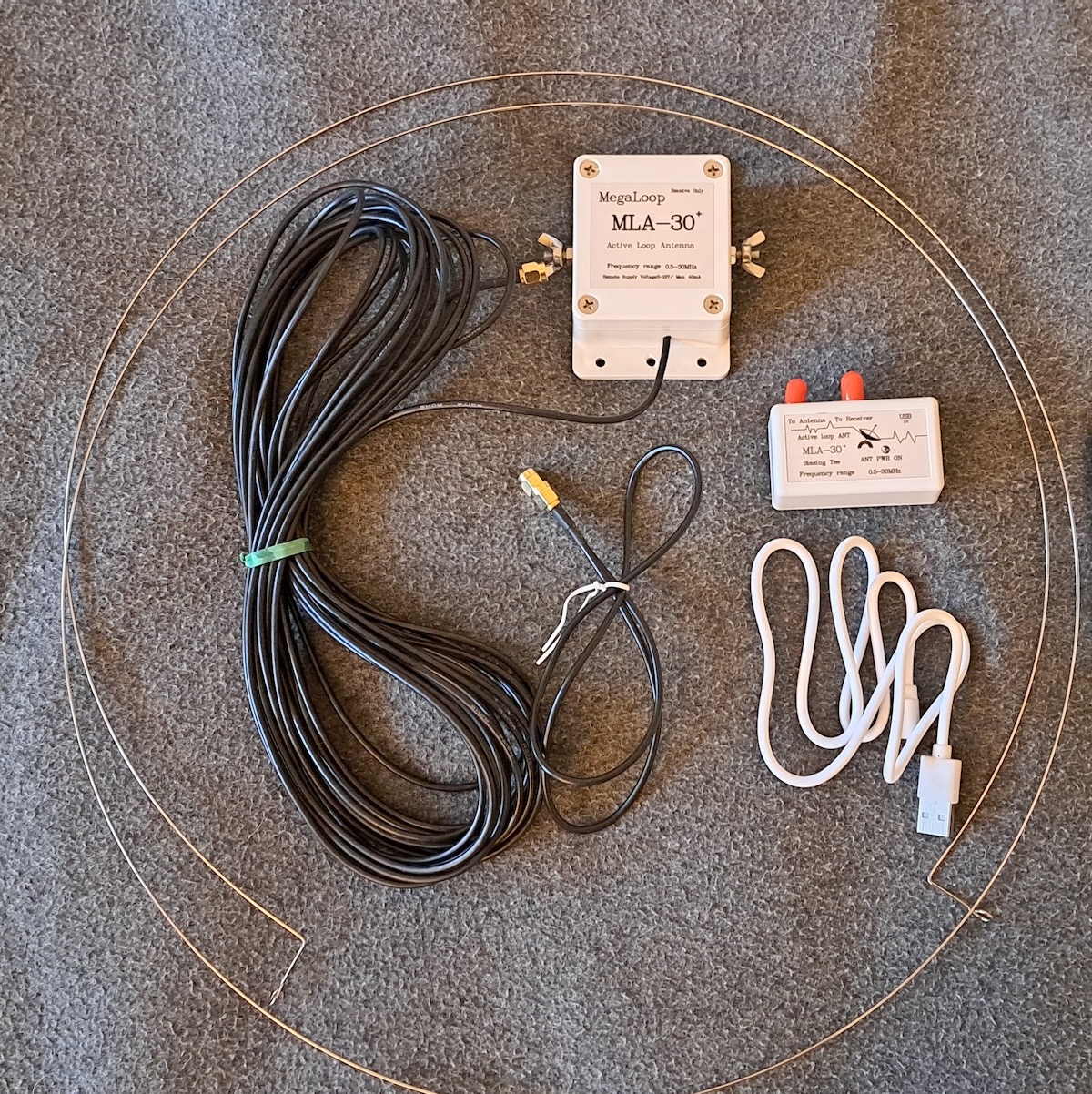
This antenna consists of a steel wire loop that connects to terminals on the amplifier box. The amplifier has a ten-meter coax cable, which in turn is connected to a small bias-T power supply, which gets its power via a USB connection. The MLA-30+ is designed to be used in a permanent installation with some sort of vertical support, such as a PVC pipe. Some users replace the wire loop with copper tubing.

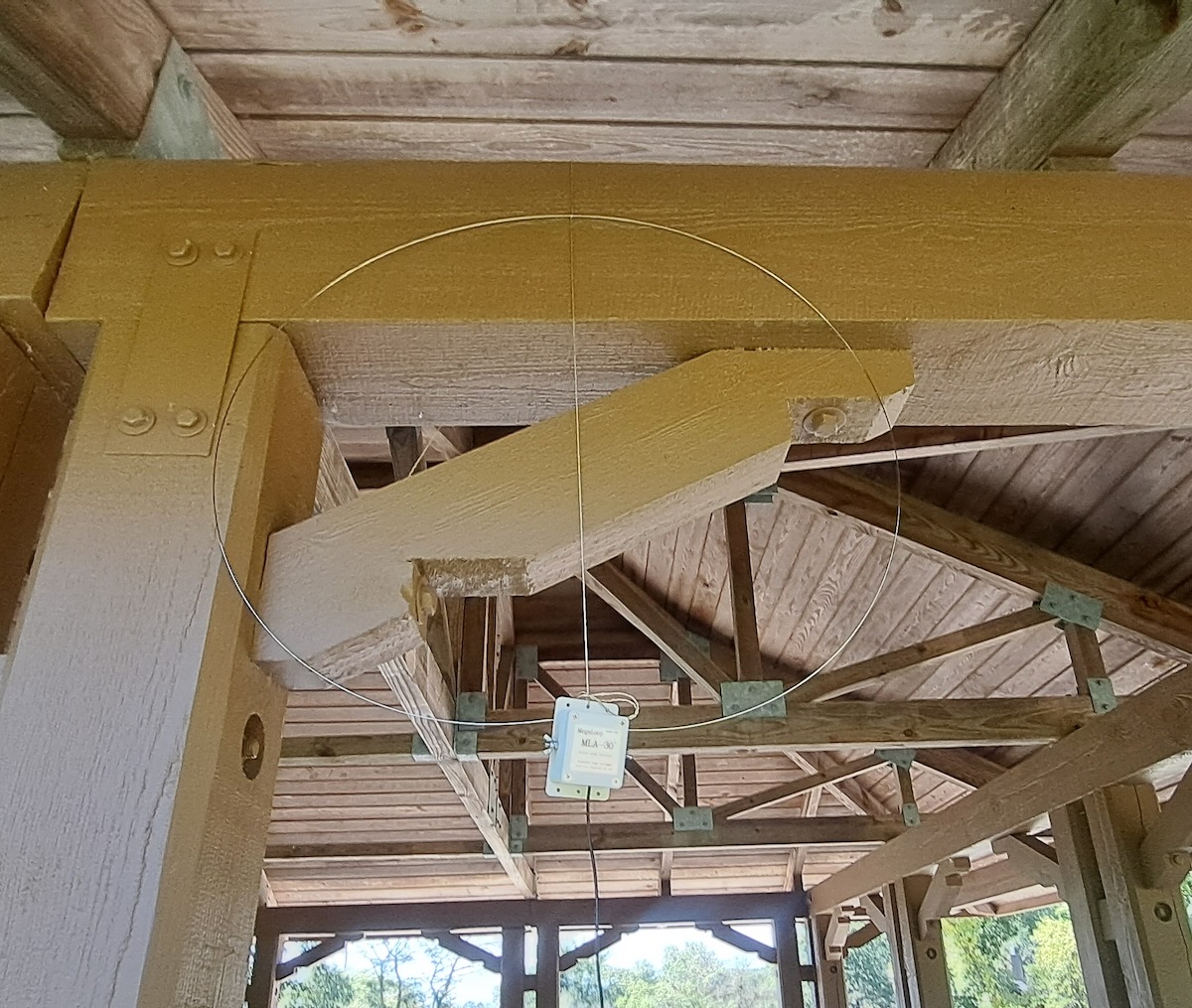
Those options aren’t practical for me, and simply hanging the antenna from the top would cause the steel loop to stretch and deform. So I came up with the idea of tying a strong cord from the top to the bottom of the loop so that the cord, and not the loop, bears the weight. To hang the antenna, I throw the cord over the support, attach the antenna, and then pull it up into place. That works well if you have rear support to hold it in place, such as the beams of a picnic shelter.
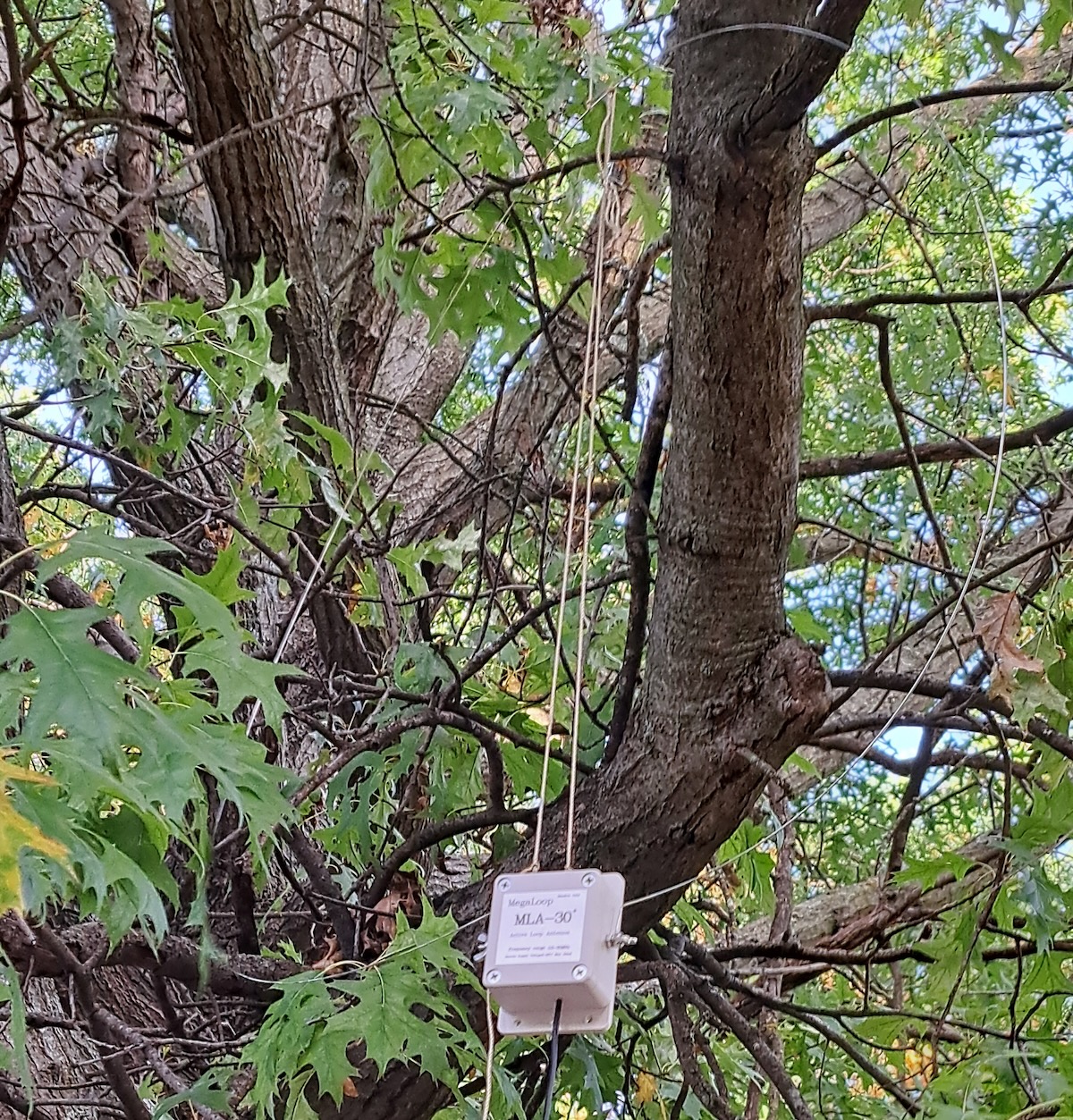
It’s a bit more difficult to mount the MLA-30+ in a tree.
Comparing the Antennas

I ran comparisons between the antennas several times at Old School Forest Preserve and then again at Wyandotte County Park. The results were practically the same every time. The images below were made at Old School unless otherwise stated.

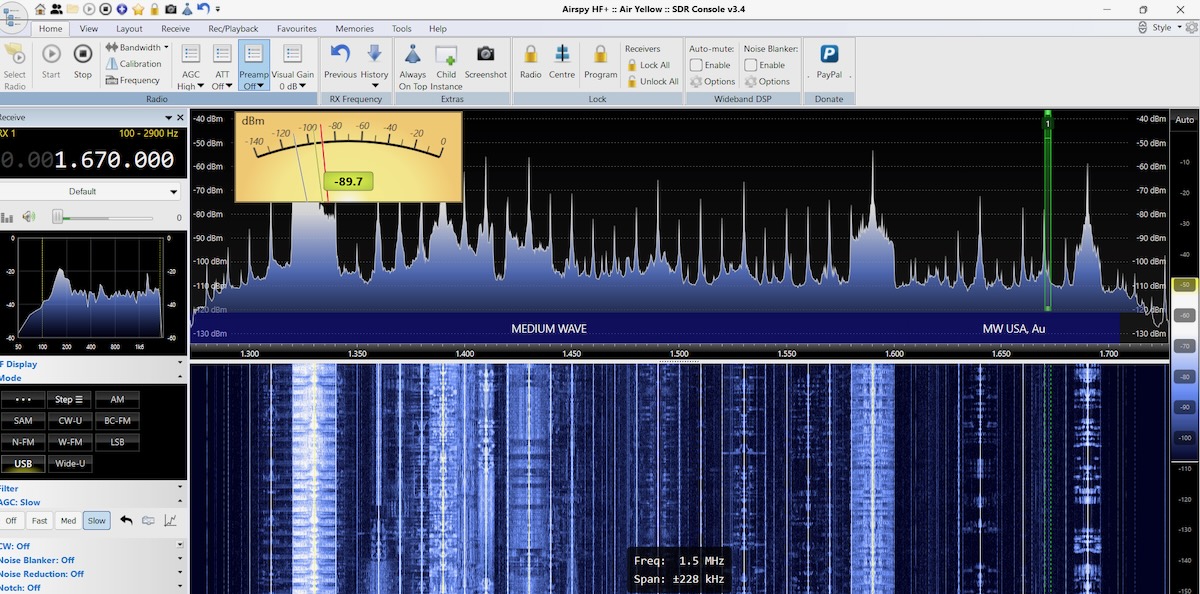
The PA0RDT was designed to be a good performer on longwave and medium wave. Unsurprisingly, it shows a lot of signals on the upper end of the medium wave band, even during the daytime. Except for being non-directional, the PA0RDT is an excellent MW antenna.
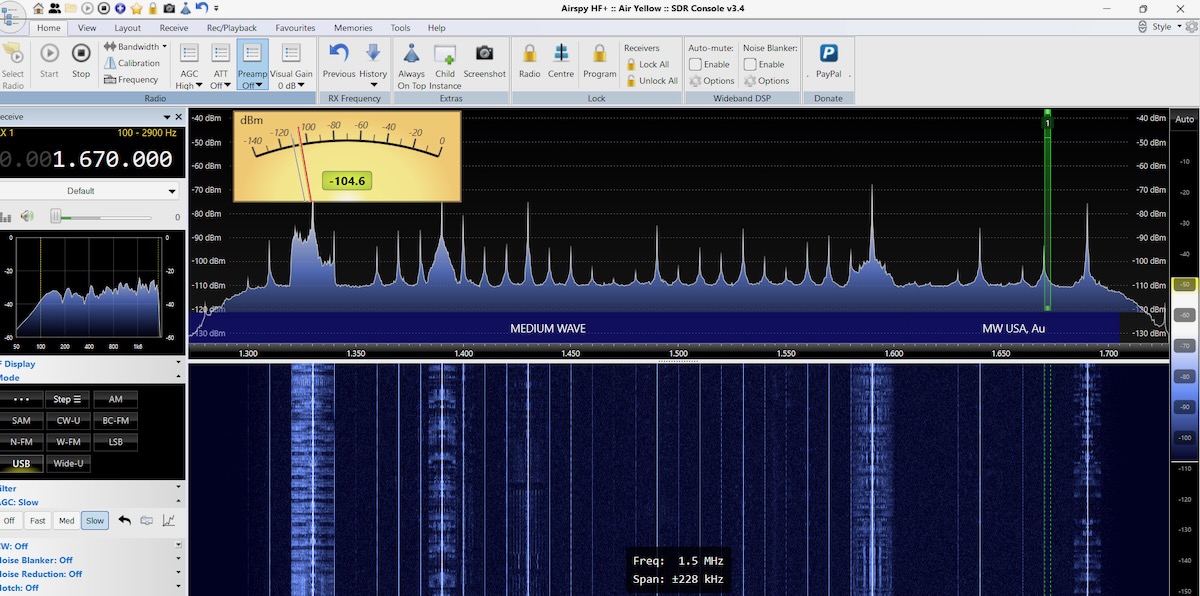
The MLA-30+, on the other hand, isn’t good for much beyond hearing the strongest local signals on medium wave.
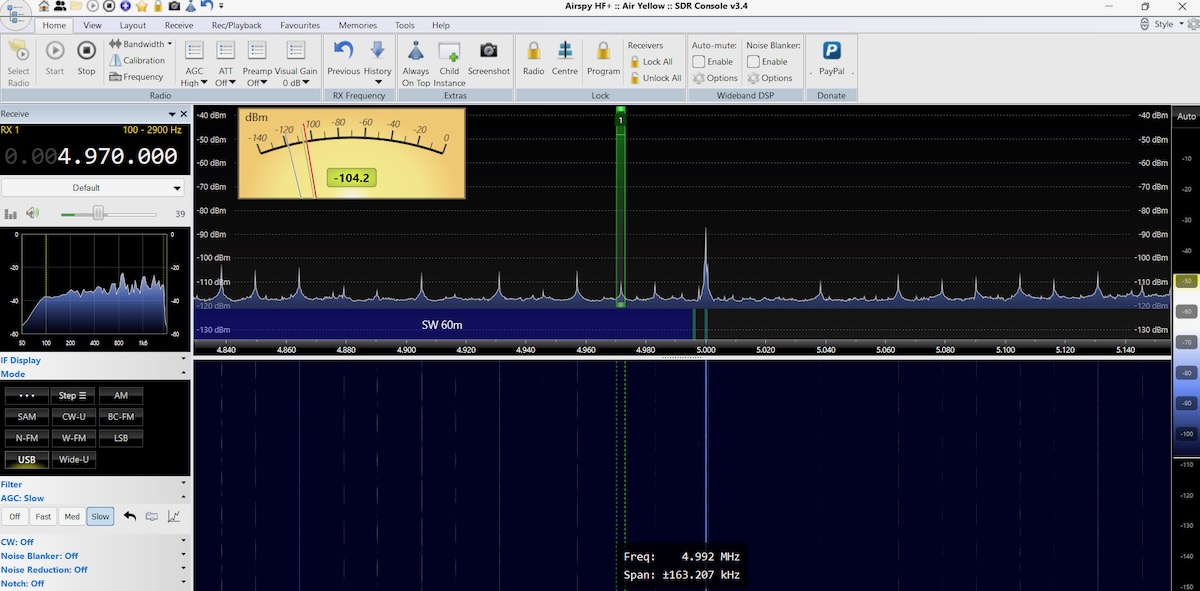
When I ran these tests in the late morning, WWV on 5 MHz was the only signal in the 60-meter band. It had a very listenable signal on the PA0RDT.
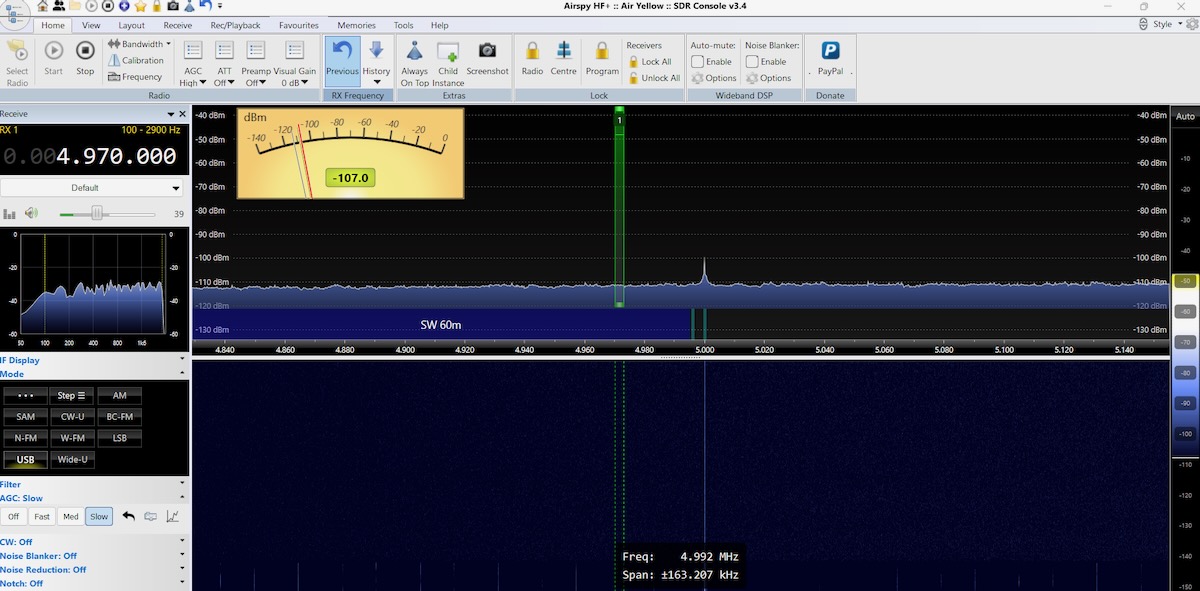
But on the MLA-30+, WWV was barely there.
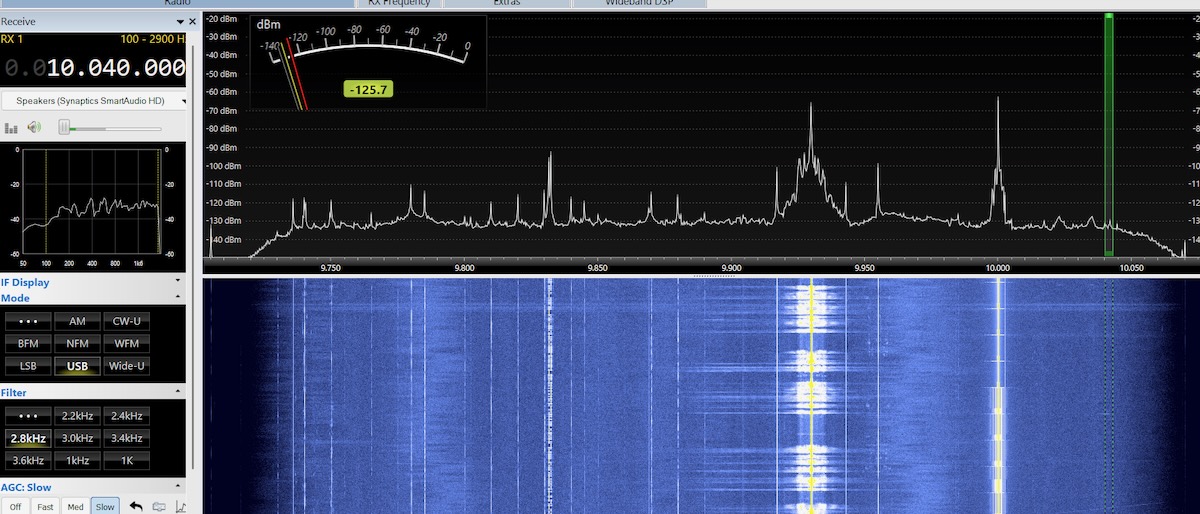
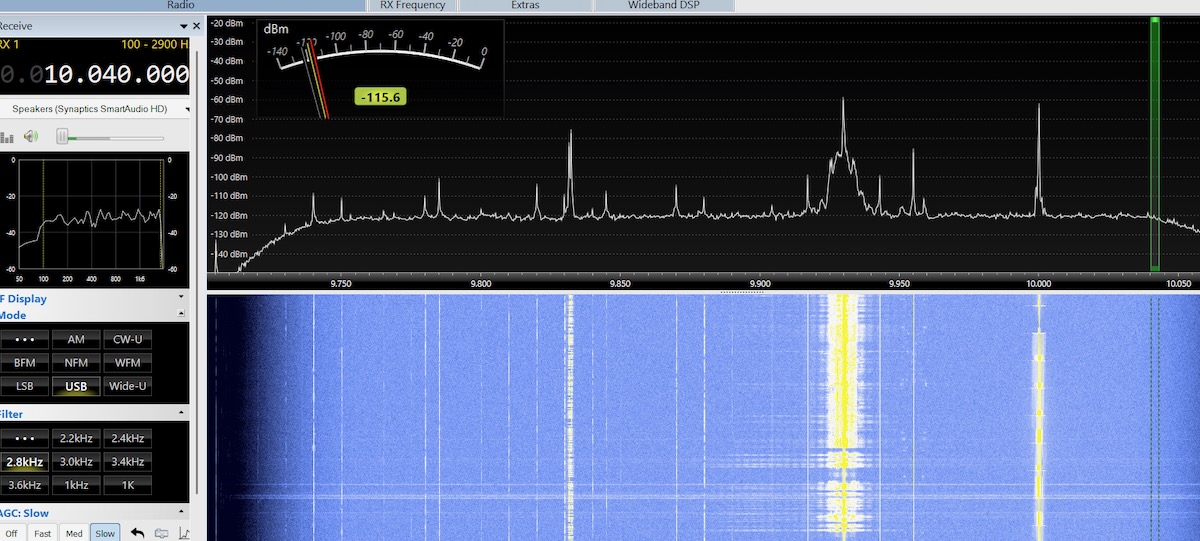
Likewise on 49 meters, CFRX on 6070 kHz was very clear on the PA0RDT but barely listenable on the MLA-30+. But when I moved up to 31 meters, the difference between the antennas mostly disappeared, as in these images made in Kansas. The PA0RDT is top and the MLA-30+ on the bottom.
On 25 meters, the PA0RDT is picking up a lot of noise and the signals are not that strong. Nor were signals very strong on 19, 16, 0r 13 meters.
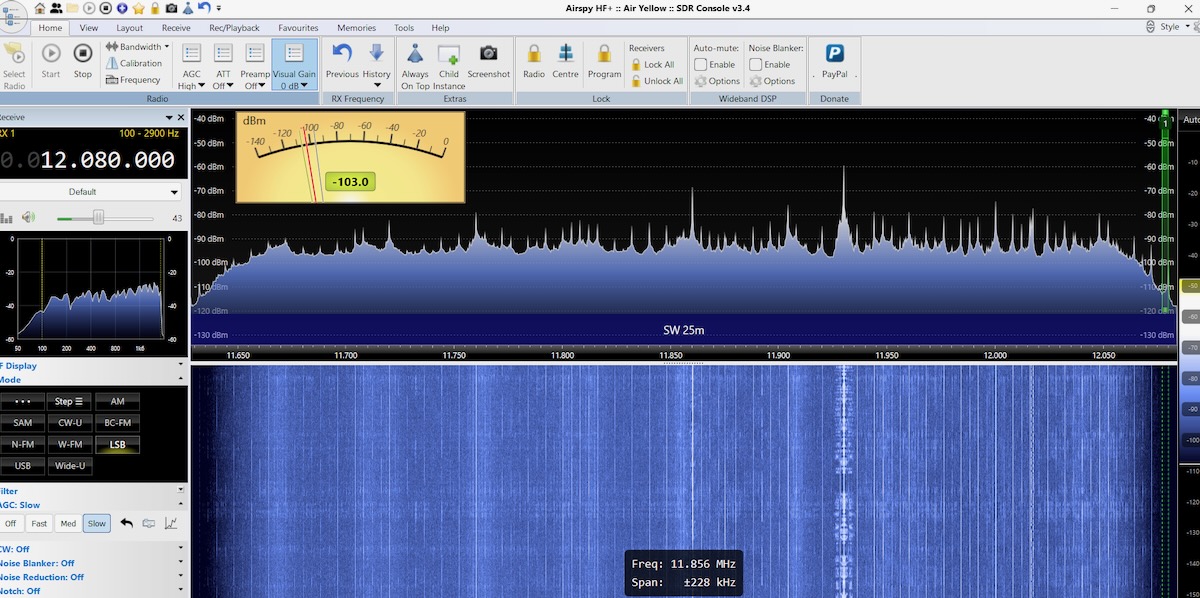
However, on 25 meters with the MLA-30+ there isn’t much noise and the signals are booming in. And 19, 16, and 13 meters likewise had strong signals.

So the PA0RDT is clearly the best antenna for MW and the lower shortwave bands, but it doesn’t do as well on the higher bands. This wasn’t a surprise to me as I’ve always felt that the PA0RDT underperformed above nine or ten Megahertz. The MLA-30+ was abysmal at the lower frequencies but worked better or just as well in the middle and higher shortwave bands. The best antenna is another antenna. Each one performs better in different situations. But I couldn’t help but wonder … was the problem with the MLA-30+ that small steel wire loop?

Look for Don’s Part 2 article next weekend on the SWLing Post!
Giuseppe’s Clever Homebrew Ferrite Antenna for MW and SW Listening

Screenshot

Many thanks to SWLing Post contributor, Giuseppe Morlè, who writes:

Dear Thomas,
I’m Giuseppe Morlè, IZ0GZW, from Formia in central Italy on the Tyrrhenian Sea.

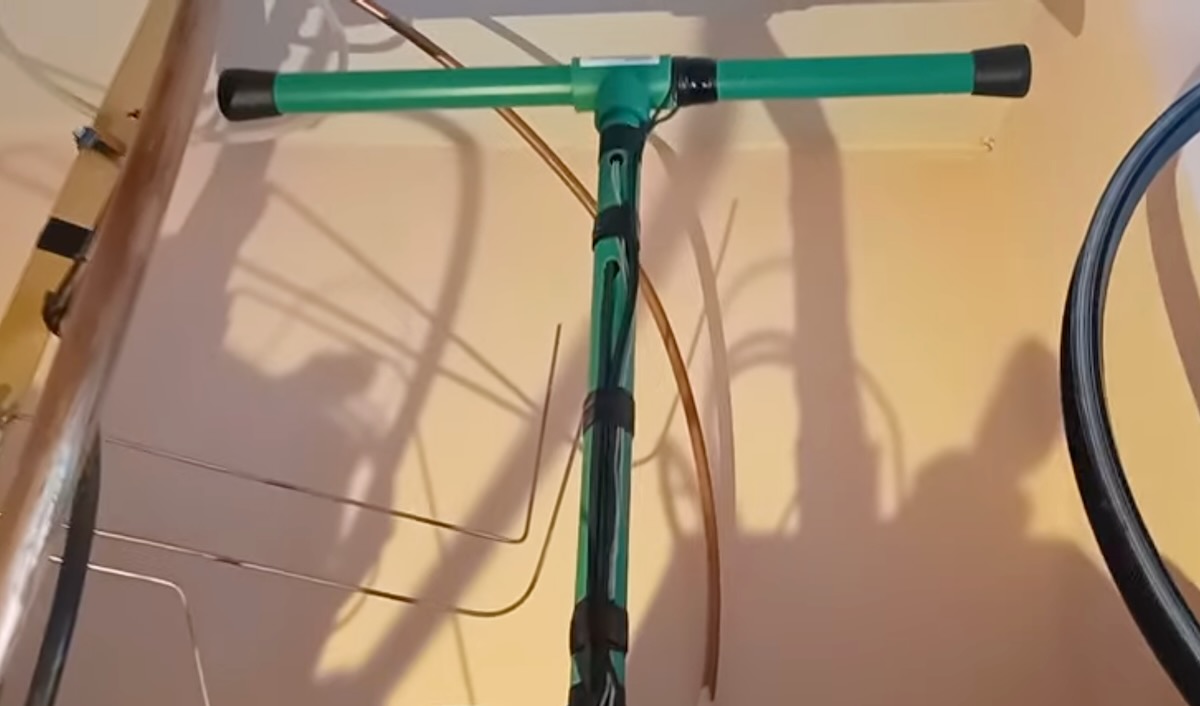
This is one of my builds from a few years ago: the T Ferrite antenna. It’s a minimal antenna designed mainly for mediumwave, but it also performs well on shortwave.

Inside the tube at the top are two 12 cm ferrite rods with 32 turns of telephone wire wrapped around them—this section is for mediumwave. Then, on the outside of the tube, I added four more turns for shortwave. A variable capacitor of about 1000 pF completes the circuit.

Shortwave is activated with an alligator clip. When the clip is removed, only the mediumwave section is active.

I tested this antenna with my old Trio 9R-59DS from the 1970s—a tube receiver still in perfect condition. To my pleasant surprise, the receiver paired beautifully with the antenna.

These tests were done on mediumwave in the early afternoon yesterday while it was still light outside. With the antenna placed above the receiver inside my shack, I was able to receive stations from across the Mediterranean basin and Eastern Europe, even in areas where the sun had already set. I really enjoy testing this antenna before evening, and I’m very satisfied with its performance.

You can see the results in this video on my YouTube channel:

I hope this will be of interest to the friends in the SWLing Post community.

Best regards to you and to all,
Giuseppe Morlè, IZ0GZW

We always enjoy checking out your homebrew antenna designs, Giuseppe! Thank you!

A HUGE difference . . .

By Jock Elliott, KB2GOM

It was a remark from Sebastian Schlüter in response to this post – https://swling.com/blog/2025/10/some-really-inexpensive-ways-to-perhaps-improve-your-shortwave-listening — that sparked today’s post.

He said:

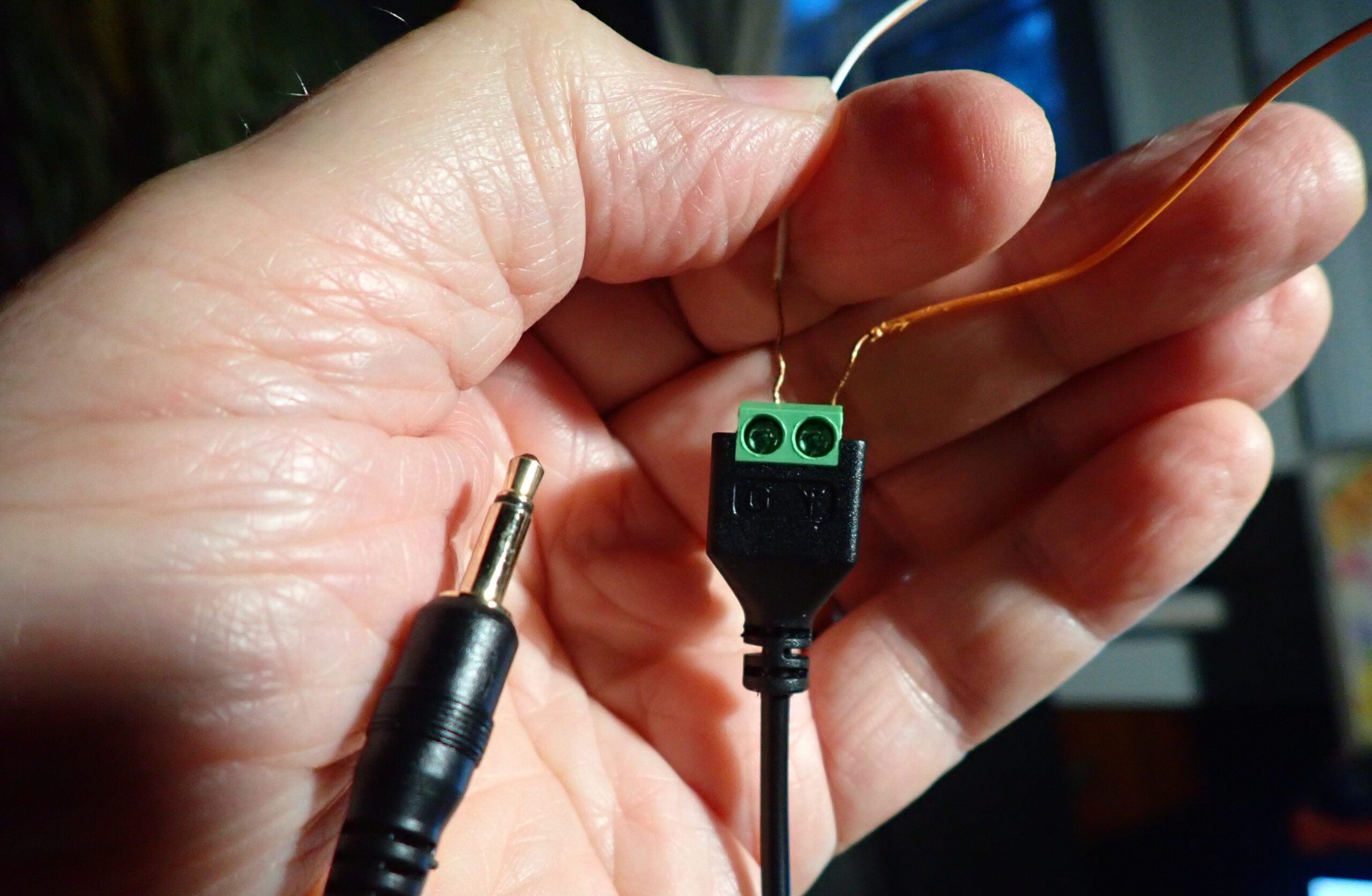
If your RFI is really high, your best weapon is a magnetic loop antenna aka small receive loop. At home, my RFI is so high that I don’t benefit from a larger/longer antenna. For example: Using the telescopic antenna (75 cm) vs using 3m of wire. Reason is that the signal-to-noise ratio is roughly the same in both cases and that all of those very weak signals are below the noise floor anyway, and the ones that make it through the noise are already strong enough to be received with the telescopic only. Conclusion: In a high RFI environment, it’s not about maximising the signal strength but maximising the SNR. You need to find an antenna type that will pick up less of that RFI. A cheap and simple antenna for this is the small receive loop. For a start, you can use a cheap wire terminal with 3.5mm mono jack. Using a 1:1 balun further improves the result.

What really struck my eye was this:

A cheap and simple antenna for this is the small receive loop. For a start, you can use a cheap wire terminal with 3.5mm mono jack.

My CCrane Skywave SSB 2 came with a wire terminal with a 3.5 mono jack, I realized. I hooked it up to my 45-foot horizontal room loop (a single strand of insulated wire run around the top of window frames and bookcases in my radio shack), and then ran the following experiment.

Using the scan function on the Skywave SSB 2, I scanned the shortwave bands using the whip antenna, and then I did it with the loop plugged into the external antenna socket.

The results:

CCrane Skywave SSB 2

Whip antenna: 4 stations detected.                             Loop antenna: 13 stations detected.

Then I tried the same experiment with a Tecsun PL-880.

The results:

Tecsun PL-880

Whip antenna: 8 stations detected                              Loop antenna: 15 stations detected.

Clearly, Sebastian’s suggestion of plugging in a simple wire loop makes a huge difference. And, I should note, I didn’t play fair. I did the test while 3 scanners, an LED light, and two UHF/VHF ham transceivers were operating in the vicinity and probably generating RFI.

So now the question: I ran the experiment with a 45-foot simple loop. What do you suppose would be the minimum wire length for an effective simple wire loop? I look forward to your input.

Coupling Three Homebew Antennas for 40-Meter DX

Many thanks to SWLing Post contributor Giuseppe Morlè, who writes:

Dear Thomas and Friends,

I’m Giuseppe Morlè (IZ0GZW) from Formia, in central Italy on the Tyrrhenian Sea.

This time I wanted to experiment by combining three different antennas that interact with one another through induction. In the video, you’ll see the Milk Box Loop, the SW/MW Tablet, and the Wire Coil all working together to capture very faint 40-meter signals from W2V in North Carolina and ZL3CHE in New Zealand.

This experiment is especially promising as we move into the fall season, when nighttime listening on 40 meters becomes even more interesting.

I’ll continue testing with this fun, simple, and free antenna. You can see more in this video:

Thank you all, and happy listening!

—Giuseppe (IZ0GZW)

Thank you so much for sharing another one of your antenna experiments and impressive results, Giuseppe! 

Giuseppe’s Ingenious Recycled Antenna Board for SW & MW Listening

Screenshot

Many thanks to SWLing Post contributor Giuseppe Morlè, who writes:

Dear Thomas,

I’m Giuseppe Morlè, IZ0GZW, from Formia, in central Italy on the Tyrrhenian Sea.

I’d like to show you my antenna board for shortwave and mediumwave listening with portable receivers like the Tecsun PL-660.

The board has two distinct circuits:

      • A small-diameter loop with two turns for shortwave reception (3.5–18 MHz).
      • Three ferrite rods with 30 turns each, plus a four-turn link coil that carries the signal to the receiver for mediumwave reception.

In the video, you’ll see how the board works on its own, and then how performance improves when I connect a 15-meter wire and throw it over the balcony of my house. In that case, the signal becomes much stronger.

Tuning is done with a 900 pF variable capacitor. To listen to mediumwave, I simply disconnect one side of the shortwave loop. With just that single variable capacitor, I can tune all of the bands.

It’s a surprisingly effective antenna for small portable receivers, and it’s built entirely from recycled materials—at no cost.

I hope you enjoy it. Greetings to all the friends of the SWLing Post.

73, Giuseppe Morlè, IZ0GZW

Click here to view on YouTube.

Many thanks, Giuseppe, for once again sharing your creativity with us. I’m always impressed by the antennas you design and by the performance you achieve—especially considering they’re largely homebrewed from recycled parts. That’s radio at its very best!

[Note that his video is in Italian, but you can turn on subtitles for your preferred language.]

Giuseppe’s Multi-Band Milk Crate Loop Antenna

Many thanks to SWLing Post contributor Giuseppe Morlè, who shares the following guest post:

Dear Thomas and Friends of SWLing Post,

I am Giuseppe Morlè from Formia, a town in central Italy on the Tyrrhenian Sea.

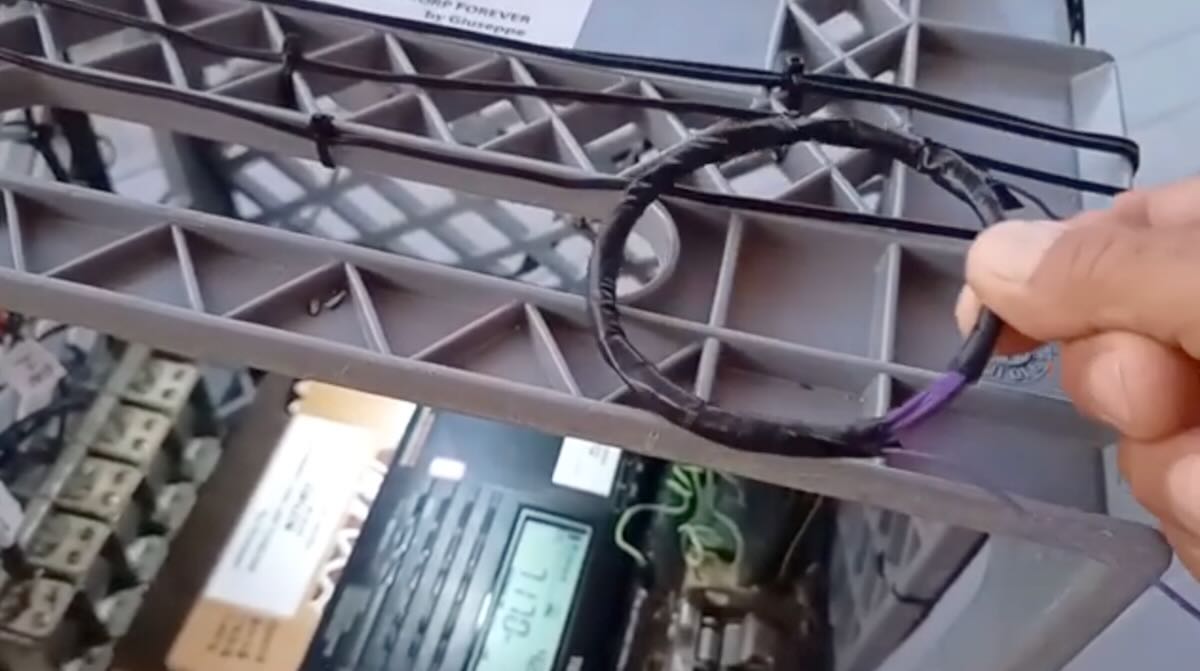
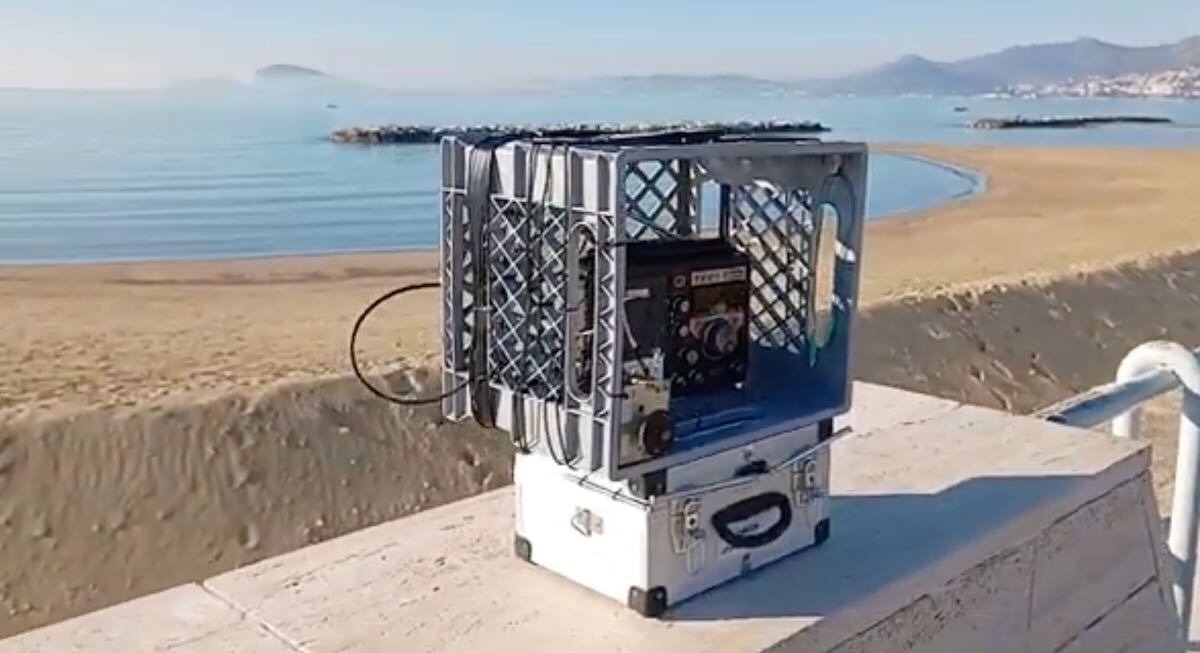
I have built a new “Multiloop” antenna using a 40 cm diameter milk crate. The crate is very sturdy and shockproof, making it an excellent base for this project.

Construction Details

I wound three different loops on the crate:
1. A single shortwave coil
2. Two shortwave coils
3. Twelve medium-wave coils

The design includes a single coil placed between the two shortwave coils, which picks up the signal by induction and transfers it to the receiver via an RG58 cable.

The heart of this system is a 2,100 pF variable capacitor with sockets connected to the rotors. Inside the crate, I added another 18 cm diameter loop positioned just below the two main coils.

The ends of this small loop are attached with crocodile clips to the external ends of the rotor. This small loop allows me to exploit induction and, by turning the capacitor, access all decametric bands from 160 to 10 meters.

Tuning Ranges

The variable capacitor enables tuning as follows:

      • In the lower ranges, it covers 80 to 20 meters.
      • When reversed, it tunes all higher ranges from 10 to 20 meters.

This works because the small loop and capacitor couple inductively with the primary turns. By increasing capacity with cables on the rotors, the antenna can even tune up to 160 meters.

The medium-wave turns cover frequencies from 300 kHz to 1,900 kHz. Essentially, this Loop Milk Crate antenna can access a wide range from 300 kHz to 30 MHz.

Testing and Comparisons

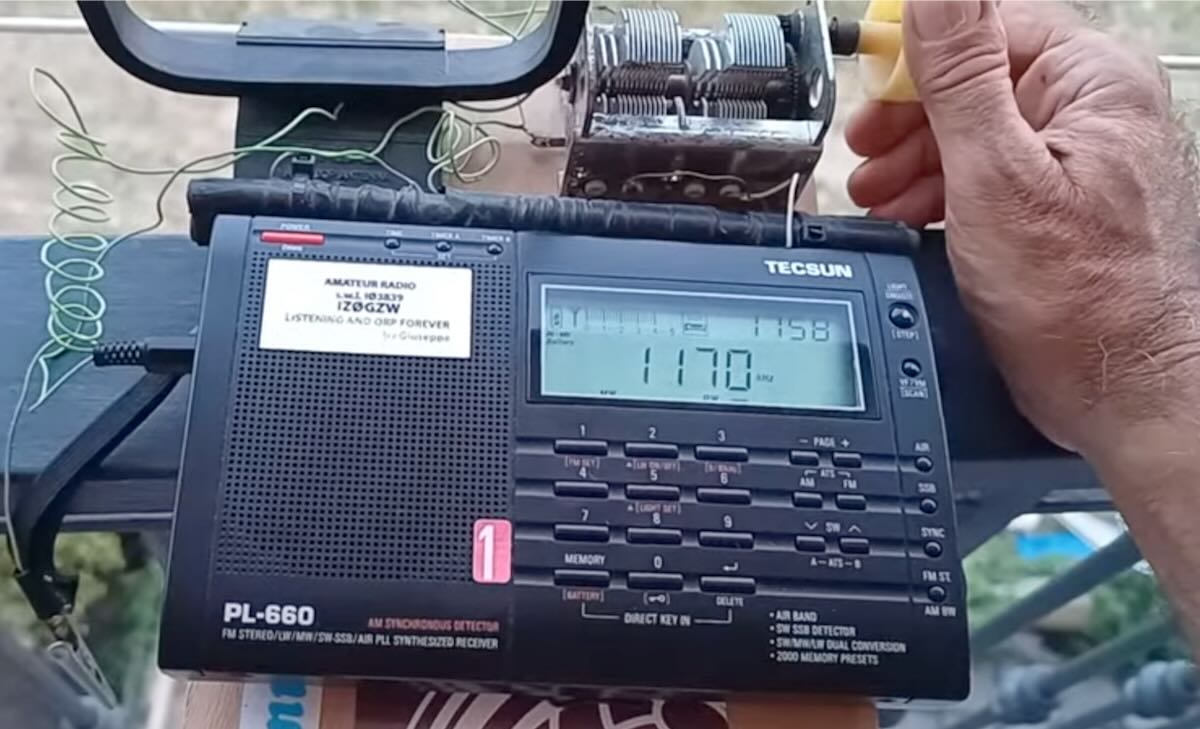
I tested the antenna using the Tecsun PL-660 and the Tecsun S-8800 receivers. I also compared the Loop Milk Crate with my “Ferritona” antenna and found surprising results!

Some of the videos were filmed in my shack because it was too cold to work on the balcony. Other videos were shot outside, either on my balcony or on the beach in Formia.

Videos

Final Thoughts

I hope you enjoy my “crazy” constructions. Always remember, I’m not a technician—just a passionate listener who loves building with recycled materials.

Wishing everyone a year full of happiness and satisfaction!

Best wishes to all,
Giuseppe Morlè

A File Worth Having: Bob’s guide to building an Electrically Small Resonant Loop Antenna for Mediumwave Reception

Screenshot

This post is short and sweet.

If you click here–Electrically Small Resonant Loop Antenna for Mediumwave Reception (PDF)–you can download a copy of Bob Colegrove’s excellent paper on the Electrically Small Resonant Loop Antenna for Mediumwave Reception.

He has actually built this antenna; it works; and he uses it often. Perhaps you might want to build one for yourself. As an added bonus, Bob is an excellent writer (in my not-so-humble opinion). What’s not to like?

— Jock Elliott, KB2GOM