Shortwave listening and everything radio including reviews, broadcasting, ham radio, field operation, DXing, maker kits, travel, emergency gear, events, and more
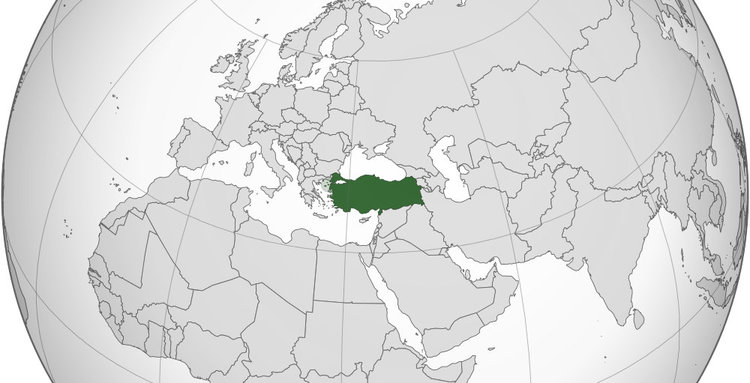
For your listening pleasure: the Voice of Turkey English language service.
This program was recorded on June 7, 2015, starting around 2205 UTC on 9830 kHz. I started recording the program a few minutes after the top of the hour when a digital transmission on the same frequency finally went off air. I made this recording with the TitanSDR Pro hooked up to my horizontal delta loop antenna.
You will actually hear a few seconds of the digital broadcast at the very beginning of the recording. Click here to download the recording as an MP3, or simply listen via the embedded player below:
I was and still am a regular listener to the podcast but I was home on a Tuesday afternoon stranded by a snow storm and tuned to one of the frequencies used by the World Service for west and central Africa, which usually come in reasonably well in eastern North America. To my disappointment, another program was aired at the time “Click” was going out on the real-time online streamed service. I kept listening but “Click” didn’t appear on shortwave later that afternoon either. In general, the programs going out shortwave were not the ones being streamed over the Internet.
I made enquiries to Bill Thompson, the knowledgeable co-host of “Click” and to others about when “Click” aired on shortwave but came up empty.
Fast forward to a couple of weeks ago. I got an e-mail from Bill asking me if I’d heard back from the BBC about the airing of “Click” on shortwave as he’d passed on my request for information. Unfortunately, I hadn’t, but his e-mail reminded me of my effort and so I did some more digging.
I once again scoured the BBC website and eventually found the World Service FAQ page. And, on that page, we find the answer to the question “Where can I find a schedule and frequency for BBC World Service programmes?”with the online program schedule as well as the program schedules for radio transmissions to the various world regions, including local AM and FM radio, DAB radio, satellite radio, and, for some regions, shortwave radio.
I noticed that, according to these schedules, “Click” is broadcast by radio at various times on Tuesdays and Wednesdays, depending on the target region, including some broadcasts by shortwave.
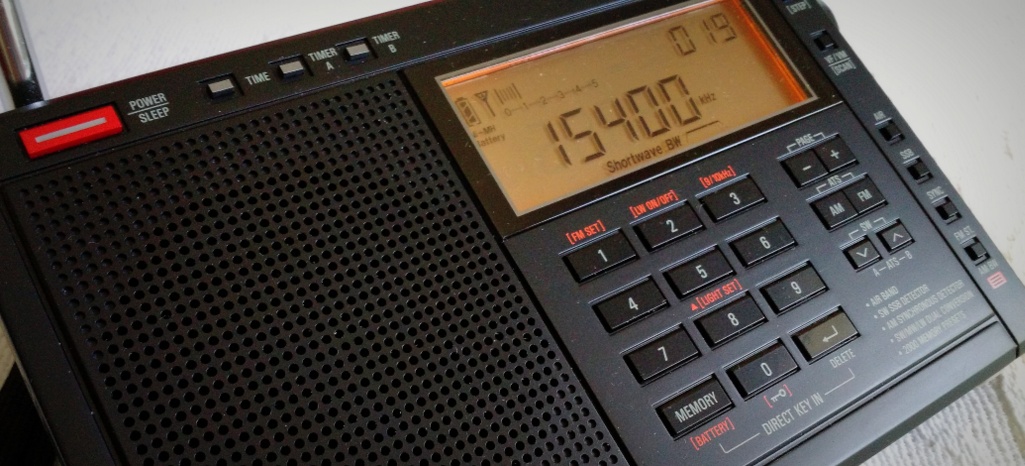
So, on Tuesday afternoon this week, I took one of my portable shortwave receivers (a Tecsun PL-880) to work and operated it from the back of my SUV in the parking lock of my building with a short wire antenna fed out through the rear window and recorded the audio.
Low and behold, I heard “Click” at 19:32 UTC on 15400 kHz from one of the transmitters on Ascension Island. Reception was not bad given the fact that the signal is beamed in the opposite direction to us and there’s a fair degree of radio-frequency interference (RFI) from various electrical and electronic devices in and around my building. The signal would have been much stronger in the African target zone. A short audio clip of the start of the program is [below] (lasts one minute).
I’m sure I could find a quieter location RFI-wise like one of the university’s playing fields and might try that next week.
After confirming that “Click” is indeed still on shortwave, I decided to make a chart of all the “Click” broadcast times including those via shortwave as the “Click” website only gives the times of the online streamed broadcasts. [Click here to download a] PDF-version of the chart. A “bullet” indicates a broadcast of “Click” by any transmission method for each target region. If, in addition to other types of radio broadcast, shortwave is used, then the frequencies (in kHz) and transmitter locations are listed. I think all the information is correct but I’m happy to receive corrections. The schedule should be good until October and I’ll try to produce an updated version after that.
It is good to see that the BBC technology program is still available via shortwave – a still-useful technology in many parts of the world. And, although I’ll still listen to “Click” via the podcast, it’s nice to know that I can still catch it on a Tuesday afternoon with a shortwave receiver.”
I’ve heard Click a number of times via the BBC World Service on shortwave, but never noted the times and frequencies. Thank you so much for compiling this info for us, Richard, and happy listening!
Readers: Note that if Click’s shortwave schedule doesn’t work for you, you can always subscribe to Click’s podcast, or listen online.
Note: This post was updated December 3, 2015 with current broadcast schedule.
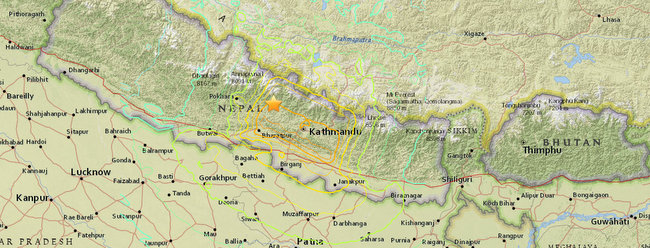
Community radio stations in earthquake-hit Nepal have become a crucial provider of information – in fact, the only source in places where newspapers do not reach and internet service does not exist.
Many of the stations are operating from tents after their permanent buildings were destroyed in the 25 April earthquake.
Staff members from these stations have shown tremendous resilience in ensuring that the flow of information does not stop.
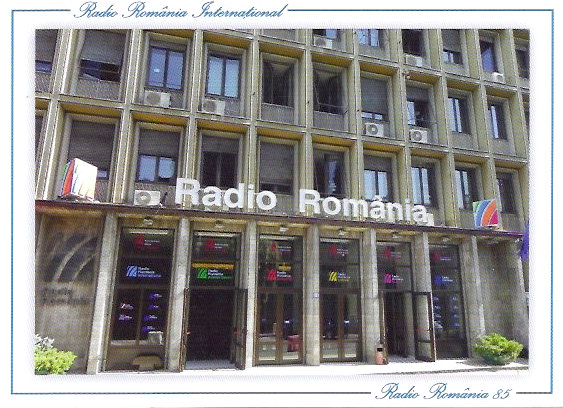
For your listening pleasure: 1.5 hours of Radio Romania International, starting with RRI’s English language service.
This recording was made on May 25, 2015 starting around 00:00 UTC on 9730 kHz. I used the TitanSDR Pro software defined receiver and skyloop external antenna to make this off-air recording. In truth, this is one of the few remaining broadcasters that targets eastern North America; even a simple portable radio would have sufficed.
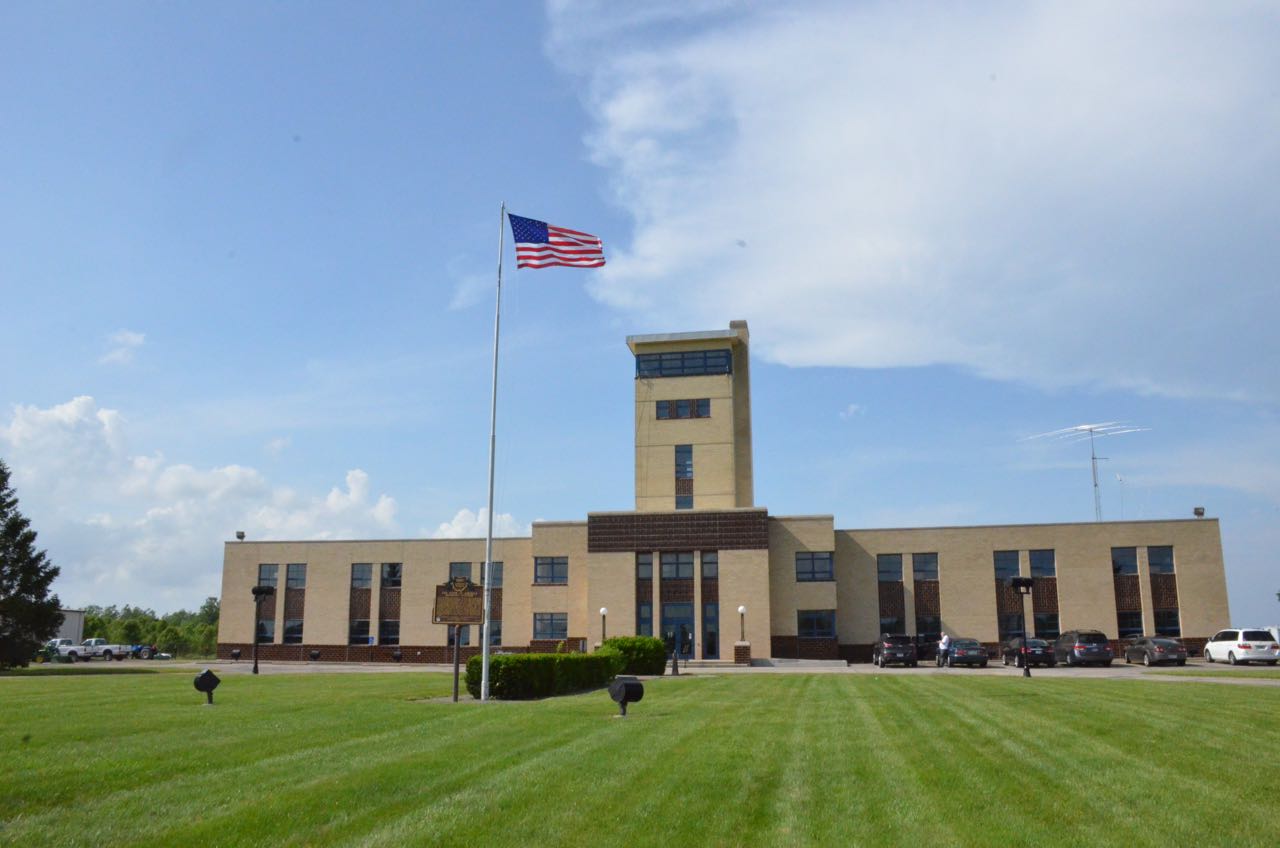
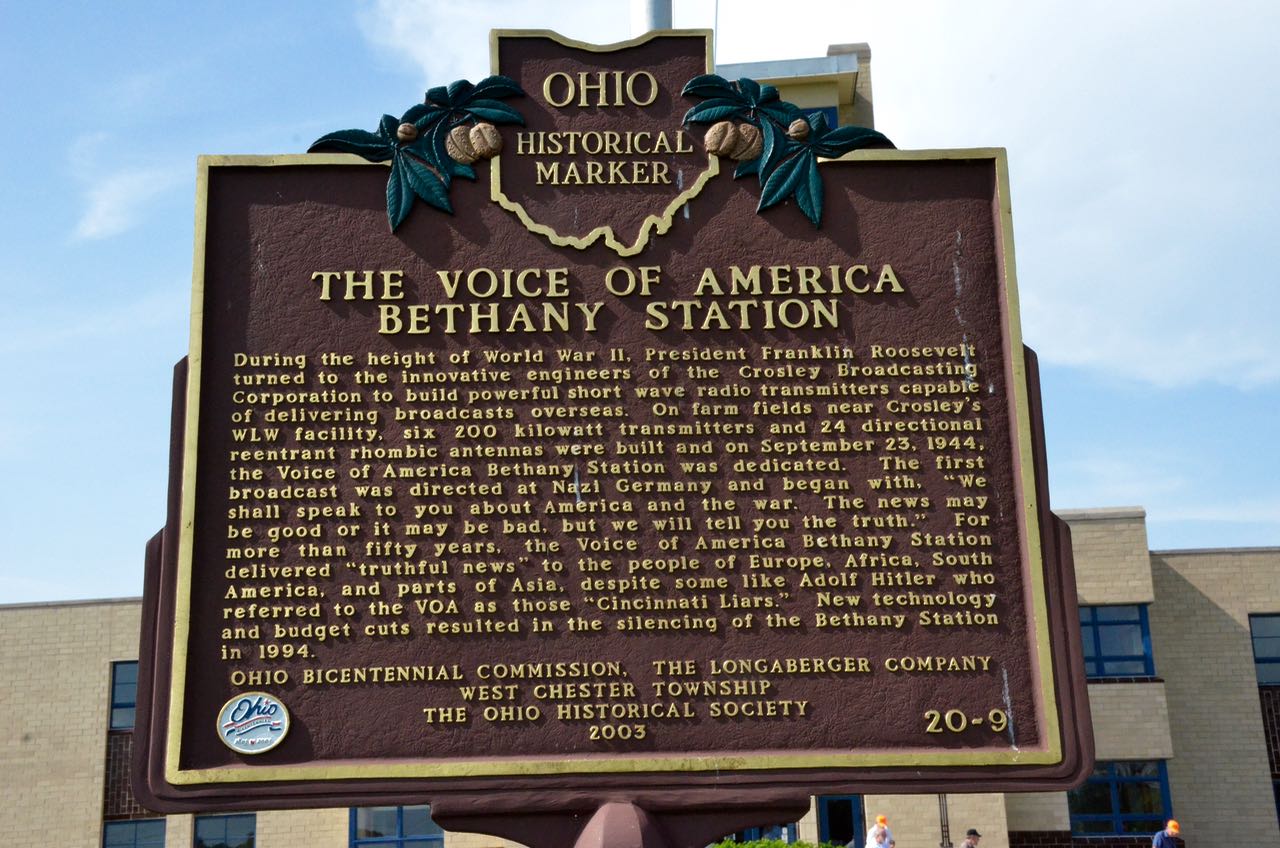
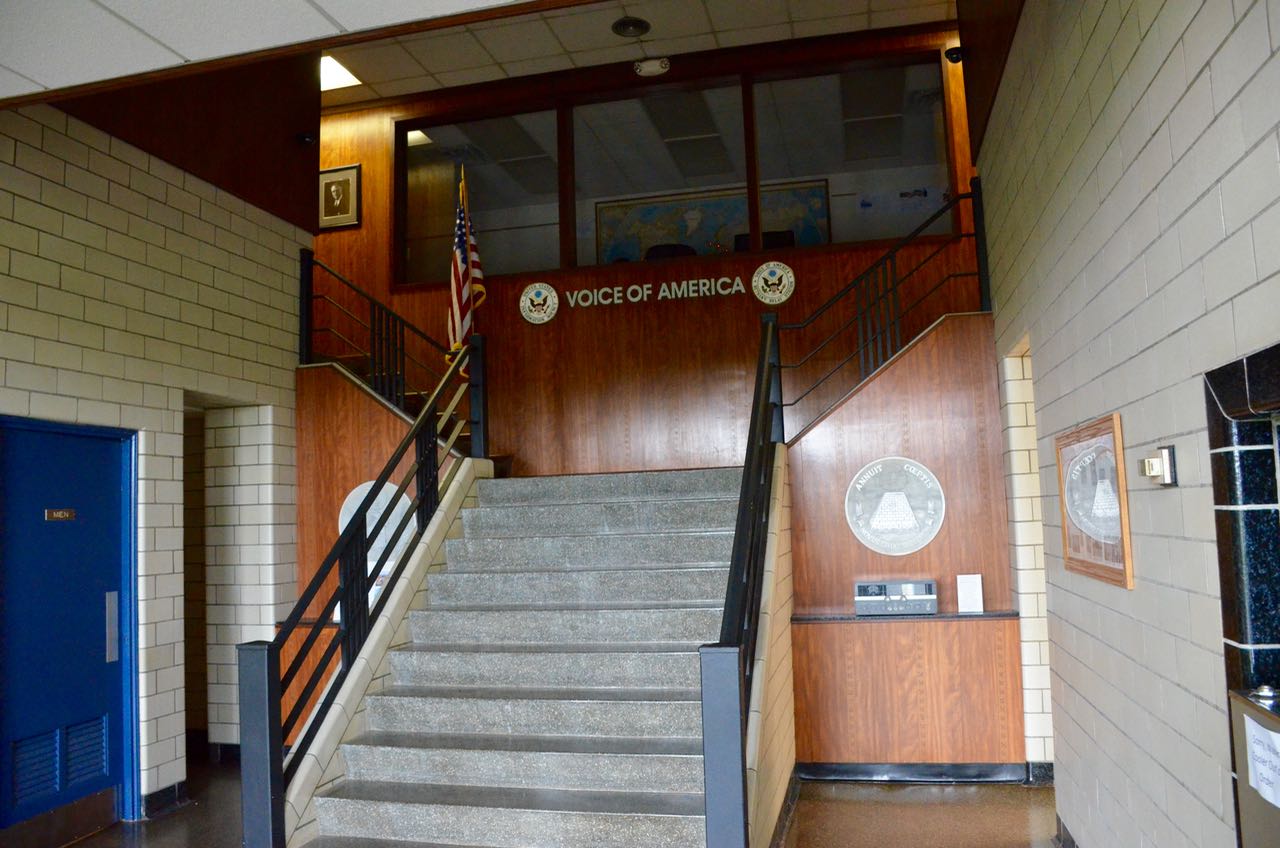
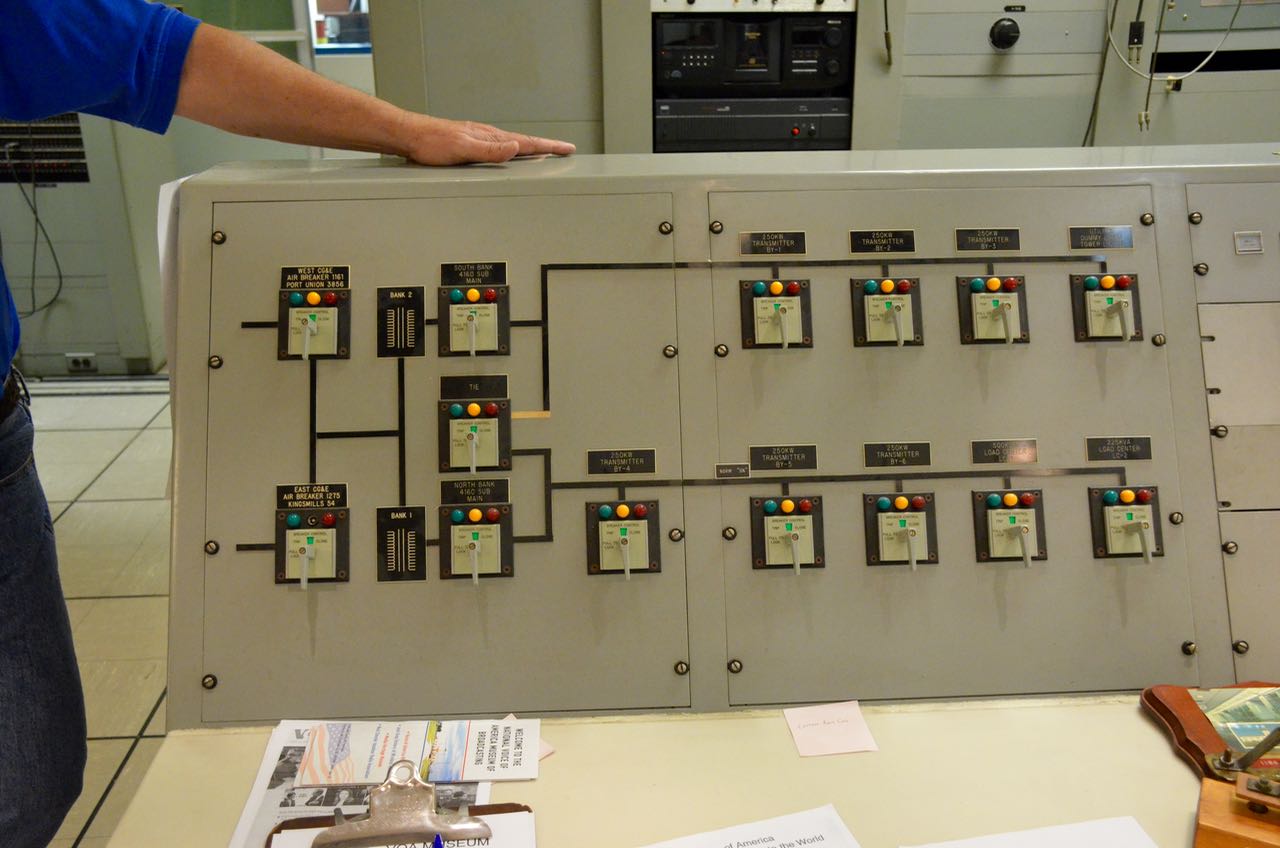
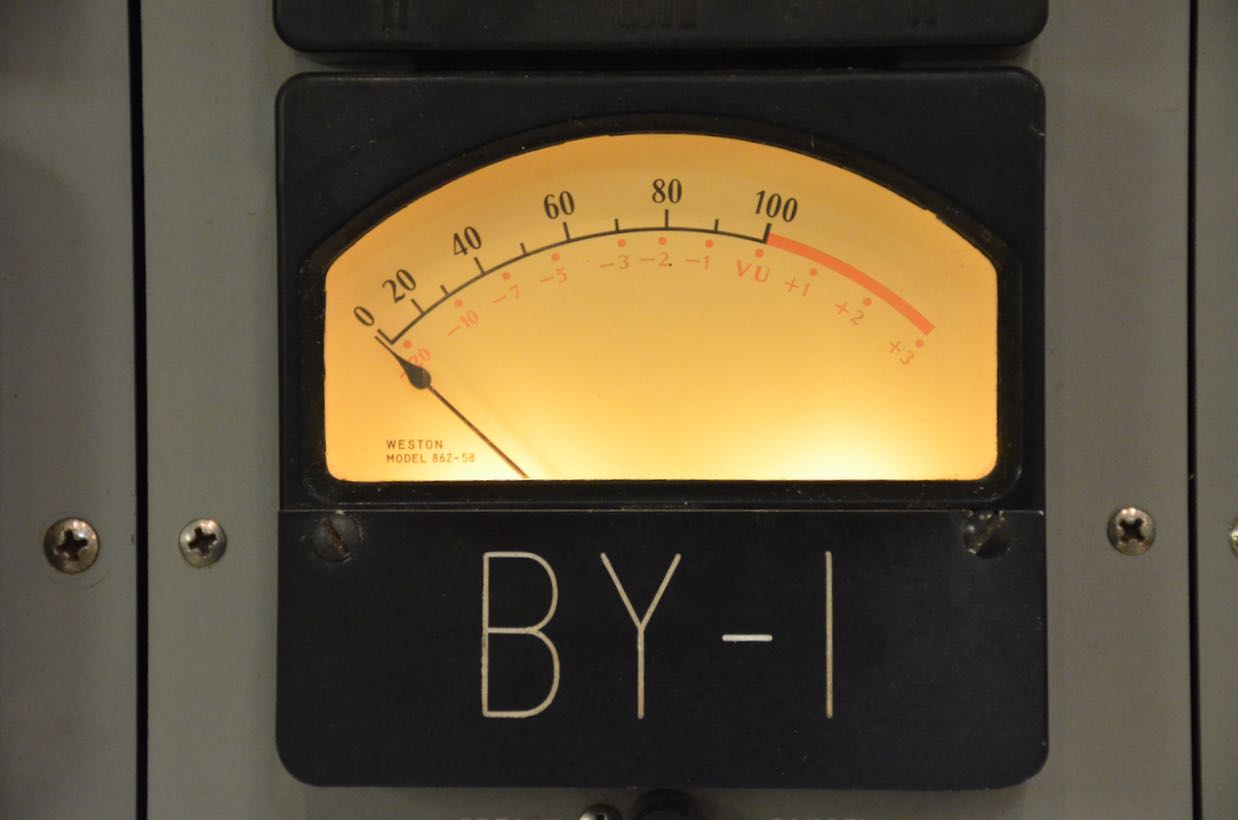
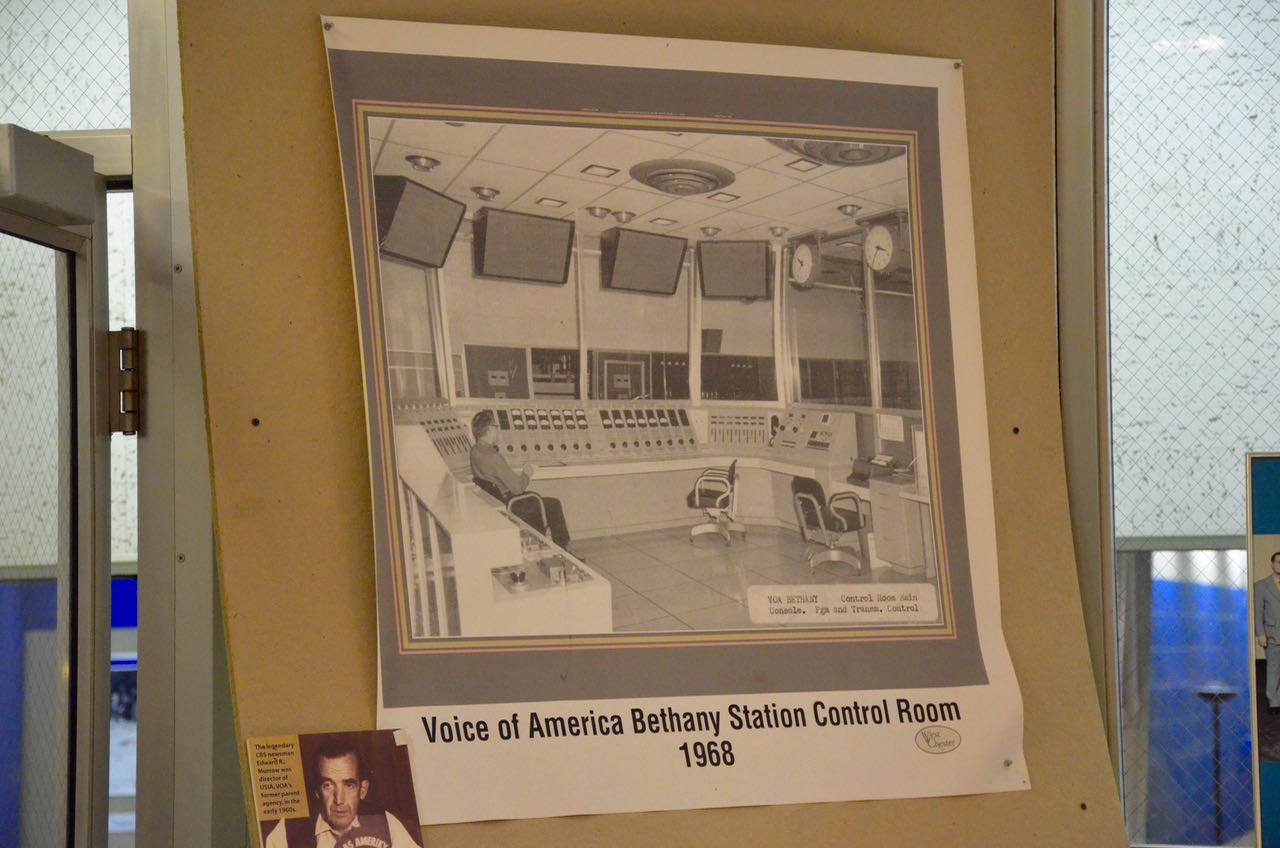
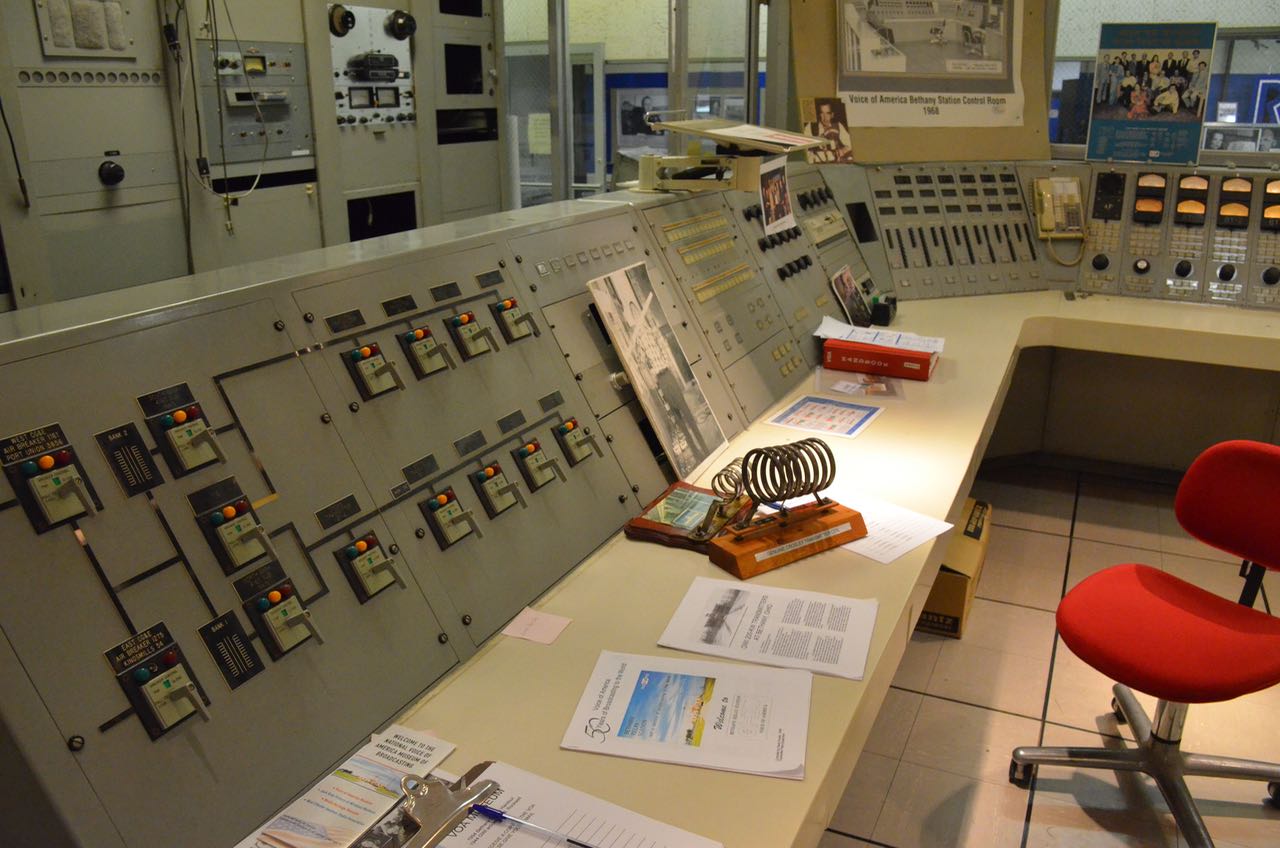
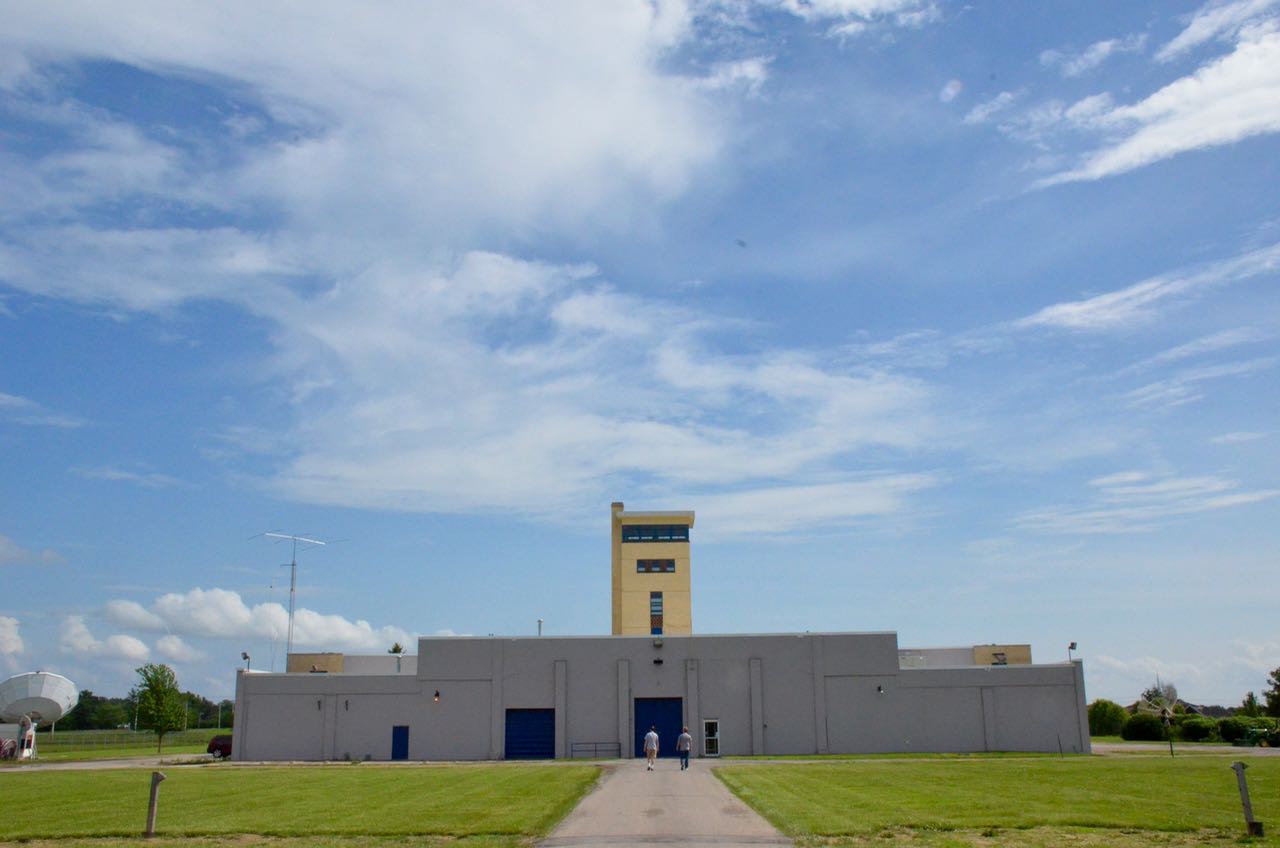
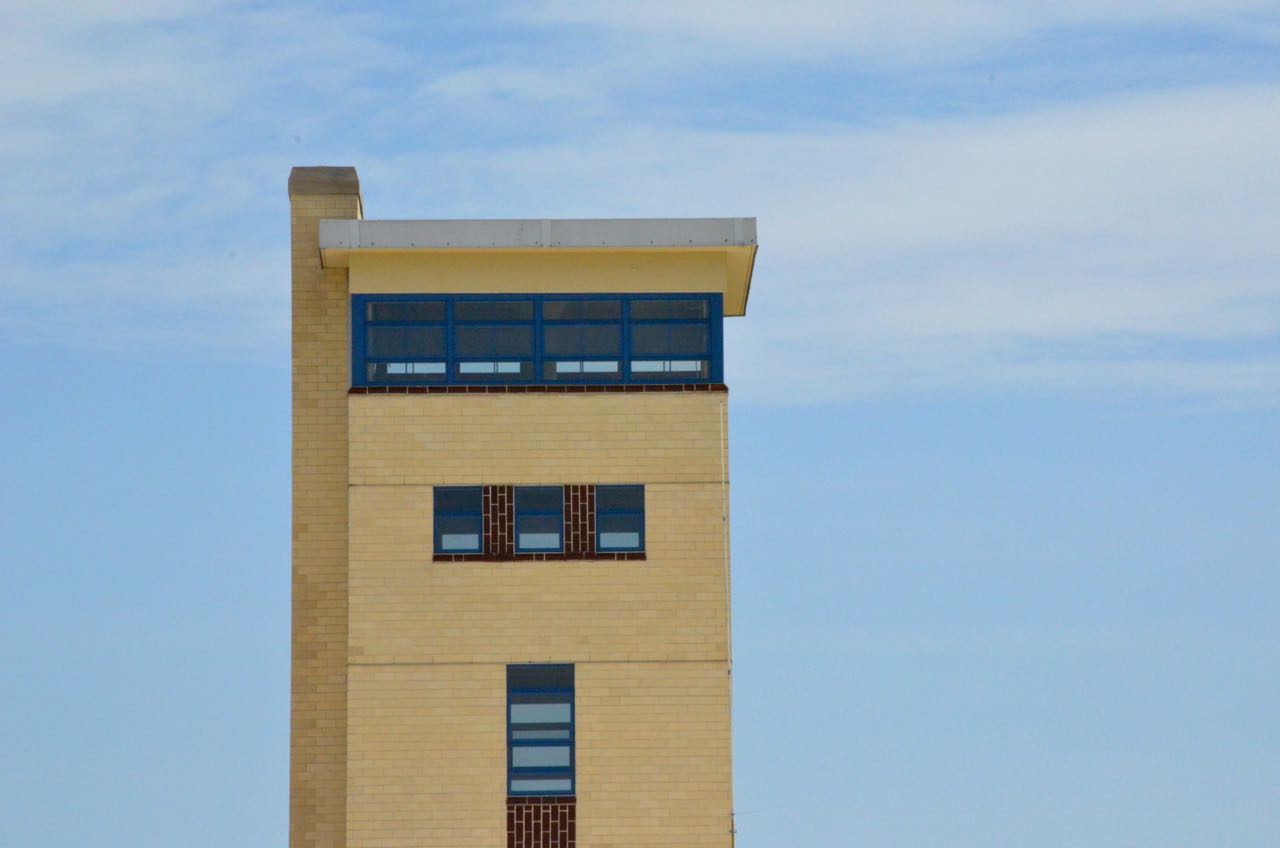
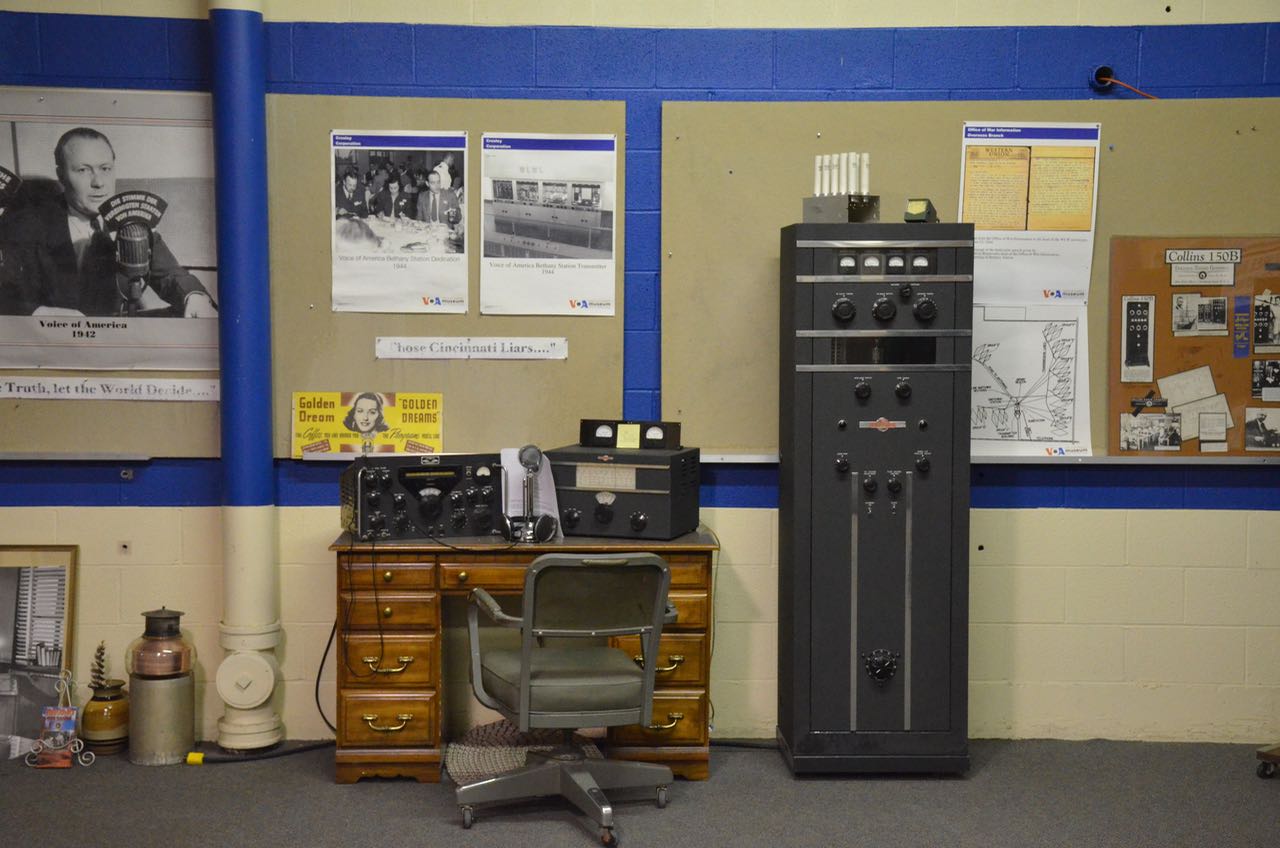
Immediately after packing up our table at the Dayton Hamvention, my buddies Eric (WD8RIF), Miles (KD8KNC), and I made the 30 minute journey to Bethany, Ohio, to visit the VOA Bethany museum.
Main entrance and front lobby (above).
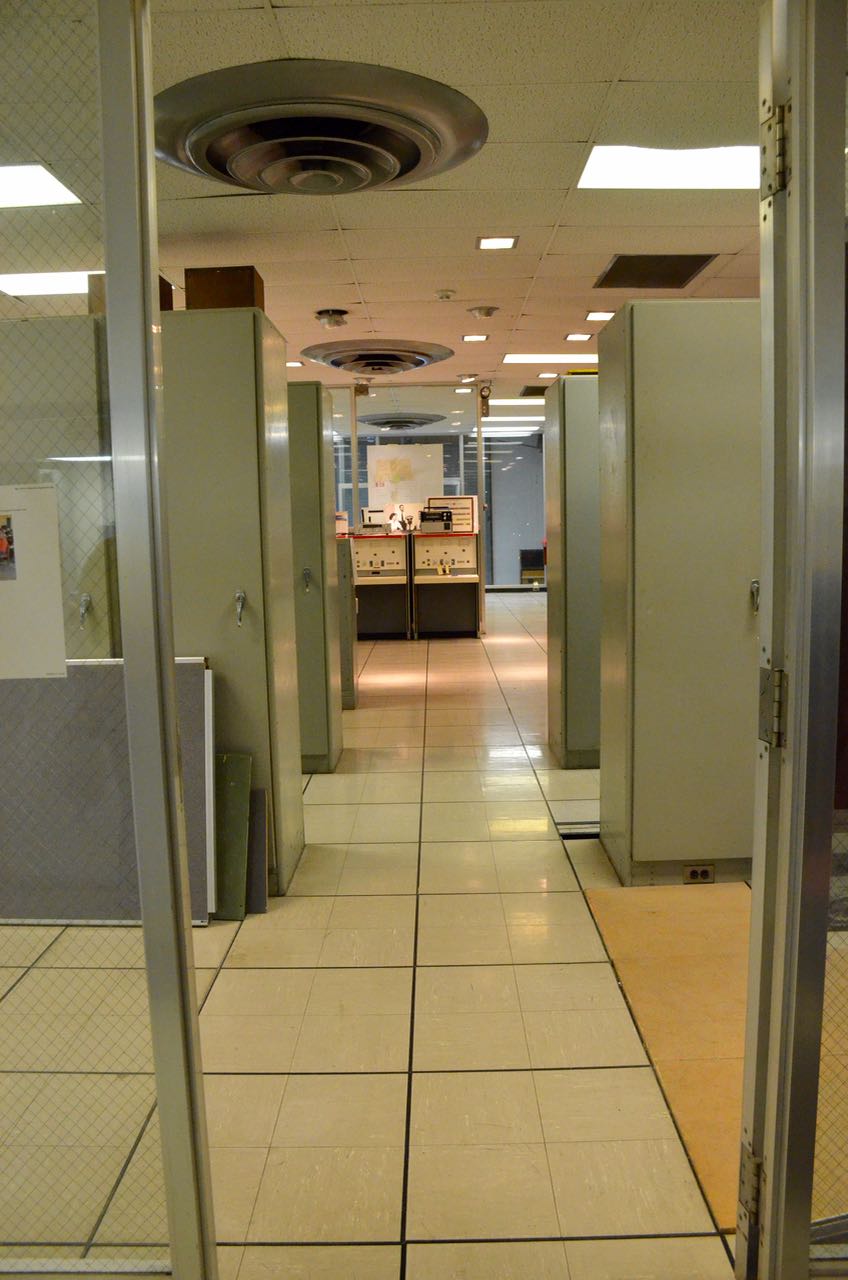
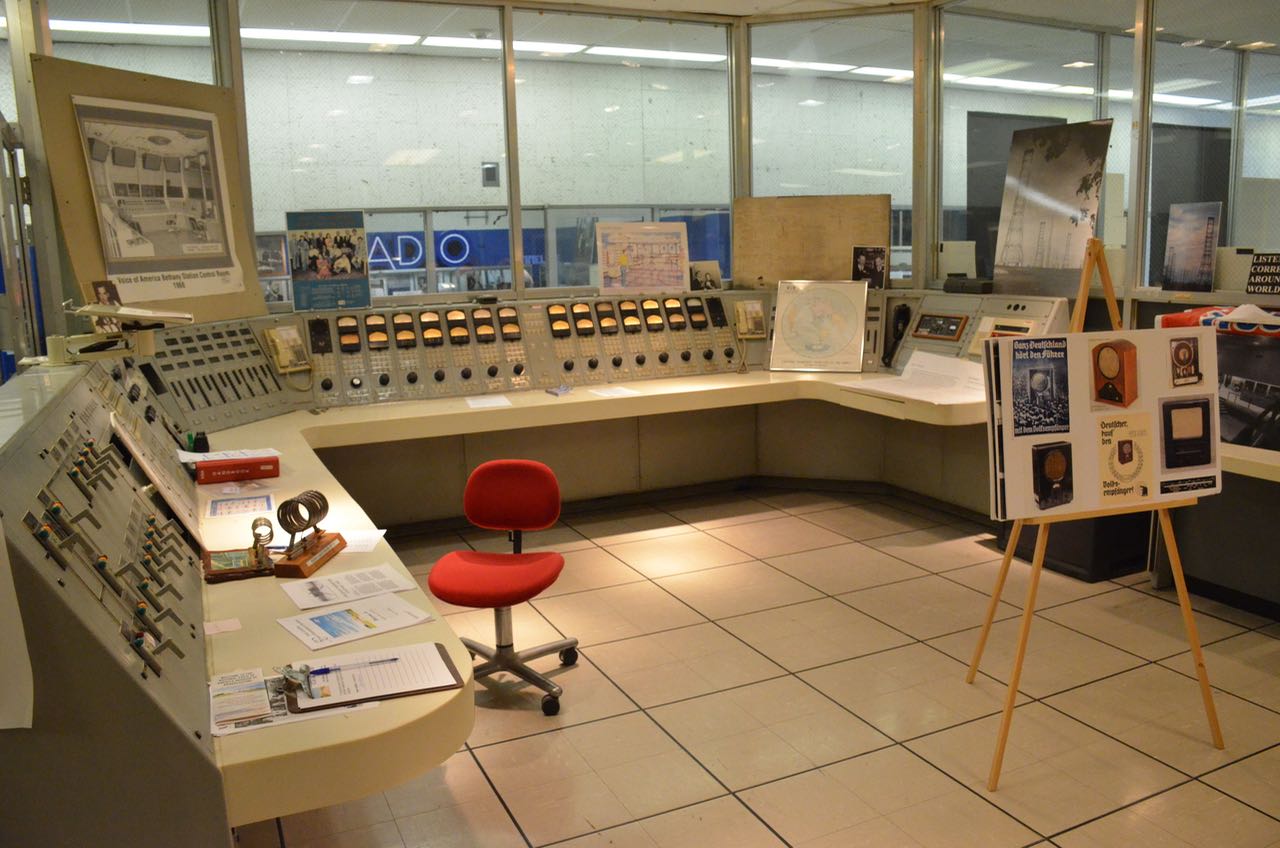
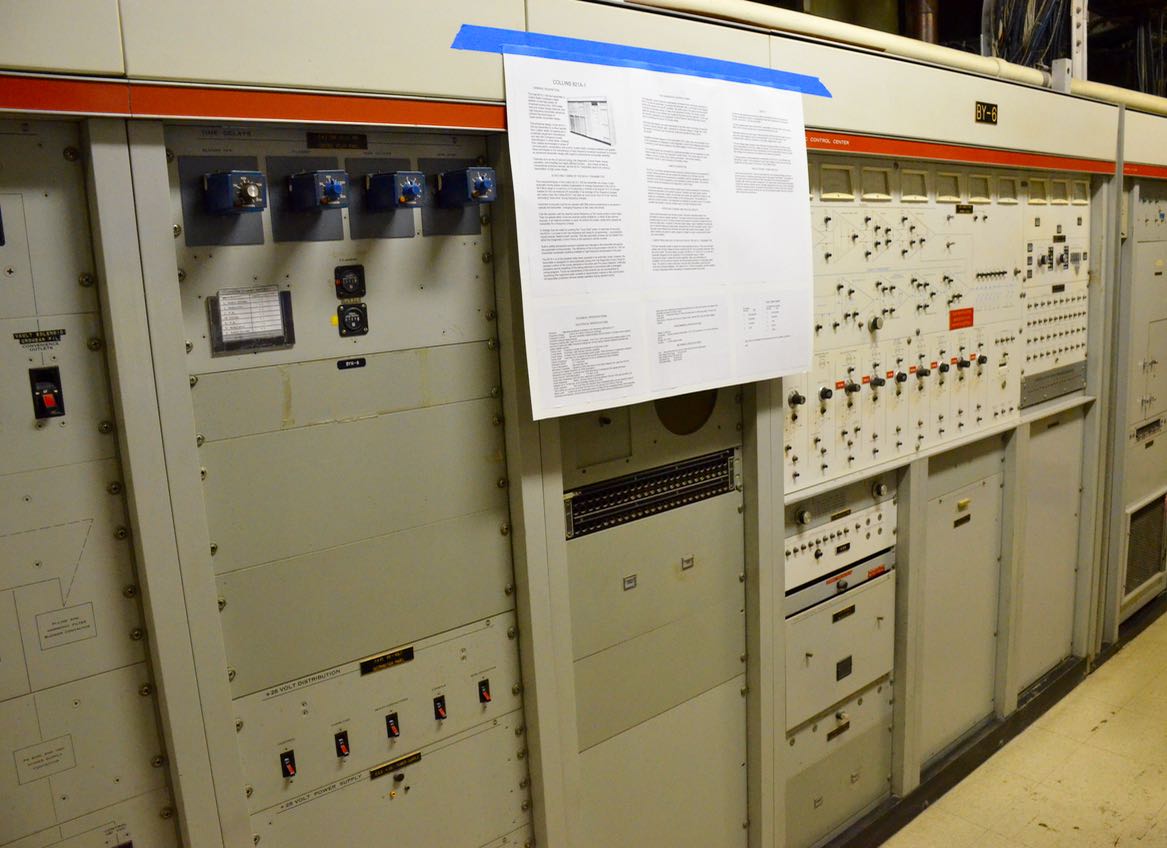
Entering the transmitter control room.
Eric pointed out an article on the future of shortwave radio I published last year that the museum has posted in the hallway next to the control room (above). What an honor!
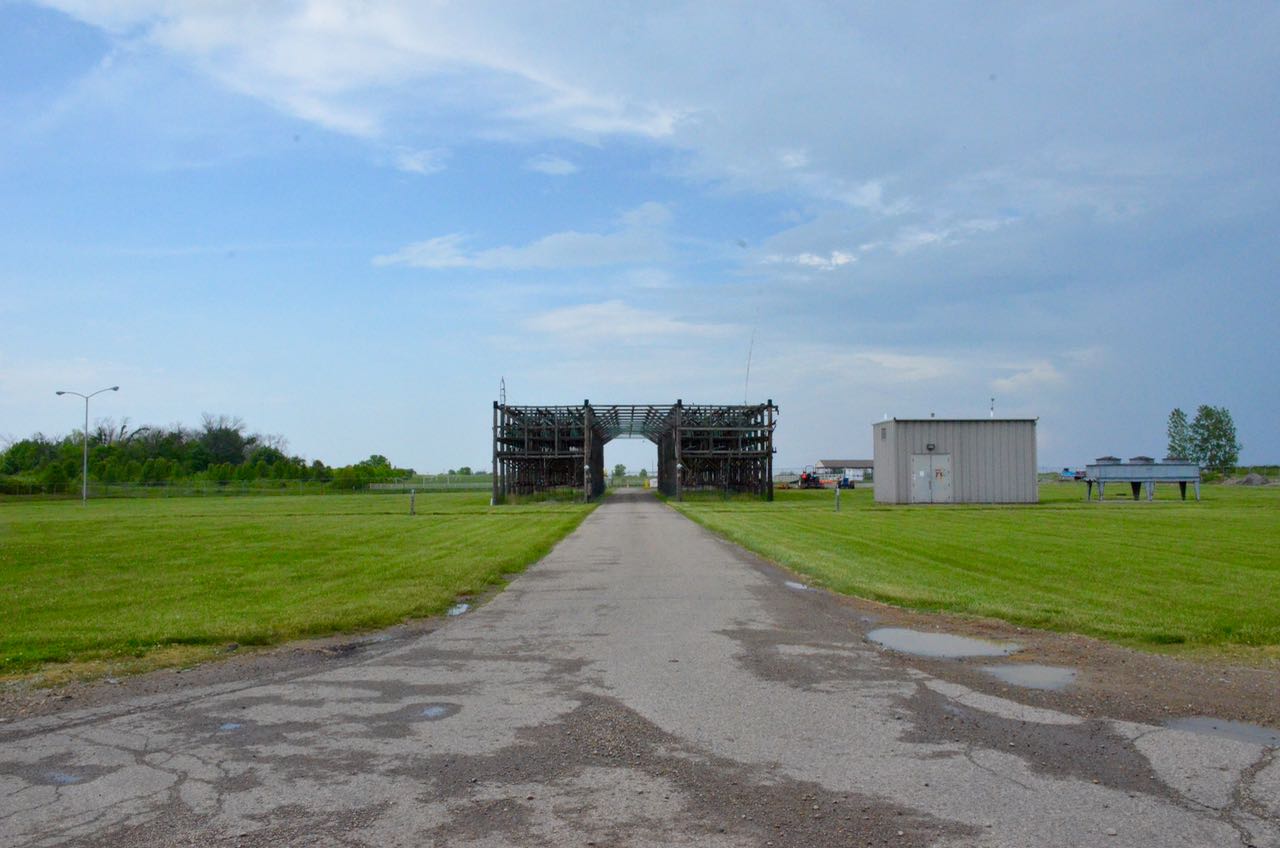
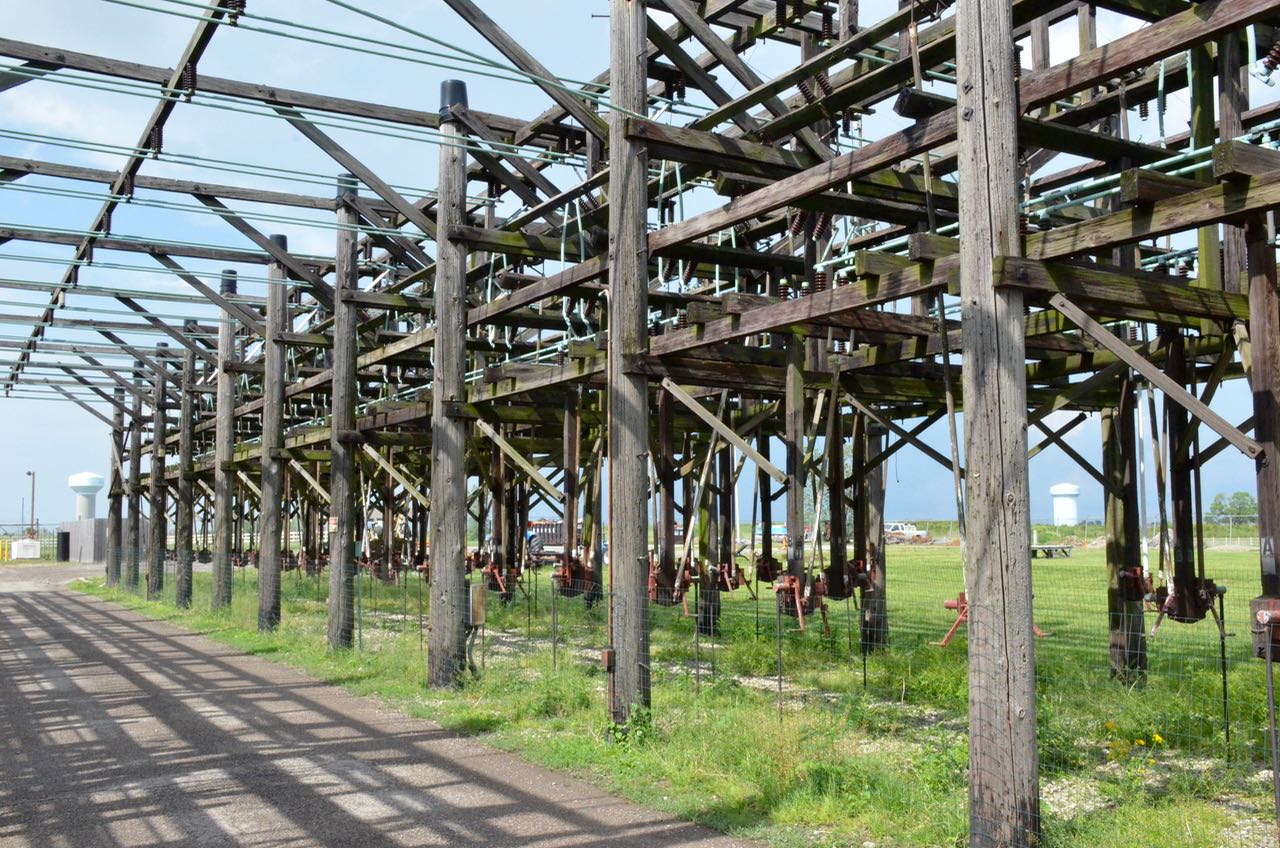
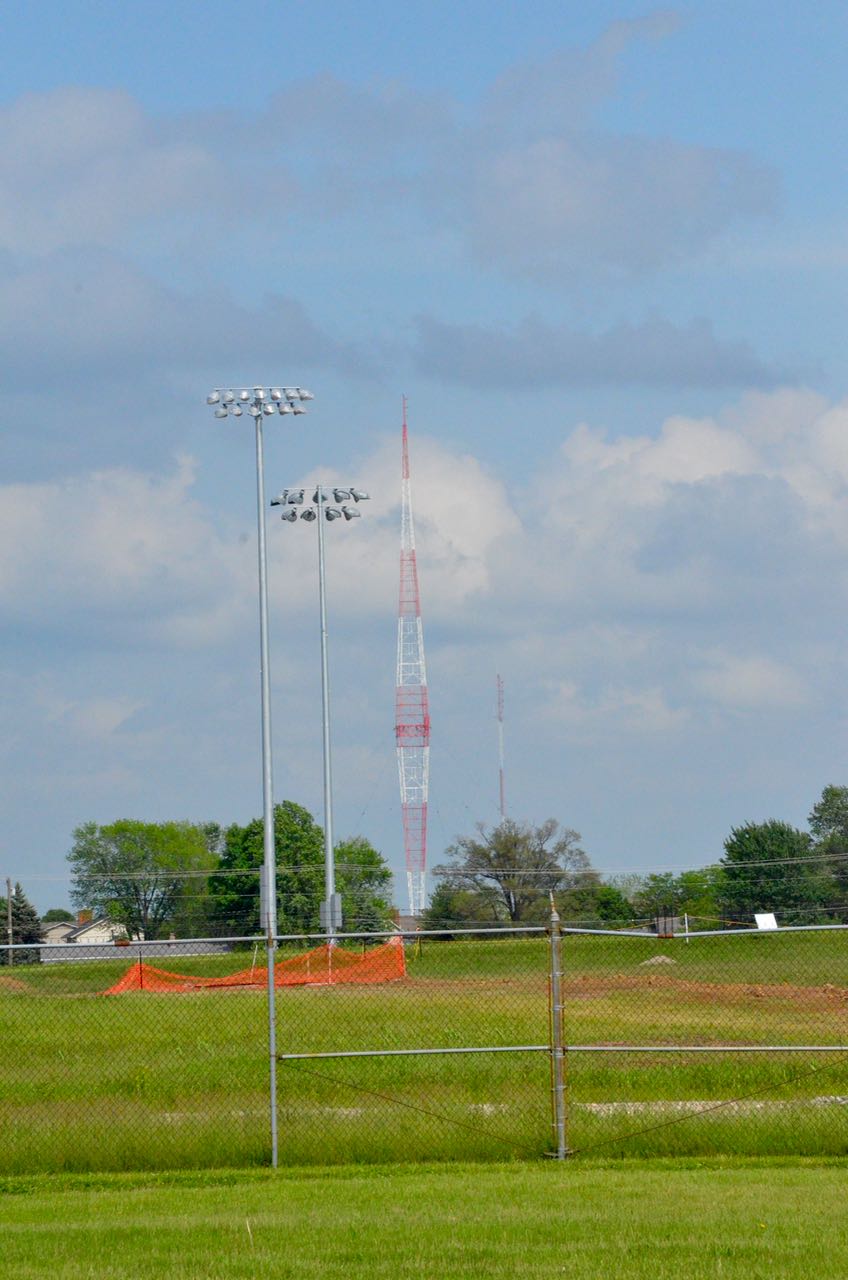
The antenna switching array behind the main building (following four photos).
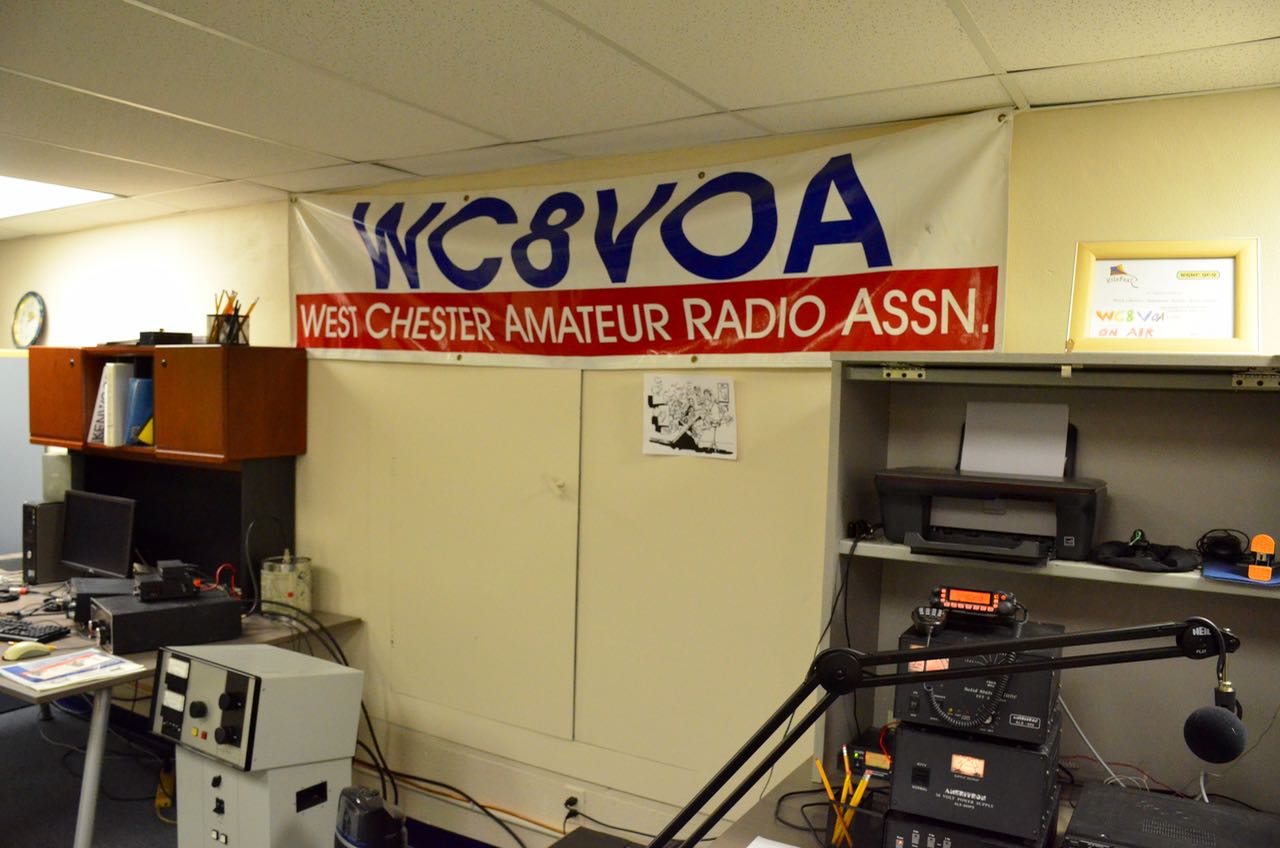
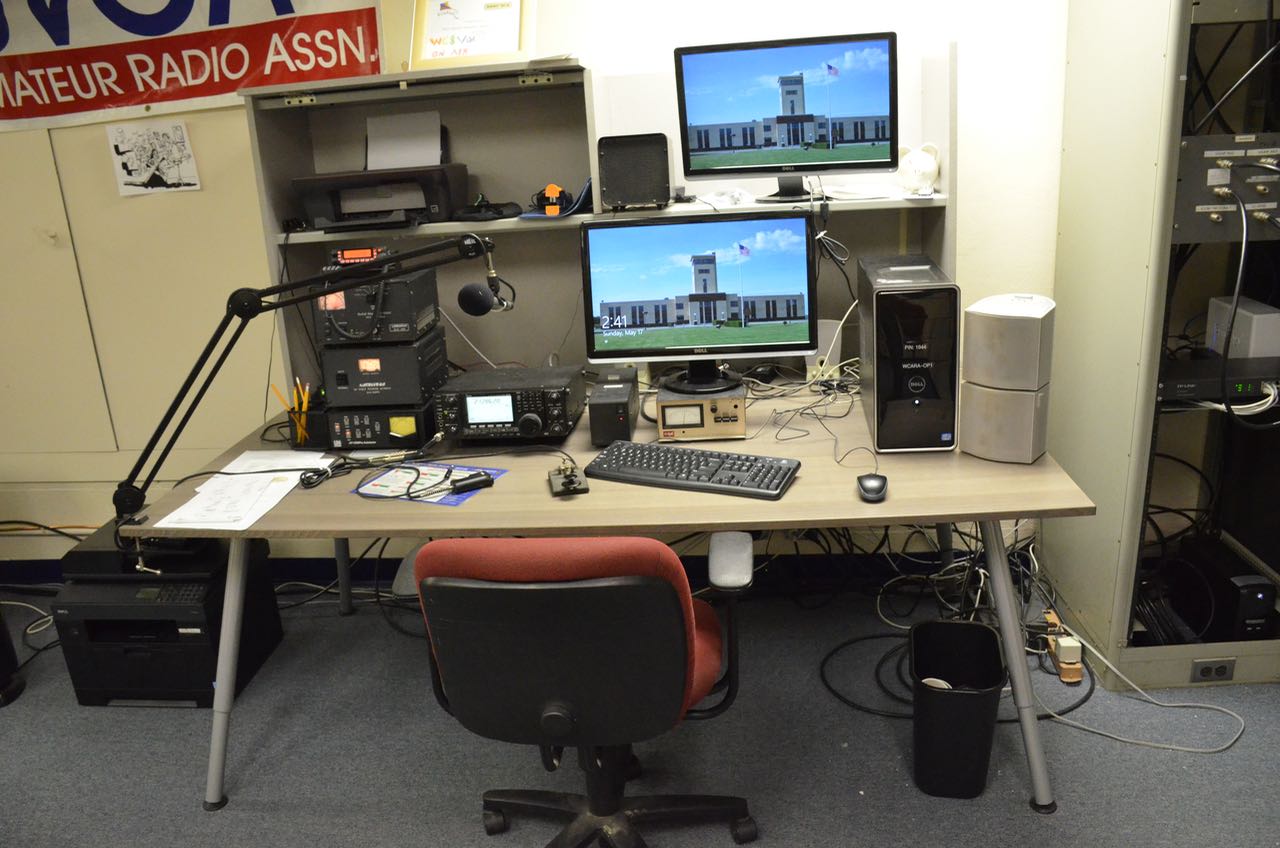
Back inside, WC8VOA has four full amateur radio operating locations stocked with Icom, Yaesu and Kenwood gear. The club president told us that an antique amateur radio station will soon be added.
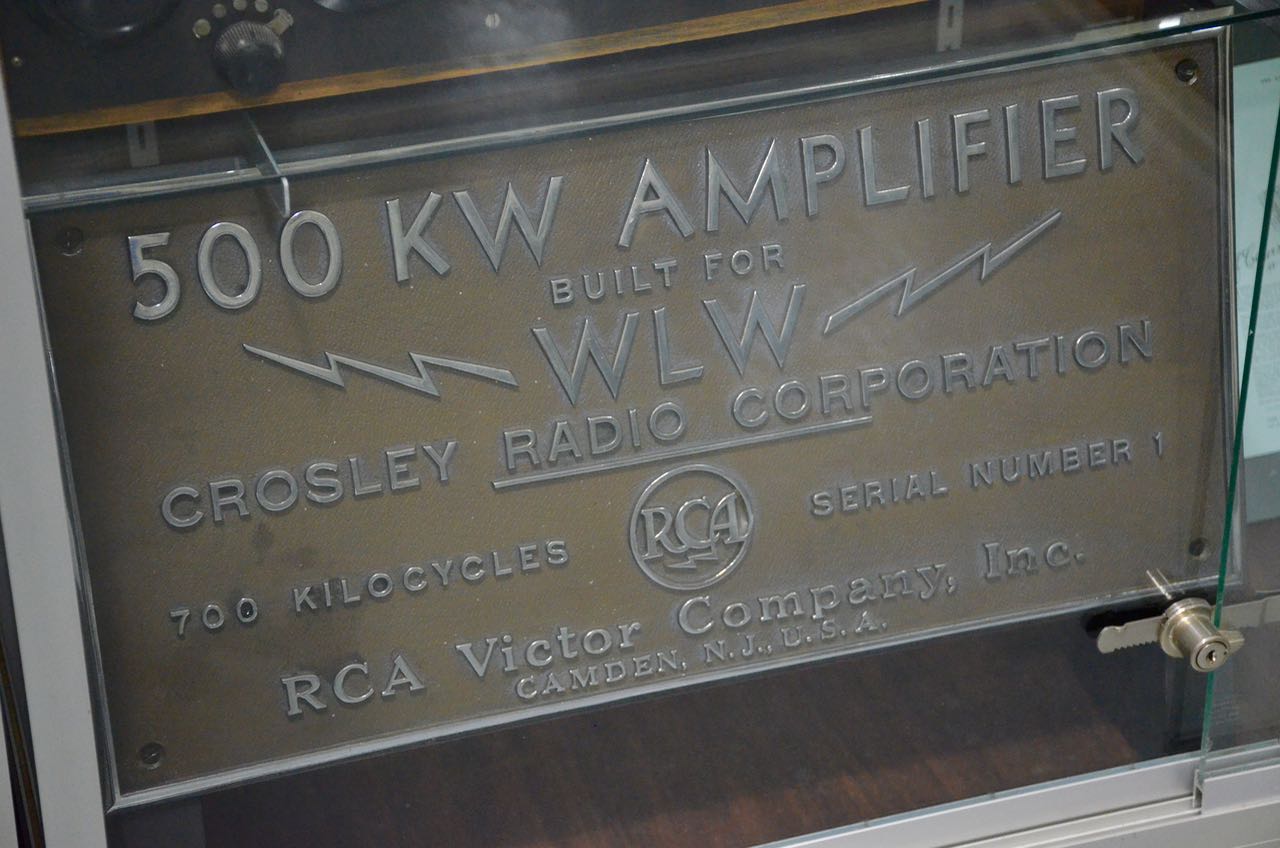
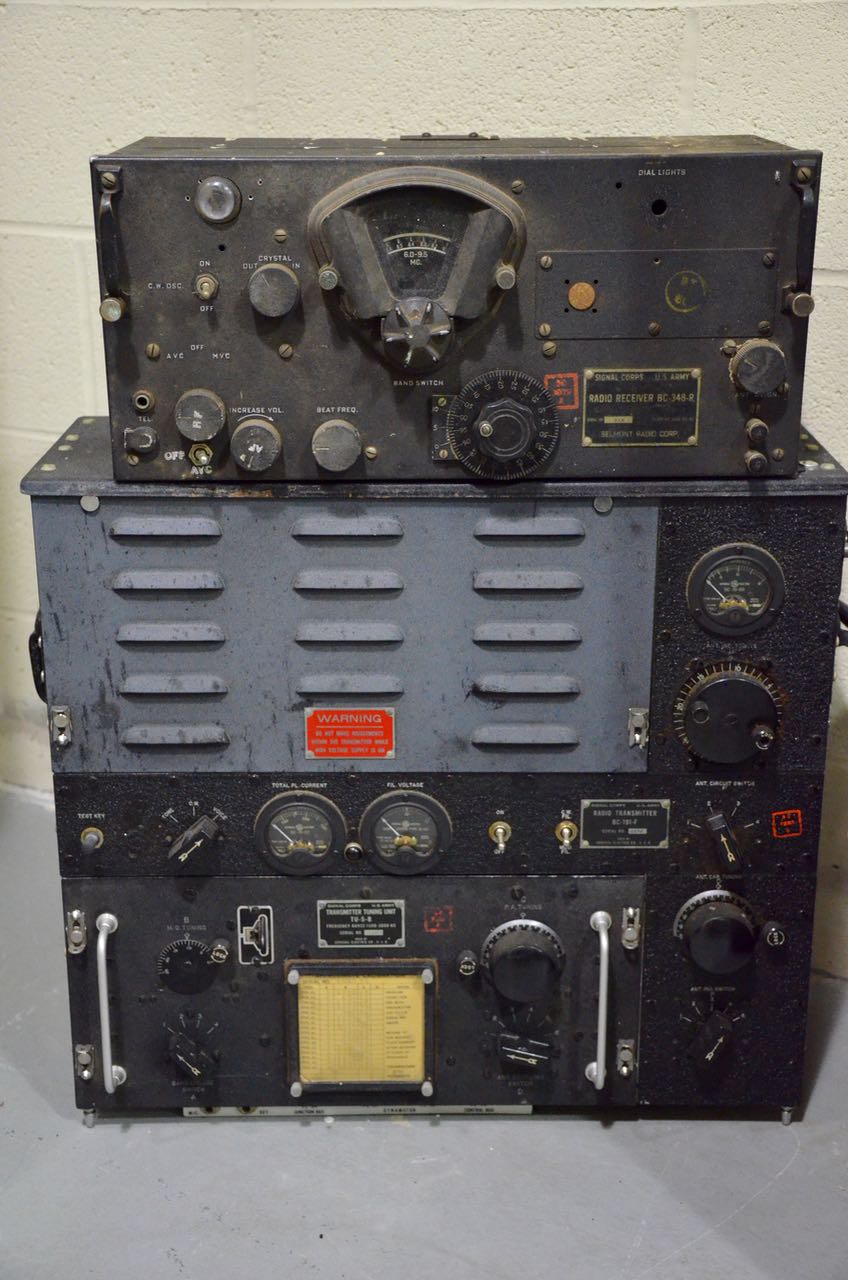
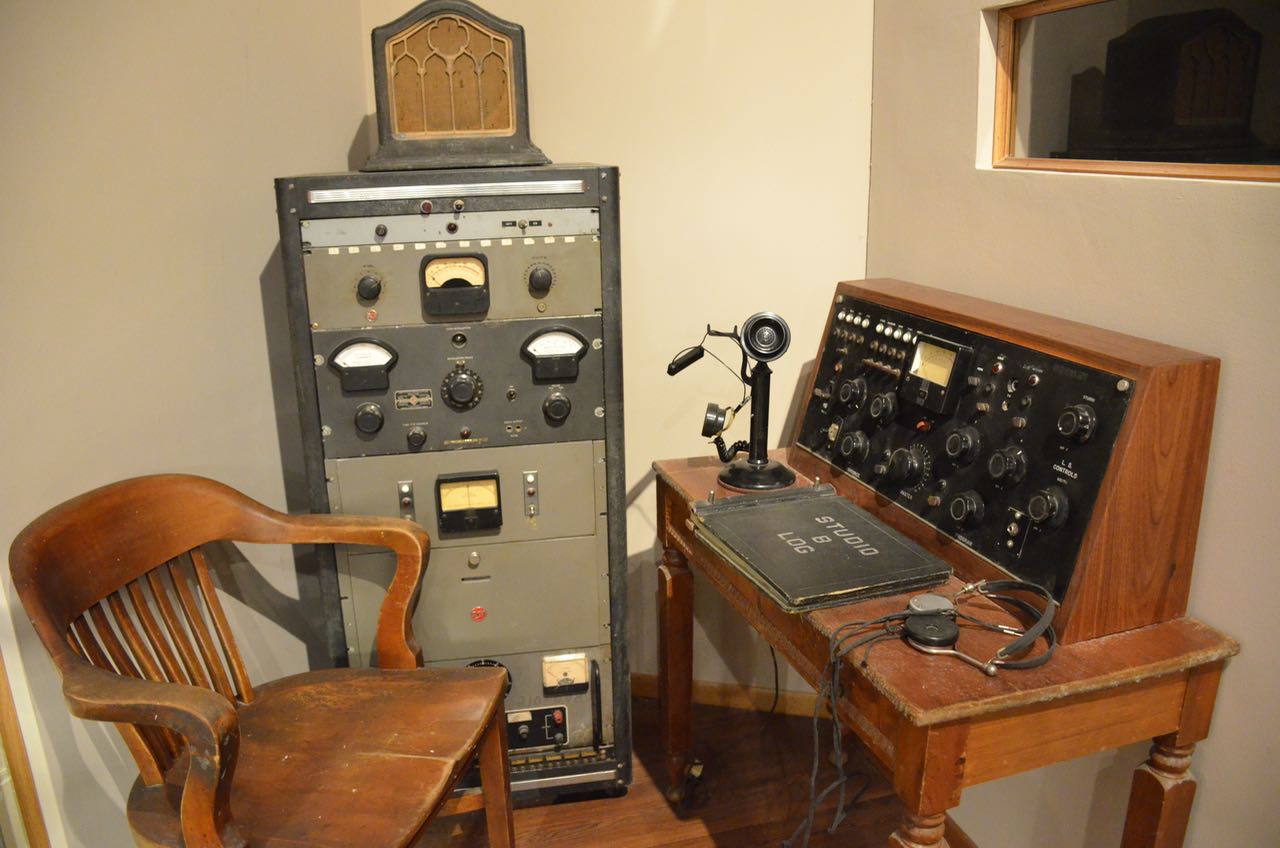
Our docent took us on a tour of two vaults filled with vintage radio equipment and then a museum devoted to the legacy of WLW. The item in the photo above is a corona ball from one of the original towers–notice the holes from lightning strikes.
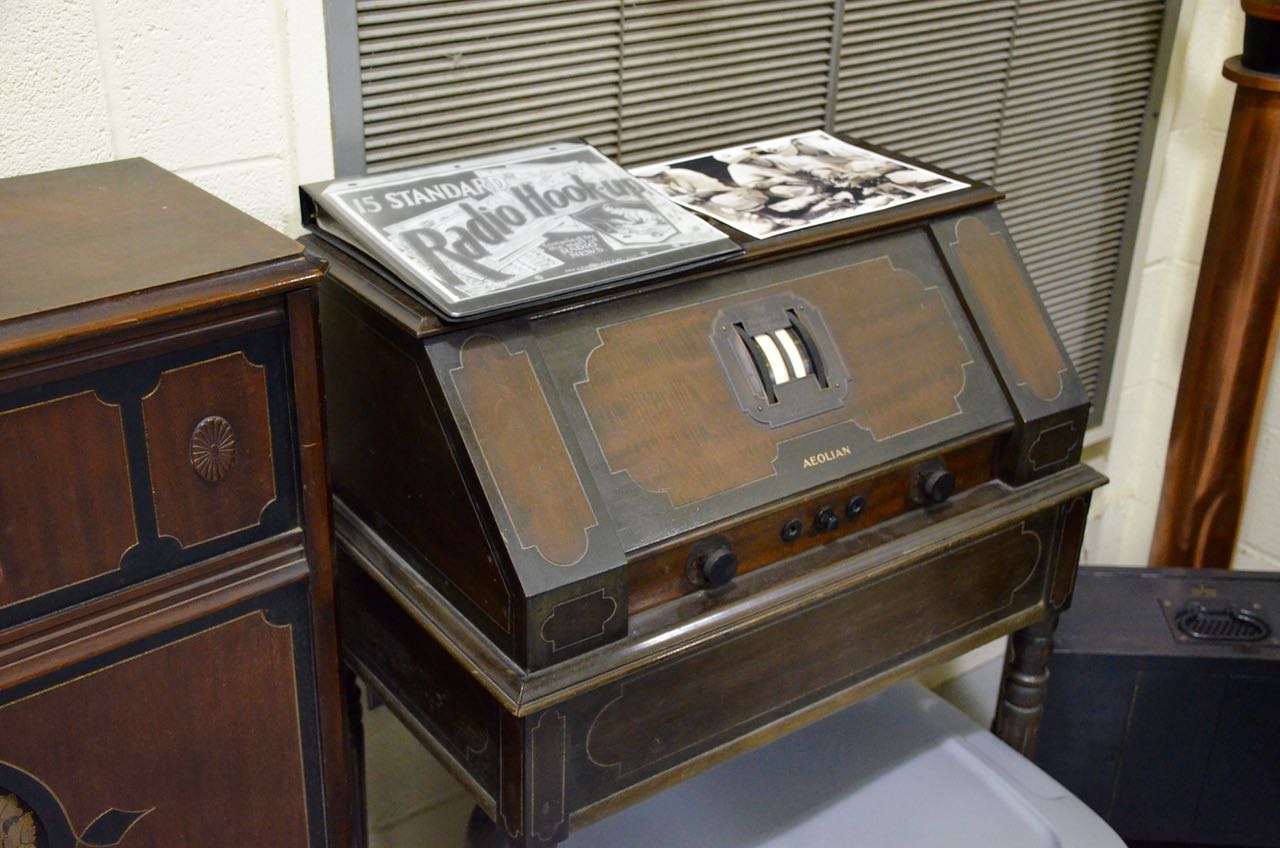
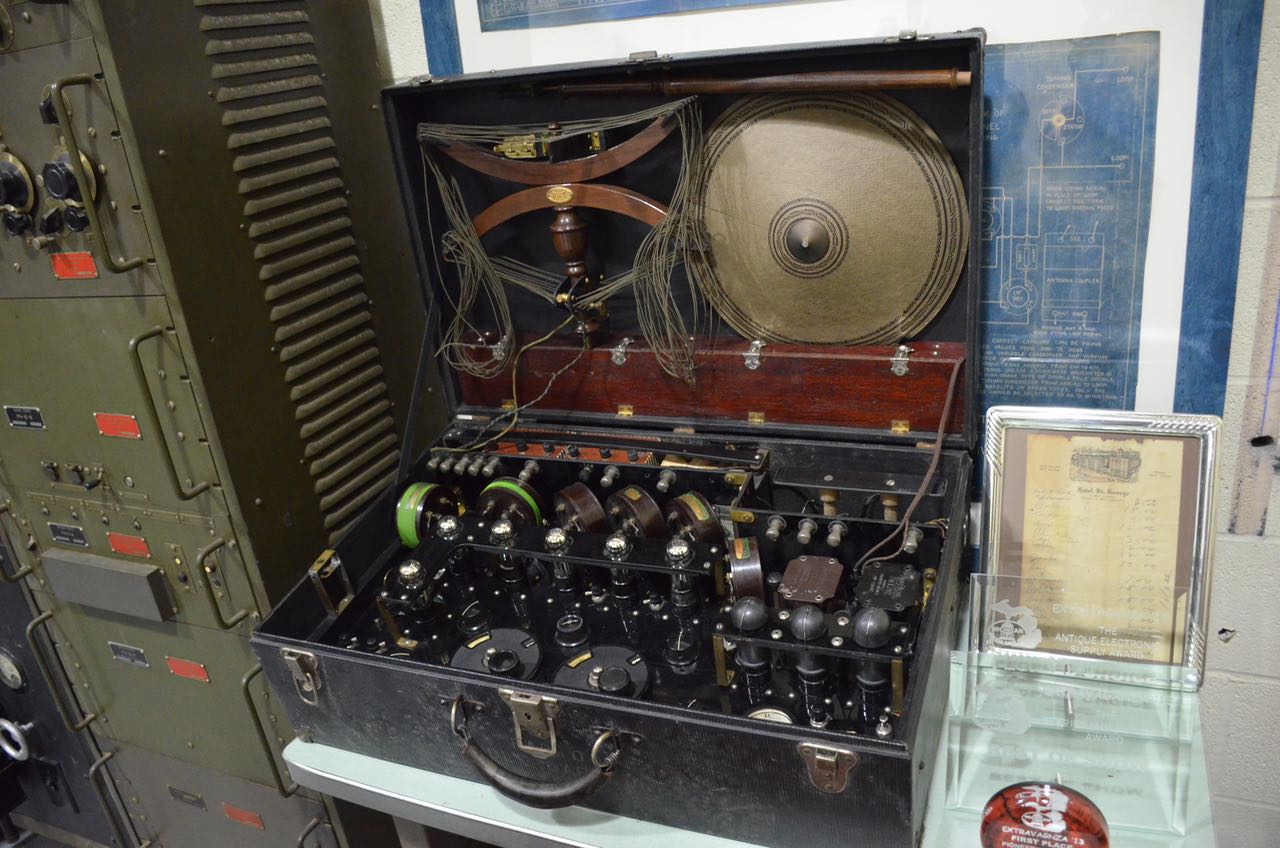
Example of an early radio kit (above).
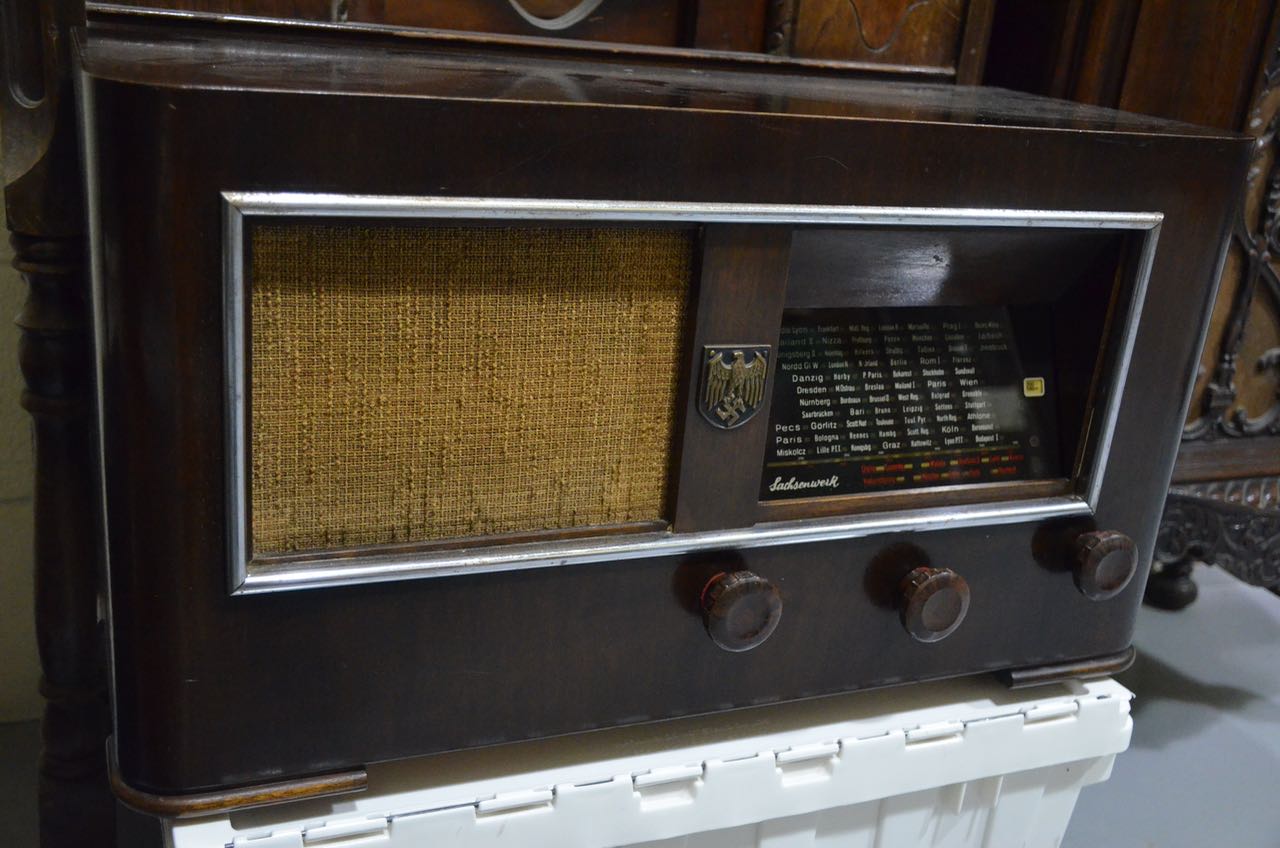
A rare Third Reich radio (above).
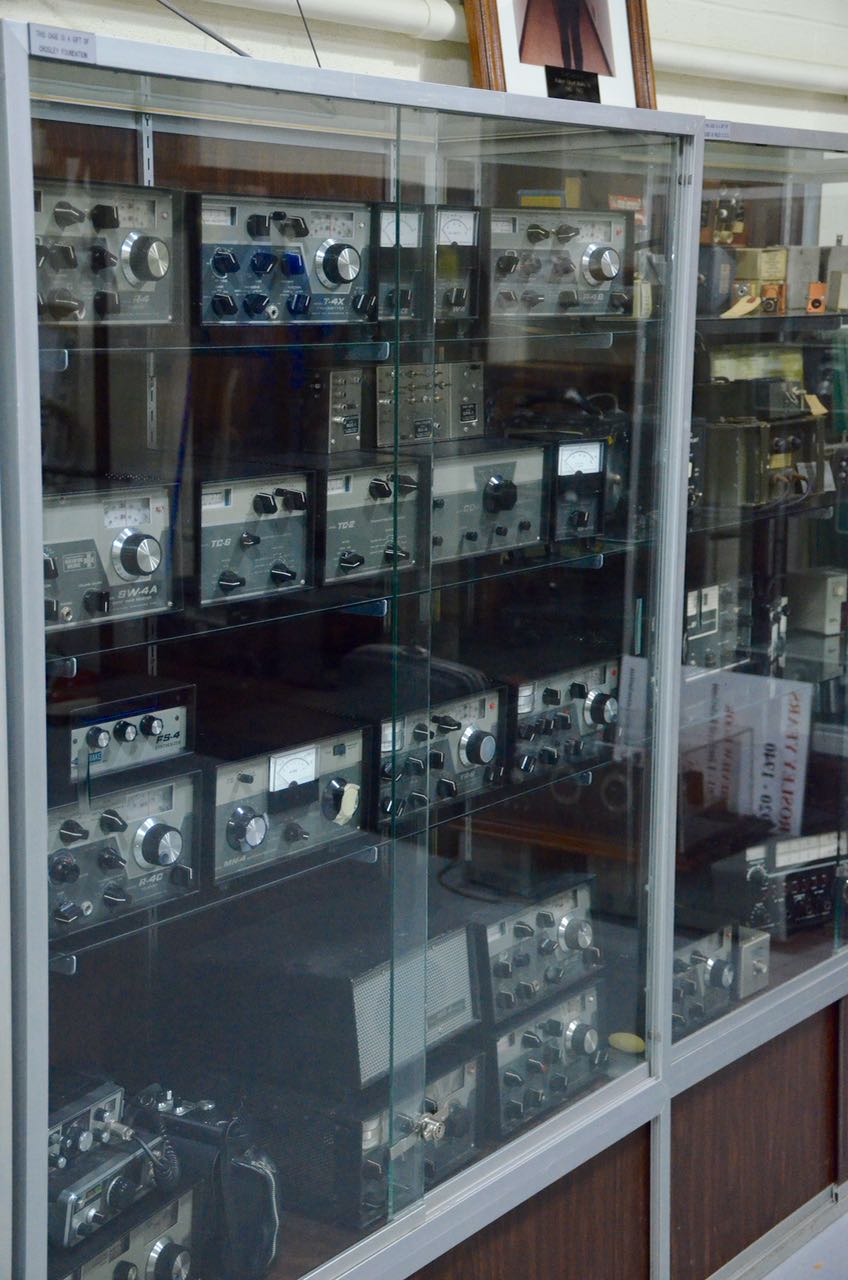
When Ohio-based R.L. Drake Company stopped manufacturing amateur radio equipment, samples of their full product line were donated to the museum.
The Museum is planning substantial renovations to restore the VOA Bethany Station and become a first class institution. During the restoration, the Museum is only open one day per month to the public: The third Saturday of each month from 1:00 PM – 4:00.
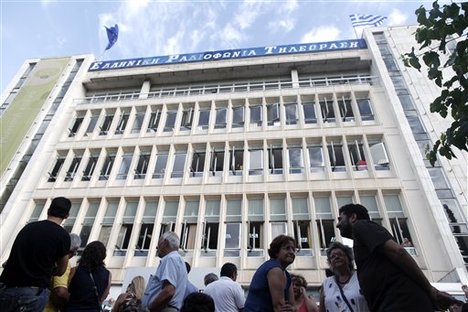
SWLing Post contributor, Ayar, confirms that ERT employees did indeed returned to work yesterday after having been laid off nearly two years ago. Ayar shares this link to GreekReporter.com which has full details.
Please support this website by adding us to your whitelist in your ad blocker. Ads are what helps us bring you premium content! Thank you!

 Some of you may recall this recent post about listening to the BBC World Service program, Click, via shortwave radio.