Category Archives: New Products

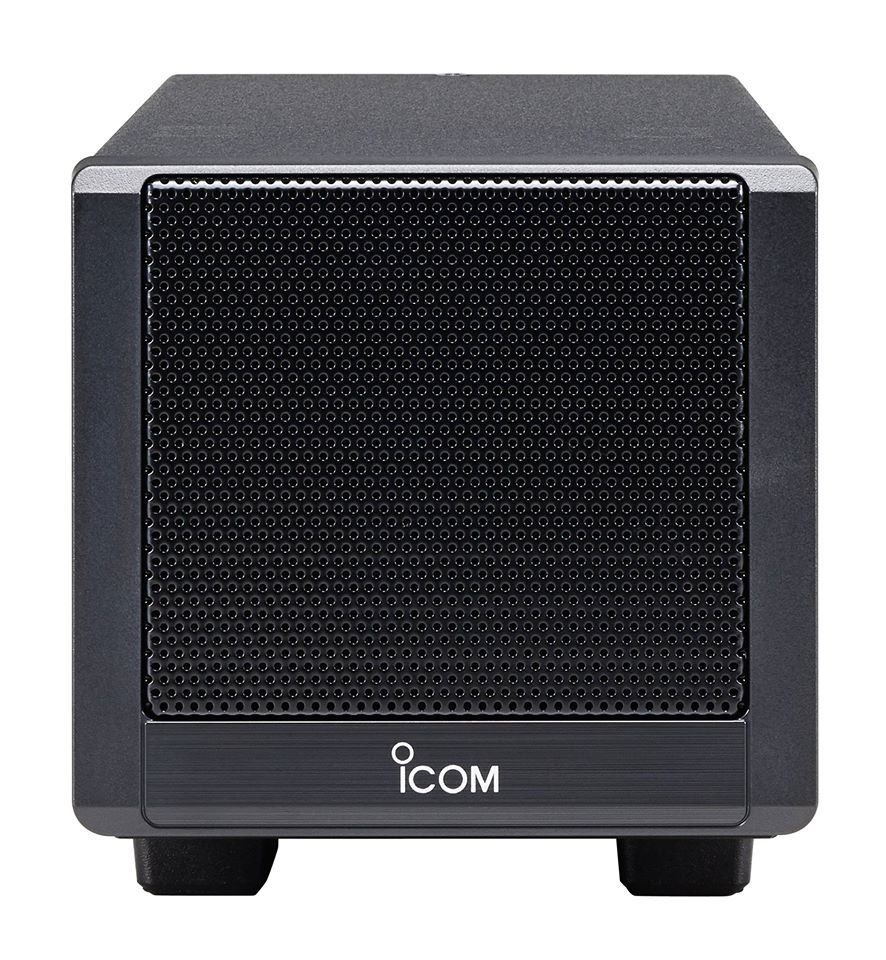
The Icom SP-38: A matching external speaker for the IC-7300

icom-ic-7300-speaker

(Source: Southgate ARC)

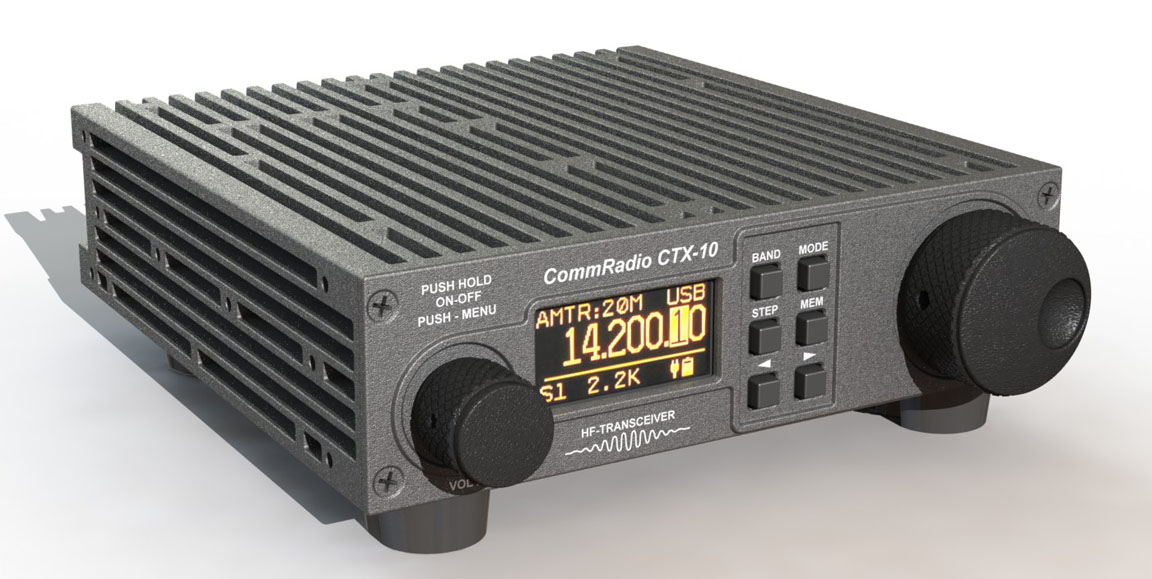
Icom are introducing a new external speaker for its revolutionary IC-7300 Software Designed Radio.

The new SP-38 complements the appearance of the IC-7300 as well as improving the listening experience from its large diameter speaker.

The SP-38 external speaker will be available in October with a suggested retail price of £156.00 inc.VAT from all Icom Authorised Amateur radio dealers.

Specifications about this new external speaker can be downloaded from the SP-38 data sheet.

Click here to view this article on the Southgate ARC site.

Como Audio Solo and Duet: How to add and organize Internet radio stations

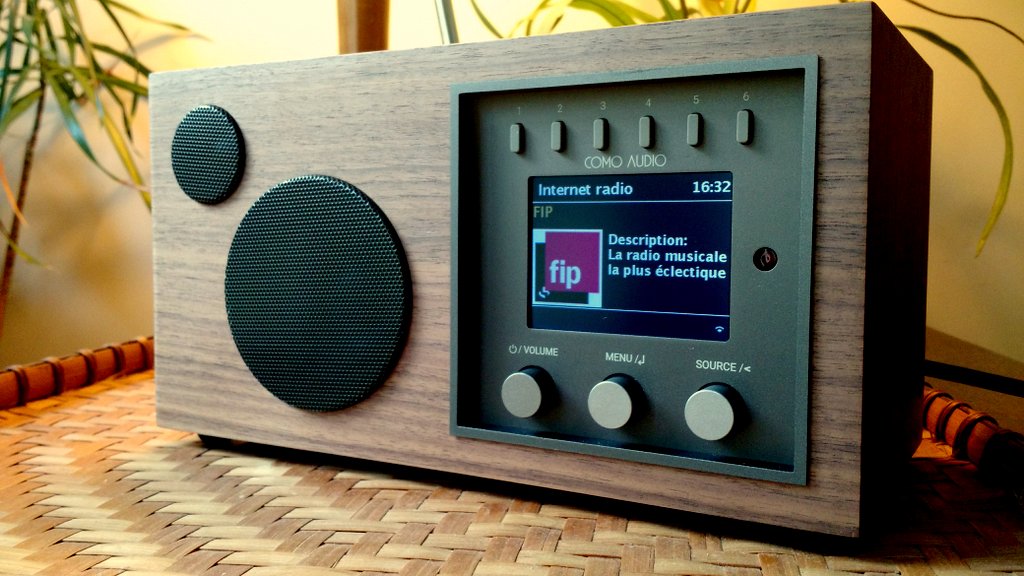
como-audio-solo-close-up

This weekend, I received the Como Audio Solo that I backed in a summer Kickstarter campaign. I’m pleased the Solo not only met delivery expectations, but I’m happy with the overall quality of this radio. I will post a preliminary review soon.

One of the main reasons I purchased the Solo was to use and review it as a WiFi radio. In the Kickstarter campaign, Como Audio didn’t give details about the radio station aggregator the Solo or Duetto would use (click here to read a primer about aggregators).  I contacted Como Audio asking for more information and received a reply from Tom DeVesto himself:

Hi Thomas.
Very sorry for the delayed reply.
[…]Our products use Vtuner for the Internet radio stations and Podcasts.

I was a little bummed to have received this information because I’ve heard very little praise for vTuner among WiFi radio enthusiasts.

To make a long story short, I spent a lot of time trying to figure out a way to pair my Solo with the vTuner aggregator. The owner’s manual has no information about using the aggregator nor how to manage and organize stored stations. The only help Como has published thus far is a short video which shows how to add favorites via the radio itself–not via a web portal.

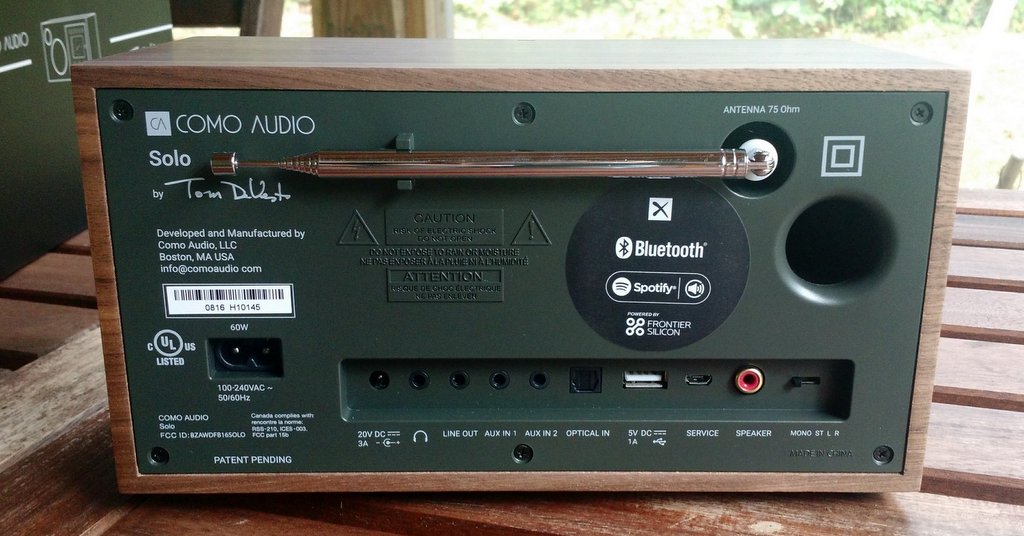
When taking a closer look at the back panel of the Solo, though, I noticed a Frontier Silicon logo.

como-audio-solo-back

Wait…what?

My Sangean WFR-28 uses the Frontier Silicon aggregator! This explains why the Solo’s WiFI radio interface looks exactly like that of my WFR-28!

Obviously, somewhere along the way, Como Audio changed aggregators. I’m not at all disappointed as I give Frontier Silicon positive marks in the WFR-28 review.

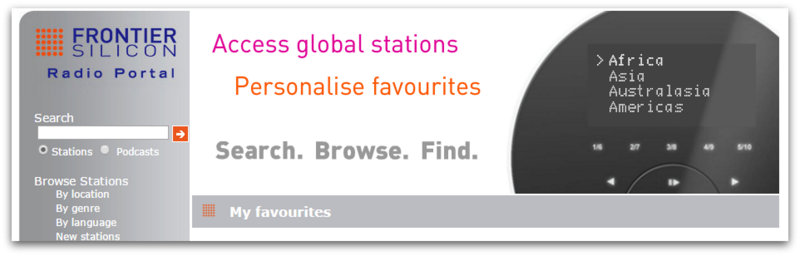
Via Frontier Silicon, you can pair your Como Audio radio to the aggregator database, thus allowing much easier control of memories and station categories through their Radio Portal page!  Since this isn’t documented (yet) by Como Audio, here’s how you can easily pair the two:

How to pair your Como Audio device with Frontier Silicon

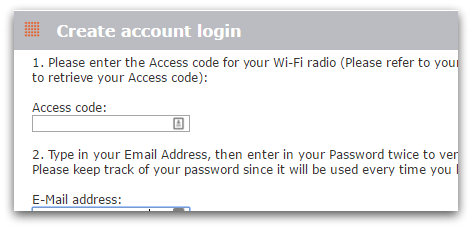
  1. First, if you don’t already have an account with Frontier Silicon, you’ll need to create one by clicking here.fullscreen-capture-1032016-112429-pm
  2. The form firsts asks for your “Access code” before you enter any other credentials. Here’s how to find the access code from your Como Audio device:
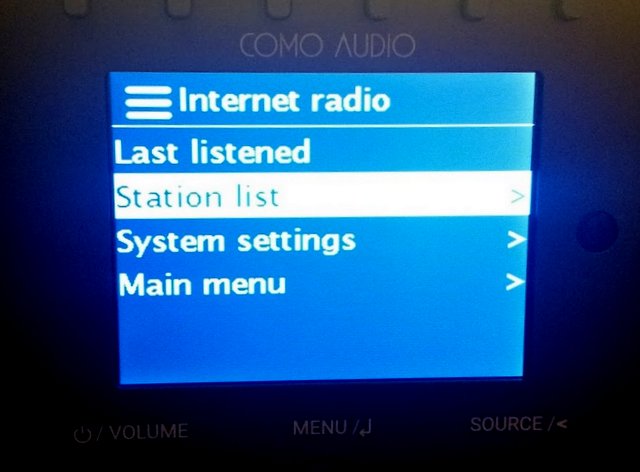
    1. From the Main Menu on your radio, select ‘Internet radio’ as the source
    2. Select “Station list”img_20161003_202200751
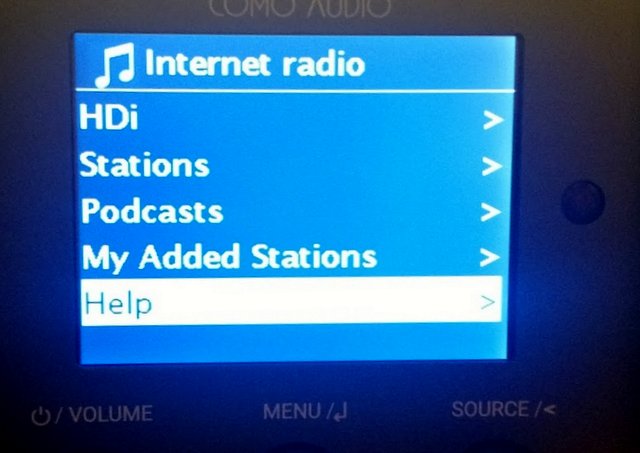
    3. Select the “Help” directoryimg_20161003_202218488
    4. Select the “Get access code” itemimg_20161003_202227970
  3. The access code is 7 digits long–simply enter it in the dialog box on the Frontier Silicon web page and proceed with creating your account.

If you already have a Frontier Silicon account…

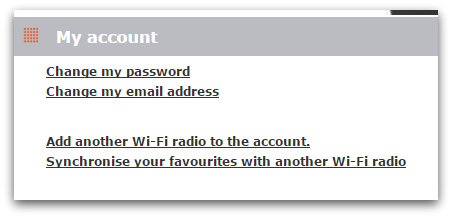
  1. Login to My Account > My Preferences page, then click Add another Wi-Fi radio to the account.fullscreen-capture-1032016-110249-pm
  2. Next, you’ll need to enter the Access code for your Como Audio device. Here are the steps you take to find your unique access code (see images above–same process):
    1. From the Main Menu on your radio, select ‘Internet radio’,
    2. Select “Station list”
    3. Select the “Help” directory
    4. Select the “Get access code” item
  3. The access code is 7 digits long, simply add it in the Access Code field on the Frontier Silicon web page.

Start searching and organizing

fullscreen-capture-1042016-11713-am

Once your radio is paired, managing station memories is very easy via the Frontier Silicon Radio Portal

Preliminary review soon

I’ve been testing the Como Solo and plan to post a preliminary review soon. Follow the Como Audio tag for updates!

PantronX Titus II DRM receiver: HFCC posts “pre-order” form

titus 2 big

Many thanks to SWLing Post contributor, Aaron Kuhn, who writes:

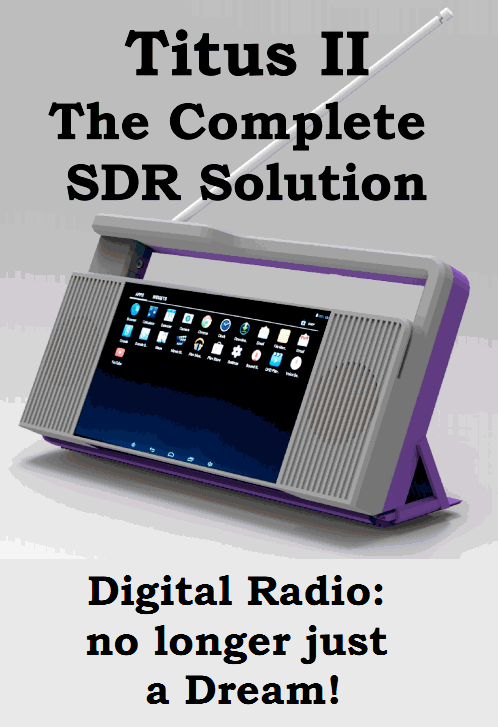
The HFCC is now collecting “pre-orders” (really expressions of interest in purchasing/demand) for the PantronX Titus II Android Radio at http://hfcc.org/delivery/receivers.phtml

“The purpose of this form is to collect the information on the demand for pre-production samples of the Titus II receiver.

It is NOT BINDING and it does not establish any contract. The ordering party is not obliged to buy the indicated quantity and the supplier is not obliged to deliver it.

Availability: Pre-production batch – 4Q/2016, regular production – 1Q/2017.

Price: Under 100USD plus shipping and local duty/taxes not included.

Payment methods: Wire transfer for larger quantities, PayPal works too, but the buyers would need to add PayPal bank fees.

You will be contacted on the specified e-mail address and asked for a binding order when the exact price and available delivery method is known.”

As Aaron also noted, though the HFCC posted this, the pre-order request form appears to be published by the manufacturer. I’m sure this is a way PantronX can gauge market interest and also decide what first-run production numbers should look like.

Thanks again for the tip, Aaron!

The Gospell GR-216: DRM Consortium announces new DRM portable

GOSPELL-DRM-Portable-Radio

(Source: DRM Consortium via Alokesh Gupta)

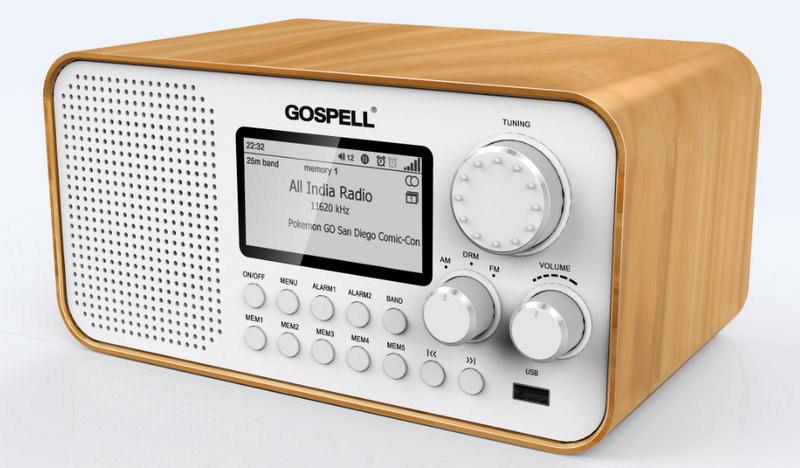
Gospell announces the imminent release of GR-216 DRM/AM/FM digital radio

Chengdu, China, September 05, 2016

Gospell, a leading supplier of pay TV system and equipment, satellite TV receiving products and microwave products, is delighted to announce the imminent release of GR-216 DRM/AM/FM digital radio, the first model in its Global Radio series range of tabletop radio. The product is designed to meet the demands of easy access to high quality information for cost-sensitive market at an affordable price.
GR-216 is equipped to receive DRM broadcast, as well as traditional FM with RDS and AM in medium wave band and shortwave band. Featuring a high performance DRM/AM/FM tuner, GR-216 provides noise-free reception of even the weakest stations. It supports the latest audio compression standard xHE-AAC and traditional HE-AAC as well as SBR and parametric stereo.
Besides the built-in whip antenna and ferrite bar antenna, dedicated AM/FM external antenna terminals with switch are located on the rear side of the radio, this will help those who live or work in a metal or concrete building and enjoy listening to a radio.
This unique radio will automatically turn itself on and initiate its emergency-tuning process when the Emergency Warning Broadcasting is engaged. The radio will enlarge its volume, flash the backlight, play siren sound and tune itself to the emergency program.
In addition to DRM program recording, AM/FM are also supported. Recorded program will be stored on the attached USB pen drive and can be played back on other devices such as a phone or a tablet. The GR216 also includes a scheduler which allows the user to schedule regular and unattended recordings for their favorite radio programme.
The built-in high-quality 3 inch full-range speaker with enlarged magnet provides outstanding audio performance and room filling sound. With the help of state-of-the-art audio processing technology, GR-216 includes separate bass, mid and treble tone controls and a graphics equalizer, users can tailor the sound to their taste. We’ve provided an output for headphones along with an audio output on the rear side of the radio for line recording or to connect GR-216 as a radio tuner to a home audio system.
As a tabletop radio, GR-216 features dual independent alarm clocks with sleep timer. The alarm clock allows for once, daily, weekday and weekend settings. The alarm can be adjusted to the volume you prefer with buzzer or radio stations.
All aspects of set-up, time and program information are clearly shown through an easy to read large LCD display with white backlight, which is paired with an intuitive rotary control, enabling quick and easy navigation. The display brightness and contrast can be adjusted for a comfortable night’s sleep.
“GR-216 is designed with the purpose and vision of providing easy access to high quality information, while utilizing a simple and intuitive user interface”. Said Haochun Liu, director of DRM development department, Gospell. “With the help of a carefully design and concrete quality, GR-216 will be a durable device that supports long-term use.”
For additional information, please visit www.gospell.com or contact Gospell sales at
[email protected]
About Gospell
Founded in 1993, Gospell Digital Technology Co Ltd (GOSPELL). is a private hi-tech enterprise with R&D, manufacturing, business consultancy and planning, trade, delivery, project implementation and after sales service, acting as a complete DTV and triple-play solution provider for Digital TV/OTT related projects. Headquartered in GOSPELL INDUSTRIAL PARK at Chenzhou, Hunan Province for CPE related production manufacturing, GOSPELL also has its office in Shenzhen for business/marketing management and administration, in Chengdu for R&D and headend/transmitter system production/debugging and Customer Service Center, and in 12 cities
in China as well as international offices in India, Africa and Mexico.
Gospell announces the imminent release of GR-216 DRM/AM/FM digital radio
Chengdu, China, September 05, 2016
Gospell, a leading supplier of pay TV system and equipment, satellite TV receiving products and microwave products, is delighted to announce the imminent release of GR-216 DRM/AM/FM digital radio, the first model in its Global Radio series
range of tabletop radio. The product is designed to meet the demands of easy access to high quality information for cost-sensitive market at an affordable price.
GR-216 is equipped to receive DRM broadcast, as well as traditional FM with RDS and AM in medium wave band and shortwave band. Featuring a high performance DRM/AM/FM tuner, GR-216 provides noise-free reception of even the weakest stations. It supports the latest audio compression standard xHE-AAC and traditional HE-AAC as well as SBR and parametric stereo.
Besides the built-in whip antenna and ferrite bar antenna, dedicated AM/FM external antenna terminals with switch are located on the rear side of the radio, this will help those who live or work in a metal or concrete building and enjoy listening to a radio.
This unique radio will automatically turn itself on and initiate its emergency-tuning process when the Emergency Warning Broadcasting is engaged. The radio will enlarge its volume, flash the backlight, play siren sound and tune itself to the emergency program.
In addition to DRM program recording, AM/FM are also supported. Recorded program will be stored on the attached USB pen drive and can be played back on other devices such as a phone or a tablet. The GR216 also includes a scheduler which allows the user to schedule regular and unattended recordings for their favorite radio program.
The built-in high-quality 3 inch full-range speaker with enlarged magnet provides outstanding audio performance and room filling sound. With the help of state-of-the-art audio processing technology, GR-216 includes separate bass, mid and treble tone controls and a graphics equalizer, users can tailor the sound to their taste. We’ve provided an output for headphones along with an audio output on the rear side of the radio for line recording or to connect GR-216 as a radio tuner to a home audio system.
As a tabletop radio, GR-216 features dual independent alarm clocks with sleep timer. The alarm clock allows for once, daily, weekday and weekend settings. The alarm can be adjusted to the volume you prefer with buzzer or radio stations.
All aspects of set-up, time and program information are clearly shown through an easy to read large LCD display with white backlight, which is paired with an intuitive rotary control, enabling quick and easy navigation. The display brightness and contrast can be adjusted for a comfortable night’s sleep.
“GR-216 is designed with the purpose and vision of providing easy access to high quality information, while utilizing a simple and intuitive user interface”. Said Haochun Liu, director of DRM development department, Gospell. “With the help of a carefully design and concrete quality, GR-216 will be a durable device that supports long-term use.”
For additional information, please visit www.gospell.com or contact Gospell sales at [email protected]
About Gospell
Founded in 1993, Gospell Digital Technology Co Ltd (GOSPELL). is a private hi-tech enterprise with R&D, manufacturing, business consultancy and planning, trade, delivery, project implementation and after sales service, acting as a complete DTV and triple-play solution provider for Digital TV/OTT related projects. Headquartered in GOSPELL INDUSTRIAL PARK at Chenzhou, Hunan Province for CPE related production manufacturing, GOSPELL also has its office in Shenzhen for business/marketing management and administration, in Chengdu for R&D and headend/transmitter system production/debugging and Customer Service Center, and in 12 cities
in China as well as international offices in India, Africa and Mexico.

AM Mode: Comparing the Elecraft KX2 with the LNR Precision LD-11

My new Elecraft KX2 tuned to Radio Australia this morning.

My new Elecraft KX2 tuned to Radio Australia this morning.

I’ve only had my Elecraft KX2 since Monday evening and have been so busy, I’ve only had an hour or so to tinker with this pocket transceiver. Monday evening, before putting it on the air, I updated the KX2 firmware to the latest Beta release which includes the new AM mode.

I’ve had so many questions from readers about the KX2’s AM audio already, I thought I’d do a quick comparison with the LNR Precision LD-11.

I set the LD-11 to a bandwidth of 9.6 kHz, and the KX2 to 5 kHz: their widest AM filter settings. Keep in mind, this is not an apples-to-apples comparison, but it does showcase each radio’s potential AM audio fidelity.

I tuned both rigs to the Voice of Greece last night on 9420 kHz around 00:30 UTC. VOG’s signal was strong into North America.

I made the following recordings with my Zoom H2N digital recorder, by feeding in-line audio patched from each radio’s headphone jack. I tried to balance the audio levels between the two rigs.

Here are the results:

The LNR Precision LD-11

LNR-Precision-LD-11-AM-Mode-Voice-Of-Greece

Click here to download the audio.

The Elecraft KX2

Elecraft-KX2-Voice-Of-Greece-AM-Mode

Click here to download the audio.

The Elecraft KX2 in “Delay” audio mode

Note: Some Elecraft radios have an audio effects mode which includes a “delay” function. Elecraft describes it as “a quasi-stereo effect intended to provide depth and space to the received audio.” On an AM broadcast signal, it makes it sound wider and gives it almost a stereo depth.

Elecraft-KX2-Delay-Audio-AM-Mode

Click here to download the audio.

I think the results from both radios are impressive. Since the LD-11’s bandwidth can be widened to 9.6 kHz, strong signals like this one sound pretty amazing. In truth, I actually prefer a filter width of about 8.2 kHz on strong signals, but VOG was wide enough to justify 9.6 kHz.  I believe the LD-11 would rival many dedicated tabletop receivers.

The Elecraft KX2, in normal audio mode, sounds flatter and narrower than the LD-11 of course, but still very pleasant!  In the KX2’s “delay” audio mode, the signal sounds much wider than 5 kHz, though the effect adds a little graininess to the audio. That’s okay, though–I love having the “delay” audio option in my tool bag.

Here’s what amazes me as an SWL and ham radio operator: both of these QRP transceivers offer excellent HF broadcast listening opportunities.

Please comment! Which audio sample do you prefer? Do you like the “delay” audio effect on the KX2? Keep in mind this is only one comparison and doesn’t address sensitivity or selectivity.

John takes the Elecraft KX2 on the shortwaves

ElecraftKX2

I just noticed that John (AE5X) has updated the firmware on his KX2 and made a short video of a shortwave band scan. On his blog, he notes:

Before getting my ham ticket, I was a SWL and am very happy that AM capability has been added to the KX2, making a fantastic radio even better.

[…]We have a very powerful AM broadcast station near my QTH on 740 kHz. I was not able to receive it at all with the KX2. Unlike some, I see this as beneficial – it tells me the 80m filters (the KX2 doesn’t operate on 160m) are doing what they were designed to do.[…]

Read the full post on John’s excellent blog.

Click here to view John’s video on YouTube.

Update: I’ve had my KX2 for 24 hours now! I’ve already updated the firmware and will post a couple AM audio samples soon.