 We’ve published thousands of off-air recordings on Shortwave Radio Audio Archive over the past decade. They’re freely available for everyone to search and download.
For those of us who work on the archive, it’s a pure labor of love. We are not compensated for the time and effort we put into running and curating it, although we use Patreon and Coffee Fund contributions to help pay for the site and online archives.
Quite frequently, our recordings are discovered and are intensely meaningful to individuals. Listening to radio recordings has an amazing ability to summon up memories and moments in time.
We recently discovered the following article on the blog PNG Attitude written by Keith Jackon. Keith has kindly given us permission to post it in its entirety here on the SWLing Post. Thank you, Keith, and we’re pleased this recording was so relevant to you:
A 50-year old tape takes me back
KEITH JACKSON
NOOSA – It had dropped into my Twitter feed via @Laselki, the account of the Lebanon-based Arab Amateur Radio Network, and @Stret_Pasin, a valued supporter and one of my 8,700 Twitter followers.
It had originated in Ontario, Canada, from the historic village of Ancaster close by the US border and Niagara Falls.
It was a fleeting recording of a shortwave broadcast.

Map showing location of Ancaster, Canada
A broadcast from Radio Bougainville transmitted 51 years ago on 21 October 1971, which had travelled 13,300 km to Ancaster and been recorded.
Then saved on a cassette tape until, for some reason, recently retrieved and shared.
“Sound is a bit crackly,” wrote @Stret_Pasin, “but this will bring back memories of Radio Bougainville.”
Truer words never were tweeted.
When you link to the brief recording here (scroll down to the black audio bar), you will pick up in rapid succession the sound of chanting to the famous Bougainville kaur flute, then an announcer’s voice and finally a snatch of Bougainville string band music.
Click here to listen on the Shortwave Radio Audio Archive.
I thought I recognised this sequence as the pre-recorded station identification put to air each time the station’s transmitters were fired up at Toniva, just south of Kieta, from a switch in the main studio down a ladder beside my house.
But the more I listen to it, the less convinced I am of its provenance.
All I can say for sure is that anything the captured snatch of radio was broadcast at about 12 noon on Bougainville on 22 October 1971.
This was at a time when Radio Bougainville usually broadcast for 11 hours a day in three separate sessions: 6 am – 9 am, 12 noon – 2 pm and 4 pm – 10pm.
In a small town in Canada it was late morning the day before, and a young Dan Greenall was tuning his Hallicrafters shortwave radio seeking out distant stations he would register as finding in the ether.
Even in our modern digital age, there are shortwave junkies who ferret out remote radio stations and seek QSL cards: written proof of reception. (One issued by Radio Bougainville in 2016 is pictured here.)
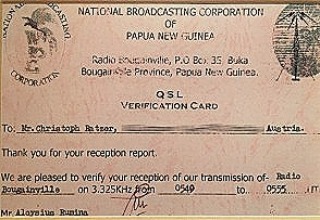
QSL reception confirmation from NBC Bougainville, 2016
’I heard this at such time on your station; tell me it is true.” And we’d check the log and return a QSL postcard. Yes, you had indeed heard our station.
Collecting these cards became popular with radio listeners 100 years ago and continues to this day
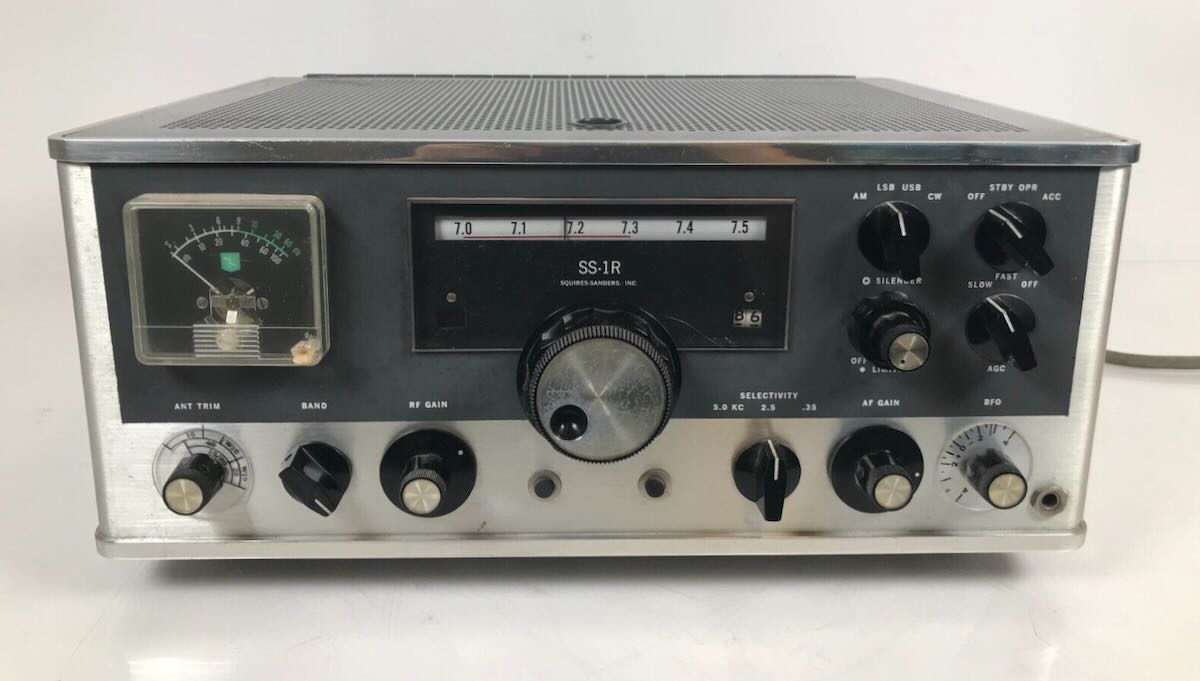
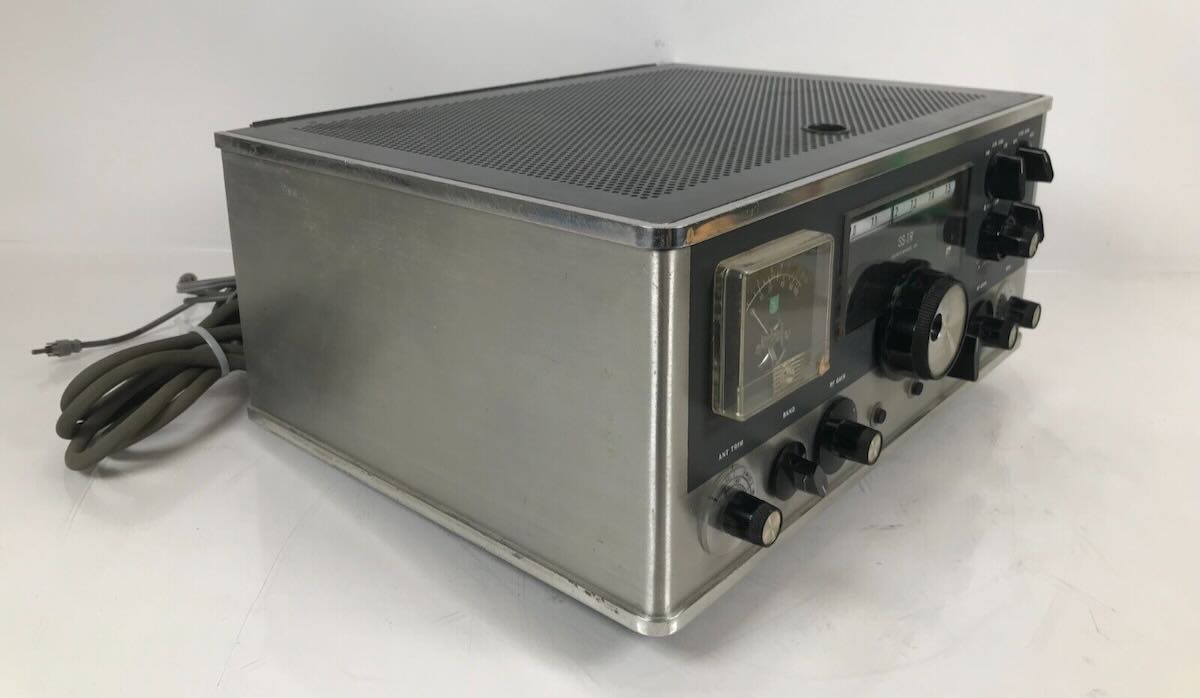
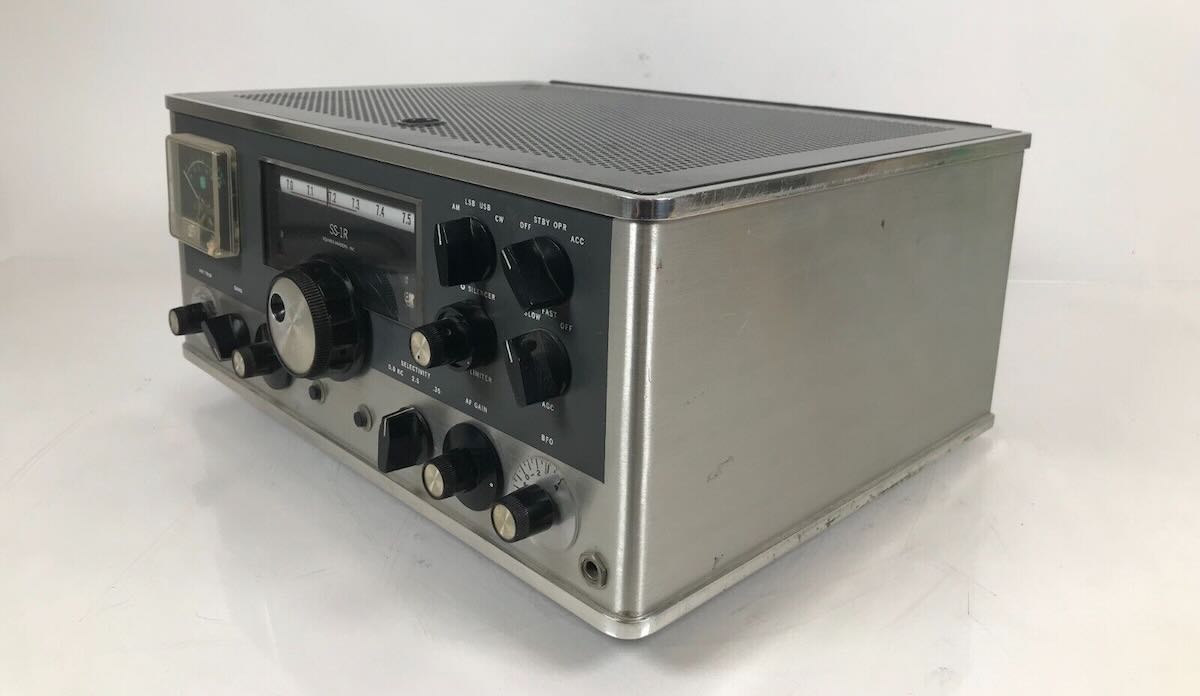
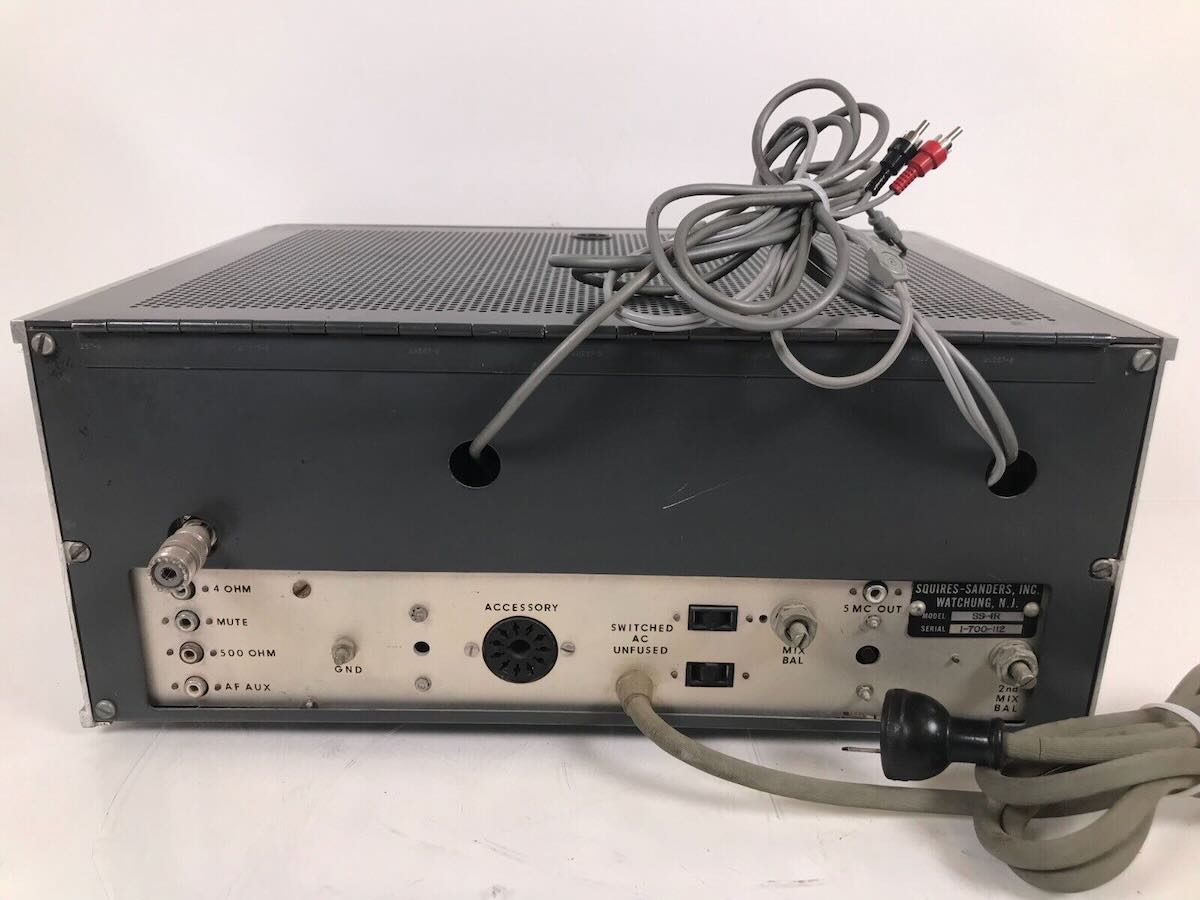
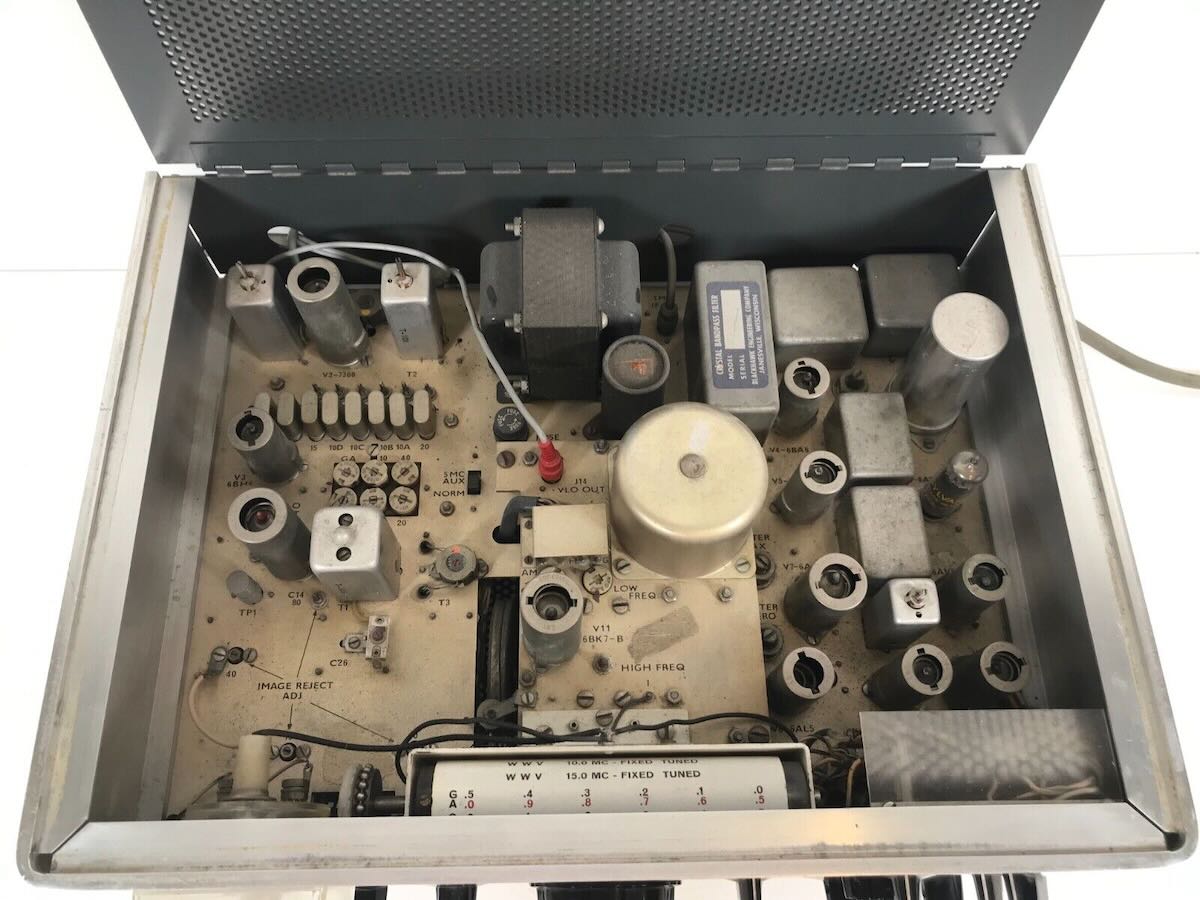
Dan had been doing just that 51 years ago when he happened upon a distant signal struggling through heavy interference to be captured by his outdoor copper wire aerial and delivered to the sturdy Hallicrafters S-52 receiver.
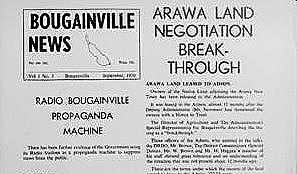
Keith’s appointment to manage Radio Bougainville was greeted by this headline in the Bougainville News
Dan has written for the Shortwave Radio Audio Archive:
“The morning of 21 October 1971 provided some of the best reception of Papua New Guinea stations in the 90 metre band that I ever experienced.
“These stations were rare visitors to my headphones but I was able to make a couple of short recordings of two PNG stations that morning, and they have survived to this day on that same audio cassette (now 51 years old).
“This one of Radio Bougainville begins with a local chant followed by announcement on the hour. The station ran 2.5 kw and their signal made it over 13,300 km to my receiver that day.
“Audio quality is passable considering the recording was made using an open mic to the speaker of the Hallicrafters S-52.”
Technical data:
Broadcaster: Radio Bougainville
Date of recording: 21/10/1971
Starting time: 1100
Frequency: 3.322.5 MHz
Receiver location: Ancaster, Ontario, Canada
Receiver and antenna: Hallicrafters S-52 using a longwire antenna
When I linked to the thin signal that had managed to land so far away so long ago, I was momentarily overcome with emotion.
I had known those sounds so well from too many early mornings wondering whether the breakfast announcer would arrive in time to open the station.
A recording something like that told me he’d arrived, fired up the transmitter and was ready to begin proceedings.
Through the static of 51 years – two-thirds of my life – came a once-familiar sequence of bamboo flute / announcer / stringband, transporting me back to a time when I was young and in my first management job which, bad bits and all, I was enjoying as if born to it.

Keith Jackson at the time of his appointment to Radio Bougainville
They were tough years for the people of Bougainville, especially in the villages around Kieta and its hinterland.
Bougainville Copper had started to dig the ore that produced great quantities of copper, gold and silver on alienated land amidst an alienated people.
Despite the volatile social and political climate, I had enjoyed the challenge of Bougainville.
I felt I’d been made for it and that it was making me.
And I enjoyed working with talented station staff, most from Bougainville, like Tom Kathoa, Sam Bena, Perpetua Tanuku, Justin Kili, Aloysius Sahoto, Aloysius Nase and Aloysius Rumina – most now gone from our midst. That’s what 51 years does.
And that simple recording – made so long ago and so far away – brought it all rushing back.
You can read more about my Bougainville years here in Brink of Secession.
So thanks to Dan Greenall, the Arab Amateur Radio Network and @Stret_Pasin for giving me a free ticket to fly back more than half a century. I really enjoyed the trip.
Read this full article and check out Keith’s website PNG Attitude here.
Also, a very special thanks to Dan Greenall and all of our contributors on the Shortwave Radio Audio Archive.

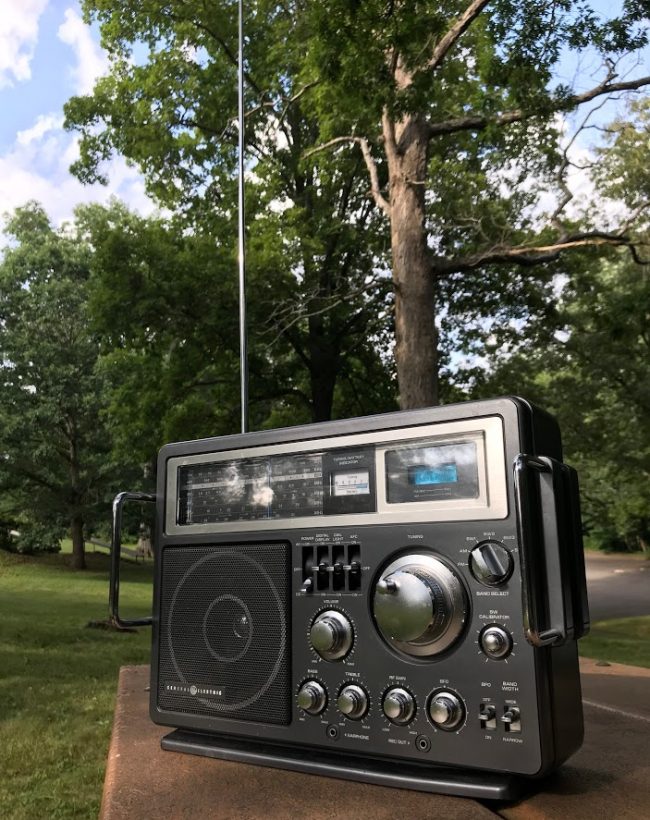 Many thanks to SWLing Post contributor, Robert Yowell, who writes: