Category Archives: Nostalgia

Shortwave Archive: 1979 Radio Moscow Mailbag Studio Recordings

If you’ve been a shortwave radio listener since the Cold War, you no doubt remember Radio Moscow‘s Mailbag program with Joe Adamov.

Tom Gavaras, a new contributor at the Shortwave Radio Audio Archive, recently shared a series of seven Radio Moscow studio recordings and noted:

These recordings were originally provided to me on reel-to-reel tape directly from Radio Moscow (which I dubbed to a cassette). At that time, I was program director at St. Cloud State University’s radio station KVSC-FM (St. Cloud, MN) and aired Moscow Mailbag once a week during the afternoon news block programming. Transcription shows from other shortwave stations were played on other weekday slots at the same time.

Here’s the first studio recording:

We’re publishing a new recording each week over at the Shortwave Radio Audio Archive. Click here to follow this series.

Many thanks, Tom, for sharing these excellent recordings!

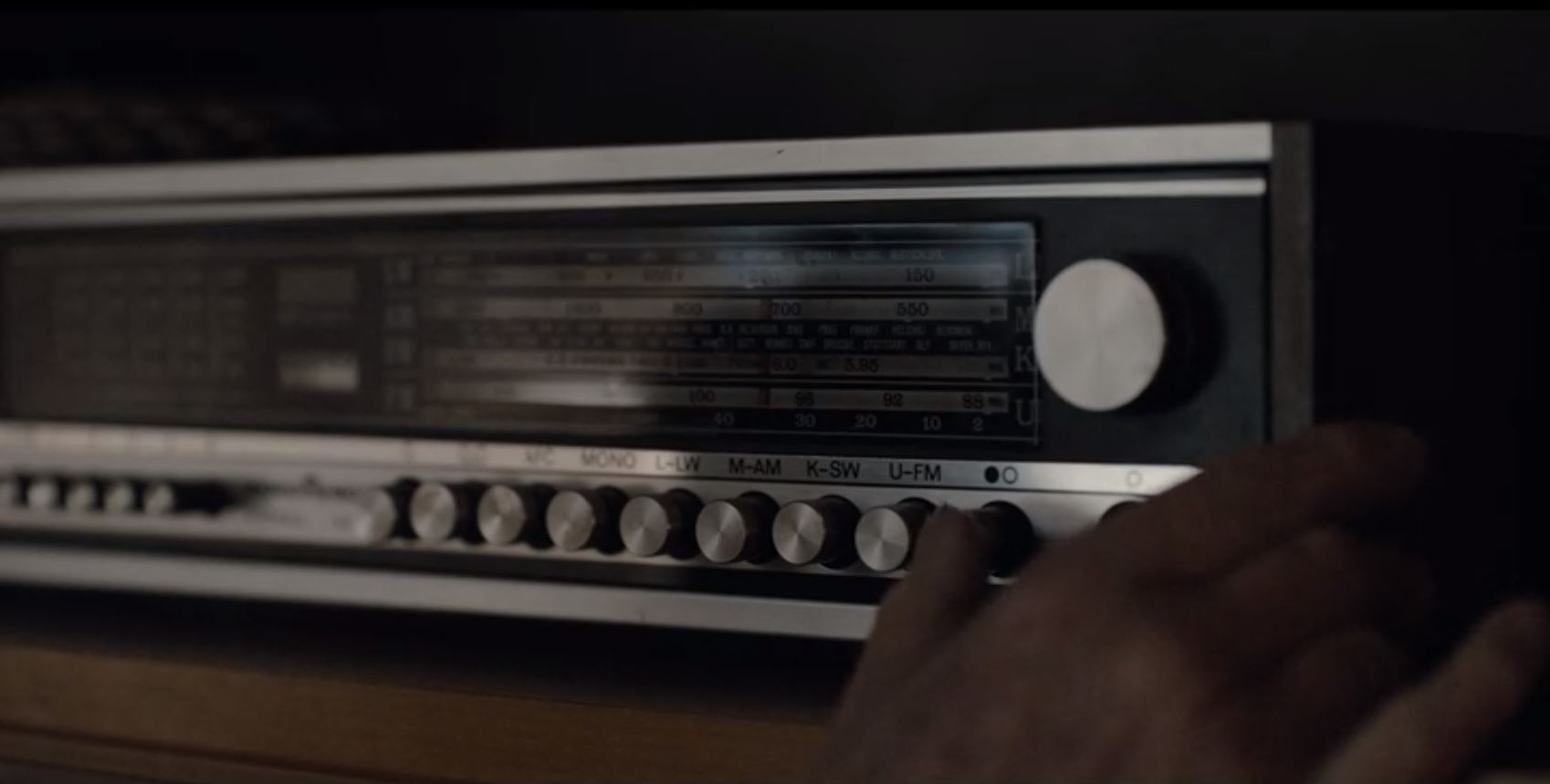
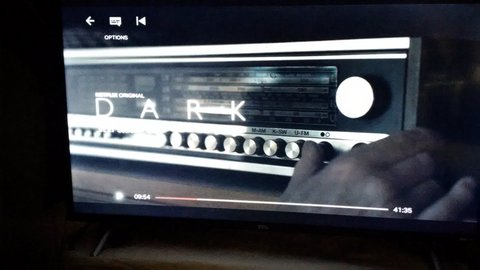
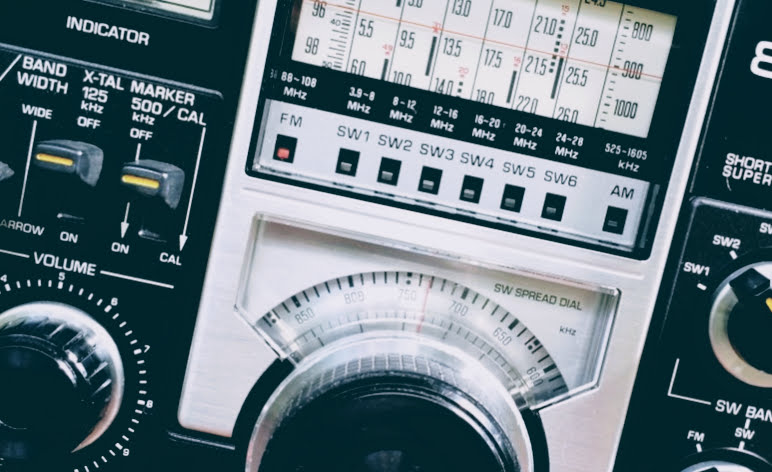
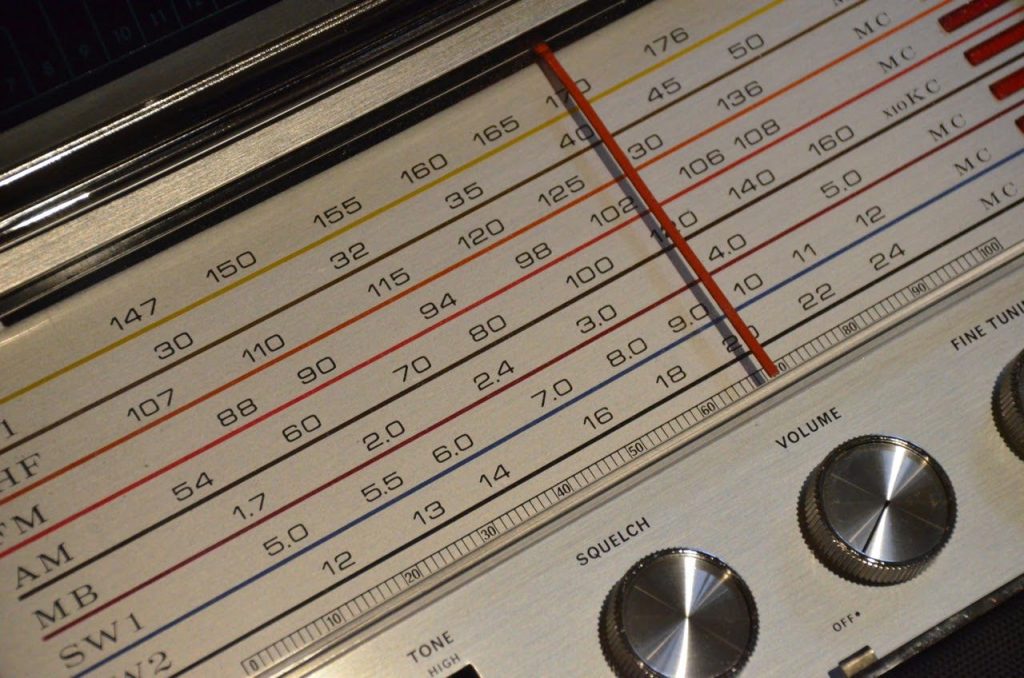
Can you identify this receiver in the Netflix series “Dark”–?

Many thanks to SWLing Post contributor, Ed, who writes:

Hi Thomas,

I recently watched the Netflix “Original Series” called “Dark” and a 9:54 into the first episode a 1970’s vintage shortwave receiver is shown being operated.

I couldn’t figure out the make and model, but it may be a German radio as the sci-fi series was apparently produced in Germany. Maybe some SWLing Post readers can figure out what it is.

https://www.netflix.com/title/80100172

I do not recognize this receiver, Ed, but I’m willing to bet that some of our intrepid readers can! Please comment!

Of course, I’ll add this post to our ever growing archive of radios in film!

DXpeditions: Bruce remembers “hunting for rare game”

Many thanks to SWLing Post contributor, Bruce Atchison (VE6XTC), who shares the following notes from a DXpedition over 30 years years ago. Bruce writes, “While going through some old blog posts, I found this one about a DXpedition I took in 1984.”

HUNTING FOR RARE GAME.

In past posts, I’ve mentioned my passion for radio. It began with my discovery of distant stations on my dad’s car radio when I was ten years old and continues to this day. Because my memoirs deal with subjects other than distant signal reception, referred to by radio aficionados as DX, I haven’t been able to write much about this infatuation.

One aspect of hunting for DX is travelling to remote locations that are free of man-made interference. When I learned that my cousin Wayne, was going hunting near Lodgepole in October of 1984, I begged a ride with him.

In a clearing along a cut line, I erected a seventy-foot-long wire antenna and connected it to my general coverage receiver which I powered with a car battery. While Wayne hunted moose, I tracked down exotic stations. Just as the fresh autumn air invigorated me, so did the crystal-clear reception of stations which I could barely hear back home.

At our makeshift camp site, I often let my cousin listen to the radio. This occasionally led to some strange situations. As we ate breakfast early one morning, I tuned in a station from Papua New Guinea. To my astonishment, the announcer began playing country music. There we were, two Canadians in the Alberta wilderness, listening to American country tunes from a station on the other side of the Pacific ocean.

Another memorable radio moment happened one night when I picked up a coast guard station in contact with a ship somewhere in the Pacific. Somebody on board it was hurt and needed a doctor. The radio man could barely speak English and the American on shore could barely understand the sailor’s accent. If it wasn’t a serious situation, it would have been comical.

My uncle Bob, who hunted in a different part of the forest, met us one evening as we relaxed by the fire. When he asked what I was doing with that fancy radio, I showed him by tuning in Deutsche Welle, Germany’s international broadcaster.

Uncle Bob gawked at the set and listened in awestruck silence for a minute. “I can understand that,” he exclaimed as a news announcer droned on in German. “I can understand everything he’s saying. How can you pick up a signal all the way from Germany?” he marvelled.

I couldn’t even begin to explain the intricacies of F2 radio wave propagation to him so I said, “Signals like that always come in like that on the short wave bands.”

I felt sad at the end of the week when we packed up and drove toward Edmonton. Though Wayne came back empty-handed, I had the fulfilling experience of listening to far away stations free of annoying buzzes from TV sets and power lines.

Thank you for sharing those wonderful memories, Bruce!

Hobart Radio International’s three part interval signals specials

Many thanks to SWLing Post contributor, Richard Langley, who writes:

While listening to my recording of yesterday’s Unique Radio broadcast over WINB, I noticed that the Radio Hobart International segment featured the second of a three-part interval signals special. Brought back many nice memories of long-gone shortwave stations. All three segments in studio quality can be found on the Radio Hobart International website:


http://www.hriradio.org/

Thank you for the tip, Richard! Kudos to HRI for putting these specials together. I’ve also embedded the audio from each episode below (email digest subscribers will need to view this on our site, or HRI):

HRI Interval Signals Special: Part 1

HRI Interval Signals Special: Part 2

HRI Interval Signals Special: Part 3

Lennart shares Radio Tahiti QSLs

Many thanks to SWLing Post contributor, Lennart Weirell, who writes:

The posting about Mark’s shortwave recording of Radio Tahiti brings back memories from the 80s.

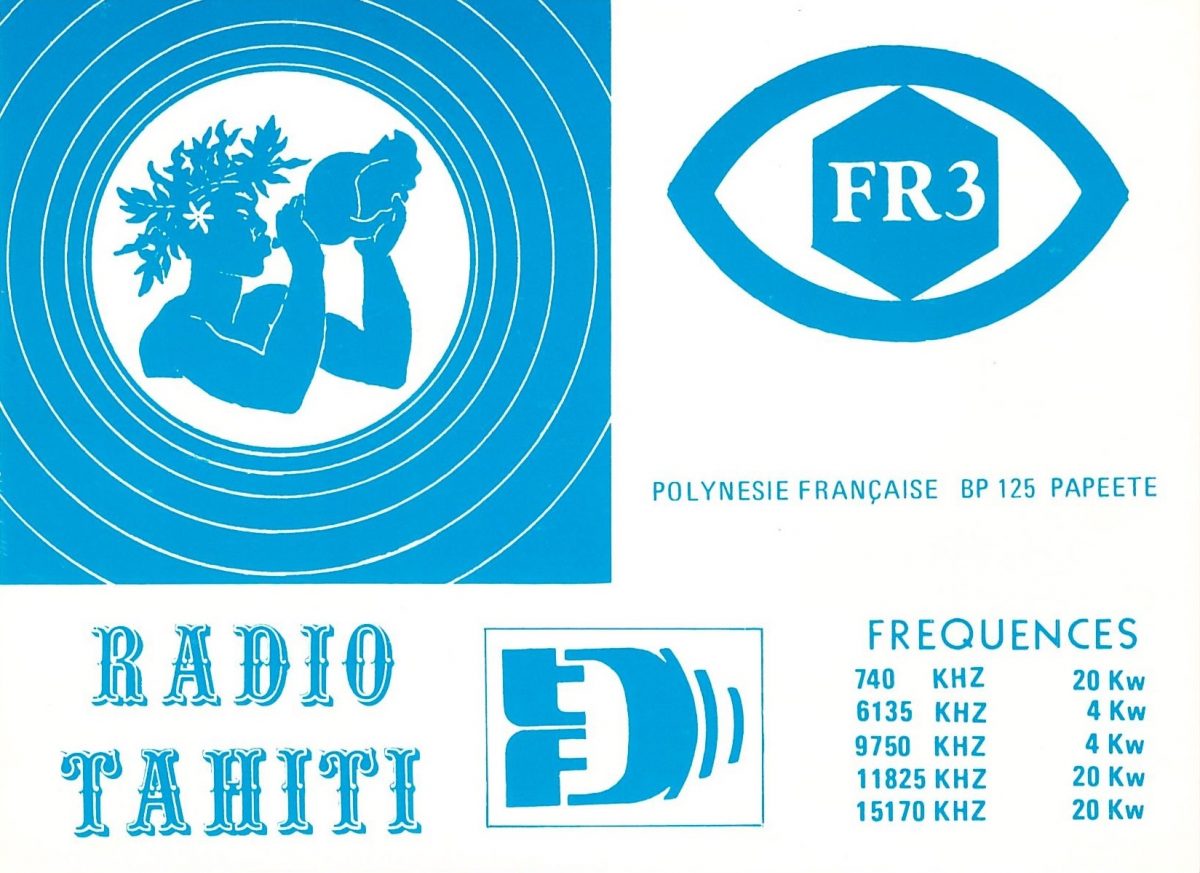
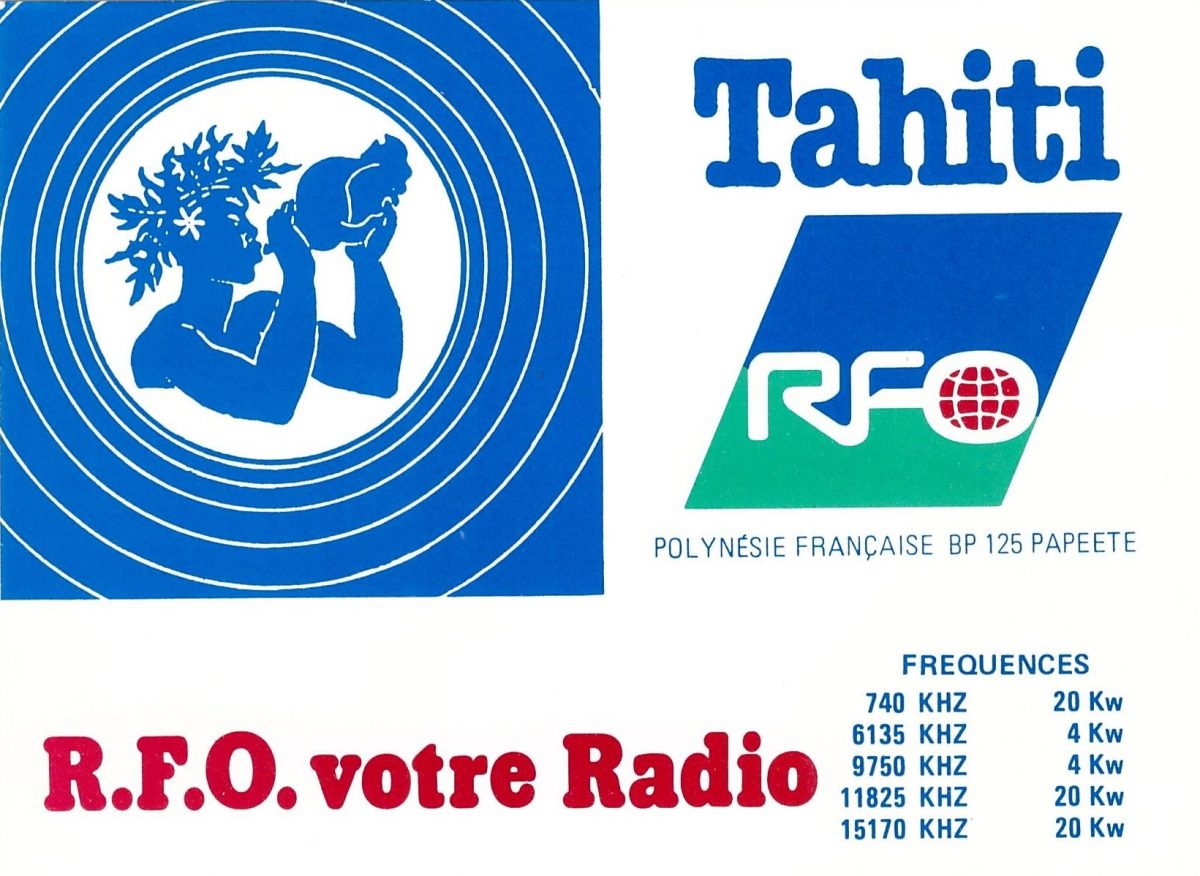
In 1982 I visited Tahiti with my family during a holiday from Malaysia, where I was working at that time, and could listen to Radio Tahiti locally. Back in Malaysia I managed to catch Radio Tahiti on 15170 kHz with my DR-28 and got the reception report verified with a nice QSL card.

When I moved back to Sweden a few years later I also managed to catch Radio Tahiti on 15170 kHz and got the reception report verified with another nice QSL card.

I saw that a QSL card from Radio Tahiti 1981 recently was sold on E-bay for $66.50!! so you better keep these old rarities.

Many thanks for sharing, Lennart! You’re right…some of these QSL cards are worth quite a bit of money on eBay. Take good care of them!

Readers: if you’d like to take proper care of your QSL collections, please read our guide to archiving.

Pure nostalgia: Mark’s shortwave recording of Radio Tahiti music

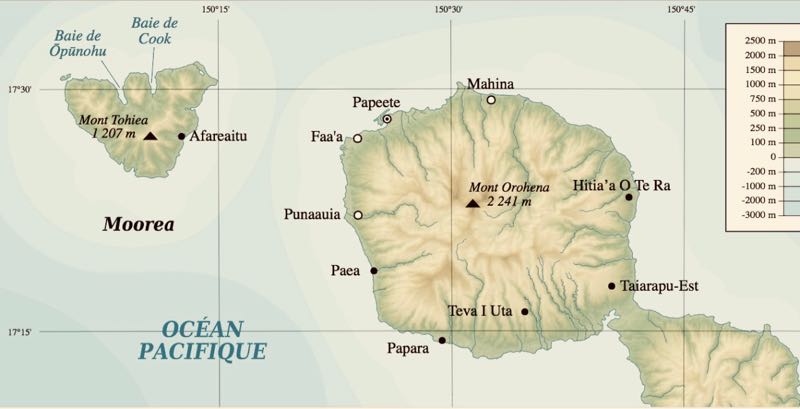
(Map Source: Wikimedia Commons)

Many thanks to SWLing Post contributor, Mark Pettifor, who writes:

One of the great things about DXing and SWLing is the variety of music  one can hear. One of my favorite stations to listen to on shortwave for “exotic music” was Radio Tahiti, Papeete, French Polynesia, when they were still on shortwave.

If my memory serves me correctly, I believe something happened to the transmitter, and they never got back on SW. They were on mediumwave through December of 2016 (738 kHz); now they are on FM only. (Maybe us hobbyists should start a funding website to put them back on shortwave!)

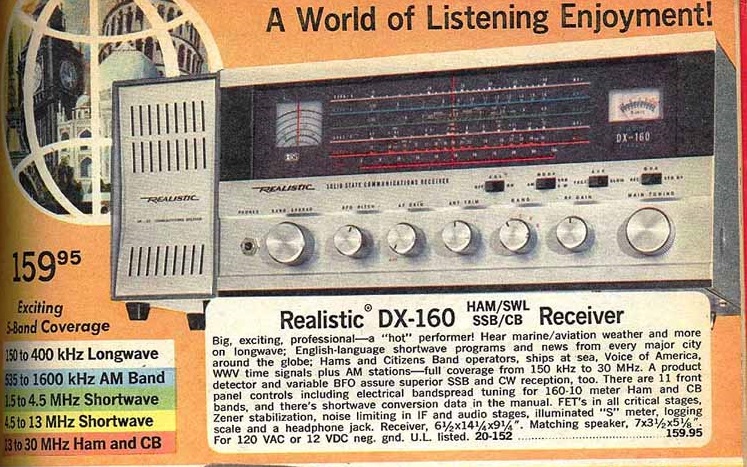
Many a Saturday night I would turn on the DX-160 (my first SW rig) and let it warm up for a while, before tuning in 15170 to see how band conditions were. If the band was good, I’d get ready to record through the air. Once I started recording, I’d often leave the room and shut the door, because having three brothers around meant the possibilities were high for having “extraneous interference” on my recordings.

Saturday evenings were a good time to tune in, because of a music program that aired with a good selection of island music. The program had an announcer who spoke in the island vernacular (Tahitian?), and when that program ended they switched to French.

Here is a 30-min recording of Radio Tahiti on 15170 kHz from a while ago, most likely around one of the solar maxima of either 1980 or 1991. I’m leaning toward the 1980 cycle. My apologies for not being able to be more specific than that. I kept terrible records of my recordings. This would be recorded either with the DX-160 or a DX-302. Apologies too for the jump in volume at around the 2:37 mark.

So close your eyes, imagine you are lying in a hammock on a beach somewhere in the South Pacific, with a warm breeze off the ocean and your favorite cooled beverage nearby, listening to some of the best island music anywhere.

Click here to download an MP3 of this recording.

Wow Mark!  Thank you so much for sharing this recording–it certainly brings back memories of listening to Radio Tahiti on my Zenith Trans-Oceanic!

Post readers: Anyone else cruise Radio Tahiti for the amazing music?  Please comment!


Do you enjoy the SWLing Post?

Please consider supporting us via Patreon or our Coffee Fund!

Your support is greatly appreciated. Thank you!

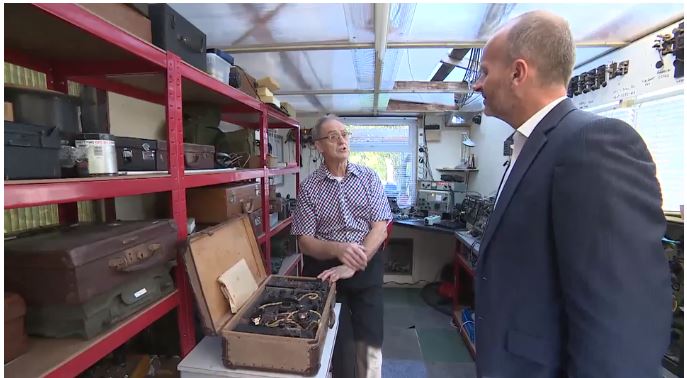
Ian Keyser’s collection of vintage spy radios

(Source: Southgate ARC)

Daring spies who broadcast from behind enemy lines

An ITV News report says: Owning just one of them in World War Two carried the death penalty, but Ian Keyser, G3ROO has more than a dozen – ensuring a piece of secret history is brought out into the open. So what are they?

They are, of course, spy radios – used to send messages back to base from behind enemy lines. And decades later, much of the collection is still in use. Tony Green has this special report.

Watch this ITV News video:
https://www.itv.com/news/meridian/2018-10-19/daring-spies-who-broadcast-from-behind-enemy-lines/