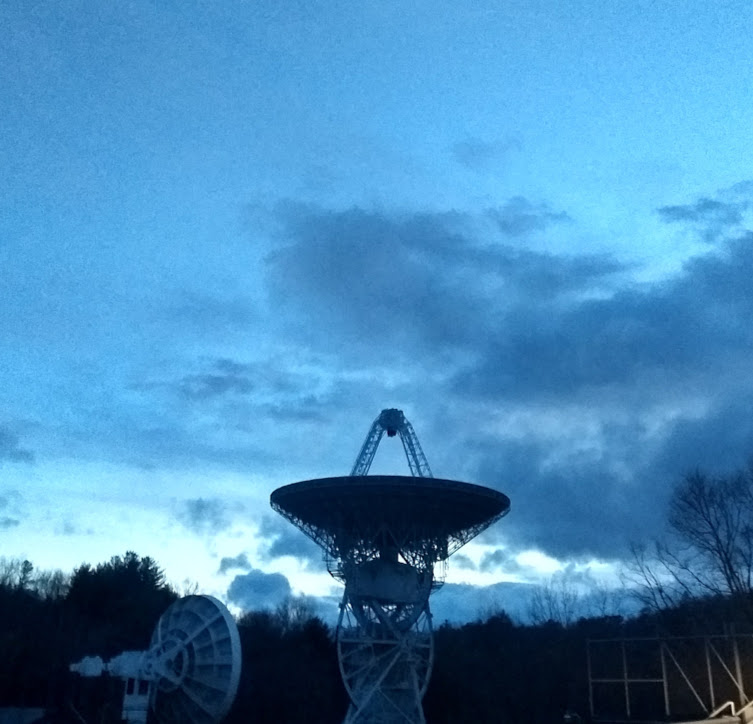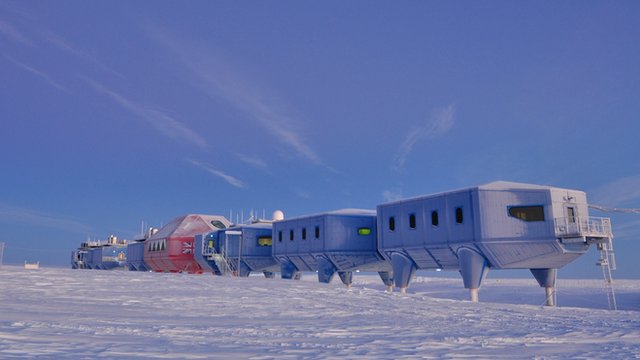
Halley VI: The British Antarctic Survey’s new base (Source: British Antarctic Survey)
On Thursday, 21 June 2018, the BBC World Service officially transmitted the 2018 BBC Antarctic Midwinter Broadcast–an international radio broadcast intended for a small group of scientists, technicians, and support staff who work for the British Antarctic Survey.
This is one of my favorite annual broadcasts, and I endeavor to listen every year. Once again, the SWLing Post called upon readers to make a short recording of the broadcast from their locale.
Below are the entries, roughly organized by continent and country/region. We had a total of 28 recordings submitted this year–simply amazing! If I’ve somehow missed including your entry, please contact me; I’ll amend this post.
So, without further ado….
The 2018 BBC Antarctic Midwinter Broadcast Recordings
Europe
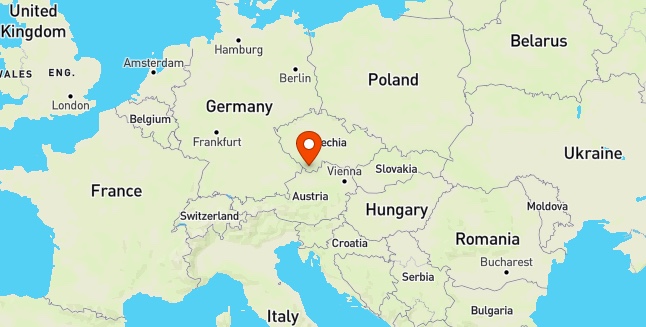
Austria
SWL: Gerald LANDL (OE5TET)
Location: Eidenberg, Austria
Notes:
Preperations with my 6y old son – highly professional with clip board, frequency setting on equipment, adjusting the antenna tuner. setting the alarm clock and preparing cups for warm drinks.
Wonderful broadcast with heaps of feelings and good music – I reckon the crew in Antarctica enjoyed it.
I used to listen with my dad to Norddeich Radio – also broadcast for crews and sailors out on sea.
2018-06-21 2130 UTC antarctic midwinter broadcast 2018 of BBC
from QTH
Longitude : 14.23225 E (14° 13? 56” E)
Latitude : 48.44367 N (48° 26? 37” N)
QTH locator : JN78CK
5.985 – Woofferton – via FT 991 + HiGain 640 vertical
7.360 – Ascension – via FT 817 + MLA-M magnetic loop
9.890 – Woofferton – via FT 2000 + Diamond W8010 – multi band trap
enjoyed the slight time delay between Woofferton and Ascension – broadcast (echo you hear)
looking forward to record the whole broadcast from Ascension via FT2000
OE5TET – Gerald & SWLing ZALhoch2
Click here to view on YouTube.
Click here to view on YouTube.
Click here to view on YouTube.
France

SWL: Philippe Autret
Location: Brest, France
Notes:
This is my recording, from Brest, France:
Click here to view on YouTube.
Germany
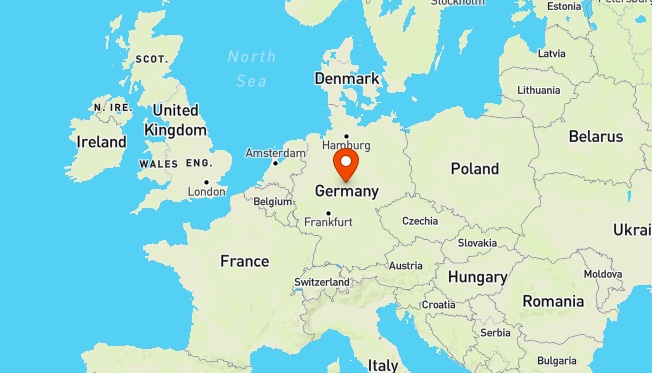
SWL: Ralf Bender
Location: Germany
Notes:
Full reception of the 2018 BBC Antarctic Midwinter Broadcast on my little YT-Channel.
Received with a AFEDRI SDR with HDSDR and a Wellbrook ALA1530LN. Nice signal on all frequencies at my QTH (JO40BT) in Germany.
Click here to view on YouTube.
Italy

SWL: Gabriele Barbi
Location: Ferrara di Monte Baldo
Notes: Received in Ferrara of Monte Baldo (Verona) 850 msl, with Sangean 909 receiver and 30 meter row antenna, good signal on all 3 frequencies 5985 7360 9890 hours of reception (Italian) 23.55 today 21062018. Good Radio 🙂
Note that the audio file of the 3 frequencies is divided by the beep signal respectively from the beginning to the end of the file 5985 7360 9890:
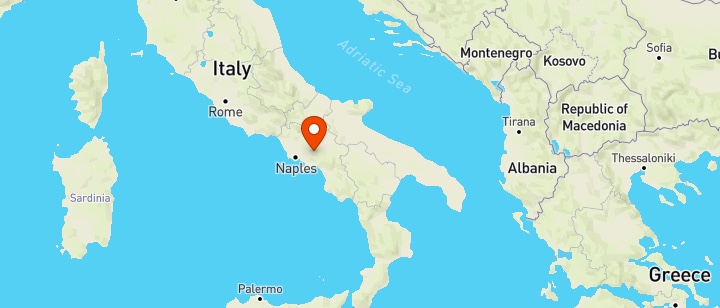
SWL: Grabriele Sommas
Location: Roccapiemonte, Italy
Notes: Hi Thomas, like every year attached I send you the youtube link of the broadcast BBC MIDWINTER 2018 with the hope of seeing it published also this year on swling. Receiver is an SDRplay RSP2 and Antenna a Wellbrook ALA 1530.
Click here to view on YouTube.
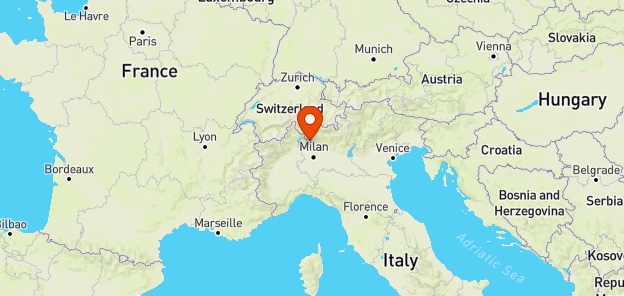
SWL: Davide Borroni
Location: Origgio (VA) Italy
Notes:
I am Davide Borroni from Origgio (VA) Italy. On 21 June 2018 at 2130.-2200 UTC on 5985 kHz AM, i listened BBC Winter Radio with SINPO 54444
I use my Hallicrafters SX 42, Siemens E 401, Collins HF 2050 and Teletron TE 712S receivers with a magnetic loop antenna.
73s
Davide Borroni
Click here to view on YouTube.
Click here to view on YouTube.
Click here to view on YouTube.
Click here to view on YouTube.
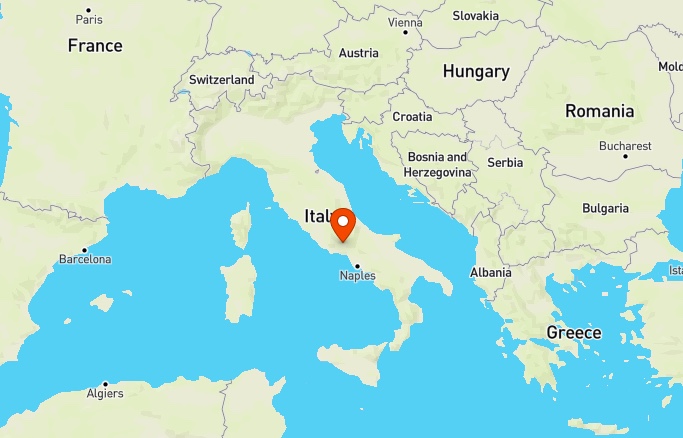
SWL: Giuseppe Morlè (IZ0GZW)
Location: Formia, Italy
Notes:
I’m Giuseppe Morlè, iz0gzw, from Formia, central Italy, on the Tyrrhenian Sea.
I send you 2 videos about the Antartic Midwinter 2018 to be included on the Swling Post.
You can see how you listened to from my house on my 3 receivers the transmission and as the only Tecsun pl660 with its antenna on my balcony.
Thanks for everything and I always wish you excellent listening.
Click here to view on YouTube.
Click here to view on YouTube.
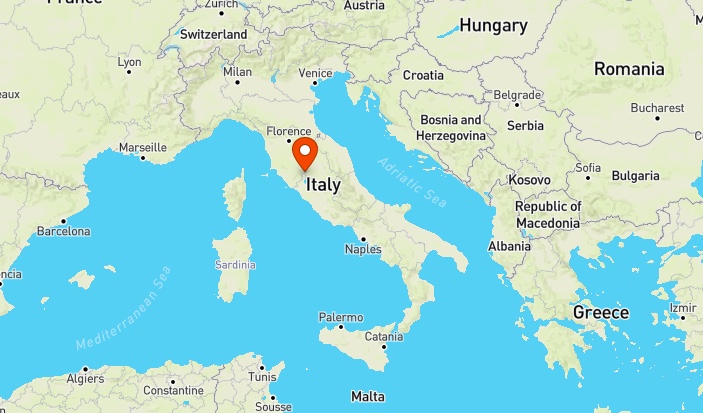
SWL: Renato Feuli (IK0OZK)
Location: Marta, Italy
Notes:
Hi Thomas.
I send You my reception report to BBC Midwinter 21.06.2018, UTC Time 21.30-20.00
Frequency 5.895-9.890 to Wofferton, 7.360 to Ascension, not signal on 6.035 to Dhabayya.
Nice Signal to Wofferton +20/30 db and S 9 to Ascension.
My Reception Setup:
RX: JRC NRD 545 DSP, JRC NRD 91, Watkins & Johnson 8718-9, SDR Elad FDM S2. Antenna loop Wellbrook ALA 1530 Lf, QTH Marta Italy JN52XM
Click here to view on YouTube.
Click here to view on YouTube.
Click here to view on YouTube.
Click here to view on YouTube.
Click here to view on YouTube.
My Blog Articles: https://ik0ozk-radio.blogspot.com/2018/06/bbc-midwinter-2018.html
Malta
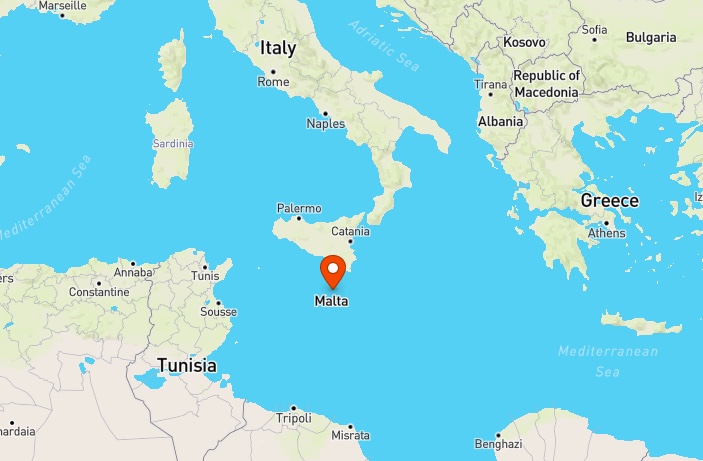
SWL: Adrian Micallef
Location: Malta
Notes:
Listenined yesterday (21 June 2018) at 21.30 UTC from Malta 5985 kHz SINPO 53553 using a Tecsun PL-660 and a longwire antenna 27 metres.
Wonderful programme and good job.
Romania
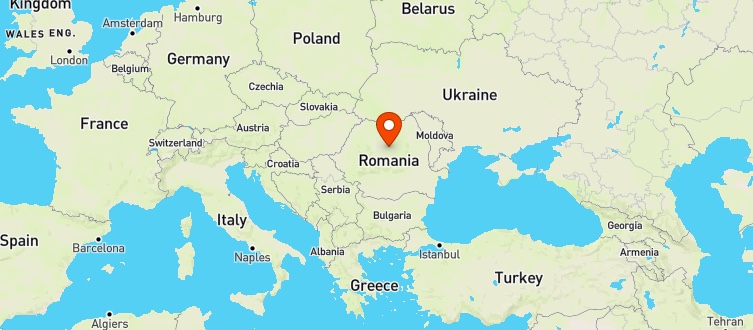
SWL: Tudor Vedeanu
Location: Romania
Notes:
Receiver location: Romania. I used an Airspy HF+ SDR and a Wellbrook ALA100LN antenna (20m delta loop).
Click here to view on YouTube.
England
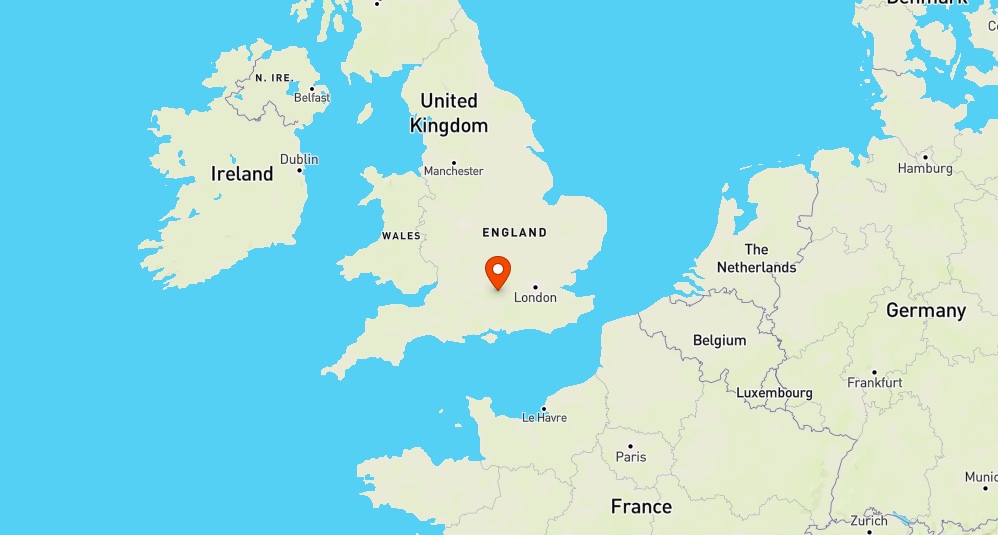
SWL: Mark Hirst
Location: Basingstoke, England
Notes:
QRM levels at my QTH were noticeably higher this year than last, continuing a years long trend in my area.
Woofferton is only 100 miles from Basingstoke in Hampshire, and while it doesn’t lie in the direction of the transmission, the signal was strong and steady, overwhelming almost all of the interference.
Click here to view on YouTube.
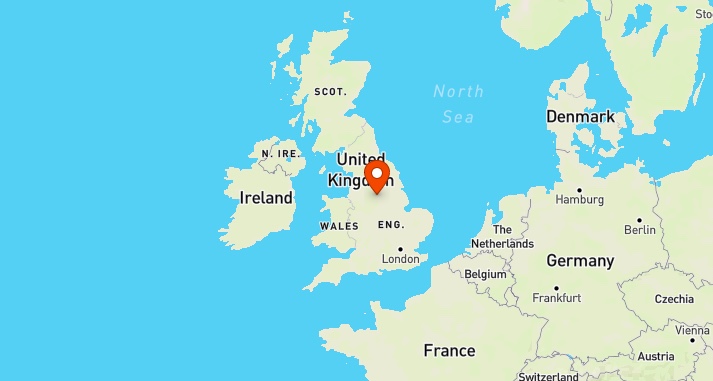
SWL: Gareth Buxton (M6VOV)
Location: Belper, England
Notes:
This is my recording. Fair reception on 7360khz. I was out in the garden using a Tecsun PL 880 connected to a homemade active loop antenna. My location is Belper, Derbyshire, UK
Click here to view on YouTube.
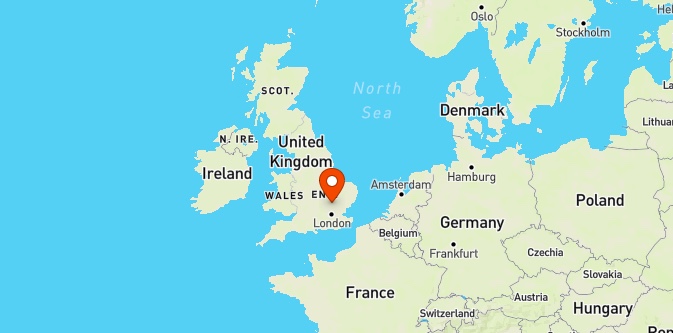
SWL: Paul Capewell
Location: London, England
Notes:
Three 1-minute clips of the BBC World Service Antarctic Midwinter Broadcast on 5985kHz, 7360kHz, and 9890kHz, recorded on a Tecsun PL-380 in north west London at 2230 (2130 UTC) on 21 June 2018.
5985kHz (start)
7360kHz (about 01m20s)
9890kHz (about 02m30s)
Click here to listen via SoundCloud.
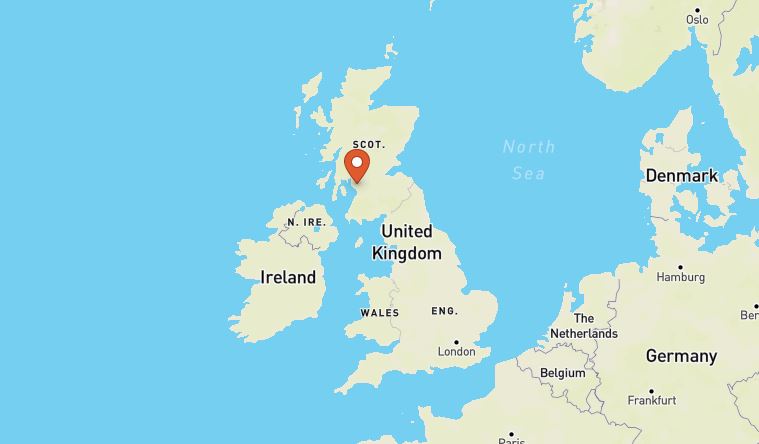
SWL: Steven
Location: Ayrshire, Scotland
Notes:
All three signals were good at my location in Ayrshire, Scotland.
The best of the two Wooferton signals was 5985 AM.
Here is a youtube video of my reception of the signal from Ascension Island on 7360 AM.
Rx = Trio R-1000
Ant = End fed Wire, 20 meters long and ATU.
Thank you.
HAPPY MIDWINTER !
73
Steven
Click here to view on YouTube.
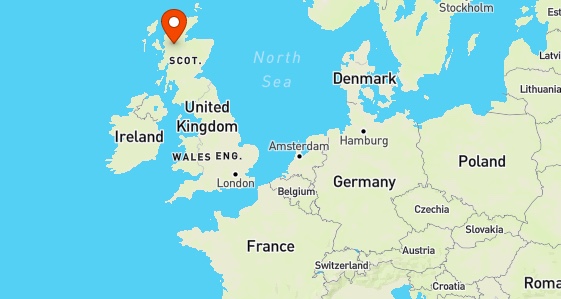 SWL: Cap Tux
Location: Scotland
Notes:
BBC Antarctic Midwinter Broadcast 5985kHz Woofferton 2130-2200UTC 21/06/2018. Captured in Scotland using SDRuno/RSP2 and homebrew passive Mag Loop.
Israel
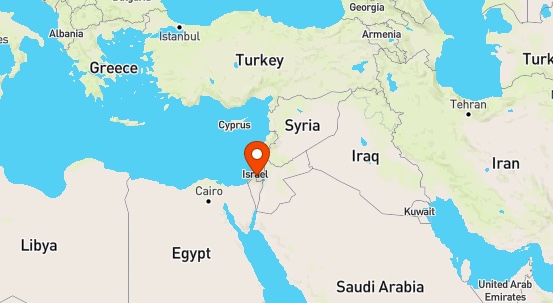
SWL: Adi
Location: Israel
Notes:
In Israel only 9890 was loud and clear on my SRW-710 (V-115)
Click here to view on YouTube.
Saudi Arabia
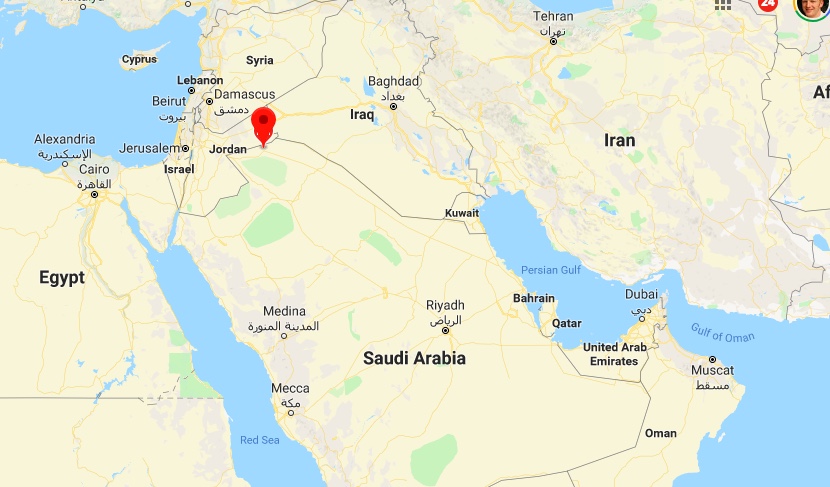
SWL: Rawad Hamwi
Location: Turaif – Northern Borders Province – Saudi Arabia
Notes:
Date/Time: 21/6/2018 @ 21:30 UTC | 22/6/2018 @ 00:30 Arabian Standard Time (UTC+3)
Frequency: 9890 kHz
Receiver: Sony ICF-SW7600GR / Sony ICF-SW11
Antenna: 30 LM Longwire Antenna
Location: Turaif – Northern Borders Province – Saudi Arabia
Click here to view on YouTube.
North America
Canada
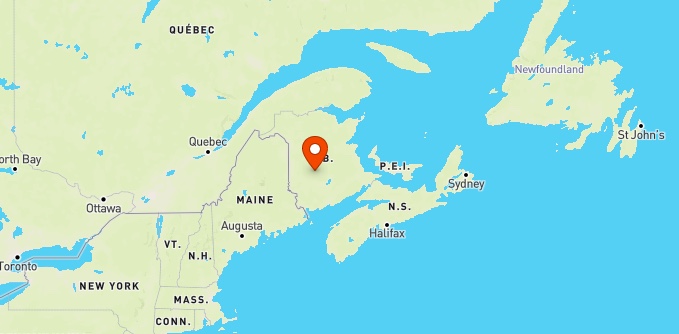
SWL: Richard Langley
Location: Hanwell, New Brunswick
Notes:
I obtained decent recordings of the BAS broadcast both here in NB on 7360 kHz using a Tecsun PL-880 receiver with a Tecsun AN-03L 7-metre wire antenna strung to a nearby tree and using the U. Twente SDR receiver on 5985 kHz. Attached are two two-minute clips, one from the start of each recording. Also attached [above] is a photo of the “listening post” at the back of my yard. Note the mosquito spray!
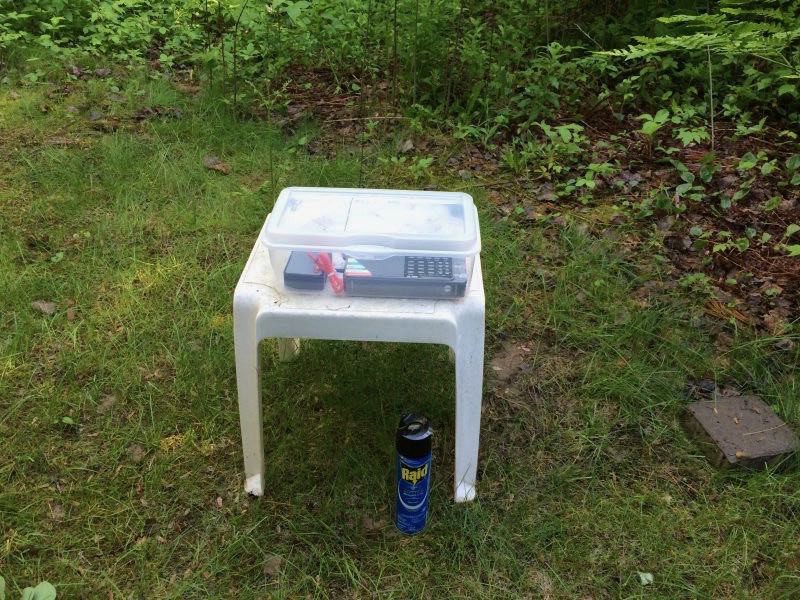
You can hear my full half-hour recordings, with more details on reception, on the Shortwave Radio Audio Archive: https://shortwavearchive.com/archive/bbc-world-service-annual-antarctic-midwinter-broadcast-june-21-2018
United States
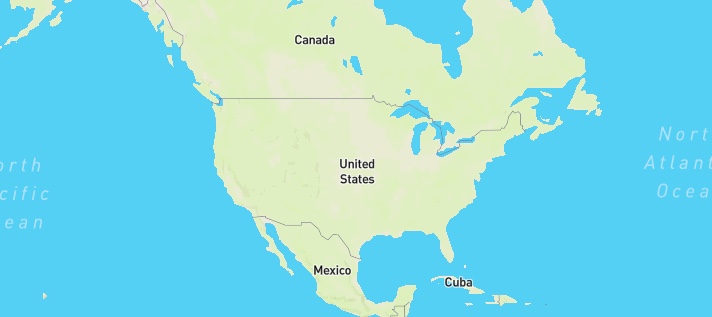
SWL: Ivan Cholakov
Location: New York and Florida
Notes:
This year’s Midwinter Antarctic broadcast from the BBC was a special opportunity for me. I thought I would share the story because it has something to say about the state of technology in today’s world of radio. On the day of the broadcast, June 21, 2018 I was on a business trip to New York City. I had brought with me three very useful and very portable items: an SDRPlay receiver, a W6LVP portable amplified loop and an Eton Satellit shortwave radio.
I was able to receive the broadcast in the following order:
- By remotely accessing my home station;s kiwiSDR receiver via the internet
- By remotely accessing my amateur radio station that I maintain in Michigan using a remotehams.com server
- By using the SDRPlay receiver and the amplified loop from the 35th floor hotel room in Manhattan
- By using the Eton Satellit pocket sized shortwave radio from the hotel room in Manhattan
I created a youtube video with the four modes of reception above. it is amazing how connected the world has become!
Click here to view via YouTube.
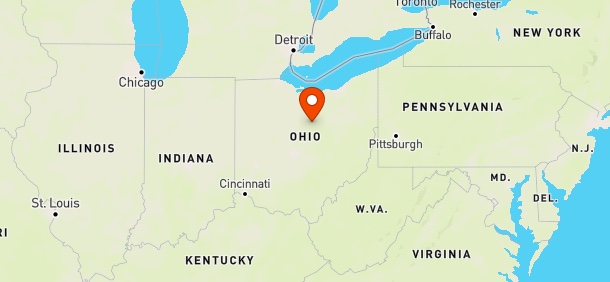
SWL: Becky Shepherd
Location: NE Ohio
Notes:
I was able to get 2 different videos of the BBC Antarctic Midwinter Broadcast. One video is of the broadcast coming through an KiwiSDR channel and another is a recording of BBC through my Tecsun PL-380.
Click here to view on YouTube.
Click here to view on YouTube.
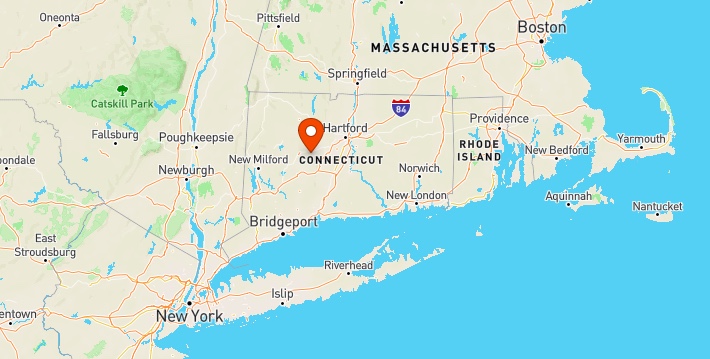
SWL: Stan Horzepa (WA1LOU)
Location: Wolcott, Connecticut
Notes:
Here in Wolcott, Connecticut, USA, I heard the full 30 minute broadcast
on all three channels using my ICOM IC-R8600 and an 80-meter inverted
Vee antenna. 9890 was very good, 7360 was good, while 5985 was poor.
(The broadcast reminded me of The Beatles Fan Club Christmas recordings.)
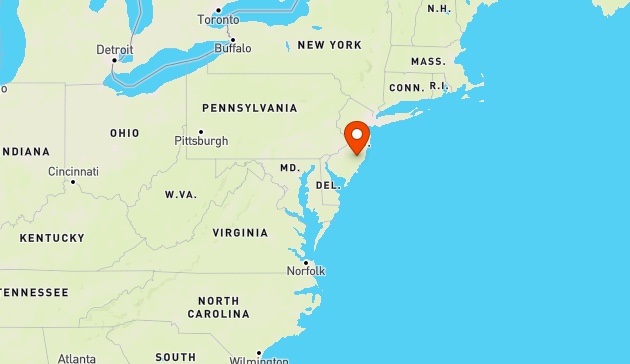
SWL: Bill Hemphill (WD9EQD)
Location: Smithville, NJ
Notes:
I got good copy on 9890 here in Smithville, NJ (5 miles north of Atlantic City).
Readable copy on 7360 and almost readable copy on 5850.
Used a combination of Tecsun Radios: PL-310et, PL-880, and S-8800.
Used the telescoping antenna and a long wire antenna strung up in the house.
Was surprised at how good the copy was on 9890.
Following are video’s of my receptions:
Click here to view on YouTube.
Click here to view on YouTube.
Click here to view on YouTube.
Click here to view on YouTube.
Click here to view on YouTube.
Click here to view on YouTube.
Click here to view on YouTube.
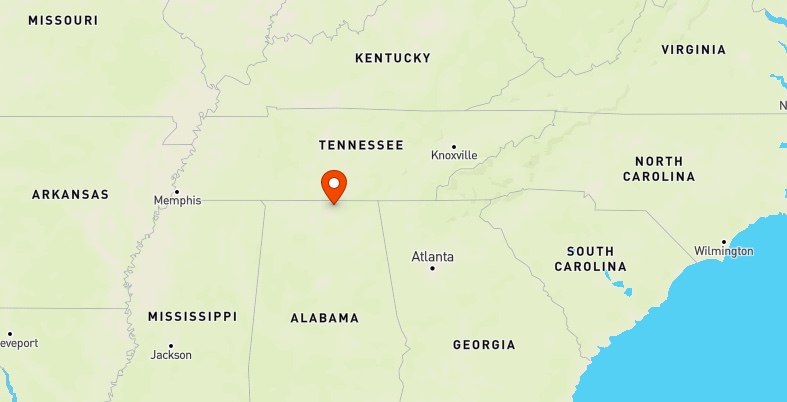
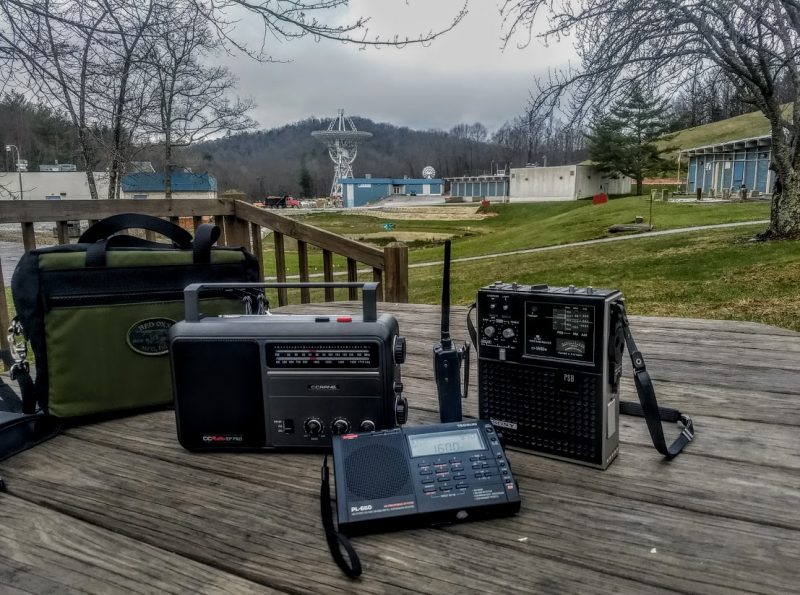
SWL: Thomas Witherspoon (K4SWL)
Location: Huntsville, Alabama
Notes:
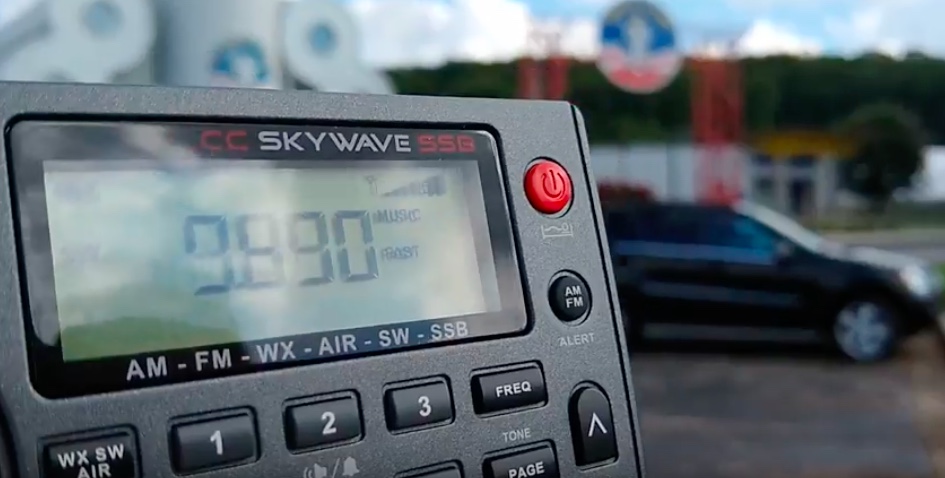
I managed to listen to a bit of the broadcast myself in the parking lot of the US Space and Rocket Center in Huntsville, Alabama. I only brought my C. Crane CC Skywave SSB along. The signal was quite weak, but I did log the 9,890 kHz broadcast from Woofferton, UK. Pretty impressive considering the modest portable receiver and the fact the broadcast’s target was Antarctica! Pure shortwave magic.
Click here to view on YouTube.
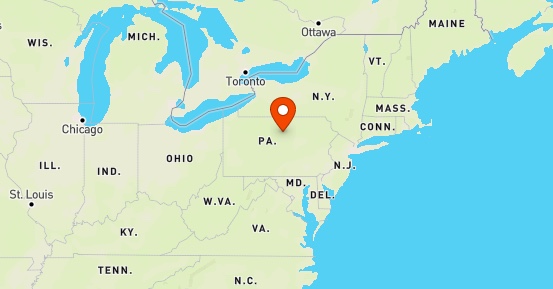
SWL: Brett Saylor (W3SWL)
Location: Pennsylvania
Notes:
[H]ere’s my recording, made from the University of Twente webSDR from the 7360 kHz Ascension transmitter…
https://soundcloud.com/bds2psu/bbc-antarctic-midwinter-broadcast
My recording of 9890 kHz in Pennsylvania was much weaker.
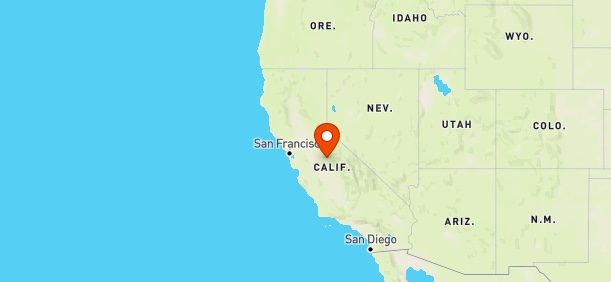
SWL: DanH
Location: Northern California
Notes:
Just awful reception here in Northern California suburbia near three in the afternoon. I can just make out “Jingle Bells.” BBC Woofferton has been coming in well here from 04:00 – 06:00 UTC on 9915 kHz on some nights.
Click here to view via YouTube.
South America
Chile

SWL: Luis Valderas
Location: San Antonio, Chile
Notes:
Date of recording: 6/21/2018
Starting time: 2130
Frequency: 7360
Receiver and antenna: JRC NRD 515 T 10 m
Click here to listen via SoundCloud.
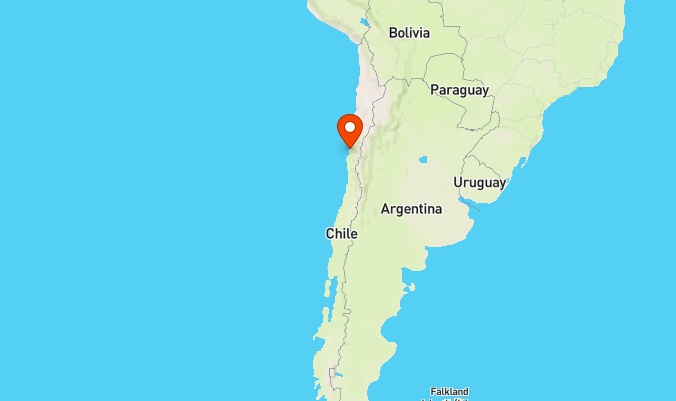
SWL:Claudio Galaz
Location: Ovalle, Chile
Notes:
From Ovalle, Dipole Antenna and Tecsun PL 660.
Oceana
New Zealand
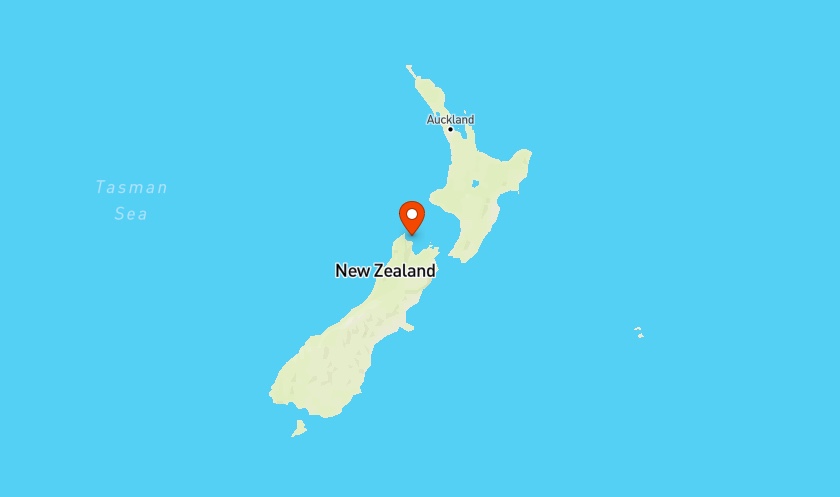
SWL: Chris Mackerell
Location: Marahau, Tasman Bay, New Zealand
Notes:
The start of the broadcast on 7360 kHz heard here in Marahau, Tasman Bay, New Zealand. Elad FDM-DUOr receiver & Wellbrook loop antenna.
Click here to view on YouTube.
Once again, many thanks to all of you who submitted your recordings of the BBC Midwinter Broadcast!
We’ll be sharing this post with both the British Antarctic Survey and the BBC World Service. And to all of you, from the SWLing Post: Happy (Belated) Midwinter! Happy Summer/Winter Solstice!