Category Archives: Shortwave Radio

China Radio International: Jim seeks help understanding language schedule and transmitter locations

Many thanks to SWLing Post contributor, Jim Meirose, who asks:

Each day in NJ I am hearing China Radio International in German on 9.570 MHz. It “fades in” up out of the noise about 2 pm EDT, and strengthens until the broadcast signs off just before 3 pm (1800 UTC).

Two things: first, I have found on a couple of websites that a broadcast from CRI on 9.570 does run daily and signs off just before 1800 UCT, but–the listings say it is in English. What I am hearing is in German.

I would like to find someone who can explain the discrepancy in languages between the listings and what I hear.

Second, I would like to know for sure where the transmitter for this broadcast is located. I know CRI broadcasts not only from Beijing but from Albania, Cuba, and possibly others. Can someone tell me the answer?

Thanks very much.

Per your request, Jim, I’ll toss your question out here to the experts in the SWLing Post community. Please comment if you can help Jim with his inquiry!

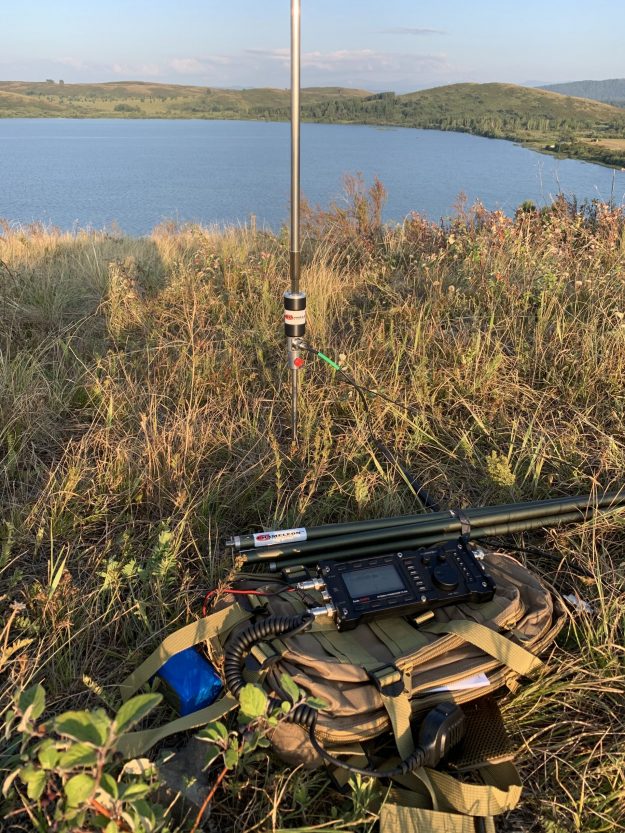
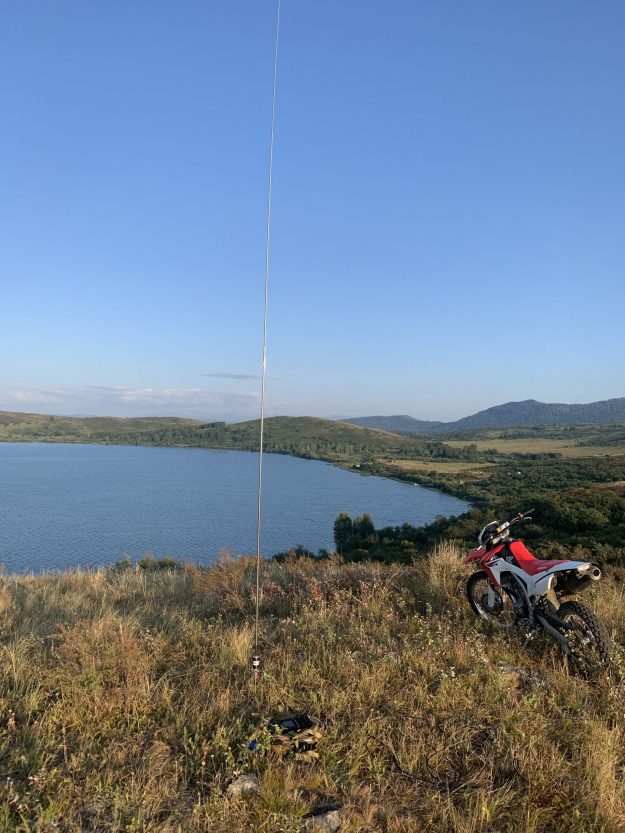
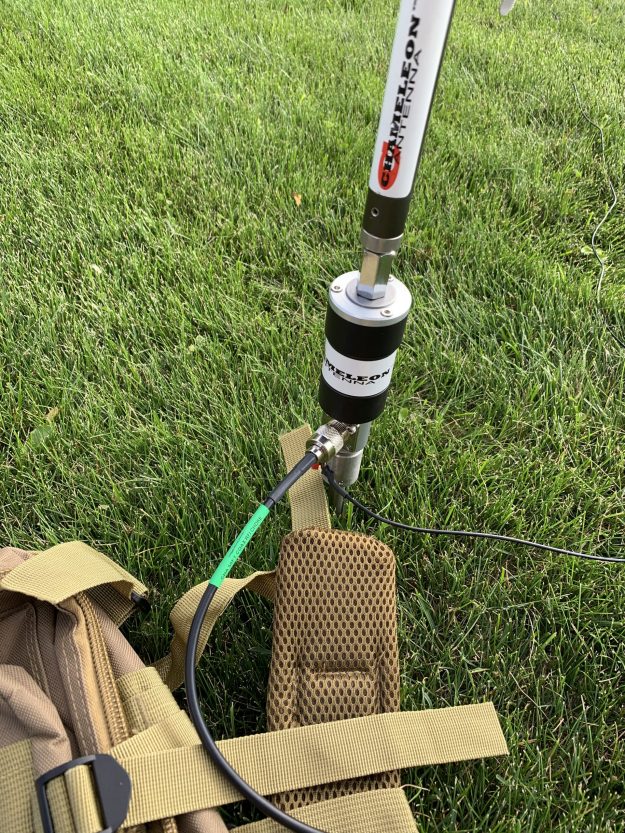
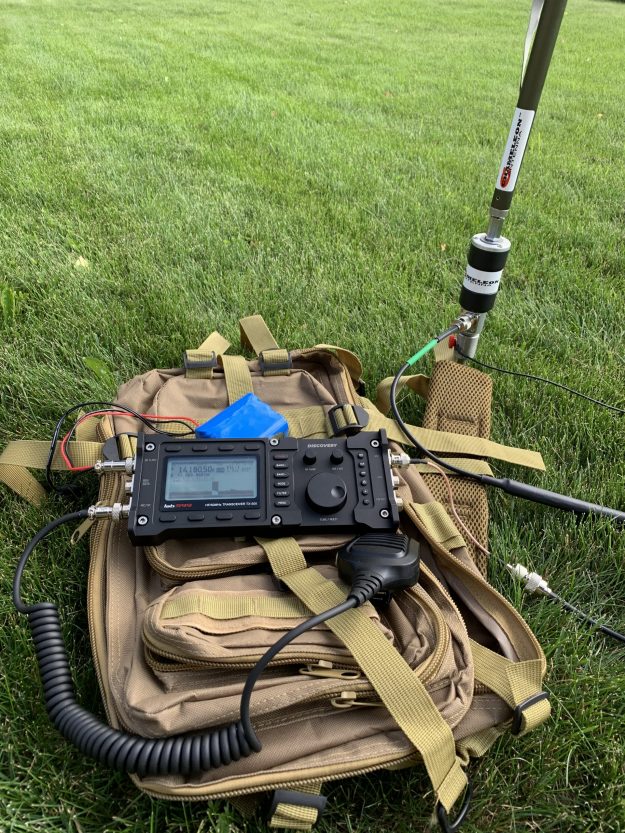
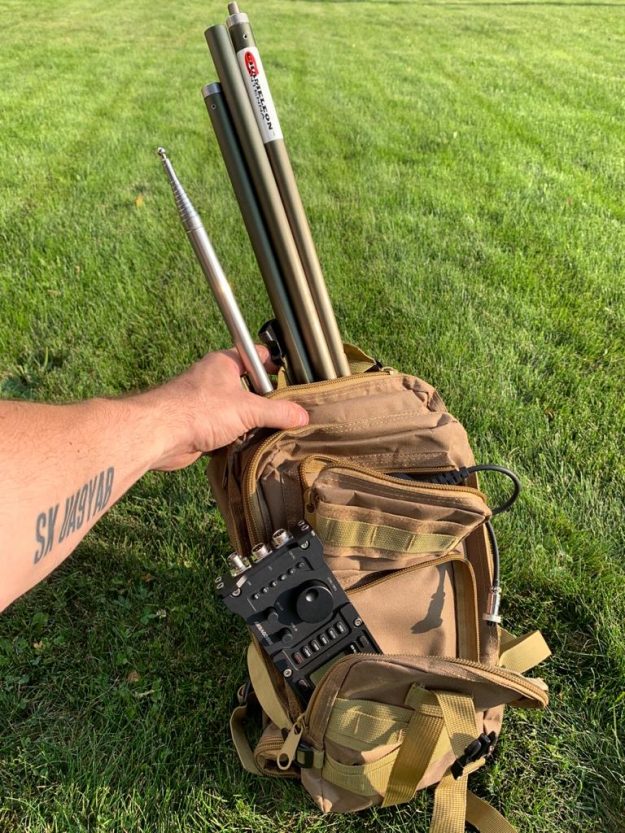
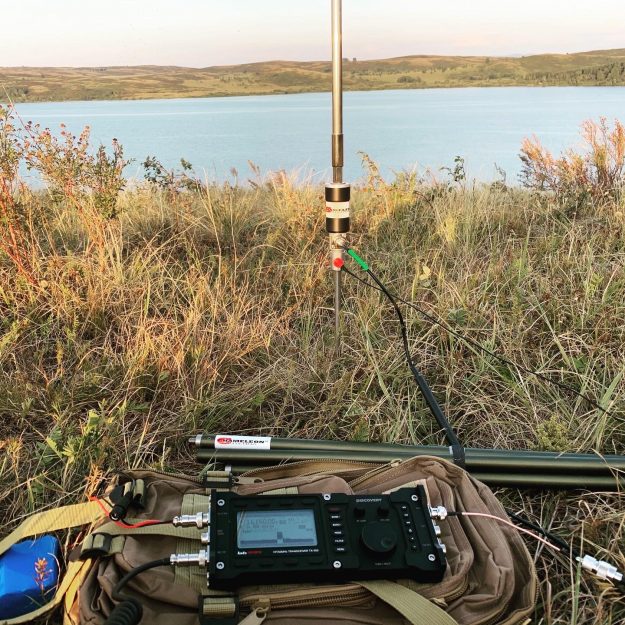
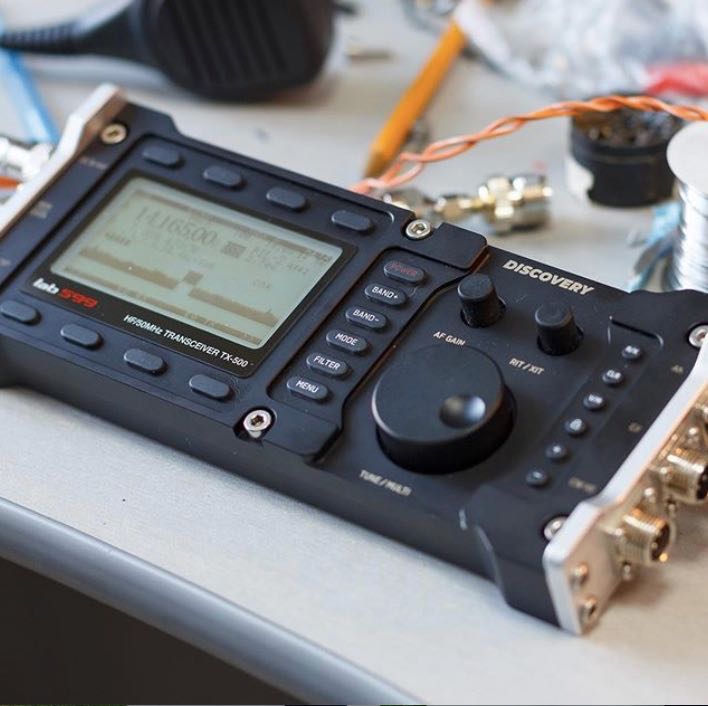
Photos of the lab599 Discovery TX-500 in the field

Many thanks to SWLing Post contributor, Don (W7SSB), who shares the following photos of the new lab599 Discovery TX-500. Don notes that all of these photos were taken in Russia–where the TX-500 is manufactured–and include a number of Chameleon resonant field antennas.

Thanks for sharing these, Don.  The thin form-factor of the TX-500, paired with a resonant antenna, certainly makes for a lightweight portable field setup!

Radio Waves: Radio Six on Shortwave Again, ATN Refrains from Politics, NPR Ratings Drop in C-19, and Grand Central’s Role in Standard Time

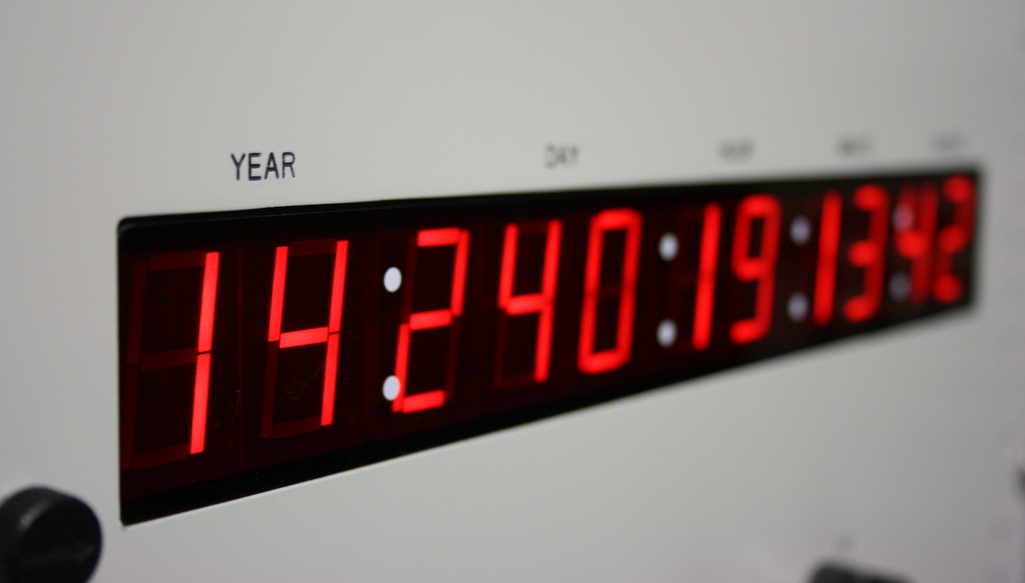
A WWV Time Code Generator

Radio Waves:  Stories Making Waves in the World of Radio

Because I keep my ear to the waves, as well as receive many tips from others who do the same, I find myself privy to radio-related stories that might interest SWLing Post readers.  To that end: Welcome to the SWLing Post’s Radio Waves, a collection of links to interesting stories making waves in the world of radio. Enjoy!

Many thanks to SWLing Post contributors Michael Bird,  John Figliozzi, and Jack Dully for the following tips:


Radio Six Pops Up Again on Shortwave (Radio World)

Radio Six International has not been a full-time shortwave broadcaster for some time. But after two recent live broadcasts on 6070 kHz prompted by the pandemic, it says it will continue monthly broadcasts at least for now.

Radio World visited electronically with Tony Currie.[]

WLW’s America’s Truckin’ Network To Refrain From Political Talk (Radio Insight)

iHeartMedia News/Talk 700 WLW Cincinnati has eliminated political talk from its overnight “America’s Truckin’ Network” show hosted by Steve Sommers.

The Cincinnati Enquirer reports that Sommers told listeners of the change on Monday morning’s show after multiple unspecified complaints.

In the on-air statement, Sommers blamed the change on a group of individuals who took offense with comments made by a caller a few weeks ago.[]

NPR Radio Ratings Collapse As Pandemic Ends Listeners’ Commutes (NPR)

Broadcast ratings for nearly all of NPR’s radio shows took a steep dive in major markets this spring, as the coronavirus pandemic kept many Americans from commuting to work and school. The network’s shows lost roughly a quarter of their audience between the second quarter of 2019 and the same months in 2020.

People who listened to NPR shows on the radio at home before the pandemic by and large still do. But many of those who listened on their commute have not rejoined from home. And that threatens to alter the terrain for NPR for years to come, said Lori Kaplan, the network’s senior director of audience insights.

“We anticipated these changes,” Kaplan said. “This kind of change was going to take place over the next decade. But the pandemic has shown us what our future is now.”

Commercial radio is experiencing, if anything, worse declines. But audience research commissioned by Kaplan indicates that NPR’s audience is disproportionately made up of professionals who are able to work from home and who are interested in doing so even after the pandemic subsides.[]

The Day That New York Had Two Noons, a Century After Losing 11 Days (Untapped New York)

New York’s history has included everything from transit strikes to riots over Shakespeare to immigration from nearly every country in the world. Yet, for much of this history, people didn’t always know the “correct” time or date. Until 1883, virtually every place in the country set local time according to the sun. According to Sam Roberts in his book Grand Central: How a Train Station Transformed America, “Typically, noon would be regularly signaled so people could synchronize their clocks and watches.” From dropping a ball down a flagpole in Manhattan to ringing a gong, settlements all across the country would alert people of noon. But as railroads spread throughout the country, it was nearly impossible to standardize the time.

“A passenger traveling from Portland, Maine, to Buffalo could arrive in Buffalo at 12:15 according to his own watch set by Portland time,” Roberts writes. “He might be met by a friend at the station whose watch indicated 11:40 Buffalo time. The Central clock said noon. The Lake Shore clock said it was only 11:25. At Pennsylvania Station in Jersey City, New Jersey, one clock displayed Philadelphia time and another New York time. When it was 12:12 in New York, it was 12:24 in Boston, 12:07 in Philadelphia, and 11:17 in Chicago.”[]


Do you enjoy the SWLing Post?

Please consider supporting us via Patreon or our Coffee Fund!

Your support makes articles like this one possible. Thank you!

Video: Josh takes us on a tour of the lab599 Discovery TX-500 QRP transceiver

Many thanks to SWLing Post contributor, Josh (KI6NAZ), who shares a link to his YouTube channel where he takes us on a tour of the lab599 TX-500 Discovery:

Click here to check out Josh’s channel, Ham Radio Crash Course on YouTube.

Thanks for sharing this, Josh! The TX-500 is certainly a unicorn in the world of field-portable QRP radios since it’s designed to be weather-proof.

lab599 has confirmed that they will dispatch a TX-500 loaner unit for my upcoming review.  I’m looking forward to see how it plays in the field and might compare with other QRP rigs in my arsenal!

Richard shares recordings of The Buzzer

Many thanks to SWLing Post contributor, Richard Lacroix,

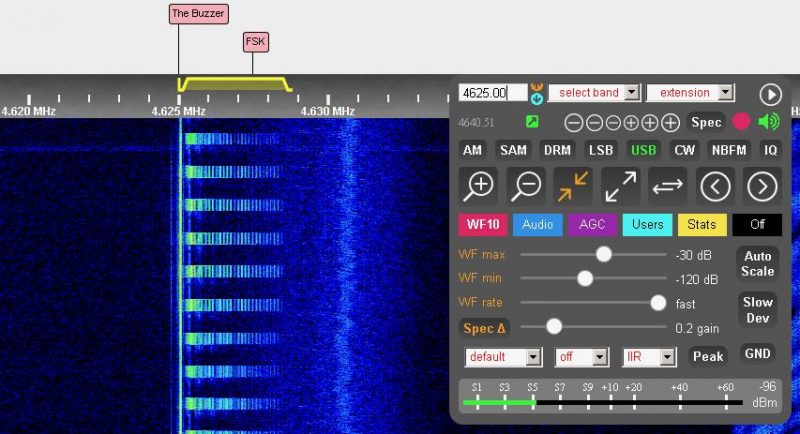
I was intrigued by your post, “The ghostly radio station that no one claims to run (BBC Future)”. I attempted to listening to the station on 4625 kHz from my home location here in Toronto, Ontario Canada but unfortunately could not receive the signal. WebSDR to the rescue. I managed to locate a couple of KiwiSDRs in Russia which yielded great reception of “The Buzzer”.

I figured that some readers may be interested in knowing what the buzzer sounds like. I have therefore included 2 recordings of the broadcast; the first in AM and the second in USB mode with a 3.2 kHz wide filter setting. I am also sharing a screen shot of the waterfall which clearly depicts the signal [see at top of post].

Recordings

The Buzzer recorded July 18, 2020 at 01:07 UTC  on 4625 kHz in AM mode:

The Buzzer recorded July 18, 2020 at 08:26 UTC  on 4625 kHz in upper sideband mode:

Thank you for sharing this, Richard!

Like you, I have difficult receiving The Buzzer from North America (especially in summer conditions with QRN). That’s where KiwiSDRs really come to the rescue. Thanks again for sharing your recordings.

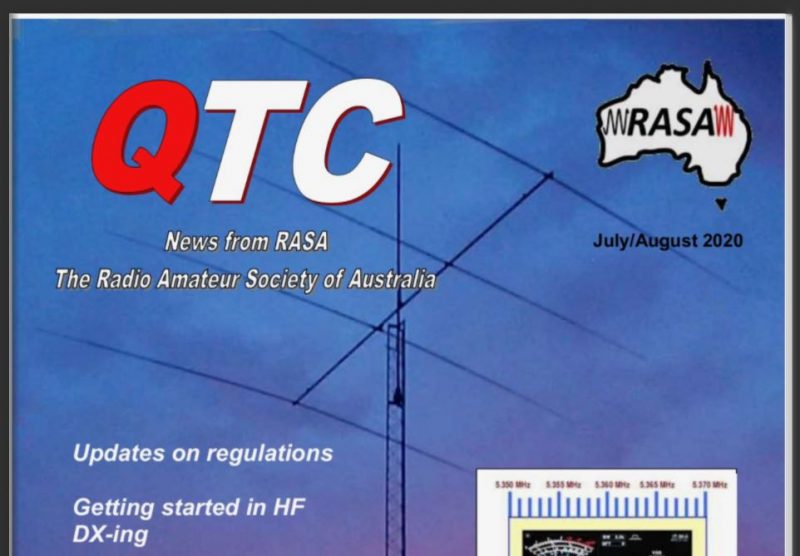
Free issues: RASA QTC Winter and July/August 2020 magazines

Many thanks to SWLing Post contributor, Paul Evans, who notes that The Radio Amateur Society of Australia Inc. has made two issues of their QTC Magazine available to view free online.

Click here to view the free issues of QTC magazine.

Thank you for the tip, Paul!

Can you help Carlos identify this 1982 polytone broadcast?

Many thanks to SWLing Post contributor, Carlos Latuff, who writes:

I have a tape with a recording I made in 1982 while listening to shortwave.

I’m not really sure if I caught some kind of polytone numbers station. Could you or your readers be able to identify it?

Post readers: If you can help Carlos identify this transmission, please comment!