Shortwave listening and everything radio including reviews, broadcasting, ham radio, field operation, DXing, maker kits, travel, emergency gear, events, and more
Many thanks to SWLing Post contributor, Harald Kuhl (DL1ABJ), who clears up a little confusion:
it was reported that ABC Northern Territory Shortwave Services left shortwave for good.
I asked them and they replied they will be back on coming Tuesday:
Dear Mr Kuhl,
Thank you for your note. The service you are referring to will be re-established next Tuesday morning at 9am local time.
Kind Regards,
ABC Reception Advice Communications Networks
Thank you Harald. I, too, have seen a lot of notices on social media that the ABC Northern Territory Shortwave Services had shut down permanently. I had not posted anything here because I couldn’t find any mention or confirmation from ABC. Looks like they’re probably doing routine maintenance.
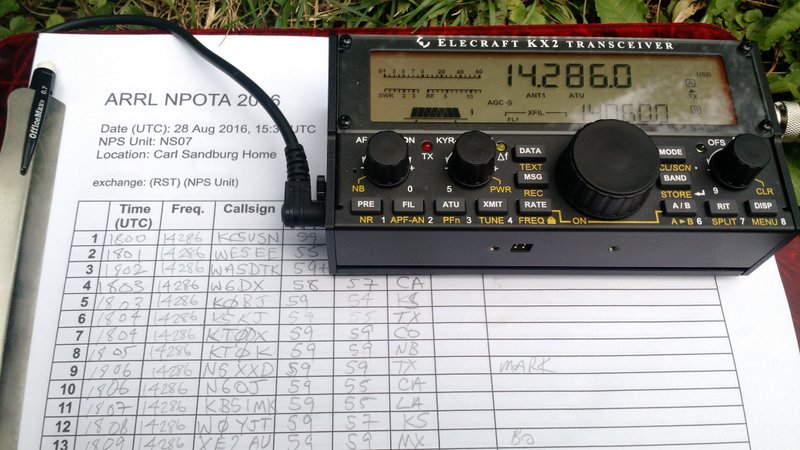
I should be on the air starting sometime between 20:00-20:30 UTC (4:00 – 4:30 PM EDT). I’ll plan to operate SSB on two frequencies: 14286 and 7286 kHz. I should be on the air for one hour or so, if all goes well. Listen for my amateur radio call sign: K4SWL.
It would be fantastic to log some SWLing Post readers. If you do manage to hear my 10 watt signal, or work my station, please comment!
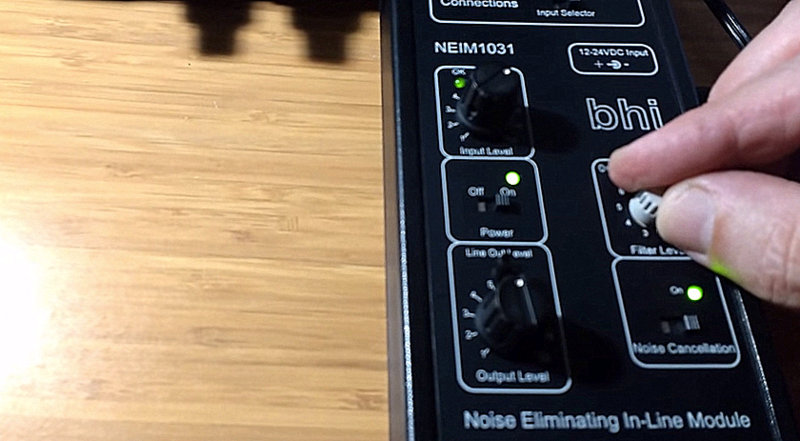
The post reminded me that I had made a small video demonstrating the DSP unit on my FRG7. The video shows me tuning the DSP on a broadcast of Voice of the People on 3912 khz. While QRM at my place isn’t too bad, it’s still present and the DSP does aid in clearing up a signal.
Voice of the People is usually jammed by the DPRK and the DSP also assists in reducing the roar of the jammer. Of course one can go to far with DSP and the audio can suffer from that underwater sound.
Thank you, Phil! The FRG-7 is an ideal receiver for something like the BHI module since it precedes on-board DSP. The great thing about an in-line module, of course, is that it can be used with a variety of receivers.
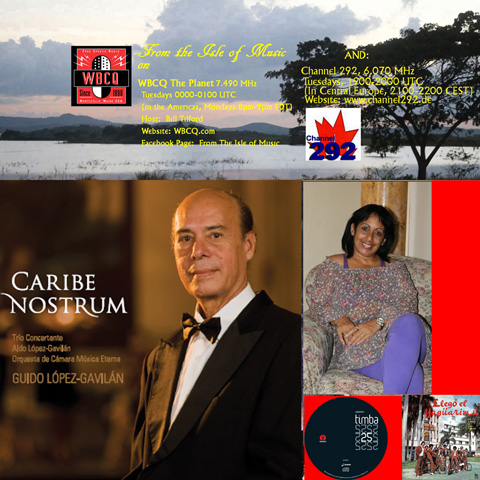
Our September 13 (September 12 in the Americas on WBCQ) program offers more of Caribe Nostrum, winner of Cubadisco 2016 in the Concert and Chamber Music category and one of the two Gran Premio winners. Guido López Gavilán, the Director, will join us to talk about the music. Then, special guest Lourdes Diez will tell us about Timba 25, a future release by EGREM honoring 25 years of Timba. Naturally, we will listen to some of the music from the forthcoming album, and we will play some other excellent dance music from the past.
Two options for listening on shortwave:
WBCQ, 7490 KHz, Tuesdays 0000-0100 UTC
(8pm-9pm EDT Mondays in the Americas)
Channel 292, 6070 KHz, Tuesdays 1900-2000 UTC
(2100-2200 CEST)
Visit our Facebook page for more information.
Many thanks to SWLing Post reader, Rick Slobodian, who writes to request help with the following:
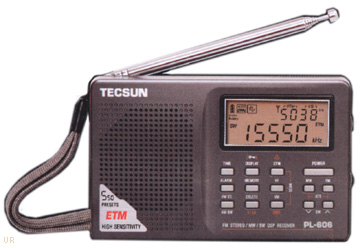
I was on the beach at our lake, [where I was listening to my] Tecsun PL-606 receiver.
[On Friday, August 19, 2016 at 1800 UTC, I noted a] “beeper”: beeps at Hz repetition rate , does not appear to be data, it beeps for about a minute then there is a short data burst then beeping again for a minute or two.
This went on for over an hour.
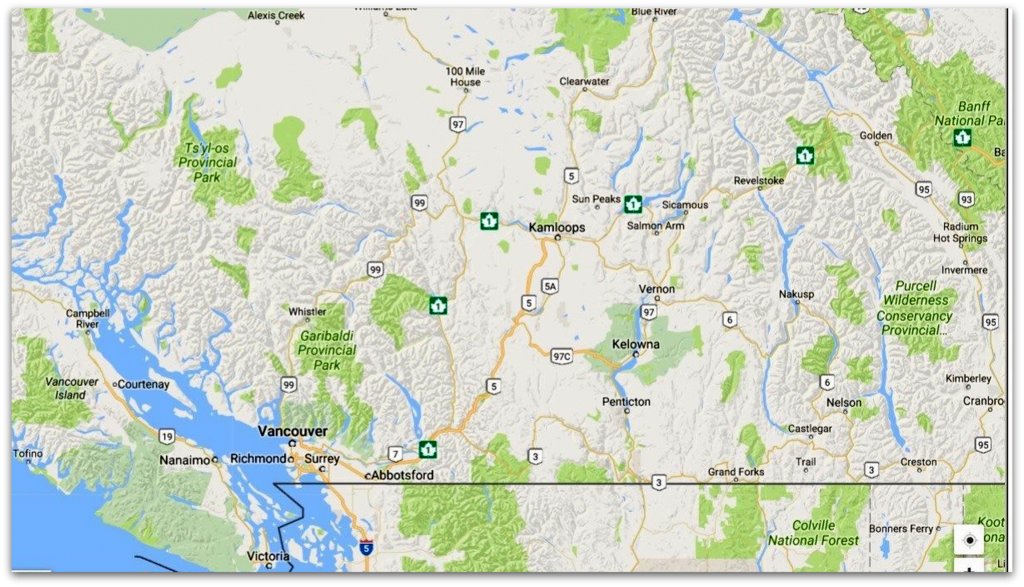
Location of Vernon, British Columbia, Canada (click to enlarge).
[The beeping covered] all frequencies between 13400-13800 kHz. [Then on August 20, it started at] start 1745 UTC and was no longer on 3400-13800 but now on
all frequencies between 12120 -12250.
My ham radio friend says there are a network of stations that send out pings that everyone in the group transmits and everyone receives. The signal strength and phase of the rx signal is correlated at each receiver station, to direction find some unknown station.
Was there such a thing during the cold war, and is it still around? What is this system and where can I find out more about it?
Thanks for your inquiry, Rick. This is outside the scope of what I understand on the HF bands, so I hope SWLing Post readers can chime in and offer suggestions.
Please comment if you can help Rick ID this transmission!