Tag Archives: Modifications

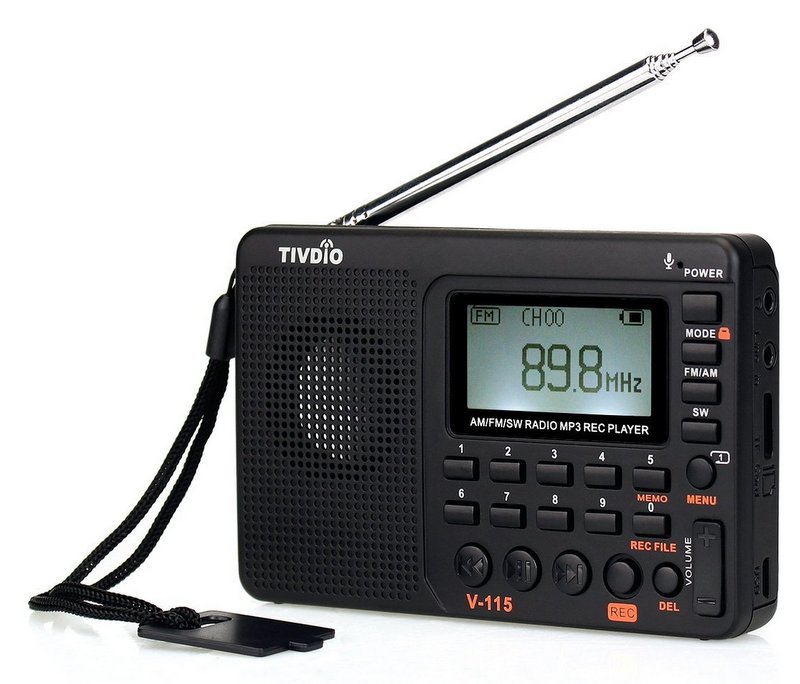
Tivdio V-115: Simple modification to abate internally-generated noise

Many thanks to SWLing Post contributor, Marc Thomas, who shares a link to this site which describes modifications to eliminate the Tivdio V-115’s internal noise.

In a nutshell, the author made two small mods:

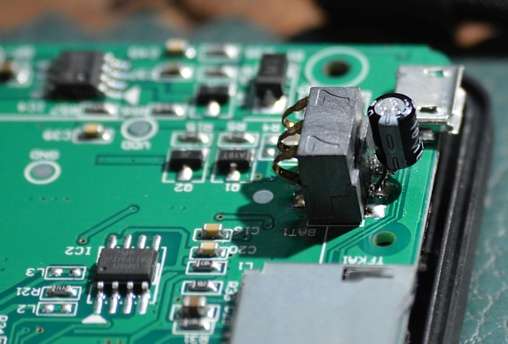
  • Decouple the power/battery with an electrolytic capacitor of around 10uF soldered to the battery connector inside the radio (see photo above)
  • The author also grounded the speaker, but didn’t test to see if this alone had any positive impact

I could not find contact details for the author of this mod, so I hope they don’t mind the fact I shared it here on the SWLing Post.

Note that the Tivdio V-115 is also known as the Audiomax SRW-710S and Kaimeda SRW-710S (and likely rebadged as a number of other models).

Click here to read reviews of this radio.

Retailers:

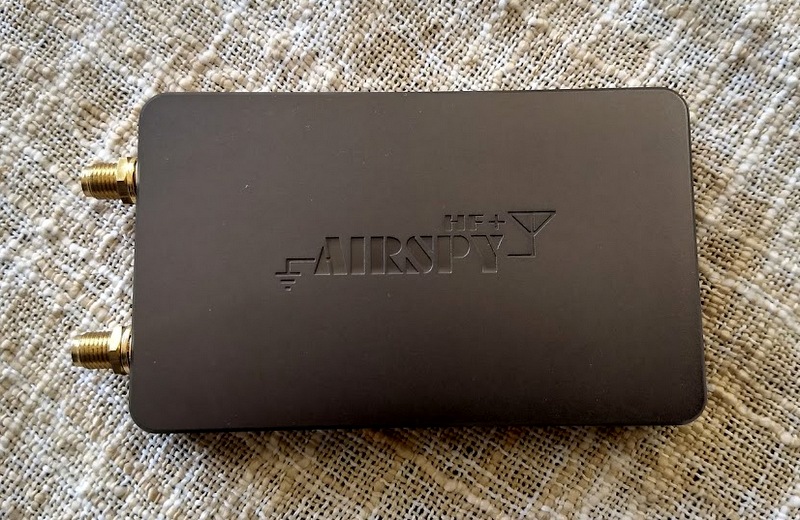
The AirSpy HF+ R3 bypass modification

After SWling Post contributor, Guy Atkins, posted the survey results of his excellent Elad FDM-S2  vs AirSpy HF+ weak signal comparison, I received a few questions about the AirSpy HF+  “R3 Bypass” modification Guy mentioned in his post.

Guy has not yet performed the modification on his HF+–neither have I–but he points out that others have noted it: “significantly boosts sensitivity of the HF+ from longwave up to about 15 MHz, without any noted overload issues.”

I reached out to AirSpy president, Youssef Touil, for a little more insight about this modification. Youssef replied:

During the early phases of the design R3 was a place holder for a 0 ohms resistor that allows experimenters to customize the input impedance. For example:

  • A 300 pF capacitor will naturally filter the LW/MW bands for better performance in the HAM bands
  • A 10µH inductor would allow the use of electrically short antennas (E-Field probes) for MW and LW
  • A short (or high value capacitor) would get you the nominal 50 ohms impedance over the entire band, but then it’s the responsibility of the user to make sure his antenna has the right gain at the right band
  • A custom filter can also be inserted between the SMA and the tuner block if so desired.
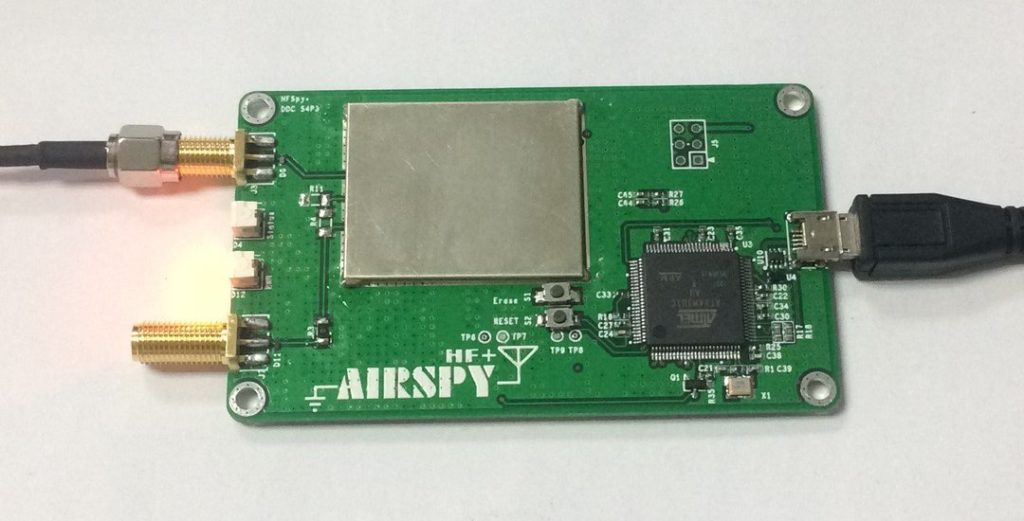
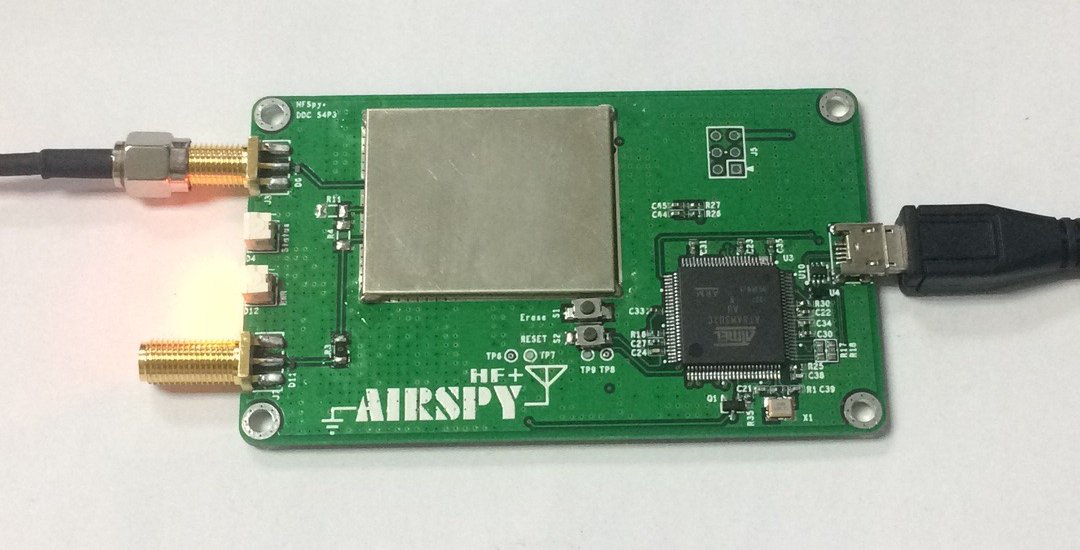
Click to enlarge. (Photo source: RTL-S1DR.com)

R3 and the nearby resistors have been intentionally left outside of the RF shield, and their size was picked to be big enough to allow anyone to play with them. You will notice the size difference with the rest of the components.

In general, unless one knows what he’s doing, it’s not recommended to alter a working system. “If it’s working, don’t fix it”. But, we are hobbyists, and not doing so leaves an uncomfortable feeling of something unachieved. Most brands addressing the hobby market leave some tweaks and even label them in the PCB.

The main purpose of the HF+ is the best possible performance on HF at an affordable price. This is to incite HAMs to get started with this wonderful technology while using an SDR that isn’t worse than their existing analog rig.

The MW/LW/VLF crowd may have slightly different requirements, but that can be addressed by shorting a resistor.

Regards,

Youssef Touil

Thank you, Youssef, for replying to my inquiry so quickly and thoroughly.

No doubt, I too will eventually modify R3–it’s very difficult not to experiment, especially when a product was designed with the experimenter in mind.

I really feel like AirSpy has knocked it out of the ballpark with the HF+. For those of us primarily concerned with HF performance, this SDR is very hard to beat–especially at its $199 price point!

Rolf’s Sony ICF-SW35 mod removes the beep sound

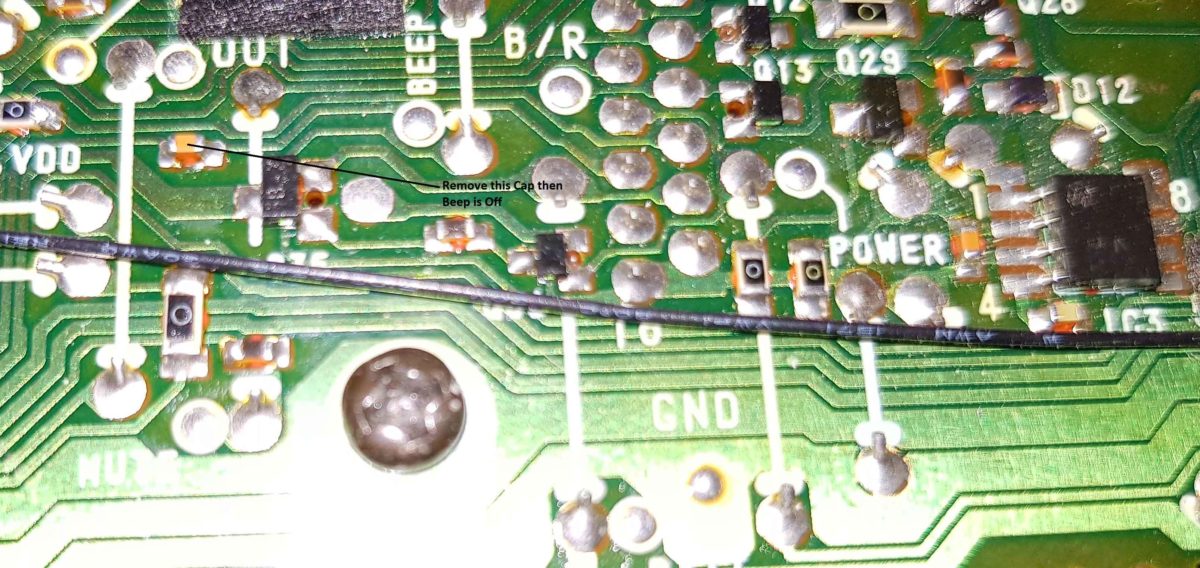
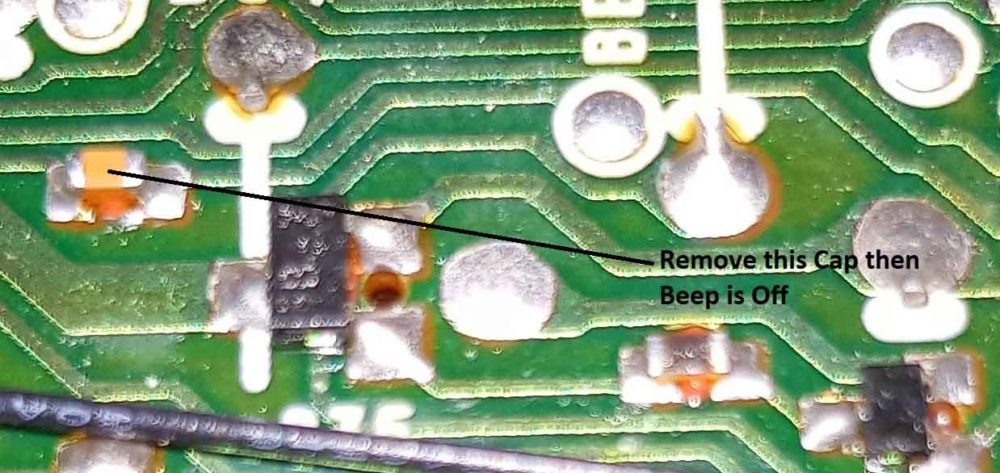
Many thanks to SWLing Post contributor, Rolf Snijder, who shares the following modification for the Sony ICF-SW35. The mod is very simple: remove one capacitor.

Rolf shows the capacitor location on the following images:

Click to enlarge.

Click to enlarge.

Thanks, once again, for sharing your modifications, Rolf!

Rolf’s LED backlight mod for Sony ICF-SW35

Many thanks to SWLing Post contributor, Rolf Snijder, who writes:

This is a simple LED backlight modification for the Sony ICF-SW35.

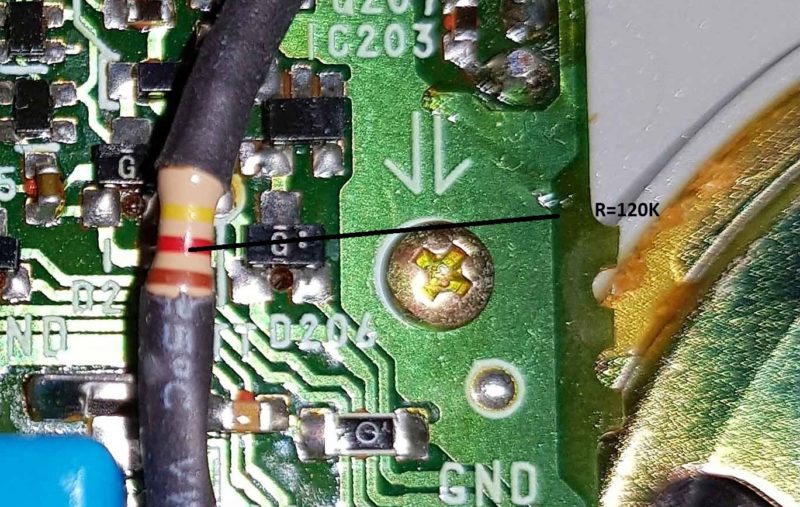
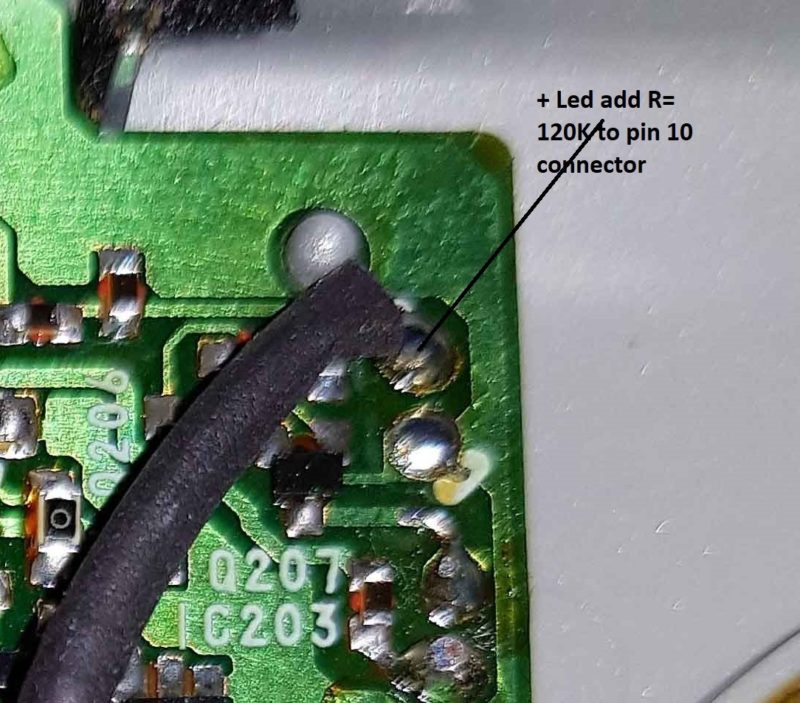
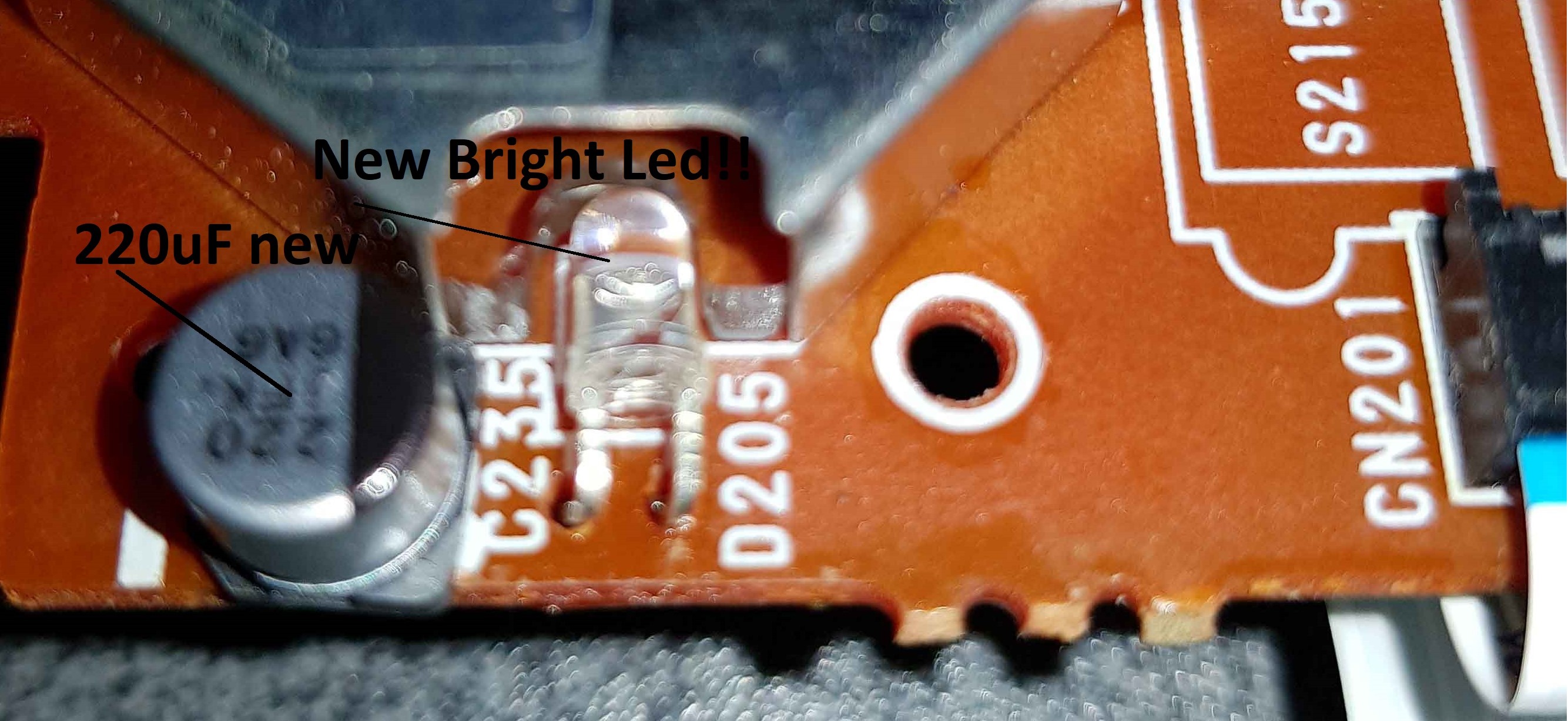
Simply add a 120K resistor and a bright LED:

Overview of resistor placement. (Click to enlarge)

Detail of Pin 10 (Click to enlarge)

Detail of resistor. (Click to enlarge)

Detail of Pin 10 (Click to enlarge)

Detail of LED placement–replacement of capacitor is not necessary. (Click to enlarge)

When you push the backlight switch, the light stays on.

When radio is turned off, the light goes off–then push light switch and backlight will stay on for 15 seconds or so.

Thanks for sharing this simple mod, Rolf!

a.bsolument: Converting radios from vintage valve into boutique Bluetooth

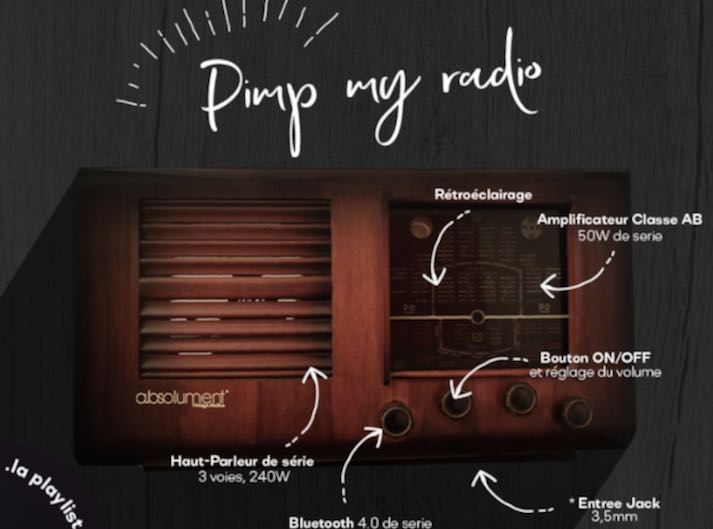
Many thanks to SWLing Post contributor, Kim Elliott, who shares this link to a French company called a.bsolument who specializes in converting vintage valve radios into hi-fidelity Bluetooth-connected audio devices.

According to a.solument’s introduction video, they take vintage radios in disrepair, gut the insides and replace the components with modern hardware which includes Bluetooth 4.0 and aux-in capabilities:

https://vimeo.com/87657532

While I LOVE vintage radios, I have conflicting feelings about this process.

I take pride in keeping my vintage gear in proper working order (through the help of a mentor). Something that simply cannot be replicated with digital hardware is the sound and warm fidelity of AM audio emanating from a valve classic. At home, I have the option of feeding all of my vintage gear Bluetooth and wireless connectivity via an AM transmitter. This allows me to play any digital content while preserving the original audio fidelity (and warming my radio room with those glowing tubes!).

With that said, I’m very much aware that it’s becoming increasingly difficult for the average consumer to find a technician who can repair tube gear affordably. Indeed, some feel it’s impossible thus toss their family radio in the trash.

If a.bsolument is giving vintage beauties–that would otherwise be in a landfill–a new lease on life, then I’m all for it!

What do you think?  Please comment!

Rolf’s PL-680 modification allows external antenna on LW and MW

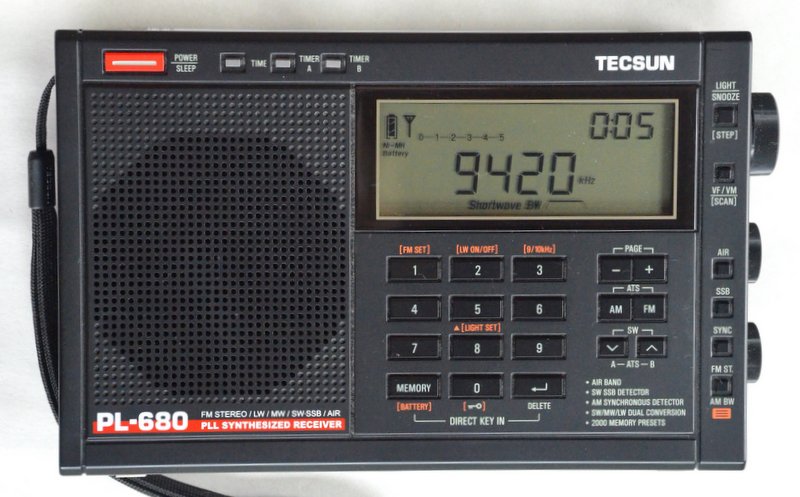
The Tecsun PL-680

Many thanks to SWLing Post contributor, Rolf Snijder, who writes:

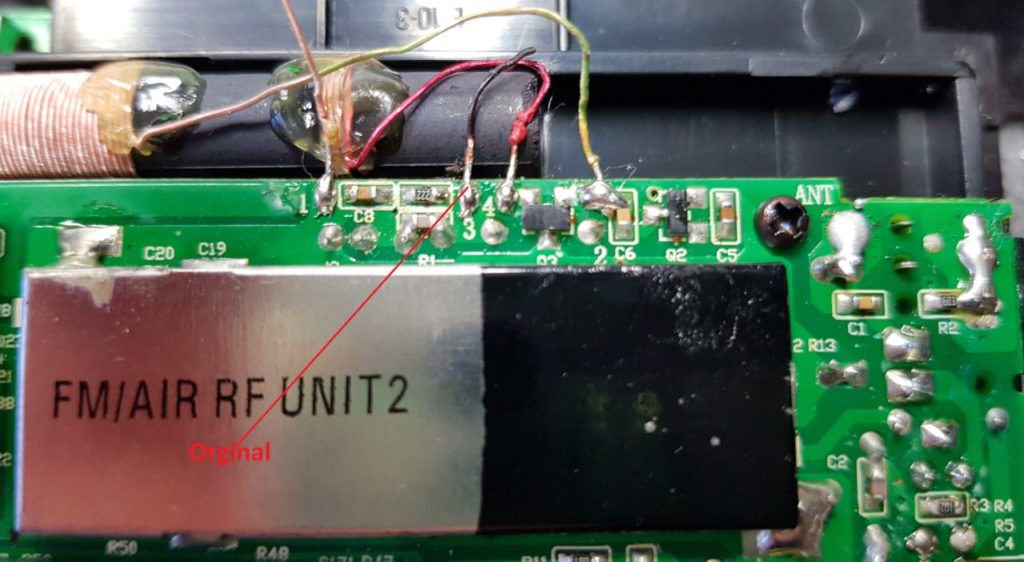
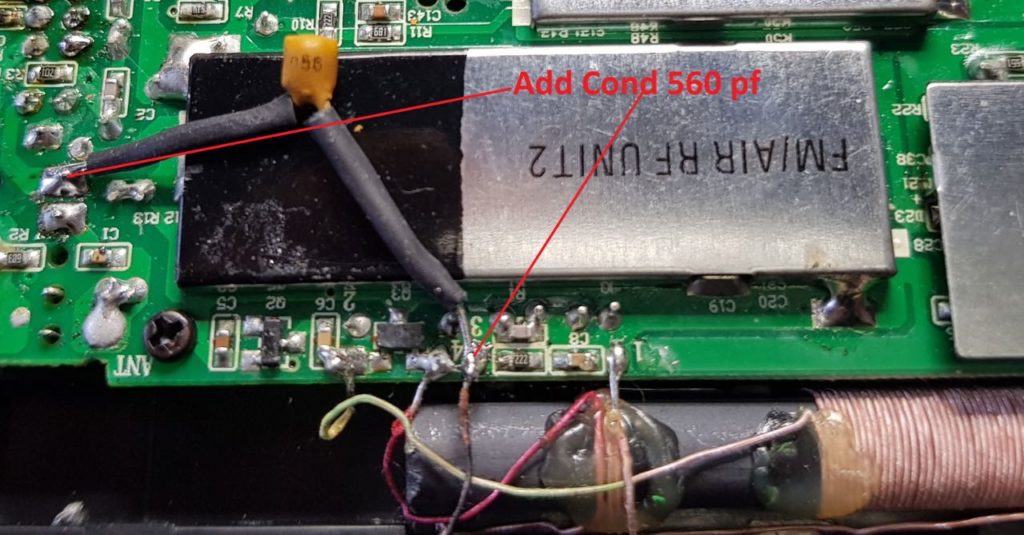
I did a modification today on the Tecsun PL-680 [which allows for an] external antenna on LW and MW.

The internal ferriet is also working, but on my active loop, MW and LW is now working !

So far away stations I can now receive on this portable radio.
It is only a560 pF capacitor added!

Click to enlarge.

Click to enlarge.

It works on LW and MW now with this mod.

FM is less now I think, maybe I will put it on a switch so I can turn it off.
And now also the ferrite is still working, so I hope to find a solution for that.

Many thanks for sharing your modification and photos, Rolf! Check out Rolf’s other PL-680 mod by clicking here.

Tecsun PL-300 series modification: disabling soft mute

Many thanks to SWLing Post contributor, Troy Riedel, who shares the following tip. Troy writes:

While surfing the Net I found the following procedure that is said to “disable soft muting in Tecsun 300-series radios”.

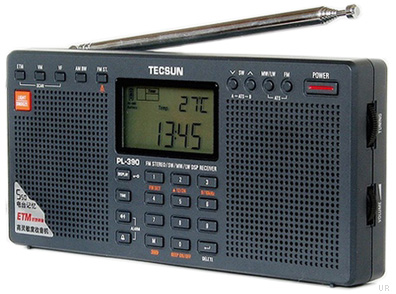
I have a PL-390 and this has indeed seemed to work on it but I didn’t notice a difference with my PL-365.

Since I just found & tried this, I don’t know if this procedure must be repeated each time you use the radio? Maybe [Post readers] have heard of this before and/or have experience with it?

Here is the “reported” [supposed?] procedure that worked for the PL-390:

To disabling “Soft Mute” on Tecsun 300-series radios:

1. Select a shortwave frequency, preferably where there is no stations transmitting.
2. Tune down the frequency range with the dial, don’t tune up or it won’t work
3. Press the VF Scan button to let it automatically tune down
4. Tune down with the dial to stop the automatic scan. If the background noise is higher, then the “soft mute” / “dynamic squelch” has been disabled.

Thank you, Troy! I was unaware of this modification, but it seems easy enough to implement.

Post readers: Anyone have experience using this mod across the Tecsun 300-series receivers? Please comment!