Shortwave listening and everything radio including reviews, broadcasting, ham radio, field operation, DXing, maker kits, travel, emergency gear, events, and more
Radio played a key role in the propaganda campaigns of Nazi Germany. The most notorious personality in this radio war was William Joyce, or ‘Lord Haw-Haw’ – who came to be known as the English voice of Nazi Germany. But he wasn’t alone in this effort.
Professor Jo Fox of Durham University discovers the lost transcripts of Radio Caledonia, a ‘secret station’ designed to disseminate defeatist propaganda to the people of Scotland and sow seeds of dissent among its listeners. Set up by the German Propaganda Ministry in 1940, the presenter was Scottish national Donald Grant.
Jo Fox examines the Nazis’ attempts to appeal to Scottish nationalist feeling through these broadcasts and asks why, unlike Joyce, Donald Grant was spared execution.
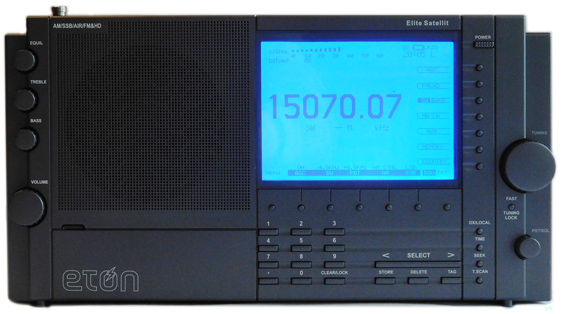
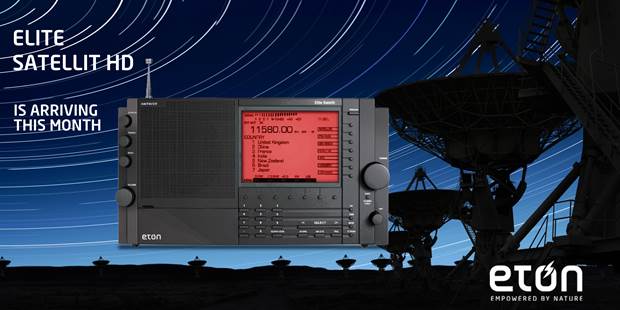
As the Eton Elite Satellit comes closer to fruition, I’ve gotten a lot of questions and comments from readers about the price retailers are publishing. Here they are so far (all in USD):
Even the lowest price ($599.99 via Universal) is no trivial amount for most of us.
That said, the pricing doesn’t surprise me.
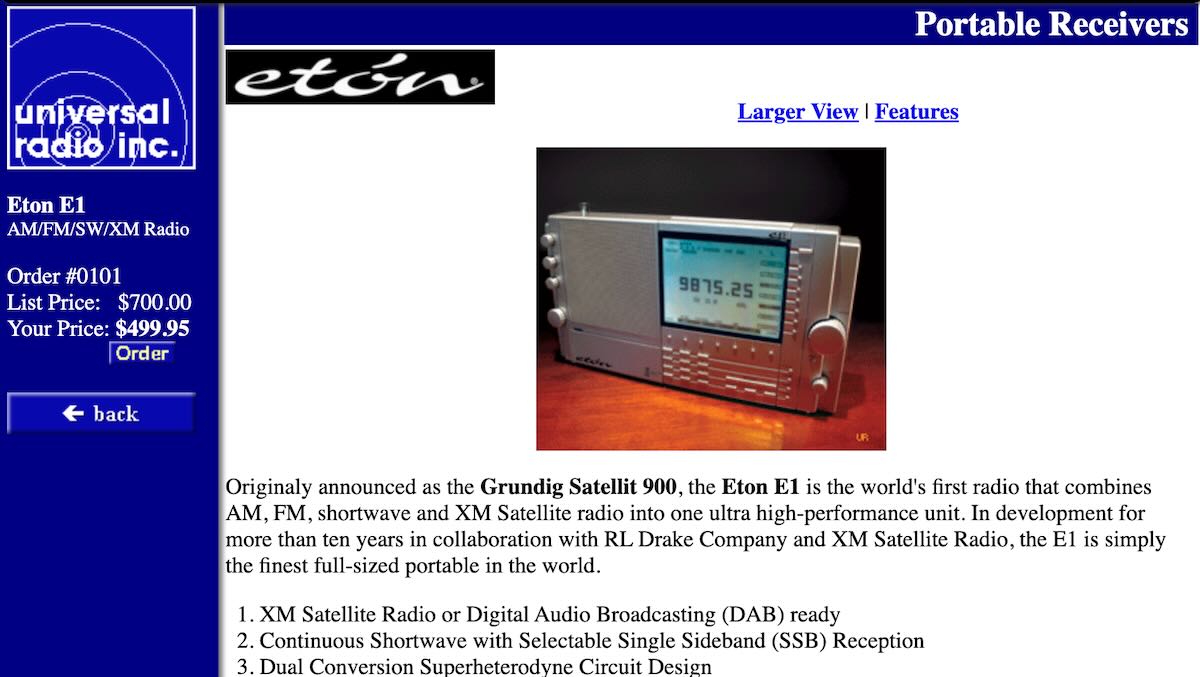
Back in 2005 when this radio’s predecessor, the Eton E1/XM, finally hit the market, it was sold for $499.95. Here’s a screenshot from Universal’s site in 2005 courtesy of the Wayback Machine:
According to the Bureau of Labor Statists, $499.95 in June 2005 has the same buying power as $751.33 in May 2022. If we add to that the recent elevated prices for many radio/electronic goods due to increased component cost and availability of chips, frankly I’m a little surprised Eton’s even able to release a new product this of all years. These aren’t easy days for electronics manufacturers. Then again, Eton has been producing radios for decades and obviously knows the manufacturing landscape quite well.
When I first learned about the new Elite Satellit, you could have painted me seven shades of surprised. With the advent of inexpensive high-performance SDRs, affordable DSP portables, and knowing full well the shortwave portable radio market is on the decline (in terms of customer numbers), I would have never guessed a new enthusiast-grade portable would be introduced.
My hope is that the Elite Satellit will deliver the performance we all want. I firmly believe that high-performance, quality gear enriches the hobby as a whole.
Many have also commented about Universal Radio especially since they officially closed their brick and mortar store near Columbus, Ohio in November 2020. Fred Osterman mentioned to customers at the time that Universal would still be selling books, parts, and some accessories online, but they would no longer carry inventory like ham radio transceivers.
Universal will be an authorized distributor of the Eton Satellit Elite and I wouldn’t hesitate purchasing from them. I suspect Fred and Barbara made an exception for Eton because they’ve been such a long-term distributor (dating back to the 1980s). I also think Universal will continue being a limited online retailer at least into 2023 or even beyond. Eton will fully back a warranty from products purchased at Universal regardless.
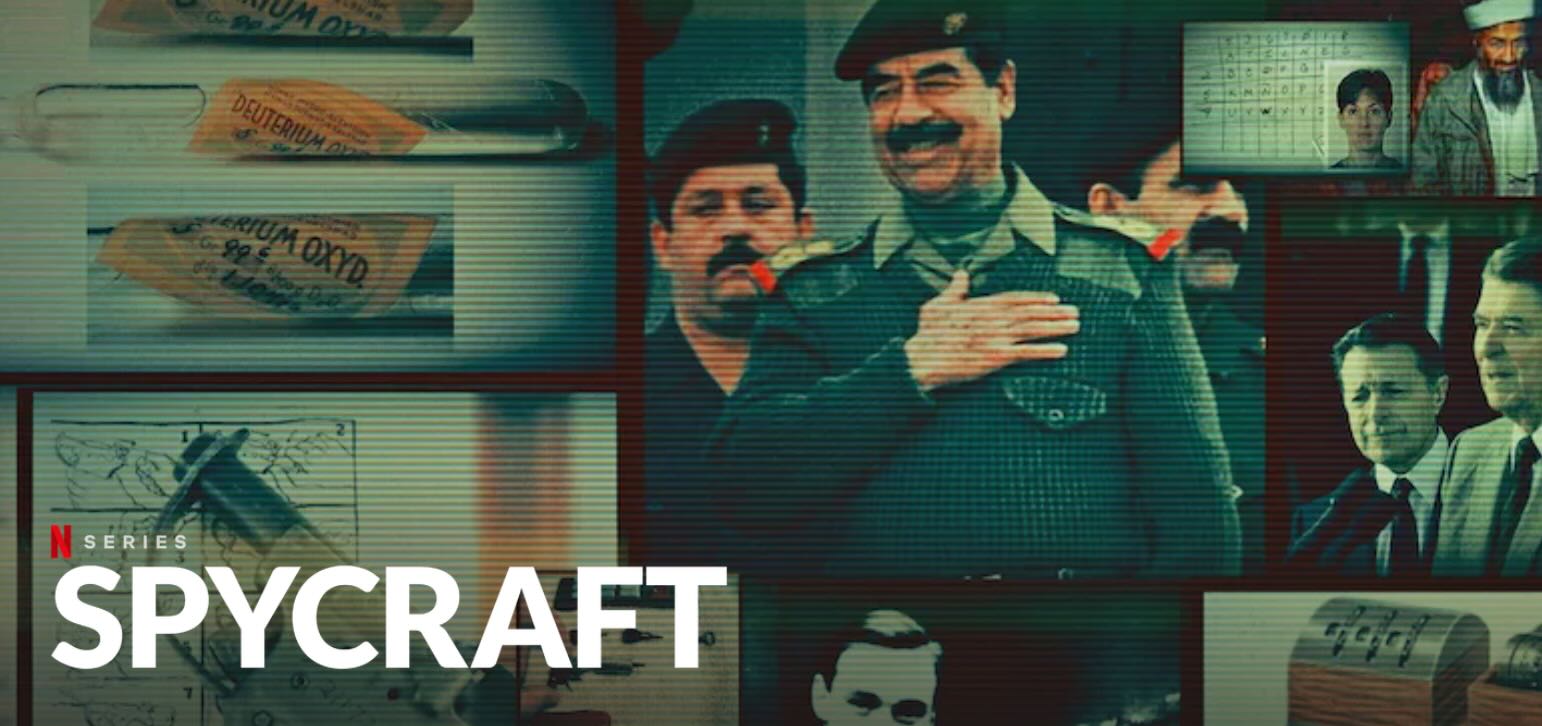
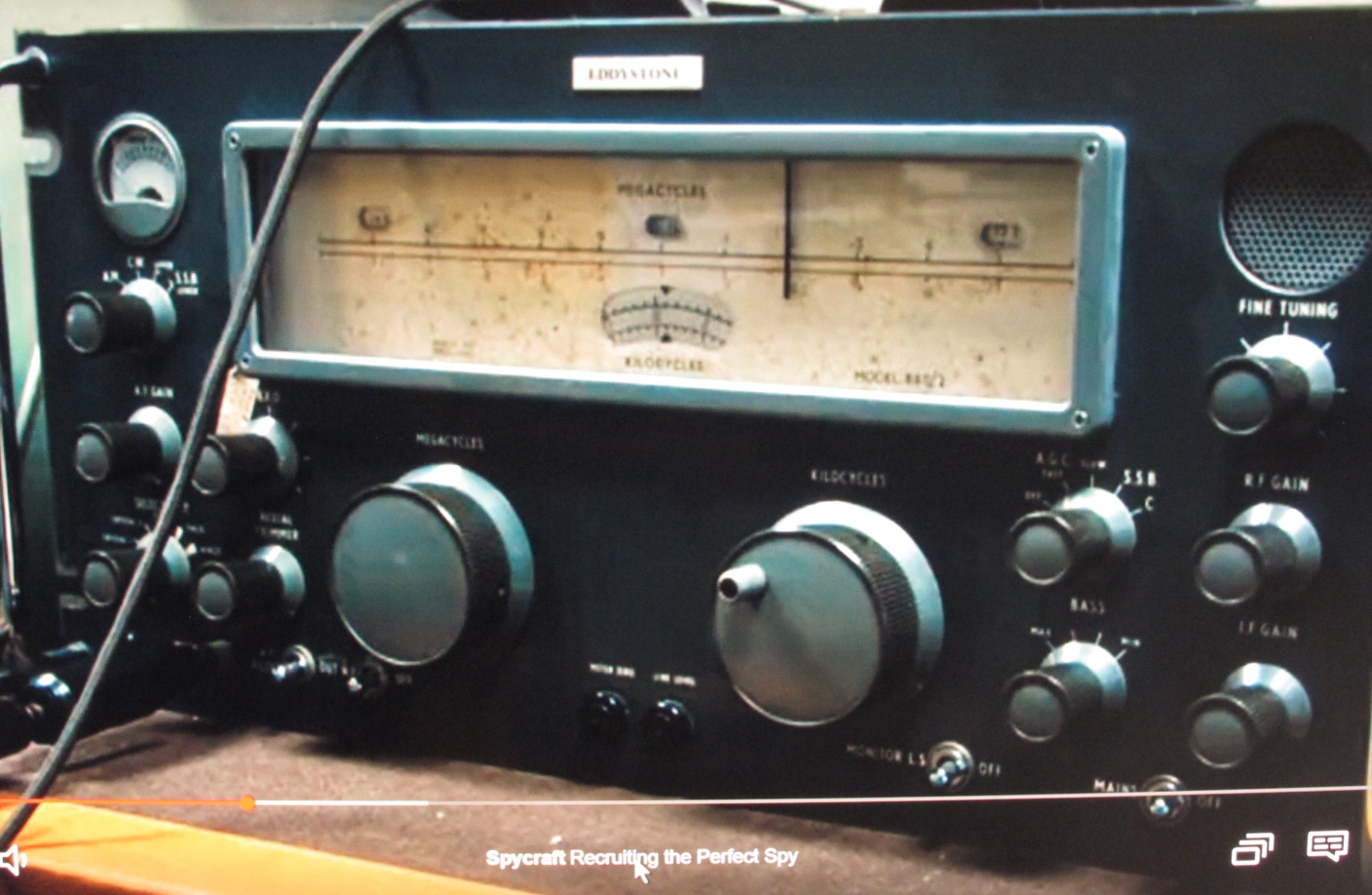
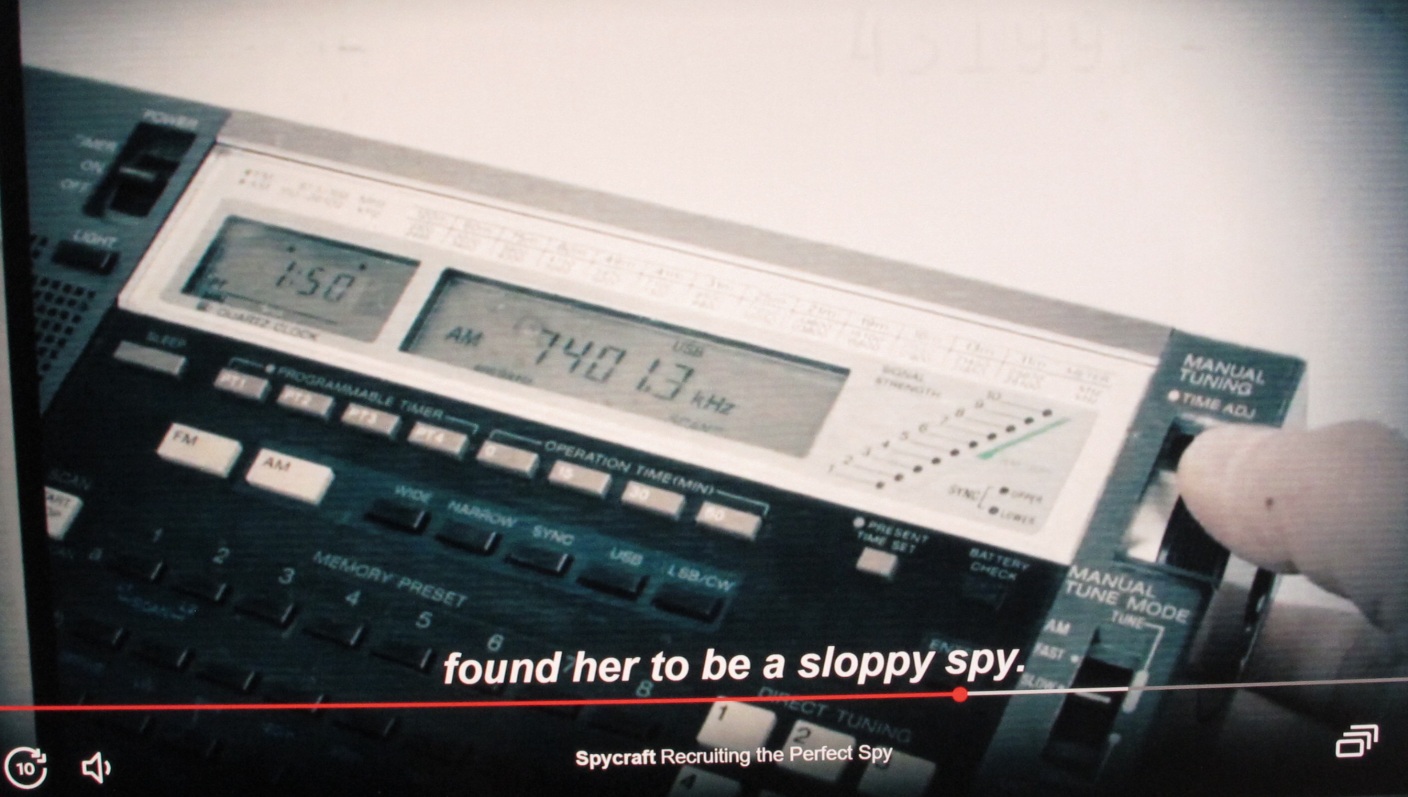
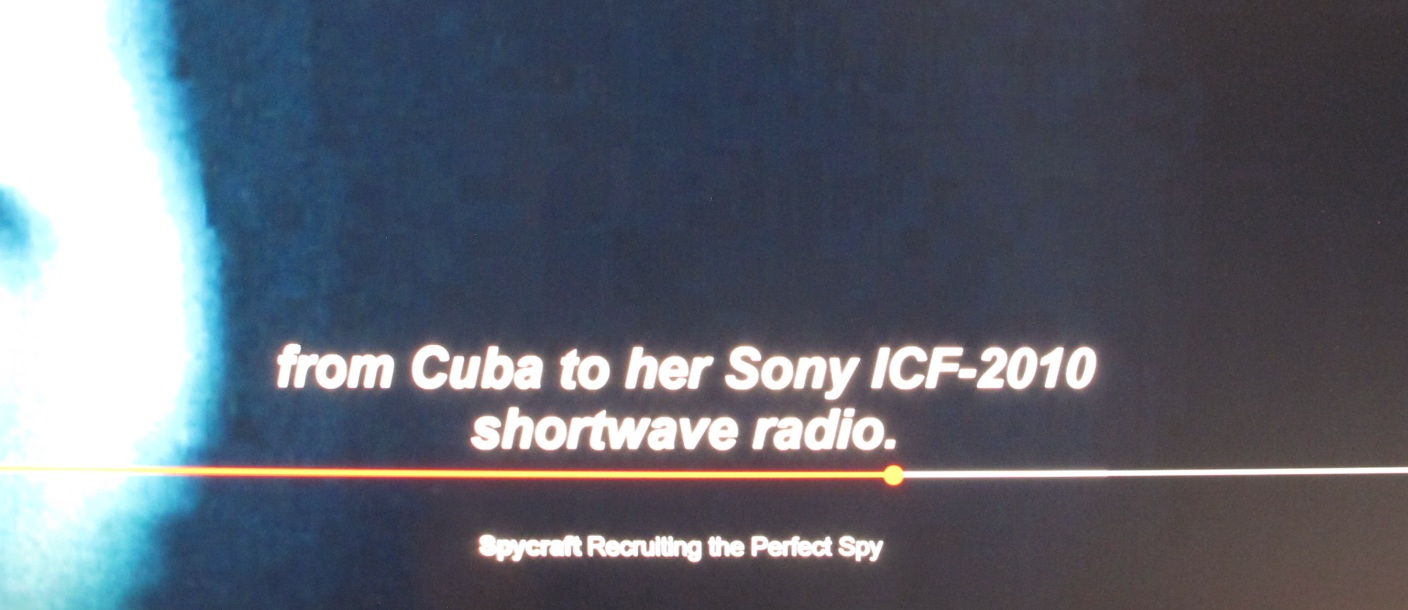
I first spotted this lovely 880 Eddystone receiver but coming into the ~20 min was the story of the ICF-2010 and how an American spy for Cuba used it to receive the “numbered” code massages.
Later on there is nice illustration how the code was used.
There are few other radios pop here and there on this documentary as you can expect from the Spy Craft .
73’s Adi
Thank you so much, Adi! Some years ago, I actually read the book upon which I believe this series was based. Many thanks for the tip!
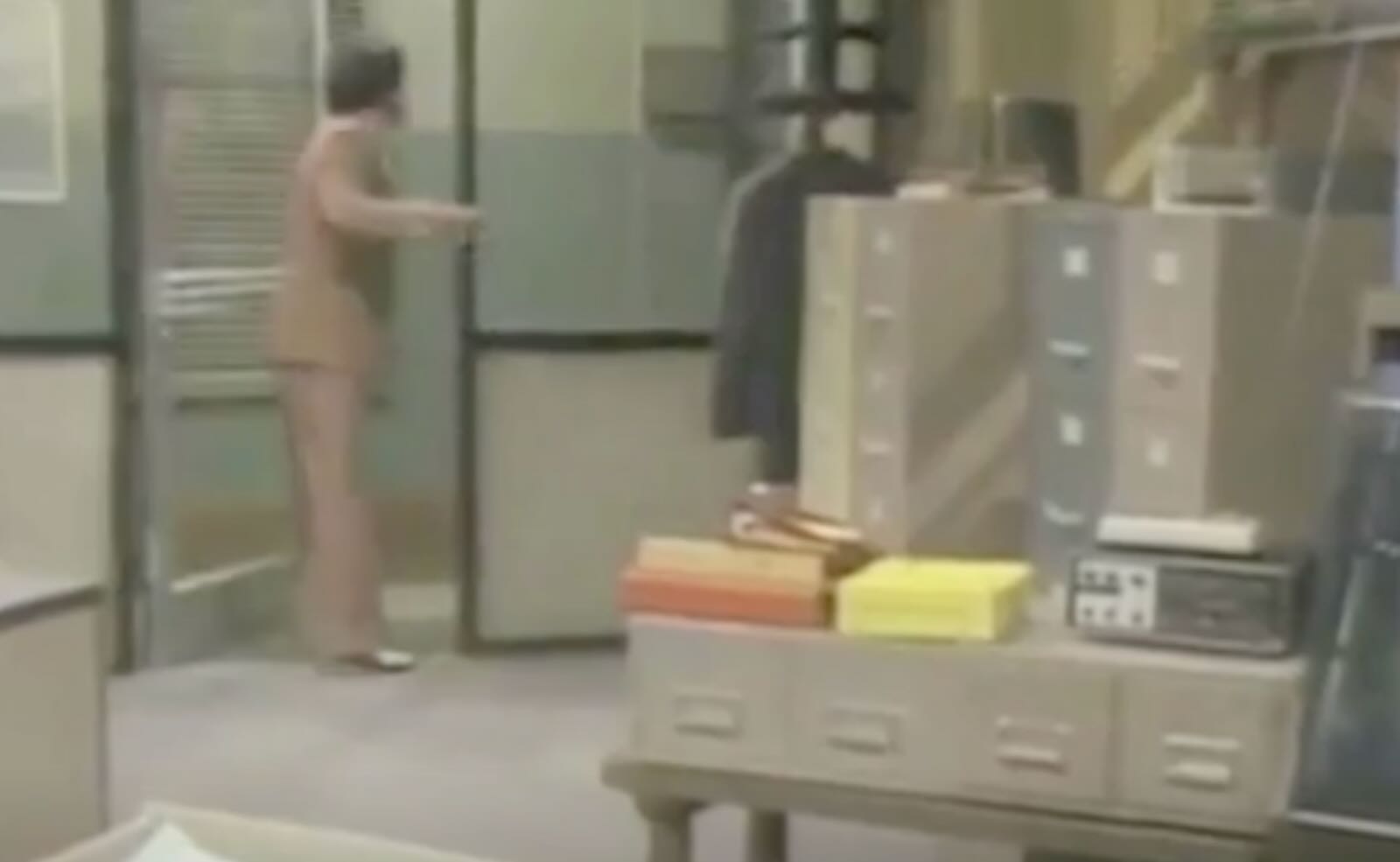
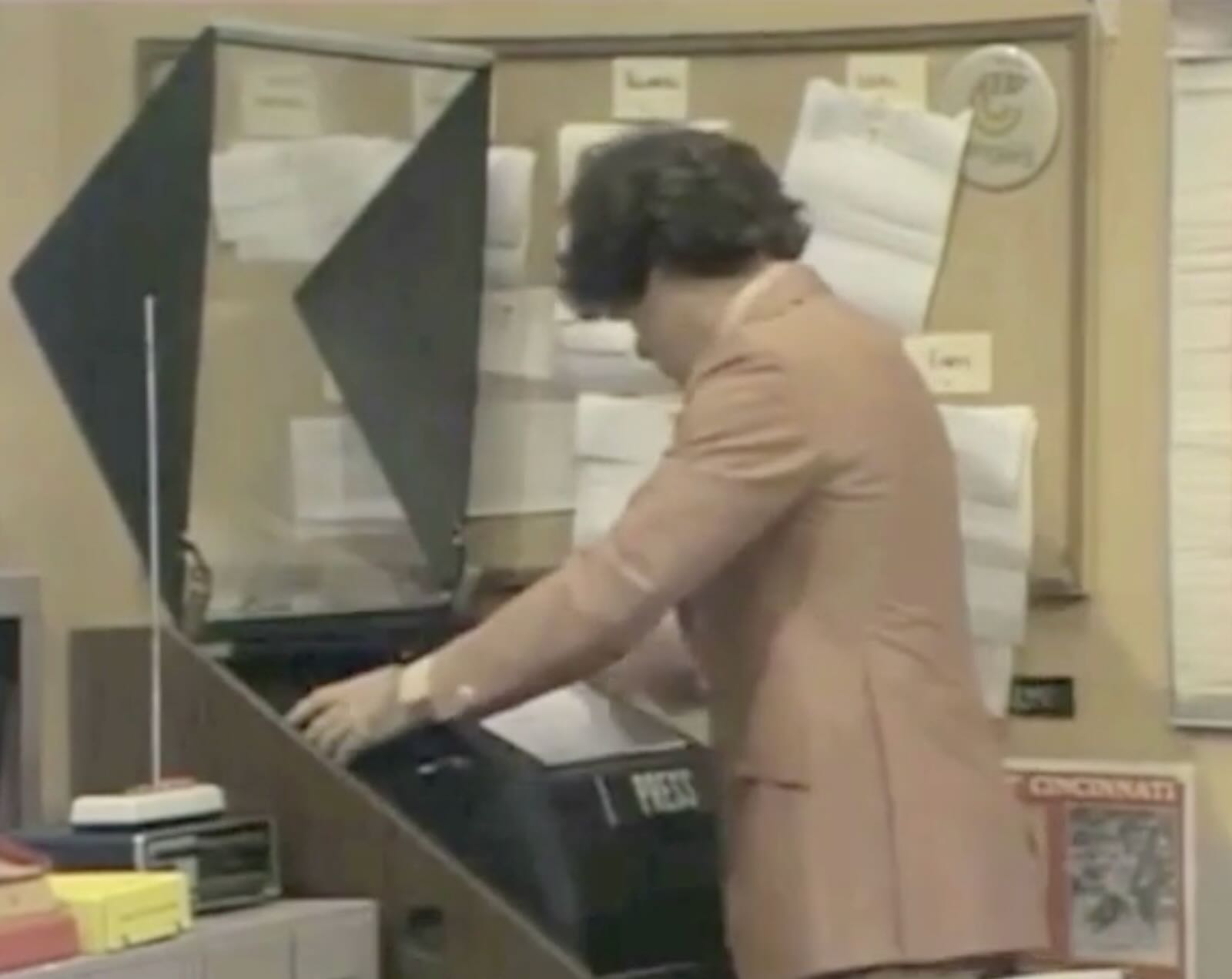
“The station staff finds themselves in danger when Herb unplugs a teleprinter just as it is receiving a local tornado warning.”
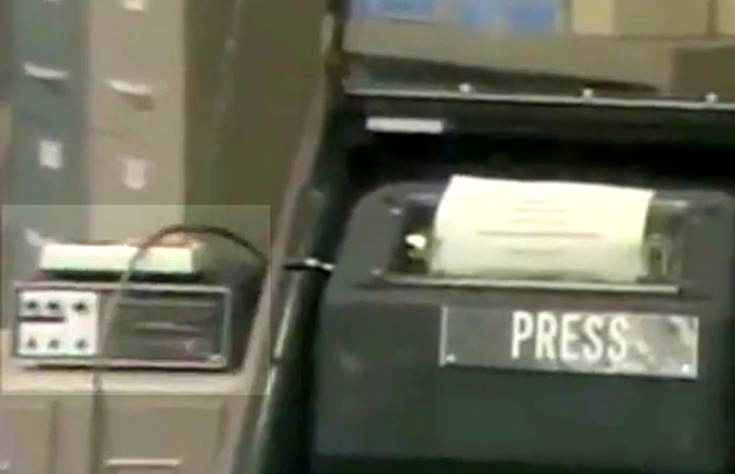
Look for the Radio Shack Realistic PRO-16 (cat no. 20-165) scanner receiver at 35:15 in this dual episode “Internet Archive” video. A Midland 13-902 weather radio sits on top of the PRO-16 scanner.
Dave Zantow N9EWO
Janesville WI
Sharp eyes there, Dave! Thank you for sharing this! WKRP is classic!
Every so often, our star fires off a plasma bomb in a random direction. Our best hope the next time Earth is in the crosshairs? Capacitors.
TO A PHOTON, the sun is like a crowded nightclub. It’s 27 million degrees inside and packed with excited bodies—helium atoms fusing, nuclei colliding, positrons sneaking off with neutrinos. When the photon heads for the exit, the journey there will take, on average, 100,000 years. (There’s no quick way to jostle past 10 septillion dancers, even if you do move at the speed of light.) Once at the surface, the photon might set off solo into the night. Or, if it emerges in the wrong place at the wrong time, it might find itself stuck inside a coronal mass ejection, a mob of charged particles with the power to upend civilizations.
The cause of the ruckus is the sun’s magnetic field. Generated by the churning of particles in the core, it originates as a series of orderly north-to-south lines. But different latitudes on the molten star rotate at different rates—36 days at the poles, and only 25 days at the equator. Very quickly, those lines stretch and tangle, forming magnetic knots that can puncture the surface and trap matter beneath them. From afar, the resulting patches appear dark. They’re known as sunspots. Typically, the trapped matter cools, condenses into plasma clouds, and falls back to the surface in a fiery coronal rain. Sometimes, though, the knots untangle spontaneously, violently. The sunspot turns into the muzzle of a gun: Photons flare in every direction, and a slug of magnetized plasma fires outward like a bullet.
The sun has played this game of Russian roulette with the solar system for billions of years, sometimes shooting off several coronal mass ejections in a day. Most come nowhere near Earth. It would take centuries of human observation before someone could stare down the barrel while it happened. At 11:18 am on September 1, 1859, Richard Carrington, a 33-year-old brewery owner and amateur astronomer, was in his private observatory, sketching sunspots—an important but mundane act of record-keeping. That moment, the spots erupted into a blinding beam of light. Carrington sprinted off in search of a witness. When he returned, a minute later, the image had already gone back to normal. Carrington spent that afternoon trying to make sense of the aberration. Had his lens caught a stray reflection? Had an undiscovered comet or planet passed between his telescope and the star? While he stewed, a plasma bomb silently barreled toward Earth at several million miles per hour. [Continue reading at Wired…]
The following article is an original work published by the Information Professionals Association. Opinions expressed by authors are their own, and do not necessarily reflect the views of or endorsement by the Information Professionals Association.
By Tom Kent
As Vladimir Putin tightens his stranglehold on what his citizens see and hear, will radio once again become an effective way to get outside voices into Russia?
For the time being, U.S. broadcasting officials believe the best way to get their content to Russia’s population is still through the internet, despite all of Putin’s attempts to control it. Activists in the United States and Europe, however, are convinced that in a wartime situation, those wanting to reach Russians should be trying everything – including shortwave radio, the mainstay of Cold War broadcasting by the Voice of America (VOA) and Radio Free Europe/Radio Liberty (RFE/RL).
The U.S. government’s reluctance to return to shortwave has led to the odd spectacle of American volunteers taking broadcasting into their own hands. Activists have crowdfunded projects to transmit on shortwave channels programs produced by VOA and RFE/RL that the government declines to broadcast with its own transmitters.
Shortwave broadcasting uses high frequencies that can reach across continents. During Soviet rule, VOA, RFE/RL, the British Broadcasting Corporation (BBC) and other stations used shortwave to punch news, religious programs and forbidden Western music through the Iron Curtain. Soviet jamming stations tried to drown out the broadcasts, but much of the content got through.
With the collapse of the Soviet Union and the rise of the internet in Russia, foreign shortwave broadcasting tapered off. Boris Yeltsin let RFE/RL open local stations in some 30 Russian cities, but under Putin they were forced to close because of Russian laws. The United States then switched its radio and video services for Russians almost entirely to the web and social networks.
Since the war began, however, Russian authorities have increasingly blocked from the internet any content that criticizes the war or Putin’s rule. Many Russians use VPNs and other software to get around the blocks, and have come to the US broadcasters’ websites and social network feeds in droves. But Russian officials are working feverishly to block these circumvention tools, and may be able to determine which citizens are using them. [Continue reading on the IPA website…]
With music consumption having long ago moved to a streaming model in many parts of the world, it sometimes feels as though, just like the rotary telephone dial, kids might not even know what a radio was, let alone own one. But there was a time when broadcasting pop music over the airwaves was a deeply subversive activity for Europeans at least, as the lumbering state monopoly broadcasters were challenged by illegal pirate stations carrying the cutting edge music they had failed to provide. [Ringway Manchester] has the story of one such pirate station which broadcast across the city for a few years in the 1970s, and it’s a fascinating tale indeed.
It takes the form of a series of six videos, the first of which we’ve embedded below the break. The next installment is placed as an embedded link at the end of each video, and it’s worth sitting down for the full set.
The action starts in early 1973 when a group of young radio enthusiast friends, left without access to a station of their taste by Government crackdowns on ship-based pirate stations, decided to try their hand with a land-based alternative. Called Radio Aquarius, it would broadcast on and off both the medium wave (or AM) and the FM broadcast bands over the next couple of years. Its story is one of improvised transmitters powered by car batteries broadcasting from hilltops, woodland, derelict houses, and even a Cold War nuclear bunker, and develops into a cat-and-mouse game between the youths and the local post office agency tasked with policing the spectrum. Finally having been caught once too many times, they disband Radio Aquarius and go on to careers in the radio business.
The tale has some tech, some social history, and plenty of excitement, but the surprise is in how innocent it all seems compared to the much more aggressively commercial pirate stations that would be a feature of later decades. We’d have listened, had we been there!
Eton dealer “Universal Radio” in Ohio USA is accepting orders as of June 28, 2022 for the Eton Elite Satellit ($ 599.99 + $ 14.95 USA shipping, sorry Universal will NOT ship outside the USA) for late July 2022 delivery. The new Eton Elite Executive HD ($ 249.99 tentative) is now listed for November 2022 release (sorry no pre-orders are being accepted yet).
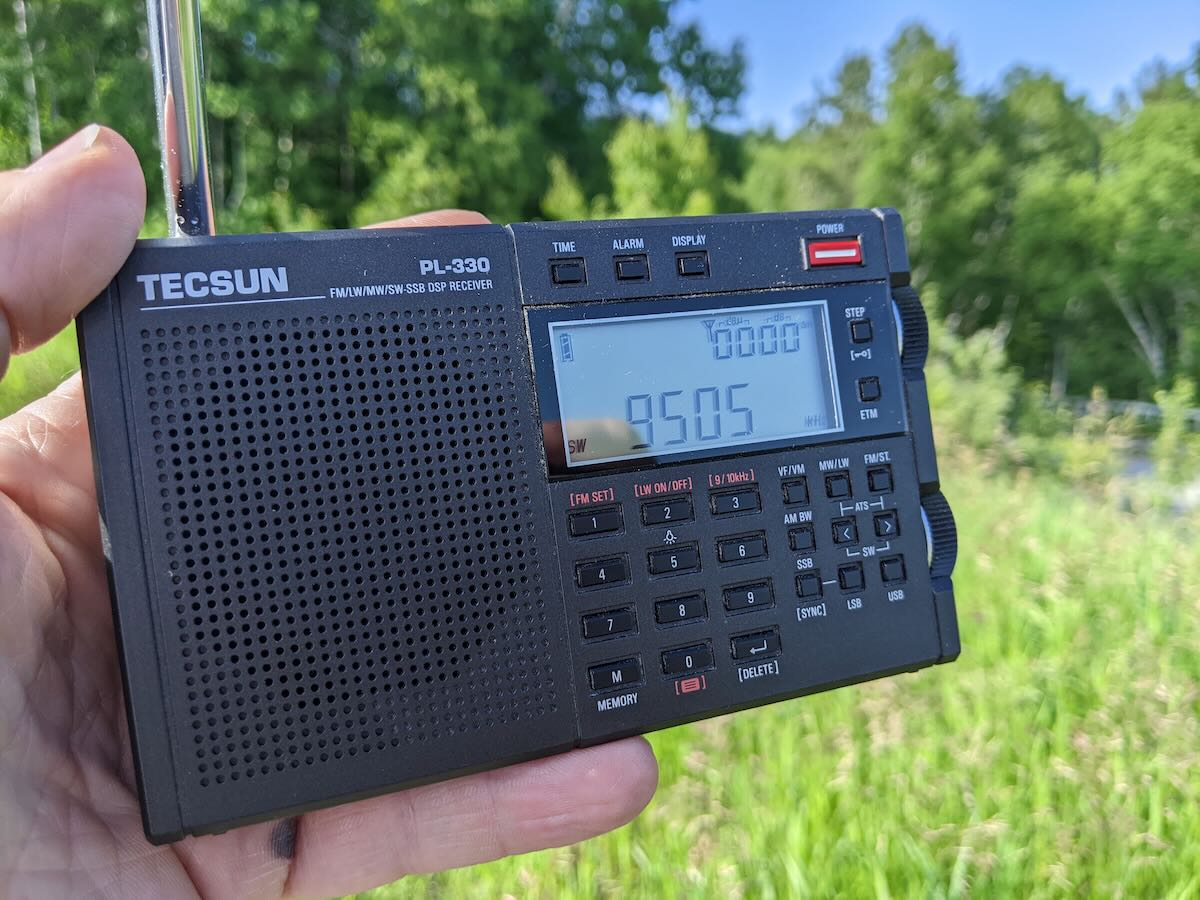
I received a message from a reader recently regarding the Tecsun PL-330. They pointed out that Tecsun listed the PL-330 as “Discontinued” but I’ve confirmed that this is not the case. This is simply a poor translation/word choice.
The PL-330 is still very much in production, however I also learned the global chip shortage is hitting Tecsun (and most other radio manufactures) quite hard right now.
I checked with Anna at Anon-Co and she confirmed that they still have inventory of the PL-330 and other Tecsun models, but the chip shortage will almost certainly affect radio availability once her existing inventory is depleted.
I follow economic news pretty closely and most experts agree that the chip shortage may create issues for the next year or even two. Indeed, there’s even a shortage of “chips to make chips.”
No worries and no need to panic, though, as we’ll get through this. I would suggest not waiting to bite the bullet if you’ve been planning to purchase a new DSP-based portable radio in the nearish future.
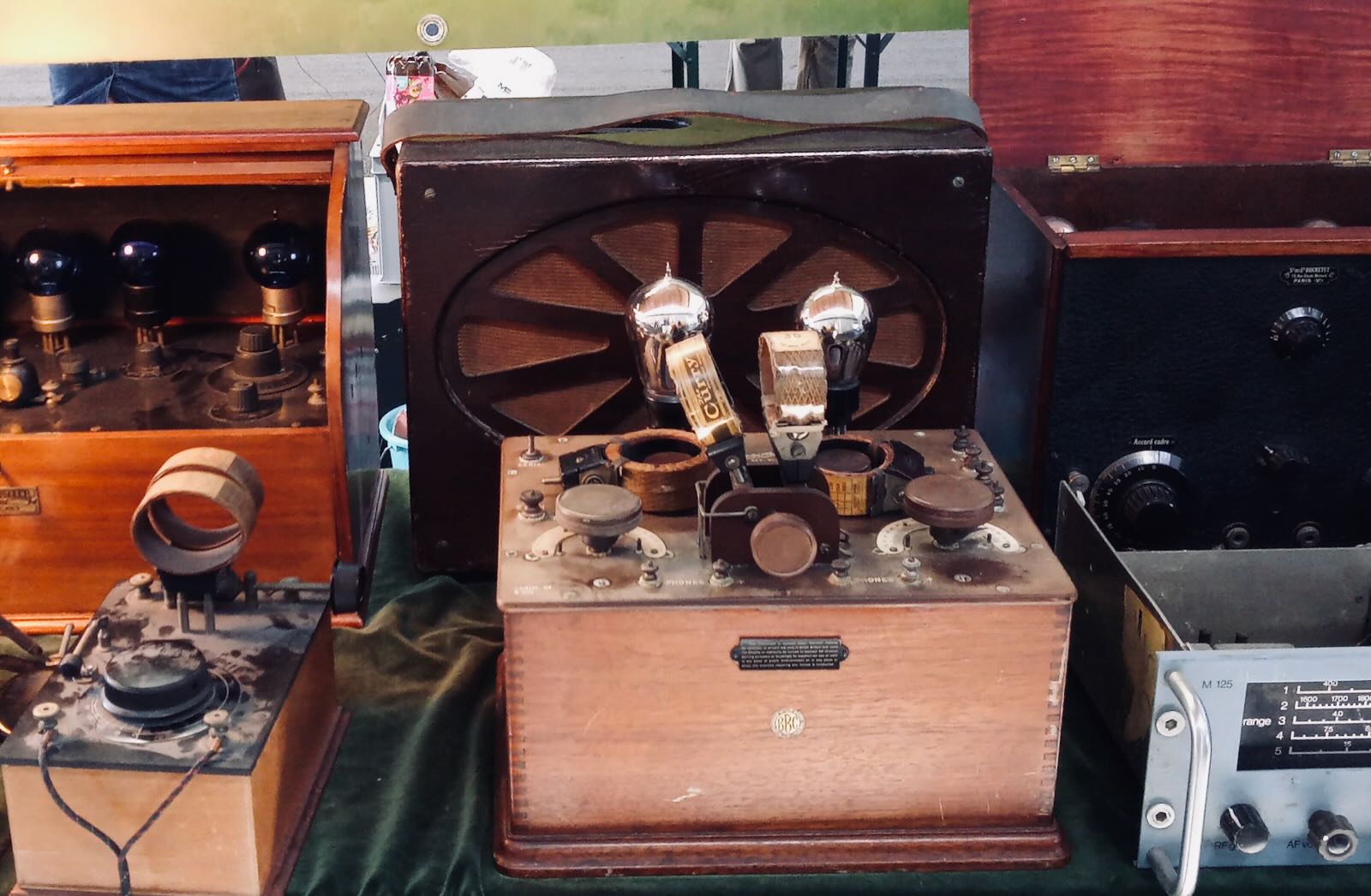
Many thanks to SWLing Post contributor, Alexander (DL4NO), who shares the following photos and notes from Friedrichshafen:
First Hamradio After Two Years
Alexander (DL4NO)
Finally the biggest amateur radio event in Europe happened again: Last weekend hams from Germany, Austria, Switzerland, France, Italy, Poland, Belgium, Netherlands, GB and more gathered in Friedrichshafen. The location is quite attractive, in Germany but near Austria and Switzerland. I could not get any numbers yet. But the event was quite a bit smaller than in 2017 when I was there the last time.
As every year amateur radio societies from Europe and the ARRL had booths. The most remarkable was from the Austrian OeVSV with their own stage. They had their own, quite interesting lectures. For example Austrian Hams have used the geostationary satellite QO-100 for LoRa experiments. They are quite active with LoRa as this technology allows to transmit data quite slowly, but quite far and with a minimum of power. Their project is called MeshCom. Continue reading →
Please support this website by adding us to your whitelist in your ad blocker. Ads are what helps us bring you premium content! Thank you!