Author Archives: Thomas

Edward reviews this unmarked thrift store radio find

Many thanks to SWLing Post contributor, Edward Ganshirt, who writes:

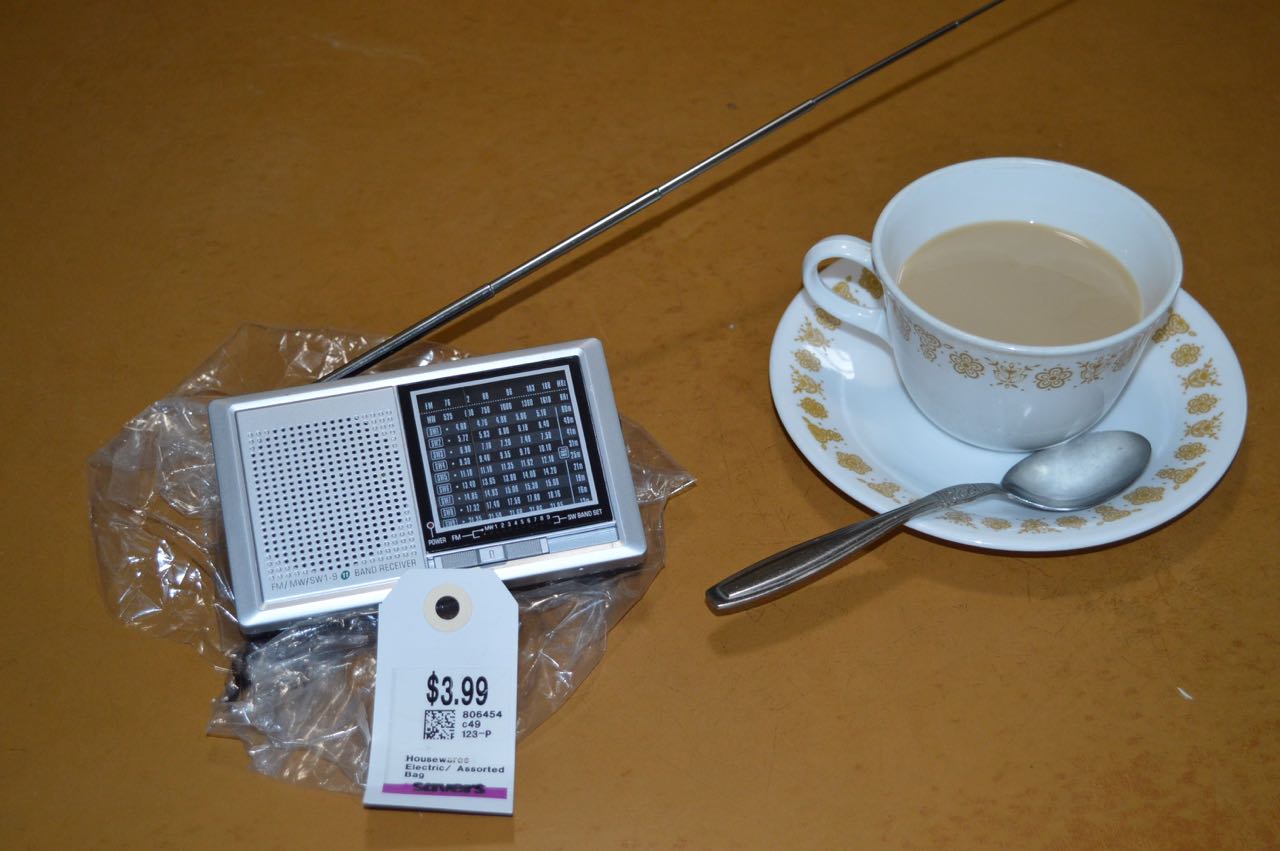
I spotted this “keychain” radio [pictured above] at a Savers thrift shop. Savers is a chain of thrift stores in the Northeast that is an outlet for Goodwill and possibly others. What caught my eye is (in addition to price) an 11 band radio: AM, FM and 4.75 to 21.85 Mhz in 9 short-wave bands. It has no brand markings (or FCC id) and of course made in China. I purchased it for less than a latte at Starbucks and brought it home.

It uses 2 AA penlight batteries and has a 14″ telescoping antenna. Turning it on demonstrates its low performance.

It has ample sensitivity on FM but difficult to tune clearly. AM band is better. Shortwave is a different story.

At night I get several shortwave stations, difficult to tune in. Connecting an external antenna demonstrated its weakness. I picked up the entire AM band and every other station below 30 MHz no matter what setting the tuning knob was set to, with varying signal strength , depending what short-wave band setting selected. I live less than 4 miles from a powerhouse radio station on 680 KHz that bleeds through the IF filter. Deconstructing the radio reveals its design shortcomings
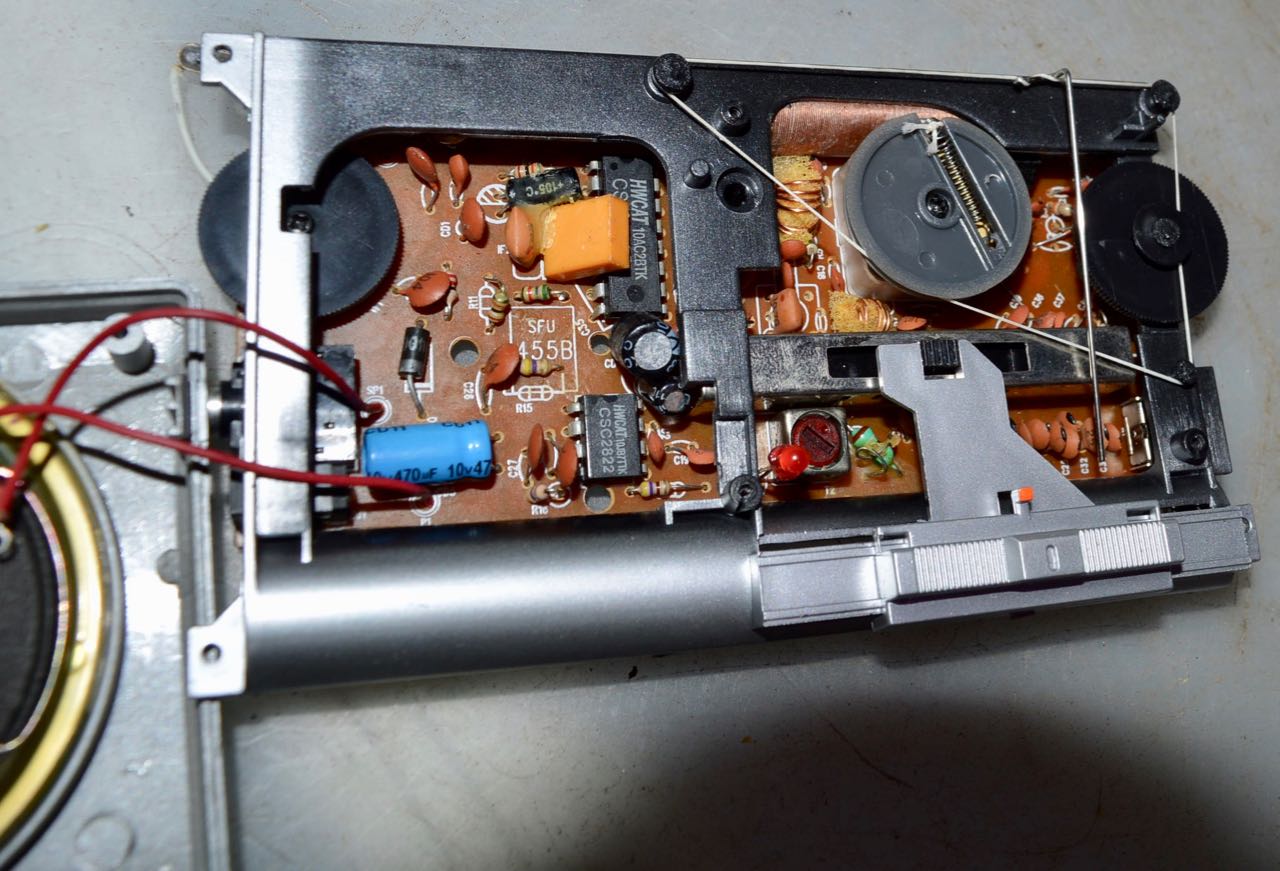
It contains 2 chips: A CSC2822 stereo audio 8 pin dip and a 16 pin CSC2003P “jungle” chip. Comparing app notes to the receiver reveals short cuts in the design. Just absolute minimalist component count–only one 455KHz IF filter.

Fortunately, it has a ferrite loopstick antenna. (That explains why it works on AM. There is less IF bleed-through on AM).
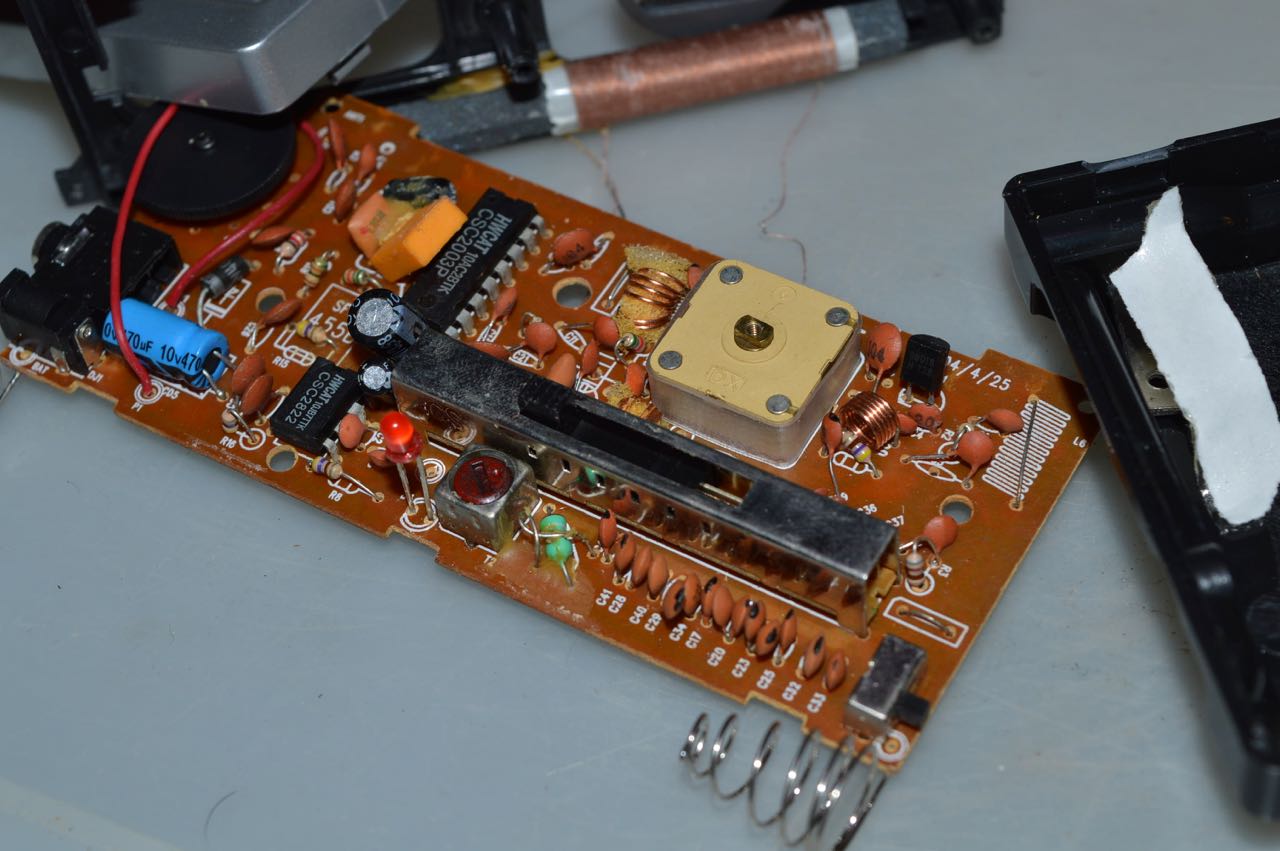
Using a signal generator, on shortwave reveals non existent image rejection, beat notes on harmonics of the local oscillator (yes it is a superheterodyne).

This is a radio to take to the beach. If the tide grabs it and washes it into the ocean or a sea gull snatches it, you would not be disappointed.

In my opinion it was a bit steeply priced. You don’t win them all but I will still go to Savers in the future for other buys as they present themselves.

Thank you for your report, Edward. I think what is highlighted here are the shortcomings of inexpensive–truly “cheap”–radios. They have only the most basic components, regardless if they resemble a quality radio aesthetically. Edward listed the hallmarks of a cheap analog receivers: overloading, stiff inaccurate tuning controls, mediocre sensitivity/selectivity, poor audio, and poor shielding.

Thanks for pulling this one apart and taking a look inside, Edward.

Taking it to the beach, Ed? Let us know if it floats or–better yet–if a seagull decides to grab it–! Who knows, they may tune through the FM and find one of their favorite 1980s songs:

(Sorry, couldn’t help the reference–it is Friday after all.)

Easter weekend: Lithuanian radio history special via Shortwave Service

(Source: ShortwaveService.com on Facebook)

Save the date: Easter weekend will bring a special broadcast about the lithuanian radio history and the shortwave station Sitk?nai which was switched-off recently. Sigitas Žilionis, Rimantas Pleikys and Audrius Matonis will tell interesting facts and stories from their life and work in lithuanian radio.

Mark spots a Transoceanic in “Kiss Me Deadly”

Many thanks to SWLing Post contributor, Mark Hirst, who writes:

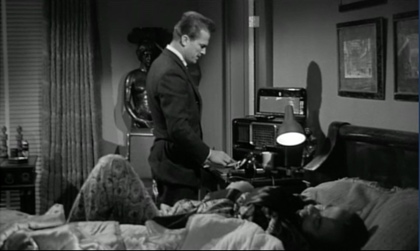
Following your recent post about Hemingway, I spotted what looks like a Zenith Transoceanic in the the classic film noir, “Kiss Me Deadly” – a favourite of mine with such memorable moments such as the “What’s in the box” scene.

That does, indeed, look like a Transoceanic–possibly the Model T600? Great catch.  Thanks, Mark, for sharing your film and TV radio sightings!

Click here to see Mark’s previous contributions.

Radio New Zealand reports: Vanuatu asks senate for reinstatement of ABC shortwave

(Source: Radio New Zealand via Nigel Holmes)

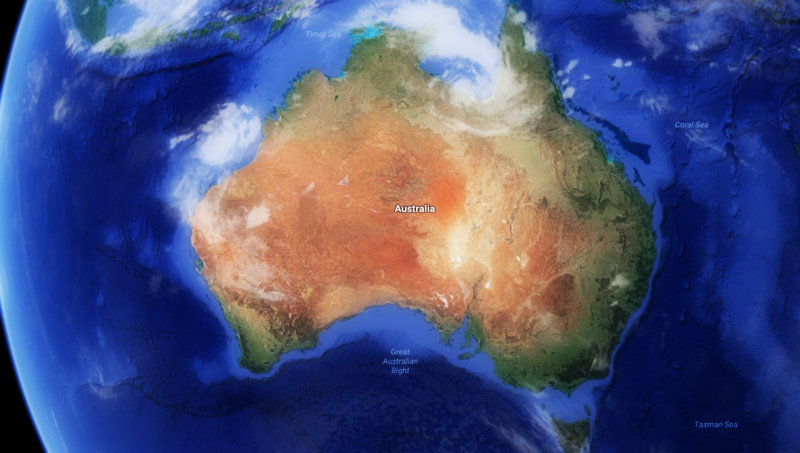
The government of Vanuatu sent a formal submission to the Australian Senate asking for the Australian Broadcasting Corporation to resume its shortwave service.

[…]In a letter, Vanuatu’s prime minister Charlot Salwai said removing the shortwave service to Vanuatu could cost many lives in the likelihood of a major natural disaster, like cyclone Pam two years ago.

The Daily Post said radio broadcasts to remote parts of the country have been cited as a reason the death toll from the category five storm was relatively low.

After the storm there was practically no domestic communication, with shortwave the only radio means to reach a scattered population.

Mr Salwai said it could be reasonably stated that Australia’s shortwave service helps save Pacific lives and Australian tax dollars.

Click here to read the full article at Radio New Zealand…

Advice on cancelling locally generated noise

An SWLing Post reader recently contacted me with the following question:

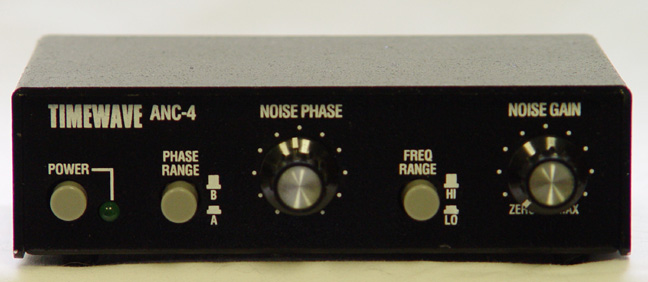
“What devices work well to cancel out local RFI? I’ve been told that both the Timewave ANC-4 and a number of BHI products are all worth considering.”

Unfortunately (or fortunately, for me) I’ve no experience with outboard DSP or noise cancelling devices because I live in such an RFI-free area.

I know this reader already has a Wellbrook Loop, but he’s looking for a way to even increase noise mitigation further at his home listening post.

Post Readers: Can you help guide him?  Please comment with your experience. Is a product like the Timewave or BHI the next logical step? If not, what is?

New radio museum in Derby, UK

(Source: Southgate ARC)

Radio Communication Museum of Great Britain

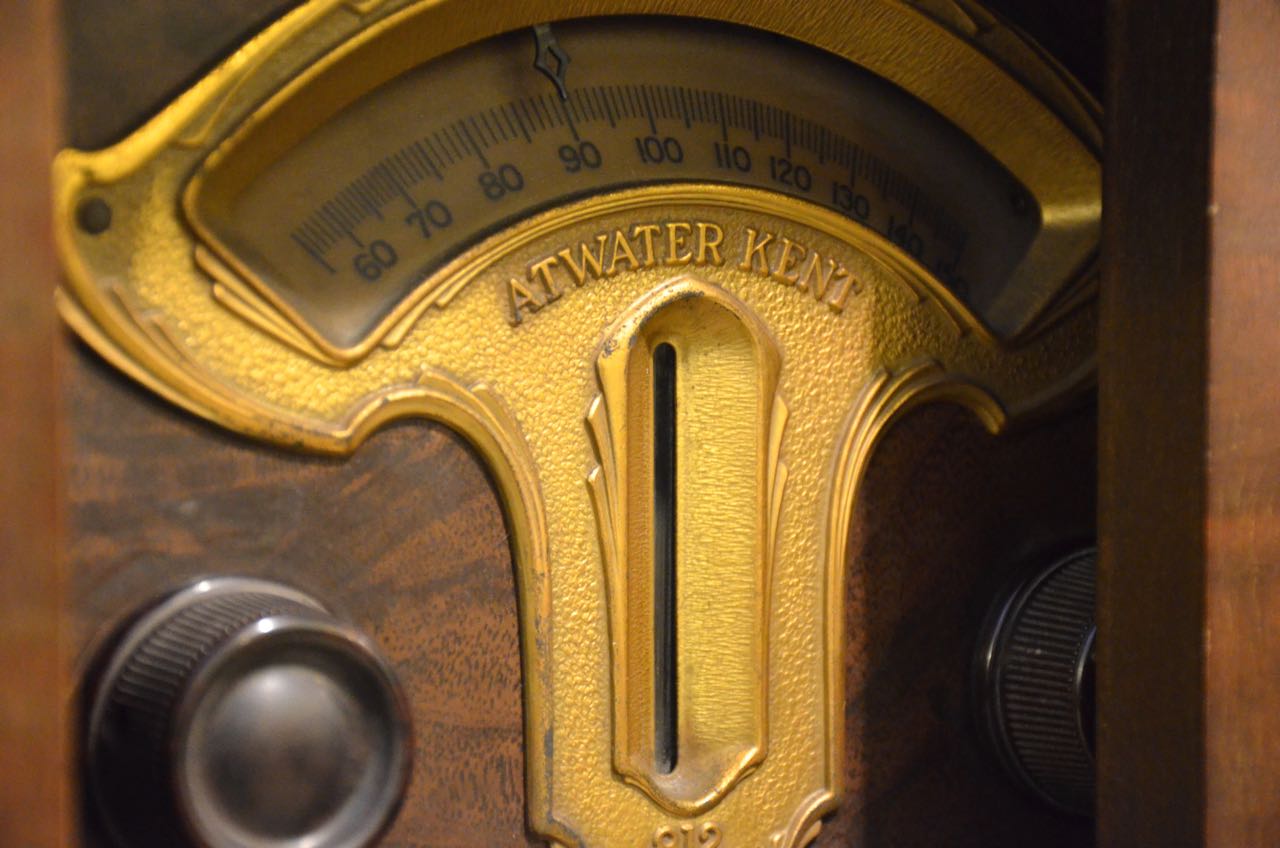
This is a brand-new museum which, as the name suggests, is focussed on all aspects of Radio Communication. It is located in the city of Derby in Central England.

This web site is under construction and will be expanded as the museum itself is built.  It will grow to become both an overview of the museum, as well as an information resource for people with an interest in radio communication.

The current status of the museum is that the building is complete and was handed over to the museum’s team of volunteers in mid-February 2016.  That is when the real work began in earnest; laying out the display galleries, creating the mechanical workshop and the ESD laboratory / workshop; creating the Operations Room where radios and transmitters will be live and connected to antennas.

Read more at:
http://radiocommunicationmuseum.org/

VORW Radio International expands in Asia and North America once again

Many thanks to SWLing Post contributor, John from VORW Radio International, who writes:

VORW Radio International has now added a new weekly transmission to Japan and East Asia as well as an additional frequency to North America!

Each broadcast features a mixture of my commentary and listener requested music. You’ll hear a great variety of music in this program, from Classical to Classic Country, from Rock to Smooth Jazz, you’ll hear it all!

If you’re interested in listening, the updated broadcast schedule is as follows:

Thursday 1200 UTC – 9875 kHz – Tashkent 100 kW – East Asia
Thursday 2000 UTC – 11580 kHz – WRMI 100 kW – Europe
Friday 0000 UTC – 9395 kHz – WRMI 100 kW – North America
Friday 0000 UTC – 7490 kHz – WBCQ 50 kW – North America

Questions, comments, reception reports and music requests may be sent to [email protected]

Reception reports will receive a QSL!

Many thanks, John! Your program is truly becoming a global tour de force on the shortwaves! Keep up the good work!