Author Archives: Thomas

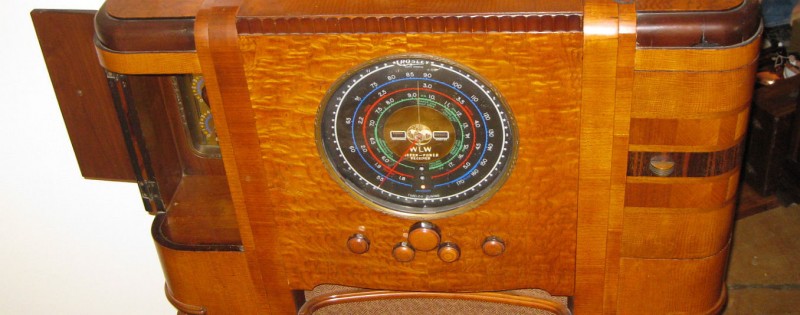
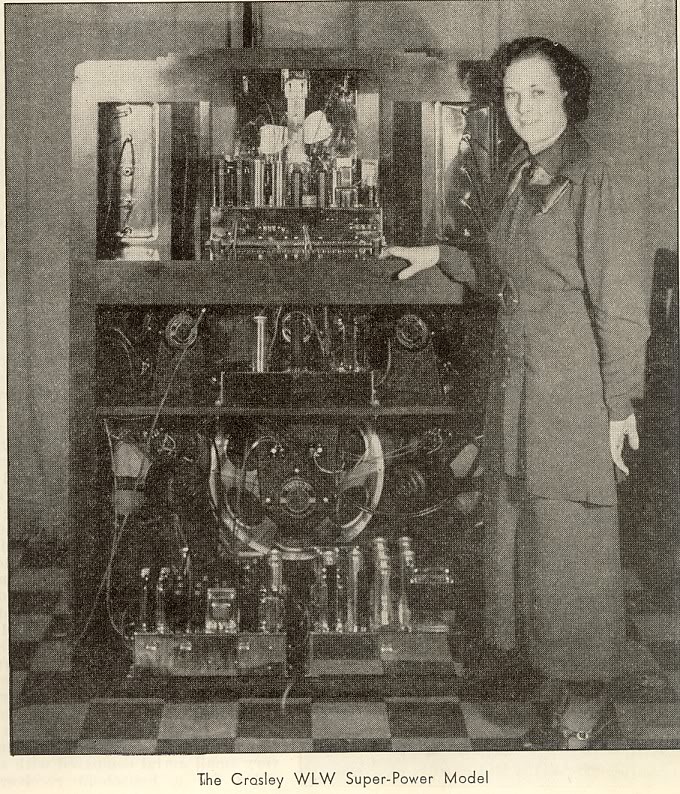
The Crosley Radio Corporation’s 1936 “WLW Model Super-Power Radio Receiver”

Crosley

(Image: AntiqueRadios.com)

(Source: Nuts and Volts)

In 1935, the Zenith Radio Corporation produced a stunning radio receiver called the Stratosphere model 1000Z. The set used 25 tubes and three loudspeakers — more than any other radio to date. An amazing (for the time) 50 watts drove its three speakers — one 6 inch dynamic high-frequency and two 12 inch dynamic low-frequency speakers.

Standing 50-1/2 inches tall, the Stratosphere sold for $750.00 — more than many automobiles; in comparison, a new Ford cost $652.00. At that price, it’s no wonder that only about 350 sets were produced during the four years that the Stratosphere was offered.

This achievement impressed Powel Crosley, Jr. — the President of the Crosley Radio Corporation — who praised it as a fine example of quality in radio construction, but it used “only” 25 tubes and three speakers! Crosley — who also owned the 500,000 watt powerhouse radio station, WLW — was inspired to surpass Zenith by bringing the world the largest and most powerful radio receiver yet known.

[…]Out of the numerous [engineering conferences were held throughout the winter months] and Crosley’s imagination came the basic specifications: the radio would be a superheterodyne receiver with no fewer than 30 tubes, six loudspeakers, four chassis; a suitably impressive cabinet would house it. More intricate than any set ever built, it would naturally have the highest possible quality and richness of tone.

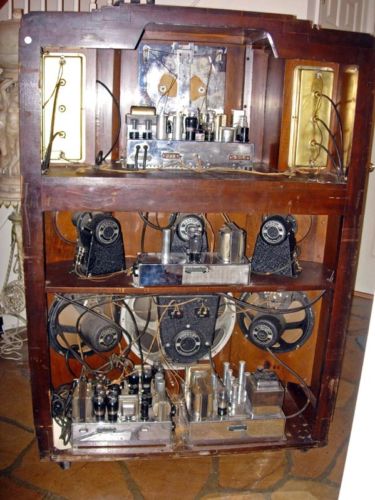
[…]In its completed form, the WLW Model Super-Power Radio Receiver indeed surpassed the Zenith Stratosphere model. It had 37 tubes, six speakers, and 75 watts of power. The cabinet stood 58 inches tall, 42 inches wide, and 22 inches deep. Everything inside the cabinet that could be was chromium-plated. The transformer coils, tubes, and speaker frames were finished in black and each chassis had its own serial number plate.

Continue reading the full article at Nuts and Volts…

Regular SWLing Post readers know that I’m a bit of a vintage radio nut, so I thought I’d do a little digging to see if any WLW Model Super-Power Radio Receivers had been sold or auctioned recently.  I was curious what sort of price they’d fetch.

Let’s just say, some owners demand a high price…Crosley-WLW-Receiver-eBay
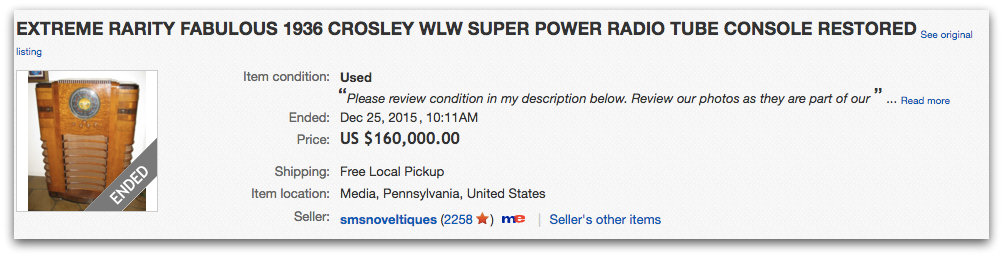
This unit was put up for sale on eBay for $160,000 US last year! While I know the Crosley WLW receiver is rare, that price was obviously over the top as is wasn’t sold. Still, the seller included some great photos of this near-mint model:
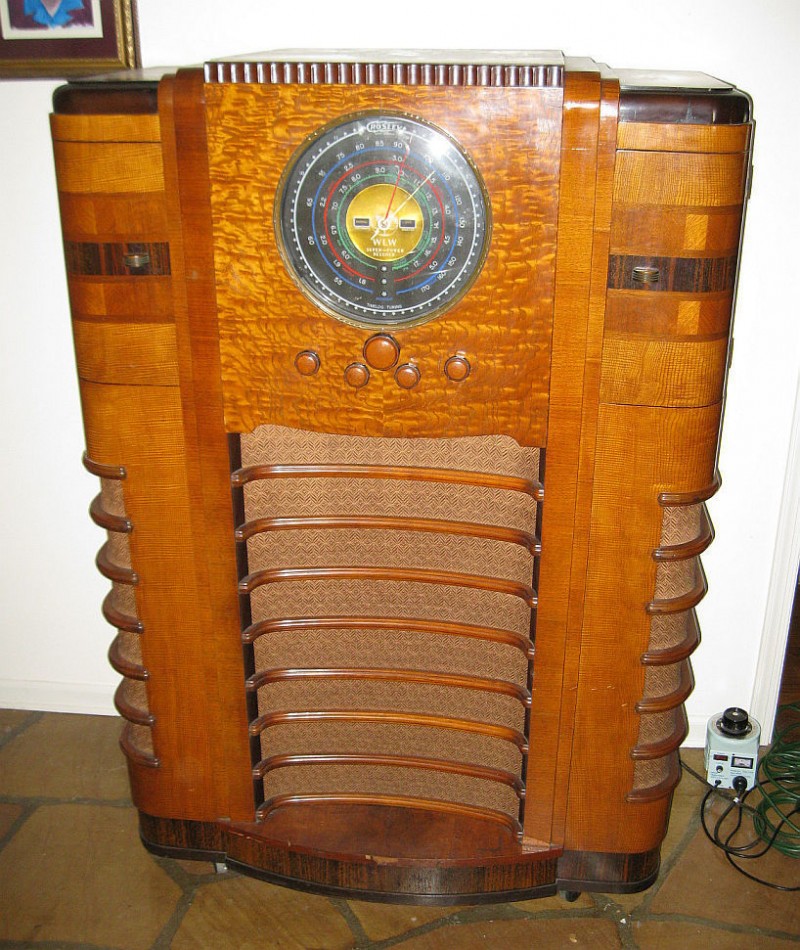
Crosley-WLW-RX

WLW Model Super-Power Radio Receiver-1 WLW Model Super-Power Radio Receiver-2 WLW Model Super-Power Radio Receiver-3 WLW Model Super-Power Radio Receiver-4

Around the time of the Zenith Stratosphere and the Crosley WLW–the mid to late 30s–radio manufacturers must have either believed there was a market for these high-end, high-fidelity receivers, or they simply enjoyed designing and manufacturing them as a company benchmark or showpiece.

While not as feature-packed as the Crosley WLW receiver, at the National Capital Radio and Television museum last year, I was completely enamored with this gorgeous powerhouse console: the E.H. Scott All-Wave 23 console.
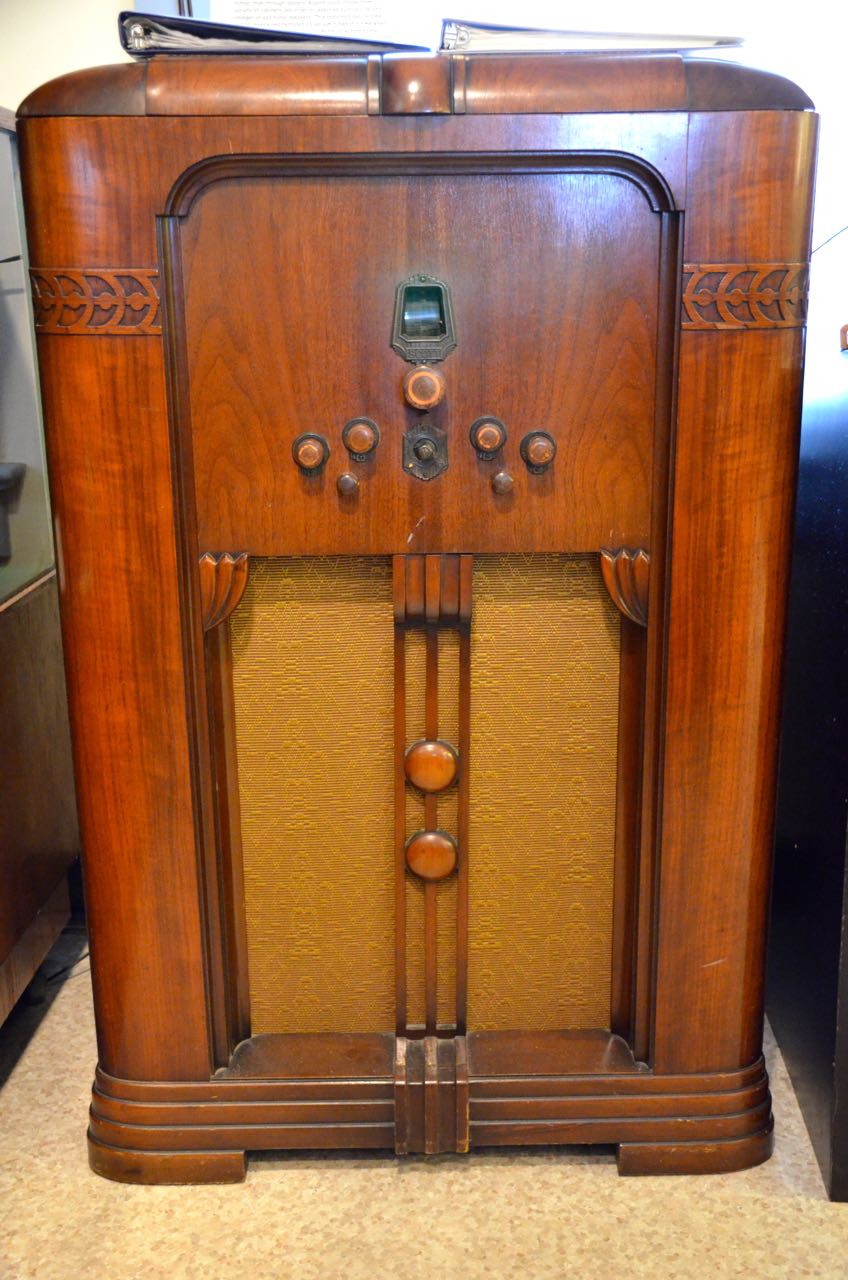
Scott-ConsoleRadio

The docent told me that the E.H. Scott All-Wave 23 console could easily fill a banquet hall with hi-fi audio. It sported 23 tubes and a very large speaker. If memory serves, it originally sold for $750–easily three or four times the price of most console radios.Scott-Console-Radio-Dial

Post readers: Do you know of any other benchmark console radios?  Do you own one of these amazing receivers?  Please comment!
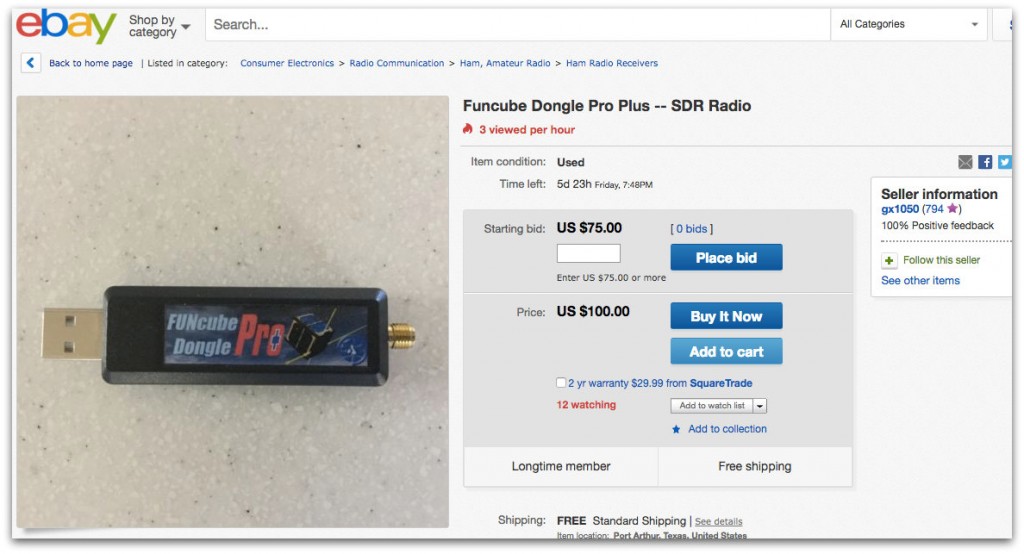
eBay Deal: Funcube Dongle Pro Plus SDR $100 shipped

eBay-FunCube

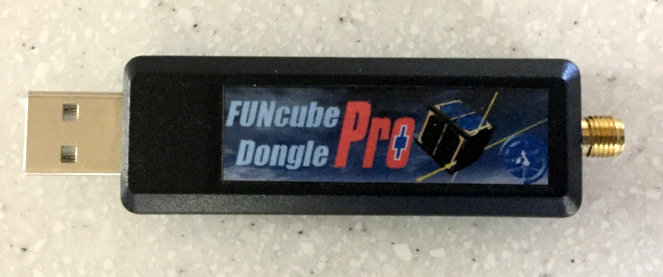
Many thanks to SWLing Post contributor, Mario Filippi, who points out this Funcube Dongle Pro Plus with a BuyItNow price of $100 on eBay.  The seller appears to have a long eBay history and a 100% rating.

FunCubeDonglePro

Mario and I were both tempted at one point to snag the Pro + at this price, but neither one of us needs another SDR.  Please, someone buy it before I change my mind and buy it in a moment of weakness! 🙂

Click here to view on eBay.

Guest Post: Using the HackRF One for DGPS Beacon Reception

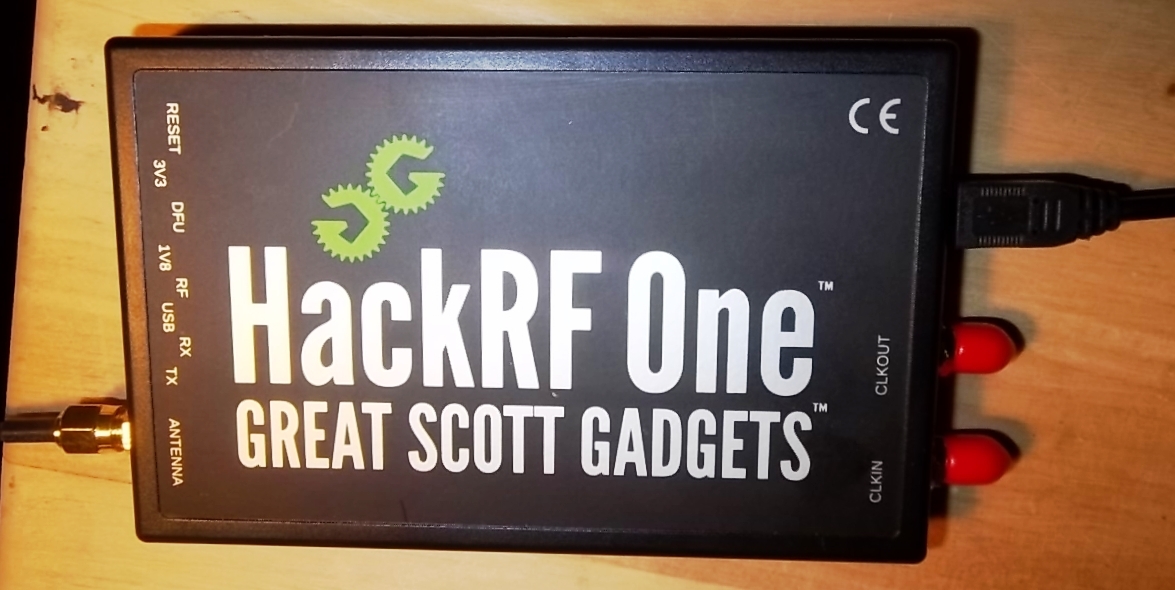
h1-preliminary1-445Many thanks to SWLing Post contributor, Mario Filippi (N2HUN) for the following guest post:


Receiving  with a HackRF One, SDR#, and MultiPSK

by Mario Filippi (N2HUN)

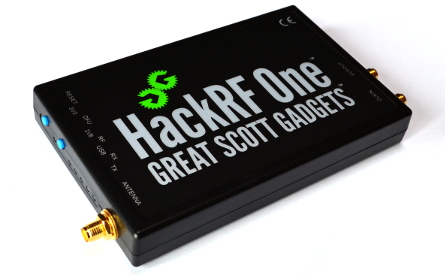
The HackRF One is a Software Defined Radio manufactured by Great Scott Gadgets (www.greatscottgadgets.com) and has been on the market for a few years. Having used an SDR-Dongle for several years I felt it was time to “step up” to this wideband (1 MHz – 6 GHz) receiver to investigate a broader breadth of the radio spectrum, so one was purchased from Sparkfun (www.sparkfun.com).

Recently I performed a rudimentary evaluation of its ability to receive DGPS (Differential Global Positioning System) beacons found in the Longwave band  between 285 – 325 KHz; this frequency range is well below the HackRF One’s stated lower receive limit of 1 MHz.

100_5864

DGPS beacons, when tuned using SSB, emit a distinctive warbling sound, and at this QTH, depending on band conditions and time of year, can be heard as far away as the Midwest. Winter brings the cold weather but also excellent conditions for receiving these beacons, some of which were former marine radiobeacons retrofitted to provide greater DGPS accuracy.

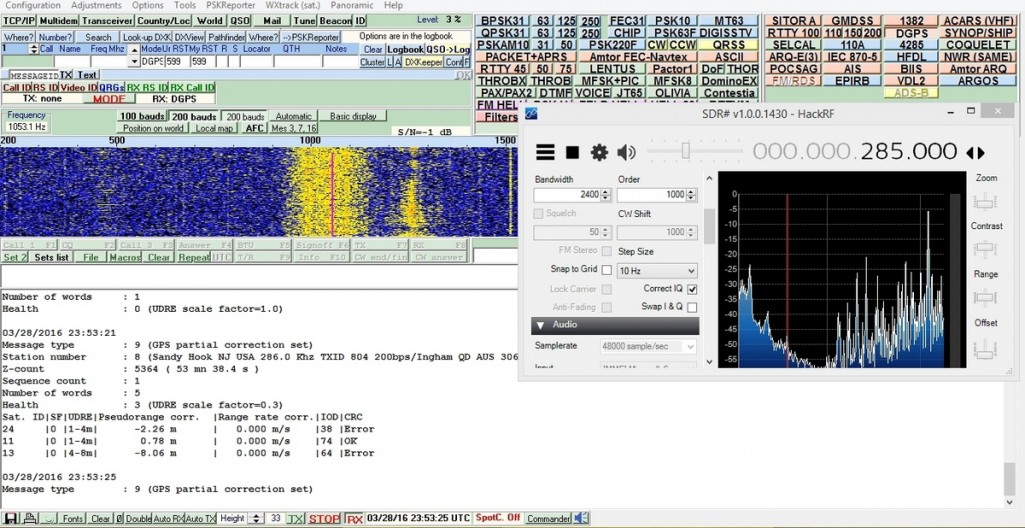
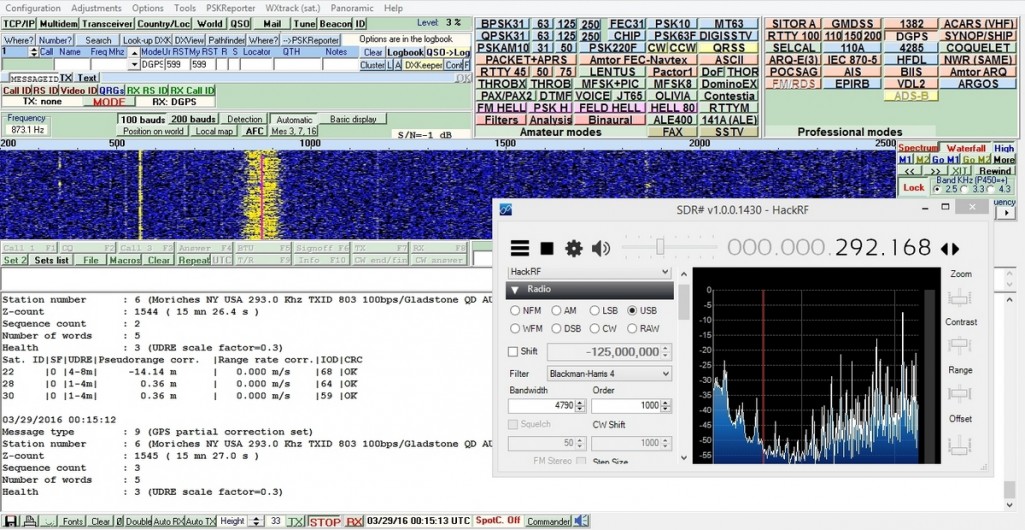
The HackRF One, when used with SDR#, MultiPSK, audio piping software, and a good (43 foot vertical) receiving antenna was able to receive DGPS beacons, and two screen captures are below:

DGPS beacon from Sandy Hook, NJ. SDR# using HackRF One in foreground, MultiPSK software in background with decoded information.

DGPS beacon from Sandy Hook, NJ. SDR# using HackRF One in foreground, MultiPSK software in background with decoded information. Click to enlarge.

DGPS beacon from Moriches, NY. Click to enlarge.

DGPS beacon from Moriches, NY. Click to enlarge.

I was very pleased that the HackRF One was able to receive DGPS stations, though tuning them in seemed a bit trickier than with a standard RTL-SDR dongle.  Since this time of year is not optimal for monitoring DGPS beacons, as well as the Longwave band in general, it’s reassuring to know that come winter I’ll be able to do some DGPS beacon DX’ing with the HackRF One.  However, anyone with a shortwave radio and a good antenna can avail themselves of DGPS beacon hunting, just tune down between 285 – 325 KHz and listen for the distinctive warble.

To decode, look into an excellent program like MultiPSK (http://f6cte.free.fr/index_anglais.htm). 73’s!


Thank you, Mario, for another great post!

When Mario told me he had purchased the $299 HackRF One, I was hoping he would do some guest posts about this SDR–DGPS beacons was use I had never thought of. Looking forward to more of your guest posts, Mario!

The BBC World Service A16 shortwave broadcast schedule

(Image source: BBC)Many thanks to SWLing Post contributor, Dan H, who writes:

The A16 schedule is released for BBC World Service. Here is a link to the A16 frequency page which features additional links to regional frequency charts and transmitter details.

http://www.bbc.co.uk/programmes/articles/2x9tqt6mc05vB2S37j8MWMJ/global-short-wave-frequencies

Good news for me is the BBC World Service English language transmission on 11890 kHz from 1500-1700 UTC. Although beamed to Afghanistan and Iran this signal has been strong in northern California for the last several mornings! I must be receiving an odd lobe off of this one! Now I have BBC during breakfast in addition to 7445 kHz I use during my evenings at 0500. Here is a video I shot of 11890 reception this morning.

(Click here to view on YouTube.)

I hope this information is useful for SWL Post readers.

Indeed it is!  Thank you for sharing the schedule info and your video, Dan!

London Shortwave says farewell to Radio Belarus

london shortwave belarus

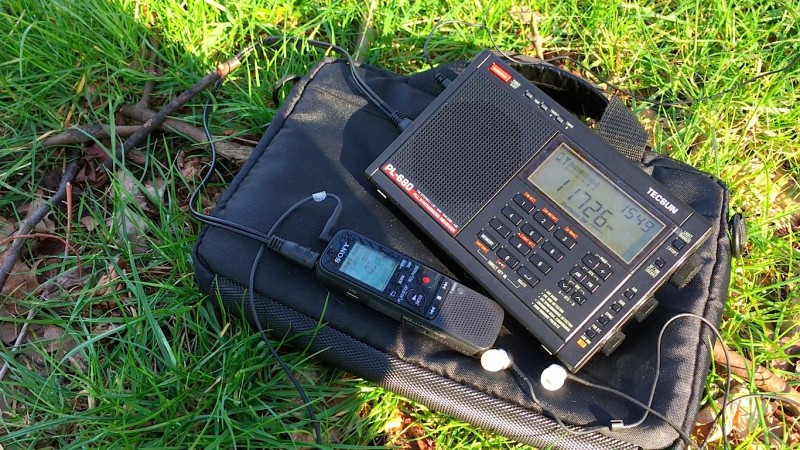
SWLing Post contributor, London Shortwave, hit his local park today with his Tecsun PL-680 and Zoom H1 in tow, then recorded the final broadcasts of Radio Belarus. He has published a post on his blog with details and two recordings of Radio Belarus.

Click here to read his post.

Many thanks to London Shortwave for also going out of his way to post both recordings on the Shortwave Radio Audio Archive! If you have a recording of Radio Belarus, we can add it as well.

Any requests? Heading to the Edward R. Murrow transmitting station…

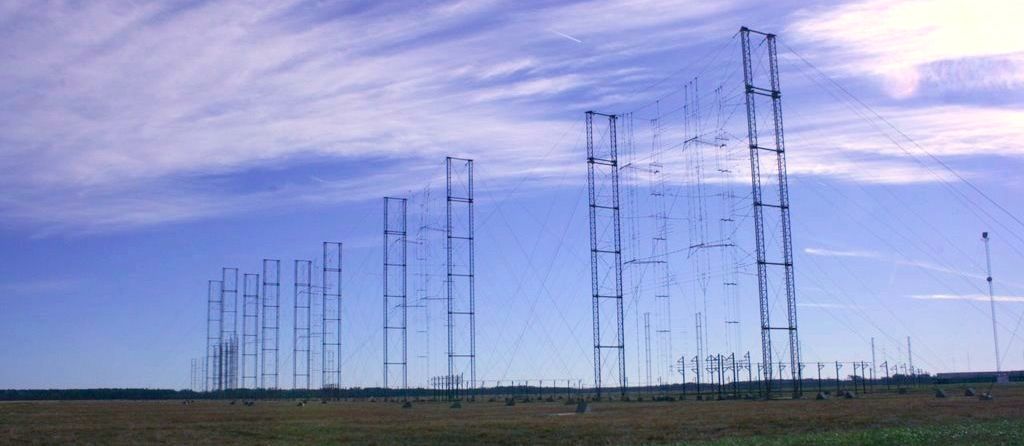
VOA-Greenville-Curtain-Antennas

I’m planning to visit the Edward R. Murrow transmitter station for a few hours on Friday (tomorrow). This will be my third trip to the station and I’ll be hanging out with the chief engineer, Macon Dail. I plan to take more photos–especially of some recent transmitter upgrades.

Any questions/requests?

If you like, I would be happy to ask Macon any technical/engineering questions you may have about the site and post his replies here on the SWLing Post next week.

Additionally, if you have something specific you’d like me to photograph, please ask and I’ll attempt to do so. The only areas I’m not allowed to photograph are those dealing with site security.

Please comment with your questions and requests no later than tomorrow morning!

In case you’re not familiar, the Edward R. Murrow transmitter site is the last BBG shortwave broadcasting site on US soil. Click here for a photo tour I posted a few ago.

Aluminum foil: Larry’s simple AN200 antenna modification

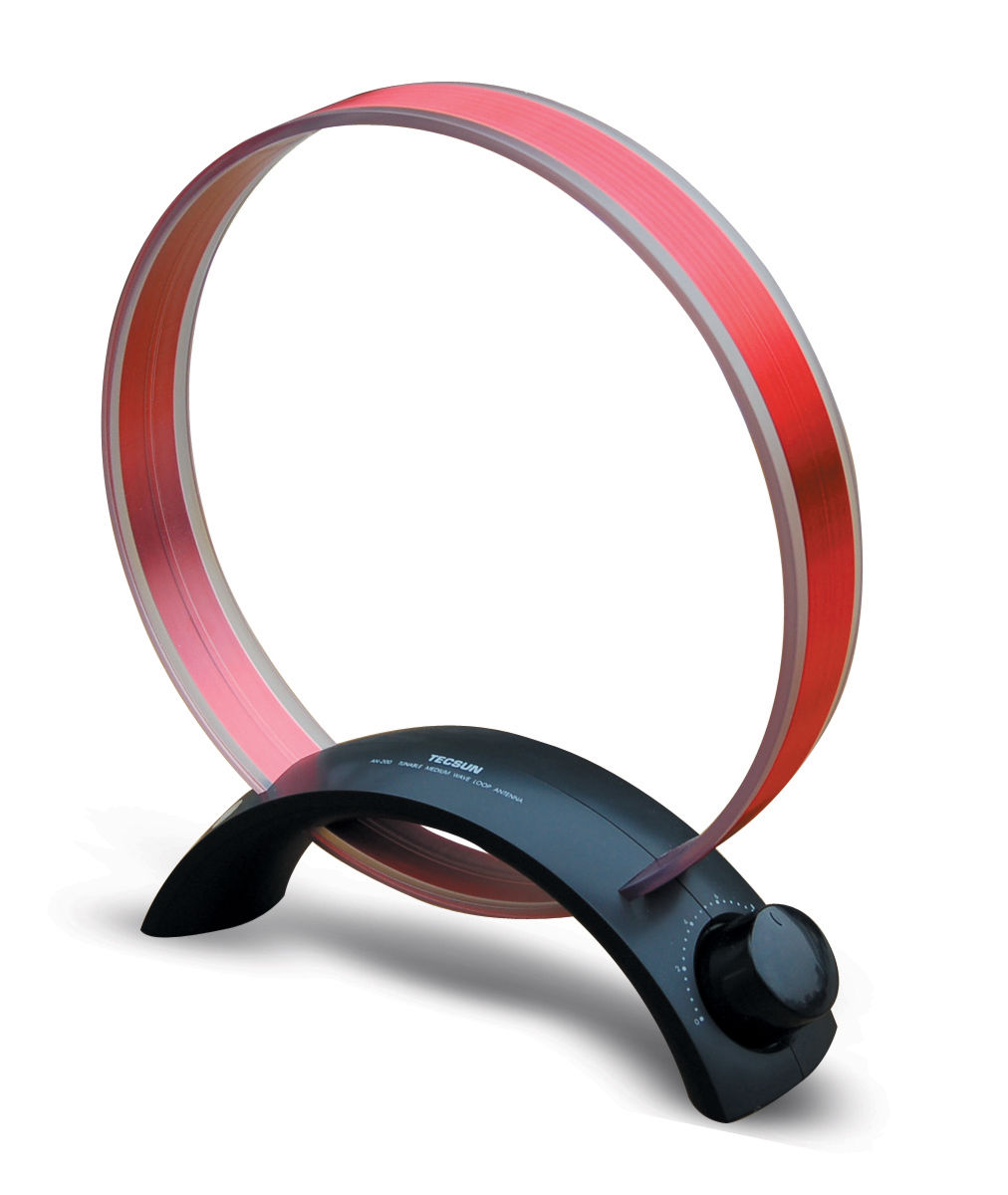
TecsunAN200

Many thanks to SWLing Post reader, Larry Caracciolo, who comments:

I bought the AN-200 in the spring of 2015 off of eBay. I was favorably impressed with the product. Comparing it to my old 9′ diameter tuned/shielded loop from 1992, there are some similarities and differences.

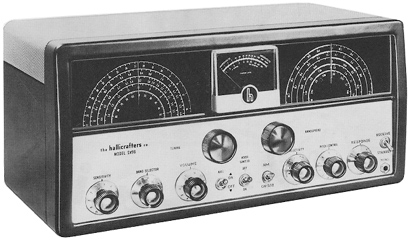
The Hallicrafters SX-96 (Image: Universal Radio)

The Hallicrafters SX-96 (Image: Universal Radio)

I live in an apartment complex so plenty of radiated electromagnetic noise is present. I use a modified [Hallicrafters] SX-96 (AVC ckt was modified for improved modulation acceptance). The AN-200 does null out local static sources, somewhat, but not well enough to dig out weak stations. The tuning range for the loop is just at the bottom of the AM band (about 535 khz) to just over 1700 kcs.

On a whim, I wrapped aluminum foil around the loop and grounded it to the SX-96 chassis – in wistful hope of achieving some shielding from the RF has. As soon as I connected the aluminum foil ground clip to the rx chassis, all RF noise ceased and signals appeared from the mud. However, the tuning range is attenuated above 1200 kcs.

My favorite frequency on the AM band is 590 kcs. During the night, as many as seven different stations rose from the noise and provided station IDs at just the right moment. My best catch here in Everett, WA is KCSJ, a 1KW station in Colorado Springs.

From time to time, stations on the low portion of the AM band are accompanied with echoes – what I took for two stations and a small time delay between the same broadcast was actually multi-path to the degree that nearly 1/2 second separated the arriving signals. Short-delayed echoes, anyone? I’ve not observed this on frequencies above 1000 kcs.

Other sources of RF noise can come from the laptop, the cable modem, and even CFBs in other rooms. For truly noise-free listening environment, I place the laptop in sleep mode and unplug the cable modem. I’m quite happy with the AN-200 loop. Affordable, easy to use, easy to tune.

Thanks so much for sharing your experience with the AN200 loop antenna, Larry!

As anyone who grew up in the era of TV rabbit ears knows, aluminum foil can simply work magic in a pinch! There is no easier material to work with either!

As I pointed out in previous posts, the AN200 loop antenna is quite affordable.  I just did a quick price search: