Category Archives: Ham Radio

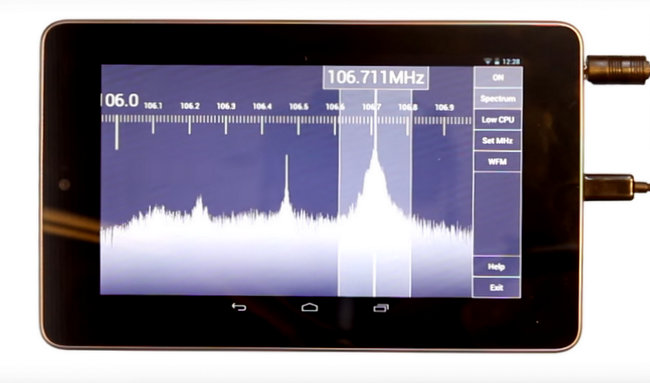
Android tablet SDRs?

Image: screen grab from SDRtouch video

SWLing Post reader, Philip, writes with the following question:

“I want to know if you are aware of any good shortwave receivers that can be used on an Android tablet.”

I am aware of the Android SDR application, SDR Touch (see image above), but have never used it so I can’t comment on compatibility with the various SDRs on the market. I know that SDR Touch is compatible with devices that support USB host mode–but you may need to do research to see if your Android device and potential receiver are compatible. I believe most SDR Touch users connect their device to RTL-SDR dongles.

Readers: Please comment if you have any suggestions for Philip. I’m also curious if anyone has had success pairing an Android tablet to an HF-capable SDR.

Primary, Ion, and Polymer: a lithium battery primer

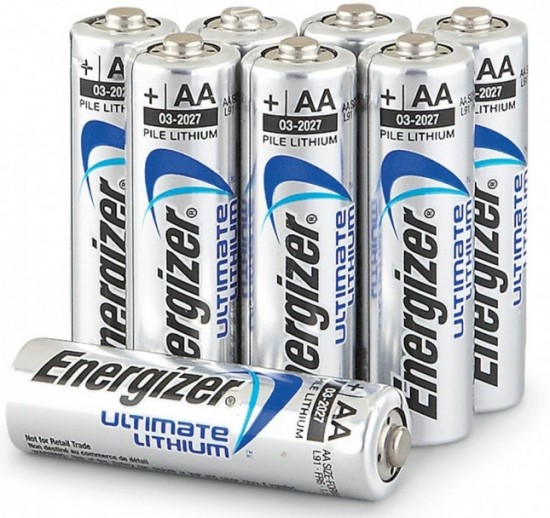
EnergizerLithium

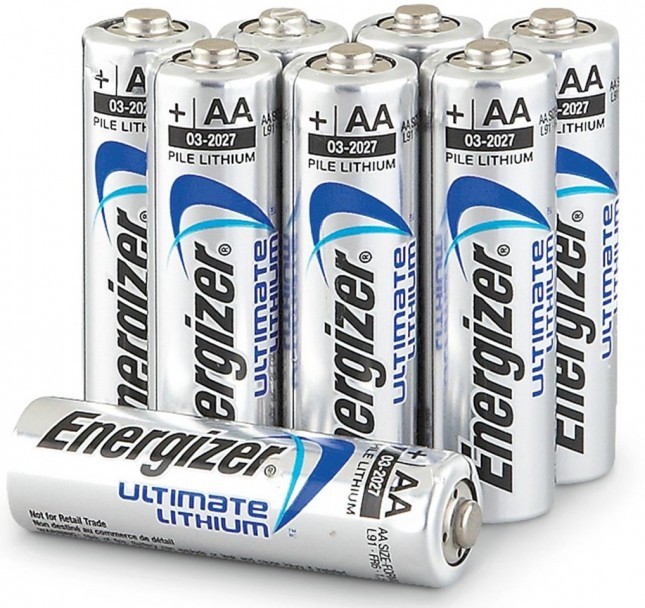
Energizer ultimate lithium cells are designed to be a lighter, longer-life direct replacement for the AA alkaline battery.

Lithium primary, lithium ion, lithium polymer…want to know the differences between–and varied uses for–these diverse types of lithium batteries? You’re not alone…so did I.

Recently, a reader asked about the suitability of using AA Lithium batteries in a Tecsun radio.  Several knowledgeable Post contributors–including Richard Langley, Ken Hansen, DL4NO, Eric Cottrell, and Mark Piaskiewicz–responded, and a discussion of the differences in various lithium cells and their chemistry followed.

I was quite intrigued by this discussion, and wanted to learn more; a bit of research ensued. The wonderful folks at Zbattery.com came to my aid, clarifying the compositions of these various batteries and enlightening me regarding their unique applications.

Following is a (nutshell) primer describing what I’ve recently gleaned from these experts on the subject of lithium batteries. First, a brief disclaimer: the scope of this article is modest, explaining briefly the roles and compositions of the most common lithium batteries used by consumers and hobbyists/enthusiasts. So, if you’d like an even more detailed discussion of batteries, please check out the Battery University website.

With that said, there are generally three types of lithium cells:

1. Primary Lithium (non-rechargeable)
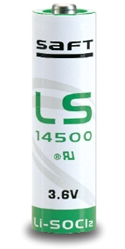
Though this SAFT battery looks like a typical AA, it produces a whopping 3.6V and will certainly fry a radio that is expecting 1.5 volts from each AA cell.

Though this SAFT battery looks like a typical 1.5 V AA, it produces 3.6V and will fry most radios.

Primary Lithium batteries are single-use and should not be recharged under any circumstances. These batteries have a high charge density (i.e., a long life), and as a result, cost more per unit than other single-use (disposable) batteries, such as alkalines.

Primary lithium cells generally produce 3.6 to 3.7 volts; however, there are manufacturers (Energizer and Duracell, to name two) who have developed cell chemistry that lowers this voltage down to 1.5 volts per cell, thus creating a safe, direct replacement for the common AA alkaline battery.

Unless you are purchasing a battery with a AA form factor from Energizer or Duracell, you should double check the voltage of the battery you are purchasing. There are many manufacturers who produce a 3.6 volt primary lithium batteries that have the same dimensions, or form factor, of an AA battery (see photo right), but are used in specialty medical, military, industrial and testing applications in which voltage requirements are higher.  These cannot be used interchangeably with conventional AAs, as they will cause harm to a device.

In other words, do your research when purchasing a primary lithium cell! Make sure the voltage matches what your electronic device requires–or as Post contributor, Richard Langley, puts it–“Caveat emptor!” (Buyer, beware!)

2. Lithium Ion (rechargeable)
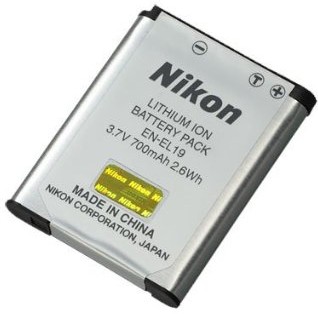
Lithium Ion packLithium Ion batteries are currently one of the most popular rechargeable batteries for consumer electronics on the battery market. There are a number of Lithium Ion variations with their own unique chemistries–and their own unique characteristics–but in general these have a high energy density, a modest memory effect, and exhibit only a gradual loss of charge when not in use.

Generally speaking, Li-ion batteries are not available in voltages most radios and other electronics would need, from, say, AA, AAA, C, D, and 9V alkaline. There are manufacturers who produce Li-ion varieties in a AA form factor (they look like AAs), but which produce more than double (3.6V) the peak voltage of an alkaline AA (1.5V); thus, these lithium batteries, too, can only be used in devices designed around these higher voltages–such as specialty flashlights, military, industrial, and medical equipment.

There are a number of radio manufacturers using slim Li-ion battery packs like the one in the image above.

3. Lithium Polymer (rechargeable)
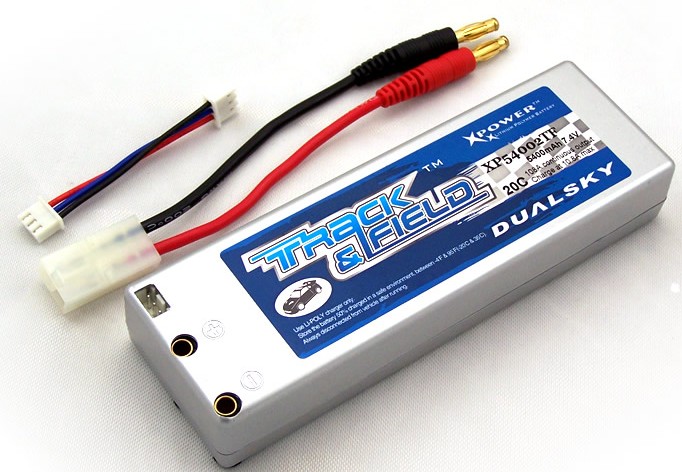
Most LiPo batteries come in a "pouch" format, designed for specific applications,

Most LiPo batteries come in a “pouch” format, designed for specific applications,

Lithium Polymer (LiPo, LIP, Li-poly) are rechargeable battery packs that generally produce 3.6 – 3.8 volts when charged. LiPo packs have much of the same charge and  discharge characteristics of Li-ion batteries, however, they are lighter in weight and can be designed to fit almost any shape.

LiPo batteries have a very strong following in the world of radio-controlled aircraft and cars–their feather-light weight as well as gradual discharge curve render LiPos almost ideal for these applications. LiPo packs are also used in consumer electronic, solar, and GPS applications, to name a few. LiPo pack variations are currently being considered for use in electric and hybrid vehicles.

Summary

And so, returning to our original post questioning the use of Lithium cells in reader Philip Dickinson’s Tecsun PL-606, the Tecsun representative was absolutely correct:  these batteries, it turns out, are not suited for this application, as the voltage is too high for safe use in this Tecsun.

Since I didn’t have a link to the batteries Philip purchased, I assumed Philip might be referring to Energizer Ultimate Lithium AA batteries, which are direct 1.5V  replacements for alkaline AA batteries (and why I use an Energizer graphic in the post).

At any rate, it appears that Philip purchased 3.6V primary lithium cells in a AA cylindrical form factor. If he does pop these AA lithiums in his PL-606, it will surely fry the radio as the voltage is more than double what this radio actually requires.

Hopefully, Philip can return these lithium cells and replace them with the Energizer or Duracell 1.5 V AA variety.

Philip, thanks for writing in with this question; learning about lithiums has been most interesting!  And hopefully, this primer you’ve invoked will save other radios from harm: readers, do check your voltage requirements before you insert those lithiums.

It’s Field Day weekend: find a local event, have fun

FieldDay2015If you live in North America and have an interest in becoming a ham radio operator, this is the weekend to check out what amateur radio is all about, and meet local radio enthusiasts.  It’s Field Day.
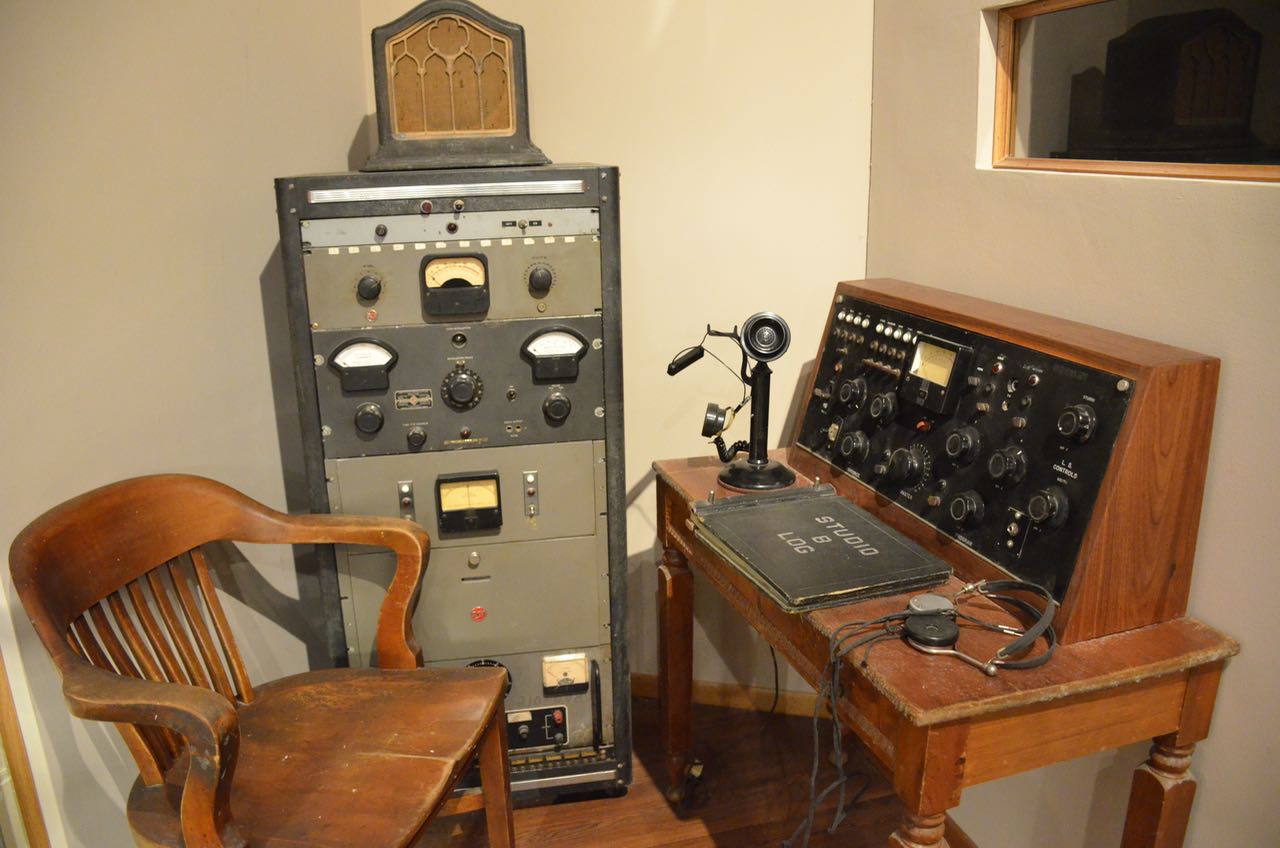
What is Field Day?  I’ll quote from the ARRL, who sponsors the event:

“ARRL Field Day is the single most popular on-the-air event held annually in the US and Canada. On the fourth weekend of June of each year, more than 35,000 radio amateurs gather with their clubs, groups or simply with friends to operate from remote locations.

Field Day is a picnic, a camp out, practice for emergencies, an informal contest and, most of all, FUN!

It is a time where many aspects of Amateur Radio come together to highlight our many roles. While some will treat it as a contest, other groups use the opportunity to practice their emergency response capabilities. It is an excellent opportunity to demonstrate Amateur Radio to the organizations that Amateur Radio might serve in an emergency, as well as the general public. For many clubs, ARRL Field Day is one of the highlights of their annual calendar.

The contest part is simply to contact as many other stations as possible and to learn to operate our radio gear in abnormal situations and less than optimal conditions.”

GOTAMany Field Day sites have a GOTA (Get On The Air) station where non-licensed individuals are welcome to play radio. It’s a fantastic way to try your hand at transmitting with a little guidance and encouragement from the more experienced. Indeed, even if there is no GOTA station, you will often be invited to try out the mic.

You’ll find that ham radio operators are very welcoming on Field Day–after all, spreading the word about the fun of amateur radio is what it’s all about. Indeed, I’ve shown up unannounced to a number of Field Days over the years; once I even got some serious radio time with the Charlotteville Amateur Radio Club while on vacation in Prince Edward Island, Canada.

Keep in mind that there are many shortwave listeners among the amateur radio community; indeed, many hams became interested in the hobby through SWLing.

The ARRL has made it quite easy to find registered Field Day locations in your region. Click here to find a local Field Day event near you–and have a great Field Day!

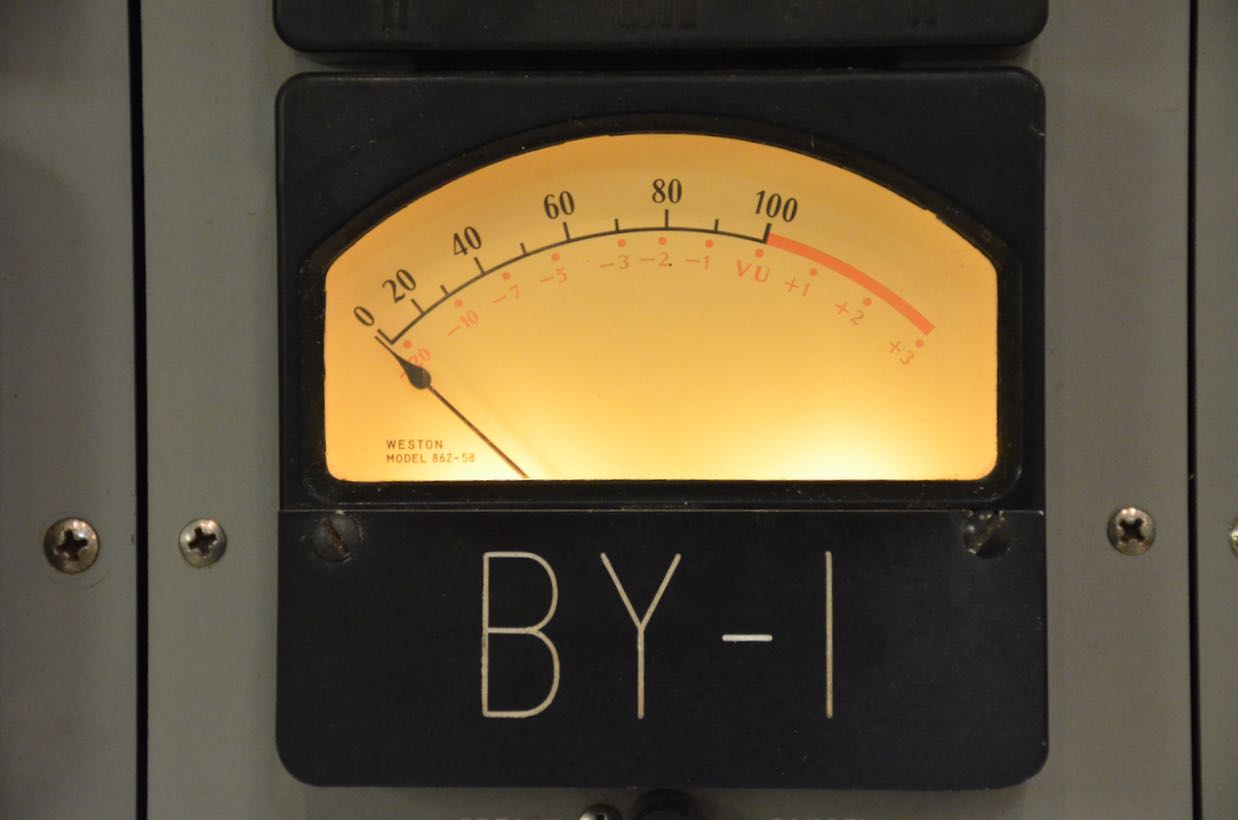
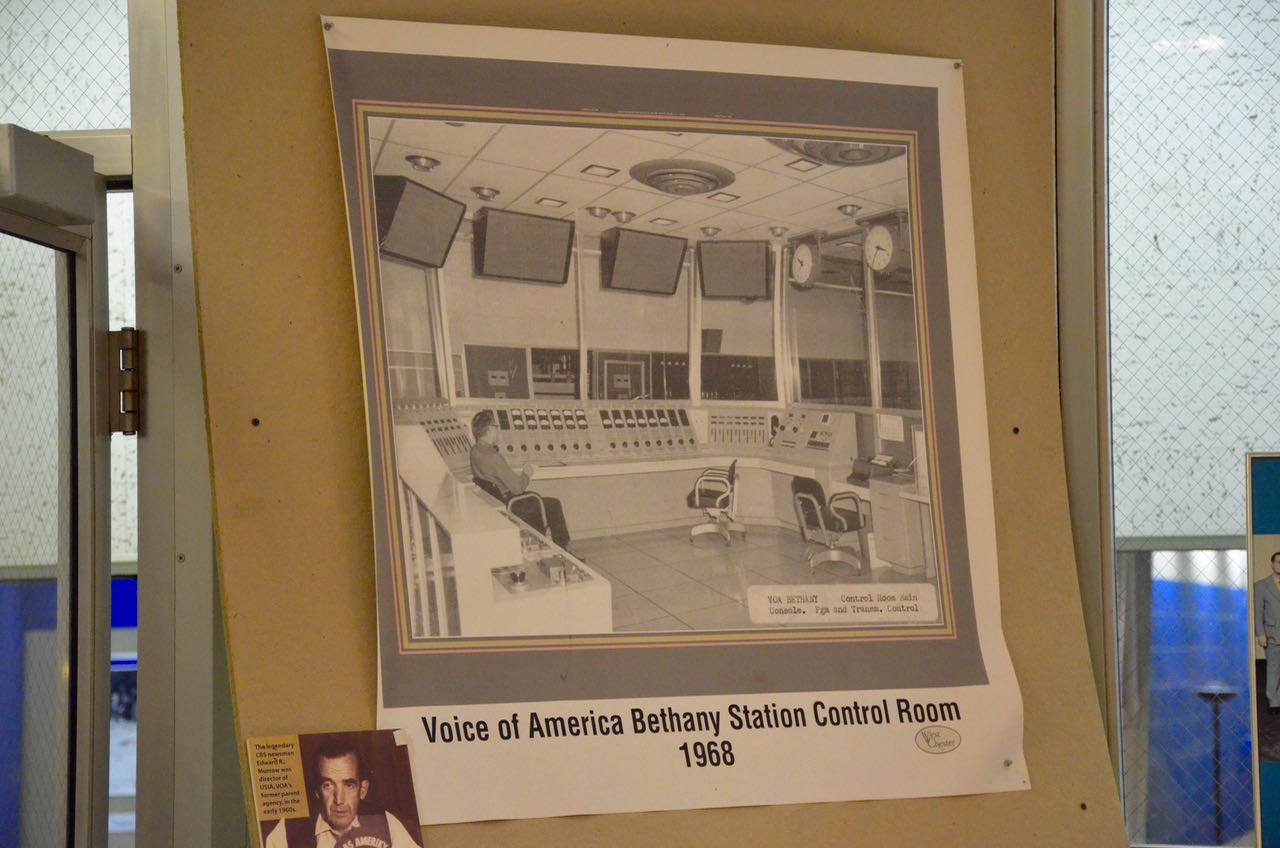
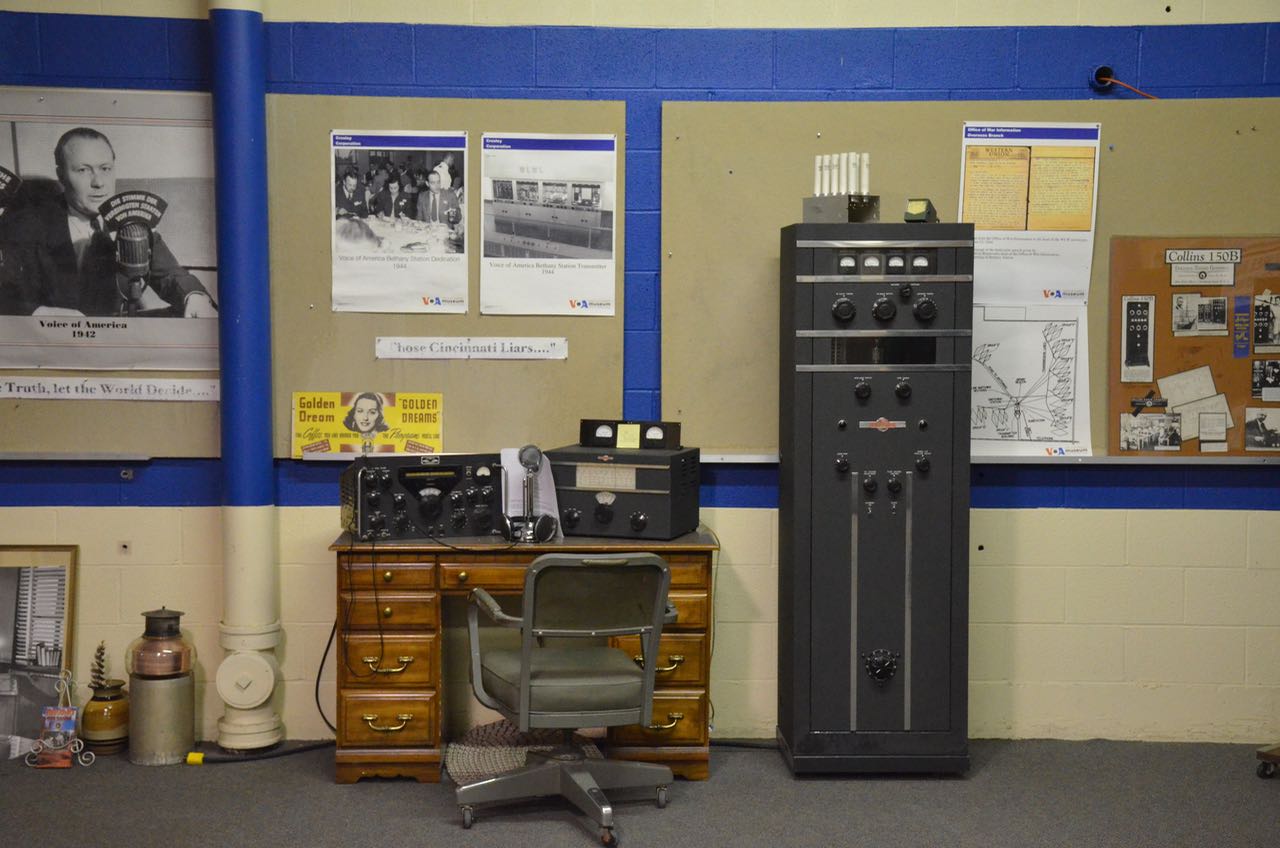
Photos from the VOA Bethany Museum

VOA-Bethany- - 1 (1)

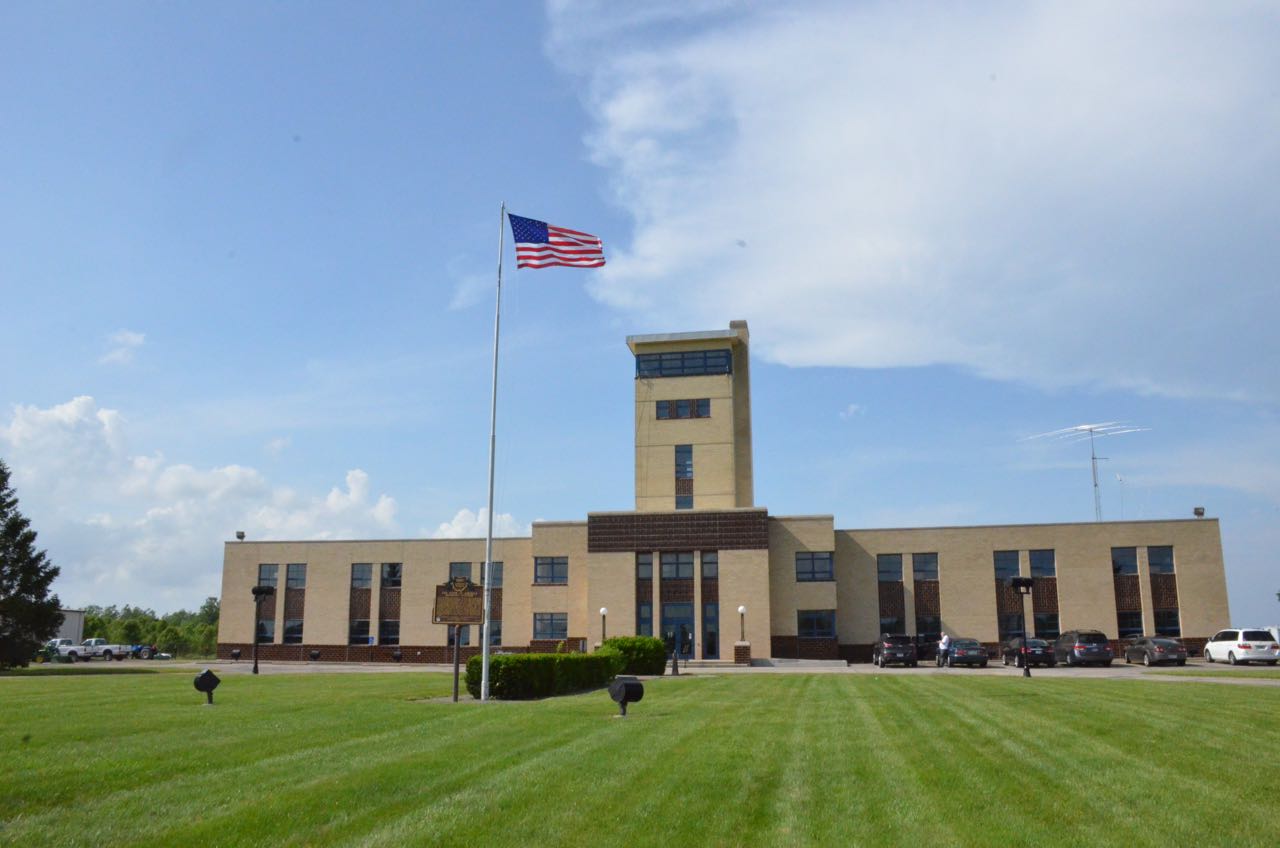
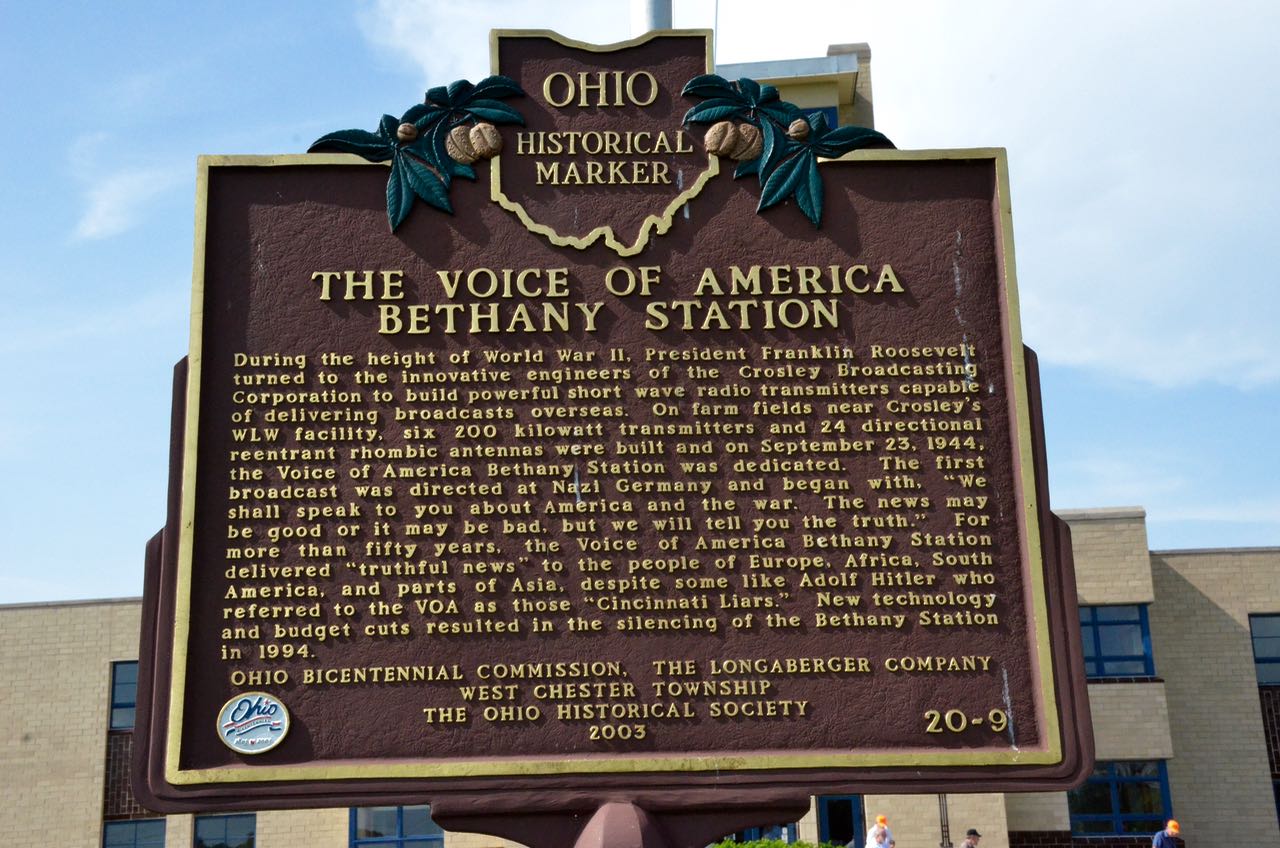
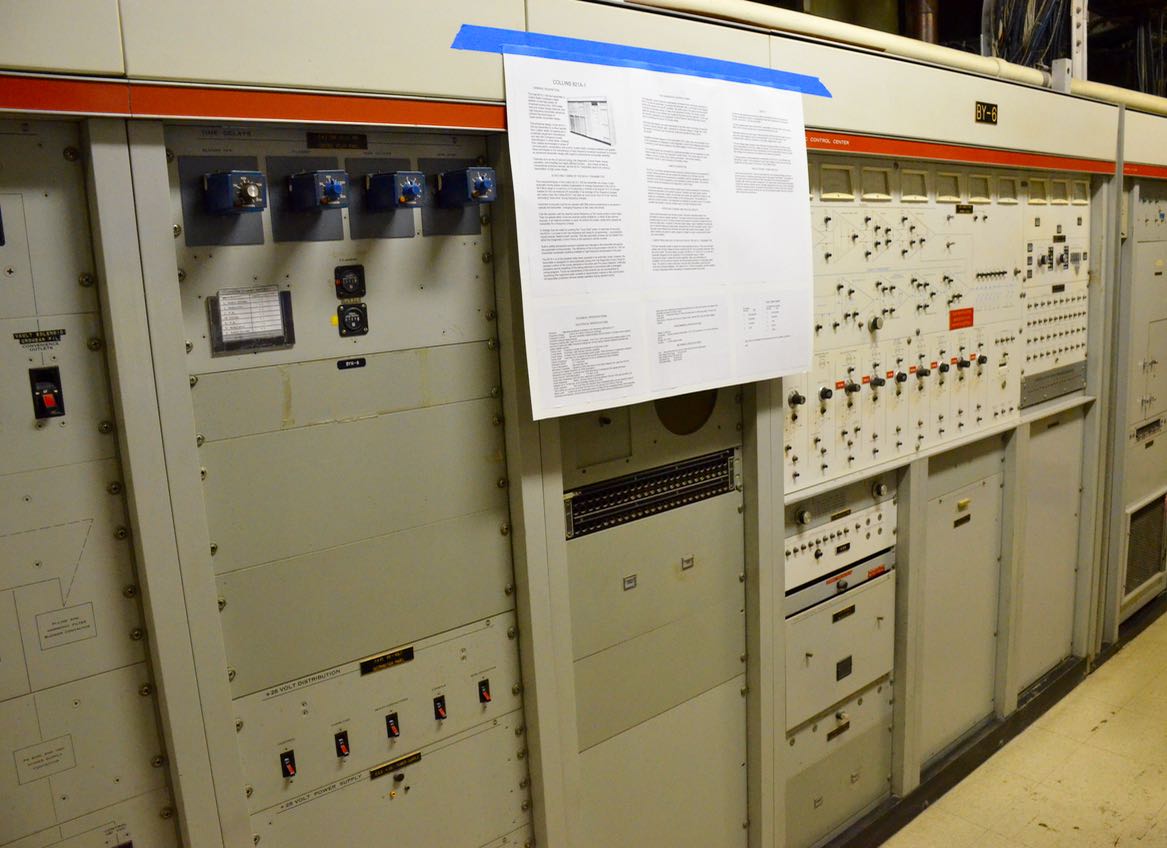
Immediately after packing up our table at the Dayton Hamvention, my buddies Eric (WD8RIF), Miles (KD8KNC), and I made the 30 minute journey to Bethany, Ohio, to visit the VOA Bethany museum.

VOA-Bethany- - 1 (2)

VOA-Bethany- - 1 (35)

Main entrance and front lobby (above).VOA-Bethany- - 1 (34) VOA-Bethany- - 1 (3)

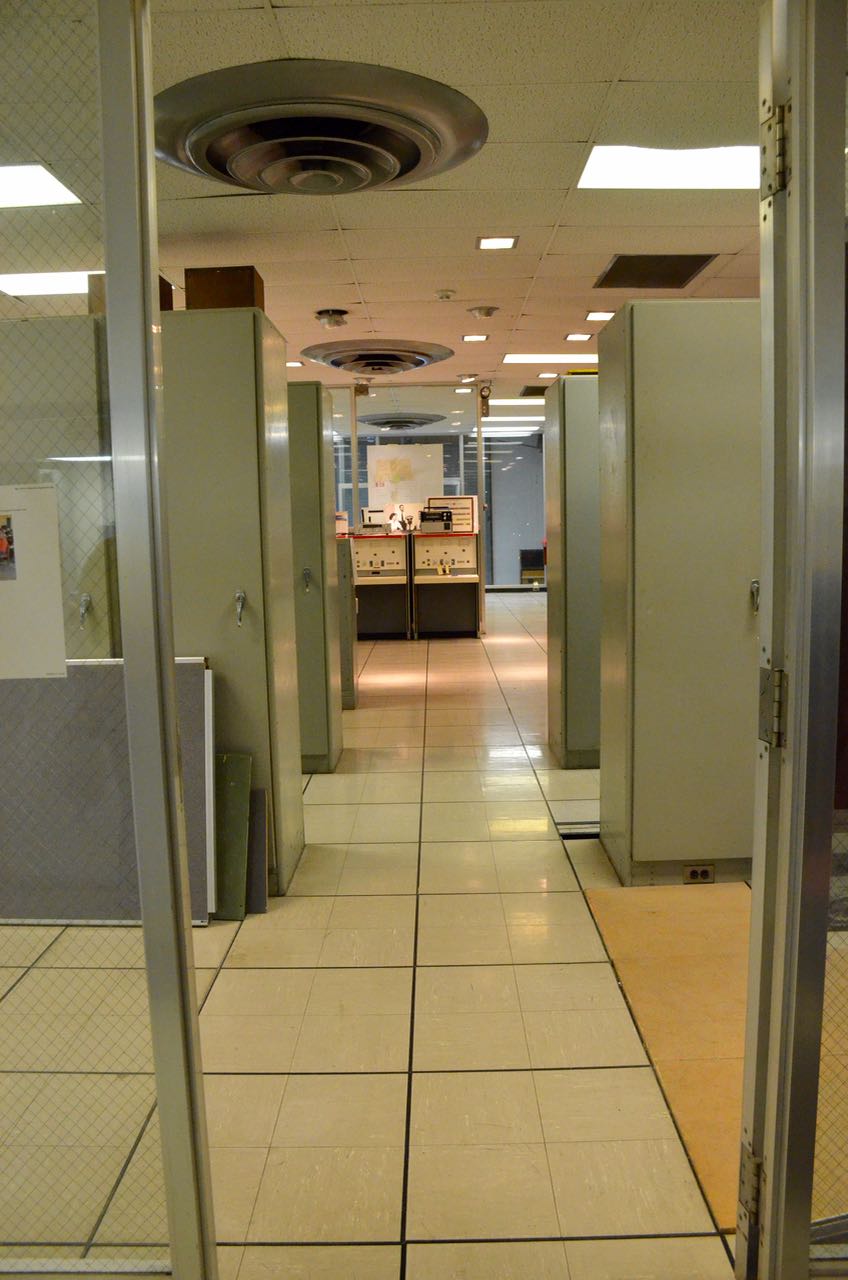
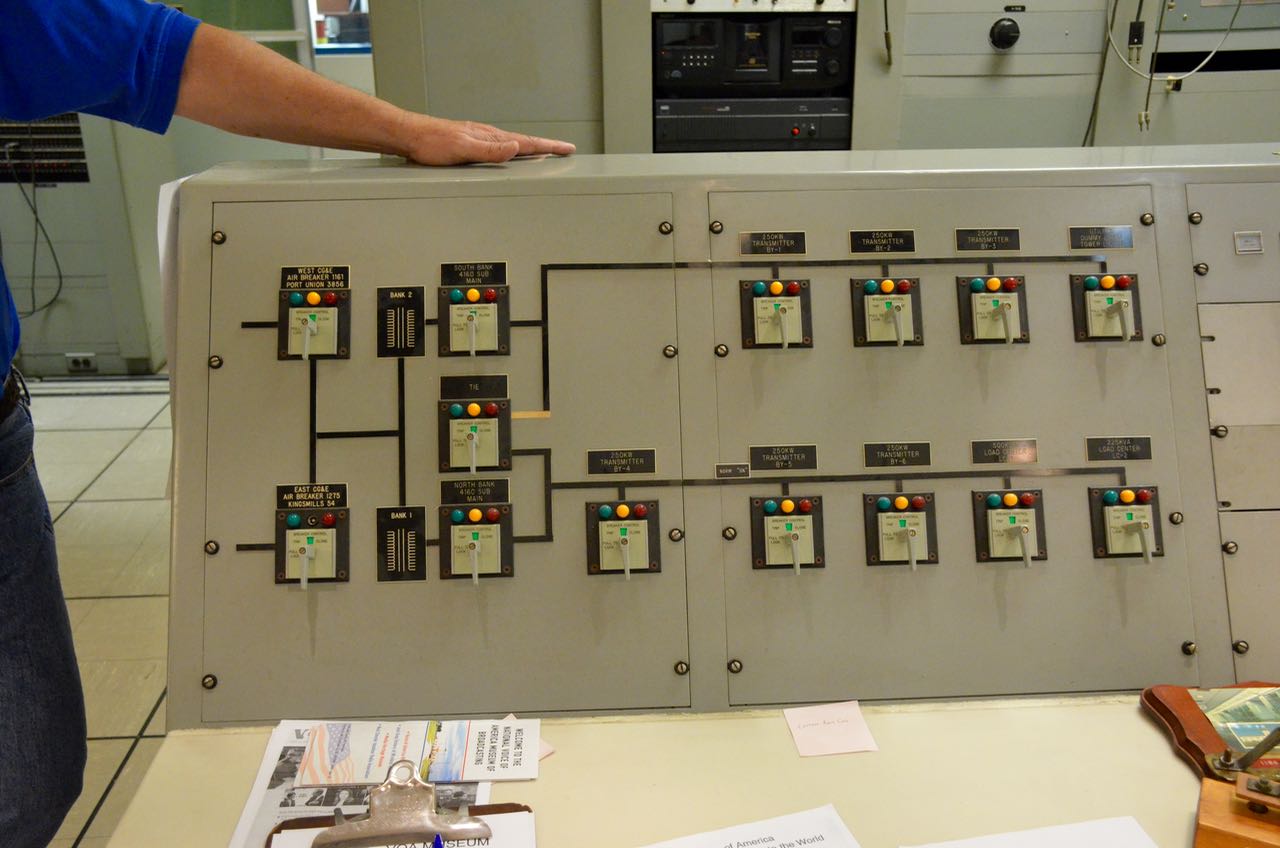
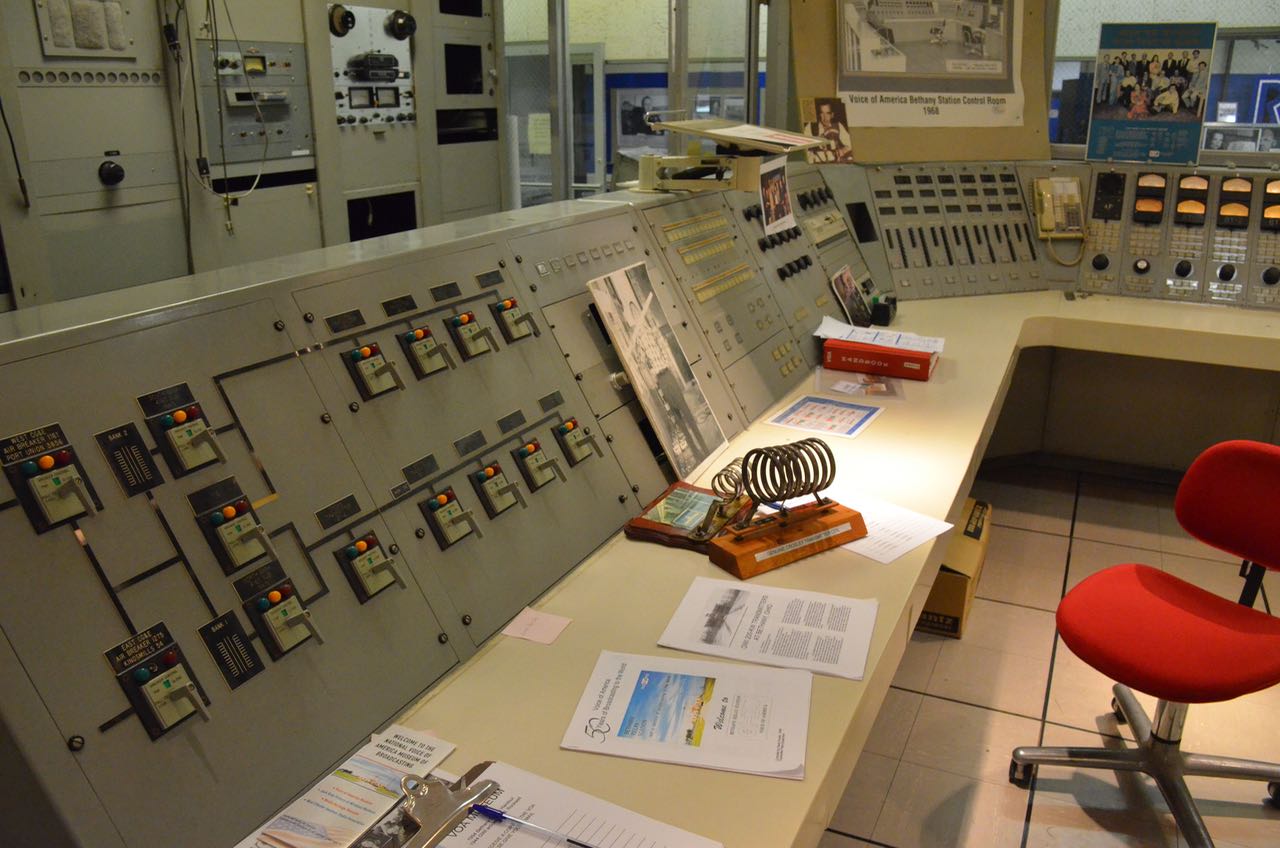
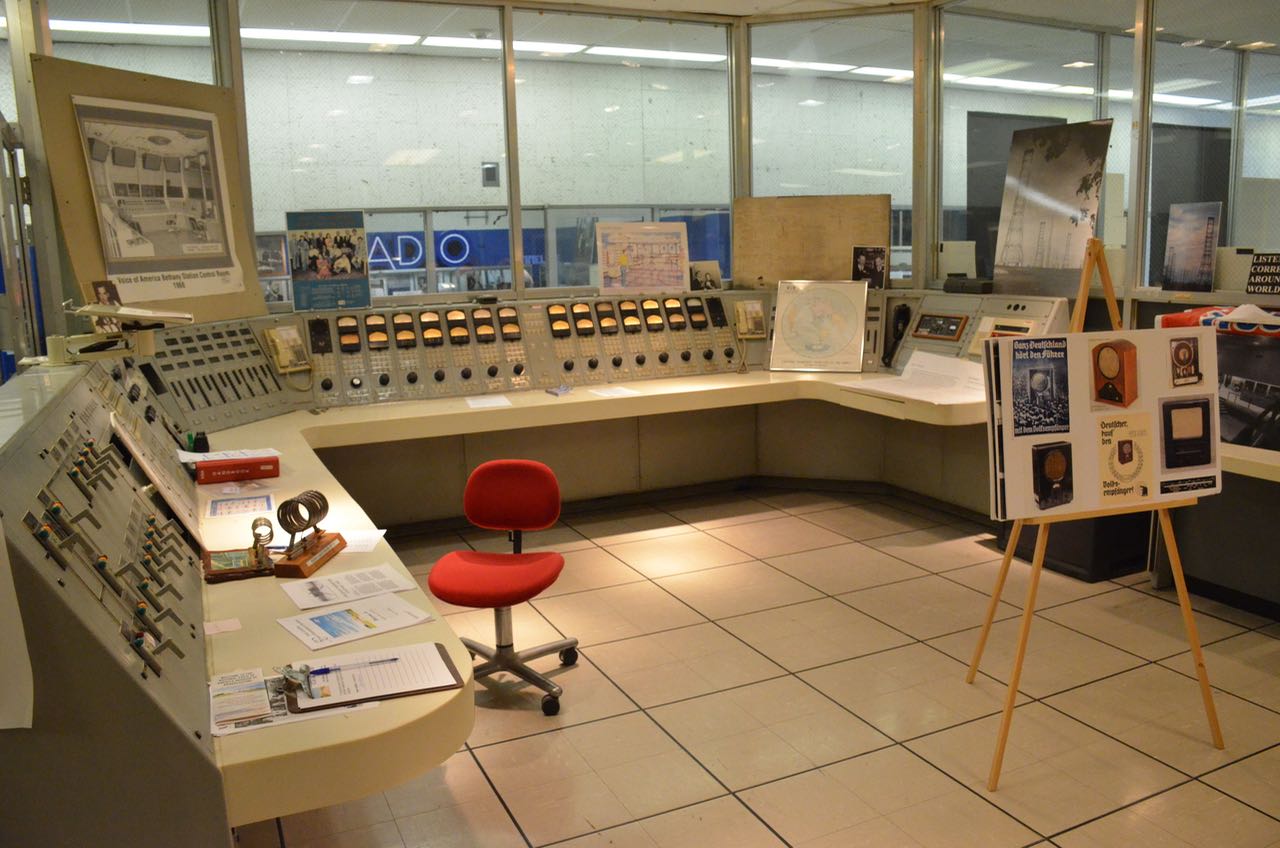
Entering the transmitter control room.

VOA-Bethany- - 1 (13) VOA-Bethany- - 1 (14) VOA-Bethany- - 1 (15) VOA-Bethany- - 1 (16) VOA-Bethany- - 1 (17) VOA-Bethany- - 1 (18)

VOA-Bethany- - 1 (28)Eric pointed out an article on the future of shortwave radio I published last year that the museum has posted in the hallway next to the control room (above).  What an honor!

VOA-Bethany- - 1 (19)

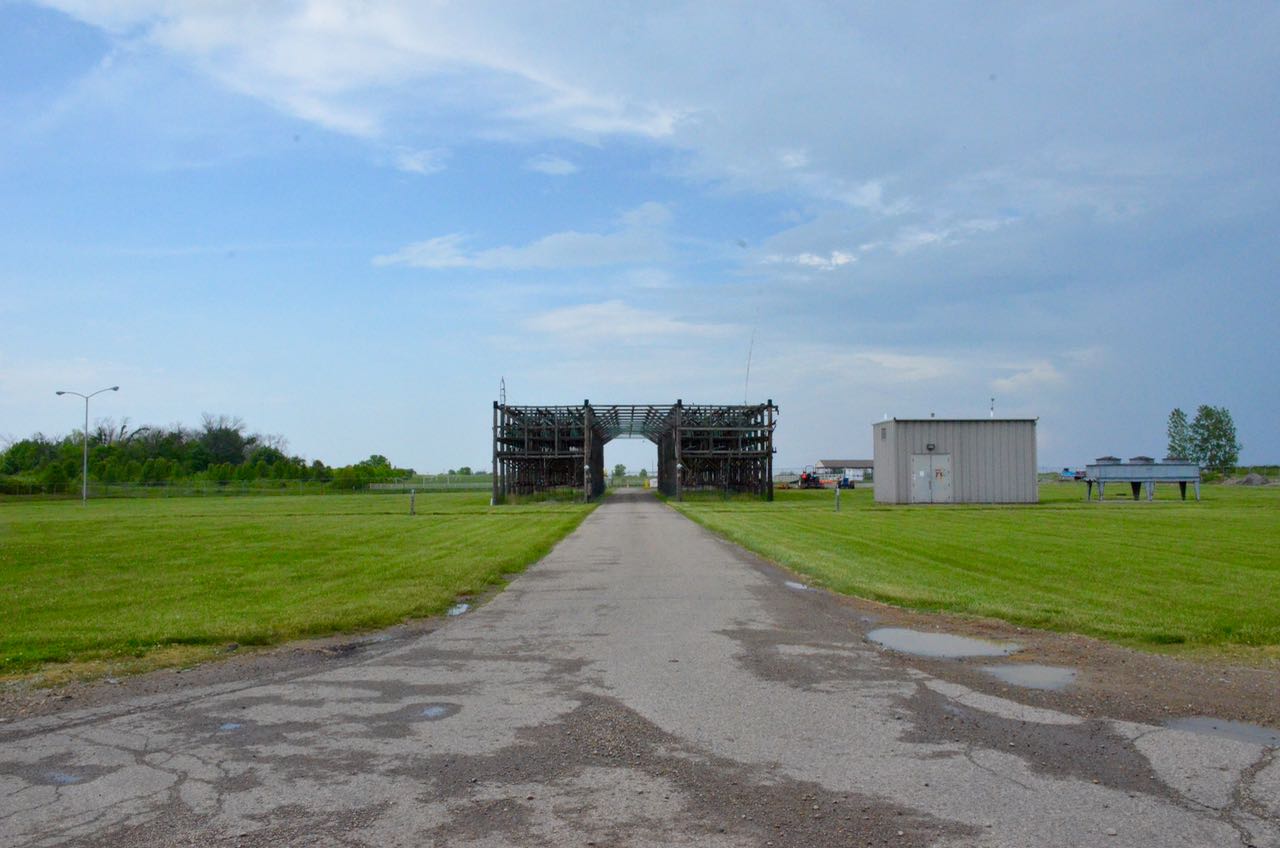
The antenna switching array behind the main building (following four photos).

VOA-Bethany- - 1 (12)

VOA-Bethany- - 1 (10)

VOA-Bethany- - 1 (4)VOA-Bethany- - 1 (6)VOA-Bethany- - 1 (9) VOA-Bethany- - 1 (8)VOA-Bethany- - 1 (11)

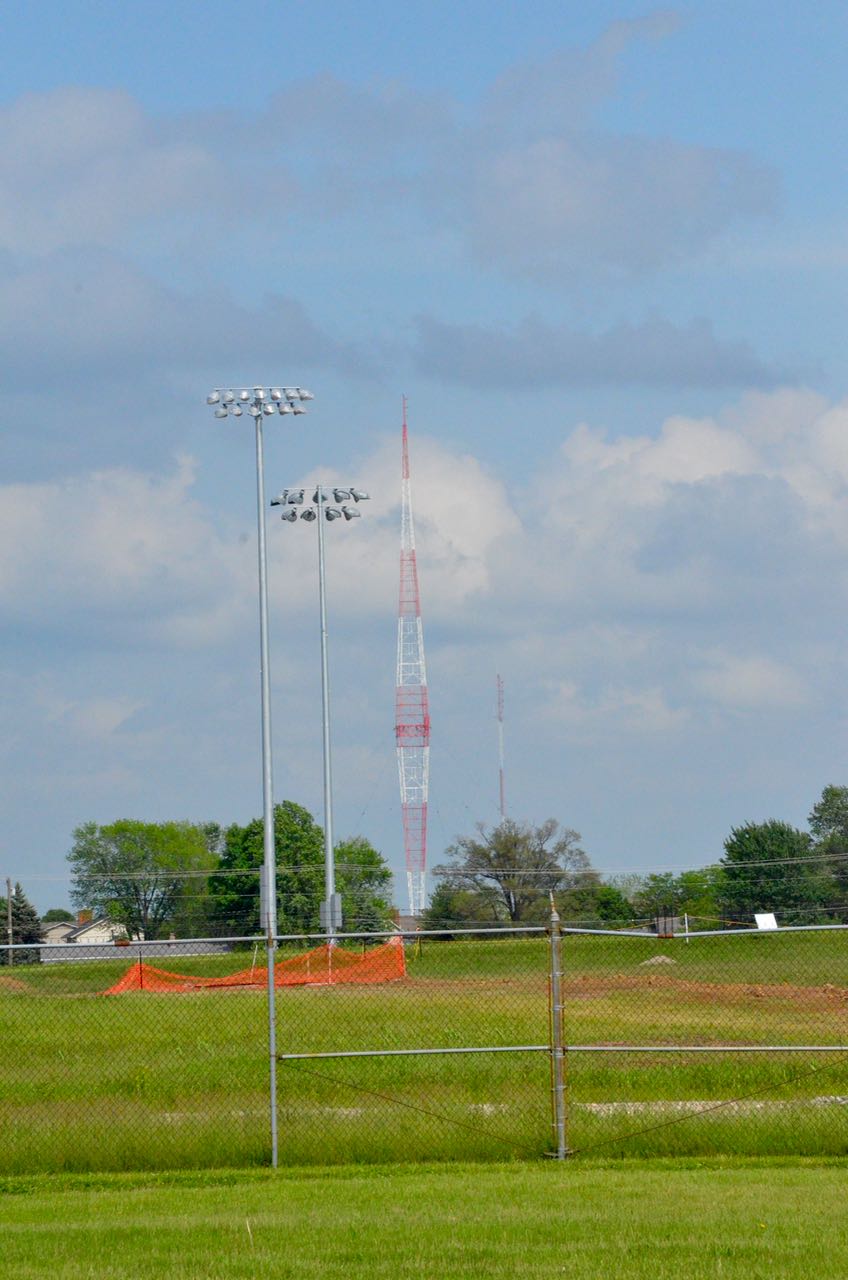
WLW (700 kHz) 800′ tower in the distance (above).

VOA-Bethany- - 1 (7)

The satellite dish (above) was once used for VOA’s downlink/feed–now the West Chester Amateur Radio Association (WC8VOA) uses the dish for EME (Earth Moon Earth) contacts.

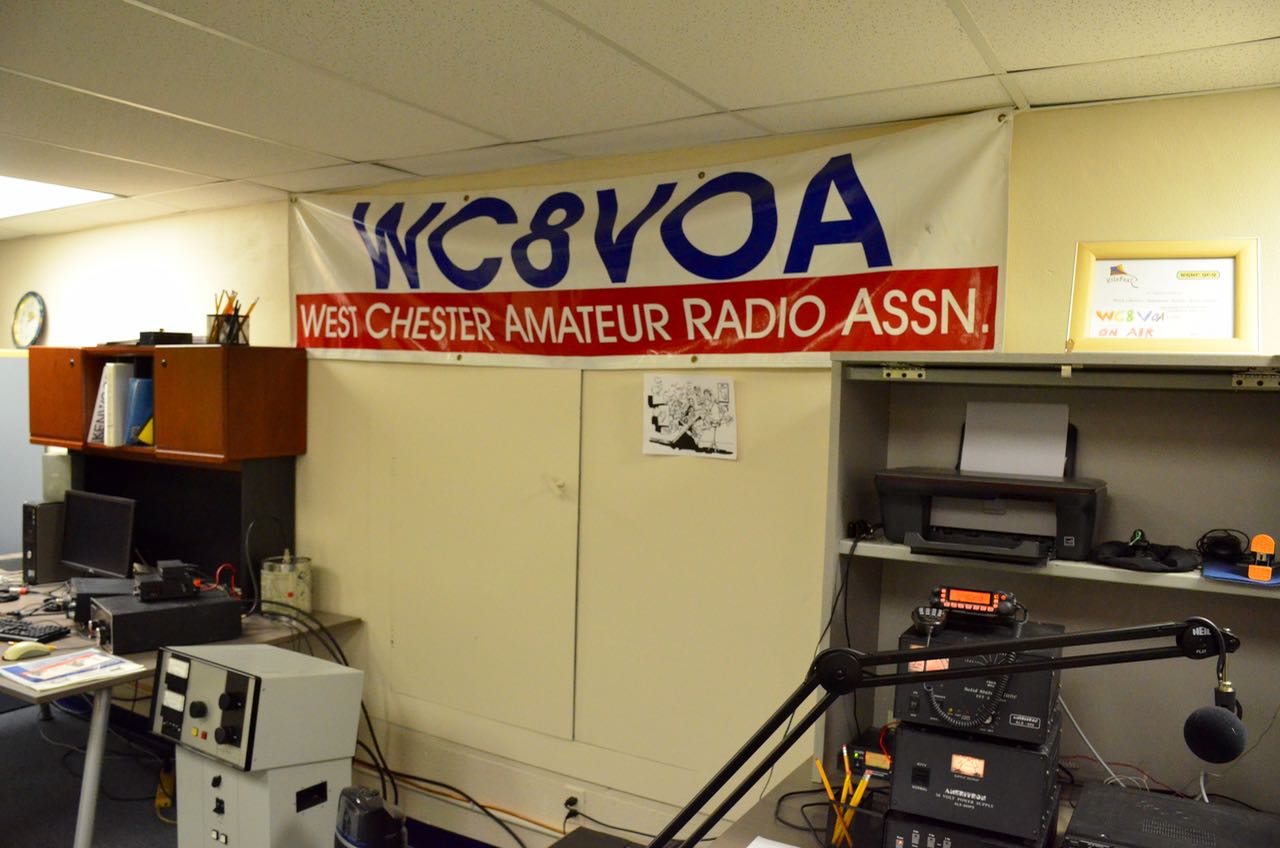
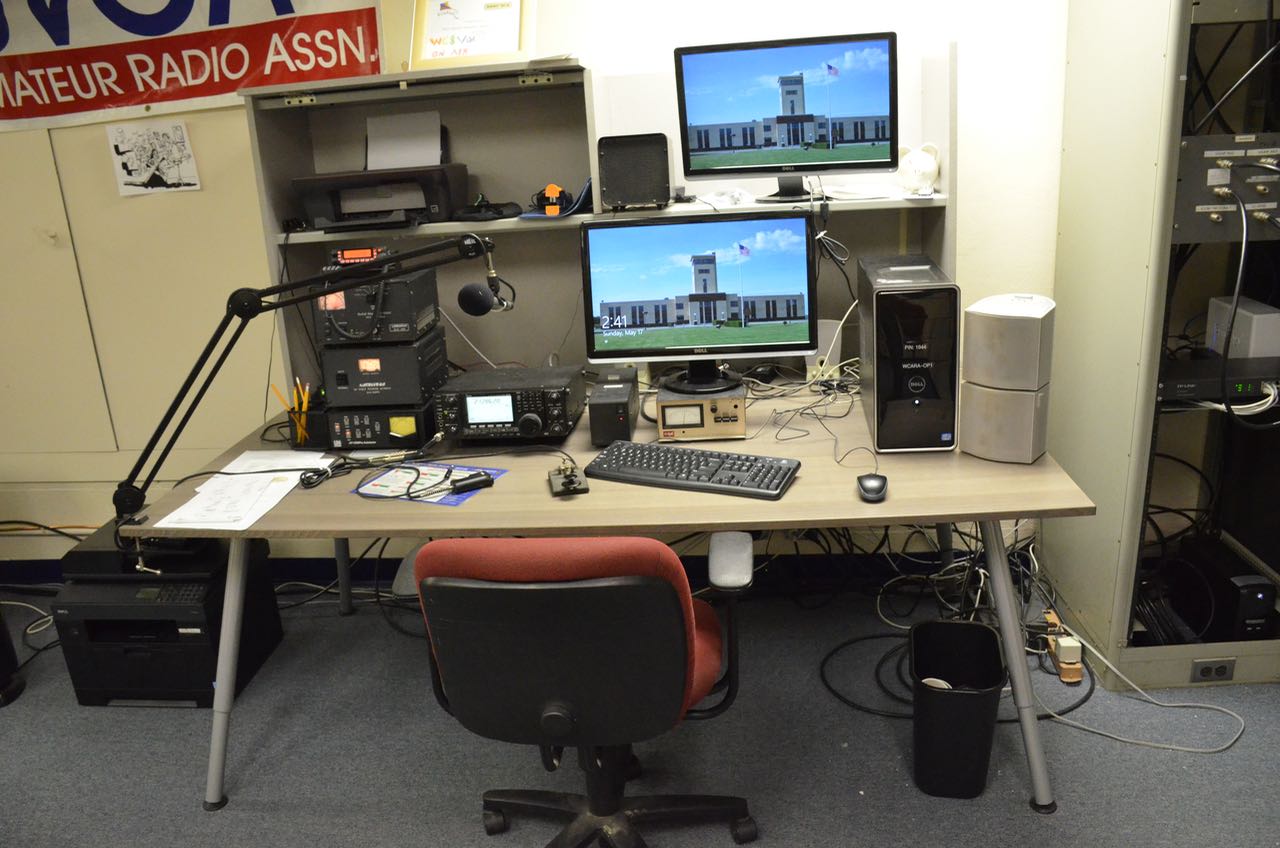
VOA-Bethany- - 1 (32)Back inside, WC8VOA has four full amateur radio operating locations stocked with Icom, Yaesu and Kenwood gear. The club president told us that an antique amateur radio station will soon be added.

VOA-Bethany- - 1 (33)

VOA-Bethany- - 1 (20)

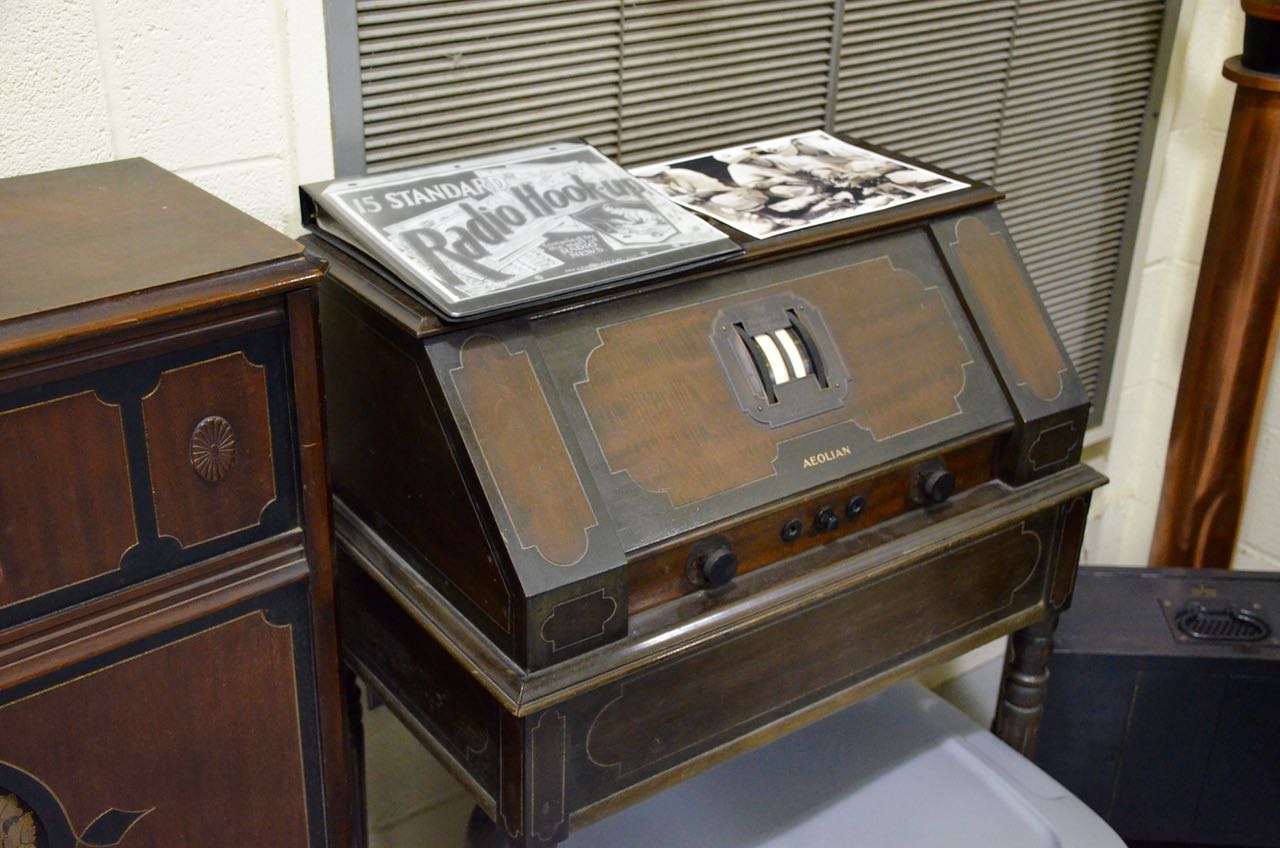
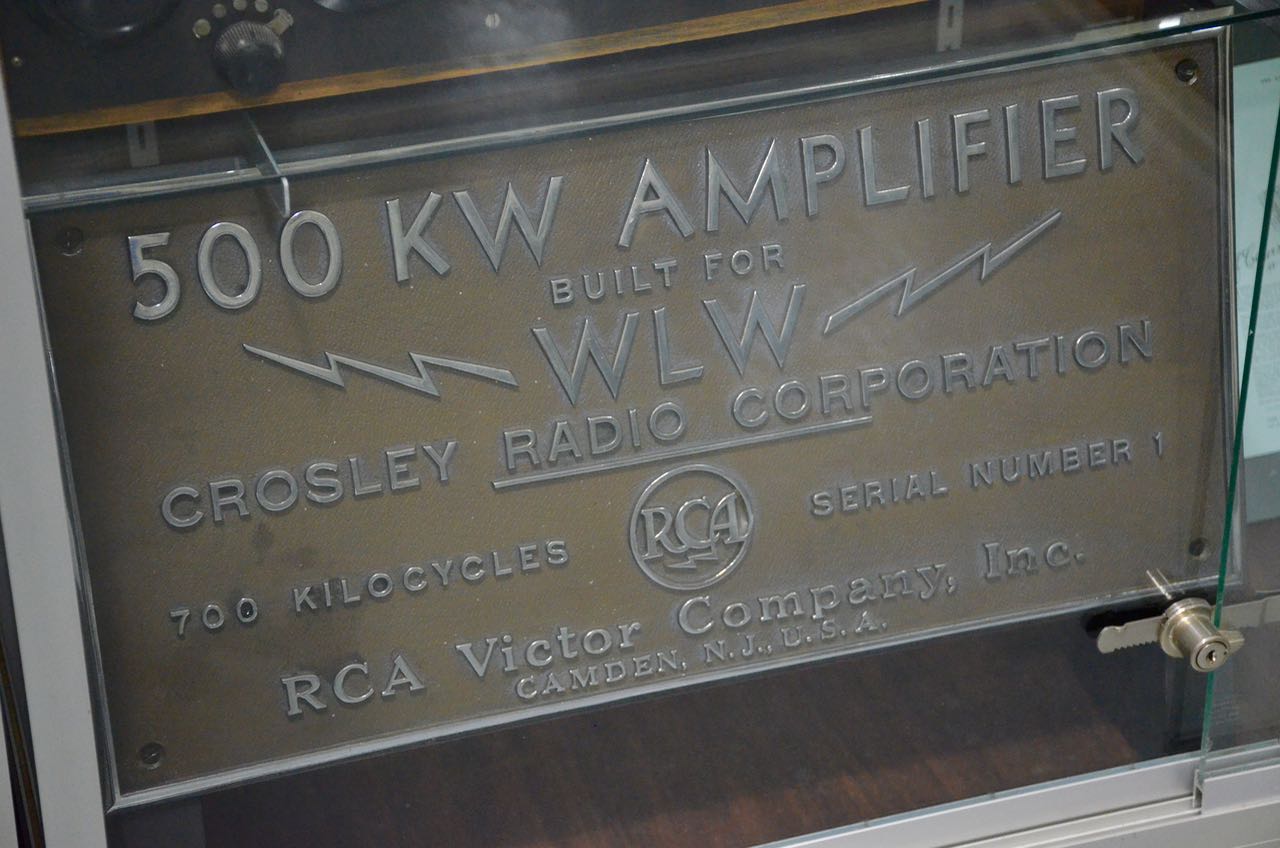
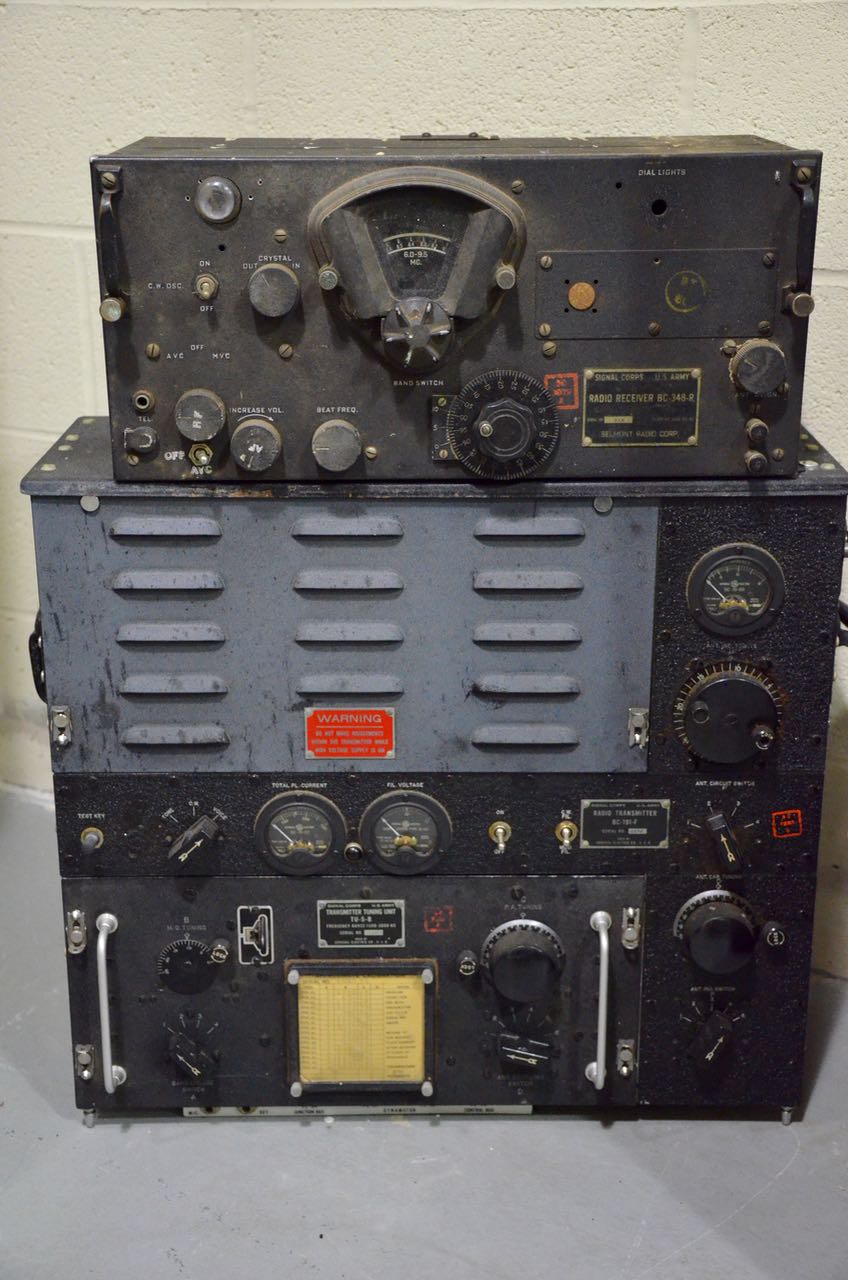
Our docent took us on a tour of two vaults filled with vintage radio equipment and then a museum devoted to the legacy of WLW. The item in the photo above is a corona ball from one of the original towers–notice the holes from lightning strikes.

VOA-Bethany- - 1 (21) VOA-Bethany- - 1 (22) VOA-Bethany- - 1 (23)

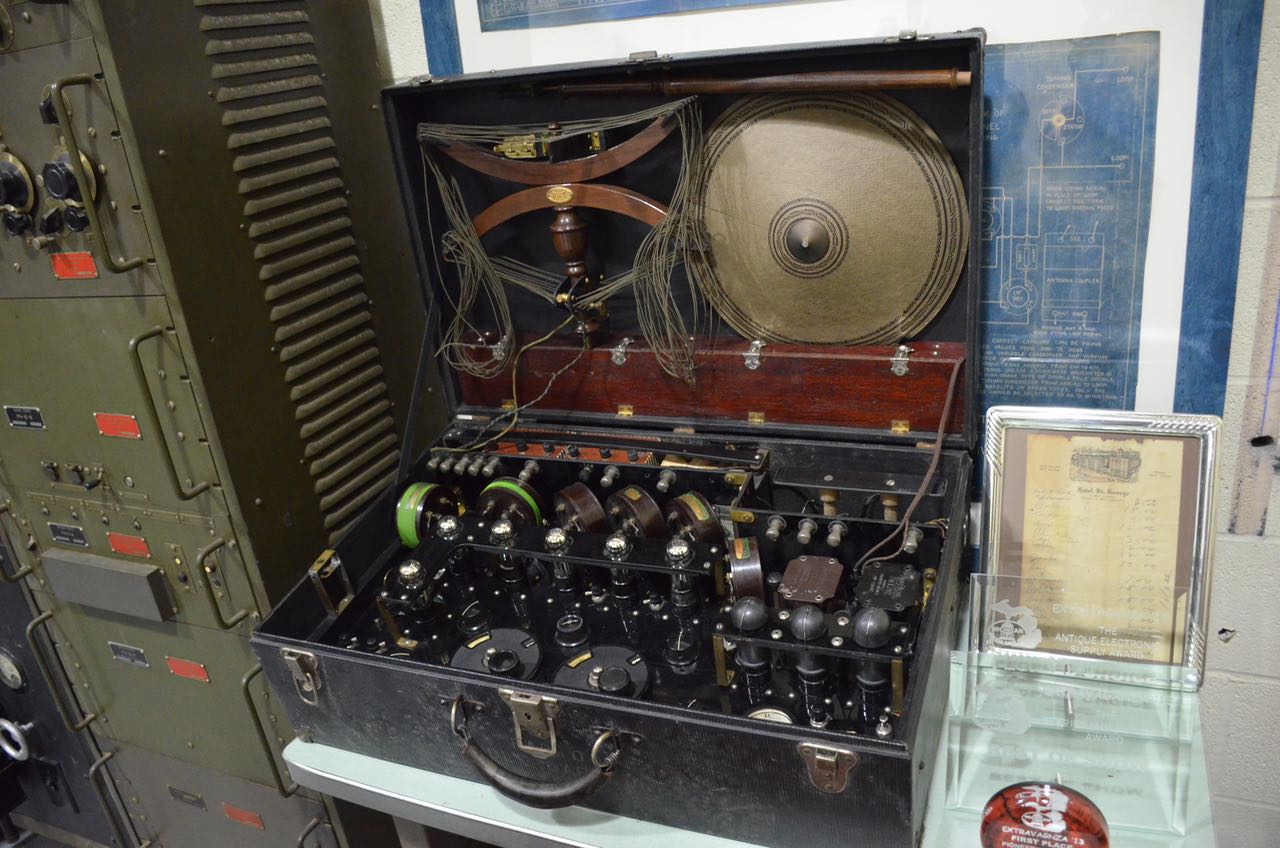
Example of an early radio kit (above).

VOA-Bethany- - 1 (24)

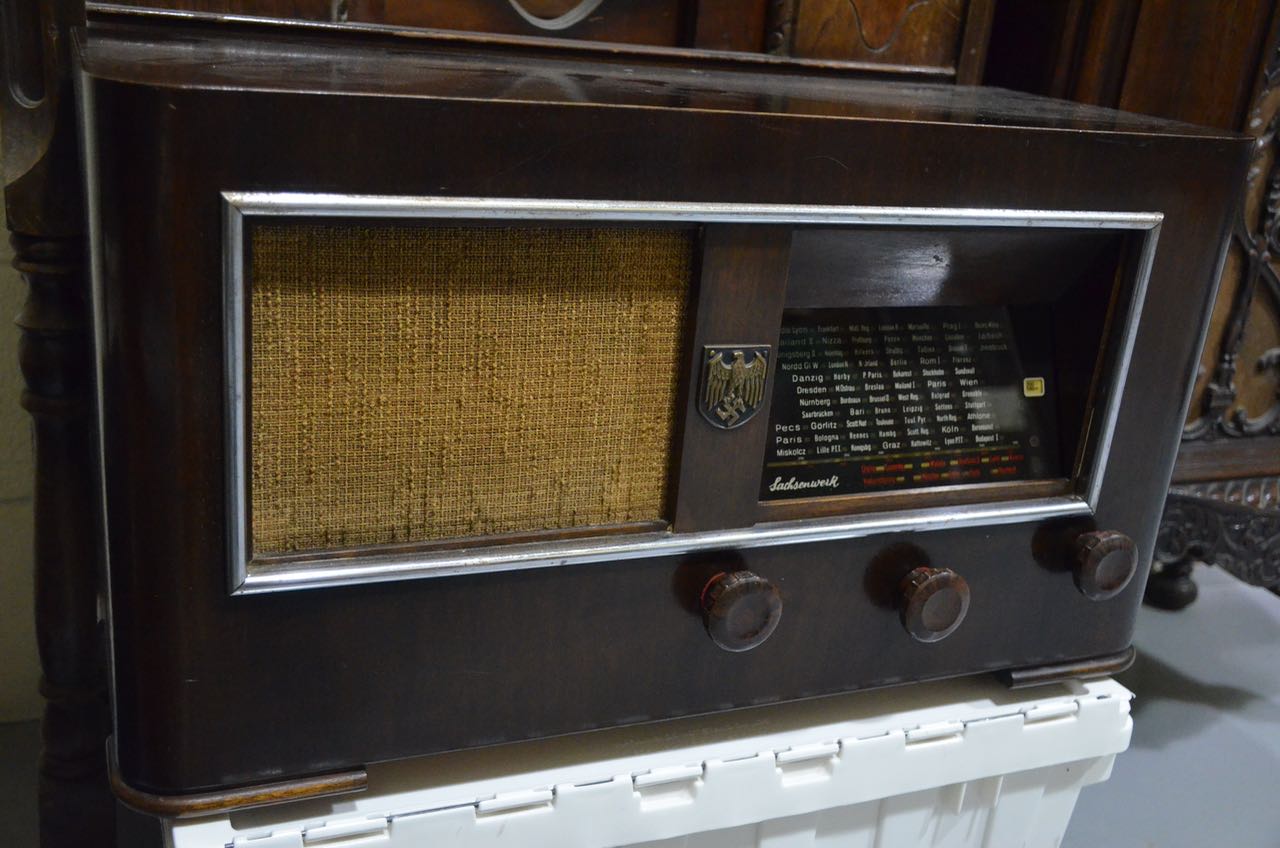
A rare Third Reich radio (above).

VOA-Bethany- - 1 (25) VOA-Bethany- - 1 (26)

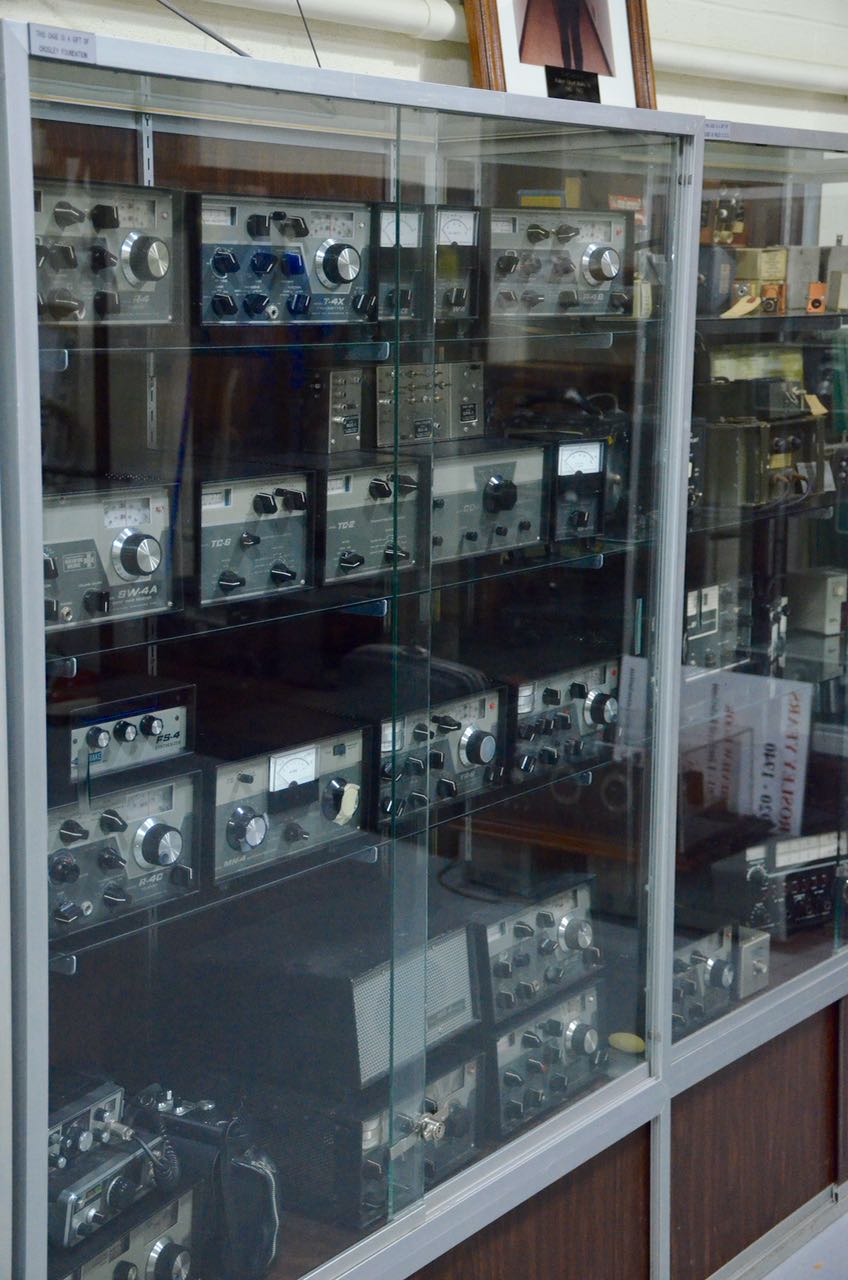
When Ohio-based R.L. Drake Company stopped manufacturing amateur radio equipment, samples of their full product line were donated to the museum.

VOA-Bethany- - 1 (27)

VOA-Bethany- - 1 (29) VOA-Bethany- - 1 (30) VOA-Bethany- - 1 (31)

The Museum is planning substantial renovations to restore the VOA Bethany Station and become a first class institution. During the restoration, the Museum is only open one day per month to the public: The third Saturday of each month from 1:00 PM – 4:00.

Click here to view the museum’s new website.

TX Factor Episode 8

TX-Factor-Episode-8

Many thanks to SWLing Post reader, David (G4EDR), who writes:

“I thought you and the many readers of your SWLingPost would be interested in the latest edition (8) of TX Factor a UK produced online TV programme.

It features two employees of the BBC who are also radio amateurs and shows them in their working environment as studio managers and continuity announcers on BBC radio.

Just navigate to http://www.txfilm.co.uk/txfactor/txfactor.shtml and select watch now for episode 8.

There are also items about Icom UK and Practical Wireless magazine.

Thanks for hosting your SWLingPost, I really enjoy it.”


Many thanks again, David! Another brilliant episode! At time of posting, the TX Factor site was down, but their YouTube channel, of course, is working fine. I’ve embedded the video below:

My buddy Eric (WD8RIF) also alerted me that this episode had been published. I love watching TX Factor–I’m so impressed with both their programming and production quality.

TX Factor Team: Keep up the good work!

American Radio History site adds Monitoring Times issues

MonitoringTimesCover

The American Radio History website has just announced the addition of 75 issues of the late Monitoring Times magazine to their free downloads archive. These issues span 1983-1993, making a nice stroll down memory lane for many of us.

Click here to view on the American Radio History website.

ARS Technica: People turn to ham radio in aftermath of Nepal earthquake

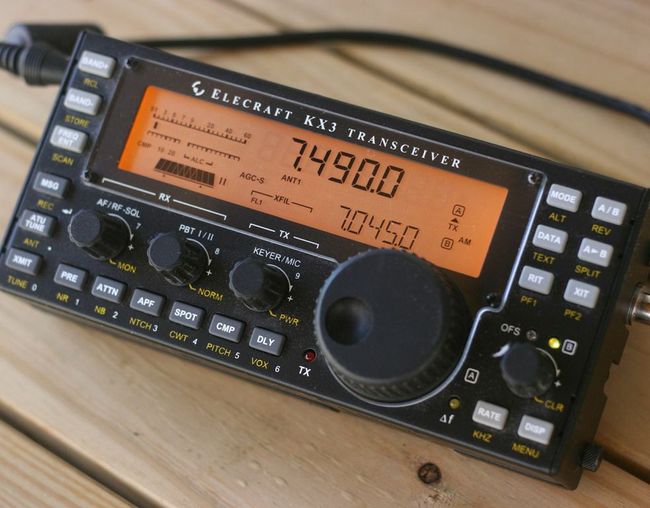
Elecraft-KX3

Many thanks to SWLing Post reader, John Drake, who shares this excellent article from ARS Technica:

“On Saturday, Nepal was shaken by a massive earthquake that registered a 7.8 on the Richter scale, causing widespread destruction in areas of dense population, and preventing aid workers from reaching more isolated villages in the mountainous regions. As of Tuesday, at least 5,000 people were dead and at least 10,000 were injured. Hundreds of thousands of people have been left homeless.

With any natural disaster, communication can often become a matter of life and death, and if phone lines are broken and cell towers crumble, relaying messages to the outside world and coordinating rescue efforts becomes that much more difficult. Add to that the fact that Nepal’s government is woefully unprepared to handle such a humanitarian crisis, and chaos reigns.

Still, some volunteers are trying to impose order on the chaos. After the quake, which shook cities in India as well as Nepal, volunteer ham radio operators from India traveled to the region to relay messages from areas whose communications infrastructure is broken or overloaded. Ham radio, also called amateur radio, is a means of sending and receiving messages over a specific radio frequency, and it is often used in disaster situations because it operates well off the grid; transceivers can be powered by generators and set up just about anywhere.

Amateur radio has taken a back seat with hobbyists in recent decades as other means of wireless communication have become cheaper and easier for people to use (you don’t need a special license from the FCC to operate a cell phone, although sometimes it seems like we’d be better for it if that were the rule). The decline in participation rates is unlikely to change substantially in the US, and the Times of India noted that awareness about ham radio is still low in India and nearby areas. Still, it has proven to be effective as a means of communication in Nepal in recent days.”

Continue reading on ARS Technica…

Transceivers like the Elecraft KX3 (above) are perfect for aid workers in need of communications in the aftermath of a natural disaster. Many modern transceivers (like the Kx3) can run for hours at a time off of battery packs, can be deployed almost anywhere and can easily be attached to amplifiers if needed.

It may take a license to operate amateur radio, but frankly it’s a fairly low barrier of entry. Morse Code tests are no longer required here in the US and all of the questions and answers are multiple choice and in the public domain.  Indeed, I found the Technician (and former Novice) license test to be incredibly educational; especially with regard to radio propagation and basic electronic principles.

Everyone should support their amateur radio clubs who actively hone their emergency communication skills. As the ARRL often quotes: “When all else fails…amateur radio.” Even if you don’t have a license, amateur radio clubs welcome visitors. You can find a fairly comprehensive list of amateur radio clubs (in the US) via the ARRL.

Click here for a list of amateur radio organizations worldwide.