Category Archives: Ham Radio

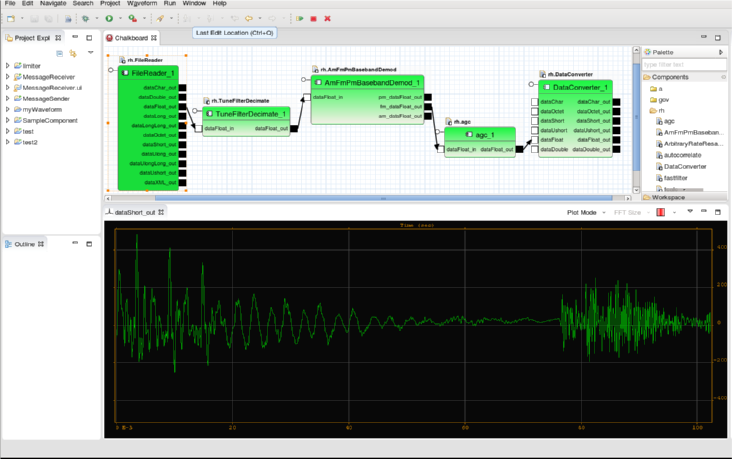
The NSA’s Software Defined Radio application “RedHawk” is now open source

Many thanks to SWLing Post contributor, Andrew, who writes:

Not kidding, a friend told me that NSA released a bunch of software to open source, the main list being here:

https://code.nsa.gov/

While looking at the list of projects on that page, halfway down the page, I found a project called “RedHawk” which is described as:

“A software-defined radio (SDR) framework designed to support the development, deployment, and management of real-time software radio applications.”

Now, being curious I opened the github link:

https://github.com/redhawksdr

[It] contains quite a number of subprojects, modules and other stuff, then I checked the main “RedHawk” project:

https://github.com/RedhawkSDR/redhawk

Here’s the documentation:

https://redhawksdr.github.io/Documentation/index.html

It seems really interesting; apparently it allows to define a wealth of processing stages (e.g. filters, converters…) and connect them to process signals coming from an SDR; I think it may be a very interesting and useful tool to fiddle/experiment with SDR receivers, if I’m not wrong it may allow to push an SDR to the limits, improving its performance, and may also be useful to write SDR software!

Fascinating! Thank you for the tip, Andrew!

Post Readers: It appears this project has been in the public domain for a little while. Please comment if you’ve tried implementing RedHawk in your SDR system!


Do you enjoy the SWLing Post?

Please consider supporting us via Patreon or our Coffee Fund!

Your support makes articles like this one possible. Thank you!

Finding a repair service for boat anchors and other vintage valve/tube radio gear

Vintage tube radios will likely survive an EMP, but how do you power them without mains electricity?

Here’s a common question I receive from SWLing Post readers:

“Where can I have my vintage valve/tube radio repaired? Can you recommend a good repair service?”

The answer isn’t always a simple one, especially for those living in rural or remote parts of the world.

Go local

The short answer is: try to find a local repair service.

Unlike modern solid state radios, “boat anchors” (metal chassis vintage radios) are heavy and very pricey to ship.

Some repair services and retailers won’t even consider shipping vintage metal chassis radios because of the likelihood of damage or a tube or other component loosening during transit resulting in a DOA (Dead On Arrival) situation. They insist on in-store or local pickup/delivery.
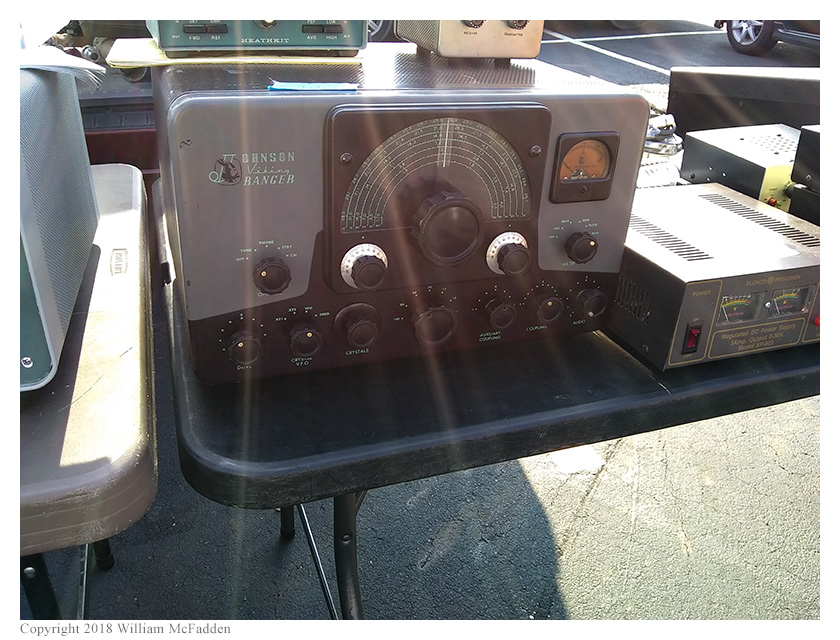
Johnson Viking Ranger transmitter


Last year at the Dayton Hamvention I was speaking with an acquaintance who restores and repairs vintage tube radios–he specializes in WWII and Cold War era boat anchors (Collins, Signal Corps, Hallicrafters, National HRO, etc.). Although he makes a tidy profit from doing repairs, it’s most certainly a labor of love and not the most profitable use of his time.  He told me that he recently stopped accepting any repairs other than those delivered and picked up locally.

He told me he took great care in packing equipment after repairs had been made–he’d secure all components so that they couldn’t budge during shipment and would either double box or use industrial strength cartons. Being so diligent, his return shipments almost always arrived unscathed, but customers would complain about the shipping costs. He could, of course, skimp on packaging, but then risk his repair work being undermined by rough handling. He was never willing to compromise on shipping and I certainly don’t blame him.

So again, due to the complexities of shipping heavy gear, I always recommend trying to find someone local to do your “boat anchor” repair work first.

Where can you find a local repair shop? If you belong to or know of a local ham radio club, stop by a meeting and ask around. If there’s a vintage radio repair technician in town, someone in the club can likely connect you.

Shipping boat anchors
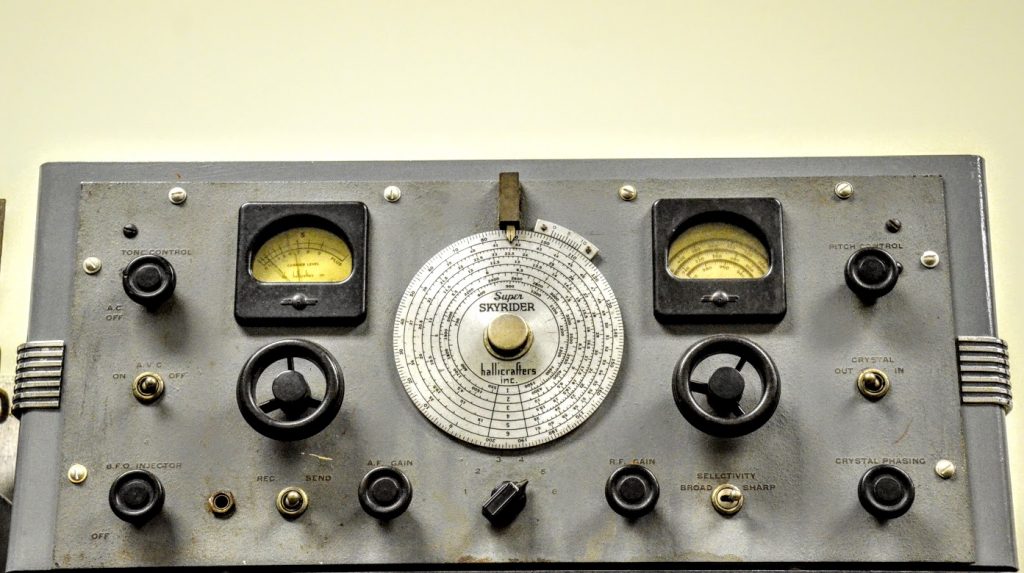
With that said, there are some excellent repair technicians out there who will take work via parcel shipments, but be prepared to pay upwards of $50-150 each way each way (depending, of course on the radio size and weight).

Lighter tube radios are easier and cheaper to ship, but should still be packed carefully. Bakelite radios, for example, are lightweight but incredibly fragile.

In short: if you ship your vintage radio, pack meticulously and confirm that your repair person will do the same.

And where do you find repair services? I point readers to radio repair service reviews on eHam.net. You might also search the QRZ.com forums or even post a question.
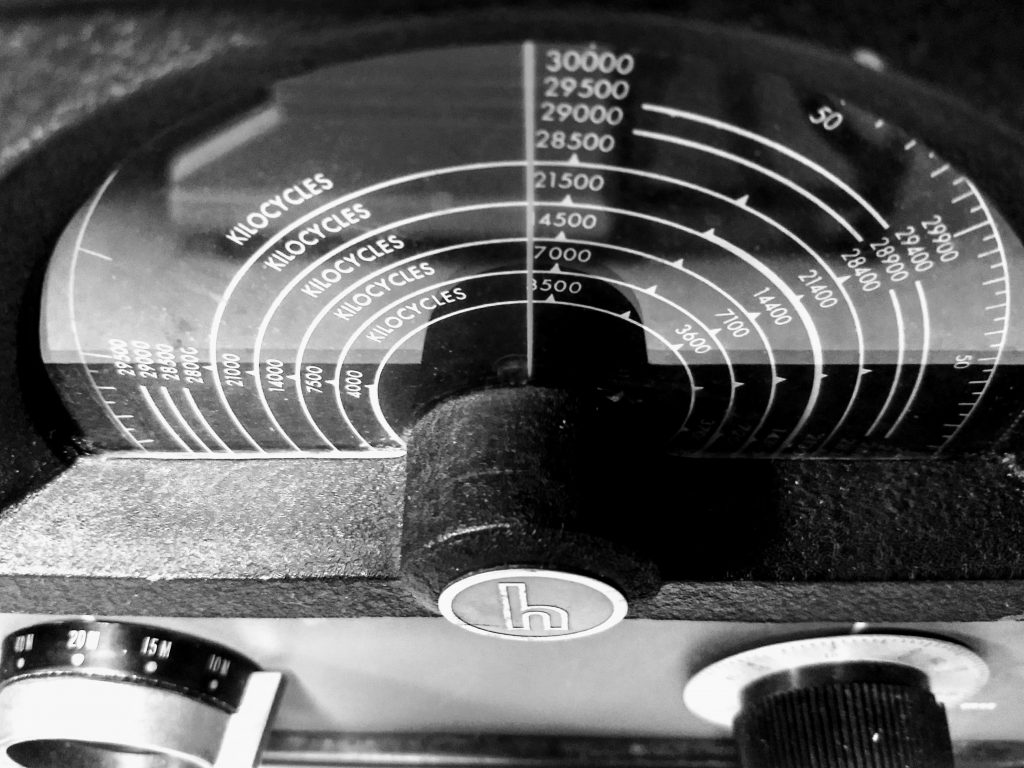
Let’s be clear: some radios are worth the shipping costs!

I am fortunate in that I do have a local friend and mentor Charlie (W4MEC) who repairs tube gear. Better yet, Charlie is willing to teach me how to do repairs and alignments myself. This, I would argue, is the best of both worlds!

A Note of Caution: When it comes to repairing tube/valve gear, I believe you should always learn the ropes with an experienced technician. Unlike battery-powered solid state devices, tube gear is mostly high voltage. If you don’t know what you’re doing inside the chassis of a tube radio, you could be severely shocked or even electrocuted. No radio is worth that price.

Who do you recommend?

If you have any advice about repairing boat anchors and other vintage electronics, please comment! Also, if you can recommend a repair service, please share details.

“Crystals Go To War”: A 1943 film about the production of Signal Corps radio crystals

Many thanks to SWLing Post contributor, Charlie (W4MEC), who shares this fascinating film which documents the production and calibration of crystals in 1943. I had no idea of the amount of labor and attention to detail this process required–an absolutely fascinating process:

UPDATE (08/09/2022): the YouTube account associated with this film has been deleted by the owner.

Click here to view this same film now hosted by the Antique Wireless Association.

Terry remembers monitoring an eventful Sydney to Hobart yacht race

Many thanks to SWLing Post contributor, Terry Cominos, who shred the following story following our recent post about the Sydney to Hobart yacht race. Terry writes:

Here is my story…

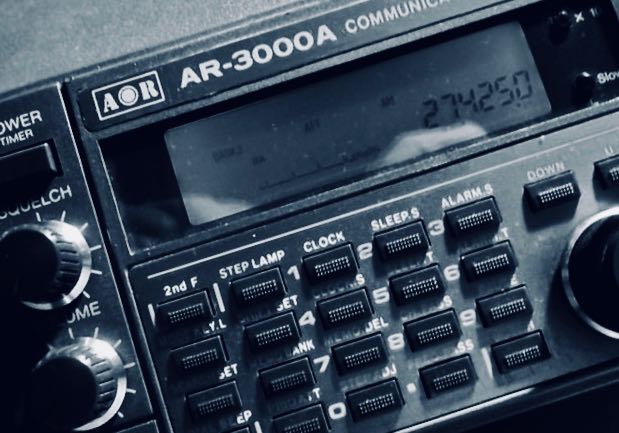
It must have been 20 plus years ago whilst monitoring the Sydney to Hobart yacht race on my AOR AR3000.

Around midnight the yacht “Mem” announced a man was lost overboard. They were turning back to find him. The Captain of the oil tanker “Ampol Serel” on his way to Sydney declared he was turning back to assist in the search.

It was a long night with several yachts searching and the “Young Endeavour” providing radio relay support.

More than an hour passed before the “Ampol Serel” arrived on the scene with its powerful search light.

The search was hampered by a swell yet before first light “Ampol Serel” picked up a reflected flash off a life vest.

The sailor was eventually found by a competing yacht and taken on board where he was examined and treated for hypothermia by a doctor onboard.

Several years later I visited the Australian Maritime Museum where the life vest is on display.

That morning I learned a lot about the sea, radio and human nature…

Thank you for sharing this, Terry, and reminding us  that those of us who monitor radio sometimes have a front row seat to events as they unfold.

Source: OneTubeRadio.com

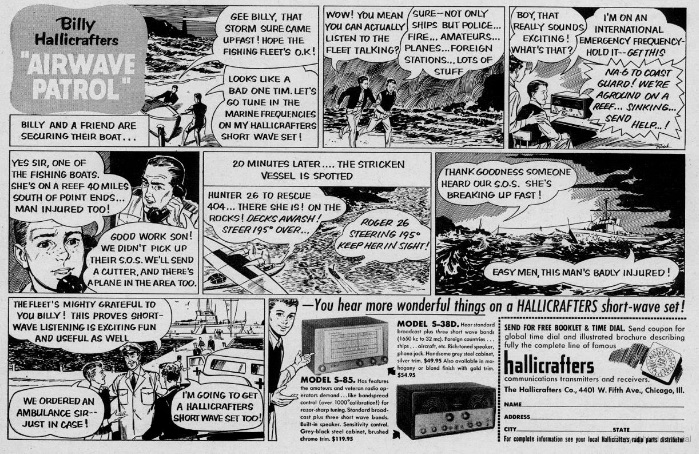
I recall this 1957 Hallicrafter ad from Boy’s Life magazine which of course implies that we may even be in a position to help.

The thought of hearing or assisting–remote as it may have been–certainly had an influence on me when I first started exploring the shortwave bands from my bedroom with a Zenith Transoceanic some forty years ago.

Thanks again for sharing, Terry.

Post readers: Have you ever been witness to events as they unfolded on the air?  Please share your story!


Do you enjoy the SWLing Post?

Please consider supporting us via Patreon or our Coffee Fund!

Your support makes articles like this one possible. Thank you!

New release of Win4K3Suite includes broadcast EIBI schedules

Many thanks to SWLing Post contributor,Randy (KS4L), who shares the following update via Tom Blahovici of Win4K3Suite:

There is a new release of Win4K3Suite.

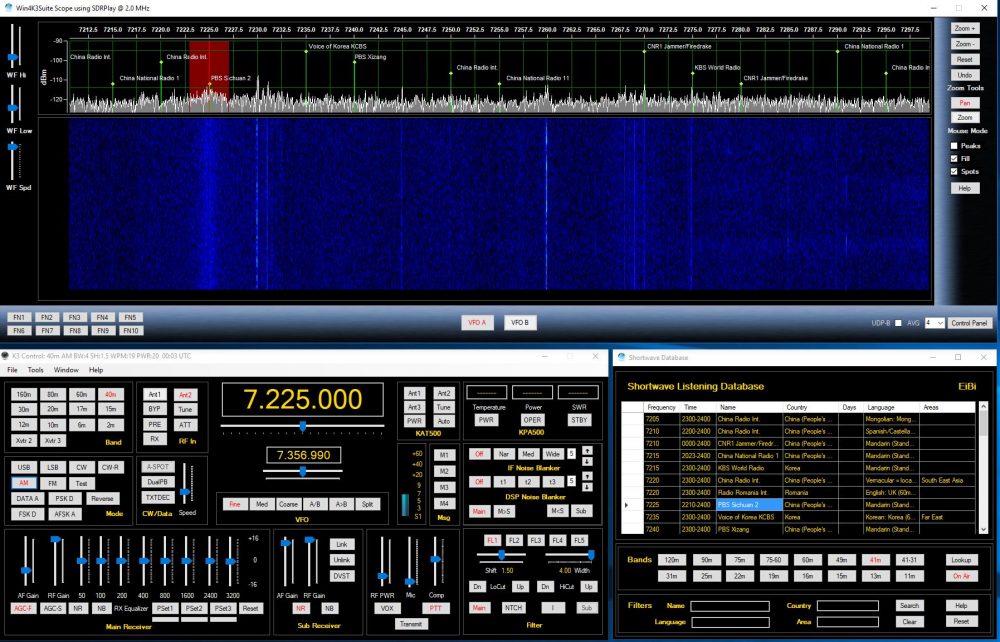
This release adds a number of new features. One of these is bound to bring you back in time…Win4K3Suite now includes the ability to search and display Shortwave radio stations if you have the general coverage option in your radio. This is made possible by supporting the EiBi database (eibispace.de) which is published 4 times a year. Here is an example of this in use with the built in Panadapter of Win4K3:

In addition, there are a number of additional new features and improvements such as a 1kHz snap in the spectrum and quicker resets of the ClubLog window.

You can find out more about Win4K3SUite here: https://www.youtube.com/results?search_query=win4k3suite and at the website va2fsq.com.

There is a free 30 day fully functional trial.
73 Tom

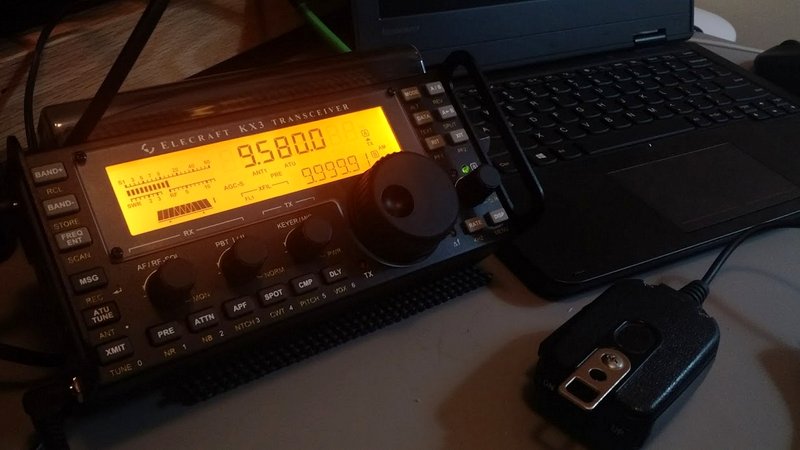
Thanks for sharing this, Randy! Since the KX3 and KX2 are some of my favorite portable broadcast receivers, this is a most welcome development. I may have to give Win4K3Suite a try!

ARRL News: “Broadcasters Intruding on Exclusive Amateur Radio Frequencies”

(Source: ARRL News via Ron)

The International Amateur Radio Union Region 1 (IARU-R1) Monitoring System (IARUMS) reports that Radio Hargeisa in Somaliland has returned to 7,120 kHz after a break of several weeks, while Radio Eritrea has been reported on 7,140 and 7,180 kHz. Radio Sudan has been transmitting on 7,205 kHz with excessive splatter, IARUMS said. German telecommunications authorities have filed official complaints.

IARUMS has also reported digital signals attributed to the Israeli Navy on 7,107 and 7,150 kHz. In addition, a Russian military F1B signal was observed in mid-November on 7,179 kHz. A Russian over-the-horizon radar has returned to 20 meters on 14,335 – 14,348 kHz. It was monitored on November 22. Earlier this fall, IARUMS reported digital signals from the Polish military daily on 7,001.8 kHz where Amateur Radio has a worldwide primary allocation. Telecommunications officials in Germany filed a complaint.

IARUMS has received reports of short “beeps” exactly 1 second apart, as well as frequency hopping between 10,108 and 10,115 kHz and 18,834 and 18,899 kHz. The signals are believed to emanate from a site near Chicago associated with an FCC-licensed Experimental operation involved with low-latency exchange trading on HF (see “Experiments Look to Leverage Low-Latency HF to Shave Microseconds off Trade Times”). Although Amateur Radio is secondary on 30 and 17 meters, Experimental licenses may not interfere with Amateur Radio operations.

Winter radio life and preparing for power outages

Listening to a local station with the BC-348-Q until we lose power.

Here at SWLing Post HQ we’ve been under a Winter Storm Warning since yesterday–it’s not set to expire until sometime tomorrow. This storm hasn’t been all snow–it’s a mixture of snow and ice. If this continues, I fully expect to lose power at some point today.

In general, we’re prepared to handle this sort of thing: our refrigerator and freezer are powered by solar and completely off-grid, we have a super efficient RAIS woodstove to keep us warm and of course, we have a generator at the ready if needed.

Playing radio off-grid

As I write this post, I’m listening to the Signal Corps BC-348-Q (photo above) which is tuned to a local AM broadcaster. It’ll fill my shack with local news/tunes and its vintage valves will do a fine job warming this small room until the power eventually goes out.

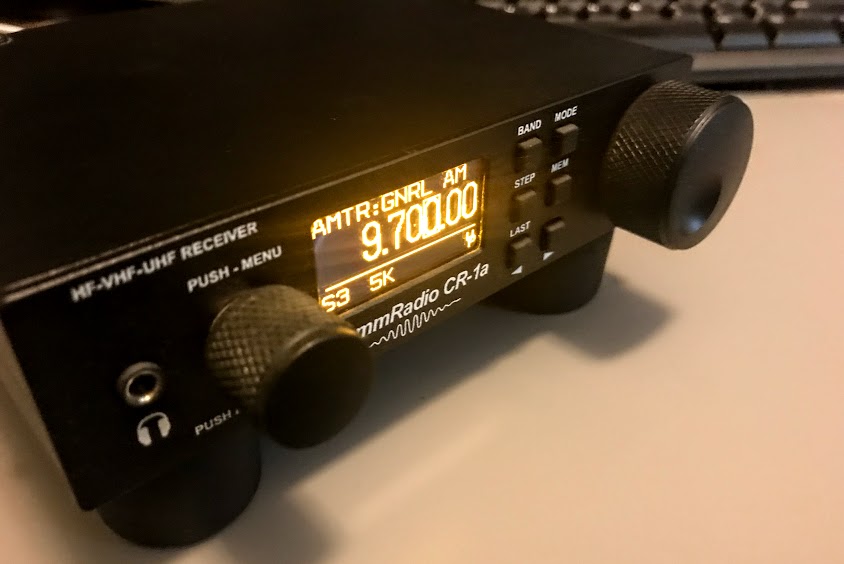
When it does go out, I’ll switch to my blackout buddy, the CommRadio CR-1A.

I find that the CR-1A is nearly ideal for off-grid and field listening, as long as you have a good external antenna. The internal Li-Ion battery powers the thing for ages and it has an incredibly capable receiver.

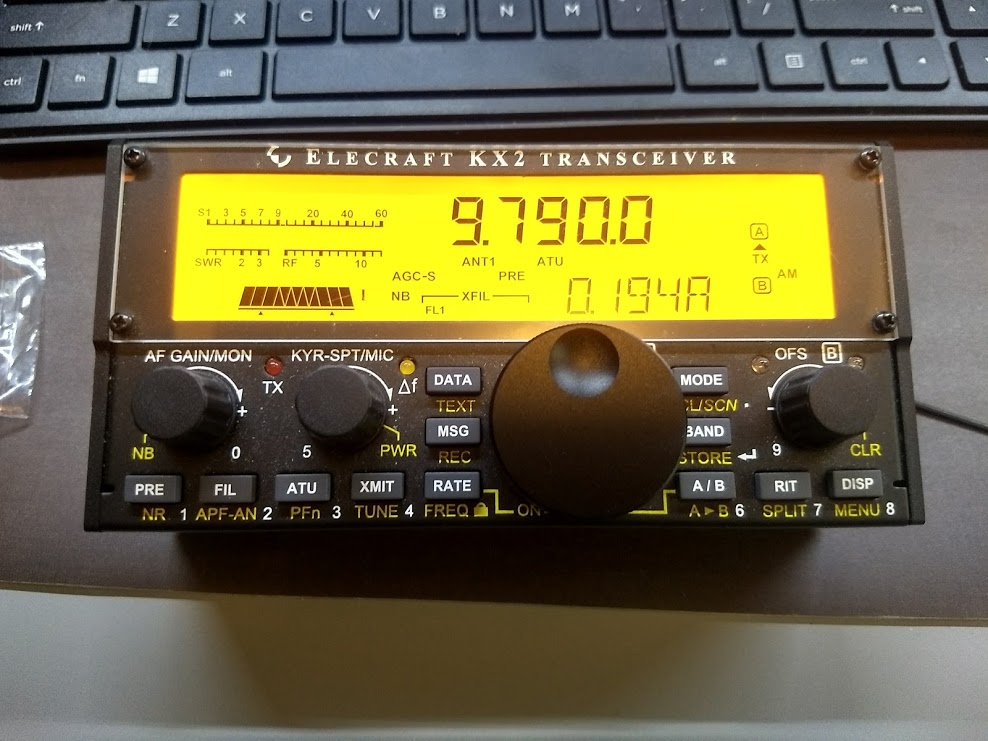
Of course, I also have an Elecraft KX3 and KX2 which can be powered by battery, but I tend to use the CR-1A for broadcast listening and save the KX2/KX3 for off-grid ham radio QRP fun.

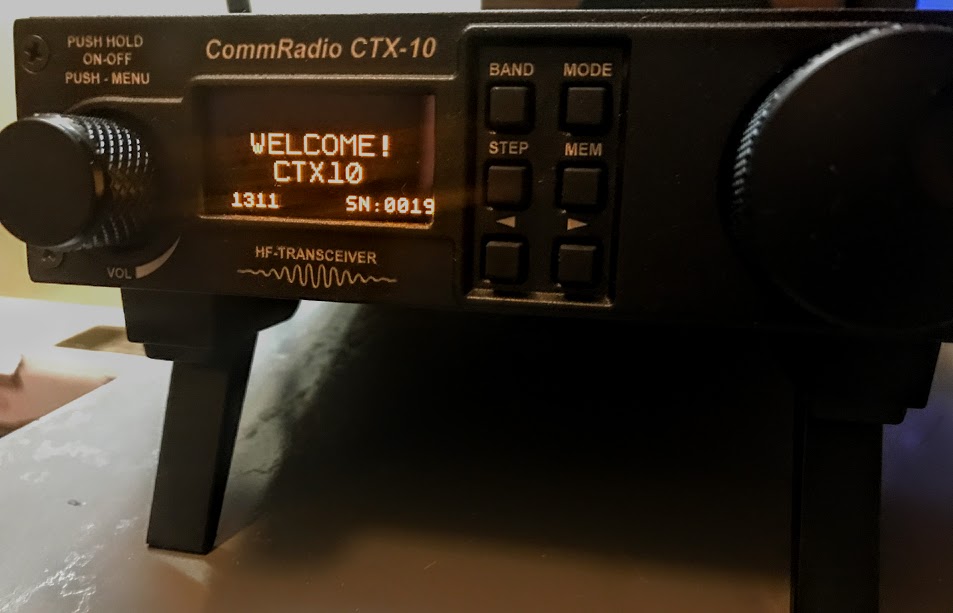
In addition, I have the new battery-powered CommRadio CTX-10 transceiver in the shack.

I’ve been receiving numerous emails about this particular field rig because there are so few CTX-10 reviews out there even though it’s been on the market since late July.

Please note that I’ve been giving the CTX-10 a thorough evaluation over the past few weeks and plan to publish my initial review in the next few days.

Bye-bye noise!

Even though I live in a very rural and remote area with little-to-no RFI, when the power is cut, my noise floor still drops . We’re not immune–like most homes, we have power supplies and devices that emit radio interference.

It’s funny: most urban radio enthusiasts I know don’t fear power outages, they prepare for and embrace them! When all of those RFI-spewing devices go silent, it’s simply amazing what you can hear from home on frequencies below 30 MHz with pretty much any receiver.

Personally, as long as I have a means of 1.) powering my radios, and 2.) making coffee (extremely important), I consider myself properly prepared.

I’ve always got those two points covered.

Bring it, old man winter!  I’m ready to play radio!


Do you enjoy the SWLing Post?

Please consider supporting us via Patreon or our Coffee Fund!

Your support makes articles like this one possible. Thank you!