Category Archives: International Broadcasting

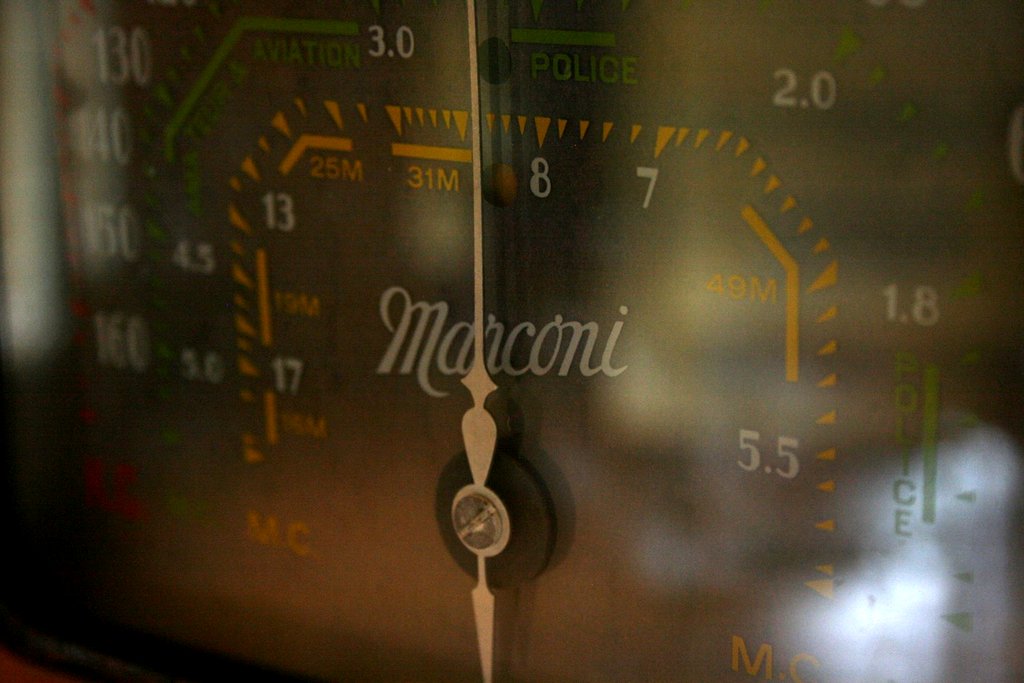
Marconi Radio International upcoming broadcasts

(Source: Mike Terry)

The next broadcasts of Marconi Radio International are scheduled as follows: today, Sunday, 3 December 2017, from 1100 to 1400 UTC on 11390 kHz and from 1415 to 1630 UTC on 7720 kHz (USB mode) and on Saturday, 9 December 2017, from 1415 to 1630 UTC on 7720 kHz (USB Mode).

All reception reports are verified with eQSL. However, a limited number of listeners will also receive a printed QSL card. E-mail address: [email protected]

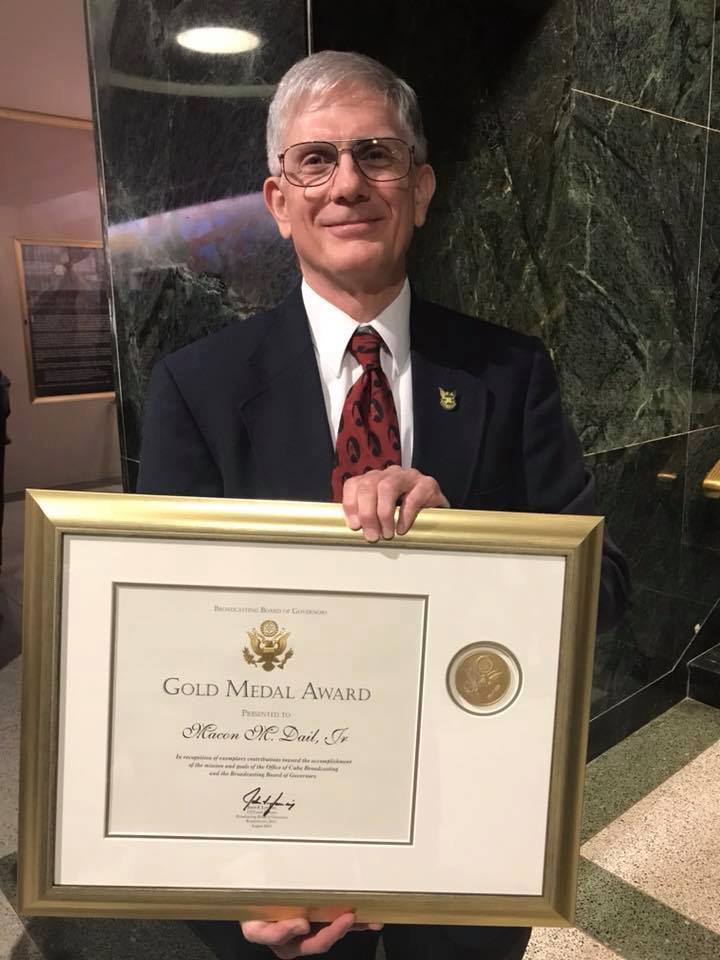
Macon Dail receives the BBG Gold Medal Award

I’m incredibly proud of my friend, Macon Dail, who was recently awarded the Gold Medal Award from the Broadcasting Board of Governors.

Post Readers might recall that Macon is the Chief Engineer at the Edward R. Murrow Broadcasting Station in Greenville, North Carolina and was featured in our 2012 tour of the transmitting site.

Here’s the announcement:

Macon M. Dail, Jr., Chief Engineer, Edward R. Murrow Broadcasting Station (Greenville, NC) has been nominated and selected to receive the Broadcasting Board of Governor’s (BBG) most prestigious award – The Gold Medal.

The Gold Medal Award is utilized by BBG to recognize extraordinary employee contributions to the mission and goals of the agency during the past year. The nomination was made by Dail’s peers.

Dail’s nomination is the first time in the station’s more than 50 year history that a station employee has been awarded the Agency’s highest honor.

The awards ceremony [was] held in Washington, DC on November 1, 2017 at the Wilbur J. Cohen Federal Building Auditorium at 2:00 pm.

Bravo, Macon!

Not only are you an invaluable engineer, but you’ve also become an amazing ambassador for one of the largest active shortwave transmitter sites in the world. This award was very well-deserved.

Dan Robinson explores the current administration’s “Big Fail” at the BBG/VOA

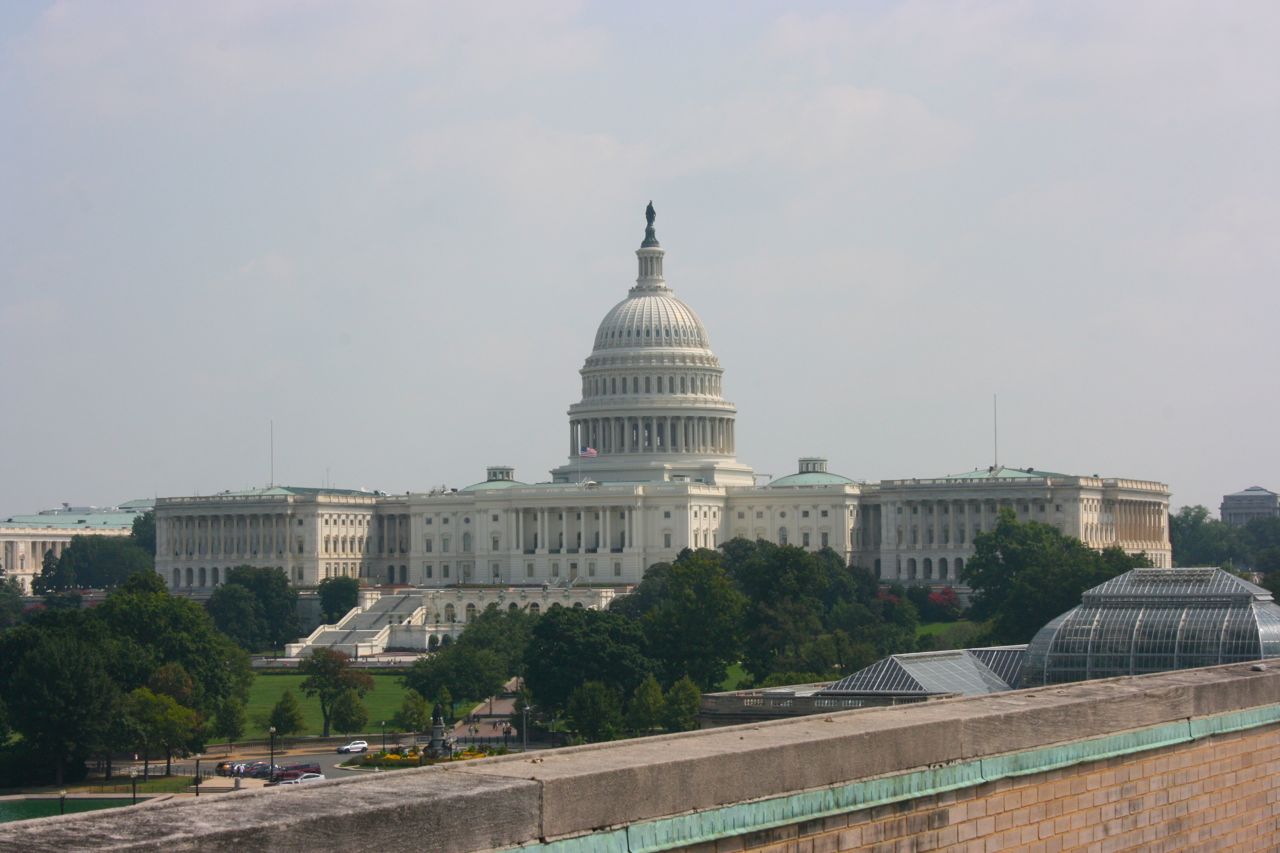
View of the Capitol Building from the roof of the Voice of America on 330 Independence Ave., S.W.

SWLing Post readers are likely aware that contributor, Dan Robinson, is the former White House, Congressional and foreign correspondent for the Voice of America.

Dan has just published a two part article on the Center on Public Diplomacy website exploring how the effectively the current US administration has been at restructuring and resolving inherent issues at the BBG/VOA.

Click here to read Part I

Click here to read Part II

I encourage you to read his full article and please direct your comments to the original post on the Center on Public Diplomacy website.

Radio Romania International launches a weekly “experimental” show in Hebrew

Many thanks to SWLing Post contributor, David Iurescia (LW4DAF), who writes:

Radio Romania Internationas has started a new service every Sunday in Hebrew language, since October, 29th. All the info here:

http://www.rri.ro/pages/october_29_2017_update-2571263

“As of Sunday, October 29, RRI broadcasts a weekly, experimental show in Hebrew, devoted to Jews born in Romania and their families, but also to all Hebrew speakers who are interested in learning about Romania. The show will be broadcast every Sunday, from 7:05 pm to 8 pm Romania’s time, on short waves and via the internet. Also, contents in Hebrew will be available on RRI’s web site, Android and iOS applications, on Facebook, Twitter and SoundCloud. RRI boast a rich experience in producing shows devoted to the hundreds of thousand of Jews originating from Romania, who since 1990 have had the opportunity to listen to a show in the Romanian language. Their descendants, now at the third generation after Aliyah, the immigration of Jews from the Diaspora to the Land of Israel, speak Hebrew and their ties with their parents’ and grandparents’ birth country should be developed and maintained, including with the help of RRI.”

Wow! Thank you for the tip, David! I’m simply amazed at the amount of content Radio Romania International produces.  Certainly one of my favorite shortwave broadcasters.

“Why Australia must restore shortwave radio to the Pacific”

(Source: Devpolicy Blog via Mike Bird)

On our Australian doorstep is an amazing place, Papua New Guinea. Seven of us were there for the month of August, exploring a remote region of islands and atolls in the Massim district of Milne Bay Province by boat, visiting places most people would not think of seeing.

[…]As Australians we were warmly received everywhere. Australia was the PNG administrator for decades and has left many good things in place. The Australian influence was there in diverse ways, including an inspired wooden Hills Hoist and outdoor bench setting at Boagis village, way out at the extreme end of PNG territory.

[…]But there was a worrying side that we shared. We visited many remote islands where basic services are deplorable, particularly their health services. At one sub-provincial health centre in Guasopa village [Woodlark Island], they had nothing but Panadol. We shared our first aid resources and knowledge, and treated those we could with spare drugs we had brought from Australia. There are so many issues facing PNG that we despaired at its future prospects.

Australia is the lucky country, but right now New Guinea is not. We were most surprised and quite angry to learn that Radio Australia no longer transmits to the region, or even the wider Pacific. One small service that Australia could offer is the return of shortwave radio.

The island of Panaeati, south of Misima, is typical of many we visited. It has a population of 2,080 people, many well educated, and fluent in English. The missions and the former Australian administration are responsible for this. Our contacts there expressed great disappointment at the loss of Radio Australia services in January 2017. So much so, that they discussed the prospect of raising a petition at local government level to the Australian government.[…]

Click here to read the full article at the DevPolicy Blog.

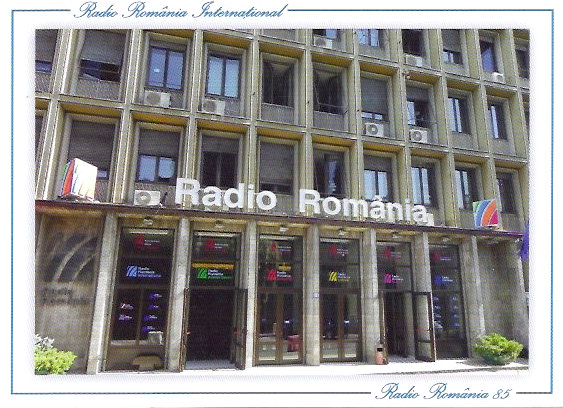
Radio Romania International celebrates 89 years of broadcasting

(Source: Radio Romania International via David Iurescia, LW4DAF)

Ten years after WWI and the unification of Greater Romania, the most efficient and popular means of communication was first introduced in Romania: the radio. On November 1, 1928, the newly founded Romanian Radio Broadcasting Corporation aired its first broadcast. From the very beginning the radio was described as a means of public information, education and entertainment.

This year Radio Romania celebrates 89 years of continuous radio broadcasting. Despite having to constantly adapt its editorial policies, the public radio survived each radical change on the political spectrum, from the interwar democracy to right-wing dictatorships around the Second World War, and from the communist dictatorship to the democracy restored after the anti-communist revolution of 1989. For years now the Romanian Radio Broadcasting Corporation has been considered one of the most trustworthy and reputed media institutions in Romania, due to its large number of listeners.

Radio Romania addresses all generations and caters for all tastes, addressing society as a whole. It consists of channels with nationwide coverage, Radio Romania News and Current Affairs, Radio Romania Culture, Radio Romania Music and the Village Antenna, as well as regional and local studios, Internet platforms and a children’s and youth station. The Romanian public radio has started broadcasting abroad ever since the 1930s.

Today, Radio Romania International tries to keeps both international audiences and Romanians living abroad up to date with news from Romania and our traditional values. RRI broadcasts in 11 languages: Arabic, Chinese, English, French, German, Italian, Serbian, Spanish, Russia, Ukrainian and starting this year, Hebrew, as well as in Romanian and the Aromanian dialect. Its target audience virtually includes the entire world, from Alaska to Australia, from Argentina to the Russian Far East.

Nearly nine decades since its first broadcast, Radio Romania continues to innovate, to reinvent itself and to adapt to the ever-increasing market competitiveness and legislative changes. One such change was the recent scrappage of the radio license fee, traditionally covered by taxpayers, which now means the institution is fully funded by the state, amidst criticism from the political, civil and journalistic fields over editorial interference.

Similarly, other voices from outside or within the institution have over the years signaled controversial managerial practices of successive administrations. Thanks to its professionals, however, Radio Romania remains the leading media institution in the country to date. (translated by Vlad Palcu)

Click here to read this article at Radio Romania International.

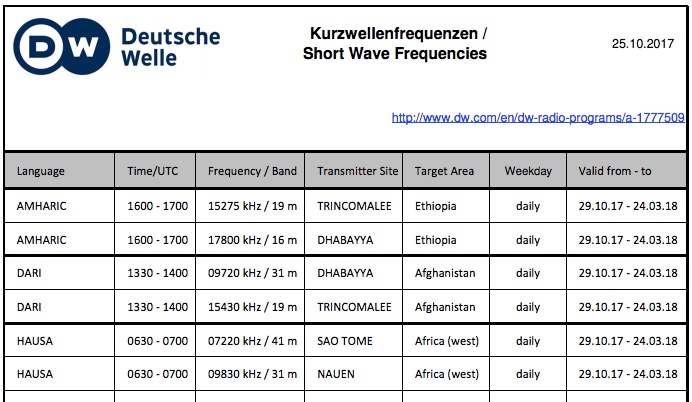
Deutsche Welle may have dropped English language shortwave service

Many thanks to SWLing Post contributor Paul Walker who notes that, according to their latest schedule, Deutsche Welle has dropped English language shortwave services. Paul shared the following links:

Current shortwave schedule:
http://www.dw.com/downloads/41133929/b17webkw.pdf

Linked from this page:
http://www.dw.com/en/dw-radio-programs/a-1777509

English only gets one hour a day on satellite
http://www.dw.com/downloads/41133930/b17websat.pdf