Category Archives: Nostalgia

Blueprints, maps, and test equipment: RCI Sackville items for sale

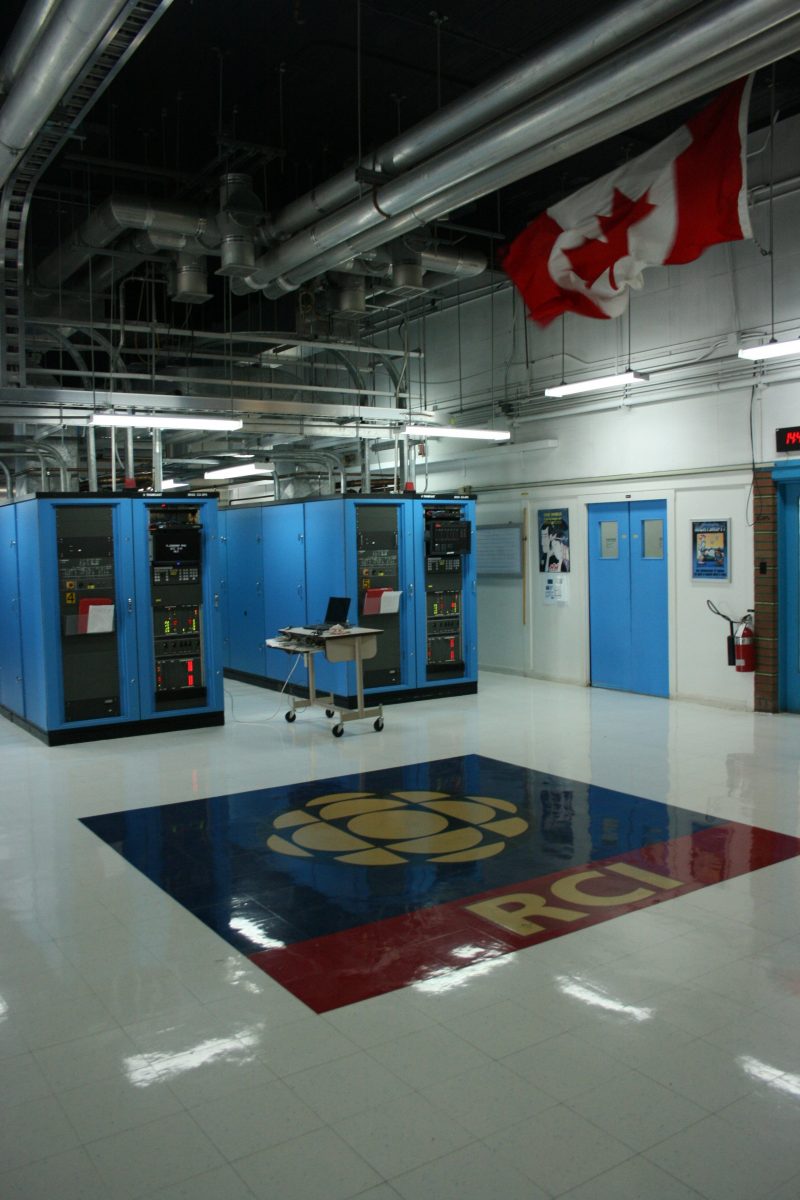
I snapped this photo inside the RCI Sackville transmitter site in 2012, a few months prior to its closure.

Earlier this year, we posted a note by Marc Goldstein who is in the process of dismantling the Radio Canada International Sackville, New Brunswick, transmitter building.

Marc is tasked with selling some of the equipment that used to make this site hum. The First Nations group who now own the site are using the revenue from sales to help fund site cleanup and renovation.  Mark recently passed along the following note:

We are trying to determine the value of the large quantity of 1940 era engineering blue prints of the station. I hoping your readers will be able to establish their worth.

While rummaging through an old file cabinet in maintenance building (RCI Sackville, New Brunswick), we located about a 100 or so more engineering blue prints (1938-1945), about a dozen black and white photos (RCI reporters interviewing what appears to be world celebrities), and annual engineering reports (1938-1980). Would any of these items be of interest to your readers?

Post readers: If you are interested in any of these items, Marc can be contacted via the following email address: [email protected]. He is open to offers and happy to ship these items internationally.

Portable SSB radios for people who are visually impaired

Many thanks to SWLing Post contributor, Svein Tore, who writes:

I’m blind. The type of shortwave radio I like best, is the analogue type with a tuning wheel, because I don’t need sight to use it, and I have full control over the receiver.

I would like to buy a radio with SSB, but it seems that all of the radios with SSB are digital, and you need to see the display to use the radio.

Are there any analogue radios with SSB?

If not, what is the simplest radio receiver with SSB?

I’m looking for a radio with as few functions and menus as possible, but it should have SSB.

I’m looking for a small or medium sized receiver, but if you are thinking of a big radio that seems to be right for me, please tell me about it.

Perhaps I have given you an impossible question now? I’m sorry for that.

Thanks 🙂

Greetings from Norway.

Svein Tore

Excellent question, Svien. I thought it would make sense to share your inquiry with the SWLing Post community as I know we have other readers who are visually impaired. Readers, please comment with any suggestions you may have.

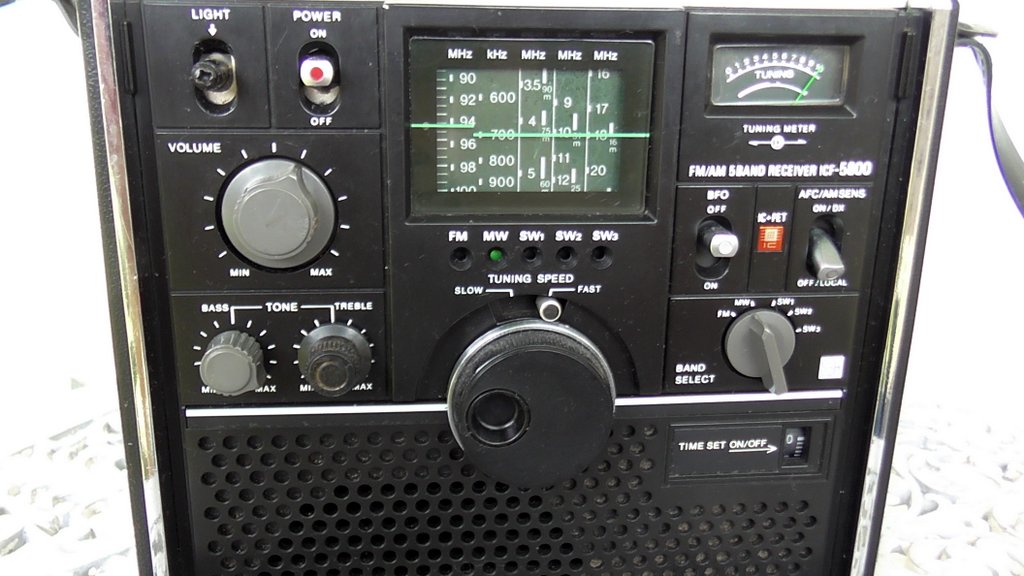
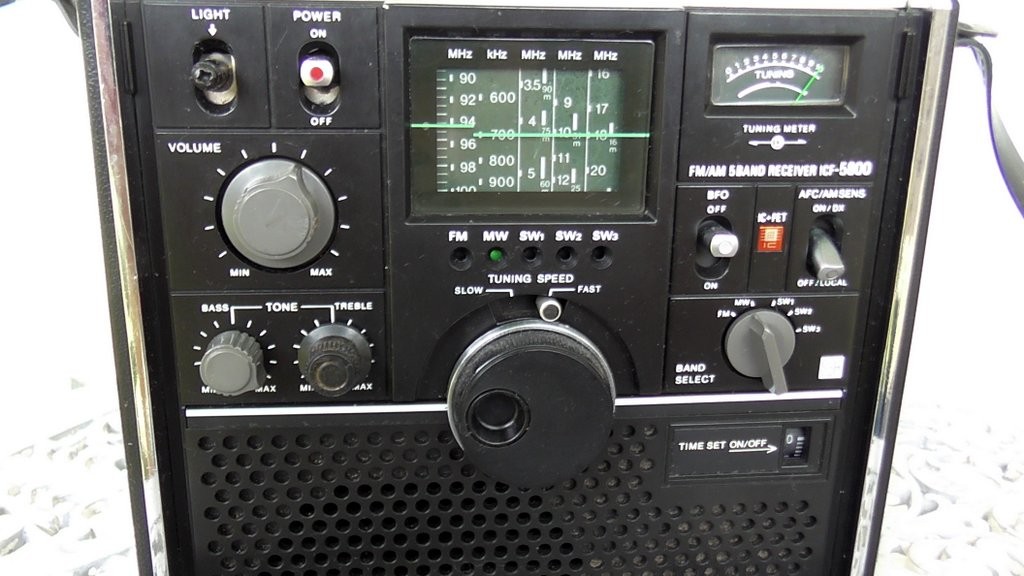
To my knowledge, there are no analog shortwave radios with a BFO (for SSB) that are in production today. There are, however, numerous analog models from the 60s, 70s and 80s with a BFO (two examples: the Sony ICF-5800H and the Panasonic RF-2200).
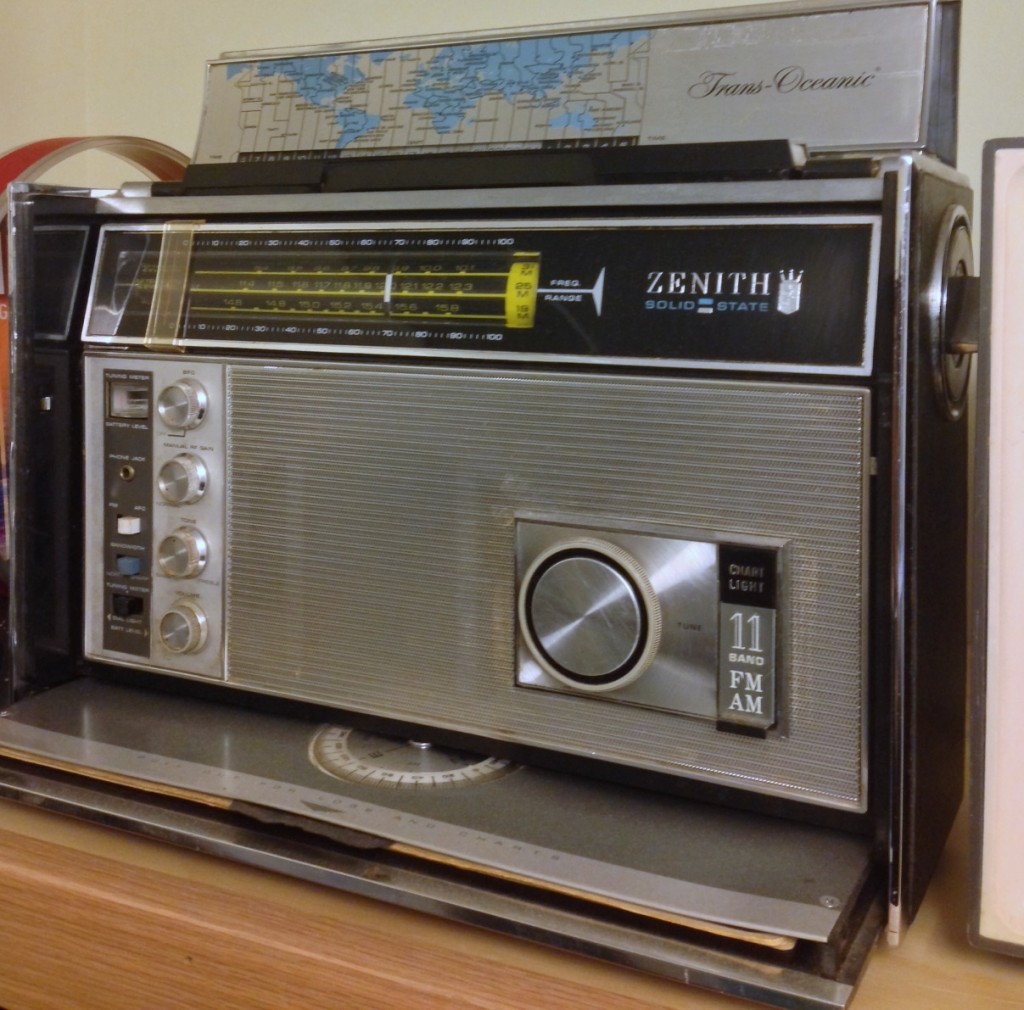
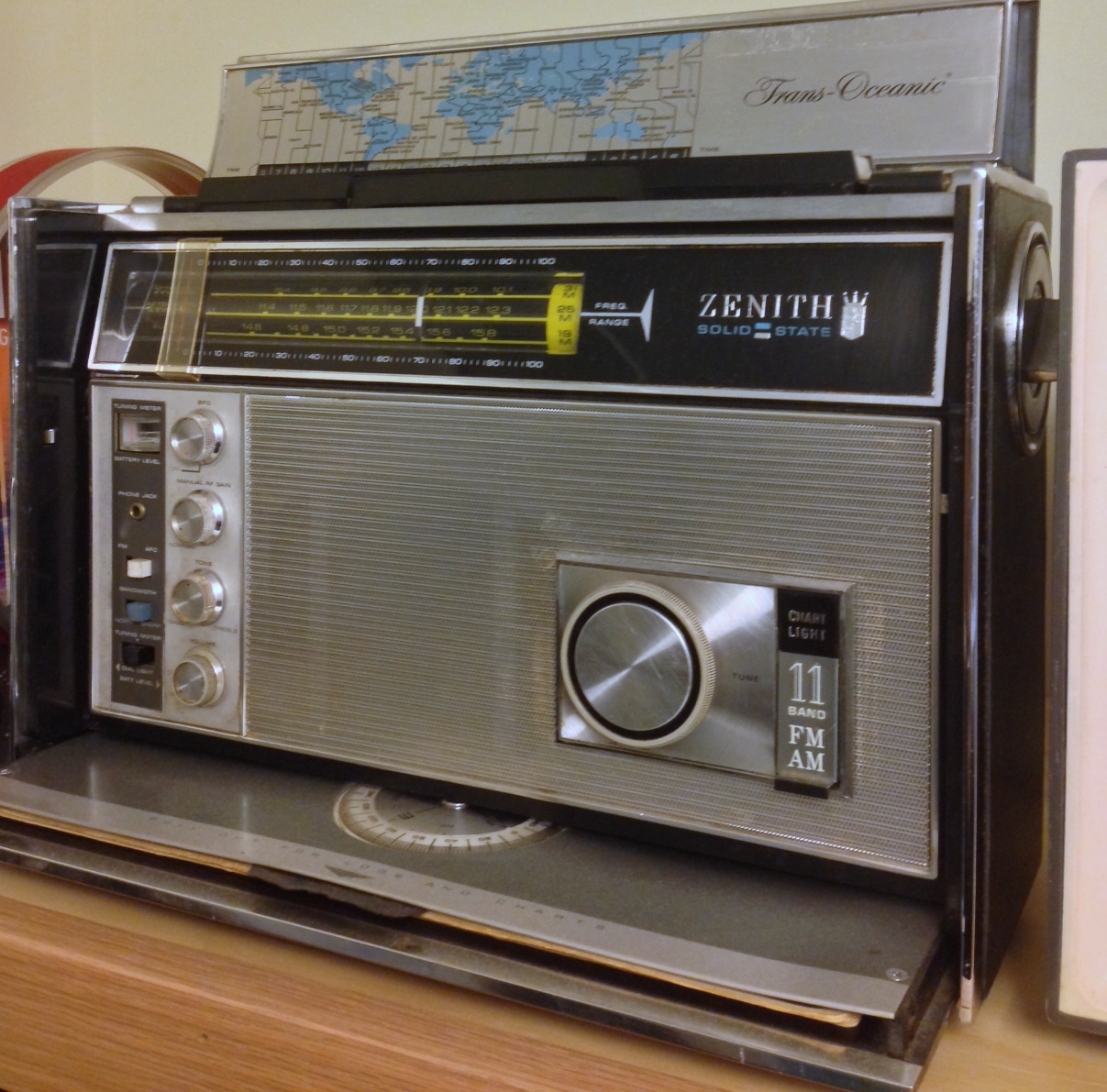
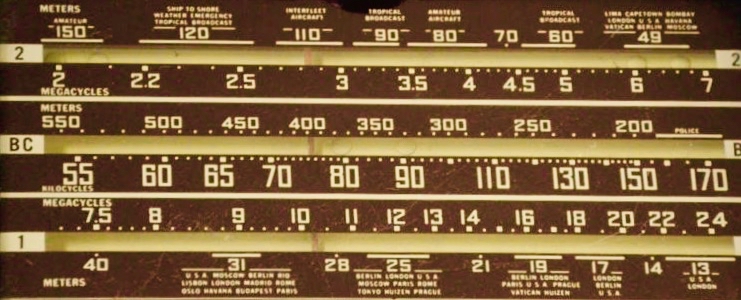
My trusty Zenith Trans Oceanic will always be a part of my radio collection (Click to enlarge)

In fact, my first proper radio was a Zenith Transoceanic. I’ll never forget taking it to our local RadioShack, when I was eight years old, to ask one of the employees (who I knew was a DXer) what the heck “this strange BFO knob” does!

There is the analog Sony ICF-EX5MKII that SWLing Post contributor Troy Riedel reviewed, but I don’t believe it has a BFO–only a synchronous detector which can be switched between upper and lower sidebands. Perhaps a reader can confirm this.

Since I can’t recommend a current analog model, I do have a digital solution that I believe may work for you:

The Tecsun PL-660
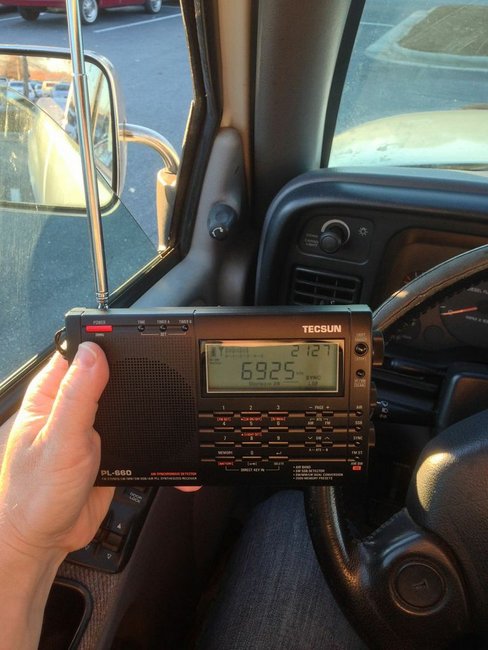
Listening to Channel Z in a parking lot with the Tecsun PL-660.

Listening to Channel Z in a parking lot with the Tecsun PL-660.


Though not an analog radio, the menus on the PL-660 are not “deep”–most buttons simply toggle features. There is no hardware “switch” to change bands, but I think you would find it easy enough to use the direct frequency entry keypad to navigate across the spectrum. The SSB feature works more like an analog radio as it has a BFO dial on the right side of the radio. The buttons and dials are also raised and tactile. Best yet, the tuning sounds like an analog radio since there is no muting between frequency changes.

There are a number of other portables out there that are about as simple to operate as the PL-660, but I like the price point of the PL-660 and its overall performance characteristics. For a little less money, and a similar form factor and function set–minus a synchronous detector function–you might also consider the Tecsun PL-600 as well.

Again, I’m hoping Post readers might chime in with even better suggestions! Please comment!

Mark spots a vintage radio in “Travelers”

Many thanks to SWLing Post contributor, Mark Hirst, who adds the following to our growing archive of radios in film. Mark writes:

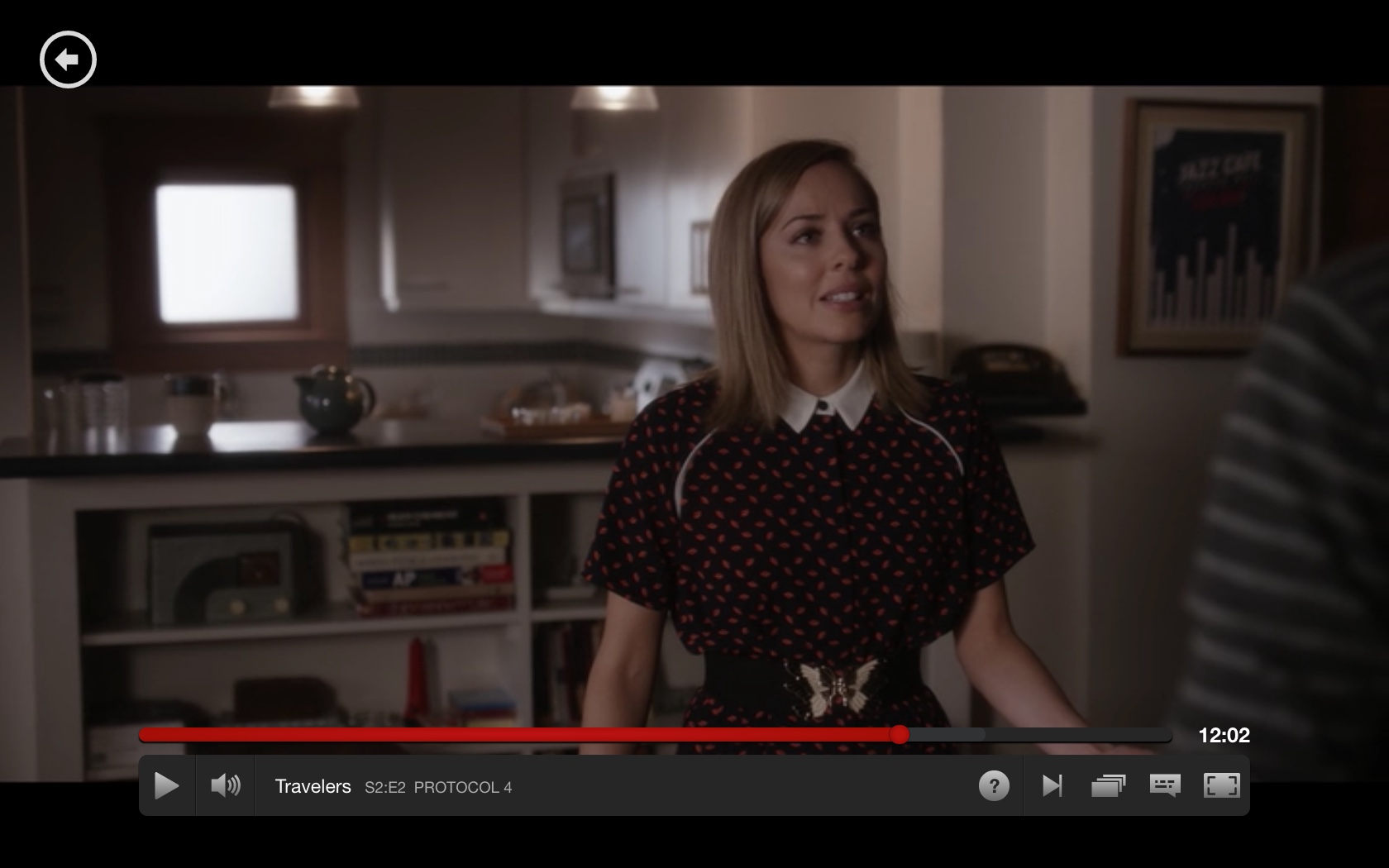
I’d spotted this radio in the Netflix time travelling series Travelers early on, but it was never in focus to nail a decent image.

In spite of that, it does have a distinctive design that SWLing readers might recognise.

Click to enlarge.

Sitting in the book case next to the stacked books, I’m guessing it’s ornamental rather than functional.

Mark, you obviously have a knack for detecting radios in film!  Thank you for sharing!

Post readers: Can anyone ID this radio?  I love the design–guessing it’s a Bakelite chassis?

CBC: “1940s transmitter finds new home in old jail”

Some of you might recall our story about this 1940s RCA transmitter–here’s is the follow-up:

(Source: CBC via Mike Hansgen)

The massive transmitter is being moved from the former RCI site to the former Dorchester jail

Bill Steele is a collector of odd things. A year ago, for example, he bought the site of the last double hanging in New Brunswick.

His latest purchase is less morbid but also a rare find: a massive 1940 shortwave transmitter that once broadcast Canada’s stories around the world.

The transmitter was installed around the end of the Second World War and used until the 1970s. The Radio Canada International site outside Sackville continued to broadcast, but the 50 kW transmitter, five metres long and 2½ metres wide, was decommissioned and used as a showpiece.

The RCI property was bought in February 2017 by Mi’gmawe’l Tplu’taqnn Inc., which had no use for the non-functioning equipment and put it up for sale.

Steele couldn’t help himself.

“I like weird and unusual stuff,” he said. “That’s why I’m putting it in my jail.”

He bought his jail — now a gym and bed and breakfast — last year as a retirement project. Guests bunk in a decommissioned jail cell.

The jail built in the 19th century was where the Bannister brothers of Berry Mills were hanged for murder in 1936, the last double hanging in the province.

Steele’s enthusiasm for historical objects is infectious even when he talks about the paperwork that comes with his latest purchase.

[…]Steele is hoping anyone with stories about the transmitter will share them with him on his Dorchester jail Facebook page, because, as Steele is the first to admit, this isn’t his area of expertise.

“I’ve never touched a shortwave radio, but look it, I’m going to have the biggest one in Canada.”

Click here to view at the CBC website.

A carpenter “who carves vintage radio sets”

Many thanks to SWLing Post contributor, Kim Elliott, who shares the following story from the Odisha Sun Times:

Bhubaneswar: Only a lucky few get to live and breathe their passion and Rajendra Sahu, a carpenter, is one of them.

From Odisha’s capital city of Bhubaneswar, Sahu steals time to give shape to his imagination. He has been carving radios of varied shapes and sizes since past decade-and-half.

“I make radios just because it makes me happy. I return from work by 7 pm and start with the daily ritual of making radio,” said Rajendra. He prepares the cabinet with plywood, sunmica and cane whereas the circuit board is affixed from discarded ones.

“It takes around five days to assemble a radio. I browse through online sites looking for designs,” said Rajendra, who also collects antique radio sets from various parts of Odisha.

“I grew up listening to the radio. There’s a charm to it that the gadgets today fail to deliver. My father too was very fond of them. He would make radios, but I learnt to make them by myself,” he added.[…]

Continue reading the full story at the Odisha Sun Times.

Mario spots a rare J.I.L. Communications Receiver SX-400 on eBay

Many thanks to SWLing Post contributor, Mario Filippi, who writes:

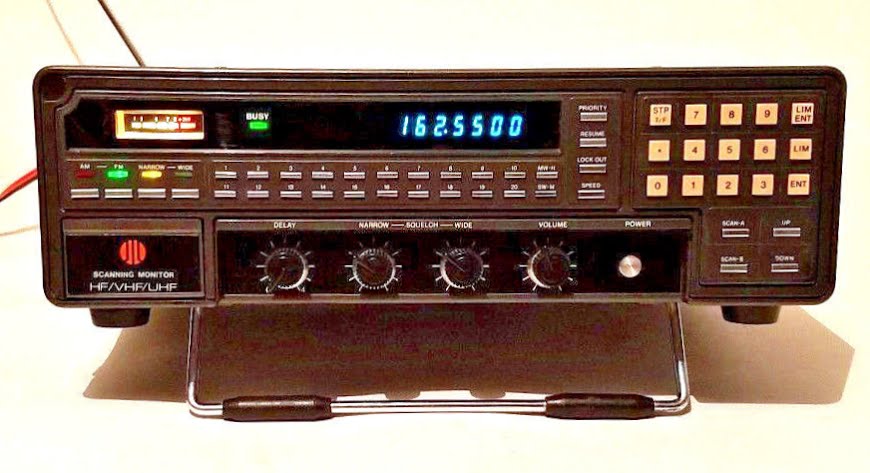
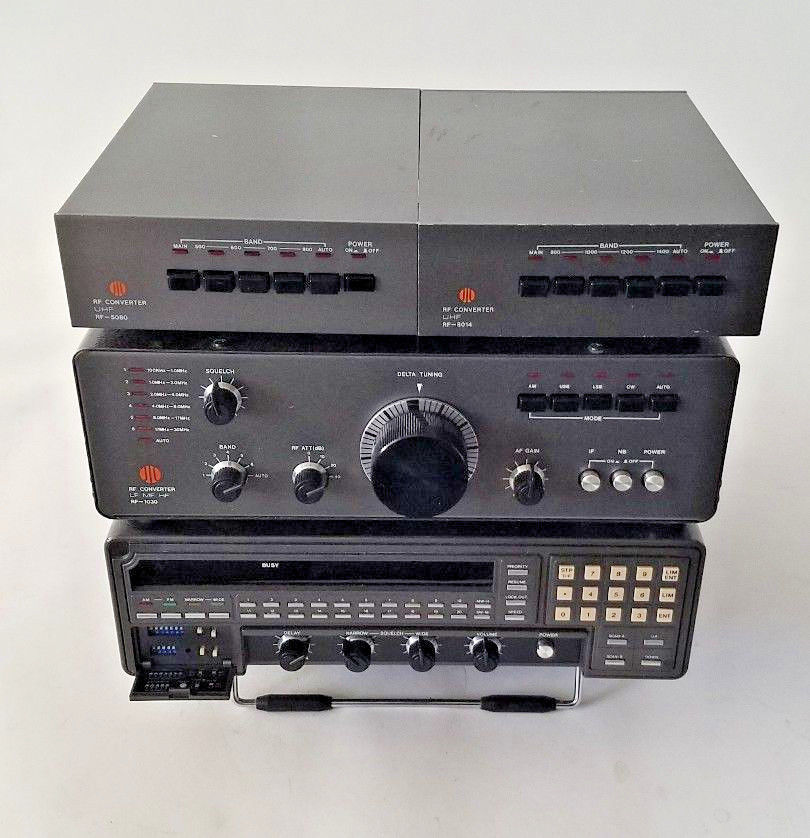
Hope you are doing well. Spotted this J.I.L. receiver on eBay, never heard of this unit before.

Click here to view on eBay.

Thanks for the tip, Mario! This is a new one for me as well–what an interesting stack-able set of up/down converters. RigPix has a few more details.

Post readers: Can anyone comment about this until or its performance on the HF bands?

“Empire of the Air” – a history of radio broadcasting

Many thanks to SWLing Post contributor, Mike Hansgen, who notes that Ken Burns’ film, Empire of the Air is now streaming on YouTube. This impressive documentary was originally broadcast in 1992.  The following is a summary taken from the Empire of the Air website:

For 50 years radio dominated the airwaves and the American consciousness as the first “mass medium.” In Empire of the Air: The Men Who Made Radio, Ken Burns examines the lives of three extraordinary men who shared the primary responsibility for this invention and its early success, and whose genius, friendship, rivalry and enmity interacted in tragic ways. This is the story of Lee de Forest, a clergyman’s flamboyant son, who invented the audion tube; Edwin Howard Armstrong, a brilliant, withdrawn inventor who pioneered FM technology; and David Sarnoff, a hard-driving Russian immigrant who created the most powerful communications company on earth.

Against the backdrop of radio’s “Golden Age,” Empire of the Air relates the history of radio through archival photographs, newsreels of the period and interviews with such well-known radio personalities as Garrison Keillor, the late sports commentator Red Barber, radio dramatist Norman Corwin and the late broadcast historian Erik Barnouw.

As with many videos on YouTube, this film could be removed at any time without warning. I suggest watching this soon:

https://youtu.be/COPi5-YXhR4

Click here to view on YouTube.