Category Archives: Shortwave Radio

ARRL reports California earthquakes disrupted west coast HF propagation

(Source: Southgate ARC)

The ARRL reports earthquakes in California disrupted HF propagation on the west coast

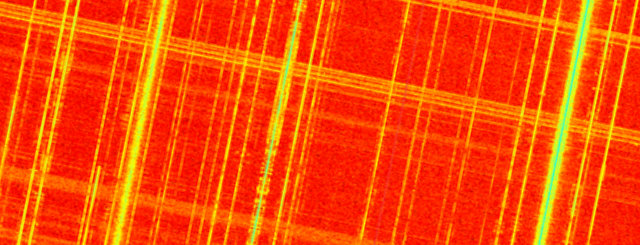
British Columbia radio amateur Alex Schwarz, VE7DXW, said that an Independence Day magnitude 6.4 earthquake in California’s Mojave Desert and multiple aftershocks negatively affected HF propagation on the US west coast.

Schwarz, who maintains the “RF Seismograph” and has drawn a correlation between earthquake activity and HF band conditions, said the radio disruption began at around 1600 UTC on July 4, and continued into July 5. He said that on July 4, the blackout was total except for 20 meters, where conditions were “severely attenuated,” Schwarz said. The RF Seismograph also detected the magnitude 7.1 earthquake on July 6 in the same vicinity, Schwarz reported. The distance between the monitoring station in Vancouver, British Columbia, and that quake’s epicenter is 1,240 miles.

“Things are back to normal after the strong quake, as far as the ionosphere is concerned, but the unrest has not stopped yet,” Schwarz told ARRL on July 8.

Read the full ARRL report at
http://www.arrl.org/news/view/report-california-earthquakes-disrupted-hf-propagation-on-west-coast

SDRplay RSPduo: SDRuno update now adds diversity reception!

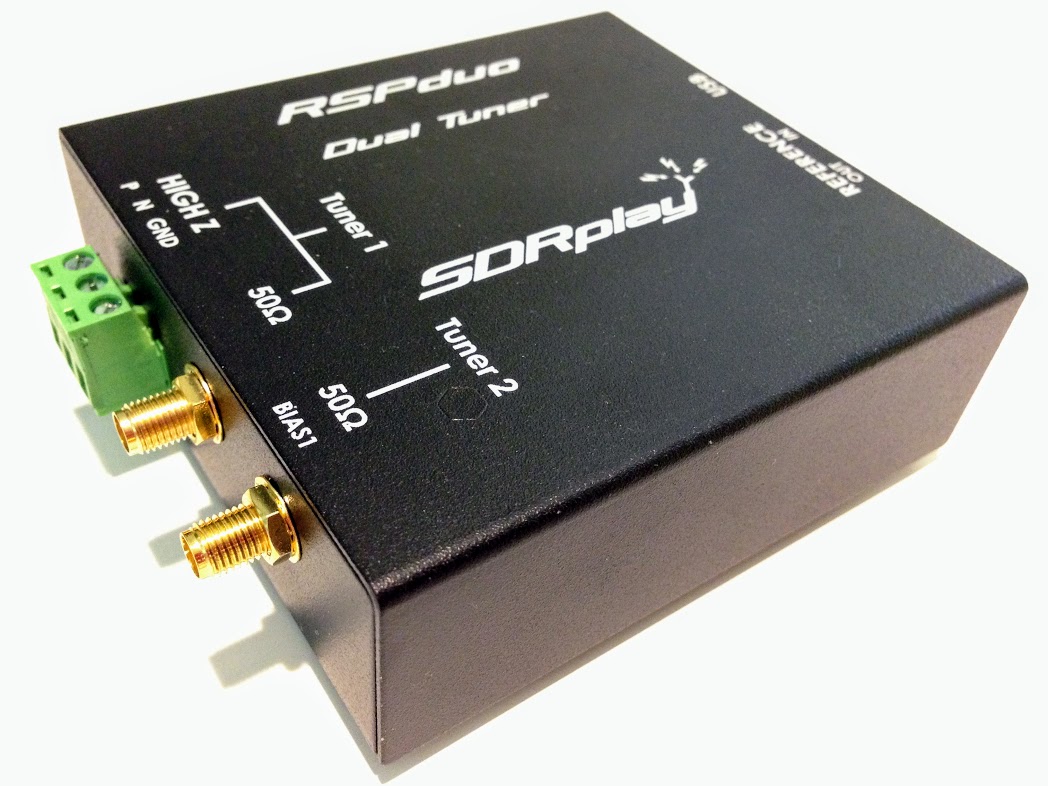
The SDRplay RSPduo

Many thanks to Andy with SDRplay who notes:

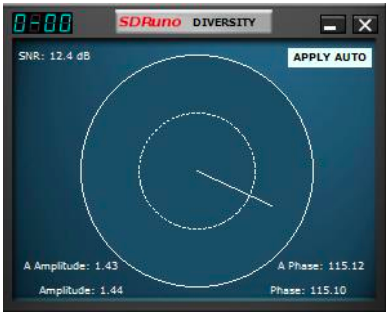
We are pleased to announce the release of v1.32 of SDRuno. The purpose of this release is primarily to add MRC Diversity functionality for the RSPduo, but it also contains other fixes and additions based on customer feedback. Diversity functionality is described on P.78 of the SDRuno User Manual.

A full list of the changes can be found in the release notes: https://www.sdrplay.com/docs/SDRplay_SDRuno_Release_Notes.pdf

Issues can be reported to us via our ticket system: https://www.sdrplay.com/support

Comments and feedback can be sent to [email protected] – emails sent to that address are usually not responded to unless we have questions, but are always read and noted.


Test the Bonito MegaLoop FX and MegaDipol live on the air

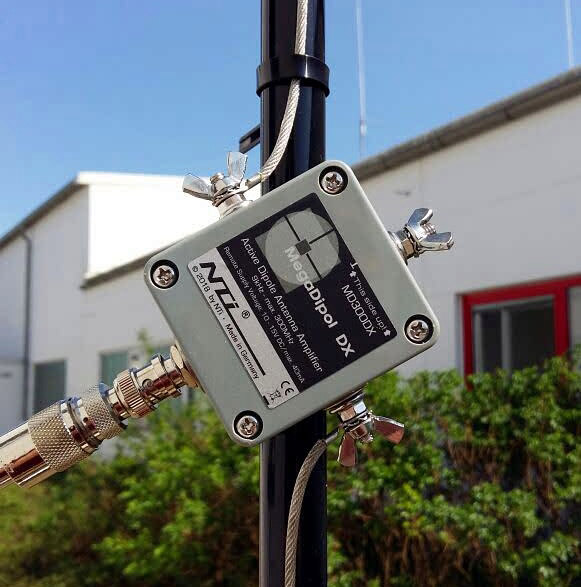
Many thanks to Dennis Walter with Bonito, who shares the following for anyone interested in the Megaloop FX or MegaDipol::

If anyone like to test the MegaLoop FX live on the air, you can do it here:

http://emeraldsdr.ddns.net:8073/

The MegaDipol can be tested on the same location here:

http://emeraldsdr.ddns.net:8074/

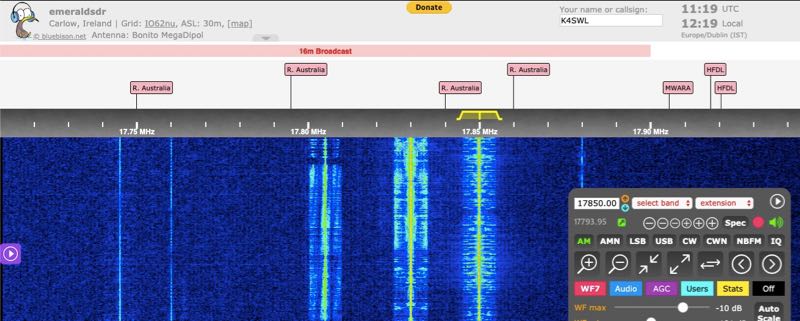
The location of both KiwiSDR receivers is Carlow, Ireland. Both receivers exhibit excellent low noise characteristics.

Indeed, as I publish this post I’m listening to near perfect copy of Radio France International–using the MegaDipol–on 17850 kHz as they report the results of the FIFA Women’s World Cup. (Congratulations team USA!)

Thanks for sharing these links, Dennis!

Radio Deal: Eton Executive series shortwave radios hitting all-time low prices

Many thanks to SWLing Post contributor, Christian, who writes:

Although I fear I sound like a broken record, your readers should be aware that this is a good time to buy Eton Executive series radios. On Amazon the prices are edging lower everyday while supplies last. Obviously Eton is making way for their new Elite series.

Here are the current prices. Many are all time low prices…

Thank you for the tip, Christian!

Please note that I changed the links above to Amazon affiliate links. If you use these links to purchase on Amazon, it will support the SWLing Post at no extra cost to you. If you’d rather not use affiliate links, simply go to Amazon and do a manual search using the model names above and search for those prices.

I agree with you, Christian: Eton is obviously liquidating their “Executive” models to make way for the new Elite series.

Free Advice: Stop worrying about solar minimums and just play radio!

Lately we’ve been getting some pretty dismal news about the upcoming solar cycles and the potential for a pretty dismal trend according to some researchers.

We report this news on the SWLing Post because the sun and space weather play an important role in radio signal propagation and one’s ability to snag elusive DX.

After publishing news items like this, though, I always receive a number of emails and comments stating that these trends surely marks the end of all radio fun. After all, if there are no sun spots whatsoever, why bother!?!

Truth is, it’s sort of like saying, “the weather looks lousy, I don’t think I’ll be able to have fun.”

I lived in the UK for several years. If I let the potential for lousy weather stop me from having fun, I’d have never gotten anything done!

The same goes for space weather in our radio world.
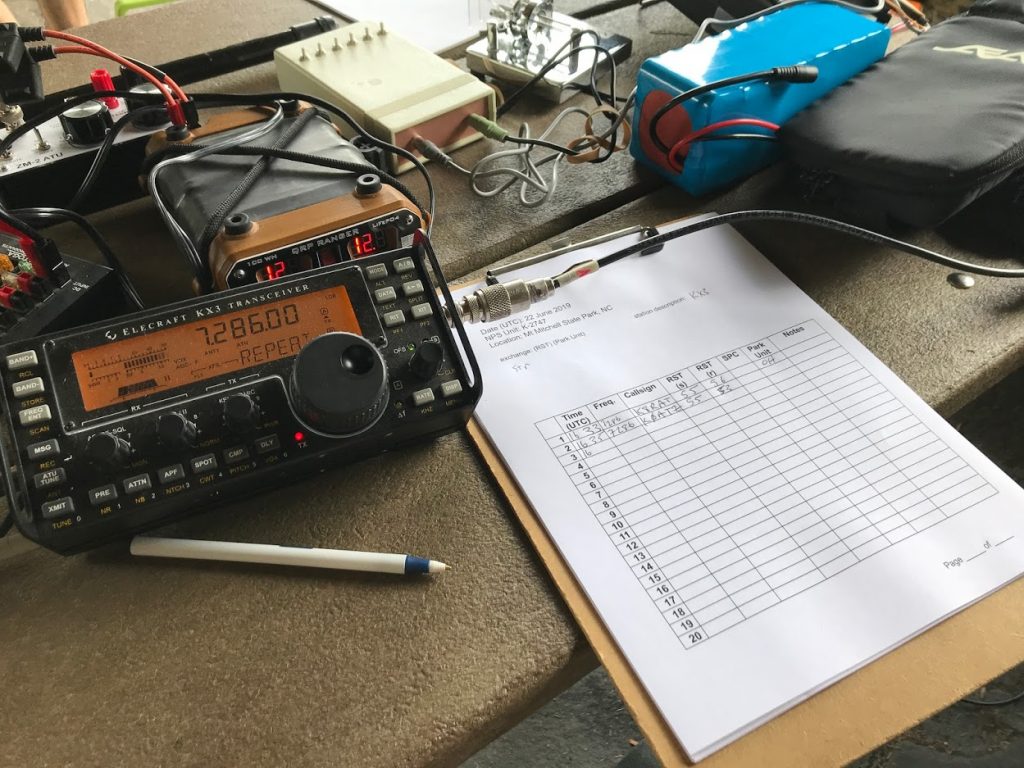
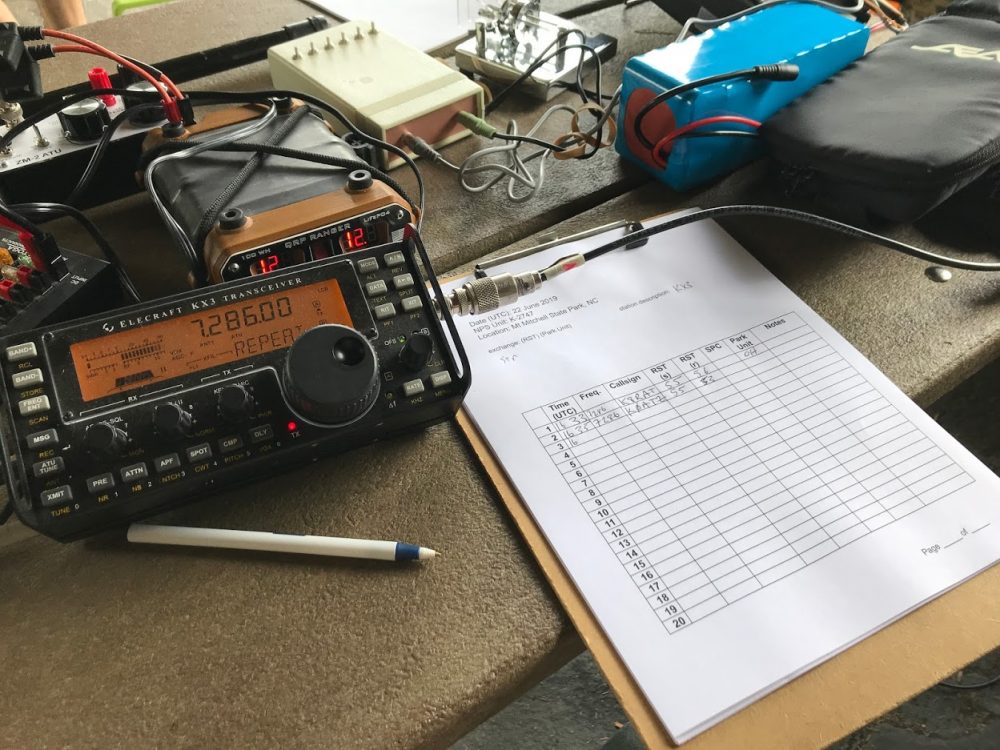
A couple weeks ago, I made a Parks On The Air (POTA) activation running 15 watts with the Elecraft KX3 into a simple 20 meter vertical in SSB mode.  Even though propagation was poor, I logged a new contact, on average, once per minute over the course of 30 minutes! It was non-stop!
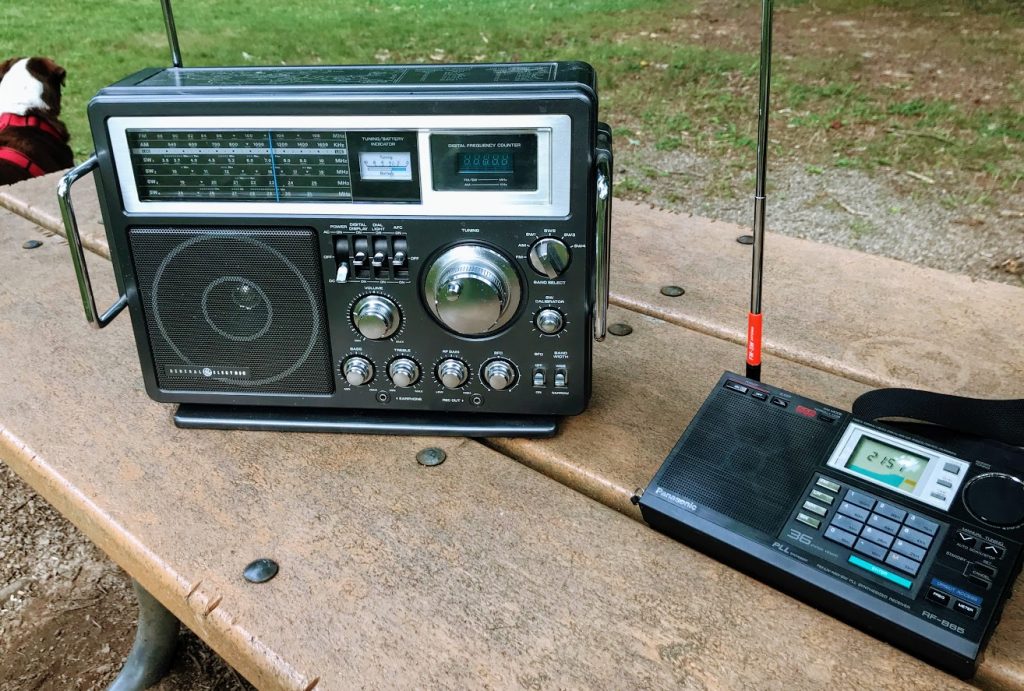
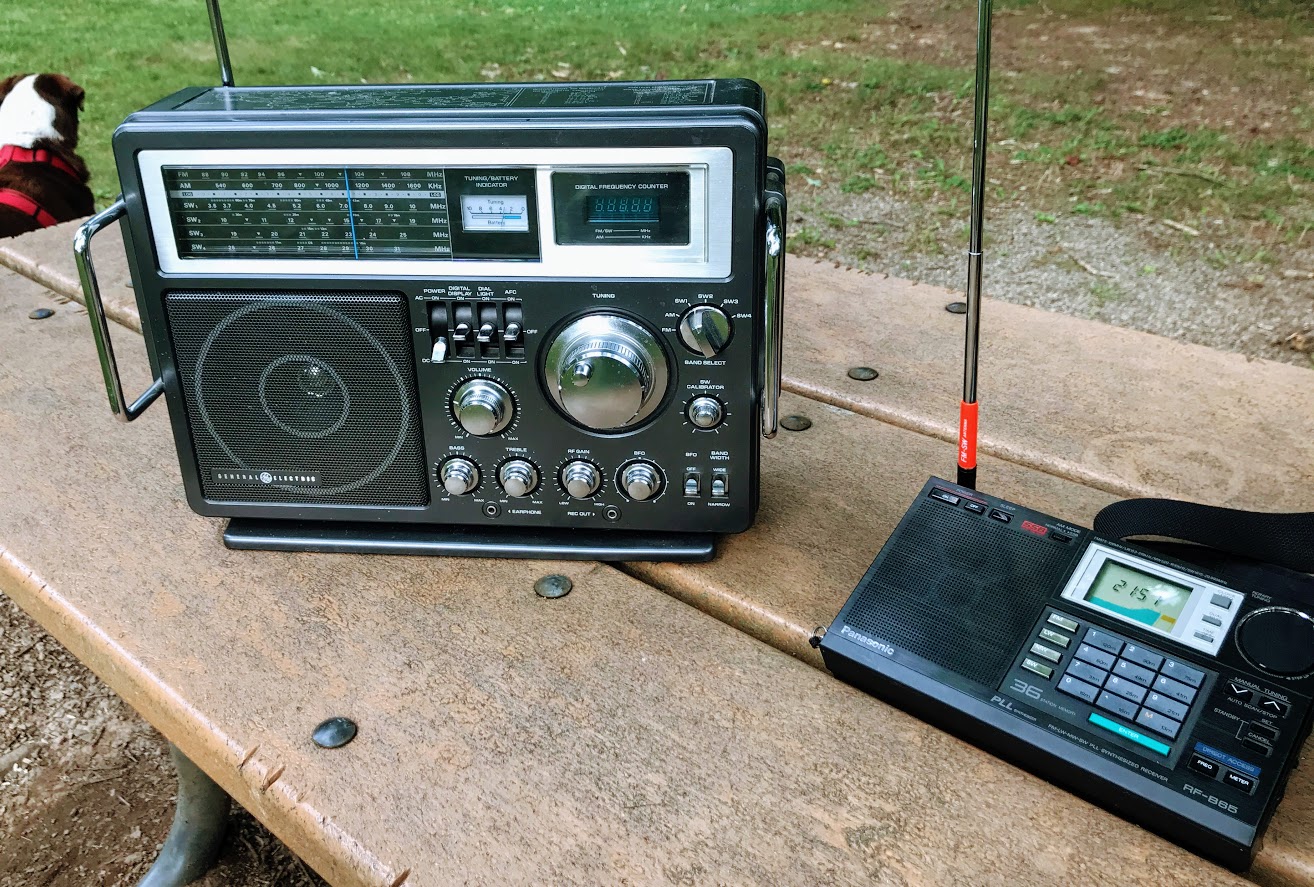
The GE 7-2990A (left) and Panasonic RF-B65 (right)

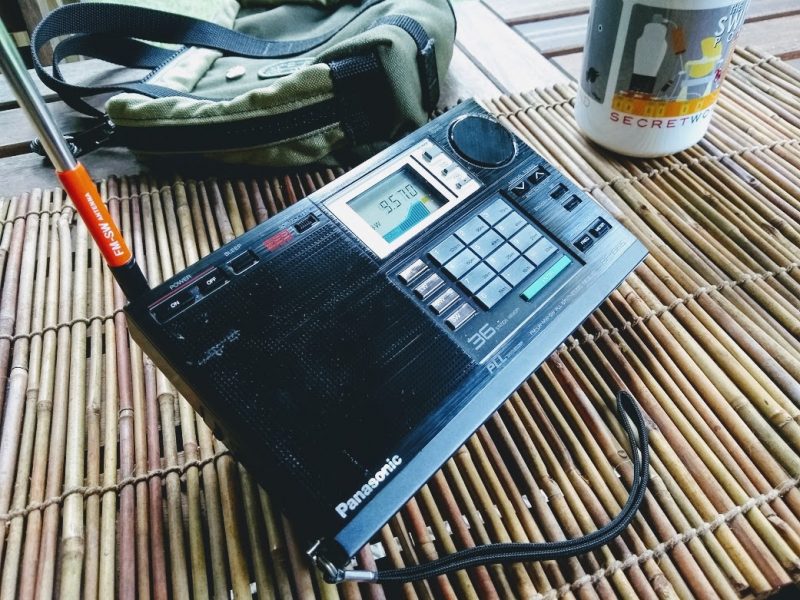
I also listened to the Midwinter Broadcast to Antarctica with two portable radios. Propagation was poor and I didn’t even use an external antenna…but I caught the broadcast and had a load of fun hanging out on the Blue Ridge Parkway!

My advice?

As I said in a post last year, use the sunspot low as an excuse to explore frequencies and modes you’ve never used before. Use this as an opportunity to improve your listening skills and the most important part of your listening post or ham station–your antenna system!

I often receive email from people who’ve found the SWLing Post and take the time to write a message to me complaining about the death of shortwave radio: the lack of broadcasters, the prevalence of radio interference and the crummy propagation. They wonder, “is it all worth it?”

My reply?

“Hey…sounds like radio’s not your thing!”

While this same person is moaning and complaining, I’ll be on the radio logging South American, Asian and African broadcast stations.

I’ll be working DX with QRP power, even though everyone tells me that’s not possible right now.
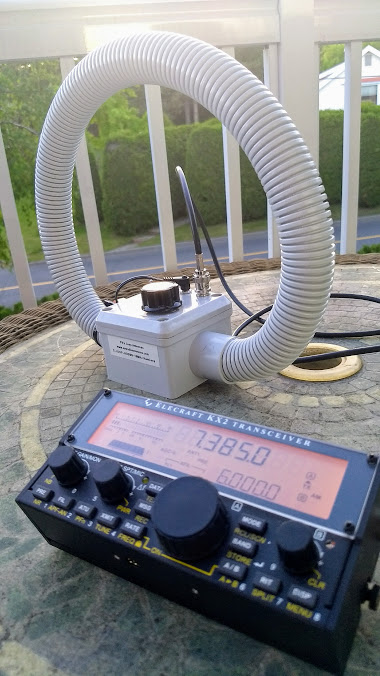
I’ll be improving my skill set and trying new aspects of our vast radio world.

You see: I’ve learned that the complainers aren’t actually on the air. They gave up many moons ago because someone told them it wasn’t worth it, or they simply lost interest. That’s okay…seriously…but why waste time complaining? Go find something else that lights your fire!

While these folks are complaining, I’ll be on the air doing all of the things they tell me I can’t do.

In the words of Admiral David Farragut: “Damn the torpedoes, full speed ahead!”

Go out there and play radio!

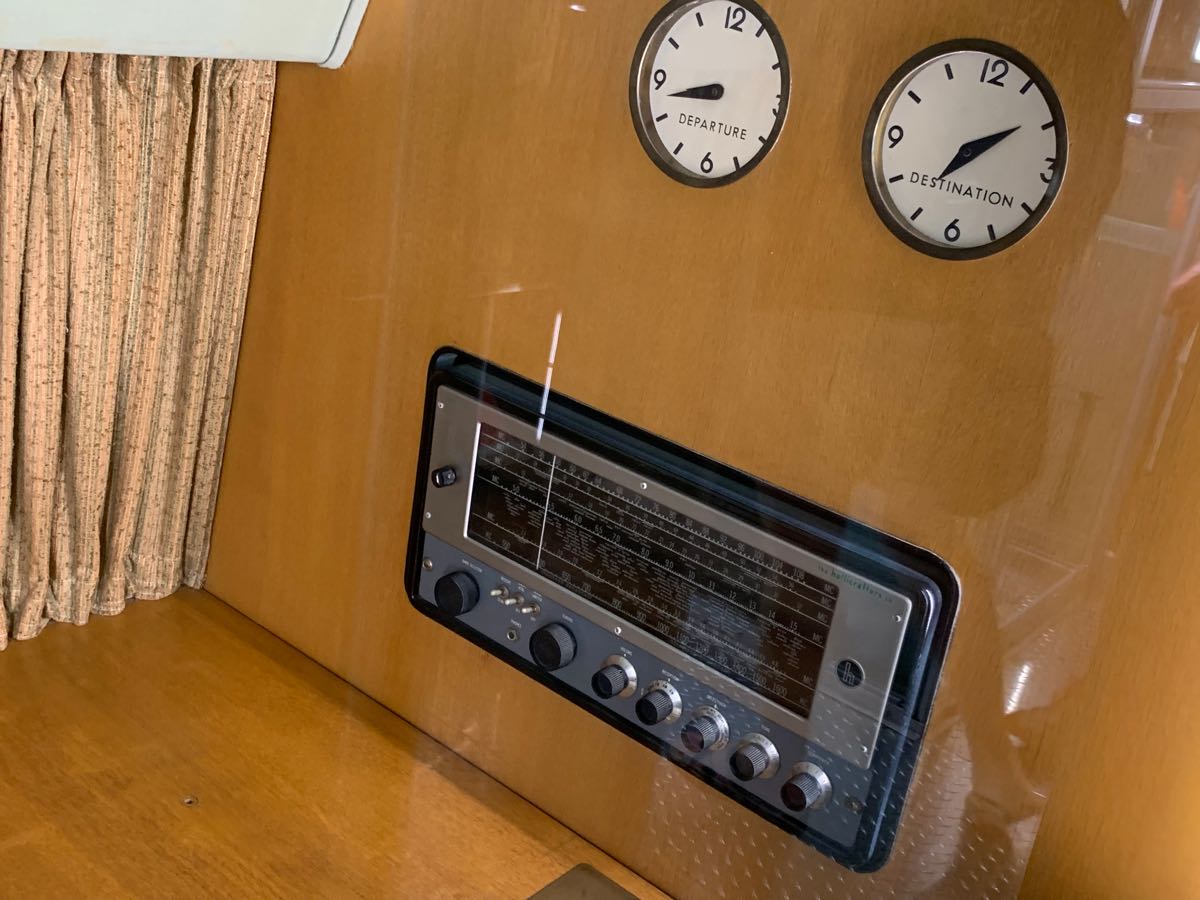
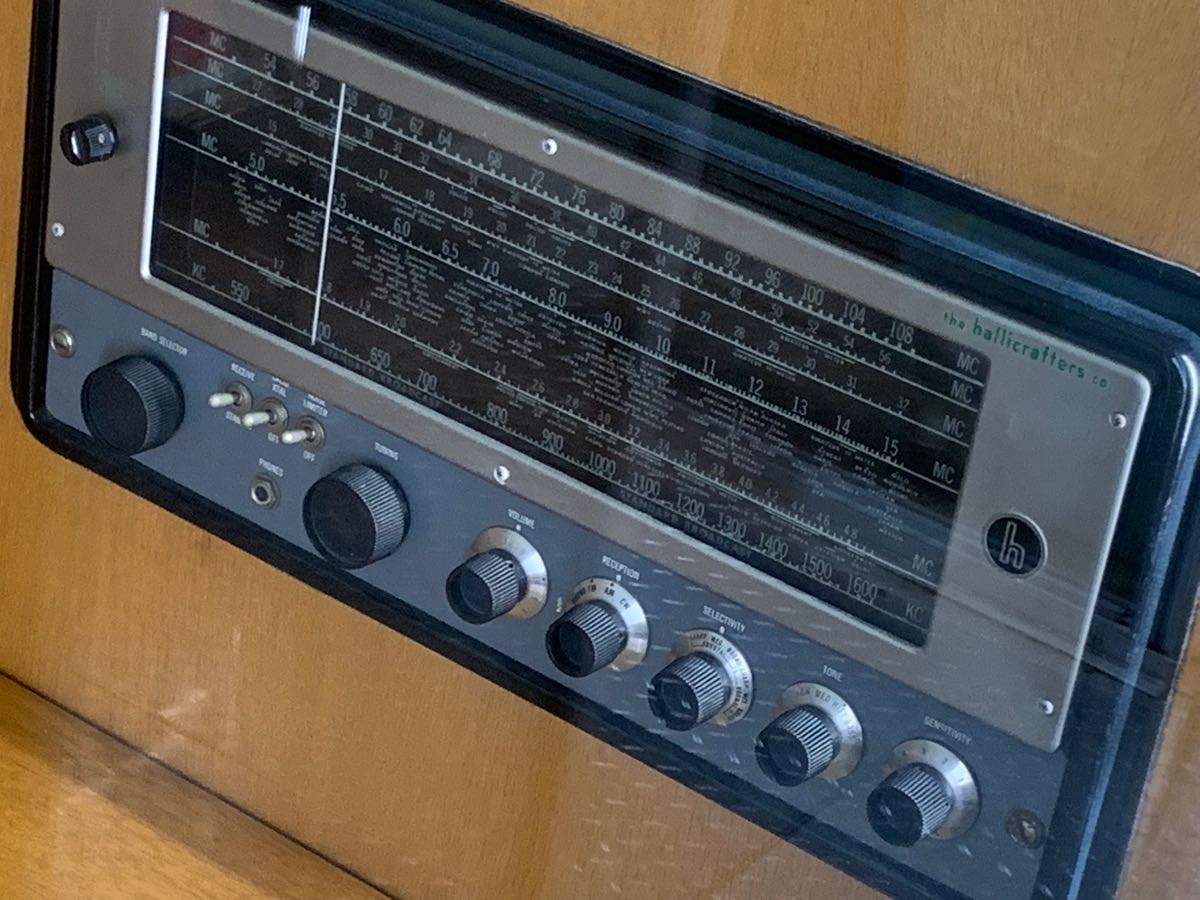
Can you identify this Hallicrafters model onboard the Columbine III?

The Lockheed VC-121E “Columbine III” (Image Source: USAF Museum)

Many thanks to SWLing Post contributor, Robert Yowell, who writes:

I was visiting the US Air Force Museum [Friday] and walked through “Columbine III” which was the Lockheed Constellation used as Air Force One by President Eisenhower from 1954 until he left office. In the back of the cabin was a nice cozy area where this Hallicrafters receiver was installed – ostensibly for the passengers to listen to news or other events while in flight.

I am sure one of your readers will be able to identify which model it is.

Can you imagine flying in this gorgeous Lockheed VC-121E four prop aircraft and listening to HF radio from a built-in Hallicrafters set? Wow…

Thank you, Robert, for sharing these photos. The National Museum of the US Air Force is one of my favorite museums in the world. I bet I’ve visited it more than a dozen times over the past decade–always a treat and always something new to discover!

Post readers: Can you identify this Hallicrafters model?  Please comment!

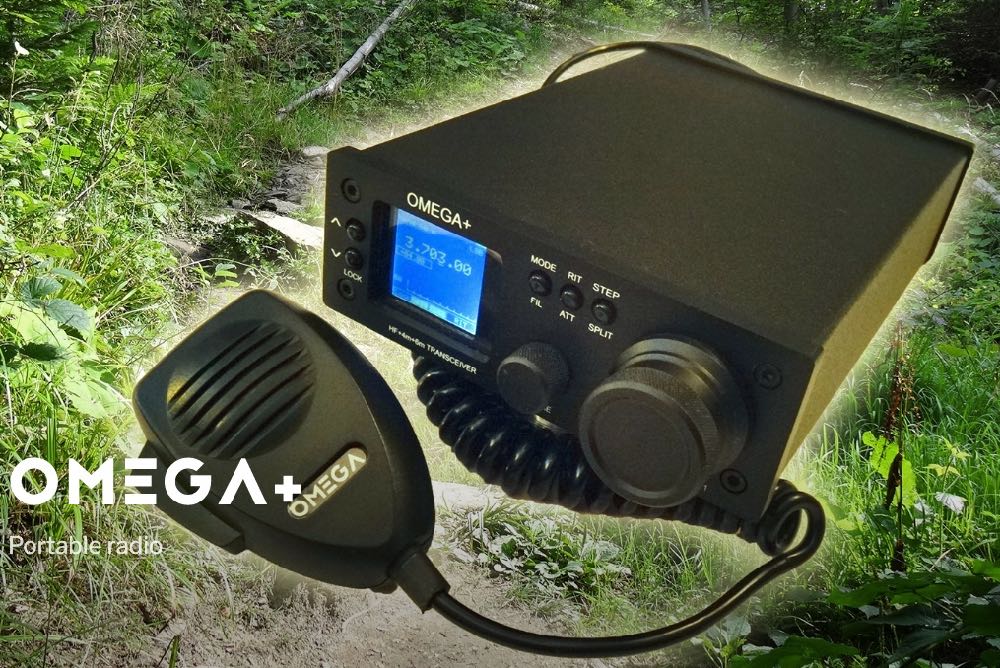
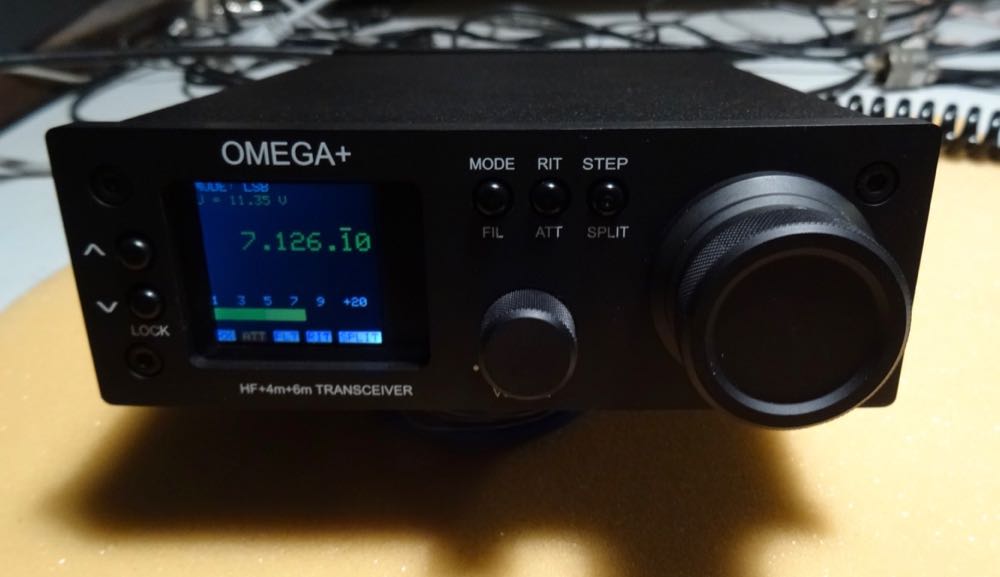
The Omega + HF QRP Transceiver

Many thanks to SWLing Post contributor, Paul Evans (W4/VP9KF), who notes another affordable QRP transceiver on the market: the Omega +.

According to the Omega + website, it appears there are three configurations/versions:

  • 1 band – basic (up to 30 MHz)
  • 2 bands (50 / 70 MHz)
  • 10 bands (160/80/60/40/30/20/17/15/12/10m)

Notes, Specifications and Features

The following details were lifted from this product page and reference the 10 band version of the Omega + (translated from Polish via Google Translate).

Omega + – 10 band QRP transceiver with installed S-meter, power meter, CW monitor and standard quartz filter.

Transceiver fully launched by producers Lukasza SQ7BFS and Pawla SP7NJ.

The front and rear TRX wall in military color, the remaining part of the housing black (in the picture is presented the whole black version).

Rx [MHz]: 0.100 – 72.000
Tx [MHz]:

  • 1.800-2.000
  • 3.500-3.800
  • 5.100-5.500
  • 7.000-7.200
  • 10.100-10.150
  • 14.000-14.350
  • 18.068-18.168
  • 21.000-21.450
  • 24.890-24.990
  • 28.000-30.000

Modes:

  • USB
  • LSB
  • CWU
  • CWL

Antenna connector: SO-239
Working temperature range: -10 ° C to + 50 ° C;
Power supply: 11 – 14V DC
Power consumption

  • Tx Max. Power: 1.6A
  • Rx: 0.26A

Dimensions: (W × H × D) 120x40x180 mm
Weight (approx.): 800g
Output power: (at 13.8V DC)> 6W
Sensitivity: 0.16?V

Package includes:

  • Omega + 10 band transceiver in a black-green (military) enclosure
  • microphone
  • power cord
  • adapter for an external speaker

The listed price is 1,200 Poland zloty (roughly $321 US).

Videos

The Omega + in the WARD Contest 2017:

Click here to view on YouTube.

Here’s a video showing how (impressively) strong the Omega + chassis is:

Click here to view on YouTube.

For more product details, check out the Omega + website.

Our Polish-speaking readers may be able to add more details or clarify/correct anything above that may not have been correctly translated. Please feel free to comment!

Again, Paul, many thanks for the tip!


Do you enjoy the SWLing Post?

Please consider supporting us via Patreon or our Coffee Fund!

Your support makes articles like this one possible. Thank you!