Shortwave listening and everything radio including reviews, broadcasting, ham radio, field operation, DXing, maker kits, travel, emergency gear, events, and more
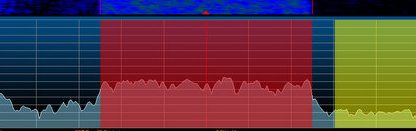
According to the DRM Consortium, there will be a special two hour DRM broadcast today (April 18) starting at 12:00 UTC:
Special DRM transmission tomorrow 18th April from Spaceline during DRM GA at 1200-1400UTC on 11600kHz. From Kostinbrod, Bulgaria with antenna directed at 260 degrees. The content will be from Mighty KBC.
Note that this broadcast starts less than two hours from time of posting. Please comment if you log this broadcast!
Many thanks to SWLing Post contributor, Gary DeBock, who shares the following notes from his Cook Islands Ultralight DXpedition:
Cook Islands (Aitutaki) Ultralight DXpedition from April 8-13
A gorgeous environment, with thrilling long range DX! Ruth and I took this trip as the 38th anniversary of out first meeting at Victoria Peak in Hong Kong (April 10, 1980).
DXing highlights were the reception of 693-Bangladesh, 918-Cambodia and 1431-Mongolia on the 7.5 inch loopstick C.Crane Skywave SSB Ultralight and 5 inch “Frequent Flyer” FSL antenna (designed to provide inductive coupling gain equal to that of a 4 foot air core box loop, but in a much more compact size).
693-Bangladesh 1652 UTC April 10 (mention of Bangladesh at 8 second point; thanks to Chuck Hutton for listening):
Location: Tamanu Beach Resort ocean shore, Aitutaki, Cook Islands (in the South Pacific)
Amazing catches, Gary–thank you for sharing! It seems your modified CC Skywave SSB is serving you well. Looks like you were chasing amazing DX from an amazing part of our planet!
Many thanks to SWLing Post contributor, TheReportOfTheWeek, who writes:
With every month, a few changes are made to the schedule of VORW Radio Int. The latest change is the resumption of broadcasts via WBCQ at 2100 UTC on 7490 kHz, targeting Eastern North America.
Also, here is the full broadcast schedule, each show features some misc talk and commentary and some listener requested music. It can make for a fun listen!
Thursday 2000 UTC – 7780 kHz – WRMI 100 kW – Eastern North America
Thursday 2100 UTC – 7490 kHz – WBCQ 50 kW – Eastern North America
Thursday 2200 UTC – 9955 kHz – WRMI 100 kW – South America
Friday 0000 UTC (Thu 8 PM Eastern) – 7730 kHz – WRMI 100 kW – Western North America
Friday 0000 UTC – 9455 kHz – WRMI 100 kW – Central America
Friday 0000 UTC – 9395 kHz – WRMI 100 kW – North America
Friday 0100 UTC – 7780 kHz – WRMI 100 kW – Eastern North America
Friday 0100 UTC – 5950 kHz – WRMI 100 kW – Test transmission to Florida
Friday 0100 UTC – 5850 kHz – WRMI 100 kW – North America
Sunday 2000 UTC – 9395 kHz – WRMI 100 kW – North America
Sunday 2100 UTC – 7780 kHz – WRMI 100 kW – North America
Questions, comments, reception reports and music requests may be sent to [email protected]
Many thanks to SWLing Post contributor, Moshe Ze’ev Zaharia, who submits the following videos of his reception of Radio Kuwait at 10:30 UTC on April 6, 2018 from his home in Israel.
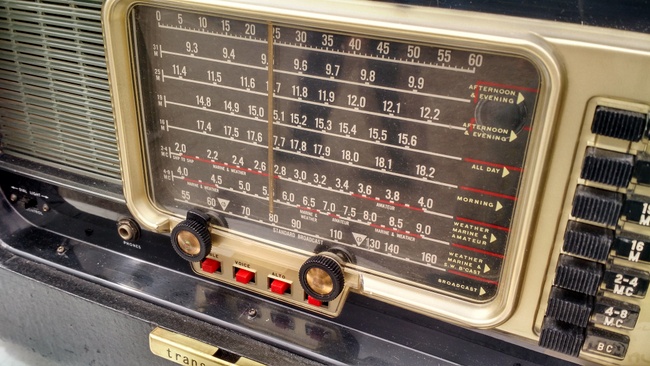
Moshe notes that the signal was of blowtorch strength and, for at least 45 minutes, there was an ever-present delay/echo. Moshe’s receiver is a (beautiful!) Zenith Trans-Oceanic T600 and his antenna a 15 meter wire:
Did anyone else note this echo? I wonder what happened at the Radio Kuwait transmitting station to make this happen? Or, perhaps, it was a fault with the audio feed they received? Please comment!
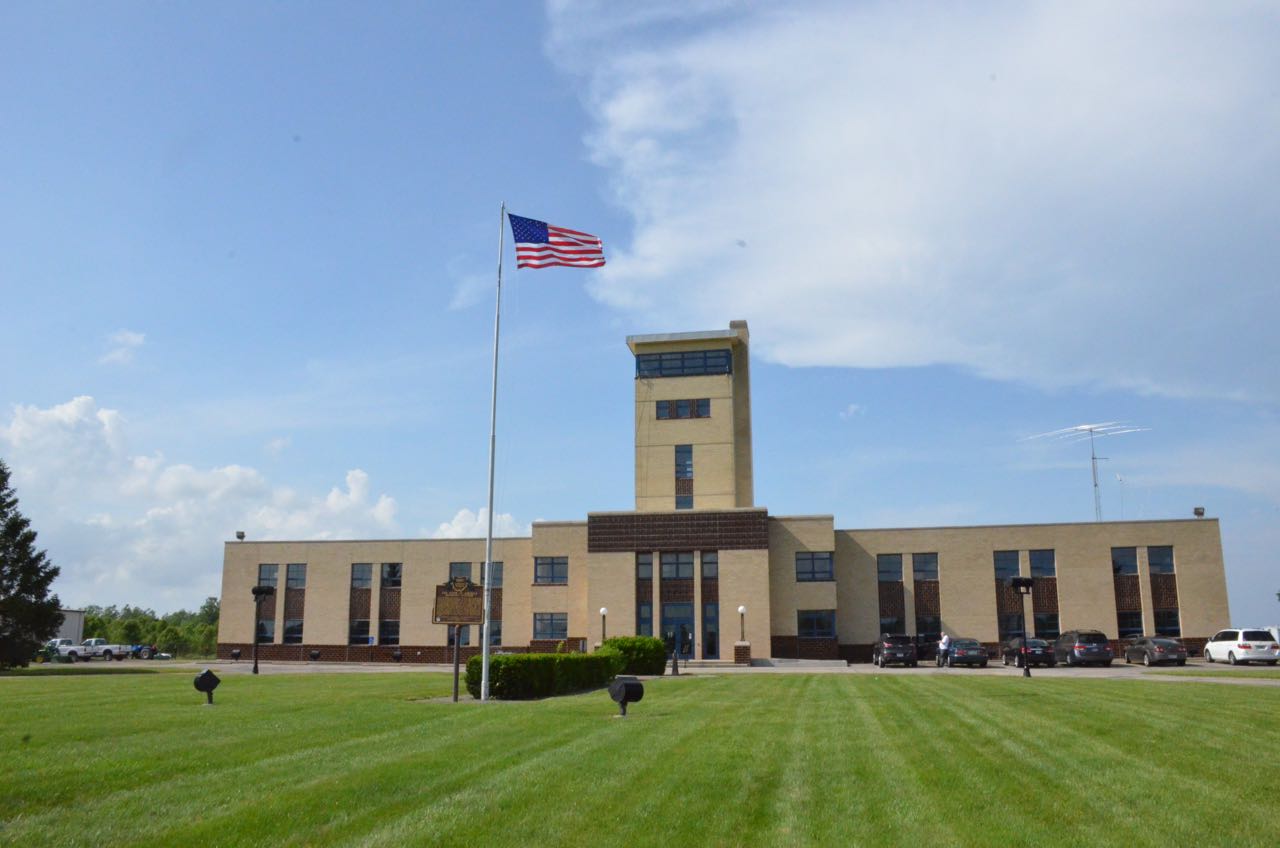
The National Voice of America Museum of Broadcasting mourns the loss of one of its major leaders and benefactors. Clyde Haehnle passed away peacefully on Sunday, April 8th. Over the years, this icon in the development of broadcasting technology, not only locally but nationally, was the driving force behind the museum.
A veteran broadcasting engineer and executive, Mr. Haehnle was instrumental in the early meteoric development of Powel Crosley’s WLW. While working at WLW, fresh out of electrical engineering school at the University of Cincinnati, he was assigned in 1942 to work on design and construction of VOA-Bethany Station, the transmission facility of the newly- minted Voice of America. The facility operated from 1944 thru 1994 and beamed programs worldwide from the highest power shortwave transmitters built in the world at that time.
The rhombic antenna design requiring extensive mathematical calculations fell to Mr. Haehnle. His work accomplished with pencil, paper and a slide rule resulted in some of the most efficient antenna arrays ever built and enabled the VOA programs transmitted from the hilltop north of Cincinnati to be heard by eager listeners worldwide. P of Engineering at AVCO Broadcasting. He held many patents in electronic technology and continued to be a curious and thoughtful proponent of technology well into his ninth decade.
Mr. Haehnle’s untiring leadership and support has enabled the National Voice of America Museum of Broadcasting to develop into a rich educational institution celebrating the role broadcasting has made in the dissemination of programs globally encouraging democratic principles to truth-starved audiences.
The Museum plans a celebration of Mr. Haehnle’s extraordinary life later this spring.
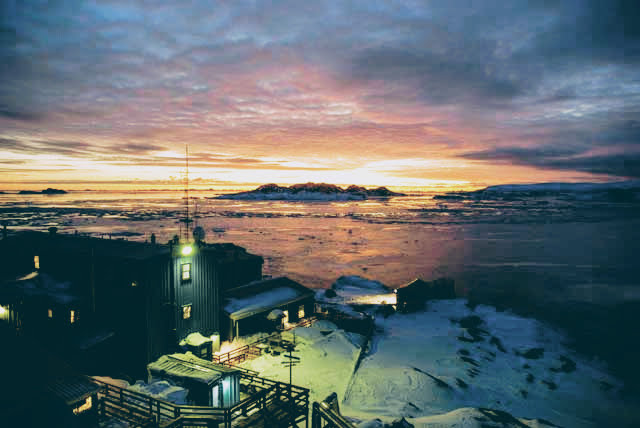
This week, Bill shared two fascinating tape recordings he originally acquired from an estate sale box. These recordings were originally made in 1974 by the late Jim Hayward (W2PVF) in Absecon, New Jersey (USA) with two different ham radio stations in Antarctica.
This first recording is between W2PVF and KC4AAC of Palmer Station. The audio starts mid conversation:
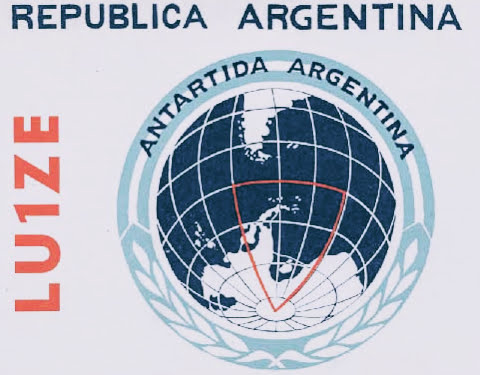
The second recording is between W2PVF and LU1ZE of the Argentine Antarctica Station. The operator at the microphone is W1PV. The recording even includes a phone patch:
Bill, thanks so much for sharing these recordings–I thoroughly enjoyed them!
I’m so impressed with the audio and signal quality of the Antarctic stations. In 1974, we were approaching a solar minimum in Solar Cycle 20. Still, I bet conditions were better than anything we’ve seen in over a decade!
I’m curious if any Post readers have ever made contact with either of these stations or even know the operators in the recordings? Bill notes that Jim (W2PVF) was president of the local Atlantic City Electric Company for many years. Would be fun to share these recordings with the some of the original operators, if they’re around!
Please support this website by adding us to your whitelist in your ad blocker. Ads are what helps us bring you premium content! Thank you!