Category Archives: Vintage Radio

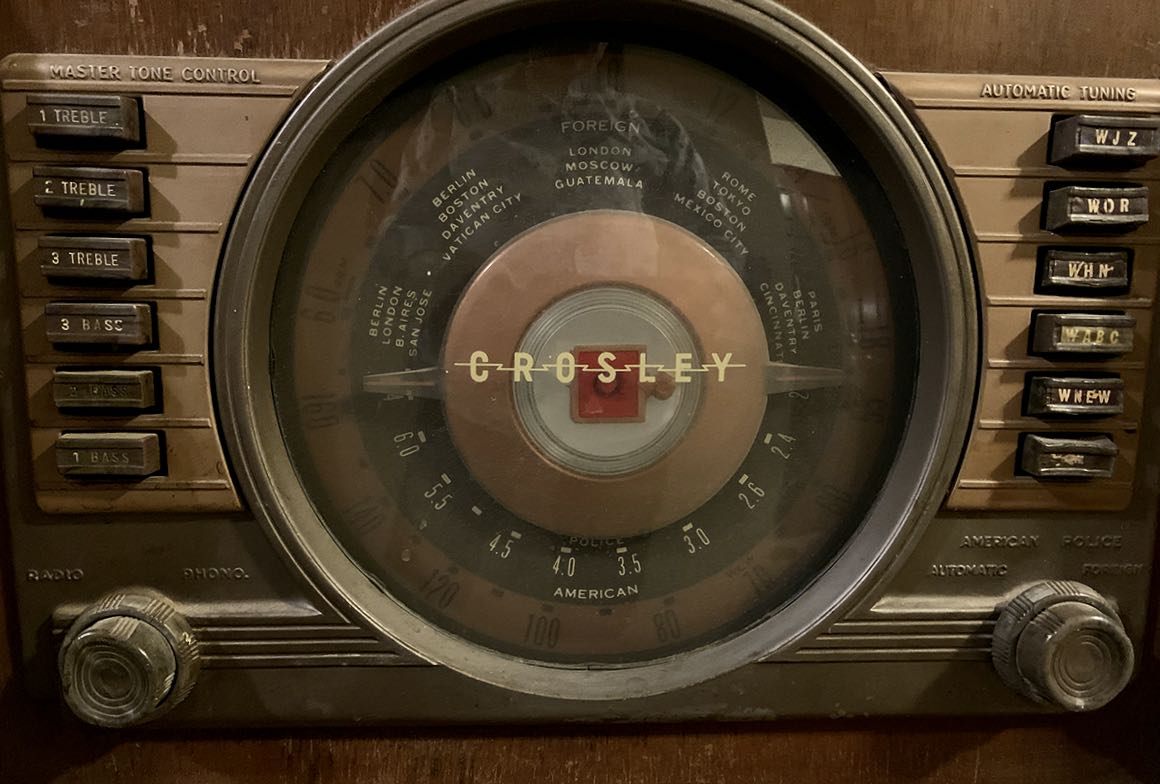
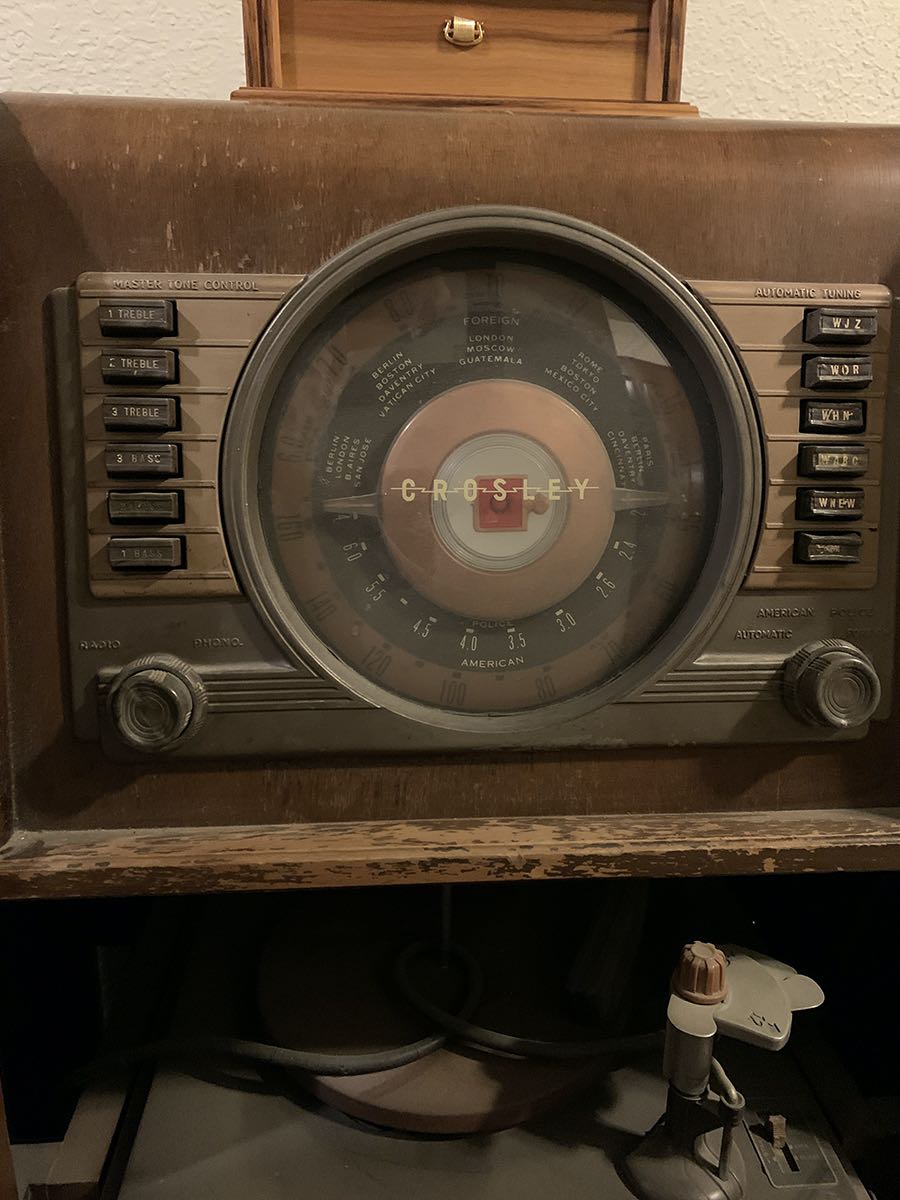
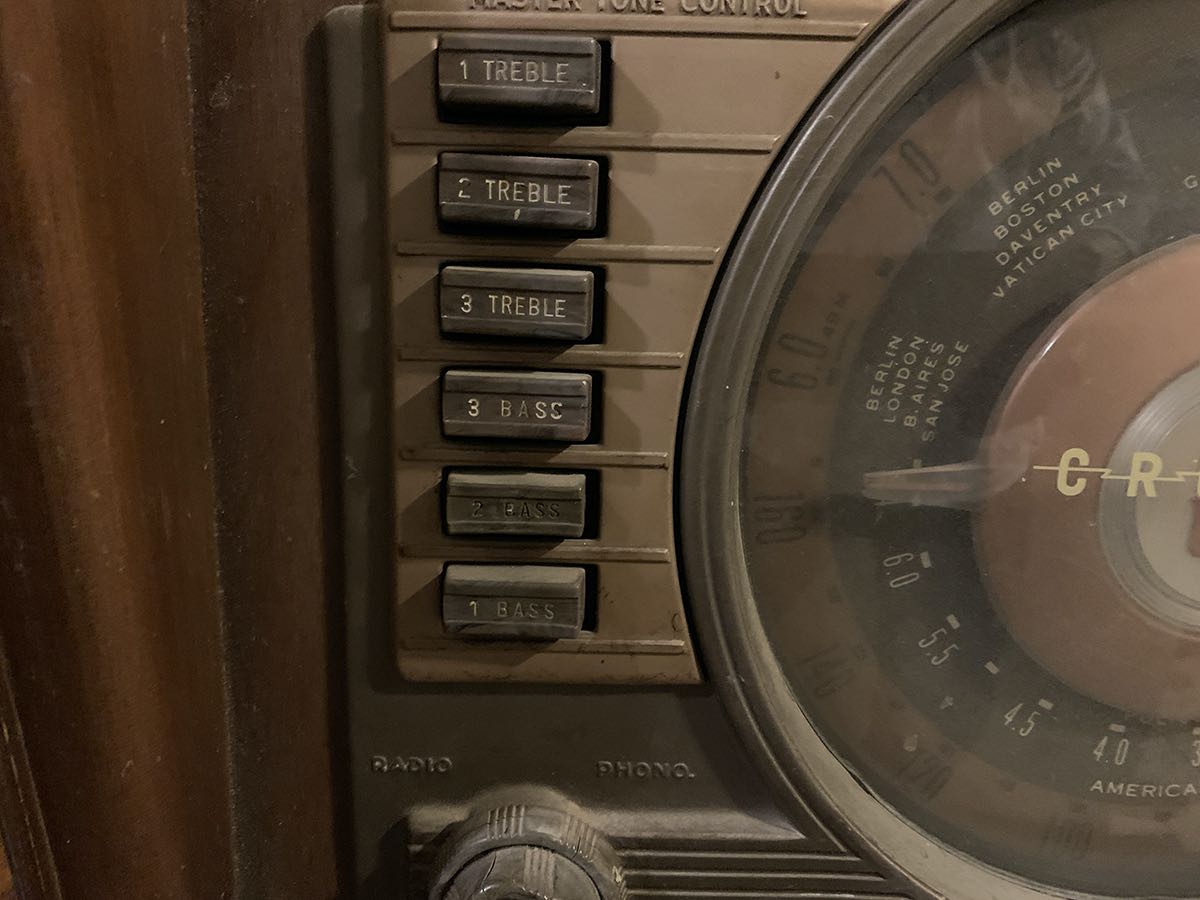
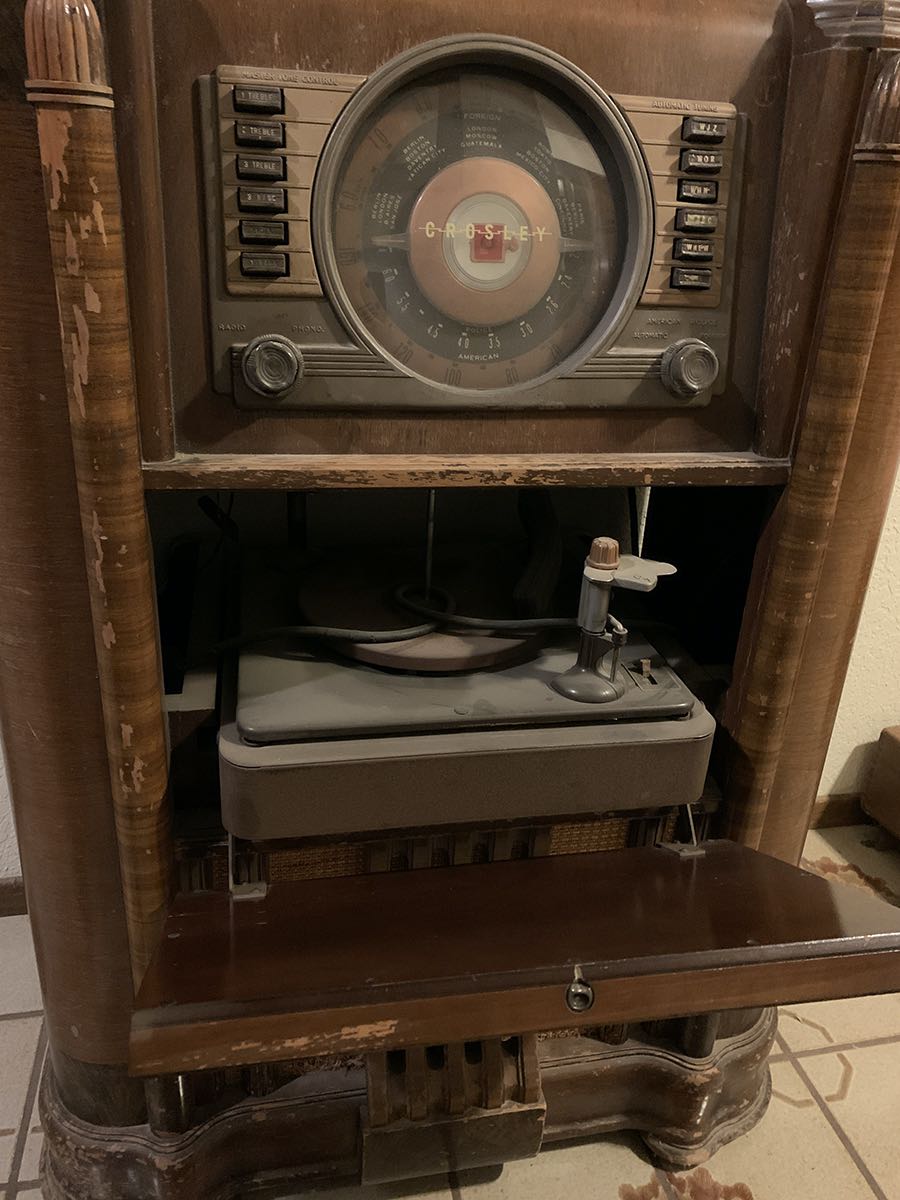
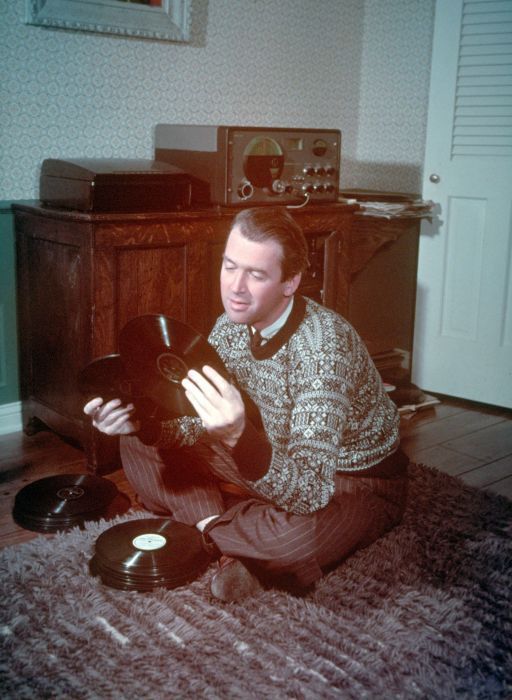
Can you ID James Stewart’s receiver?

Many thanks to SWLing Post contributor, Kim Elliott, who shares the image above which was originally posted by the Museum of Portable Sound on Twitter.

Kim is curious if anyone can ID the receiver model in this photo. I think I recognize this model, but I know there are better experts in our SWLing Post community to make a positive ID!

Please comment!

AGA Nostalgia Trip: Haluk soon to be reunited with his childhood radio

Many thanks to SWLing Post contributor, Haluk Mesci, who shares the following guest post:


AGA is the agha of radios…

by Haluk Mesci

Full disclosure: Contains nostalgia of ‘my parent’s radio’ and some 36 ‘and’s…

I was born and raised in Turkey. Throughout some part of my primary and secondary school years–between 1960 to 1968–we enjoyed listening to an AGA tube radio in the family room.

Although AGA is mainly Swedish as far as I know, I re-discovered a stock photo of it on agamuseum.nl which is Dutch:
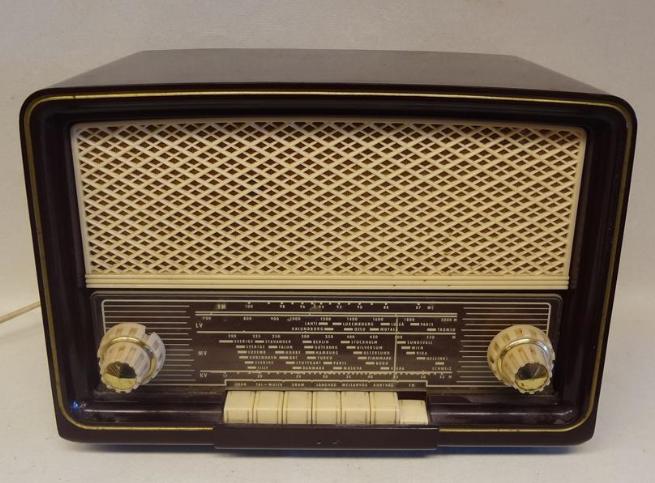
Ours had a ‘magic eye’ just above the tuning knob on the right

I remember, at age 9, trying to listen to a live broadcast of a soccer match between Fenerbahce–my favorite team–and the French team of Nice: There was a ‘Nis’ -Turkish spelling- on the MW screen, so there had to be a broadcast, right?  Wrong.

I learned much later that it wasn’t that easy on radio. (Alas, my team was devastated 5-1 anyhow.) Similar ‘search’ for ‘Russian Sputnik sending messages to the world’ yielded nothing but strange sounds like ‘a diesel engine working loudly’… I wasn’t a silly kid, but nobody taught us basic radio then.

Years passed and my family relocated to Samsun, another city by the Black Sea, because of my father’s work. I was about to graduate from ODTU and there was the famous leftist (anti-US etc) ‘boycott’s of 1968 and later, I had to go live with my parents while my  university courses remained suspended.

Ironically, the city had a US radar base; the base had a low power MW radio station broadcasting news and music -rock and country etc- 24 hours in English to the base staff: AFRTS 1590 kHz.

Shortly thereafter, the base was closed and the radio station went off the air, maybe because of the boycotts and the political winds in Turkey, so I had to look up another such station. Continue reading

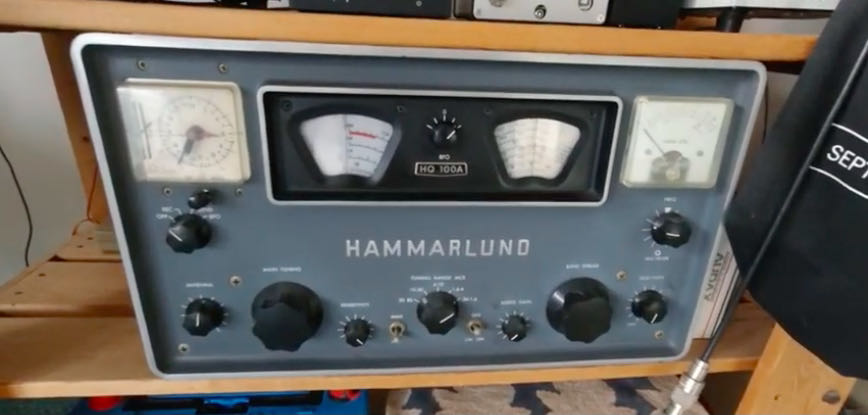
Jeremy’s Hammarlund HQ-100AC: 57 years and going strong!

Many thanks to SWLing Post contributor, Jeremy Clark (VE3PKC), who writes:

Thomas:

Got kind of nostalgic [last week] as it was Thanksgiving Day in Canada. I did a video about my Hammarlund HQ100AC which I got for a Christmas present in 1964, 57 years ago. It still works!

Best Regards

Jeremy Clark VE3PKC

Click here to view on YouTube.

This is wonderful, Jeremy. There’s simply nothing like our boat anchors and vintage radios that continue to work perfectly and pump out amazing, warm audio. There was no such thing as “planned obsolescence” back then! Our radios like the HQ100AC will long outlast us!

Thanks again, Jeremy! I hope your HQ100AC enjoys a even more time on the air and keeps you warm this winter.

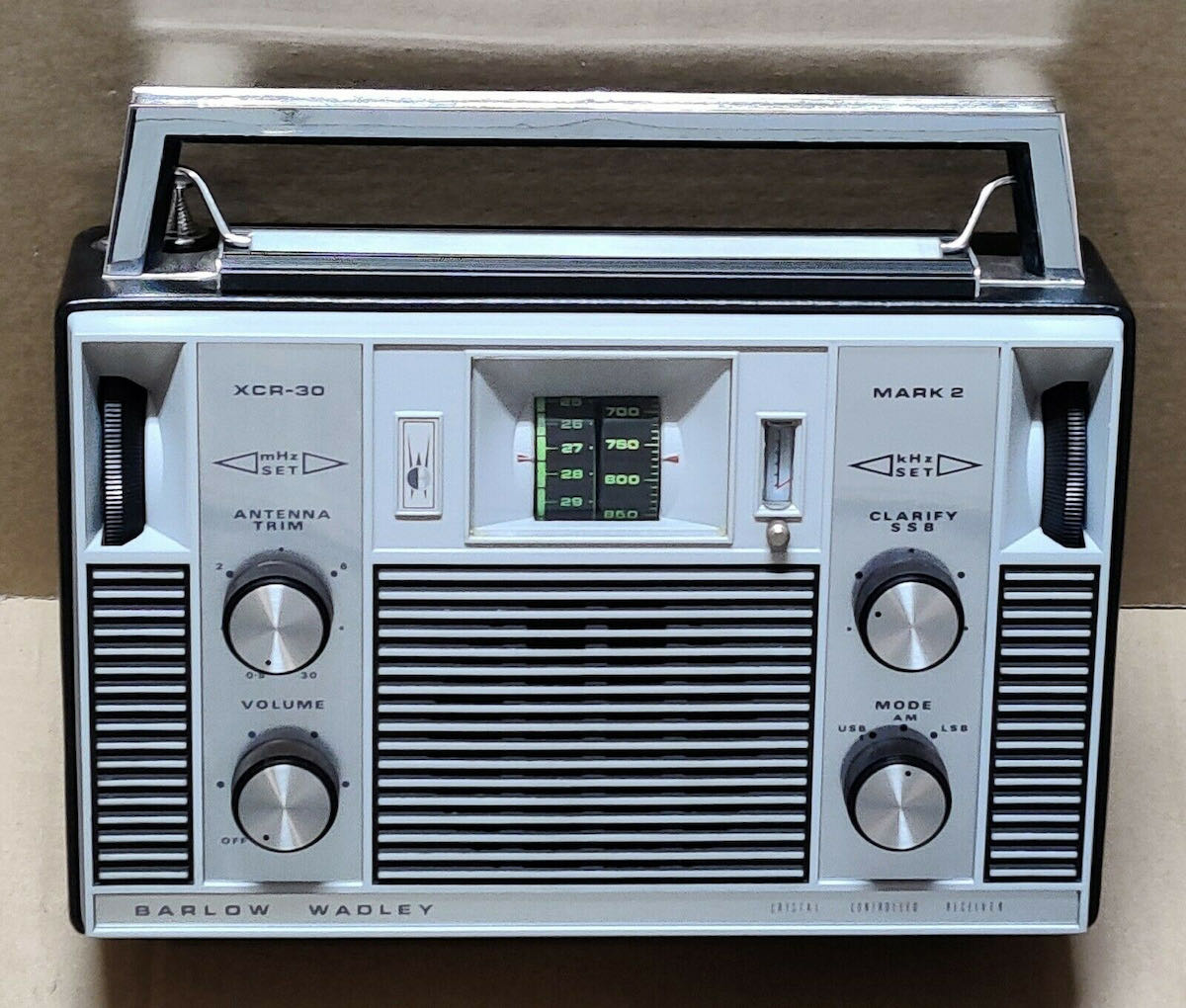
eBay find: Mint NOS Barlow Wadley XCR-30

Many thanks to SWLing Post contributor, Robert, who writes:

Thomas – Check out this NOS Barlow Wadley XCR-30 on eBay. I have never seen one of these in this condition!!

Photos

Listing Description

Offered is a MINT condition, brand new Barlow-Wadley XCR-30 Mark 2 receiver manufactured in 1974. This particular unit is in the original box, has never been used and is in pristine shape. It’s just like someone would have received it when buying it new nearly 50 years ago. Until a few months ago, it was still sealed in the original plastic and my initial intention was to leave it like that. However, the tape on the plastic had become brittle with age and no longer was adhering to the plastic. I therefore decided to remove the receiver long enough to get a series of photos and carefully placed it back in the plastic. All original accessories and documentation are included: one bag with the operating instructions, original warranty (guarantee) card, and extra log cards; another bag with the the plugs for the user to make the following items: grey plug (earphone), red banana plug (external antenna), black banana plug (grounding/earth), and grey plug (external power supply).

If you are searching specifically for an XCR-30, it’s most likely you know that this receiver was considered state-of-the-art and rather famous when first manufactured. The receiver uses what is known as a Wadley loop which is a clever method of obtaining frequency stability. There are various articles online which go in to greater detail regarding this receiver as well as the theory and significance of the Wadley loop. This receiver has a frequency range of 500 kHz to 30 MHz and which is covered in 30 separate bands of 1 MHz each.

Due to the age of this receiver it is being sold as-is with no guarantee of its operability in the future. Also, it is very much recommended that it be properly serviced prior to any attempt at powering up. At a minimum, all electrolytic capacitors should be replaced.

This receiver will be well packaged with extra layers of cardboard and packing peanuts around all sides, top and bottom for protection during shipping.

On Sep-20-21 at 18:39:31 PDT, seller added the following information:
Please note: I have NOT installed any batteries into the receiver. That’s what “never used” means in the title and description.

Wow! What a find, Robert. Thank you for sharing it with us. I bet this listing will go much higher in price–it’s rare to see a mint NOS Barlow Wadley XCR-30 on eBay. I would love an XCR-30 some day, but this will surely go beyond my bidding comfort level! Indeed, I’m very curious how high it will go!

Click here to view this XCR-30 on eBay.

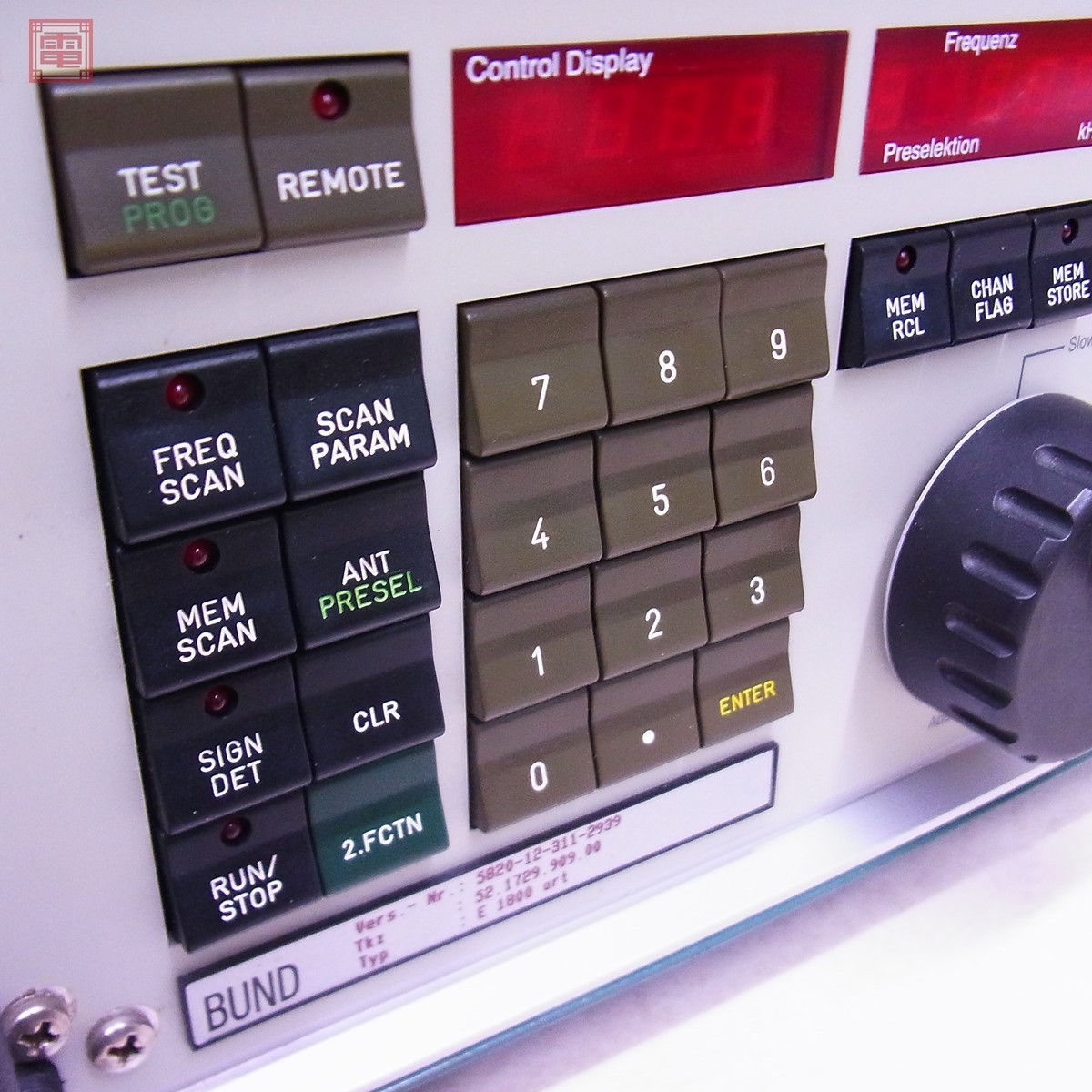
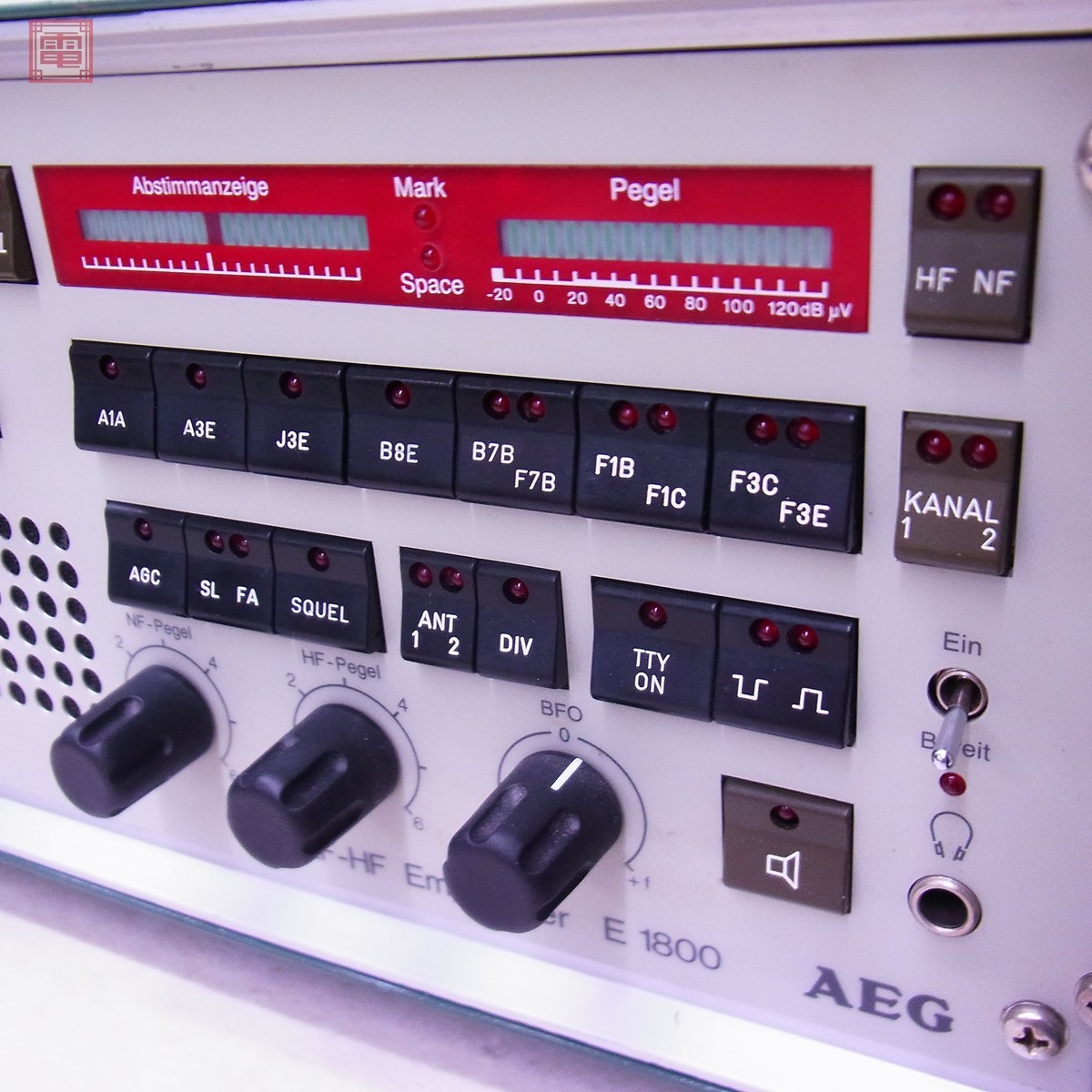
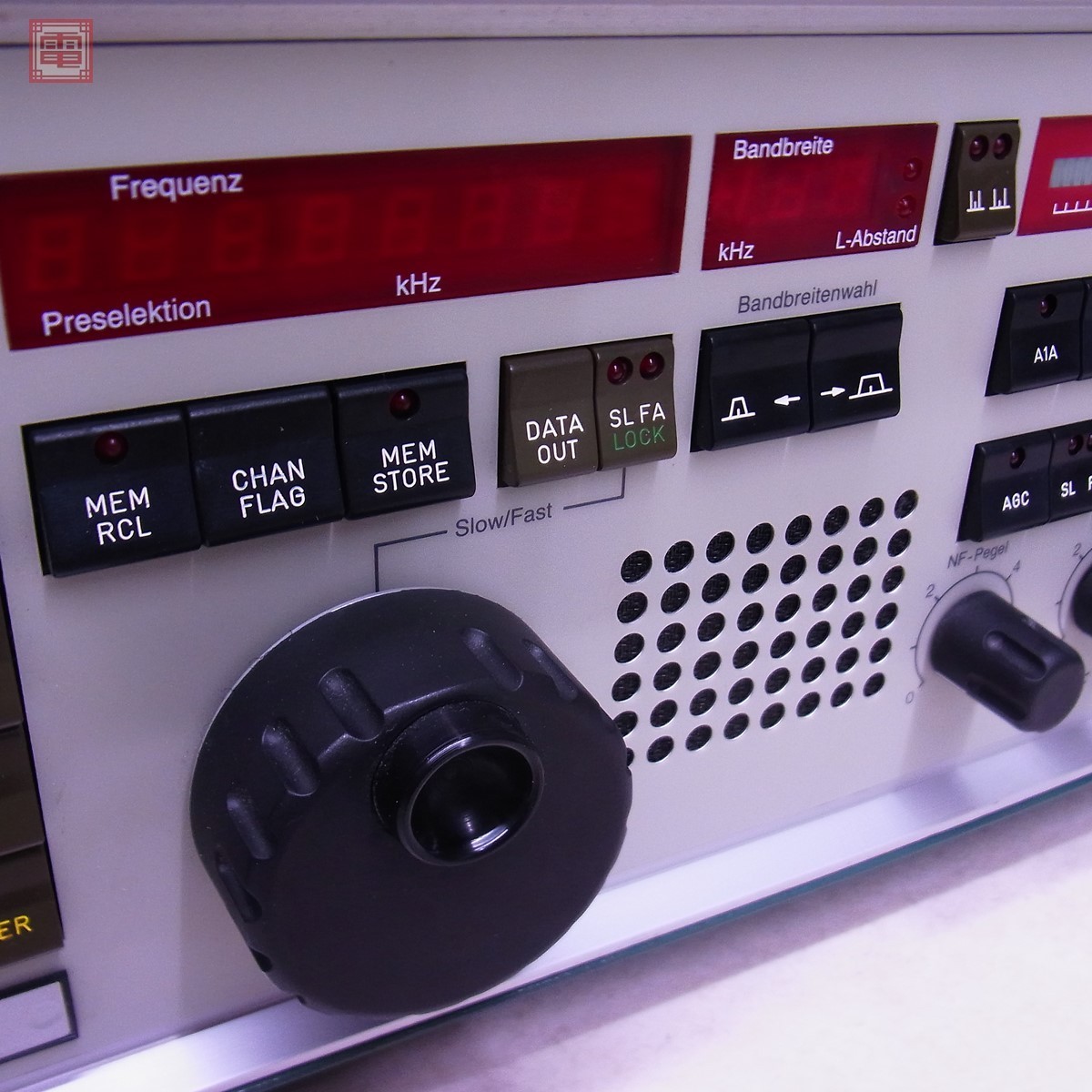
Rare AEG Telefunken E1800 receiver fetches over $5,000 US

Many thanks to SWLing Post contributor, Dan Robinson, who writes:
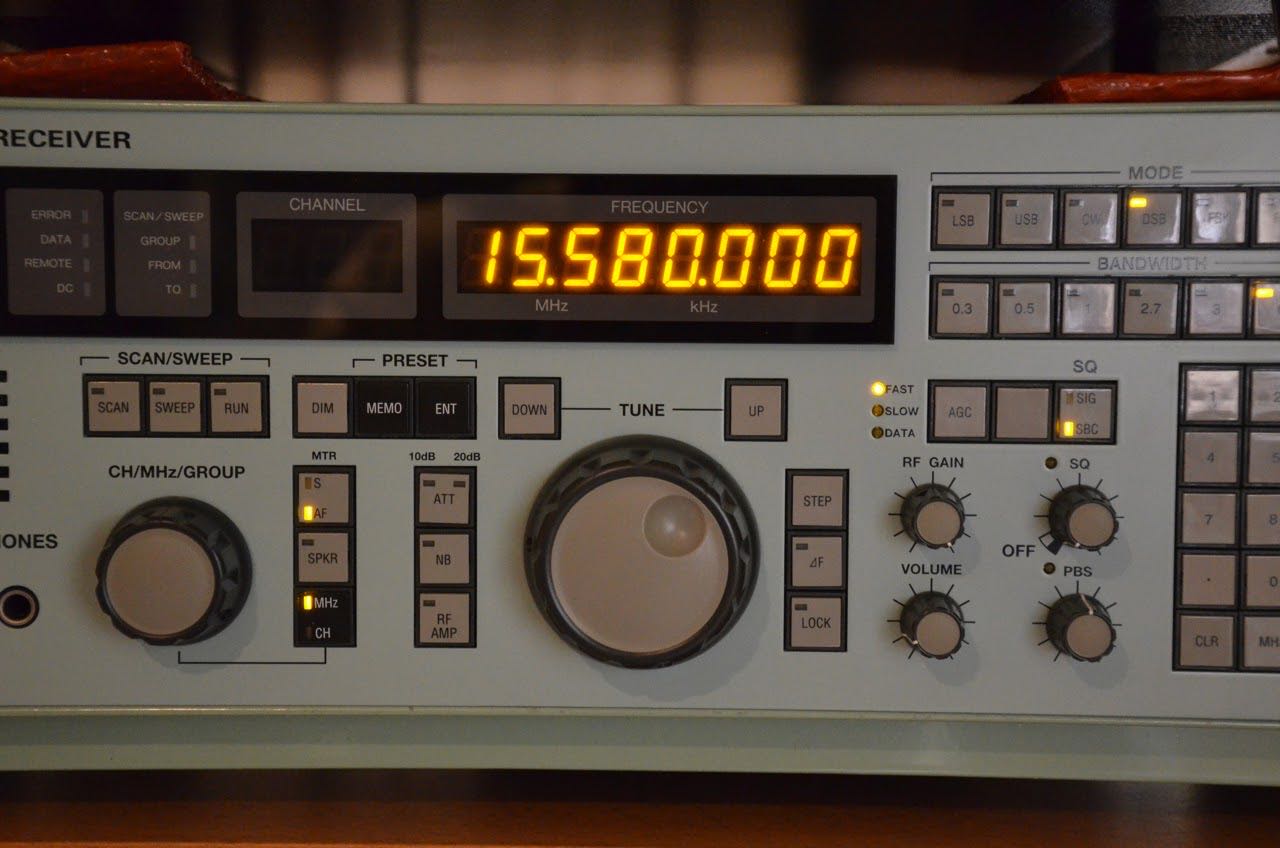
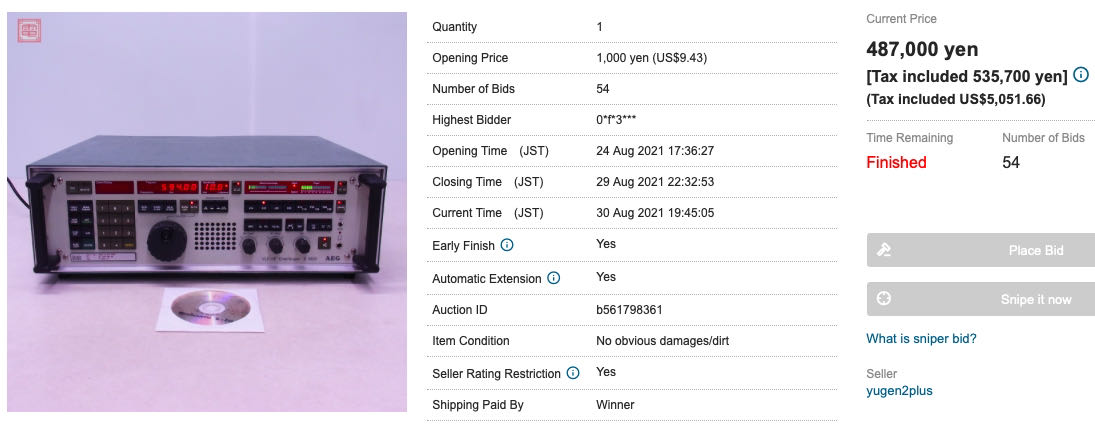
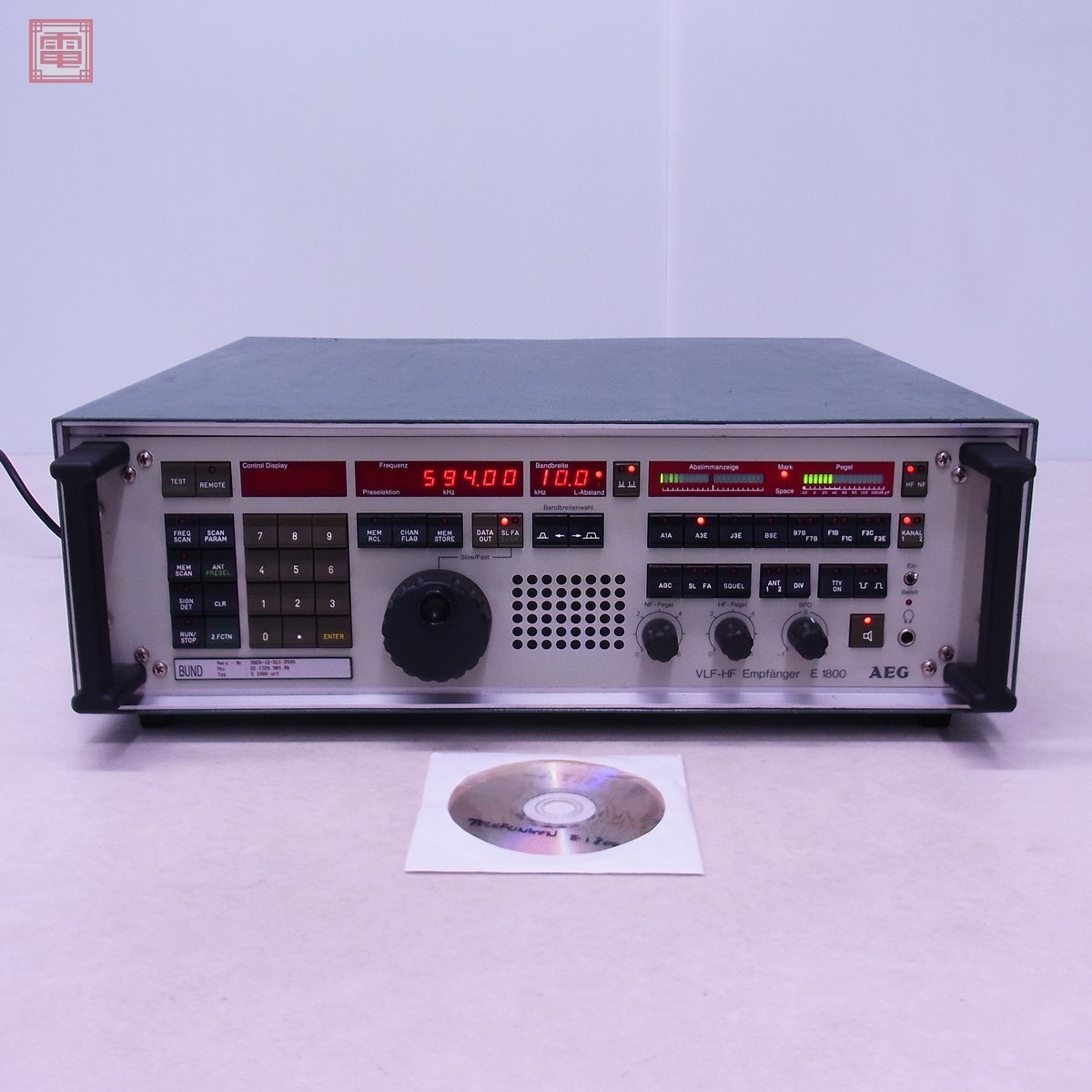
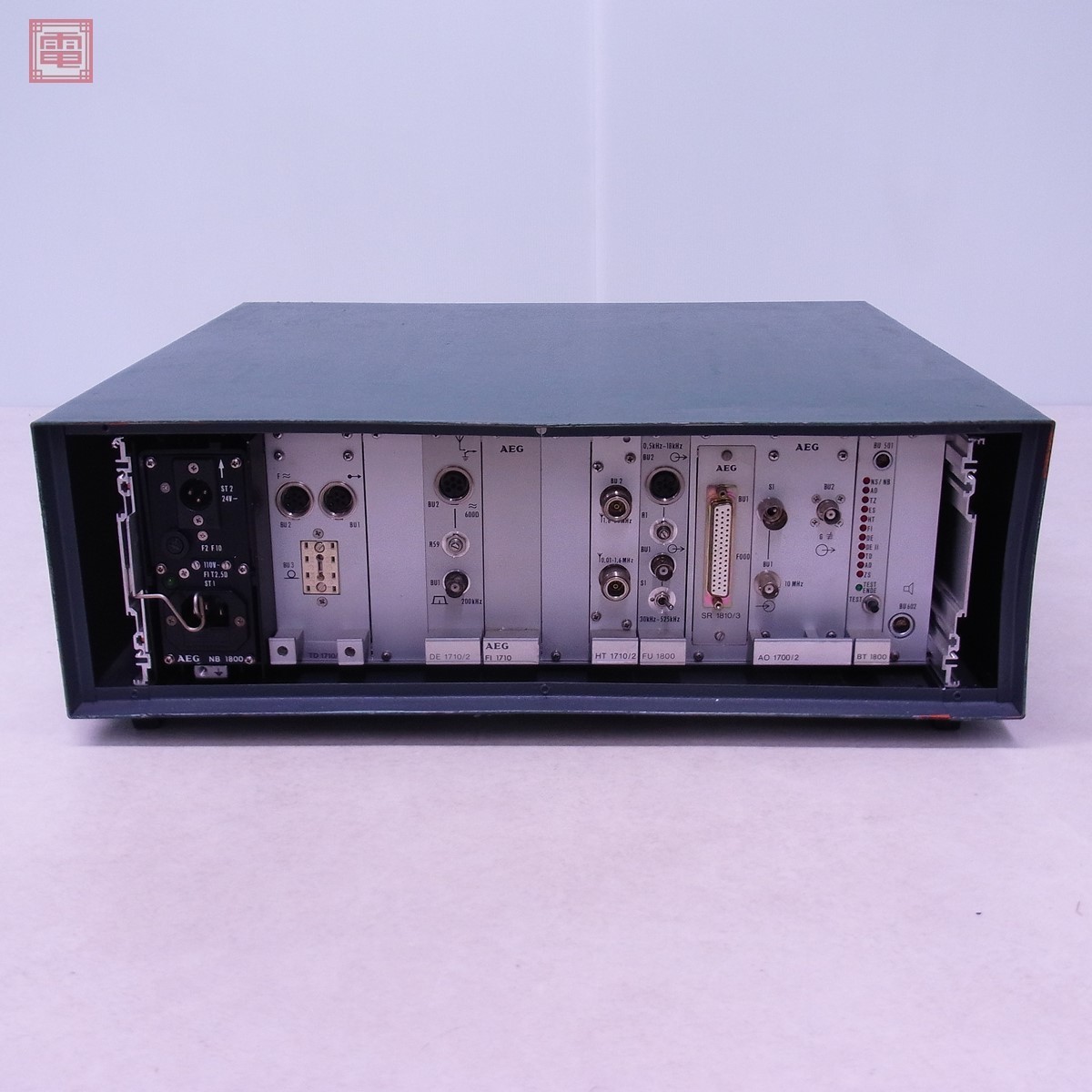
A rare AEG 1800 receiver fetched over $5,000 in an auction on the Japan Buyee site, complete with its original metal cabinet.

As collectors/users of premium receivers know, the 1800 was once described as the best HF radio ever made. And this particular unit contained most of the rare main modules that themselves often sell for high prices in Europe.

There were 54 bids for this AEG 1800, demonstrating that rare premium sets such as this, and especially Japan Radio Company (JRC) receivers, still attract major interest from collectors.

Click here to view the completed listing on Buyee.

Most impressive, Dan. It truly amazes me to see the prices rare commercial-grade receivers fetch these days. I’ll be the first to admit that an AEG E1800 would look great in my shack!

Thank you for sharing, Dan.

Dan watches record-setting vintage JRC receiver auction prices

Many thanks to SWLing Post contributor, Dan Robinson, who writes:

The question is, will it go even higher than the two NRD-240s a few months ago?

https://buyee.jp/item/yahoo/auction/j1000312853?conversionType=item_browsing_history

As collectors of premium receivers know, the Japan Radio Corporation (JRC) NRD-630 is among the rarest of radios.

NRD-630s are almost never seen on the used market and when they do appear, they sell usually for over $5,000 U.S.

This NRD-630, with only a few hours to go, appears on the Japan Buyee (Yahoo Auctions) site, and the receiver appears to be in like new condition.

The last JRC receivers to bring over $5,000 were two NRD-240 receivers, both of those also in like new condition.

Click here to see the results of this auction.

Thanks, Dan! It’s so fascinating to see how prices for these vintage JRC receivers change with time!

Bob Colegrove on “The Joys and Challenges of Tuning Analog Radios”

Many thanks to SWLing Post contributor, Bob Colegrove, who recently shared this excellent article and has kindly allowed me to share it here in the the Post. Bob prefaced it by saying, “Being a retired technical writer, I started the attached article some time ago for my own amusement, but it quickly got out of hand.

“Got out of hand” in a very good way, Bob!

An excerpt from Bob’s article.

I love how this piece takes us through receiver history and explains, in detail, the mechanics and innovations. It’s also a very accessible piece that both the beginner and seasoned radio enthusiast can appreciate.

But don’t take my word for it, download it and enjoy!

Click here to download The Joys and Challenges of Tuning Analog Radios as a PDF.

Thank you again, Bob. This is a most enjoyable and informative read! This was obviously a labor of love. Thanks for sharing it with our radio community!