Shortwave listening and everything radio including reviews, broadcasting, ham radio, field operation, DXing, maker kits, travel, emergency gear, events, and more
For your listening pleasure: three hours of The Mighty KBC.
This broadcast was recorded on May 24, 2015 starting around 00:00 UTC on 9,925 kHz.
I used the TitanSDR Pro hooked up to my skyloop antenna to capture this recording–in truth, though, the signal was so strong it could’ve been easily received on a portable here in eastern North America.
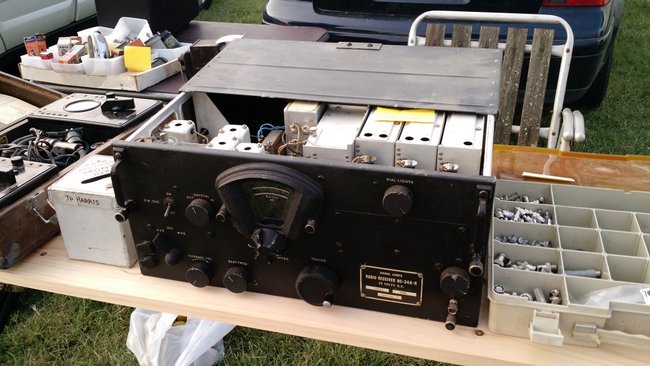
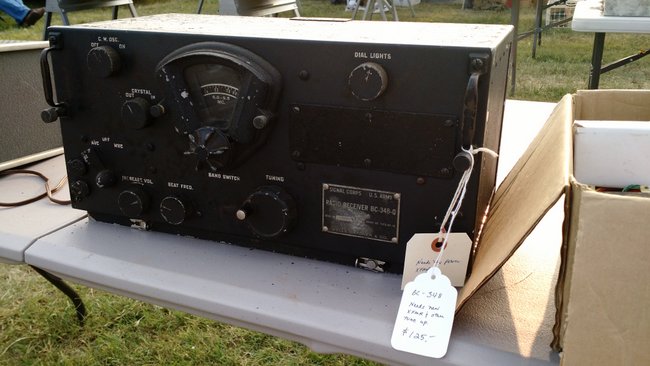
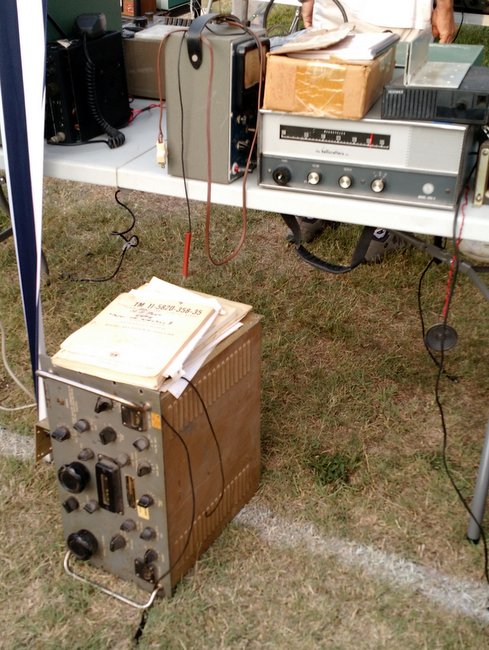
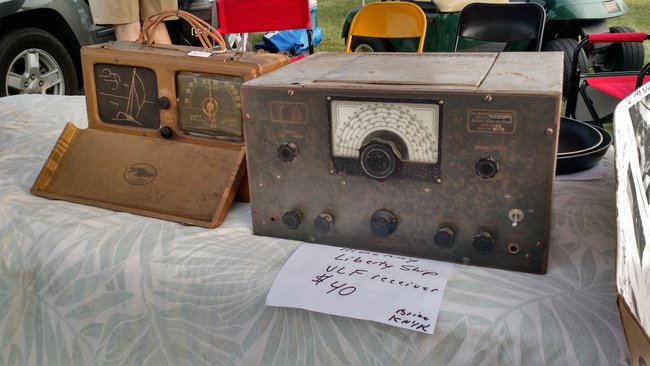
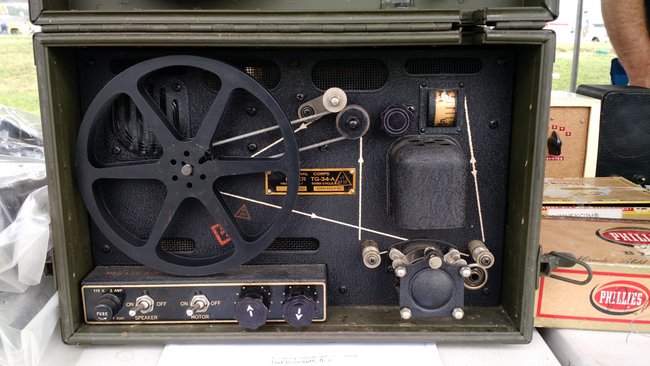
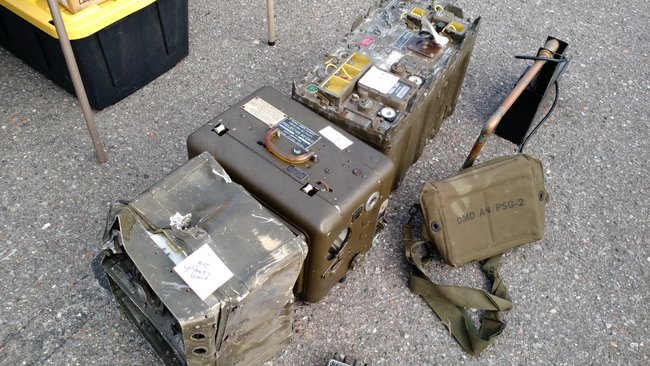
I listen to my BC-348Q most days; in fact, it’s my preferred way of receiving my morning dose of Radio Australia on 9,580 kHz. And although you won’t find any medium-wave DXers endorsing this beefy antique rig, the BC-348, with its warm tone, has turned out to be a great shortwave receiver for casual listening.
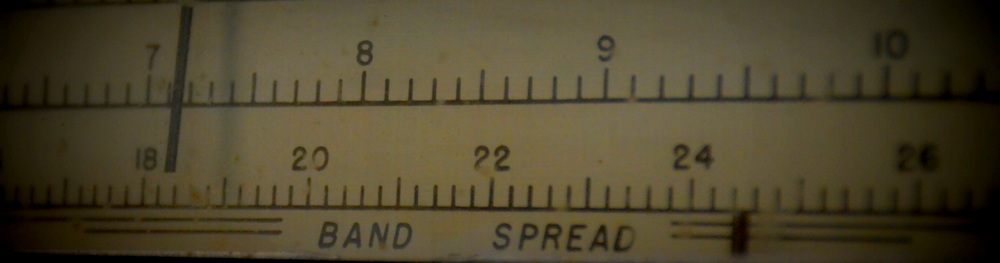
When the armed forces commissioned the Signal Corps BC348 during WWII, the last thing they wanted was to have on-duty personnel listening to AM broadcast bands during, say, bombing sorties––so they purposefully omitted the medium-wave band. The band selections in the BC-348 are as follows:
200-500 KC.
1.5-3.5 MC.
3.5-6.0 MC.
6.0-9.5 MC.
9.5-13.5 MC.
13.5-18.0 MC.
But here in the comfort of my radio digs three-quarters of a century after WWII, I recently discovered that this classic “hot war” receiver does, indeed, pick up one of my local AM broadcast stations: WTZQ, and on 1,600 kHz. WTZQ has become one of my favorite stations; it’s one of the few in this region that’s still actually independently owned. The station’s playlist spans the decades, including, as they say, “everything from Glenn Miller to Steve Miller.” And, since they’re on “1.6 MC” they make the cut on the ‘348’s second-band selection. How cool is that?
WTZQ’s station is a good thirty miles from here as the crow flies, so reception usually includes a little static on the wire antenna I’ve connected to the BC-348. Still, you might enjoy this short audio clip of WTZQ via the BC-348Q:
Community radio stations in earthquake-hit Nepal have become a crucial provider of information – in fact, the only source in places where newspapers do not reach and internet service does not exist.
Many of the stations are operating from tents after their permanent buildings were destroyed in the 25 April earthquake.
Staff members from these stations have shown tremendous resilience in ensuring that the flow of information does not stop.
Many thanks to Jon Hudson at SDRplay who notified me that they have released a Raspberry Pi 2 API for the SDRplay RSP receiver. Note that the API is a “pre-release” version and you’ll need to reference the included Linux installation notes.
If you have the RSP and a Rasberry Pi 2, you might consider trying the new software. The SDRplay development team are eager to hear feedback.
For your listening pleasure: 1.5 hours of Radio Romania International, starting with RRI’s English language service.
This recording was made on May 25, 2015 starting around 00:00 UTC on 9730 kHz. I used the TitanSDR Pro software defined receiver and skyloop external antenna to make this off-air recording. In truth, this is one of the few remaining broadcasters that targets eastern North America; even a simple portable radio would have sufficed.
Today is Memorial Day, and I’m feeling humbly grateful to all of those who paid the ultimate sacrifice for their country. Since I’ve been reading a lot of WWII history lately, I’ve also been playing a lot of WWII-era music here in my sanctuary to all things radio.
Few songs sum up the yearning sentiment of World War II better than Vera Lynn’s 1942 rendition of “The White Cliffs of Dover.” It’s an iconic song, one that helped British soldiers see beyond the war while mourning its painful toll. It was written in 1941 when England was taking heavy casualties, just before American allies joined the effort.
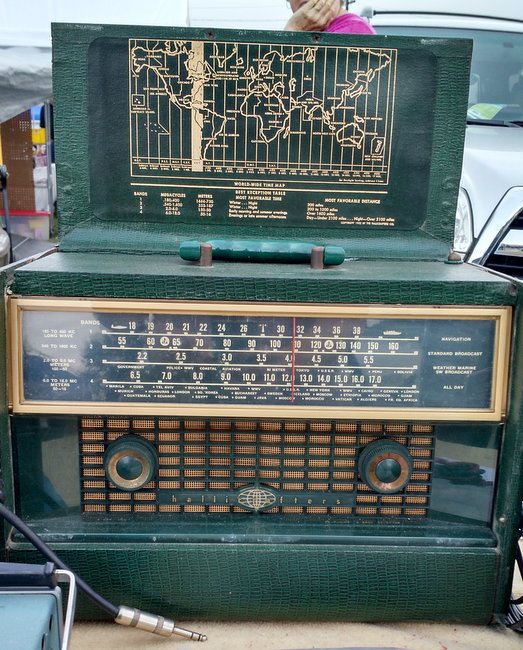
This morning, seeking something with a little authenticity, I played “The White Cliffs of Dover” though my SStran AM transmitter, and listened to it through “Scottie,” my WWII-era Scott Marine radio (above). I made this recording by placing my Zoom H2N recorder directly in front of the Scott’s built-in monitor speaker.
So here you go: a little radio tribute to all of those who fell–on both sides–of that infamous second world war.
And thanks to all who serve and have served in the name of “peace ever after.”
Many thanks to SWLing Post reader, Anthony, for forwarding this CBS/60 Minutes video: an interview with former KGB spy, Jack Barsky. During the interview, Barsky mentions that he received encrypted KGB “radiograms” via a numbers station he believed to be in Cuba. He admitted that the messages could take an hour to copy, then an additional three hours to decode. This is a fascinating story–well worth watching.
“Tonight, we’re going to tell you a story you’ve probably never heard before because only a few people outside the FBI know anything about it. It’s a spy story unlike any other and if you think your life is complicated, wait till you hear about Jack Barsky’s, who led three of them simultaneously. One as a husband and father, two as a computer programmer and administrator at some top American corporations and three as a KGB agent spying on America during the last decade of the Cold War.
The FBI did finally apprehend him in Pennsylvania but it was long after the Soviet Union had crumbled. What makes Jack Barsky’s story even more remarkable is he’s never spent a night in jail, the Russians declared him dead a long time ago, he’s living a quiet life in upstate New York and has worked in important and sensitive jobs. He’s now free to tell his story…as honestly as a former spy ever can.”