October 10: Let’s talk shortwave…and astronomy

PARIdish

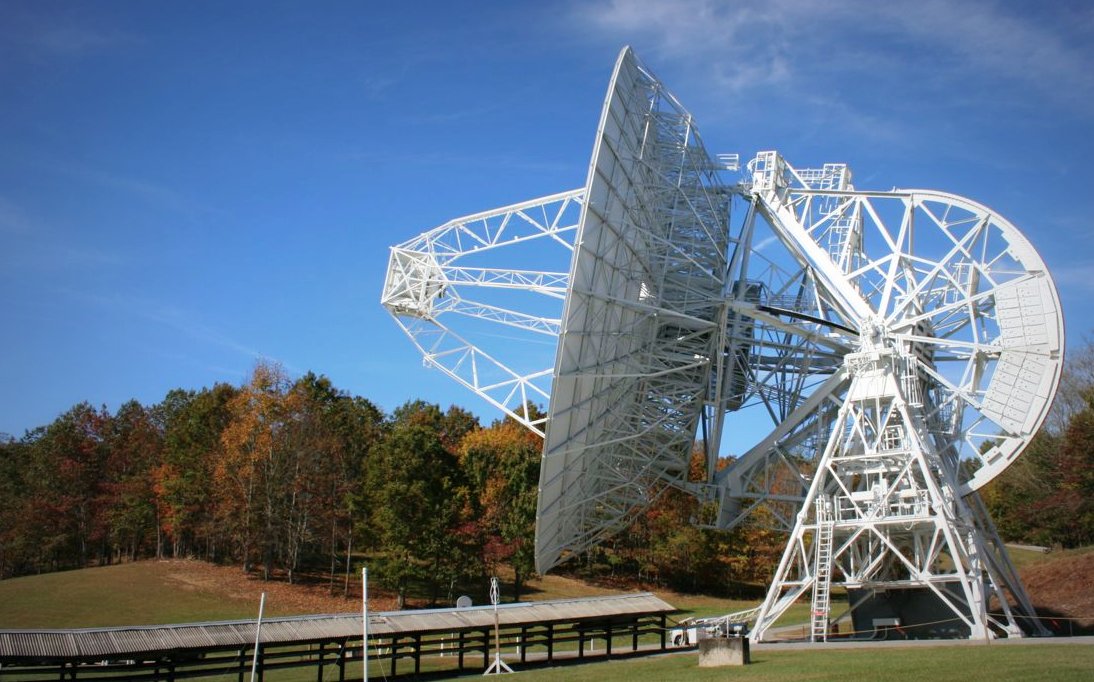
I’ve been invited to speak at the Pisgah Astronomical Research Institute (PARI), a non-profit educational radio astronomy observatory (and former NASA tracking station as well as one-time NSA installation), in the mountains of western North Carolina.

I’ll be speaking about shortwave radio, of course–both its technical and cultural aspects–on October 10, 2014, at 7:00 pm EDT.  Afterwards, there will be a tour of the PARI campus, and an opportunity to stargaze with both amateur and professional astronomers.

Many thanks to my buddy, Ken Reitz, who shared this article about my presentation in the area’s local county newspaper; here’s my statement about the presentation:

“Shortwave radio is an international communications medium that has been in existence for nearly one hundred years,” said Witherspoon, “yet this vintage technology supports an ever-evolving multicultural landscape that, remarkably, remains relevant today. The Internet and mobile technologies have made the dissemination of information more readily accessible to many, yet shortwave radio remains viable and dynamic, and in many ways still outstrips the Internet.

“I plan to share some of shortwave radio’s diverse voices and investigate some of the technology used to receive them. So, if you are a shortwave enthusiast, or simply interested in learning more about shortwave, this program is for you and will be suitable for all ages.”

Read the full article here–and if you can make the journey, join us for shortwave and astronomical fun. There is a small charge for the evening; all proceeds go towards PARI’s mission of providing public education in astronomy.

PARI is a stunning radio astronomy campus which will no doubt be accentuated by the mountains’ fall leaf colors on October 10. For PARI’s location, click here.
The Ozark Patrol regenerative receiver kit

k0awb_ozarkpatrol 3small

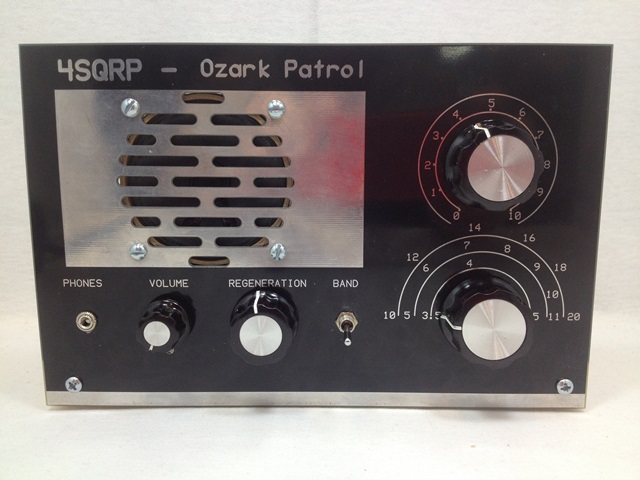
Just learned that David Cripe (NM0S) has a new kit for sale: the Ozark Patrol regenerative receiver kit.

The Ozark Patrol is a simple, straightforward kit, designed with beginners in mind. The kit uses through-hole components, which is to say, mounted on pads etched on the opposite side.  All of the component values and reference numbers are silk-screened on the board to indicate each part’s location, making for truly quick and fool-proof assembly.

What’s more, Dave is a talented kit designer; he’s the brains behind the kit for our successful ETOW HumanaLight (originally conceived by engineer Greg Majewski). He’s not only clever like that, he’s also a great pal.

In the past, when Dave has announced new radio kits for sale, he’s sold out within a few days. That’s why I ordered mine the moment I saw the announcement.

And, hey…not only does just $40 plus shipping ($46 in the US) get you a superb regen receiver kit, but proceeds also support the Four State QRP Group. Win-win, in my book.

Here are a few specifications and design features listed on the Four State QRP Group’s website:

  • Frequency Range: 3.5-15 MHz in two bands
  • Sensitivity: Yes!
  • Power Supply: 6 x AA batteries
  • Audio Output: A 2.6” speaker is included, as well as a jack for 1/8” stereo headphones

Want one, too? Click here to order your own Ozark Patrol kit…and enjoy tinkering as well as listening!

Dave reviews the Tecsun PL-880, PL660 and Sangean ATS-909X

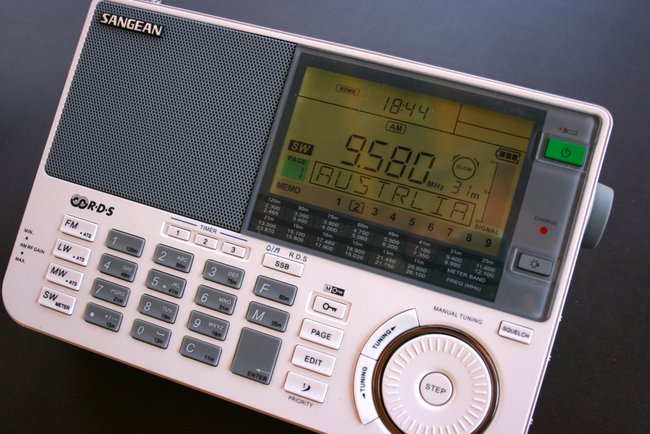
ATS-909XDave Zantow (N9EWO) has posted reviews of the Tecsun PL-660, PL-880 and Sangean ATS-909X on his website. Dave even includes a review of the Radiolabs “ClearMod” version of the Sangean ATS-909X.  Click here to read the reviews (scroll down to view all).

Many thanks, Dave; I always value your reviews!

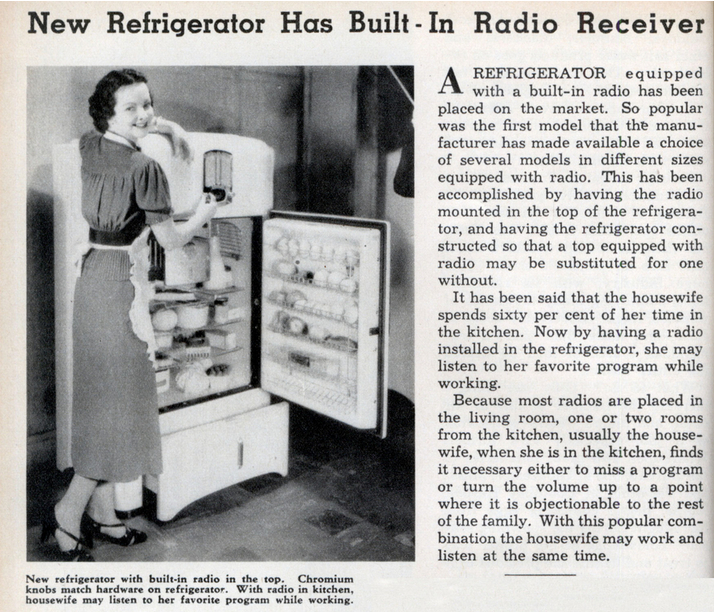
1930s refrigerator had built-in radio

Many thanks to Andy Sennitt for sharing this fascinating piece of radio nostalgia:

RefrigeratorRadio

Gizmodo columnist, Matt Novak, writes:

Jesse Walker, author of the book Rebels on the Air: An Alternative History of Radio in America, pointed me to this rather novel invention from 1937 — the refrigerator-radio combination unit. This may seem like an odd marriage of tech, but it makes perfect sense when you realise that it in the 1930s it was becoming harder to sell new radios and much easier to sell new fridges.

Despite the Great Depression, America saw an explosion of mechanical refrigerator ownership during the 1930s. In 1930, just 8 per cent of American households had a fridge. By the end of the decade, nearly half of American homes had one.

But the market for radios was pretty saturated in the late 1930s. Over 80 per cent of American households had a radio by the end of the decade. So radio set manufacturers tried to insert their products into new places that from the vantage point of the future, we can see didn’t pan out (like refrigerators) and others that did (like cars).

Continue reading on Gizmodo…

WRTH 2015 to ship in December

WRTH-Cover

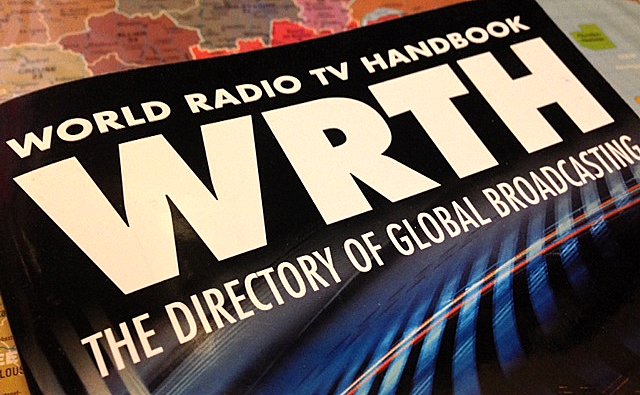
Sean Gilbert, WRTH International Editor, just posted the following information on the WRTH Facebook group:

“WRTH 2015 will be published, as usual, in early December. This will be the 69th Annual edition! Even though both International and Domestic SW is declining there is still a lot to be heard out there on those broadcast bands, so don’t consign the SW receiver to the attic (to gather dust) just yet.

There is a mix of over 200 languages and dialects to get stuck in to, plus the Clandestine broadcasters are always around from politically troubled areas.

Some of these are low powered or broadcasting to a different part of the world and can be a tough challenge to pick up.

All the details you need to stand the best chance of catching these, or any of the other broadcasters (be it LW, MW, SW or FM), can be found in WRTH.

You will soon be able to reserve your copy of the 2015 edition and be one of the first to receive it. Check the WRTH website for pre-ordering details. If the 2014 edition is still showing, try again in a few days time.”

BBC World Service launches Ebola radio network

Ebola Cases Map (Source: World Health Organization)

Ebola Cases Map (Source: World Health Organization)

(Source: BBC Media Centre)

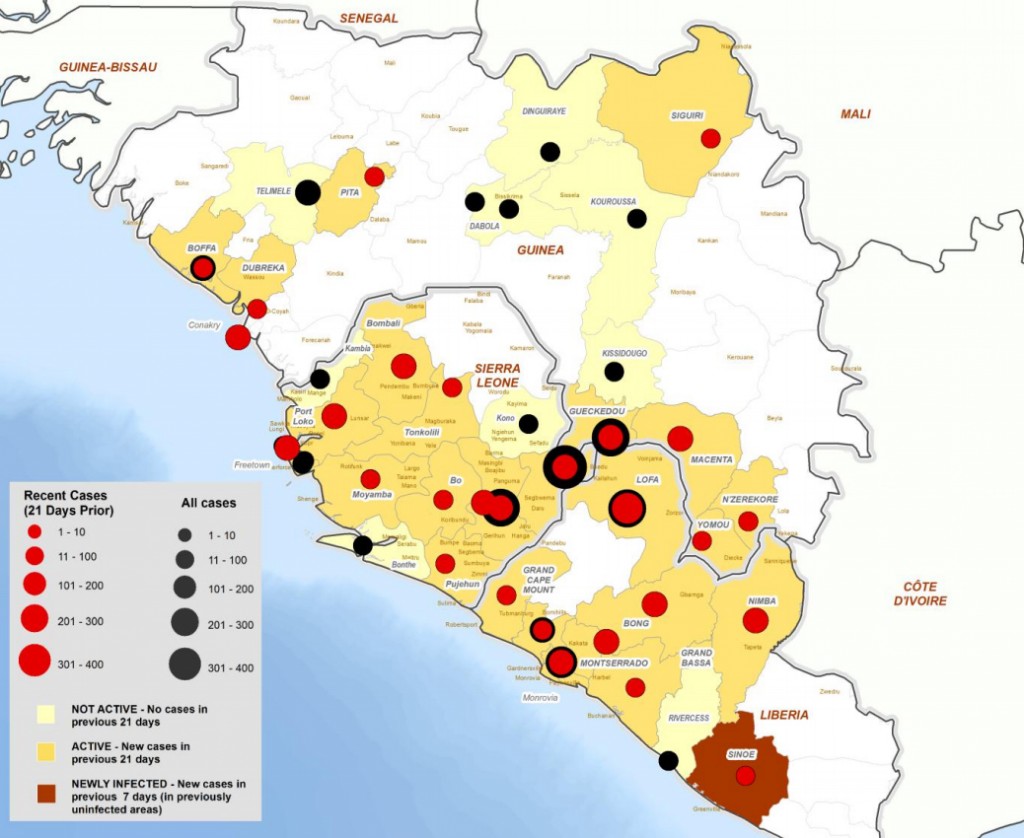
The BBC World Service is launching special Ebola broadcasts for West Africa, starting today (Monday 22 September). Each evening shortwave transmissions to the region will be increased. There will be a round-up of news, concentrating on efforts to combat the virus – particularly to the three worst affected countries: Liberia, Sierra Leone and Guinea.

News About West Africa will be a nine minute daily programme (Monday to Friday) broadcast live at 19:50 GMT around the world and presented by BBC Africa’s Kim Chakanetsa. Through local stories, correspondents and interviews, the broadcast will include the latest information about local, regional and international effort to contain and combat the disease. There is a great deal of new information emerging about how best to respond to Ebola and the programme aims to share that with an African and global audience.

BBC Africa, in conjunction with the BBC’s international development charity Media Action, has since August been broadcasting two weekly Ebola bulletins on the BBC’s English, French and Hausa services.

BBC Media Action has also been helping to tackle dangerous misinformation about the disease in a new radio programme. Kick Ebola Nar Salone (Kick Ebola out of Sierra Leone), is a 30 minute show produced weekly and broadcast three times a week on 35 partner stations across the country.

Peter Horrocks, Director, BBC World Service Group says: “Lack of knowledge and myths about the disease are killing people as surely as Ebola is. Quality information from both within and outside the countries affected about how the risks of Ebola can be safely managed will save lives. The range of emergency activities on Ebola from the BBC World Service are in the finest traditions of the humanitarian instincts of our broadcasting.”

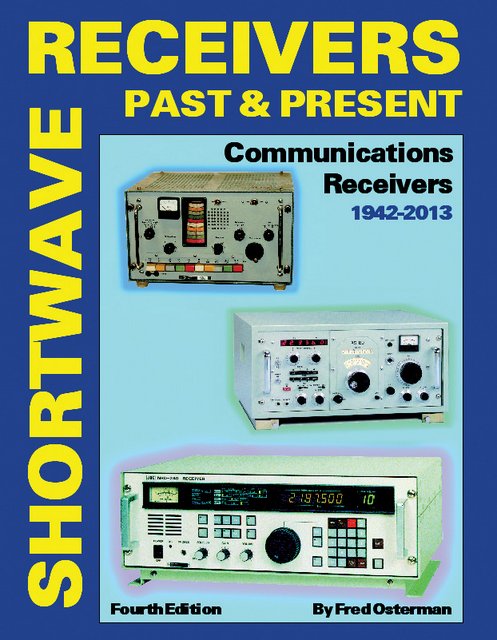
Now shipping: Shortwave Receivers Past & Present

SW-Receivers-Past-And-Present

My buddy, Dave (N9EWO), writes:

Yes, it has finally hit the store shelves. Universal Radio received shipment of the (long awaited) updated publication this morning.

“Shortwave Receivers Past & Present, Communications Receivers , 1942-2013” 4th edition

It can be ordered today, see here for more information :

http://www.universal-radio.com/catalog/books/0004.html

Many thanks for sharing, Dave. Shortwave Receivers Past & Present is the reference guide to used shortwave receivers. To me, it’s like a dream book–a place to browse the many radios I wish I could call my own! I plan to order soon.