Many thanks to Gary Neil Carden, who recently shared the following story with friends on Facebook, and has kindly allowed me to publish it here on the SWLing Post for everyone to enjoy. Thank you so much, Gary! Enjoy:
Uncle Stoogie and the Pink Radio
by Gary Neil Carden
Let me tell you a story.
When I was five years old, my Uncle Stoogie won a pink radio at the Cherokee Fair and he gave it to me. He told me he was worried about me because I stayed in my bedroom all the time reading funny books (most of them were not funny….but wonderful).
My bedroom had been my Uncle Albert’s bedroom, but with the coming of WWII, he joined the Navy and I moved from the old couch in the living room to the dark, chilly bedroom on the back of the house. What was I doing there in the first place?
 When my mother left me on the porch after my father was murdered, I came to live with my grandparents who were ill-prepared to raise a quirky little kid. They grieved for my father’s death for years and in the meanwhile, I was in the back room with nothing for companionship except a huge stack of funny books.
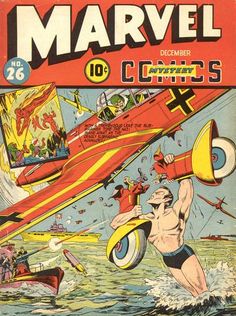
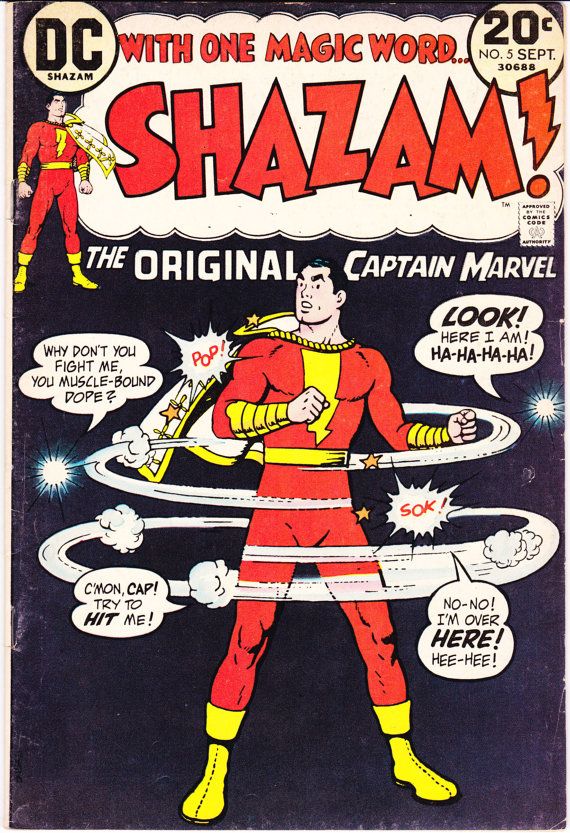
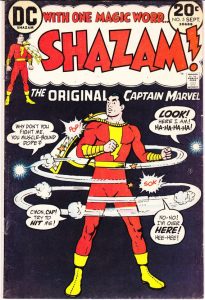
I stayed there in that dark room much of the time. I spent more time with Submariner, Captain Marvel, Superman and Plastic Man than I did with other kids because other kids were rare.
And when Uncle Stoogie came to see me…..he said he had promised my Momma that he would….he was upset. I was pale and sickly, not to mention shy. So, he said I needed to go to the Cherokee Indian Fair and he dragged me out of that dark room and we got in his car and drove to Cherokee, which for me, was like visiting a foreign country.
I was fascinated by Uncle Stoogie in his Air Force uniform that was loaded with brass and medals and he had a scar on his cheek that looked like he had pressed a Coke bottle cap against the flesh until it left that scar and he chewed Dentine and grinned and asked me a thousand questions. We smelled the Cherokee Indian Fair for two miles before we got there! It was hot dogs and fried sausage and cotton candy and that smell hung in the chill, October night over the Indian Fair like a cloud.
There were Cherokees camped out on blankets and quilts around the Fair Grounds and you could hear the Ferris Wheel and the Merry Go Round, and I ate three hot dogs and rode the swings and threw up and then ate three more hot dogs. We fished little wooden fish with numbers on their backs from a tin tube of rushing water and won a stuffed cat and we threw darts at balloons and shot rifles at metal ducks that fell with a CLACK when I hit them and then, finally we played Bingo.
That is when Uncle Stoogie told me, “You see that radio on the top shelf?”…..a pink radio, and he said “I am going to win that radio for you.”
 Now, when aI look back on that night, I guess I realize that Uncle Stoogie was drunk, but I didn’t know what drunk was, so we played and we played and we won a big blanket but we never got close to winning that radio until Uncle Stoogie just bought it! We just got out his billfold and he told that carny fellow, “How much for that g**damned pink radio?” and suddenly I had it….and on the way home with my pink radio in my lap, Uncle Stoogie said, “Hey kid,”….yeah, he talked like that….sorta like James Cagney, he said, “We are just beginning.”
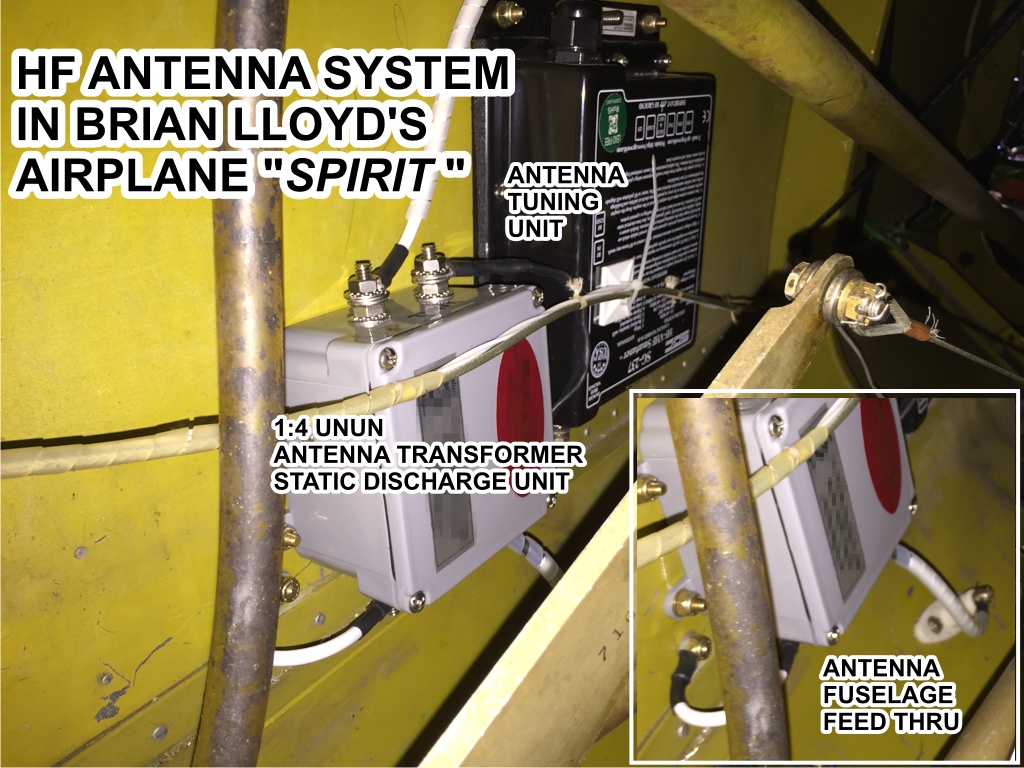
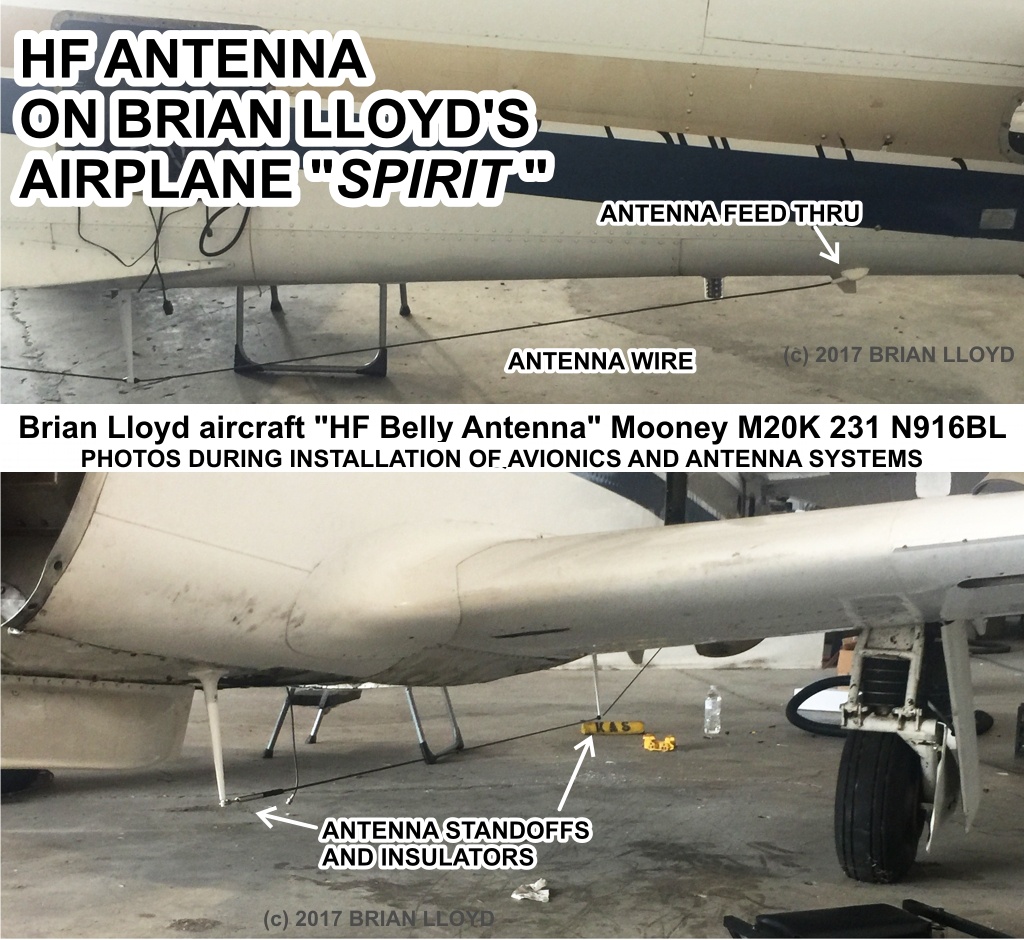
When we got to my grandparents home, he knocked down two rows of corn in the field turning his car around, and then he said, “I’ll see you in the morning” and I didn’t know what that meant, but the next morning, he woke me up. He said, “Come on, kid.” and the next thing i knew, he had me unrolling a huge wheel of copper wire and we strung an antenna from my bedroom window to the top of Painter Knob, ran it on little white insulators and then from Painter Knob back to the barn and when we surveyed our creation that winked in the sun and whistled in the wind, he roughed my hair up and said, “Now, Kid, we are going to listen to Russians, and Chinese and Eskimos!”
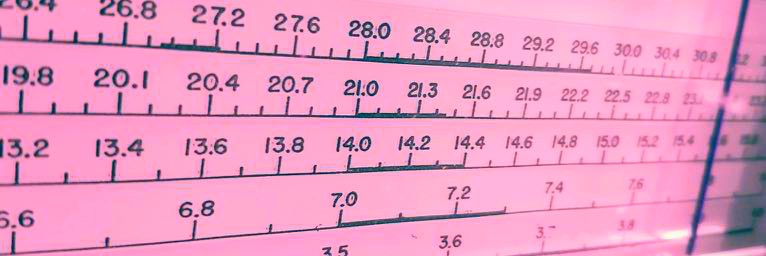
It was dark before he was done, but then he plugged that radio in and hooked it up and SHAZAM! That radio was like a great pink night light, and we sat on my bed and turned that turner knob that sang and wept and squealed. It was wonderful…there was music and sirens and people jabbering and orchestras and a quartet singing,
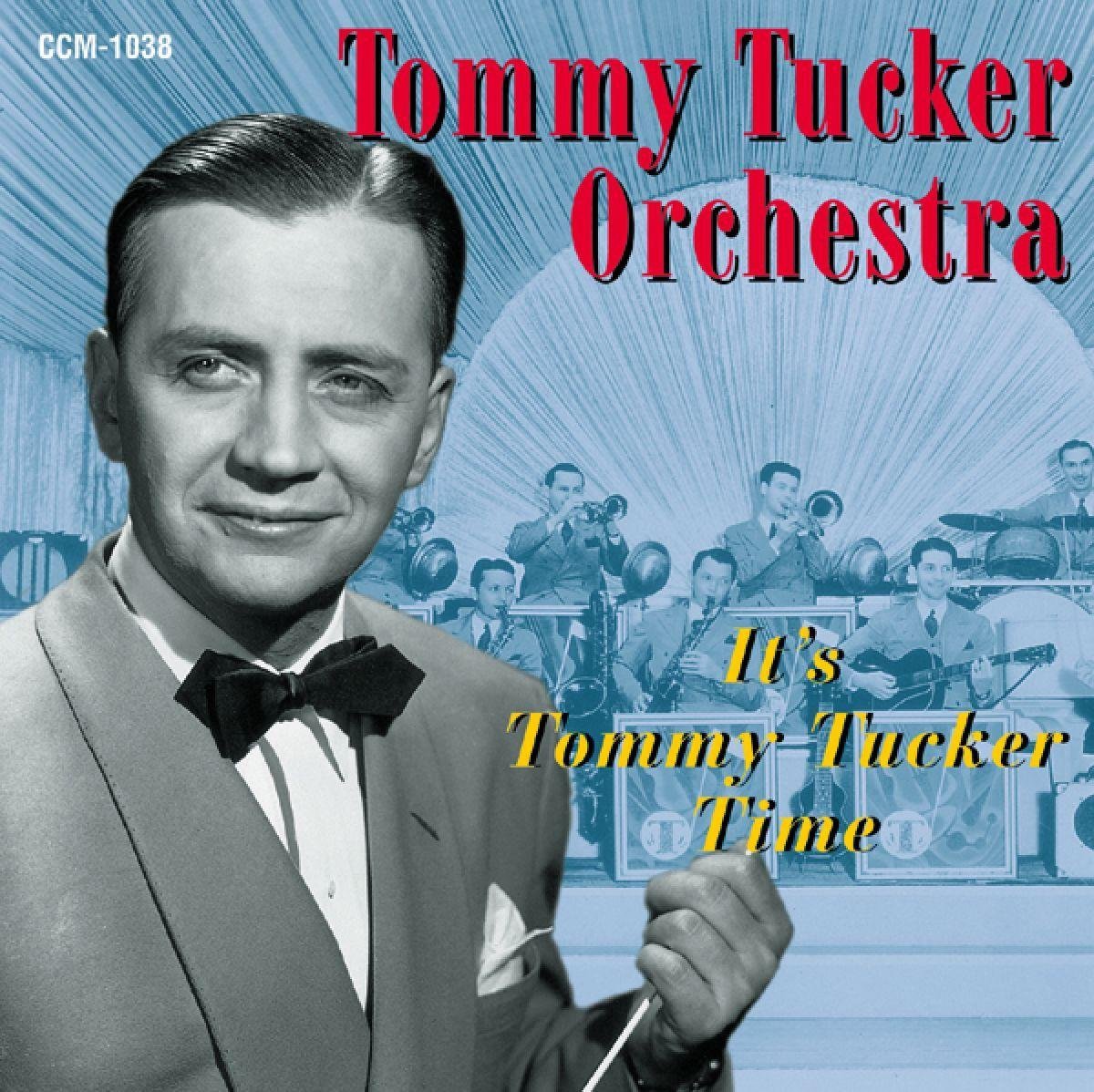
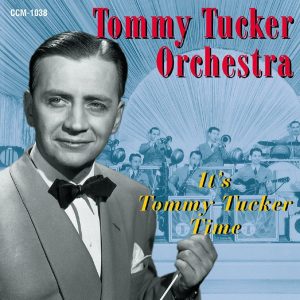 “You better get Wildroot Cream Oil, Charlie” and a laughing man who said “From high atop the downtown Rose Room in Chicago, we bring you, TOMMY TUCKER TIME! Then there was a husky-voiced woman woman who whispered, “Are you lonesome out there tonight, Big Boy? Well, this is your gal Sal and I am here to keep you company”and then she sang songs about being alone at night and somewhere in her serenade, Uncle Stoogie said “Well, kid, I’ll leave you to it” and he was gone and I lay in the pink-tinted darkness and listened to the voices singing and shouting and sometimes I slept, but always, I would wake to find my room singing to me.
Hey, I got a lot more to say about my pink radio, but this has gone on too long. Uncle Stoogie’s is gone……He ended up as croupier in Las Vegas…..but I owe him a thousand nights of “Let’s Pretend,” and “The Squeaking Door,” and “Roma Wines brings you Suspense and Arthur Godfry singing, “The Blue Ridge Mountains of Virginia” and then the Shadow laughed and said, “The Shadow Knows.” I swapped Clark Kent for Lamont Cranston and learned to sing all the words to “Hear That Lonesome Whistle Blow.”
There was a quartet that sang, “Turn the radio on and listen to the music in the air,” and I did. Hush now.