Shortwave listening and everything radio including reviews, broadcasting, ham radio, field operation, DXing, maker kits, travel, emergency gear, events, and more
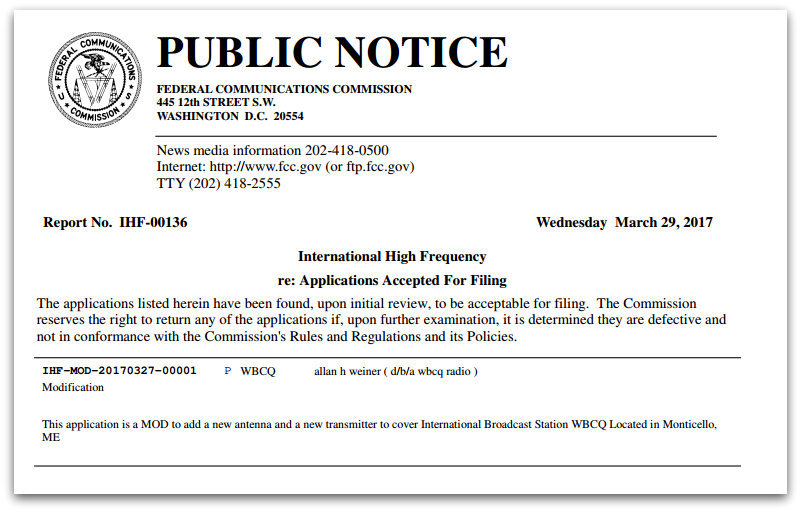
I contacted Allan and asked if he could provide any details yet. His reply was almost poetic:
“It’s simple. WBCQ will be constructing one of the biggest, most powerful, most versatile shortwave transmitter and antenna systems in the world. All for free speech radio. Freedom.”
Now that is something I want to see happen! We love WBCQ!
We are proud to communicate the new schedule effective from 27 March 2017.
Following the requests of many listeners, we introduce a new 30 minutes weekly broadcast in English, to Europe and the Americas; at the end of every English broadcast there will be 5 minutes of “IBC DIGITAL” in MFSK32.
We wait for your reports and feedback to [email protected]; you are also invited to visit our website www.ibcradio.webs.com to be constantly updated on our broadcast.
Good listening,
Saverio Masetti
ENGLISH:
WEDNESDAY 18.30-19 UTC 6070 / 1584 KHZ TO EUROPE THURSDAY 02.30-03 UTC 1584 KHZ TO EUROPE FRIDAY 01-01.30 UTC 9955 KHZ TO CENTRAL/SOUTH AMERICA SATURDAY 01.30-02 UTC 11580 KHZ TO NORTH AMERICA 20-20.30 UTC 1584 KHZ TO SOUTH EUROPE SUNDAY 00.30-01 UTC 7730 KHZ TO NORTH AMERICA 10.30-11 UTC 6070 KHZ TO EUROPE (VIA RADIO BCL NEWS)
“IBC DIGITAL” – IN MFSK32: WEDNESDAY 18.55 UTC 6070 / 1584 KHZ TO EUROPE THURSDAY 02.55 UTC 1584 KHZ TO EUROPE FRIDAY 01.25 UTC 9955 KHZ TO CENTRAL/SOUTH AMERICA SATURDAY 01.55 UTC 11580 KHZ TO NORTH AMERICA 20.25 UTC 1584 KHZ TO SOUTH EUROPE SUNDAY 00.55 UTC 7730 KHZ TO NORTH AMERICA 10.55 UTC 6070 KHZ TO EUROPE (VIA RADIO BCL NEWS)
ITALIAN TO EUROPE: WEDNESDAY 17-18.30 UTC 6070/1584 KHZ THURSDAY 01-02.30 UTC 1584 KHZ SATURDAY 13-14.00 UTC 6070 KHZ
Note O’Rielly’s remarks regarding pirate radio enforcement in the south Florida radio market:
“Many of you may have heard me speak before about pirate radio, a huge problem here in South Florida and one that has a disproportionate impact on the Hispanic radio community. The failure to properly address it highlights a deficiency in the Commission’s enforcement tools and undermines our overall credibility. Today, these squatters are infecting the radio band at the expense of listeners of legitimate radio stations, causing great harm to emergency preparedness within covered areas and undercutting the financial stability of licensed radio stations, your stations.
To that point, I could use your assistance in batting down arguments that pirate radio stations are somehow training grounds for those seeking to enter the field or that these “stations” bring a unique service to primarily minority communities, and therefore should be left alone. Few people actually have your background, experience, and history of serving these important communities, so your voice and words would be a welcome rejoinder to these baseless claims.
On my part, just this morning, I spent some time with the FCC’s Miami Field Office to ring the figurative fire alarm on overall efforts to combat pirate radio stations. Quite frankly, I sought answers on why these stations weren’t already eradicated. In particular, I discussed their recent enforcement actions in this market, what obstacles they face in expediting cases, and what additional authority may be of assistance. I also raised the issue of whether the ability to seize pirate equipment found in common areas could aid their efforts. In addition, we discussed whether our current fines should be increased, and if imposing penalties on those that directly and intentionally facilitate pirate stations could be helpful. It was a very positive meeting, and I walked away with renewed belief that the Miami Team was up to the task. But, they are also on notice that I expect to see this situation addressed quickly and sufficiently.”
Many thanks to SWLing Post contributor, Dan Robinson, for the following guest post:
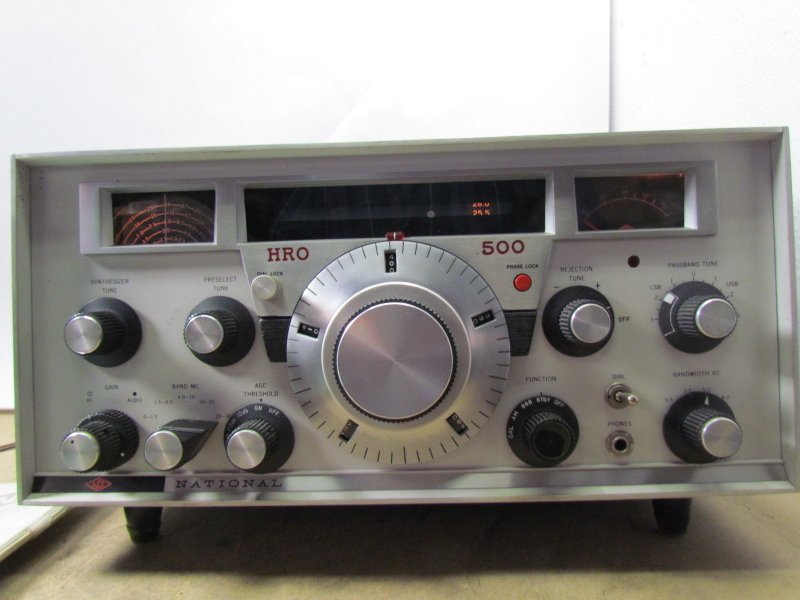
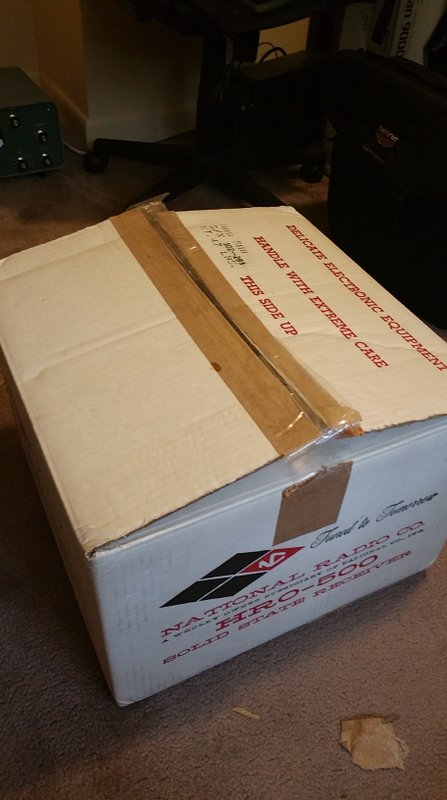
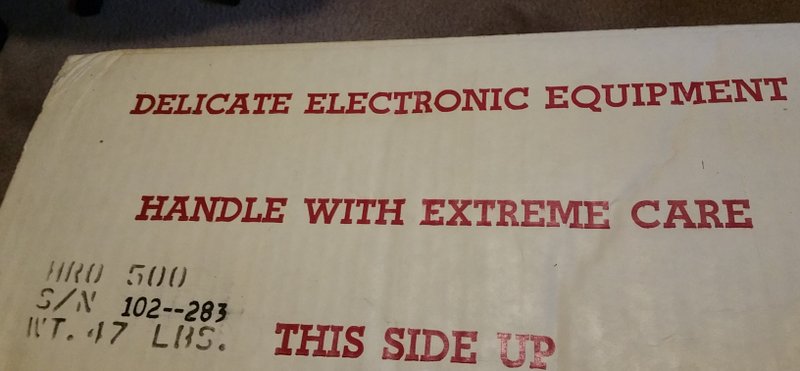
HRO-500 Unboxing and Initial Tests
by Dan Robinson
It is amazing that in these days of waning shortwave broadcast activity, there are still those occasional time capsules — radios that appear on the used market via Ebay or private sales that are new in the box or close to it. Think of it — after 50 or 60 years, these fine examples of radio history can still be found, complete with their original boxes, shipping crates, manuals and accessories.
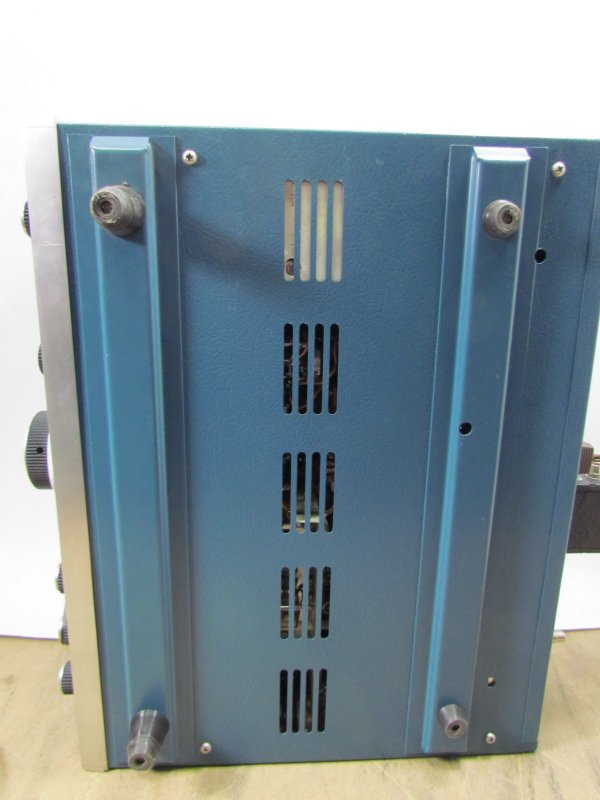
We have seen a number of these in recent years. Several years ago, a Panasonic RF-9000, one of the Holy Grails of radio collecting, appeared on Ebay, in new opened box condition. As rare as that was, it’s even rarer to find tube or solid state communications receivers from the 1950’s and 1960’s. Such is the case with National HRO-500s, which were considered high level receivers when they came on to the market in the mid-1960’s.
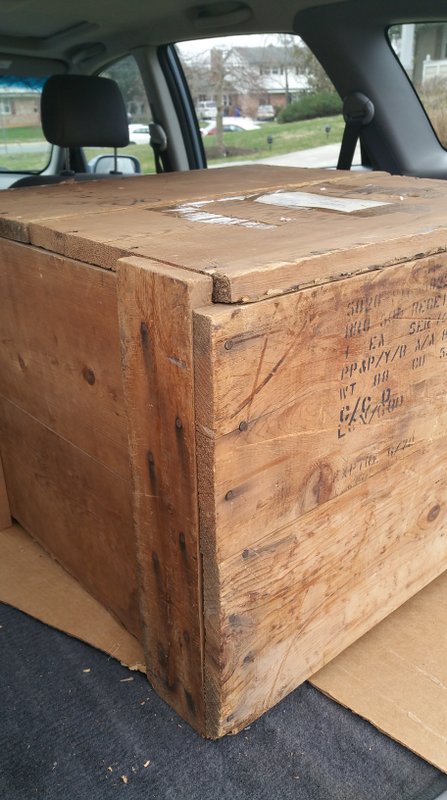
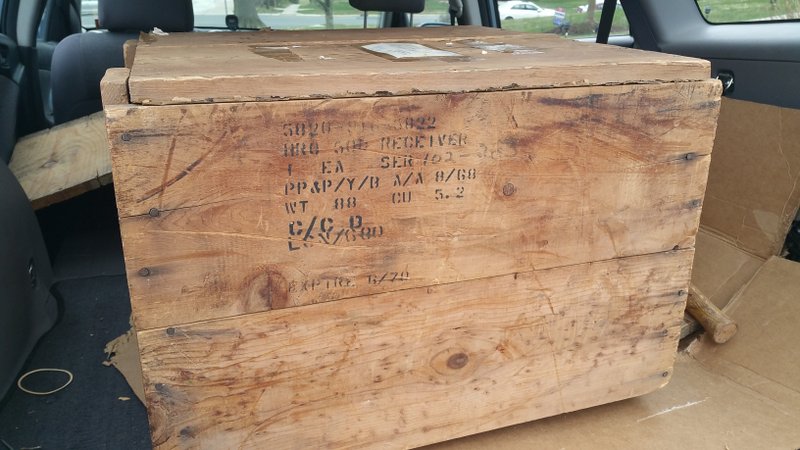
In 2016, a seller in California advertised a great rarity — a HRO-500 that he said he purchased in 1967, complete with its original shipping crate.
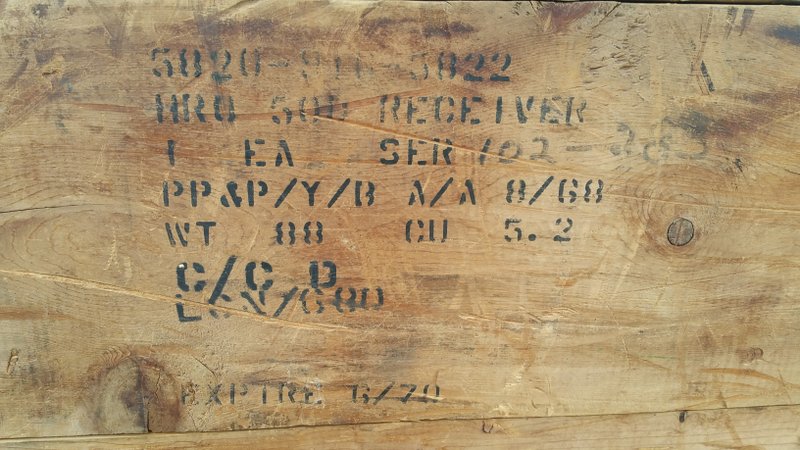
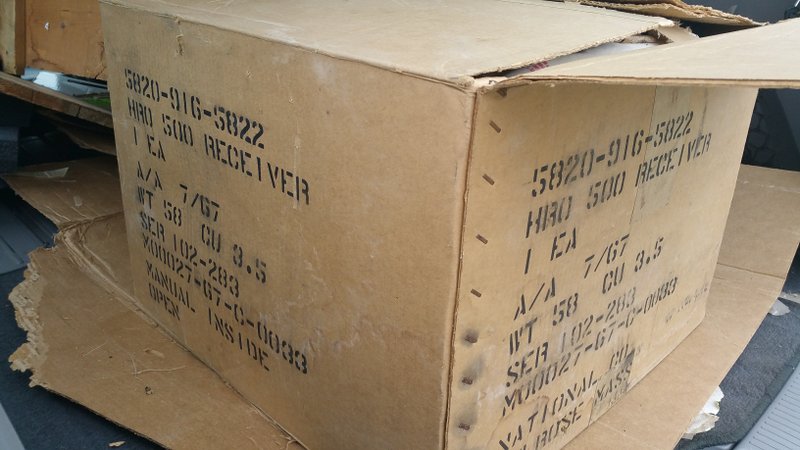
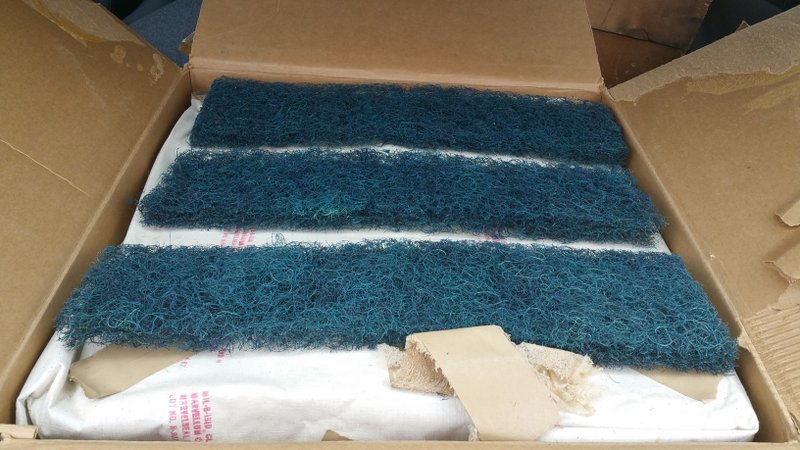
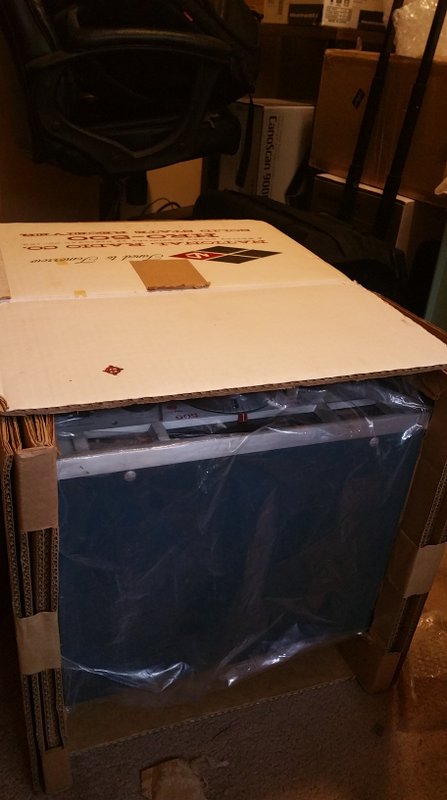
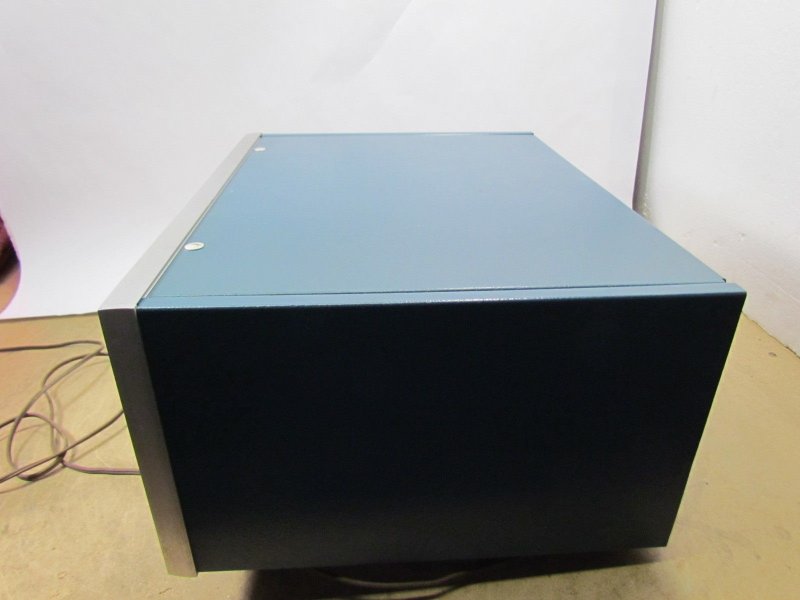
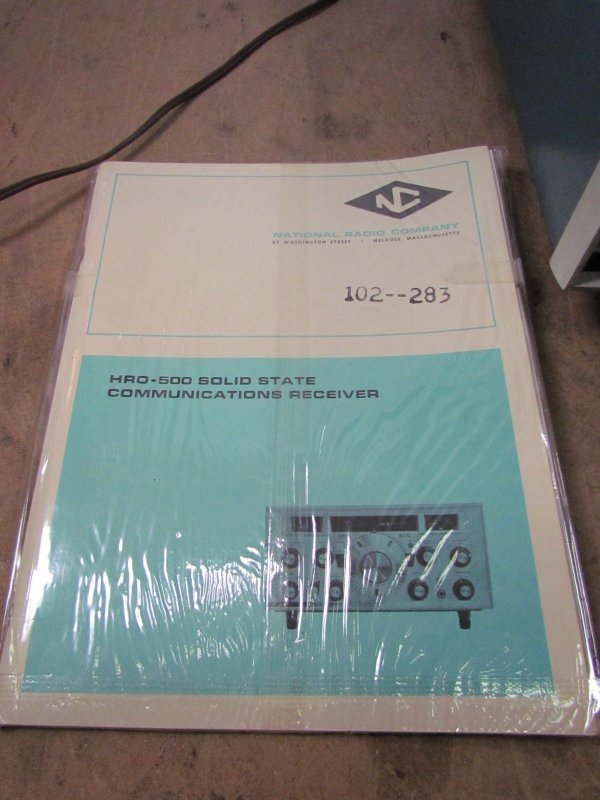
It was said to be in new/unopened condition, which of course raises concerns about the unit itself since it has never been used since leaving the factory. While that radio apparently sold (the asking price was $2500), I was astounded to recently see another HRO-500. It was not in New/Unopened condition, but the closest one comes to it. Among a collection purchased by the seller, the radio was in its original crate, inside of which was the original box with the original National Radio Co fabric cover, with original strips of fiberglass insulation. The manual is still in its plastic wrap.
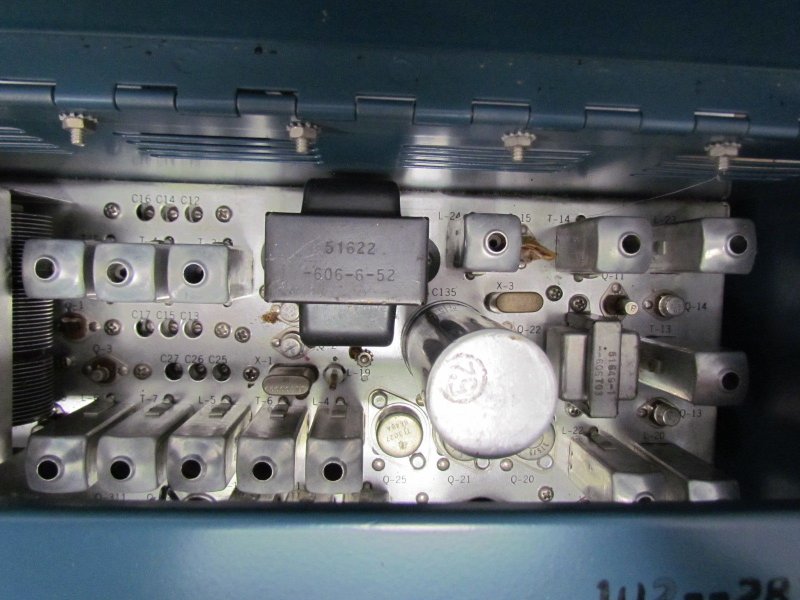
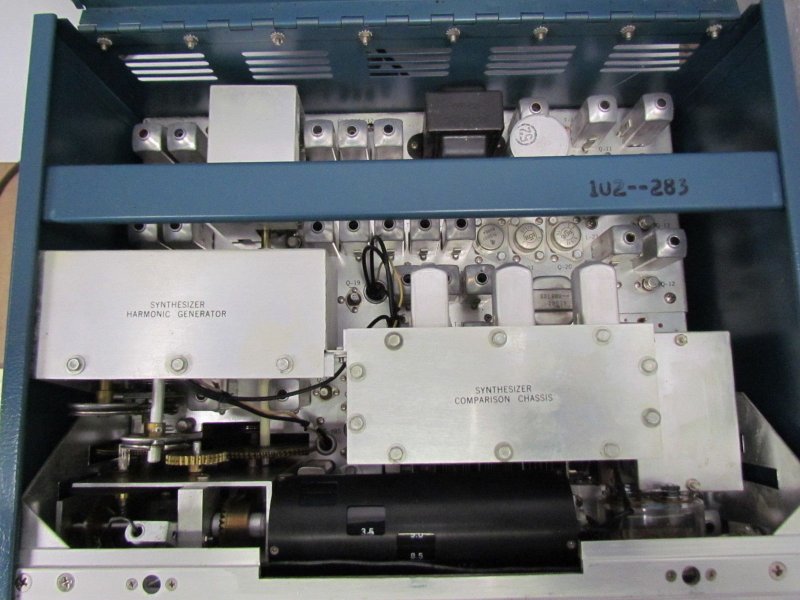
I decided to do a video for SWLing Post readers, and provide some still shots, as this time capsule of radio history was opened (this was likely only the 2nd or 3rd time it was opened since leaving the factory, the last time by the seller for photography for the Ebay ad.
The good news — many HRO-500s on the used market exhibit failure of the PLL lock circuit. While the PLL lock light on this particular radio does not light up, its PLL does operate on every band. This radio arrived with one metal cap for the MODE knob missing, so I’ll be searching for a spare. And the dial calibration clutch knob appears to be frozen, another minor issue that does not impact operation of the radio.
All in all, this was a fantastic find and I hope SWLing Post readers enjoy the video and stills:
Thanks for sharing your notes, photos and video, Dan!
The National HRO-500 is a gorgeous radio and it looks like you’ve got a prime specimen. I’m so impressed it came with the original wooden crate, exterior box and radio box! Amazing.
We’re looking forward to your assessment of the HRO-500 once you’ve have it on the air a while.
SWLing Post readers: In March, I had the good fortune of visiting Dan Robinson’s home and taking a tour of his impressive radio collection. I took a number of photos with Dan’s permission. I’ve been incredibly busy as of late, but as soon as catch my breath after travels, I’ll post the photo tour. I’ll also post photos from our tour of the NSA museum in Fort Meade, MD. Stay tuned!
Many thanks to SWLing Post contributor, Andrew Yoder, who writes:
Just a reminder that the next Global HF Weekend is coming up: March 30-April 2, 2017
Finnish DXer Harri Kujala started the weekends (the 1st weekend of April & the 1st weekend of November) about five years ago & I said I’d write about them. The idea was for listeners in faraway areas to be able to hear broadcasts that normally would not be audible (or barely so)–all while promoting cooperation among those in the hobby. In those first GFWs, some transatlantic QSOs were established and stations from Europe & North America were reported in Russia, India, Ukraine, Japan, and other countries.
I’d expect that some stations will post schedules on HFU. I’ll also be tracking the broadcasts and schedules on my blog, so if any stations send schedules to me, I’ll post it, but without the station name: just date, time, frequency. This will be especially handy for those stations who choose to operate outside of Harri’s suggested 19m and 13m frequencies. Given the lack of sunspots and the low solar activity, 9, 11, 13, and 15 MHz might be better choices than 21 MHz.
Here’s the rest of the general info:
March 30-April 2, 2017
General frequency ranges:
15010-15100 kHz
21455-21550 kHz
Basic schedule:
European morning, 0800-1200 UTC from Europe to Asia/Japan/Oceania.
European afternoon, 1200-1600 UTC from Europe to North America and vice versa.
European night, 2200-2400 UTC from North America to Asia/Oceania.
Of course, these are general frequency ranges where pirates have broadcast during prior Global HF Pirate weekends. Some stations will surely operate on frequencies and times outside of these ranges. These will be updated on HF Underground (https://www.hfunderground.com/) and on the Hobby Broadcasting (http://hobbybroadcasting.blogspot.com/) blog as it happens.
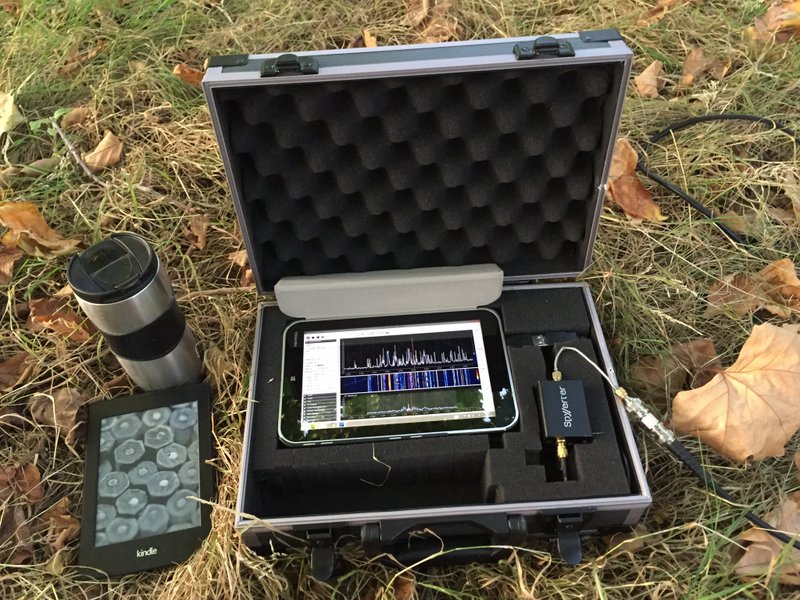
One of London Shortwave’s portable spectrum capture systems
I am very happy to share that the BBC Radio 4 program Wireless Nights, Series 5, features our own community member London Shortwave this week. The show aired tonight (March 27) and the audio is now available to stream via the Radio 4 website. I’ve also embedded the audio below:
Jarvis Cocker navigates the ether as he continues his nocturnal exploration of the human condition.
On a night voyage across a sea of shortwave he meets those who broadcast, monitor and harvest electronic radio transmissions after dark.
Paddy Macaloon, founder of the band Prefab Sprout, took to trawling the megahertz when he was recovering from eye surgery and the world around him became dark. Tuning in at night he developed a ghostly romance with far off voices and abnormal sounds.
Artist Katie Paterson and ‘Moonbouncer’ Peter Blair send Beethoven’s Moonlight Sonata to the moon and back, to find sections of it swallowed up by craters.
Journalist Colin Freeman was captured by the Somali pirates he went to report on and held hostage in a cave. But when one of them loaned him a shortwave radio, the faint signal to the outside world gave him hope as he dreamed of freedom.
And “London Shortwave” hides out in a park after dark, with his ear to the speaker on his radio, slowly turning the dial to reach all four corners of the earth
Jarvis sails in and out of their stories – from the cosmic to the captive – as he wonders what else is out there, deep in the noise
Producer Neil McCarthy.
I found Megahertz absolutely captivating! I’m very impressed with how all of the personal adventures in radio, including an array of motivations, were weaved together.
And brilliant job, London Shortwave! It was fun to go on a park outing with you and your spectrum capture gear!
Many thanks to SWLing Post contributor, Rafman, who writes:
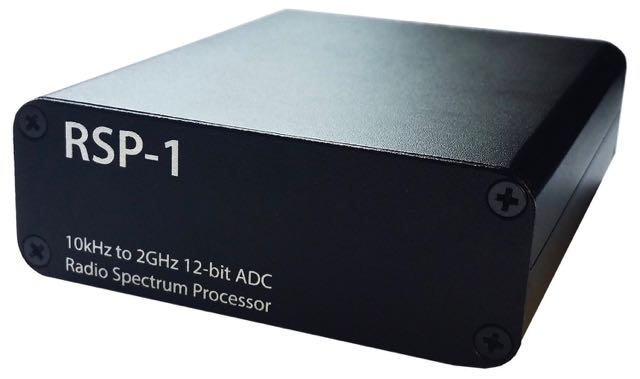
The SDRplay RSP-1 OEM Metal case is ready for order and shipment Worldwide
Includes:
1x Black aluminum metal enclosure with two labeled side panels, 1x Broadcast FM band-stop filter plus SMA Male to SMA Male barrel adapter,
1x Black semi-hardshell carry case,
1x Thermal pad to keep the RSP-1 cool and mechanically stable inside the enclosure and
1x Accessory set including enclosure screws, GND lug bolt set and 3M anti-slip rubber feet.
Can be used to upgrade the SDRplay RSP-1 ONLY to a metal enclosure. Helps block RF interference.
Note that owners of the very first RSP-1’s with F-Type connectors may require an additional F-Type pigtail adapter, or a MMCX to SMA pigtail to be able to use the BCFM filter internally. The BCFM filter can still be used externally.
Thank you, Rafman! I have the first generation RSP-1, so appreciate the note about using the filter internally via an adapter. That’s a nice enclosure.