Shortwave listening and everything radio including reviews, broadcasting, ham radio, field operation, DXing, maker kits, travel, emergency gear, events, and more
For 70 years, far-flung listeners knew they had found the BBC on their radio dial when they heard the jaunty notes of the Irish jig Lillibulero. Its brassy, old-fashioned sound spoke of men in dinner jackets and vintage radio microphones, and there was a minor public outcry when it was formally dropped more than a decade ago.
Since then the World Service, which has an audience of 79 million, has used a musical motif which, according to controller Mary Hockaday “changed every now and then in rather an ad hoc way”.
But from tomorrow morning, the English-language station will have a new jingle, letting listeners across the world know unquestionably that London is calling. The signature tune is a nod to the station’s long traditions, with even a beat or two of the BBC’s famous pips to send a message about values in an age of “fake news”.[…]
Many thanks to SWLing Post contributor, Mike Barraclough, who notes the following update to BBCeng.info:
Skelton, Penrith and the World 1943-1993
A personal account by the author Ken Davies.
Following my request I have been notified that Cumbria County Council, the publishers of this book, would have no objection to it being on bbceng. Unfortunately I have not been able to contact Ken Davies but, given the nature of the publication, I think it is likely that he would approve. He clearly wanted to celebrate the achievements of everyone involved with Skelton transmitting station and his efforts in compiling this record are gratefully acknowledged.
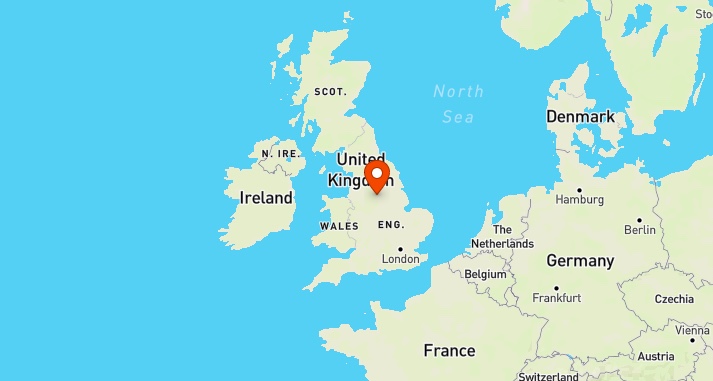
It helped the BBC broadcast its radio programmes across Europe.
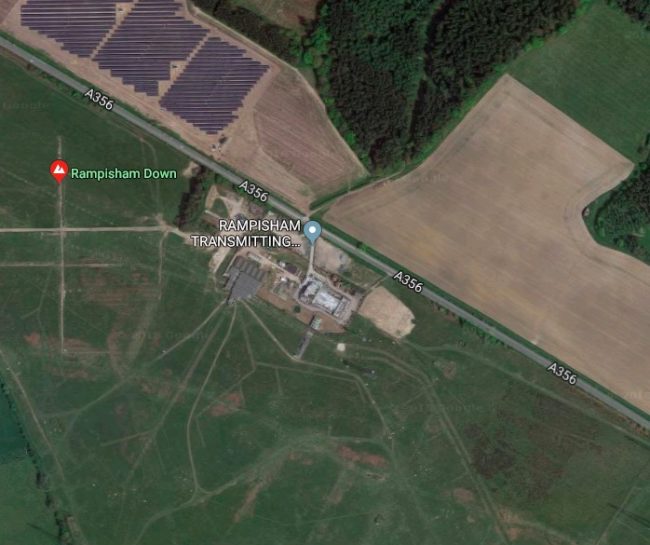
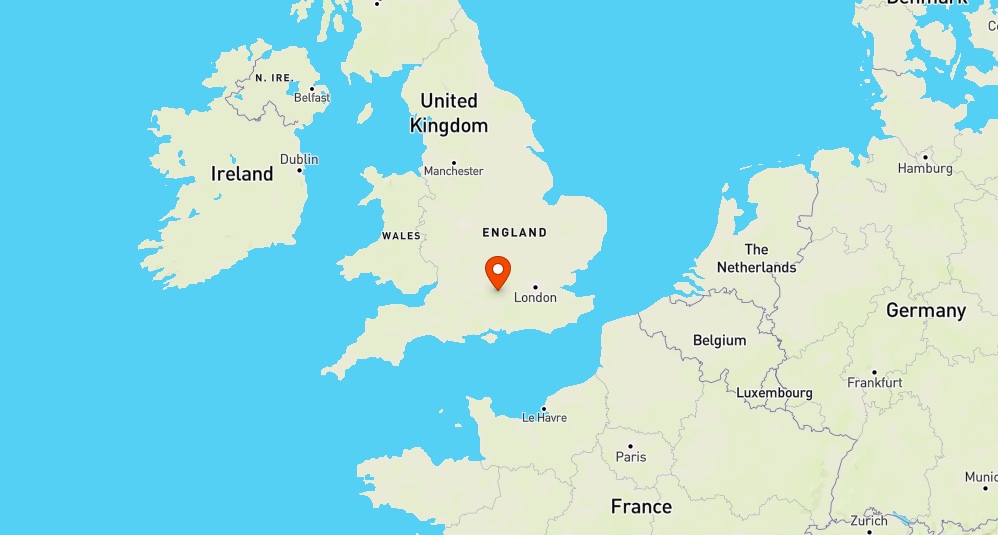
Now the vast site of the former radio transmission station in the west Dorset countryside is set for a new lease of life.
The Rampisham Down site next to the A356 Maiden Newton to Crewkerne road, which extends to more than 180 acres, is on the market with a guide price of £2.5 million.
It includes commercial land, and a huge area for grazing – which could be used for a ‘recreational business’.
Rampisham Down was designated a Site of Special Scientific Interest (SSSI) in 2014 for its special grassland and heathland habitats.
British Solar Renewables (BSR) wanted to build a huge solar park there, but after a lengthy planning battle – in which the decision was ‘called in’ by the government’ – the company shelved its plans.
A site nearby not deemed of high importance for wildlife was instead chosen for the solar park and given planning permission.
This solar park could help to power the new venture at Rampisham Down, it is said.
All but one of the original telecommunications towers, which helped to broadcast the BBC World Service in Europe until the station was decommissioned in 2011, have been removed.
The remaining tower has become a nesting platform for peregrine falcons, as part of work by BSR, in conjunction with Natural England, to restore the land and make it a home for wildlife.[…]
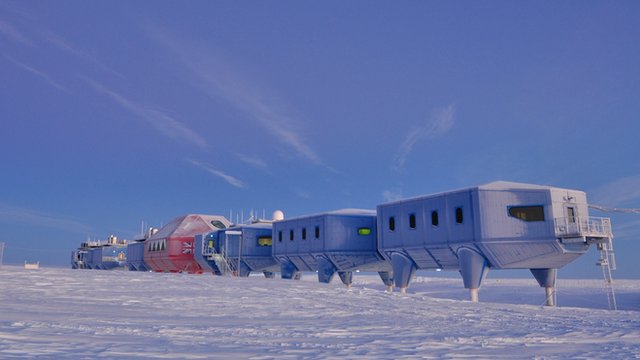
Halley VI: The British Antarctic Survey’s new base (Source: British Antarctic Survey)
On Thursday, 21 June 2018, the BBC World Service officially transmitted the 2018 BBC Antarctic Midwinter Broadcast–an international radio broadcast intended for a small group of scientists, technicians, and support staff who work for the British Antarctic Survey.
This is one of my favorite annual broadcasts, and I endeavor to listen every year. Once again, the SWLing Post called upon readers to make a short recording of the broadcast from their locale.
Below are the entries, roughly organized by continent and country/region. We had a total of 28 recordings submitted this year–simply amazing! If I’ve somehow missed including your entry, please contact me; I’ll amend this post.
So, without further ado….
The 2018 BBC Antarctic Midwinter Broadcast Recordings
Europe
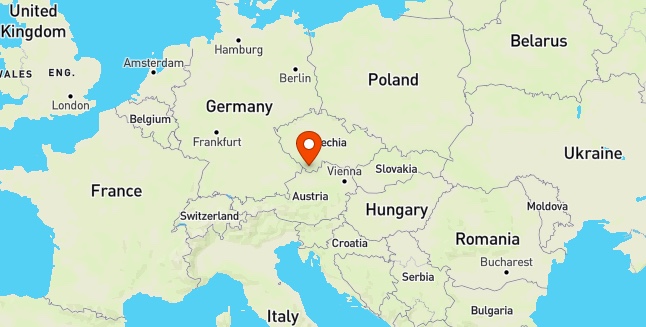
Austria
SWL: Gerald LANDL (OE5TET) Location: Eidenberg, Austria Notes:
Preperations with my 6y old son – highly professional with clip board, frequency setting on equipment, adjusting the antenna tuner. setting the alarm clock and preparing cups for warm drinks.
Wonderful broadcast with heaps of feelings and good music – I reckon the crew in Antarctica enjoyed it.
I used to listen with my dad to Norddeich Radio – also broadcast for crews and sailors out on sea.
2018-06-21 2130 UTC antarctic midwinter broadcast 2018 of BBC
from QTH
Longitude : 14.23225 E (14° 13? 56” E)
Latitude : 48.44367 N (48° 26? 37” N)
QTH locator : JN78CK
5.985 – Woofferton – via FT 991 + HiGain 640 vertical
7.360 – Ascension – via FT 817 + MLA-M magnetic loop
9.890 – Woofferton – via FT 2000 + Diamond W8010 – multi band trap
enjoyed the slight time delay between Woofferton and Ascension – broadcast (echo you hear)
looking forward to record the whole broadcast from Ascension via FT2000
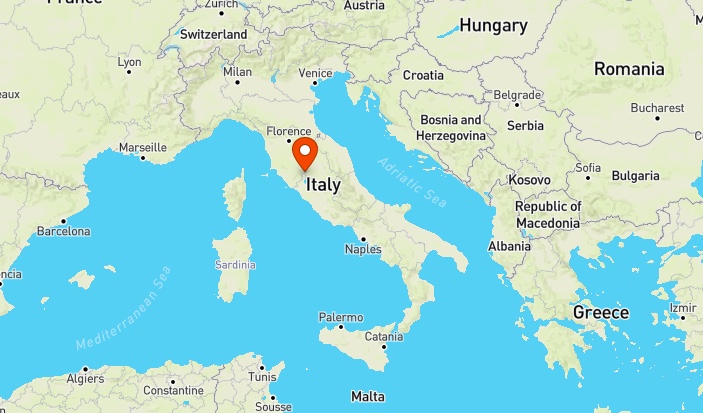
SWL: Gabriele Barbi Location: Ferrara di Monte Baldo Notes: Received in Ferrara of Monte Baldo (Verona) 850 msl, with Sangean 909 receiver and 30 meter row antenna, good signal on all 3 frequencies 5985 7360 9890 hours of reception (Italian) 23.55 today 21062018. Good Radio 🙂
Note that the audio file of the 3 frequencies is divided by the beep signal respectively from the beginning to the end of the file 5985 7360 9890:
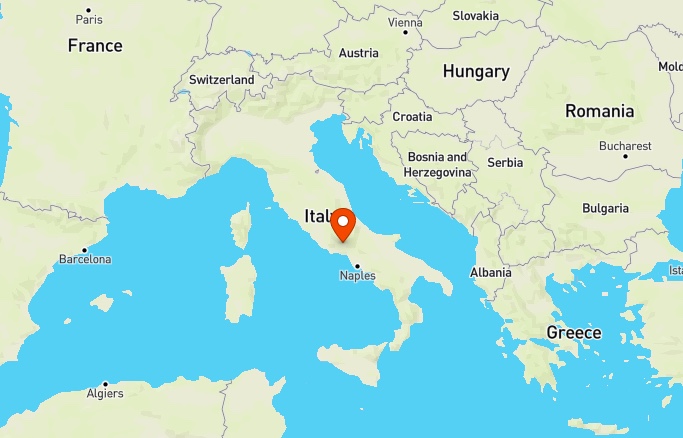
SWL: Grabriele Sommas Location: Roccapiemonte, Italy Notes: Hi Thomas, like every year attached I send you the youtube link of the broadcast BBC MIDWINTER 2018 with the hope of seeing it published also this year on swling. Receiver is an SDRplay RSP2 and Antenna a Wellbrook ALA 1530.
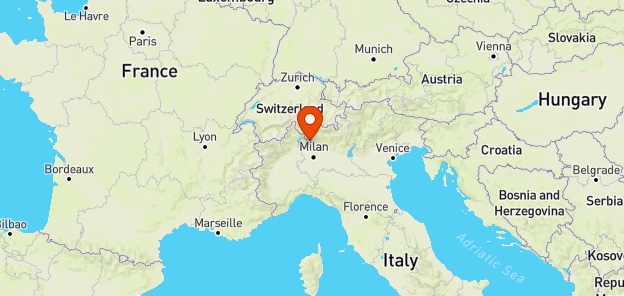
I am Davide Borroni from Origgio (VA) Italy. On 21 June 2018 at 2130.-2200 UTC on 5985 kHz AM, i listened BBC Winter Radio with SINPO 54444
I use my Hallicrafters SX 42, Siemens E 401, Collins HF 2050 and Teletron TE 712S receivers with a magnetic loop antenna.
73s
Davide Borroni
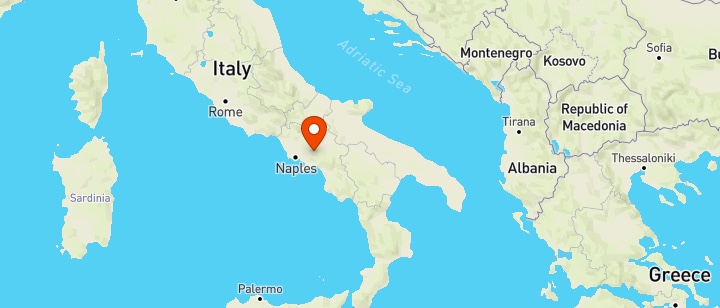
SWL: Giuseppe Morlè (IZ0GZW) Location: Formia, Italy Notes:
I’m Giuseppe Morlè, iz0gzw, from Formia, central Italy, on the Tyrrhenian Sea.
I send you 2 videos about the Antartic Midwinter 2018 to be included on the Swling Post.
You can see how you listened to from my house on my 3 receivers the transmission and as the only Tecsun pl660 with its antenna on my balcony.
Thanks for everything and I always wish you excellent listening.
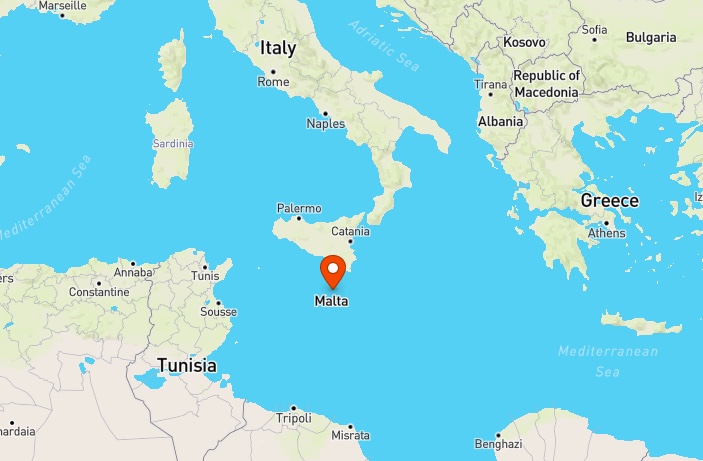
Listenined yesterday (21 June 2018) at 21.30 UTC from Malta 5985 kHz SINPO 53553 using a Tecsun PL-660 and a longwire antenna 27 metres.
Wonderful programme and good job.
SWL: Mark Hirst Location: Basingstoke, England Notes:
QRM levels at my QTH were noticeably higher this year than last, continuing a years long trend in my area.
Woofferton is only 100 miles from Basingstoke in Hampshire, and while it doesn’t lie in the direction of the transmission, the signal was strong and steady, overwhelming almost all of the interference.
SWL: Gareth Buxton (M6VOV) Location: Belper, England Notes:
This is my recording. Fair reception on 7360khz. I was out in the garden using a Tecsun PL 880 connected to a homemade active loop antenna. My location is Belper, Derbyshire, UK
SWL: Paul Capewell Location: London, England Notes:
Three 1-minute clips of the BBC World Service Antarctic Midwinter Broadcast on 5985kHz, 7360kHz, and 9890kHz, recorded on a Tecsun PL-380 in north west London at 2230 (2130 UTC) on 21 June 2018.
All three signals were good at my location in Ayrshire, Scotland.
The best of the two Wooferton signals was 5985 AM.
Here is a youtube video of my reception of the signal from Ascension Island on 7360 AM.
Rx = Trio R-1000
Ant = End fed Wire, 20 meters long and ATU.
Thank you.
HAPPY MIDWINTER !
73
Steven
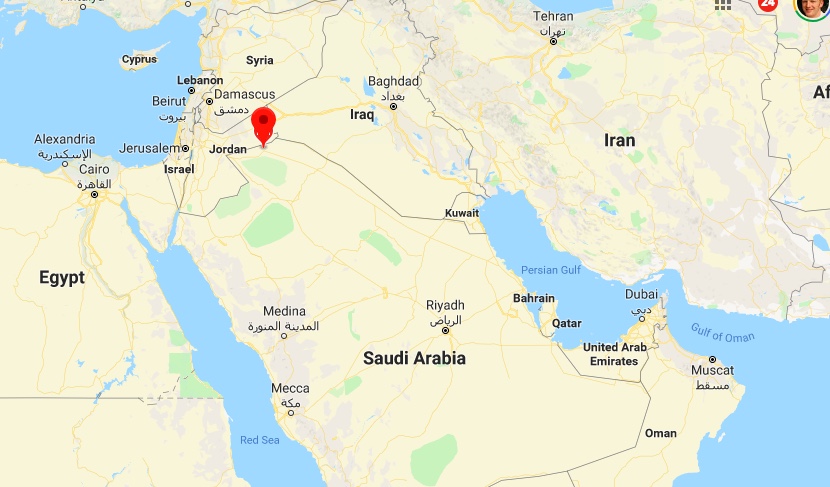
SWL: Rawad Hamwi Location: Turaif – Northern Borders Province – Saudi Arabia Notes:
Date/Time: 21/6/2018 @ 21:30 UTC | 22/6/2018 @ 00:30 Arabian Standard Time (UTC+3)
Frequency: 9890 kHz
Receiver: Sony ICF-SW7600GR / Sony ICF-SW11
Antenna: 30 LM Longwire Antenna
Location: Turaif – Northern Borders Province – Saudi Arabia
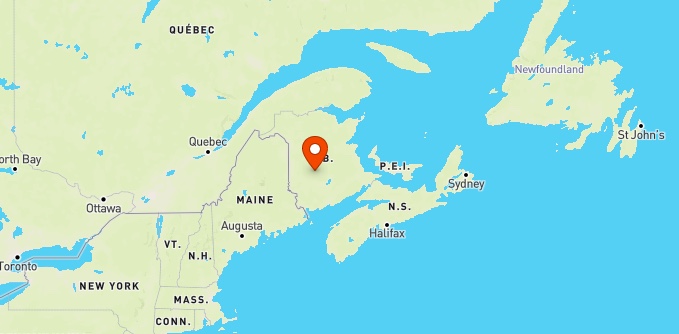
SWL: Richard Langley Location: Hanwell, New Brunswick Notes:
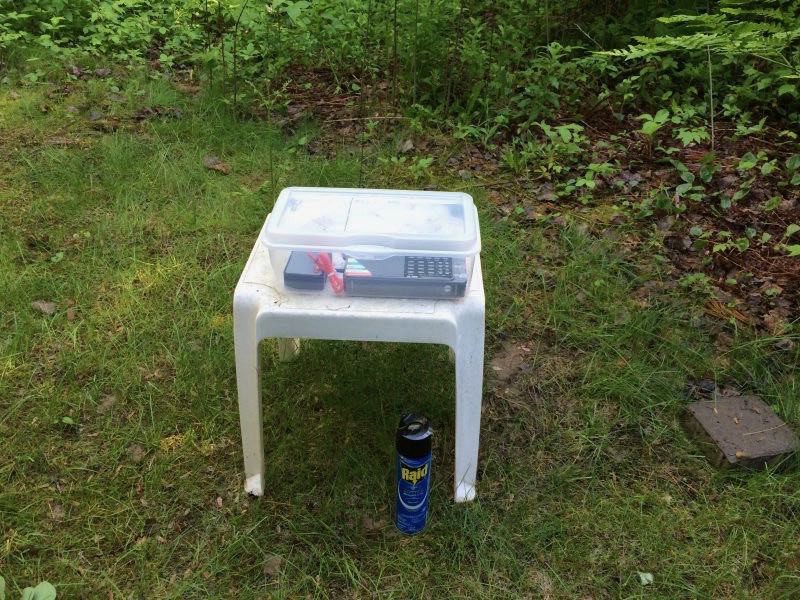
I obtained decent recordings of the BAS broadcast both here in NB on 7360 kHz using a Tecsun PL-880 receiver with a Tecsun AN-03L 7-metre wire antenna strung to a nearby tree and using the U. Twente SDR receiver on 5985 kHz. Attached are two two-minute clips, one from the start of each recording. Also attached [above] is a photo of the “listening post” at the back of my yard. Note the mosquito spray!
SWL: Ivan Cholakov Location: New York and Florida Notes:
This year’s Midwinter Antarctic broadcast from the BBC was a special opportunity for me. I thought I would share the story because it has something to say about the state of technology in today’s world of radio. On the day of the broadcast, June 21, 2018 I was on a business trip to New York City. I had brought with me three very useful and very portable items: an SDRPlay receiver, a W6LVP portable amplified loop and an Eton Satellit shortwave radio.
I was able to receive the broadcast in the following order:
By remotely accessing my home station;s kiwiSDR receiver via the internet
By remotely accessing my amateur radio station that I maintain in Michigan using a remotehams.com server
By using the SDRPlay receiver and the amplified loop from the 35th floor hotel room in Manhattan
By using the Eton Satellit pocket sized shortwave radio from the hotel room in Manhattan
I created a youtube video with the four modes of reception above. it is amazing how connected the world has become!
I was able to get 2 different videos of the BBC Antarctic Midwinter Broadcast. One video is of the broadcast coming through an KiwiSDR channel and another is a recording of BBC through my Tecsun PL-380.
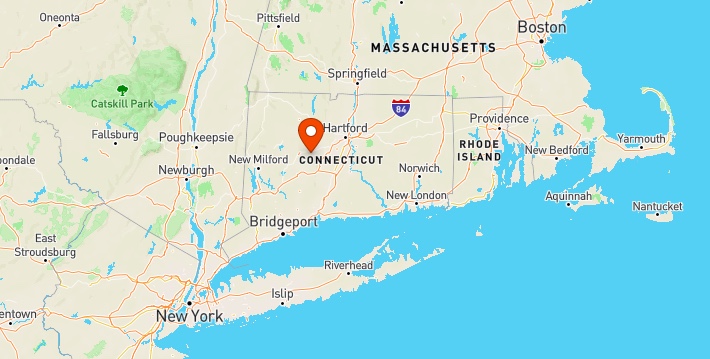
SWL: Stan Horzepa (WA1LOU) Location: Wolcott, Connecticut Notes:
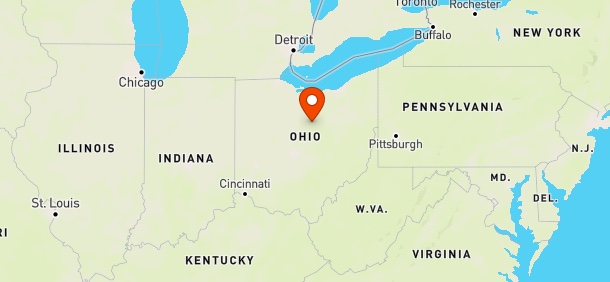
Here in Wolcott, Connecticut, USA, I heard the full 30 minute broadcast
on all three channels using my ICOM IC-R8600 and an 80-meter inverted
Vee antenna. 9890 was very good, 7360 was good, while 5985 was poor.
(The broadcast reminded me of The Beatles Fan Club Christmas recordings.)
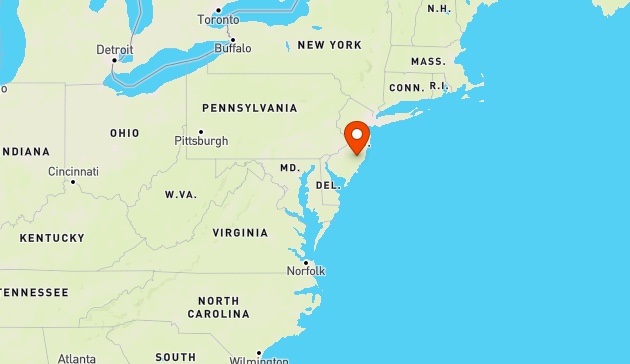
SWL: Bill Hemphill (WD9EQD) Location: Smithville, NJ Notes:
I got good copy on 9890 here in Smithville, NJ (5 miles north of Atlantic City).
Readable copy on 7360 and almost readable copy on 5850.
Used a combination of Tecsun Radios: PL-310et, PL-880, and S-8800.
Used the telescoping antenna and a long wire antenna strung up in the house.
SWL: Thomas Witherspoon (K4SWL) Location: Huntsville, Alabama Notes:
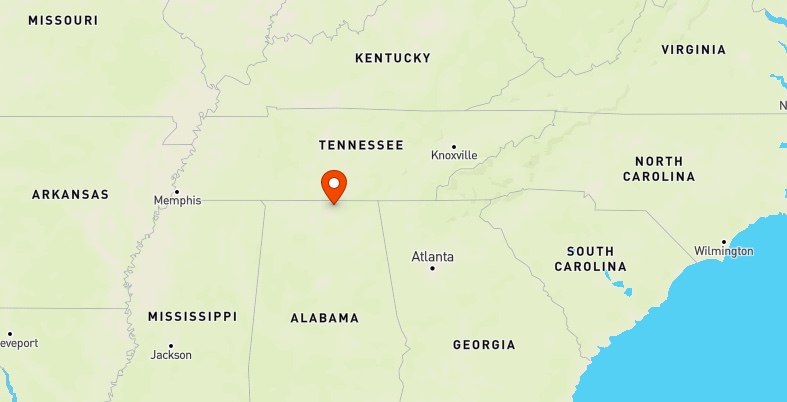
I managed to listen to a bit of the broadcast myself in the parking lot of the US Space and Rocket Center in Huntsville, Alabama. I only brought my C. Crane CC Skywave SSB along. The signal was quite weak, but I did log the 9,890 kHz broadcast from Woofferton, UK. Pretty impressive considering the modest portable receiver and the fact the broadcast’s target was Antarctica! Pure shortwave magic.
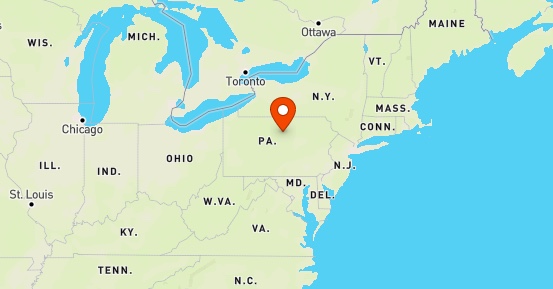
My recording of 9890 kHz in Pennsylvania was much weaker.
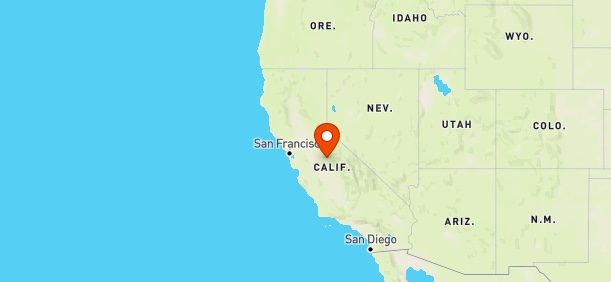
SWL: DanH Location: Northern California Notes:
Just awful reception here in Northern California suburbia near three in the afternoon. I can just make out “Jingle Bells.” BBC Woofferton has been coming in well here from 04:00 – 06:00 UTC on 9915 kHz on some nights.
Once again, many thanks to all of you who submitted your recordings of the BBC Midwinter Broadcast!
We’ll be sharing this post with both the British Antarctic Survey and the BBC World Service. And to all of you, from the SWLing Post: Happy (Belated) Midwinter! Happy Summer/Winter Solstice!
Paddy Feeny, the legendary voice of “Saturday Special” (now Sportsworld) for 36 years has sadly passed away aged 87 after a short illness. Paddy hosted the show from 1959 until his retirement back in 1995. BBC correspondent Mike Costello was a colleague of his, and remembers him with admiration as a genius, pioneer and meticulous professional.
BBC Monitoring is a specialist part of BBC News, part of the World Service group. We have experienced journalists and linguists who follow and track international media in foreign languages, in over 150 countries and about 100 languages.
We monitor that information, we report and analyse it, and we work on a subscription website basis. All our content is available to the BBC and to the UK Government and we also have commercial customers.
The service has been through a lot of changes in the last couple of years, and was delivered a savings target which we had to incorporate. We’ve changed the structure of the personnel and the organisation, we’ve changed the delivery platform, updated the technology, and we have new products, new customers and users.
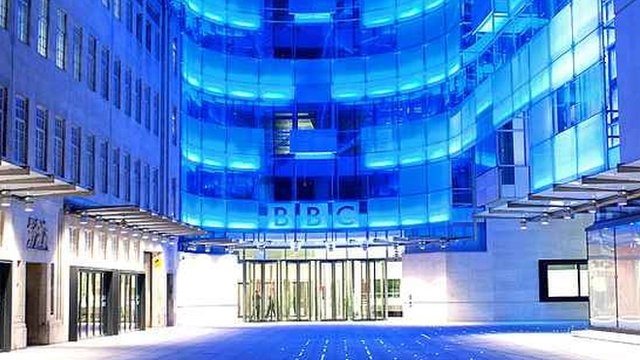
We’ve moved from Caversham House, in Berkshire, which was an absolutely beautiful place to work, but it was expensive to run, and we were at a distance from a lot of our users in the BBC but also in the UK Government. Coming into Broadcasting House gives just that extra sense of being part of News.
[…]BBC Monitoring was set up to counter propaganda from Nazi Germany in the war, explaining propaganda and spotting messaging in media. Verification – and then the reporting of stories where fake news is part of the media, is still part of what we do.
I’m pleased that the World Service is pulling together all its coverage of fake news. Monitoring is a central part of that, and we’re also developing a small team that is solely going to be dedicated to disinformation and the manipulation of messaging in the media in certain parts of the world.
We already work with all parts of News, for example our Iran team work very closely with the Persian service. During the Iranian elections last year some of our team were embedded with the Persian service to help them with their coverage.
We’re constantly following the media in over 150 countries, so when you’re talking about a big, complex, international story we’re able to broaden the lens and say ‘Well, here’s the view from this part of the world’, and ‘Here’s what this other country is saying.’[…]
LONDON — In the United Kingdom, the use of digital sources for radio has reached 50.9%, up from 47.2% a year ago, accounting for the majority of all listening for the first time, according to RAJAR Q1 2018 data.
“With the 50% digital listening threshold now met, it is anticipated that the UK government will undertake a review to assess digital radio progress and determine next steps in due course,” according to a Digital Radio UK press release.
Digital listening share is comprised of listening across all digital platforms: DAB in homes and in cars, apps and online (which includes the growing number of smart and voice-controlled speakers) and DTV — and this is the first time that listening to digital has been greater than analog platforms — FM and AM.
[…]The UK’s three leading radio broadcasters — the BBC, Global and Bauer, which collectively account for over 90% of UK radio listening — are “fully committed to delivering a digital future for radio and look forward to working with government and the supply chain to continue the transition to digital radio.”