Tag Archives: MAritime Shortwave

Bob’s Radio Corner: Pittsburgh

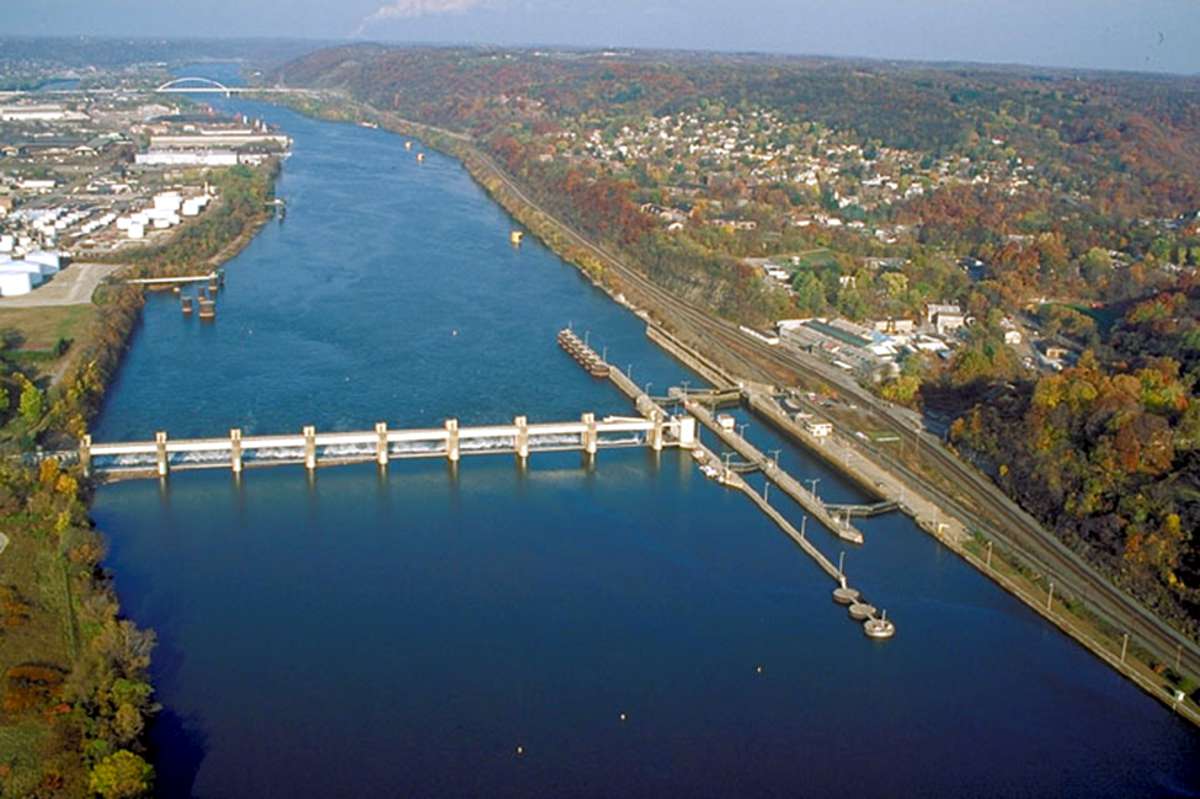
Emsworth Locks and Dam (Ohio River, Mile 6.2) Source: U.S. Army Corps of Engineers

By Bob Colegrove

If you happened to tune 8213 kHz during the ‘50s or ‘60s, you might have heard a dialog something like this:

Boat: “Pittsburgh, this is the Mary Alice, upbound at mile 14, request lock status.”

Pittsburgh: “Mary Alice, Emsworth has a two-tow delay. Recommend holding below the wall.”

Boat: “Roger, Pittsburgh. We’ll hold.”

You would have heard one of the U.S. Army Corps of Engineers’ HF River traffic control stations that operated on the Ohio River system. This station was not called “Pittsburgh Radio;” nor was it called “Radio Pittsburgh.” It had no known K… or W… call letters. Instead, each of these stations identified itself by city name only. In this case you might hear, “Pittsburgh calling downbound tow at mile 12…” or “Pittsburgh to all traffic: lock delay at Emsworth…”

From the 1940s through the late 1960s, the Corps of Engineers operated a network of HF shore stations along the Ohio and Mississippi river systems. These stations coordinated tow and barge movements, lock traffic, river closures, weather and river-stage reports, and emergency traffic.

From the earliest time, I was enthralled by the international shortwave broadcast bands and had spent most of my time listening to the usual stations most of us remember. Since my old console radio had continuous coverage from 5.5 MHz through 18 MHz, I was curious about what lay between the broadcast bands.

I stumbled across “Pittsburgh” very early in my SWLing life. Pittsburgh stood out clearly. Along with WWV, it was the only other utility station I was able to identify during that time. I was fascinated by the conversation.

The Corps used a cluster of HF frequencies in the 8 MHz band for long-range river communication. These were not publicized like marine ITU channels; they were internal government/industrial channels. The 8 MHz band was chosen because it propagated well along the river valleys; it worked day and night; and it reached 100-to-300 miles reliably.

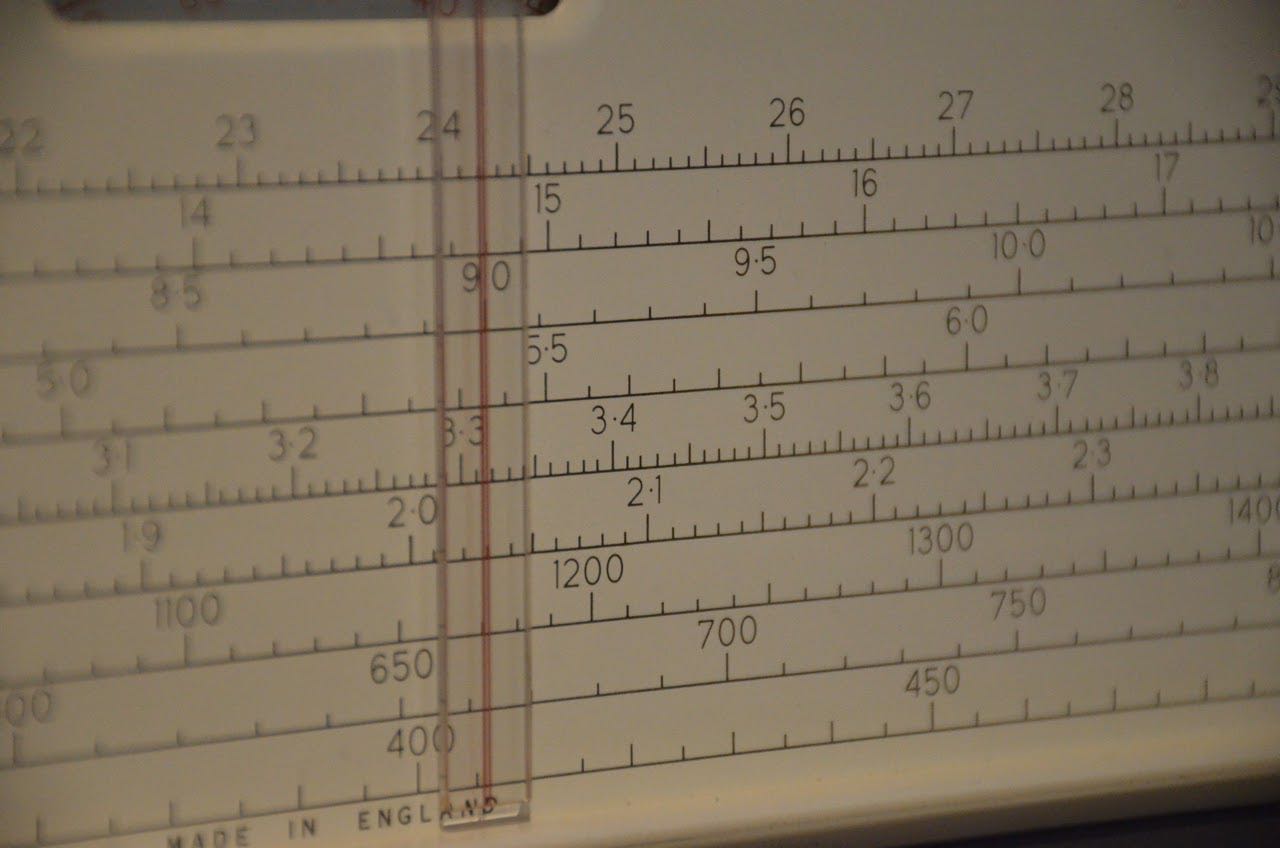
I don’t know how I ever determined the frequency. It was never announced, and I certainly couldn’t determine it on my old radio. The entire span from 5.5 MHz to 18 MHz covered a mere 4 inches on the dial. The pointer itself was about 100 kHz wide at this range. Somehow, I was eventually able to determine 8213 kilocycles.
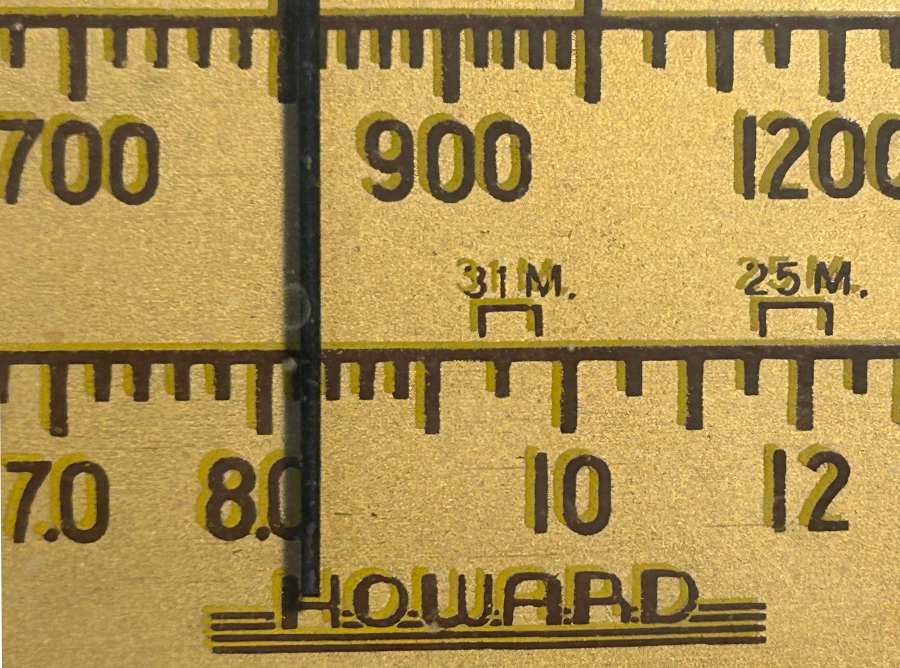
Note that the frequency of 8213 kHz did not conform to the 32-channel duplex frequencies which eventually were carved out of this band. Pittsburgh was born out of necessity at a time when radio was still young and offered a ready solution to an age-old problem.

Before VHF towers lined the river in the late ‘60s and ‘70s, HF was the only way to maintain continuous communication along the entire Ohio River. The Pittsburgh District of the Corps oversaw the Emsworth Lock (Mile 6.2), Dashields Lock (Mile 13.3), and Montgomery Lock (Mile 31.7).
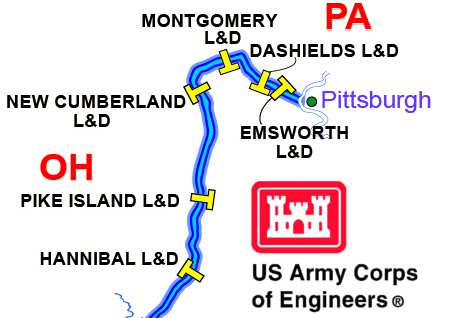
Pittsburgh Engineer District 2026

Commercial riverboat life on the Ohio River in the ‘50s and ‘60s was a world in transition. Just as the keelboat days and the legendary Mike Fink had given way to steamboats, by the early 1950s the Ohio River was shifting decisively from classic steam navigation to diesel-powered towboats pushing long strings of coal and freight barges. However, pockets of river-based living, indigenous to the previous age, were still hanging on.

The U.S. Army Corps of Engineers began replacing the old 19th-century lock-and-dam system with modern locks and dams in the early 1950s, creating deeper, more reliable navigation channels and enabling larger commercial traffic. These improvements supported the rise of large commercial operations, such as American Commercial Barge Line (ACBL), which maintained marine equipment registers and fleets during this era. Coal, petroleum products, aggregates, grain, and manufactured goods formed the backbone of mid-century river commerce moving between Pittsburgh, Cincinnati, Louisville, and down to the Mississippi.

The river had its share of hazards with winter ice and spring floods. The new lock-and-dam system gradually tamed these extremes, but the river remained unpredictable.

Life aboard a mid-century towboat was demanding. Crews worked long shifts. Work included line-handling, engine maintenance, navigation, and barge assembly. The river was both workplace and community. Small towns along the Ohio still remembered their steamboat heritage, shipyards, and wharf culture.
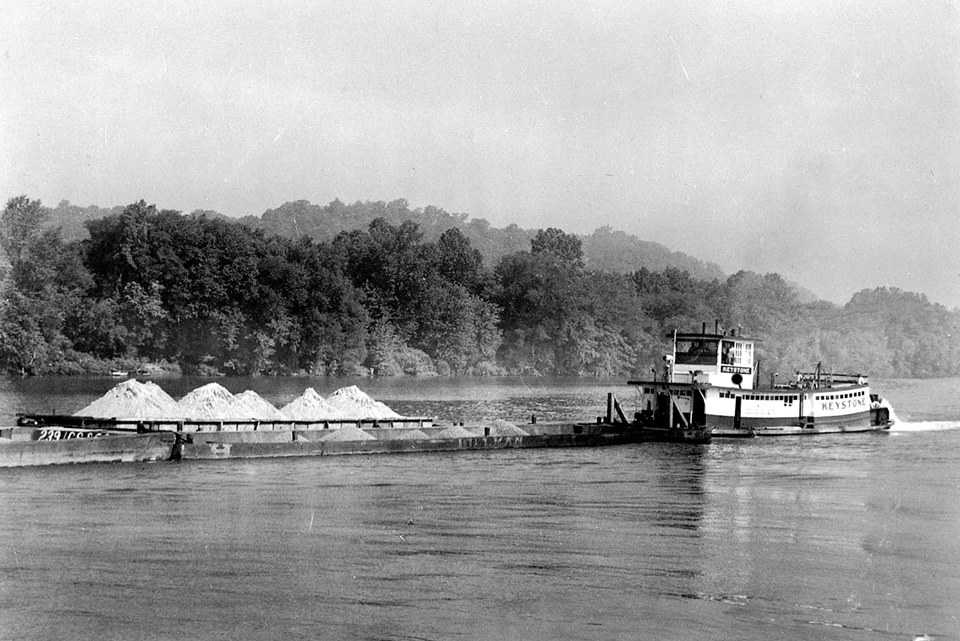
Sternwheel Towboat on the Ohio River – (Source)

The Ohio River, just like the Mississippi, was the life and livelihood of the people who lived along it. During the ‘50s and ‘60s HF radio was an essential part of this enterprise. Even more than medium wave broadcast radio of that time, the folks on boats depended on two-way communication over the HF airways.

Pittsburgh was not just a dispatch or control station for river traffic. It became a fountain of essential information, a clearinghouse for important messages. It was the cornerstone of social interaction for a population in constant transit.

Listeners in the 1950s often reported towboat captains calling dispatch, barges reporting position (“Upbound at mile 412…”), lockmasters giving traffic instructions, and weather and river-stage reports.

HF channels were shared working channels, not strictly controlled like today’s VHF marine channels. Besides traffic between the boats and Pittsburgh, there was also boat-to-boat communication. This was not chatty; it was disciplined, brief, and functional. There was a sense that HF radio was a valuable resource not to be abused. Before the modern lock system and before VHF towers lined the river, HF was the only way to maintain continuous communication along the entire 981-mile length of the Ohio River.

HF could skip over hills and valleys, reach hundreds of miles, work during floods, storms, or power outages, and connect boats to company headquarters far from the river. At a time before single sideband was in general use, Pittsburgh and riverboats operated with amplitude modulation (AM). Of course, there were no cellular telephones. Instead, HF radios afloat would occasionally contact shore-based stations which could then “patch” communications between ship and other shore locations over phone lines.

Many of the towboats and packets were family-owned and operated. The inland river system was one of the last major American transportation networks where family companies remained dominant well into the mid-20th century. These were not “packet boats” in the old passenger sense — by the 1950s, packets were gone — but family towboat companies were everywhere. Family crews were the norm. Several major river companies began as family outfits.

The boat was a floating extension of the family house. Kids often grew up on the river. Wives sometimes handled the books, payroll, or provisioning. Sons learned to steer before they learned to drive a car. Daughters often knew how to splice line or cook for a crew before they were teenagers.

Life aboard a family-run towboat was unlike anything in modern transportation. It was part workplace, part household, part floating village, and part family legacy. What you got was a blend of hard labor, deep routine, and a kind of river-born intimacy that only comes from living and working together in a confined space for weeks at a time.

Today, the U.S. Coast Guard works jointly with the U.S. Army Corps of Engineers, National Weather Service, and industry groups to manage the two river systems. It oversees marine safety, pollution response, and towing vessel incidents. It regulates, supports, and protects navigation on the Ohio and Mississippi Rivers, primarily through aids to navigation, safety enforcement, and emergency coordination.  Meanwhile, river communication has migrated to the VHF marine band.

Conclusion

The HF radio was a riverboat’s lifeline. On a family-run towboat, the HF AM radio was the telephone, dispatcher, news source, and emergency line. HF was the way to talk to the Corps (Pittsburgh) or to the company office, which might be someone’s house.

By the late ’60s or early ’70s VHF towers went up at every lock. Companies built microwave and landline dispatch networks. AM operation faded; finally, the last HF river channels went silent. Today, almost nobody remembers that era.

I have never listened to a station quite like Pittsburgh. It was a delicious slice of human experience. Unfortunately, it is an artifact of a time that has now passed. Still, I find myself absentmindedly punching in 8-2-1-3 on a DSP portable radio with the irrational belief that I will hear Pittsburgh. If it is true that a radio wave, once modulated, continues to travel forever, I like to think some being in a distant world may someday have their sense of imagination entertained as mine was many years ago.
Good DXing.
The Giant Antennas of Shanghai Coast Radio Station (XSG)

Many thanks to SWLing Post contributor, Michael (BD4AAQ) who shares the following guest post:


Shanghai Coast Radio Station (XSG):

Those Giant Antennas!

The 17th of May is the World Telecommunication Day. It is also the open day of Shanghai Coast Radio Station. On this day, a group of amateur radio operators were invited to visit the transmission facility, a huge antenna farm, of the radio station, located on Chongming Island of Shanghai, the third largest island in China.

Google Satellite Photo

The transmission site of Shanghai Coast Radio Station is as shown below in the map of Chongming Island. Other sites of the station include a central control/receive station in Zhangjiang, a receive station on Hengsha Island and some VHF base stations in a number of other locations. All these locations in Shanghai, linked via cable and microwave connection, form Shanghai Coast Radio Station, also known by its callsign as XSG.

(Google map of transmitter location for Shanghai Coast Radio Station. Note the antenna farm on the left.)

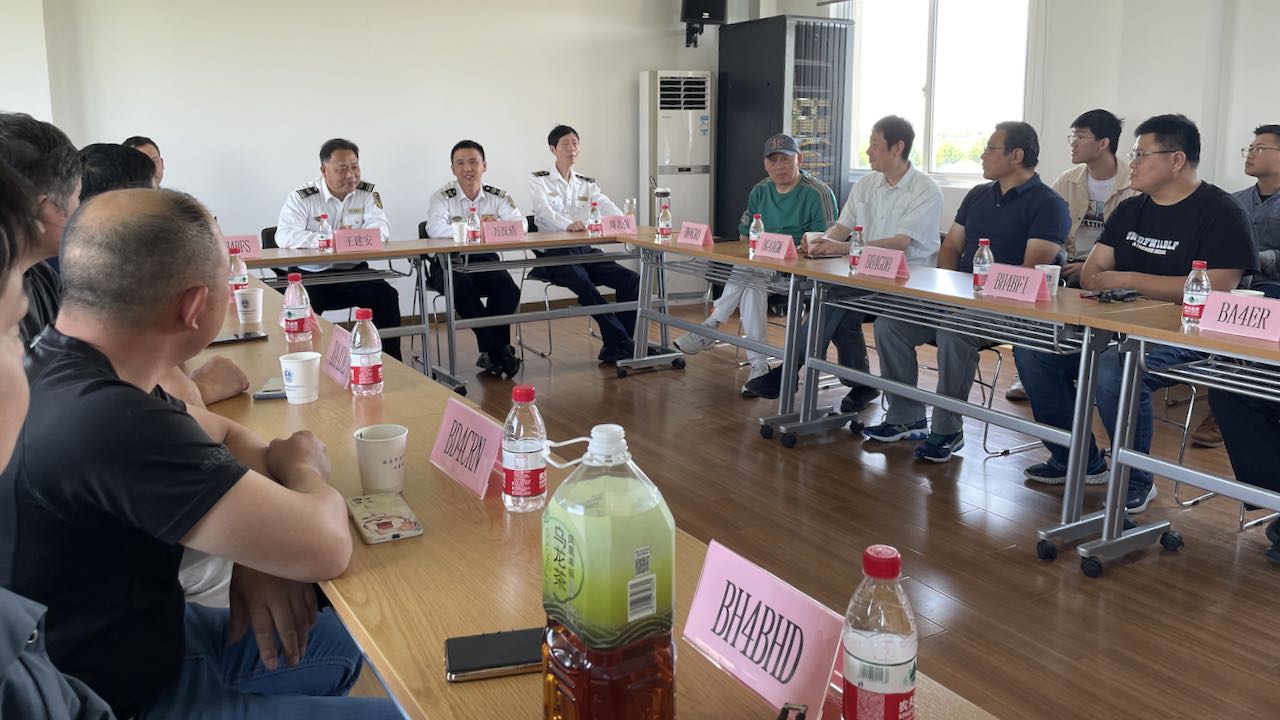
Presentation by Station Officials

Fifteen or so local hams were cordially invited to have a tour of the station. The radio enthusiasts were greeted by station representatives, including Mr Wan, Mr Wang, Mr Zhou and Mr Niu (BH4BFS), who also gave them an overview of the coast radio station’s history and development. 

Antenna Farm

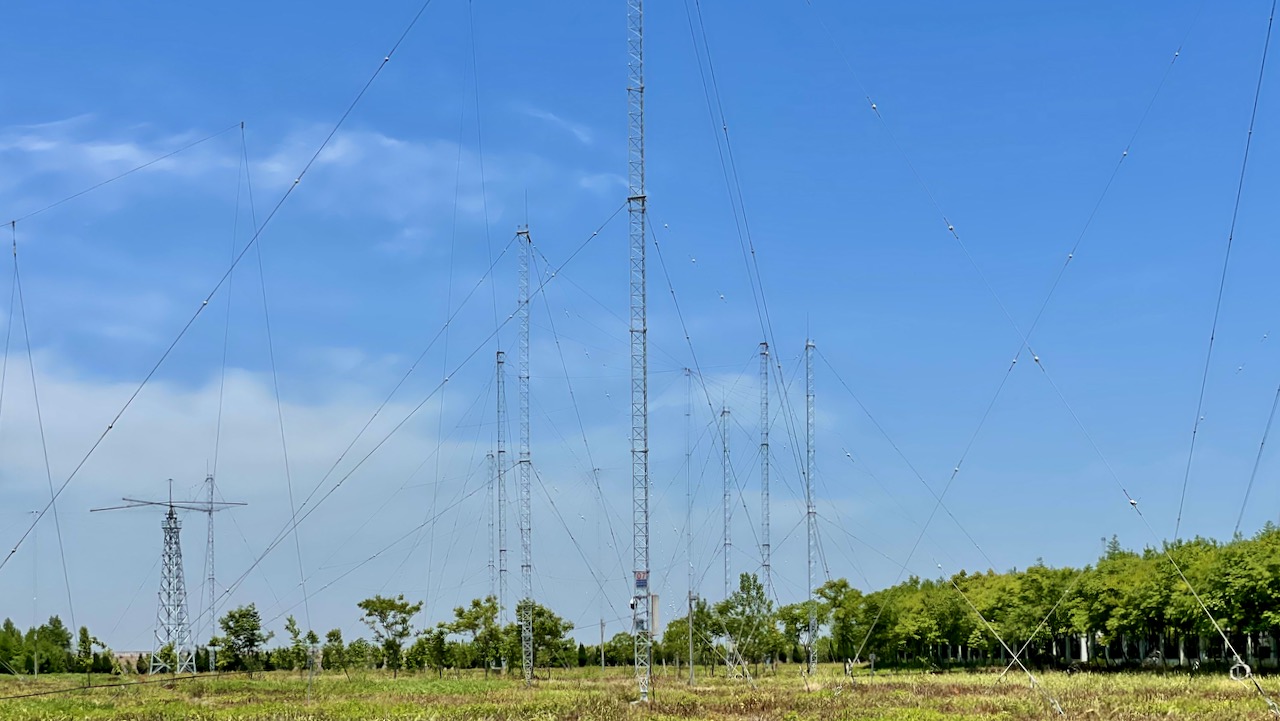
Mr Wang then showed the visitors around the antenna farm. Many of us, myself included, saw and were deeply impressed with these huge antennas for the first time! Indeed, many professional radio facilities and operators of similar coast radio stations work quietly around the globe and around the clock to provide for distress, navigational, business and personal communications needs of ships!

[Click on images to enlarge.]

The antennas cover a wide range of frequencies, from MF, HF, to VHF and UHF. Many of them are, however, shortwave (HF) antennas.

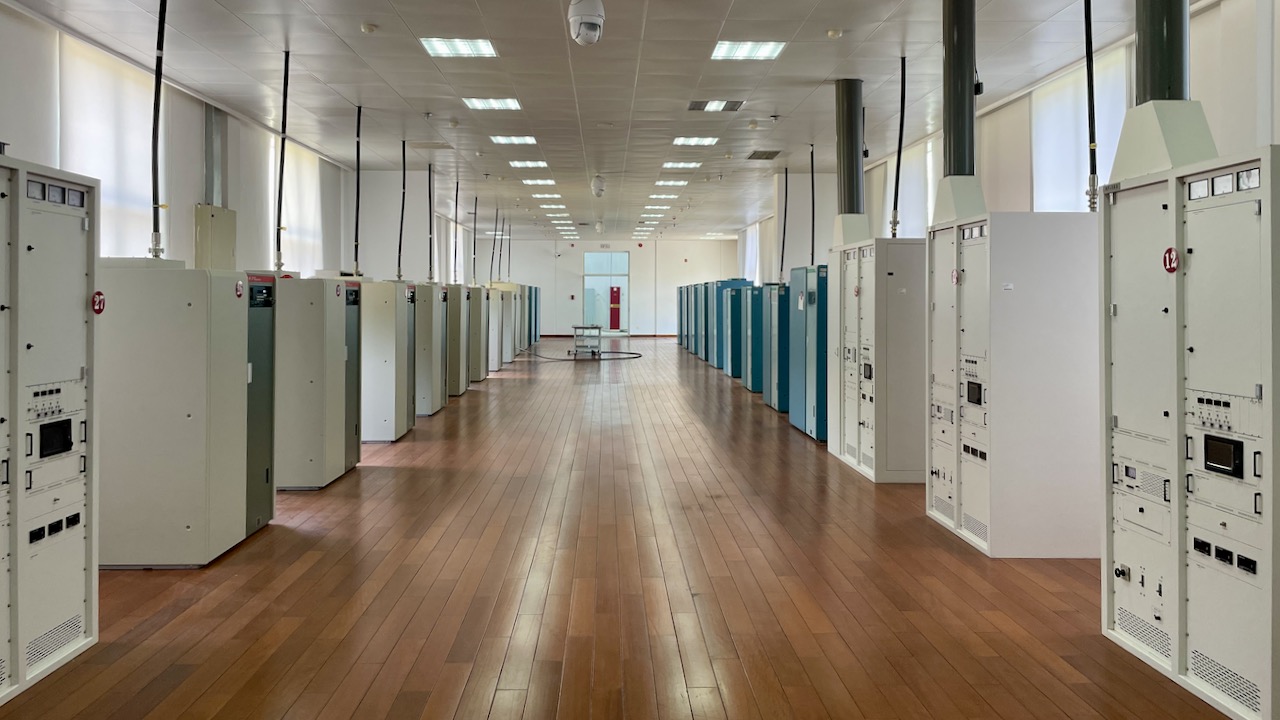
Transmitter Room

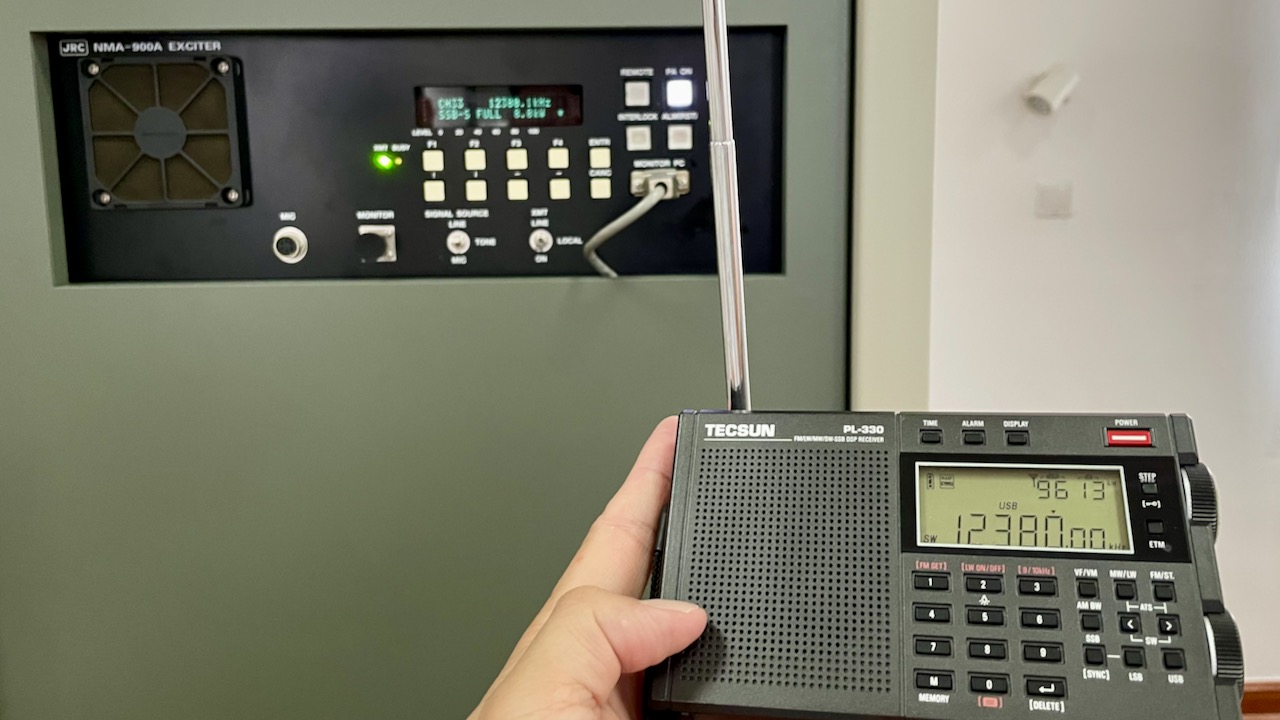
(I placed a Tecsun PL-330 radio near the transmitter at 12380.1 kHz (weather fax). The signal strength, in dbu, is 96. Given the margin of error of the receiver’s display, that’s probably as high as it could go.)

Shanghai Coast Radio Station (XSG) operates on a wide range of frequencies. Its HF frequencies include 4207.5, 4209.5, 4215.5, 4369, 6312, 6326, 6501, 8414.5, 8425.5, 8770, 8806, 12577, 12637.5, 13176, 13188, 16804.5, 16898.5 and 17407 kHz. Of particular note is that they have kept a CW frequency of 8665 kHz for general broadcast of information on a 24 hour basis.

The station’s VHF phone service covers 25 nautical miles of the coast. Its MF NAVTEX covers 250 nautical miles of the coast. And its HF phone and weather fax and HF NAVTEX extend to 1,000 nautical miles.

History and Current Status

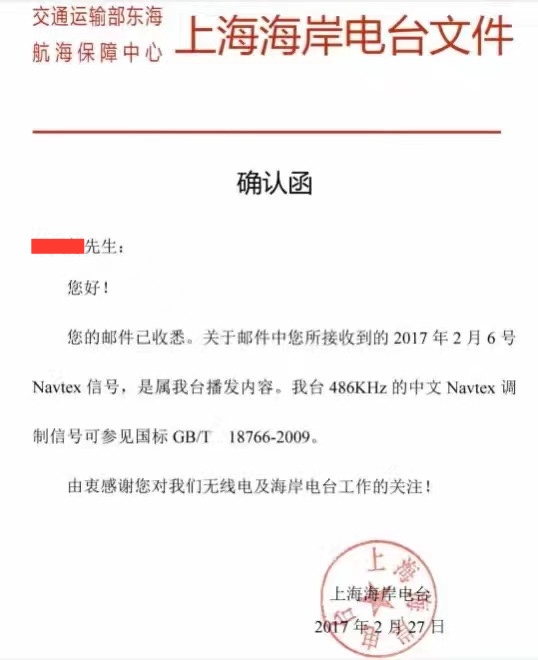
Founded in 1905, Shanghai Coast Radio Station has been around 119 years. The XSG callsign has since remained in use.

China has in place DSC watch and NAVTEX broadcast in coast stations (including XSG) in accordance with GMDSS requirements. Among services provided by XSG are Radio Telephony (RT), Narrow Band Direct Printing (NBDP), “Voice of the East China Sea Coast” (voice broadcast on 161.600 MHz and 8806 kHz) and marine radio weather fax. The station is without a doubt one of the largest coast radio stations in the Asia Pacific region and plays an essential role in the region’s marine safety and communications.

QSL Cards

Shanghai Coast Radio Station issues QSL cards in Chinese and English, traditionally in paper form and nowadays electronically.

(This is an electronic QSL card issued to a Shanghai listener, who received their signal over the radio. Examples of QSL cards in English can be found online.)

Show Room

[Click on images to enlarge.]

Ham Station

Mr Niu of Shanghai Coast Radio Station, one of the tour’s organisers, is a ham himself with callsign BH4BFS. According to him, there are intentions to start a ham radio station within the establishment, possibly incorporating the letters XSG. However, there is much work to be done to make it happen. An amateur radio station with overlapping callsigns with a professional one would be really charming.

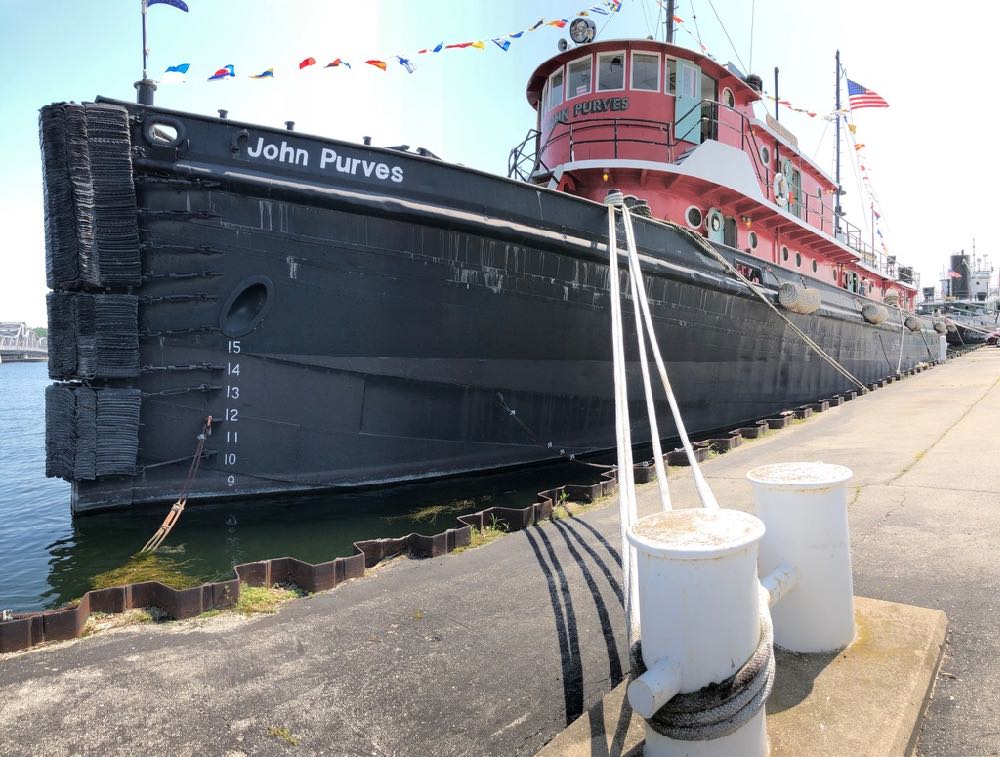
Classic portables onboard a 1919 Great Lakes tugboat

Many thanks to SWLing Post contributor, Phil Ewing, who writes:

I know you’re always on the lookout for trips and visits so I thought of you when we were up in Wisconsin last week. There’s a maritime museum up in Sturgeon Bay, on the peninsula, that includes a 100 year-old tug. You can go aboard and climb all up and down…and they’ve got some great radios in the crew cabins as part of the displays of what life was like back when the ship was working.

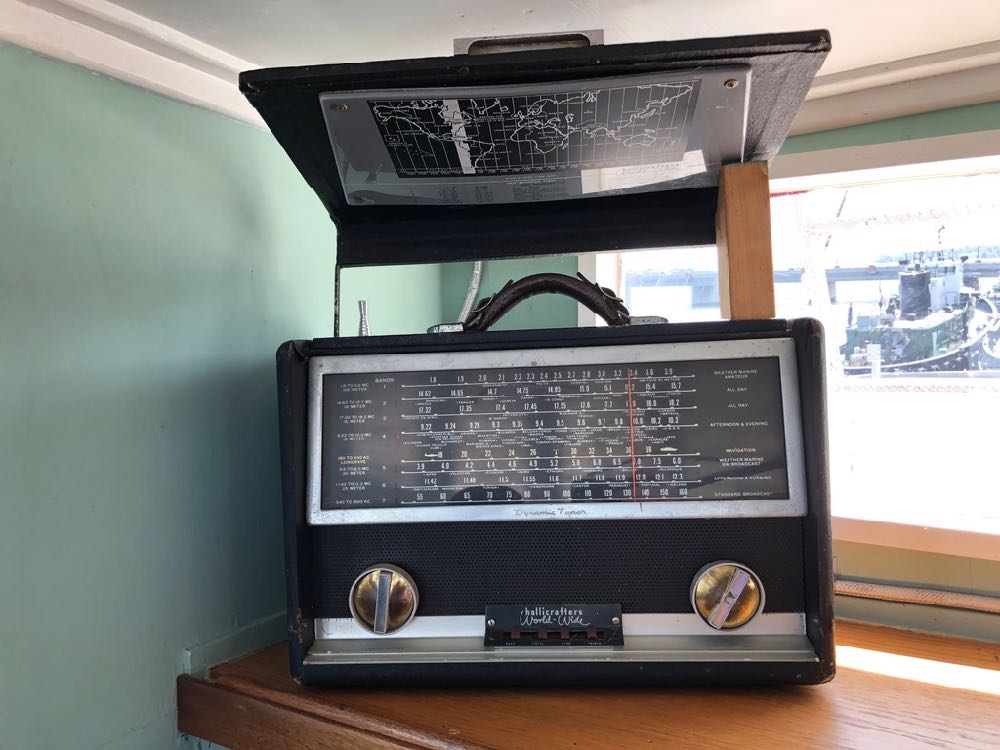
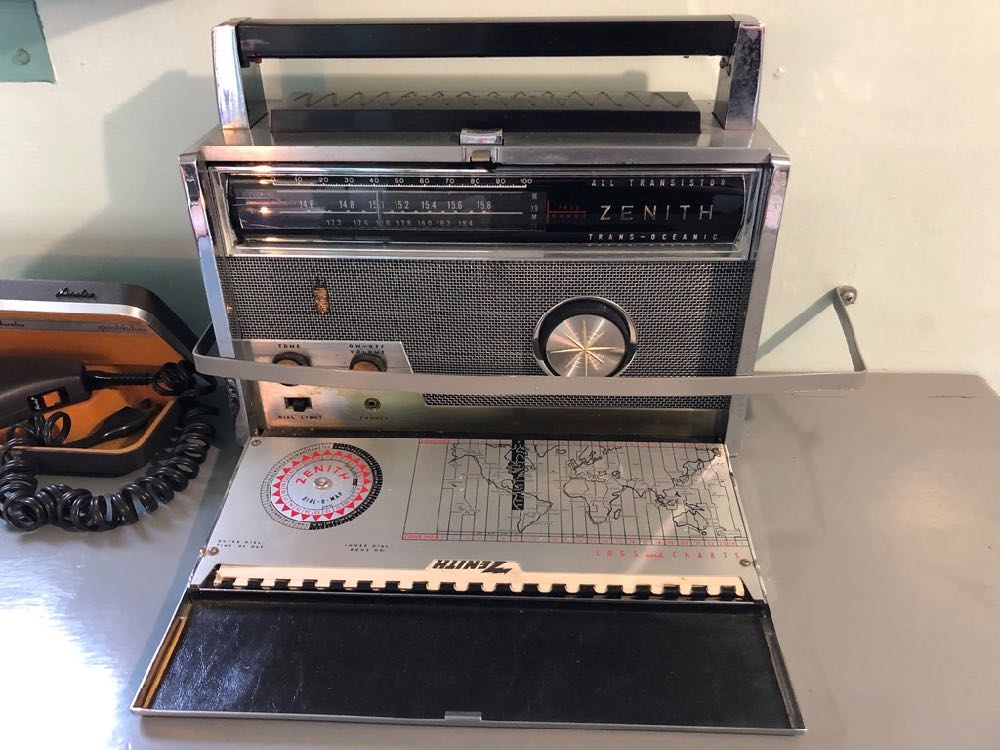
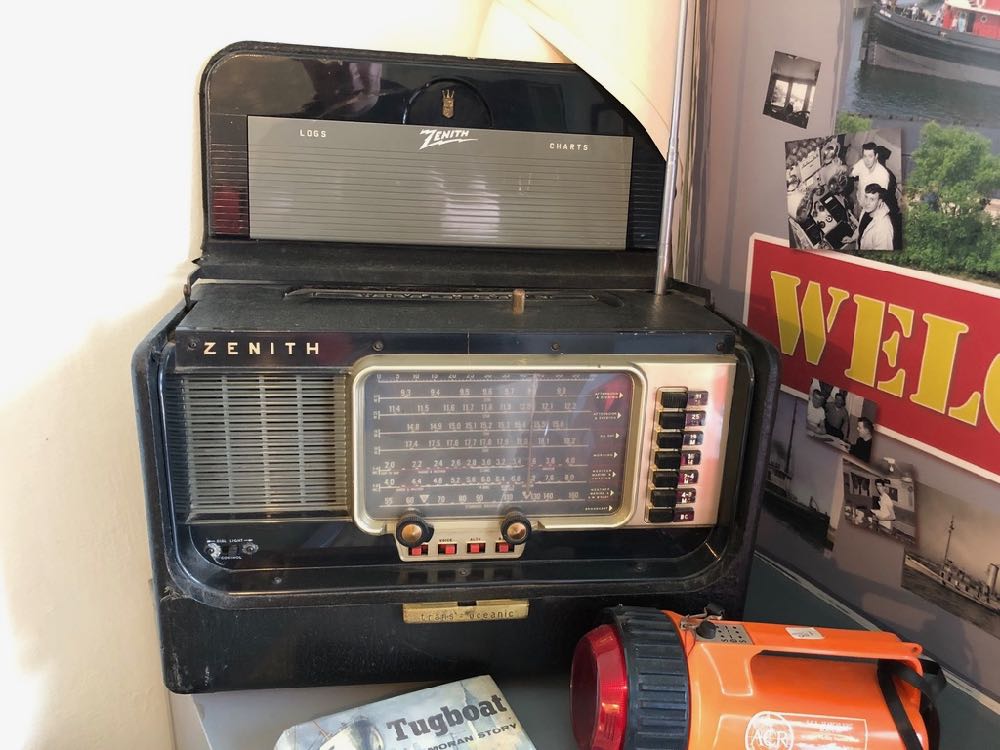
There were a number of standard but interesting normal transistors but what really caught my eye were the Hallicrafters World Wave in the pilothouse and a fantastic pair of Trans-Oceanics in the cabins of the chief engineer and the captain.

The purpose of the visit really isn’t the radios — it’s about the working life of the Great Lakes and an old ship — so discovering them was a fantastic lagniappe.

[T]he appeal of shortwave in these circumstances is clear: Imagine you’re in the middle of Lake Superior towing a barge full of logs to be pulped, or some other unglamorous but essential Great Lakes cargo — maybe a barge full of big rocks to build a breakwater in, say, Sheboygan — and you come off watch in the middle of the night. Life on a ship can be deadly monotonous and deeply lonely but then picture yourself tuning in to the international band on your luxurious Zenith set … not bad since the iPad won’t be invented for another 40 or so years.

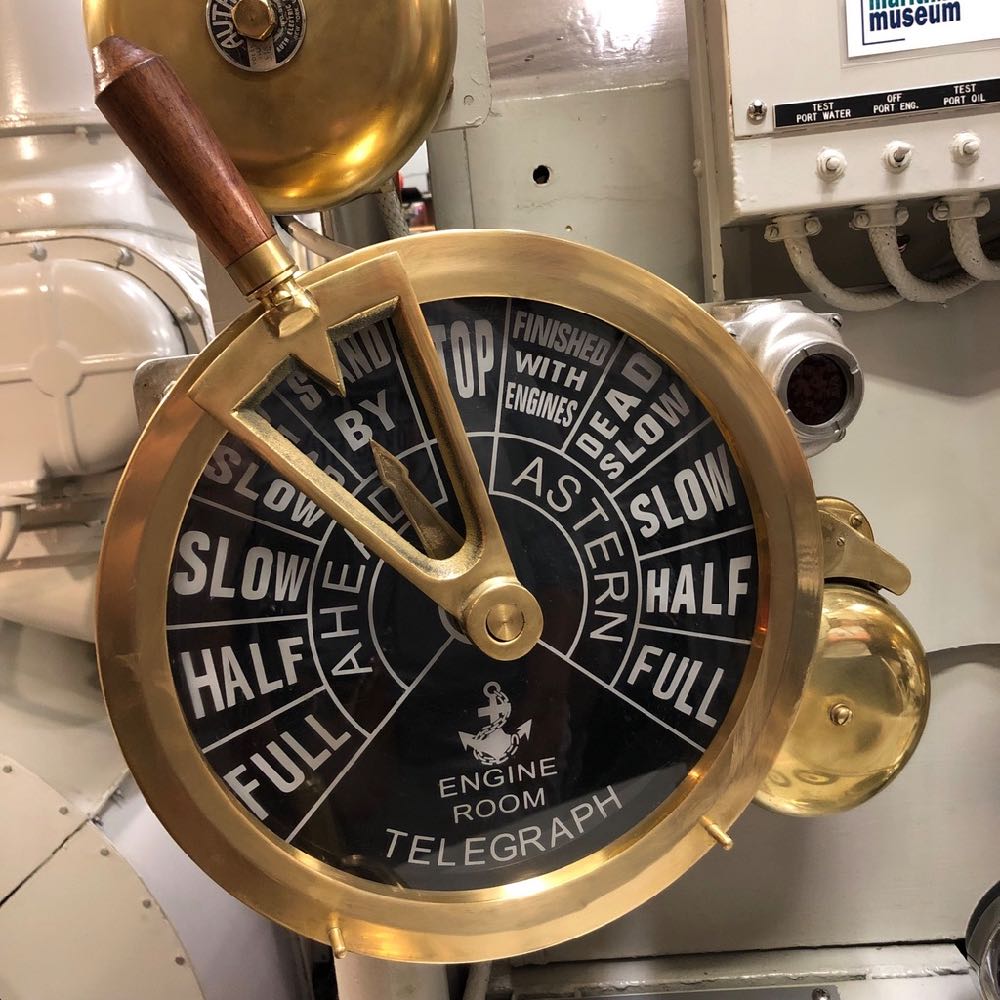
These pix also depict the engine order telegraph, which the captain in the pilothouse used to signal commands to the engine room. There was one for each of the two main engines, and duplicates in the pilothouse.

The captain moves the handle so that it indicates the speed he wants (e.g., Ahead Full) and the bottom needle on the telegraph in the engine room moves, ringing a bell. This is why an engineer might report he was ready to sail by saying he was standing by to “answer bells.” The engineers would select the speed on the engines and then move their own handle on their own telegraph to correspond with the captain’s order, signaling to the pilothouse they’d completed the instruction.

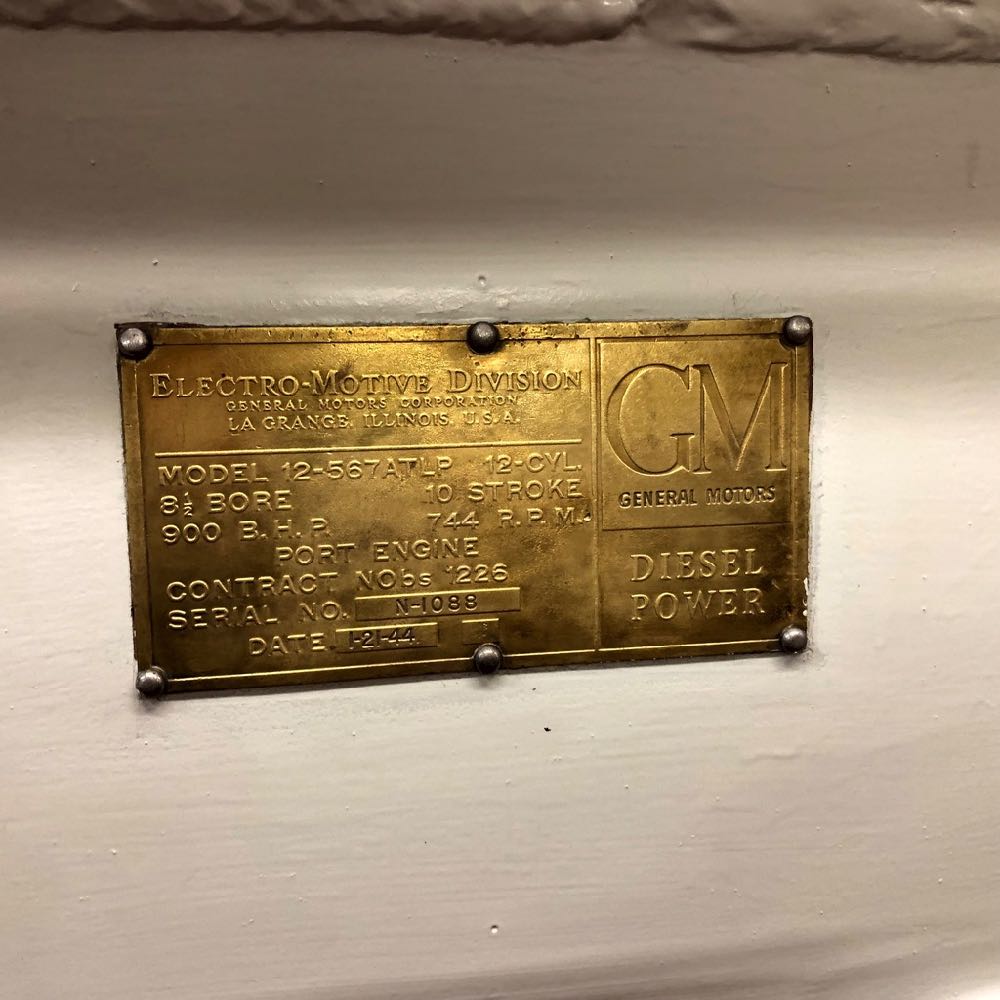
The engines are the white things pictured behind the telegraph and on which was stamped the brass plate also photographed here. The diesel engines were made by the Electro Motive Division of GM and replaced this ship’s original steam propulsion system. EMD is most famous for its pioneering and legendary freight locomotives, which led the way in “dieselization” after WWII in converting many railroads from their romantic but much less efficient and much dirtier steam power. But the company also made marine diesel engines as evidenced here and these served this ship for another three decades or so — just think about that. There also are still EMD GP30 locomotives from the 1960s still in service in some places in the U.S., according to what I read in this month’s Trains magazine.


Fascinating, Phil––what terrific vintage kit! Thanks for sharing those wonderful photos and descriptions with us. 

Yes, I can imagine SWLing would have been a vital entertainment outlet for those on working ships in the Great Lakes. No doubt they had access to a number of strong mediumwave stations on the coast, as well. What a way to while away the off-hours.

Click here to follow @PhilEwing on Twitter.

After 71 years, WLO operators go off the air

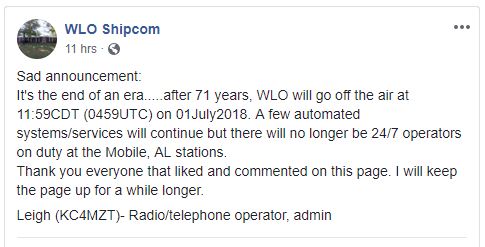
Many thanks to SWLing Post contributor, Zach, who notes that WLO have announced that as of 04:59 UTC on July 1, 2018, “there there will no longer be 24/7 operators on duty at the Mobile, AL stations.”

Here’s a screenshot from their announcement on Facebook:
The end of an era indeed. Thanks for the tip, Zach.

FCC: Expanded use of marine HF frequencies on land

Many thanks to an SWLing Post contributor who shares a link to the following public notice from the FCC:

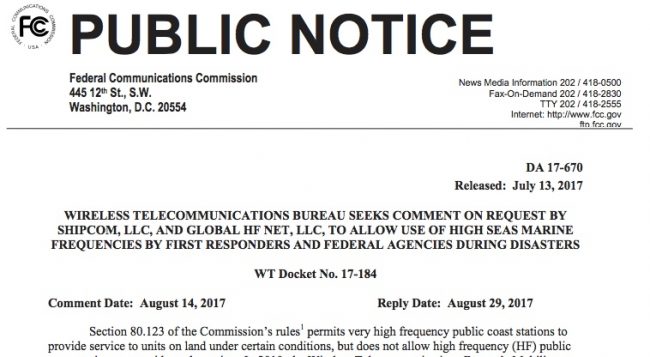
Wireless telecommunications bureau seeks comment on request by Shipcom, LLC, and Global HF net, LLC, to allow use of high seas marine frequencies by first responders and federal agencies during disasters

Section 80.123 of the Commission’s rules permits very high frequency public coast stations to provide service to units on land under certain conditions, but does not allow high frequency (HF) public coast stations to provide such service. In 2010, the Wireless Telecommunications Bureau’s Mobility Division (Division) granted Shipcom, LLC (Shipcom), a waiver of section 80.123 to permit the use of HF public coast frequencies by first responders during catastrophic situations when normal communications systems are not available. The Division concluded that this limited use of HF maritime spectrum would enhance public safety during catastrophes. The waiver permits service to land-based (base and mobile) Public Safety stations on HF frequencies in the event of a natural or man-made disaster that renders the normal communications infrastructure inoperable, and monthly testing/training to familiarize personnel with how to operate the equipment and make sure it is operable.

Click here to download the full FCC Public notice (PDF).

Jim’s shortwave listening post is a Navy ship

USNS Button - 02

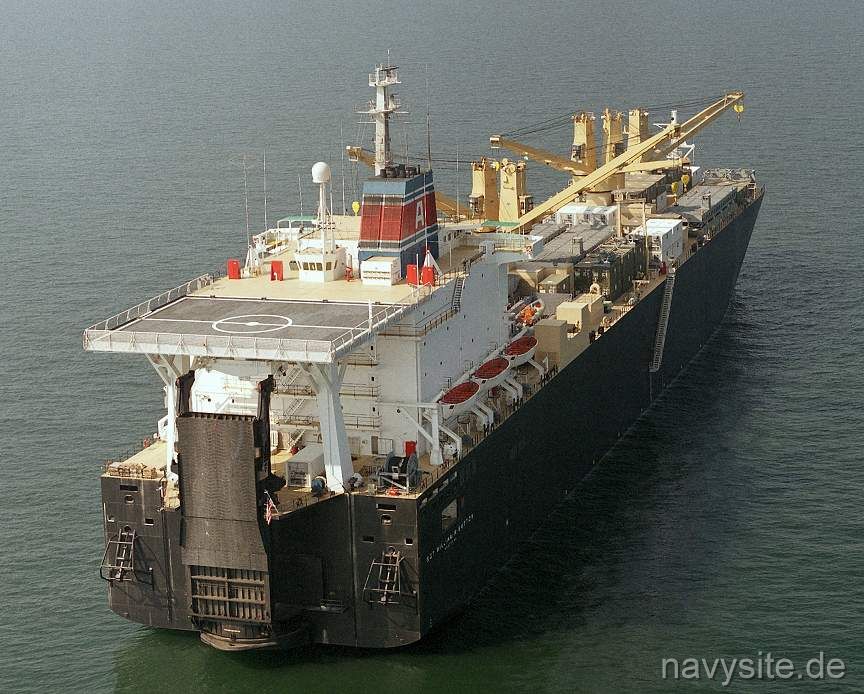
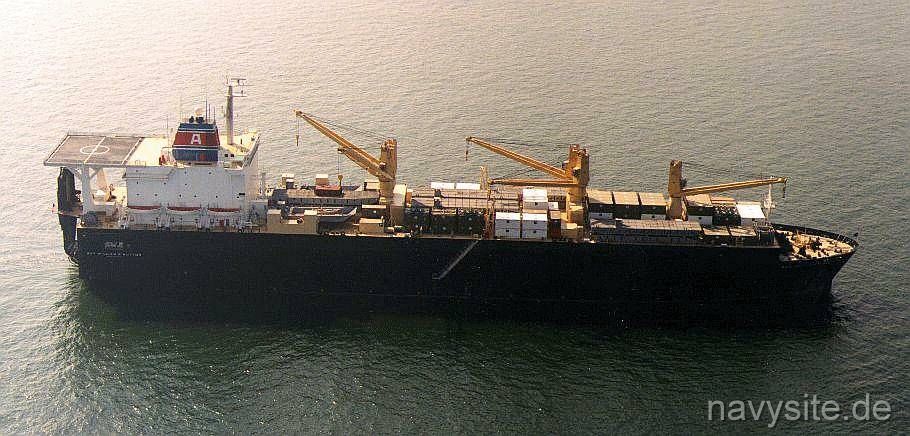
USNS Sgt William R Button (Photo: NavySite.de)

SWLing Post contributor, Jim Clary (ND9M/VQ9JC) contacted me in June to obtain details about the BBC’s Midwinter broadcast to the British Antarctic Survey Team. Jim has been working on board the USNS Sgt William R Button since mid-June. While on board Jim has no web access, but he can send and receive emails and some files. I kept Jim informed about the time and frequencies of the BAS broadcast.

Jim had hoped to make a recording of the Midwinter broadcast at sea, but timing and some technical problems got in the way and he missed the bulk of the 30 minute program.

That’s okay, though, because Jim is an avid SWL and ham radio operator. During time off, he has logged a number of stations, so I asked if he would consider making a recording for us.  I mean, SWLing from a Navy ship?!  How cool is that?!

Within a week, Jim sent me a recording of the Voice of Korea. Here are some of his notes:

I’d heard [the Voice of Korea] many times before when Stateside (and they were Radio Pyongyang at the time), but their signals were always weak and had major polar flutter. Out here, the signal was in-my-face loud, so even though the station is not much of a rare DX catch, I wanted to get them on tape.[…]

[M]y location is the east southern Atlantic Ocean, not far from St. Helena.

[…]My ship is named USNS Sgt William R Button. The ship has been active since the mid 80s and was a “motor vessel” (M/V) until we became a Navy asset in 2009.

USNS Button - 04

[…]My receiver that I’m currently using is my QRP rig, a Yaesu FT-817ND. I changed over to a Navy antenna that I’m feeding with about 70 feet of 75-ohm RG-6 cable. There’s obviously some signal loss from both the length and impedance mismatch of the coax, but at these freqs it’s fairly negligible.

The antenna itself is an AS-2815/SSR-1 that’s mounted above the wheelhouse (bridge) of the ship. I can’t really describe the make up of the antenna simply because I don’t see why it works so well but it really does a good job. If I’d figured out where its feed point is a couple weeks ago, I would’ve had no problem logging the BBC’s Antarctic service!

.Click here to download Jim’s recording of the Voice of Korea or simply listen via the embedded player below. This broadcast was recorded on July 1, 2015 at 1900 UTC on 11910 kHz:

Many thanks, Jim! We look forward to any other recordings you wish to share!