Listening to Radio Prague via WRMI with the Xiegu GSOC
Many thanks to SWLing Post contributor, Tim R, who writes:
Dear Thomas,
First of all thank you so much for the all of the energy you put into the SWLing Post. When crazy things are happening in the world it’s a very welcome sanctuary! Sending you some coffee money.
I plan to become a ham radio operator next year. Bought the book last week and once I finish a large project for work, I’m on it. Of course, the Tech license will only give me limited exposure to HF, but I’m already plotting an HF radio purchase because I can’t WAIT do do some SWLing with it. Up to this point, I’ve only owned portable radios and never really have used external antennas other than some cheap wire.
My question…
I’ve been considering grabbing a Xiegu G90 because it seems to be a nice comprehensive beginner’s HF rig and is very affordable. I read your review and understand your caveat that there’s no way to completely disengage the transmit so that it can’t be accidently hit if connected to an RX only antenna. I’m not worried about that because I’m going to hang a G5RV wire antenna and use it both for TX and RX. No problem if RF is accidently sent through it.
Of course, there’s a lot of buzz in the Xiegu community about the new GSOC controller. I had not planned to exceed $600 for my radio purchase, but I love the idea of the controller. But when I add $550 for the controller and $450 for the radio, all the sudden I’m at $1,000.
After some deep soul-searching (and let’s be frank here, a blessing from my wife and CFO) I’ve decided to raise my budget to $1,000.
All of this to ask, if you had $1,000, would you buy the G90 and GSOC controller, or would you get something else keeping in mind I want to use this as much for shortwave listening as for future ham radio work?
Any advice would be appreciated.
-Tim
Thanks for your question, Tim! And thanks for giving me a complete picture of your budget/radio requirements and the antenna you plan to use.
I’ll try to answer your question here, but understand this is more what I would do if I were in your shoes. This is a pretty simple question, but not simple to answer because there are so many options on the market.
Xiegu GSOC and G90 combo option
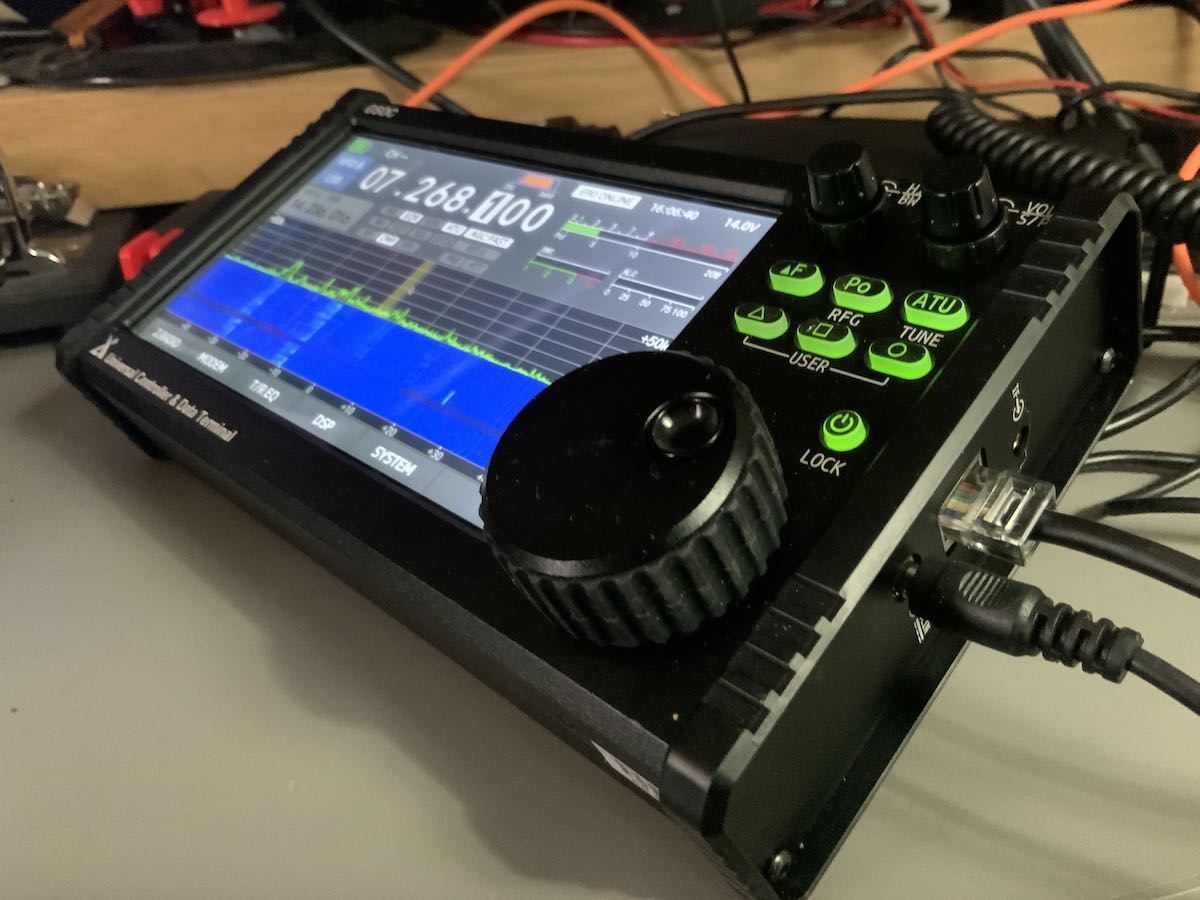 Keeping in mind, I feel like the GSOC is a work in progress at the moment and not fully developed–check out my initial review. Once the next firmware update is available it could certainly solve a number of small issues I found with the unit. It works, but it’s not a refined product yet.
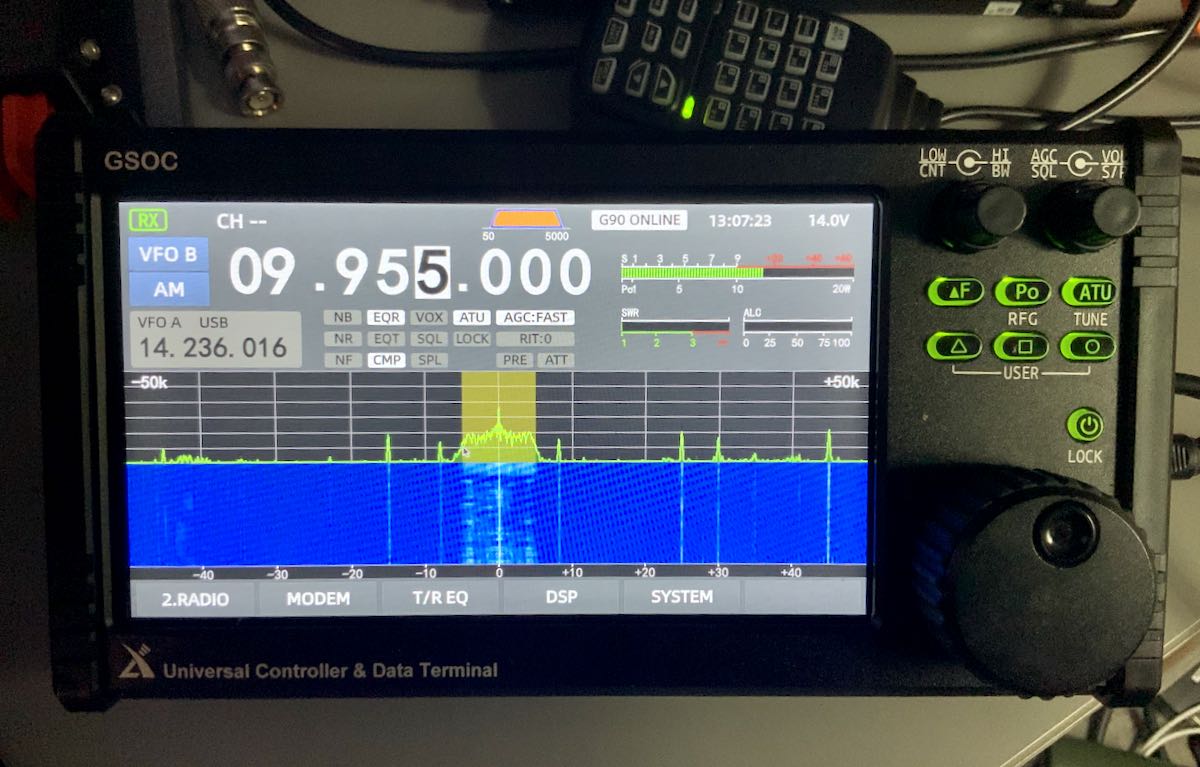
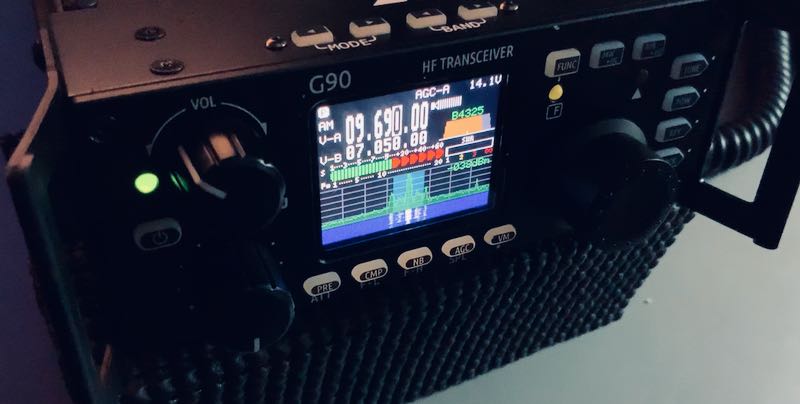
It’s ironic, actually. When I received your message this morning, Tim, I was SWLing with the GSOC and G90–listening to Radio Prague on WRMI. In the end, though, the GSOC is primarily an enhanced interface for the G90. While it does add some extra functionality (and should, over time, add much more) it doesn’t really change the performance characteristics of the G90. I’d check out my G90 review for more info about performance.
Would I purchase the G90/GSOC combo if I were in your shoes? Again, it’s early days, so I don’t feel comfortable making a recommendation call yet. The G90 is, without question, a great value at $450 (often even less) investment. I like it primarily as a field radio, though, and once you add the GSOC to the mix, it’s a little less portable because it’s two units with quite a few interconnect cables. Of course, you can swap the GSOC unit for the G90 control head at any time, but that involves attaching and re-attaching the control head each time (there’s no accessible serial port on the back of the G90, for example)
If you’re a huge fan of the G90, the GSOC should eventually be a worthy addition. At present, for your use as a new ham and for SWLing, I’d perhaps consider other options too.
The Icom IC-7300
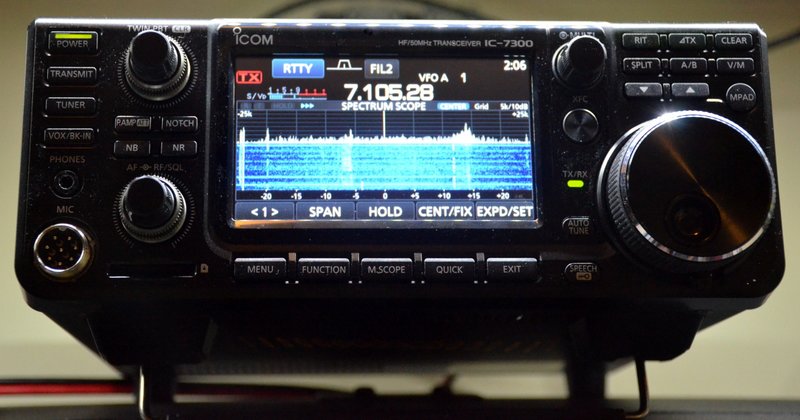
The Icom IC-7300 SDR transceiver
Since you’ve raised your budget to $1,000, I’d consider adding the Icom IC-7300 to your list. At present, via Universal Radio you can buy a new IC-7300 for a net price of $1039.95 after rebates. Sometimes, the price will go even lower although during the C-19 pandemic, I think that’s less likely to happen since supplies are lower than normal for many items.
The IC-7300 has better performance specs than the G90 and can output a full 100 watts if you like. The display is touch sensitive rather than capacitive like the GSOC. The display is also much smaller than that of the GSOC. The IC-7300 has a lower noise floor than the G90.
I think the IC-7300 is a great radio for SWLing, but the audio for broadcasts is sort of “flat.” You might check out this post where we did some audio comparisons. It does have native broadcast recording to an SD card, which I love. The GSOC should be adding this soon, too.
I would include the new Icom IC-705 as a recommendation here, too, but it’s $300 over your budget.
A PC-connected SDR and separate transceiver
This might be the option I’d take if I were in your shoes.
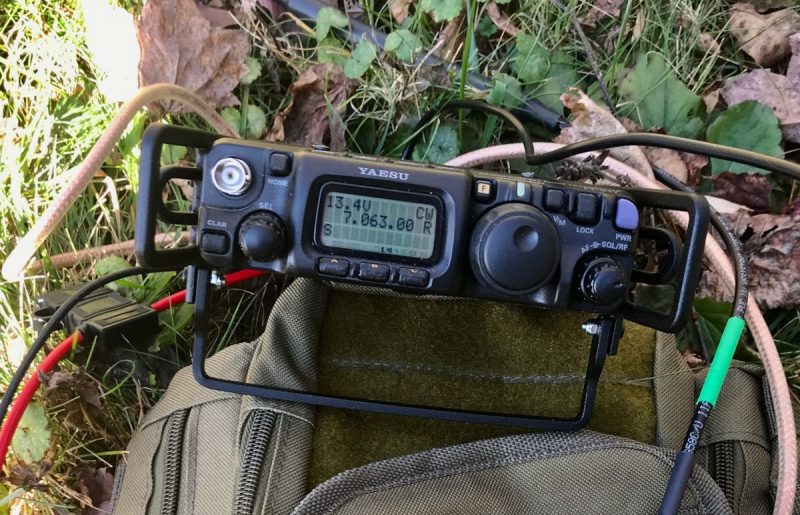
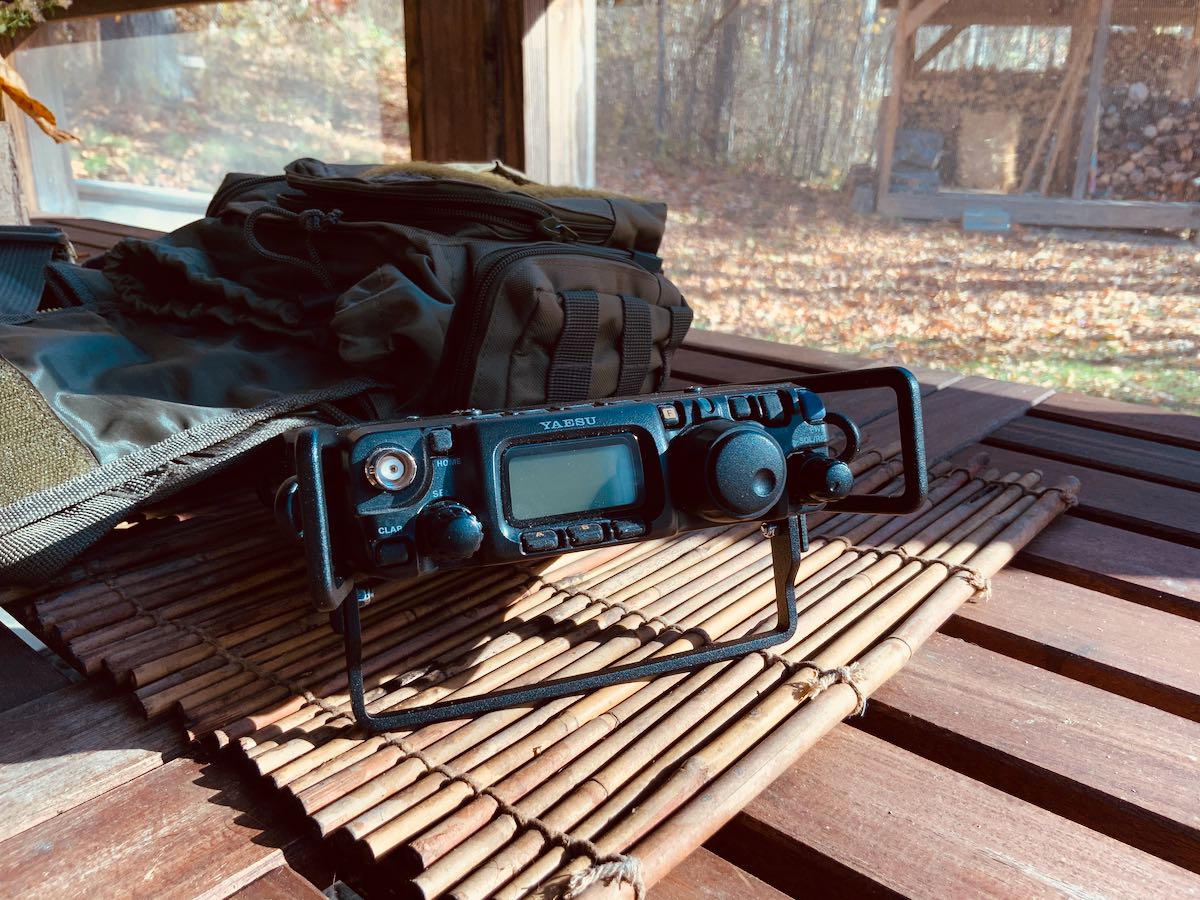
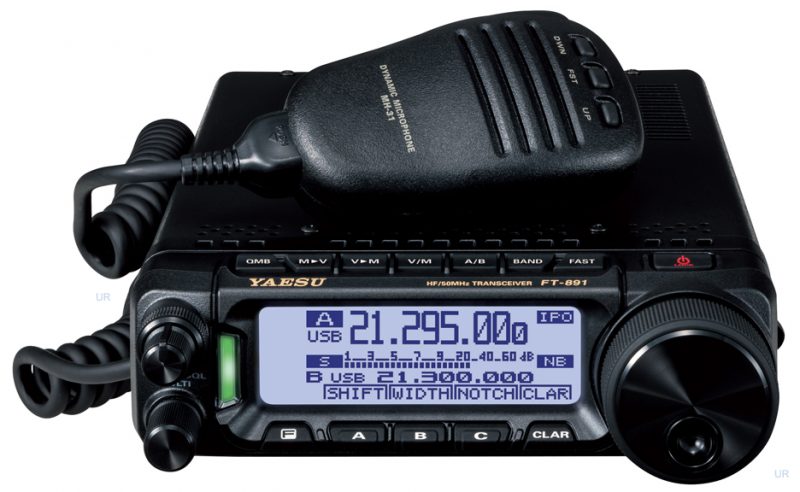
Get the 20 watt Xiegu G90 ($450) as planned or consider a radio like the 100 watt Yaesu FT-891 ($640), Both of these radios are general coverage and would serve you well for SWLing and ham radio activities. I’d personally invest the bit extra and get the FT-891 since it would also give you 100 watts output and even has advanced features like memory keying.
We actually mentioned both radios in a similar post this year.
If you buy the pricier Yaesu FT-891, you’d still have $360 to invest in your shack!
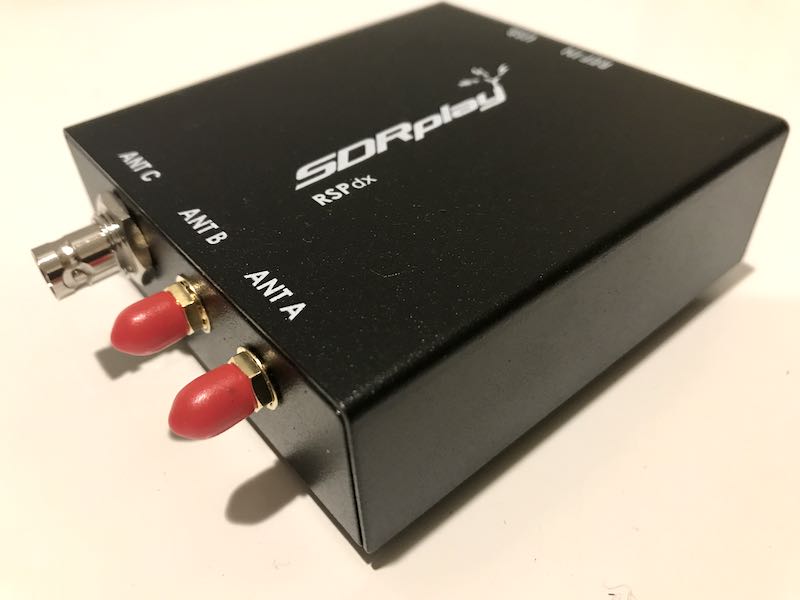
I’d then buy an Airspy HF+ Discovery ($170–my review here) or SDRplay RSPdx ($200–my review here) and get all of the benefits of a PC-connected SDR.
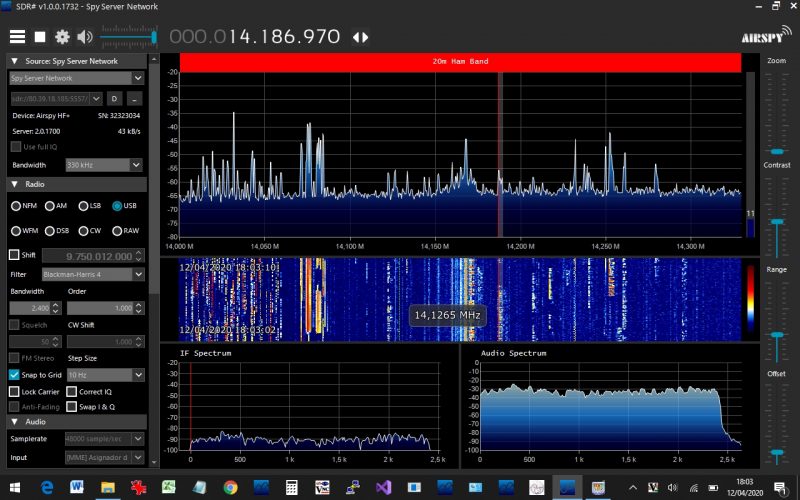 These SDRs would take your SWLing to the next level. They have uncompromised performance for the price.
Both companies continuously improve their products/applications based on customer feedback. Indeed, check out some of our recent posts about SDR# free upgrades. Mind blowing stuff–!!!
You could even use the SDR as a panadapter for your transceiver which would give you the ability to have a full-screen spectrum display on an external monitor at home.
More options?
Of course, these answers only scratch the surface. I haven’t even included used, late model gear in these recommendations.
I’d like to give you a firm recommendation about the GSOC and G90 combo, but I’m waiting to see how this next firmware upgrade goes–early days still.
Post readers: Please comment if you have even more options/suggestions for Tim. What works for you within a $1,000 budget.