Author Archives: Thomas

NPR listeners shift from over-the-air radio, to streaming content (in a very big way)

Many thanks to SWLing Post contributor, William Lee who shares the following story via Nieman Labs. Note that this is an excerpt from the story and that my comments follow:

Radio listening has plummeted. NPR is reaching a bigger audience than ever. What gives?

This year, for the first time, NPR will make more money from underwriting on podcasts than on its radio shows.

Since the pandemic took hold in the United States, NPR’s radio ratings have taken a nosedive. Half of AM/FM listening in the United States takes place in a car, but between reduced (or eliminated) commutes and social distancing, there’s been a steep decline in the drivers that make up public radio’s traditional broadcast audience.

“People who listened to NPR shows on the radio at home before the pandemic by and large still do,” NPR’s own media correspondent, David Folkenflikreported on July 15. “But many of those who listened on their commute have not rejoined from home. And that threatens to alter the terrain for NPR for years to come.”

Even as its legacy platform’s audience has declined, though, NPR says it is reaching more people than ever. The dip in radio listenership — 22 percent — has coincided with a record number of people turning to NPR on virtually every other platform. More people than ever are reaching NPR through the website, apps, livestreams, and smart speakers (“Alexa, I want to listen to NPR”).

[…]Some of the changes in NPR’s audience mirror what we’ve seen elsewhere in the news industry — traffic to news sites spiked in the early months of the pandemic — but the pandemic’s long-term effects seem poised to have a unique impact on radio listenership.

NPR’s senior director of audience insights, Lori Kaplan, has said public radio’s audience includes a disproportionate percentage of workers who are able to do their jobs remotely during coronavirus shutdowns — and that these professionals are interested in continuing to work from home even after we’ve left coronavirus in the rearview mirror.

“We’re experiencing a sea change,” Kaplan told Folkenflik. “We’re not going back to the same levels of listening that we’ve experienced in the past on broadcast.”

[…]NPR’s leaders have been reading the tea leaves. They’ve seen the studies showing younger generations overwhelmingly use the internet and their phones (not radios) for audio. In other words, they knew this shift was coming. They just didn’t know it would happen all at once.

“It was so clear people’s behaviors were changing,” said Tamar Charney, who leads NPR’s digital strategy. “You’d look at the demographic trends and young people were not listening to radio like older people.”[…]

Continue reading the full story at Nieman Labs.

This is a fascinating report and I’m willing to bet NPR has nothing to lose by being open about listening numbers and platforms compared to some commercial networks.

I’ve spoken with a number of friends in the commercial radio industry and the story is very familiar: since the pandemic especially, less people use over-the-air radio to listen to programming. The majority of over-the-air radio listening is done in the car and with the C-19 pandemic, there’s simply been less driving and commuting.

We radio enthusiasts are unique compared with our neighbors in that we actually have radios in our homes.

There is a trend, though, above and beyond anything pandemic related and it’s hard to ignore: with the proliferation of mobile Internet devices that anyone and everyone carries on their person, consumers prefer and expect on-demand content.  If you have a radio show on an FM station and it’s not offered as a podcast or via one of the streaming networks, you could be missing out on the bulk of your potential audience.

Even though I’m a hard-core radio enthusiast (by pretty much any measure), I appreciate on-demand content. For example, my staple evening news show these days is Marketplace. I prefer listening to the show live at 18:00 local on WCQS (88.1 FM) even though the signal isn’t super strong at my home (fortunately, I’ve got some brilliant radios to pull it in!). At least half of the time, however, family plans intrude on that 18:00-18:30 time slot, so I rely on the Marketplace podcast version of the show which is typically posted thirty minute after the end of their live show. So even though I’m a radio enthusiast, I still rely on streaming content for my favorite news show.

As technology and listener habits shift, I do wonder how local radio stations will adapt.

We’ve a number of SWLing Post community members who work in the radio industry around the world. Feel free to chime in and comment with your thoughts and experience.
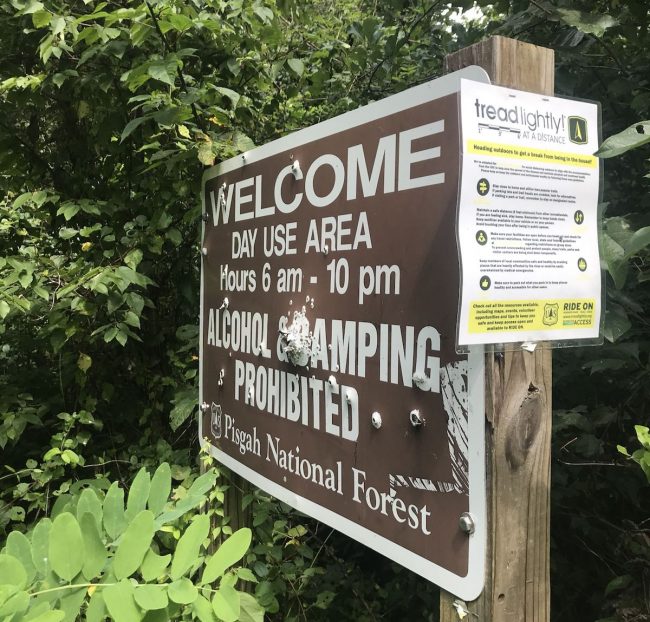
lab599 Discovery TX-500: Hiking into Pisgah National Forest for a little field radio fun

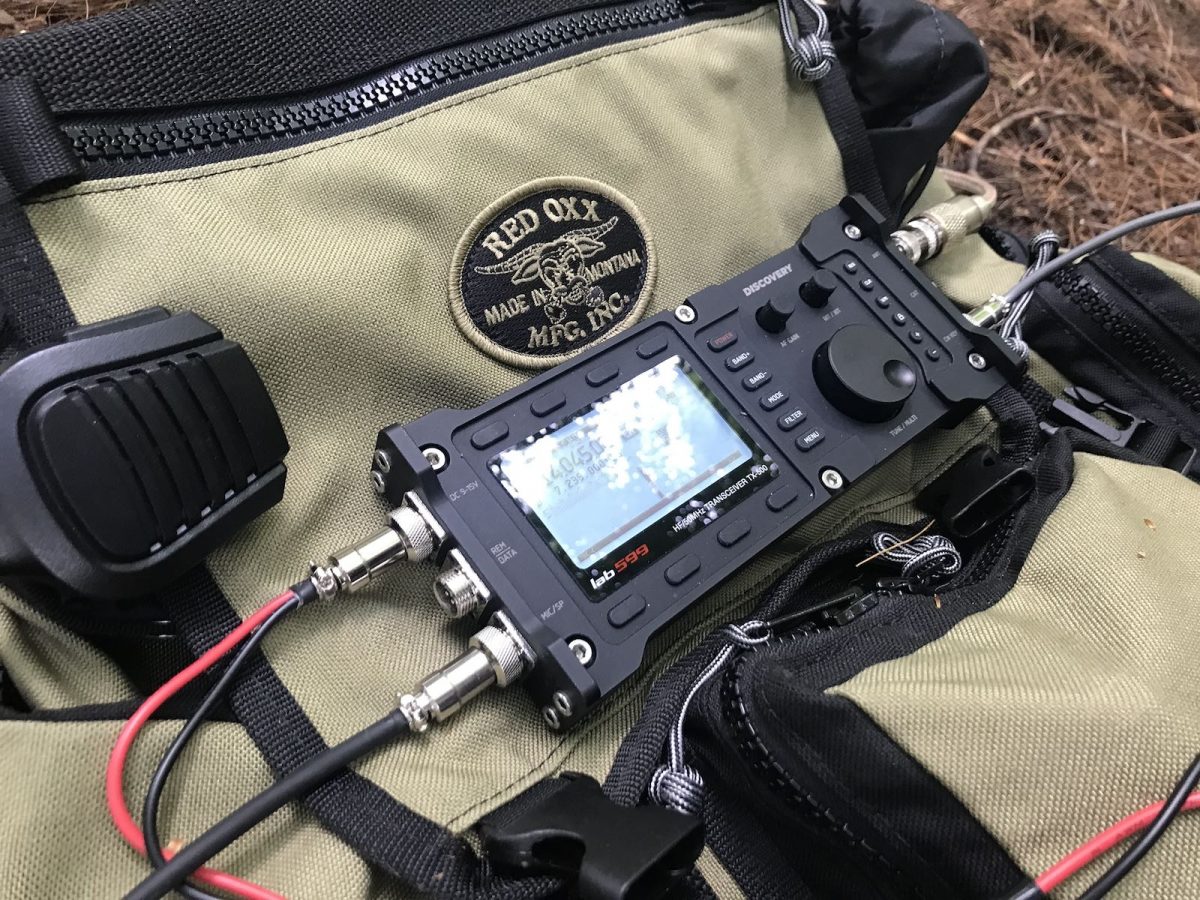
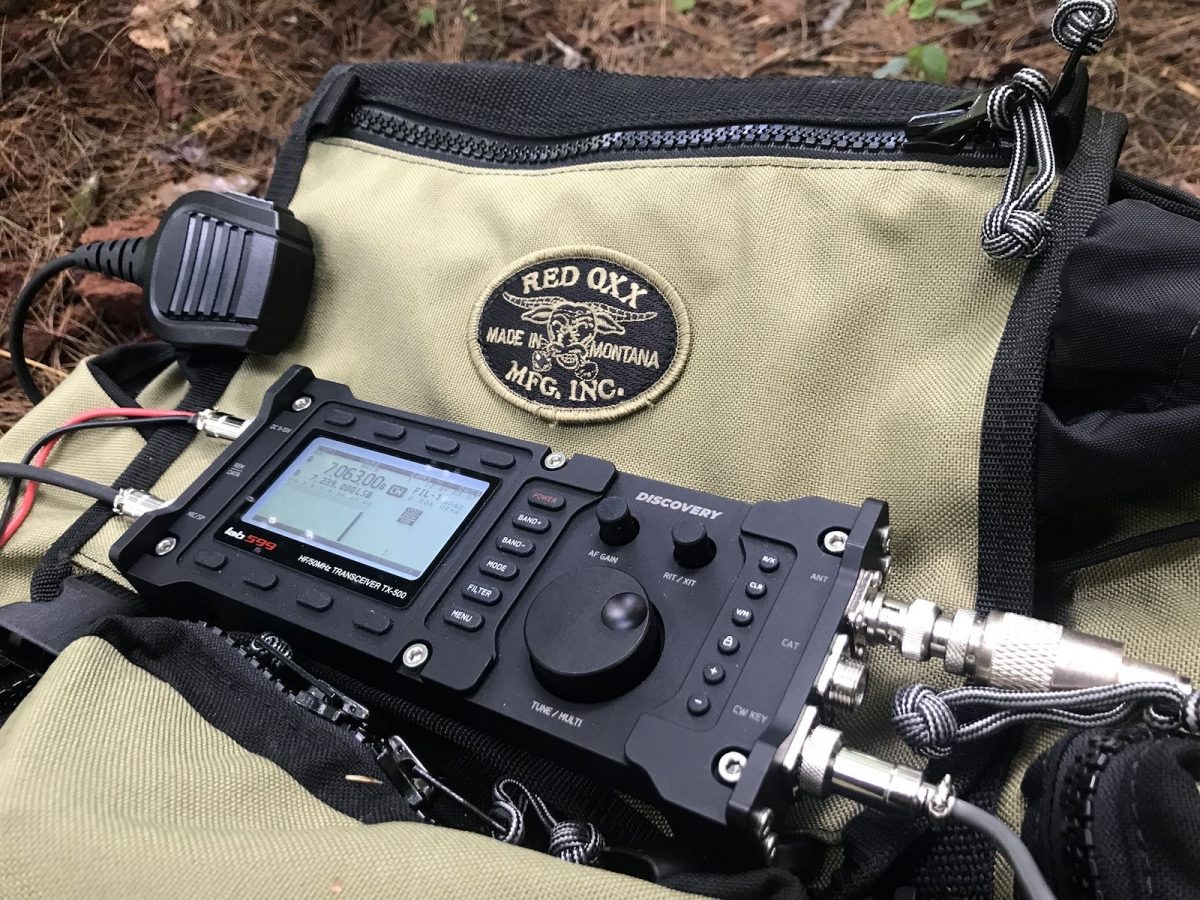
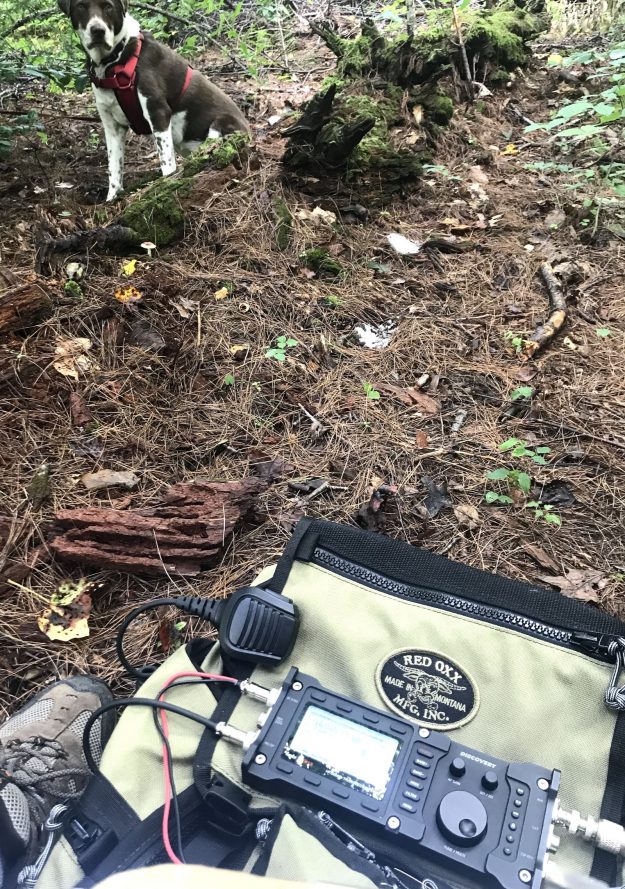
Yesterday, I hit the field again with the lab599 TX-500 Discovery. This time, I wanted to give the radio a proper shake-out by hiking to my location with the entire station in my pack.

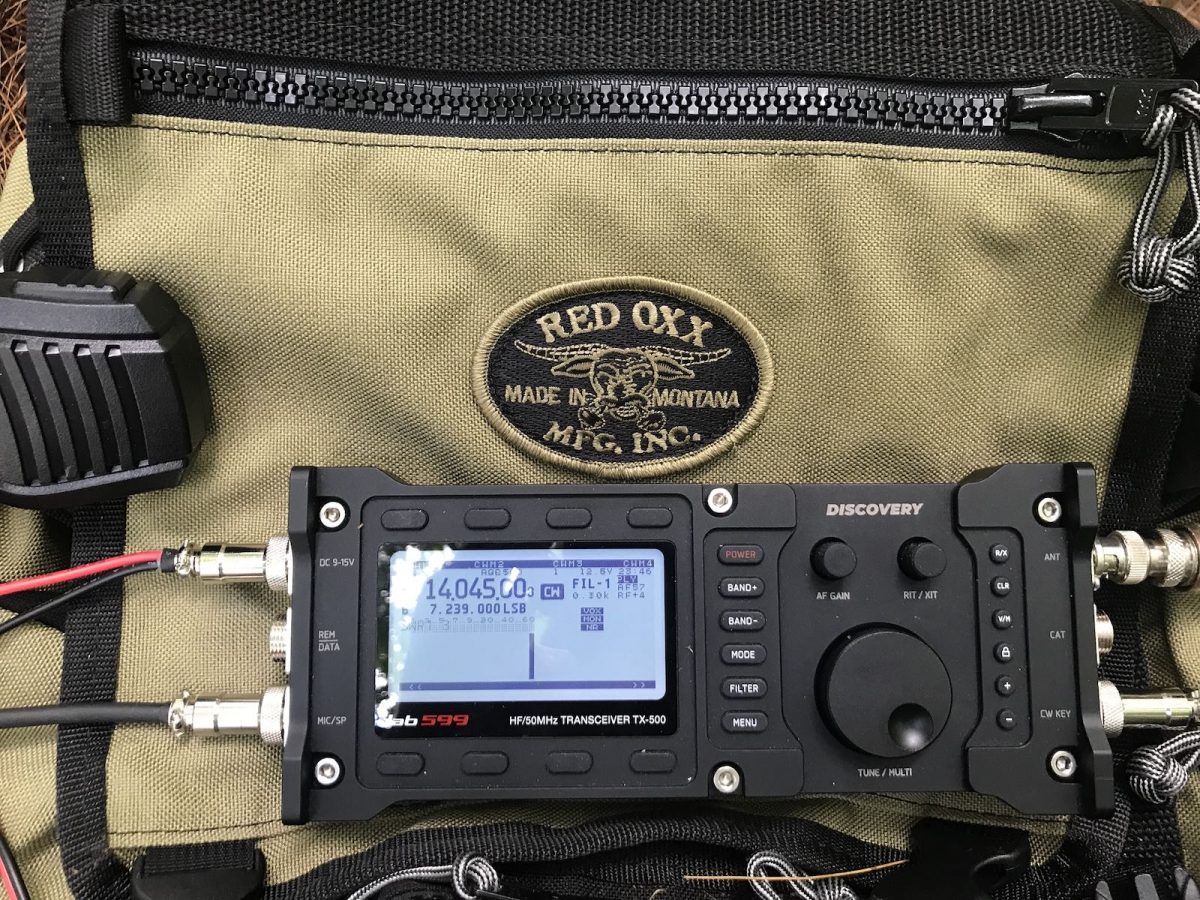
This TX-500 transceiver is on loan, so I haven’t built a custom field kit for it like I have with my other radios. To be on the safe side, I packed the rig and all of its accessories in my Red Oxx C-Ruck pack.

The C-Ruck is loaded with three antennas, two LiFePo batteries, DC distribution panels, extra adapters/connectors, and essentially everything I need to handle pretty much any field situation. I take it on every field activation when I can afford the space in my car/truck because it’s so complete and stocked, it’s like a mini shack in a bag complete with tools I might need in the field.

This radio bag was total overkill for a quick day hike into Pisgah National Forest and I did remove a few heavy items like a larger battery, my Wolf River Coils TIA vertical, and other extra accessories. But at the end of the day, my four-legged hiking partner (Hazel) and I both agreed that I would kick myself if I arrived on-site and realized I was short, say, one PL-259 to BNC connector.

Turns out, the C-Ruck was just what the doctor ordered. The TX-500 is so compact, it fit in the C-Ruck’s top flap pocket that holds my logging notepad. I used that top flap to strap down my folding three legged stool for the hike.

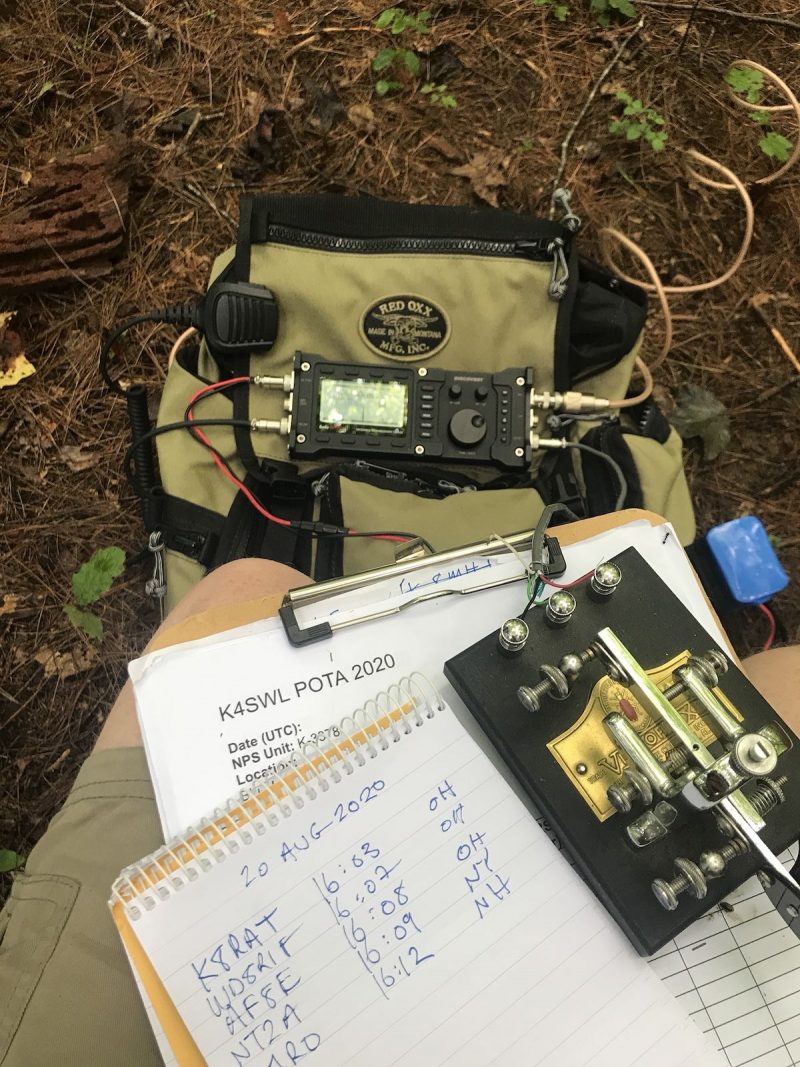
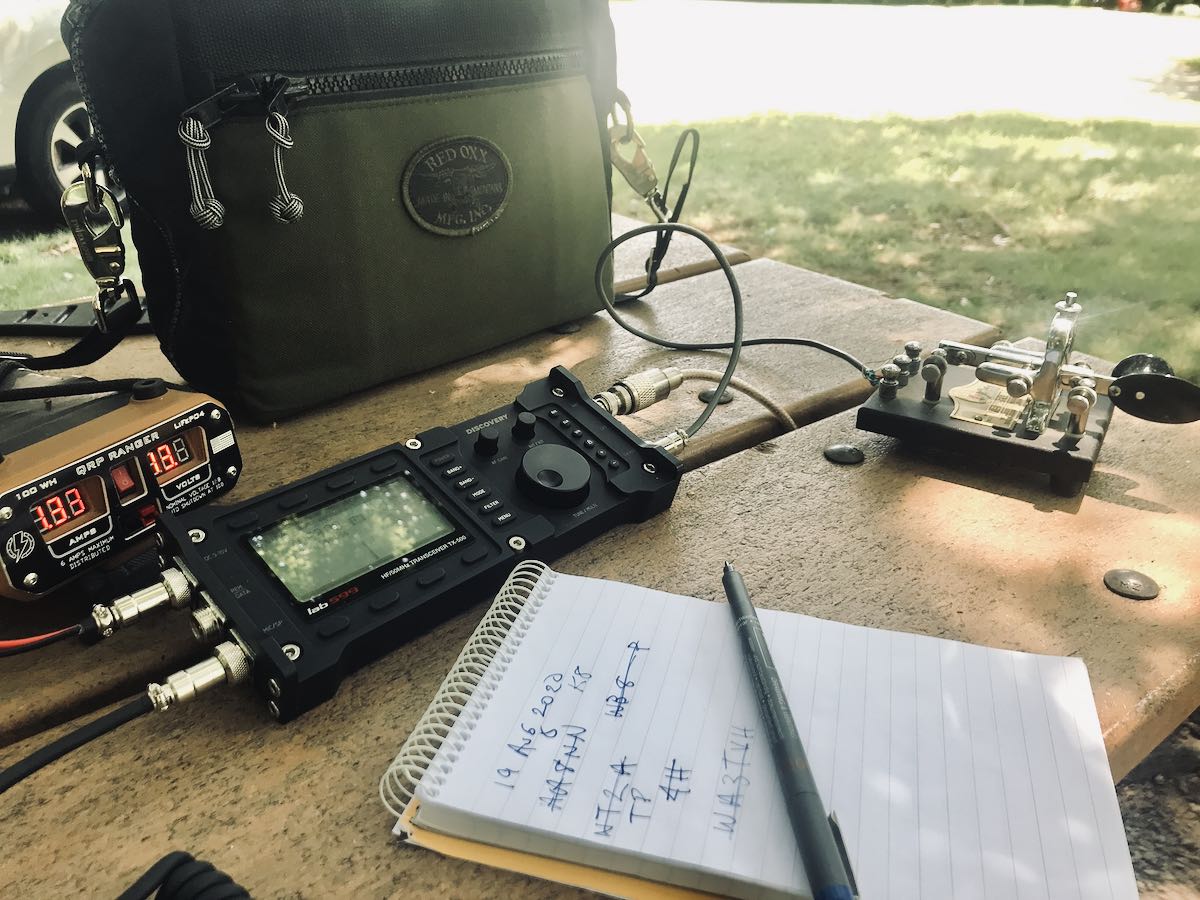
The best part was the C-Ruck made for a perfect field table! The front pocket of the pack (which contains supplies like a first aid kit, emergency tarp/sleeping back, protein bars, etc.) propped the TX-500 in place.

After finding a nice spot off-trail, I set up my EFT Trail-Friendly end fed antenna in short order, plugged it into the TX-500, plugged in my 6 aH Bioenno LiFePo battery, the TX-500 Speaker/Mic (which conveniently clipped o the C-Ruck top flap), and finally my homebrew CW key cable.

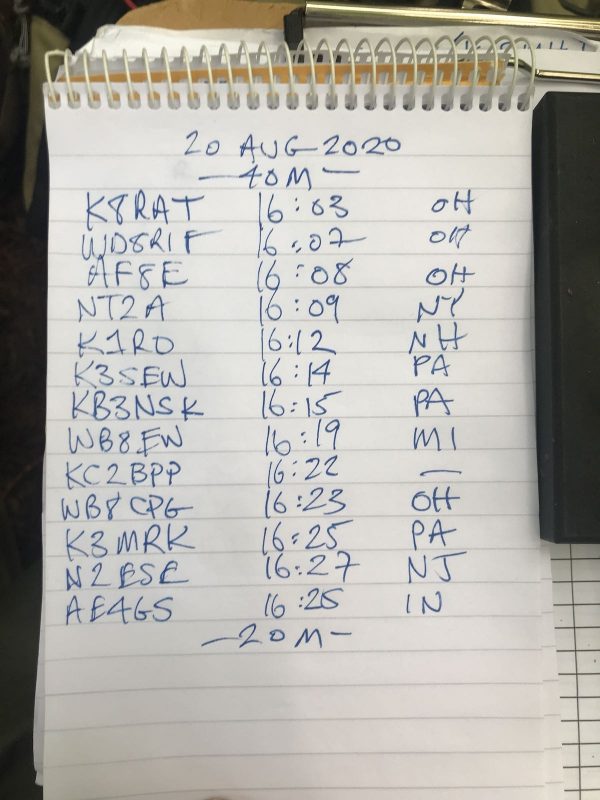
Since I had no mobile Internet service at this site–no surprise–I started the activation in CW which gave me the best opportunity to be auto-spotted by the Reverse Beacon Network (RBN) and for CW hunters to find me on the announced frequency via the POTA site.

I started calling CQ and was instantly rewarded with a string of contacts on 40 meters.

After working that small pile of hunters, I moved up to the 20 meter band, started calling CQ, and made this short video:

Shortly after making this video, I heard thunder nearby and had to pack up. I’d hoped to work a few stations on 20M in CW, then switch over to SSB and work more. I’m willing to tempt fate when it’s just rain, but I don’t play with lightening.

All in all, It was a very pleasant–although short–activation. Hazel and I really enjoyed the hike. Frankly both of us love any excuse to hit the trails or parks.

Hazel was more interested in squirrels than DX.

I’m finding that the TX-500 is a very sturdy and capable field radio with fantastic ergonomics.

This morning, I pulled out the scales and found that the radio, speaker/mic, and power cable all weigh in at 1 pound 9 ounces. That’s a lightweight kit by any standard.

Easy on batteries

Also, the TX-500 only seems to need about 110-120 milliamps of current drain in receive. That’s an impressive number for sure–right there with the benchmark Elecraft KX2. I’m pretty sure I could operate for hours with only my 6 aH LiFePo battery pack.

More to come

I still have the TX-500 for a week and hope to continue taking it to the field. I had planned to go out again today, but the weather forecast is dismal. Instead, I’ll chase some parks here in the shack!


Do you enjoy the SWLing Post?

Please consider supporting us via Patreon or our Coffee Fund!

Your support makes articles like this one possible. Thank you!

Radio Waves: Arecibo Damage, Airchecks, Remote Ham Exams, Kids Learning CW Through LI Club, and West Bengal Ham Confirms LRA36

Radio Waves:  Stories Making Waves in the World of Radio

Because I keep my ear to the waves, as well as receive many tips from others who do the same, I find myself privy to radio-related stories that might interest SWLing Post readers.  To that end: Welcome to the SWLing Post’s Radio Waves, a collection of links to interesting stories making waves in the world of radio. Enjoy!

Many thanks to SWLing Post contributors Ron, Dave Cripe, and Trevor R for the following tips:


A Broken Cable Has Wrecked One of Earth’s Largest Radio Telescopes (Vice)

The Arecibo Observatory, one of the largest single-aperture radio telescopes in the world, has suffered extensive damage after an auxiliary cable snapped and crashed through the telescope’s reflector dish.

The accident left a 100-foot hole in the observatory, which stretches 1,000 feet over a karst sinkhole in northern Puerto Rico. The cable broke at about 2:45 AM local time on Monday, but the cause of the failure remains unknown, according to the University of Central Florida, one of three institutions that operates Arecibo.

“We have a team of experts assessing the situation,” said Francisco Cordova, Arecibo’s director, in the UCF statement. “Our focus is assuring the safety of our staff, protecting the facilities and equipment, and restoring the facility to full operations as soon as possible, so it can continue to assist scientists around the world.”

Arecibo was the largest single-dish radio telescope in the world for decades, but it was bumped into second place in 2016 by the Five hundred meter Aperture Spherical Telescope (FAST) in China. Some radio observatories, such as the Very Large Array in Chile, consist of vast networks of antennas that take up far more space than Arecibo or FAST, but the latter telescopes are the largest facilities in the world that collect light in a single big dish.

Arecibo also suffered damage during Hurricane Maria in 2017, though it was nowhere near as debilitating as the wreckage caused by the broken cable.[]

The Ever-Evolving Role of Airchecks (Radio World)

Anyone who has deejayed in radio in the past 60 years knows about airchecks. They are as much a part of top 40 radio’s legacy as spinning Led Zeppelin’s “Stairway to Heaven” and exploiting its 8:02 running time for a much-needed bathroom break.

In top 40 terms, “an aircheck is an off-air recording usually intended to showcase the talent of an announcer or programmer to a prospective employer,” said Rick Burnett, former radio deejay and owner of TwinCitiesRadioAirchecks.com in St. Paul, Minn. “Additionally, the airchecks were used for self-critique and evaluation by radio management and for legal archiving of content that is broadcast over the air.”[]

Technology and Technique Making Ham Radio Testing Possible During Pandemic (ARRL News)

Amateur radio license testing continues during the pandemic, with a combination of remote Volunteer Examiner (VE) test sessions and careful in-person session planning. In Hawaii, VE Team leader and Section Manager Joe Speroni, AH0A, said he and his team passed the 100-candidate mark on August 10 for video-supervised remote test sessions. Speroni said the most recent session administered exams to 10 candidates simultaneously.

“Candidates from all Hawaiian Islands, Puerto Rico, Guam, and US military bases in Okinawa have had an opportunity to sit for licenses,” he told the ARRL Volunteer Examiner Coordinator. “The high pass rate of 95% is most likely due to candidates having had time to prepare for the exam.” Speroni also said his VEs’ willingness to contribute their time has made the program a success and available to a wide geographical range.[]

With kids stuck home, Long Island group teaches a ‘new’ hobby: Morse code (Newsday)

Even though Alana Bernstein of Manhasset is a 17-year-old high school senior, this spring she had to learn the alphabet all over again.

Bernstein signed up for a new, free Zoom course in Morse code created by a Long Island ham radio operators’ club to offer kids a chance to learn a new skill and stay occupied during the pandemic.

“This is a good opportunity for me to connect with people around the world, make some Morse code friends and have some fun,” Bernstein says. She finished the beginner course and is now taking a summer intermediate course that meets Mondays, Wednesdays and Fridays.

The program has reached 125 children in kindergarten through high school since it launched in March, says Alana’s father, Howard Bernstein, 68, of Manhasset. He cofounded the Long Island CW Club — the CW standing for continuous wave — in 2018 with Rich Collins, 57, a UPS driver from Hicksville. The men are known by the call signs WB2UZE and K2UPS respectively when they’re on the air.[]

Radio ham picks up Argentine Antarctic base signal (Southgate ARC)

New Delhi Television (NDTV) reports a radio amateur in West Bengal received a signal from the Argentinian base in Antarctica

They say:

An amateur radio operator from West Bengal, who intercepts radio signals from far away countries as a hobby, received one from Antarctica, the southern tip of the globe, over 11,835 km away.

The feat of 65-year-old Babul Gupta is unique as it is the first successful DXing – receiving and identifying distant radio signals – with Antarctica from the state in recent memory, Secretary of West Bengal Radio Club Ambaresh Nag Biswas VU2JFA told PTI on Thursday.

Babul Gupta, a member of the club, received a radio transmission from a camp set up by an Argentine team of scientists in Antarctica when he was in Bakkhali, a seaside spot in the South 24 Parganas district, on August 8, he said.

“The transmission was made from LRA 36 camp. It was transmitted from the scientists’ camp in South Pole. I sent the recording of the audio to the Argentine team via email,” Mr Gupta said.

The Argentines have sent an acknowledgement citation to Babul Gupta referring to his tracking their radio signal on 15.476 kHz.

Read the full story at
https://www.ndtv.com/india-news/amateur-bengal-ham-radio-operator-intercepts-signal-from-antarctica-camp-2282700

A picture of Babul Gupta’s receiving station can be seen at
https://www.pinterest.co.uk/pin/358599189055138206/[]


Do you enjoy the SWLing Post?

Please consider supporting us via Patreon or our Coffee Fund!

Your support makes articles like this one possible. Thank you!

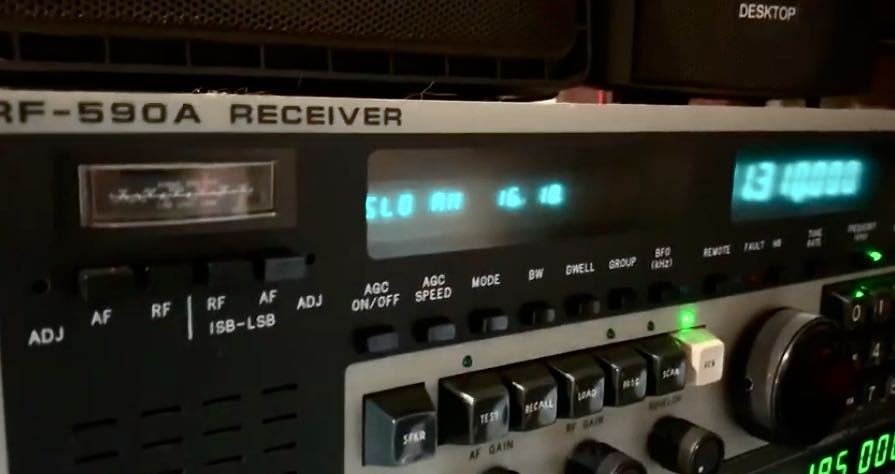
Nick compares the Icom R9000, Harris 590, WJ 8711, and Racal 6790

Many thanks to SWLing Post contributor, Nick Booras, who shares the following video and notes:

As a SW listener and radio collector I have enjoyed many hours perusing your blog and reviews. I recently started posting YouTube videos of some of my collection and thought you and your viewers might find them interesting. Please take a look at my youtube channel – dieselten01

My most recent vid included some pretty cool older surveillance type receivers.

Those are fabulous receivers! Thank you for sharing your video, Nick! Click here to check out Nick’s YouTube channel.

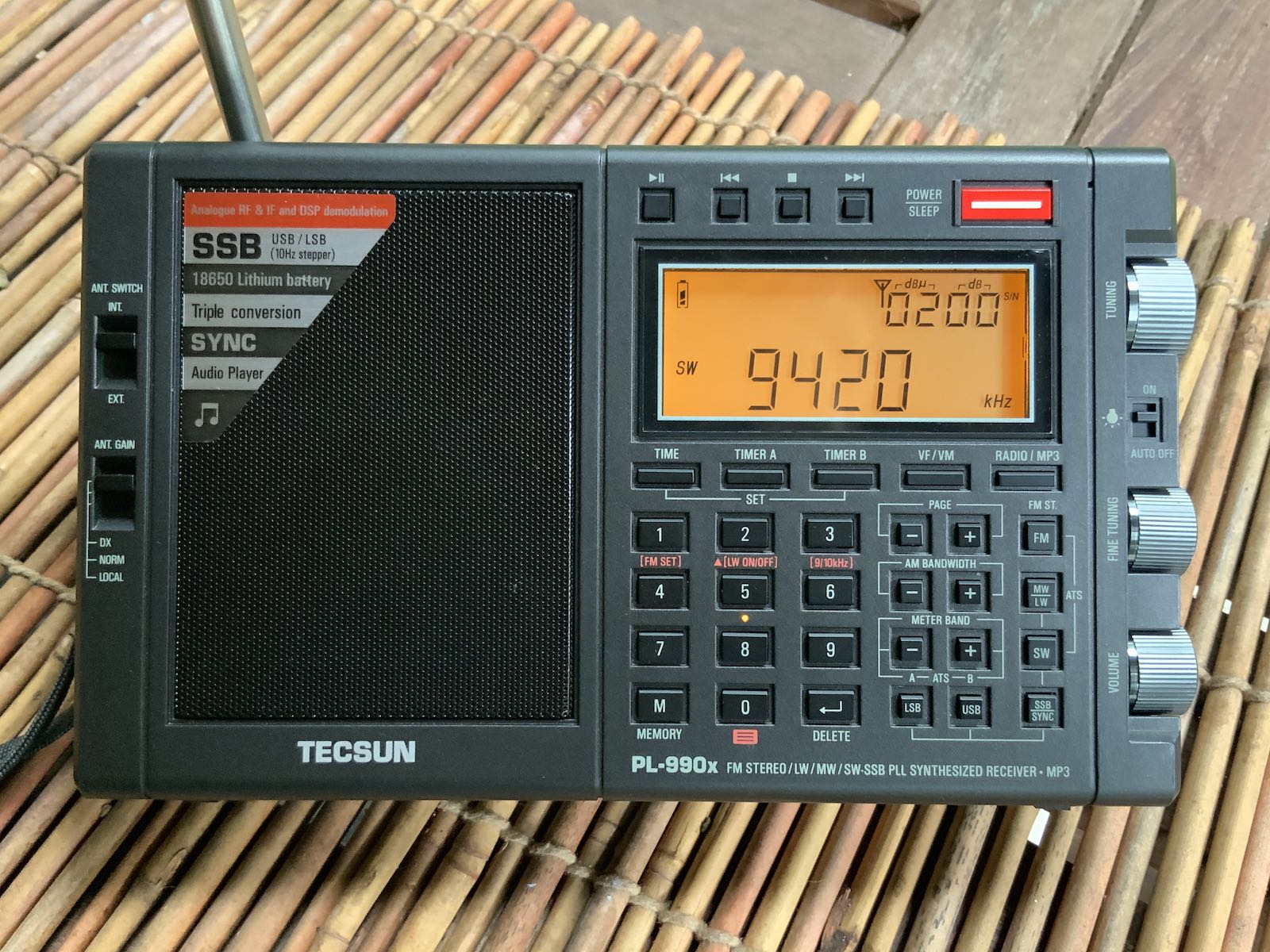
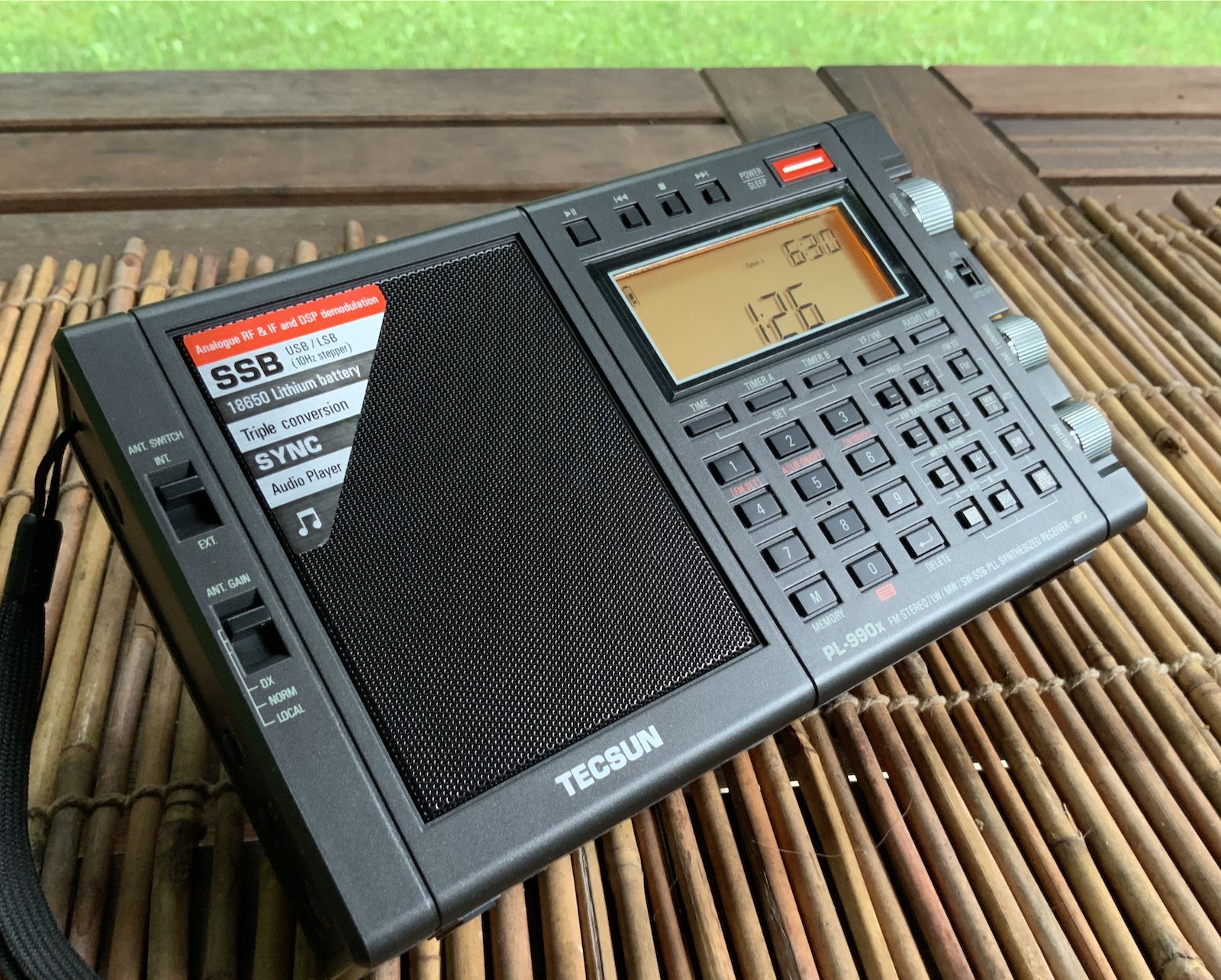
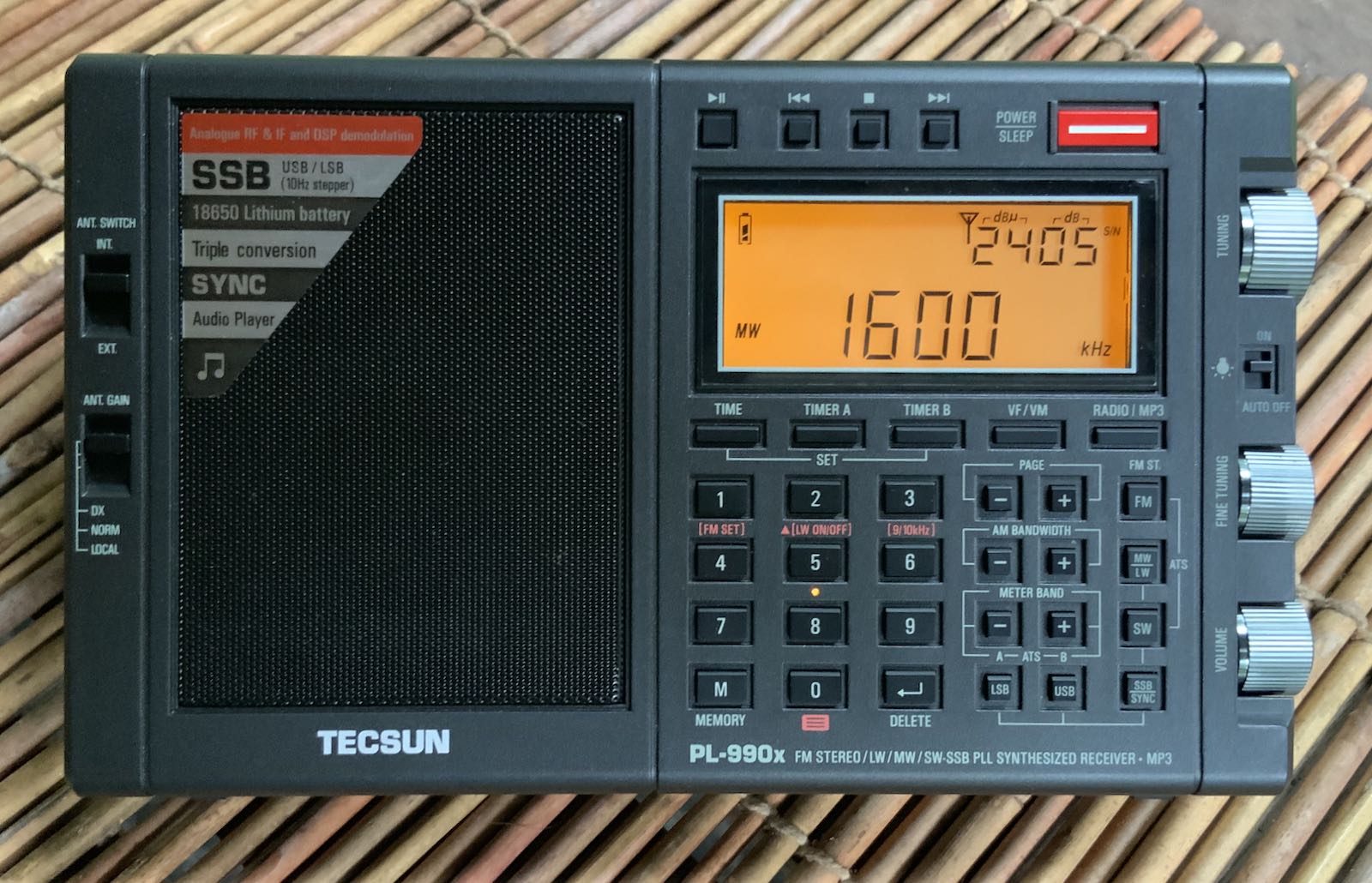
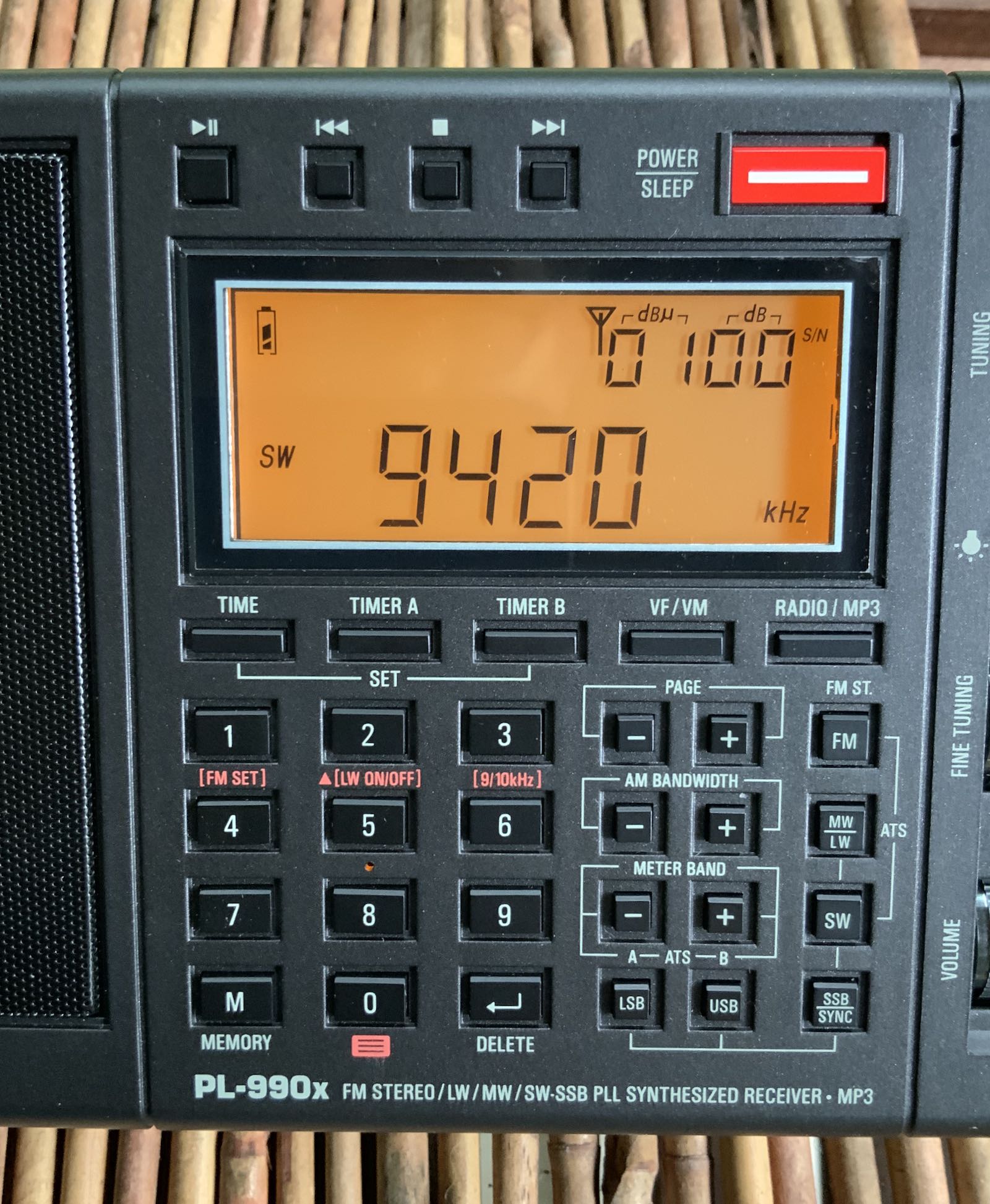
Detailed photos of the Tecsun PL-990x and difference between it and the PL-990

This week, I received a pre-production unit of the Tecsun PL-990x.

You might have noticed the “x” in the model number which is used to specify the particular model that will be exported and distributed by Anon-Co.

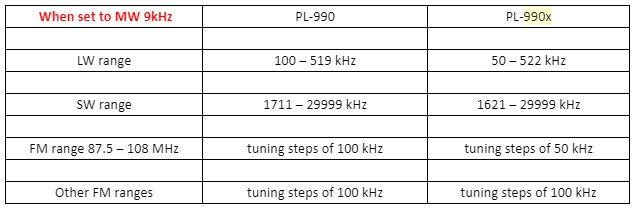
It’s my understanding that the PL-990x is essentially the same as the PL-990 when the MW tuning steps are set to 10 kHz. When set to 9 kHz steps, however, it differs. I was sent the following chart showing the differences between the models:

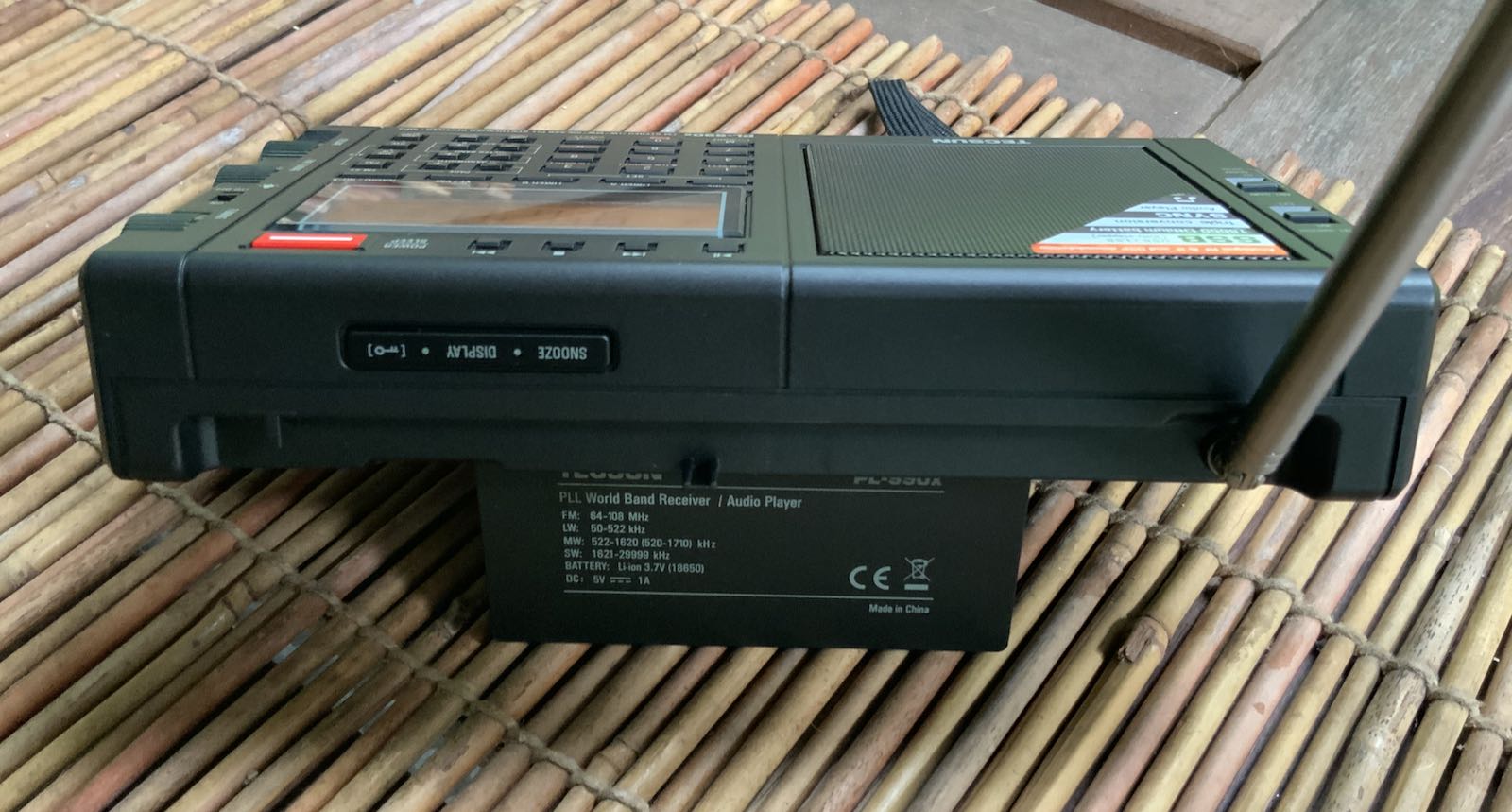
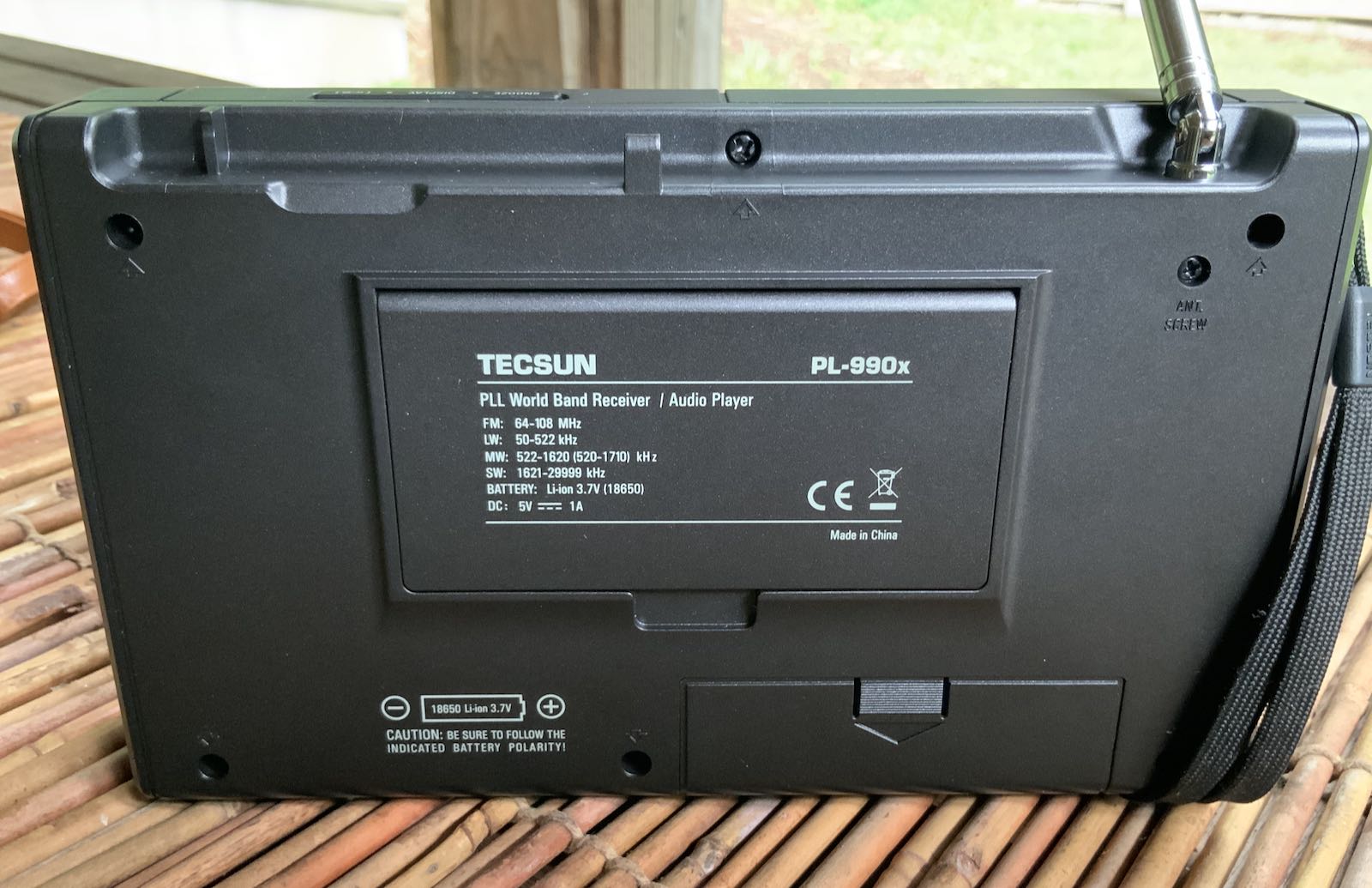
PL-990x photos

Click to enlarge the following photos:

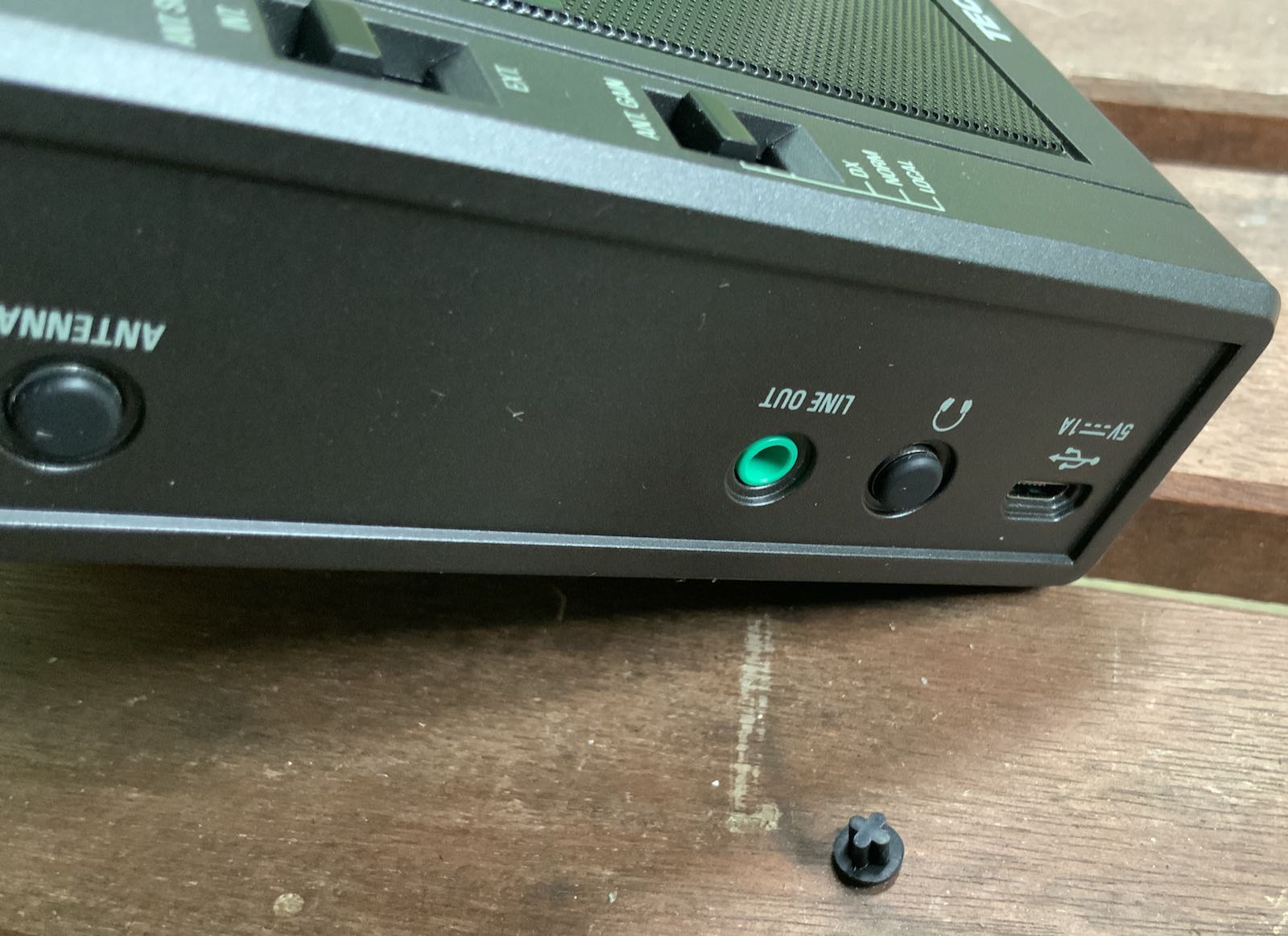
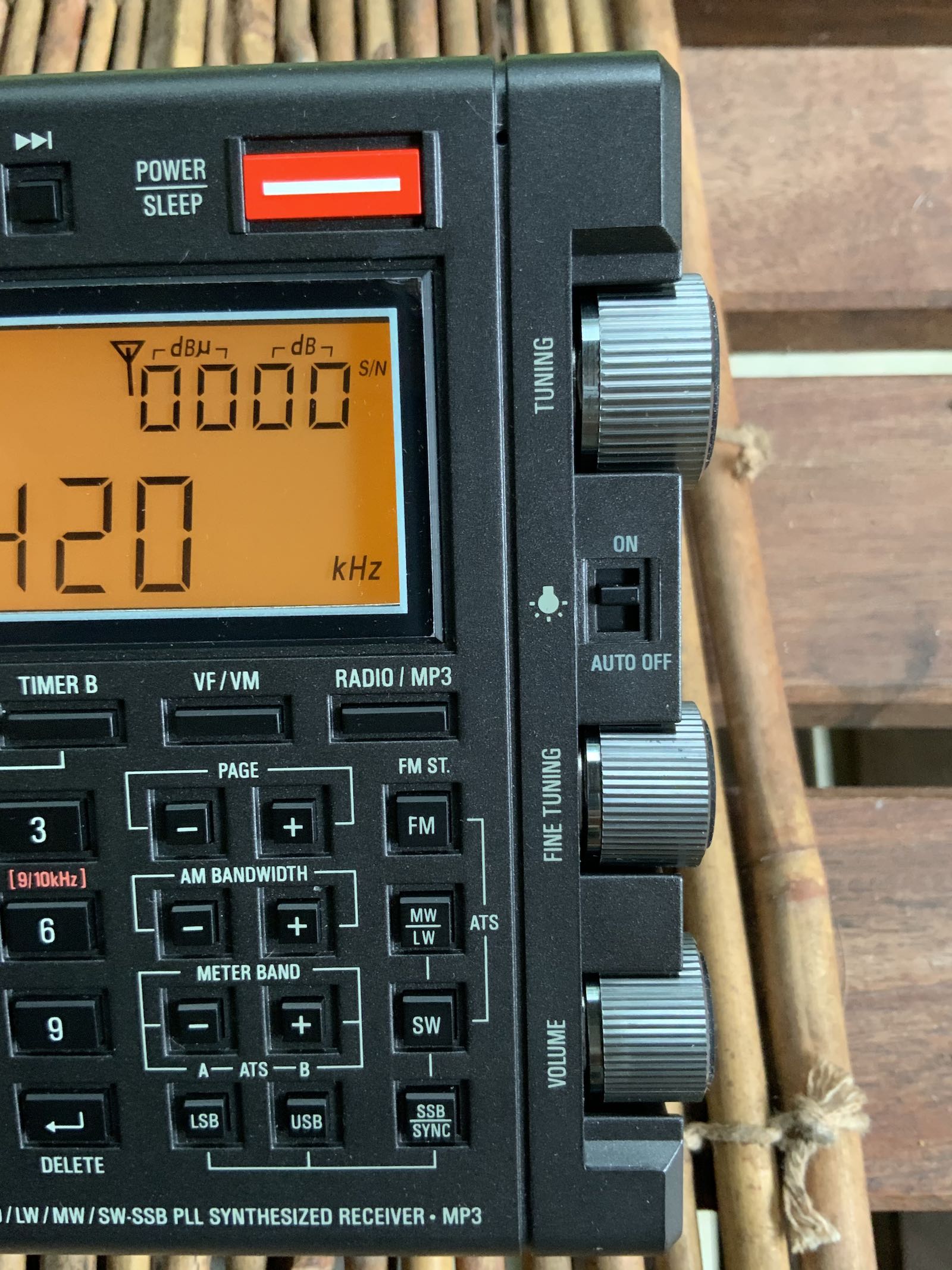
The side ports have small, protective inserts installed. They’re tiny and not attached in any way to the chassis so could be easily lost.

They can be a bit finicky to put back in as well. I’m sure I’ll simply remove the one from the headphones port permanently and leave the others in.

It’s a nice option to keep unused ports free of dust and dirt.

The radio comes with rubber pads installed on the tuning, fine-tuning and volume knobs. This does add a little extra grip while rotating the knobs, but I don’t personally think they’re necessary. Fortunately, they’re very easy to remove if you don’t like them.

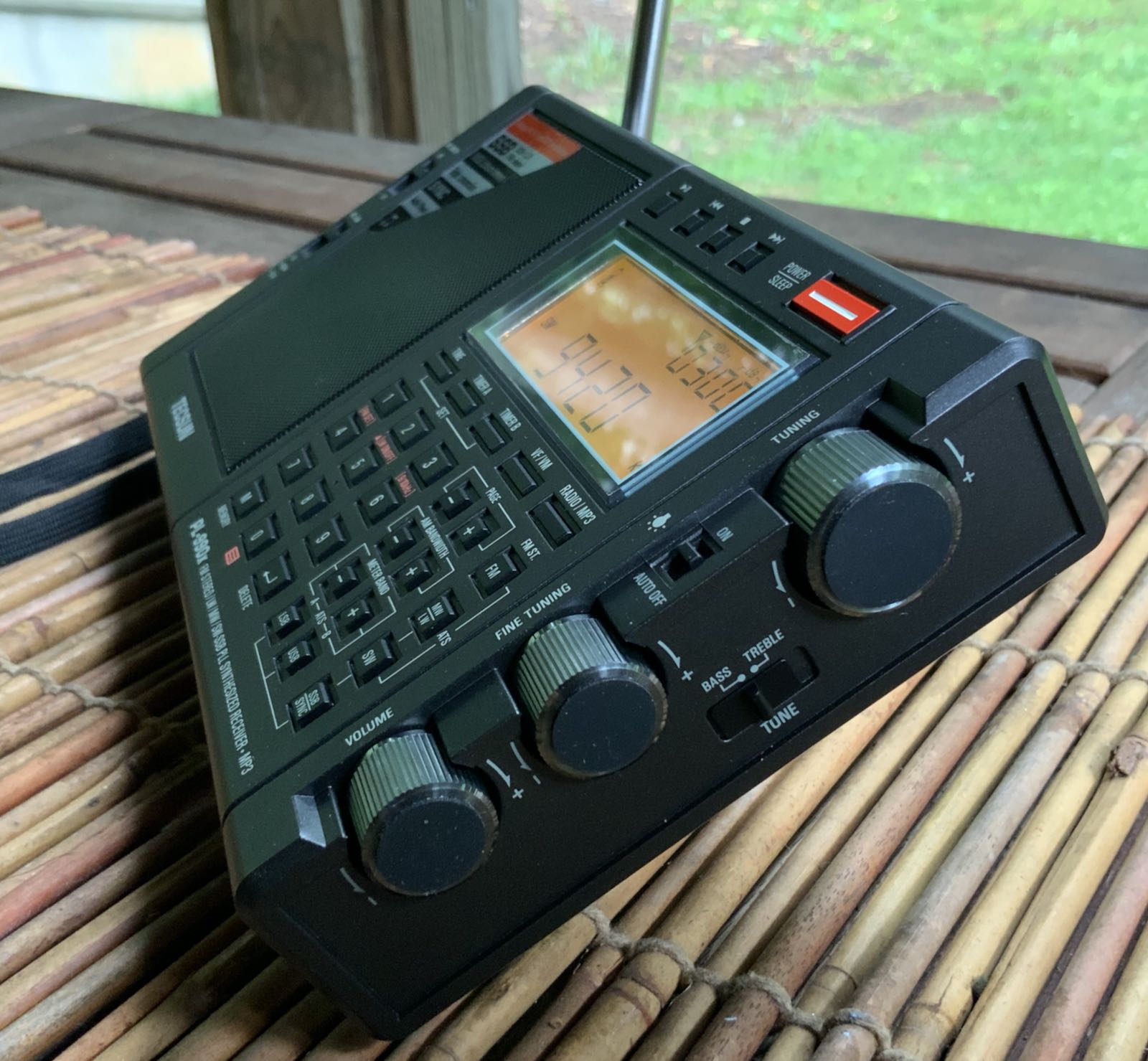
Another thing I love about the PL-990 are the dedicated mechanical switches on the front of the radio for functions like antenna switching, gain/attenuation, and back lighting:

The keypad layout is very logical and in keeping with previous Tecsun models.

I’ll soon be putting the PL-990 through the paces! So far, I’m very impressed with the build quality and built-in speaker audio. I’ve yet to properly evaluate performance.

Funny: I’ve been so eager to check out both the PL-990 and the lab599 TX-500. Both have been held months up due to the Covid-19 pandemic. This week, on the same day, I received them both. For a radio geek like me, it’s almost overwhelming.

Stay tuned–there’s much more to come!

(Also, check out George’s recent PL-990 review!)


Do you enjoy the SWLing Post?

Please consider supporting us via Patreon or our Coffee Fund!

Your support makes articles like this one possible. Thank you!

Let’s hit the field with the new lab599 TX-500 Discovery QRP transceiver!

Yesterday, I took delivery of a lab599 TX-500 Discovery QRP transceiver. Many thanks to Josh at Ham Radio Crash Course for shipping it here and Ham Radio Outlet for trusting me with this fine machine for the next couple of weeks.

I’ve been looking forward to this day for months–indeed, nearly a year.

A few initial impressions…

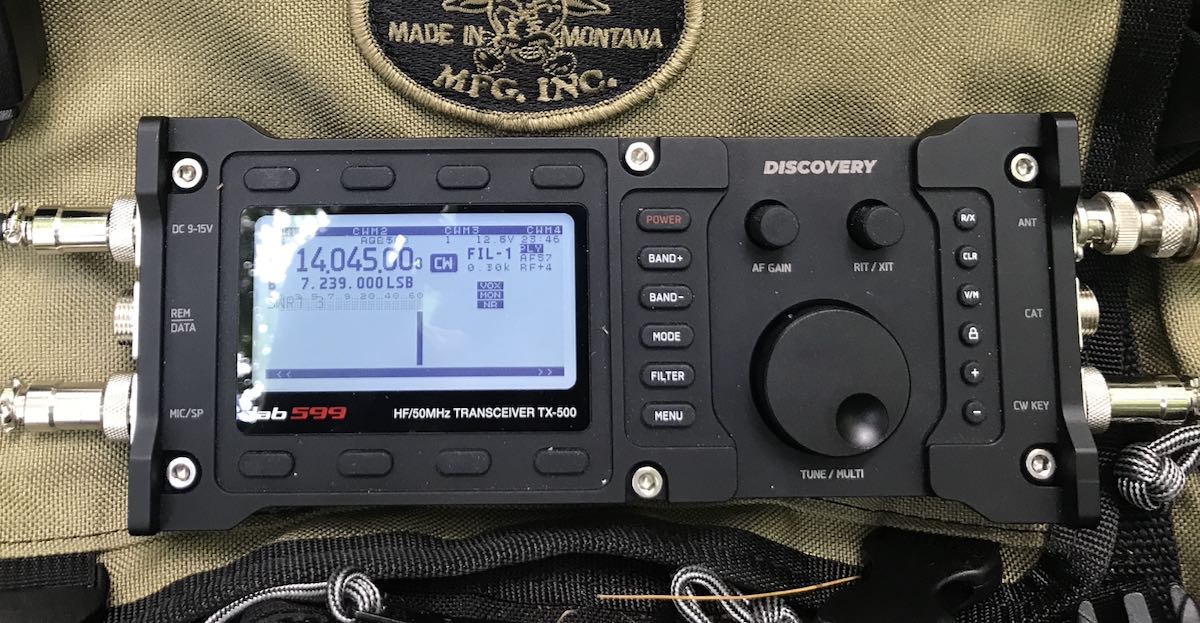
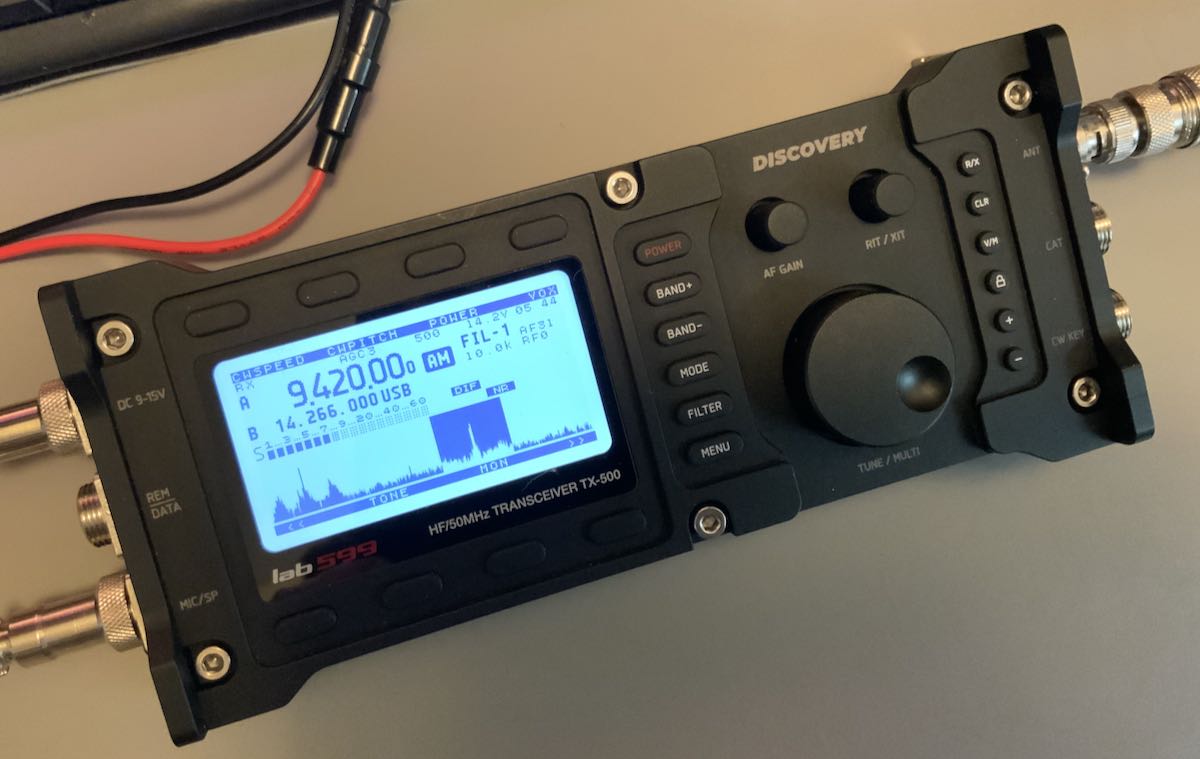
I won’t lie: the TX-500 is a gorgeous little transceiver and it’s solid.

The form factor is even a little smaller and lighter weight than I had imagined. I thought the multi-pin connectors on the side panels were the same size as, say, an XLR connector. Turns out, they’re much smaller and quite easy to use.

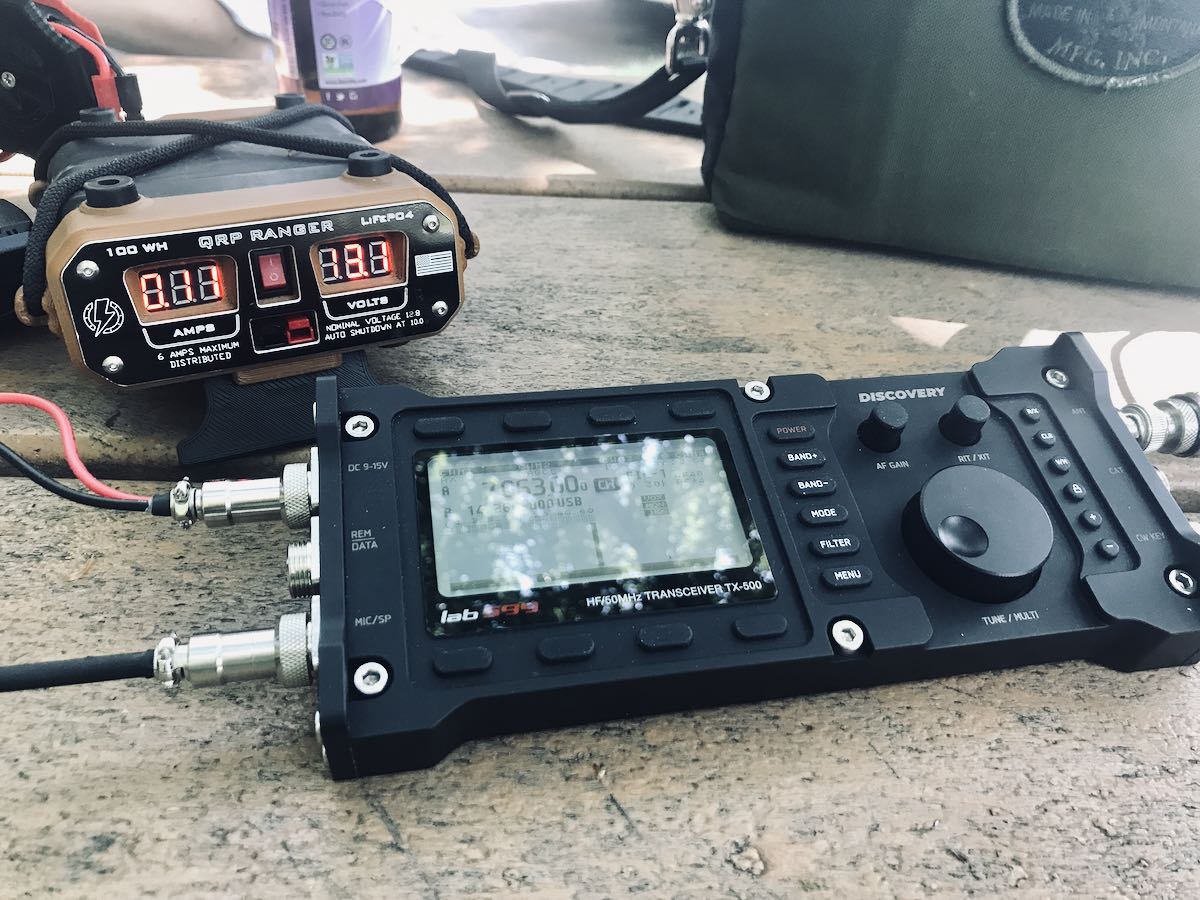
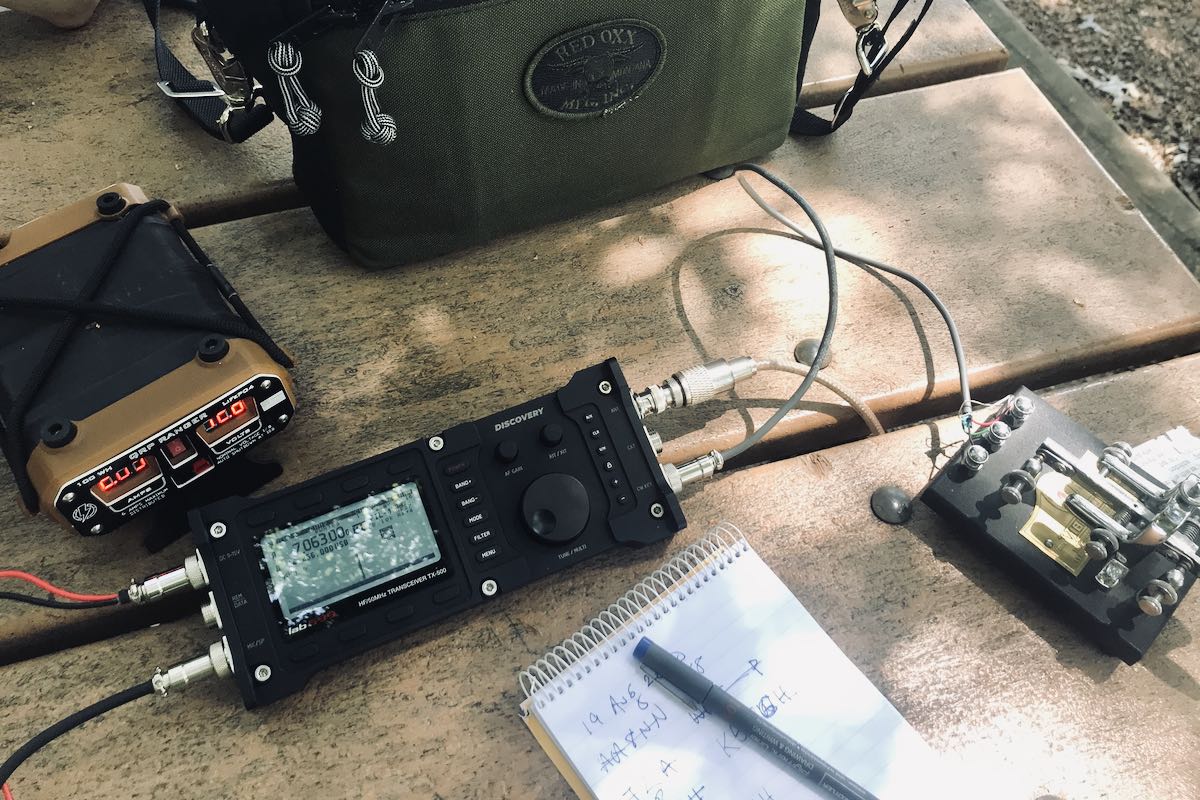
To put the TX-500 on the air, you’ll need to connect a minimum of three things: the power cable (terminated with Anderson Power Poles on the battery side), an antenna (BNC), and the speaker microphone. The TX-500 has no built-in speaker.

That’s all you’ll need if operating SSB. If operating CW, of course you’ll need to connect your key, but you’ll still need the speaker/mic connected for audio. That does make for quite a few things connected to the radio all at once.
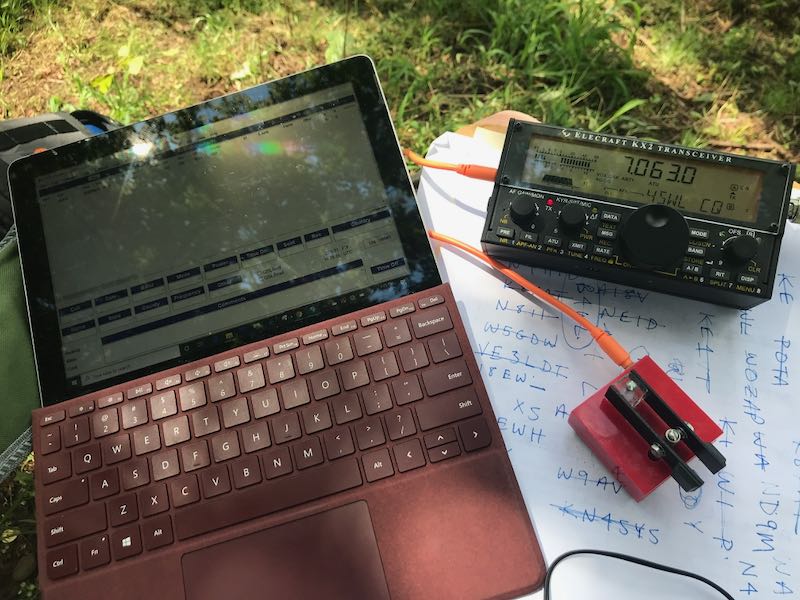
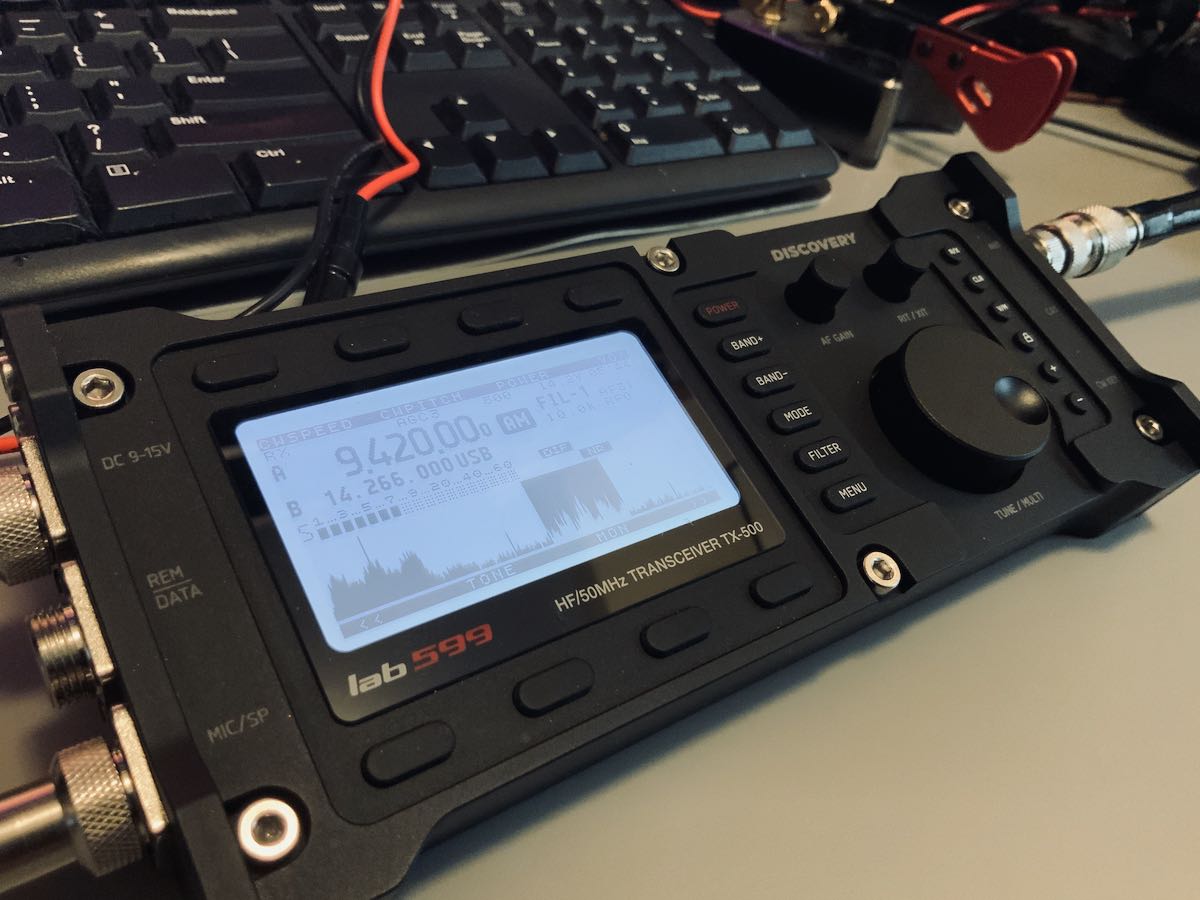
The backlit display is high-contrast and easy to read indoors and in full sunlight. (And yes, that’s the Voice of Greece!)

In the spirit of full disclosure, I am not a fan of speaker microphone combos, but I’ll readily admit that the one with the TX-500 is about as good as they come. It feels durable and produces serious volume. The audio fidelity is obviously built around voice and CW, so it’s not ideal for HF broadcast listening, although it does have an external mono speaker port on the side of the mic.
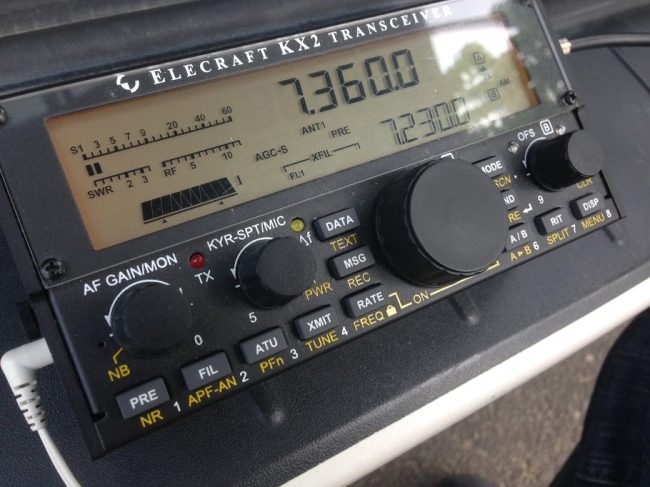
If I owned this TX-500, I would order another speaker/mic 6 pin connector and build a headphone cable for broadcast listening and CW use. An easy fix.

For SSB though? The provided speaker/mic works. Indeed, it works quite well in the field because it’s so easy to hear.

There’s so much more to this radio, but I’ll save that for future posts and my full review. Let’s talk code…

Attaching a key

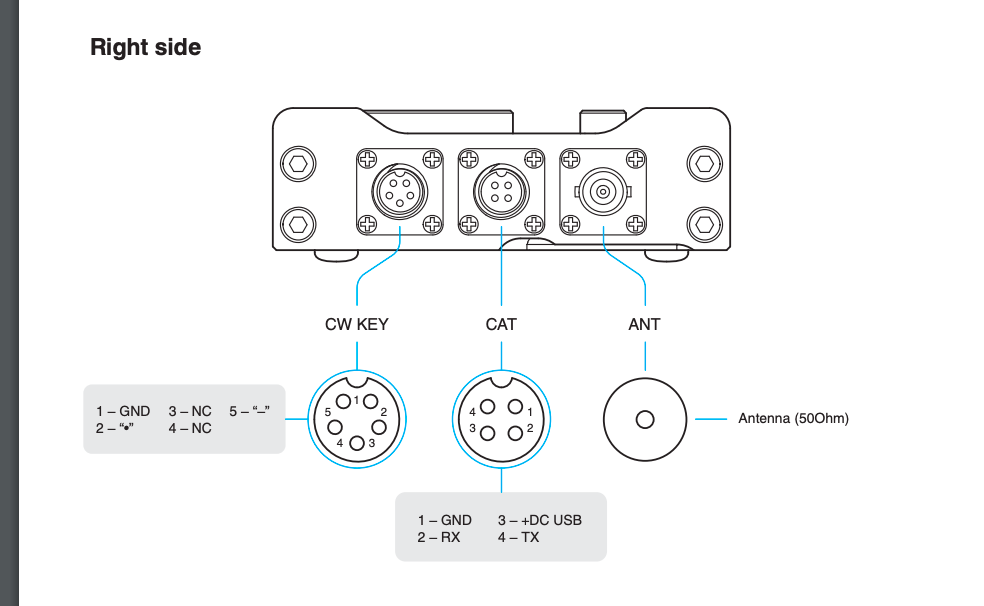
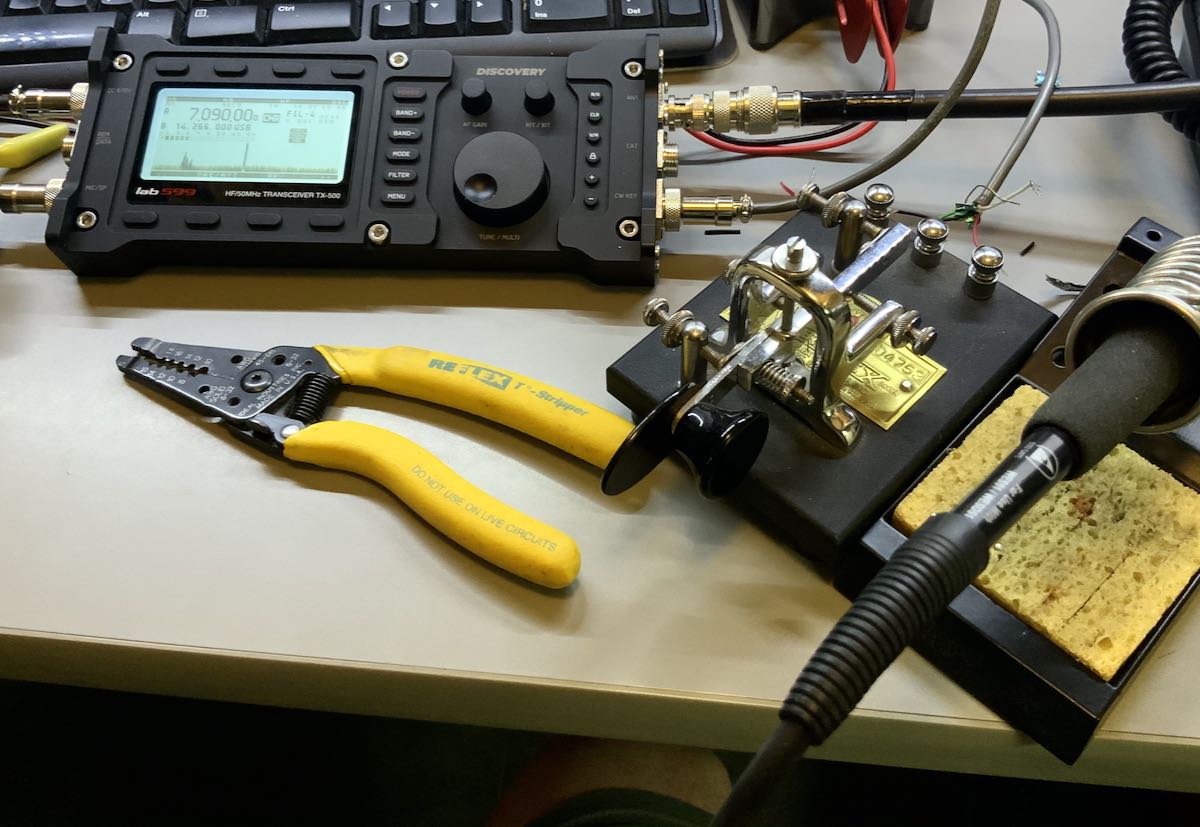
This morning, the first thing I did was fire up my soldering iron and make a CW paddle cable. (I hope HRO doesn’t mind–I didn’t exactly think to ask. Come to think of it, let’s just keep this between us, ok?). I soldered three wires to the supplied 5 pin connector (pins 1, 2, and 5).

To keep things simple, I hooked the TX-500 up to my Vibroplex single lever paddle which sports three terminals, making it easy to connect to the CW cable pigtail. Plus, heck, any excuse to play with the Vibroplex, right!?

CW

I was so eager to see how the TX-500 would perform on CW, that immediately after hooking up the key the first time, I checked POTA spots and worked two stations (WR8F in Ohio and NG5E in Texas) in rapid succession. Here’s a video of the exchange with NG5E:

Note that I used my iPad to make this video and, for some reason, the mic accentuated the clicking/clacking of my Vibroplex key. It’s not normally that pronounced. 🙂

CW memory keying

One of my complaints about the TX-500 when I read the final feature list a couple weeks ago was that it lacked CW memory keying. To me, this was a major negative because many POTA and SOTA activators rely on CW keyer memories to help with their logging workflow in the field. I certainly do.

lab599 must have been listening because I found out last week that they implemented CW memory keying in the most recent beta firmware update. Woo hoo!

I was sent the firmware file and this morning had no issues installing it in the TX-500 with the firmware application/tool.

After I sorted out how to record and play back the CW memories using the top row of function buttons, I was ready to hit the field!

I packed the TX-500, and headed to the Blue Ridge Parkway for a POTA activation!

CW POTA activation

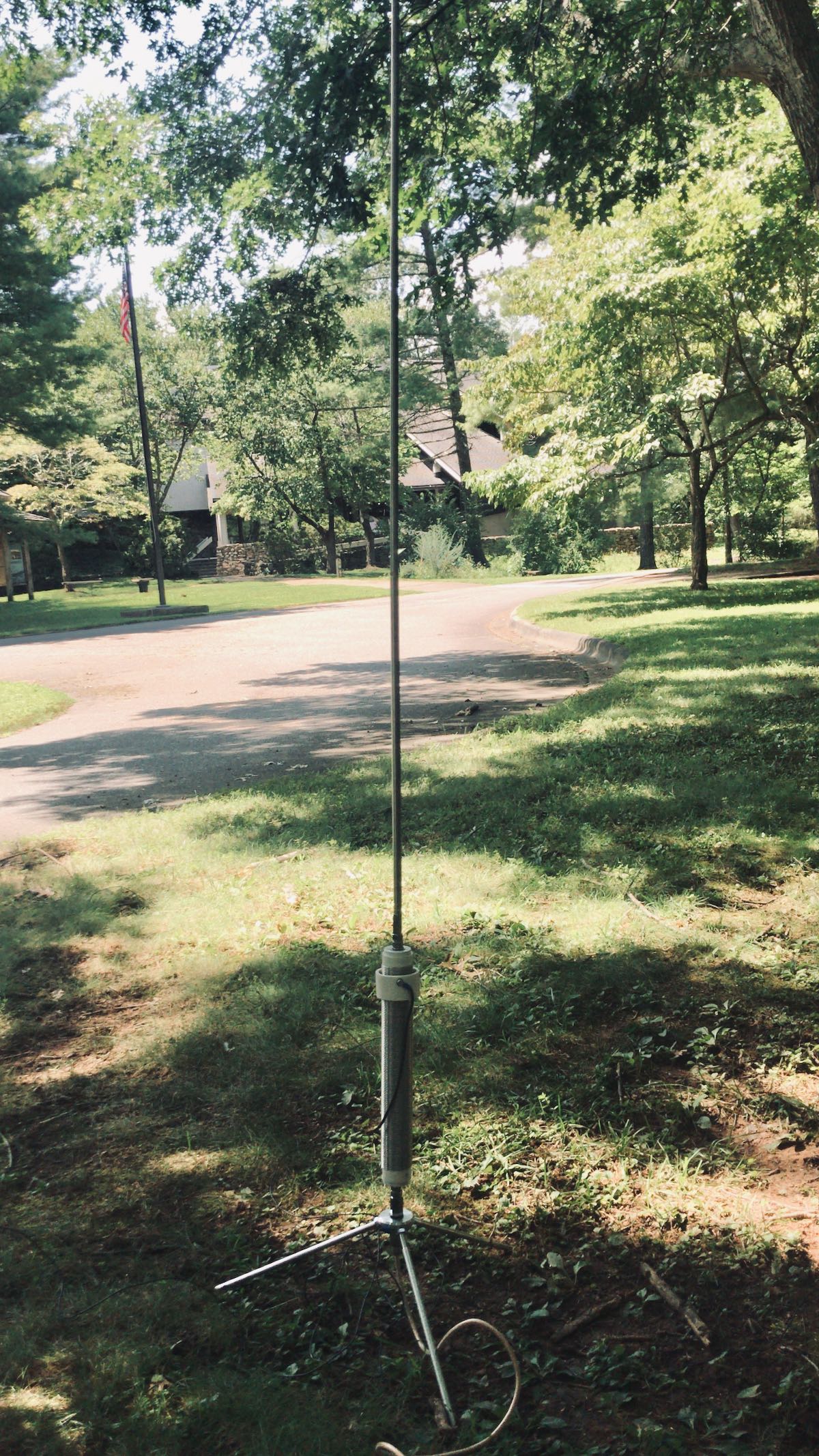
I only had a brief period of time to fit in an activation today, so I kept it simple by going to the Folk Art Center which has a number of picnic tables. A park ranger once asked that I not hang an antenna in a tree at this particular site, so I used my Wolf River Coils TIA portable vertical antenna.

The Wolf River Coils TIA

Truth is, I feel like I always get more mileage out of a wire antenna than a vertical when running QRP, but I worked with what I had.

I started calling CQ on 7063 kHz and within 10 minutes worked five stations.

The CW memory keyer worked well. There is currently a two second delay before the TX-500 begins transmitting, but I’m guessing that can be fixed in a future firmware update.

Here’s a short video of the TX-500 memory keyer in action:

The TX-500 uses a relay to switch between transmit and receive, so you can hear clicking in the background. I had the recovery time set to the shortest interval which resulted in the maximum amount of clicking. Good news is the TX-500 body is so solid, the clicking is quite soft and muted–about the softest clicking I’ve ever heard in a transceiver. You could, of course, minimize relay clicks by setting the T/R delay to a higher number.

I’m very impressed with the TX-500’s low noise floor and filtering. Signals just seem to pop out of this thing.

I played radio for a while longer but was eventually chased off by a thunderstorm.

I must admit: for the first time, I wasn’t terribly worried if it started raining and the radio got a bit wet. The TX-500 is weather-resistant so can certainly cope with a sprinkle.

More to come!

I’ve set a personal goal to take the TX-500 to the field seven days in a row. I’m not entirely sure that’s realistic as I see the amount of thunderstorm activity in the forecast. Still, one must have goals, right? Plus, any excuse to hit the field and play radio!

Please comment if you have questions about the TX-500. I’ll do my best to answer as many as I can!


Do you enjoy the SWLing Post?

Please consider supporting us via Patreon or our Coffee Fund!

Your support makes articles like this one possible. Thank you!

Take the field and abandon the radio noise!

The most common complaint I hear from new SWLing Post readers is that they can’t hear stations from home on their receivers and transceivers. Nine times out of ten, it’s because their home environment is inundated with man-made electrical noises often referred to as QRM or RFI (radio frequency interference).

RFI can be debilitating. It doesn’t matter if you have a $20 portable radio or a $10,000 benchmark transceiver, noise will undermine both.

What can you do about it?

Since we like to play radio at home, we must find ways to mitigate it. A popular option is employing a good magnetic loop receive antenna (check out this article). Some readers find noise-cancelling DSP products (like those of bhi) helpful when paired with an appropriate antenna.

But the easiest way to deal with noise is to leave it behind.

Take your radio to a spot where man-made noises aren’t an issue.

Field radio

If you’ve been reading the SWLing Post for long, you’ll know how big of a fan I am of taking radios to the field–both transceivers and receivers. Not only do I love the great outdoors, but it’s the most effective way to leave RFI in the dust.

Sunday was a case in point (hence this post).

Let’s be clear: I blame Hazel…

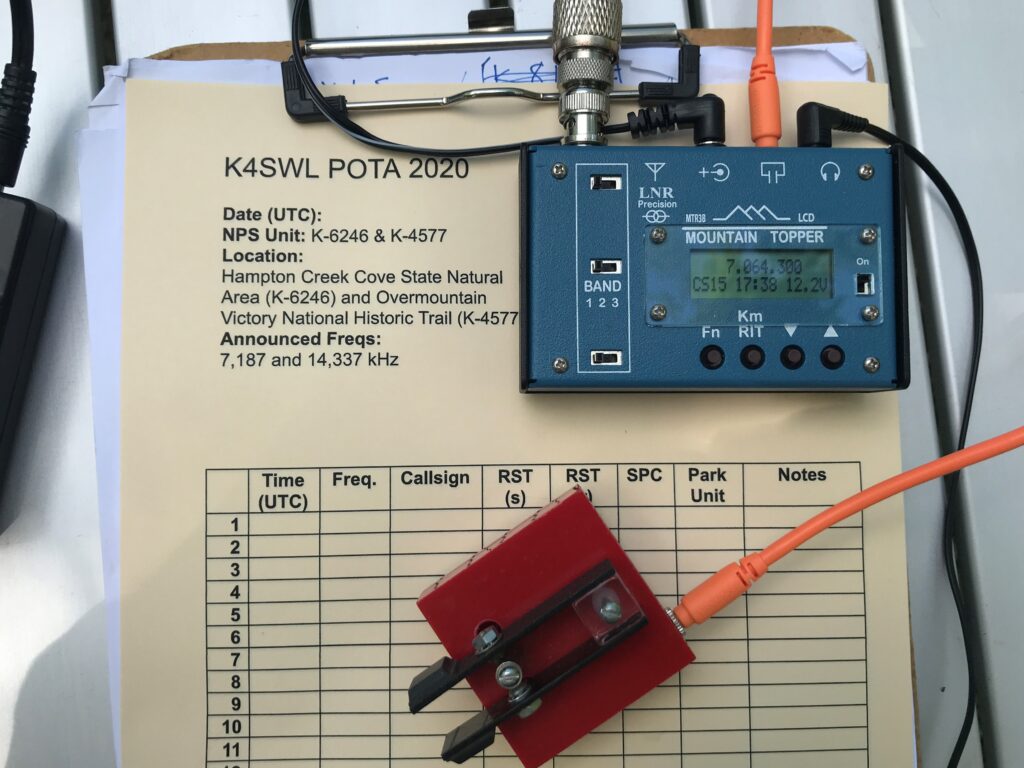
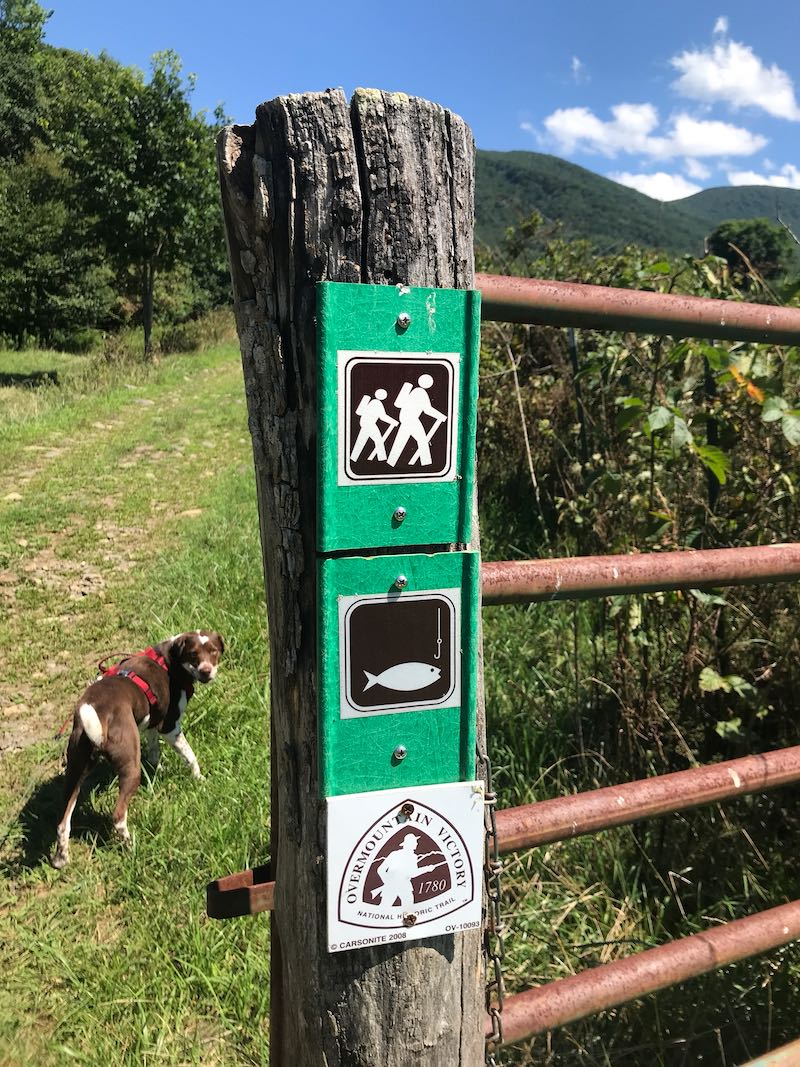
Last week, I did a Parks on the Air (POTA) activation of Hampton Creek Cove State Natural Wildlife Area in Tennessee. It’s a beautiful area with a fantastic hiking trail (the Overmountain Victory Trail) in a relatively remote/rural area.

About 5 minutes before Hazel’s cow patty fun.

My family had a great time at the site–we enjoyed a picnic and I played radio–but Hazel (our trusty canine companion) decided to roll in a cow patty during our hike. Hazel thought it smelled wonderful. Her family? Much less so. And all five of us were staring at a two hour car ride together.

Fortunately, my wife had a bottle of bio-degradable soap we use while camping, so I washed Hazel in Hampton Creek. (Turns out, Hazel didn’t mind that nearly as much as getting washed at home in the tub.)

In all of the commotion I forgot to take my EFT Trail-Friendly antenna out of the tree. Doh!

The EFT Trail-Friendly antenna is incredibly compact and quite easy to deploy.

The EFT is my favorite field antenna for POTA activations. It works so well and is resonant on 40, 20 and 10 meters. With an ATU, I can also tune any bands in between. I’ve deployed this antenna at least 130 times in the field and it was still holding up.

I was bummed. Hampton Creek is nearly a four hour round-trip from my home. Was it worth the trip to rescue my antenna?

Fast-forward to Sunday: my amazing wife actually suggested we go back to Hampton Creek Cove on Sunday and also check out nearby Roan Mountain State Park. Would my antenna still be in the tree? Hopefully.

Whew! Still hanging out!

Fortunately, my antenna was still hanging there in the tree as I left it the week before. I was a little concerned the BNC end of the antenna may have gotten wet, but it was okay.

Mercy, mercy, so little noise…

I turned on my Elecraft KX2 and plugged in the antenna. Oddly, there was very little increase in the noise level after plugging in the antenna. That worried me–perhaps the antenna got wet after all? I visually inspected the antenna, then pressed the “tune” button on the KX2 and got a 1.4:1 SWR reading. Then I tuned around the 40 meter band and heard numerous loud stations.

What was so surprising was how quiet the band was that day (this time of year the 40M band is plagued with static crashes from thunderstorms).

Also, there were no man-made electrical noises to be heard.  This allowed my receiver to actually do its job. It was such a pleasure to operate Sunday–no listening fatigue at all. Later on, we set up at Roan Mountain State Park and did an activation there as well. Again, without any semblance of RFI.

When I’m in the field with conditions like this, I always tune around and listen to HF broadcast stations for a bit as well. It’s amazing how well weak signals pop out when the noise floor is so incredibly low.

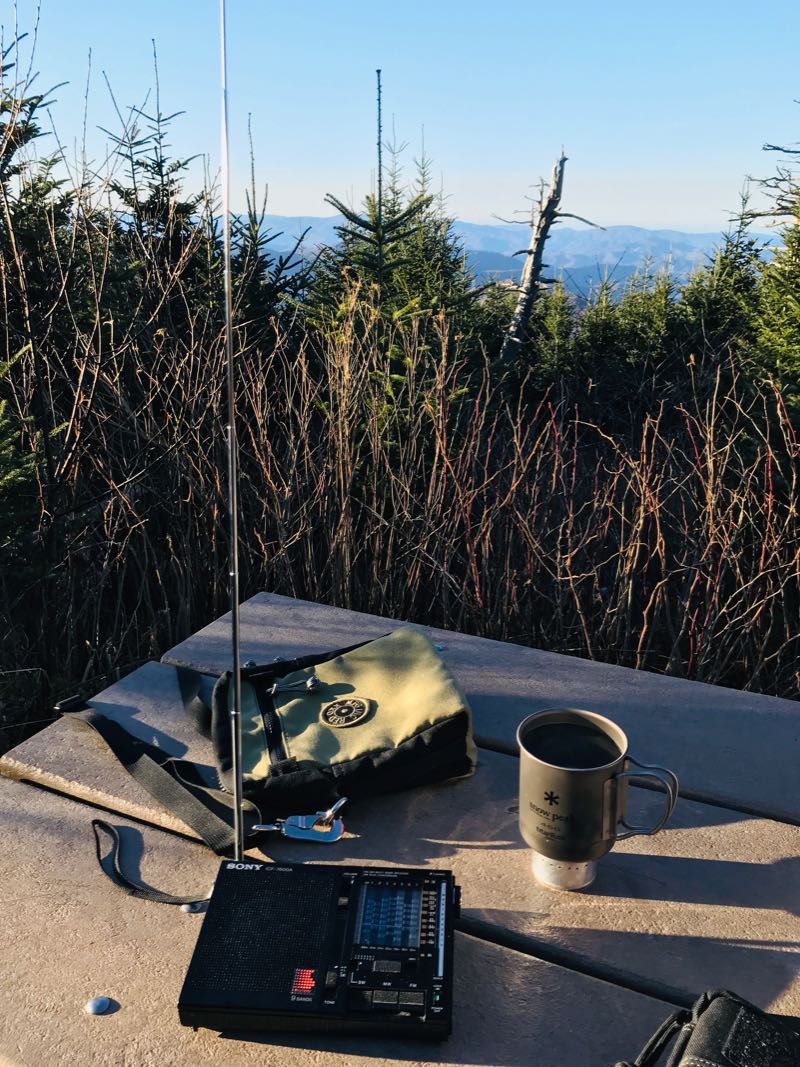
It takes ten or so minutes to set up my POTA station in the field, but if you have a portable shortwave radio, it takes no time at all. None. Just extend the telescoping antenna and turn on the radio.

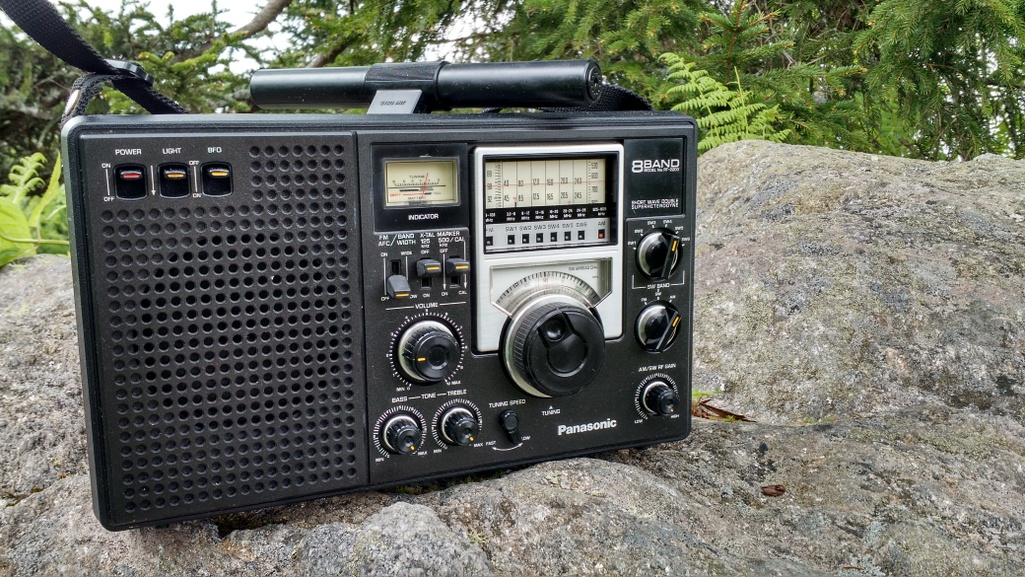
Or in the case of the Panny RF-2200 use its steerable ferrite bar antenna!

If you’re battling radio interference at home, I would encourage you to survey your local area and find a noise-free spot to play radio. It could be a park, or it could be a parking lot. It could even be a corner of your property. Simply take a portable radio outside and roam around until you find a peaceful spot with low-noise conditions. It’s the most cost-effective way to fight RFI!

Post readers: Do you have a favorite field radio spot? Do you have a favorite field radio? Please comment!

Also, check out these articles: