Author Archives: Thomas

World Radio Day 2018

(Source: UNESCO World Radio Day)

The seventh edition of World Radio Day will be held on 13 February 2018 under the theme: Radio and Sports, with all radio stations, regulatory bodies and related organisations invited to celebrate radio and its contribution to democratic debate through information, entertainment and audience interaction.

As we look forward to a year of momentous sporting events – events that have the ability to unite the hearts and minds of people everywhere – we call on all radio stations around the world to showcase the beauty of sports in all of its diversity. Let’s celebrate the traditional sports that connect us to our cultural heritage, the grassroots sports that anchor within our communities, and the inspiring stories that challenge gender stereotypes and covers, equally, both men’s and women’s sports events.

World Radio Day 2018 will focus on the following UNESCO sub-themes:

  • Diversity in Sports Coverage: ?Through the coverage of traditional and grassroots games, radio can reconnect people with their cultural heritage, promoting freedom of expression and diversity through cultural expression;
  • Gender Equality in Sports Coverage: Sports coverage is hugely powerful in shaping norms and stereotypes about gender. Radio has the ability to challenge these norms, promoting a balanced coverage of men’s and women’s sports and a fair portrayal of sportspeople irrespective of gender;
  • Peace and Development through Sports Coverage: Through greater coverage of sports for peace and development initiatives, the universal values of non-violence, solidarity and tolerance are recognized and celebrated.
  • The World Radio Day 2018 website (www.worldradioday.org (link is external)) is live – with rights-free content, new broadcast packages, articles and blogs.

Please feel free to add your event or on-air programme to our World Radio Day 2018 global map so people around the world can tune in to hear what you have to say on World Radio Day.

World Radio Day was first celebrated in 2012, following its declaration by the UNESCO General Conference. It was subsequently adopted as an International Day by the United Nations General Assembly. Previous annual themes have included gender equality, youth participation, radio in humanitarian and disaster situations, and “Radio is You!” In past years, World Radio Day has seen wide success, with over 500 events taking place wordwide in 2017.

Of course, at my non-profit Ears To Our World, we celebrate the unique power of radio everyday. While we use a variety of technologies in rural and remote communities, radio still plays a central role since it’s such an accessible technology.

Happy World Radio Day!

Guest Post: Battery Testers–Don’t Get Caught Without One!

Many thanks to SWLing Post contributor, Mario Filippi (N2HUN), who shares the following guest post:


Battery Testers; Don’t Get Caught Without One!

by Mario Filippi, N2HUN

(All photos by author)

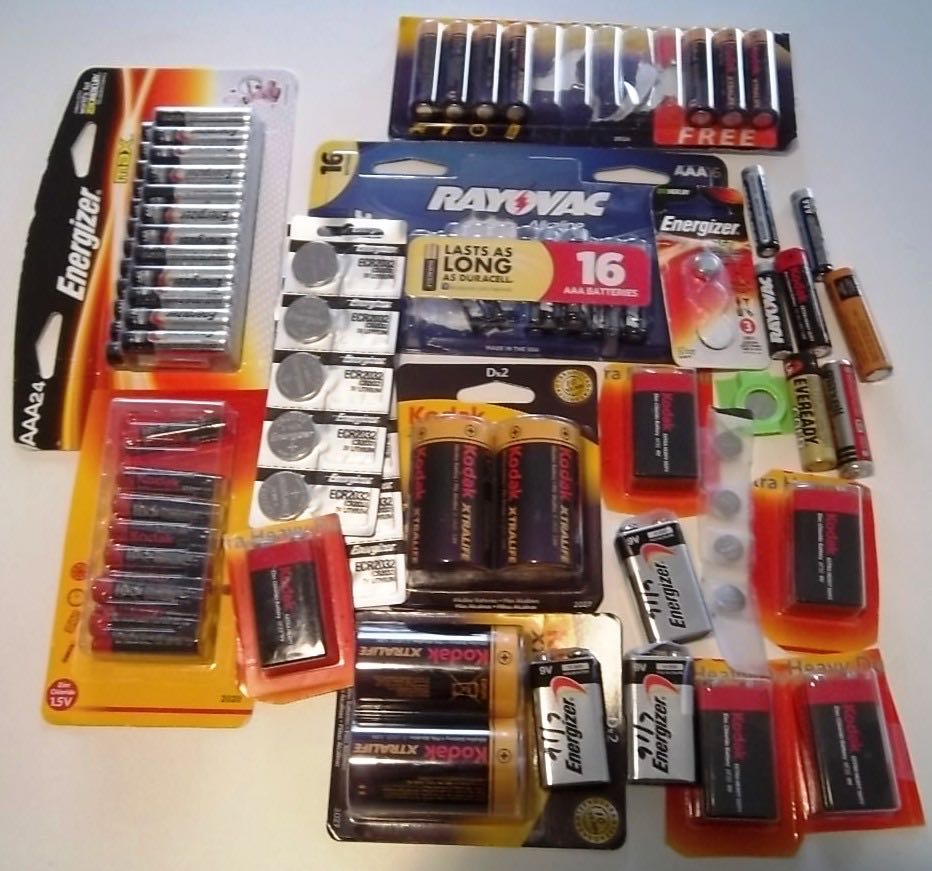
Ever consider what life today would be like without the humble dry cell battery? Old timers know the term “dry cell” as opposed to “wet cell.” The dry cell is your garden variety battery for sale composed of a semi-dry composite or paste of chemicals designed to make electrons flow when the circuit is complete, such as in flashlights, radios, remotes, watches, etc. “Wet cells” on the other hand have fluids, such as sulfuric acid that work in conjunction with lead plates. But let’s stay with dry cells for now. Walk into any house and you’ll find some form of battery powering a plethora of devices that contribute to the quality of daily life. In short, life without the humble battery would be unfathomable.

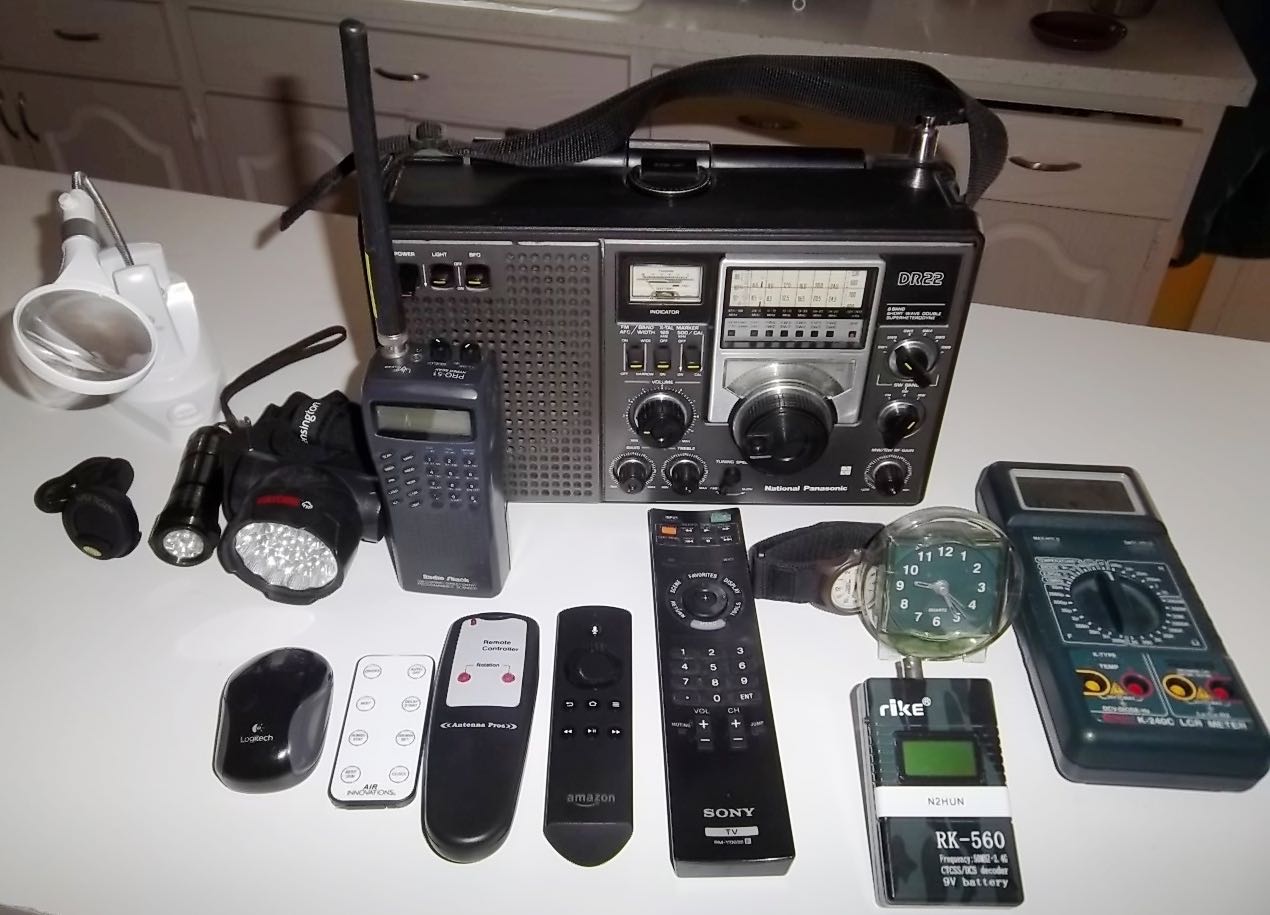
Electronic Menagerie: Radios, Timepieces, Flashlights, Remotes, Test equipment, Mouse.

Batteries, like humans, unfortunately expire due to age or use. True, they toil tirelessly while out of sight and mind, hidden behind plastic compartment panels somewhere in the bowels of a device and for the most part are ignored or taken for granted. That is until the device they are powering ceases to function. We’ve all been there and done that countless times in our lives with an array of consumer products. Most instances of battery failure tend to occur at the most inconvenient times, that is when the device they are powering is needed most (a corollary of Murphy’s Law hi hi). A good example is the toolbox flashlight. It can sit amongst the tools quietly and ready to go (at least in our minds) until we switch it on while working in some dark, cramped location. Or late at night when under the covers and the bedside shortwave radio starts spewing out distorted audio. To boot, the radio’s convenient dial light is too weak to determine where you are in the shortwave spectrum.

Motley Crew of Cells in Author’s Armamentarium Awaiting Call to Duty.

Well, all is not lost my fellow hobbyists; it is time to do some cell (dry cell that is) soul searching and plan for future failures. I propose a useful acquisition for the home, shack, Go-Bag (or what have you) that won’t break the bank; a simple battery tester that’ll be the end to your power problems.

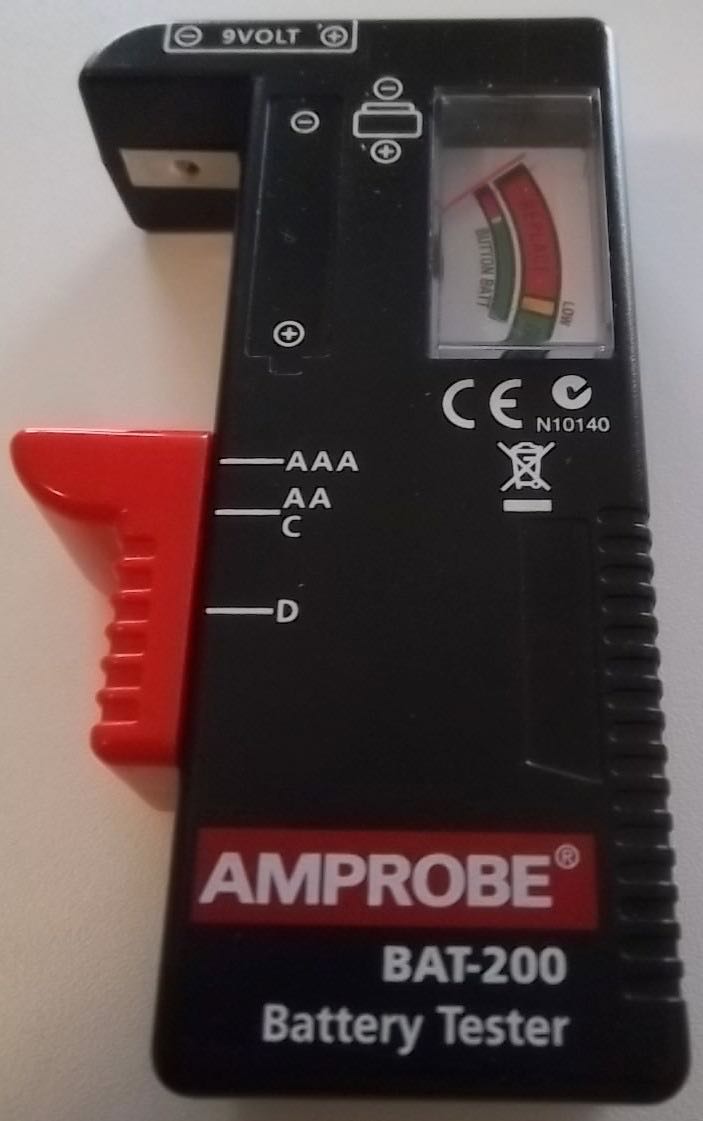
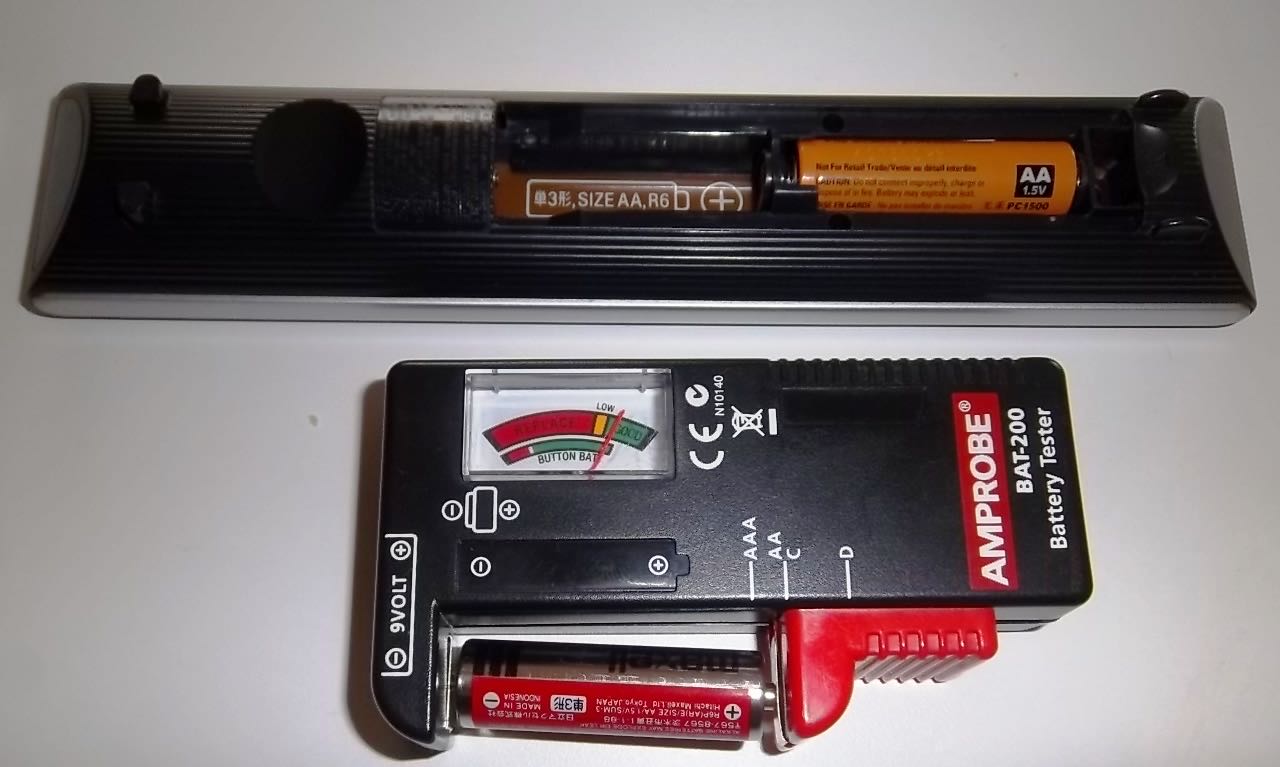
At this QTH an AMPROBE BAT-200 was purchased a few years back from Amazon and has proved its worth and utility many times over. This simple tool, which ironically needs no batteries, will test many of the common batteries around the shack and home such as AAA, AA, C, D, 9V, and button batteries.

Pocket-size BAT-200. A Snap to Use.

Since purchasing the BAT-200, life in the battery cosmos has become a lot less complicated. Armed with one of these, you can immediately rule out battery failure when troubleshooting myriad devices. You can also test outdated batteries to determine their status.

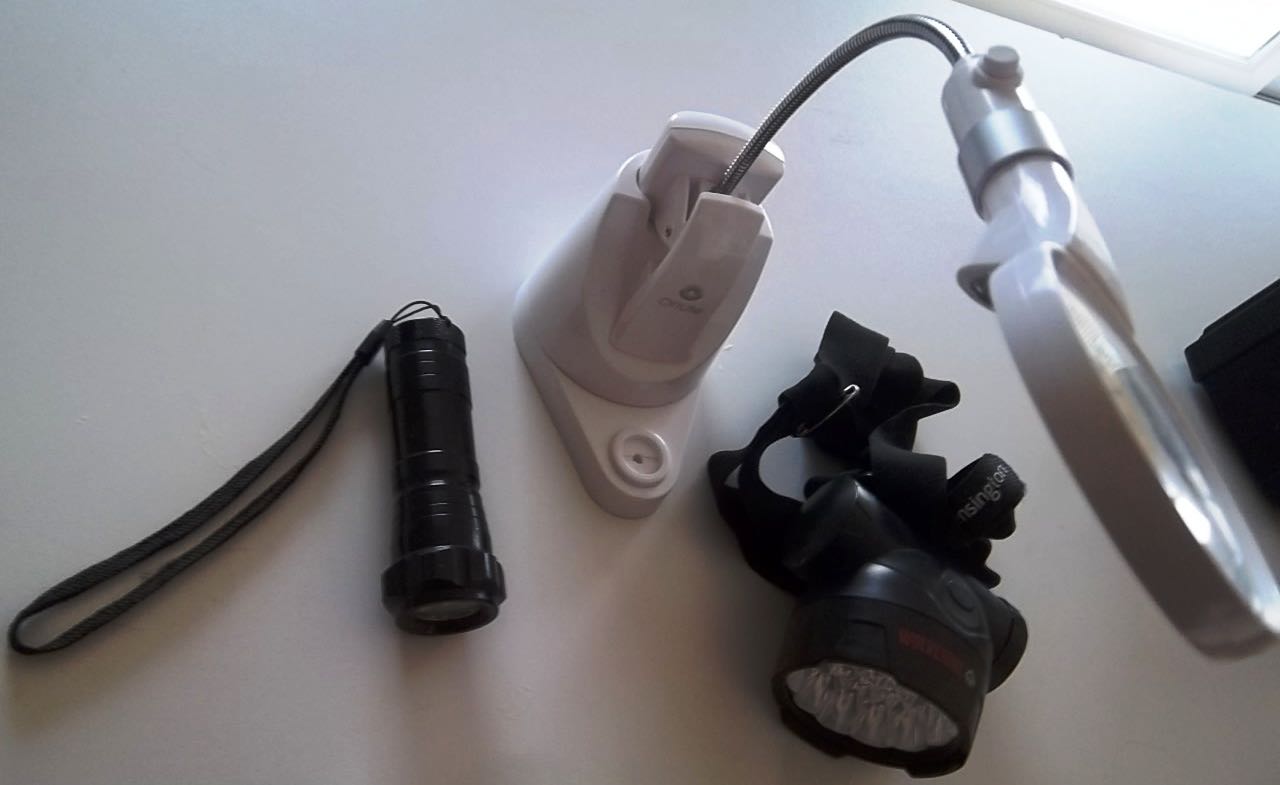
Flashlight, Magnifying Light, and Head Lamp…

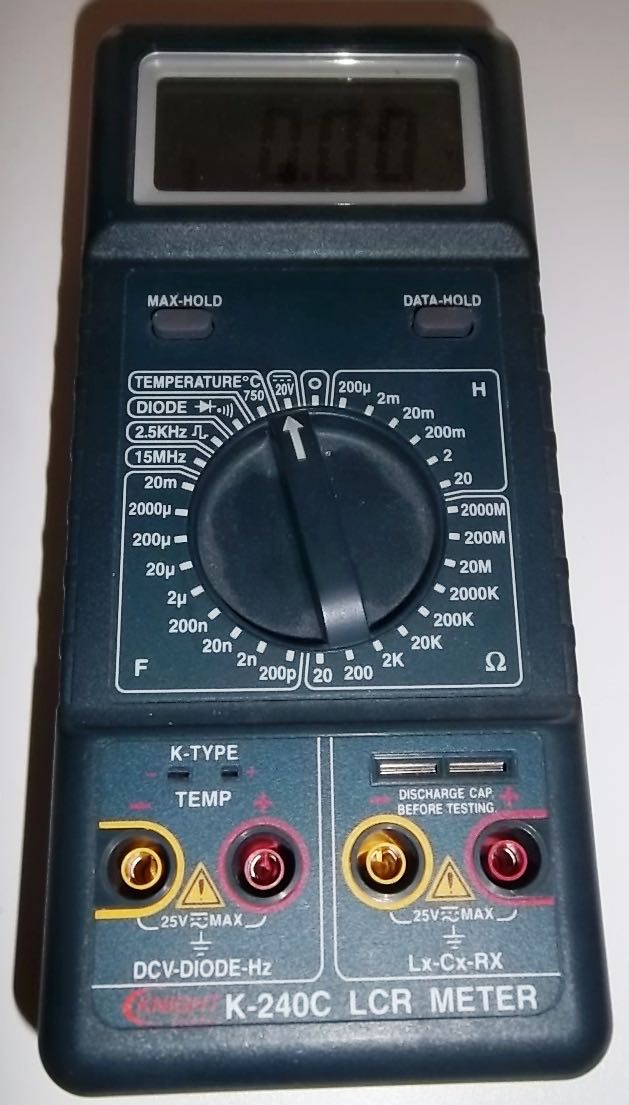
…Test meter…

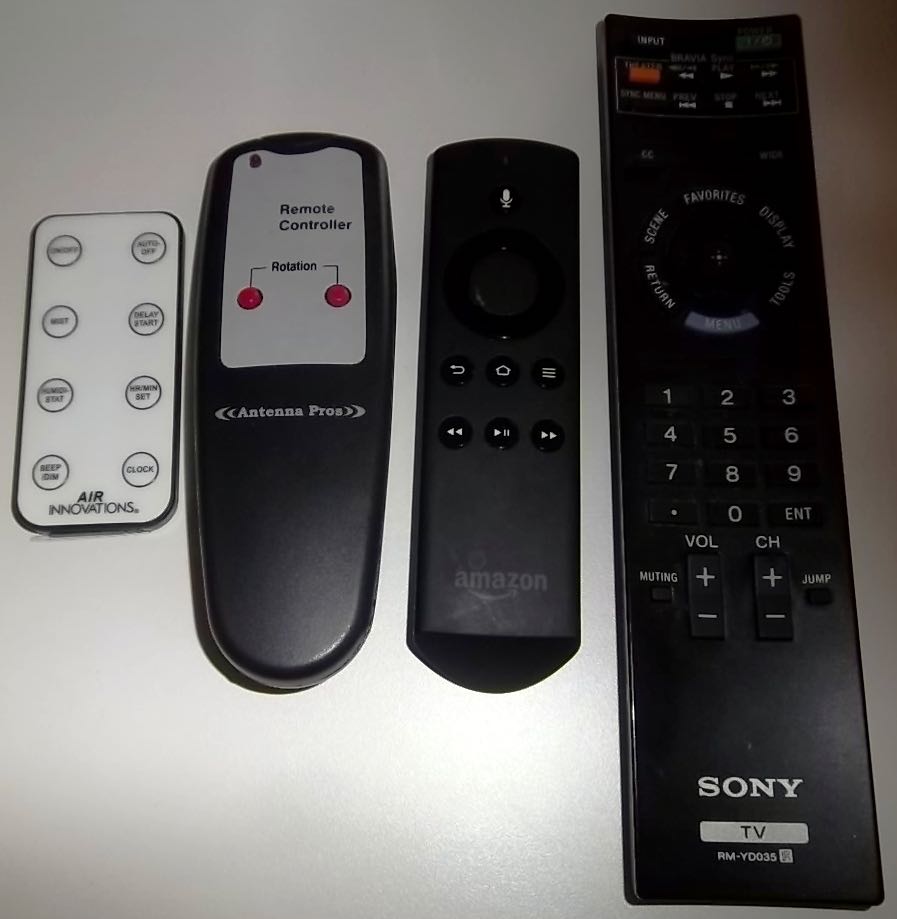
…And Various Remotes Use A, AA or Button Batteries.

AA Battery from Remote Tests “Good.”

An item such as the BAT-200 can be found for less than five dollars if you shop around, and will pay for itself by taking the guesswork out of the bad battery scenarios. You’ll wonder how you ever did without one!


Thank you very much for sharing this post, Mario!  

At the SWLing Post HQ, we keep all of our loose batteries in a “battery box.” All new cells stay in the packaging where we mark the date purchased (although many alkaline cells now have a “best by” date). We recently pulled all of the loose/orphan batteries out of the box–there must have been 40+–and tested the voltage of each one. I used the test meter from my toolbox to do this, but I’ve just ordered one of the BAT-200 chargers from Amazon and will now keep this in the battery box permanently.

Thanks for enabling me, Mario! Ha ha!

Click here to check out the BAT-200 in Amazon.com (affiliate link).

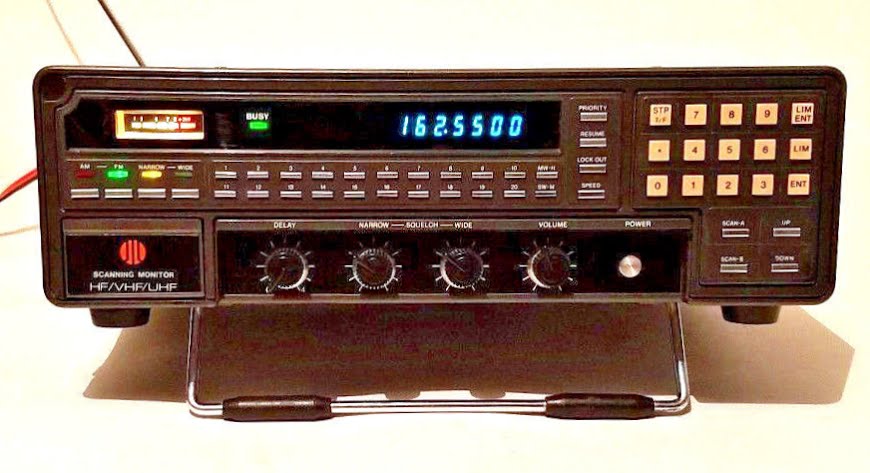
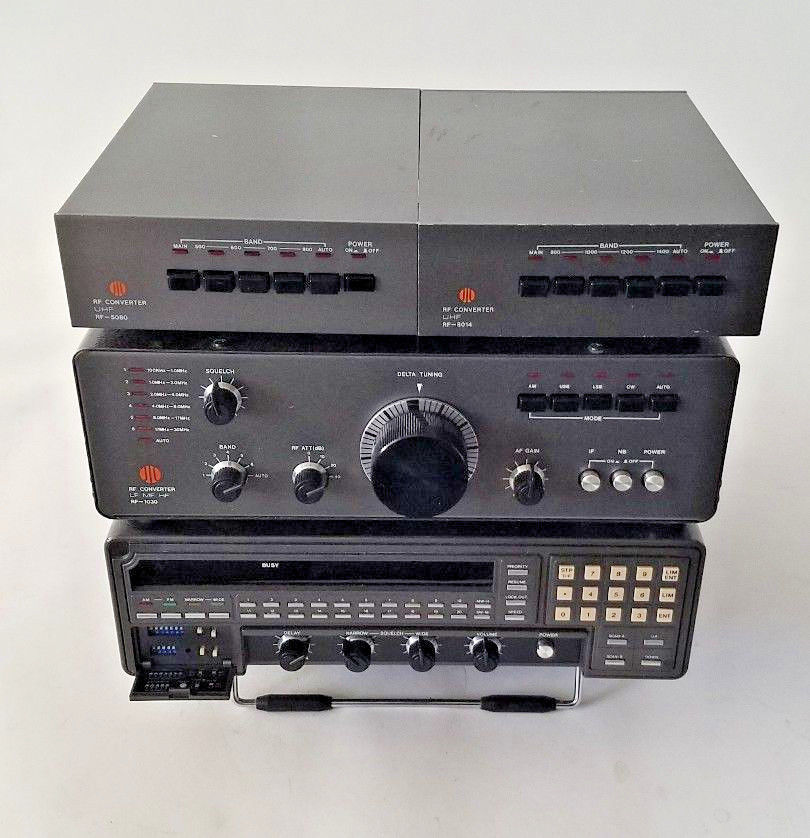
Mario spots a rare J.I.L. Communications Receiver SX-400 on eBay

Many thanks to SWLing Post contributor, Mario Filippi, who writes:

Hope you are doing well. Spotted this J.I.L. receiver on eBay, never heard of this unit before.

Click here to view on eBay.

Thanks for the tip, Mario! This is a new one for me as well–what an interesting stack-able set of up/down converters. RigPix has a few more details.

Post readers: Can anyone comment about this until or its performance on the HF bands?

Paul explores the Luxembourg Effect

Many thanks to SWLing Post contributor, Mike Hansgen, who shares the following article by Paul Litwinovich at WSHU:

In this article I’ll look at two things that, unless you are a serious ham operator or an absolute radio geek, you probably are unfamiliar with.

First, we will take a look at a very rare phenomenon first noted by radio listeners back in 1933. It generated several theories, but the correct one was only verified experimentally in recent times.

Second, we will look at a government-funded project that, while built for other purposes, was used to confirm the phenomenon 75 years later.

The Luxembourg Effect was first documented by electrical engineer and professor Bernard Tellegen. The professor is also credited with the invention of the tetrode vacuum tube. My past article, A Radio for the Roaring Twenties, features one of the first radios to use the tube.

One night, Mr. Tellegen was in the Netherlands, listening to a station transmitting from Beromunster, Switzerland, on 652 kHz. In the background of the Swiss signal, he could hear the audio of Radio Luxembourg, which normally broadcast on 252 kHz. He was far enough away from each station that neither station’s signal would have been strong enough to overload his receiver. The two signals seemed to be mixing somehow, but by what means?[…]

Click here to continue reading at WSHU.

BBC video: “The ‘spy radio’ that anyone can hear”

Many thanks to SWLing Post contributor, Mark Hirst, who writes:

Nothing that an SWLing Post reader doesn’t already know–more for general consumption:

http://www.bbc.co.uk/news/av/world-42819704/numbers-stations-the-spy-radio-that-anyone-can-hear

For decades, people around the globe have been able to listen in to mysterious spy broadcasts from all over the world with just a radio.

Gordon Corera has been investigating the strange world of number stations.

Video produced by James Reevell

Thanks for the tip, Mark!

Frank recommends the MFJ-1886 magnetic loop antenna

Many thanks to SWLing Post contributor, Frank M. Howell, who left the following comment on our indoor antenna post yesterday:

You omitted the MFJ Receive Loop….it outperforms my Wellbrook ALS-1530+. Very competitive price point!

See http://www.mfjenterprises.com/Product.php?productid=MFJ-1886.

Thanks for pointing this out, Frank.  You’re right in that I had forgotten about the MFJ receive only loop antenna. It’s a fairly new product in their (massive!) catalog of radio products.

I’m very curious if any other SWLing Post readers have experience with the MFJ-1886 antenna.  I’d love a review.

Indoor shortwave antenna options to pair with a new SDR

Many thanks to SWLing Post contributor, Chris Freitas, who writes:

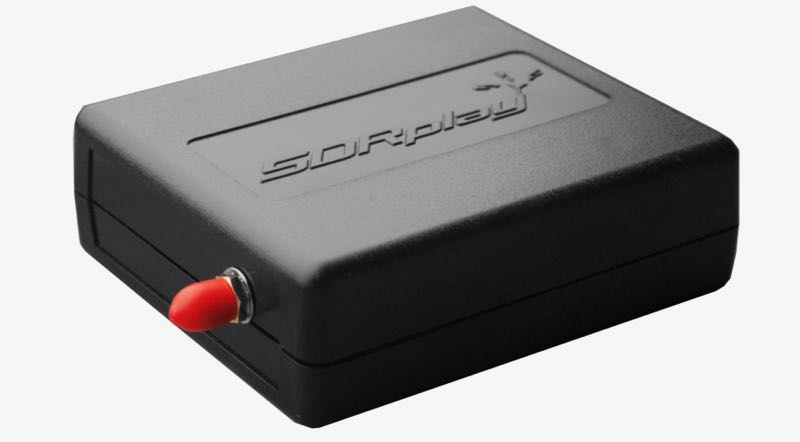
“I am thinking of the new RSP1A SDR. Would you know of a good indoor antenna that would work well with it?”

Your antenna question is simple, but the answer is complex!

First off, I think the RSP1A is a great choice as it’ll give you proper exposure to the world of SDR (1 kHz to 2 GHz!)  at a modest price.

Unlike a portable radio of course, your SDR must be connected to a PC, laptop, tablet or some sort of mini computer like Raspberry Pi. This limits your ability to easily try different antenna locations within your home compared to, say, a battery-powered portable radio. It might take some dedicated experimentation and patience.

Indoor antennas are so vulnerable to the radio noise within your home.

If you live in an off-grid cabin with no radio interference nearby, even a simple $1 random wire antenna hooked up to RSP1A’s SMA connector would yield results. I occasionally spend my summers in an off-grid cabin and it’s simply amazing what you can do with a modest setup when there are no man-made radio noises around.
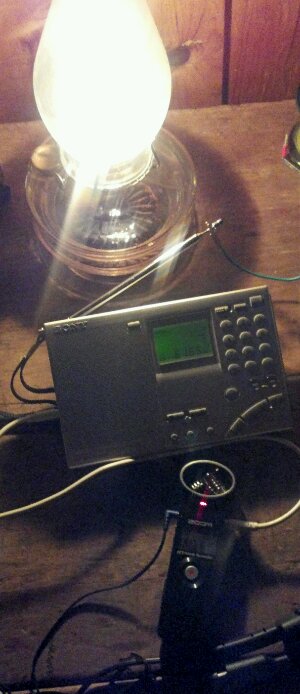
Listening to the final broadcast of Radio Netherlands in an off-grid cabin on Prince Edward Island in 2012.

But how many radio enthusiasts live in an off-grid cabin? Answer: very, very few! Most of us only get to experience off-grid life during natural disasters when the electrical grid has been damaged in our neighborhoods.

The reality of indoor antennas

You’ve told me previously that you live in an apartment in an urban setting, hence you probably cope with a lot of RFI.
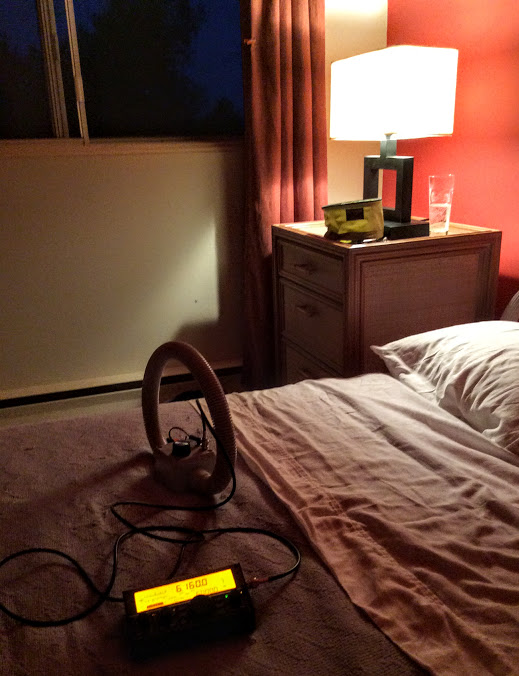
When an antenna is indoors, it is forced to function within this RFI-dense environment. Your telescoping whip or wire antenna doesn’t discern between radio noise and your target broadcast signal. Thus, noise can overwhelm your receiver, essentially deafening it to all but the strongest shortwave broadcasters.

And simple, inexpensive portable amplified shortwave antennas? I’ve expressed my opinions about them before. They amplify the RFI as effectively as they do broadcasters.

This is why if you had a means to put a small random wire antenna outside–even if it was simply draped outside a window–it would likely perform better than an indoor antenna. I’m guessing this isn’t an option for you, Chris.

Think loops
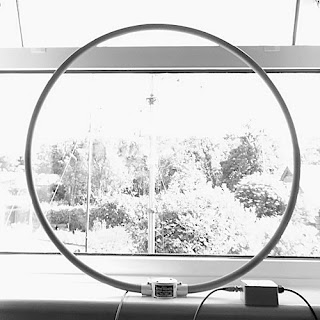
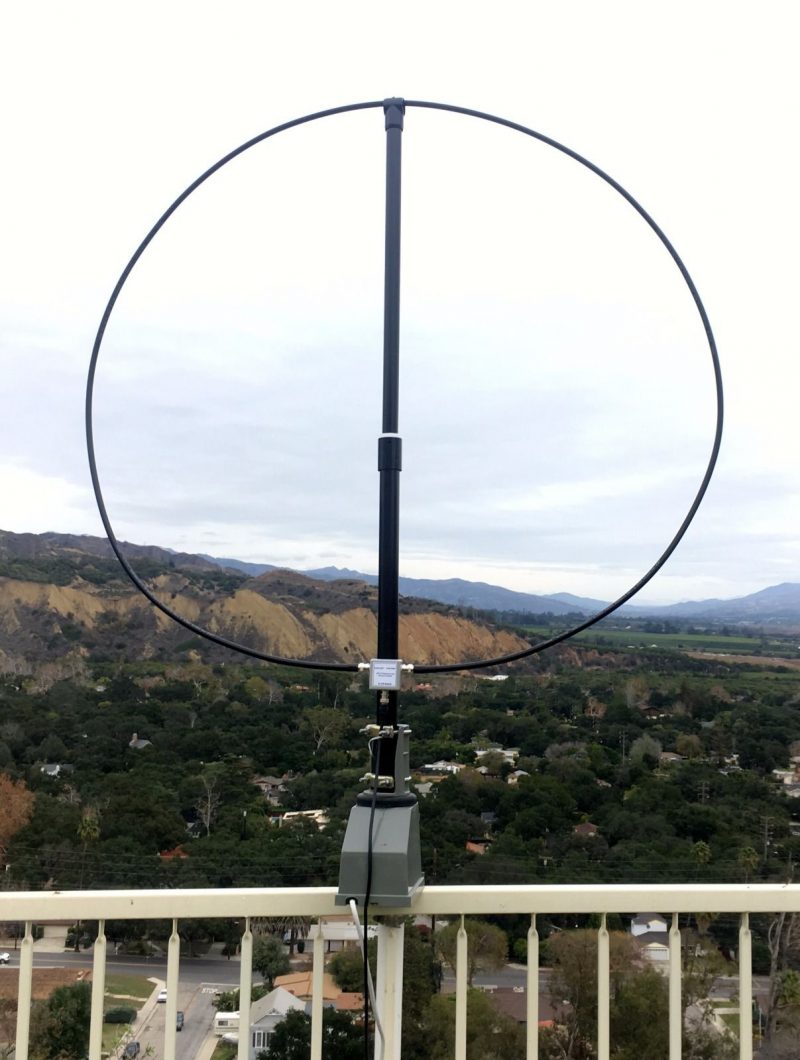
A broadband loop antenna (image courtesy of wellbrook.uk.com)

Magnetic loop antennas are a popular topic here on the SWLing Post for a reason: they’re one of the best frontline tools for fighting urban noise. (Here’s a great tutorial/presentation [PDF] describing how mag loop antennas work.)
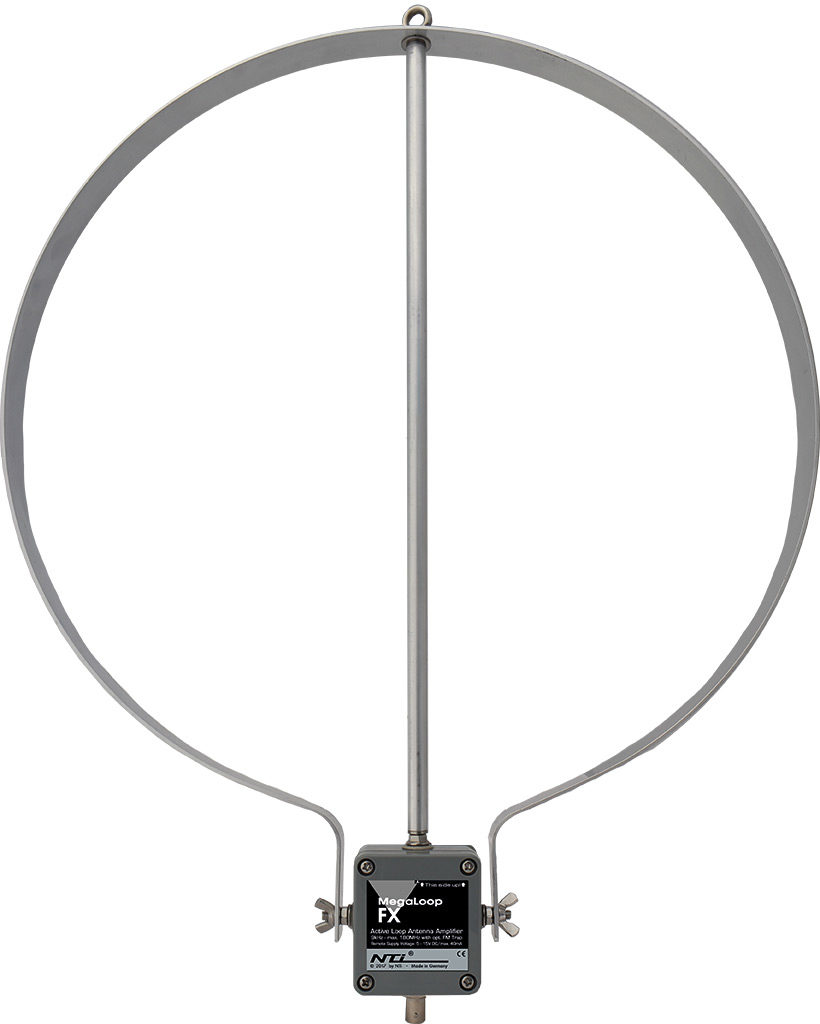
The compact Bonito Mega Loop FX

While you can build an amplified mag loop antenna (like our buddy, TomL) it’s not a simple project.  Passive single turn loop antennas, on the other hand, are quite easy to build but are narrow in bandwidth (here’s a very cheap, simple passive loop project). You would likely design a single passive loop to serve you on a specific brodcast band and would have to retune it as you make frequency changes. You could build a passive loop antenna for less than ten dollars if you can find a good variable capacitor. Here’s another tutorial.

Commercially produced amplified wideband magnetic loop antennas are not cheap, but they are effective. If you’re a serious SWL, a good mag loop antenna is worth the investment.

Here are a few of my favorites starting with the most portable:

PK Loops
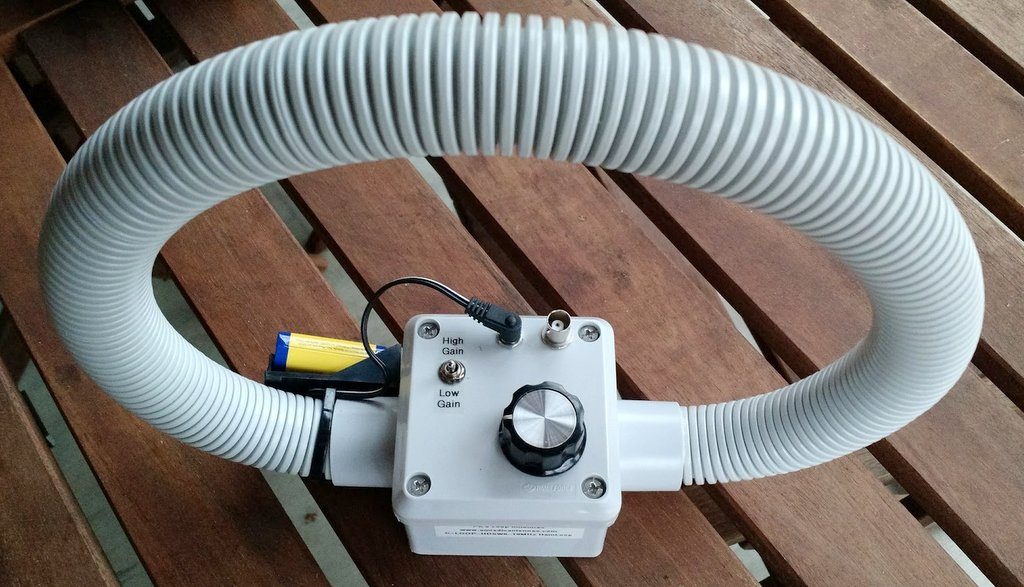
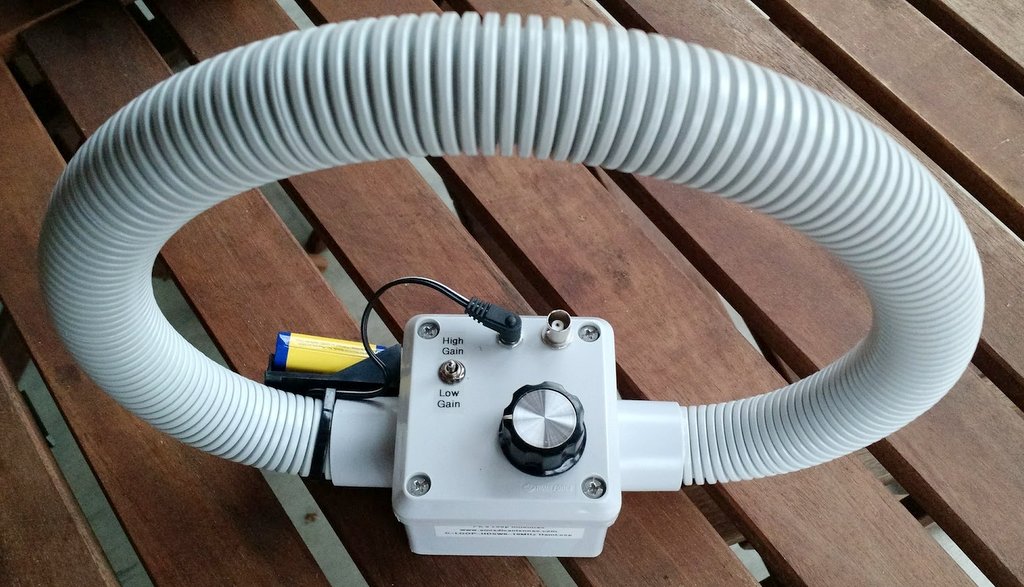
The PK Loop

The most affordable and portable mag loop antenna I own is the PK Loop.  I have the more compact PK Loop C-LOOP-HDSW6-18 (6 – 8 MHz), but Guy Atkins also touts the slightly larger Ham Loop which he finds tunes beyond the advertised 3.5 – 14.5 MHz range.

PK Loops are not as broad in bandwidth as the other antennas I mention below. You will have to retune the loop with any band changes and sometimes even within a specific meter band.

Click here to check out PK Loop offerings on eBay.

W6LVP Loops
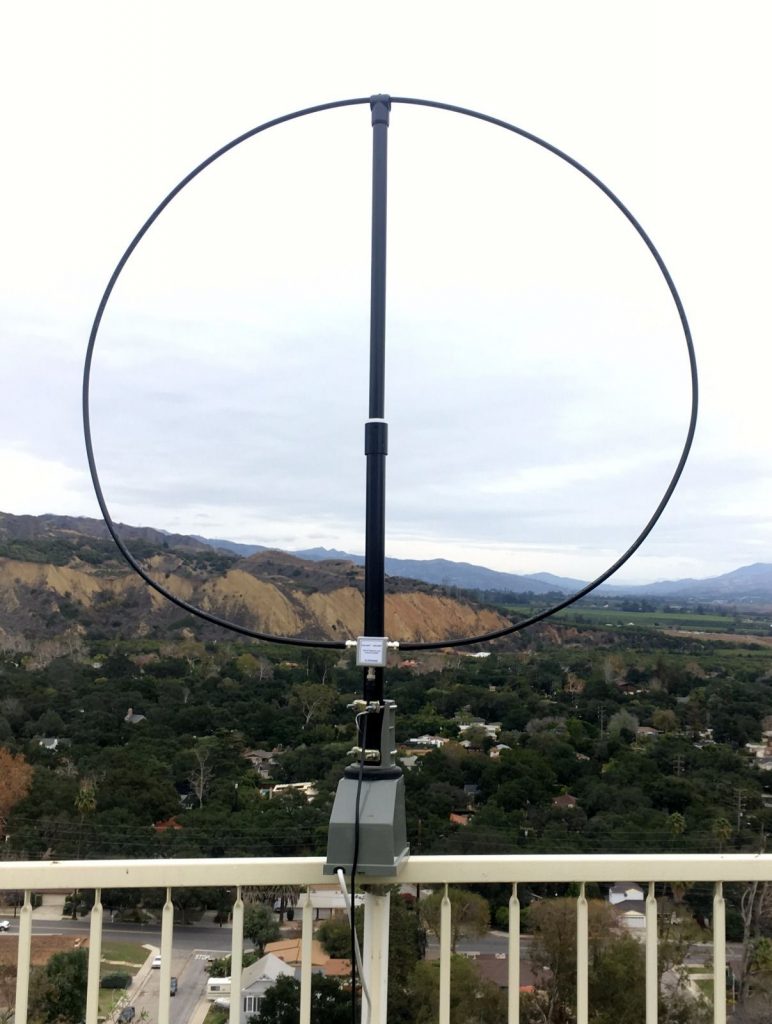
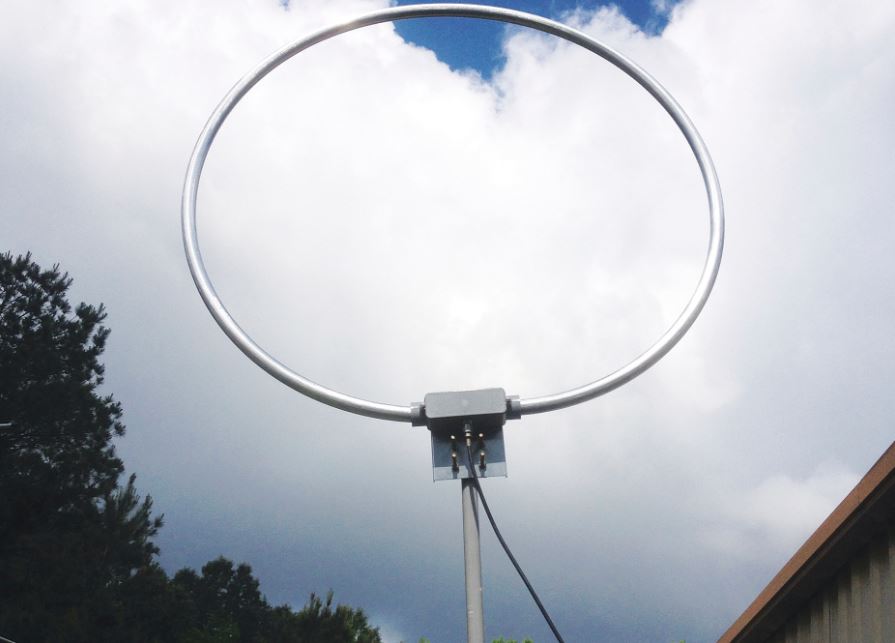
The W6LVP Loop Antenna

To my knowledge, the W6LVP is one of the most affordable larger diameter amplified wideband mag loop antennas. We’ve published positive reviews of this antenna in the past.

W6LVP sells two versions of the antenna–since you’re not operating a transmitter, this $250 model would be all you need. indeed, if I were in your shoes, this would likely be the loop I purchase–very cost effective.

Wellbrook Loops

Wellbrook antennas are the staple magnetic loop antenna for many DXers.

Wellbrook loops are manufactured in the UK and have been on the market for a very long time. Their re-engineered Active Inoor Loop Antenna LA5030 would serve you well. At £240.00 (roughly $330 US) plus shipping, it’s one of the most affordable in the Wellbrook line, but over a $250 budget.

Wellbrook makes a number of loops, but since you have no plans to mount this outside, I believe their indoor model would suffice.

Other loop options

There’s no shortage of magnetic loop antennas on the market, but most are pricer than the models I mention above and I know you have a tight budget. Here’s are some models we’ve mentioned on the SWLing Post in the past:

I have the RF Pro-1B and am very impressed, but it’s overkiil for your application (and twice the price of the W6LVP loop).

Fighting urban noise

Even if you build or purchase a magnetic loop antenna, you still need to eliminate as much RFI as you can on your own.

A couple years ago, our friend London Shortwave wrote a brilliant guest post about fighting urban noise. Read through his piece and try to implement as much of his advice as you can.

I hope this helps, Chris! This post is by no means comprehensive, so I hope others will chime in and comment with their experiences. Good luck fighting urban noise and I hope you enjoy your journey into the world of the SDR!