Author Archives: Thomas

CommRadio CTX-10 availability update

The CommRadio CTX-10 QRP transceiver

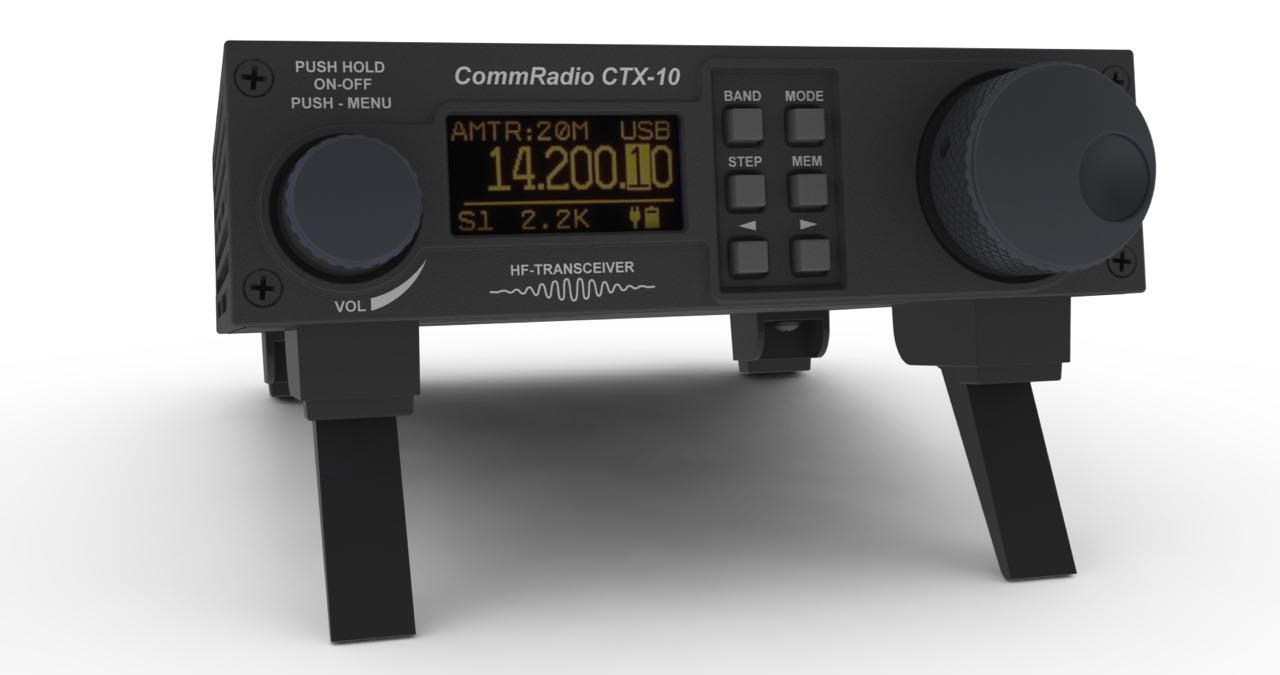
Universal Radio is now taking orders for the CommRadio CTX-10 QRP transceiver. The price is $999.99 and the expected shipping date is March 1, 2018. Universal notes that they will not charge customers until the units begin shipping.

Once radios are in production, I plan to review the CTX-10.

Click here to view the CTX-10 at Universal Radio.

Alan Roe’s updated B17 season guide to music on shortwave

Many thanks to SWLing Post contributor, Alan Roe, who notes:

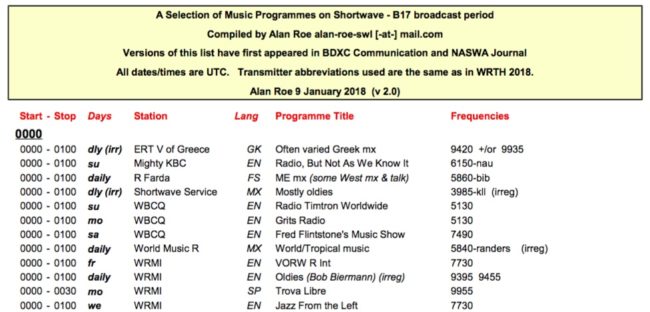
I have now updated my Music on Shortwave listing for the B17 season, and attached version 2.0.

Alan, thanks so much for keeping this excellent guide updated each broadcast season and for sharing it here with the community!

Click here to download Alan Roe’s B17 Shortwave Music Guide version 2.0 (PDF).

Tom explores the depths of radio astronomy

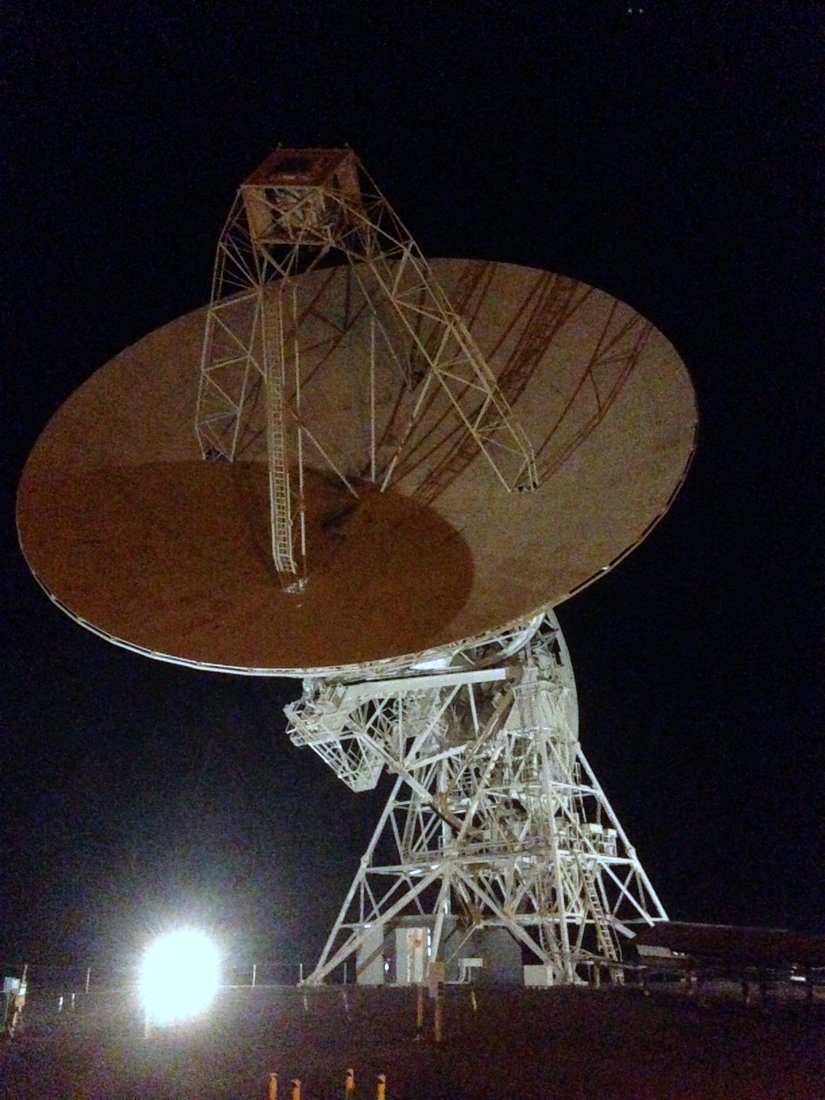
26 meter telescope at the Pisgah Astronomical Research Institute.

Many thanks to SWLing Post contributor, Tom L, who writes:

I have been curiously surveying uses of radio in different areas of industry and Astronomy came up as a hot topic the last couple of years according to recent Google searches. Radio was a giant popular commercial success in the 1930’s and 1940’s. But Radio Astronomy was still in its infancy with military radar. A Bell Labs engineer (Karl Jansky) accidentally discovered signals coming from an unknown source. He and his mentor figured out that it was coming from the center of the Milky Way.

https://en.wikipedia.org/wiki/Radio_astronomy

Fast forward to today and it looks nothing like the early days. Computer control and very large arrays have made it possible to boost the wide-field resolution massively. We are now able to see molecules in space outside our solar system and filaments connecting star nurseries. Here are just a few recent articles that hint at major news coming from this field of study. If you have a science student interested and has the talent for Astronomy, Radio Astronomy promises to be on a variety of cutting edges of discoveries over the next few decades from local Space Weather, biological search, and how stars form.

Radio telescopes are essential to discovering “Galaxy Ecosystems”: Click here to download PDF.

Enjoy!

Thanks, Tom!  I’ve been fascinated with radio astronomy since my undergraduate years in the early 1990s. I’m now a volunteer at the Pisgah Astronomical Research Institute (PARI) and have learned so much through their research. If you ever have the time, I would encourage you to visit PARI or one of the NROA sites like Green Bank or the Very Large Array.  Well worth the detour! Thanks for sharing those articles!

Al shares vintage RAE theme

Many thanks to SWLing Post contributor, Al Quaglieri, who writes:

In the ’60s and ’70s, RAE had a really evocative theme song that opened and closed their broadcasts. For years I searched for a copy of this, even going as far as writing the station about ten years ago. They graciously obliged, sending me a recording of the LATER theme, not the one I wanted. Well, here it finally is. RAE used an edited-down version.

My clip begins with a vintage RAE open and close, and then the song! It’s an obscure composition by Argentine composer Waldo de los Rios, entitled “Sol Alegre,” from a 1957 Columbia album called “Kiss of Fire.” Hope it brings back some memories!

Click here to listen at Clyp.it.

Thanks for this stroll down Memory Lane, Al!

The National HRO-5TA1: Parting is such sweet sorrow…

As I mentioned in a previous post, I’m in the process of selling and giving away radio gear that I no longer use or that’s been sitting on the workbench way too long.

This is an easier process when it involves modern gear, as I have comparatively little attachment to radios I could go out and purchase once again, should I feel so moved. The only modern portables I keep, regardless, are those I must have on hand for comparison testing and reviews. And, yes, I do have a number of favorites I never intend to sell.

But when it comes to vintage gear?  Letting go is hard to do.
A few years ago, I acquired a bunch of vintage gear and accessories from a friend whose father was a radio operator in WWII. Since then, I’ve been selling this equipment and giving the proceeds to our non-profit (ETOW). I’ve also donated a lot of equipment to the Hickory Aviation Museum in North Carolina––I’m a member, and have been piecing together an AN/ARC-8 system for permanent display (only now lacking a good BC-348).
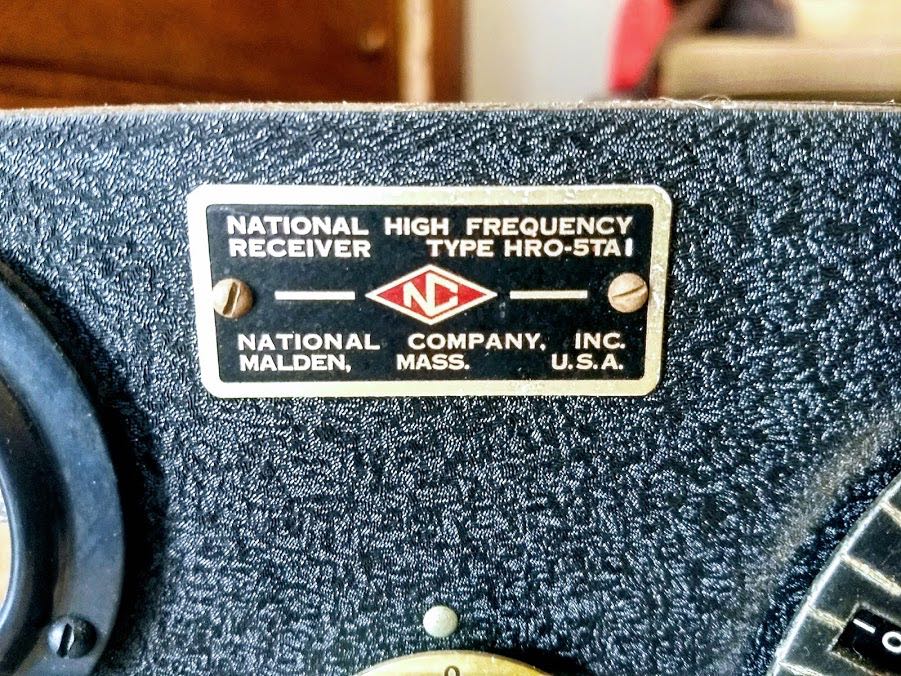
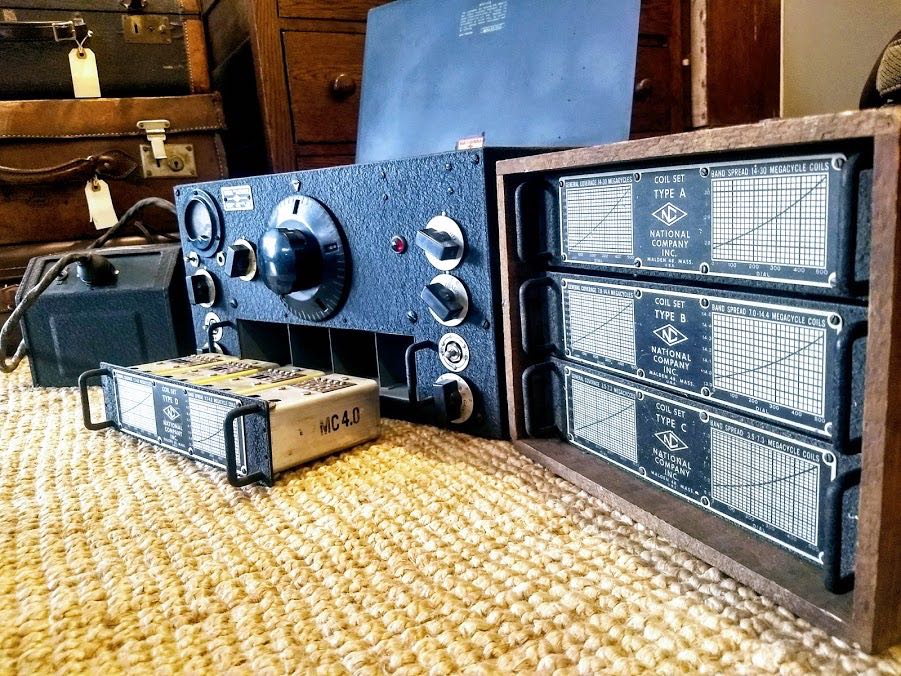
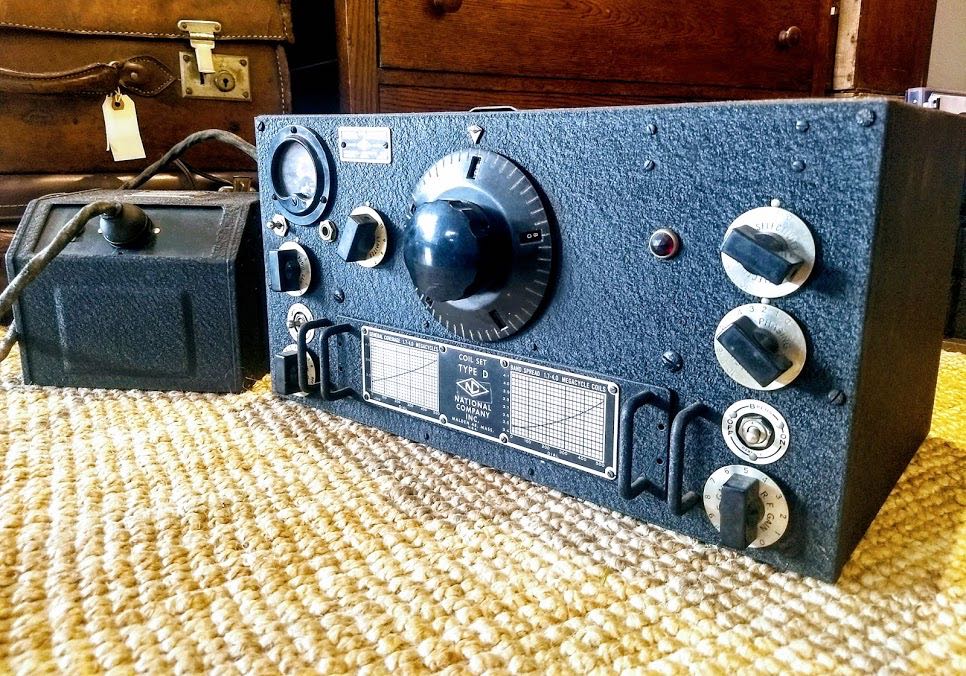
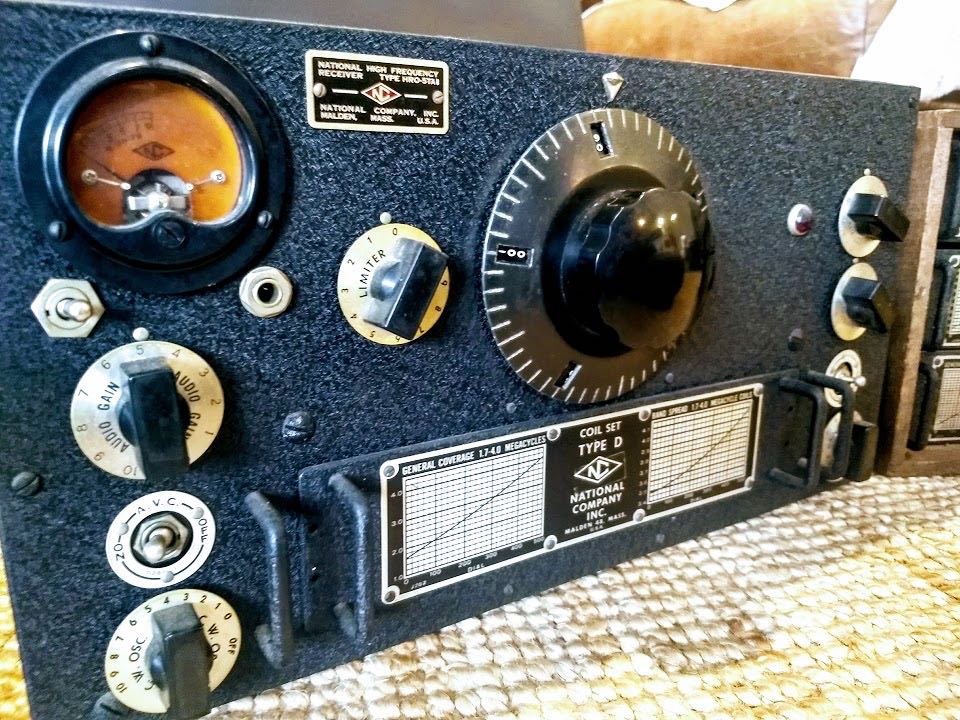
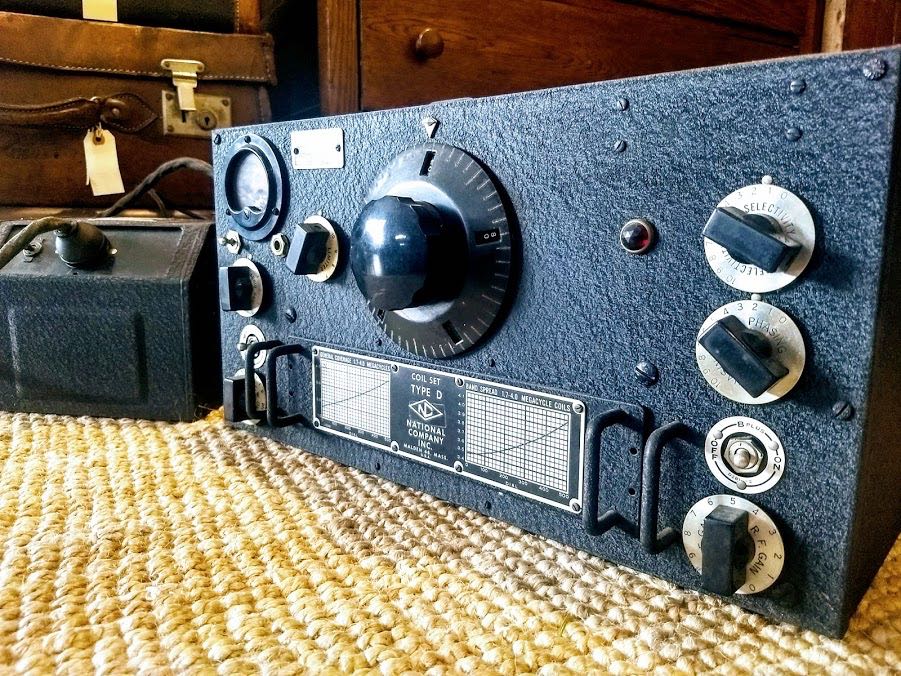
The only receiver I kept for myself was a National HRO-5TA1. It’s totally original and has likely not been operated since the late 1940s.
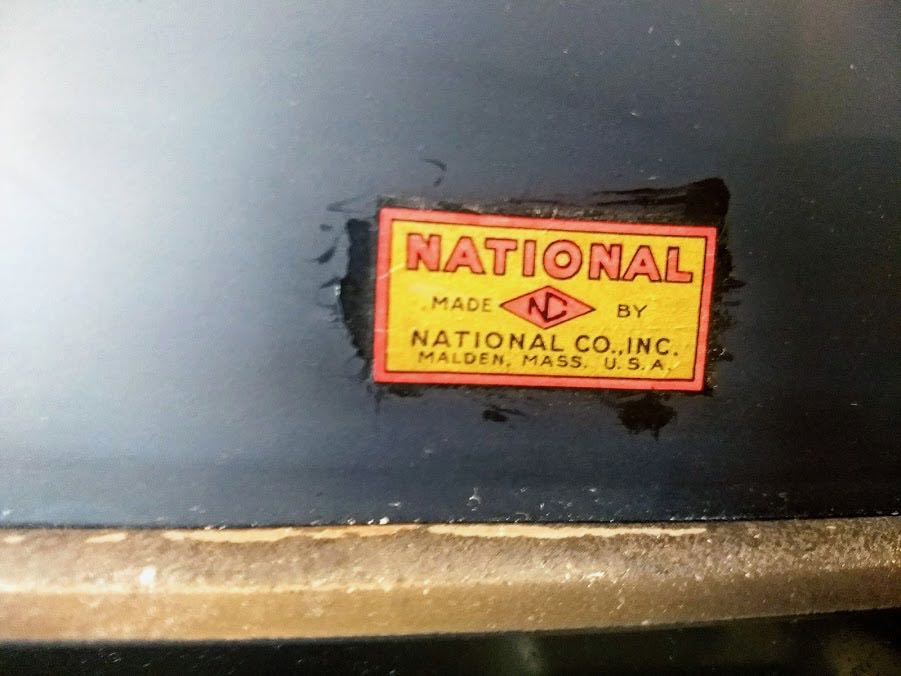
In a sense, this is the radio equivalent of a “barn find.”
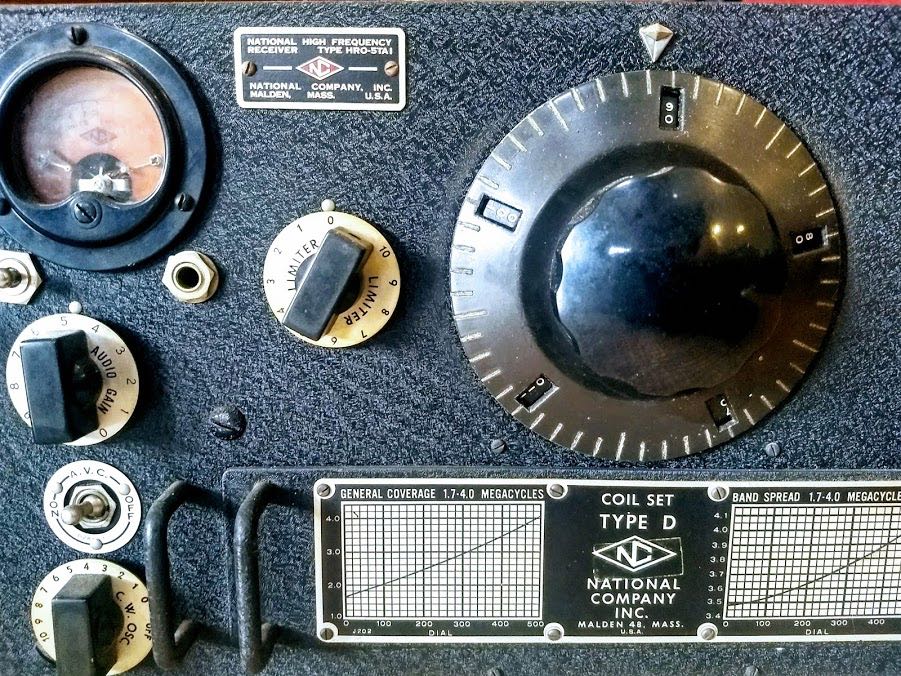
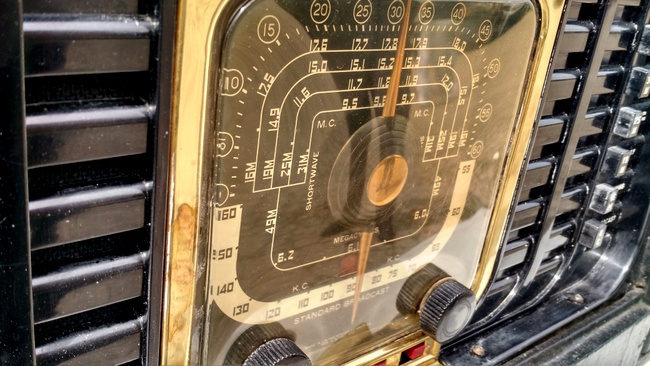
I love the HRO dial and the overall aesthetics of this vintage set.  It absolutely shouts “1940s” radio––! These sets were initially manufactured during WWII under some large orders. Indeed, the “H.R.O.” acronym is said to be the National internal designation of the series…meaning, “Hellva Rush Order.” There were many variations of the National HRO; mine was the 1946 “5TA1.”
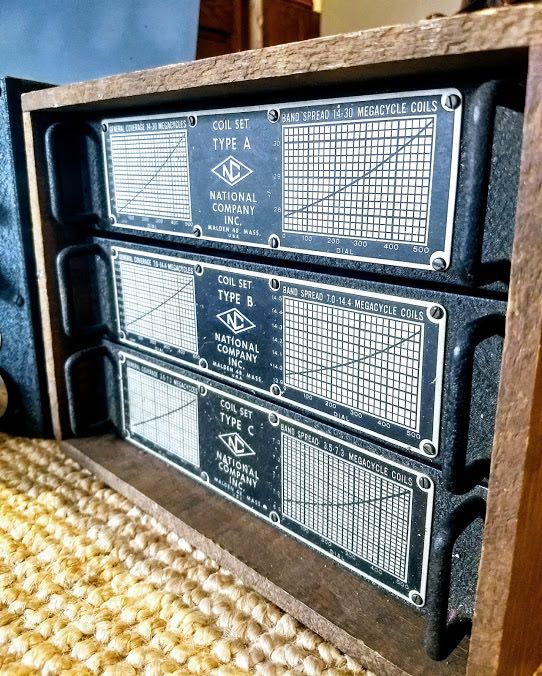
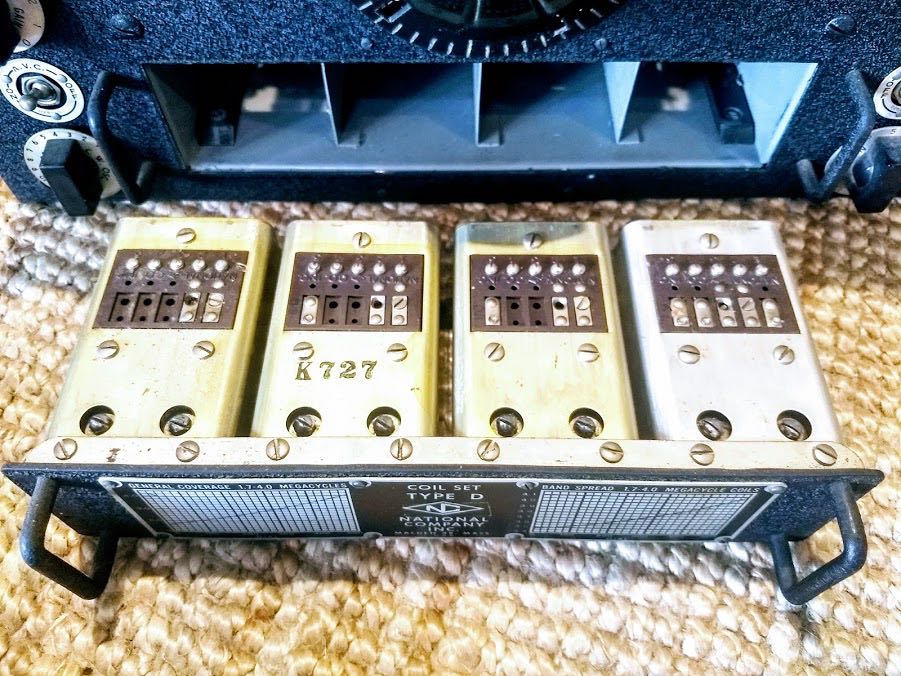
The HRO-5TA1 uses coils to change bands. My HRO has the full set of coils and even the coil box. To change coils, you simply pull out (unplug) the coil from the front of the receiver and plug in a new one.
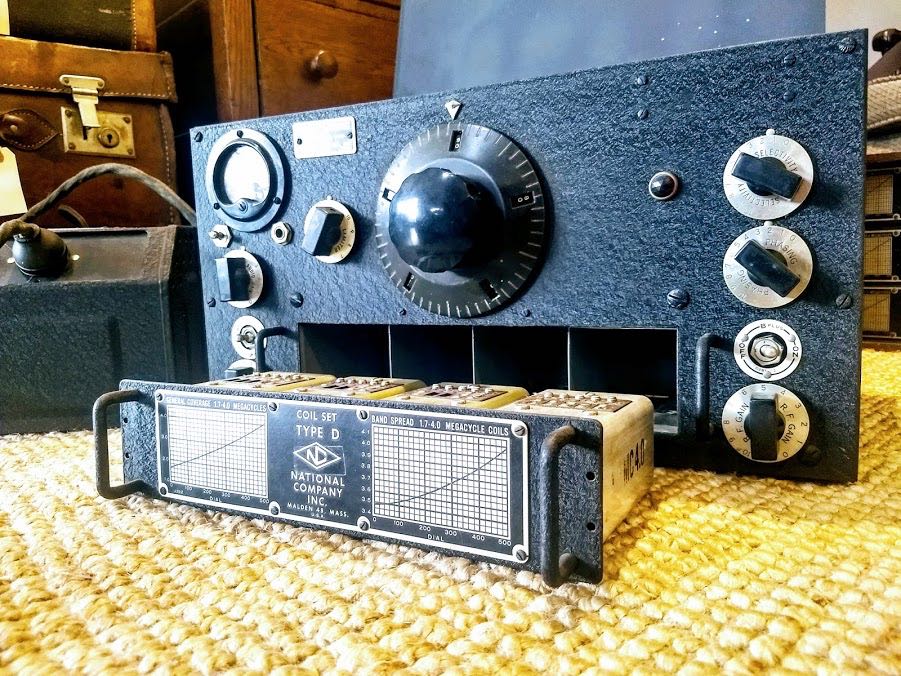
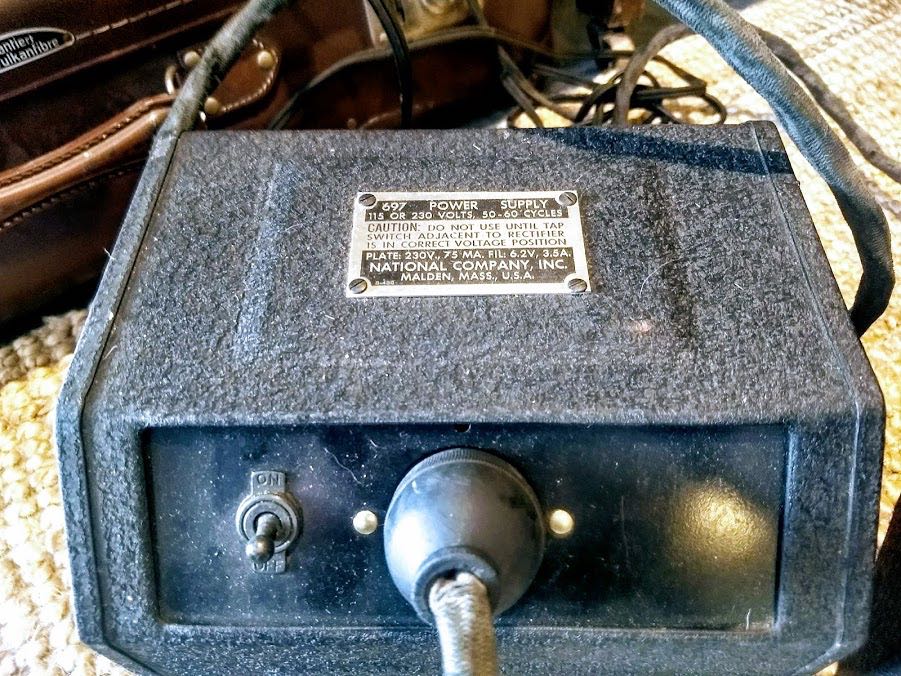
The power supply is self-contained and connects to the HRP-5TA1 via a four conductor plug.
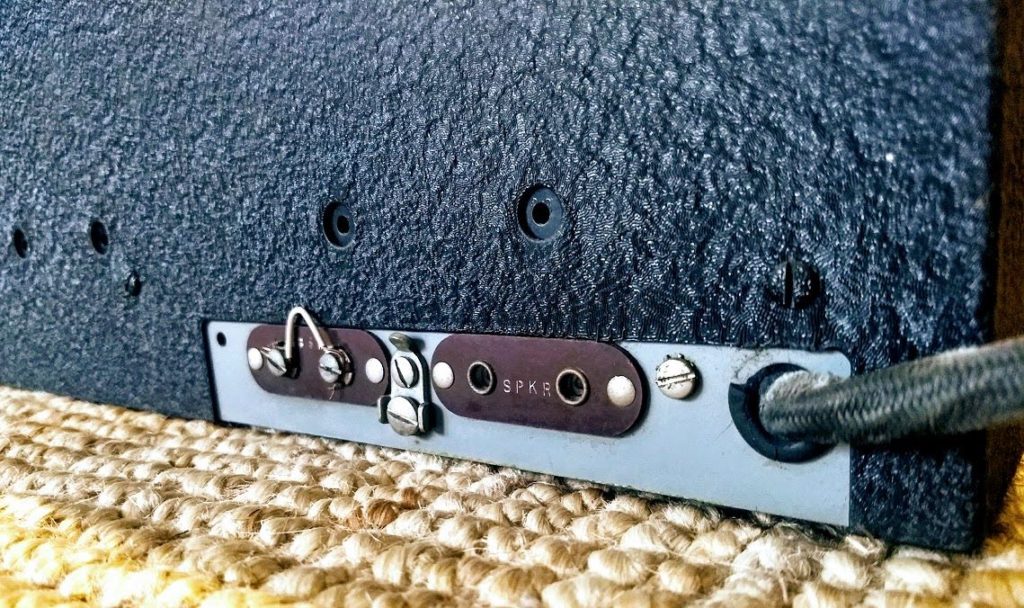
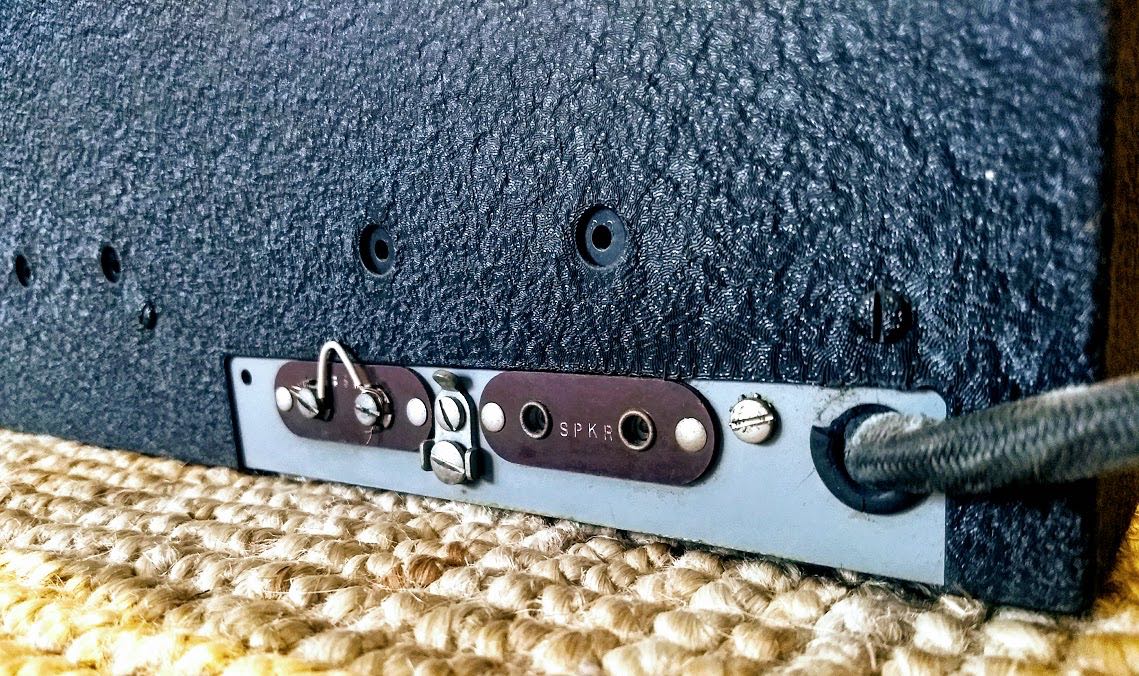
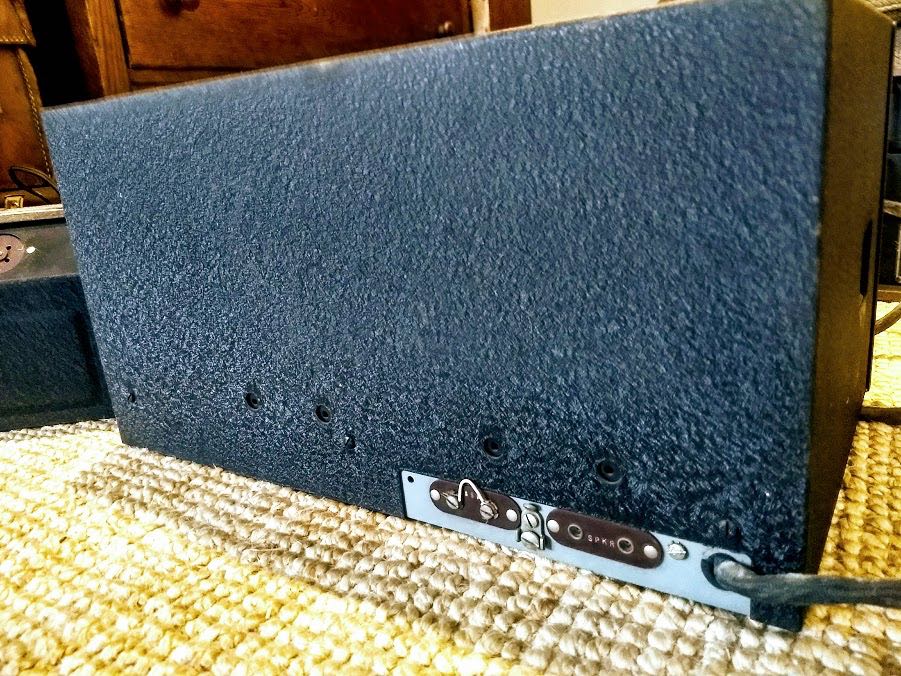
The back panel of the receiver couldn’t be more simple.
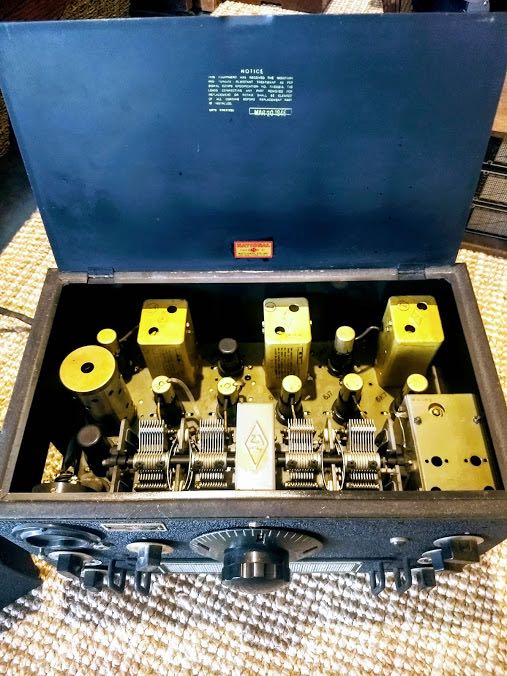
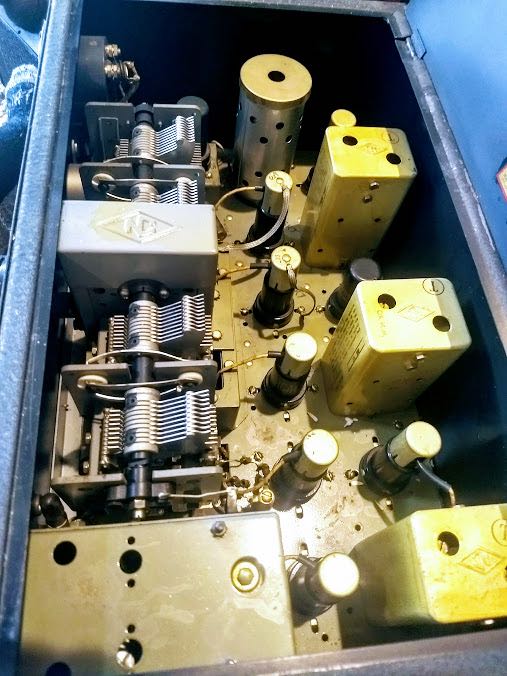
Inside, it’s impressively clean for its age; check this out:
If you can’t tell, letting this one go is going to be one of the toughest I’ve experienced. Parting will, indeed, be sweet sorrow. I must give someone else an opportunity to put this girl on the air, else it will sit here for many more years before I have an opportunity to do the necessary upgrades to make her airworthy again (needs at least recapping).
This weekend, my buddy, Vlado (N3CZ) and I will reserve a couple of tables at the Greenwood, SC hamfest. Unless I sell the HRO-5TA1 beforehand, you’ll find it on my table there!

On that note, readers, please comment if you have a suggestion what I should charge for this set. You can also comment if you think I’m crazy for selling it. It’s not going to be easy!

60th Anniversary of RAE Argentina To The World

Many thanks to Adrian Korol, Director of RAE Argentina, who shares the following :

2018 is the 60th Anniversary of RAE Argentina to the World

We are celebrating all along the year.

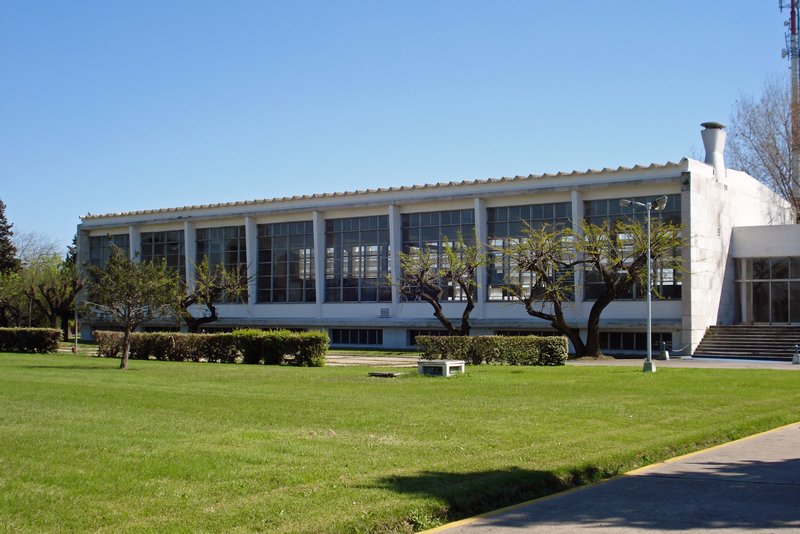
This week RAE moves to a new and functional desk office with access from the main hall to the entrance of Radio Nacional building in the historic address of Maipu 555, Buenos Aires.

Next, we are going to inaugurate a modern radio studio.

We are optimistic in being able to celebrate these 60 years with a new short wave transmitter from the General Pacheco plant in Buenos Aires.

Also, in March, new shows and content will be over the air from Buenos Aires, on shortwaves and digital environments.

Obviously, there will be contests, a new website, SPECIAL QSL and much more.

Thank you, Adrian! Sounds like RAE will have many positive developments this year. Excellent!

Note that RAE have also recently announced their new shortwave schedule via WRMI.

Steve’s sticky radio solution

Many thanks to SWLing Post reader, Steve Z, who writes with another option to clean radios (like the Eton E1, Eton Satellite and others) with a rubberized coating that has become sticky with time:

I ran across this blog when I recently took out an Eton portable radio and found it to be a sticky, gunky mess. The radio is probably around 8-10 years old and it’s been a few years since I used it. I didn’t have any of the products mentioned here, but tried a few similar products I already had in my home with varied success:

  • Simple Green: Did nothing. Don’t bother.
  • Goo Gone liquid: Very limited results. Had to scrub a lot for minimal results. Not worth it.
  • Simple Green Grill Cleaner: Worked well. Sprayed a portion of the radio, waited a minute and then cleaned with microfiber cloth. Had to use a little elbow grease, but results were good.
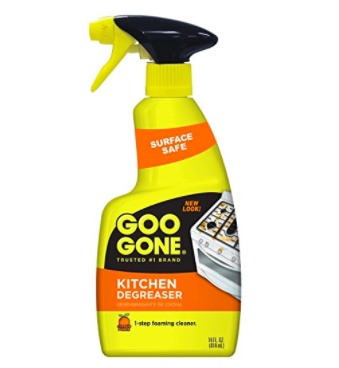
  • Goo Gone Kitchen Cleaner (foaming degreaser): WINNER by far! Easily and quickly cleaned sticky gunk off radio. Sprayed portion and then easily wiped clean with microfiber cloth. No damage to writing or graphics on radio. Whole radio took about 30 minutes. It would have been faster, except there are a lot of dials and nooks and crannies to work around.

Thanks for the tip, Steve!  I’ll add this to our growing list of sticky radio remedies!