Category Archives: AM

Paul Litwinovich on “The Life, Decline and Possible Rebirth of AM”

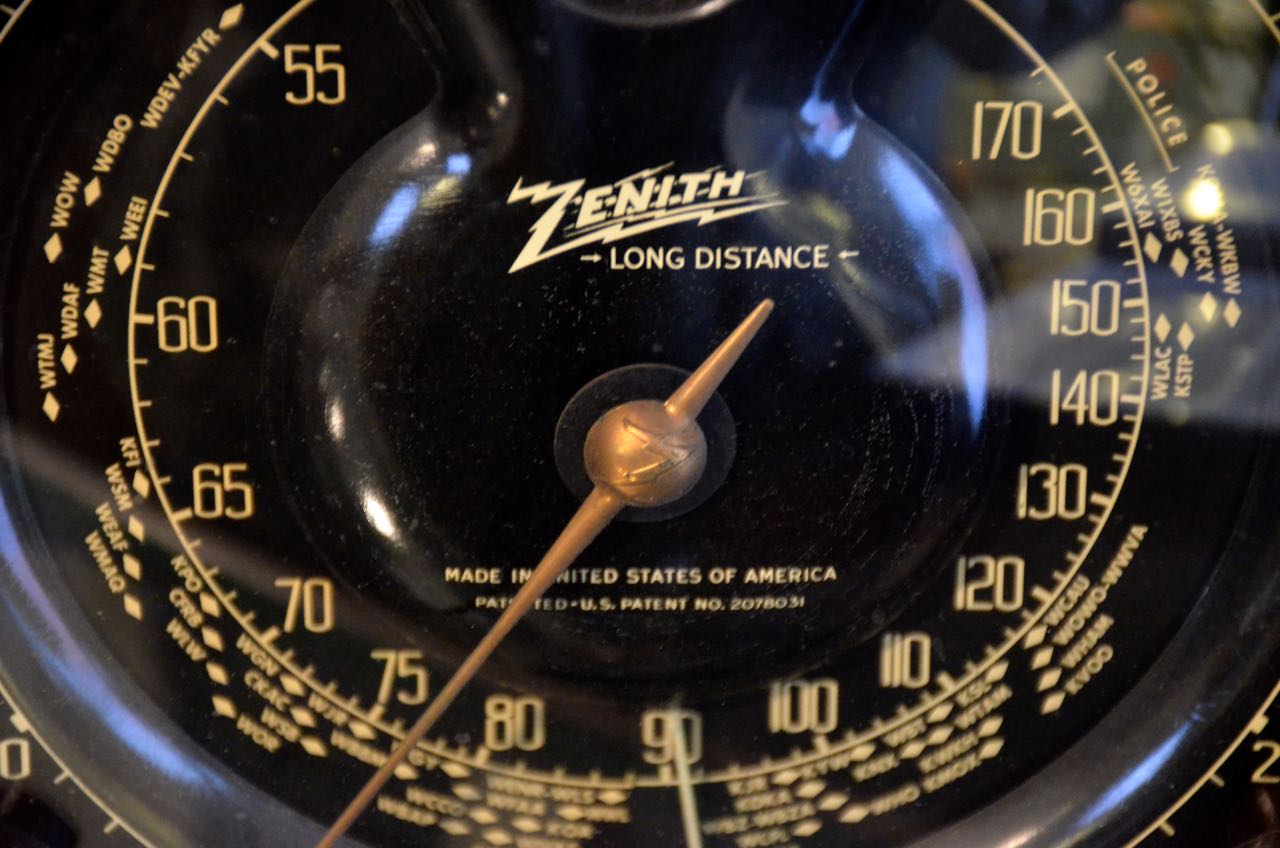
Zenith-Shuttle-DialMany thanks to the SWLing Post reader who noted this latest post by Paul Litwinovich at WSHU (Paul is frequently referenced here on the Post).
A short excerpt:

“AM occurs elsewhere in nature. A lightning strike or manmade electrical discharge will produce a burst of electrical noise that varies in amplitude. Since AM radios are designed to detect variations in amplitude, this is why they are prone to interference from such things. AM held sway as the primary method of modulating a radio wave up to WWII, not only for broadcasting, but for all types of radio communications.

Every vintage consumer radio, be it standard broadcast or shortwave, up to WWII, received amplitude modulated signals. Nowadays, AM broadcast stations are associated with lower quality audio, but such was not always the case. Receiver design really came of age in the 1930s with the superheterodyne circuit and advancements in loudspeaker design. The grand floor consoles of the late 1930s leading up to WWII were capable of producing audio that was very good, even by today’s standards, the only exception being that they were monaural, as stereo technology was still a ways off.”[…]

Litwinovich’s article is a must-read as he gives a concise overview of amplitude modulation, AM vs. FM, and even covers current proposed uses of the broadcast band (something we’ve also recently mentioned).

Click here to read The Life, Decline and Possible Rebirth of AM.

KIRO saves radio history by accident

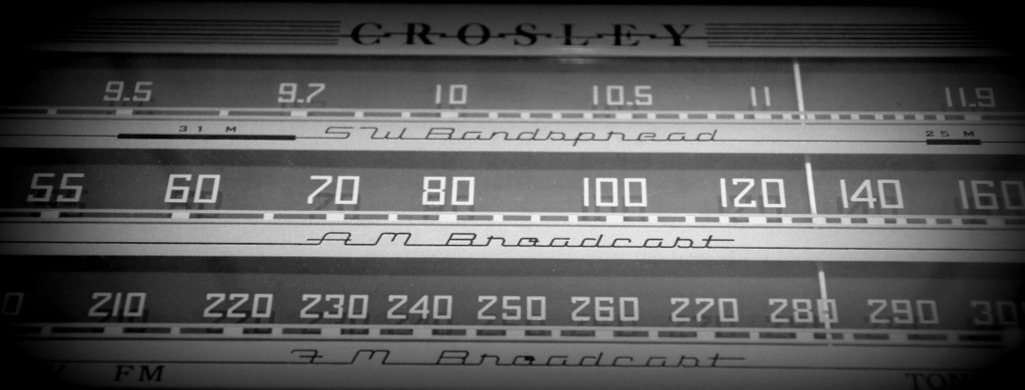
Crosley-Dial-BlackAndWhiteMany thanks to SWLing Post reader, William Lee, who shared the following story from Mynorthwest.com about how radio station KIRO saved a bit of radio history through “accidental preservation.” Here’a an excerpt:

One of the most important events of the 20th century was World War II. The Cold War that followed and many of the national borders that exist to this day were largely created during that deadly, years-long conflict from the late 1930s to 1945.

An expert speaking at the Library of Congress at the first-ever Radio Preservation Task Force Conference described how one of the most important tools for understanding World War II is available to researchers only because of an “accident” at KIRO Radio more than 70 years ago.

During his keynote address last week in Washington, DC, longtime archivist and librarian Sam Brylawski spoke of KIRO Radio’s role in saving a priceless audio record of American history.

It was a case of “accidental preservation,” Brylawski told the audience of more than 200 radio history scholars from around the US and Canada, that resulted in the creation of a nearly complete archive of CBS news broadcasts during World War II.

“KIRO is the station in Seattle that cut lacquer discs to timeshift,” Byrlawski said, explaining how the scheduling of live broadcasts of CBS Radio’s news coverage was aimed at the Eastern time zone, which was not convenient for West Coast audiences. KIRO, as Brylawski described, violated network radio policies to make recordings of news programs on giant, 16-inch diameter discs, and then play them back a few hours later at times that were more convenient to Seattle-area listeners.

Continue reading the full article and listen to the audio report at Mynorthwest.com…

CBS considering the sale of its radio division

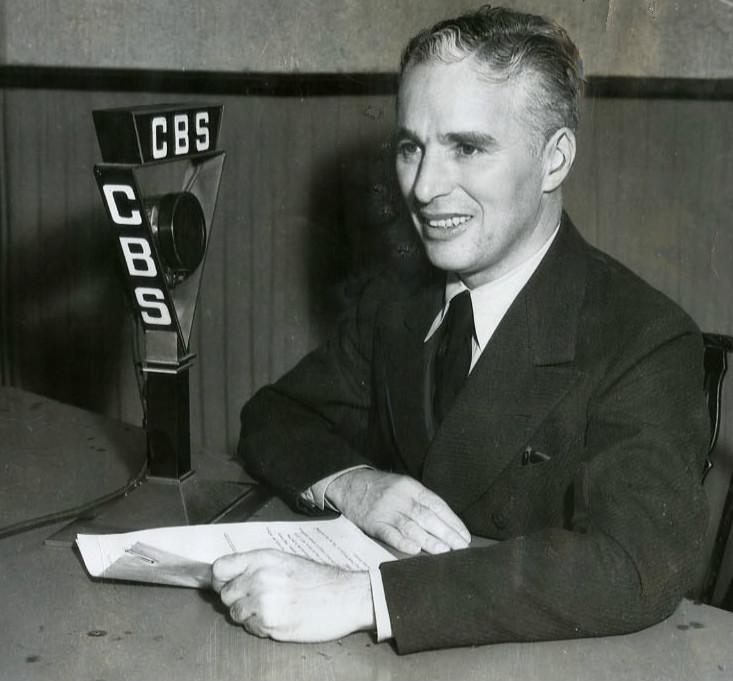
When Charlie Chaplin finally allowed the world to hear his voice after 20 years of mime, he chose CBS's airwaves to do it on. (Source: Wikipedia)

When Charlie Chaplin allowed the world to hear his voice after twenty years of silent performance, he chose CBS for the broadcast.

(Source: LA Times)

CBS Corp. is poised to exit the radio business that it helped create.

Eighty-eight years ago, the company’s founder, William S. Paley, bought the nascent Columbia Broadcasting System, and those radio stations became the nucleus of a budding broadcast empire.

But on Tuesday, CBS Chairman and Chief Executive Leslie Moonves said the company was exploring strategic options, including a sale or spinoff, of its entire radio division.

“The aim here is to unlock value for our shareholders,” said Moonves, who made the announcement during an investor day in New York.

The decision marks the end of an era and highlights the waning influence of commercial radio, which is no longer considered a growth industry. Young adults spend more time listening to digital music files, podcasts and subscription Internet radio services such as Spotify and Pandora. The shift has prompted major advertisers, including car dealerships, wireless phone companies and financial services firms, to steer more of their marketing dollars to digital platforms.

Continue reading at the LA Times’ website…

Stuart Sizer: Heathkit designer, dad, and “bon vivant”

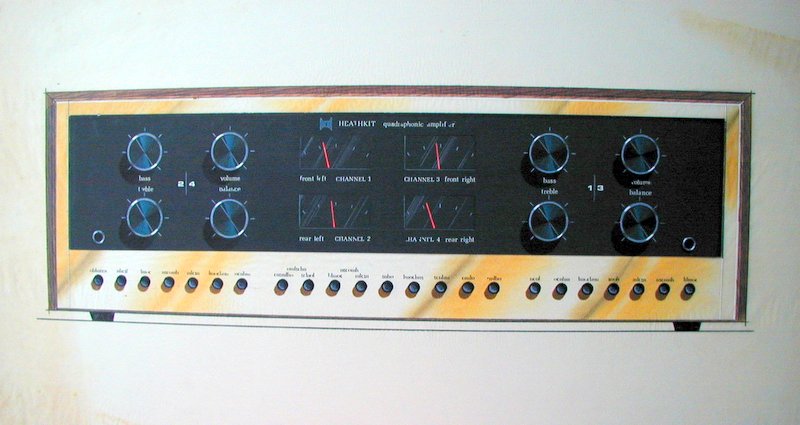
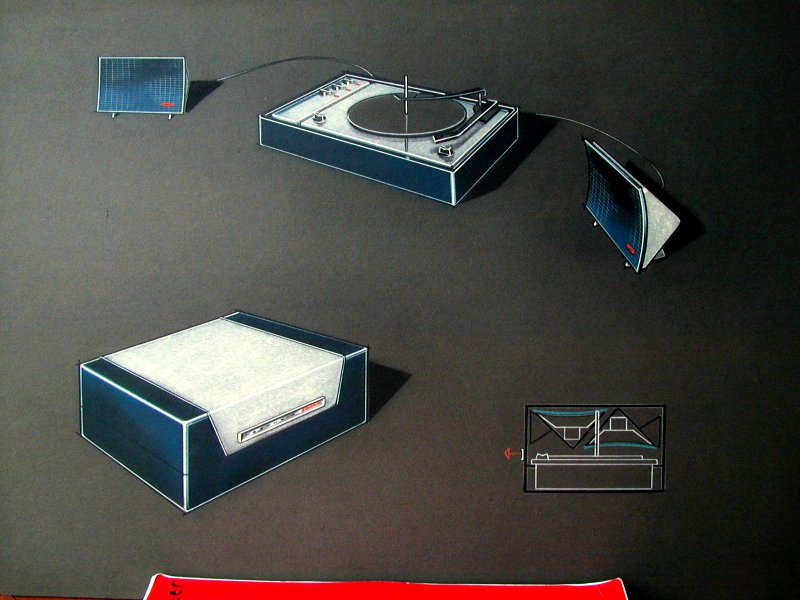
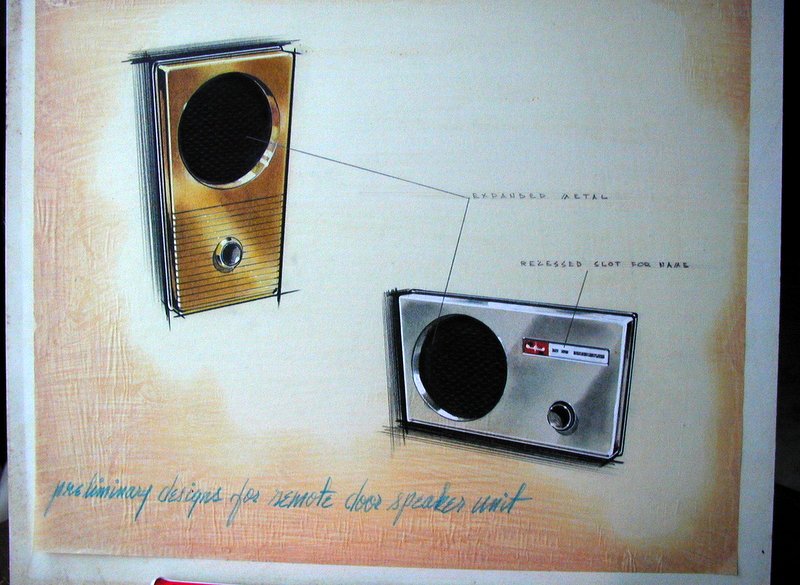
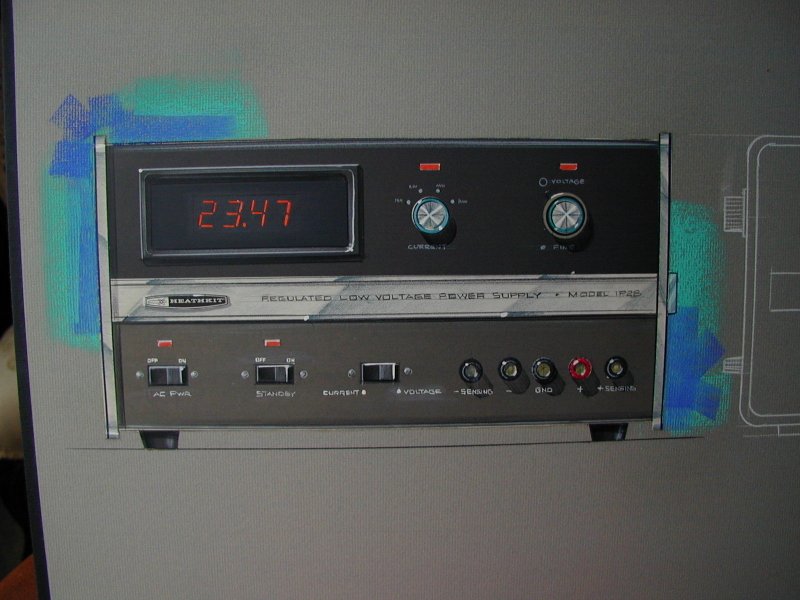
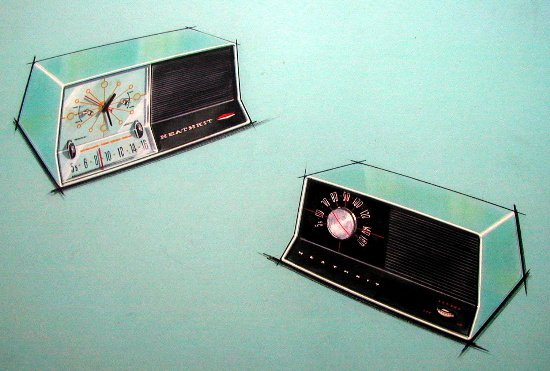
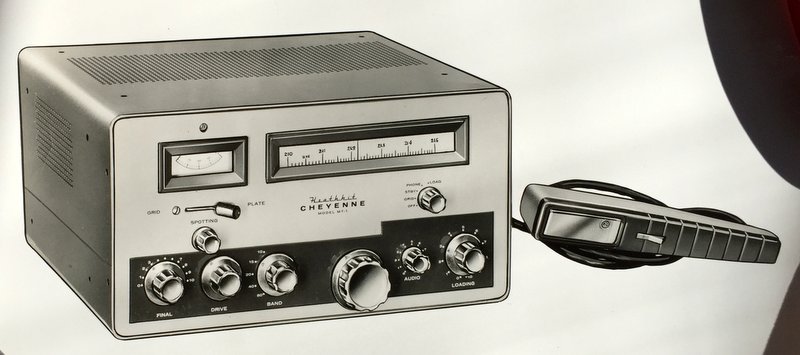
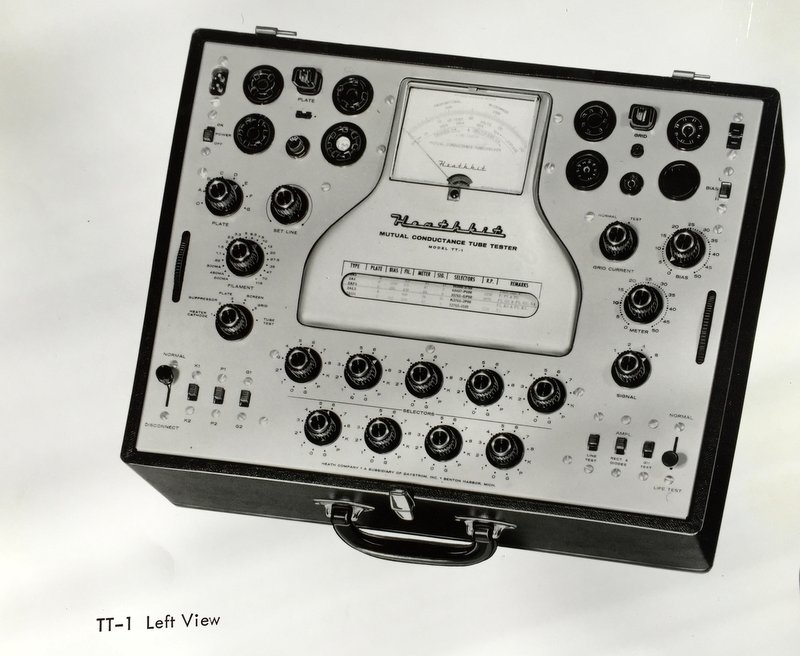
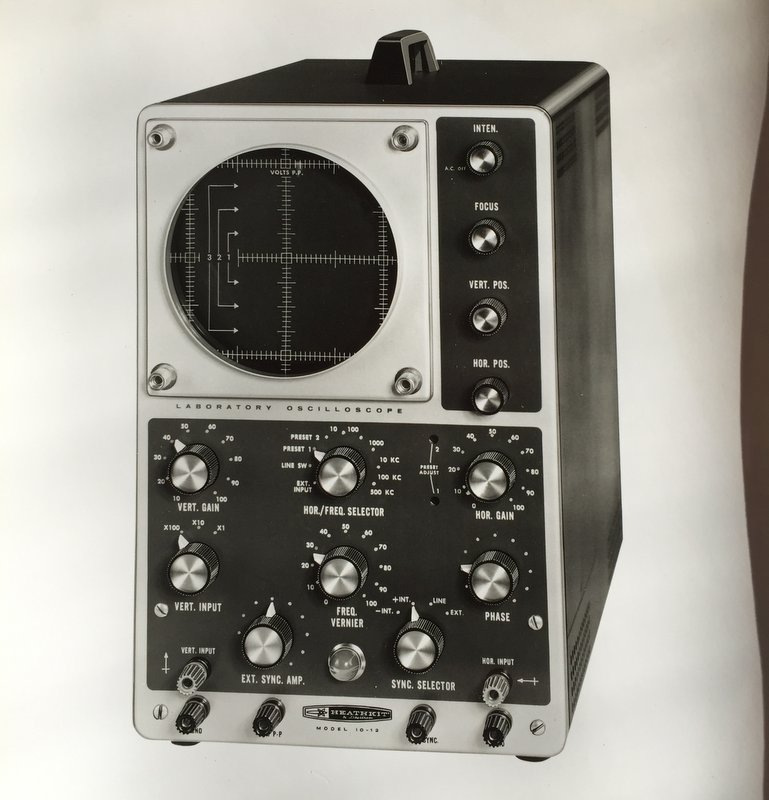
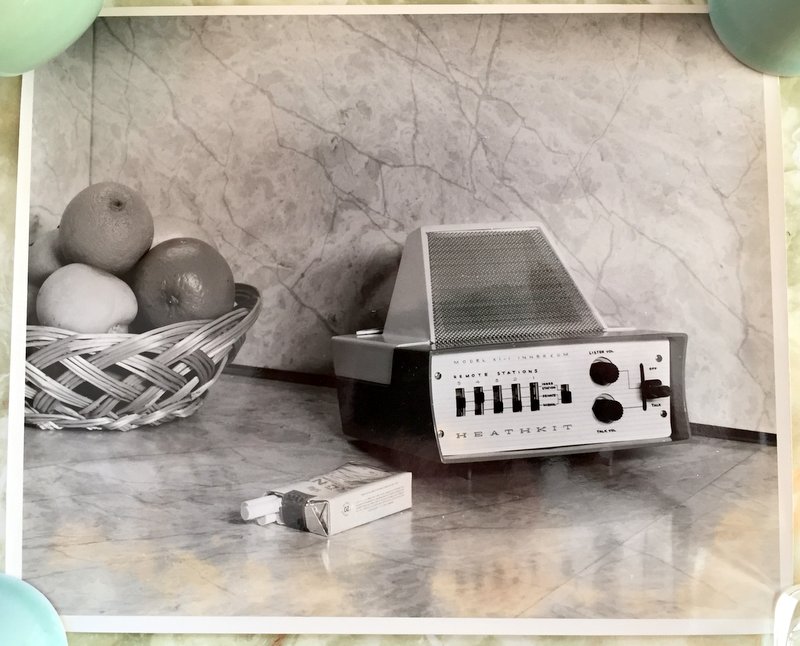
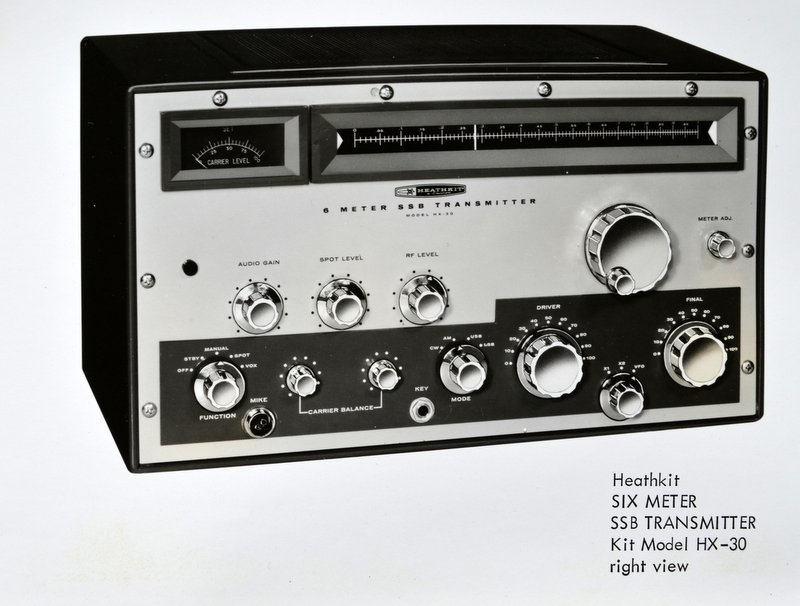
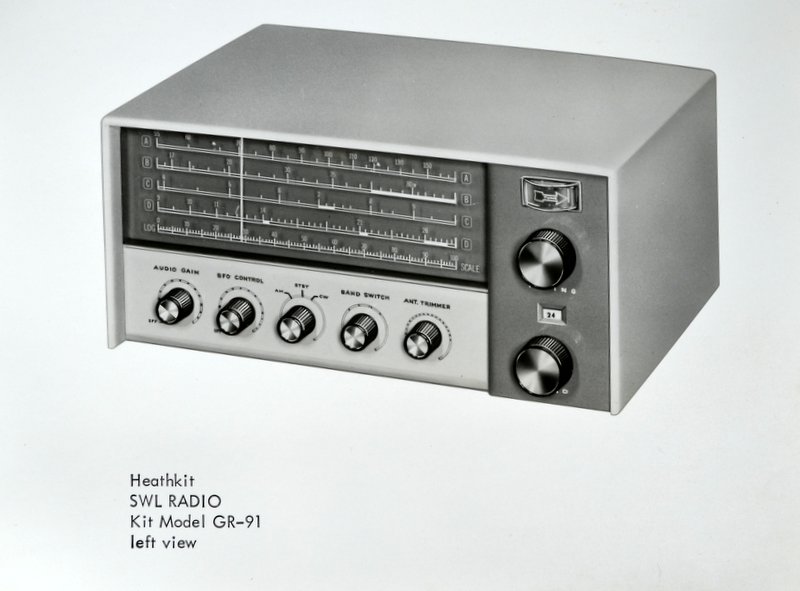
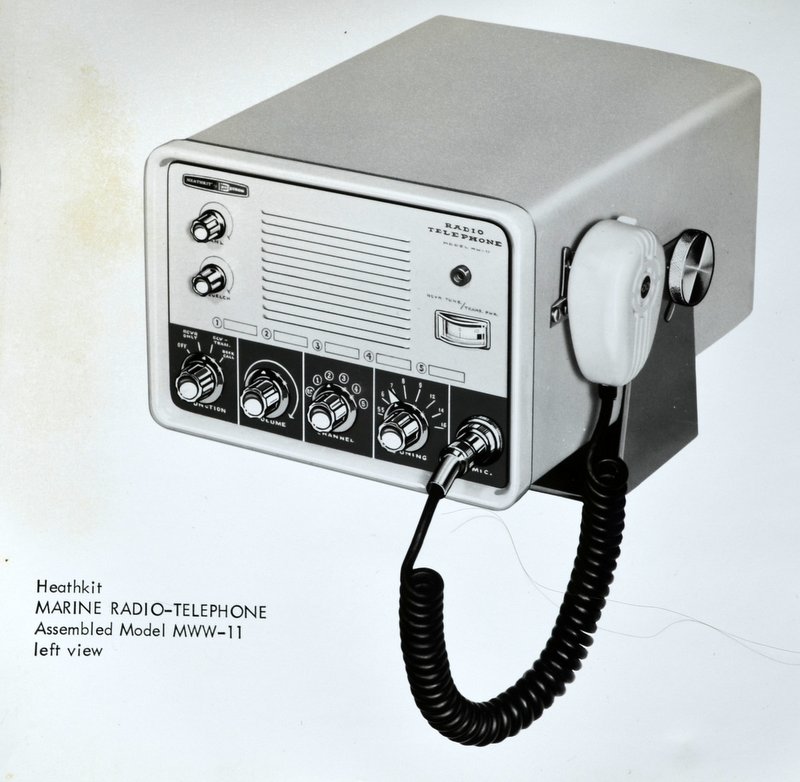
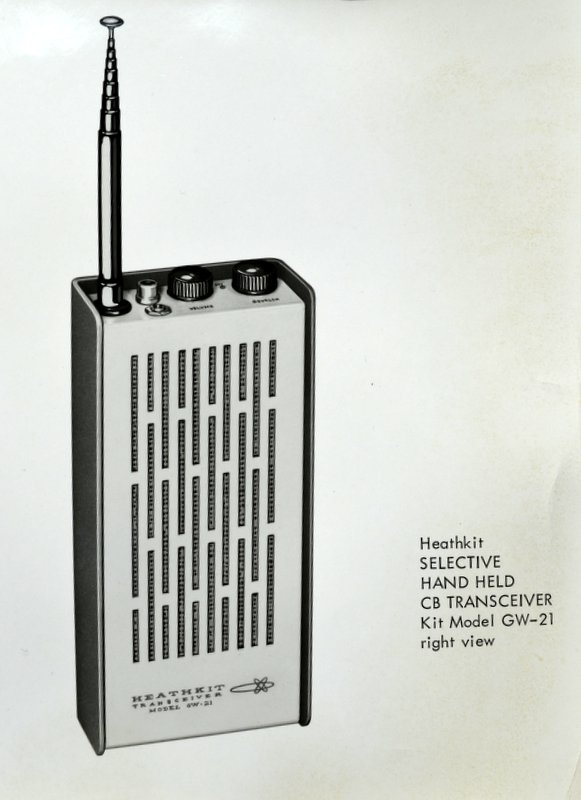
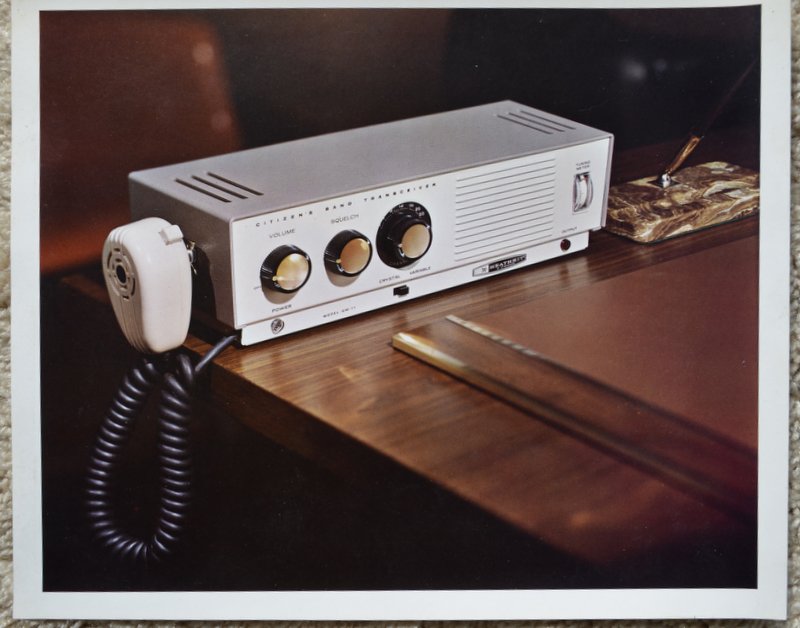
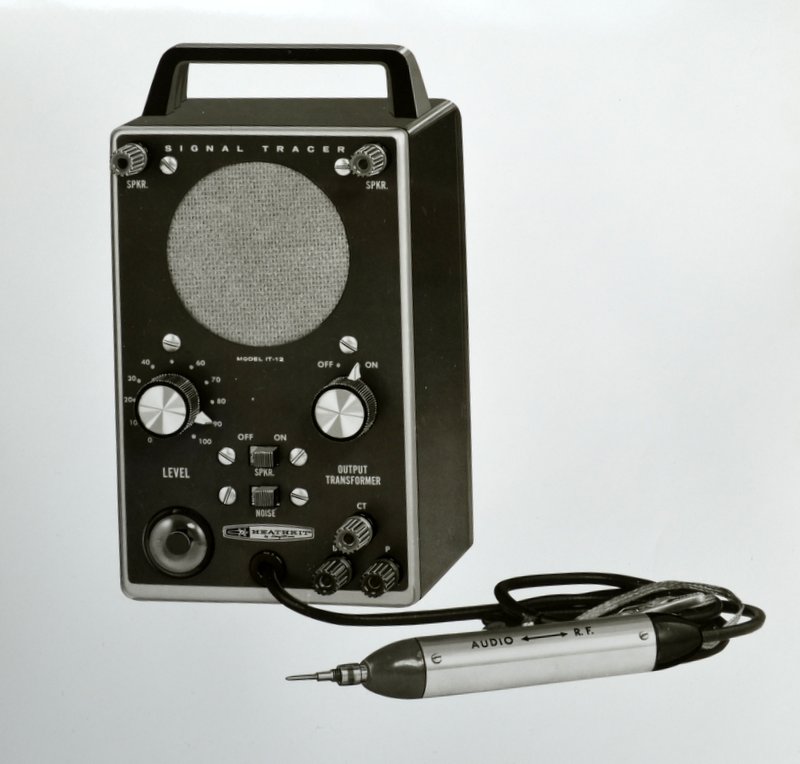
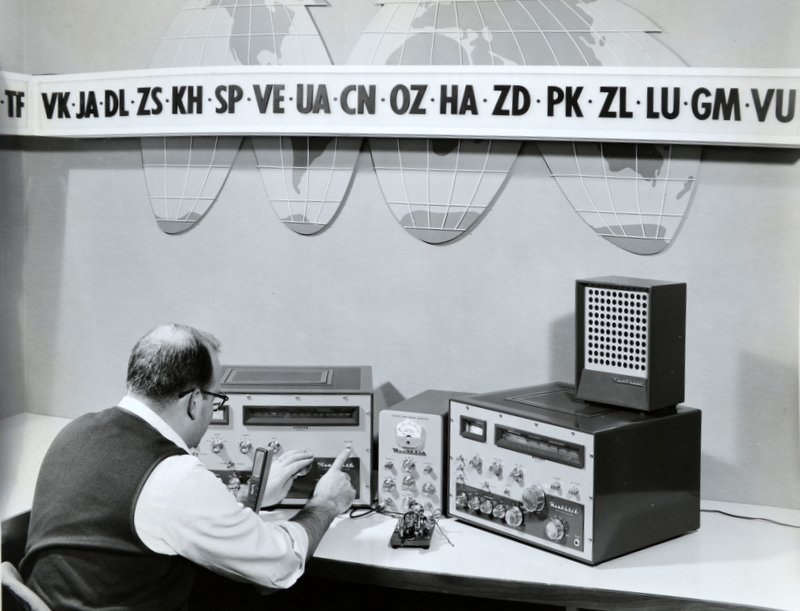
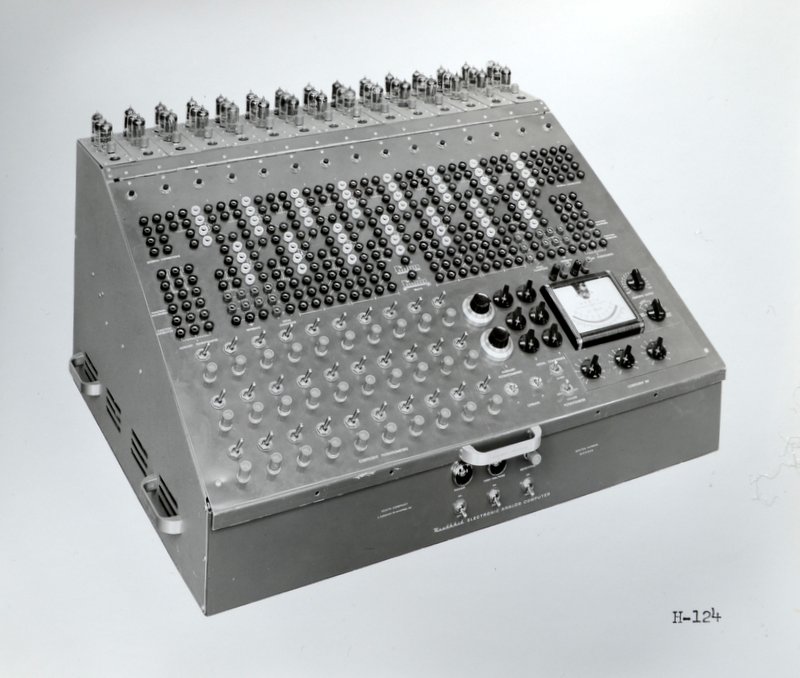
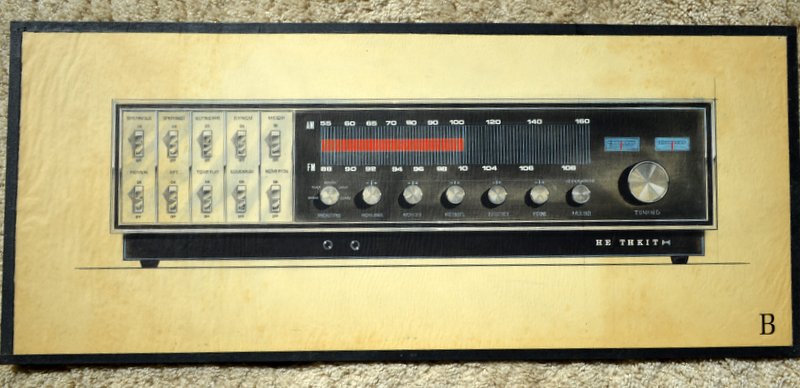
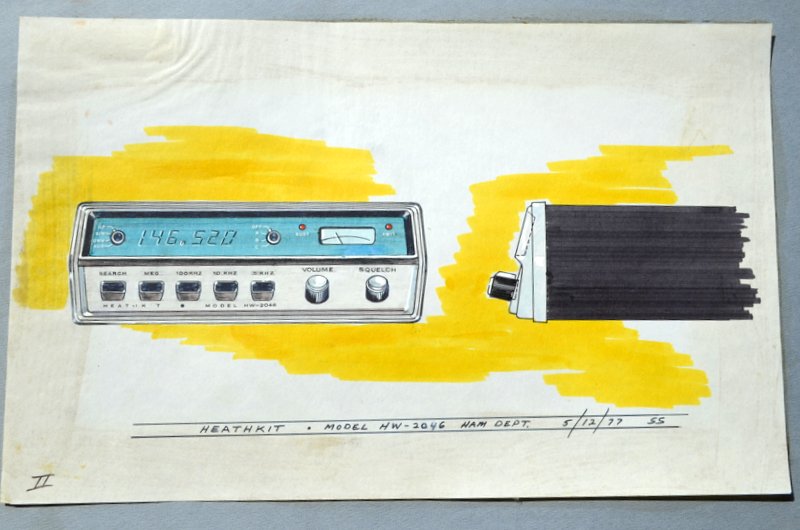
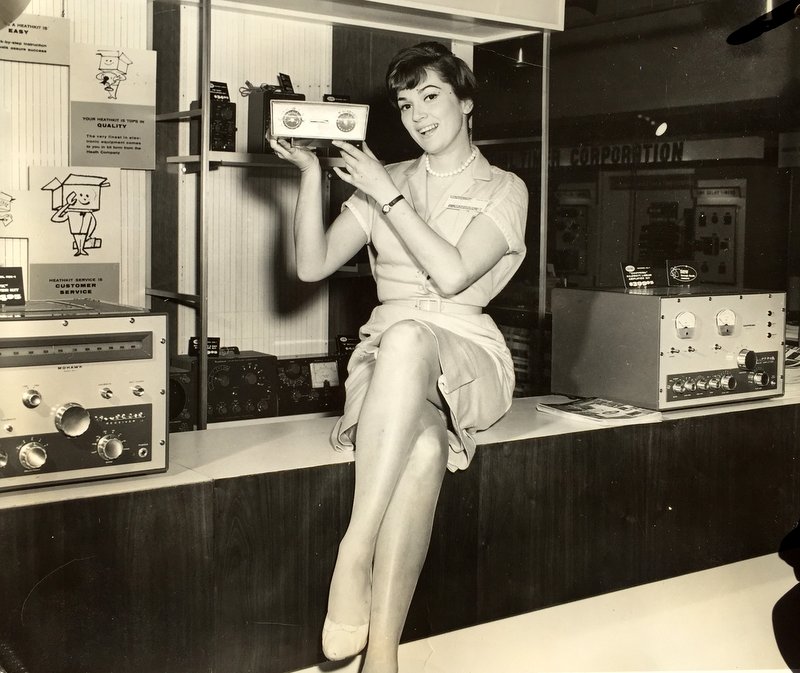
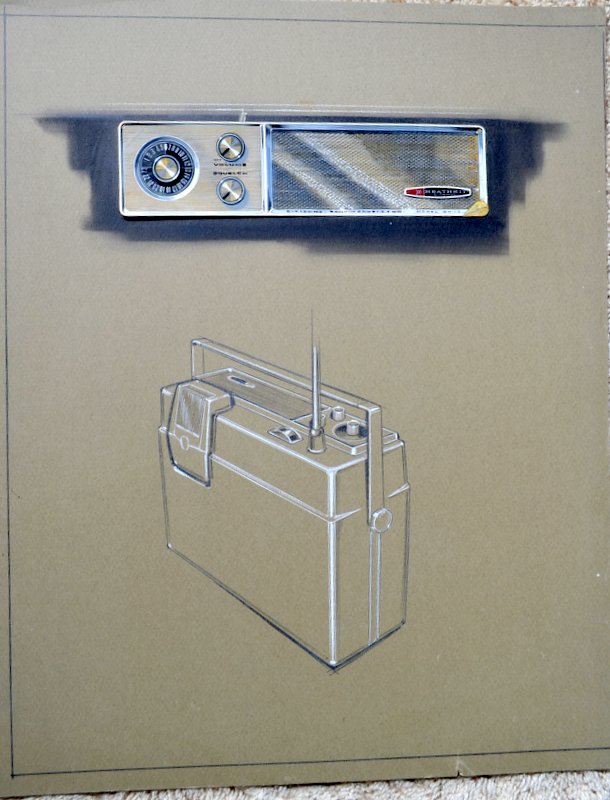
Heathkit-Drawings-2Two weeks ago, through a radio preservation group, I met the son of Heathkit product designer of the 1950s-70s, Stu Sizer––”stylist, artist, maker of models, bon vivant.” His son described the discovery of a few vintage Heathkit brochures, photos, and illustrations his father kept in his family’s basement shop, many of which had been scanned at some point.

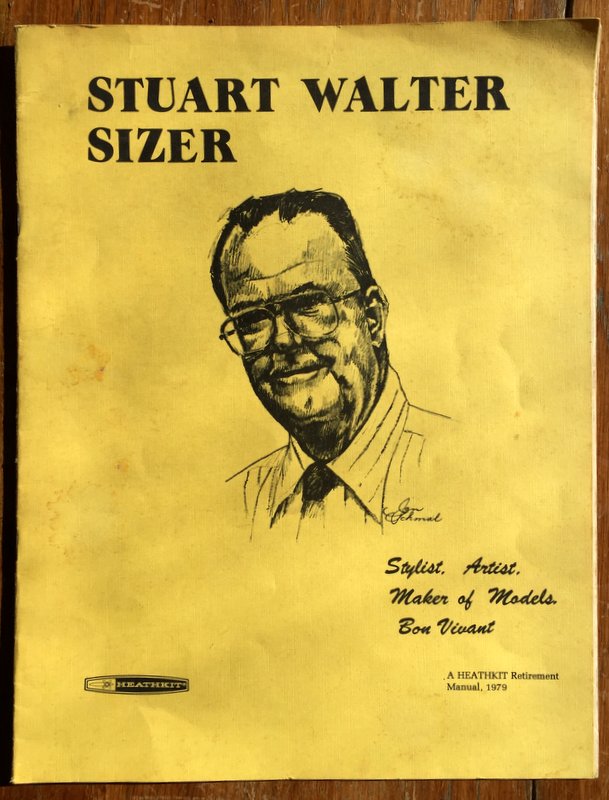
Stu Sizer––”stylist, artist, maker of models, bon vivant”––was tasked with crafting Heathkit’s user-friendly and attractive exterior designs. For many years Sizer was Heathkit’s only product designer, and was therefore often busy. “He was a great dad,” his son told me, “but he spent a lot of time in the basement proof-building kits.”  He adds wryly, “Let that be a lesson to the hams of this world.”

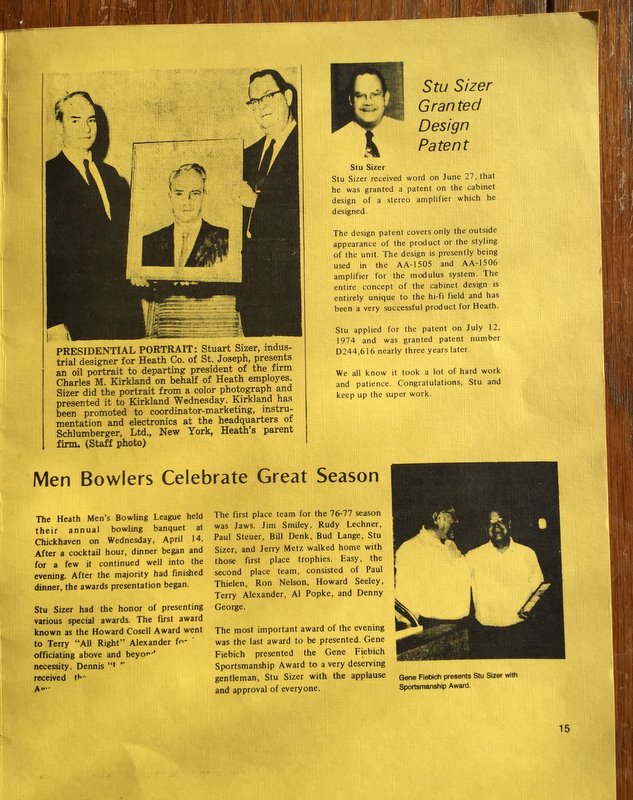
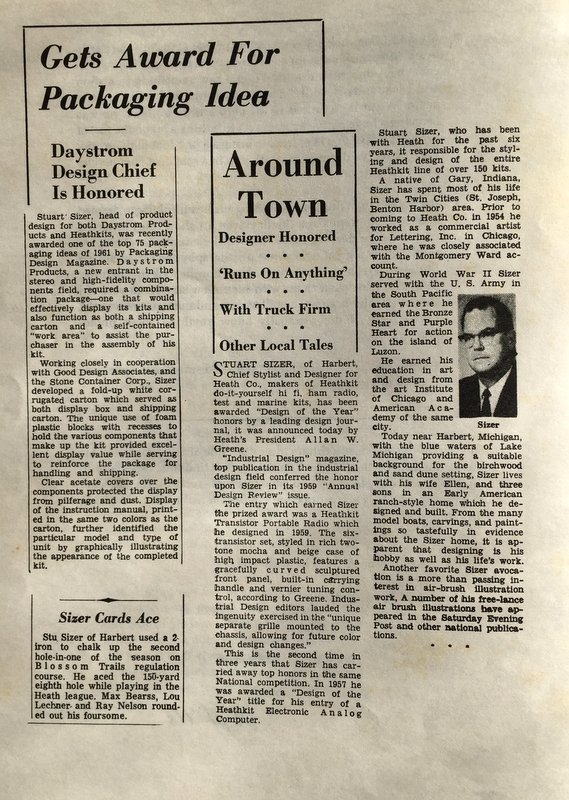
Sizer’s son kindly shared with us the following scans and photos of his dad’s work, many of which are original drawings; the series concludes with some clippings featuring Sizer.

PC241116 PC241108 PC241107 PC241106 PC241099 Heathkit-Drawings-16 Heathkit-Drawings-15 Heathkit-Drawings-13 Heathkit-Drawings-12 Heathkit-Drawings-11 Heathkit-Drawings-10 Heathkit-Drawings-9 Heathkit-Drawings-8 Heathkit-Drawings-7 Heathkit-Drawings-6 Heathkit-Drawings-5 Heathkit-Drawings-4 Heathkit-Drawings-3 Heathkit-Drawings Heathkit-Advertisement

On Stuart Sizer

Heathkit-Stu Walter SizerHeathkit-Stu Walter Sizer-3Heathkit-Stu Walter Sizer-2

James adds an LM386 amplifier kit to his Heathkit GR-150

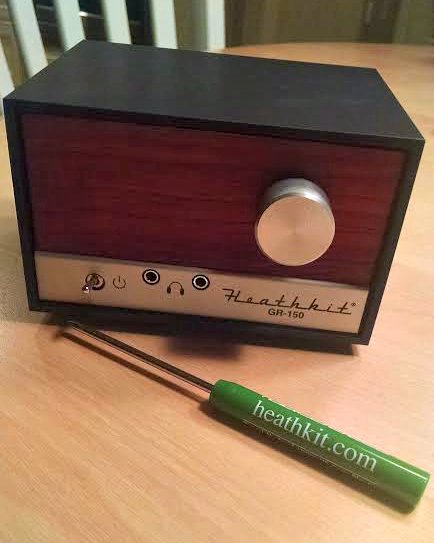
Heathkit Explorer Jr. Completed w. screwdriverMany thanks to SWLing Post contributor, James Surprenant (AB1DQ), who shares this update to his review of the Heathkit Explorer Jr. TRF AM radio receiver kit:


With regard to the Heathkit TRF AM receiver kit, I did indeed build my LM386 amplifier.

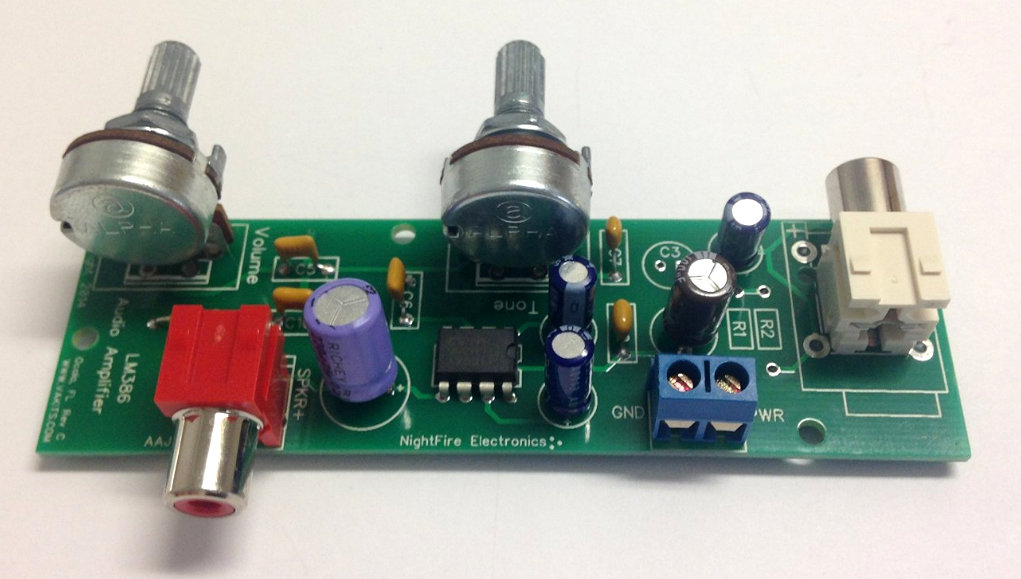
I was planning on home-brewing it from scratch as the chip is pretty much all you need and there are various proven schematics for the circuit, but in the end I went with a small kit from Nightfire Electronics for $10 plus $5 shipping that I found on Amazon.com.

It was a bit cheaper to buy it in kit form, of course, and then there was the convenience of having all the parts in one place.

Here is a photo of the kit as advertised on Amazon

kit

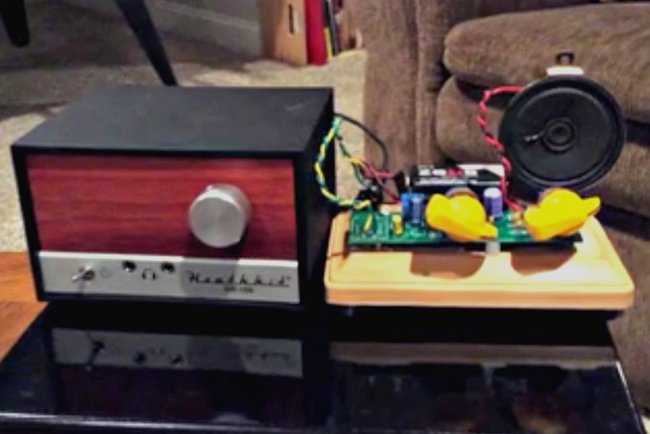
And here is my build with the Heathkit…

Heathkit + LM 386

I modified the kit to add a 3.5mm input jack, replacing the RCA jack that came with the kit, to make it easier to plug into the Heathkit radio.

I deliberated whether to install the audio amp into the Heathkit cabinet drilling out a couple of holes for the pot shafts. It all would have fit and I could have easily mounted the 3″ 8 ohm speaker to the back panel of the Heathkit radio. In the end, I decided to keep the radio original and mounted the amplifier board on a small piece of wood I found at a hobby store and decided to leave it all exposed. It works well, all things considered.

(Click here to view video on Facebook.)

It worked well and per my original review on SWLing Post, I feel Heathkit should have included such a little amp in the kit – it makes a big difference.


Many thanks for the update, James! That little LM386 amp kit seems like an affordable addition for any receiver lacking an amplifier or adequate audio amplification.

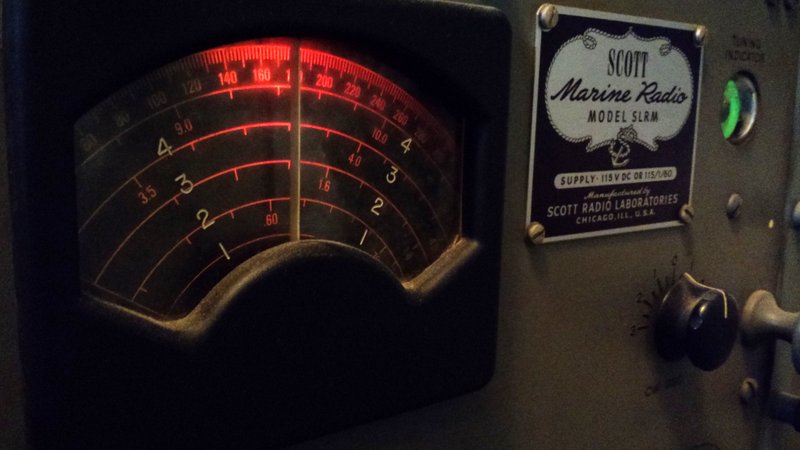
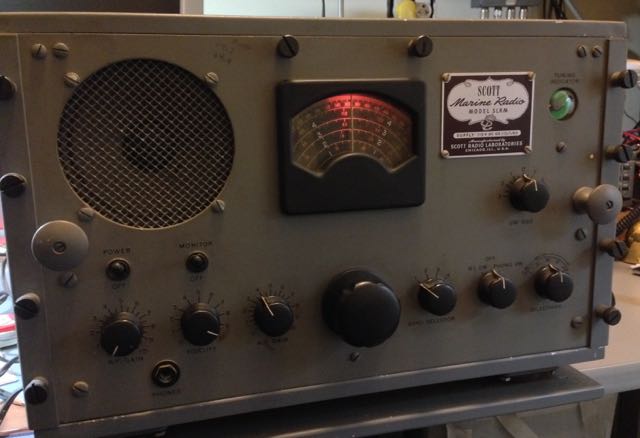
Tuning the Scott Marine SLR-M at sea

Scott-Marine-SLR-M-Dial

Many thanks to SWLing Post reader, Vendel Boeree (K2DSI), who writes:

Hi Tom, I just wanted to compliment you on your fine website. As a kid I would listen to Radio Netherlands which made me quite the hit with mom because she was homesick for our native Holland for quite some time. I was heart broken to find out that Radio Netherlands went dark not that long ago.

Scott-Marine-SLR-MBack in 1967 my family moved to Australia and went there by freighter. Things didn’t work out as planned and we returned on an old American freighter, the “African Moon”.

I became friendly with the radio operator on that ship and he let me shortwave listen when he was off watch. The receiver was a “Scott” and appeared to be the same as yours. They also had a “Scott” receiver in the lounge that had a slide rule dial that was used for entertainment purposes. I was hooked. I wanted to be a radio operator.

Needless to say I didn’t follow through on that dream and I suppose that’s just as well seeing as how ROs are a thing of the past.

Take care and keep up the good work.

Vendel Boeree/ K2DSI

Thanks so much for sharing those memories, Vendel! I bet reception was nothing short of amazing while you were at sea. I’m guessing the slide rule model Scott you listened to in the lounge was the model SLR-F (click here for a photo).

Just the other day, my wife looked around my radio shack and asked what radio I would grab if the house were on fire. My answer was the Scott Marine SLR-M. It represents everything I love in WWII era receivers: built like a tank, great sensitivity, beautiful back-lit dial, built-in speaker, phono in, a magic eye and–since it was intended as a troop morale radio–beautiful room-filling audio.

Yep. Scottie’s a keeper!

Radio Preservation Task Force conference in the press

Shepperd-RPTF-LOC-2

Last week, the Radio Preservation Task Force held a conference which focused on saving America’s radio heritage. I had hoped to attend in DC, but sadly had a conflict in my schedule that weekend.

I’m happy to see that the conference got several mentions in the press.

Many thanks to SWLing Post contributor, Bill Patalon, for sharing a link to this article in RadioWorld:

Preservation Conference Highlighted Unique Radio Perspectives

The launch of the first “Save America’s Radio Heritage” conference saw a greater turnout than expected, with a total of roughly 300 attendees over two days in the nation’s capital last week.

The event, held at the Library of Congress and the University of Maryland, focused on the state of radio preservation, but the conference was more than just about the process of preserving historical recordings and other radio documents, but sharing some of America’s unique uses of the medium.

The Radio Preservation Task Force calls itself the first national radio history project of the Library of Congress. It grew out of the Library’s ambitious National Recording Preservation Plan, published in 2012. The task force says radio is “perpetually declared to be a dying medium” but nevertheless attracts dedicated listeners and commercial and public support. The organizers have said radio’s history is a chronicle of culture and a potential trove for historical researchers. The national plan in 2012 specifically called for a symposium to discuss the challenges of preserving American radio broadcasts; last week it was put into action.[…]

Continue reading on RadioWorld’s website…

The conference also caught the attention of APM’s Marketplace:

Task force aims to preserve radio history

A group of librarians, academics, and audio enthusiasts is gathering in Washington Friday for a first-of-its kind conference. The topic: “Saving America’s Radio Heritage.” The meeting is part of a massive effort to preserve recordings going back to the early 20th century.

The effort is not focused on the classic network quiz shows and radio plays of the 1930s through 50s, said Chris Sterling, who chairs the Radio Preservation Task Force at the Library of Congress.

“We’ve pretty much got that stuff,” he said. “What we’re talking about instead is trying to get the local radio voice in America: commercial, educational, college radio, all of that.”

One example is a 1956 interview with Rosa Parks from the Pacifica Radio Archives, recorded after Parks’ arrest for refusing to give up her seat to a white man on an Alabama bus.

Also at PopUp Archive:

http://blog.popuparchive.com/?p=836

And on the CBS Radio Network:

Those of us who work in radio are proud it has such a long and interesting history…

[…]But there’s a problem: Radio, by its very nature, is ephemeral. That makes its history a little hard to document.

A conference going on in Washington, DC is helping to make the airwaves a bit more solid.[…]

Continue reading and listen to the full audio report on the CBS Radio Network.

I hope the RPTF hosts another conference next year as I would like input on archiving AM/MW spectrum recordings–something I suspect few in the field even know exists!

Any SWLing Post readers attend the conference?